

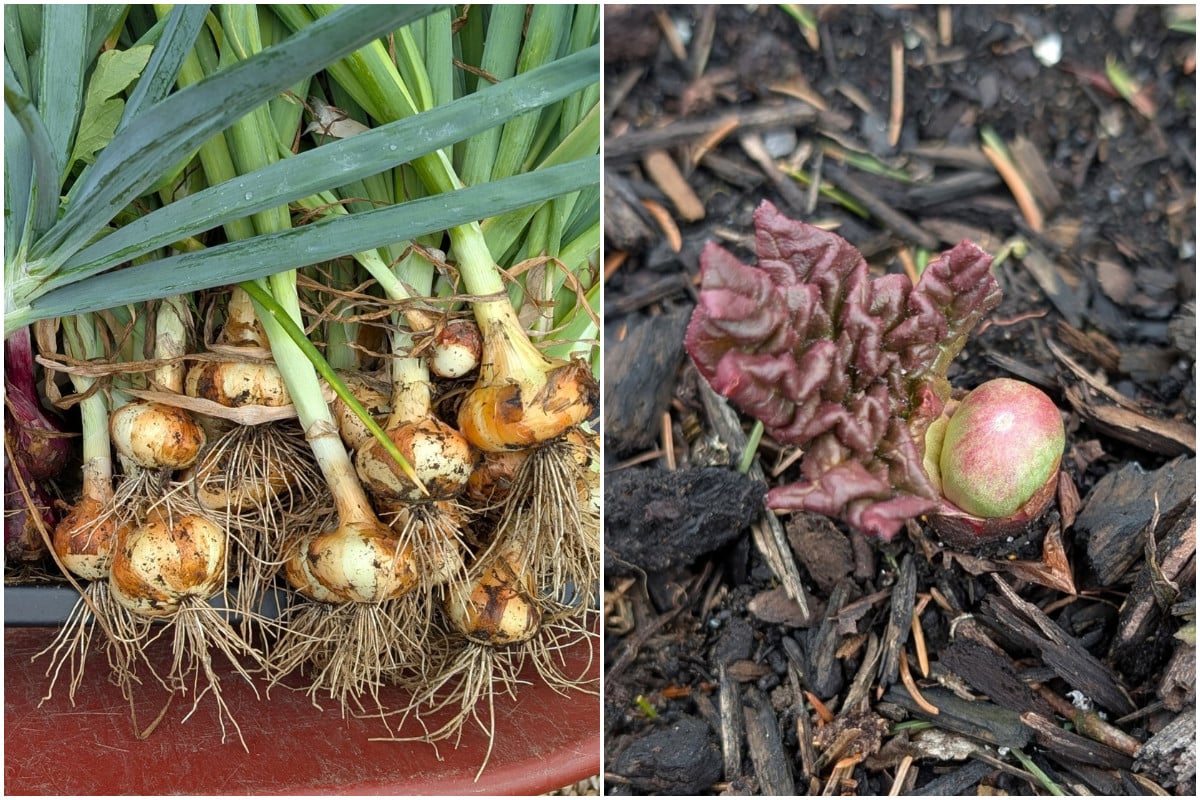
Most of us treat fall as the end of the gardening year. The tomatoes have all been picked, we tidy (or don’t tidy) our garden beds, and we’ve got at least until Christmas before the first seed catalog shows up in the mail. But with a little extra effort this fall, you’ll find that the following growing season greets you with fresh veggies.
A note on timing: fall planting always, always, always depends on your first frost date and when your ground freezes, not on a specific month of the year. The guidance I have provided below uses those markers so you can adapt it to your growing zone.
Garlic
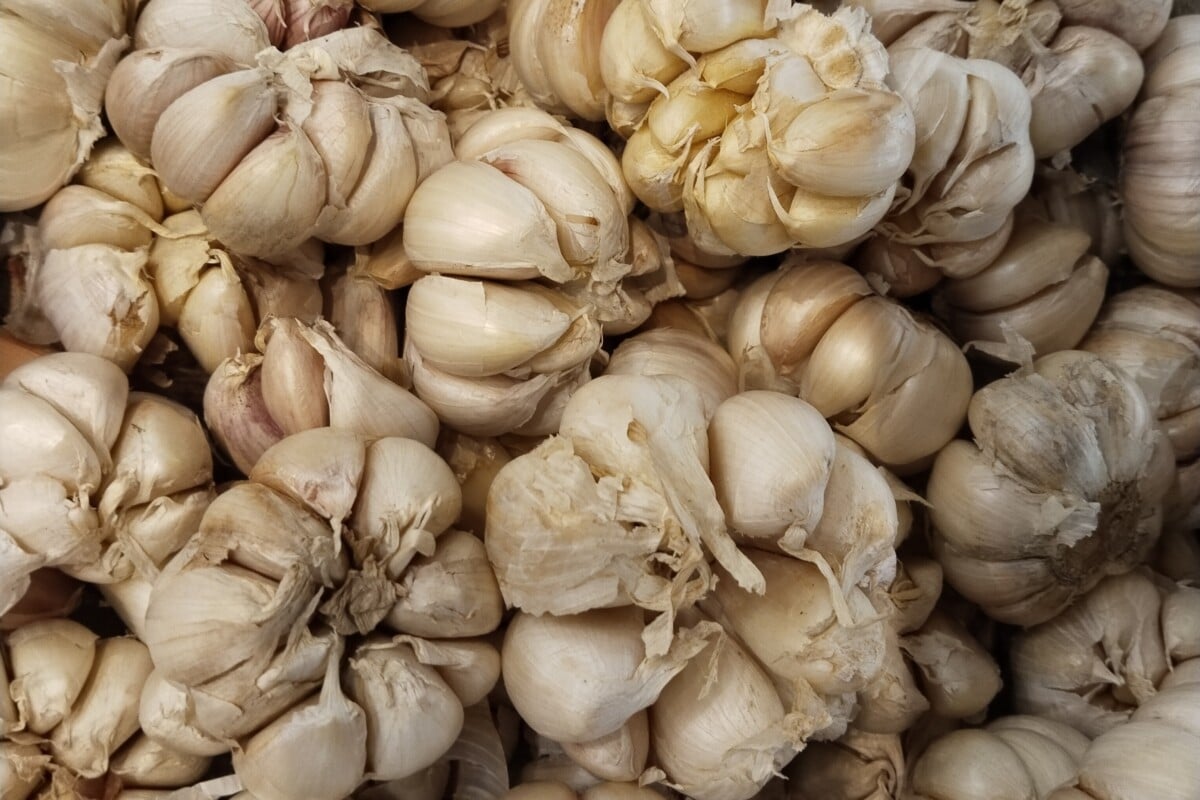
If you only plant one thing this fall, make it garlic. Seriously, growing garlic is so easy, and the garlic from your garden is a million times more flavorful than the stuff at the supermarket. Garlic needs a stretch of cold to divide into cloves. Roughly six to eight weeks below about 40°F triggers the process. (Vernalization.) If you were to plant your garlic cloves in the spring, you would skip this step and end up with a single garlic bulb instead of many cloves.
When to plant: About two to four weeks before your ground freezes. The cloves need time to put down roots, but not so long that they push a lot of top growth before winter. (I live in growing zone 6b, and I plant my garlic in October.)
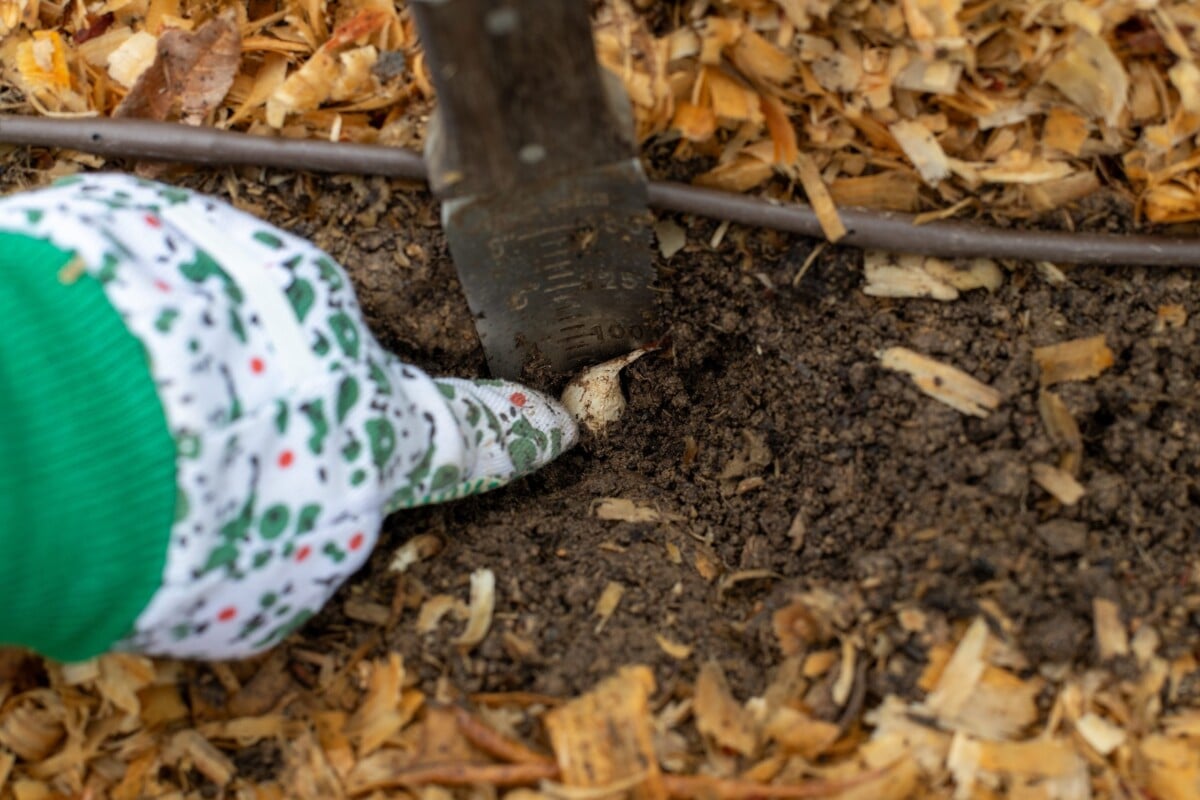
How to plant: Check out my tutorial on how to plant garlic here.
Hardneck or softneck? Hardneck types like ‘Music’ and ‘German Extra Hardy’ handle harsh winters best. (I like to grow several varieties, but at least one of them is always ‘Music’.) They also send up curly flower stalks, called scapes, in late spring. Snap those off and make some delicious pickles with them. Softnecks store longer and do better where winters are mild, so our southern gardeners will want to grow softnecks.
Winter garlic care: Cover the bed with 4 to 6 inches of straw or shredded leaves. This protects the cloves from freeze-thaw cycles that can push them out of the ground. Pull the mulch back a bit in spring if it’s really matted down.
Harvest: Early to midsummer, when the lower third of the leaves have browned.
Shallots
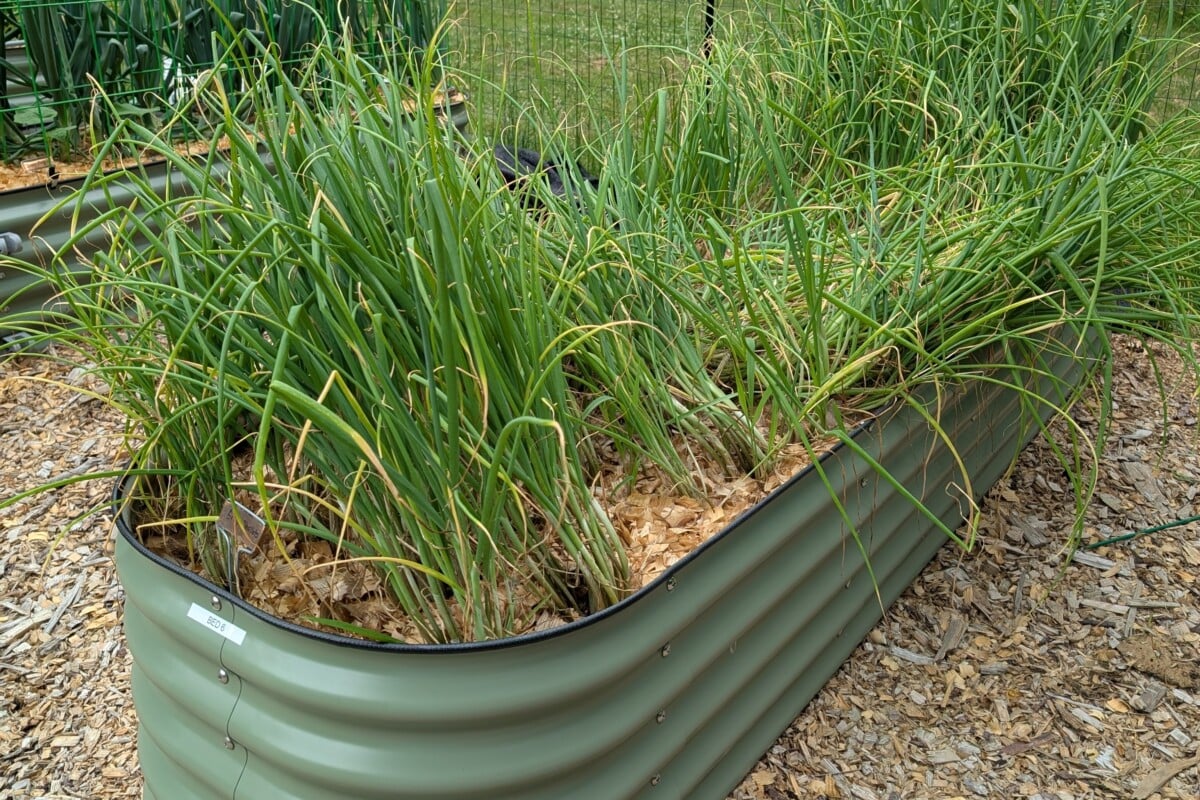
Shallots grow much like garlic and fit into the same planting session. Each bulb you plant divides into a cluster of five to ten new ones by summer. If you love to cook and have never grown shallots before, do it! I grew them for the first time myself last year, and I’m so glad I did.
When to plant: Same window as garlic, a few weeks before the ground freezes.
How to plant: Set bulbs 6 to 8 inches apart. Plant them shallower than garlic, with the tips just at or barely below the soil surface. Buried too deeply, they will rot. Shallots need really good drainage to do well. Clay or compacted soil won’t cut it.
Winter care: Mulch the same way you would garlic.
Harvest: Early to midsummer, once the tops yellow and flop over. Let them cure somewhere dry and airy for two weeks before storing. Chop them up and put them in everything you cook and tell everyone that eats them that you grew them yourself. They’ll be so impressed.
Onions
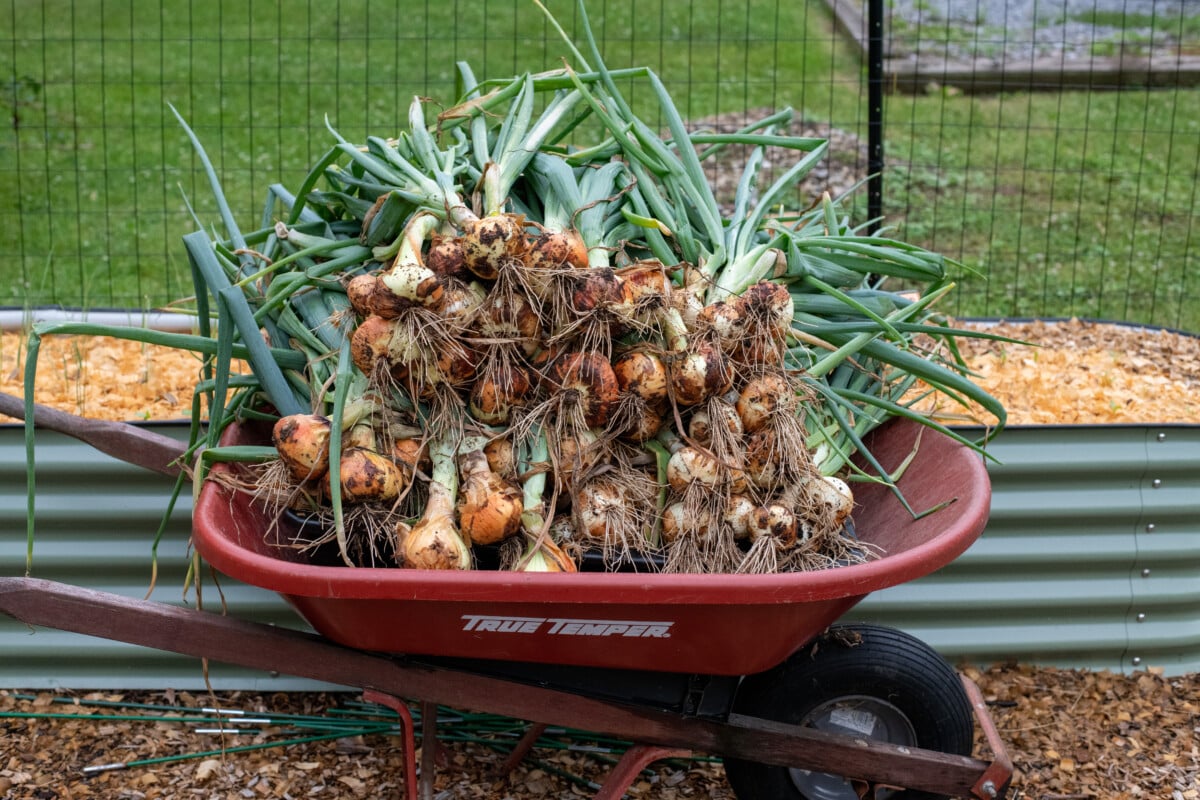
Most onions are started in spring, but certain varieties are bred to overwinter and are ready by late spring or early summer. That’s weeks before anything you could plant in the spring. You’ll want to look for overwintering types sold as sets or transplants, like ‘Walla Walla’, ‘Bridger’, or ‘Top Keeper’.
The trick with fall onions is size. This is one instance where bigger is not better. Onions are biennials. If a plant goes into winter already thicker than a pencil, the cold can signal it to flower in the spring instead of forming a bulb. Look for the smallest, well-rooted plants or sets, not big ones.
When to plant: Follow the supplier’s guidance on this one; generally that means late summer to early fall in colder zones, and later in milder ones.
How to plant: Plant sets about 1 inch deep and 4 to 6 inches apart. Onions are heavy feeders and poor competitors, so start with rich, weed-free soil.
Winter care: Mulch lightly. In very cold zones, a row cover gives extra insurance.
Harvest: Pull a few as green onions in early spring; their bright bite and flavor are a great shock to the system after a winter of heavy, rich foods. Bulbs are ready from late spring into early summer, depending on variety.
Spinach
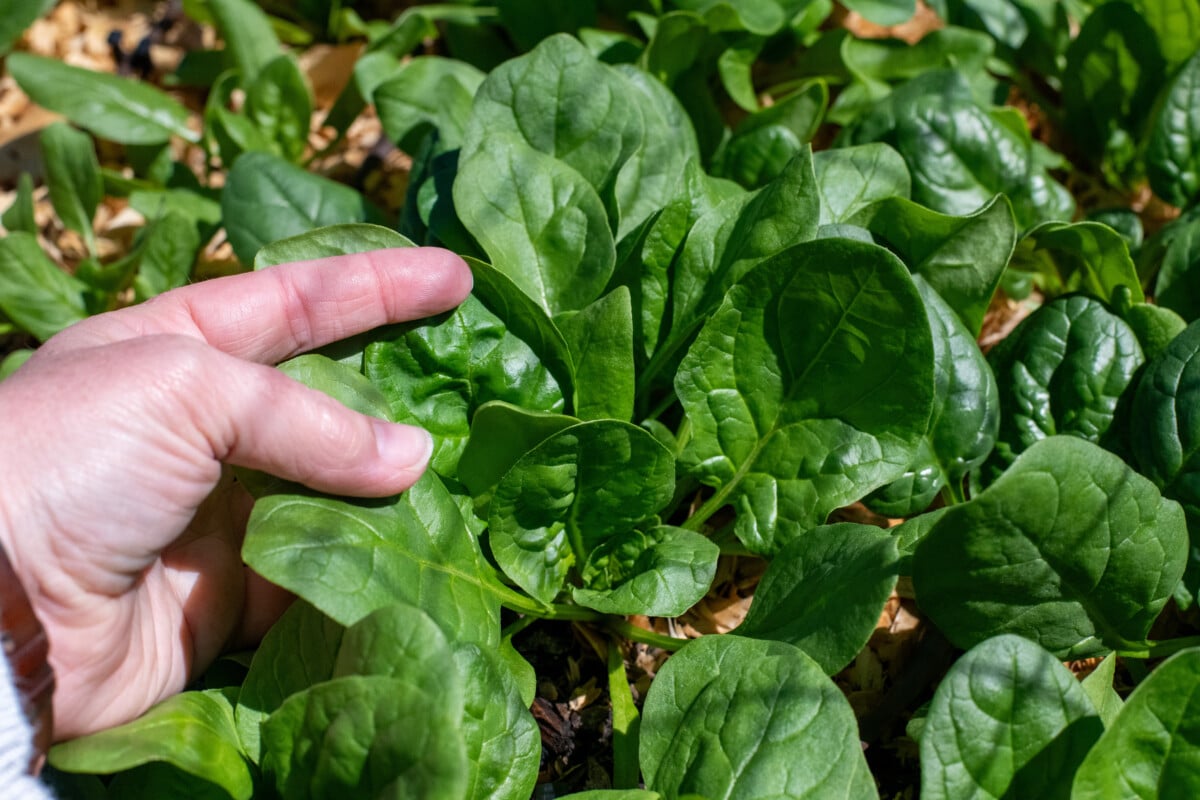
Spinach is the one crop on this list you’ll actually harvest in early spring, and it’s definitely worth the fuss of overwintering. Overwintered spinach is often sweeter than anything you can grow in spring. As temperatures drop, the plant builds up sugars in its leaves to keep the cells from freezing. All those extra sugars make for tastier spring spinach.
When to plant: Sow about four to six weeks before your first frost. You want plants with four to six true leaves by the time a hard frost arrives. Young rosettes that size survive winter far better than tiny seedlings.
How to plant: Sow seeds ½ inch deep; once they’re up, thin to 3 to 4 inches apart. Cold-tolerant varieties like ‘Winter Bloomsdale’, ‘Giant Winter’, and ‘Space’ are the best bets.
Winter care: Spinach is remarkably hardy, but protection improves your odds considerably, especially in zones 5 and colder. A row cover, low tunnel, or cold frame works well. So does a fluffy layer of mulch around the plants. You can easily adapt my spring model of growing spinach to fall.
Harvest: Growth resumes once days begin to lengthen, in late winter. You’ll find yourself picking fresh spinach as early as March or April, well before a spring sowing would even germinate. Pick outer leaves and let the center keep producing. But at the first hint of true heat, your spinach will bolt, so enjoy it while it lasts.
Rhubarb
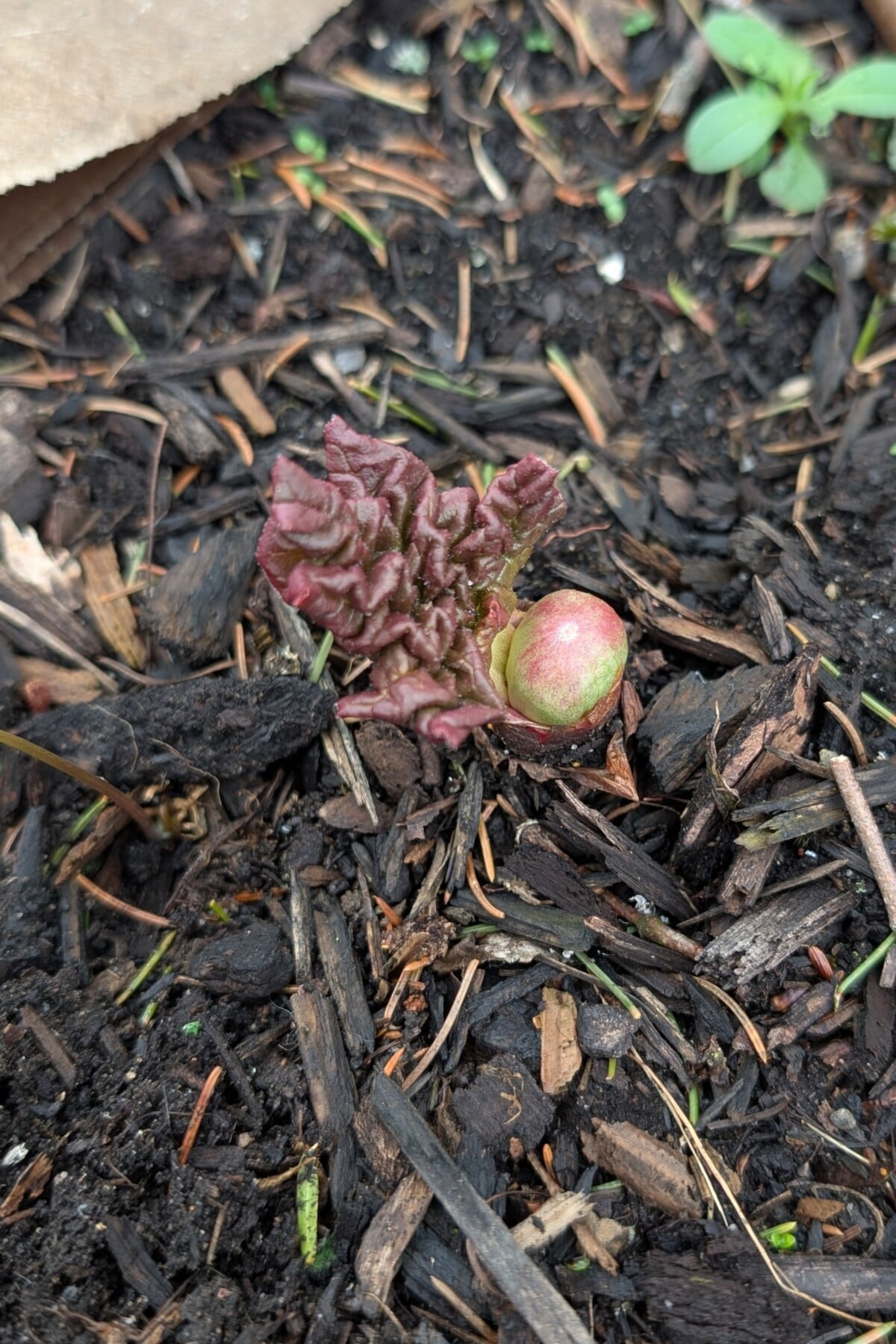
Okay, I lied. You won’t be eating your fall-planted rhubarb next year. But fall is a great time to start your future rhubarb bed. Rhubarb is a perennial, and one well-placed plant can produce for 20 years or more. Fall is an excellent time to plant dormant crowns. The roots settle in through the cool months, and the plant emerges in spring already established.
Be patient, though. You won’t be making pie next spring. Leave a newly planted crown unharvested for its first year so it can build up its energy reserves. Harvest your rhubarb lightly in the second year, and fully from the third year on. You can read more about how much and when to harvest rhubarb here.
When to plant: Several weeks before the ground freezes, while the soil is still workable.
How to plant: Pick a permanent, sunny spot with rich, well-drained soil. Rhubarb crowns rot in soggy ground. Dig a hole that will accommodate plenty of compost or aged manure, and set the crown so its buds sit 1 to 2 inches below the surface. Space plants 3 to 4 feet apart. Remember, they get big!
Winter care: Mulch after the ground cools. The cold actually helps you out here, as rhubarb needs a winter chill to break dormancy properly.
Harvest (from year two): Pull stalks at the base rather than cutting them. Never take more than a third of the plant at once. Stop by early summer so the plant can recover and store energy for the following year. Eat only the stalks. The leaves contain high levels of oxalic acid and are toxic.
Want Something to Eat Sooner?
Everything on this list is a long game, and that’s half the fun. You do the work now, forget about it for a few months, and then get rewarded next year. But if you’re itching to harvest something this season, there’s still time. Plenty of quick-growing, cool-weather crops can go from seed to your dinner plate before your first frost. Here are 7 vegetables to plant right now for a lightning-fast fall harvest.
And if you’d rather not take a break from harvesting at all, don’t. With the right crops and a row cover or cold frame, you can keep picking fresh food right through the coldest months. These 13 cold-hardy vegetables will keep your garden producing all winter long.
Get the famous Rural Sprout newsletter delivered to your inbox.
Join the 50,000+ gardeners who get timely gardening tutorials, tips and tasks delivered direct to their inbox.