

So many gardeners are missing out on one of the coolest experiences of gardening – planting and growing a winter garden. Oh sure, we all like to grow a handful of cool-weather crops in the fall, but growing crops in the middle of the winter is on a whole other level. And the thing is, it doesn’t take any extra skill, and it’s actually easier to grow crops in the winter. (Pests? What pests?) It’s merely different planning and some protection from the cold.
Why Everyone Needs to Grow a Winter Garden at Least Once
I’m going to be completely honest with you. Nothing makes you feel like more of a badass gardener than picking a salad from your snow-covered garden in January.
And I don’t know about you, but these days when I hit up the greens at the supermarket, I can’t help but feel like I’m taking my life into my hands.
If I eat this bag of salad, will I regret it six hours from now?
It seems like there is a new food safety recall every week, so growing my own vegetables all year long keeps us healthy beyond the obvious ‘eat more vegetables’.
The Planning & Getting it Right
If you’re going to grow a winter garden, you need to act soon. Winter gardening is less about growing food during the winter and more about letting mostly mature plants continue to grow as you harvest them throughout the coldest months of the year.
During the shortest days of the year, your plants are essentially on pause. Think of it this way: whatever size you can grow them to by mid-November is basically when you’ll have to eat until the days start lengthening again. The good news about that is that they are basically in self-preservation mode, so even if they aren’t growing much, they aren’t rotting where they are either.
To time when you sow your winter garden crops, count backward from your first frost date using each crop’s days to maturity. Now add one to two weeks to that number, as growth slows as fall temperatures drop. (Several of these crops need to go in during mid to late summer, which is exactly when the summer garden feels busiest.)
Protect the Veg!
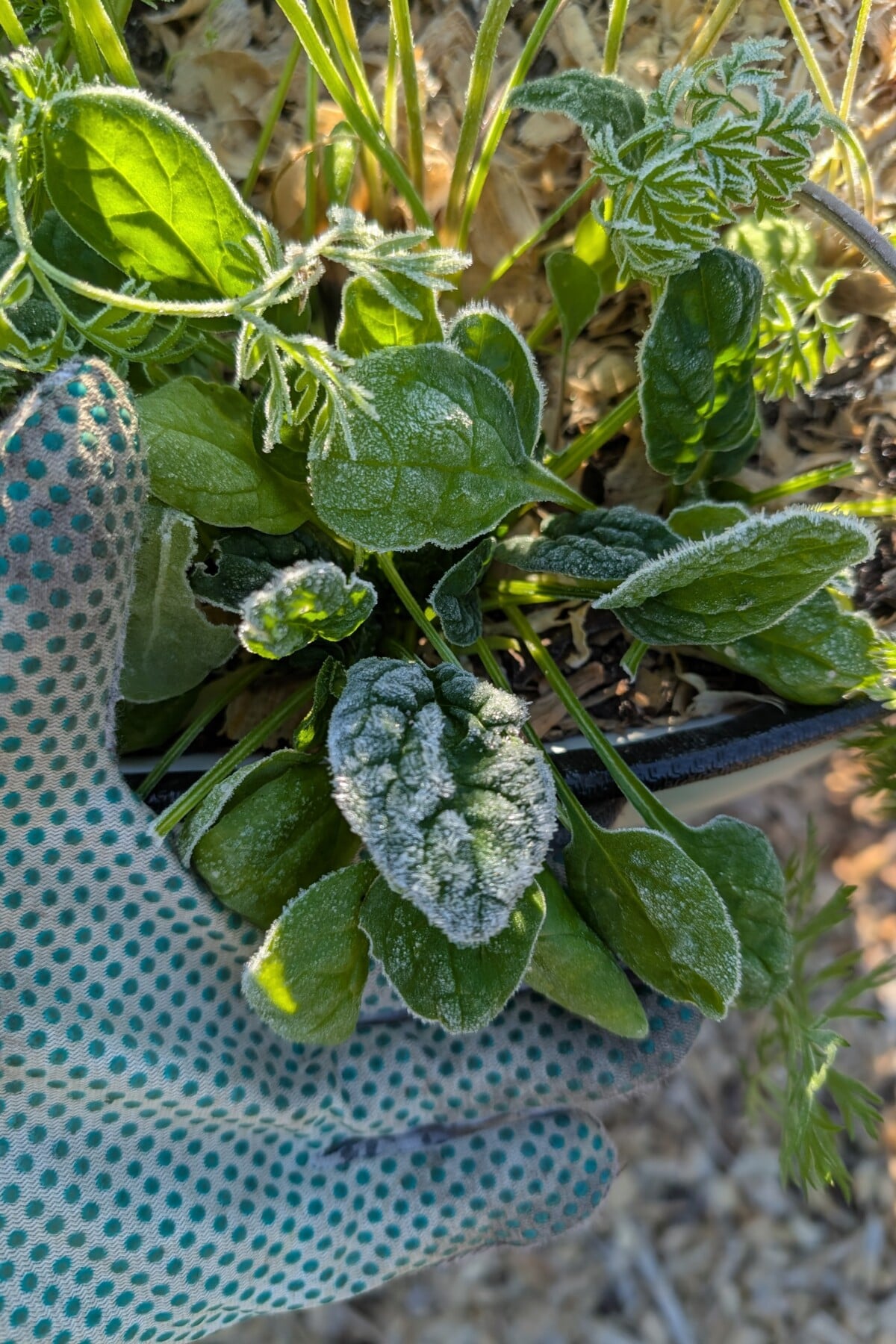
Winter gardens may be pest-free, but they need to be protected from the elements. Ice crystals that pierce plant walls, winter winds that dry out plants faster than a summertime drought, heaving freeze-thaw cycles that can literally push plants right up out of the ground, and frozen ground that makes digging impossible all put a quick stop to any thoughts of gardening this time of year.
Thankfully, you don’t need a full-blown greenhouse to keep right on growing, and you don’t need to convert your entire garden. You need to create a little oasis that shelters what you want to grow and the soil it’s growing in.
Here’s your winter protection kit:
Mulch
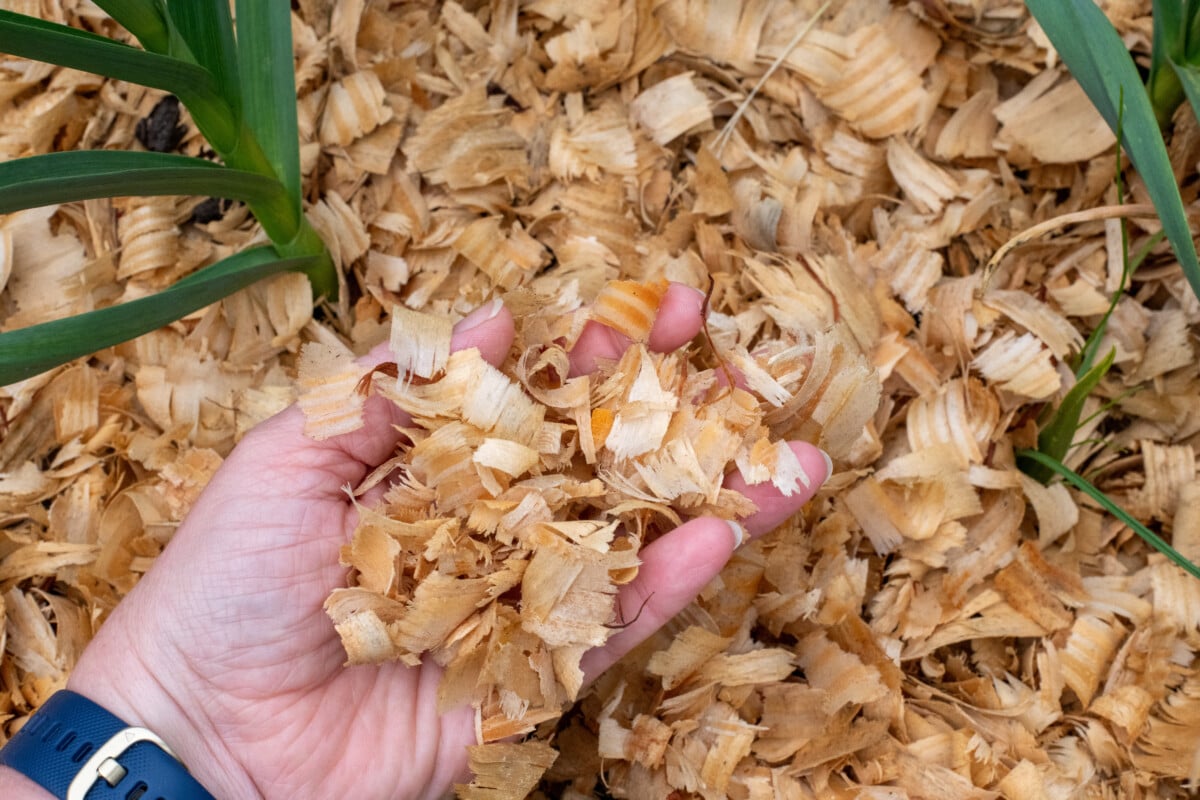
Mulch is one of the most important ways you can keep vegetables protected in the winter. It creates an insulating barrier that traps warmer air close to the soil, preventing the ground from freezing in that area. For root crops, you’ll need a depth of at least 12 inches of mulch, applied well before the ground freezes. Pine flake is easy to source and makes a great winter mulch.
Floating row cover
This is the lightweight spun fabric that we use to protect from frost. It’s white, so it lets in light and traps heat close to the vegetables. Depending on the weight you choose to use, there is a trade-off. Lighter weight row covers let in more light and water, but offer less cold protection. Heavier weight row covers let in less light, but offer much better cold protection. While you can lay it directly across (sturdier) plants, I find it works best when you drape it over hoops. (I use these.)
Low tunnels
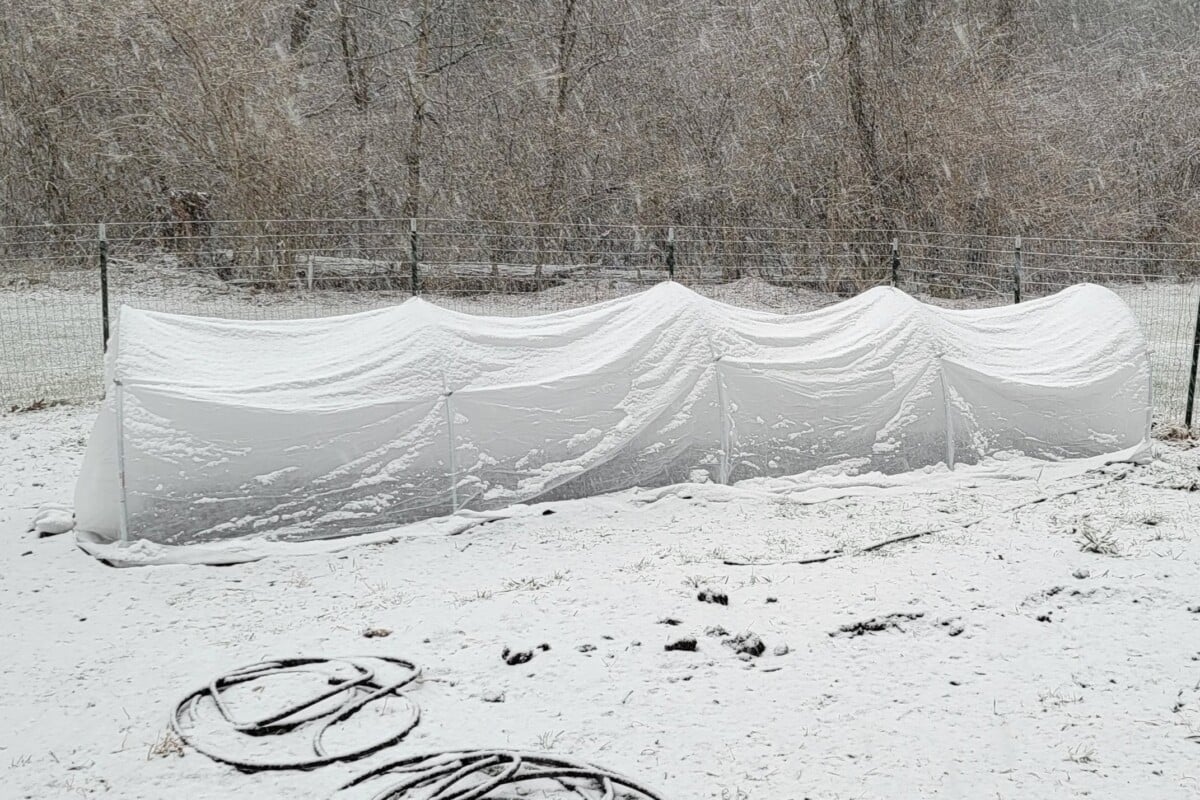
It’s basically what it sounds like: tunnels that are low to the ground, made with hoops like the ones I linked to, covered with heavyweight row cover fabric or thick greenhouse plastic, or sometimes both. They’re a temporary shelter that can be taken down in the spring. Just don’t forget to vent it on those extra sunny days that show up in the winter.
I have to say it always blows my mind to walk through a winter wonderland and lift the edge of a plastic sheet and be met with a gust of warm, moist air and see a patch of brown dirt with bright green plants growing in it. Nothing beats the winter blues better.
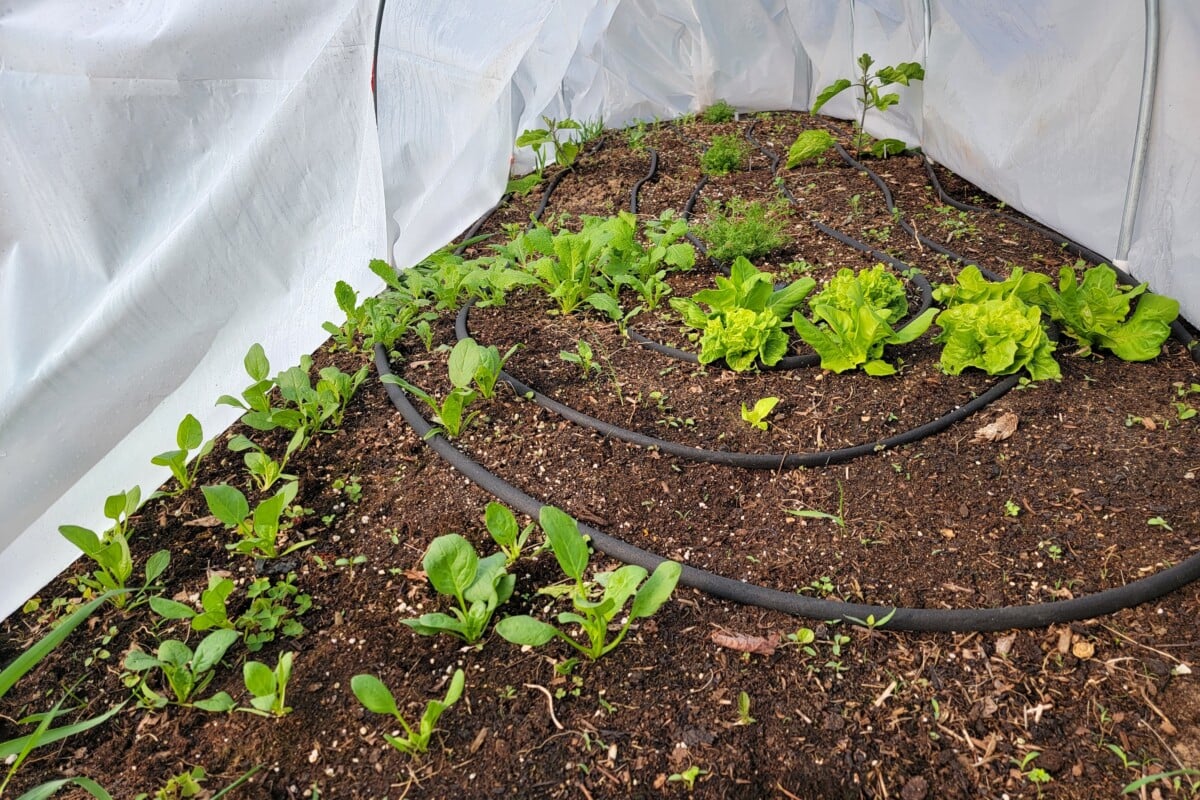
Of course, it’s important to weight the edges down well with bricks or rocks or something to prevent the wind from tugging up the edges of the tunnel.
Cold frames
These are bottomless boxes with a clear lid and can be as fancy as this one or as simple as an inverted clear storage tote. They shelter plants from wind, trap heat from the sun and make harvesting in the snow super easy.
A Couple of Things to Note About Protecting Your Winter Garden
Layer!
All of the things I listed above work even better together. A well-mulched bed covered with a row cover inside a cold frame is going to do so much better than any single one of those things on their own.
Vent!
Whenever you grow something under cover, you have to vent on sunny days. You would be surprised how quickly things can heat up in a cold frame or a plastic-covered tunnel in the middle of winter on a sunny day. Vent your tunnels or cold frames when the inside temperature is higher than 65°F. Yes, you read that right. It can be 26°F outside and 70°F in your cold frame on a sunny winter day. Just be sure to close everything up again by mid-afternoon so it can build up enough heat again to protect your vegetables overnight.
Noon!
Only pick leafy greens after noon. Sometimes, even with protection, leaves will be a bit frozen first thing in the morning. Harvesting before they have had a chance to warm up and thaw will bruise the leaves and cause them to rot.
Okay, now that you know the basics, here’s what you can grow.
Root Crops
Carrots
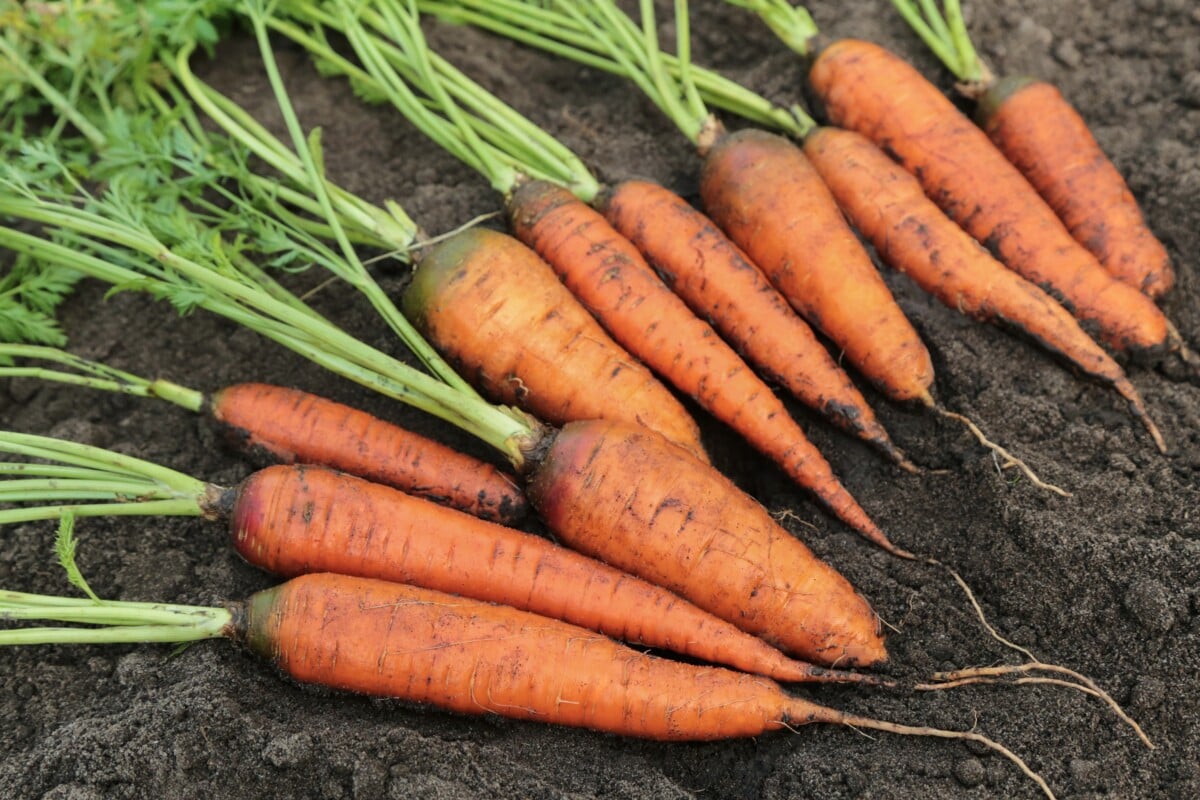
Carrots grown in the fall and harvested in the winter are the sweetest carrots you will ever eat in your life. Sow them about 10 to 12 weeks before your first frost. Carrots are slow to germinate, so keep the seedbed consistently moist until they sprout. Varieties like ‘Napoli’ and ‘Bolero’ are well suited to fall and winter growing. Many of the red varieties tend to bolt in the summer and do exceptionally well grown in the fall.
Don’t forget that mulch we talked about. Once the weather turns cold, cover the bed with a deep layer of straw or leaves. Protected this way, carrots can stay in the ground for most of the winter. Pull back the mulch, dig what you need, and then tuck everybody back in.
Beets
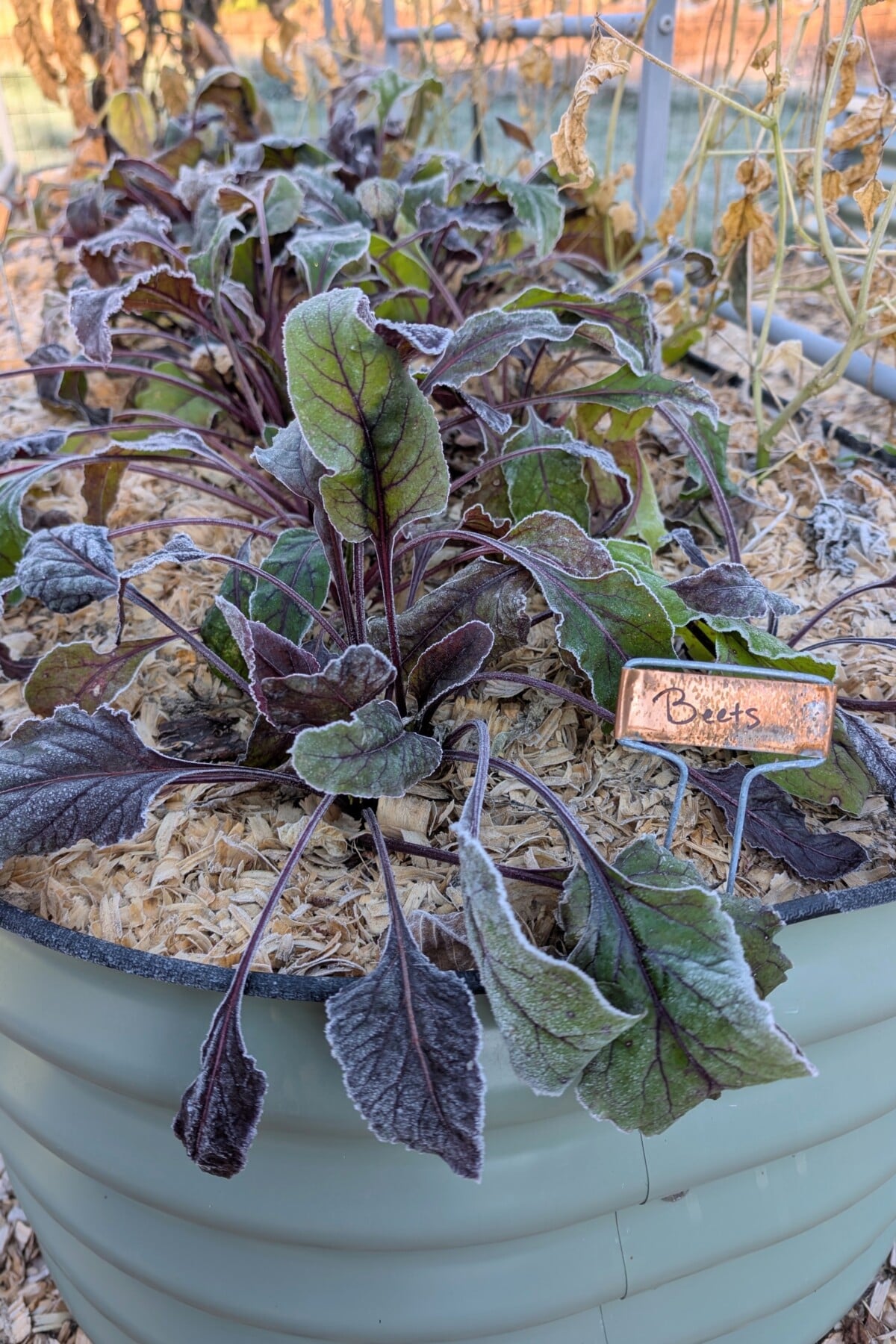
Beets are a little less hardy than carrots because their shoulders sit above the soil line, which leaves them exposed. Sow them 8 to 10 weeks before your first frost. ‘Lutz Green Leaf’ is a classic winter keeper, and it grows large without turning woody. The greens are a hearty and delicious alternative to lettuce in the winter, and I know a few people who prefer the greens to the actual root vegetable.
To protect your beets, give them a little scarf by hilling the soil up a little on either side of each row around the shoulders and mulch them heavily before you get a true hard freeze. In colder growing zones, plan to harvest most of your beets by early winter, or grow them under a tunnel or in a cold frame to harvest them all winter, and remember, stack your layers of protection.
Turnips
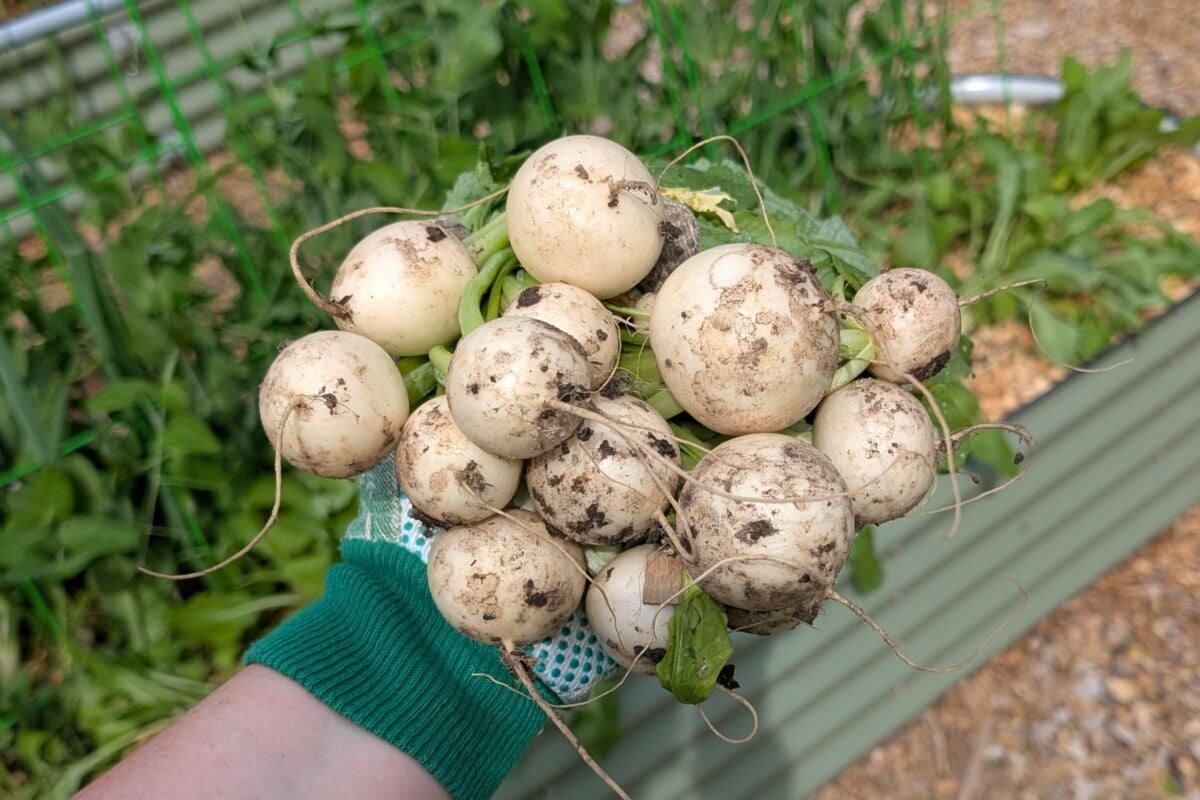
Turnips are fast and easy to grow, and like beets, you can eat the greens, too. Most varieties mature in 40 to 60 days, so they can go in later than most roots. Sow them 6 to 8 weeks before frost. ‘Purple Top White Globe’ is dependable and hardy. Salad types like ‘Hakurei’ are delicious but also more tender, so protect them well and early with a generous layer of mulch and a row cover if you live further up north.
Rutabaga
I used to hate rutabaga. My grandmother would sneak it in with her mashed potatoes to stretch them a bit further. But once I had them roasted after they had experienced a couple of frosts, I came around.
Rutabaga is the slow, steady grown-up cousin of the turnip. It needs about 90 days to mature, so sow it in mid-summer, roughly 12 to 14 weeks before your first frost.
Rutabagas are typically much hardier than turnips. With a thick mulch, they can stay in the ground well into winter. ‘Laurentian’ and ‘American Purple Top’ are reliable choices.
The Hardiest of Leafy Greens
Kale
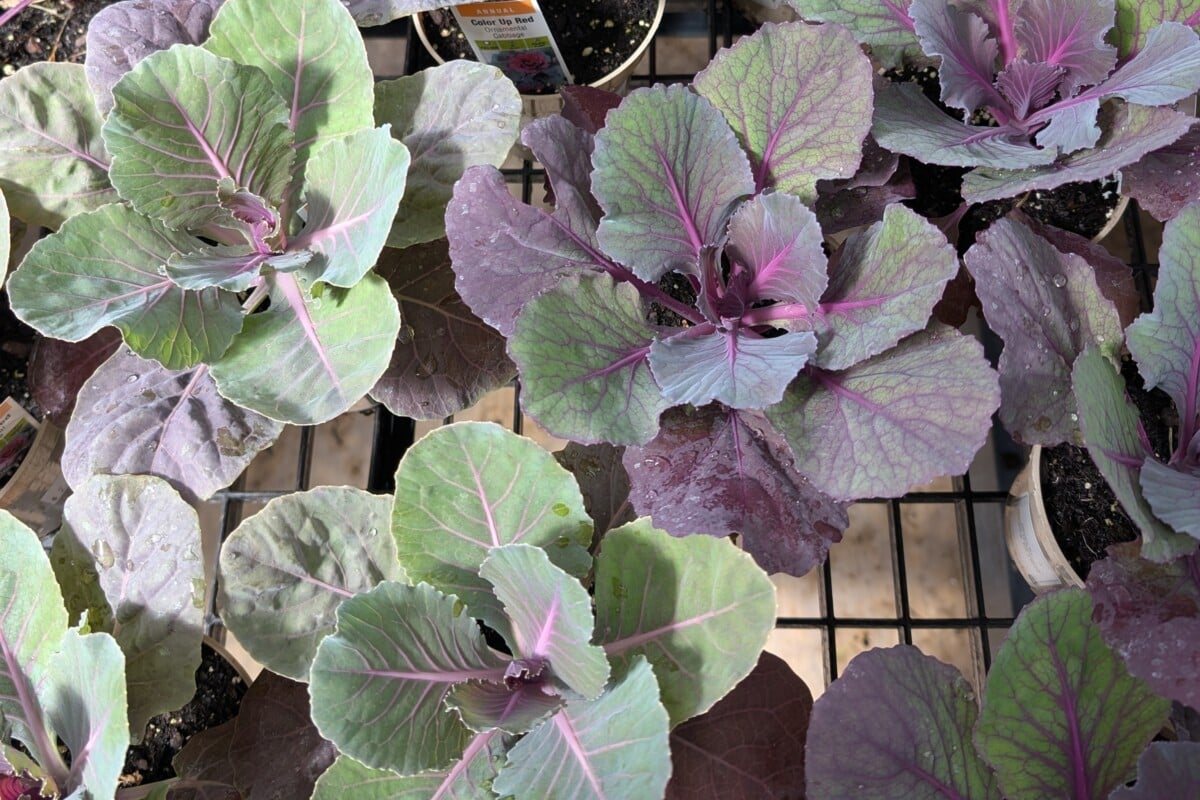
Kale kicks butt when it comes to winter gardens. Snow? Sleet? Santa’s reindeer trampling the garden? Meh, kale keeps right on growing. Sow or transplant it about 10 to 12 weeks before your first frost, so plants are full-sized before the days shorten. ‘Winterbor’ and ‘Red Russian’ are among the hardiest. ‘Lacinato’ is delicious (especially after a couple of frosts) but is somewhat less cold-tolerant. Mulch it well, and it will continue to grow.
Harvest the lower, outer leaves and let the crown keep growing. In colder zones, a row cover or tunnel protects plants from wind burn and keeps leaves from getting torn up.
Collards
Collards are as tough as kale, but slightly less tough than nails. Plant them around the same time as your kale. ‘Champion’ and ‘Vates’ are compact, cold-hardy varieties. Like kale, collards turn sweeter after frost. Harvest the outer leaves as needed all winter long.
Spinach
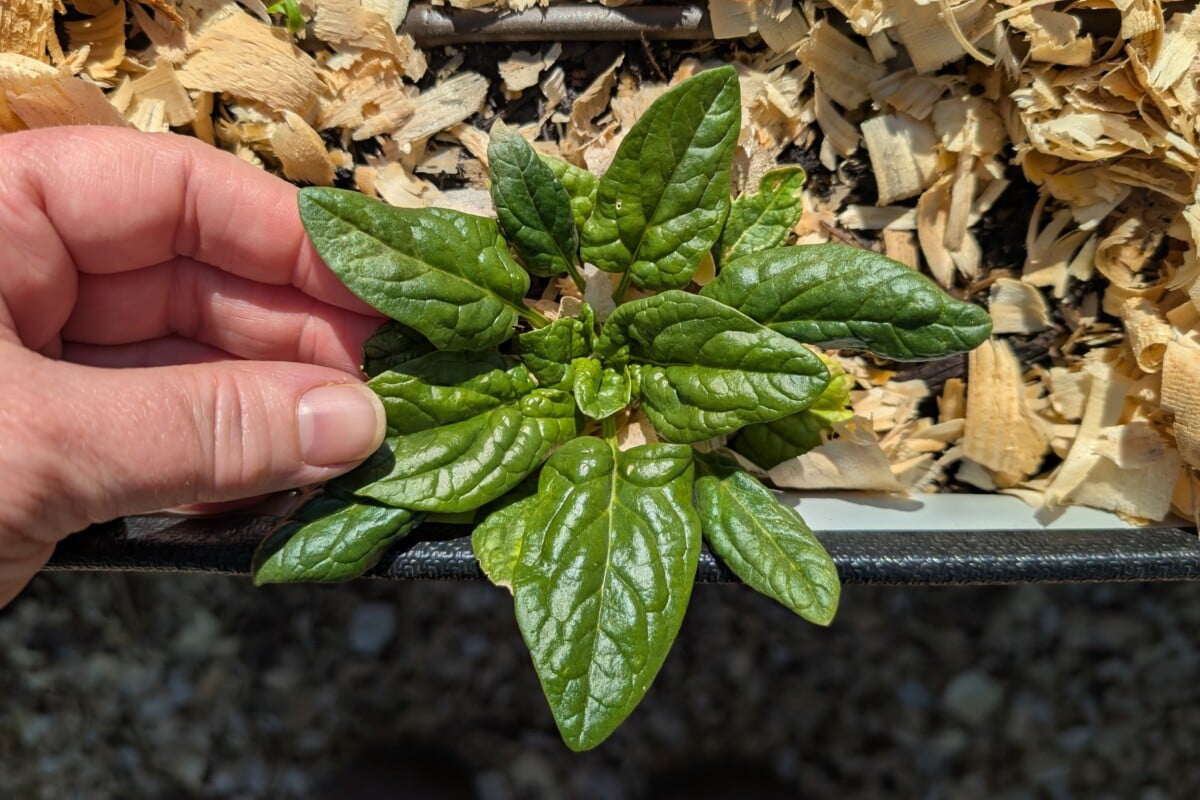
For a punch of protein, vitamins and minerals, you can’t beat spinach, especially in the winter. Sow a winter-hardy variety, such as ‘Winter Bloomsdale’ and ‘Space’ about 6 to 8 weeks before your first frost. That gives plants time to reach a good size before growth stalls from the shortened days.
Spinach is extremely hardy, especially under a row cover or in a cold frame. Pick the outer leaves sparingly through the darkest weeks. Once the days lengthen in late winter, the plants will take off again, which means one less thing you need to plant in the springtime.
Mâche
Mâche, also called corn salad or lamb’s lettuce, is probably the most cold-hardy salad green you can grow. It forms small, tender rosettes and has a lovely mild, nutty flavor. It germinates best in cool soil, which makes it perfect for sowing in late summer or early fall.
Mâche grows on the slow side, so sow it generously. (Say that three times fast!) It can survive surprisingly severe cold, but a cold frame or tunnel keeps the delicate leaves clean and easier to harvest. Cut the entire rosette at the base.
Claytonia
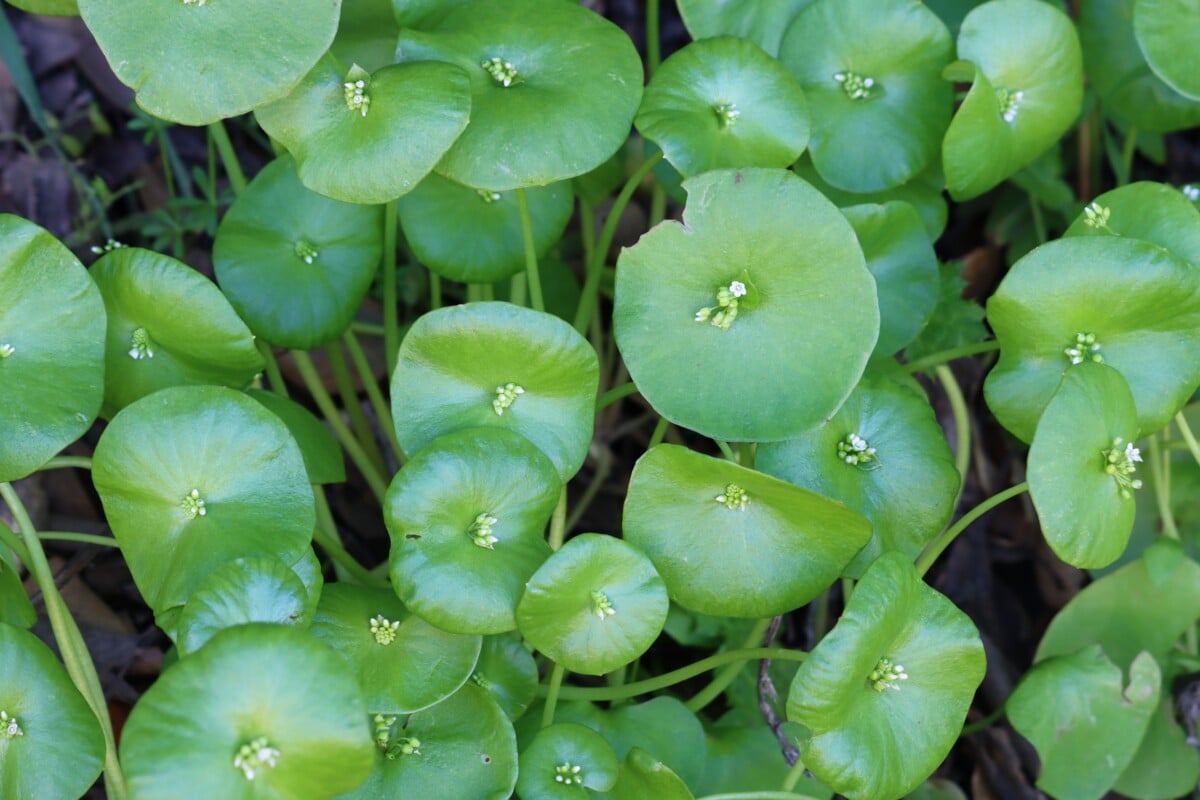
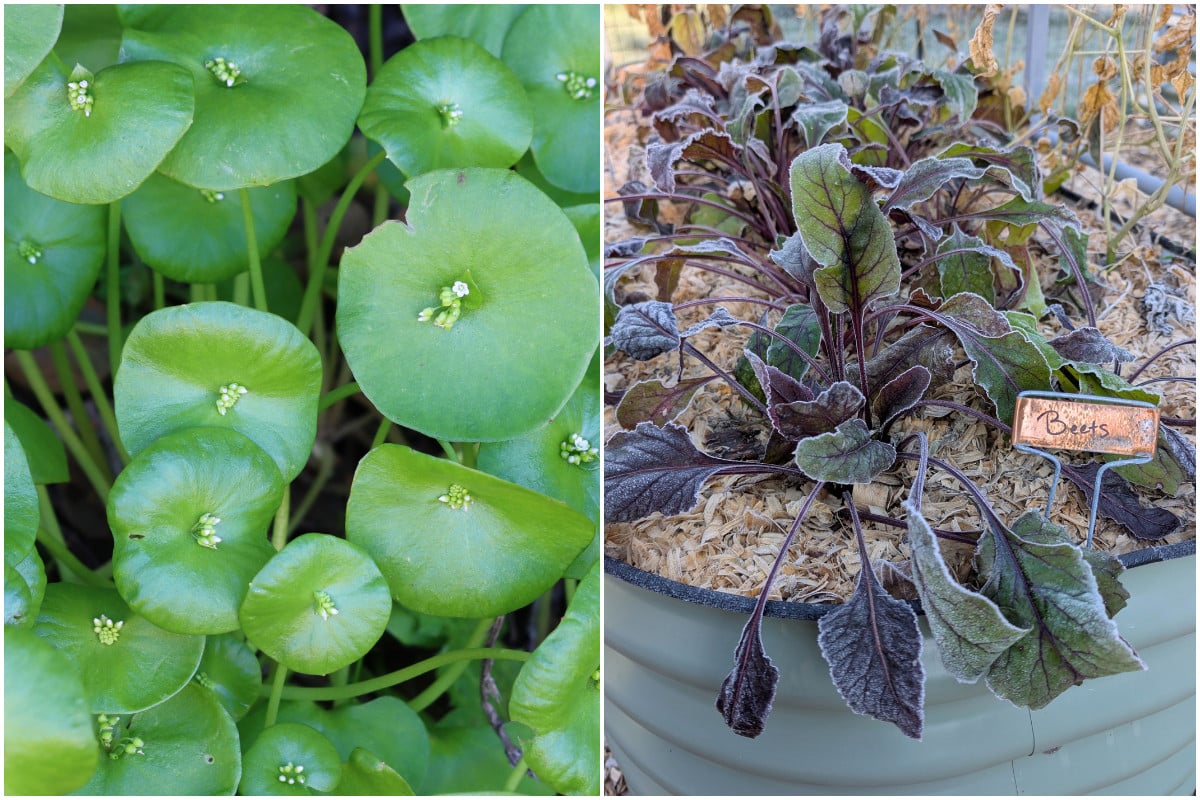
Claytonia, also called miner’s lettuce, is a North American native with succulent, heart-shaped leaves. It’s mild, juicy, and wonderful in salads. Like mâche, it prefers to germinate in cool soil, so sow it in early fall. Apart from being loaded with vitamin C, it’s ridiculously pretty in a salad, and it’s quite tasty. It’s also happy to self-seed each year.
Claytonia does great in cold frames and tunnels, where it will produce steadily all winter. Cut it back an inch or two above the base, and it will regrow for repeat harvests.
The Somewhat Less Hardy, I’d-Like-a-Parka-Please Greens
Swiss Chard
Chard is hardier than you would expect, but it’s also the most tender of the greens on this list after lettuce. Plant it about 10 weeks before your first frost. ‘Fordhook Giant’ is one of the more cold-tolerant varieties.
Give chard a row cover or tunnel once hard freezes arrive. In milder zones, even if the leaves die back, the roots often survive and send up fresh growth in early spring. Another win for fall planting.
Arugula
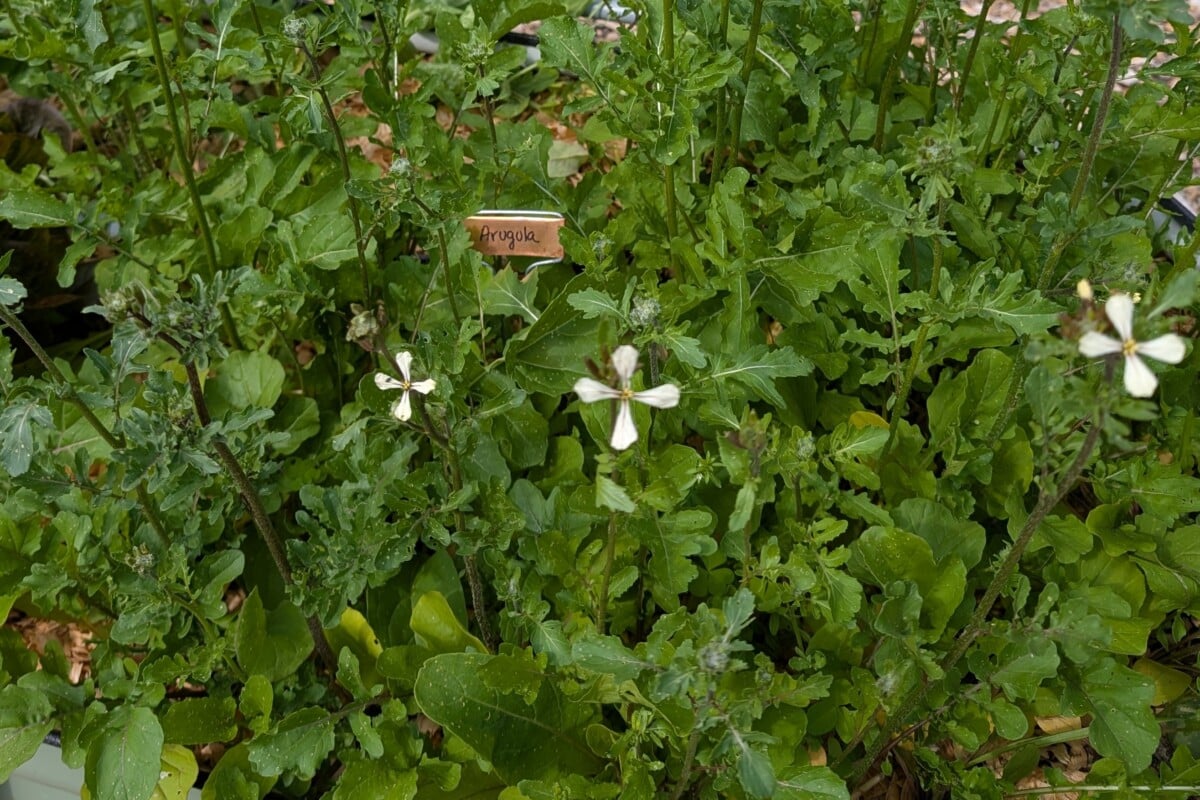
Arugula grows quickly and handles cool weather beautifully. If you’re not a huge fan of its peppery flavor, it loses some of its bite and mellows a bit in the cold. Sow it about 6 weeks before your first frost, and consider a second sowing a couple of weeks later.
Protect arugula under a row cover or in a cold frame once temperatures dip well below freezing. Harvest by cutting leaves an inch or so above the crown.
Mustard Greens
Mustard greens are fast, flavorful, and moderately hardy. Sow them 6 to 8 weeks before your first frost. Varieties like ‘Red Giant’ and mizuna add color and texture to winter salads. These are another green that loses some of its spicy bite after a frost.
Cover them once hard freezes arrive. Harvest the outer leaves or cut the whole plant for baby greens.
Winter Lettuce
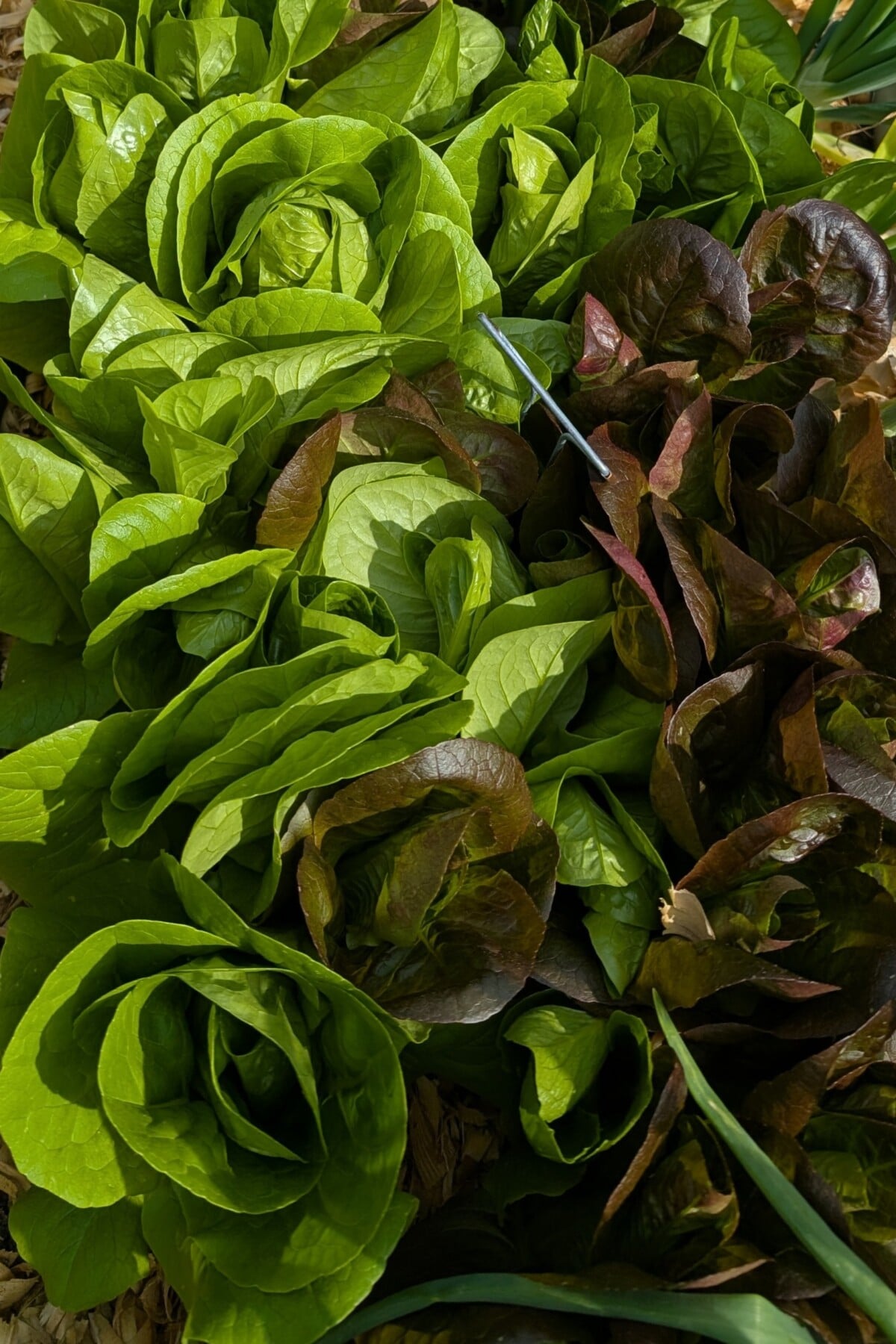
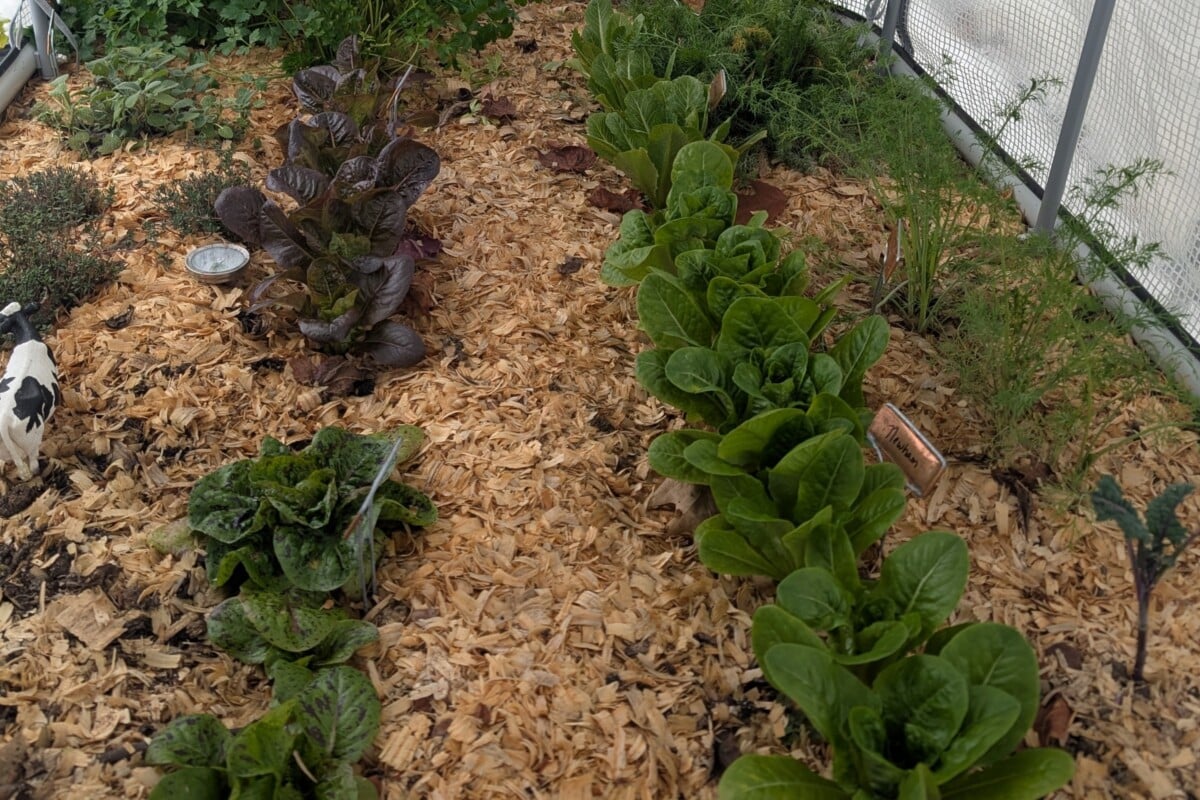
Ordinary lettuce won’t last long past the first hard frost. But certain varieties are bred for cold, including ‘Winter Density’, ‘Rouge d’Hiver’, ‘Arctic King’, and ‘North Pole’. Sow them 6 to 8 weeks before your first frost.
Lettuce is the least hardy crop here, so plan on a cold frame or a tunnel for any real winter harvest. Under good protection, it can keep producing into the depths of winter. Harvest outer leaves or cut whole heads only when the plants are thawed.
Read Next:
Get the famous Rural Sprout newsletter delivered to your inbox.
Join the 50,000+ gardeners who get timely gardening tutorials, tips and tasks delivered direct to their inbox.