

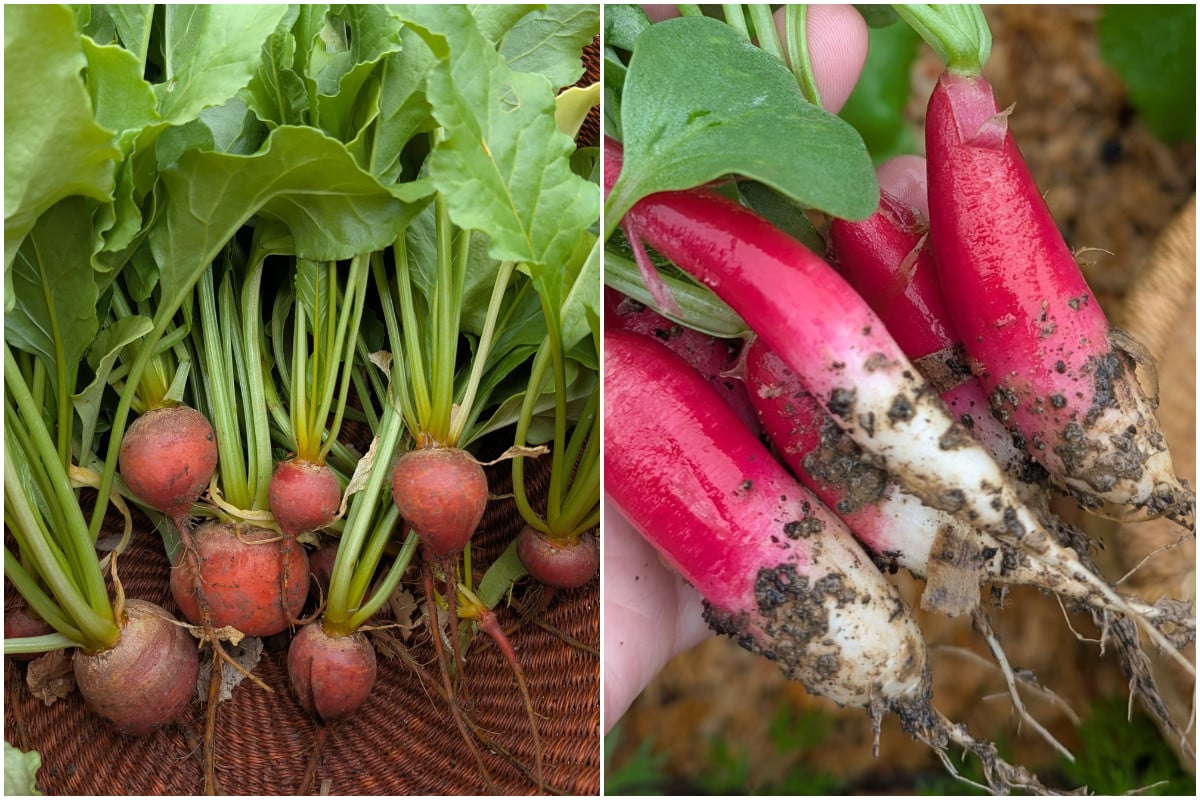
New gardeners or forgetful gardeners (hi, friends) who want a fall garden have already missed the boat by the time true fall rolls around. So, if you’re dreaming of Brussels sprouts or fat kohlrabi, you’ll have to get started earlier next year. Planning for a fall garden usually takes place in July and August. You know, when we’re all busy with our summer gardens.
So, it’s no big surprise that many of us forget.
But don’t worry, there are still a number of speedy cool-weather vegetables you can squeeze in before cold weather arrives. Think of this as your mini fall garden.
Get your seed packets and get cracking, and you can be eating all of these vegetables (listed alphabetically) by the time that first frost arrives. If you’re really on the ball, grab yourself some heavyweight frost cloth, and you can extend your harvest beyond that first frost by several weeks.
Arugula
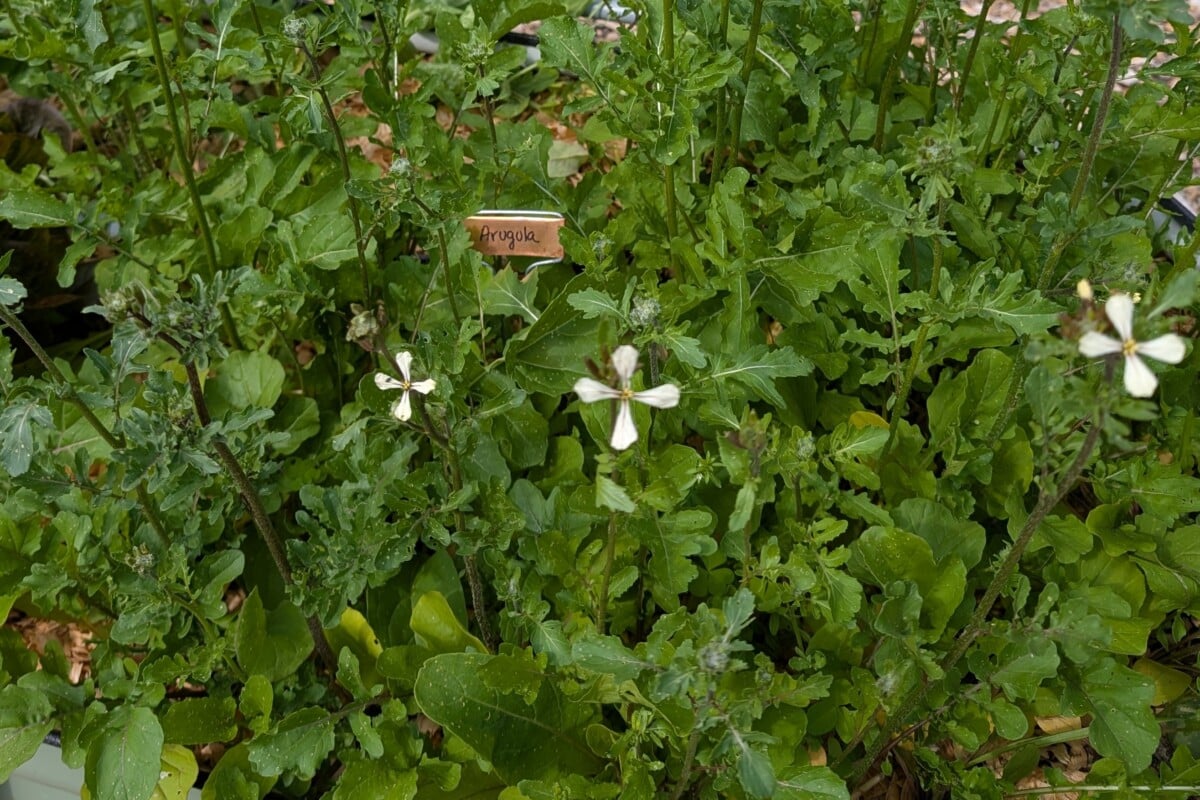
Not only is arugula a spicy, quick-growing green that’s perfect for hearty salads, topping a pizza or tossed in a soup, but it’s a willing self-seeder. Plant your arugula for your lightning-fast harvest and let a few go to seed. You’ll be greeted by more arugula early next spring, too.
Baby Bok Choy (or Pak Choi)
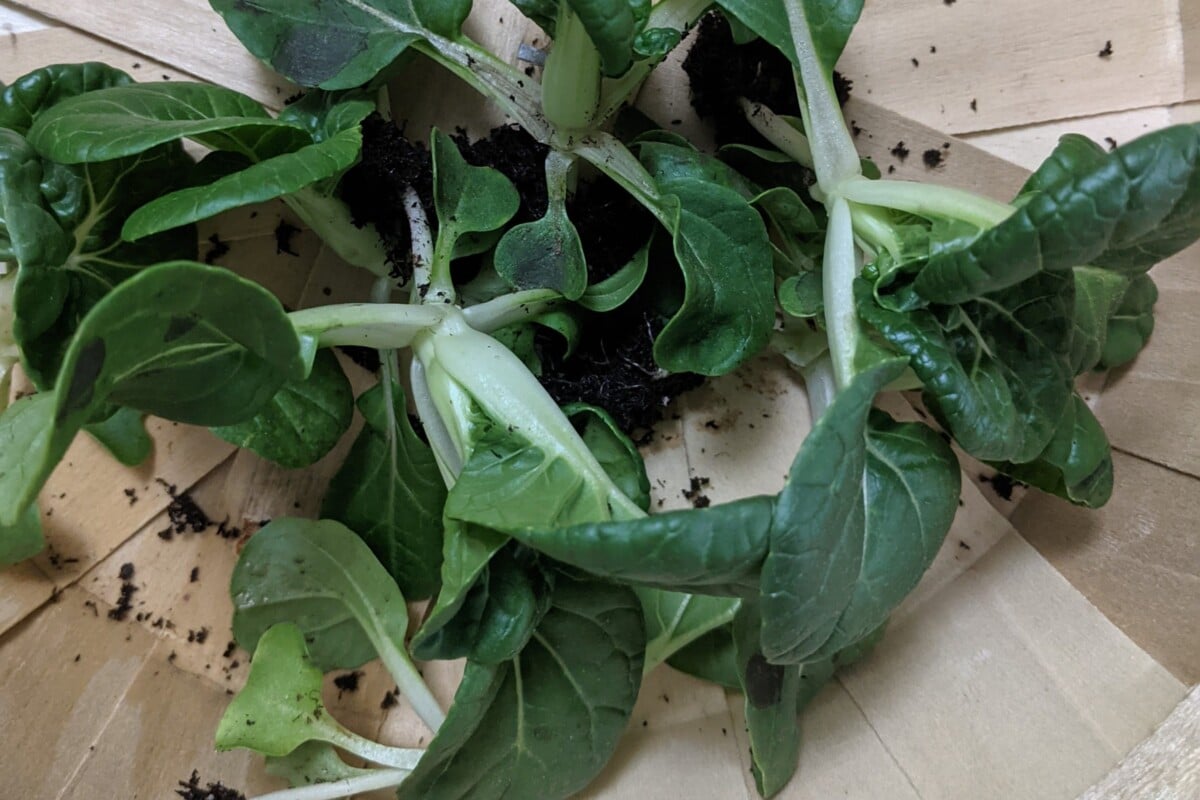
These compact bok choy are fantastic in stir-fry, but my favorite way to eat them is to slice them in half from top to bottom, spritz them with olive oil and seasonings and then roast them, cut-side down, on a baking sheet until the bottoms start to crisp and brown around the edges.
They mature in about 40 days, and they’re packed with nutrients. Plus, they’re kind of cute. Plant lots of them to harvest tiny bite-sized plants, or plant fewer and let them grow a bit, and they will top out around 8” tall if protected from frost.
Beets
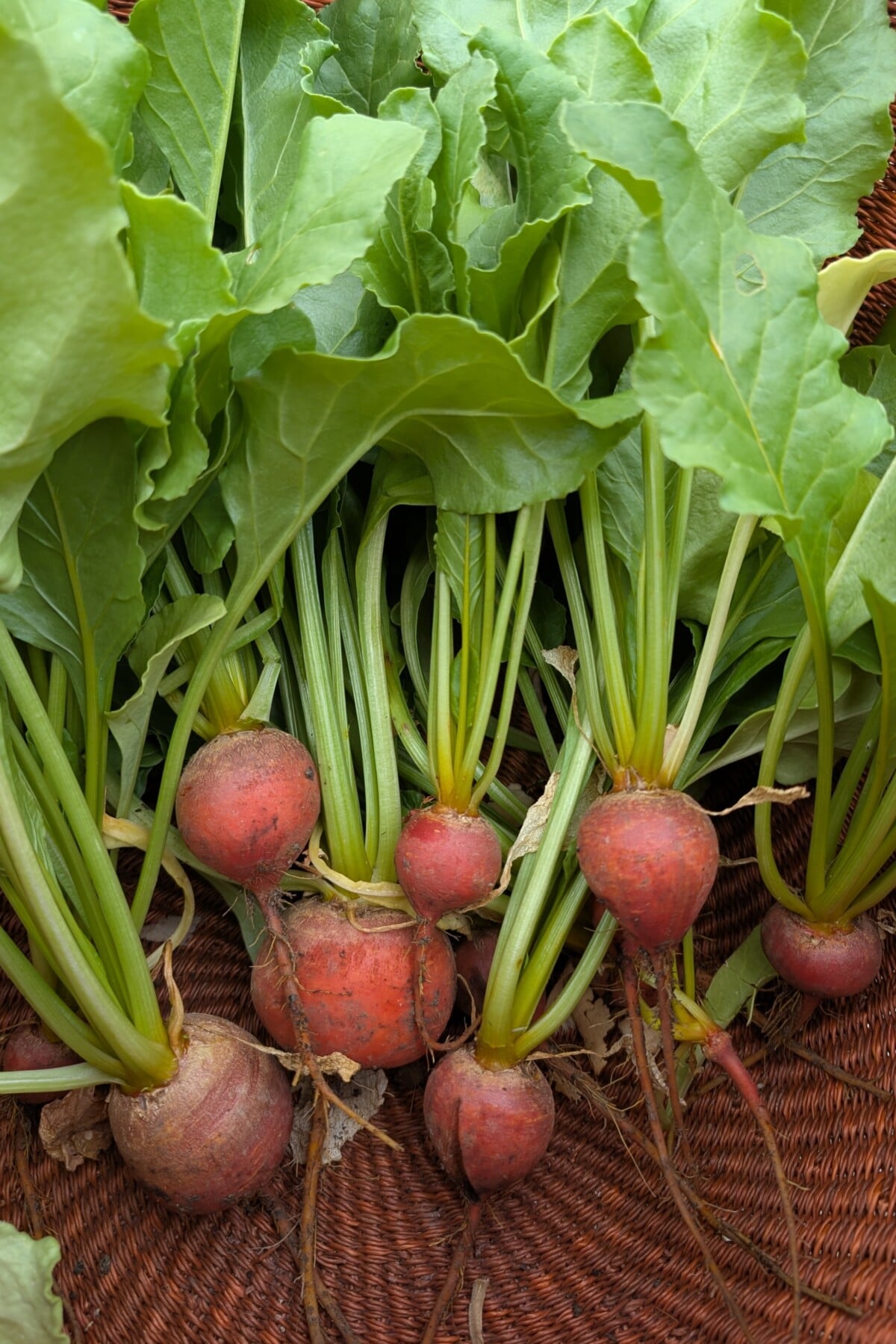
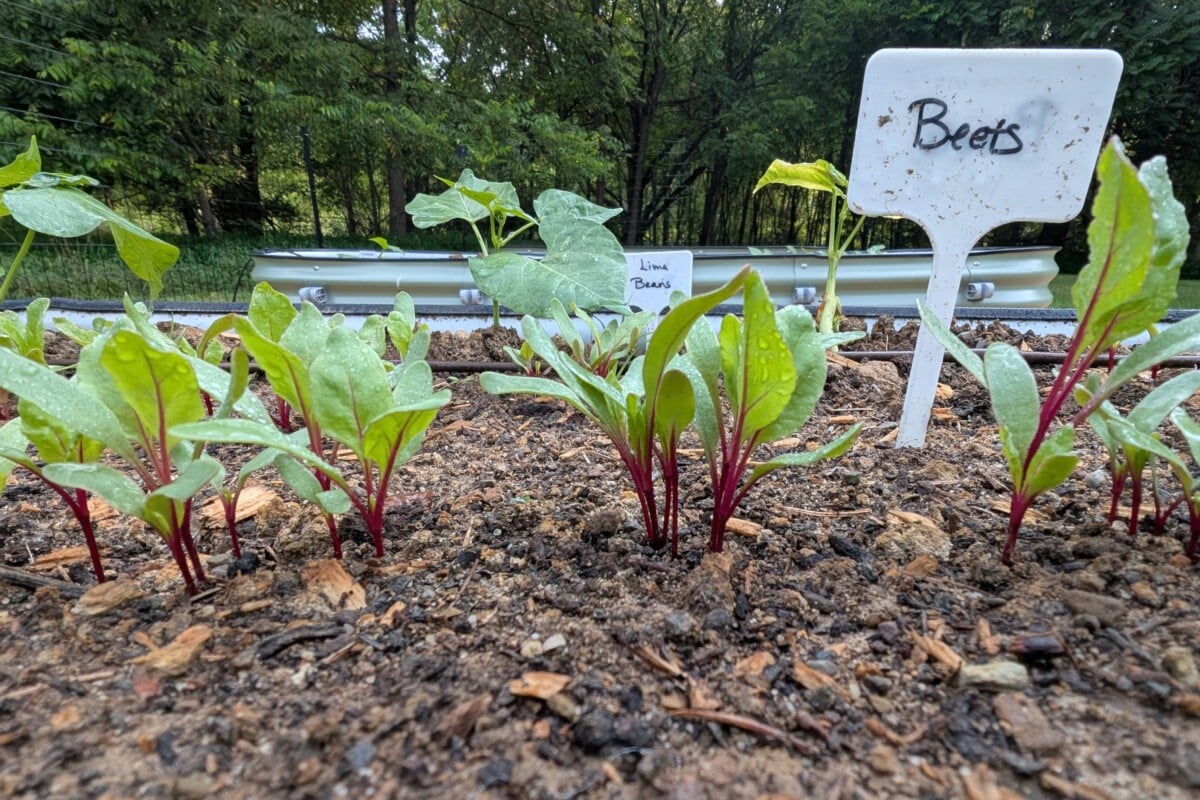
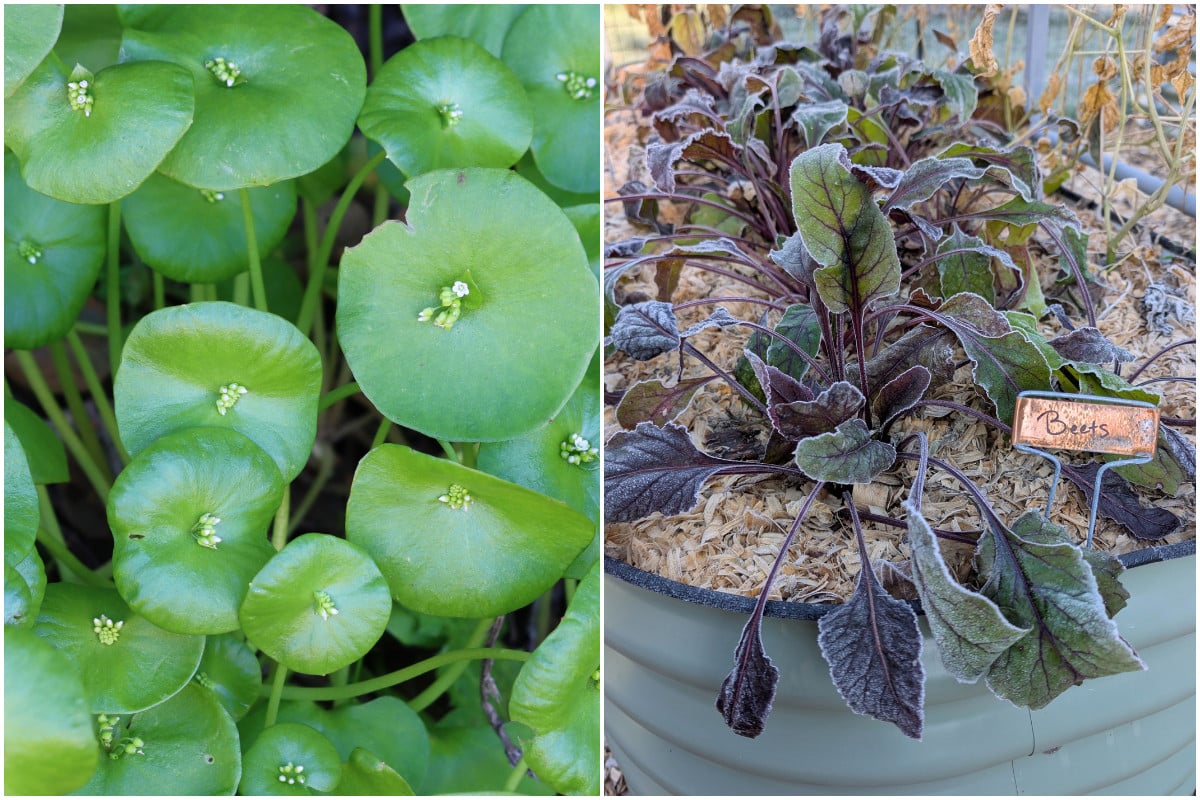
Now, keep in mind, we’re thinking bite-sized baby beets here, not something the size of a baseball. Choose an early-maturing variety and get them in the ground now. By the time that first frost hits, you’ll have plenty of baby beets that are the perfect size for roasting and topping salads or, better yet, making spiced quick pickled beets for all of your holiday dinners.
For a little variety, try a golden beet, such as Boldor. They have such a wonderful flavor and are ready to go in as little as 51 days. These beets outperformed my red beets this year!
Lettuce
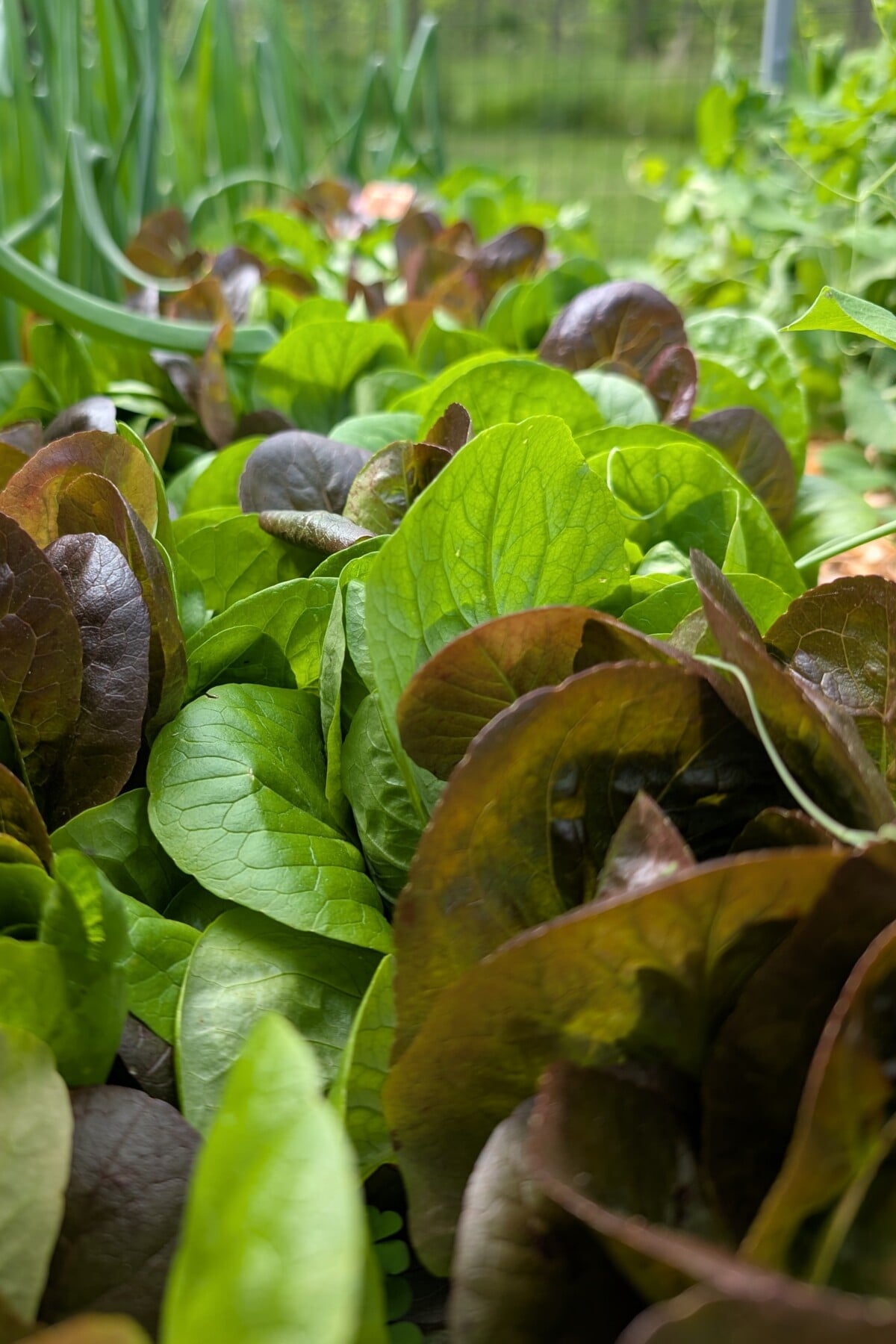
Soup season is here, and there’s no more classic lunch combo than soup and salad. Choose hearty winter lettuce varieties such as Tom Thumb, Red Sails and Little Gem. Mulch them well once they are a few inches high and cover them when a frost is predicted.
With all of the food safety recalls concerning greens, growing your own lettuces for as much of the year as possible just makes sense these days. Not to mention, the flavor of freshly picked lettuce is always much better than what you can get in the store.
Radishes
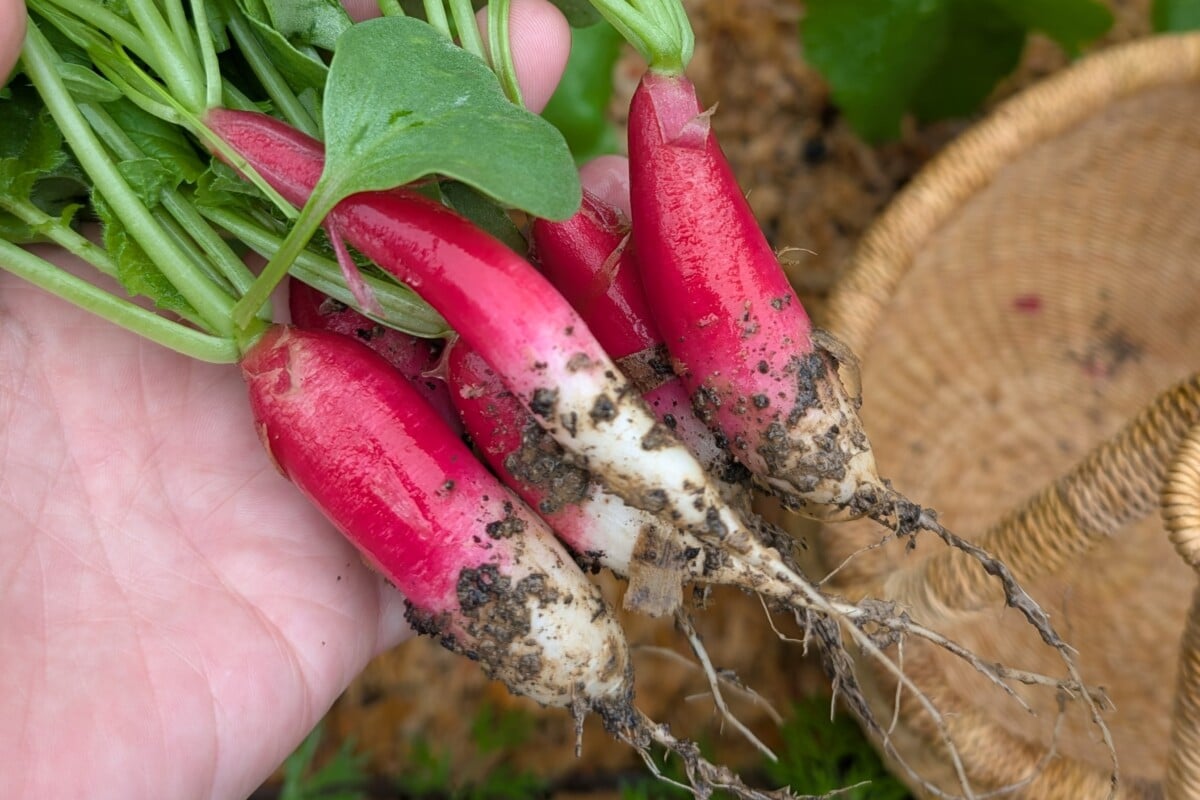
I love radishes; they’re the instant gratification vegetable. Keep poking them in the ground every few days and cover them to protect against frost, and you’ll have a continuous harvest right up until the ground freezes. With a little planning, you could easily pick fresh radishes from the garden on Thanksgiving Day to adorn your relish tray, alongside your pickled beets, olives and other pickles.
Spinach
I finally figured out the best way to grow tons of spinach in the spring. Big, bug-free, glossy green leaves. You can read about it here. But growing spinach in the fall means a lot fewer bugs, and I don’t have to worry about summer coming along causing it all to bolt.
Choose a winter-hardy spinach variety, such as Giant Winter or Space (I grow this variety and love it!), and you can mulch it and cover it, and it will keep growing right into the winter. With good protection, it will even continue to grow the following spring.
Japanese Turnips
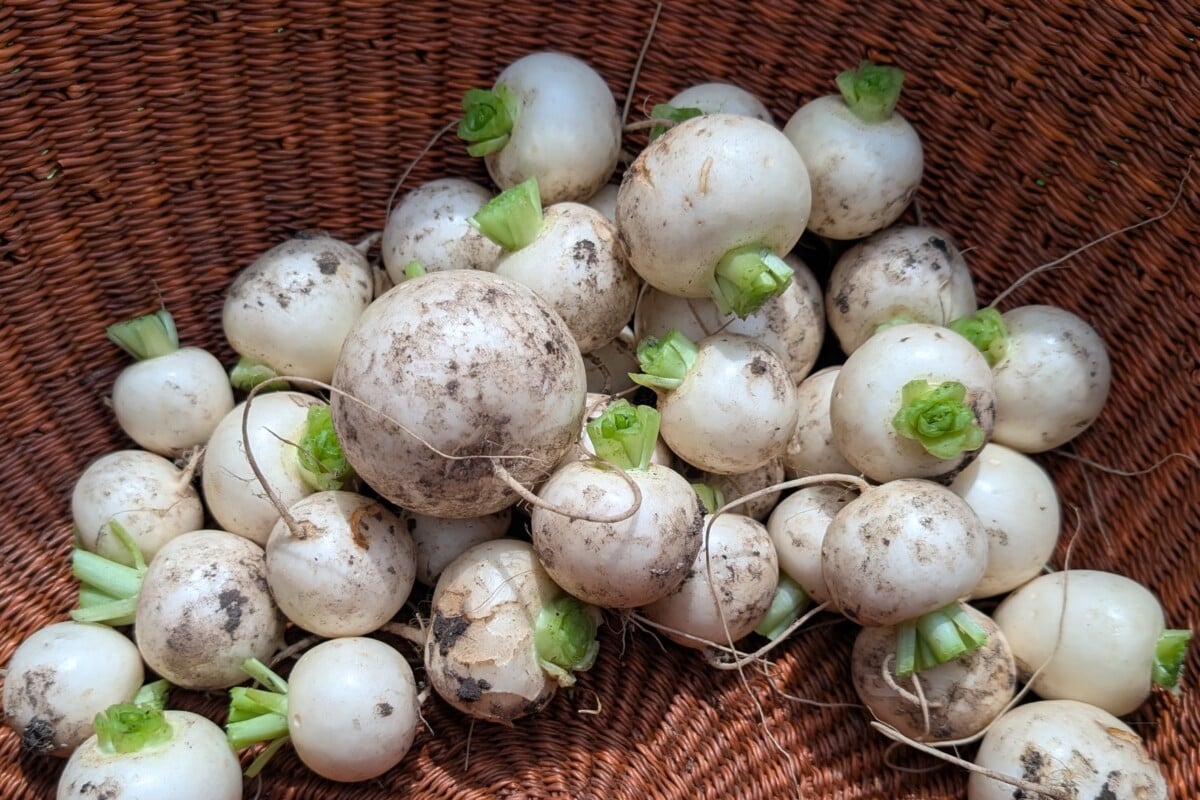
I’m in love with Japanese turnips. They’re so much tastier than the traditional purple and white turnips. And because they generally only grow to be about the size of a ping-pong ball, they mature super-fast. But along with the root, the turnip greens are excellent chopped up and tossed in a hearty fall soup or stewed with a ham hock and some potatoes. Try Hakurei or Tokyo Silky Sweet a try.
And for the bonus round, here are two fast-growing herbs you can plant late in the season for a quick harvest.
Dill
Dill sprouts up so fast, and it likes this cool weather so much, I had to throw it on this list. Since we’re harvesting it while it’s still small, plant more than you need. You’ll end up with plenty of baby dill fronds, ready to be snipped and used in the kitchen.
Cilantro
I know, I know. If you’re not a fan, you can skip this one. But for those of us who love some fresh, chopped cilantro on our tacos or sprinkled over a steaming hot bowl of daal, now is the time to plant some. Cilantro does not like the heat and will bolt if you even say the words “heat wave” out loud, which means fall is an excellent time to grow this finicky plant. It germinates and grows in as little as 25 days.
A Few Pointers to Get the Best Results
Remember that on this end of the growing season, we’re losing daylight hours as well as warm temperatures. That means plants tend to grow a little slower and a little smaller this time of year. But that’s okay; we’re looking for a quick, nibbly harvest of fresh, green food, not a fill-the-pantry-for-the-winter-harvest.
You’ll want to get seeds in the ground for this lightning-fast garden as soon as possible, between 4-6 weeks before your first frost.
Be prepared. As we all know, the date of your first expected frost is just an estimate. Sometimes Old Man Winter likes to show up a little early. Plan your frost protection now so that you’re ready to roll when the weatherman announces your first freeze warning.
If you mulch your plants well with something light and fluffy (I’m extremely biased toward pine flakes) and use a heavy frost cloth, there’s no reason why you can’t keep growing well past your first frost date.
Finally, these are all veggies that I grow quite successfully all winter long indoors under grow lights with some potting soil and a few storage totes with drainage holes drilled in the bottom. Just saying. Ya know, once the snow starts flying.
Read Next:
Get the famous Rural Sprout newsletter delivered to your inbox.
Join the 50,000+ gardeners who get timely gardening tutorials, tips and tasks delivered direct to their inbox.