

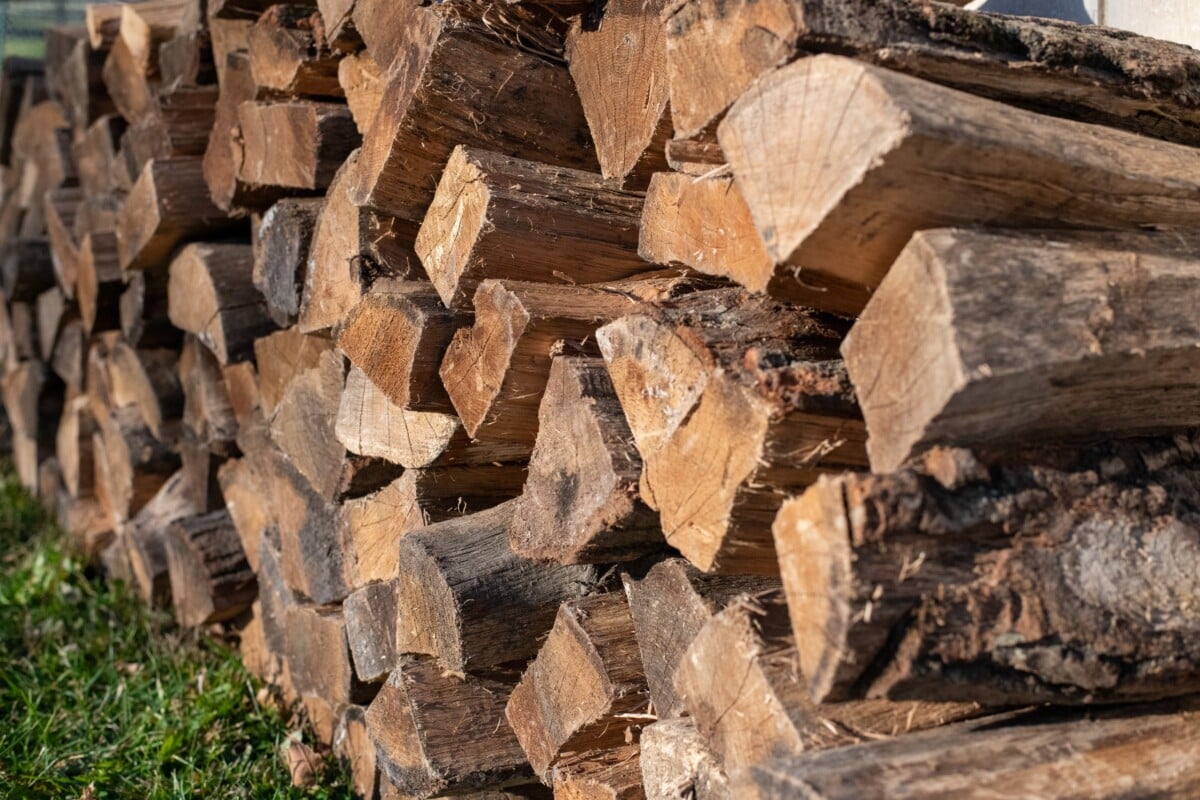
Whether you’re heating your home with wood or enjoying an evening with friends and family around the fire pit, properly seasoned firewood is the key to a hot, clean-burning, crackling fire. So how can you tell when your firewood is ready to be burned? I’ve got three easy ways to tell.
What Is Seasoned Firewood?
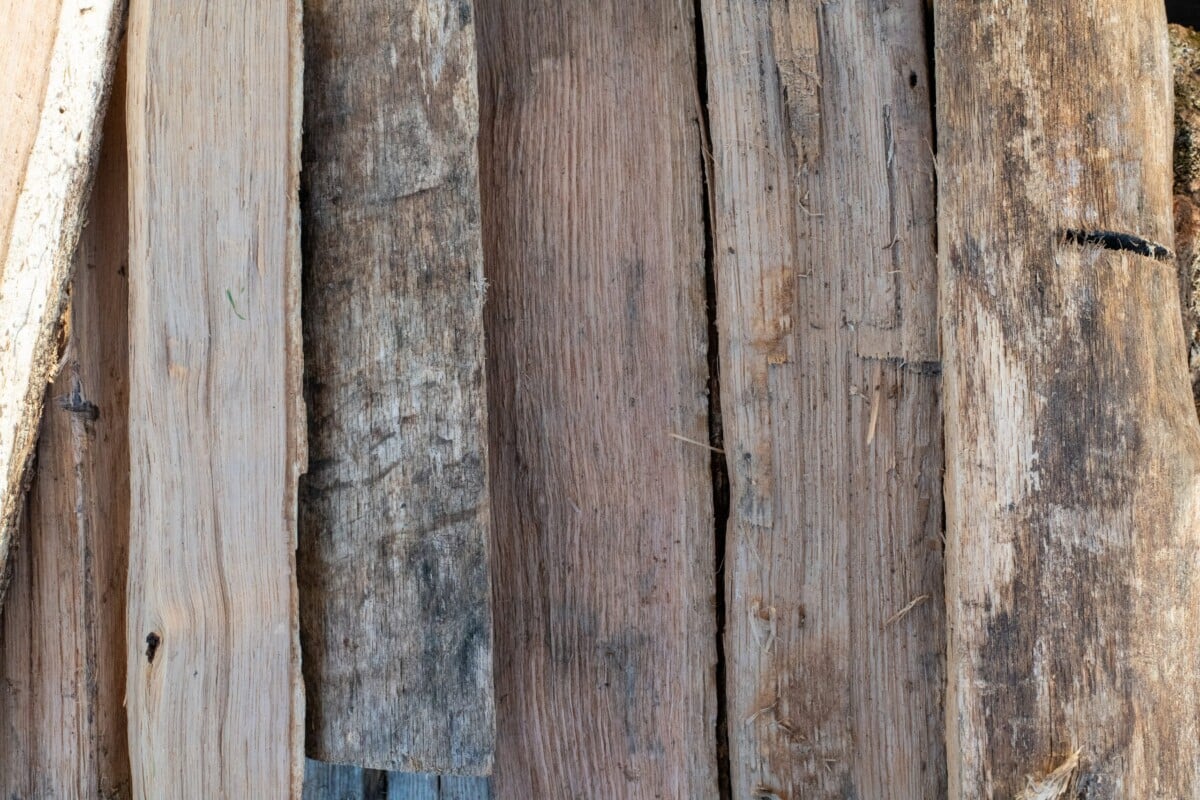
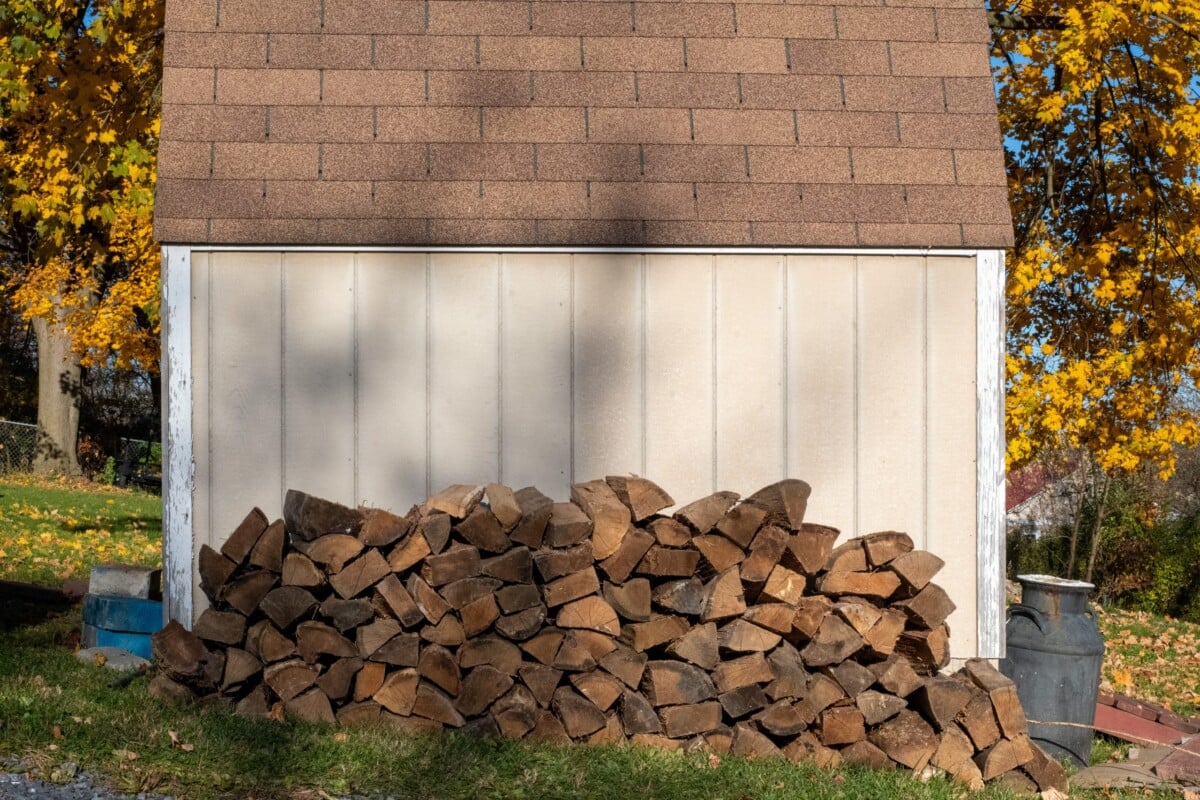
Seasoned firewood is wood that’s been cut and split into firewood-sized pieces and then stacked and left to dry somewhere, usually outdoors, for anywhere from six months to two years.
The harder the wood species, the longer it takes to season fully. That’s because hardwoods, such as oak, maple and walnut, have more cellular mass, making them denser. Denser woods burn longer and hotter.
When I was a kid, spending the weekends on my dad’s off-the-grid homestead, three sounds made up the soundtrack of my summers: the droning song of crickets in the meadow at night, classical music coming from the battery-operated radio from the moment Dad was up until he went to bed, and the distant buzz of his chainsaw from deep in the woods.
When you heat exclusively with wood, the part of the year where you’re not heating the house, you’re getting ready to.
Several times a week during summer, Dad would head to the woods.
Felling, bucking, hauling, and stacking- Dad was at it all summer long. He would always have two or three cords of wood, stacked in the yard to season. It would sit in this pile for about a year before it got chucked down into the cellar.
That’s where I came in.
I would stack wood, two lengths deep, from the floor to the ceiling, running the entire length of one wall. The wood stove was down in the cellar, too. As we heated the house, we were also further drying out the seasoned wood.
I also remember waking up to many a frosty morning in the cabin because Dad had slept through his middle-of-the-night fire tending and the fire had gone out. On these occasions, I would huddle under the blankets until the stove pipe running up through the middle of my room started to radiate heat once more.
I’m sharing this with you, so you know my wood-burning credentials are good.
These days, I buy my wood pre-seasoned, and it’s just for fun nights around the fire pit. Having properly seasoned firewood is no less important.
Using seasoned firewood means your fire will burn hotter, longer and with far less smoke. It will also be a cleaner-burning fire. A hot fire leaves far less particulate, which is important when you’re burning wood in a fireplace or a wood stove, as it creates less creosote.
How to Tell When Wood is Finished Seasoning
So, how does one tell when their firewood is ready for a crackling, roaring fire? There are several ways to test it. We’ll start with the most high-tech.
1. Moisture Meter
I say high-tech, but it’s not really. You can pick up an inexpensive pin-style moisture meter. These will give you a precise measurement of the remaining moisture left in a piece of wood. Split a piece of your seasoned firewood, and push the pins into the center of the freshly exposed interior. Anything below 20% is good to go.
For most folks, this is nice, but a bit of overkill.
However, if you heat your home exclusively with wood, or you intend to season large quantities of firewood to sell, a pin-style moisture meter is a necessity. This is the one I own.
2. Check the CBC
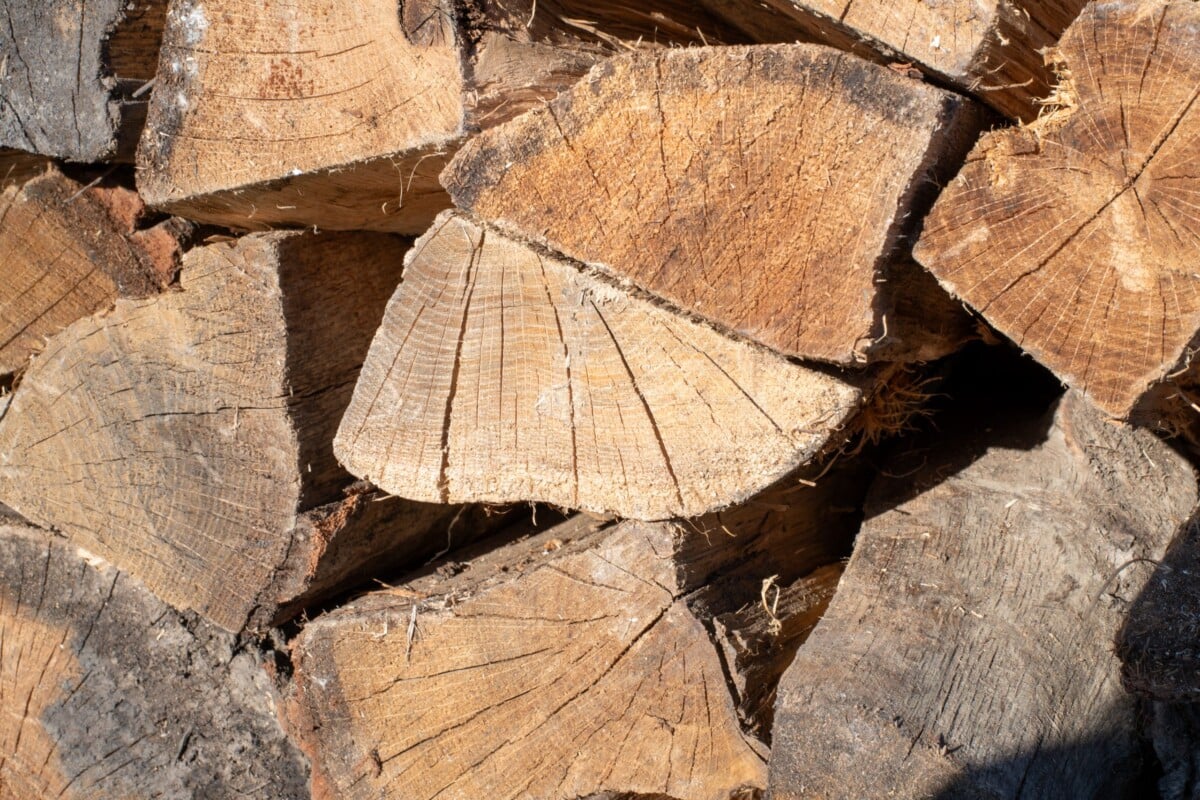
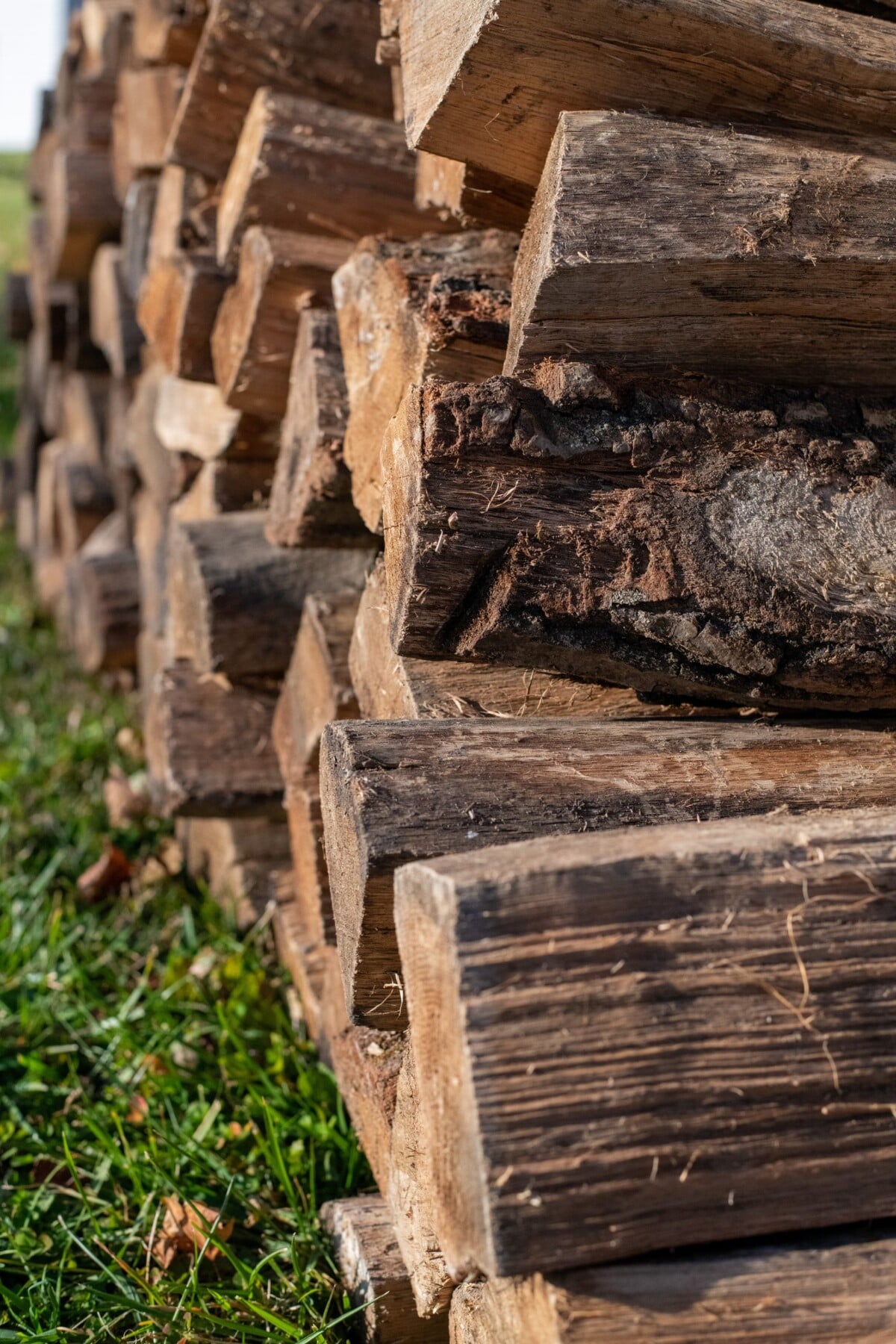
No, not the Canadian Broadcasting Corporation. We’re looking for cracks, bark and color. Look at the ends of your stacked firewood. Properly seasoned firewood will have cracks radiating from the center of the log. A bit like the rays of sun we all drew as a child.
The bark will detach and slip off of wood that has been properly dried and seasoned. Save it and chuck it in your kindling bin. (You do have a kindling bin, right?) Dried out bark is great for starting fires.
Check the color as well. Seasoned firewood loses that bright, creamy color of green wood and turns a deeper, more drab tan. Firewood that’s been left to season in direct sun will often appear grayish.
Finally, there’s my favorite, and it’s by far the simplest and the indicator most seasoned (no pun intended) wood burners use – the sound.
3. Does Your Firewood Ring?
Anyone reading this who has split their fair share of firewood can already hear the sound in their own head. It’s a sound I still find comforting to this day: the solid thwack of a splitting ax followed by the musical jangling of wood pieces falling into a pile among the others.
Perfectly seasoned wood makes a loud, light clack that almost has a ring to it. I’ll demonstrate it here.

Grab two pieces and bang them together. What does it sound like? Wood that still contains a lot of moisture will make a dull, thudding noise. Oh, but with wood that’s ready to burn, you’ll hear it right away.
Read Next: 10 Smart Ways of Collecting Free Firewood

Get Garden Notes From Tracey, Right to Your Inbox
Pull up a chair on the front porch. Join 54,000+ gardeners who get Tracey\'s friendly notes, seasonal to-dos, and hands-on tutorials three times a week.