

Whether you’re holding on to the last few weeks of summer for dear life or praying for it to hurry up and end, one thing is clear – August begins the countdown to the end of summer.
While I’m over here dreaming of crisp mornings on the porch with coffee and a sweater, I’m also eyeing my garden and wondering what else I can plant for one final harvest. By January, I know I will appreciate those extra jars of homemade pizza sauce and miss the fresh radishes from the garden.
The good news is, no matter what USDA Hardiness Zone you live in, there is still time to tuck a few seeds in the soil.
How Much Time Do I Have in August?
Most summer crops need to reach maturity before your first expected frost day, which puts a hard deadline on things like tomatoes. But other crops are great for this time of year. The end of summer is a great time to revisit many cool-weather (and fast-growing) spring crops. And let’s not forget there are quite a few vegetables that improve in flavor with a frost.
While this list is pretty big, it’s by no means exhaustive. If you’ve got something you really want to grow, you can easily figure out if you still have time with a little frost date math. Look up your first expected frost date for the year by your zip code here. Check the seed packet (or look online) for the “days to harvest” for your particular veggie. Then word backwards from your earliest expected frost date. Add in another 7 days as a buffer. Crops tend to slow down this time of year.
Do you do anything to lengthen your growing season, such as using a hotbed, polytunnel, or greenhouse? You’ve got even more time on your hands.
Because I adore our readers, I’ve broken down what you can plant in August, by maturity and hardiness zone.
Zones 3 through 7 (Some of these apply to warmer zones, too.)
First, for those in Zones 3 through 7 (Hi, neighbors!), or anyone expecting a first frost between late September and mid-October, stick to crops that mature in about 30 to 60 days.
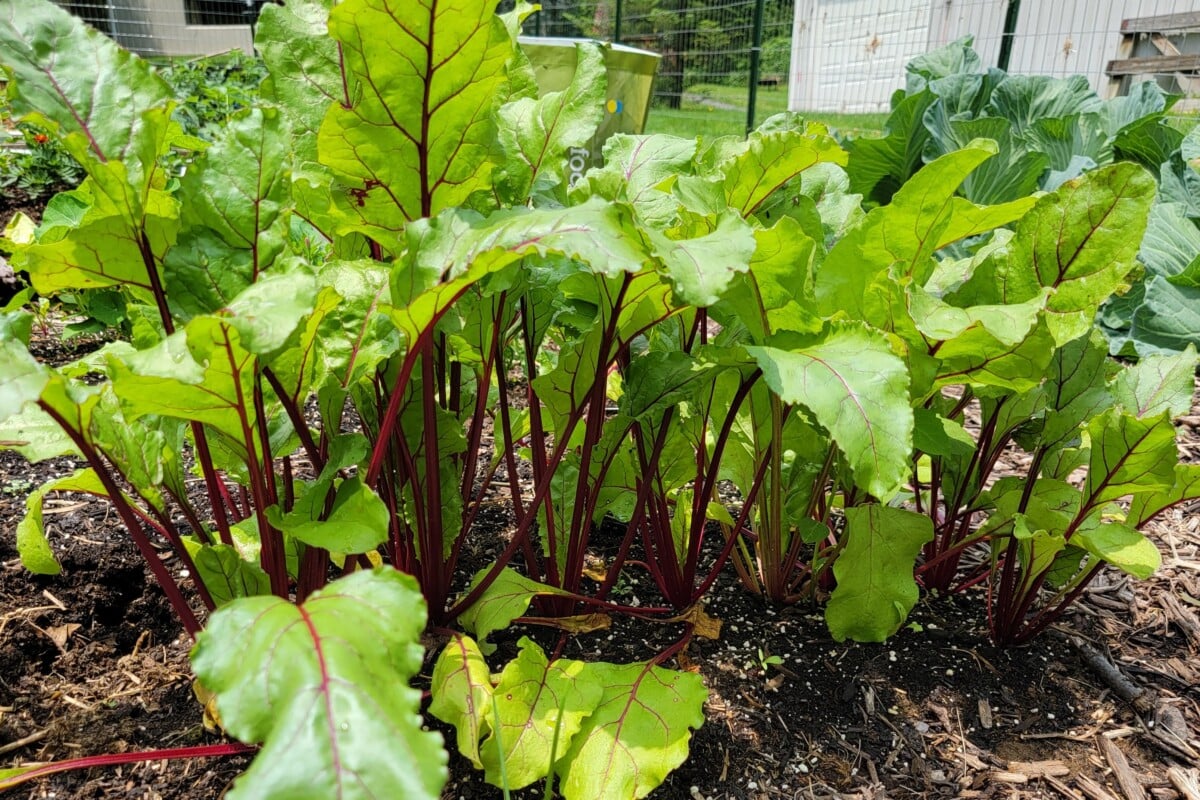
Beets are a solid choice for this time of year. Look for varieties like ‘Detroit Dark Red’ or ‘Chioggia’—they’ll give you sweet roots and tender greens, and they don’t mind a little chill as they finish up in the soil.
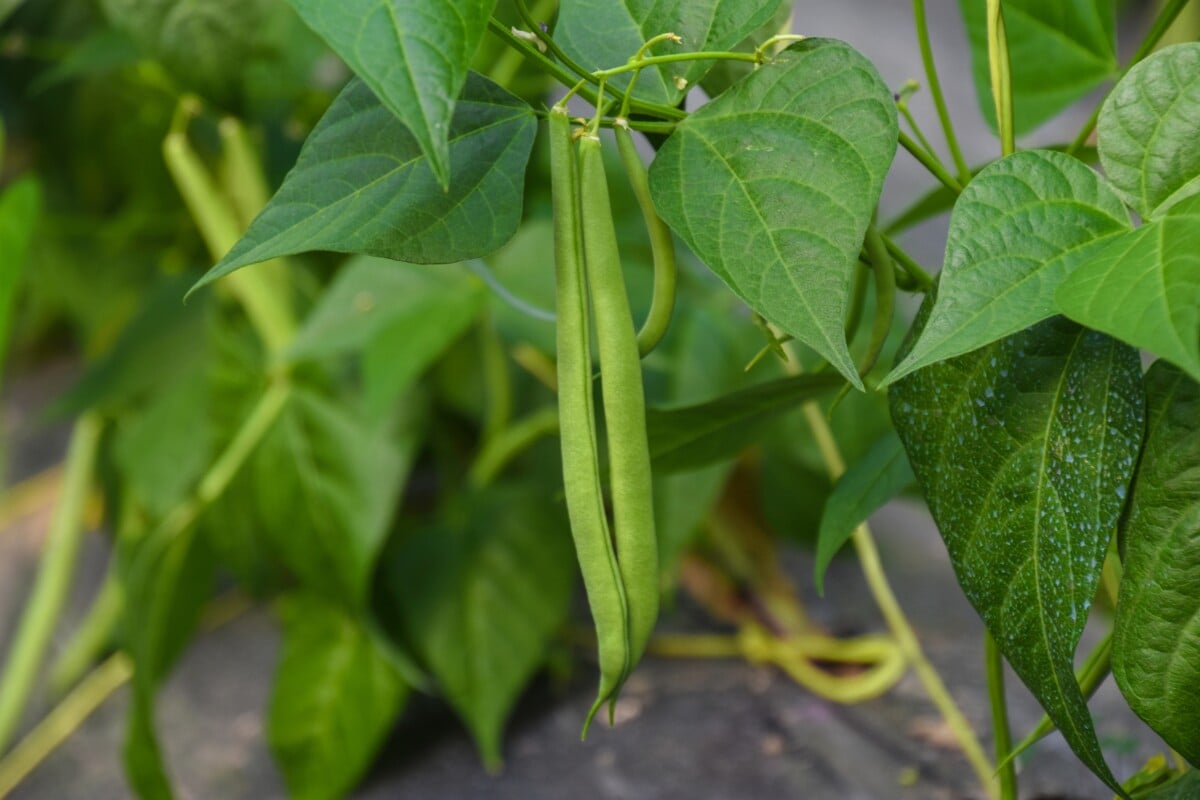
Bush beans are another quick win. Most varieties, such as ‘Provider’ or ‘Contender’, are ready in 50 to 55 days, and they continue to produce right up to the first frost. Just make sure they’re getting full sun and consistent water.
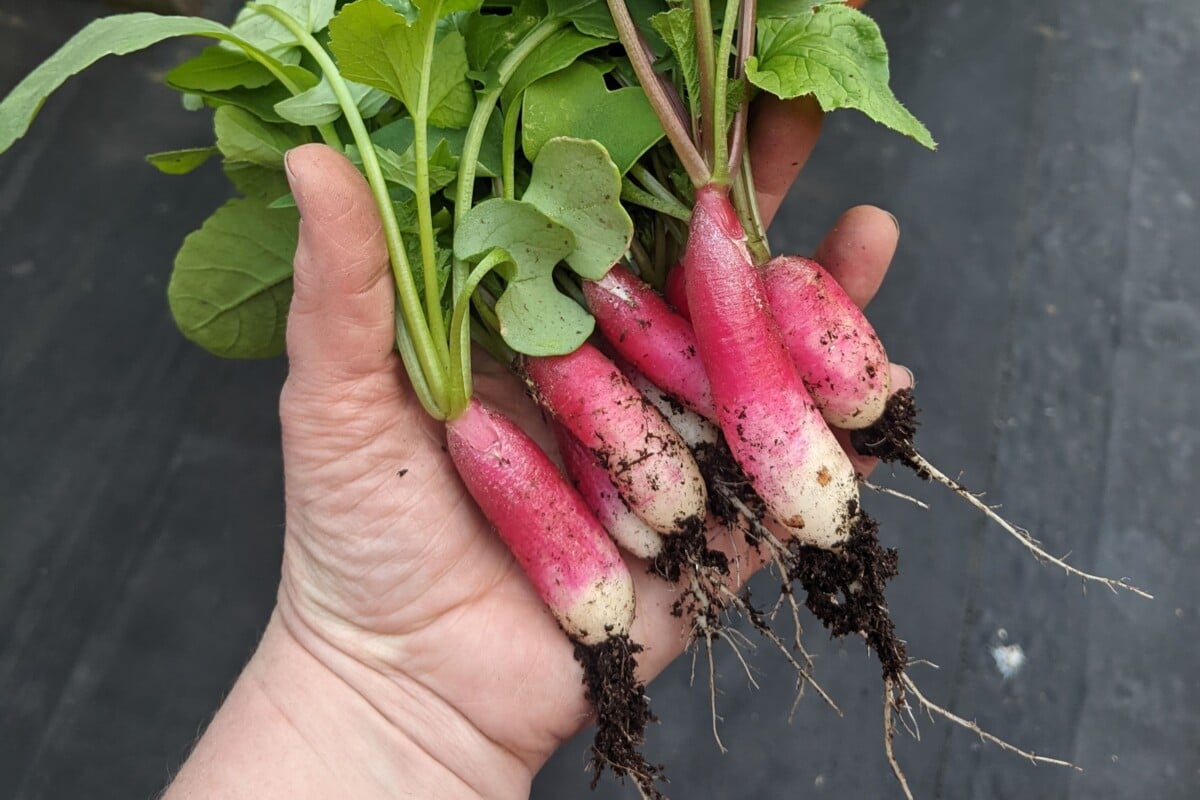
Radishes are a great last-minute crop, maturing in 30 to 45 days. Depending on the variety, you may be able to get two or three plantings in.
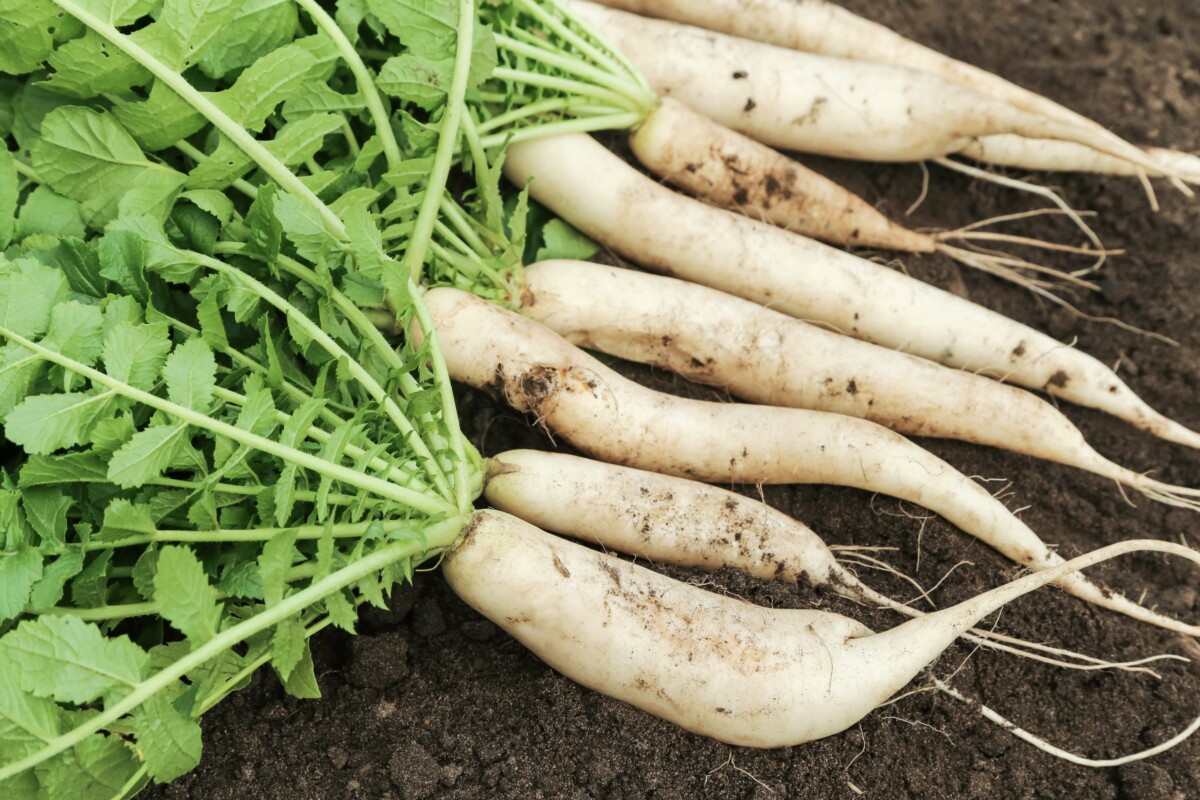
Winter radishes, such as daikon or ‘Red King’, are ideal for planting in August. Unlike their smaller cousins, these radishes take longer to mature, about 50 to 60 days, but you’ll end up with big, satisfying roots that store well.
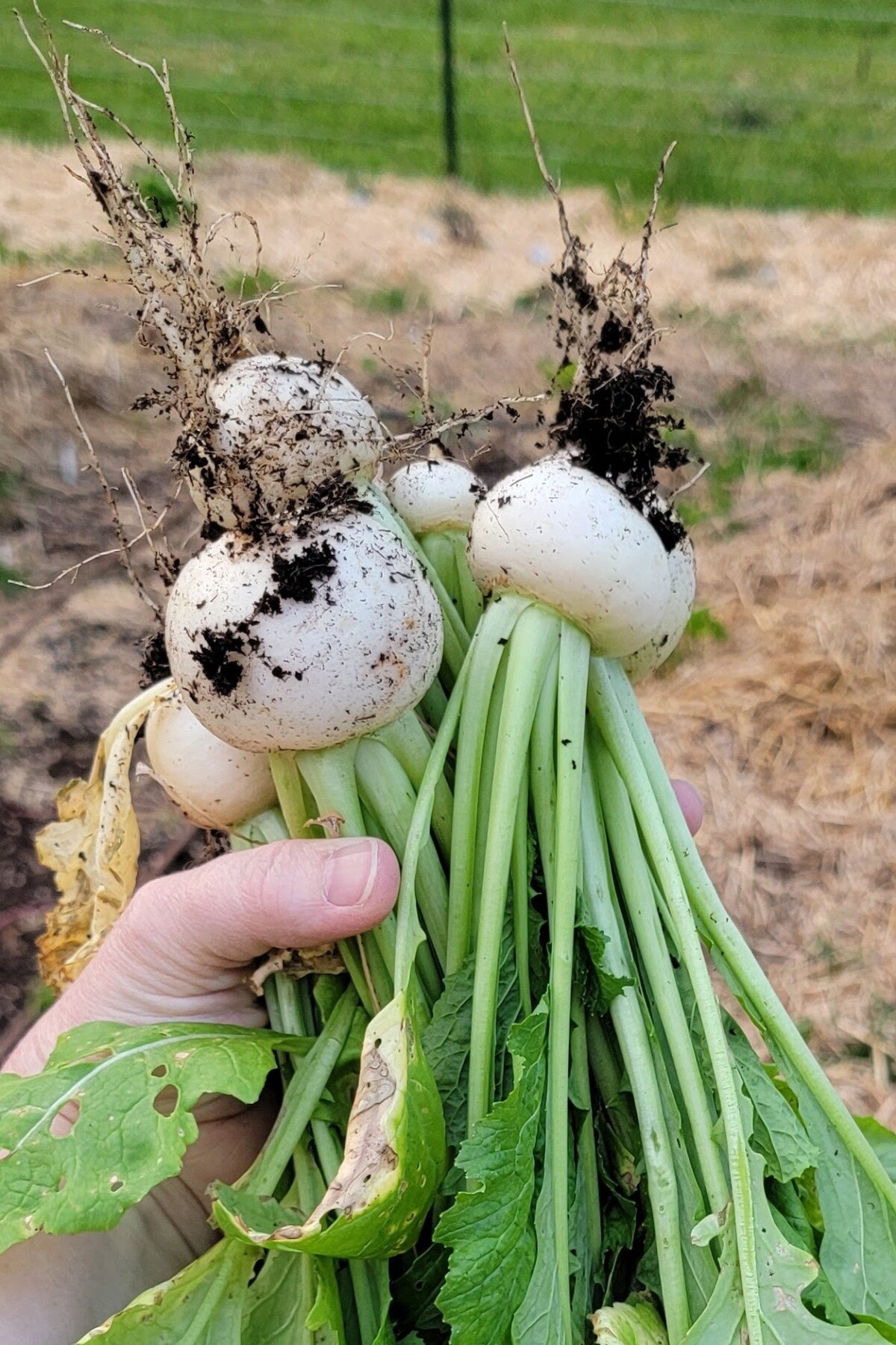
Turnips fall into the same category: 50 to 60 days to maturity, dual-purpose plants that give you greens and roots. Plant them now, and they’ll actually taste sweeter if they’re kissed by frost before harvest.
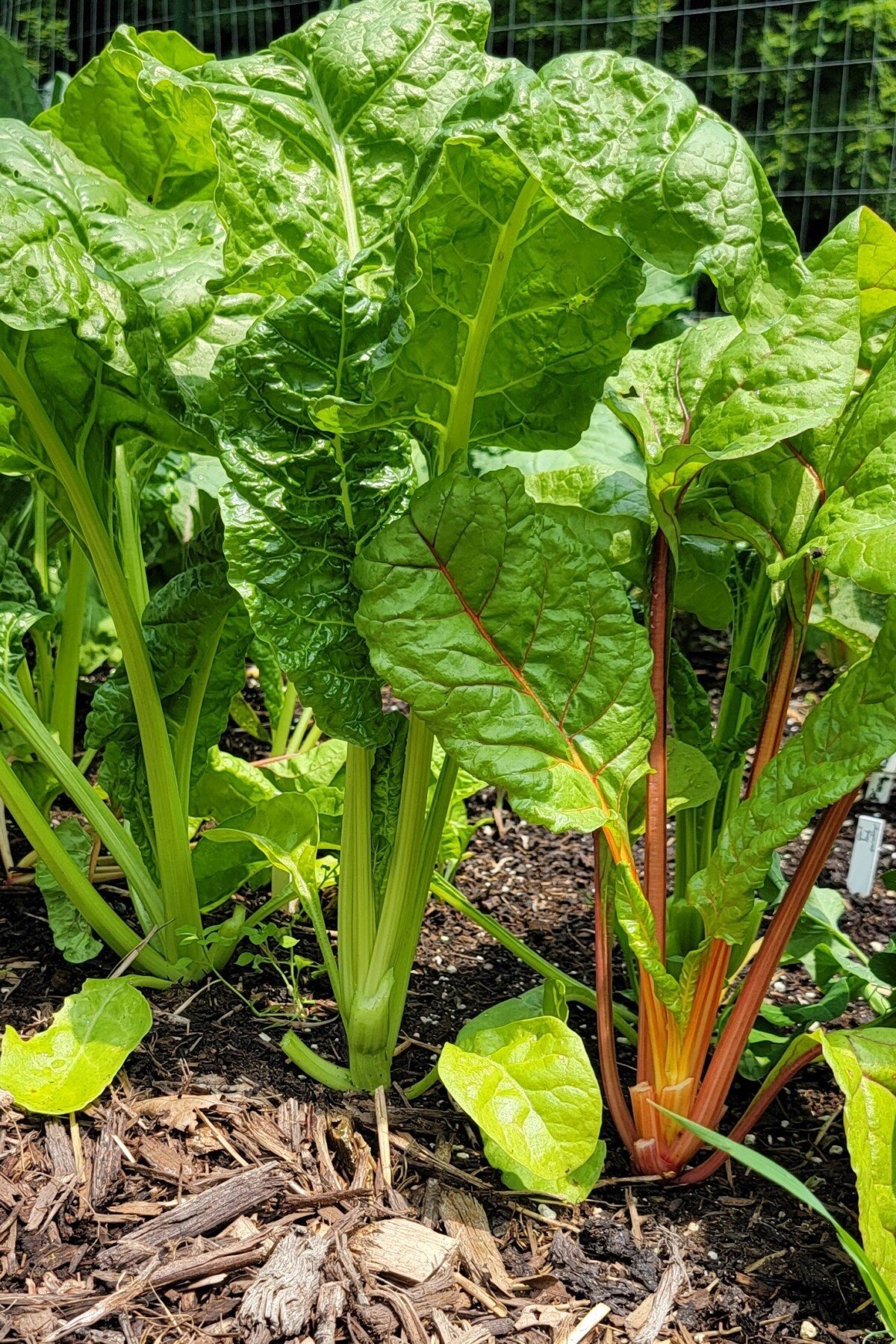
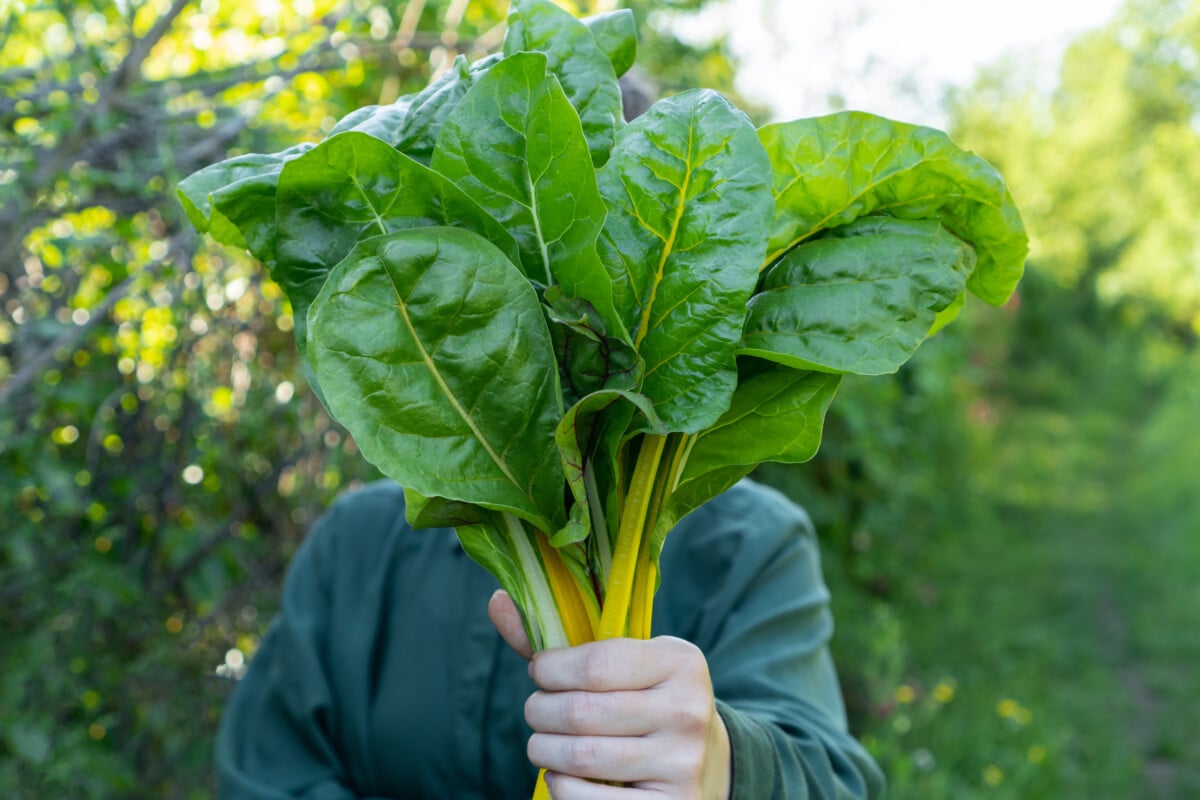
Swiss chard is a fantastic leafy green that matures in about 55 to 60 days and tolerates cold temperatures better than spinach. Bonus: the rainbow-colored stems will keep your garden looking lively as summer colors fade.
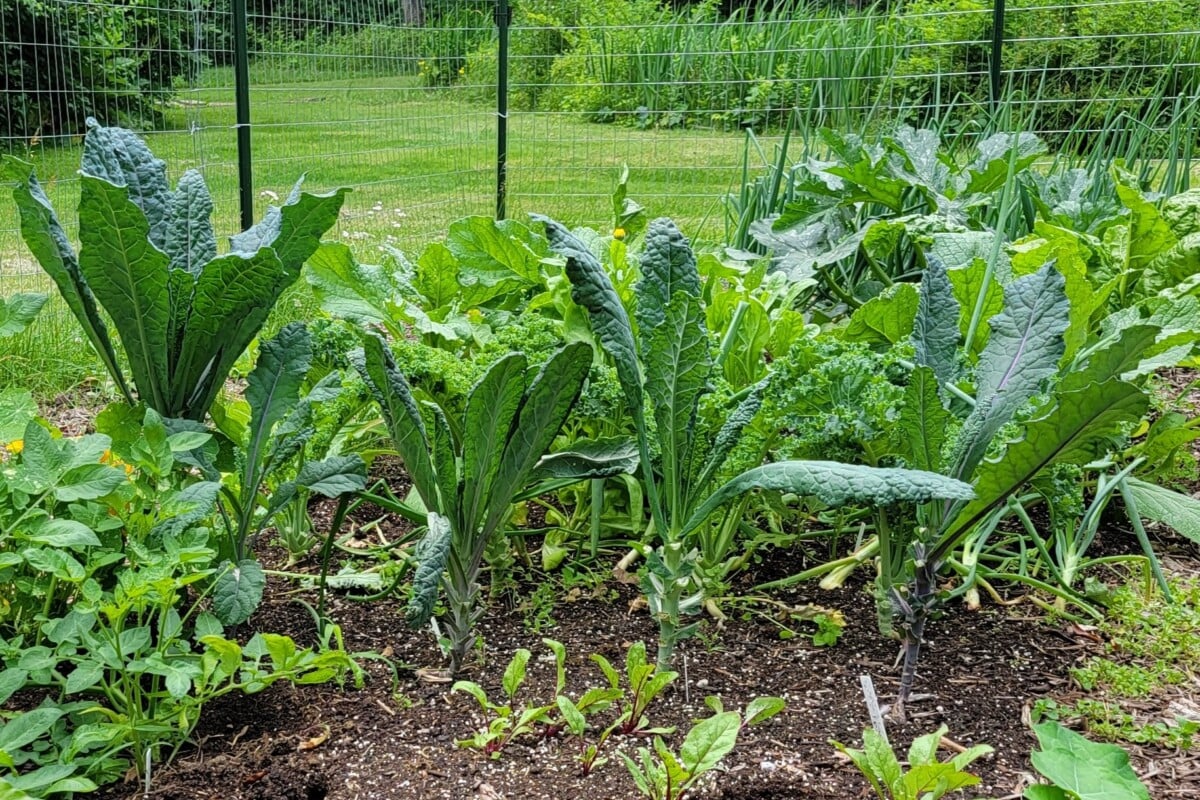
Speaking of greens, kale is practically made for fall gardening. It takes 50 to 60 days to mature and will continue producing well after other greens have tapped out. Cooler temps even make the leaves taste sweeter. I’ve often harvested kale at Christmas, much to my family’s dismay.
Chinese cabbage or Napa cabbage grows quickly and is great for slaws or stir-fries. Most varieties mature in 60 days or less and thrive when the weather starts to cool. Between the daikons and the Chinese cabbage, you’re well on your way to homemade kimchi.
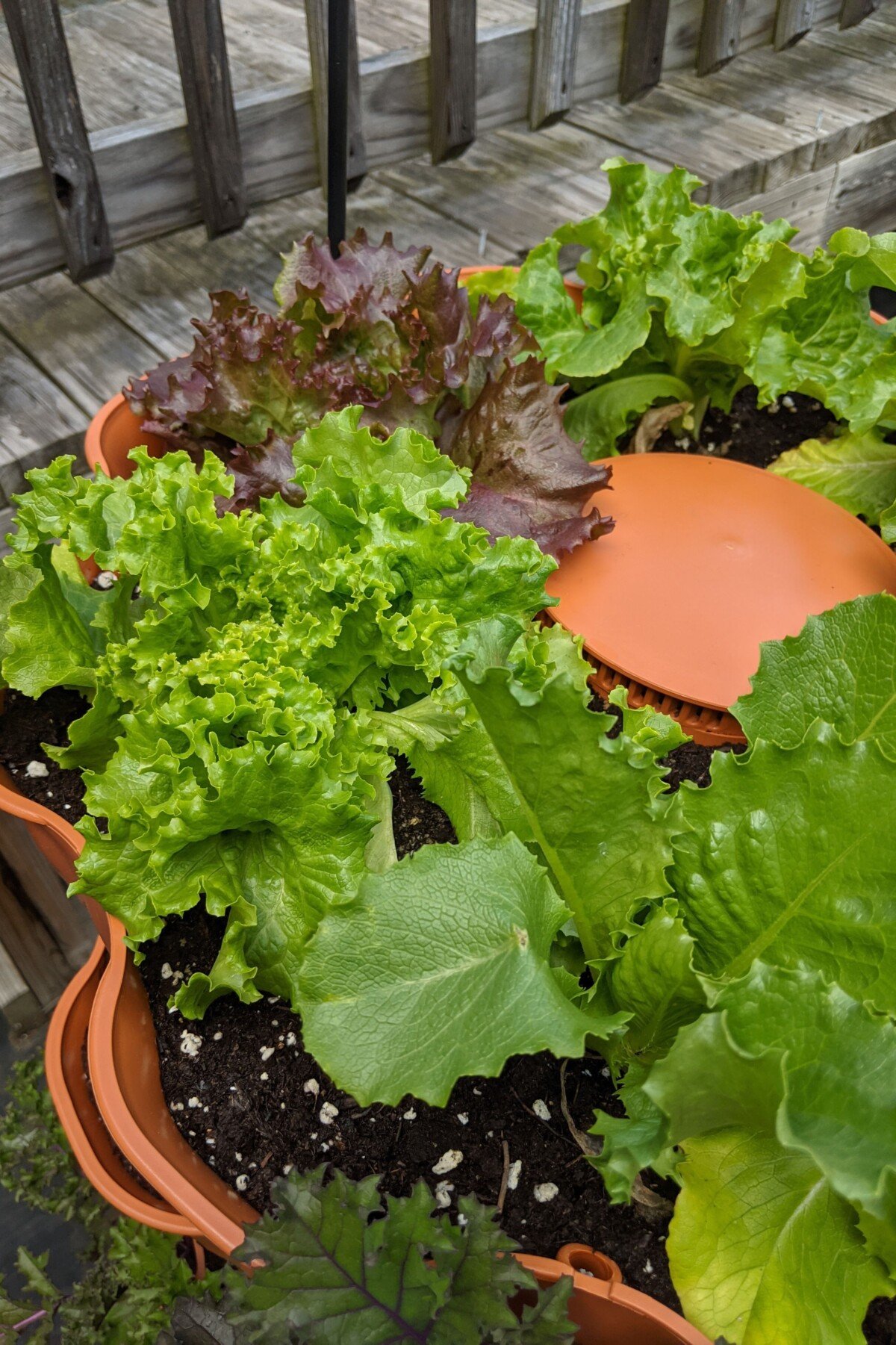
Lettuce is another fast grower, especially romaine and loose-leaf varieties. You’ll want to go with bolt-resistant types early in the month, then switch to more cold-tolerant options in late August.
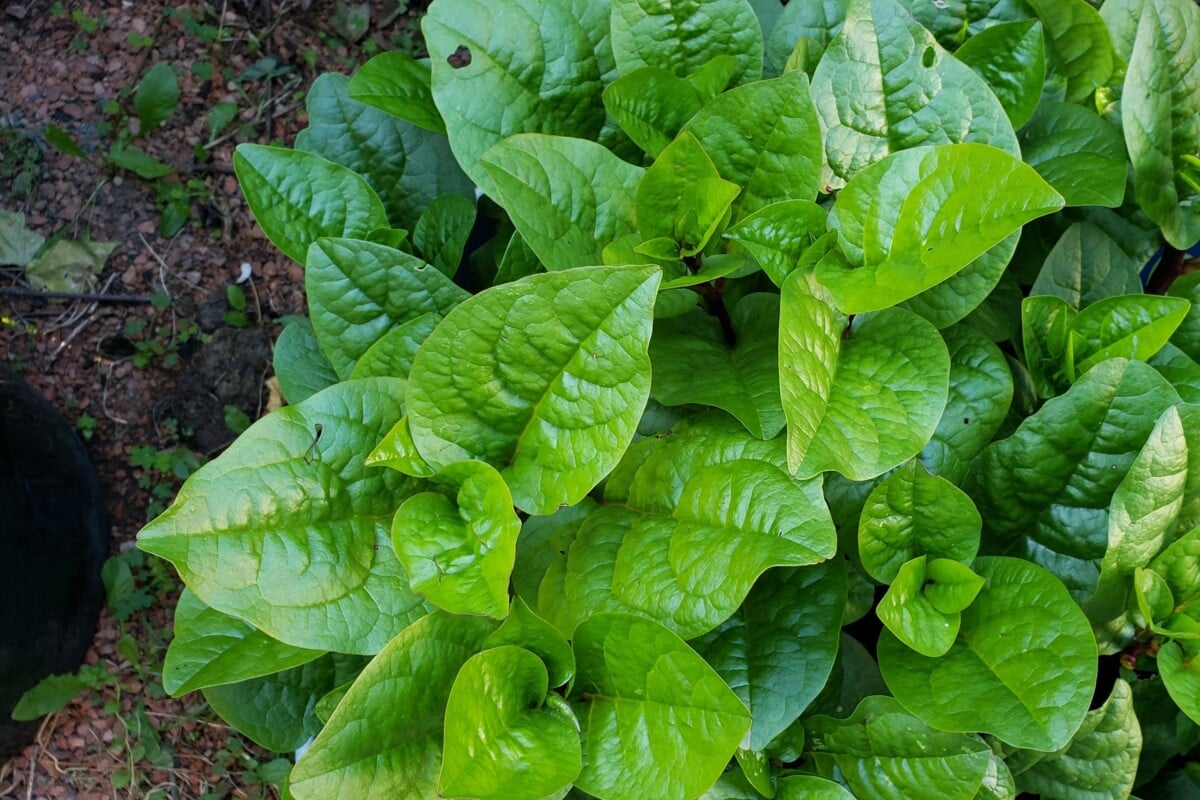
Spinach can be a little fussy in the heat, but if you choose heat-resistant varieties and keep the seed bed moist, you’ll get great germination. Save planting spinach toward the end of August, and you’ll be harvesting sweet, baby leaves all through fall.
Zones 8 Through 10
Now, for the lucky gardeners in Zones 8 through 10, where the frost doesn’t come knocking until November or later, your August planting options expand quite a bit. You can grow nearly everything mentioned in the previous section, except for things that tend to bolt in the heat.
Beyond that, you can go for crops that take 70 to 90 days to mature, and you’ll still be in good shape for a late fall harvest.
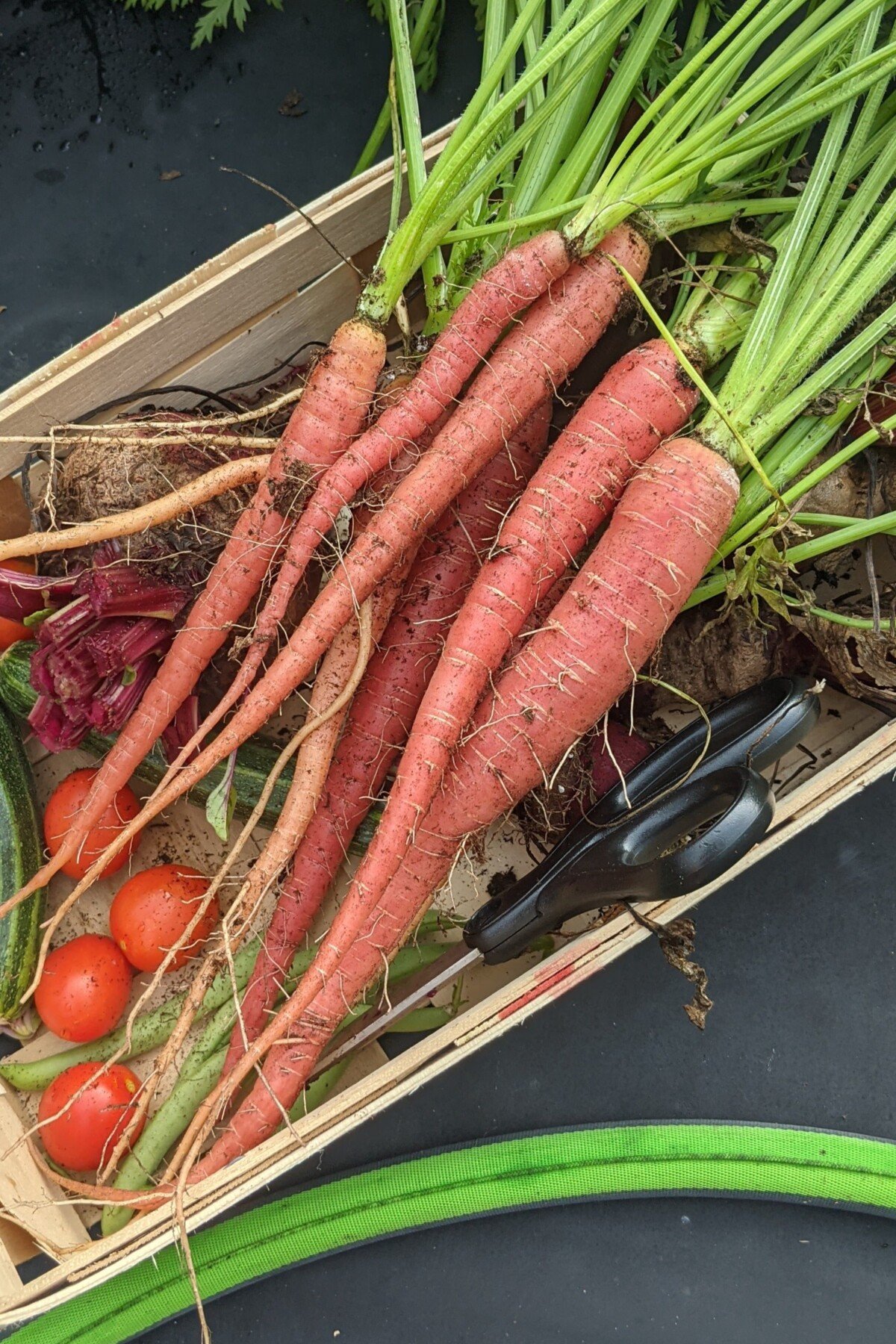
Carrots are one of the best cool-season crops, and August is an ideal time to get them started in Zones 8 and above. Look for varieties like ‘Danvers’ or ‘Scarlet Nantes’—they’ll be ready in 70 to 80 days. Keep the soil moist during germination and mulch to prevent it from drying out.
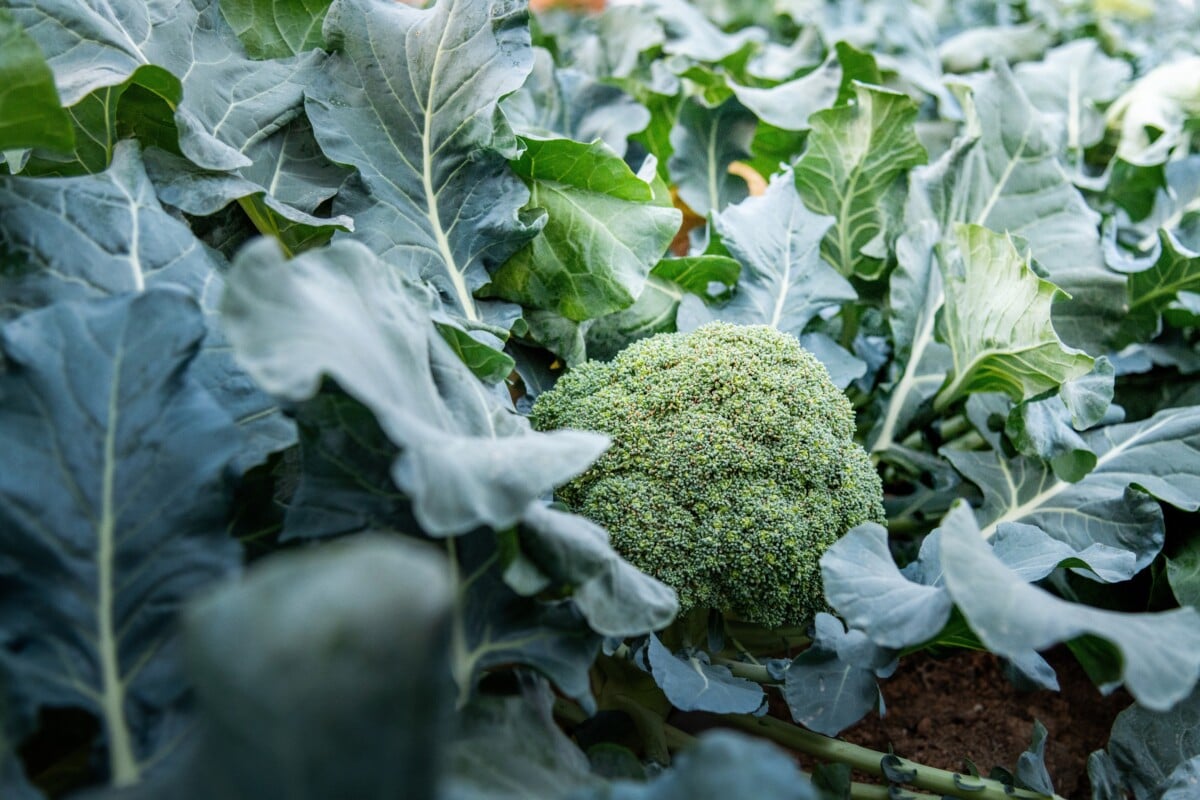
Broccoli is another excellent fall crop for warm zones. Plant early to mid-August and you’ll have full-sized heads by Halloween or early November. Try ‘Green Magic’ or ‘Waltham 29’ for dependable results.

Cauliflower can be a bit more temperamental, but in the right climate with steady water and cooler temps, it will reward your efforts. Expect 70-85 days to maturity.
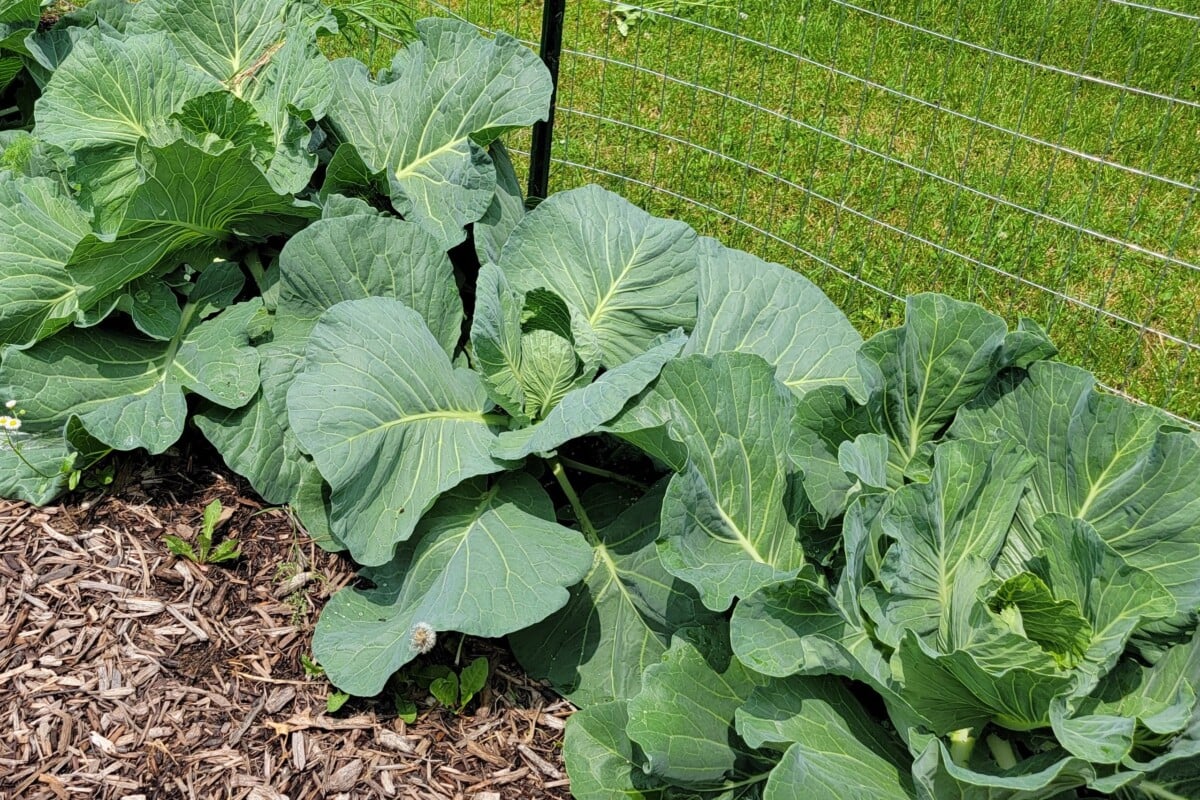
Cabbage, whether green or red, is also worth a shot in warm zones. Plant in August for a harvest by mid to late fall. Keep an eye out for pests early on, and thin aggressively to encourage strong heads.

Rutabagas may not be the most glamorous root veggie, but they’re satisfying to grow and perfect for roasting or mashing. These plants require approximately 80 to 90 days, so Zones 8 and above are your best bet.
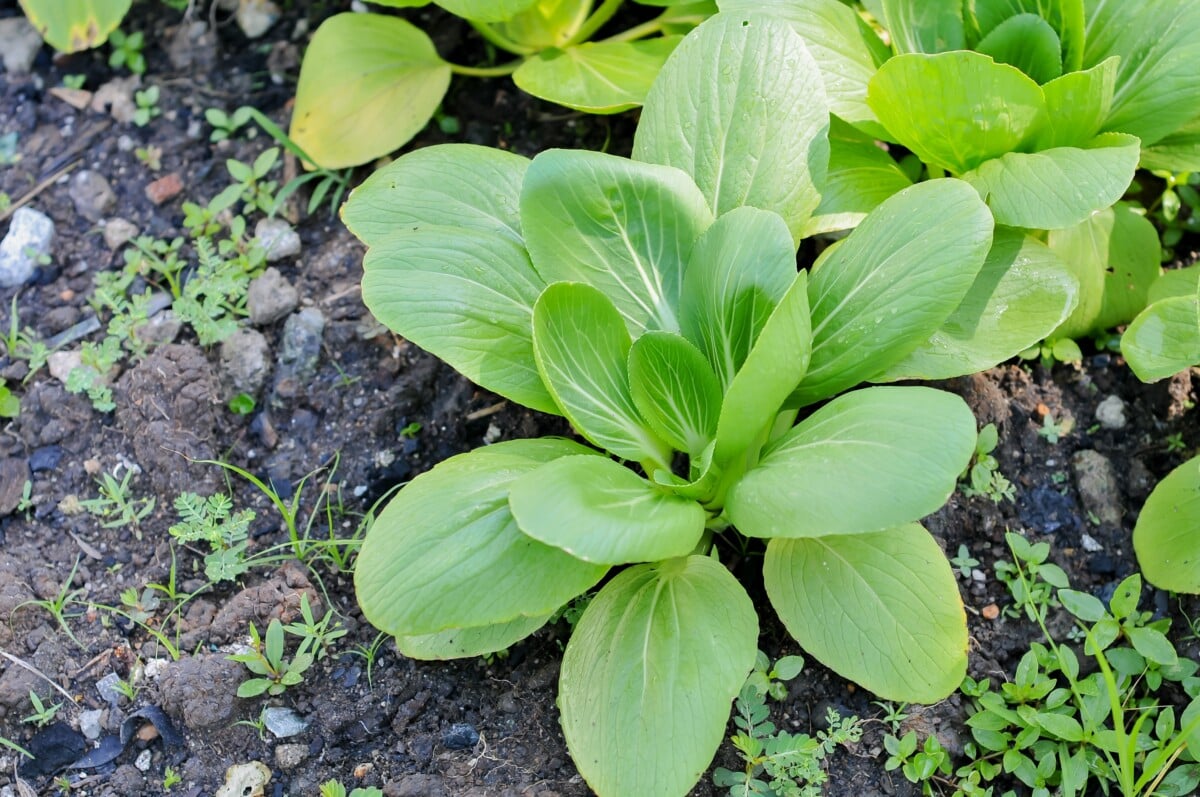
Pak choi, also known as bok choy, is a fast-growing plant that thrives in cooler seasons. You can easily grow it in part shade if your August sun is too intense. Most varieties mature in 60 to 70 days.
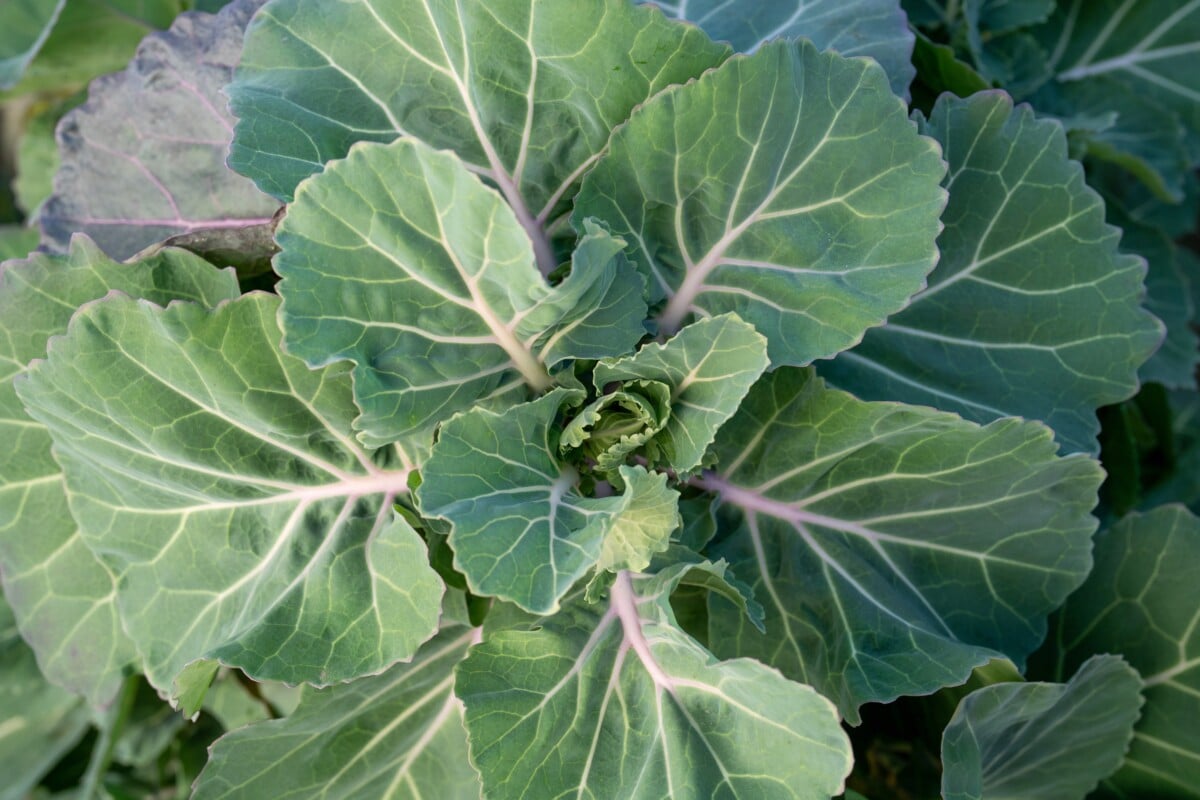
Collard greens are another Southern favorite that thrives in the heat and gets even better after a light frost. They’ll be ready in 70 to 80 days and keep producing if you harvest the outer leaves regularly.

Mustard greens are a zippy addition to fall meals, and most mature in 60 to 70 days. If you like a peppery bite, get these in the ground now.
Wrapping Things Up
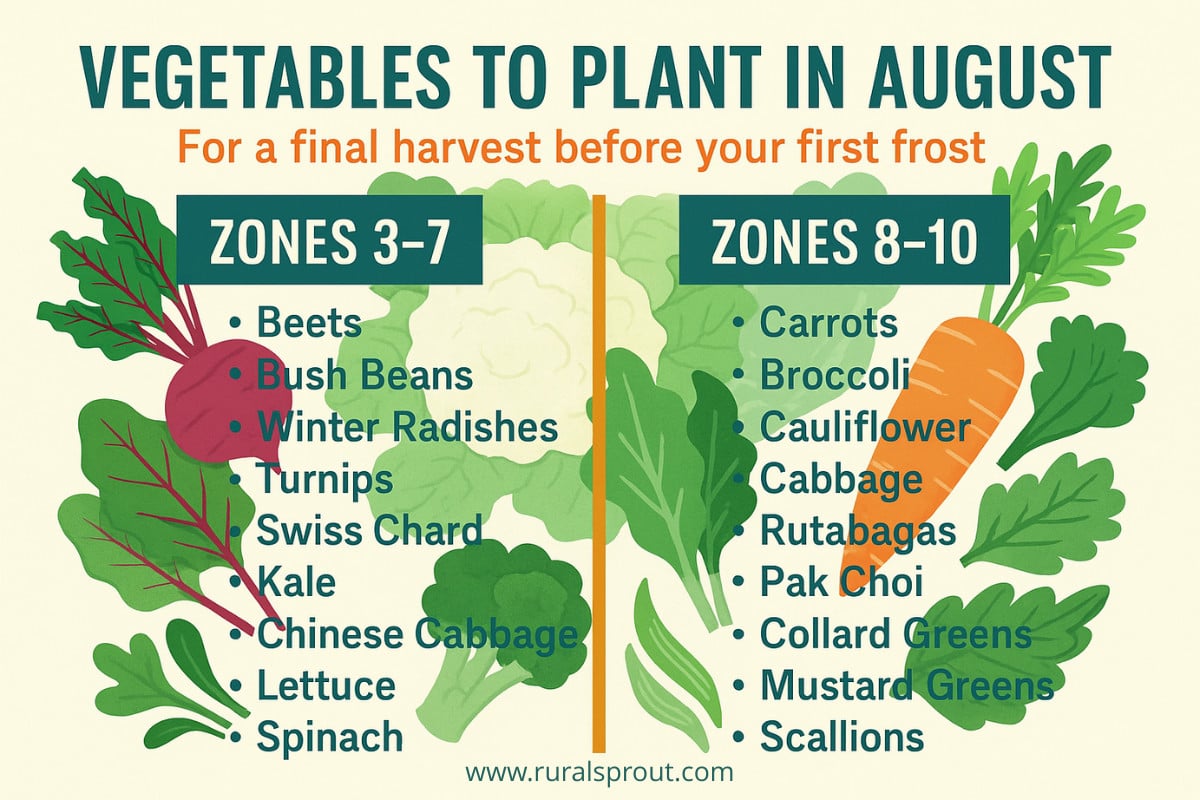
Always check the maturity date for your specific seed variety and factor in that buffer of extra days due to slower growth in the fall. Start seeds indoors if it’s too hot outside, or sow in part shade. Water deeply and mulch to maintain a steady soil temperature. And for crops that can handle light frosts, don’t panic if the mercury dips—some veggies actually get better with a chill.
So, before you throw in the trowel (I couldn’t help myself) on this growing season, take a look at your calendar and your zone. August is the perfect time to fill your beds one last time with a few rounds of fast-growing, frost-loving crops.
Get Garden Notes From Tracey, Right to Your Inbox
Pull up a chair on the front porch. Join 54,000+ gardeners who get Tracey\'s friendly notes, seasonal to-dos, and hands-on tutorials three times a week.