

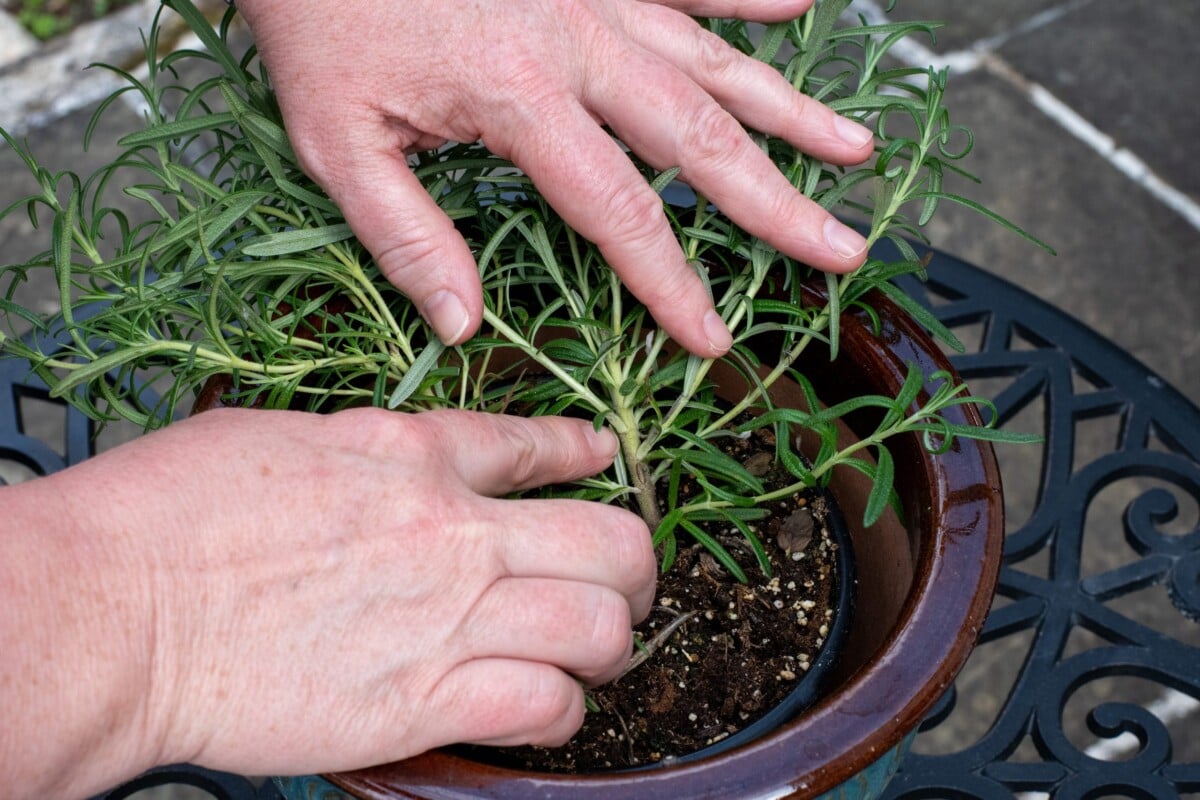
For a good portion of the United States, rosemary needs to be grown as an annual. Those of us living where winter means serious business have to start our rosemary plants anew each spring. Because I’m a lazy gardener, I decided to opt out of this seasonal nonsense and figure out how to grow rosemary as the perennial it is.
Even with my January temperatures below zero.
I’m happy to share how I do it, so you can enjoy fresh rosemary all year long. Because starting all over each spring is the pits.
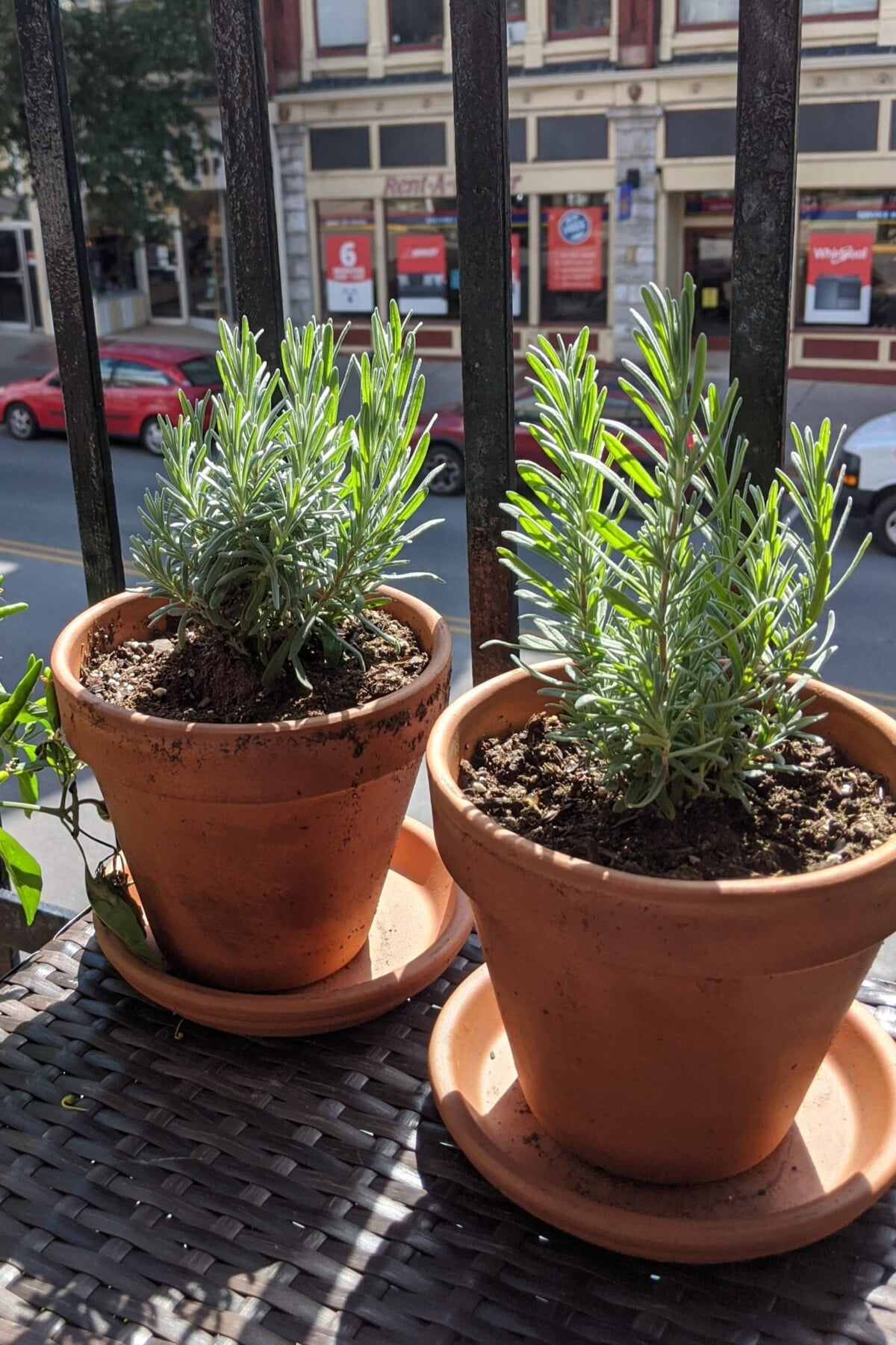
“Rosemary, you’re a perennial. Act like it.”
I eventually grew tired of starting rosemary from scratch each year, so I decided to change how I grow it. These days my rosemary acts more like a perennial, even though I live in Zone 6b. Plus, I propagate backup plants each fall.
If you live somewhere with harsh winters, you’ll need to make a few changes to how you grow rosemary. Thankfully, for most of the year, it grows as it does anywhere else. And for that, the wise gardener looks to a plant’s native habitat for clues on how to grow it well.
A Quick Rosemary Primer
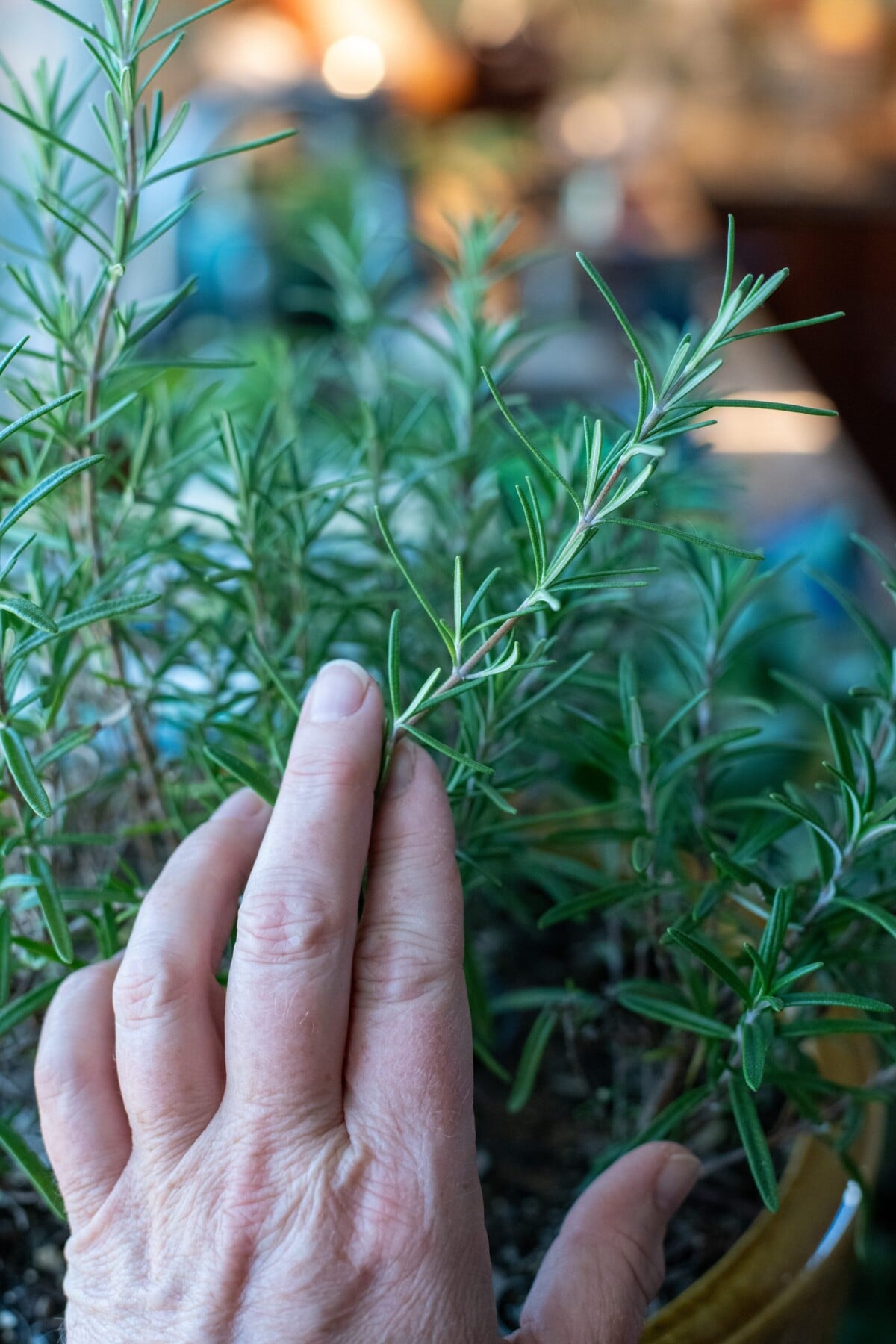
This evergreen herb grows naturally on coastal hillsides in the Mediterranean. It’s buffeted by the wind from the sea and bakes in the hot sun. All that is to say, in the garden, it thrives on neglect.
Gardeners who struggle to grow rosemary do so because they’re overzealous in their efforts to care for it.
As long as you get the light and the soil right, this plant does best when you forget about it and go about your business. For the best flavor and a large, bushy growth habit, rosemary needs between 6-8 hours of bright, direct sunlight. It can handle more, but too much light/heat can bake the flavor right out of it.
As for soil, rosemary hates wet feet. It’s used to hanging on to craggy hillsides. So, sandy, fast-draining soil with a pH of 6.0 to 7.5 will keep it happy.
Beyond that, fertilizer isn’t really necessary, as it encourages fast, leggy growth rather than sturdier, bushy stems. The only time I suggest fertilizer is if you grow it in a pot, and even then, I keep it to a minimum of once a year. (I like to repot my rosemary in the spring and that’s when I fertilize it.)
Established rosemary is extremely drought tolerant, again, a nod to its native mode d’emploi. I rarely water my rosemary, letting Ma Nature take care of that chore for me, when and if she sees fit to send rain.
The real issue for us Northerners when it comes to growing rosemary as a perennial shows up in the fall, when the weather begins to cool.
Rosemary does not tolerate cold temperatures. It can handle a light frost, but once you get a few hard freezes or the ground freezes, it’s done for.
Oh sure, it may hang on for a while, but eventually it will kick the bucket at some point during the winter, which means we need to give our rosemary sufficient protection if we want it to survive another season.
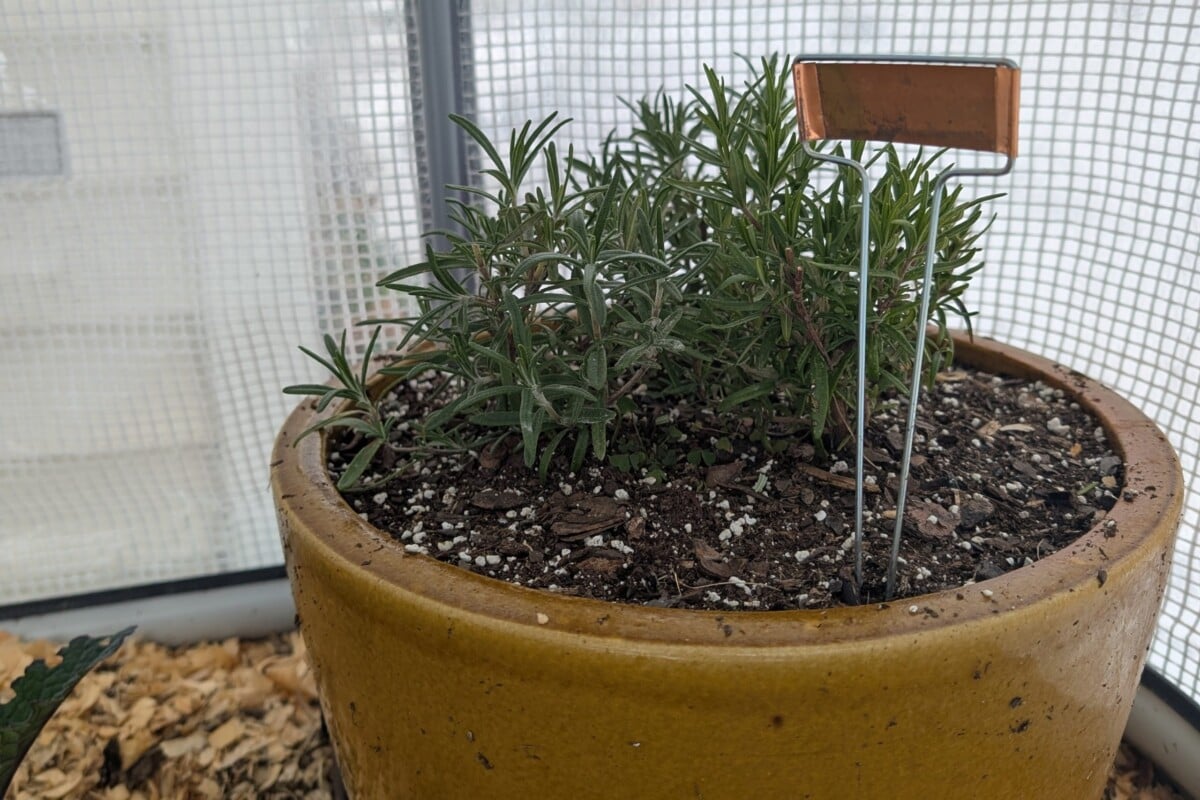
Overwintering Rosemary Two Ways
Growing Rosemary in the Ground
If you are in a growing zone where you get cold winters, but the ground doesn’t freeze, you can grow rosemary directly in the ground. You’ll need to mulch it with a thick layer of protective mulch in the fall.
Put down a layer of lightweight mulch material, such as pine flake, around the base of the plant and out to a couple of inches beyond the drip line, to insulate the root system below the soil.
You’ll also need to cover the aboveground portion of the plant during the winter.
I used to make a kind of loose tube around my rosemary plant with burlap and sprinkle mulch down into it, so that it formed an insulating layer inside the burlap and around the plant; then I would tie off the tube at the top and bottom.
Unfortunately, no matter how snug my rosemary was, the ground always freezes where I live, so by the time spring came around, it was a 50/50 shot whether my rosemary would survive. If it did survive, I would end up trimming off plenty of frost-damaged tips, and it would take a few weeks for my plant to bounce back and start growing again.
So, only utilize this method if your ground doesn’t freeze.
Growing Rosemary in a Pot
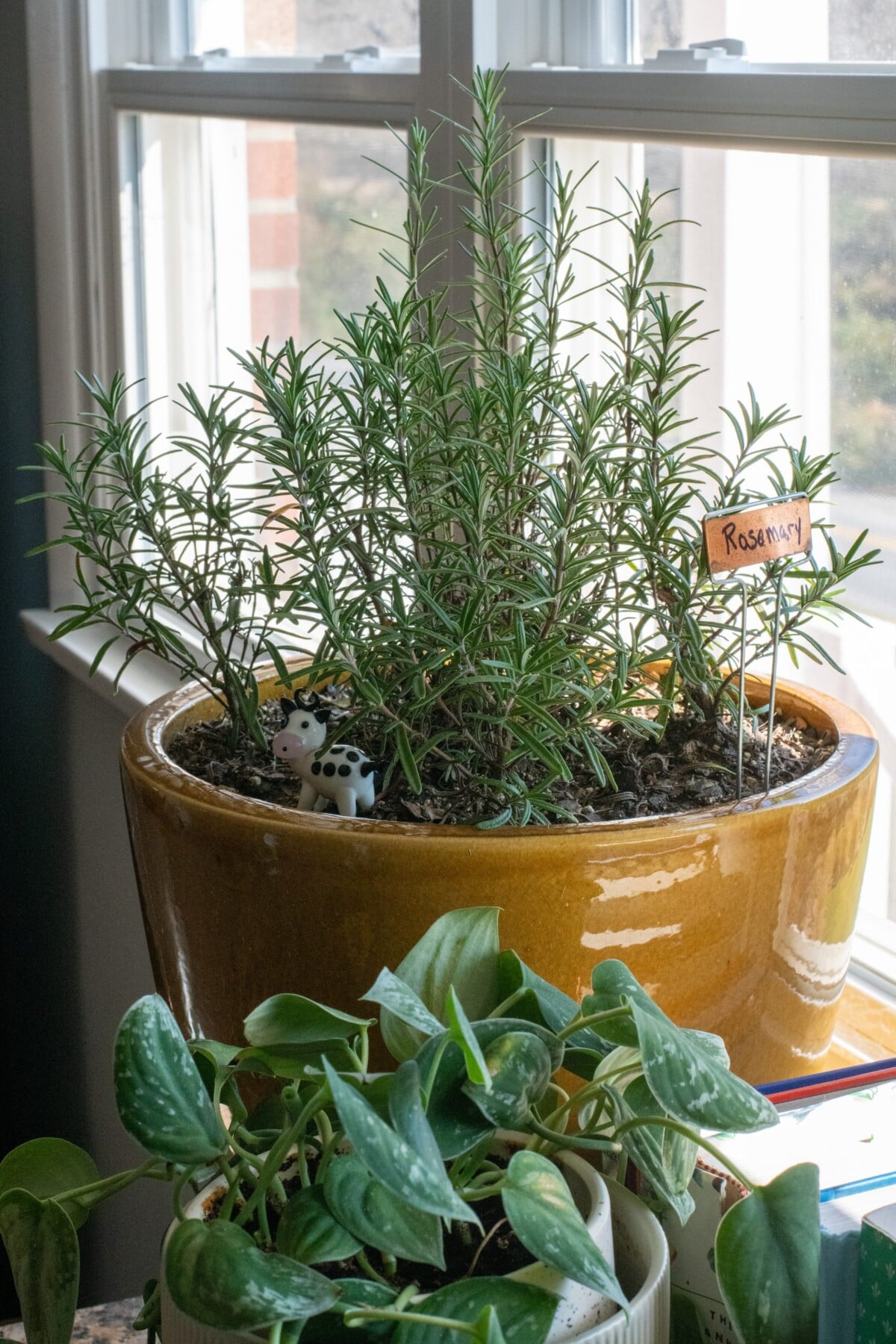
These days, I grow my rosemary in a pot. Not only does this make overwintering it much easier, but it also makes growing it the rest of the year a cinch.
By growing my rosemary in a pot, I am able to ensure it has the right kind of slightly crappy soil that it loves for it to be happy, which is not what’s in my garden. No matter how much rain we get, my rosemary is in a pot with fast-draining potting mix, so no more hoping the spring rains won’t kill off my rosemary before the season even gets started.
The other great thing is that if we get a really rainy spell, I can pick up my rosemary and move it onto my patio out of the rain. Likewise, I can move it to where it will get the most sun.
In my humble opinion, growing rosemary in pots is the ideal way to grow it if you live in an area of the country where rosemary is considered an annual. You suddenly have a portable perennial.
Overwintering Rosemary in a Pot
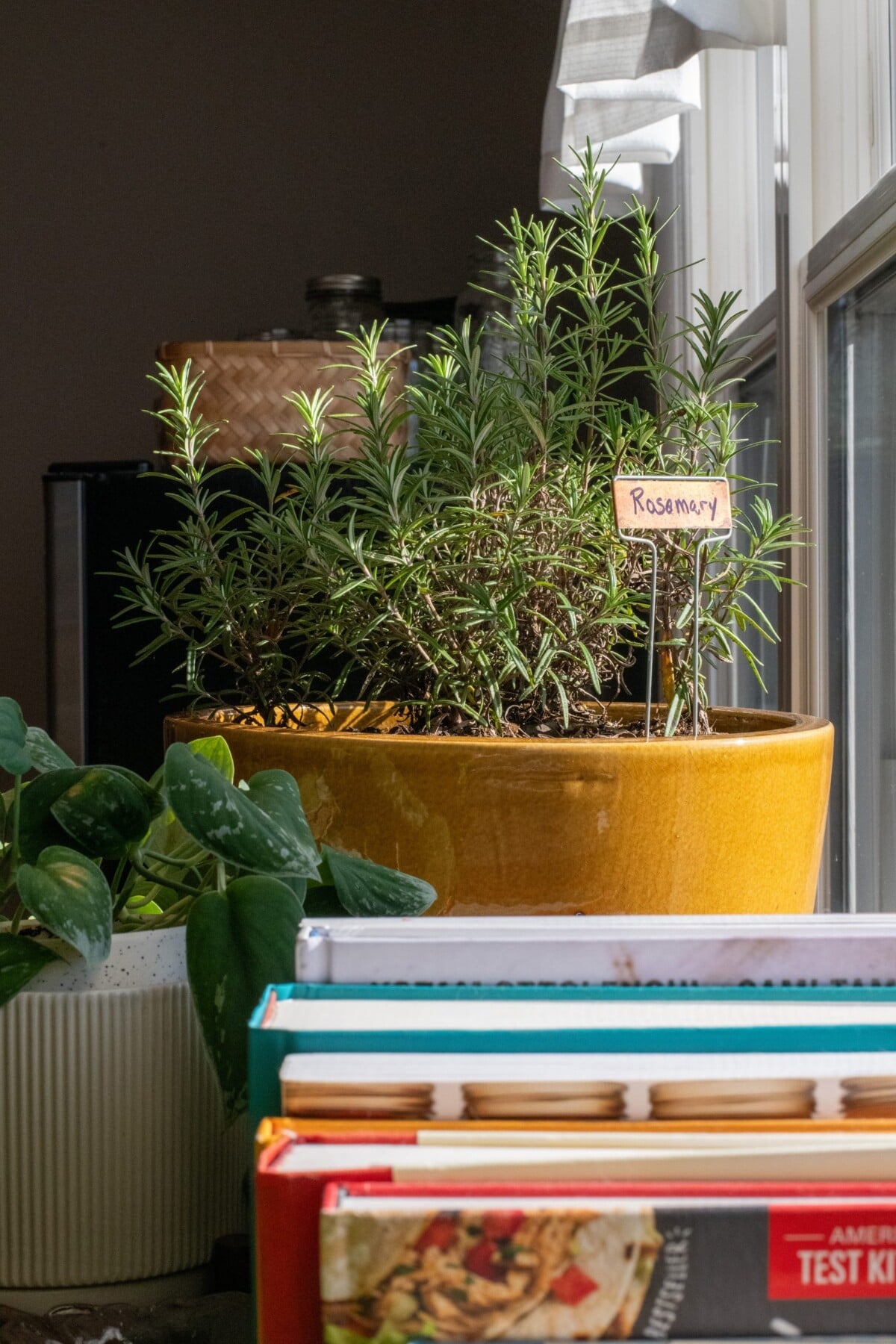
When fall arrives and the temperatures cool, you’ll need to bring your rosemary indoors for the winter. You want to be sure to bring it in before that first frost.
Another great thing about potted rosemary is that the soil mixture you use means the pot doesn’t weigh a ton, so you can grow a pretty big, dare I say, rosemary bush, and still manage to bring it inside each year.
Keeping Rosemary as a Temporary Houseplant
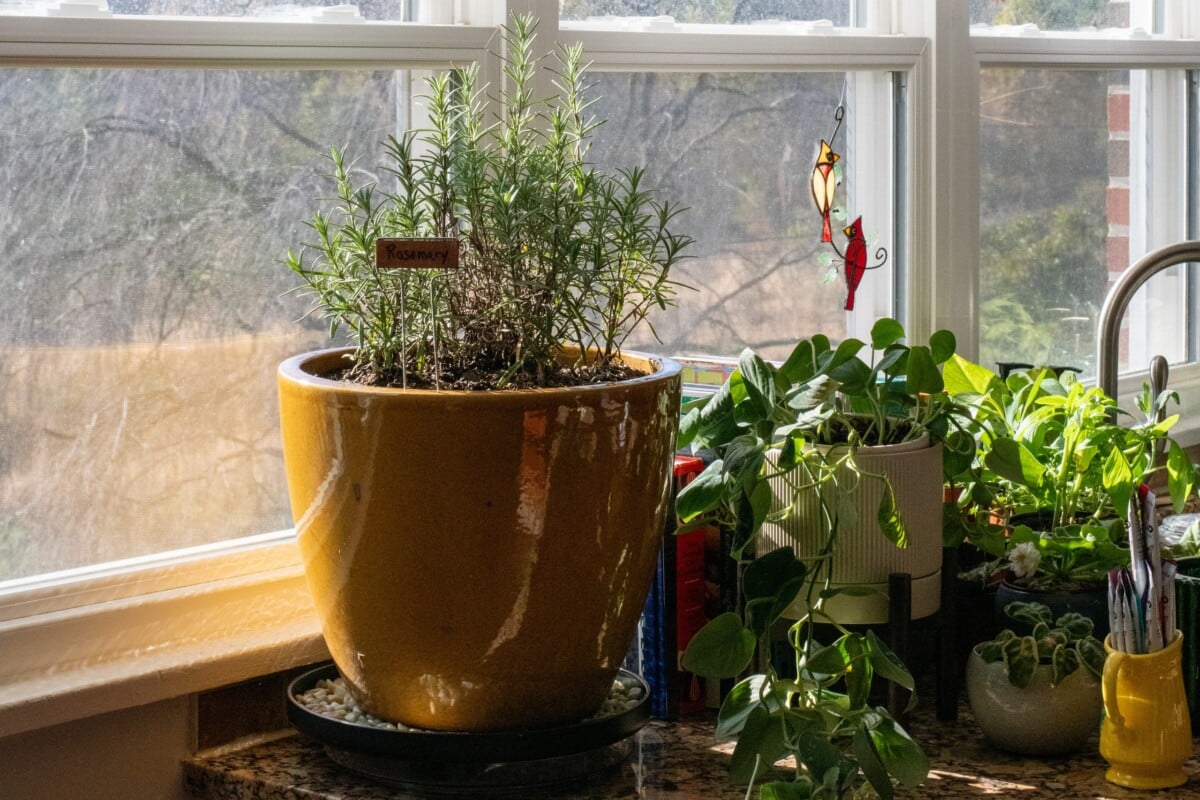
Once indoors, don’t be tempted to treat your rosemary plant like any other plant with permanent houseplant status.
Unlike most of our tropical houseplants that go into a state of dormancy in the winter months, rosemary is an evergreen plant. Instead of going dormant, it responds to the shortened daylight hours by slowing its growth.
It still requires as much light as you can give it and periodic watering.
Unlike most tropical houseplants, rosemary can handle direct sunlight, so stick it in your sunniest south-facing window or as close to it as you can get. If you don’t have that kind of light in your home, 4-5 hours under a grow light each day will keep your rosemary in tip-top shape.
Since the plant won’t be growing at the speed it normally does when it’s outside for the gardening season, you don’t need to water as often. However, it’s important not to let it dry out completely. Remember heated winter homes dry out fast.
Check the soil weekly by poking a finger in it. If the soil is dry past your second knuckle, it’s time to water your rosemary. Tip out any sitting water in the saucer below it.
One important thing to keep in mind when overwintering your rosemary: don’t put the plant near a heat source. Keeping it too close to a radiator or right over a register blowing hot air, etc., will dry the plant out and kill it. You’ll go from having fresh rosemary to dried rosemary very quickly.
Using Your Rosemary During the Winter Months
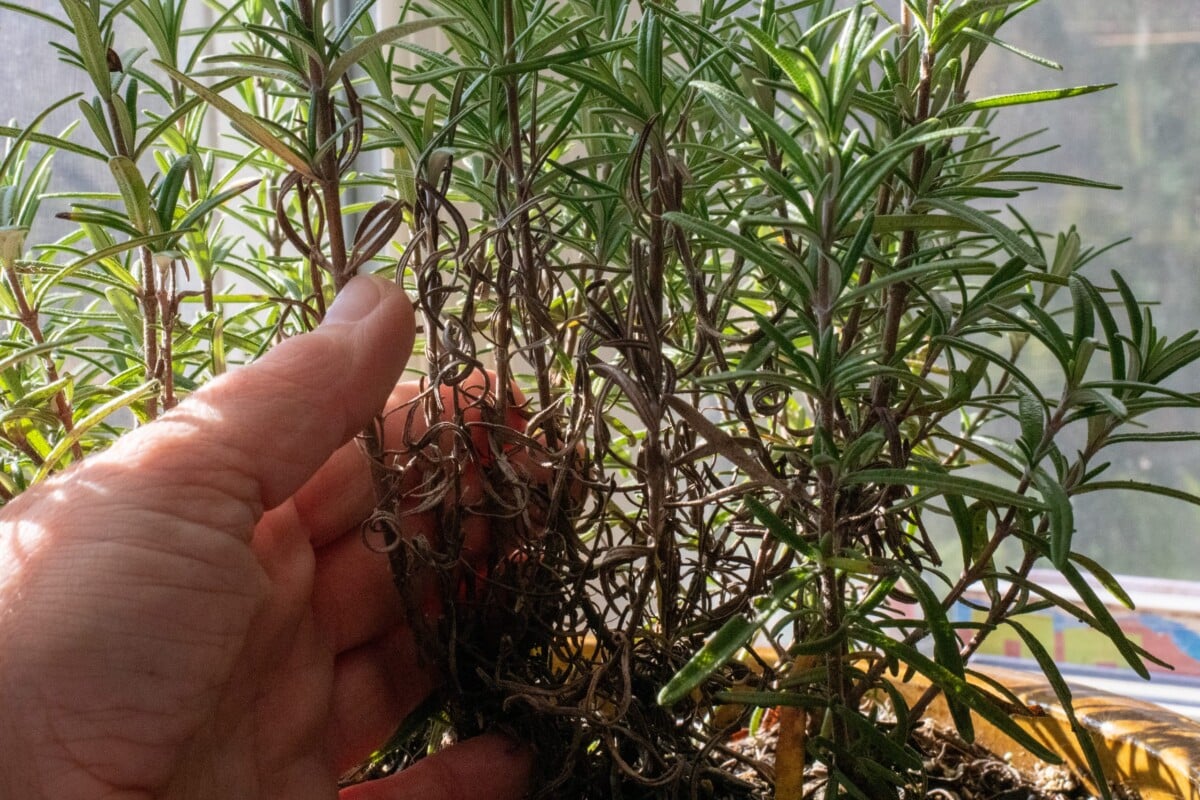
Having fresh rosemary on hand during the winter months is such a treat, especially considering how many hearty meals seem to call for it. Snipping a few inches from your plant each week will also encourage it to branch out, giving it a bushier shape overall.
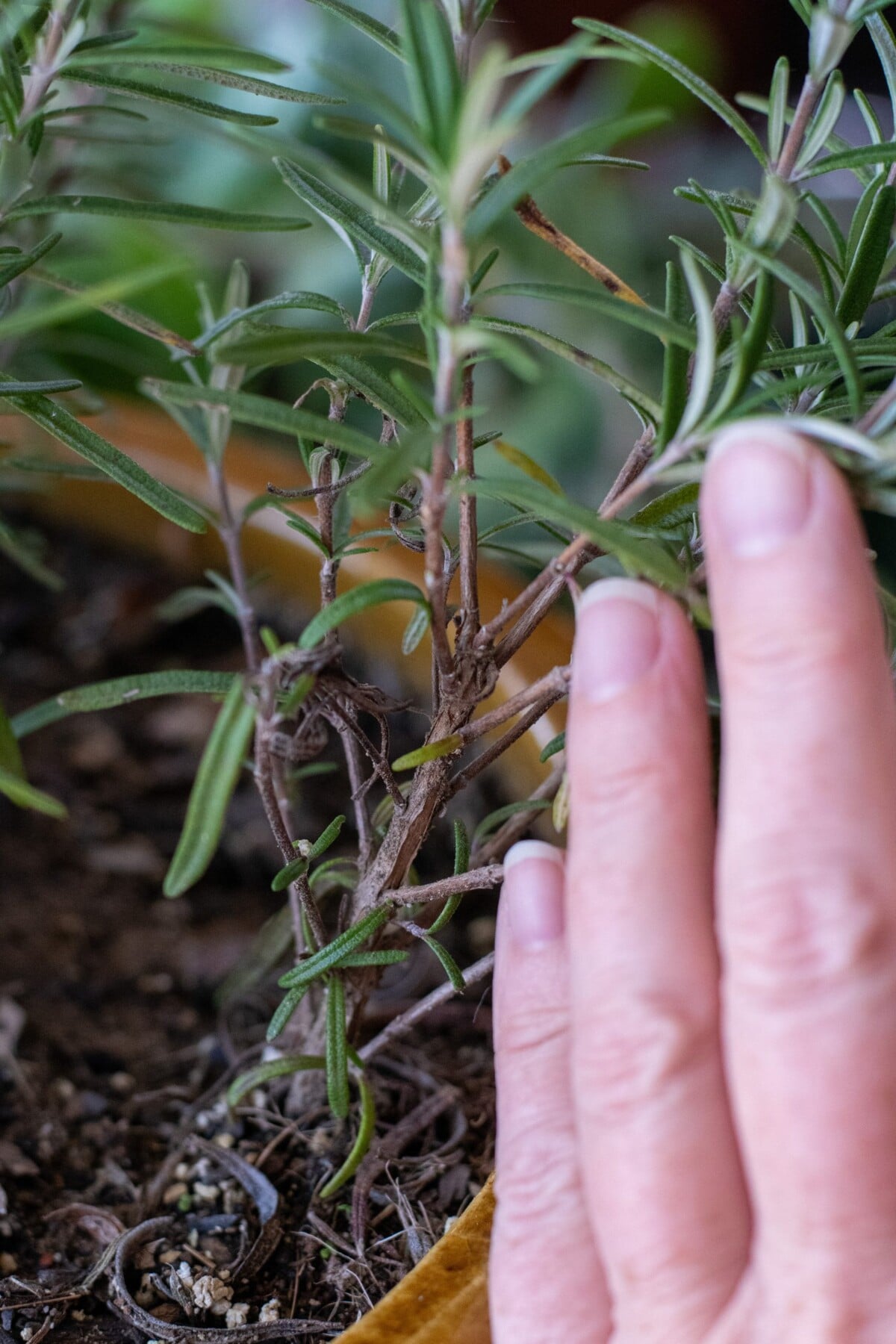
Just be sure you only cut the tender, flexible stems, and not the hard, woody stems. Rosemary will only put out new growth from the young, green stems.
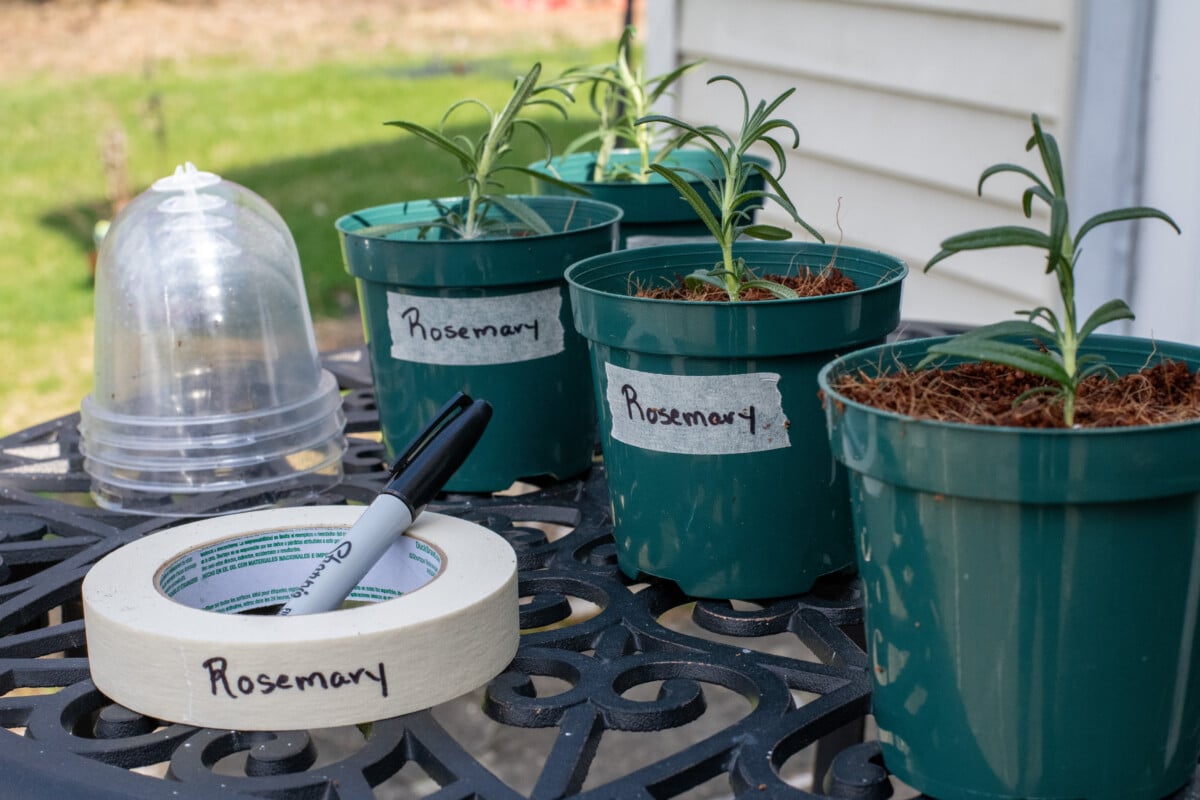
Winter is also a great time to take and start rosemary cuttings. If you get started when you first bring it inside, you’ll have little, rooted rosemary plants ready to hand out by Christmas. I’ve written up detailed instructions on how to propagate rosemary cuttings here.
Bringing Your Plant Back Outdoors in the Spring
After spending the winter indoors, your rosemary will grow a little pampered. It happens to us all. You’ll need to toughen it up a bit before it’s ready to stay outside all season. Wait until all chance of frost has passed and nighttime temperatures stay in the mid-40s.
If you start your own seedlings, just lump your rosemary in with them when you harden them off.
Start by bringing your plant outside for a couple of hours each day and bringing it in at night. After about a week, your rosemary will be happy to spend spring through fall outdoors again.
Read Next:


Get Garden Notes From Tracey, Right to Your Inbox
Pull up a chair on the front porch. Join 54,000+ gardeners who get Tracey\'s friendly notes, seasonal to-dos, and hands-on tutorials three times a week.