

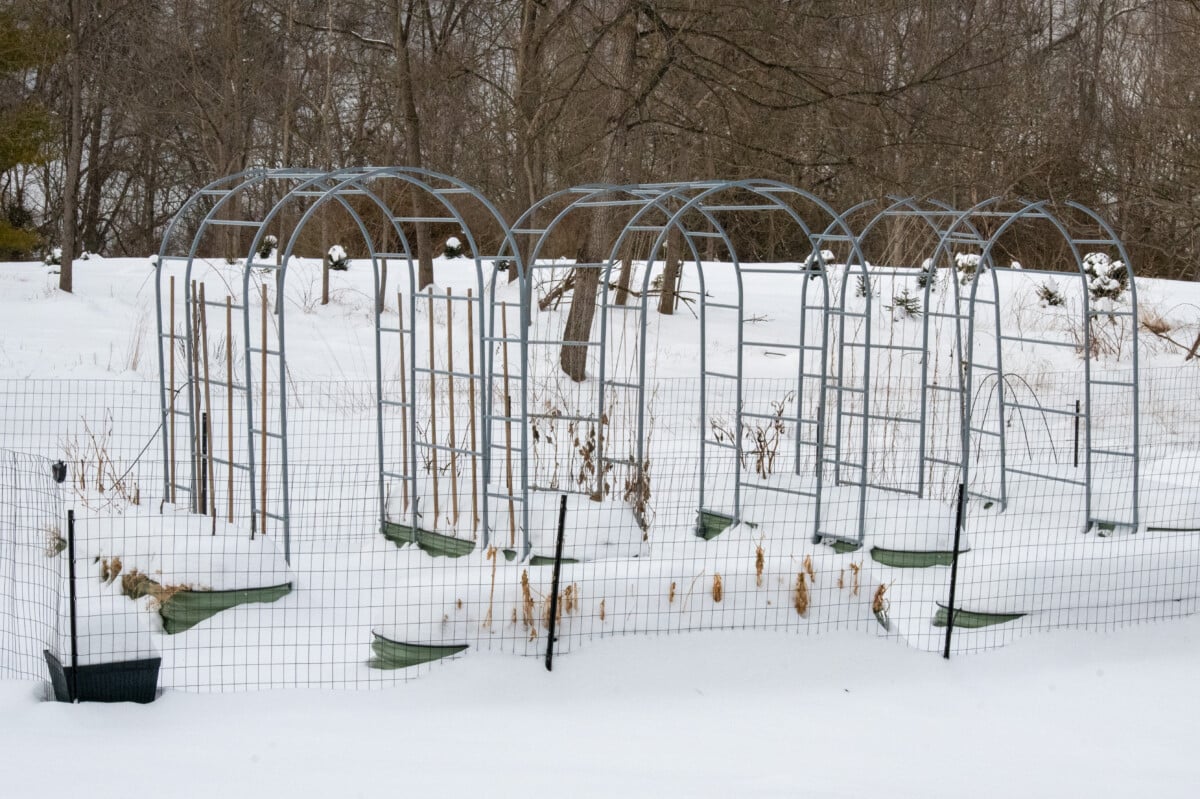
As I write this, I’m staring out at the snow-covered mounds in my yard that are my raised beds. It’s midwinter, and here in the States, most of us still have a few weeks before we can start planting. If, like me, you garden in raised beds, there are a few tasks we need to take care of now, so we’re ready to put that first seed in the soil.
I’m a big advocate for gardening directly in the ground if you can.
But for more and more gardeners, due to age, space, or soil health, raised bed gardening is our best method for having a successful growing season.
As a member of that portion of the gardening community, I find that a little February maintenance and planning is a great way to help beat the winter blues and stave off the “green itch” that often settles in this time of year. Not to mention it helps set the stage for a great growing season.
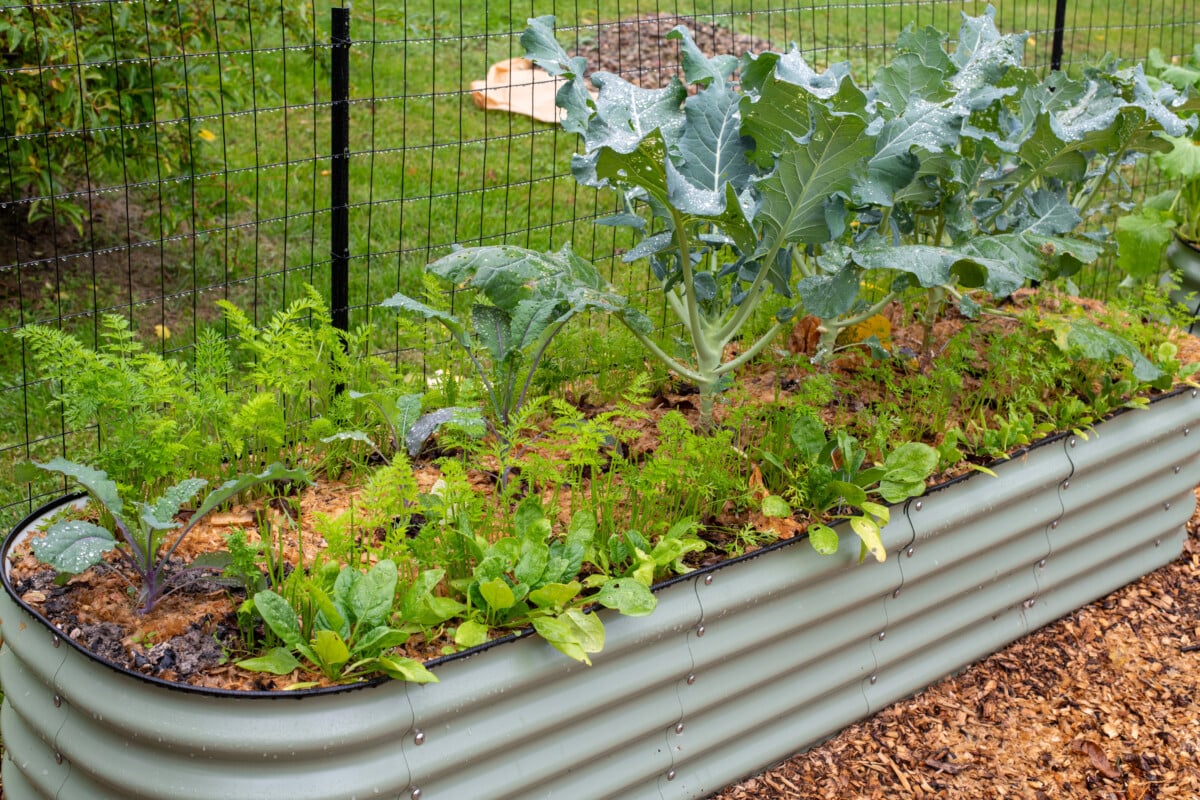
Obviously, the United States is a big place, and we have many different growing zones. Not all of us will be able to do every item on this list in February. But you can get a good head start, and you’ll be prepared with a list of things to do as soon as the weather allows.
I will be the first to admit that the second it’s warm enough to plant, all of these necessary maintenance tasks go straight by the wayside. That’s why I make myself do them when it’s still too cold to garden. It’s the only way they get done.
1. Maintenance & Repairs
Now is the time to take a good, hard look at your raised beds. I don’t know about you, but I barely even notice them when my garden is in full swing. So, before we all get busy with the usual daily gardening chores, it’s a smart move to go out and inspect your raised beds, bring something to take notes with and your phone for snapping pictures.
Fencing
If your raised beds are fenced in, walk around the perimeter.
Look for any spots where small critters may have dug beneath the fencing to get inside. I am in a constant battle with groundhogs where I live. They have a tunnel system in my backyard to rival an interstate highway! Fill in tunnels or holes as needed.
Were rabbits an issue the prior season? Consider adding rabbit-proof fencing along the bottom of your fence. This stuff works great. I once had a little baby bunny squeeze into my garden through the fencing in early spring. He then spent a week gorging on my spring crops and grew so fat that he couldn’t get back out. I ended up having to chase him toward the door! We put up rabbit fencing after that little adventure.
Check fence posts. Whether you use wood or metal, the freeze-thaw cycles each winter can slowly work posts up out of the ground. Pound any back in that need it, or if, like me, your ground is still frozen, start a list of chores to do once it thaws and add it to the list. Check older wood posts for rot or damage and replace any that need it.
Finally, check the actual fencing and reattach it if it’s come loose or repair any holes that have developed. Most of us who have fencing do so to keep four-legged lawn mowers out. Keeping your fence in good repair means you don’t have to share your veggies with Bambi or Peter.
Pathways
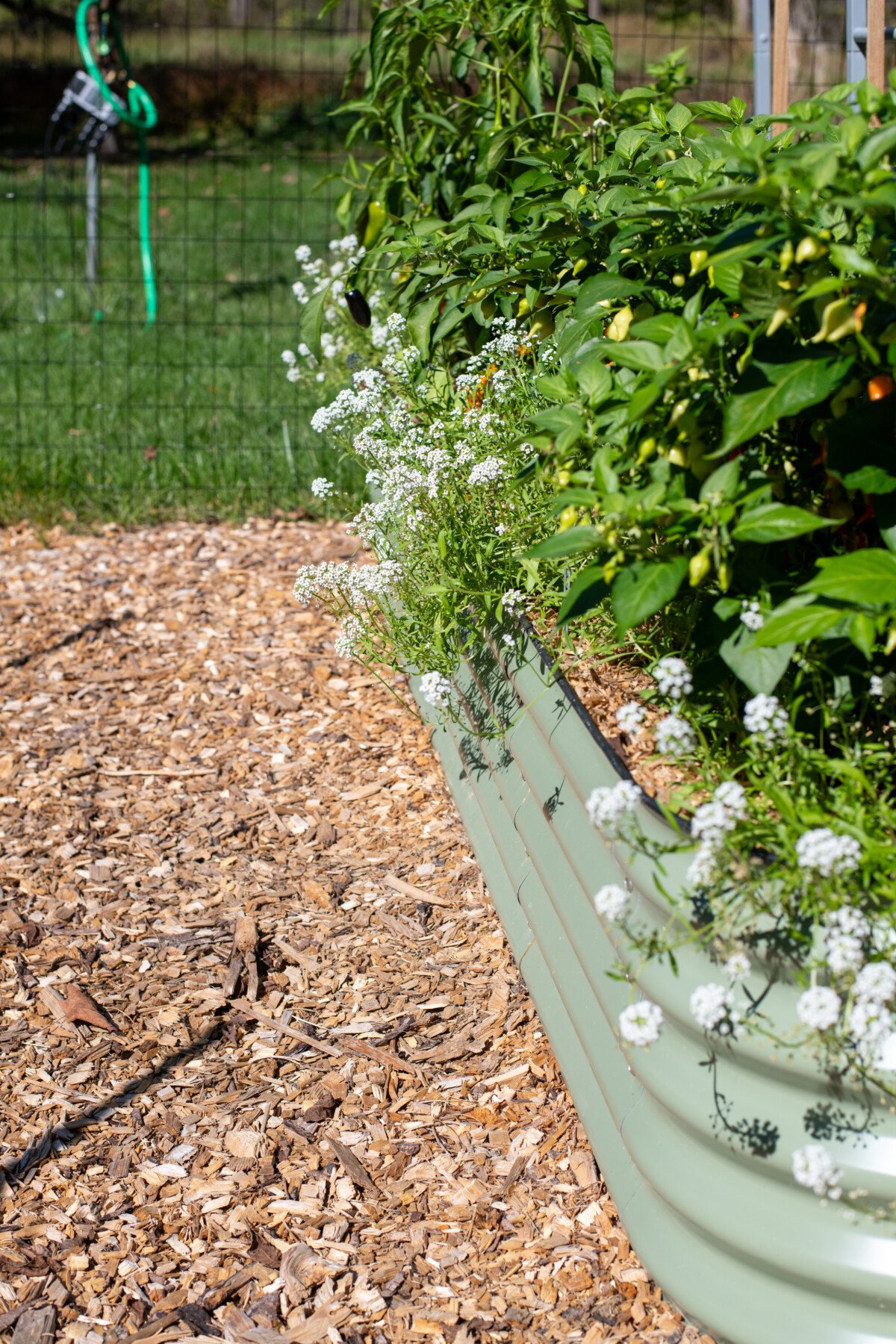
I have wood chip paths between my raised beds, and I’ve found over the years that the best way to keep them weed-free is to put down a layer of cardboard each year (save those boxes!) and then cover it with another layer of wood chips about 3” deep. Not only does it block weeds, but it also slowly breaks down over time, improving my soil.
If you have paths between your raised beds, this is the best time of year to give them a little TLC. Add more of your chosen substrate. Fill in sunken spots that puddle or smooth out any areas that are bumpy. When I’m pruning and weeding, I like to bring my wheelbarrow in and pitch everything in it so I can just take it right to the compost pile when I’m done. There’s a visible dip where I always put the wheelbarrow, so that’s on my list of areas to address. I don’t need to give the mosquitoes one more spot to breed.
Raised Beds
Check the beds themselves for wear and tear. Freeze-thaw cycles can cause longer beds to bow out in the middle. It might be time to shore them up by attaching some sort of cross-support in the middle of the bed.
Do you have wooden raised beds? Check them over for rot or termite damage. Look at the corners to make sure they haven’t loosened from the ground freezing.
You don’t want to have to make repairs when you’ve got plants actively growing in the beds. Take the time before the season gets underway to give your garden a thorough inspection and make repairs now, or plan to make them as soon as the weather allows.
Irrigation
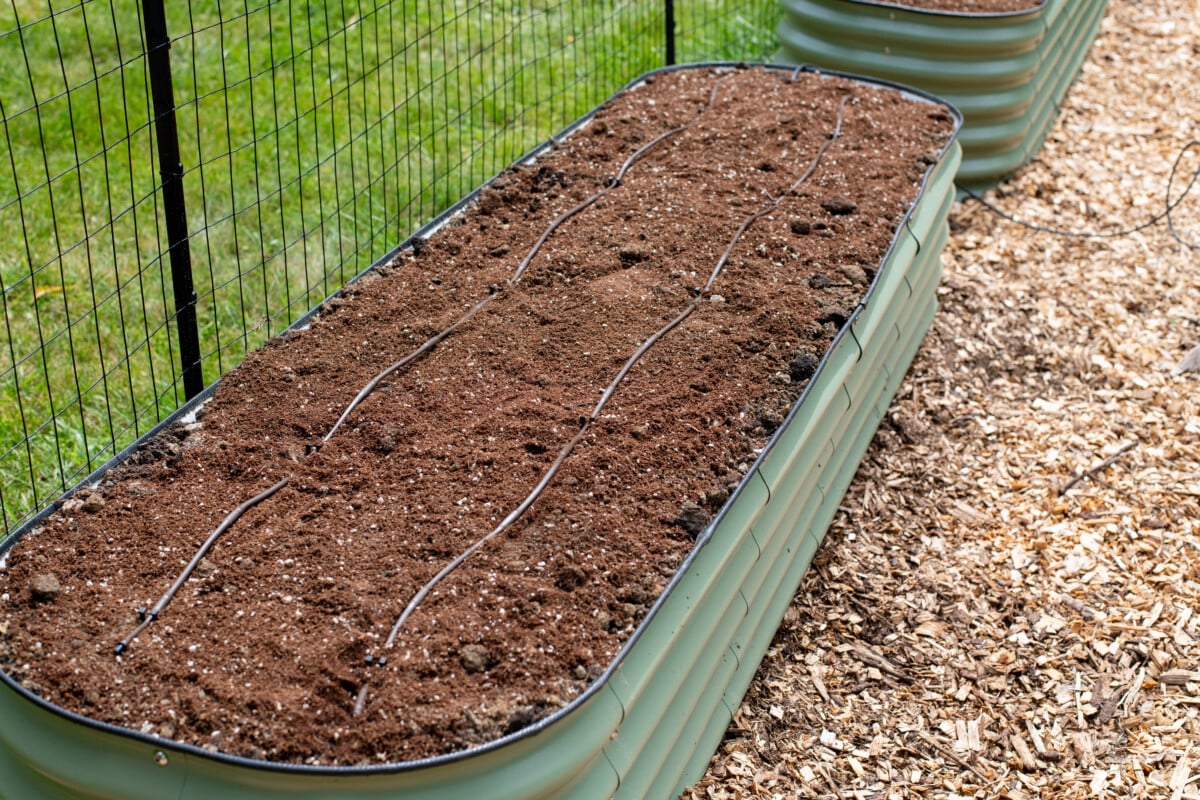
I use drip irrigation in my raised beds because I’m pretty sure Mother Nature is going through perimenopause, and rain is rather unpredictable. I absolutely love Rain Bird and have used their drip irrigation parts in my gardens for the past four years. Their raised bed garden kit is great, and it’s the setup I currently use.
At the end of the season, I have a habit of pulling it all up, winding up the tubing and then dumping it in the corner of the garden shed to be forgotten until spring.
It’s always a good idea to look it over and check for cracks or punctures. Flush the lines out, as bugs like to winter over in the tubing. Finally, if you had any soil-borne diseases in your garden the previous year, you should soak the tubing and components in some water with a little bleach.
Related Reading: How I Water Raised Beds On Auto-Pilot
2. Soil Prep
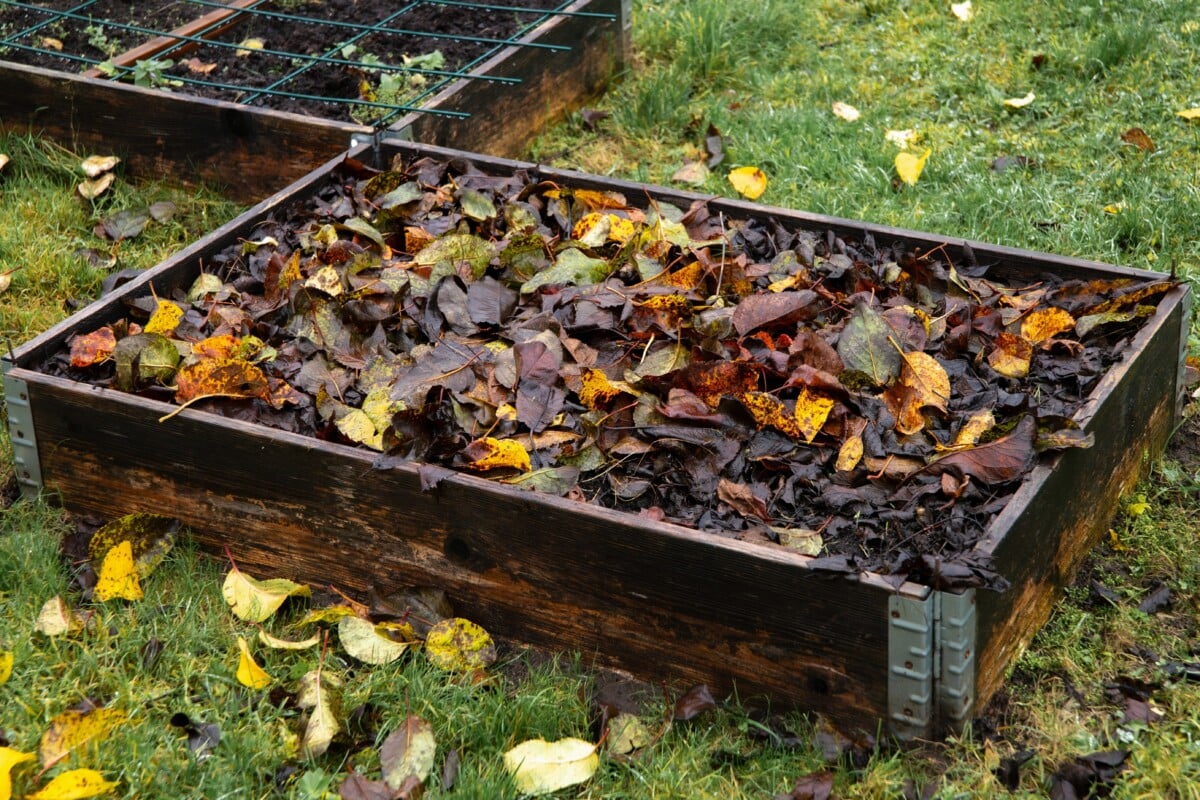
Early Pest Prep
If you left vegetation in your garden to winter over, pull it up in February before the pests using that dead plant matter as a hotel begin to hatch.
Turn Your Soil
Another important thing to do this time of year is to turn over your soil lightly. We’re not going to dig in deep because we want to preserve the structure. But you want to take your trowel/garden rake/magic wand or whatever you use for playing in the dirt and turn over the top three inches. This brings overwintering larvae and pest eggs to the surface so they can dry out and die.
It’s the best opportunity you have to deal with a lot of pests all at once before the season even gets started. I try to do this twice in late winter when the air is good and dry (usually when it’s super cold) before the warm weather arrives.
Get Your Soil Tested
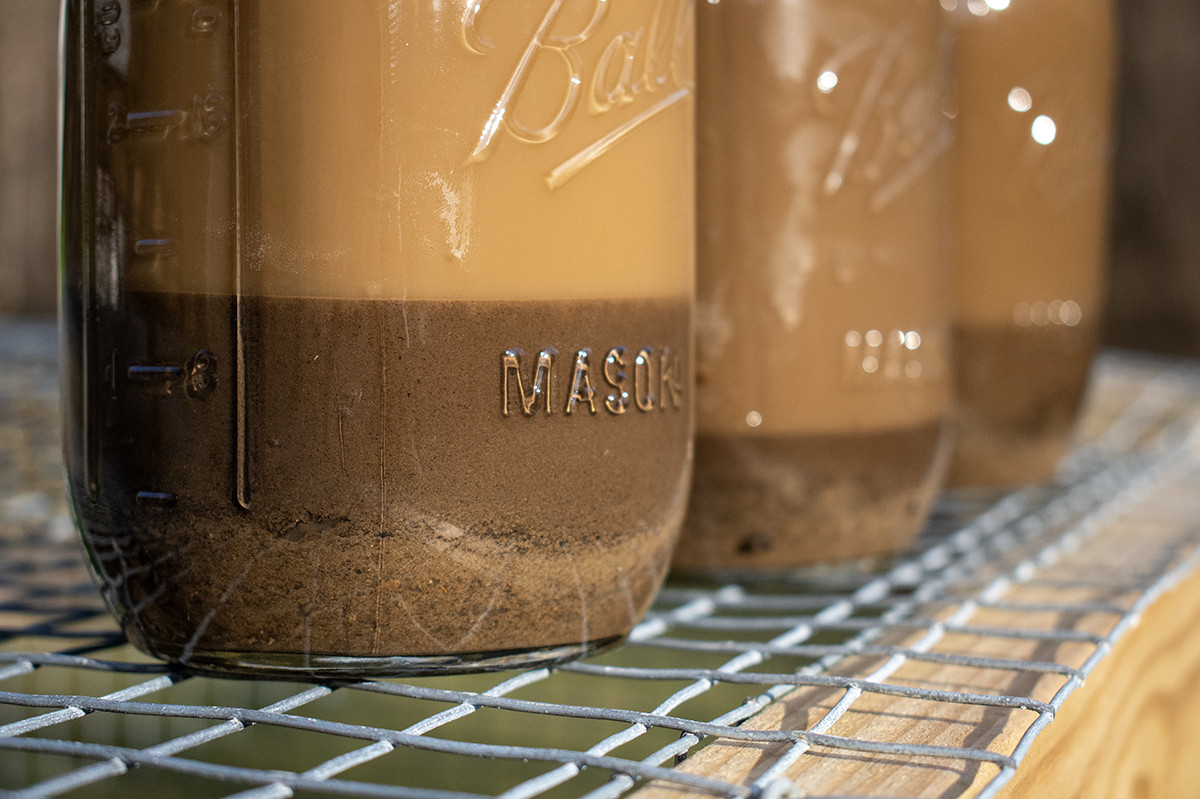
February is also a good time to send a soil sample off for testing. That will give you time to amend it if you need to. Along with a lab soil test, here are some simple soil tests you can do yourself to help familiarize you with the makeup of your soil.
Refresh or Refill
This is also a good time of year to determine if you need to top up your raised beds with more soil or whether you need to refresh the soil in them. There are five important red flags that signal when your raised bed needs a reset. You can read about them here.
Compost and Mulch
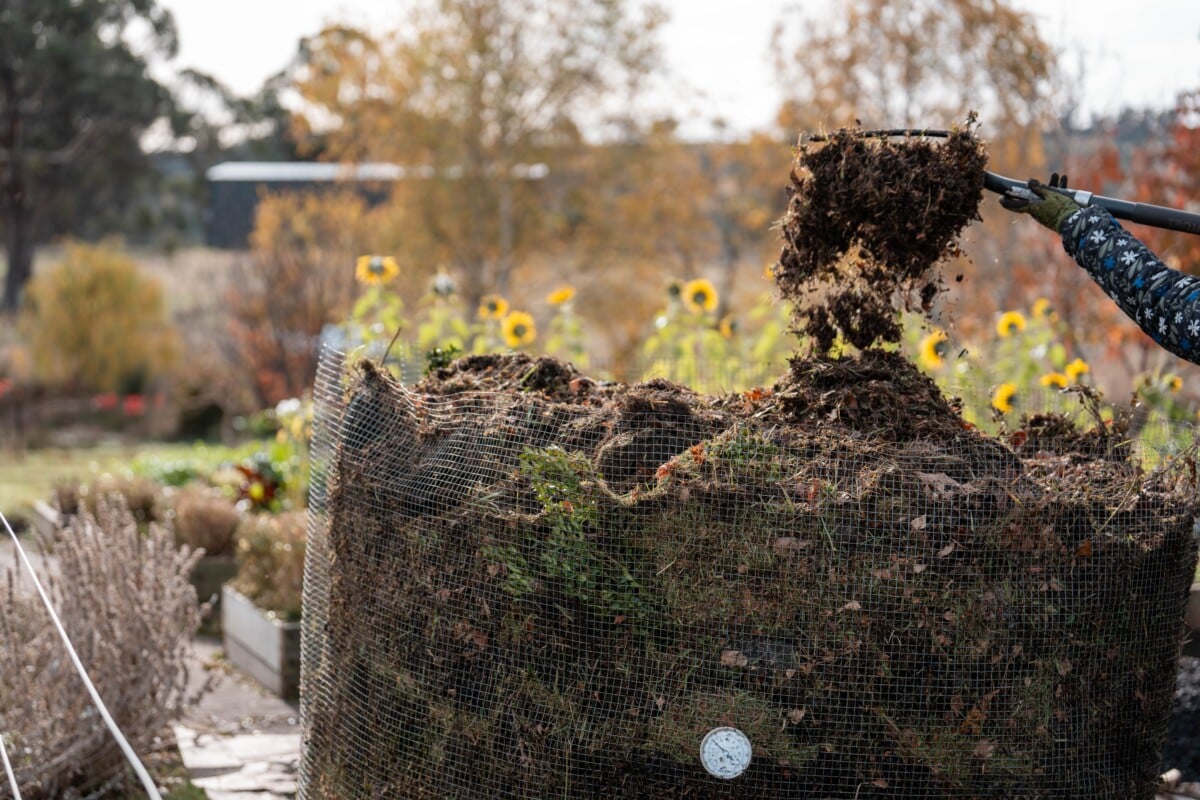
February is also a good time to top dress your beds with compost and mulch. I like to do this before I start sowing. I find it helps warm the soil up faster, and it means I can get things in the ground quicker if I don’t have to add compost and mulch to everything I’m poking in the ground. (Not to mention it puts a stop to weeds before they start.) One good blanket of each and I’m ready to go for the season.
Adding fresh organic matter via compost each year improves the structure and supports the microbiome of the soil. And if you haven’t heard, mulch is a gardener’s best friend. It cuts down on weeds, means you have to water less and helps to prevent soil erosion.
If Ma Nature gets testy, and there is still snow on the ground, you can at least get both of these items ready beforehand, especially if you purchase compost and mulch rather than making your own.
3. Tool Prep
If you’re guilty of chucking your gardening tools in a corner of the garage at the end of the season, you’re in good company. I have a bad habit of forgetting my tools once the season is over.
Sand and Oil Bucket

Luckily, there’s still time in February to set up a sand and oil bucket for your tools to hang out in over the winter. The idea is simple. You take a bucket and fill it with sand, then pour in enough mineral oil for the sand to be quite damp with it. Take all of your hand tools and plunge them repeatedly into the oily sand. The sand will clean the tools off, and the oil keeps them from rusting. After you’ve stabbed some sand for a few minutes, leave the hand tools submerged until you need them in the spring. You can read a more detailed description and learn how to set one up here.
Hand Pruner Tune-up
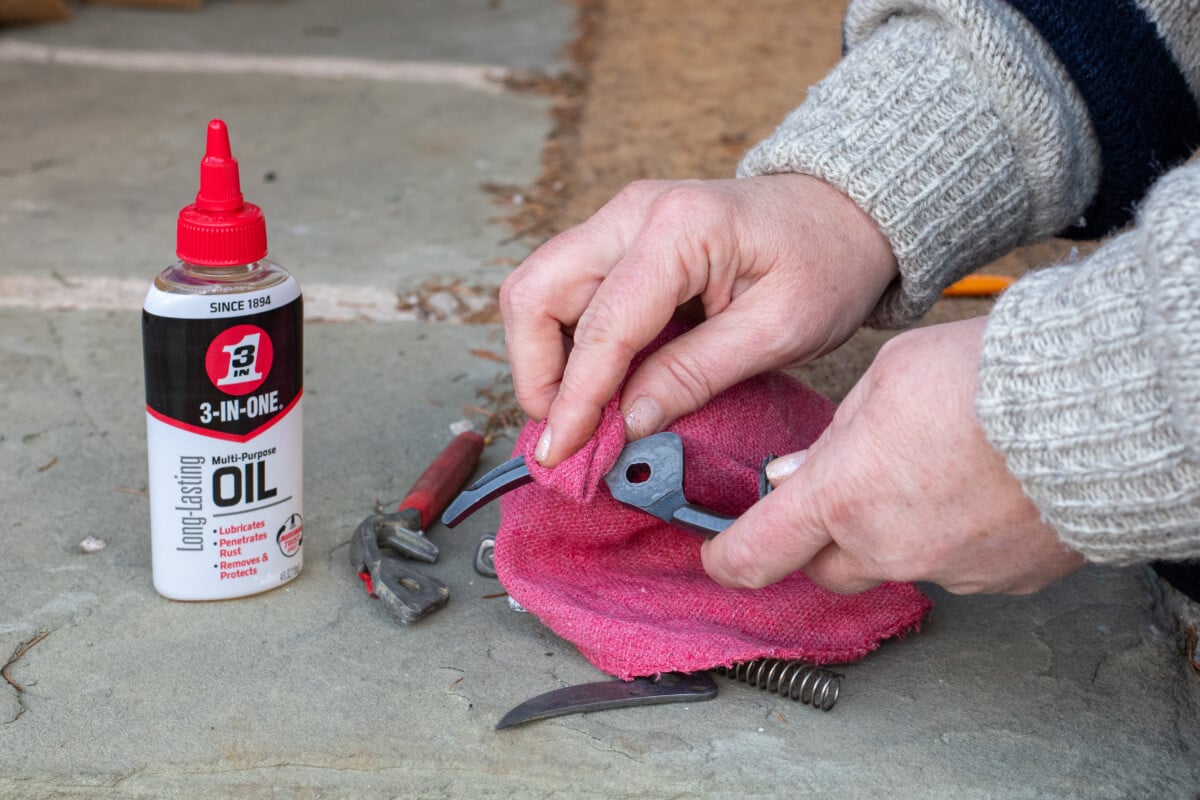
If you have hand pruners, you’ll definitely want to get those cleaned and sharpened for the season. I’ve got a super easy tutorial on how to do that here. Once your pruners are ready to go, may I direct your attention to Mickey’s article on all the plants that need to be pruned right now?
Now then, that should keep us all busy and out of trouble until it’s time to start playing in the dirt and set us up for a great season.

Get Garden Notes From Tracey, Right to Your Inbox
Pull up a chair on the front porch. Join 54,000+ gardeners who get Tracey\'s friendly notes, seasonal to-dos, and hands-on tutorials three times a week.