

Everyone who gardens with raised beds can attest that they are pretty great. For many of us, it might be the only way we can garden with subpar soil in our yards. But there comes a day in every raised bed gardener’s life when something is off. Your beautiful beds that used to pump out produce suddenly aren’t performing like they used to.
We’ll cut right to the chase – raised bed soil doesn’t last forever. It’s not supposed to.
But don’t worry, you don’t need to empty your beds and refill them again. That would be an awfully expensive way to garden if that were the case.
I’m going to go over the five big red flags you need to look for that signal your soil has run out of steam, and how to fix it.
And more importantly, I’ll show you some things you can do each season that will ensure your soil doesn’t need a complete overhaul again.
It’s much easier to care for the soil consistently every season rather than having to refresh it every few years. Not to mention, you’ll have better yields and healthier raised bed soil in the long run.
The Red Flag: Your Soil Level Has Dropped Significantly
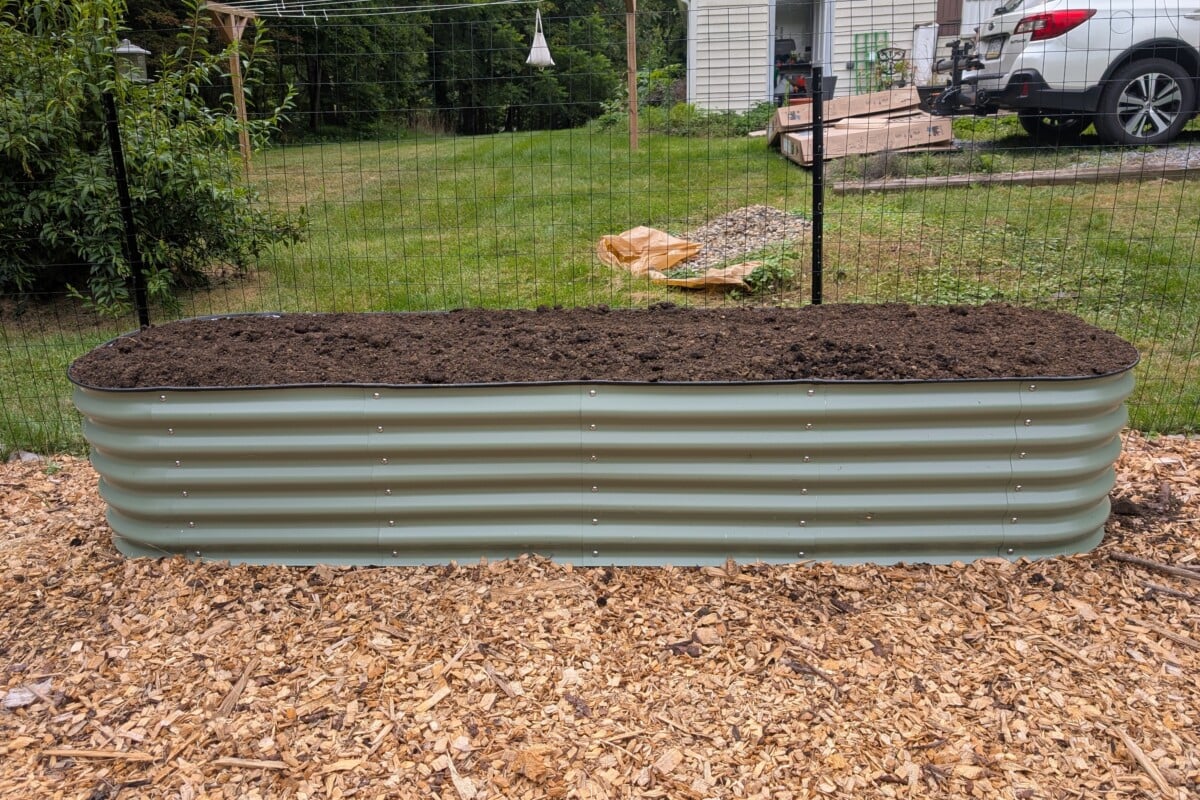
Remember when you first started your raised beds? They were so full, you could hardly plant anything without soil spilling over the edge. Now, your beds are only two-thirds full, or worse, half-full. I’m not being a “the bed is half-empty” pessimist here, but this is easily the most significant red flag. Your raised beds need a little TLC.
The Fix:
It’s time to top up the bed with a mix of high-quality compost and fluffy soil. A 50/50 blend of compost and topsoil or well-aged manure works well. Leaf mold is also great for adding organic matter to tired raised beds.
Check your local garden center to see if they have specially blended growing media.
You want to replace lost soil and add plenty of organic matter. It’s this combination that’s going to give you healthy soil that holds moisture, drains well, and slowly releases nutrients as it breaks down.
If the bed is extremely low, fill it in stages, giving time for the soil to settle between additions. Add a new layer, water it well and then let it settle for a day before repeating.
If the surface is crusted or compacted, removing and composting this top crunchy layer is a good idea.
The Red Flag: Water Pools or Drains Right Off
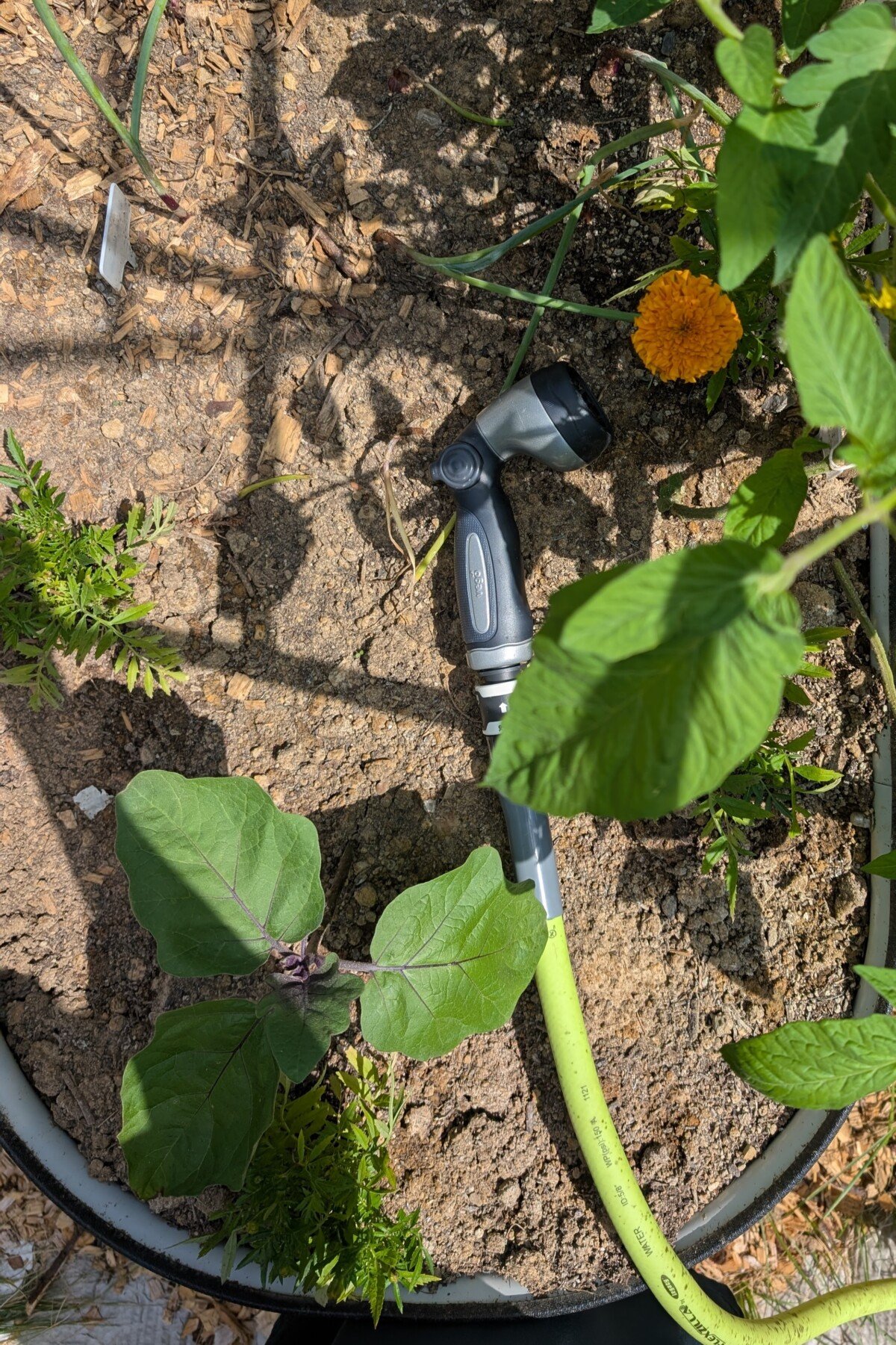
Another sure sign that your soil has seen better days is when it no longer holds moisture. If soil isn’t fed plenty of organic matter, the structure of the soil can break down, causing it to become compacted.
Healthy soil has a balance of air, water-holding capacity, and pore space. But too much sand, compacted soil, or a lack of organic matter can throw that balance off.
The Fix:
Generally, when your soil structure breaks down, it’s due to a lack of organic materials. Things like compost, leaf mold, and worm castings all act like a sponge, helping to hold moisture in the soil. It also creates tiny air pockets, much like a sponge, allowing microbes to do their thing.
Mix any of the following or a combination of the three: compost, leaf mold, and worm castings. Combine well with the existing soil.
If the top layer of the soil is hydrophobic, it’s best to remove it before mixing in the organic matter.
The Red Flag: Your Plants Are Stunted Or Underperforming
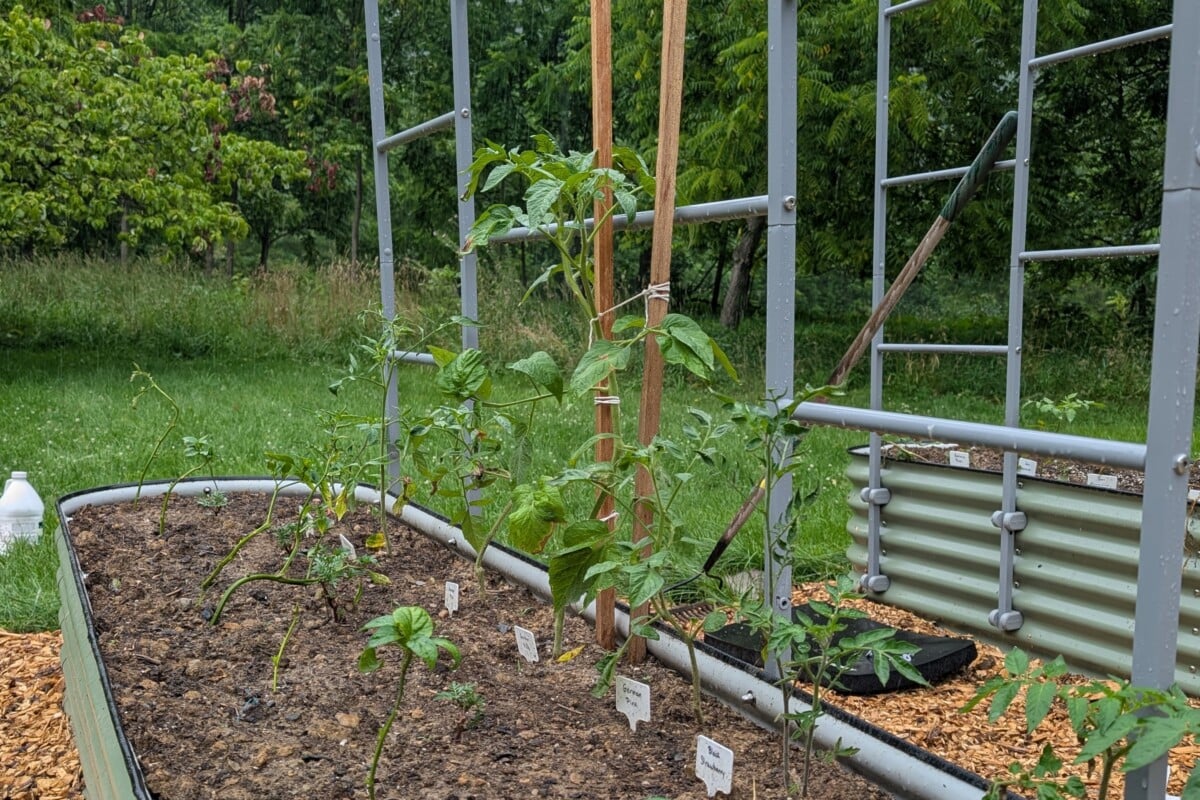
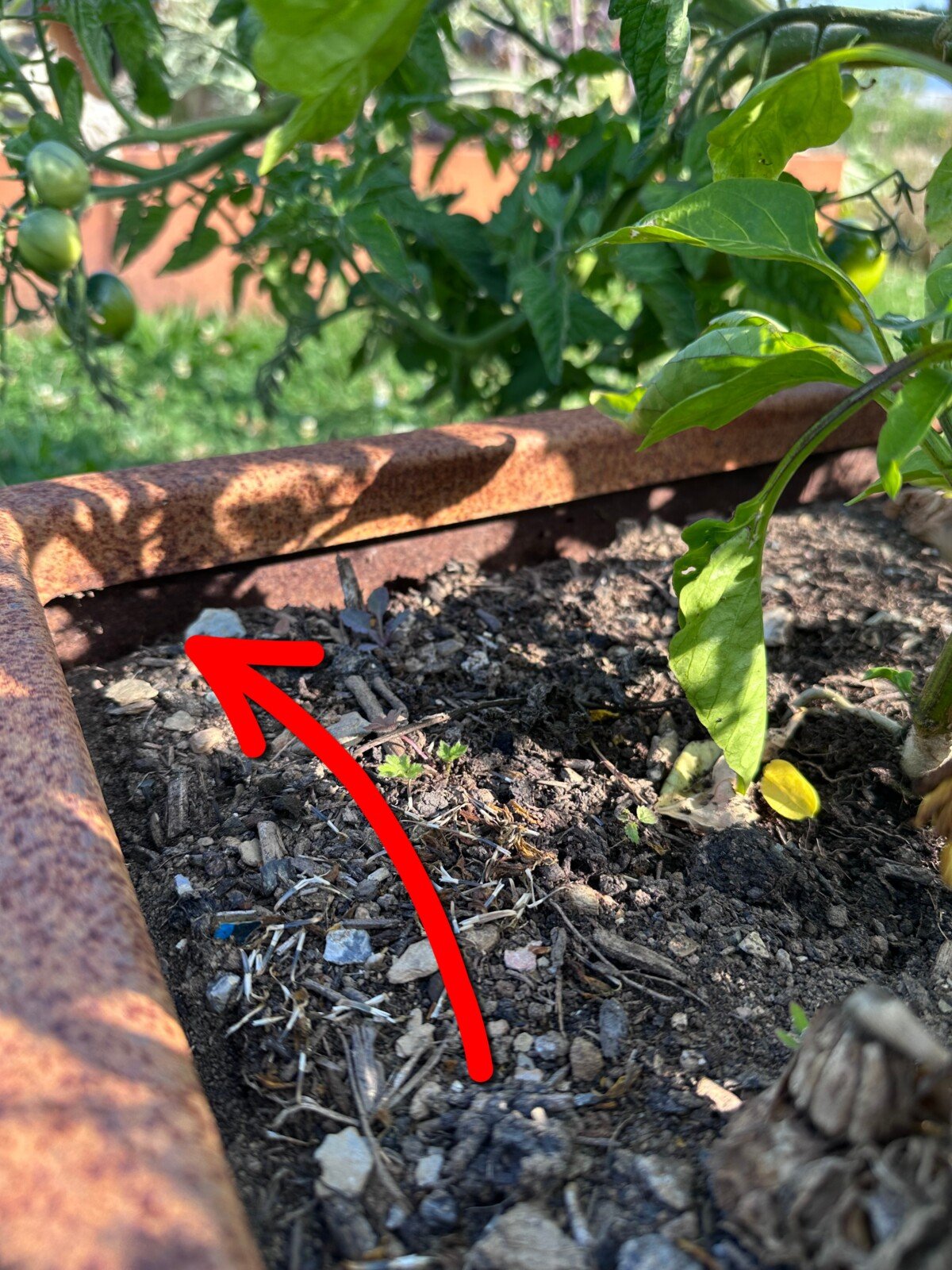
You’re watering. They’re getting enough sun. But your veggies and flowers are stunted, pale, or underwhelming. If everything looks “meh” despite your best efforts, it’s probably your soil.
Plants require nutrients to grow; they get them from the soil. If you aren’t replacing those nutrients, then your soil has nothing to give. This is especially true in raised beds, where you’re dealing with a closed system. Your beds only give back what you put into them.
The Fix:
Feed your soil and you’ll feed your plants.
Start with compost. (Are you noticing a trend here?) Add 2-3 cubic feet of compost per 4’x8′ bed. (Here’s how to make compost in just two weeks.) Then consider organic amendments based on what you’re growing:
- Bone meal for phosphorus (2-4 cups/bed)
- Blood meal or alfalfa meal for nitrogen (1-2 cups/bed)
- Kelp meal for potassium and trace minerals (1 cup/bed)
Want to be precise? Do a soil test first. (Come on, you knew I was going to say it.) Getting a soil test done is the best way to ensure your soil has the right nutrients needed to feed your plants.
The Red Flag: Um, Where Did All These Weeds Come From?
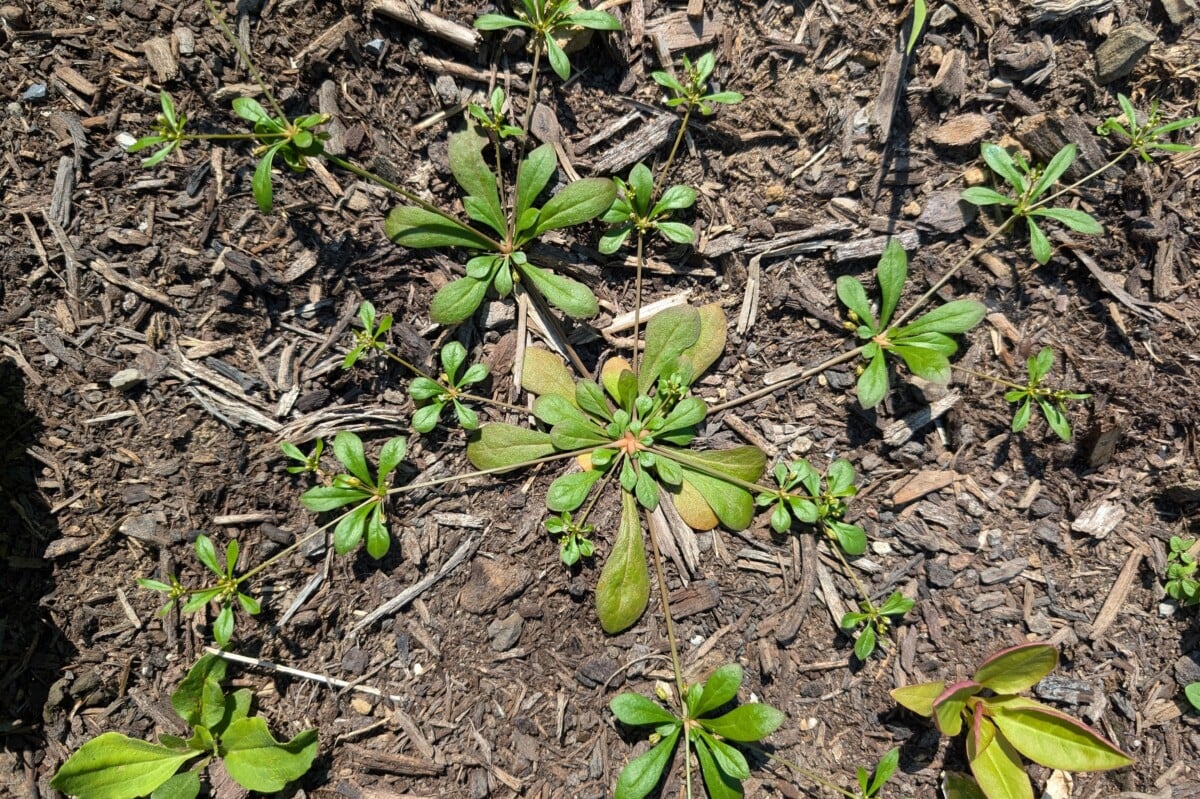
If your raised bed has become prime real estate for chickweed, purslane, or other unwelcome guests, it’s time to roll up your sleeves. Healthy, vigorous crops are one of the best weed suppressors. When your veggies are struggling and the weeds are thriving, it means the weeds are outcompeting your crops for light, space, and nutrients.
The Fix:
Hit the refresh button and then mulch. Yup, pull up all the weeds. Then top dress with compost to replenish lost nutrients. Finally, add a thick (2-3”) layer of mulch. Mulch will suppress weed growth and hold in moisture while keeping the soil cool.
The Red Flag: The Same Disease or Pest Problems Show Up Each Year
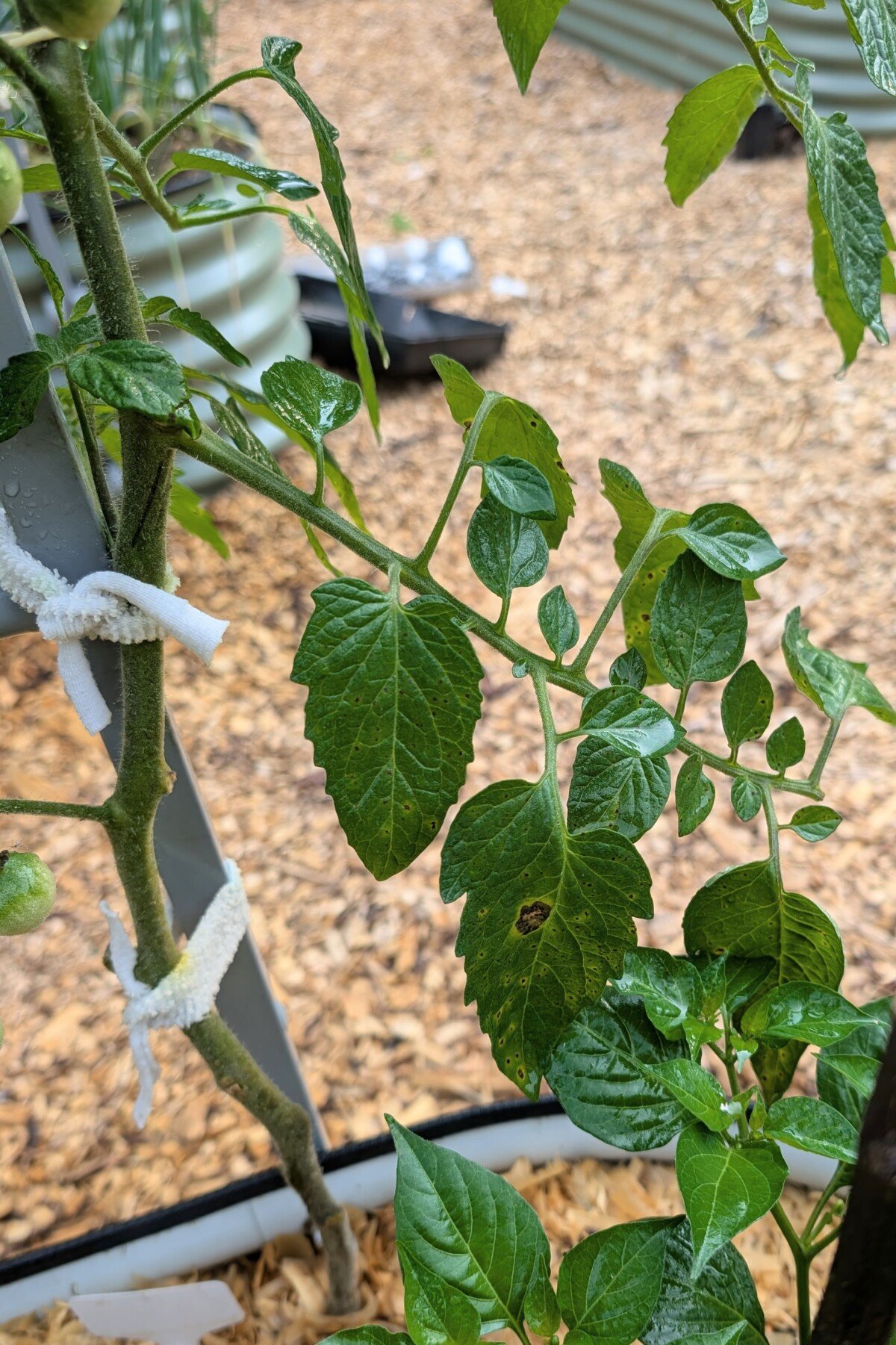
When you start seeing the same issues year after year, you know your soil has become home to pests and pathogens that are wintering over. It’s time to evict them.
I know some well-meaning gardener is going to tell you to rotate your crops. Or maybe you already are and you’re wondering why it’s not working. Crop rotation is not meant for home gardeners. It doesn’t do much good unless you’re a commercial farmer. (You can read about why it’s pointless for home gardeners here.)
So, what’s a raised bed gardener to do when the same diseases and pests keep cropping up each year?
The Fix
Break the cycle. You’ve got to interrupt the pest life cycle and kill the pathogen in your soil. Start by clearing out all the debris at the end of the season. Remove old roots from the soil as well. You want to leave as little plant material behind as possible.
Here’s the hard part.
To effectively kill soil pathogens and pests, you’ll need to solarize your soil. Cover it with clear plastic in the summer for 4-6 weeks. This traps heat from the sun in the soil, allowing it to superheat and reach temperatures that will kill any creepy crawlies or microbes hanging out in your soil.
Of course, this means one of two scenarios. You can either pull everything up and close your garden early, allowing you to do this in late summer while it’s still hot. Alternatively, you can start your garden late next year, waiting for warmer temperatures to arrive before solarizing the soil and planting afterward.
Either way, you’re going to have a shortened season in the end, but it’s well worth it if you’ve been battling with the same pest and disease issues for several seasons in a row.
If the problem persists even after solarizing, it may be best to remove the top 6” of soil and replace it with fresh compost and new soil.
Prevent Red Flags in Your Raised Beds
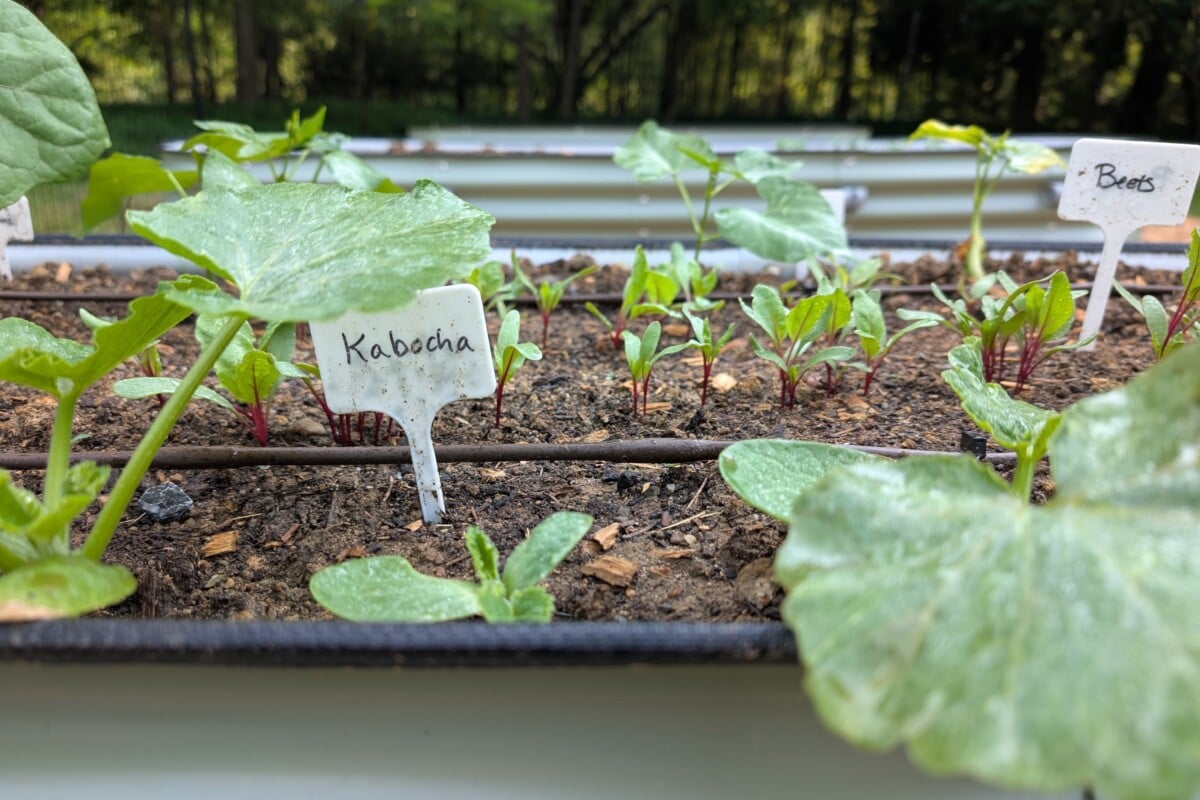
Okay, you’ve refreshed your raised beds. You’ve added compost. (You did add compost, right? I think I mentioned that you should. Maybe I forgot.) Now what? How do you keep your raised beds in tip-top shape so you don’t have to go through all this trouble in the future?
Call Your MA
Your raised beds are a living system. We need to make consistent small adjustments throughout the season to keep them operating on an even keel.
Just remember to call your MA.
Don’t actually call your mother, instead remember to Mulch & Amend.
Mulch
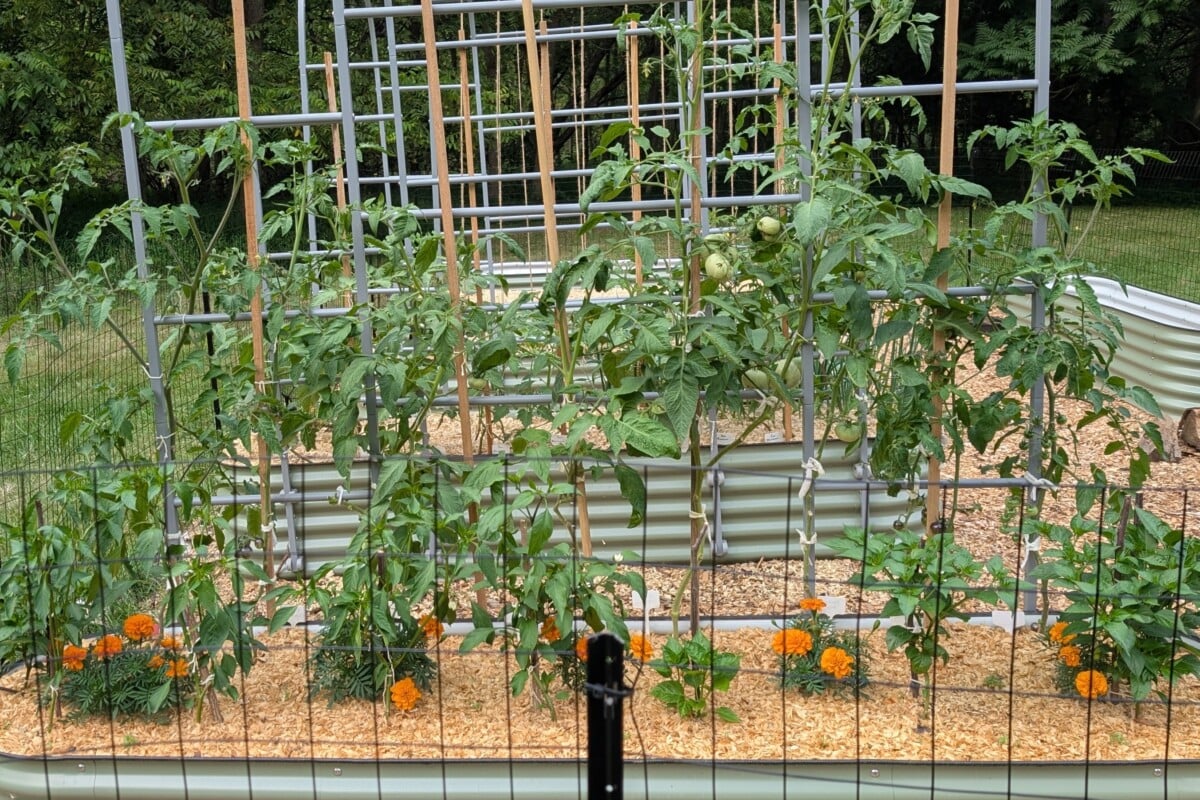
Mulching is so important in raised beds. I cannot stress this enough. Mulching goes way beyond looking nice. Yes, we all know that mulch suppresses weeds. And that’s great as it really does make growing and gardening so much easier.
But mulch saves plants during heat waves! It’s so important if you choose to have raised beds. I know I’m repeating myself, but it’s because I want it to sink in.
Mulch holds water in the soil.
This is much more important than it sounds. We all know plants need water, but when it comes to raised beds, having consistently moist soil can be the difference between a happy, healthy plant and one with fried roots.
When the temperatures soar, plants push their roots deep into the ground where it’s cooler and they have access to more water. With raised beds, they’ve only got the soil in the bed, so sending roots deeper may be difficult or impossible. And raised bed soil tends to be hotter than the soil in the ground.
Because you mulched, you now have moist soil hidden beneath that protective layer.
This moist soil actively cools the roots of your plants. Cool roots – cool plant.

I swear by these little soil thermometers. Grab yourself one and stick it in bare soil on a hot sunny day. Now move it to your well-mulched (2-3”) raised bed. The difference can easily be 10-20 degrees cooler.
Mulching your raised beds also prevents erosion via wind and rain, which will help with red flag #1.
The best part? Mulch automatically helps you amend. Mulch will break down slowly, renewing your raised bed soil. As you top up new mulch each season, last year’s mulch is incorporated into the soil beneath as organic matter, which we’ve already discussed, acts like a sponge holding air, water and nutrients.
Amend
Remember, this is a closed system. Whatever nutrients we want our plants to have, we have to put them in the soil ourselves. This means adding things like…wait for it…compost each season, which provides the soil with a continuous supply of organic matter.
And as stated above, adding specific soil amendments will replenish your soil each year with the three most important nutrients needed, as well as trace minerals:
- Bone meal for phosphorus (2-4 cups/bed)
- Blood meal or alfalfa meal for nitrogen (1-2 cups/bed)
- Kelp meal for potassium and trace minerals (1 cup/bed)
If you really want to ensure you have living, healthy soil, be sure you use mycorrhizae each spring when you plant your transplants.
These helpful fungi will colonize the soil, creating a symbiotic relationship with your plants. (I go through a can of this stuff every growing season.)

Raised beds have made gardening accessible to so many. But to ensure you can keep growing in them for years to come, the soil needs a little extra attention every year.
By addressing red flags and remembering in the future to “call your MA”, you’ll have healthy raised bed soil that continues to support healthy plants and big harvests.
Read Next:
Get the famous Rural Sprout newsletter delivered to your inbox.
Join the 50,000+ gardeners who get timely gardening tutorials, tips and tasks delivered direct to their inbox.