

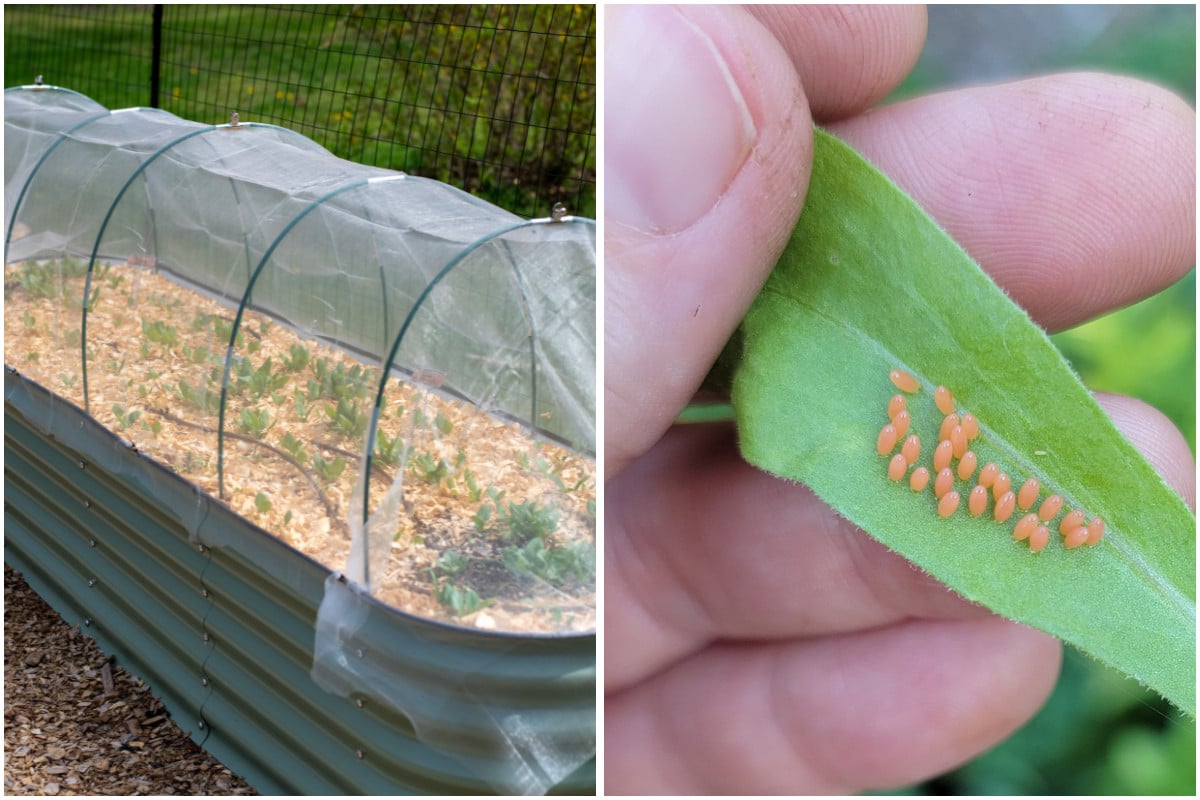
In the early days of spring, few of us are thinking about the aphid infestation that’s looming come July, or the never-ending battle of the brassicas and the cabbage worms. But spring is when we should be thinking about pests. Right now, there are things we can do to ensure we have a garden that can handle the pest pressure that’s coming in the hotter months of the year.
The best time to deal with pests is always well before they arrive for the season, which means spring.
As gardeners, we all have a lot to do at the start of the growing season, so I’m sure this feels like just one more thing on your to-do list. But the effort you make now will pay off later this summer, when you aren’t battling whatever hungry insect happens to descend on your vegetable patch.
Obviously, we can’t ensure that there won’t be any pests, but there are three things you can do right now to lessen their impact. In the end, that makes dealing with them so much easier.
1. Build Healthy Soil (Repeatedly)
In the same way that exercise and a healthy diet can prevent disease in us, healthy soil does much the same for our plants. Think of it as their healthy diet. If you have healthy soil, you’re going to have healthier plants, and healthier plants are stronger, more disease-resistant and less likely to succumb to pest pressure. If the soil is lacking, well, you know where I’m going with this.
The plants we grow get their energy from the sun, but everything else they need, including water, comes from the soil. If your soil is nutrient-deficient or has poor structure, as in the case of heavy, compacted or too sandy soil, anything you grow in it will be constantly struggling to get what it needs from soil that doesn’t have it.
Stressed plants easily succumb to minor pest damage.
Thankfully, there are things you can put into your existing soil that will have a huge impact on soils of lesser quality and ensure that healthy soil stays that way.
Compost
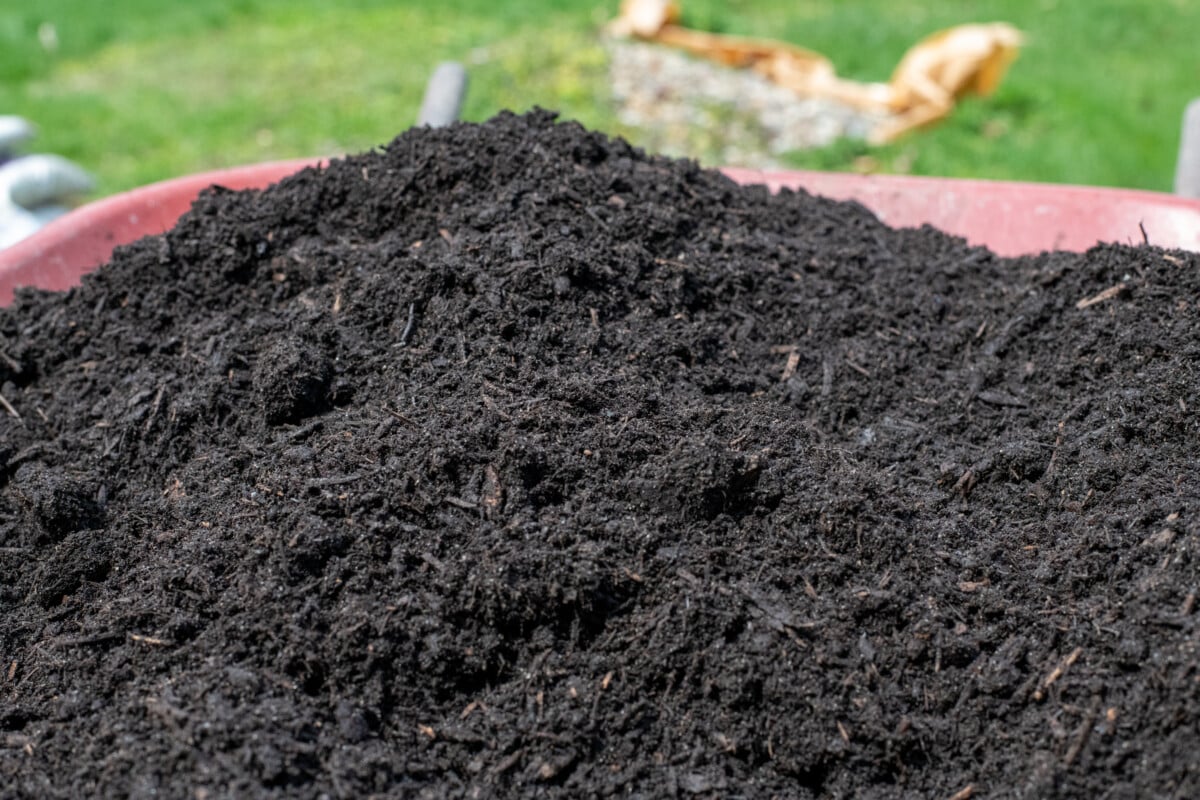
We start with the basics – compost. Top-dressing your beds with a layer of compost in the spring comes with a myriad of benefits. The most significant being improved soil structure.
I know that phrase gets tossed around a lot on gardening websites, so let’s take a moment and break it down. When you pick up a handful of soil from your garden, what is it you’re actually holding?
Soil is a collection of aggregates or little clumps of sand, silt and clay. When you get the right mixture of these things, the resulting aggregates form a network of tiny spaces. The larger spaces allow for drainage and pockets of air in the soil. The smaller spaces hold water via capillary action.
When we add compost to the mix, some amazing things start happening. Compost contains this cool compound called glomalin. Think of it as soil glue. The microbes and beneficial fungi found in compost produce glomalin, and it helps pull together and hold those different particles into the nice aggregates we talked about.
Compost also contains humus.
No, not the tasty chickpea-based dip, that has two m’s. Humus is a gardener’s best friend. Humus also binds particles of sand, silt and clay into aggregates.
A common misconception is that compost is a fertilizer. While it does contain traces of the nutrients plants need, what makes it so great is that it acts like a giant nutrient sponge. Nutrients are held in the soil as positively charged ions. Compost is negatively charged, allowing more of those nutrient ions to hang out in your soil. Pretty cool, right?
When we’re talking about compost, you can’t forget that it’s a living thing, filled with microbial life: bacteria, fungi, nematodes (the good ones) and protozoa. All of these little buggers feed on the organic material, including one another, in the compost, which unlocks the nutrients, making them readily available for our plants.
When you add up all the things compost does, it’s easy to see why it’s the single most important thing you can add to your soil each year. So, we’re going to start the season off by putting down a nice 3-4” thick layer of compost on our garden beds.
This living addition to your soil leads to strong, pest-resistant plants.
Worm Castings
Next on our pest-prevention list are worm castings. Yup, worm poop. Not only do worm castings improve your soil structure, but they also actively reduce the pest load.
Worm castings contain chitinase enzymes. Chitinase breaks down chitin. Guess what insect exoskeletons are made out of? Yup, chitin. Worm castings can significantly reduce aphid and spider mite populations in the soil, ending an infestation before it can start.
Now, if you take a look at worm castings, you’ll see that they’re a bit spendy. So, we’re not going to be dumping a 3-4” layer of worm castings in. The most economical way to add worm castings to your soil is to add a healthy sprinkling to the bottom of every hole you dig to plant a seedling.
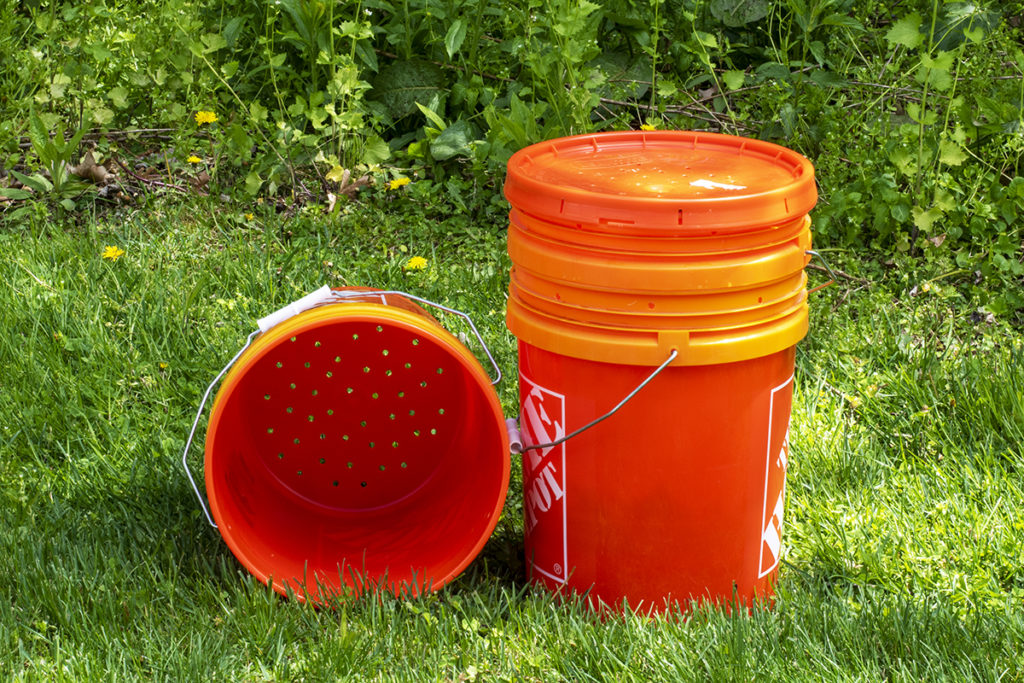
If you want more worm poop in your life, and who doesn’t, you can create your own quite easily. You can build my simple worm tower out of a few 5-gallon buckets. You’ll have a steady supply of worm castings throughout the growing season.
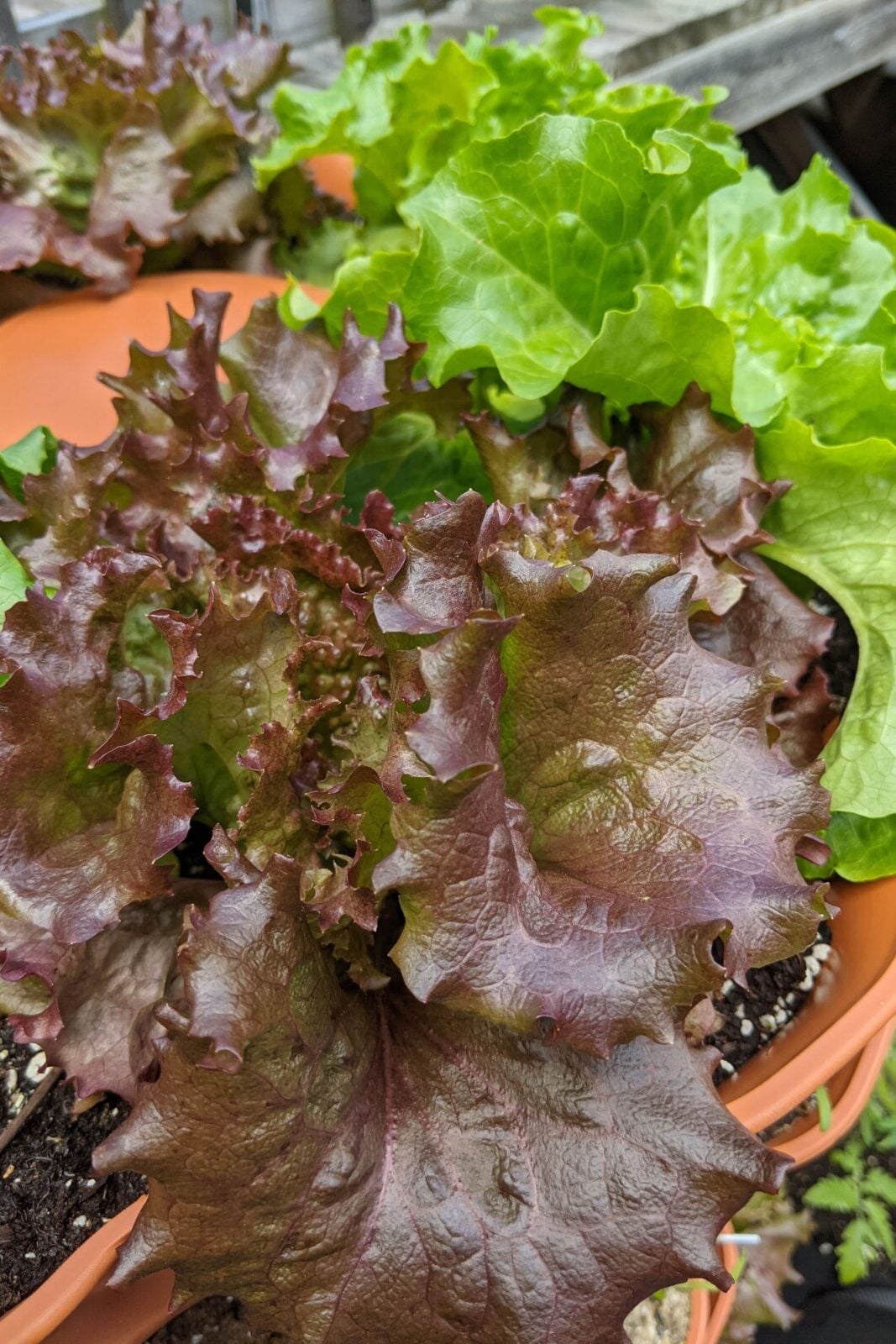
Another great option, especially if you want more vertical gardening space, is the Garden Tower 2. I’ve had this thing for five years now. It’s been through a move and a tornado, and it’s still growing veggies for me. Not to mention worms!
The Garden Tower 2 has a vertical vermicomposting (worm composting) tower that runs the entire length of the structure. To access the resulting worm castings, you pull out the drawer at the bottom of the tower. Not only does this mean more worm castings, but it means the worms can crawl in and out of the soil inside it, so whatever I grow in it gets worm castings, too. I’ve used it for lettuce, beans, peppers and even strawberries. It was a lifesaver when I lived in a second-story apartment with only my balcony as a growing space.
Mycorrhizal Fungi
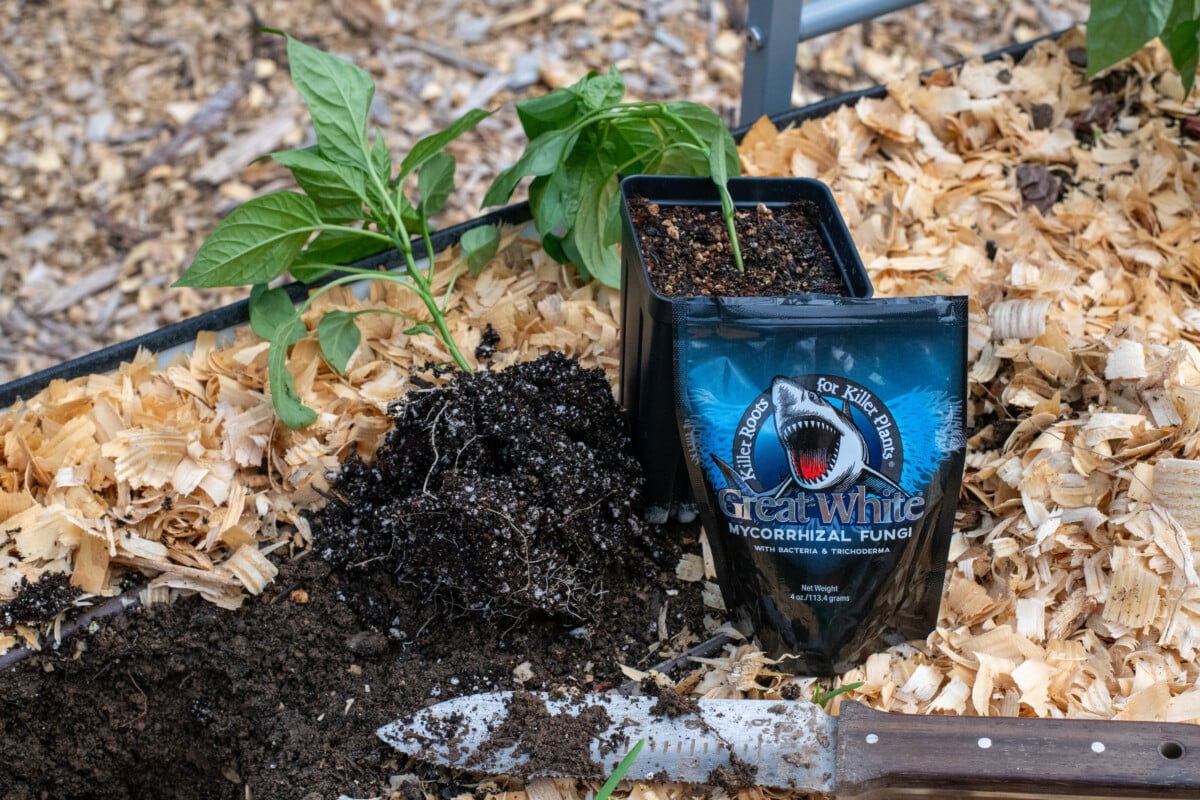
Adding mycorrhizal fungi helps support your plants and prevent pest damage at the same time in a pretty cool way.
We’ve already discussed how stressed plants are more susceptible to pest damage. Well, when you inoculate your seedlings with beneficial fungi in the spring, you’re giving them their own staff to assist them.
What do these friendly little fungi do? They attach themselves to the roots of your plants, forming a symbiotic relationship. The plants pass along extra sugars to the fungi, and in return, the fungi expand the root system. By a lot, often 10 times larger than normal.
The mycorrhizae also make the nutrients held in the soil available to your plants by pre-digesting them with enzymes.
What you end up with are healthy, well-fed plants that are highly resistant to drought. Okay, but how does that protect from pests?
Plants can’t get up and run away from pests, so they have evolved pretty sophisticated defense systems. When attacked by pests, plants produce compounds such as terpenes and phenols, which can do a myriad of things.
Some are toxic to certain pests. Others make the plant smell funny to deter pests (Hello, tomato leaves and pine trees!). Some make the plant itself tougher, making it harder for insects to inflict damage. Some of these compounds even act as a call for help. When attacked by a pest, they release a specific terpene whose smell attracts the predatory insect that feeds on the insect attacking the plant. Pretty wild, right?
Usually, these compounds are excreted once the plant is under pressure from pests. But it’s been found that plants grown with mycorrhizal fungi have naturally higher concentrations of these compounds before pests are present.
It’s important to remember that not all plants like to be friends with mycorrhizae. Brassicas and root crops don’t form these under-soil relationships, so save your fungi for plants with larger, vascular root systems.
Inoculate your seedlings at the time of planting using a high-quality mycorrhizae. If you’ve already planted your seedlings, dig down to the roots to water them directly, then cover them back up.
2. Skip Trap Crops, Do This Instead
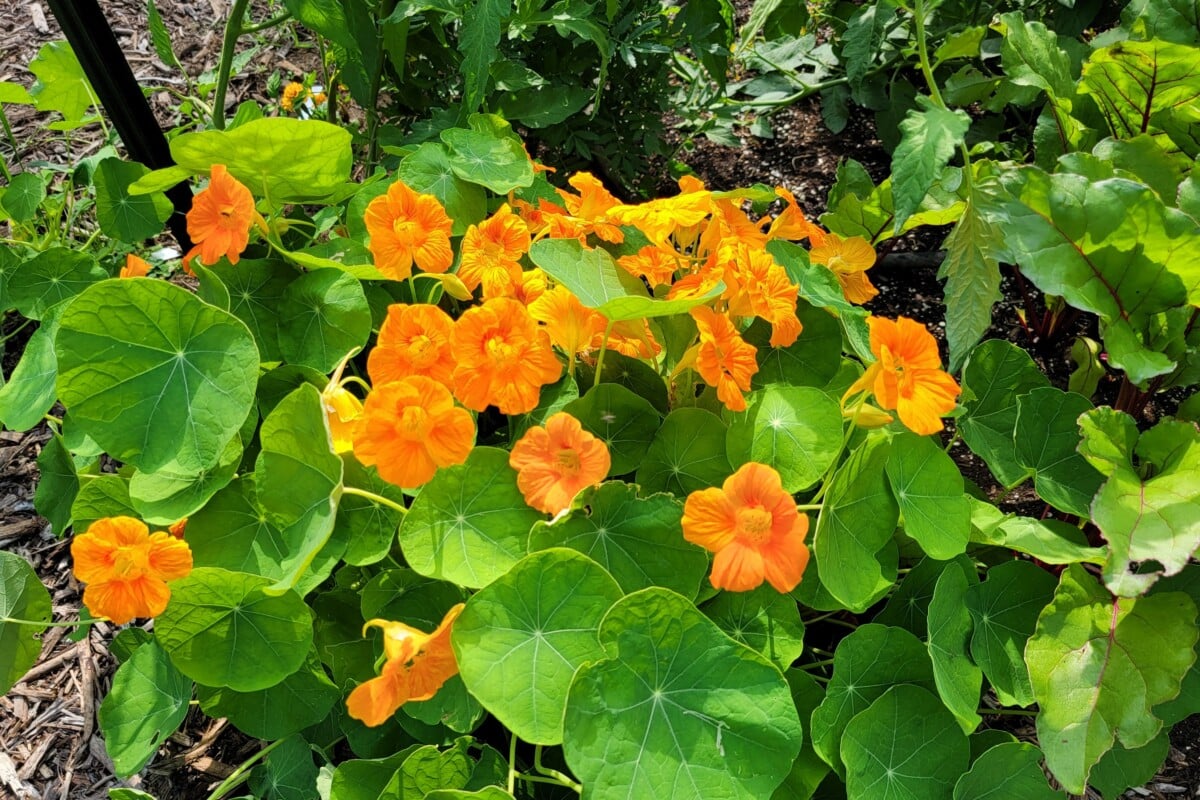
For ages, home gardeners have been told to use trap crops as a form of pest management.
The idea is that you plant a crop that the pest attacking your main crop also likes to eat/lay eggs on. This pulls the pest away from your main crop. A classic example is to plant nasturtiums to protect brassicas from the cabbage white butterfly.
The problem with trap crops is that, like crop rotation, it is information trickled down from commercial farming, and land size matters when implementing both.
For trap crops to be effective, you need to do two things: either plant trap crops far enough away from your garden in larger quantities so the pest goes to them instead of your main crop, or you have to surround your main crop with lots of your trap crop and remove the pests that visit your trap crop first. Most gardeners weren’t told that second bit of information.
Yeah, I know. I’m exhausted just thinking about it.
But there is a better way.
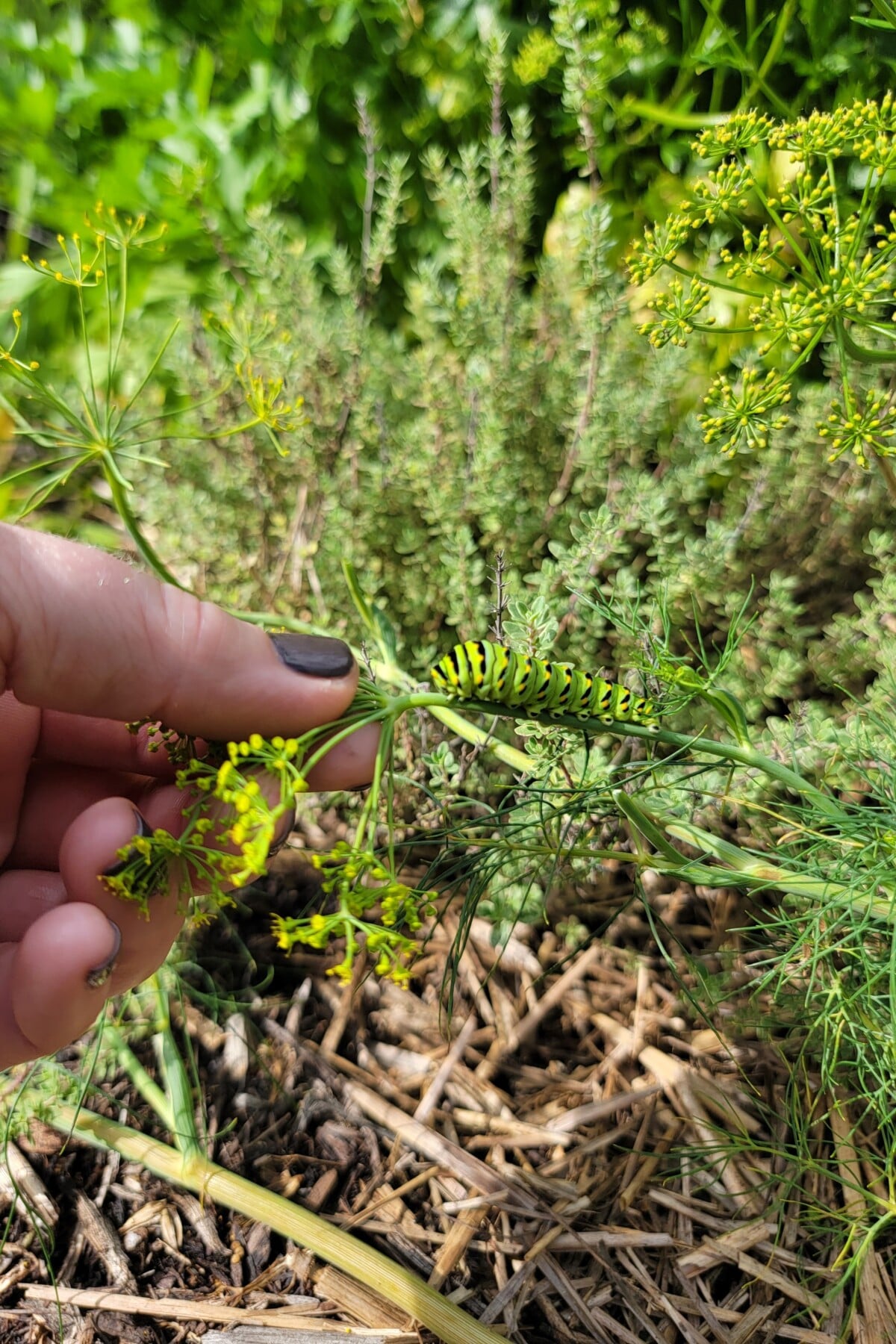
In the spring, when you are out sowing seeds and planting seedlings in your garden, intersperse those plantings with plants that attract predatory insects. (Skip the marigolds.)
I started doing this last summer, and I was blown away by the difference it made. Not only was my garden buzzing with predatory insects, but I had minimal pest issues, and my garden looked nicer, too.
Sweet alyssum is my go-to. It attracts hover flies and Trichogramma wasps (more on those guys in a minute). And when I say it attracts, I mean, they were everywhere! Sweet alyssum also attracts ladybugs, another (cute) predatory insect that’s happy to help munch on the baddies.
Dill is also a great option, specifically if you let a few of them bolt and flower. These guys are amazing at attracting Trichogramma wasps. Before you freak out about having a garden filled with wasps, let me reassure you, you won’t even know they are there. That’s because Trichogramma wasps are a staggering .5-1mm long. Yup, you can barely see them, and they can’t bite or sting you. However, they can, and do, lay their eggs inside the eggs of many different caterpillar species that like to munch on your veggies.
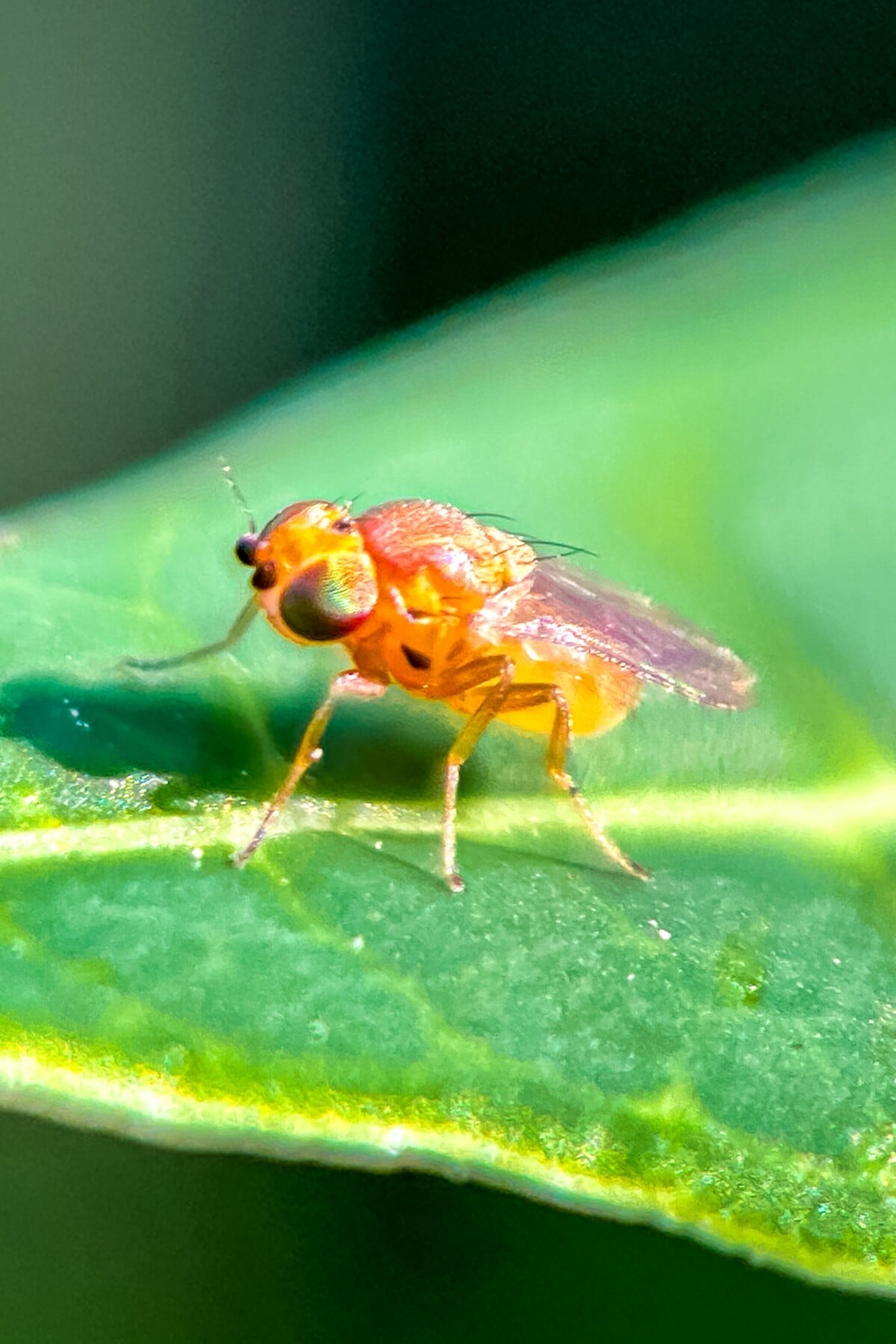
If you really want to get a head start, order some Trichogramma wasps online and release them into your garden this spring. Just be sure you have plenty of sweet alyssum and dill planted for them to snack on.
Other plants to consider adding to your garden that attract predatory insects:
This spring, if you plant an all-you-can-eat nectar buffet among your veggies, the pests that show up to snack on your plants will end up being the snacks themselves.
3. Cover, Cover, Cover
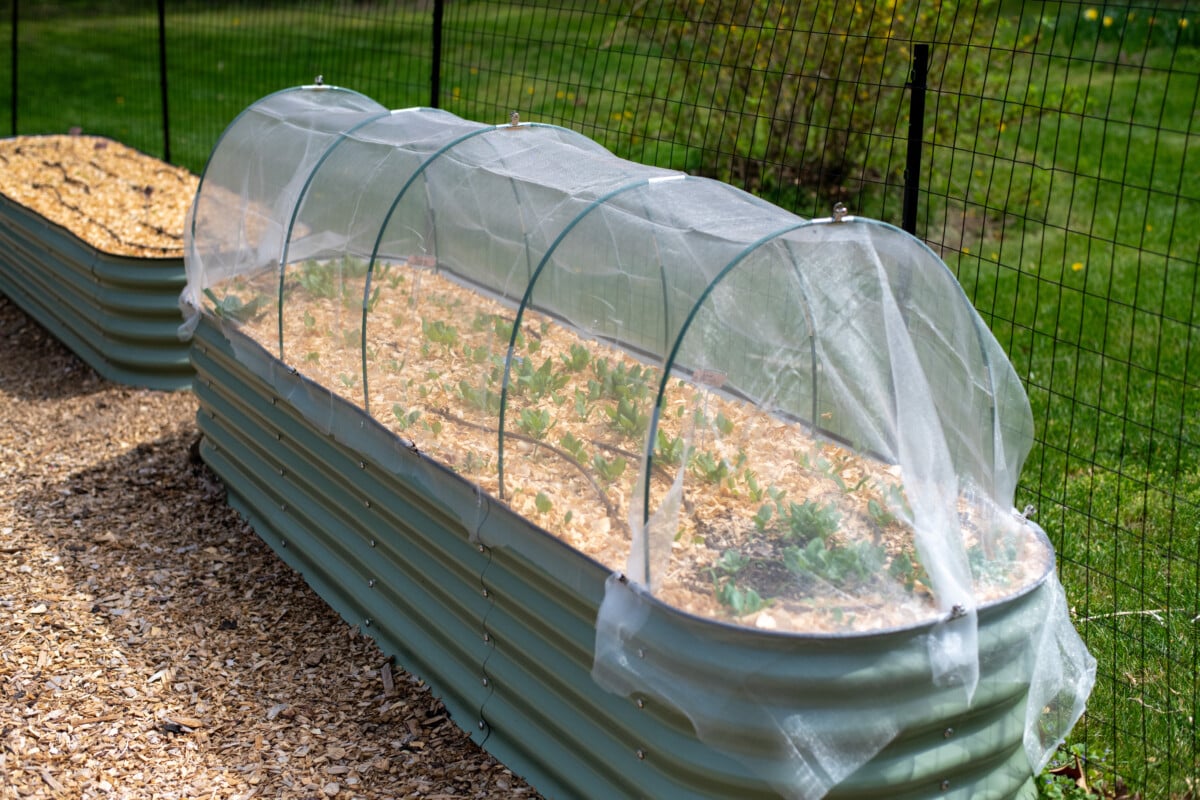
Last but not least, one of the easiest things you can do this spring to protect your brassicas and squash is to cover your beds.
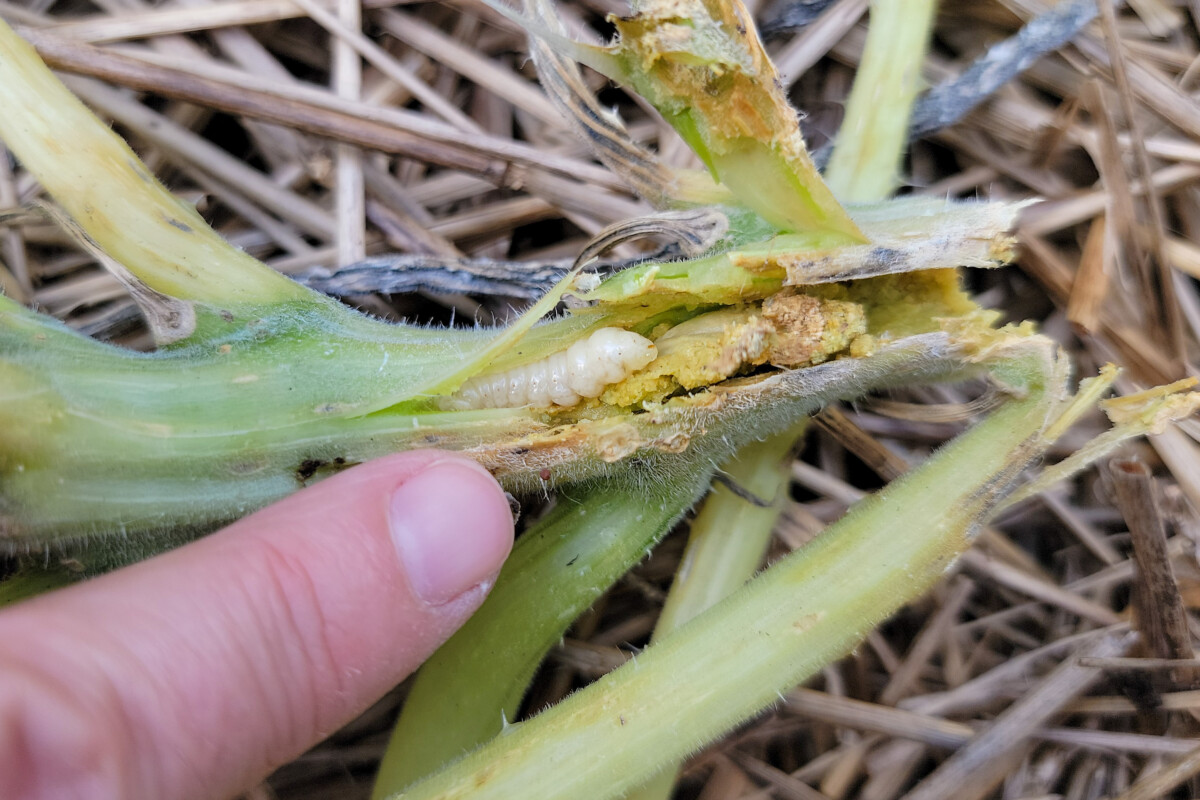
Cabbage worms and whites, squash vine borers, and other flying pests can end up in your garden in early spring. Keep them out with floating row covers. (You might want these, too.) Using these lightweight covers, your plants get plenty of light but remain off the menu for hungry pests.
If you don’t have irrigation installed in your garden (this is what I use), you’ll need to take the cover off when you water. You can also use extra fine garden mesh made to keep insects out and still let rain in.
I found an unexpected bonus covering my garden to protect my spinach.
Covering the beds keeps the soil cool, preventing my spinach from bolting. Even though it’s spring, we’ve had plenty of days in the 80s with soil temperatures creeping up into the 70s. Shading my spinach keeps the pests out and ensures I will actually have spinach.
Cover your beds as early as possible, shortly after seeds germinate or transplanting. Once you begin seeing white butterflies flitting around, it’s usually too late.
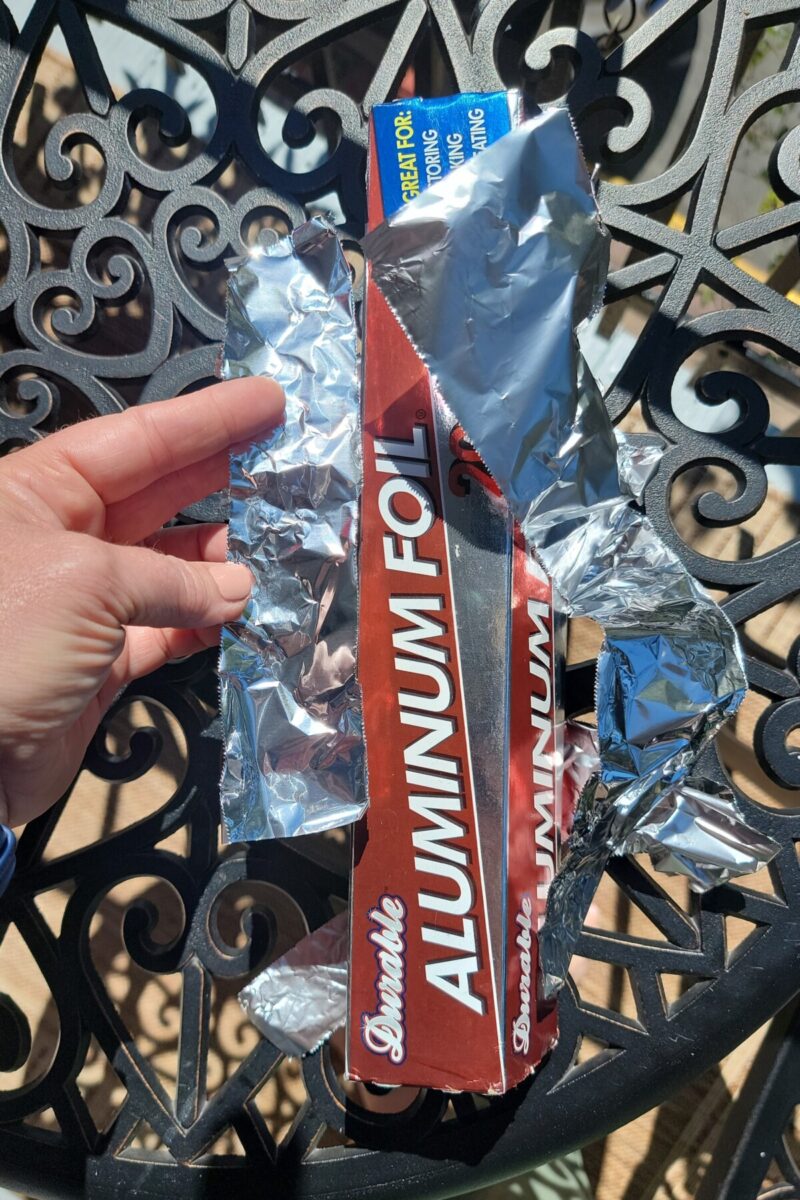
If you cover your squash, you will need to hand-pollinate the blossoms. Or you can cover them to start, and once the stems have thickened up and they start producing flowers, you can uncover them and switch to my weird, but effective method of squash vine borer prevention – aluminum foil!
See? These three easy things to do hardly add a lot to your spring job list. But the payoff for doing them now is immeasurable come July.
Get the famous Rural Sprout newsletter delivered to your inbox.
Join the 50,000+ gardeners who get timely gardening tutorials, tips and tasks delivered direct to their inbox.