

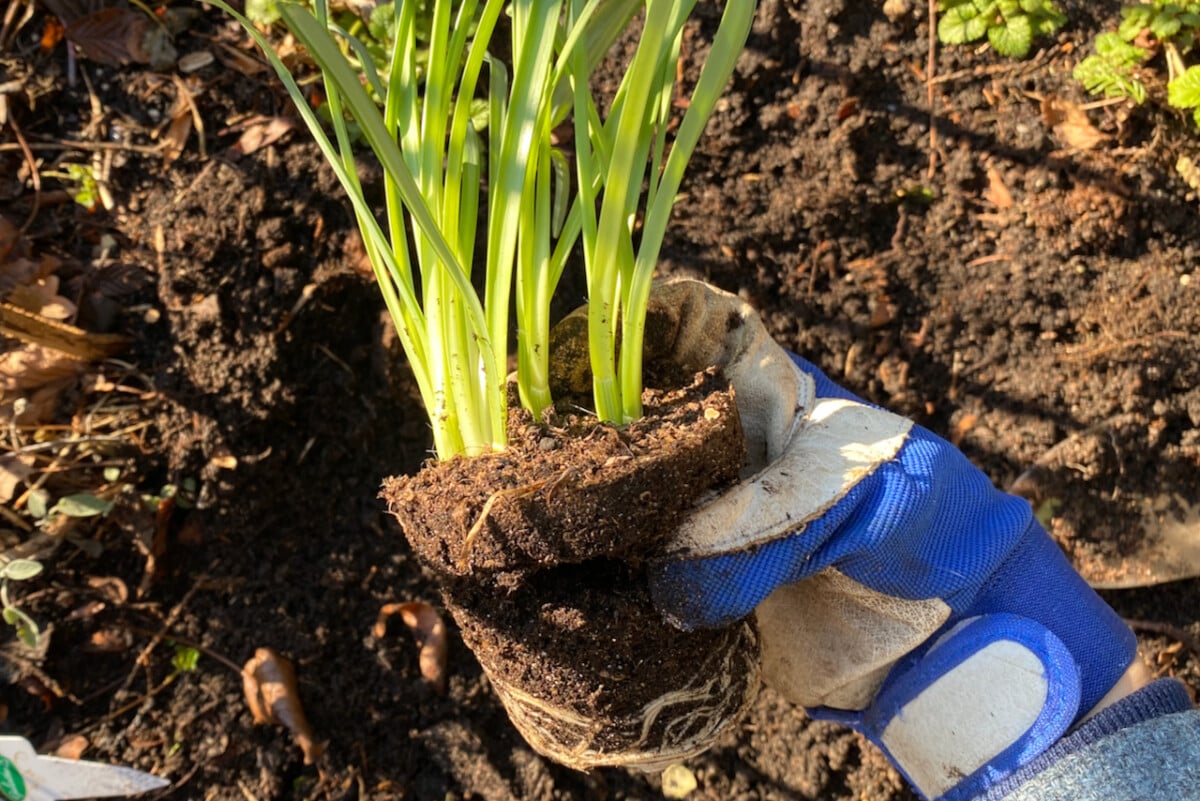
I hold a weird duality in my gardener soul once February rolls around. On the one hand, the tantalizing signs of spring perk up my mood, and I get carried away by daydreams of early sowing and early harvests.
On the other hand, the weather can still throw us a curveball, and I know that getting seeds in the ground too soon is not the head start I envision.
But there are still plenty of things we can plant in late winter.
In fact, for some of them, the window for optimal timing is slowly starting to close.
I made a short list of popular plants that we can put in the ground before spring. As long as our soil isn’t frozen, covered in snow or severely waterlogged, now’s a good time to get them settled.
1. Roses
The hardest part about planting bare-root roses for me was scrolling through ten pages of cultivars, then trying to pick only a couple of that would look good against the facade of my house. Compared to that, actually planting the roses was very easy.
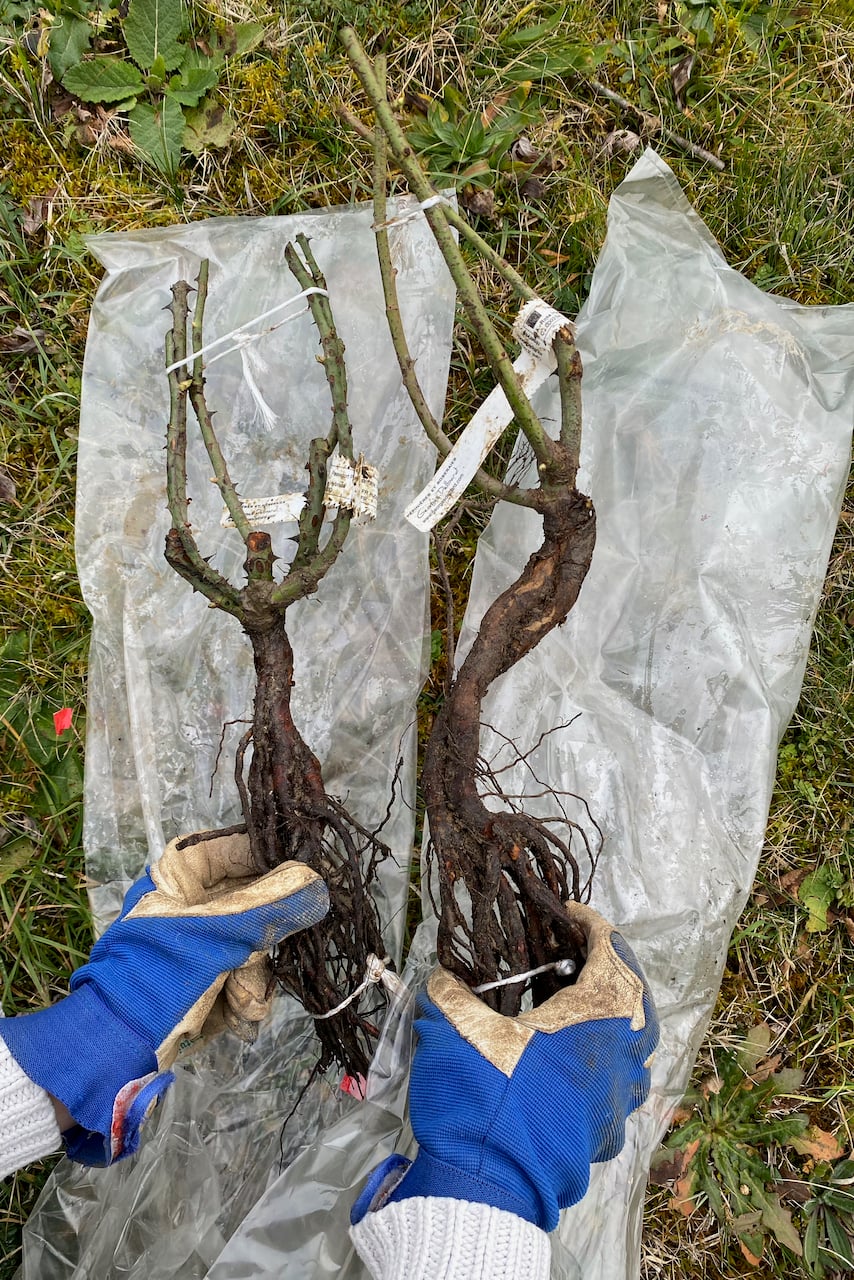
This abundance of choice and the lower price are the two reasons why I’m buying my roses bare-root this year. We can plant bare-root roses at any time during their dormant season as long as the soil isn’t frozen or waterlogged.
I followed the instructions that came with the bare-root delivery. (I advise you to do the same, prioritizing planting instructions from the seller over mine.)

We have to soak the roots first, in order to rehydrate them after they’ve spent a few days in warehouses and delivery trucks. An hour of soaking is the absolute minimum I do, but never longer than overnight.
Most roses sold commercially nowadays are grafted, meaning that the rootstock and the actual stem (called a scion) fuse together in a spot called a graft union.
My instructions advised that keeping the graft point one inch above ground level should be enough. You can add some mulch to protect the sensitive spot from temperature fluctuations.
The jury is split 50/50 on whether we should put the graft union above or below soil level, which is one of the reasons why following specific instructions from the grower is important.
2. Climbing hydrangea (Hydrangea anomala var. petiolaris)
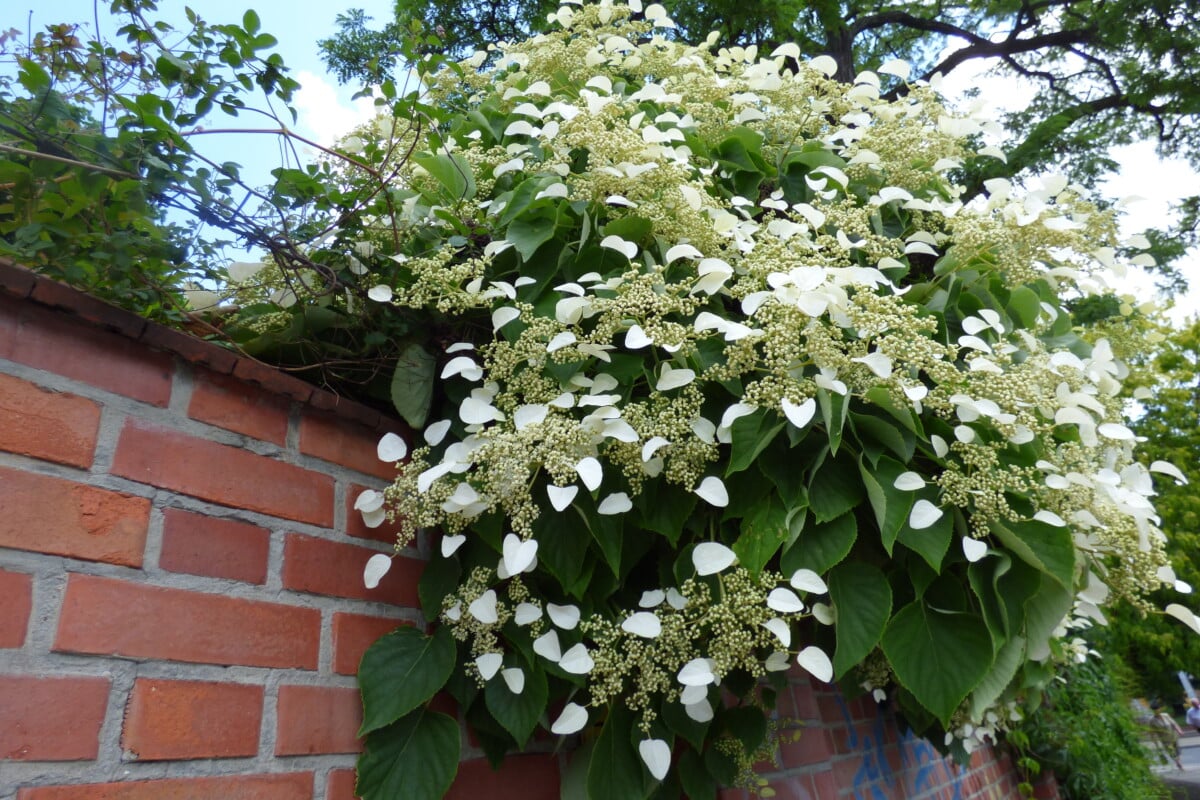
I wouldn’t normally recommend planting a hydrangea in late winter, but I looked back at the article I wrote last year, and I’m pretty sure I planted that hydrangea in late February. Happy to report it “took” right away and is doing well. I should also mention that although we had some cold spells, we weren’t hit by any polar vortex after I planted. Always keep your own local climate in mind when deciding when to plant.
If you’re still a bit apprehensive about jumping the gun on hydrangea planting, I recommend starting with the most resilient one of all. That would be the gorgeous yet understated climbing hydrangea (Hydrangea anomala petiolaris). Here’s the one I’m planting, against a wall of our house.
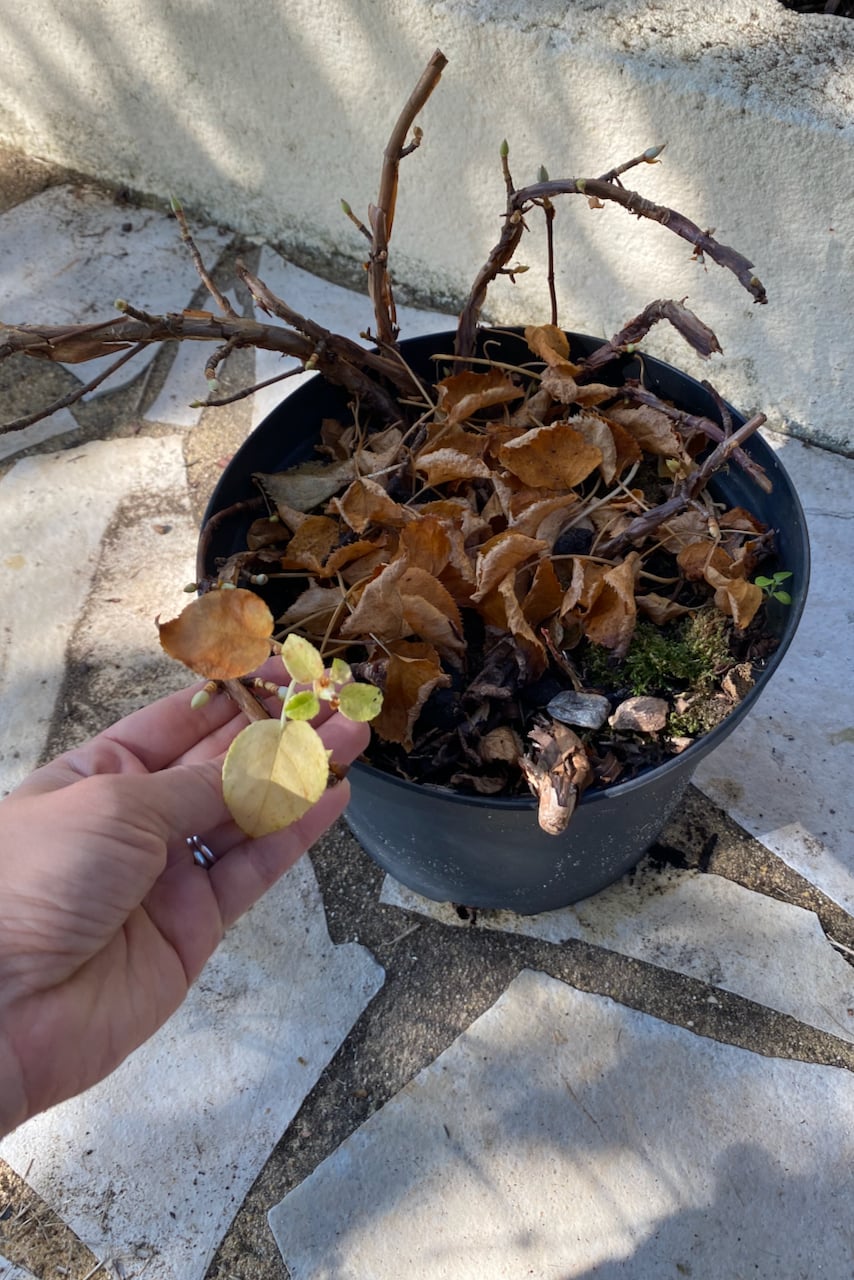
Yes, it does climb quickly, and yes, I will add a trellis behind it this summer, just to have something to train it against. In my experience, having grown this plant in several locations already, it doesn’t grip onto walls or fences, and it doesn’t damage them.
Have a look at this article I mentioned above in which I demo-ed how to plant a French hydrangea (Hydrangea macrophylla). Including the magic dust that helps the roots develop (no suspense here, it’s mycorrhizae).
3. Cyclamen (Cyclamen coum)
I’m pretty sure I gasped audibly when I recently read an article that called cyclamen “an old lady’s plant that’s making a comeback.” I’ll have you know that cyclamen has never gone out of fashion as far as I’m concerned. Nor am I an old lady!
Now’s a good time to put hardy cyclamen bulbs in the ground, if it’s not frozen solid. I like the elegant flowers of the hardy cyclamen (Cyclamen coum) in shades of magenta, pink, red or white. They bloom from January to March in my area, although I did see some peek out in November last year. But what makes it different from other early spring bulbs, in my view, is the equally striking foliage with silvery streaks on a dark green laced pattern.
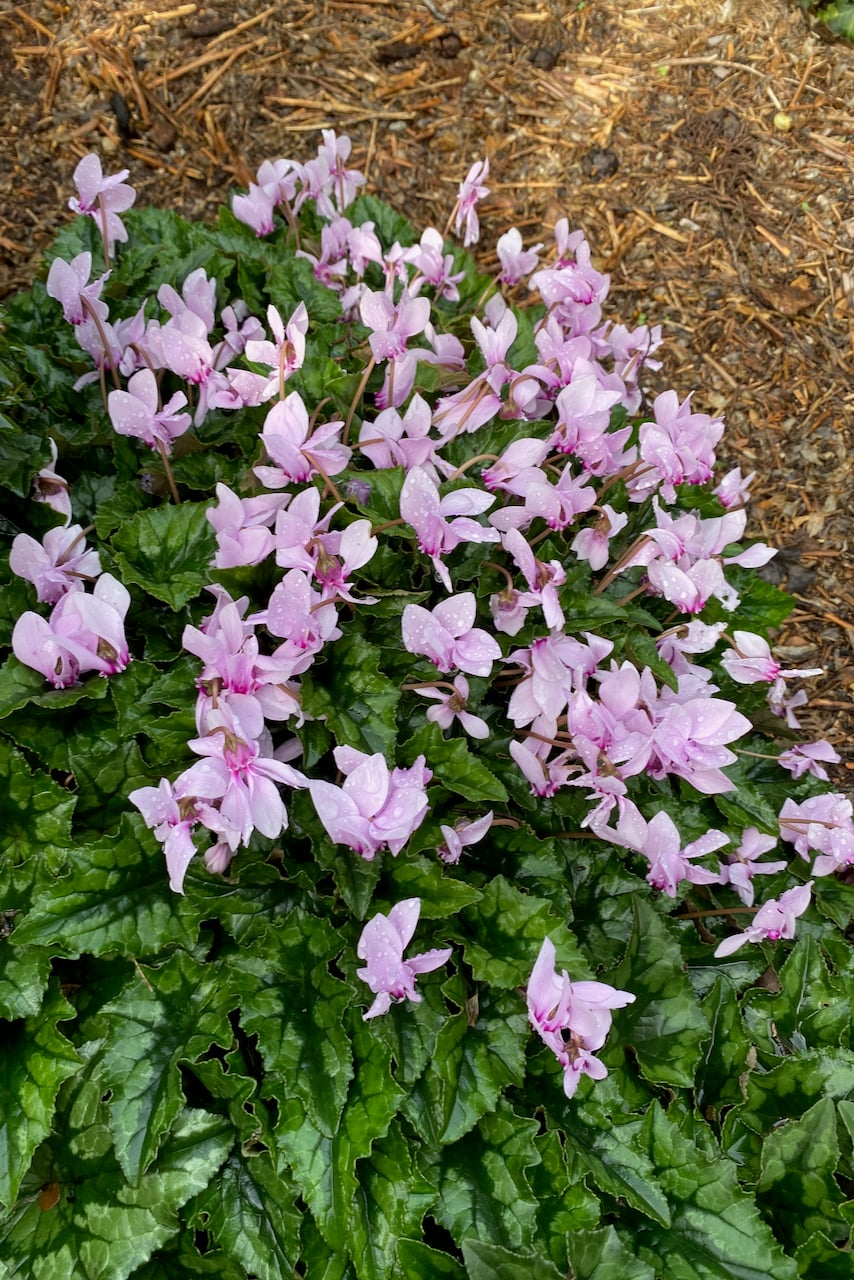
Cyclamen can handle full sun, but it thrives in part shade. I have mine growing under a tree that gets late afternoon sun in the winter. Get a few tubers started, and it will take over from there, multiply underground and – depending on the cultivar you’re choosing – even start to self-seed. Cyclamen recedes completely underground in the summer, so fret not if it’s out of sight for the hottest half of the year.
If you grew florists’ cyclamen indoors and want to know if you can plant it outside once it’s fulfilled its role as a holiday centerpiece, have a look at this article I wrote.
4. Snowdrops (Galanthus)

I couldn’t mention winter bulbs, such as cyclamen, without a nod to their king – the humble snowdrop. I used to find it weird that I couldn’t find snowdrop bulbs for sale at the same time as tulip and daffodil bulbs in the fall. What’s up with that?
Well, it turns out that snowdrops are best planted “in the green.” This means we have to buy them and plant them when they’re still active (not dormant) and still have their leaves on. And that’s a very small window, lemme tell ya’.
Luckily, we’re smack dab in the middle of that window now, in mid- to late winter. So let’s get some snowdrop bulbs in the ground with their leaves still attached, please.
Whether they still have blooms or not is irrelevant. But we must leave the leaves on the bulbs as they will continue to collect energy and redirect it to the bulbs. Snowdrops like dappled shade (a spot under a tree works well) and will do great in any type of soil, as long as it doesn’t get bone dry in the summer.
I have a guide on other perennials we can plant “in the green.” Right this way, please.
5. Sweet peas (Lathyrus odoratus)
I have so many plants I want to start from seed this spring. A lot of them are cold-stratifying in the fridge as we speak. But I still feel they’ll sprout a bit too early, while the weather will still be too chilly to move them outdoors.
So while it’s too cold to sow black-eyed Susans, marigolds and cosmos, one flower that doesn’t mind light frost is the sweet pea (Lathyrus odoratus). It’s a good thing, too, because starting them early means they get the chance to reach their full eight-foot-tall potential by the time they’re ready to wind down in the fall. I adore their bright colors. I guarantee you that just the whiff of a sweet pea flower will make you want to grow one.
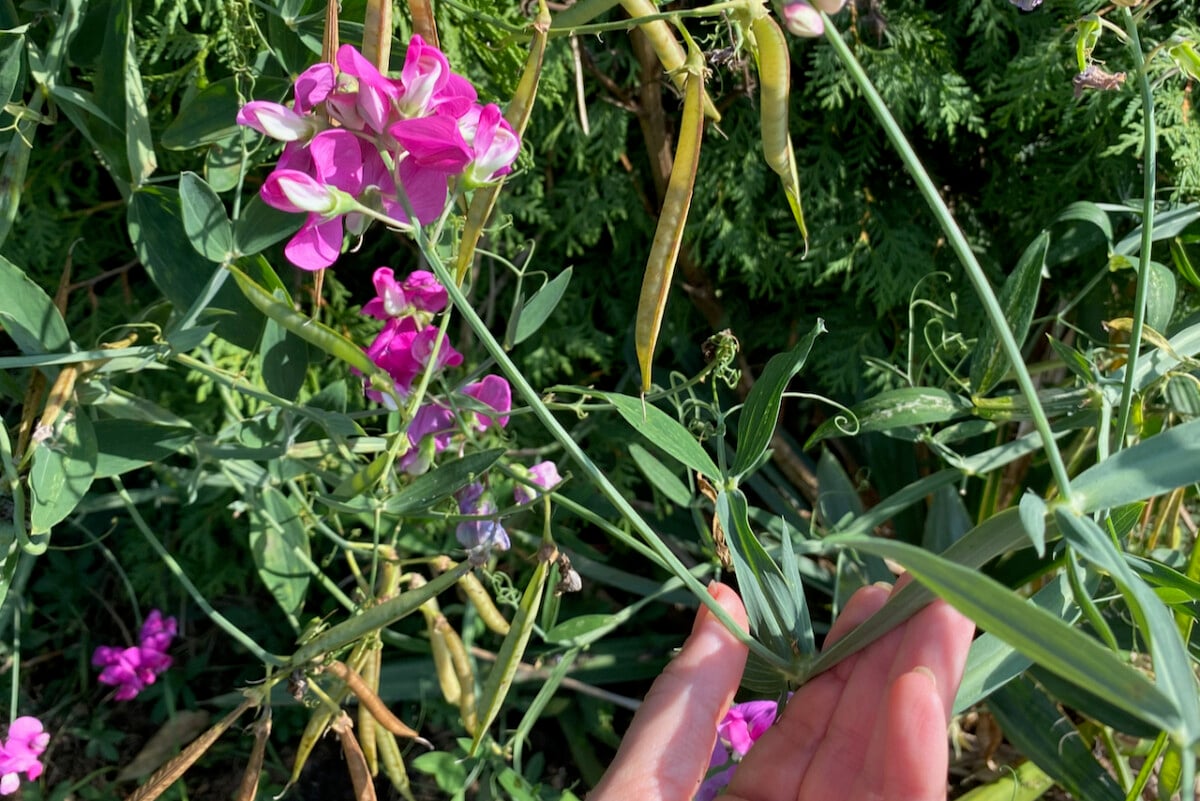
I’m using the seeds I collected (remember the exploding seeds article?) and starting them in pots. The seeds are hard and waxy, so I usually soak them for a couple of hours to soften them up before I put them in the soil. Then I’ll leave the pots either in an unheated greenhouse, a cold frame or in my garage (but next to the only window) until about April.
In the past, it took anywhere from three weeks to a month to actually see some growth, so I now know not to “panic and discard” (one of my signature moves when it comes to seed starting failures).
6. Pansies (Viola)
Every year, I allow pansies to self-seed all over the garden. I even give them a helping hand sometimes by scattering the seeds around once the pods pop.
So I admit buying and planting greenhouse-grown pansies in February seems like cheating, since I know that I have a lot of baby plants on the way.
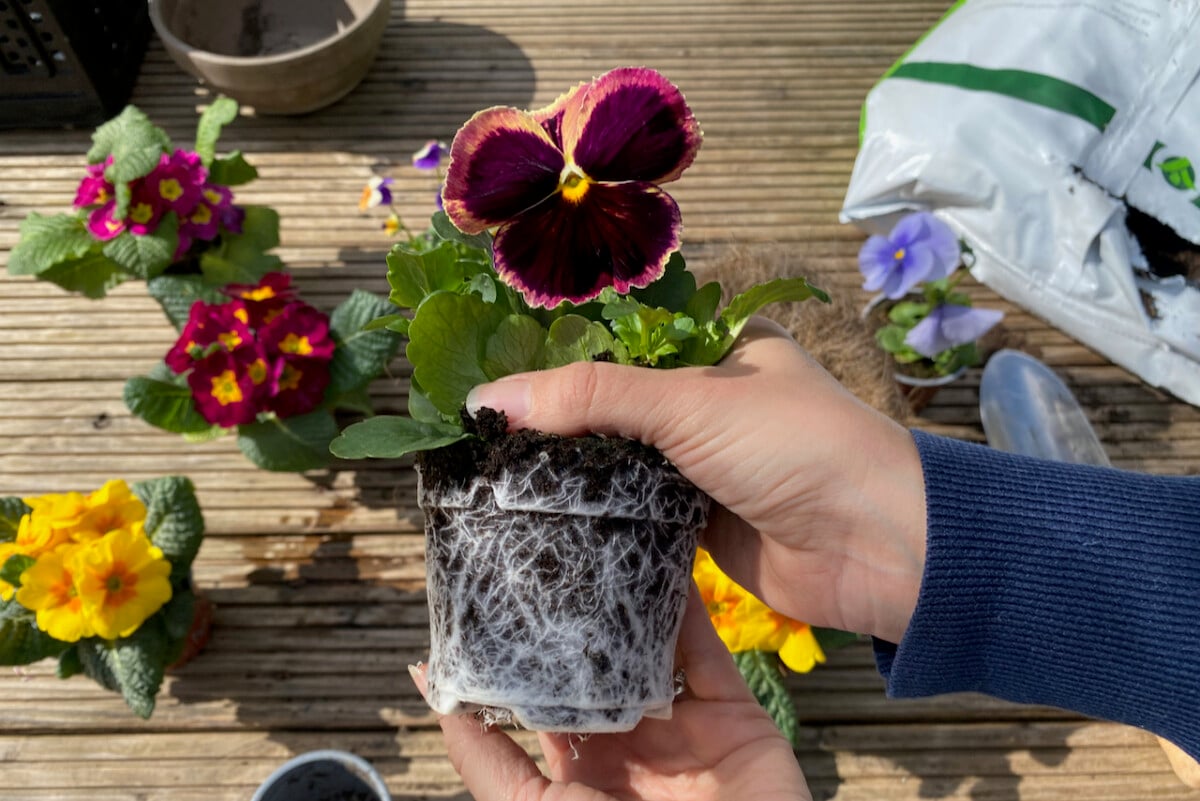
But by late January, I’m pretty fed up with winter darkness and crave some color at the soil level. And the nice thing about pansies is that we can buy potted ones year-round, sometimes even as a six-pack or a twelve-pack.
They can handle a bit of snow (though not buried for weeks) and will do well even when the temperatures dip. I plant mine either in the ground in the garden or in containers that I place by my patio door. They never fail to cheer me up when I step outside for a breath of fresh winter air.
7. Strawberries (Fragaria)
Speaking of six-packs of plants, how about we get a head start on our strawberry growing? Except they’ll most likely come as sets of bare-roots, rather than crisp, lush foliage.
I know we tend to think of strawberries as sensitive little darlings, but I assure you they’re pretty tough plants that can handle the cold of late January and February unscathed.
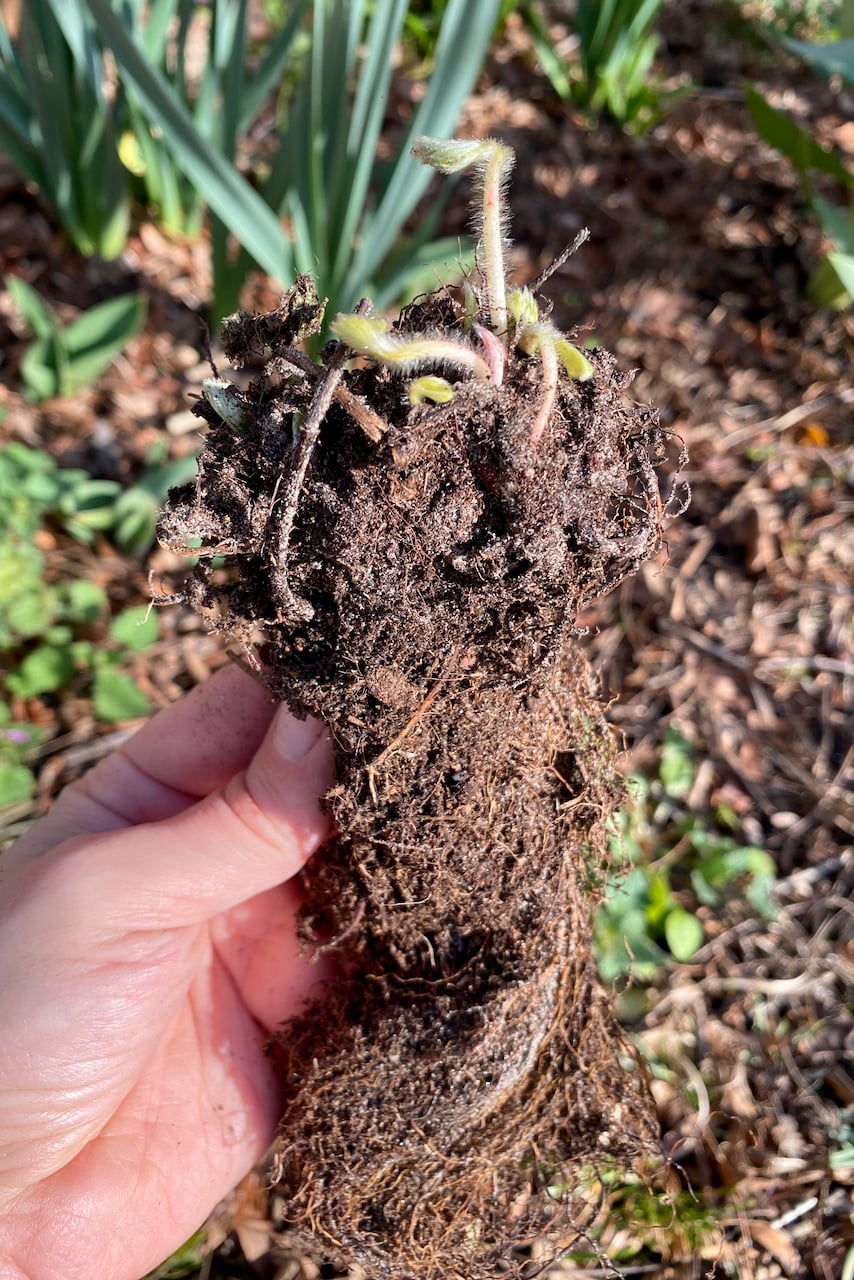
A couple of years ago, I wrote an article on how to plant bare-root strawberries. It really is as easy as putting them in the ground. As long as we’re making sure that only the roots go below soil level and the crown stays above ground. If you’re due for below-freezing temperatures, a good layer of mulch or straw will help protect the roots from temperature fluctuations.
8. Bare-root fruit trees
As I was planning this article, I had just received the delivery of bare-root plants that I had ordered in November. Two months of delayed gratification later, but totally worth it for the savings of buying bare roots instead of potted plants.
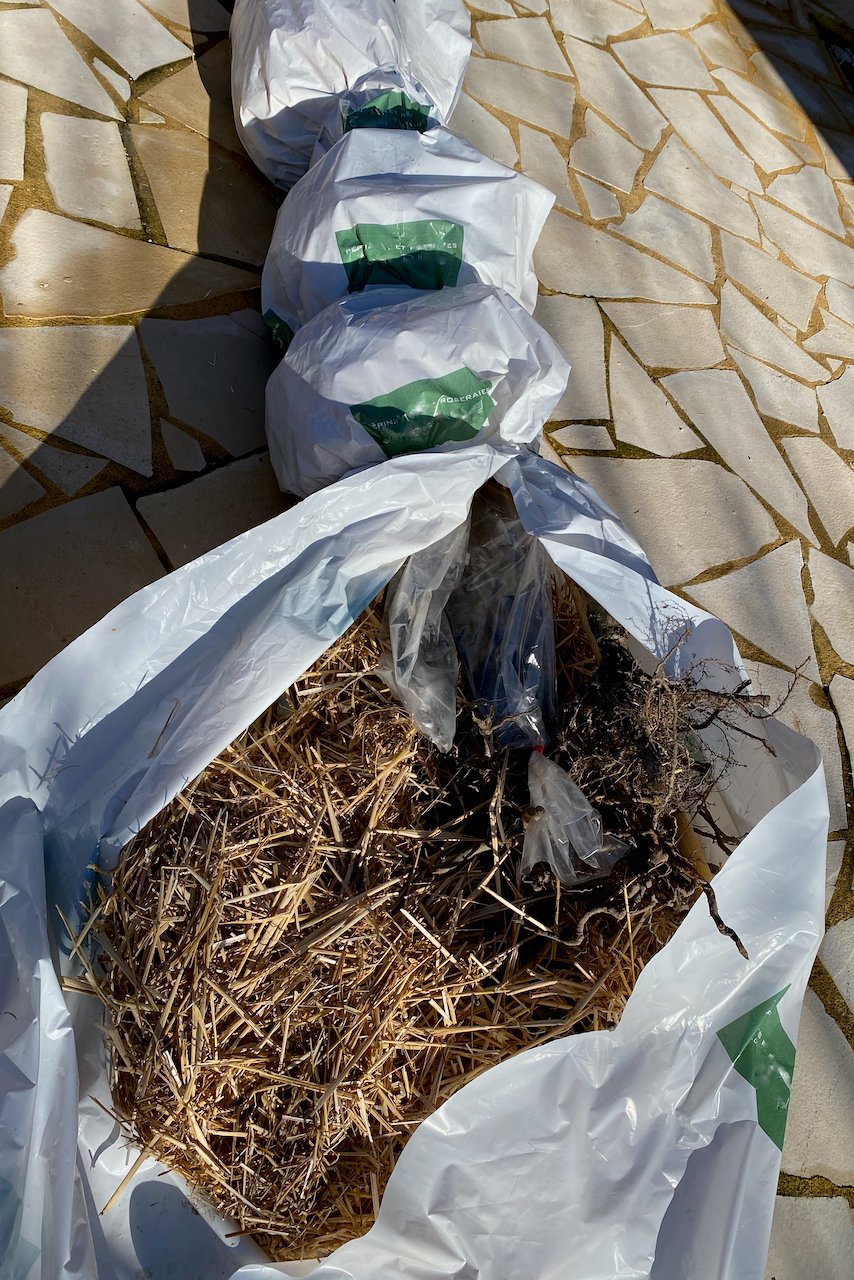
In case you’re curious, I got two apple trees, a plum, an apricot and a peach tree. And even though it’s not my first time planting bare-root trees, I still read all the instructional leaflets that came with my order and scanned all the QR codes to watch all the videos.
There is one important detail that I want you to remember when we plant fruit trees.
We MUST absolutely either plant them right away or heel them in.
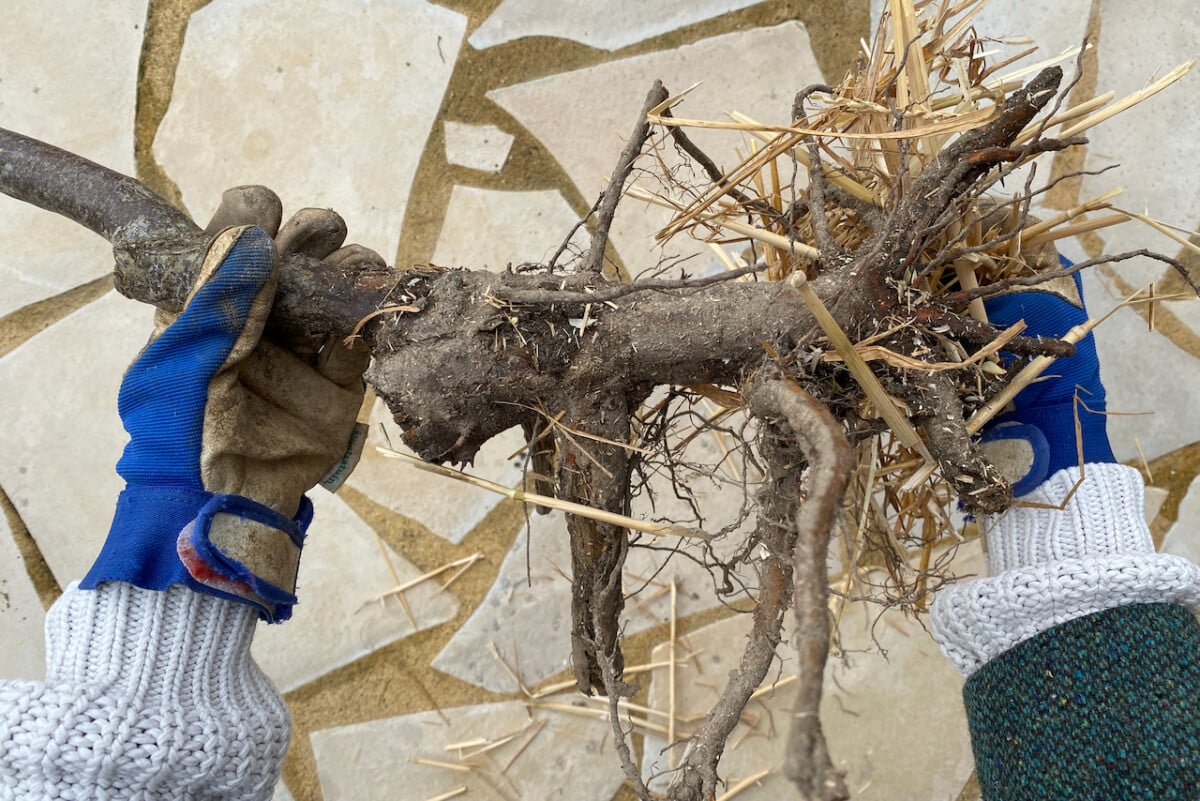
Heeling in means that we’ll stick them in the ground, in a temporary spot, until we’re ready to transplant them to their final place in the garden. This allows them to stay in contact with the soil, thus remaining both hydrated and keeping their roots in the dark, where they belong.
9. Dahlias
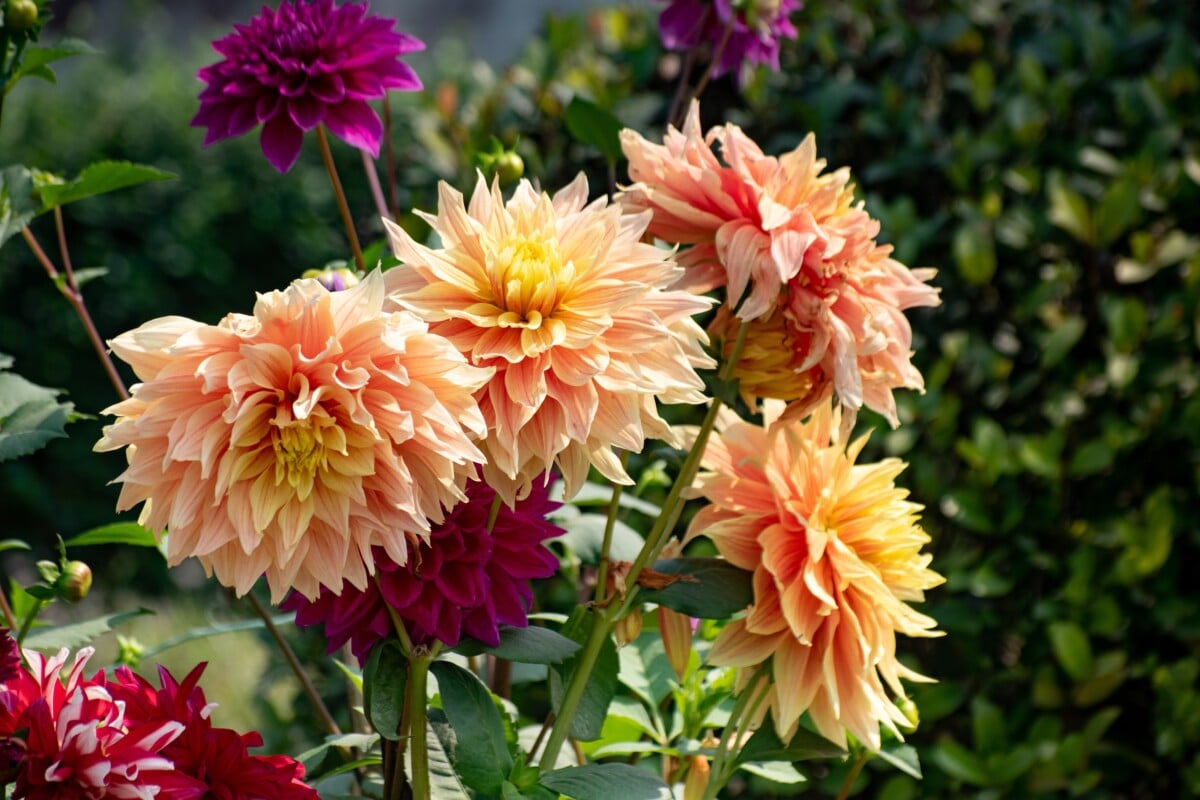
I have written before about starting my dahlia tubers in pots early. I don’t have a very long growing season, so I do what I can to cheat the system. Otherwise, I wouldn’t be able to make the most of my large dinnerplate varieties of dahlias if I didn’t start them early.
Of course, it still being winter, I start my dahlias indoors. I generally keep a bunch of tubers together – as opposed to separating every viable tuber into a new plant – just because I like the fullness effect of the plants in bloom. Before planting, I inspect the tubers and remove any that are soft, moldy or shriveled up.

For a tuber to be viable, it needs to be growing “eyes.” These are little sprouts at the top of the bunch, close to where the dry stem is attached to them. Over spring and early summer, these eyes will start growing and turn into new stems.
I use large containers to start my dahlias. And I keep everything indoors until the risk of frost has passed. I wrote a full tutorial (and took a lot of photos) about jumpstarting dahlias in late winter. Have a look.
10. Begonias
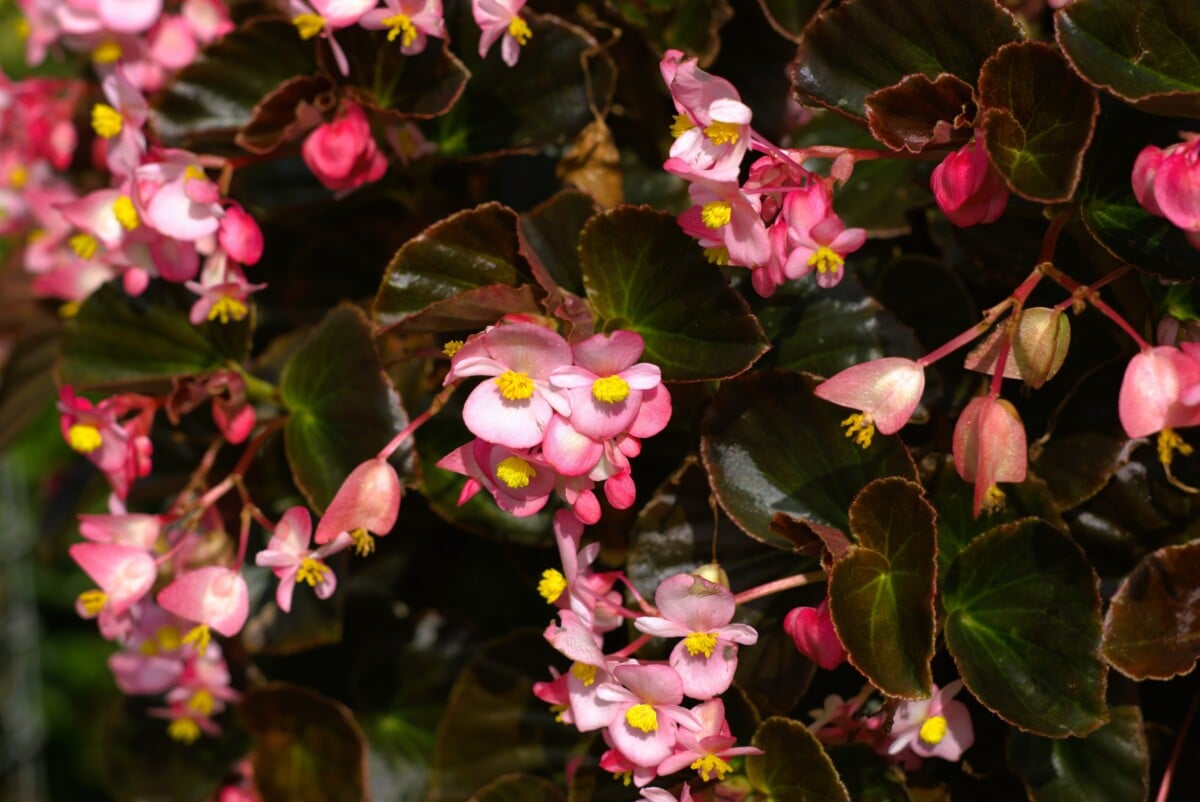
Let’s stick to the tuber theme and see what other plants we can get a head start on.
Enter: begonias. My favorite indoor-outdoor plant.
In the winter, I turn a lot of my begonias into houseplants (along with a few other plants that move indoors) by either taking cuttings, taking tubers or bringing the entire plant indoors.
Now’s the time to bring those dormant tubers back to life. Just like with dahlias, I plant them in a larger container to give them enough room to develop over the next couple of months.
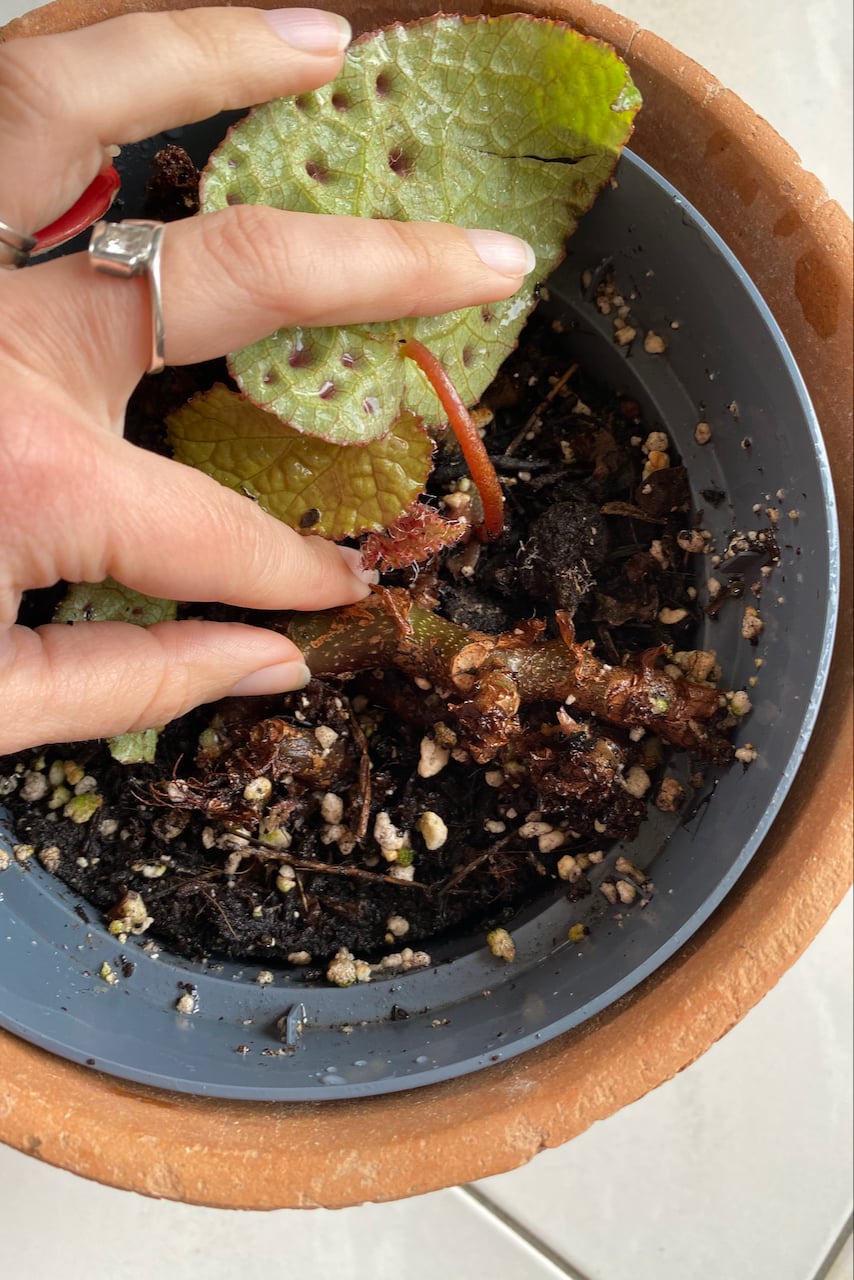
But unlike dahlias, even when my begonias are ready to go out in late spring, I prefer to keep them as potted patio plants.
Begonias prefer a spot that’s part shade, yet they need some sun to bloom well. So keeping them mobile, as opposed to planting them in one spot in the garden, allows me to move them around as the season progresses.
Don’t imagine I spend my life pushing begonias around my deck. But a monthly adjustment to make sure they don’t get bone dry or scorched in the sun is enough to keep them happy.
11. Hellebores
I know it sounds a bit weird to plant perennials that have just reached peak bloom, such as hellebores. But trust me, now’s a good time to get them in the ground, if you’re bringing them in the garden for the first time this year.

That’s because the soil is cool enough (which they like) and still wet enough (which they need), while the days are getting longer and the sun is not yet too strong.
Don’t be concerned if your hellebores retreat below ground once you’ve planted them. Do be concerned if they don’t make an appearance again towards the end of the year. I think they will, though. They’re not very fussy plants.
12. Ornamental grasses
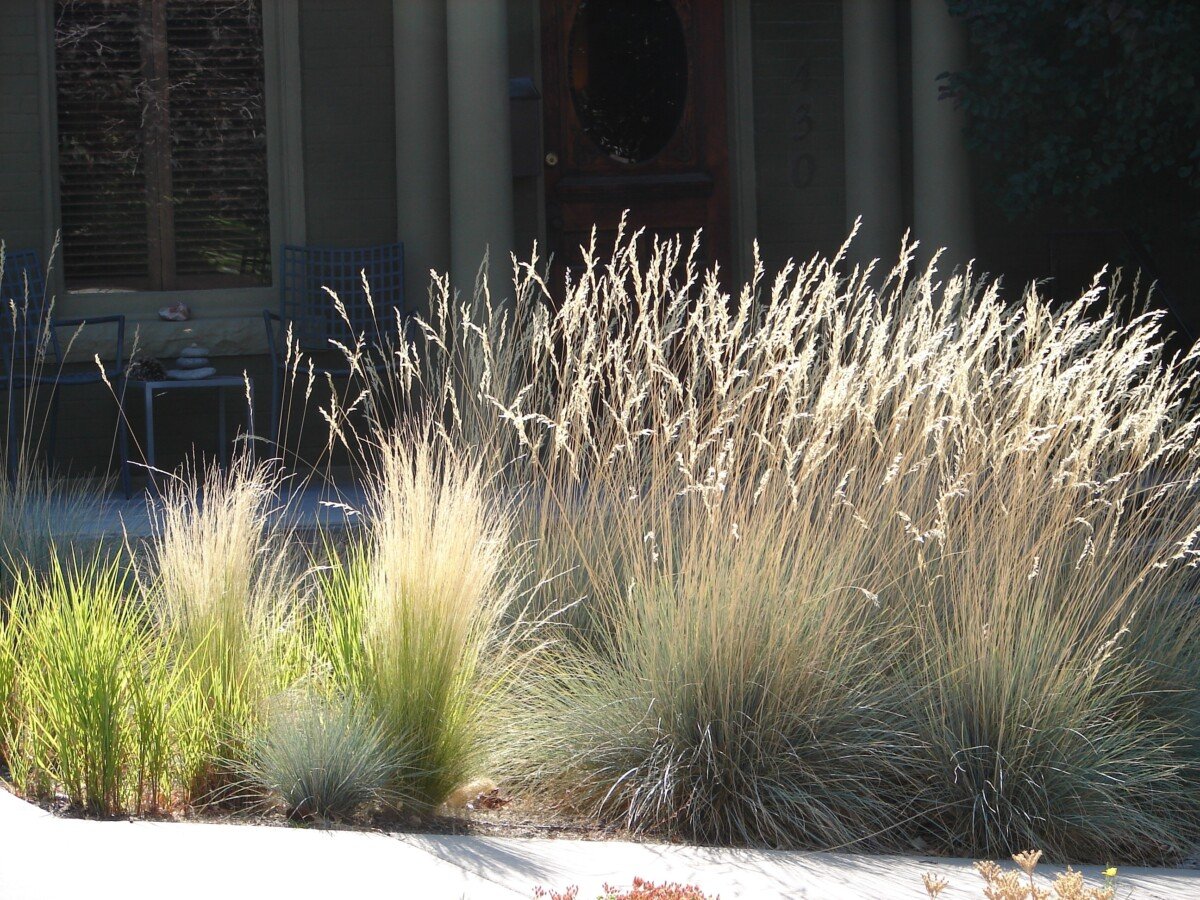
Speaking of easygoing perennials, have you thought about planting ornamental grasses? I love them because they create such a beautiful backdrop for my more colorful perennials. They’re almost like a canvas on which we can paint with the brighter colors of cosmos, rudbeckia, marigolds or dahlias. Truly underrated cottage garden stalwarts.
There are thousands (I kid you not) of cultivars of ornamental grasses out there. I think the best route to start your research is to see if there are any native to your area. Not only are natives beneficial to your local wildlife, but they’ll also be lower maintenance for you. Especially if you garden in an area prone to summer drought.
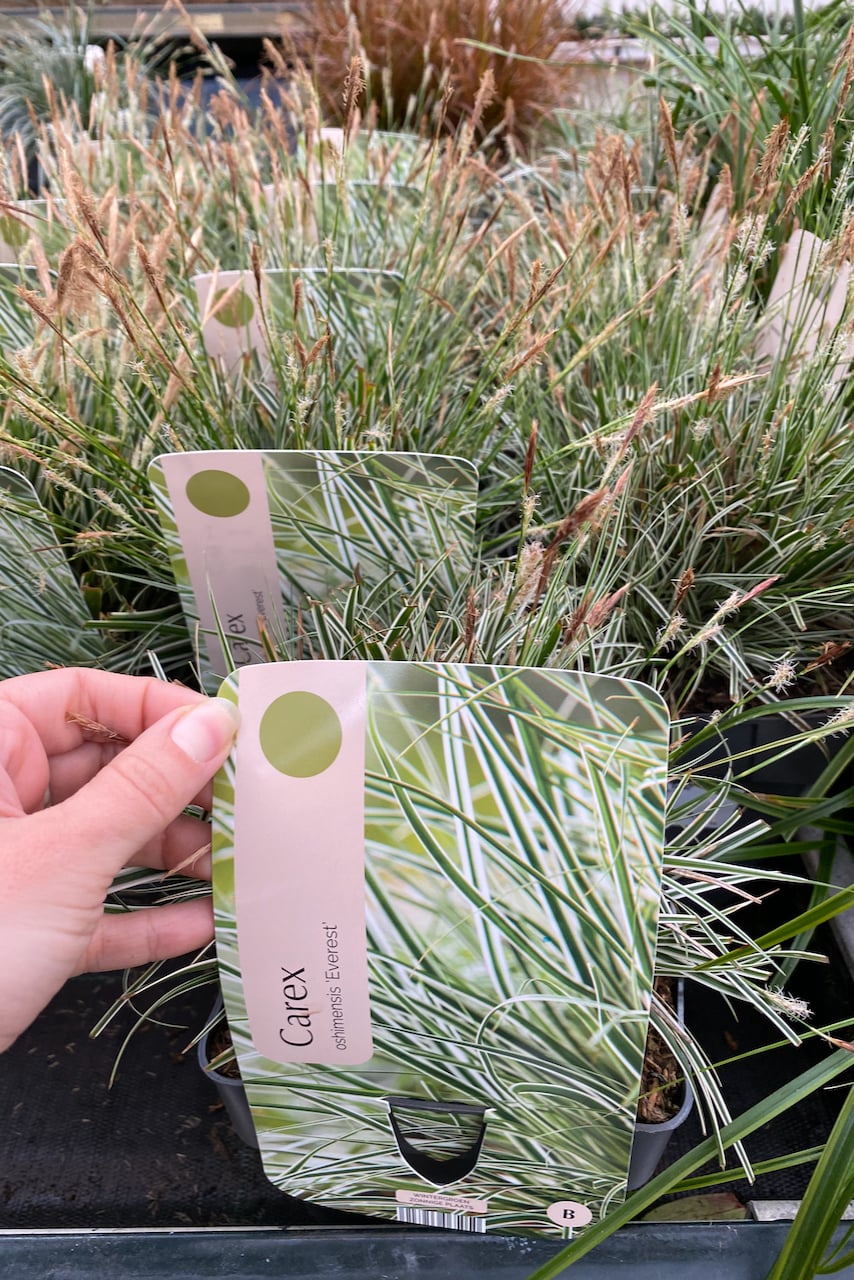
Whether you’re growing evergreens or deciduous grasses, now’s a good time to plant them. Make sure you transplant them at the same level as the pot they were in and keep them well watered while they get established.
If you’re already growing ornamental grasses in your garden, it might be time to think about pruning them.
13. Sunchokes (Helianthus tuberosus)
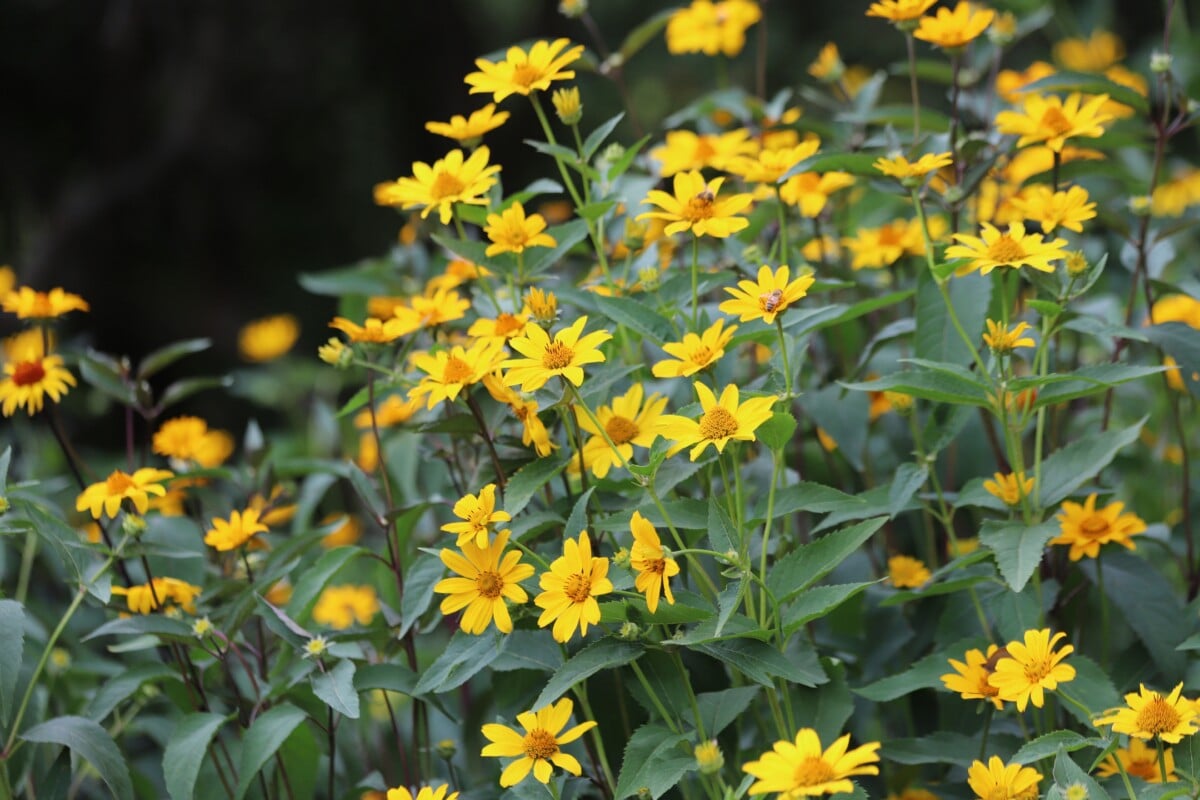
I debated whether to include sunchokes on this list because they’re right on the line of ornamental and edible for me. In fact, they’re one of my favorite edimentals. And I have just harvested some, so it feels a bit silly to talk about putting them back in the ground. But I think you should, especially if you have a spot where not much else grows. Here’s what the tubers look like.
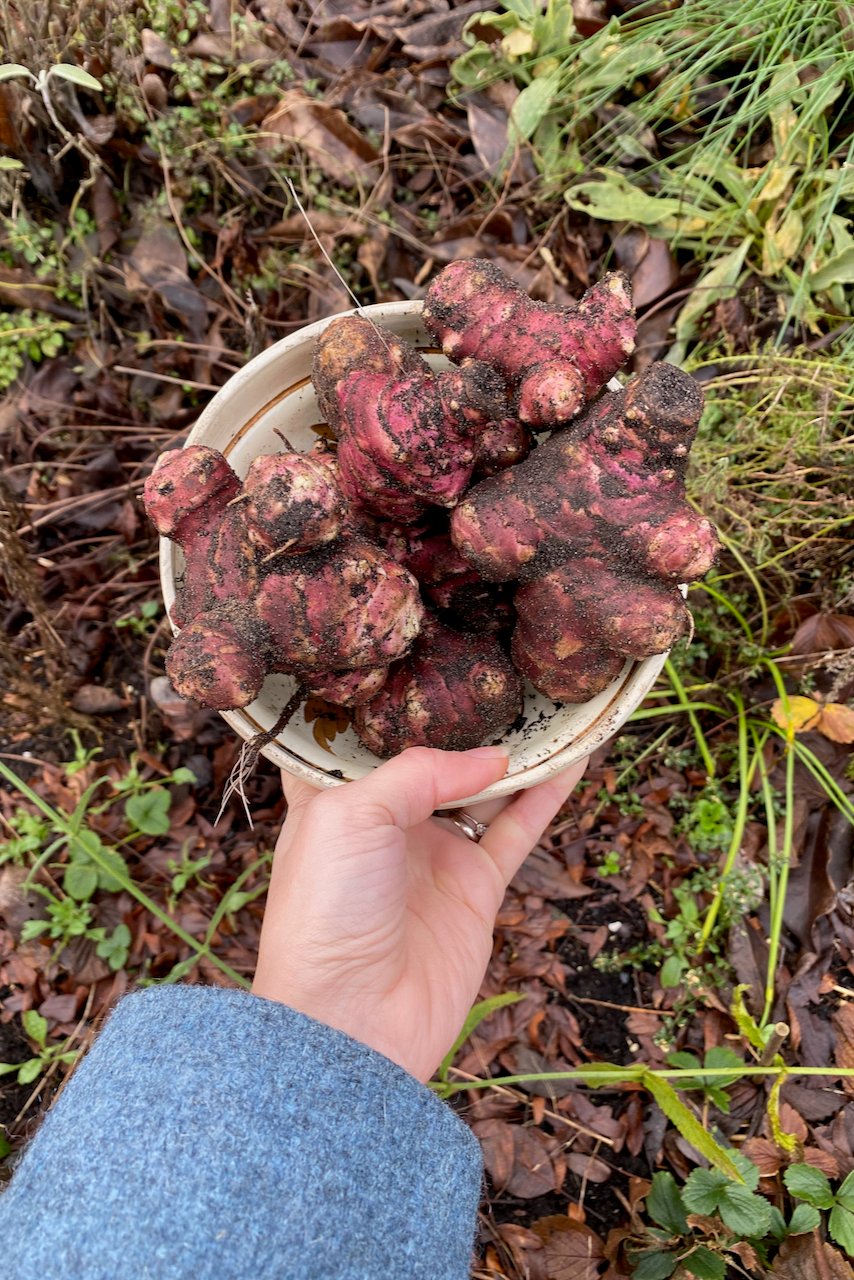
I know them as sunchokes because the flowers that they grow resemble sunflowers. If you call them Jerusalem artichokes, rest assured, we’re talking about the same thing. The edible tubers do really well in all types of soil, but they will spread fast in looser, sandy soil. Keep them contained unless you plan on harvesting often.
Be warned, sunchokes are very hardy and can easily overwhelm your flower beds. You might want to consider growing them in pots sunk into the soil to keep them from taking over.
14. Elderberries (Sambucus nigra)
Here’s another favorite edimental that spreads fast. Luckily, I can consume my way through it even faster. I grew up on homemade elderberry soda. My mom and grandma were masters at fermenting the elderberry flowers into delicious fizzy pop in early summer.

I have yet to master that art, but I’m planting my own elderberries to grow more material for my brewing experiments.
We can plant bare-root elderberry shrubs while they’re dormant or even buy them as potted plants if bare roots are not available. They like dappled shade, but can handle any type of soil.
15. Primroses (Primula)
Let’s end on a happy note by getting some winter primroses in the ground. We’re not talking about the majestic evening primrose (of the famed oil), but about the common primrose (Primula vulgaris) and all its more showy cultivars.

Just like with pansies, I let primroses self-seed all over the garden, but I also treat myself to a couple of pots before the garden wakes up, just to dab a bit of color on the gray.
Last year, the primroses I planted in early February stayed in bloom all the way through mid-April. Primroses are frost-hardy, but not long-lived. I plant some in garden beds and some in outdoor containers. If you’re looking for some spring container inspiration, have a scroll through this list I put together. I added photos for every flower combo, because I’m nothing if not a visual learner. As all gardeners are, I believe.
Get the famous Rural Sprout newsletter delivered to your inbox.
Join the 50,000+ gardeners who get timely gardening tutorials, tips and tasks delivered direct to their inbox.