

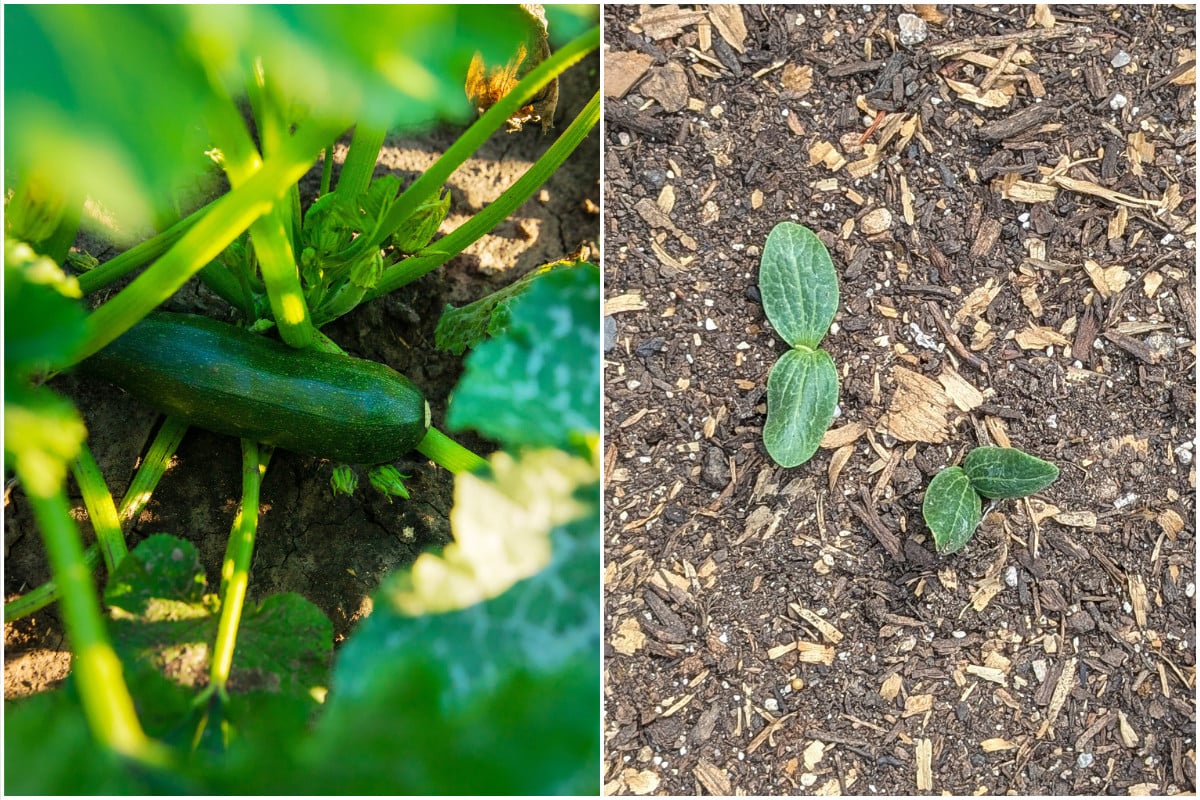
We’ve all heard the jokes about zucchini and how productive they are. Goodness knows I’ve made quite a few right here on Rural Sprout. So, it can be a real head scratcher to head out to the garden, day after day, and not be met with an abundance of zucchini.
Okay, maybe it’s worse than confusing. It’s annoying. We planted zucchini. We knew what we were signing up for. Things started out great, we were getting a zucchini or two every day, maybe even that one hidden Louisville slugger lurking in the shadows and then…nada.
What makes it more infuriating is when your plant looks completely fine otherwise.
It would be one thing if the leaves were discolored, wilting or dying. Or you noticed that your plant was crawling with bugs. At least then your lack of zucchini would make sense. But you’ve looked, and you aren’t being inundated with pests.
So, what gives?
First, let’s pause for a second to make a clear distinction about where this is heading. You’ll notice I said that in this scenario, your zucchini plant is generally healthy, it’s just slowed or stopped producing altogether.
If you suspect you’re dealing with a pest issue or a disease, that’s a whole other ball of wax.
Some of the most common zucchini pests and diseases are:
Squash bugs
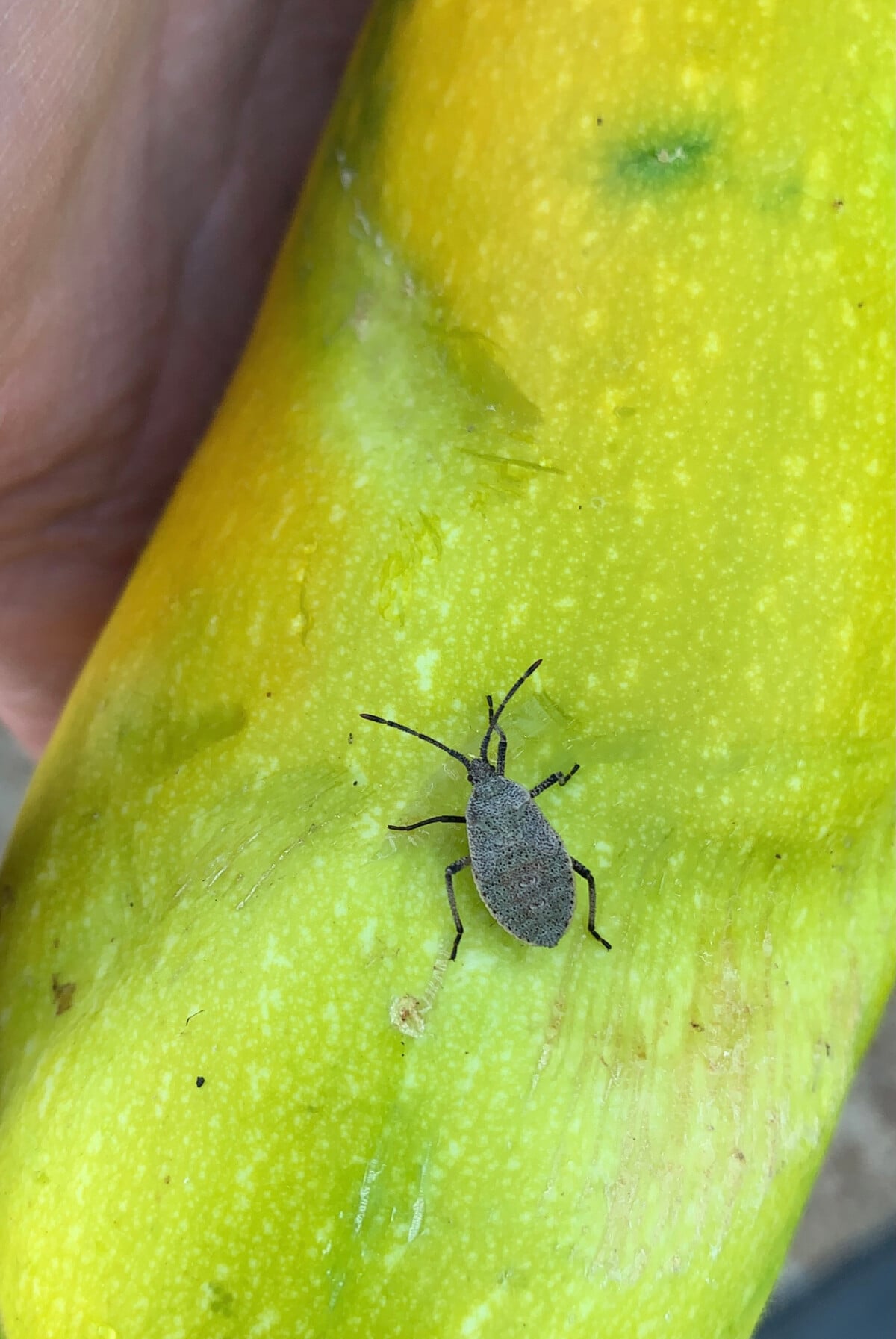
You’ll notice yellow speckled leaves and light gray to gray-brown bugs crawling on your plant. These little guys suck the sap from the plants. Over time, you’ll notice the plant wilting, and it will develop brown, crispy leaves. However, these guys need to be a full-on infestation to cause serious damage. If you notice a handful of squash bugs, but your zucchini looks terrible, then you’re more likely dealing with…
Squash vine borer
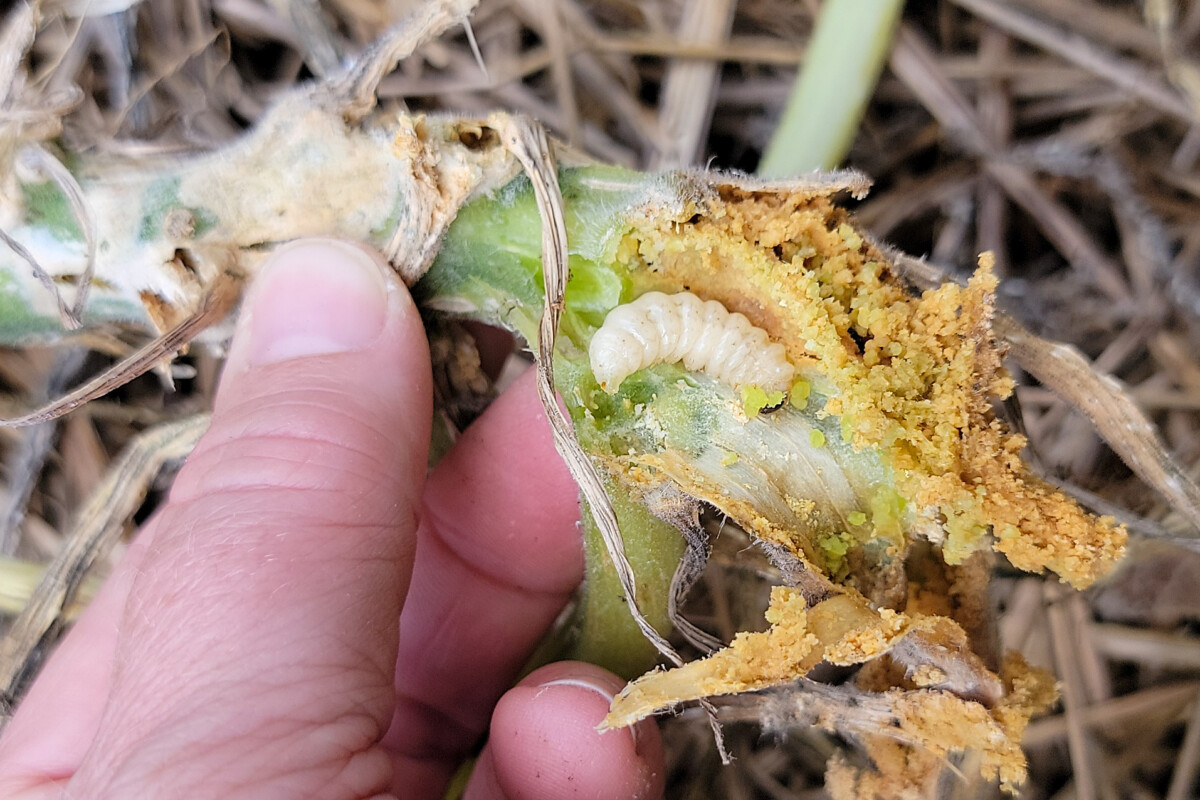
The squash vine borer is great at causing unseen damage and leaving the blame with the squash bugs. Your healthy plant will begin to wilt, and no amount of watering will fix it. The stems will start to become soft, and by the time you notice the tell-tale sign of the squash vine borer – sawdust-like frass (poop) – it’s too late to do anything about it. You can prevent squash vine borers in the spring, however.
Cucumber beetles
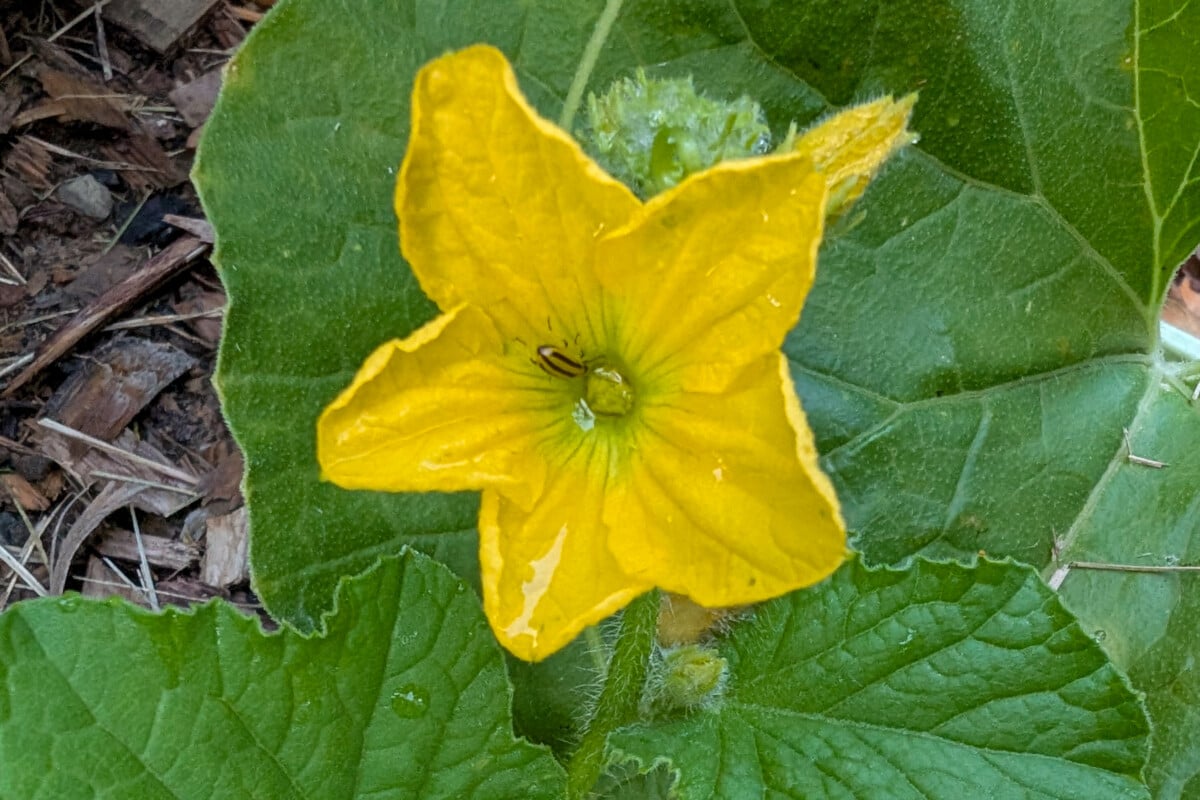
For as cute as these little yellow-green and black striped bugs are, they can be bad news for your zucchini and other cucurbits because they can spread bacterial wilt to your plants. And once you’ve got bacterial wilt, your plant will completely collapse within a day or two. You may as well yank up your plant right then and there.
Aphids
Aphids can be a real problem, not only because of the damage they can do, but because they can carry and spread zucchini yellow mosaic virus. You’ll notice mottled or mosaic patterns on your plants, small or wonky-shaped fruit, and any new growth will usually be twisted.
Powdery mildew
This has got to be the most common zucchini disease by a mile. In fact, in some areas of the country, it’s almost inevitable that your plant will begin displaying the customary white, powdery patches at some point in the summer. Thankfully, there’s a simple and inexpensive way to deal with powdery mildew, and it works in only two weeks.
Downy mildew
Downy mildew can be a real problem here in the eastern part of the United States, and it often shows up during cool, damp weather. You’ll notice the yellow spots between the leaf veins, and it’s usually accompanied by fuzzy, gray-purple growth on the undersides of the leaves.
Those are the big ones, and as you can see, it’s pretty easy to spot when something is physically wrong with the plant.
And while there are things you can do in some of these situations, you’ve probably noticed that for the majority, it’s game over for your zucchini plant by the time you notice something is wrong.
For me, personally, unless it’s powdery mildew (and I catch it early) or a light infestation of bugs that I can hand-pick off, I don’t even bother. I will yank up the entire plant and dispose of it.
The good news is that if your plant is on its way to the trash bin, my midsummer zucchini fix works for this scenario, too. I’ve got you covered!
For those of you with healthy plants, here are the four most likely reasons why you aren’t getting any zucchini.
1. Heat Stress
Lord knows this has been a contributing factor to my zucchini-less state the past couple of summers. If I hear the words “heat dome” or “extreme temperatures” one more time, I’m going to scream.
Rolling with what the weather dishes out has always been part of gardening, and this is no exception.
In extreme heat, zucchini plants are far more likely to throw only male flowers, with very few female flowers to be fertilized. Likewise, if you get temperatures that spike up into the 90s for a week or more, the heat can end up killing the pollen, leaving it sterile. If you click that link, you’ll find some helpful advice on protecting your zucchini during a heat wave.
More often than not, the best you can do is wait for the heat to let up. If you protect your plant well during a hot spell, it will bounce back on its own once the heat breaks.
2. Poor Pollination
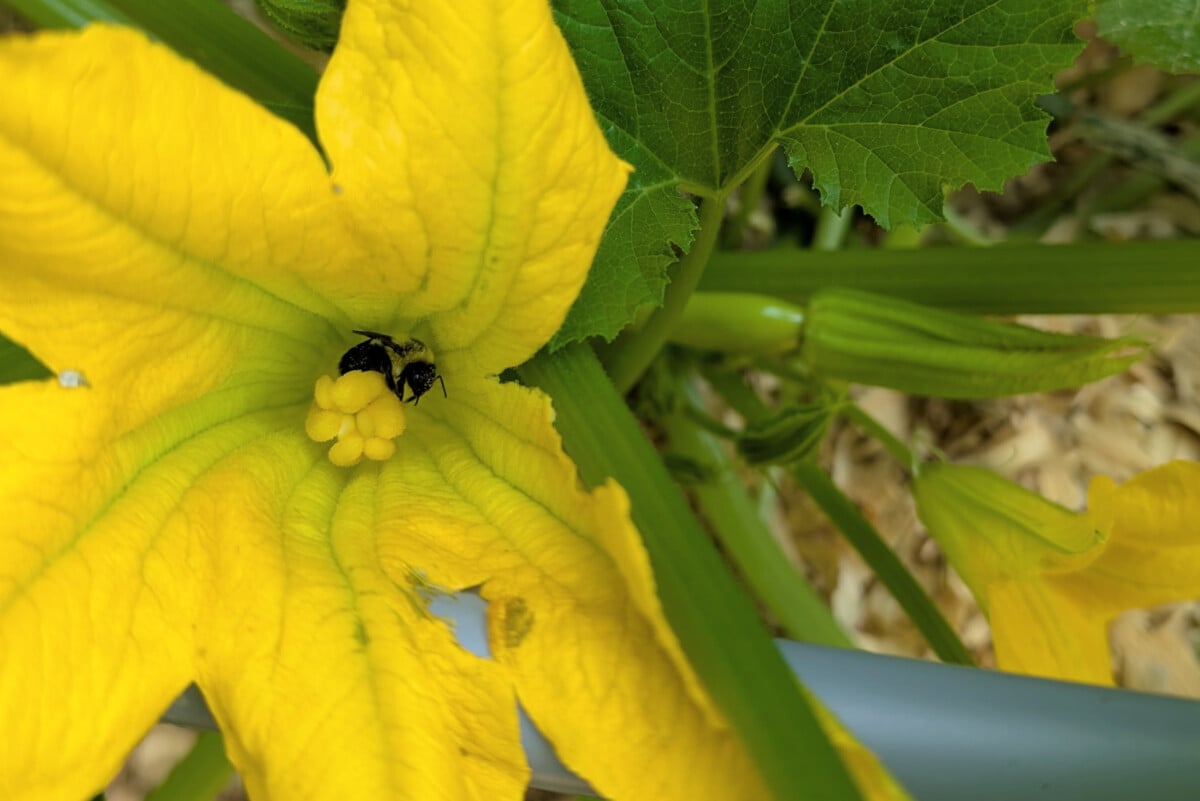
In this instance, you’re probably noticing female flowers turn yellow and fall off the stem. If you can stand in your garden for more than five minutes and see few to no pollinators, that’s a problem. The best way to correct poor pollination rates (and to prevent them each year) is to plant flowers in your garden.
As long-time Rural Sprout readers will tell you, I’m a huge fan of growing sweet alyssum in your garden.
This demure annual packs a punch when you add it to your vegetable garden. Each tiny flower is packed with nectar and emits a lovely honey-like fragrance that calls in pollinators like a dinner bell. Plus, it grows fast, so even if you didn’t start it at the beginning of the season, you can sprinkle the seeds in your garden and have flowers in about a month and a half. In some areas, it will even self-seed and come back again next year to call the pollinators to your garden.
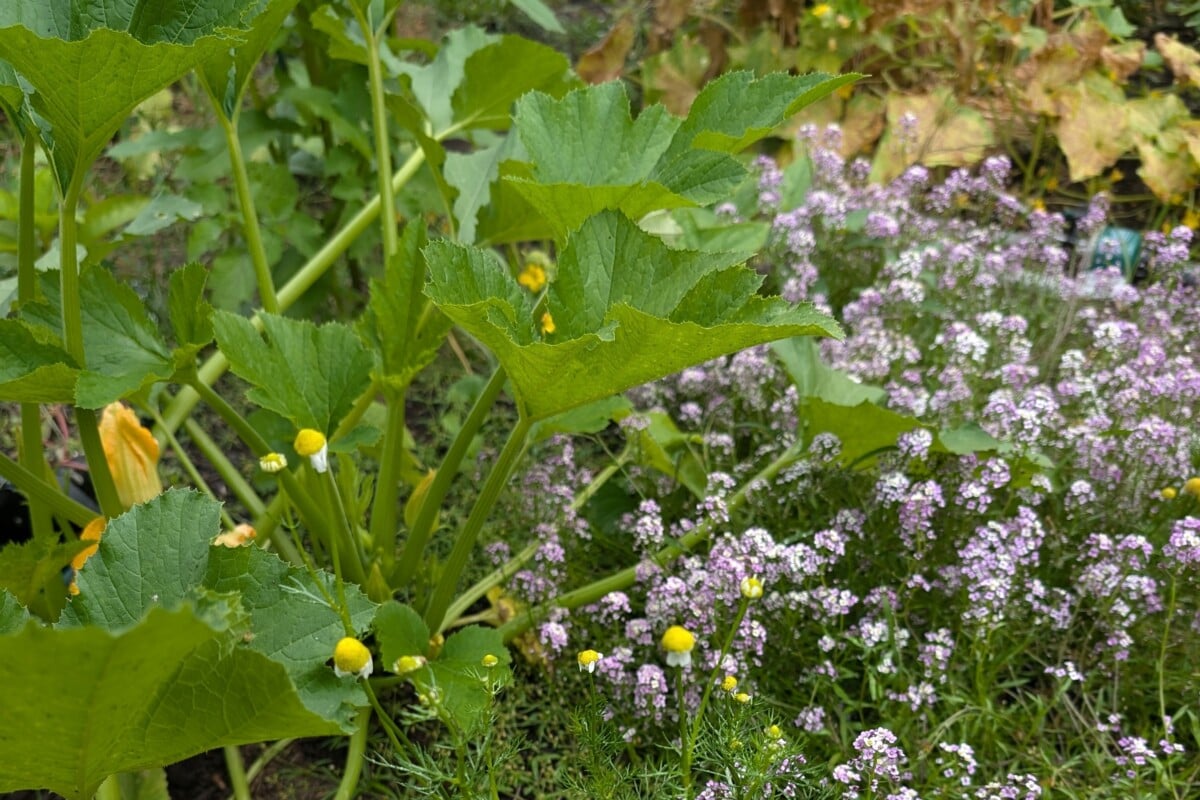
Regardless of what you choose to grow, adding flowers will help bring in pollinators and other beneficial insects. (I wrote up a list of the hardest-working insects in your garden here.) In the meantime, you can use this tutorial to learn how to hand-pollinate your zucchini, so you stop missing out.
3. “We’re Done Here, Let’s Wrap This Up!”
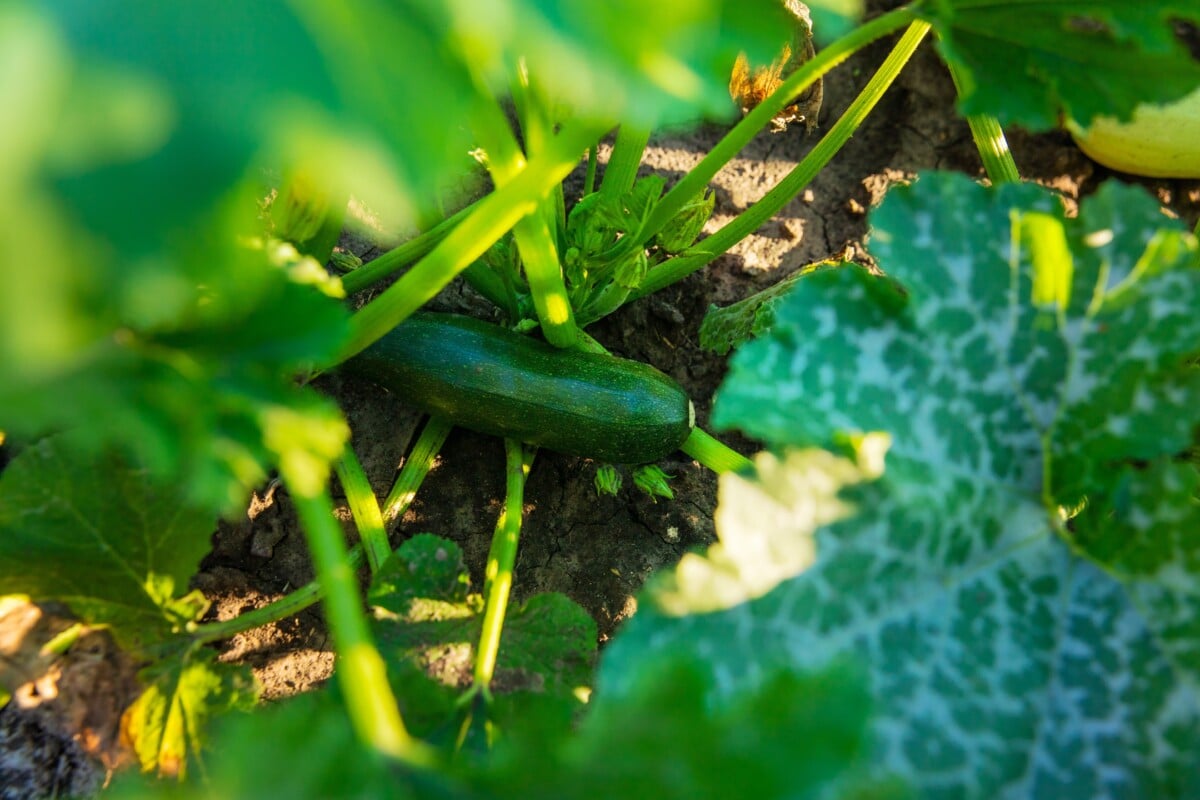
For those with healthy plants that have clocked out and gone on vacation, you might be surprised to learn that their Out of Office status is directly related to the monster zucchinis that we all find hidden under a leaf.
Your zucchini has one job during its short life span.
Hint: it’s not to keep you and your entire neighborhood in zucchini all summer long. Quite simply, it’s here to reproduce. Once it has accomplished that, it will happily quit. Quit the season. Quit the garden. Quit altogether.
This is why it’s important to pick zucchini often, preferably when they are on the smaller side.
The second you let a zucchini mature on the plant, that fruit with the mature seeds inside it signals to the plant that it has done its job. Mission accomplished. Let’s turn the lights off, close up shop and call it a day.
Even if you go out and pick that huge baseball bat zucchini, the message has already been sent, and the plant will begin to slow production. After all, why waste any more energy on new fruit when you’ve already sent your progeny out onto the vine?
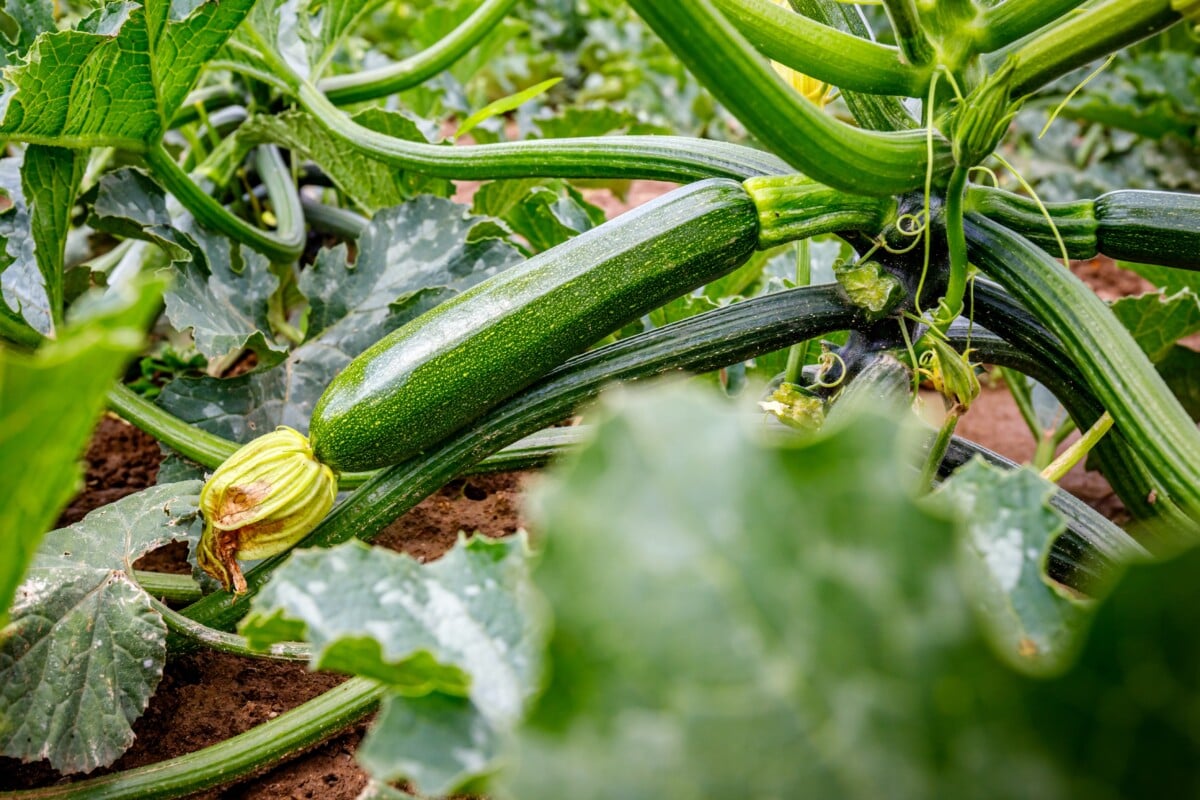
Check your zucchini daily. Lift up leaves. Prune it to make it harder for baseball bats to hide. Keep calm and zucchini on.
4. Your Zucchini Got a Gold Watch
The number one reason your zucchini isn’t cranking out little copies of itself anymore is that the plant is old. When it comes to the gardening season, zucchini have one of the shortest life cycles. And by late summer to early fall, it starts to take a good look at its 401K and decides to retire. After all, it’s not as young as it used to be.
Your typical zucchini timeline looks like this:
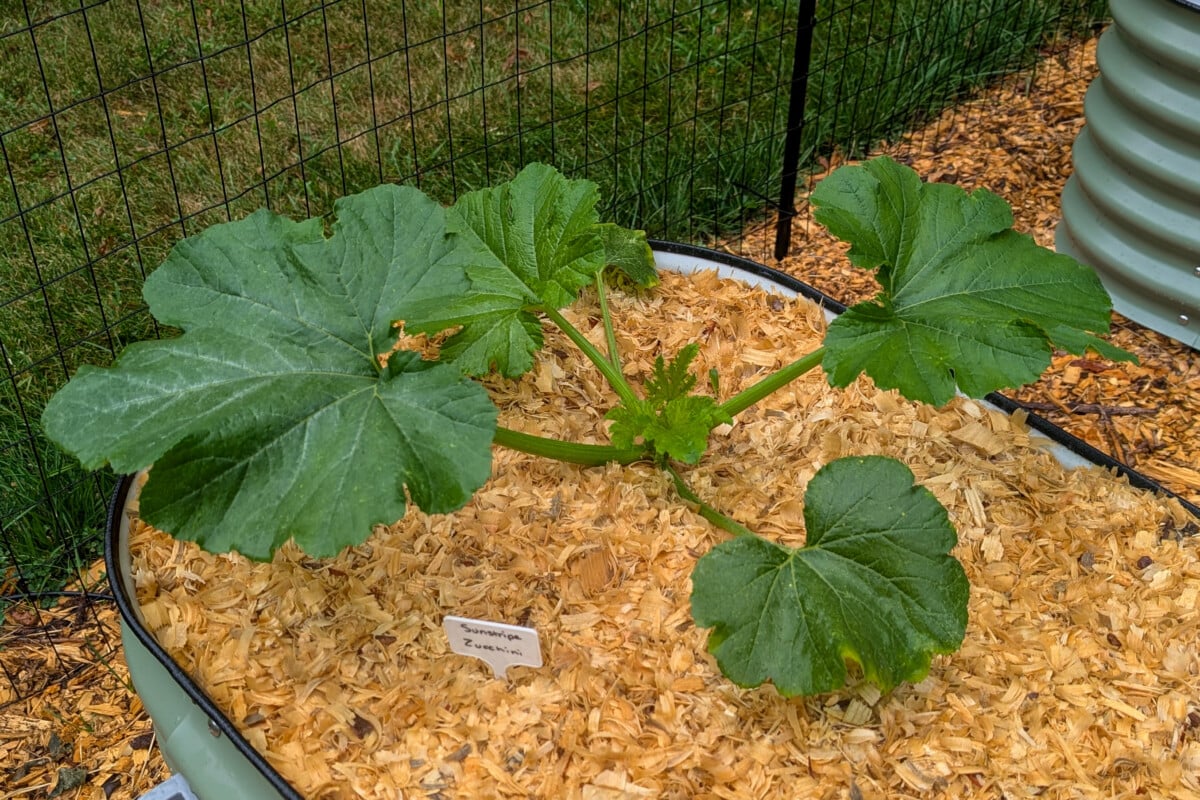
The first one to three weeks after germinating, the zucchini plant is in full vegetative growth mode. It’s rapidly growing in size.
Weeks four through six, you start getting flowers and the first few zucchinis. This is the period of time when you see a lot of male flowers before female flower production begins to catch up.
Weeks six through ten are when your neighbors start locking their doors and turning off the porch light if they see you coming with a brown paper bag. These four weeks are your biggest production window.
Beyond that, your zucchini plant begins to slow down significantly, a retirement party is planned, someone orders a grocery store sheet cake and a gold watch.
What’s unfair about this situation is that your zucchini doesn’t care what the summer was like.
If you got hit with a heat wave during your most productive period, and the plant didn’t produce much? Did you have to spend two weeks battling powdery mildew or cucumber beetles?
Oh well, time’s a ticking.
The bummer is that issue number three, the Louisville Slugger zucchinis, can hasten this issue.
But there’s a ridiculously simple way to fix this problem. And you can use it to fix a few of the other problems we discussed, including when you need to yank up your zucchini due to pests or disease. It’s my go-to zucchini problem solver.
Enter the Relief Pitcher
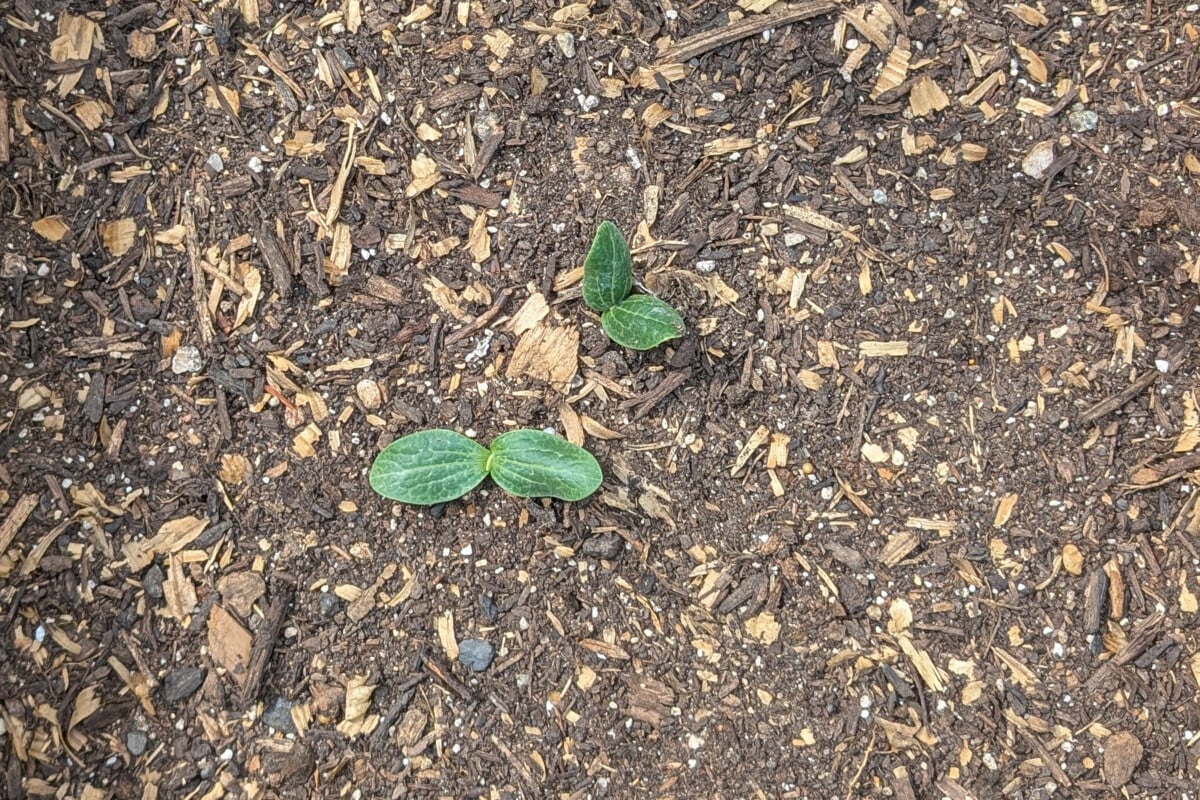
Since we’re talking about baseball bats and zucchini, let’s stick with that theme and discuss the relief pitcher. You can always tell when a pitcher is throwing grapefruits and is going to get pulled from the game. Just keep an eye on the bullpen, and you’ll see another pitcher warming up their arm.
It’s not long before the pitcher on deck is called back, and the guy in the bullpen comes trotting out to the pitcher’s mound.
We can use this same strategy when it comes to growing zucchini.
In the past, I’ve talked about just how fast zucchini germinate and how it’s rarely worth the bother of starting them from seed. It takes days, a week tops, especially in warm soil. You know, like the kind we have in the middle of summer.
Can you see where I’m going with this?
If you reference the zucchini timeline we just discussed, you can start an entirely new zucchini plant, from seed, in the middle of the summer, and it will hit peak production, just as your first one begins to slow down. That means you can easily annoy friends and family with tons of zucchini right up until you’re picking pumpkins!
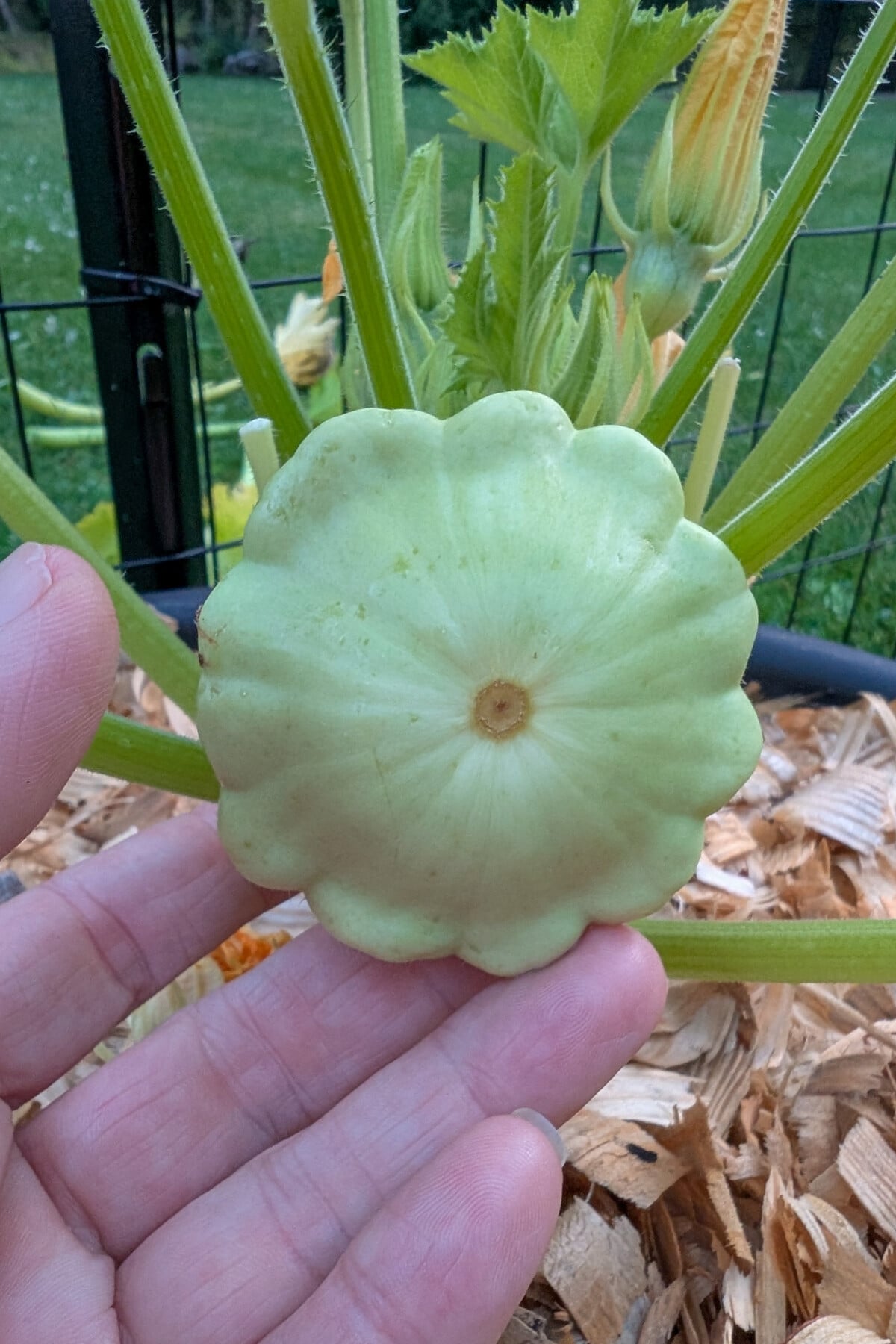
By the way, this handy little trick works for all your other summer squash, too. Yellow crookneck, patty pans, get a relief pitcher planted for those, too!
Get the famous Rural Sprout newsletter delivered to your inbox.
Join the 50,000+ gardeners who get timely gardening tutorials, tips and tasks delivered direct to their inbox.