

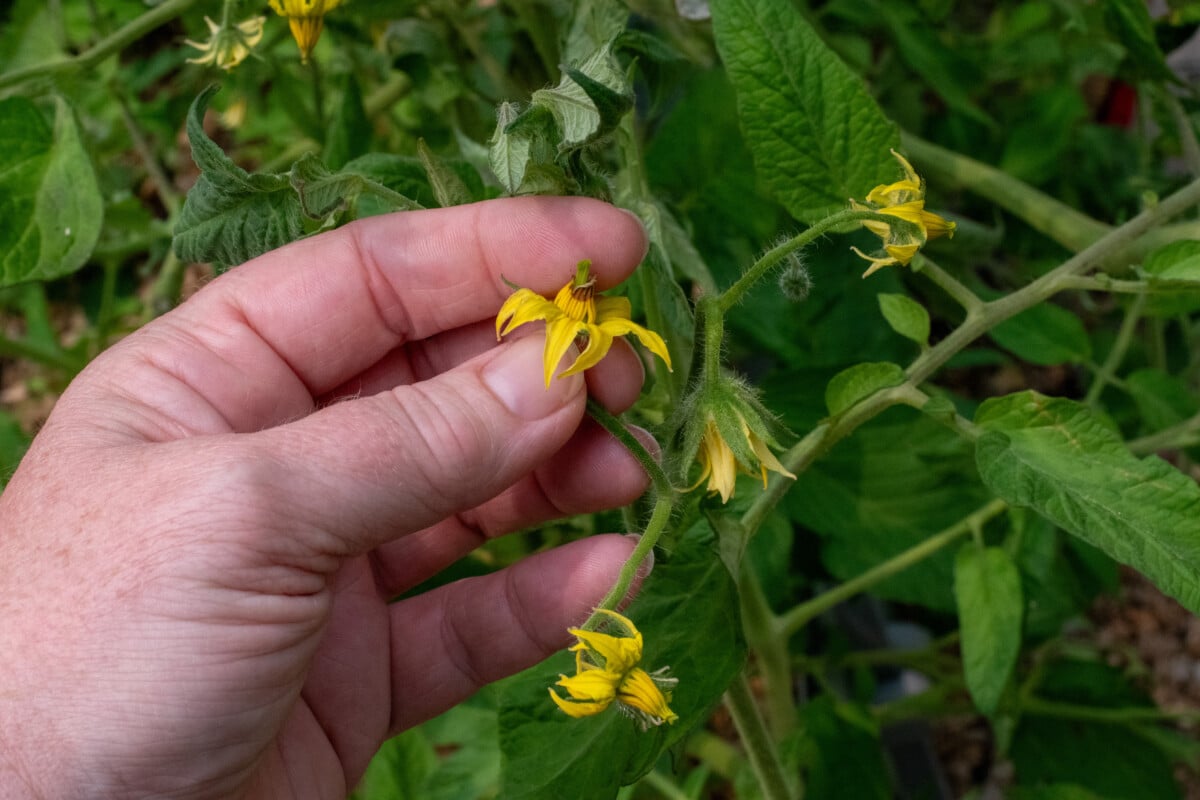
With extreme heat warnings becoming a regular part of the summer landscape, it’s important to understand how intense temperatures affect the most important thing growing in your garden – pollen. Without this all-important ingredient, plants don’t get fertilized, and your vegetable garden becomes nothing more than a decorative bed of foliage.
Here’s what you need to know about temperature-induced pollen sterility, including which vegetables are the most likely to be affected (yup, tomatoes are right up there at the top of the list), how hot is too hot, and for how long, and what you can do to protect your plants.
Something Isn’t Right
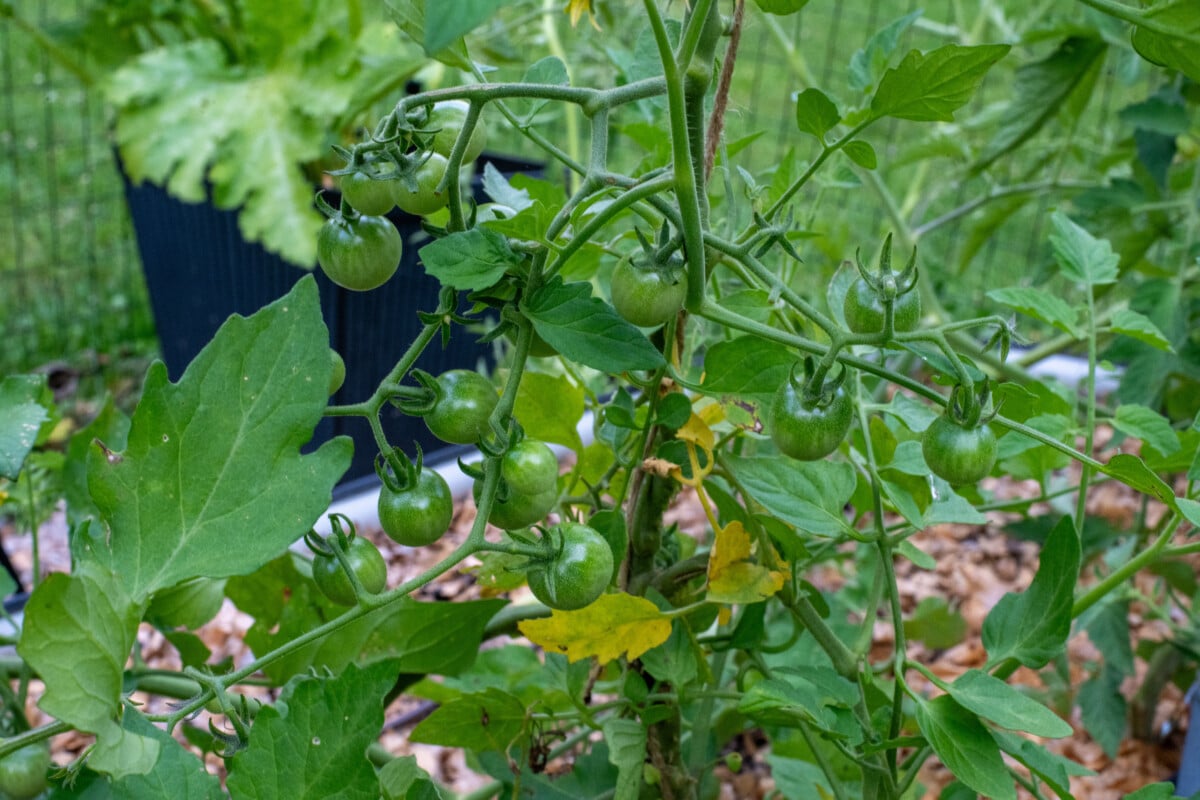
Right now, I have eleven tomato plants growing in my garden. (One didn’t make it.) All of them are furiously cranking out green tomatoes that are growing quickly, except for my German Pink. Now, what’s interesting is that my German Pink was a lot further along, growth-wise, when I planted my tomatoes. For all intents and purposes, the rest were true seedlings, and the German Pink was a small, mature tomato plant. I started it about a month and a half before all the rest, specifically so I could photograph my monster tomato seedling process.
So, when it went into the ground, it truly was a monster tomato seedling. It already had quite a few blossoms on it and one small tomato.
I’ve been trying to figure out why this plant, which was more mature and sturdier than its wee neighbors, is lagging behind so much when it comes to actual fruit production.
As I began to look around at a few other plants in the garden, it struck me – heat is killing the pollen.
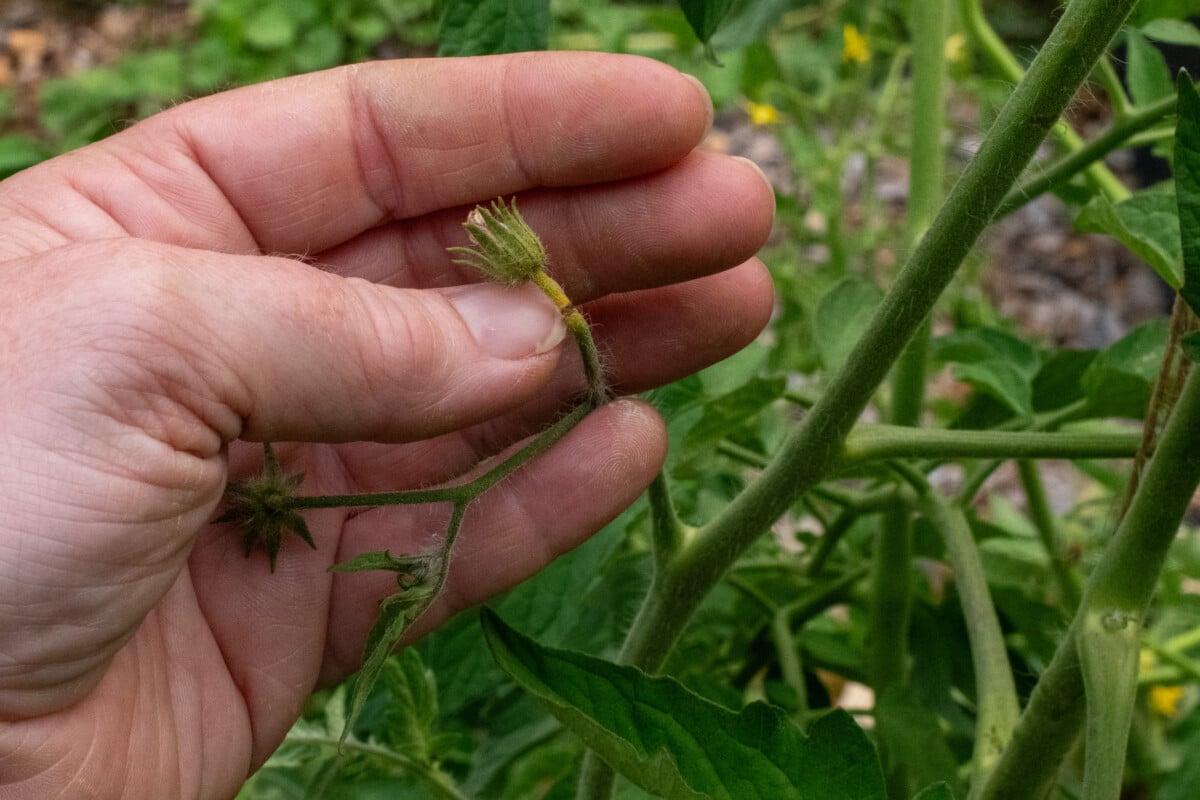
During the first heat dome of the summer, my poor German Pink aborted all of its blossoms and that one little tomato. When the heat finally broke, it was able to put some energy back into growing new blossoms, but by this point, with the temperatures returning to a more reasonable temperature, the other tomato seedlings started cranking out blossoms.
The weather was lovely for a week or two, everyone was fertilized, and lots of tiny tomatoes began to grow. And then the temperatures began to steadily climb again, just as my German Pink was finally covered in blossoms again. It’s now July, and this huge tomato plant that’s covered in flowers has one single tomato on it.
Oddly enough, the same thing is going on with my beans.
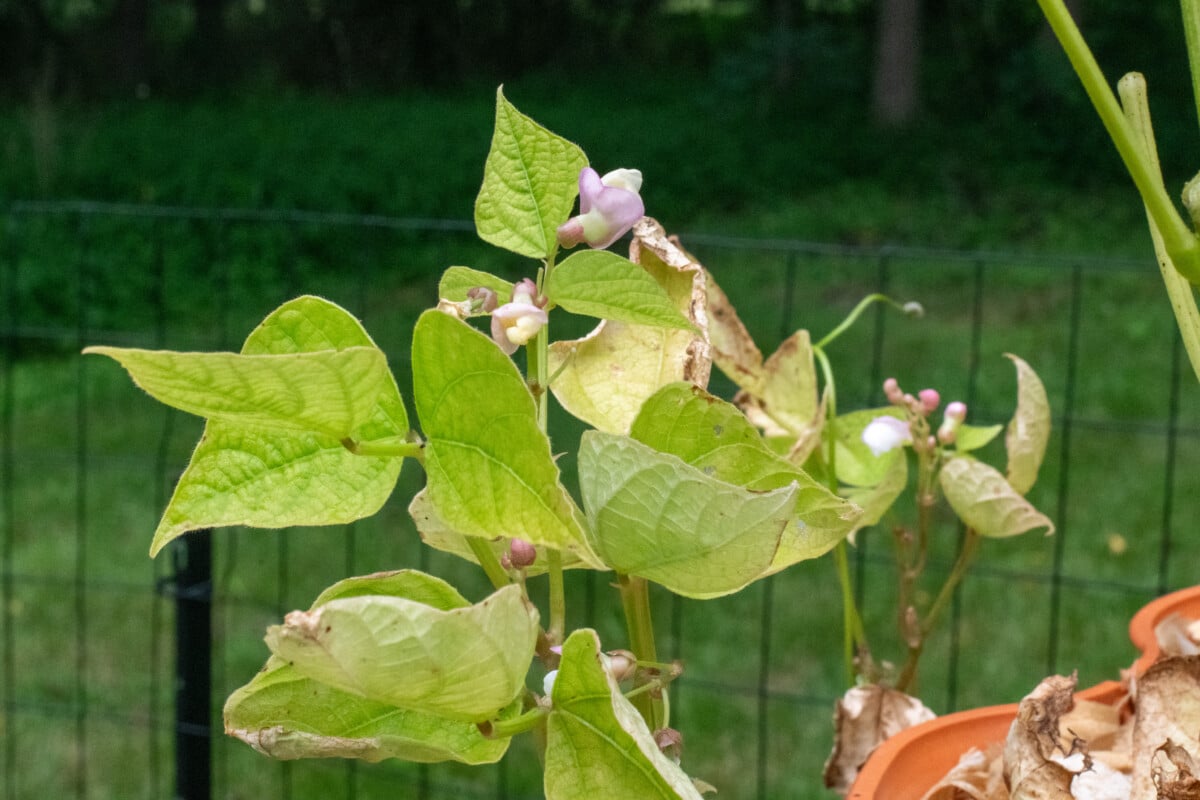
Everything that started growing flowers during that period between the two heat domes is doing just fine. Anything that had blossoms during the heat waves is still struggling. If you’re noticing similar problems in your own garden and you’re dealing with extreme heat warnings, you’re likely dealing with the same thing.
What’s Happening Inside the Developing Flowers
We’re talking about plants that have been cultivated for centuries to grow within a specific temperature range. When things heat up beyond those normal temperatures, the tender developing flowers are the most fragile part of the plant, and the first to be aborted to save the rest of the plant.
Pollen grains are killed by extreme heat, making the flowers duds before they even open.
Even when pollen is released normally, if the temperatures are too high for too long, pollen won’t germinate on the stigma of the plant, leading to dropped blossoms and fruit (if it makes it that far).
When you add humidity to extreme heat, the pollen will clump together into a sticky mass, making it harder for pollinators to spread it from plant to plant. Remember, most pollinators pick up pollen dust via hairs on their bodies. If the pollen is more like clumpy lumps than dust, it won’t stick to the pollinators.
These extremely hot temperatures also disfigure developing flowers as they grow, causing them to abort before they reach the stage where they can be fertilized.
To make a long story short, long stretches of intense heat hit pollen hard and leave you with a garden full of plants, but no vegetables.
How Long Does It Take for Damage to Occur?
It’s important to keep in mind that a few summer scorchers here and there aren’t going to harm your plants. They’re hardier than you would think. And while growth and fruit production can slow down a bit during temperatures higher than 85°F, the time to be concerned is when we enter a period where the heat is consistently above 95°F for a week or more.
Pay close attention to nighttime temperatures.
Plants can recover from extreme daytime heat if the night cools off significantly, but when nighttime temps stay at 75°F or above, that’s when pollen damage is most likely to occur.
Which Vegetables Are at Risk?
While our entire garden is susceptible to drought during an extreme heat wave, these are the plants that are most likely to experience heat-related pollen damage.
Peppers
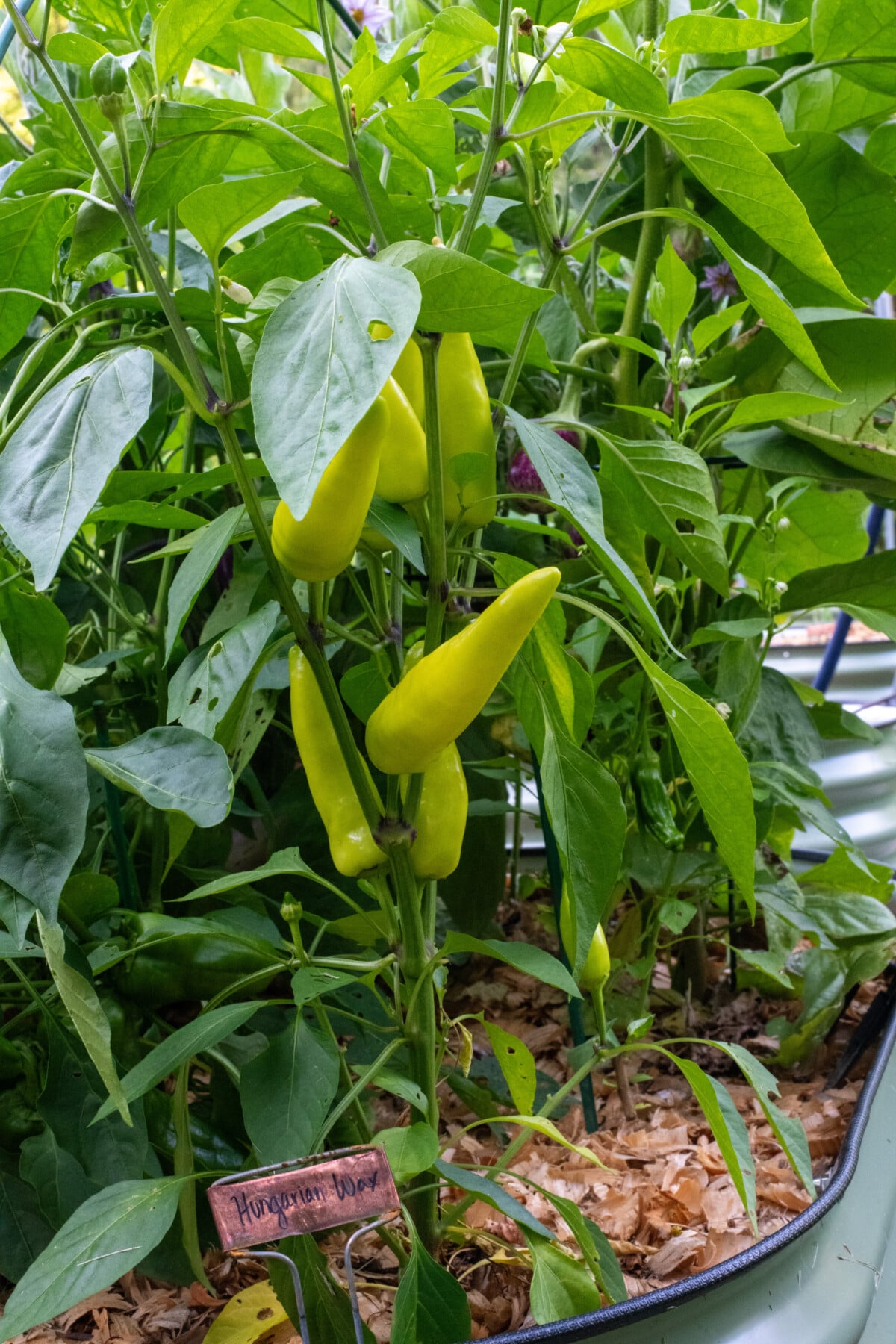
Peppers can really take the heat and don’t usually begin dropping flowers or fruit until you get daytime temperatures above 95°F for more than a few days at a time. The biggest indicator of when to expect trouble is those nighttime temperatures. Keep an eye on those.
Tomatoes
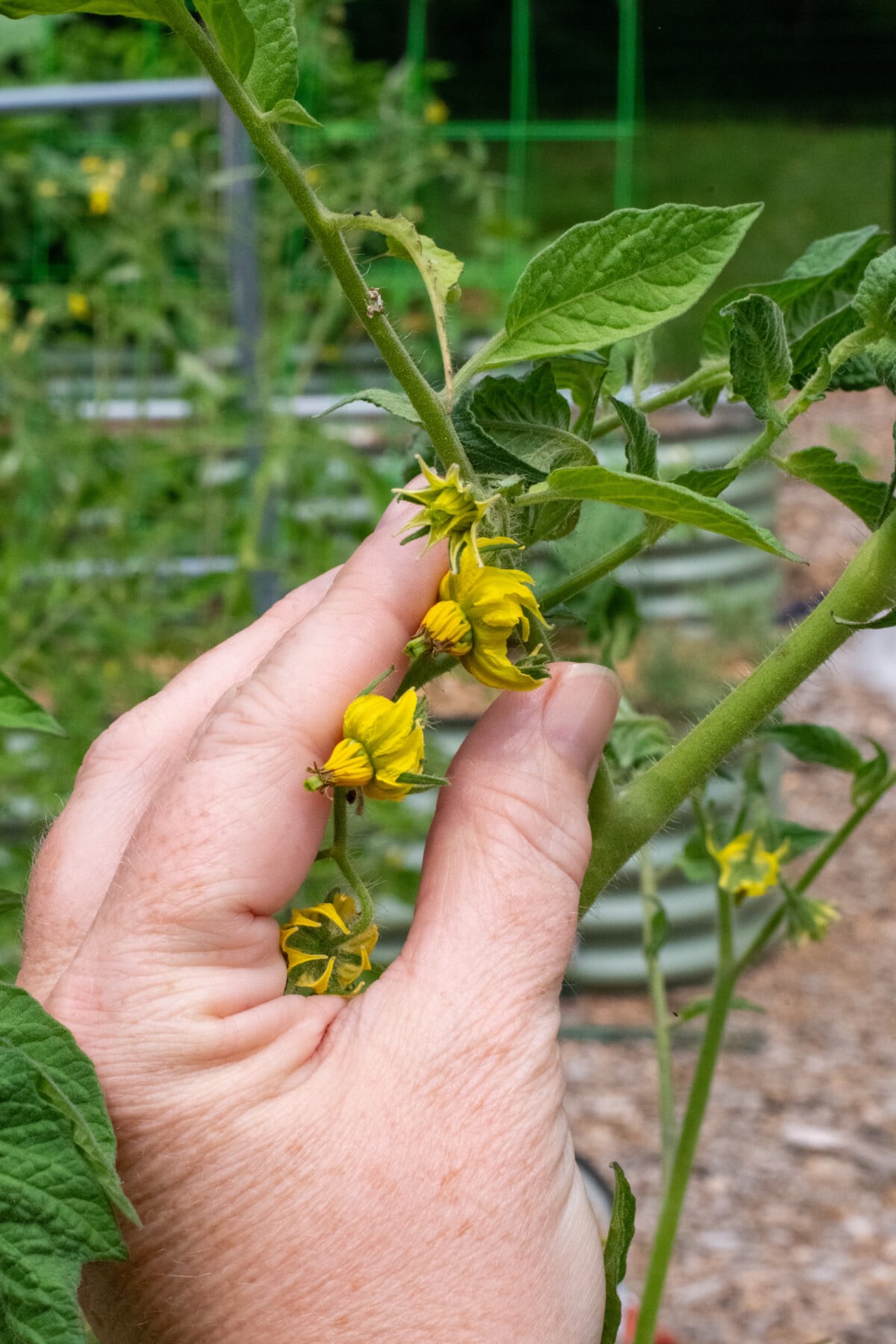
Tomatoes, unsurprisingly, tend to be the real diva here. As my German Pink can attest, even when temperatures are consistently in the mid to upper 80s, they will abort blossoms that the heat has damaged.
Eggplant
I suppose it’s no small surprise that another popular nightshade is on this list. Eggplant will also drop flowers and small fruit when daytime temperatures start creeping up toward the 90s.
Beans
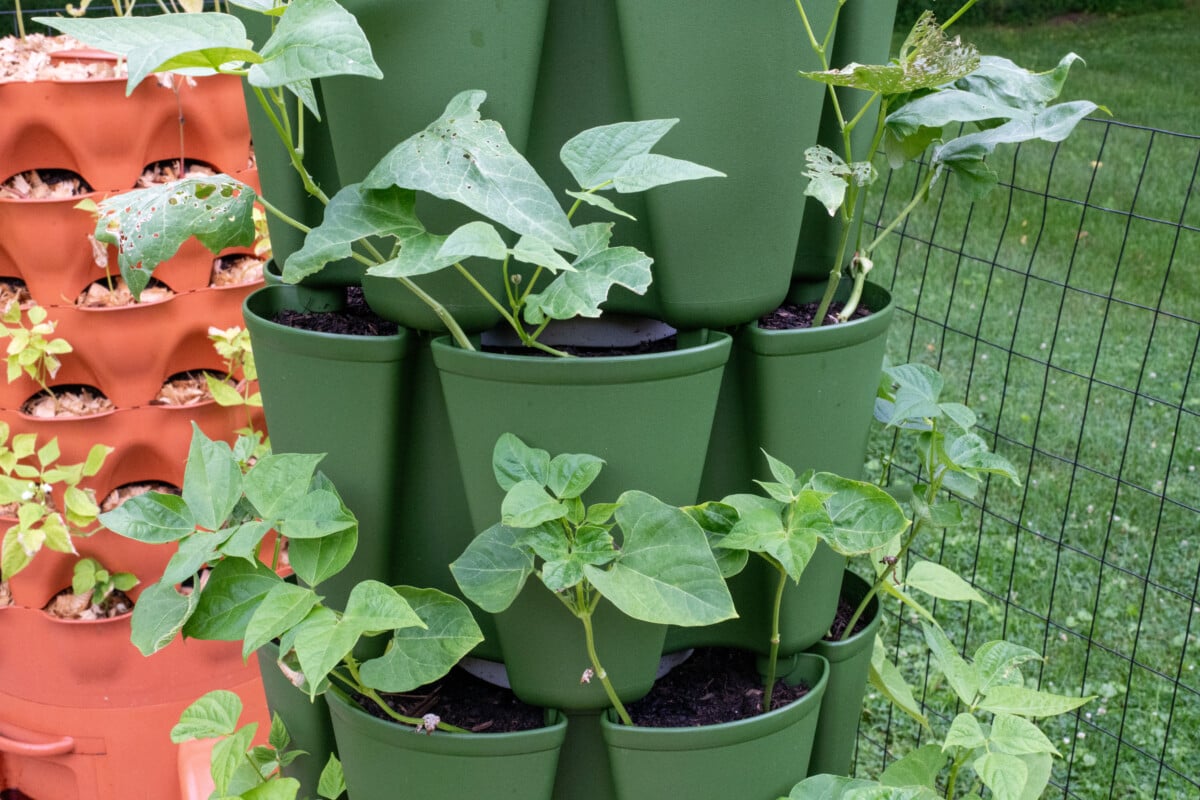
Beans are tough little buggers and can handle substantial heat. It takes a serious heat wave to slow them down, but their flowers will abort when temperatures reach and stay at 95°F and above. Between the heat and the Japanese beetles, my poor lima beans didn’t stand a chance this year. Hopefully, they will bounce back when things cool down a bit.
Squash
The heat affects squash a little differently than it does nightshades and beans. Squash blossoms stay closed right up until they are fertile. Then they open for a day before quickly wilting and fading. The reason they stay closed is to hold a tiny, humid microclimate inside the flower. That bit of extra humidity prevents the pollen from drying out. Extreme temperatures, combined with drought conditions, can cause the pollen to dry out before the flowers open.
Tools to Combat the Heat and Keep Your Garden Growing
Even with sky-high temperatures, there are things you can do to protect your plants and still have a bountiful summer.
Mulch, then Mulch Some More
I will never shut up about the importance of mulching your garden. It’s probably why I mention it in nearly every single article I write. I have made so many changes to how I garden over the last ten years, and mulching every square inch of my garden is probably the habit that has resulted in the biggest (and most positive) change.
Mulch will save your garden during a heat wave.
Not only does it slow evaporation to a crawl, which means you have to water less. But it also keeps soil and roots cool, which is huge in preventing heat stress from slowing plant growth to a standstill.
Mulch protects your soil, keeping it friable and workable. Bare soil in a heat wave does not fare well. It often becomes compacted and hard, developing a cement-like crust.
Regular readers of Rural Sprout (You are a regular reader of our newsletters, right? No? You can sign up at the end of this article.) know that I am a big fan of using pine flake as garden mulch. This stuff has so many benefits and is one of the cheapest and easiest to use mulches available to most gardeners.
We’re currently entering our second extended heat dome this summer. I was walking around my garden and realized that my pine flake has really settled, and was only about an inch deep now. So I added another layer about two to three inches deep on all of my beds containing my tomatoes and cucurbits.
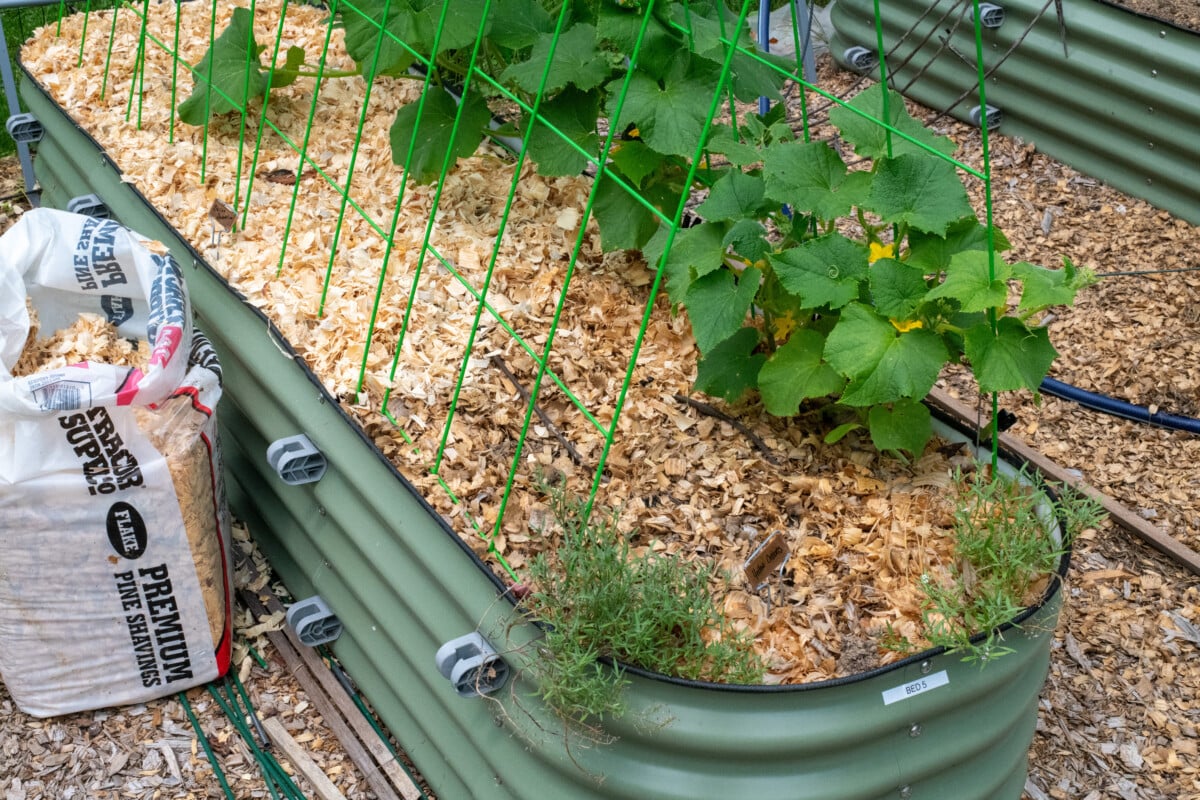
If you haven’t mulched already, please, go mulch your garden. If you already mulched earlier this season, check it and make sure it’s still a nice thick layer.
Avoid Heavy Pruning Right Now
Your plants don’t need extra stress right now, so no hard pruning. Aside from sending them into recovery mode, you’re actually removing the plant’s ability to cool itself. All that foliage is shading and protecting growing fruit and balancing out moisture loss through the plant itself.
Water Deeply. Period.
Now here is where my advice differs from almost every other gardening website you’ll find. Everywhere you go, you’re going to hear, “Water deeply, and infrequently.”
I’m so sick of seeing this advice because it oversimplifies your garden’s water needs.
What happens is gardeners take that advice, water deeply, and then let their garden go for days without actually bothering to check and see if the soil is still moist. Meanwhile, their plants are like, “Excuse me, thanks for the deep drink, but we needed another one two days later!”
Should you water deeply? Absolutely! But if, like me, you garden with raised beds with no bottom, watering deeply might mean you have to water deeply every other day, or even every day during a heat wave.
That old standby of water deeply and infrequently was aimed specifically at gardeners who grow directly in the ground, where the capacity to hold moisture isn’t restricted by the size of the container your garden is growing in.
So here is my practical-this-makes-much-more-sense advice to you:
Water deeply, but check your soil daily. I start my daily garden tour by pushing the mulch out of the way and looking at the soil. If the top of the soil still has that dark, “I’ve just been watered recently” look. I cover it back up and check the next bed. If the top of the soil is starting to look dry, I poke my finger down in the dirt. If I can’t feel moist soil by the time I hit my second knuckle, I know it’s time to water again.
Harvest Daily
The plants you grow in your garden have one goal: to reproduce. That’s it. All that crazy growth, all those blossoms, all those vegetables, it’s all meant to ensure that at least one seed-laden vegetable hits the dirt this fall and rots there, waiting until next spring for the seeds to germinate and start the process all over again. Or at least, that’s what happens in nature.
As gardeners, we should accept the fact that absolutely nothing we do with our highly cultivated plants is natural.
Yet, despite our tweaking and breeding over the millennia to achieve bigger, tastier, more disease-resistant plants, they still just want to produce. And the second they manage a fully mature fruit, they consider it job done and slow new fruit production to a standstill.
Your job as the gardener is to keep telling your plants, “Ah, not so fast. Try again,” and you do this by harvesting fruit often. It’s those zucchini that grow to baseball size, the tomatoes that ripen all the way on the vine or the peppers that turn bright red that all tell your plants, “It’s okay, I know it’s hot out, but your job is done here. You go ahead and take the rest of the season off.”
If your plants are producing any fruit during a heat wave, stay on top of picking it.
Remember, tomatoes and peppers, once they have reached full size, do not need to stay on the vine to finish ripening. That process happens inside the fruit and no longer relies on the plant to continue.
The Single Most Effective Tool is Also the Most Low-tech
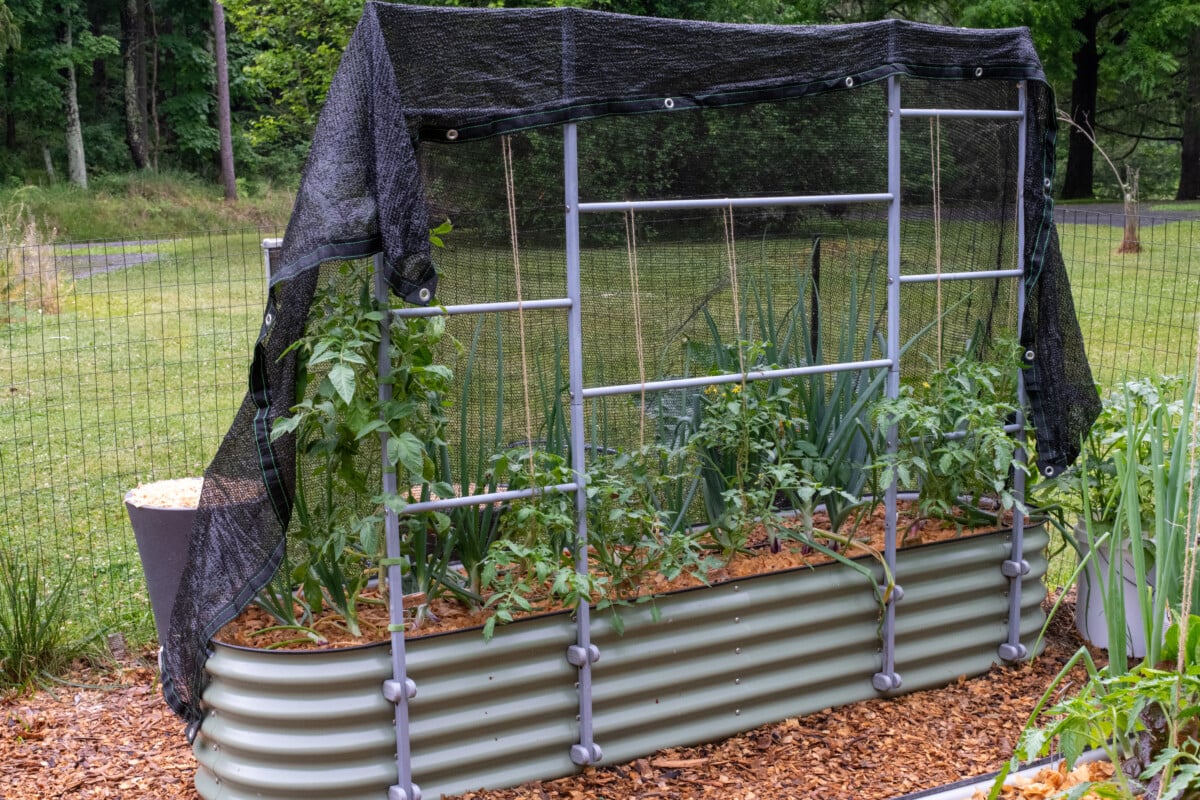
Agricultural shade cloth. It’s a woven mesh, usually black, that blocks a specific percentage of sunlight from reaching your plants and the soil. Most agricultural extension services recommend using shade cloth that blocks between 30-40%. (They are all pretty much the same, just be sure to choose the amount of shade you want.) You want to save the 50% for things like lettuce, which are very heat-sensitive and prone to bolting.
There are a few important things to keep in mind when using agricultural shade cloth.
It’s not a set it and forget it tool. You want to put it over your vulnerable crops only during long stretches of intense heat. Anything lasting more than five days is a good rule of thumb. Once the heat breaks and temperatures decline, remove the shade cloth. Remember, keep an eye on nighttime temperatures, too.
Don’t drape the shade cloth directly over your plants. Wind can cause snapped stems and will knock fruit off before it’s ready. The plant can also grow up into the mesh, making it more likely that you have a snarled mess on your hands once the heat wave ends.
To make sure your shade cloth lasts, always fold it and store it somewhere cool and dry out of the light.
These heat waves certainly aren’t fun, especially for us gardeners, who enjoy our time outdoors. But with a little diligence, we can protect our plants, keep on growing, and have a bountiful harvest even with Ma Nature having hot flashes. (Same, girl, same.)
Get Garden Notes From Tracey, Right to Your Inbox
Pull up a chair on the front porch. Join 54,000+ gardeners who get Tracey\'s friendly notes, seasonal to-dos, and hands-on tutorials three times a week.