

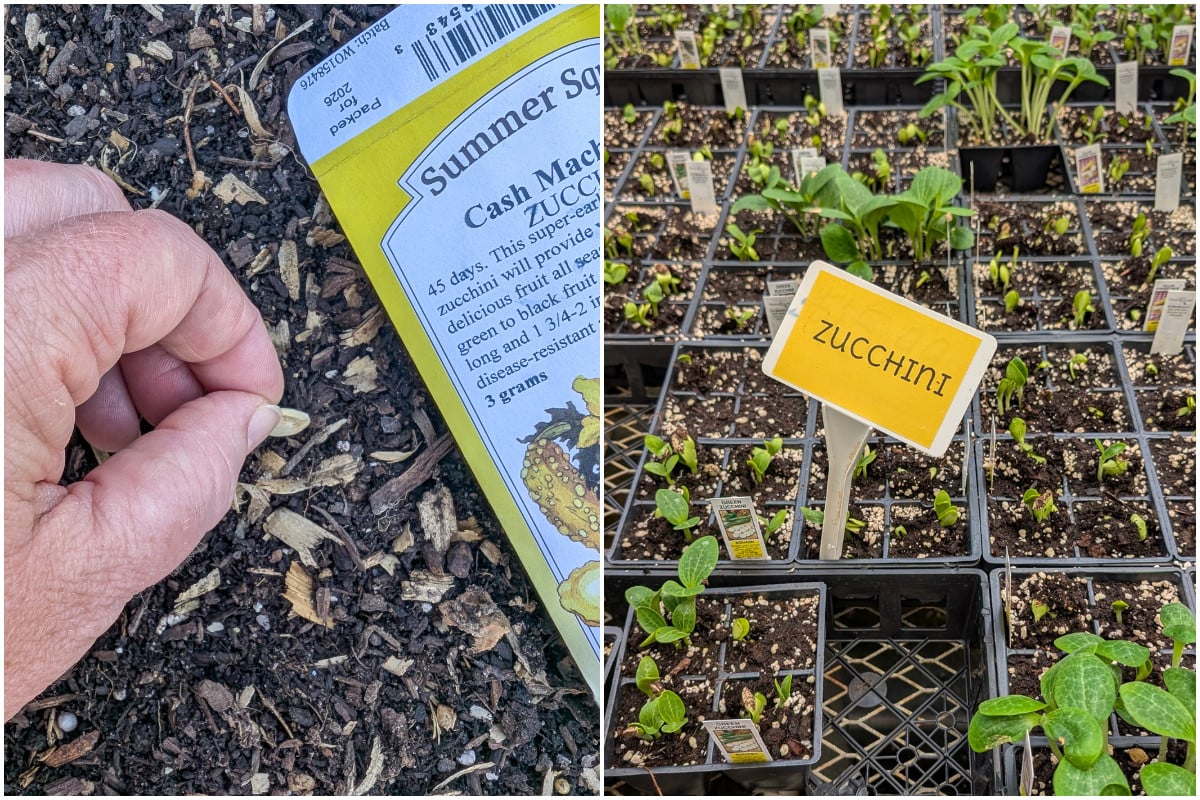
For a while now, there’s been advice floating around that you should always direct sow your zucchini and other summertime cucurbits instead of starting them indoors and transplanting them outside. We’re going to take a closer look at these claims, and I’ll explain which is correct and why. (I was a little surprised myself with the verdict.)
To make sure you end up growing an embarrassingly large quantity of everyone’s favorite shareable garden veggie, I’ll throw in some helpful tips for planting summer squash and zucchini.
Everyone loves zucchini and summer squash. How much depends on where we are in the summer. Late June? Oh yes, we love them, keep ‘em coming! Late August? Is that Frank walking up the drive with a lumpy paper bag? Quick, turn the lights off. Pretend we aren’t home. Did you lock the car? I found four crooknecks on the driver’s seat last week!
All kidding aside, if you want to get from putting a seed (or seedling) in the ground to an obscene amount of zucchini and summer squash, then there are a few things you’ll need to do. But first, let’s pick apart this online argument over what is the best way to start these plants.
Direct Sow vs. Transplant
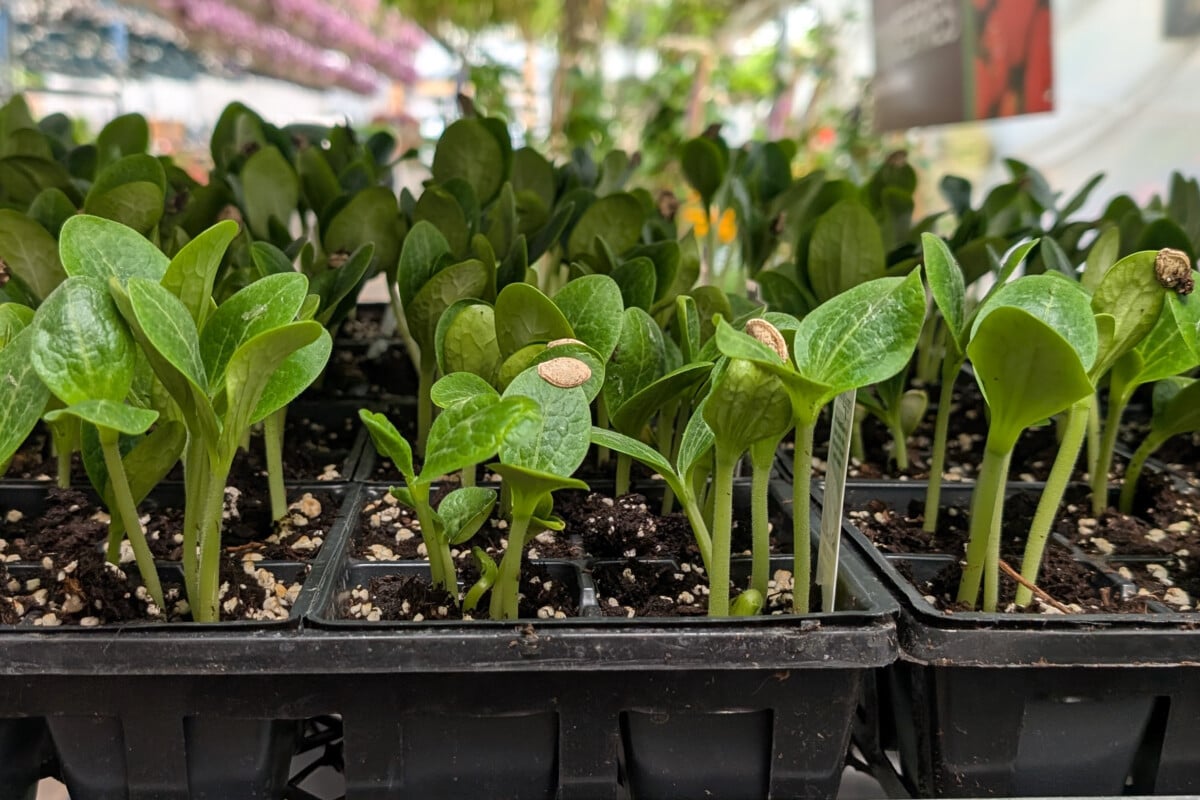
I have grown summer squash from both transplanted seedlings that I started indoors as well as direct sown, and I can say that the direct sown always did better. But I recently learned that there’s a reason why my direct-sown zucchini outperformed the seedlings I planted at the same time. It’s one of the reasons why I always put cucurbits on my list of plants not to start indoors too early, or that you should always direct sow. (But as you’ll see, I need to change that.)
As I mentioned at the start, there’s been an uptick in the popularity of the gardening advice not to grow cucurbits – summer and winter squash, cucumbers, melons – as seedlings. The reason usually given (again, even by me) is that these particular plants develop a long tap root fairly quickly.
Even minimal disturbance from transplanting can damage the tap root and lead to transplant shock that can leave that particular plant lagging behind for a couple of weeks. In the end, this can affect total output for that plant compared to one that was direct-seeded, undisturbed.
Zucchini and summer squash grow crazy fast.
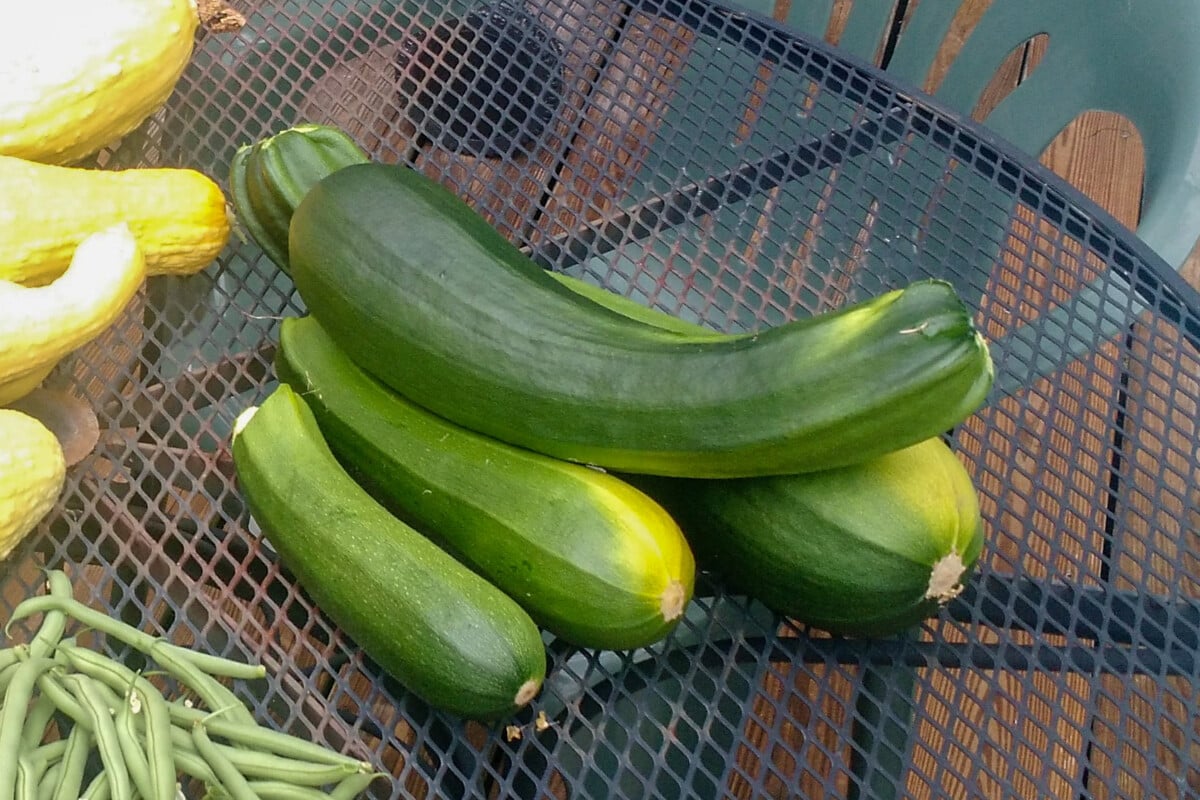
They’re some of the fastest germinating seeds in the garden, and the plants grow at breakneck speed, and that’s where you run into a problem with transplants.
Aside from disturbing the tap roots, these guys can become rootbound much faster than, say, a tomato or pepper seedling. Because of that tap root, they can’t handle being potted up into a larger pot like a tomato can, either. So, if you start your summer squash indoors, and don’t get the timing right, you’re stuck with a plant that’s very quickly outgrown its pot, which can’t be moved outdoors yet due to the weather.
When you finally reach that last predicted frost date, you’re putting a zucchini seedling out in the garden that’s rootbound and stressed. You’re going to stress it further by damaging the tap root when it’s transplanted.
I used to do this every year before I finally got smart and stopped growing any cucurbits as seedlings. I always direct sow them, and I’ve had gorgeous zucchini, summer squash, winter squash, cucumbers and melons since.
But here’s where we home gardeners are getting it wrong.
You can buy cucurbits at the grocery store, which means there are commercial growers out there planting and growing these vegetables. Guess what. Most of them don’t direct seed their plants. Most start their seeds indoors before planting them out. Obviously, it’s not commercially viable to have a seedling sitting in the ground, stressed and not cranking out vegetables for market. These guys optimize every crop.
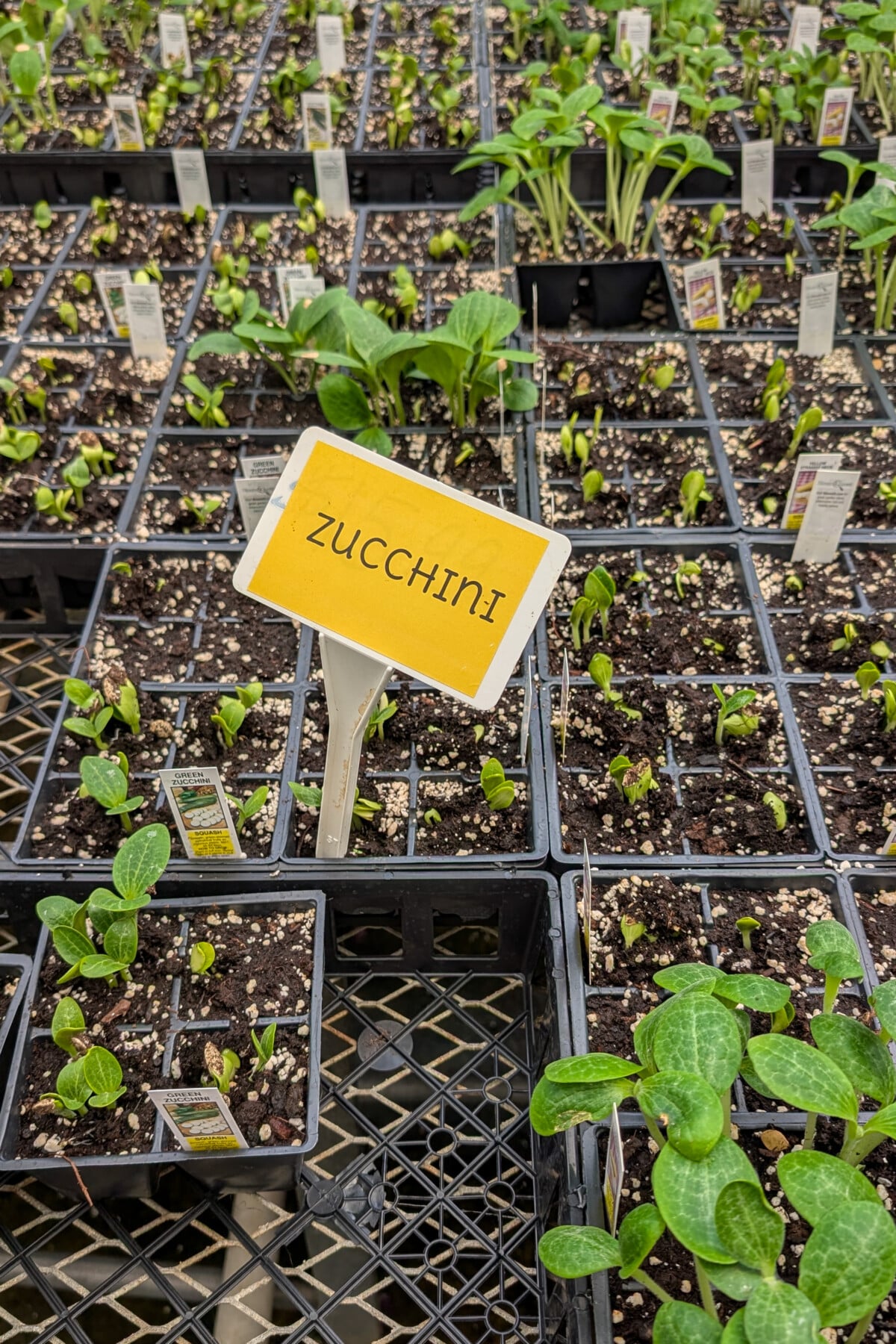
So how are they doing it?
The key is timing, and it’s based on a study from 1993 published in HortScience (you can read it here), which specifically grew two types of summer squash to see if older seedlings did better once they were planted outside. They planted and compared the growth of 10-day-old seedlings, 21-day-old seedlings, 30-day-old seedlings and as a control, they also direct seeded some as well.
Now here’s where it gets interesting. What they found was that there’s a window where the summer squash seedling actually outperformed the direct-seeded squash. Ironically, the older 30-day seedlings lagged behind the direct-seeded squash in development and production.
They also determined that the 10-day-old seedlings were not developed enough to survive transplanting, and those, too, did poorly.
Not only did the 21-day-old seedlings seem to be the sweet spot for planting out summer squash, but these seedlings in particular outperformed the direct-seeded squash. Talk about a Goldilocks situation!
In reality, what this means is that you can plant zucchini and summer squash as seedlings, but you have to be very careful about the timing. If you don’t get it right, you could end up with those older, rootbound plants with damaged tap roots we talked about and fewer squash overall.
If you start them too early, it’s less of a big deal, as you would simply wait until the seedlings were 21 days old to plant them outdoors.
Ideally, the best thing to do would be to start from your predicted last frost date on your calendar, add another week or two just to be safe, then count backward 21 days. That’s the day you start your zucchini and summer squash plants (and other cucurbits), then plant them out 21 days later.
I’m going to be doing this with my second round of summer squash (which we will get to shortly). But I think I’m going to continue to direct sow my first round of summer squash and cucurbits going forward. I have a hard enough time as it is making enough room for all my seedlings as they grow. Keeping up with watering, fertilizing and potting up is a lot. Direct seeding means one less crop I have to juggle in the spring in my grow tent.
It’s kind of amazing that there are only nine days from the sweet spot to too old to be transplanted, which is a testament to how fast cucurbits grow.
In the end, how you start your summer squash boils down to personal preference. If you live in a shorter growing season or you like the idea of growing a better-performing squash plant, then the 21-day transplants are probably a good option for you.
But direct seeding is still a reliable option that also leads to your neighbors fearing the arrival of more zucchini in late August.
Now that we’ve covered the big debate, let’s take a look at a few tips that will have you enjoying zucchini fritters before you know it. (Don’t forget a side of zippy sriracha aioli to go with them.)
Amend Your Soil Before You Plant
Whether you’re planting a seed or a seedling, be sure you add a few little extras to the soil to keep your squash well-fed and happy. Some favorites your squash will benefit from:
- Compost
- Well-aged manure
- Leaf mold
- A balanced 10-10-10 fertilizer such as Garden Food by Espoma
- Mycorrhizae (here’s the one I’m using), apply it now if you’re planting seedlings, or later once the plant emerges if you’re direct seeding.
- Worm castings
Everything’s Coming Up Male!
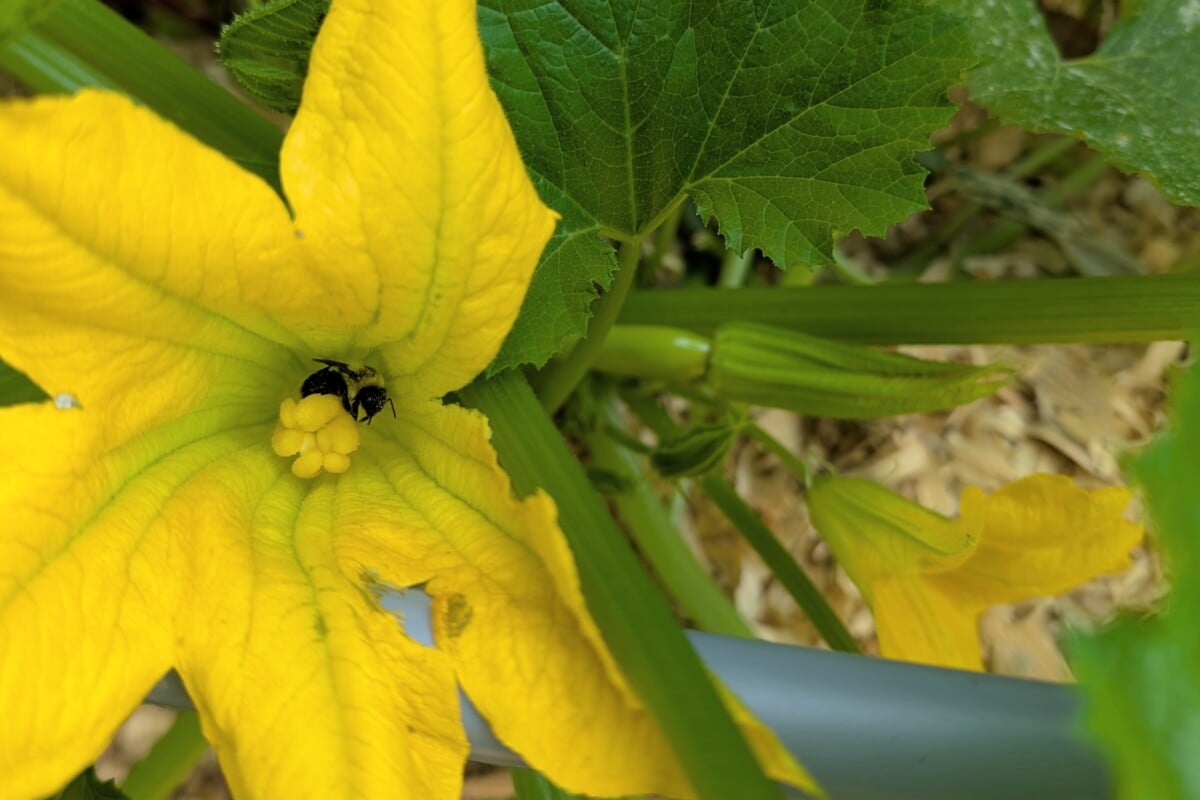
You’ll notice that as your plant starts flowering, it’s only putting out male flowers. Don’t worry, this is nature’s version of a soft opening. Those bright yellow flowers help attract pollinators to your plant. Once the female flowers start showing up, the pollinators will already be nearby.
Always Plant Two
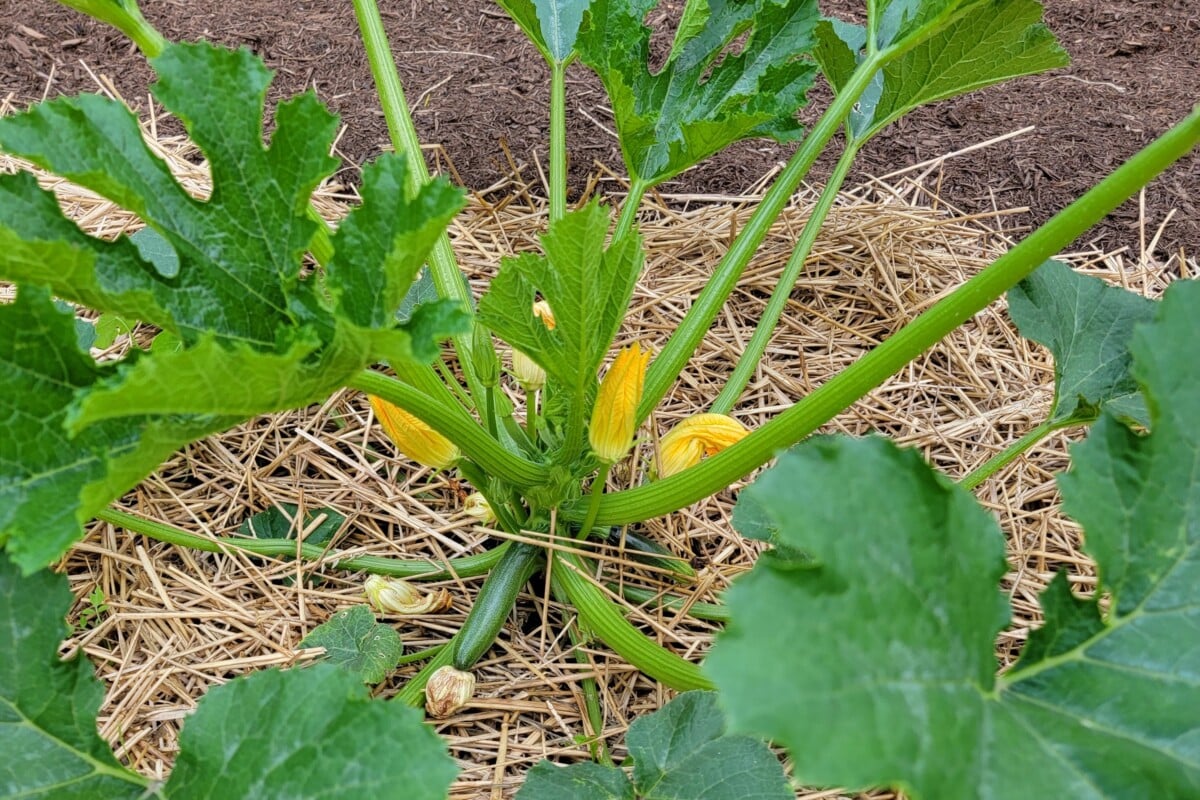
You’ve likely noticed in years past that at some point in the summer, you go from picking one or two squash per plant a day to one every few days. Among the plants we grow in the garden, your summer squash and other cucurbits have some of the fastest growth cycles. Heat, age of the plant and reproductive maturity can all cause your prolific producer to peter out.
There are two things you can do to ensure you always have plenty of squash in the garden, just waiting to be picked.
The first is to make sure you don’t have plenty of squash in the garden just waiting to be picked. Like any other plant, zucchini and summer squash have one goal in mind – to grow a fruit with mature seeds to ensure the next generation of squash.
You know those giant zucchinis that always end up surprising us when we find them?
They are the death knell for that plant.
Once a squash plant has successfully produced a fruit with mature seeds in it, the plant receives a signal that its job is done and it’s time to wrap things up. Your plant will stop putting out new flowers, and it will call it a day. It slowly shuts down the squash-making factory.
Likewise, the longer you let your squash sit on your plants, the more energy is being directed into maturing that squash instead of making new flowers for more squash.
So, the first thing you can do is to pick squash frequently. Don’t let them get too big.
The second thing to do is to admit that the first thing is impossible. Try as we might, eventually the squash plant always wins and manages to grow some big honking zucchini we won’t find until it’s too late. That’s when you have squash number two waiting in the wings.
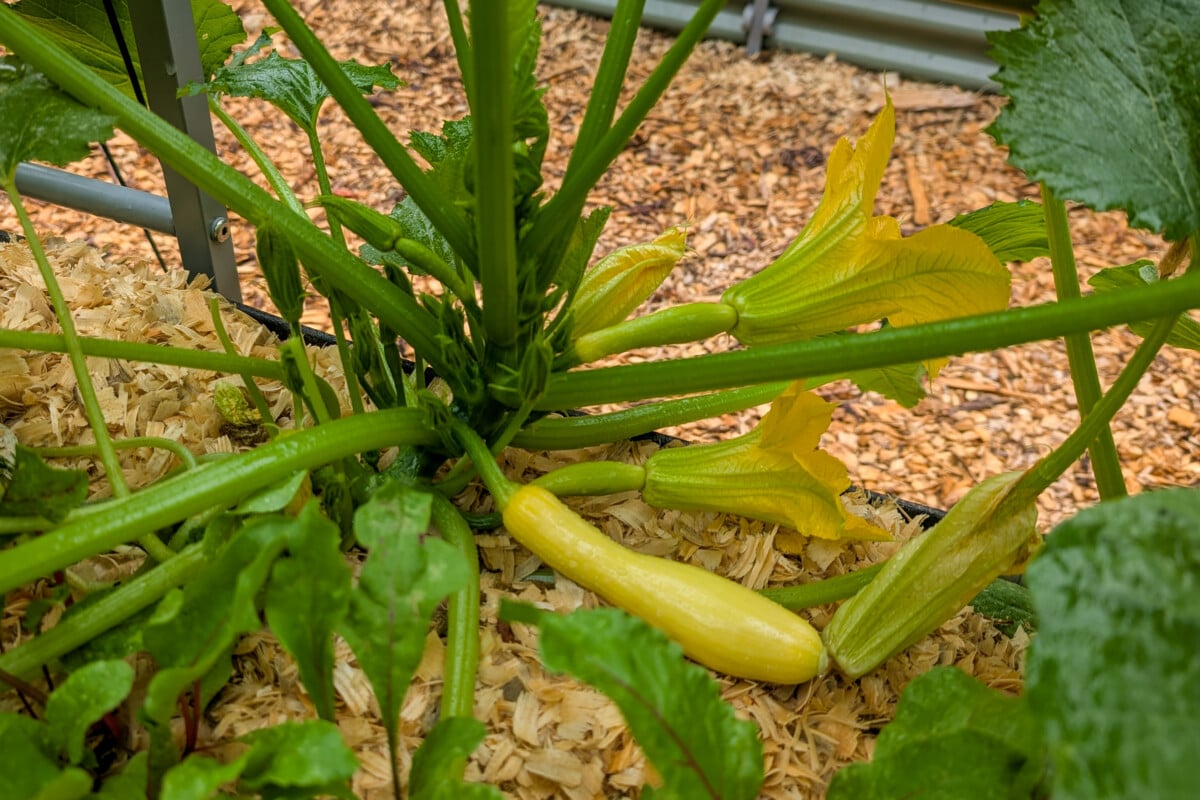
About sixty days from the day you put your first squash plant in the ground (either by seed or transplant), start a second one the same way. That way, just as the older plant starts to slow down and age out, your second summer squash will be coming online, ready to crank out squash until that first frost inevitably kills it.
I wanted to grow shallots and leeks this year. (Like, a lot of them.) So, I’m growing my summer squash in 5-gallon containers this summer, which makes starting a second one especially easy. If you are going to grow your summer squash directly in the garden and want to plant a second one, be sure to leave a spot for the second squash to grow.
A good spot is where you were growing cool-season crops that have finally bolted or where you’ve just pulled up a batch of root crops.
By growing two separate rounds of zucchini, you can ensure that friends, family and neighbors will pat you down for suspicious squash-shaped lumps anytime you step onto their property. But you’ll be incredibly popular anytime there’s a cookout, and they need veggies for kebabs. Expect plenty of invitations.
Squash Vine Borer
Squash vine borer is a silent killer. Most of the time, you won’t even know they are there until it’s too late. But unlike so many other pests in the garden, you can actually prevent squash vine borers from attacking your plants. All you need are a few strips of something you already have in your kitchen – aluminum foil.
Once your seedlings are about eight to twelve inches high, take a couple of thin strips of aluminum foil and wrap the stem at the base of the plant, starting slightly down beneath the soil. Wrap the first six inches or so of the plant.
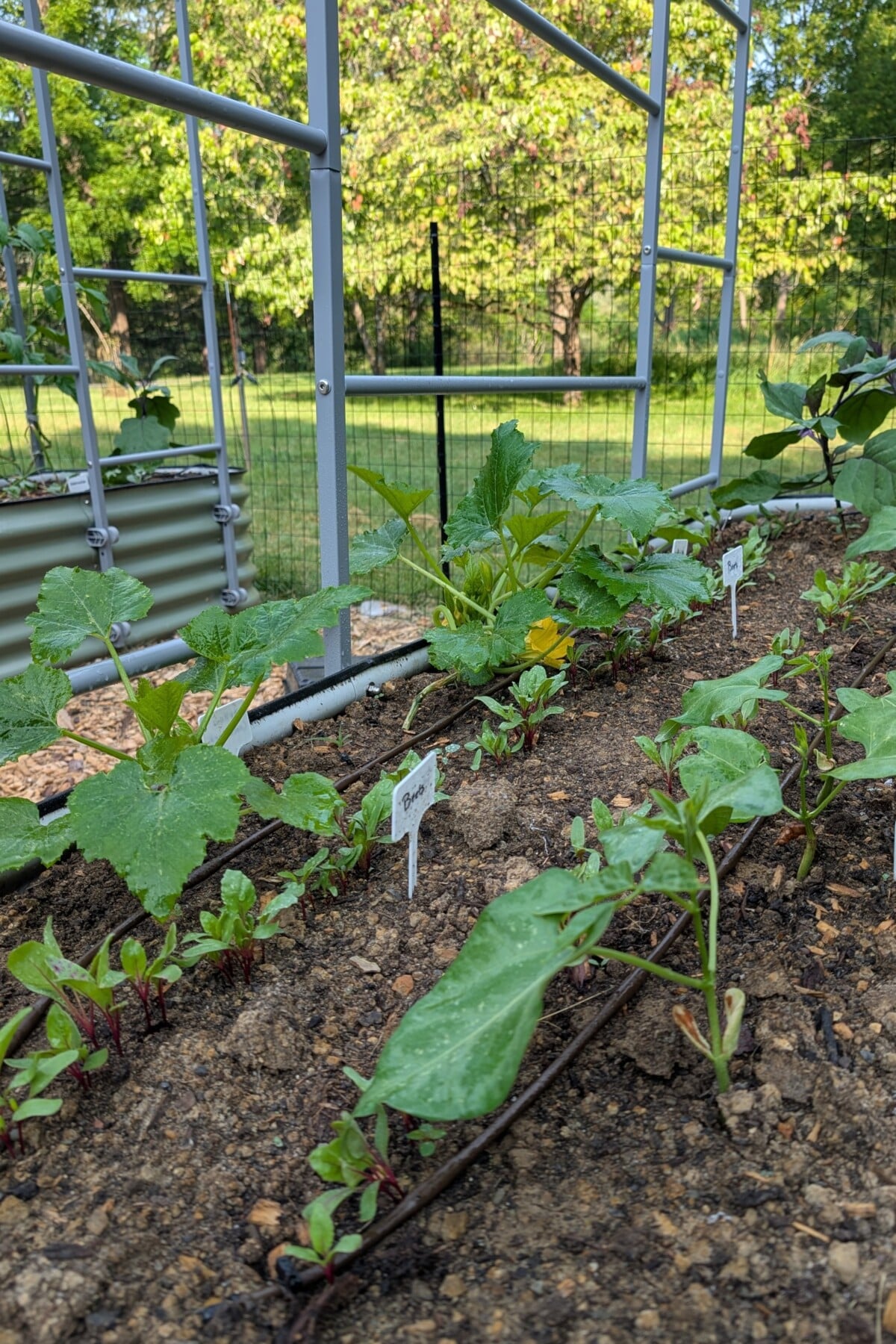
The squash vine borer moth lays her eggs at the base of these plants. Once the larva emerges, they chew a hole into the plant and begins destroying the plant from within. If we cover the stem, the larva can’t get into the plant.
You can get full instructions with photos to guide you here.
Powdery Mildew
Prep for powdery mildew. I have yet to have a year without powdery mildew showing up eventually. So, the smart thing to do is be ready ahead of time. Skip all the old folk remedies you’ve read about. There’s only one thing you need to stop powdery mildew in its tracks – hydrogen peroxide. It’s effective in two weeks and inexpensive. You can read the dilution ratio and how often to apply it in this article.
Okay, class dismissed! Go forth and annoy the neighborhood with plenty of summer squash.
Get Garden Notes From Tracey, Right to Your Inbox
Pull up a chair on the front porch. Join 54,000+ gardeners who get Tracey\'s friendly notes, seasonal to-dos, and hands-on tutorials three times a week.