

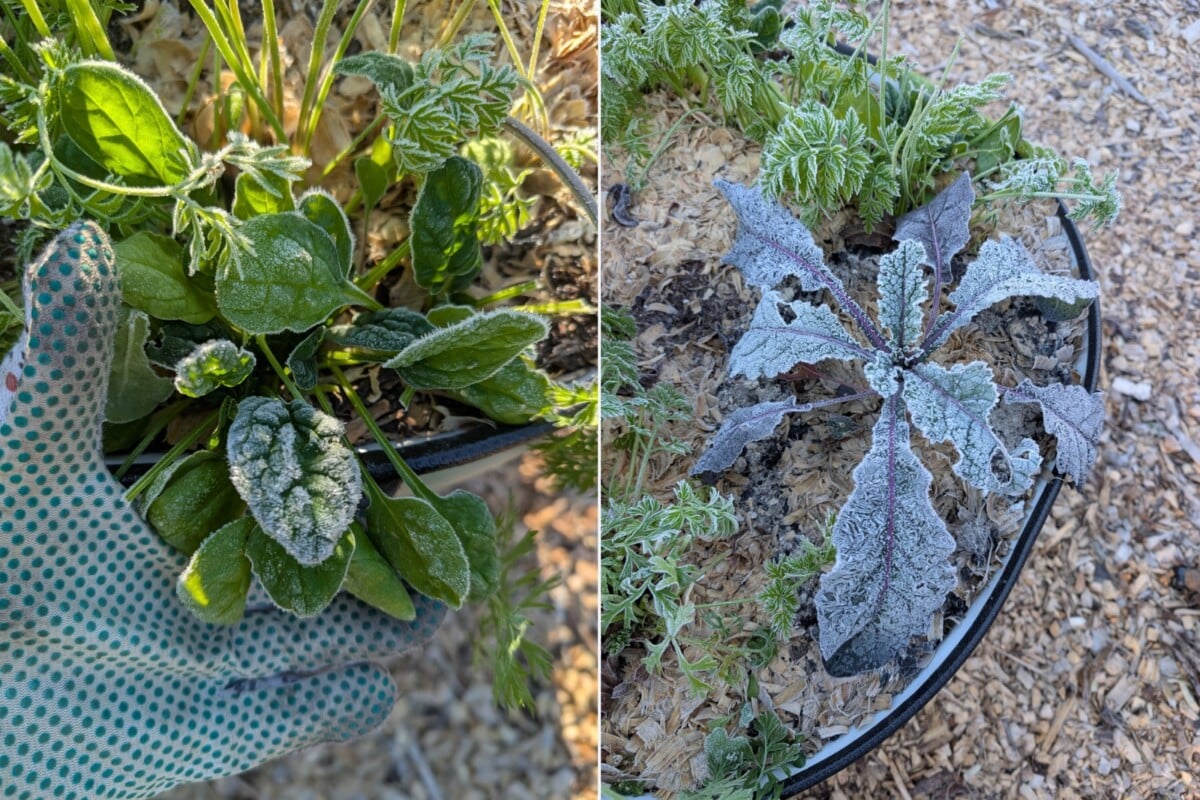
Most gardeners wait for the first frost with trepidation. I know when our first frost was predicted this week, I made several trips in and out of the house, bringing my potted rosemary and my begonias in for the season. I picked all the tomatoes, red and green, rather than covering the plants. I even covered my mums so they would last a little longer.
But there is one thing about the first frost that I look forward to every year.
Sweet vegetables.
A frost does magical things to certain cold-hardy vegetables. Once you’re in the know, you may look at that first frost date in a whole new light. In fact, like me, you might even change how you garden, waiting to plant certain vegetables for a fall crop as well as a spring crop.
Vegetable Antifreeze
If you’ll allow me to, I’d like to let my plant geek show a little bit.
Most of us know that plants take in carbon dioxide and water and, through the process of photosynthesis, convert the two into starch before releasing a helpful byproduct – oxygen.
Naturally occurring enzymes within the plant convert the starch into sugar.
Now, here’s where it gets interesting. Most cold-hardy plants have evolved a special trick.
When the temperature drops and we get a frost, the plant will convert even more of this starch into sugar. This process takes care of two things: the synthesis of sugars produces more energy, which keeps the plant warmer and the increased sugars act like vegetable antifreeze.
The sugar molecules within the plant cell walls block ice crystals from forming, thus keeping the plant from being damaged by a frost.
The more sugar the plant produces, the lower the temperature needs to drop before it will freeze and…
…the sweeter the vegetables taste to us.
If you’ve ever bought Brussels sprouts from a farmer’s market in the fall and thought they tasted better, this is why. Gardeners in the know capitalize on this natural process every year for extra tasty veggies just before the end of the season.
There are quite a number of popular vegetables that taste better after a light frost or two.
You might already be growing some if you plant a fall garden. If not, this is a good reason to make sure you plant some next year.
I’ve included the lower end of the air temperature these vegetables can handle before they call it quits and finally succumb to the cold for the season. But if you want to enjoy frost-sweetened veggies even longer into the season, you can mulch them well with something lightweight like pine flake, and then cover them with a row cover.
And once you get these veggies in the kitchen, there’s a tried and true way to make them even sweeter – roast them. The high heat of roasting caramelizes the sugars in the vegetables, giving them a flavor you won’t experience any other time of year.
Here they are in alphabetical order.
1. Beets
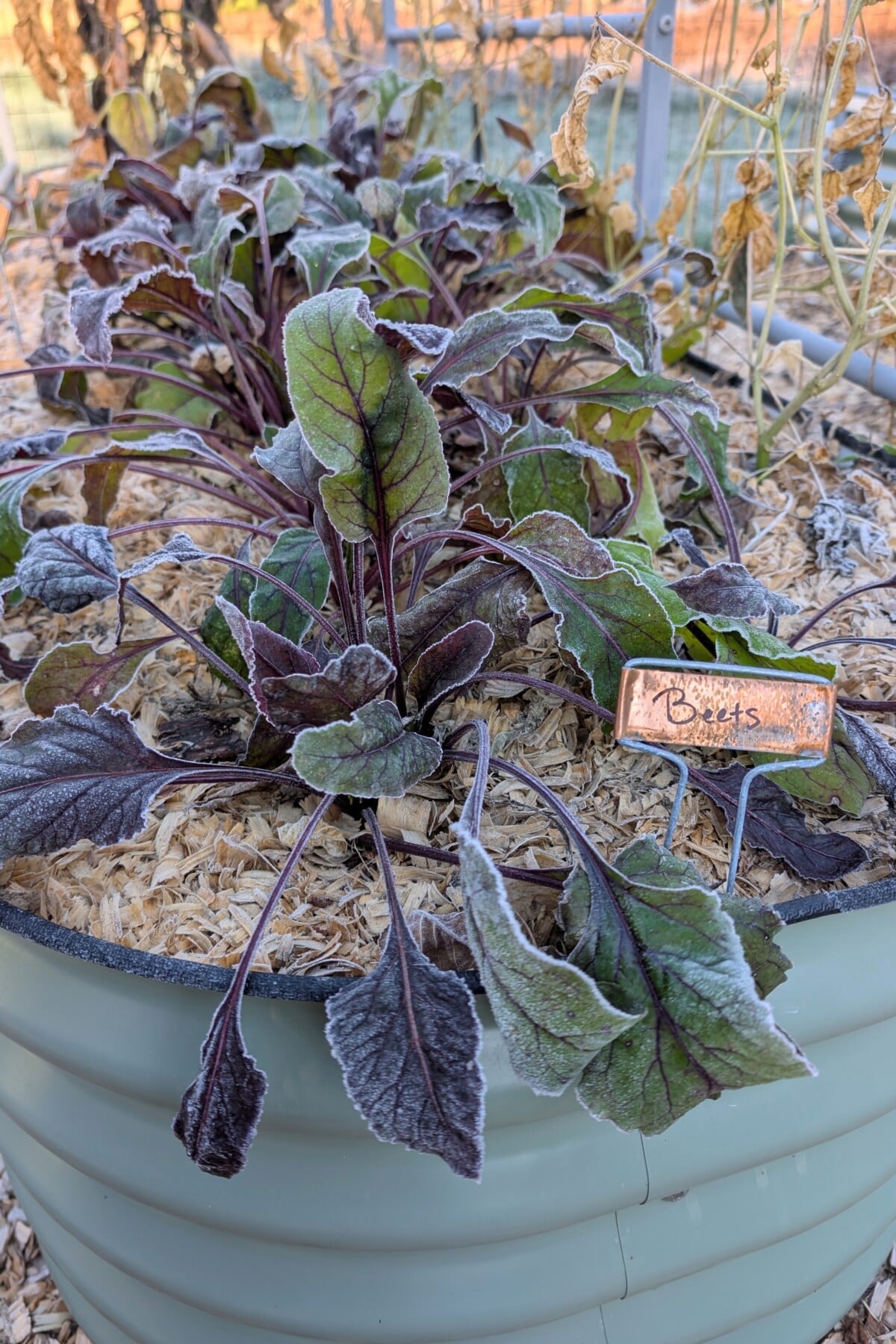
If there’s someone in your household who isn’t a fan of beets because they taste “earthy,” they may be a convert after eating beets that have gone through a light frost or two. Unfortunately, they are one of the less cold-hardy veggies on this list. Be sure to harvest them before the temps land in the 20s(F). Beet shoulders are more susceptible to frost than the part growing in the ground, so a layer of mulch will protect them.
Beet greens are a wonderful and hearty addition to soups and fall salads. They too taste better after a light frost. However, beet greens can’t handle much beyond a light frost.
2. Broccoli
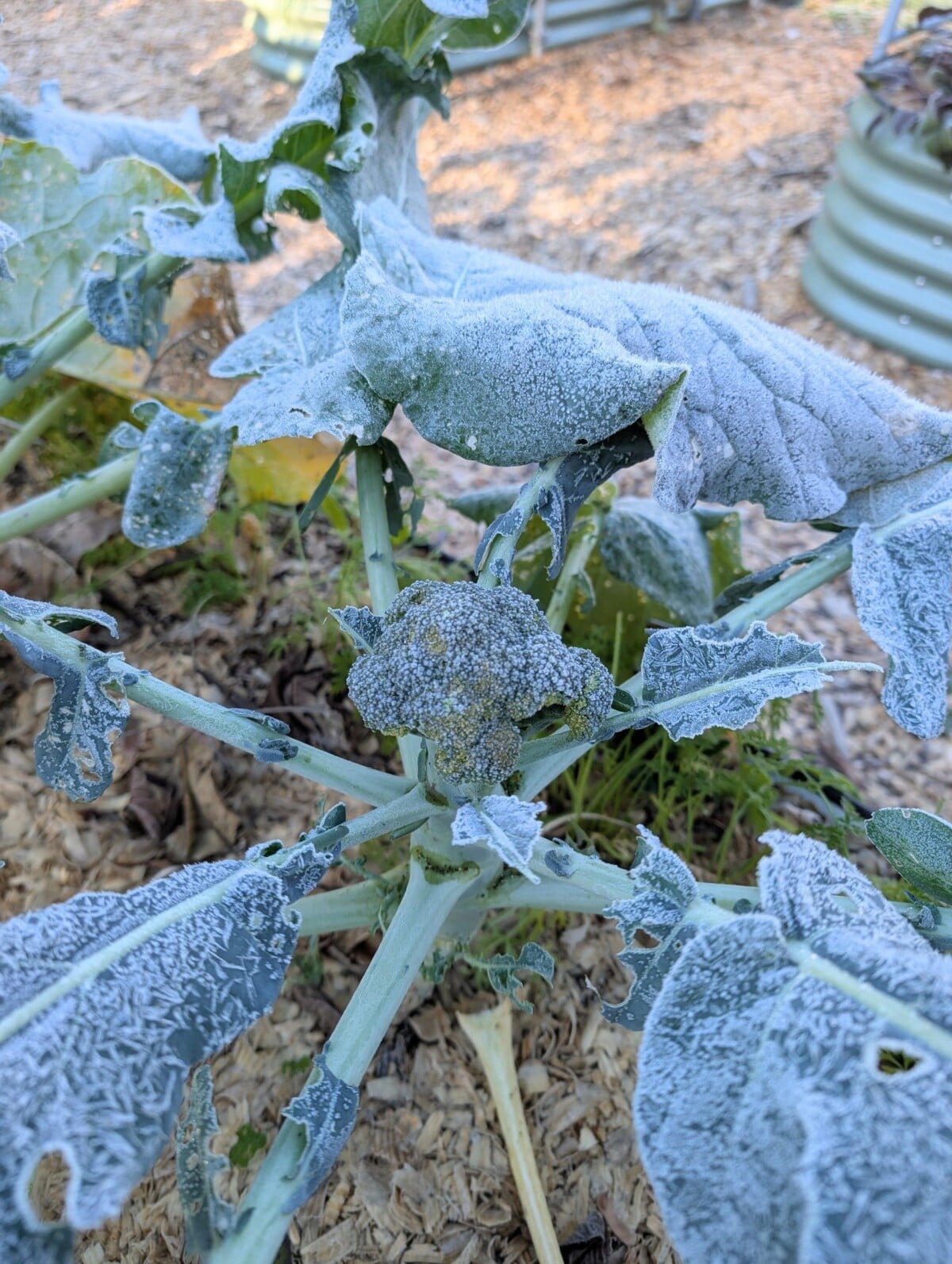
Broccoli is pretty cold-hardy, but the heads can’t take too much cold. So, be sure to harvest them before temperatures go too far below 30F. And don’t forget to enjoy the side shoots, too. Both the full heads and the little shoots that follow are much sweeter after a frost.
3. Brussels sprouts
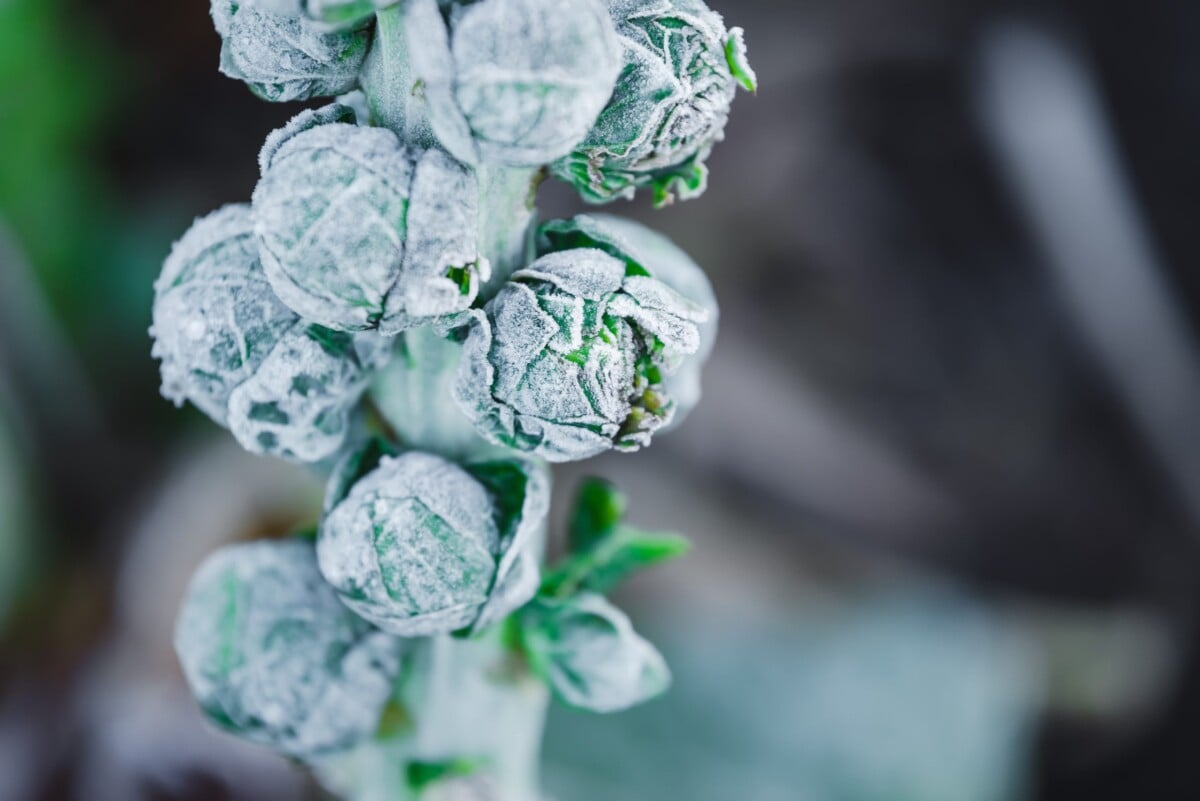
Brussels sprouts have got to be my favorite item on this list. Frost-kissed Brussels sprouts are a fall treat I enjoy each year, especially at Thanksgiving. They are also one of the most cold-tolerant vegetables on this list, standing tall in your garden down to about 20F. You can even find varieties that can take temps down into the teens before they quit for the season.
4. Cabbage
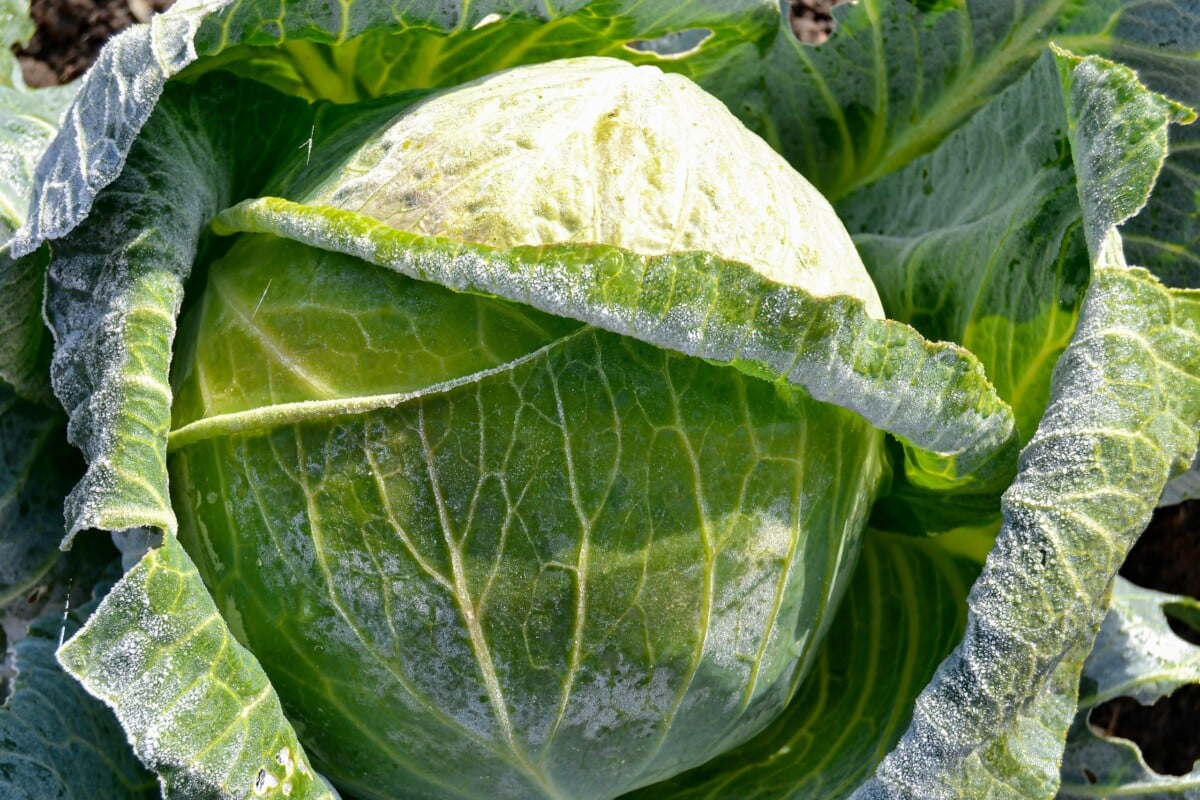
As long as the heads are mature, most cabbage can take temperatures down around 20F. If you get repeated frosts followed by warmer weather, the heads may split or outer leaves might be damaged, but the interior stays good. Savoy cabbages can take even colder temperatures, down into the mid teens. There’s a reason many of us ate a lot of cabbage in the winter: it stores well, and it tastes sweeter than summer-harvested cabbage.
5. Carrots
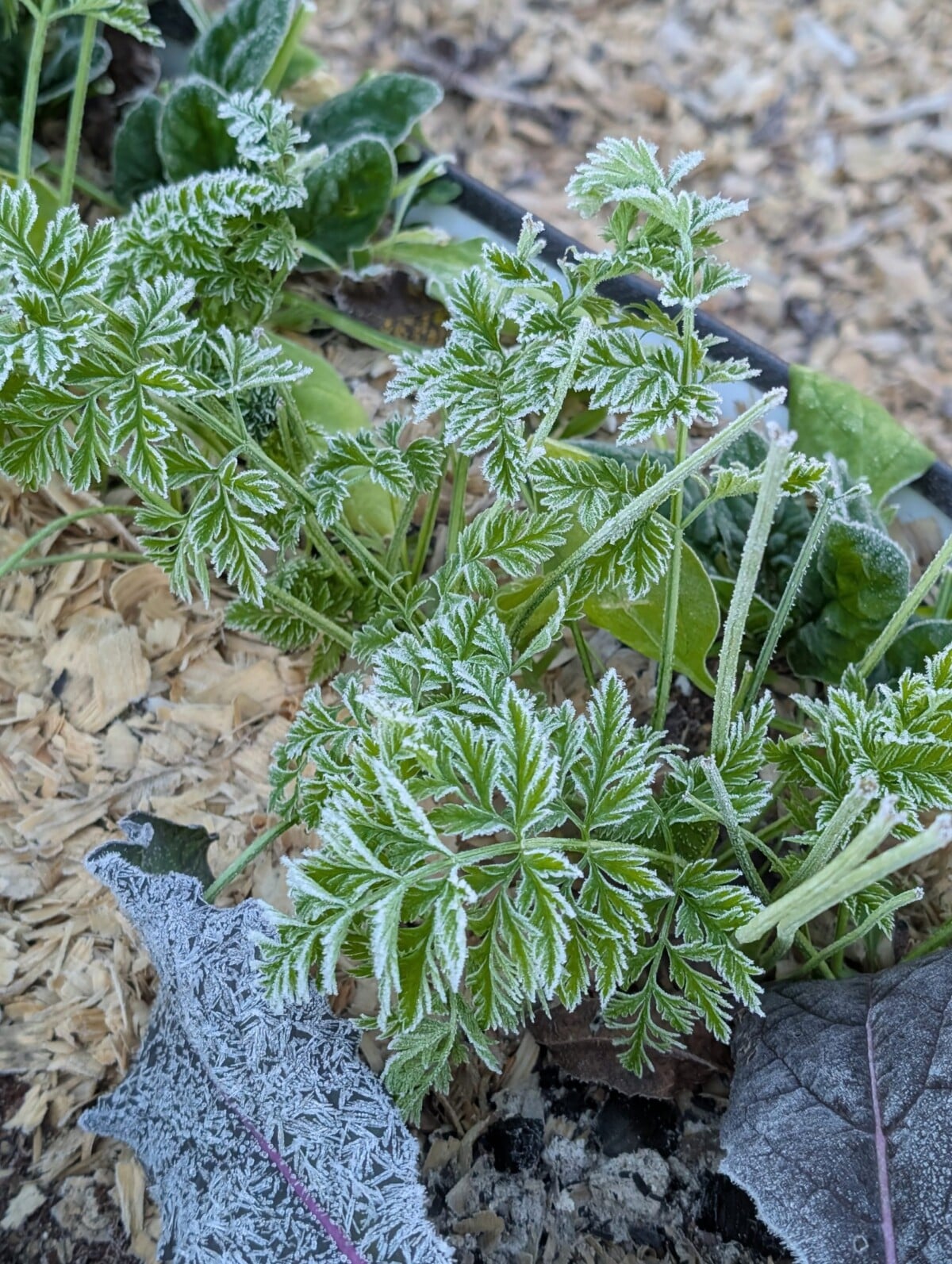
Carrots are wonderfully sweet when allowed to go through a frost or two and then roasted. I especially like growing some of the red Japanese varieties that will only grow in the fall. They’re some of the sweetest carrots I’ve ever eaten in my life.
Carrots, like beets, tend more toward the tender side on this list. You don’t want them to freeze in the ground, but they can handle temperatures in the 20s easily. And just like beets, you’ll want to mulch their exposed shoulders.
6. Collards
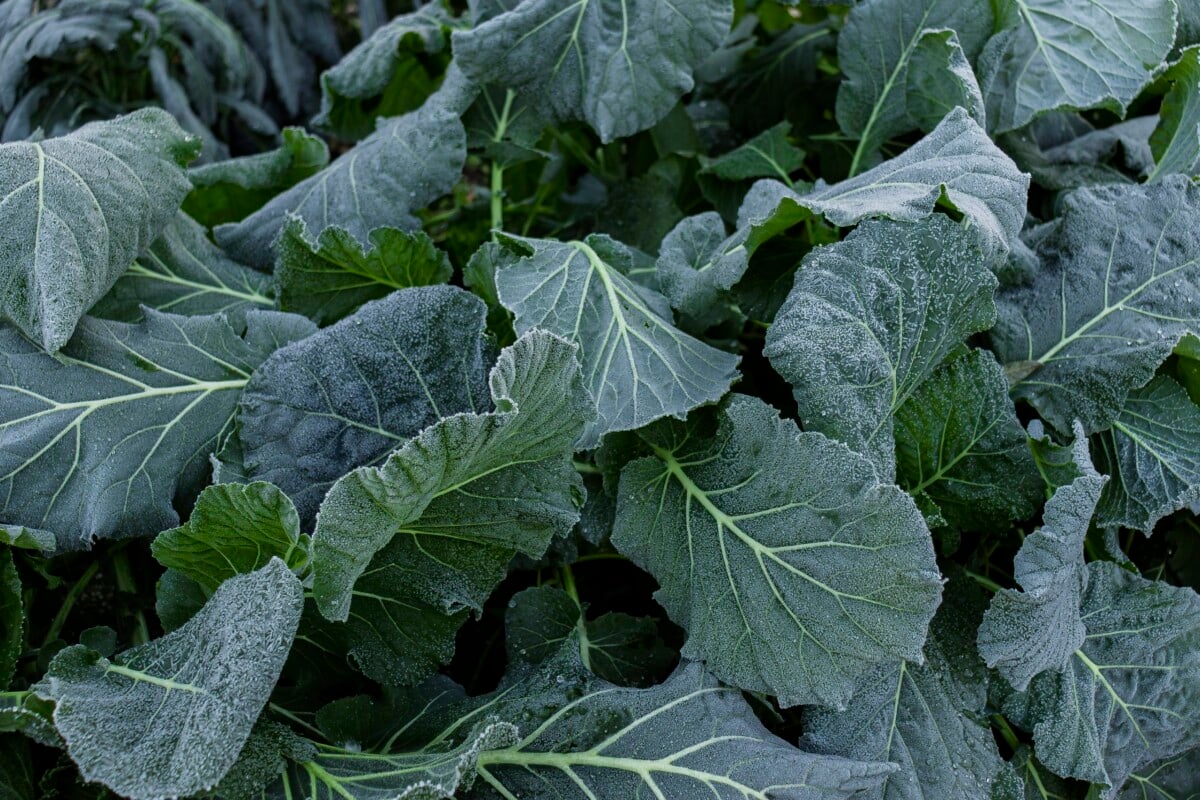
This classic Southern green grows well into the winter, tolerating temperatures as low as 10F. If you like your collards sweet, then you’ll want to plant a fall crop to enjoy after a few frosts.
7. Kale
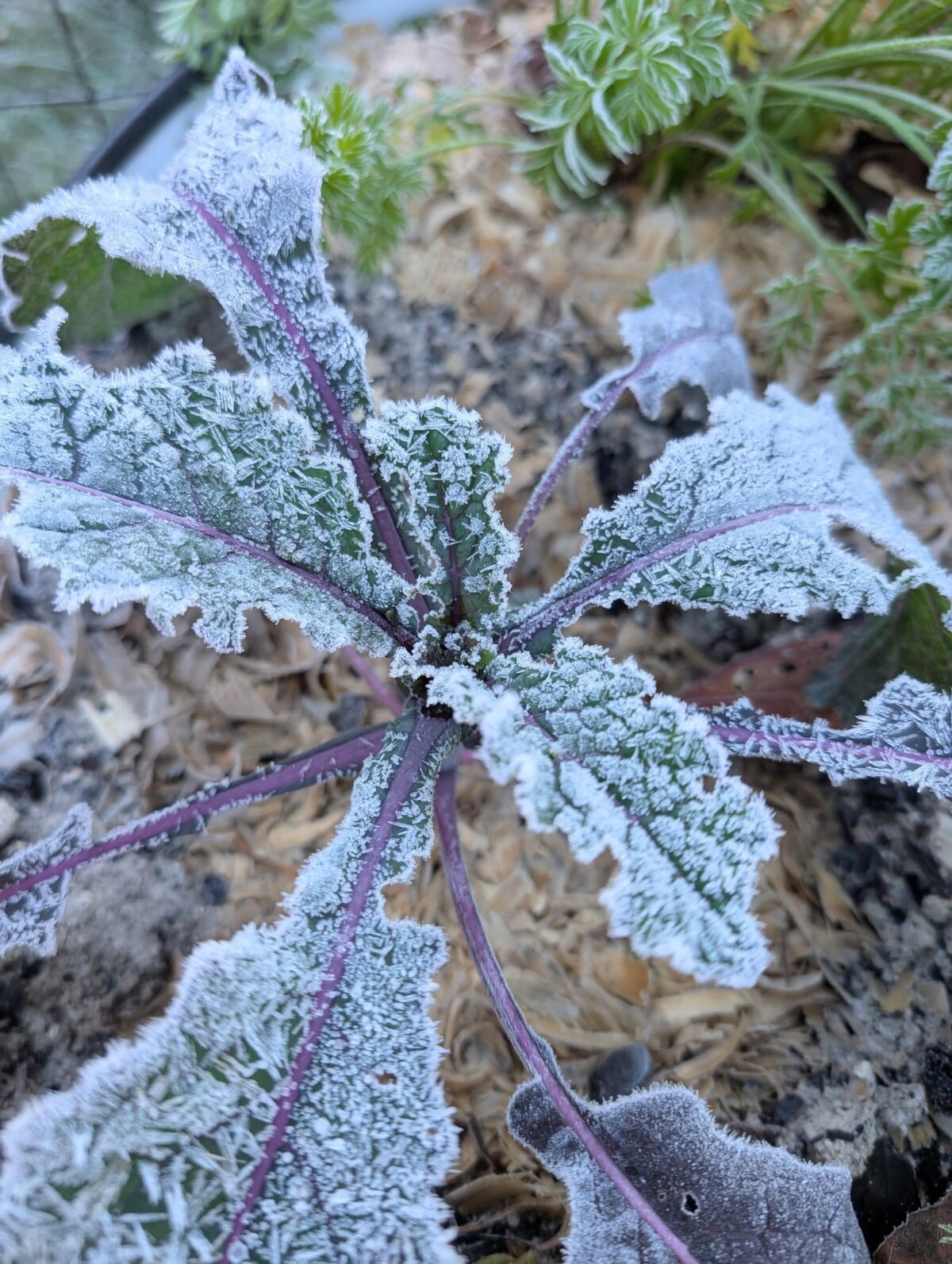
I don’t even bother growing kale until the fall anymore. I’ve spent too many summers fighting off the cabbage worms, so these days I plant a fall crop of kale and it goes well into the deepest part of winter, growing sweeter all the time.
Some varieties, like lacinato, can handle temperatures down to 0F. And let me tell you, in the darkest days of winter, there’s nothing like a handful of chopped kale, fresh from the garden in your soup to give you a boost of vitamin C.
8. Kohlrabi
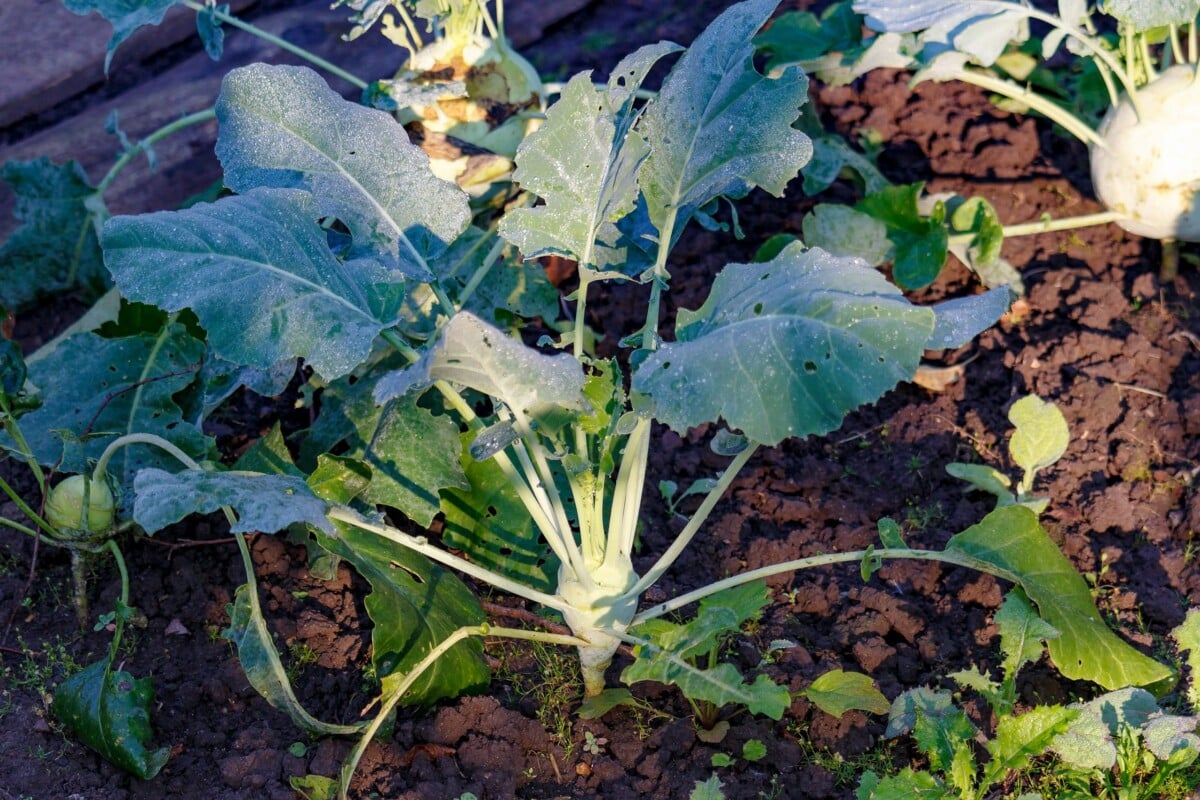
Whenever I introduce this vegetable to someone who’s never eaten it before, I describe it as the part of broccoli we should be eating. Kohlrabi tastes like the sweetest and most flavorful part of broccoli – the stem. Fewer kids would turn their noses up at broccoli if we ate the stems instead of the head.
Kohlrabi is already slightly sweet and flavorful and becomes more so with the arrival of a frost or two, but you’ll want to harvest it before air temps fall below 20F.
9. Leeks
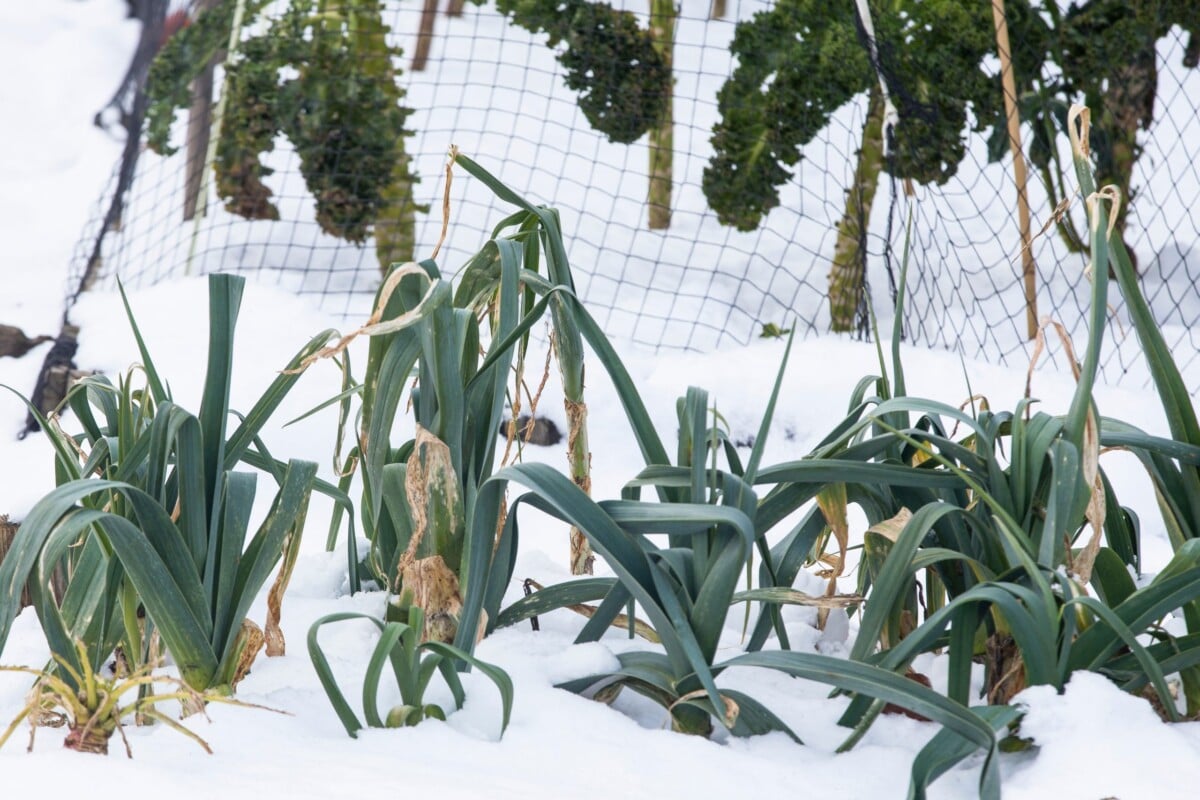
You might be surprised to find leeks on this list, but these delicately flavored alliums get a boost of flavor with frost. And if you’re lucky enough to live somewhere the ground doesn’t freeze, you can mulch them and harvest them all winter long. Otherwise, they will succumb to the cold when temperatures fall into the low teens.
10. Parsnips
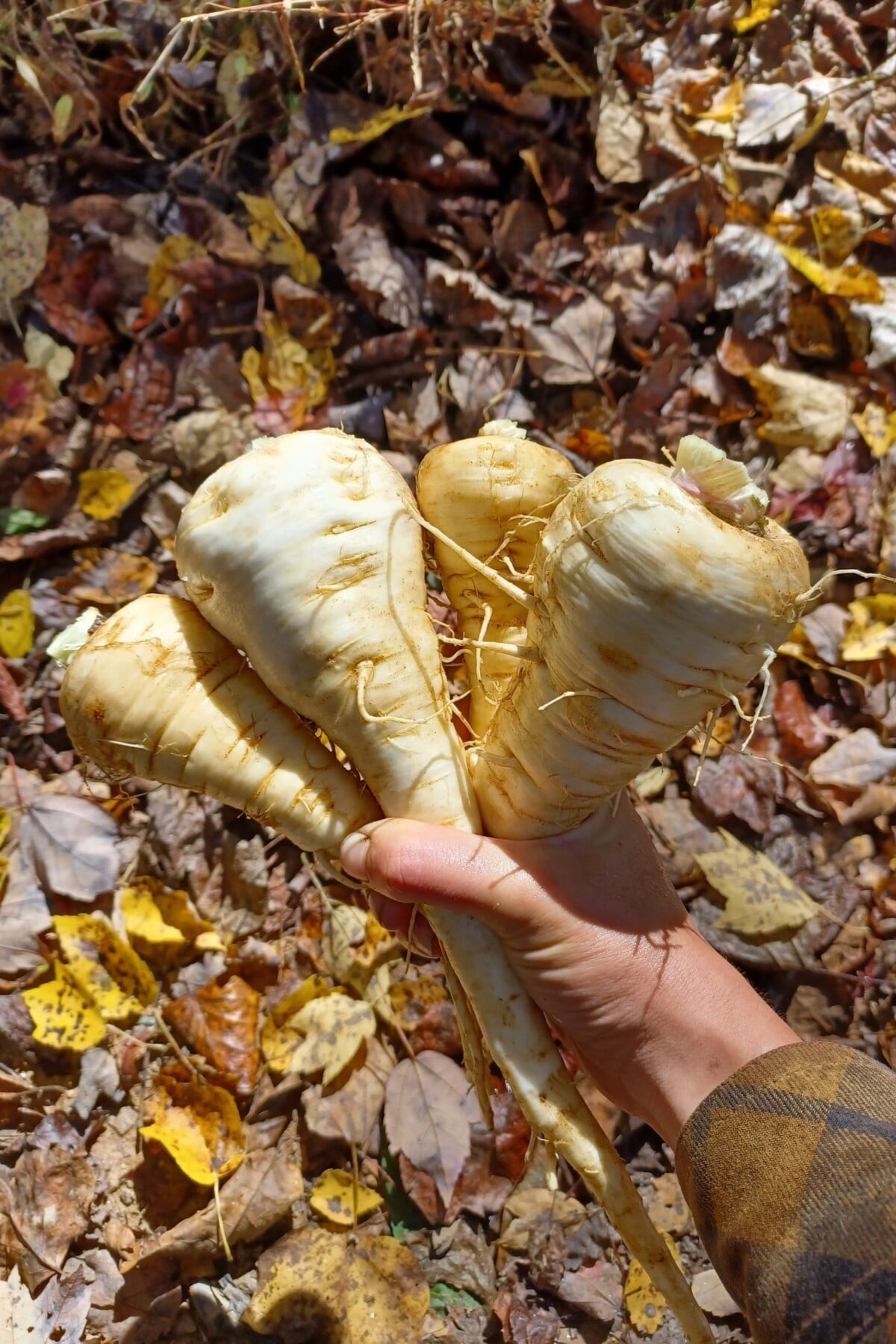
Parsnips are a classic winter vegetable, and with good reason. This root vegetable is well-known for being sweeter the longer it stays in the ground. Although the tops will die back, the roots are quite hardier, and as long as the ground doesn’t freeze, you can harvest them all winter long. Otherwise, you’ll want to dig them out of the ground before it freezes.
11. Rutabagas
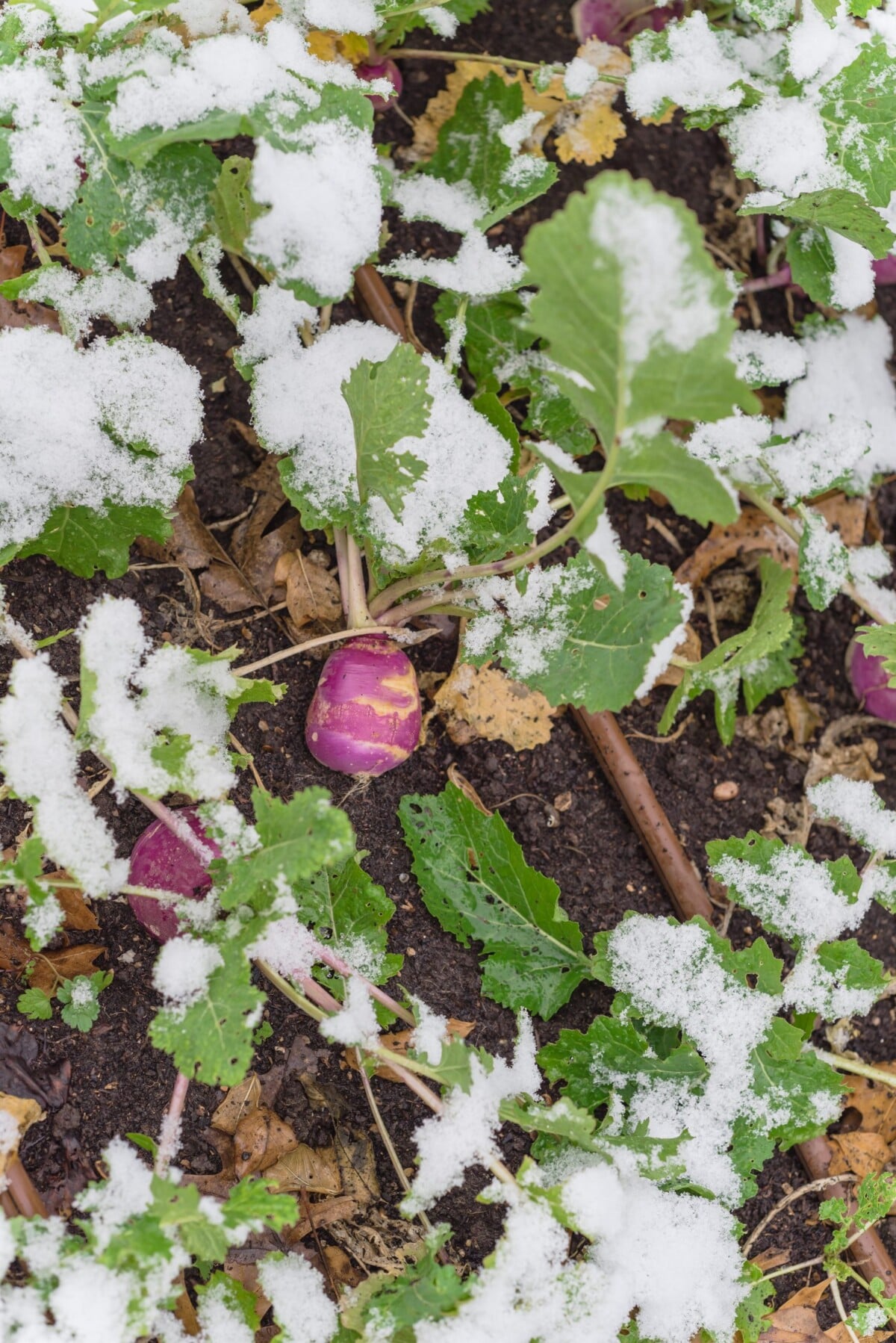
Oh, rutabagas. Does anyone really like rutabagas? If you do, please let me know how you cook them. But yes, like the other root crops on this list, they become sweeter with a frost or two under their belts. They’re also quite hardy and will tolerate air temperatures down into the teens.
12. Spinach
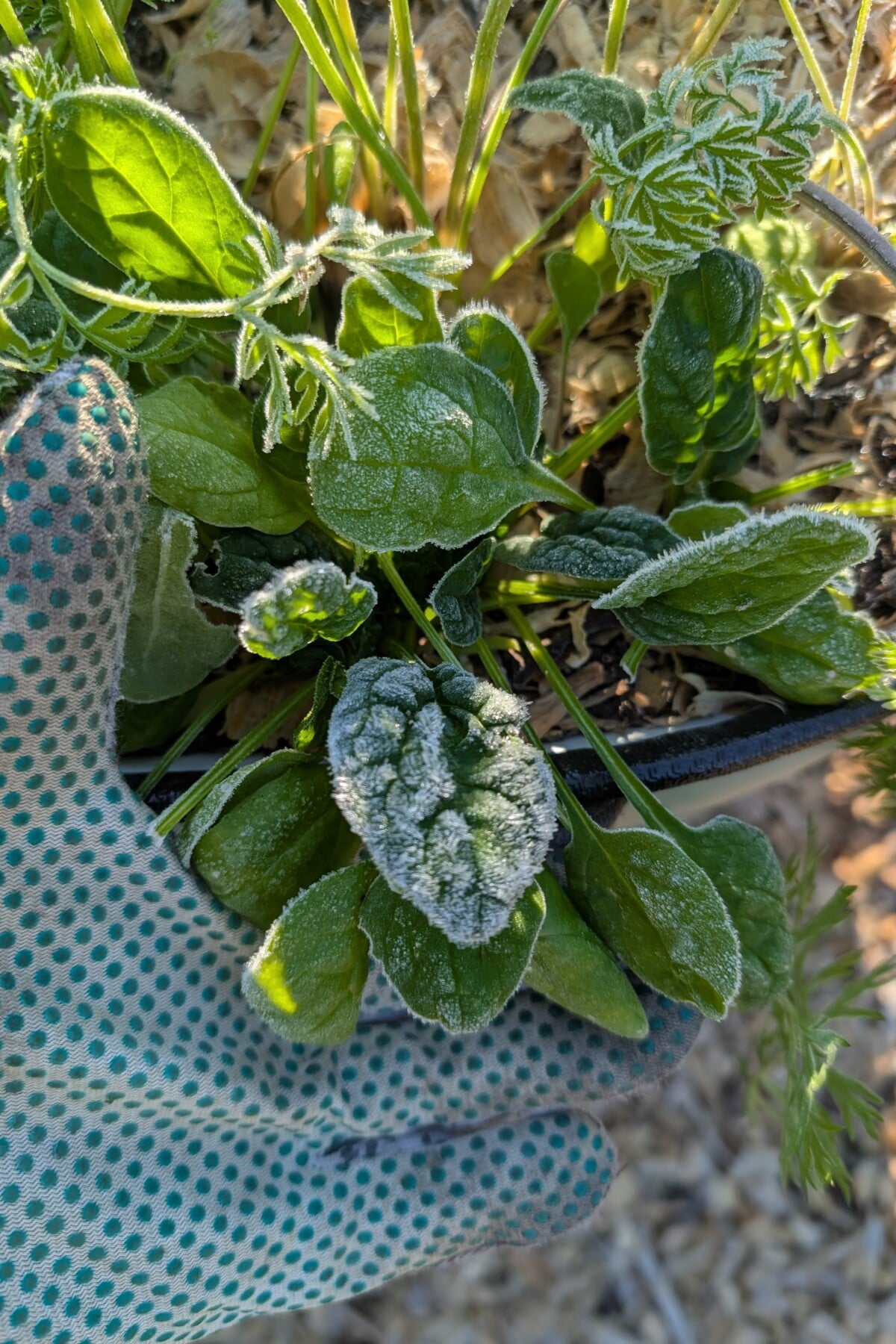
Spinach, especially savoy types, grow extra thick leaves and are noticeably sweeter eaten raw than their spring and early summer-grown counterparts. If you start your spinach in late summer or early fall and mulch it well, you can harvest it in the winter and have it jump right back into action in the spring. Unprotected, it will die off around 20F.
13. Turnips
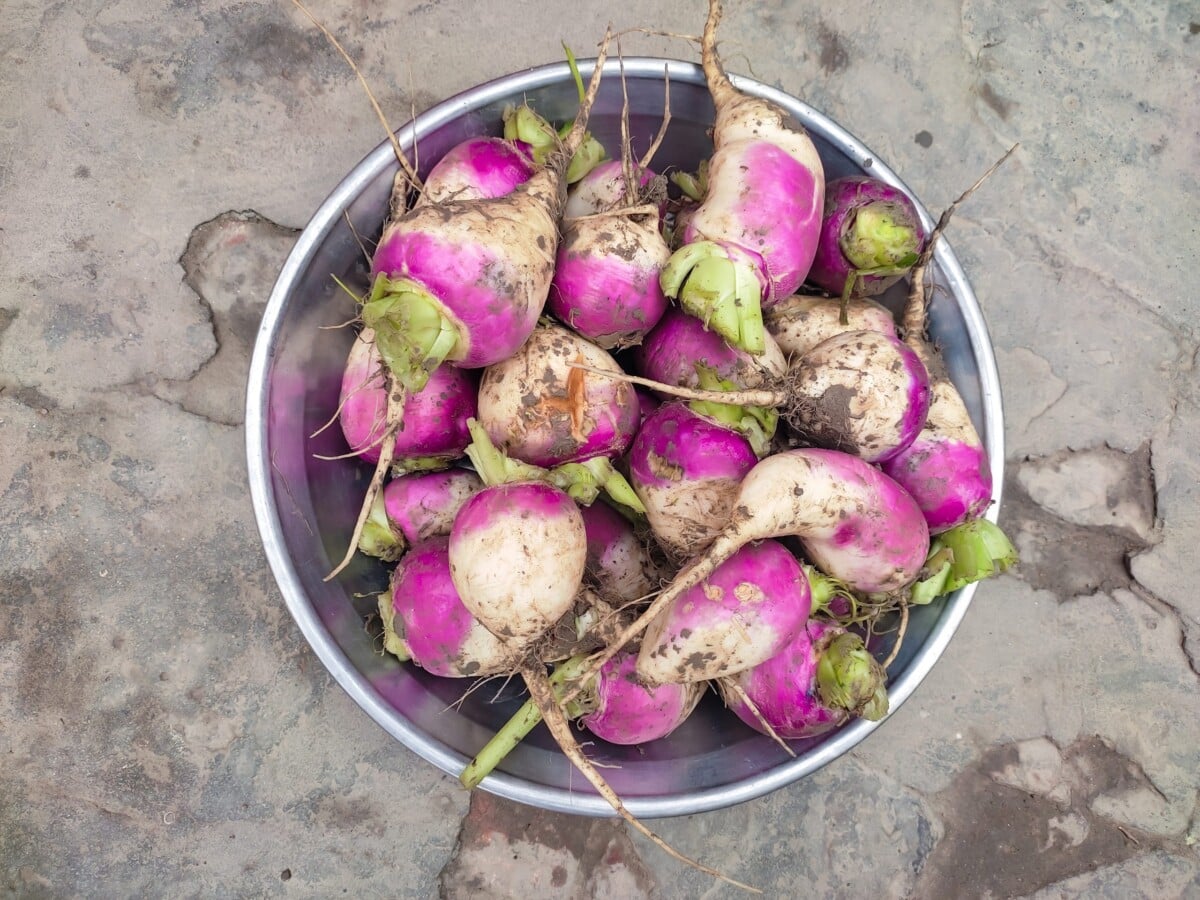
And finally, we have turnips, another brassica that gets sweeter with the application of frosty air. Most turnips can handle air temperatures down to 20F, but the smaller Japanese types, like Hakurei, won’t take much cold beyond an initial light frost. They are much less hardy than standard storage-type turnips.
Get Garden Notes From Tracey, Right to Your Inbox
Pull up a chair on the front porch. Join 54,000+ gardeners who get Tracey\'s friendly notes, seasonal to-dos, and hands-on tutorials three times a week.