

By the time daylight saving time begins, I am done with winter. I’m dealing with major cabin fever, and I am ready to get outside and get gardening!
This year, it’s so bad that I keep going out to my raised beds every couple of days to poke at the soil and see if it’s still frozen. (As of right now, it is. Sigh.) I’m ready to garden, thank you very much!
So, to distract myself, I start puttering in my flower beds and checking on my perennials.
Nothing cures cabin fever like seeing the tender new sprouts of my favorite blooming plants and the colorful blooms of spring ephemerals.
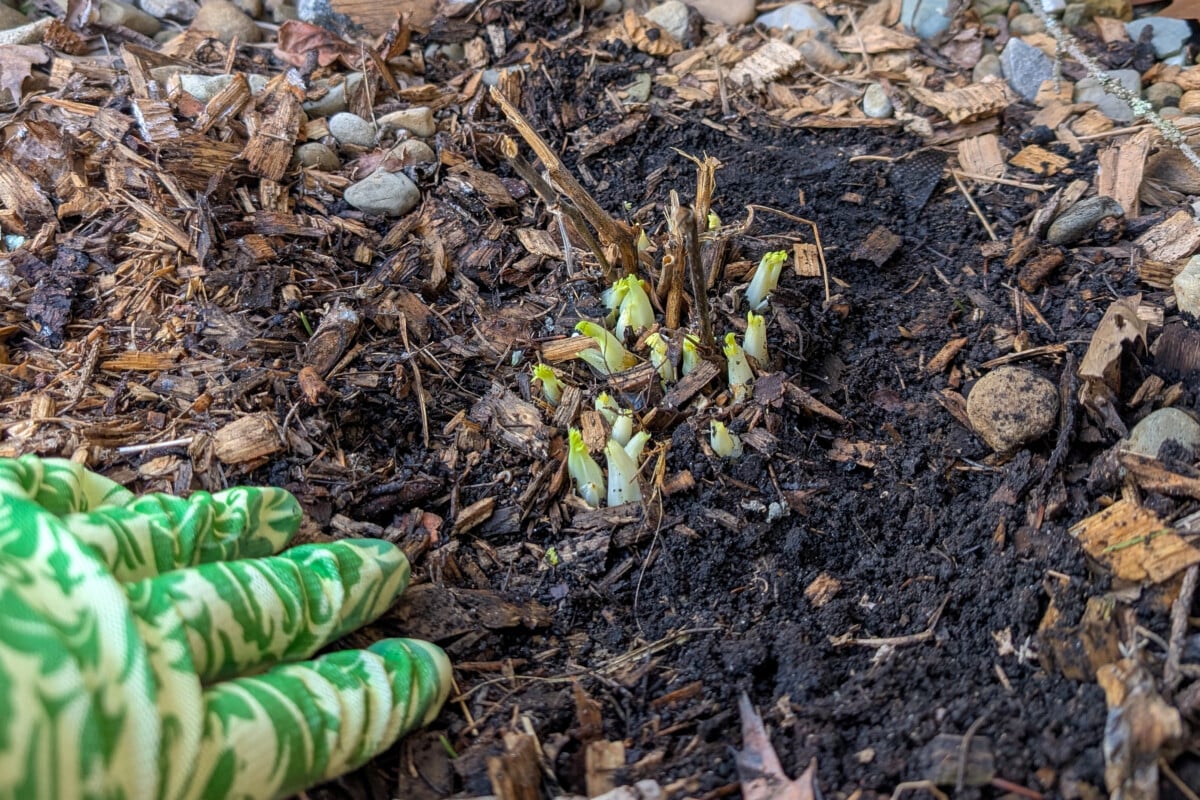
Early spring, before I’m completely consumed with the vegetable garden, I like to get in my flower beds and start clearing off the flotsam and jetsam of the previous season. I deal with last year’s growth, all the leaves and twigs and whatnot that’s blown into them with every winter storm.
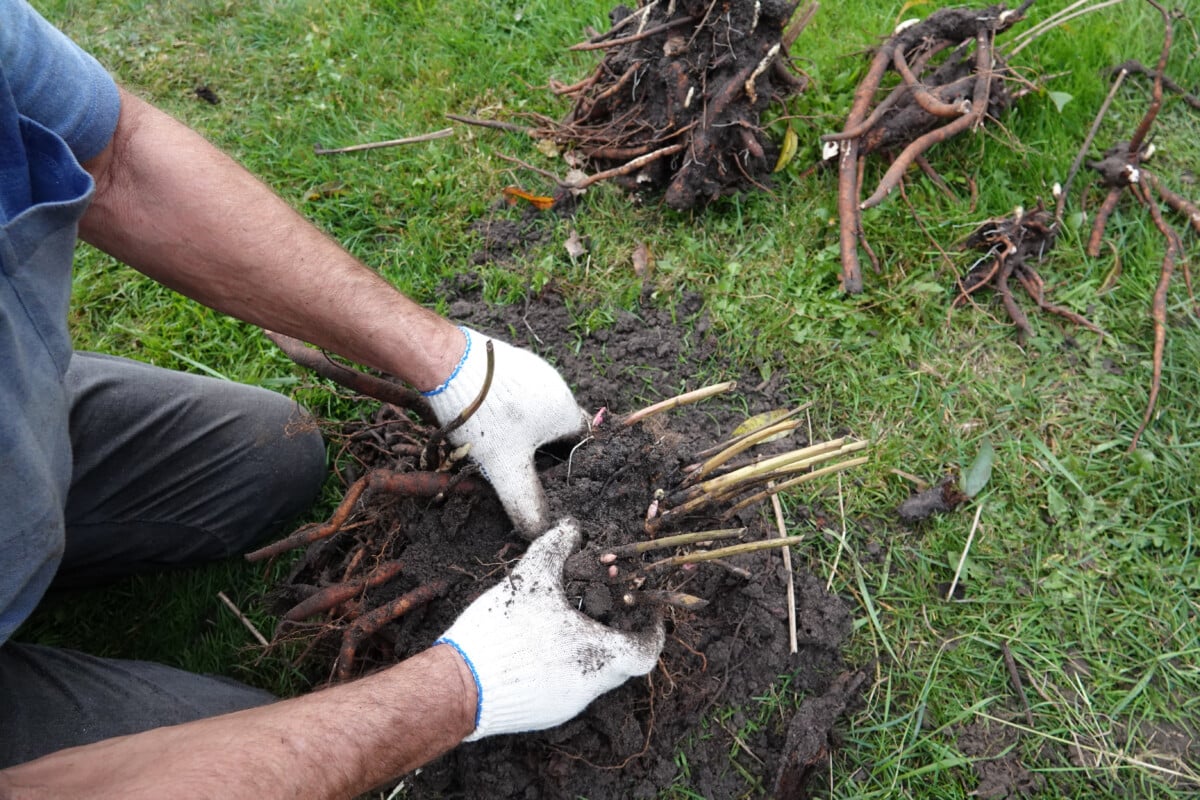
Spring is a great time to divide perennials before they get growing in earnest for the season. (Once the ground has thawed, of course.) As Mickey has pointed out, there are quite a few perennials you should split this time of year. But there are also quite a few you shouldn’t.
There are a whole bunch of perennials that will fare much better if you wait until fall to divide them.
And that’s good news, if, like me, your spring tends to get busy fast when it comes to everything that needs to be taken care of to get your growing season off to a good start.
Dividing With a Grain of Salt
Now, before we dive in, I want to make something plain: oftentimes, should and shouldn’t articles like this can come across as absolutes. You must always, absolutely divide these perennials in the spring or horrible things will happen if you don’t! Or you must 100% never, ever split these perennials in the spring, or your entire garden will collapse in ruin.
That’s not the case.
These are best practices. Yes, the plants on this list will be happier if you divide them in the fall, rather than the spring. But if you really need to divide them in the spring, say if they’re completely taking over a section of your flower beds, or you need to move them to accommodate new landscaping, or your schedule just makes spring gardening easier, then that’s the best time to divide those perennials. Period.
In the end, it might mean a season of recovery and no blooms if you split them now rather than in the fall. That’s okay. They will bounce back next season. Perennials are pretty resilient that way, it’s why they make up the majority of my flower beds – they don’t need a ton of fussing over. You may even find that, like me, you prefer splitting all of your perennials in the fall.
A Case for Fall Division
Between cleaning up flower beds after a blustery winter, starting seeds indoors, and prepping and planting cool-weather spring crops in my vegetable garden, very little time is left over for me to bother with splitting my perennials.
I live in zone 6b here in Pennsylvania. Quite often, it feels as though we don’t actually get a real spring. We go from cold and snowy winter, to a handful of mild spring days. Then suddenly, we’re blasted by the heat well before summer has even arrived.
This brief spring-like weather often means I go from frozen, unworkable ground to perennials growing so quickly that I’ve missed the short window I had to divide them.
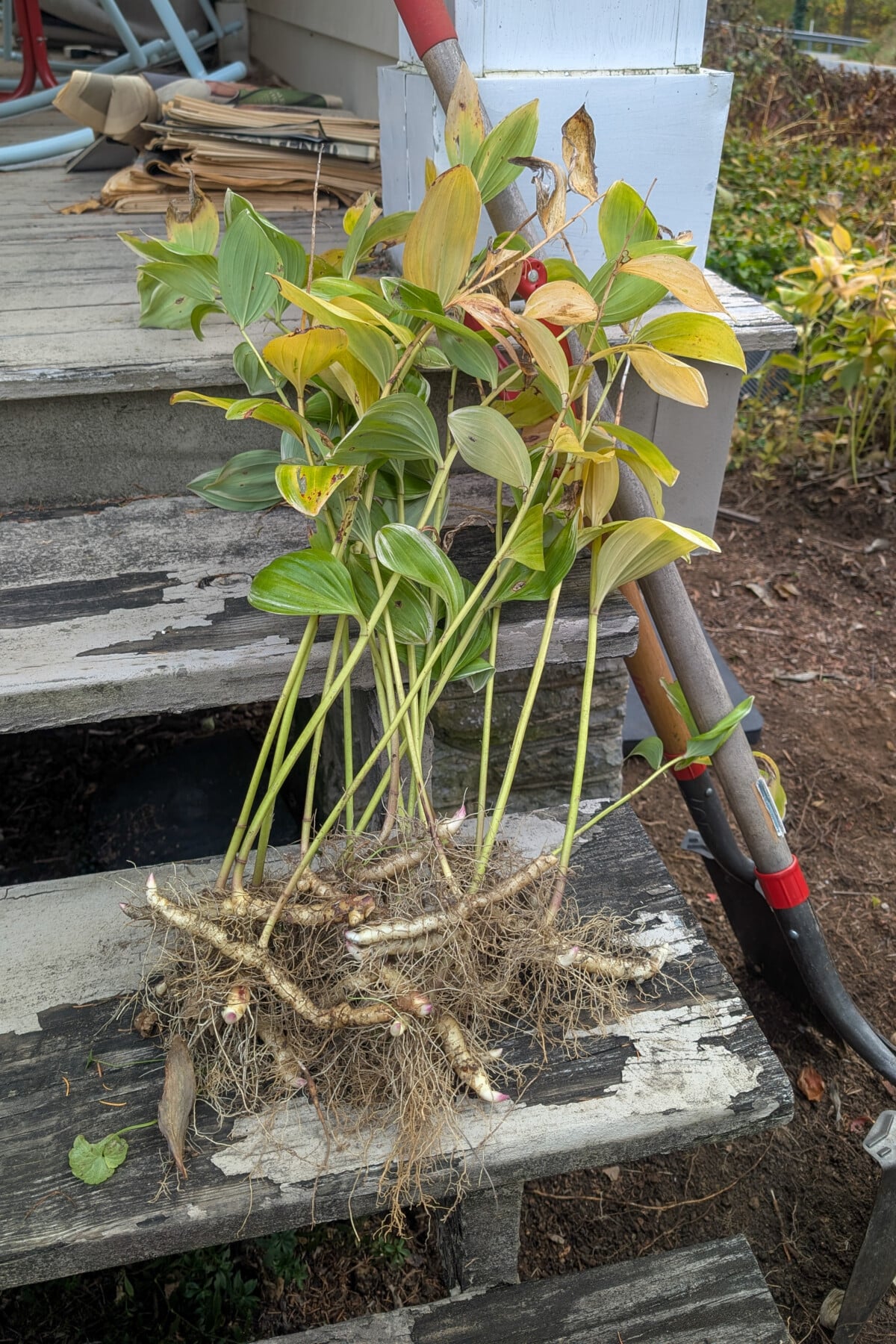
These days, I find fall is the easiest time of year for me to divide my perennials. It affords me a few benefits I don’t have in the spring:
- The weather has cooled, and I don’t have to worry about heat stressing out newly divided plants.
- Perennials divided in the fall have the entire season and all through winter to establish robust, healthy roots and rhizomes, which means stronger plants the following spring.
- Fall-divided perennials need fewer nutrients as they aren’t getting established and blooming in the same season.
- I find it easier to see which plants need to be divided in the fall, as they’re generally finished growing for the season, so I know how much room they take up where they are and any gaps I have in my flower beds.
- I can also tell, by the end of the summer, if they’ve become too crowded and aren’t blooming well anymore. All of these things are much harder to gauge in the spring when the plants are just emerging for the season.
- I have a much longer window of opportunity to split perennials in the fall, so I’m not rushing to beat the heat or divide plants before they bloom, while juggling other spring gardening.
- I don’t have to worry about ruining my soil structure by trying to get perennials divided before the ground is entirely workable in the spring.
For plenty of other gardeners and me, all perennials end up on the ‘only divide them in the fall’ list. But as with most gardening, your mileage may vary.
Now that you have a better idea of what to expect, let’s take a look at the perennials that will be happiest if you don’t split them in the spring.
1. Allium
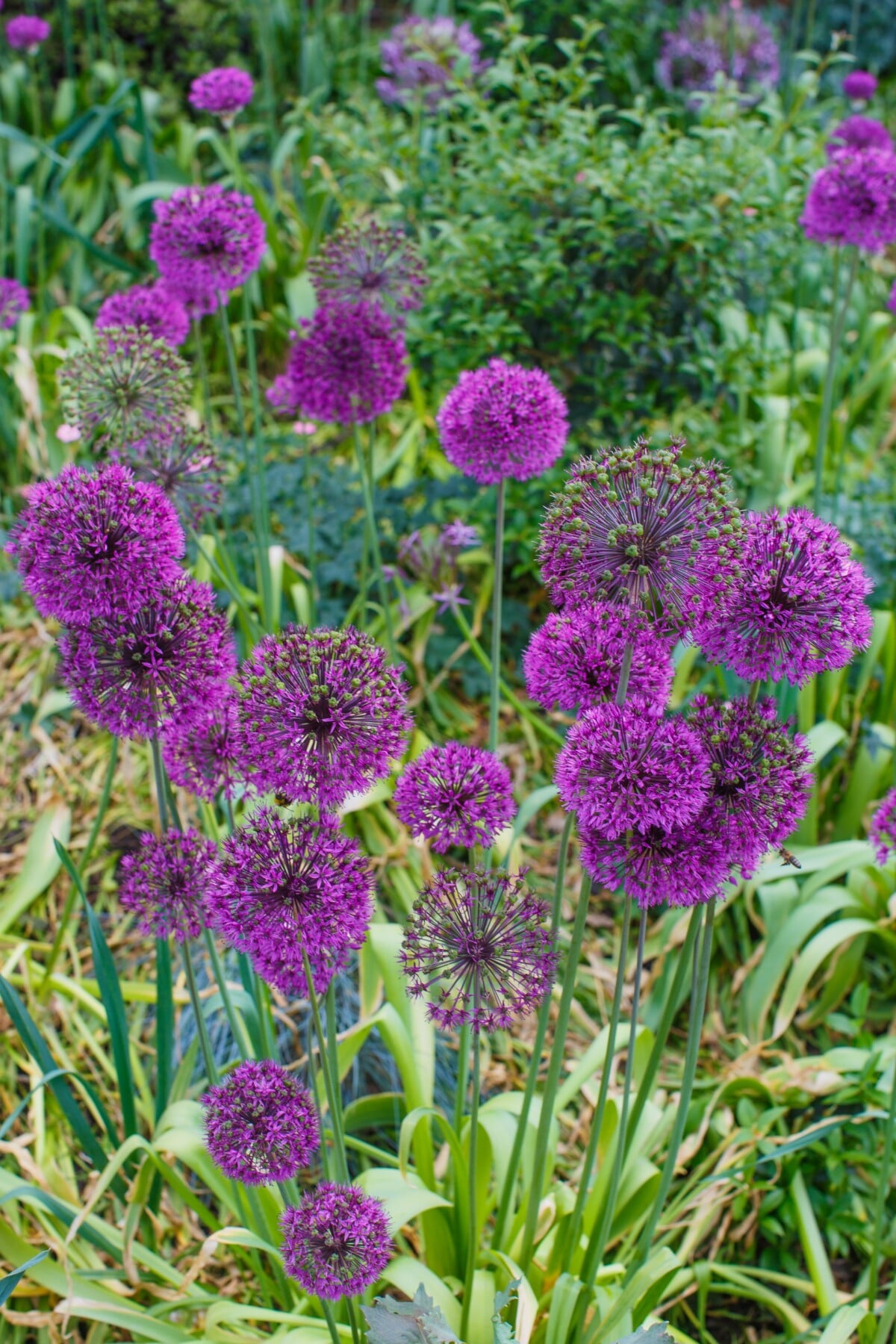
For the most part, decorative alliums bloom in late spring and early summer, filling in that gap between flowering spring bulbs and summer blooms. There are some varieties that will bloom in late summer, so knowing which allium variety you are growing is key to knowing which end of the season to divide the bulbs.
2. Astilbe
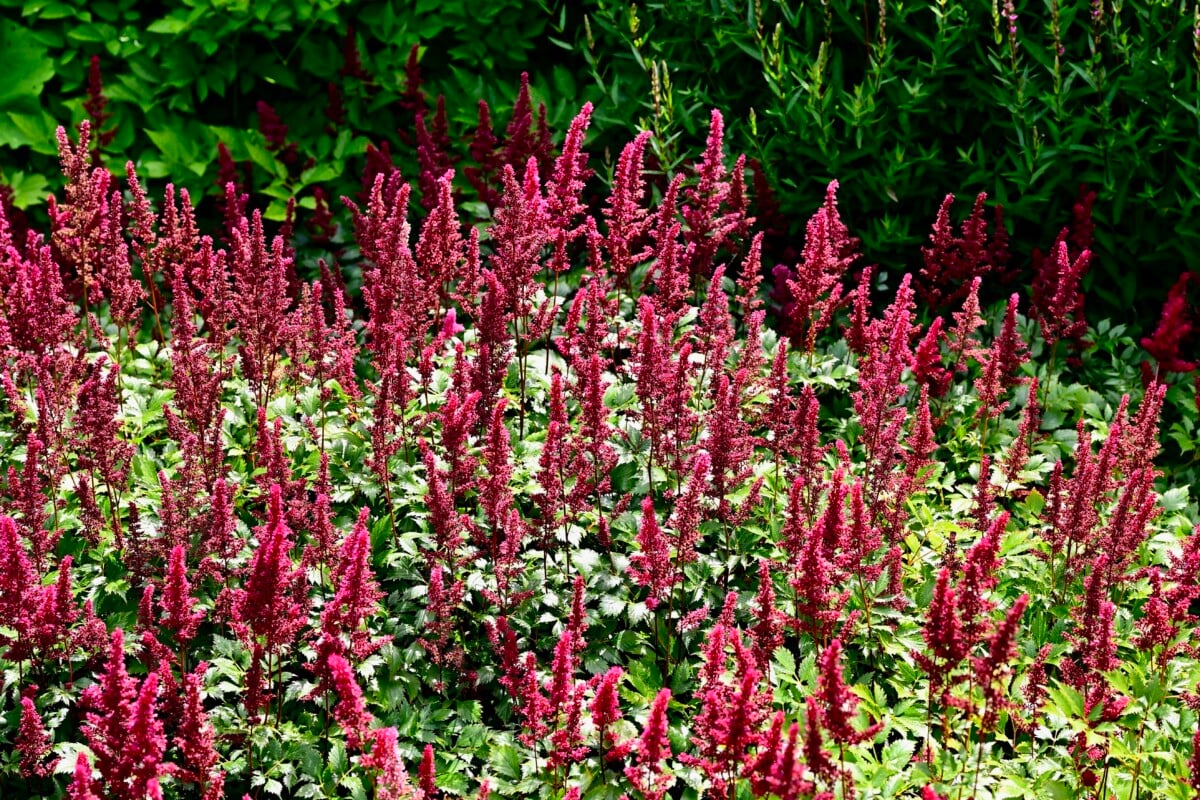
Again, just like decorative allium, there are some varieties of astilbe that will bloom in early spring. If you are growing Astilbe x arendsii or other early-blooming varieties, it’s best to split them in the fall.
3. Bleeding Heart
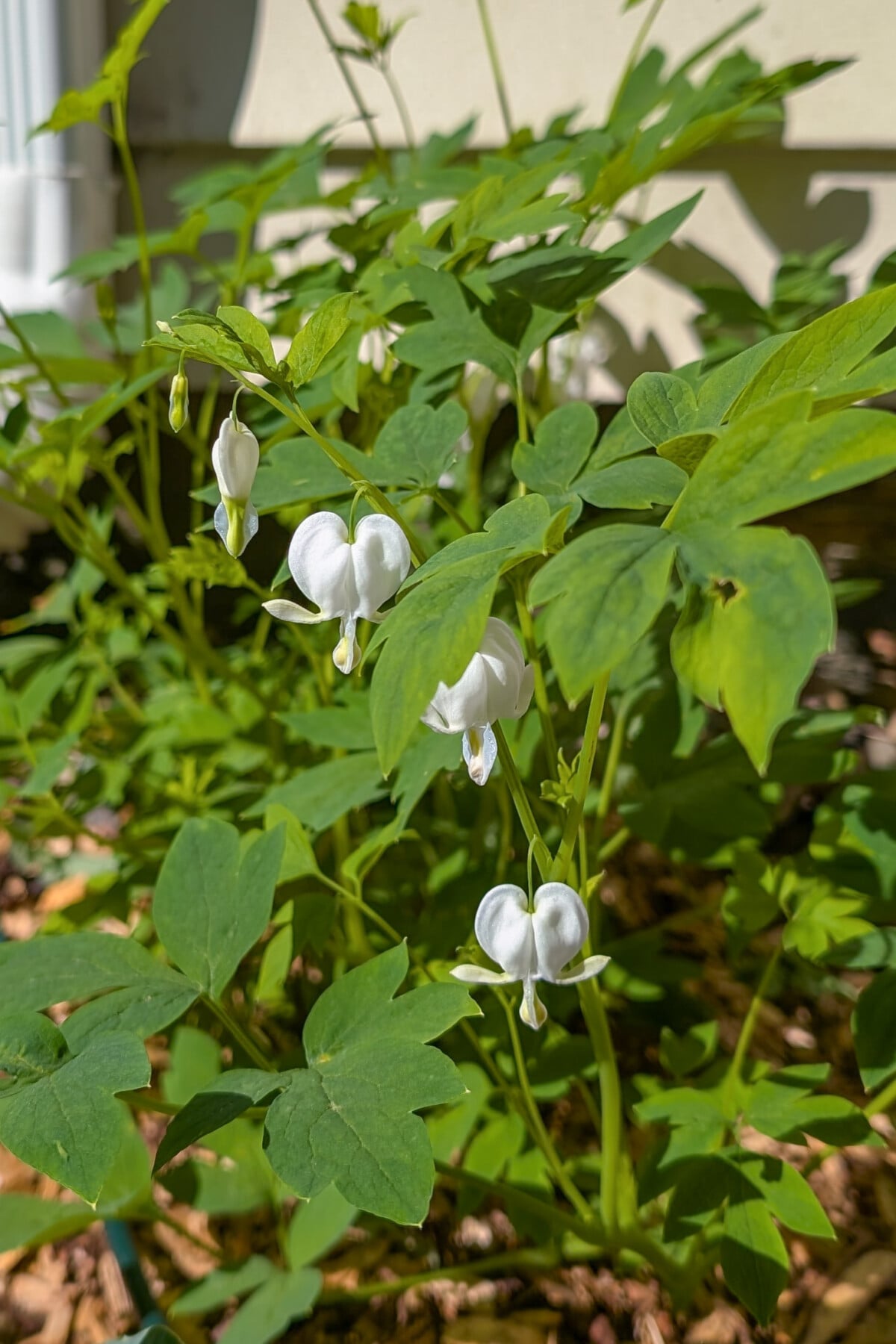
These are some of the earliest blooming flowers in my flower bed, and they shoot up quickly as soon as the ground thaws. Wait until late summer or early fall to divide bleeding heart.
4. Coral Bells (Heuchera)
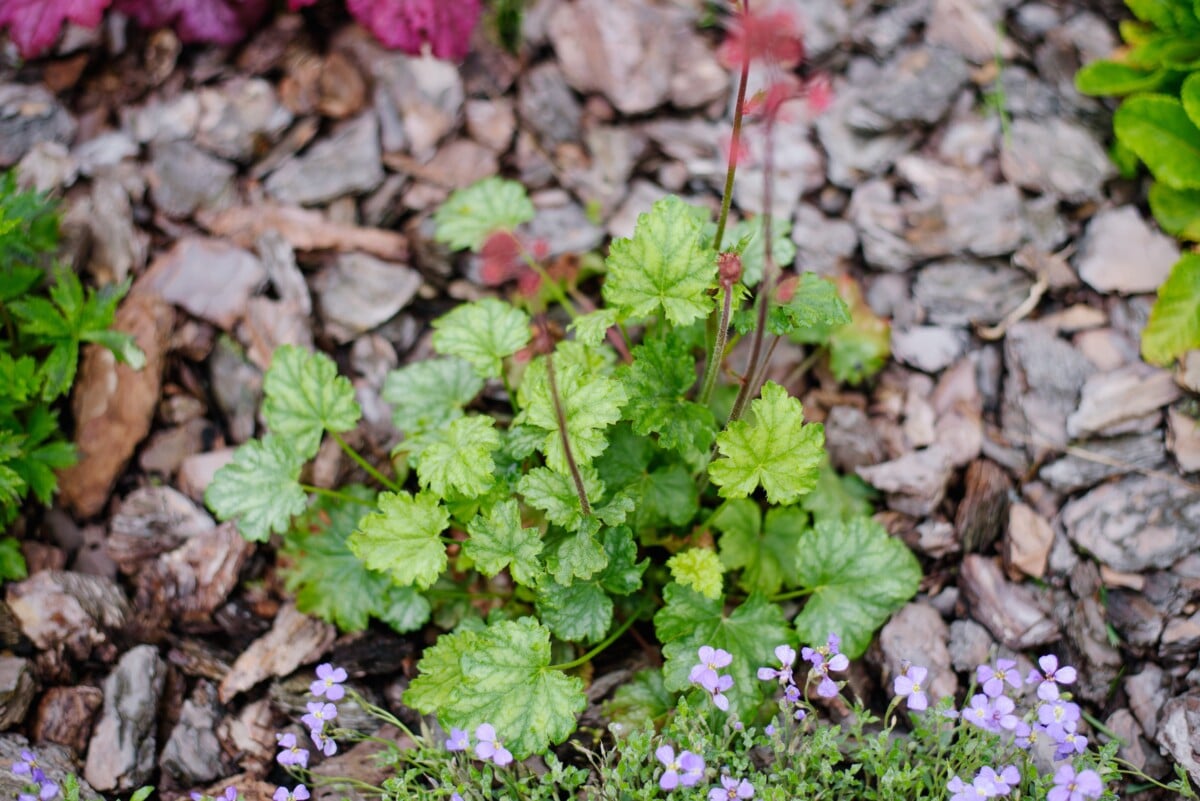
Shade-loving coral Bells benefit from splitting every two to three years, in late summer and early fall. Yes, you can likely divide them in early spring, but sometimes it’s better to wait until the fall as the ground may not be workable in early spring.
5. Ferns
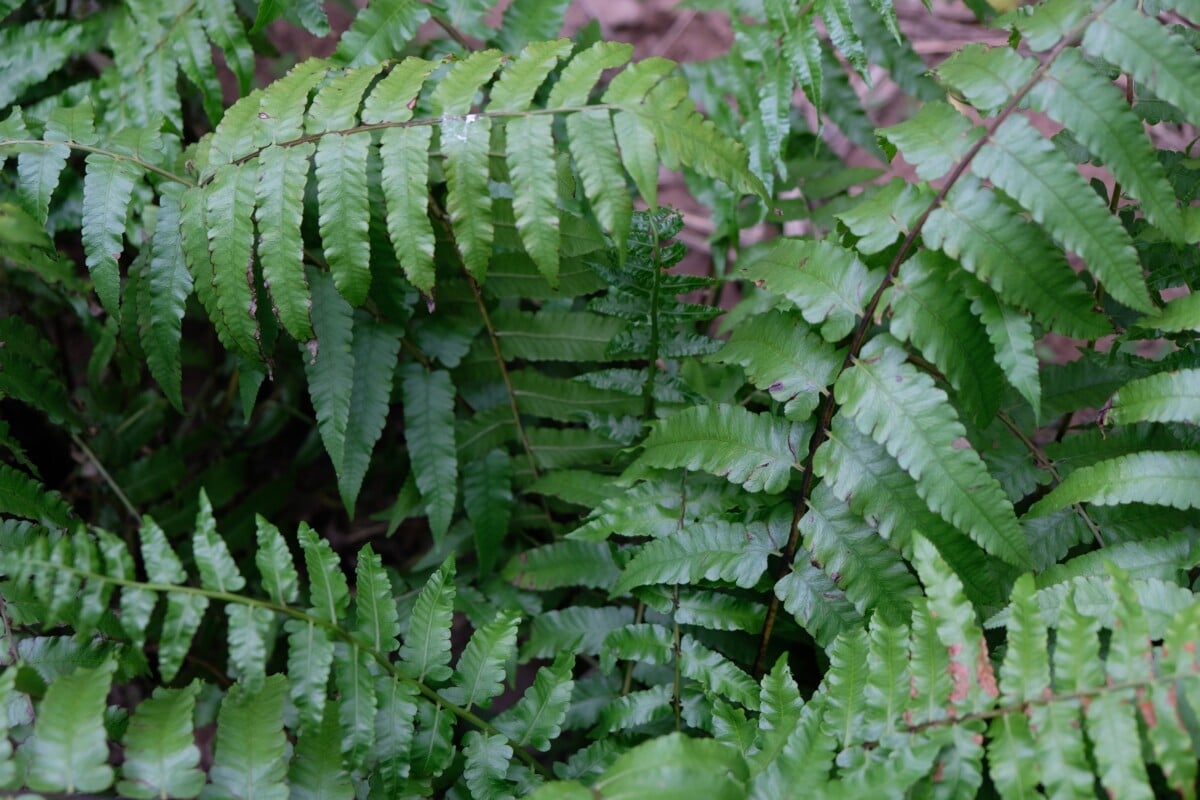
Now, ferns can be divided in very early spring, but as I mentioned previously, depending on your hardiness zone, you may have a very short window to do so. For that reason, waiting until fall, after the first frost, is the ideal time to divide ferns.
6. Hosta
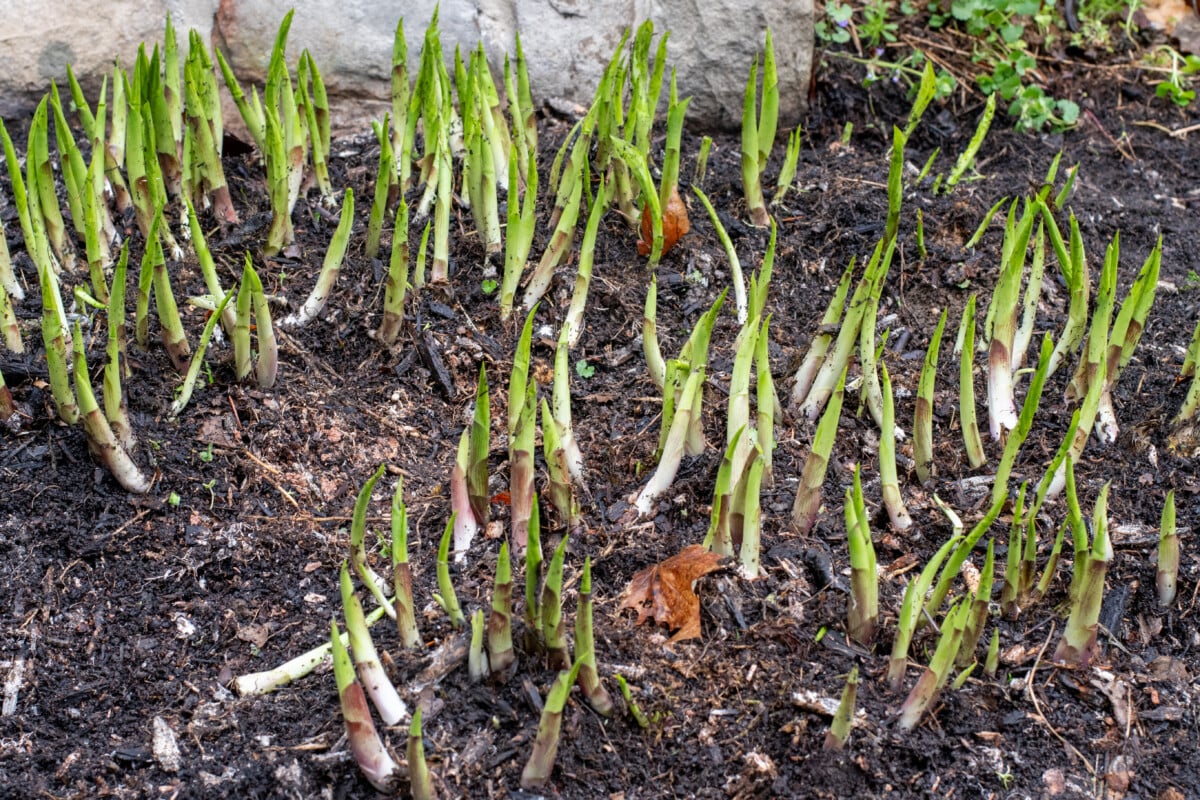
If you read Mickey’s piece on perennials that should be divided in the spring, you’ll notice that hostas were on her list. These again fall into the category of very early spring or fall for division. I find that hostas are more suited to fall division mainly because I have a better idea of how large they have become and if there are any bare spots.
7. Peony

Peony rarely needs to be divided at all. They are one of the most unfussy plants going, and as such can go a decade or more before they need to be split. Because they get growing early in the fall, if you genuinely need to divide them, wait and do it in the fall. In the meantime, here are a few things you need to do after your peonies bloom.
8. Hellebores
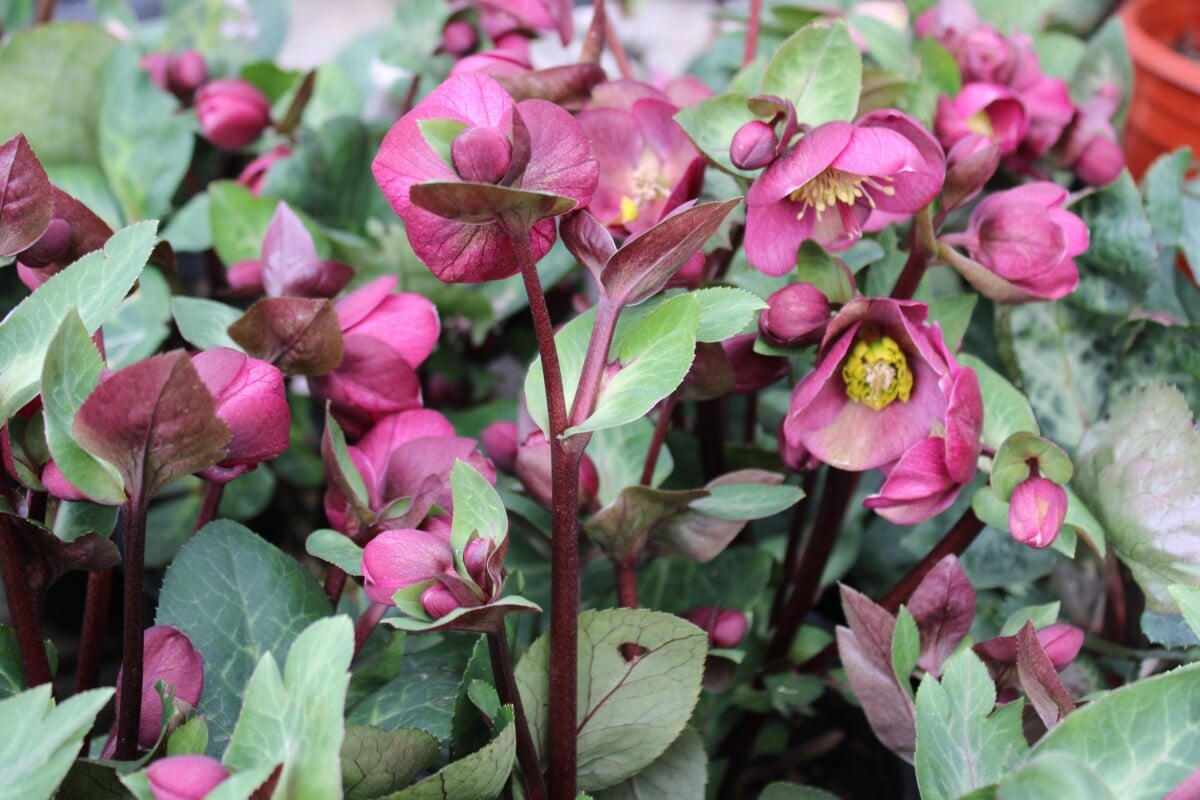
Often known as Lenten roses, as that’s the time they bloom, hellebore rarely needs to be split. They are well-behaved and compact for the most part, but if you want to divide them to manage their growth or to “shop” for new plants in your garden, it’s best to wait until later in the summer or fall to divide the plants.
9. Creeping Phlox
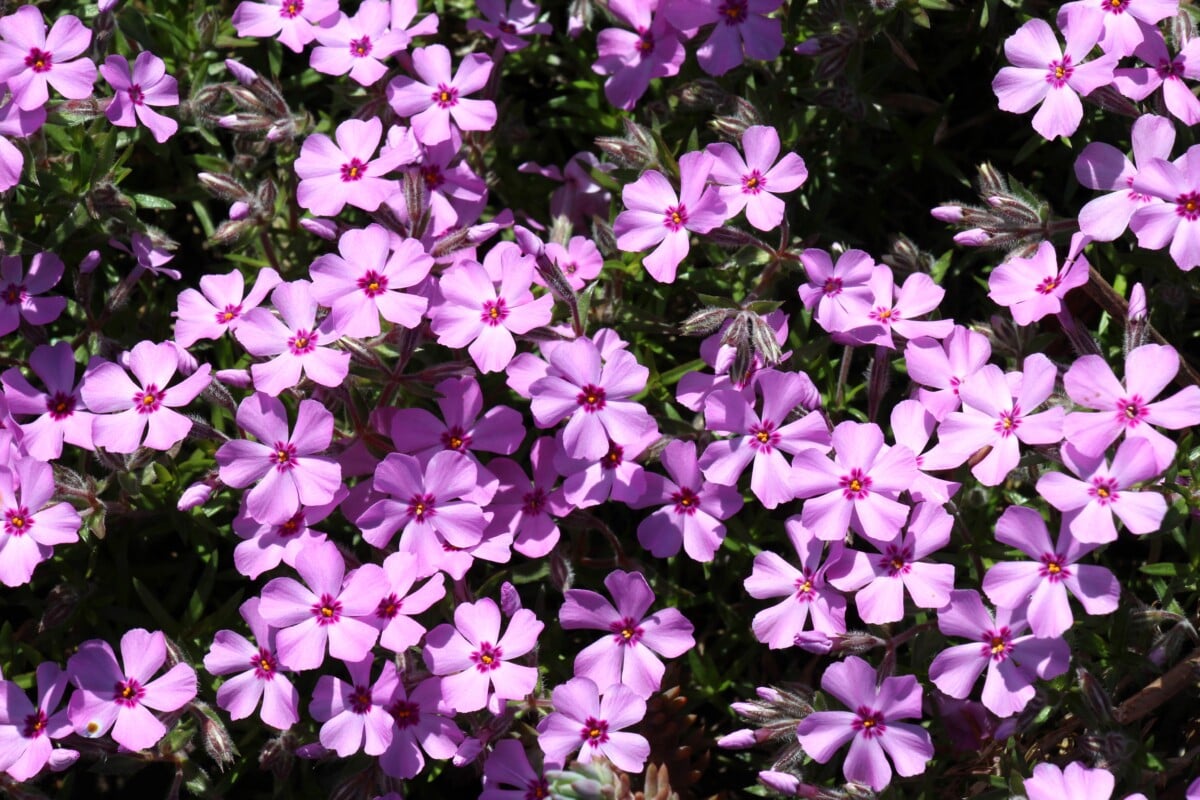
This early-blooming ground cover will need to be split every two to four years to keep it flowering and prevent it from growing beyond its borders.
10. Lily of the Valley
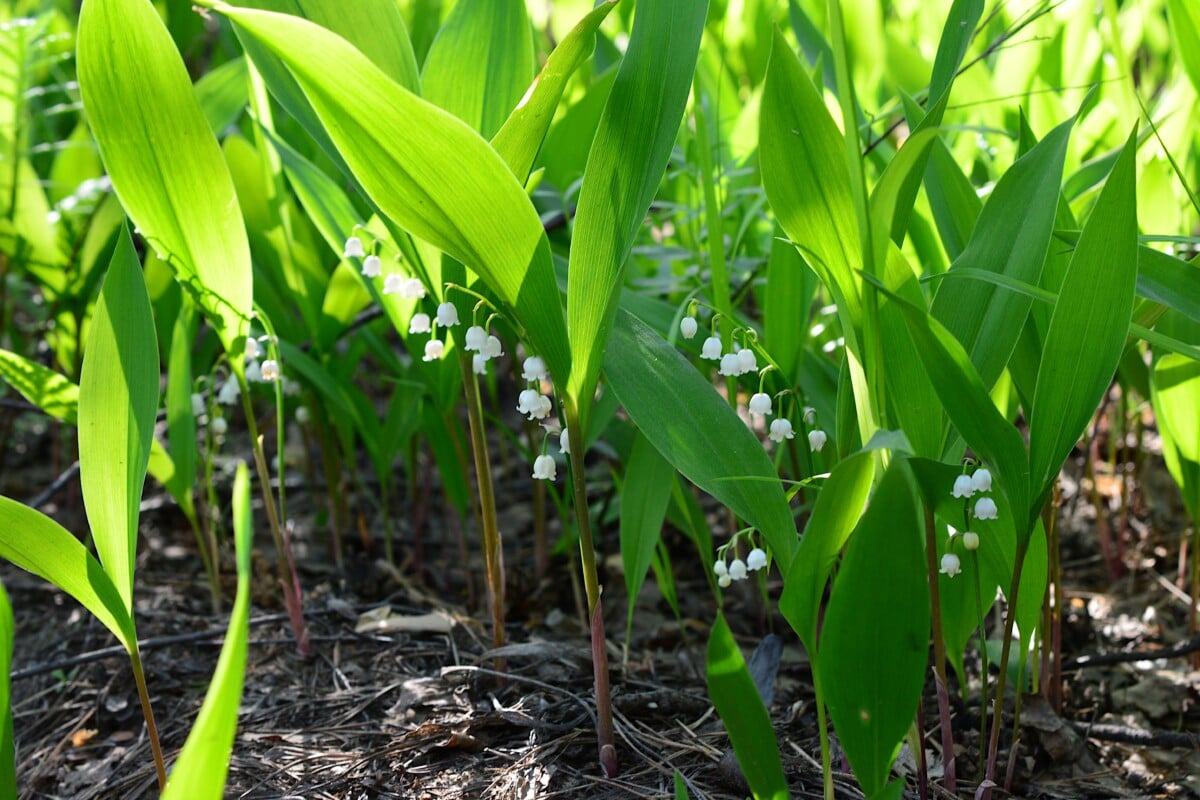
Lily of the valley, my favorite spring flower, can be quite aggressive once it finds a spot it likes. So, it’s a good idea to divide them and thin them out every 3-4 years. These early spring-blooming flowers will do best if you split them later in the season, once they have finished blooming.
11. Bearded Iris
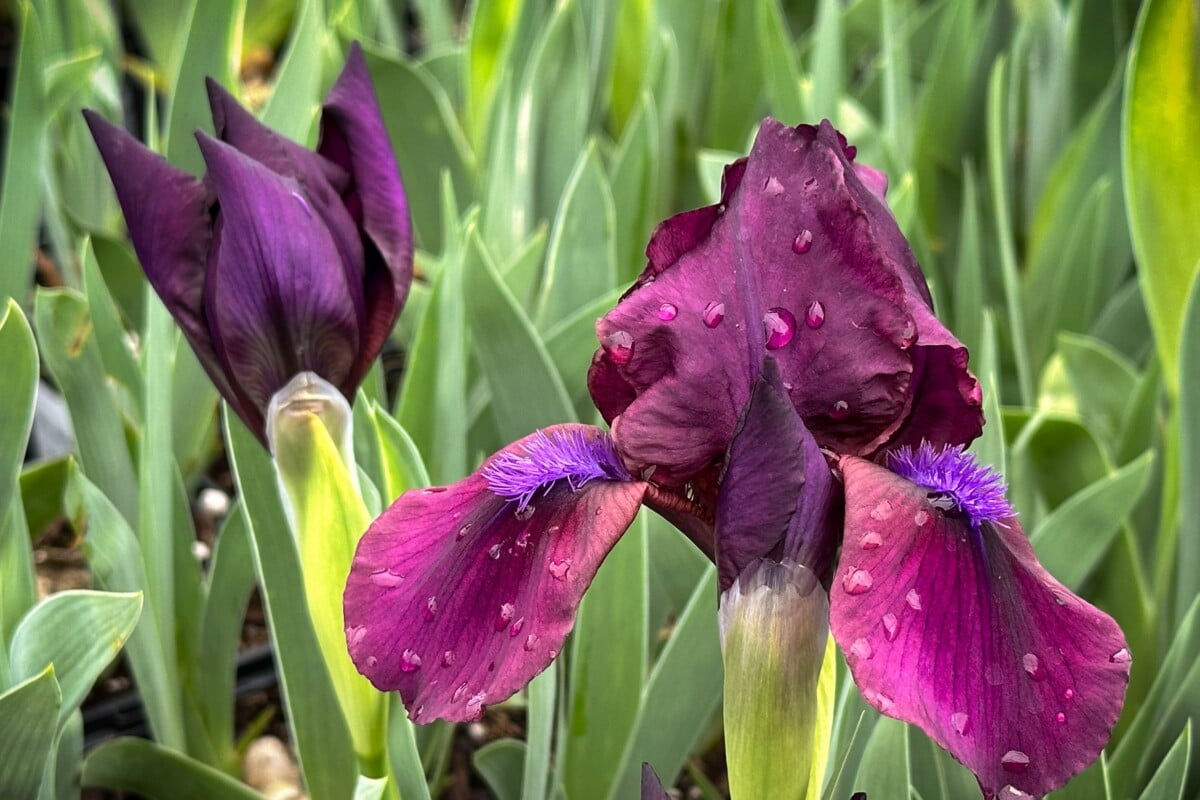
This is another perennial that showed up on Mickey’s list of plants to divide in early spring. But like hostas and ferns, if you don’t catch bearded iris as soon as they begin to emerge, you’ll have to wait until fall. In my book, it’s just easier to wait until fall.
12. Siberian Iris
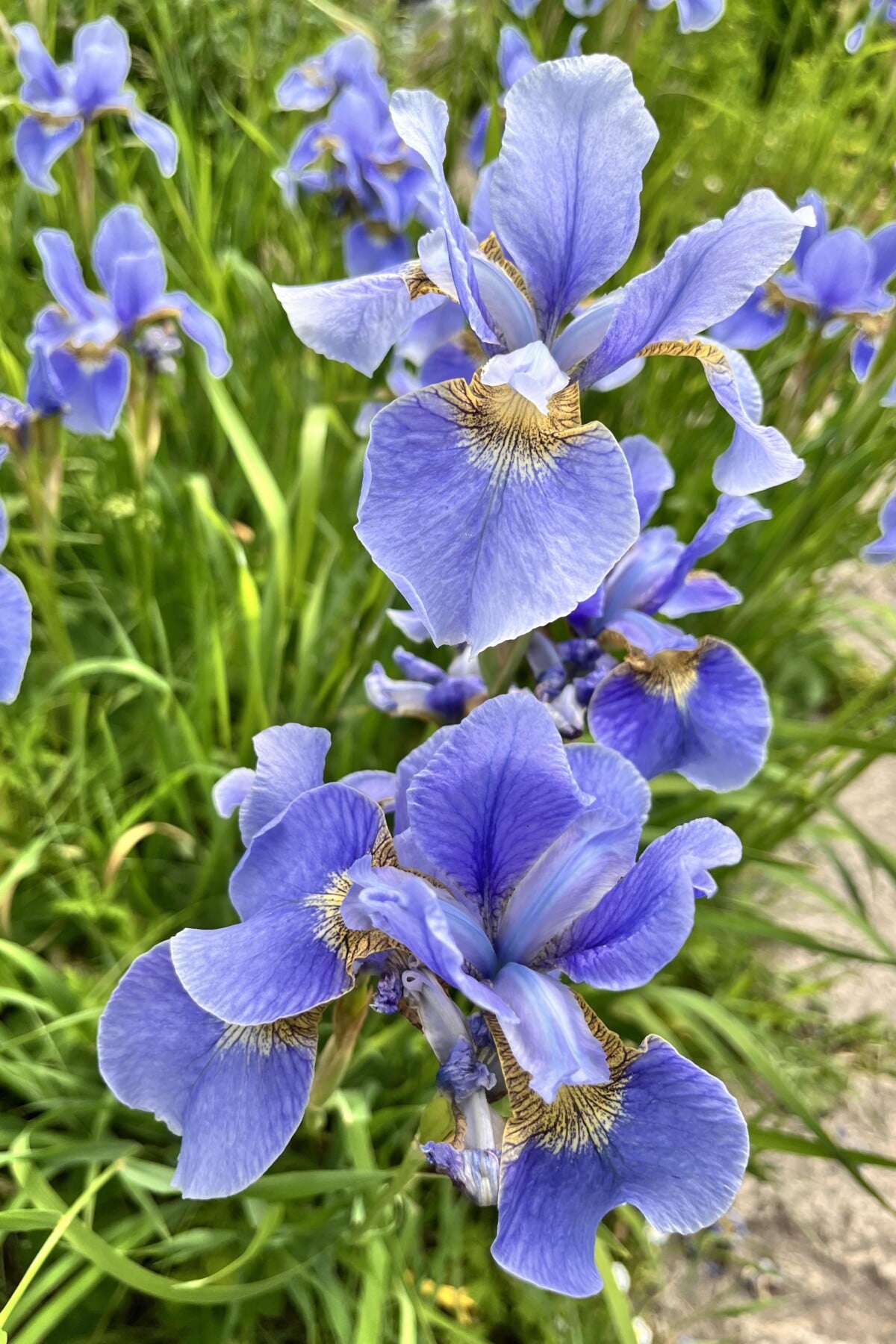
Siberian iris start blooming just as bearded iris are finishing up. Both will benefit from division every three to five years. Waiting until fall allows you to determine areas of the rhizomes that are no longer blooming because they’ve become too crowded or woody. I also wrote this more in-depth article to troubleshoot why your irises might not be blooming and how to fix it.
A Good Rule of Thumb – Spring and Early Summer-Bloomers
Obviously, this list is by no means exhaustive. I just wanted to cover some of the more common perennials. But you don’t need an exact list to determine the best time to divide whatever perennials you’re growing. A good rule of thumb is to divide spring and early blooming plants in the fall, so anything that blooms in the first half of the growing season.
The plants will be much happier if left to grow this time of year and divided later in the season, once they have finished blooming. Perennials that flower in the heart of the summer and later are good candidates for spring division.
Of course, like with most perennial gardening, your hardiness zone plays an important role, too. If you live in a warmer area of the country with mild winters, you likely have a longer stretch in which to divide perennials as winter comes to an end and spring begins. Lucky.
Get the famous Rural Sprout newsletter delivered to your inbox.
Join the 50,000+ gardeners who get timely gardening tutorials, tips and tasks delivered direct to their inbox.