

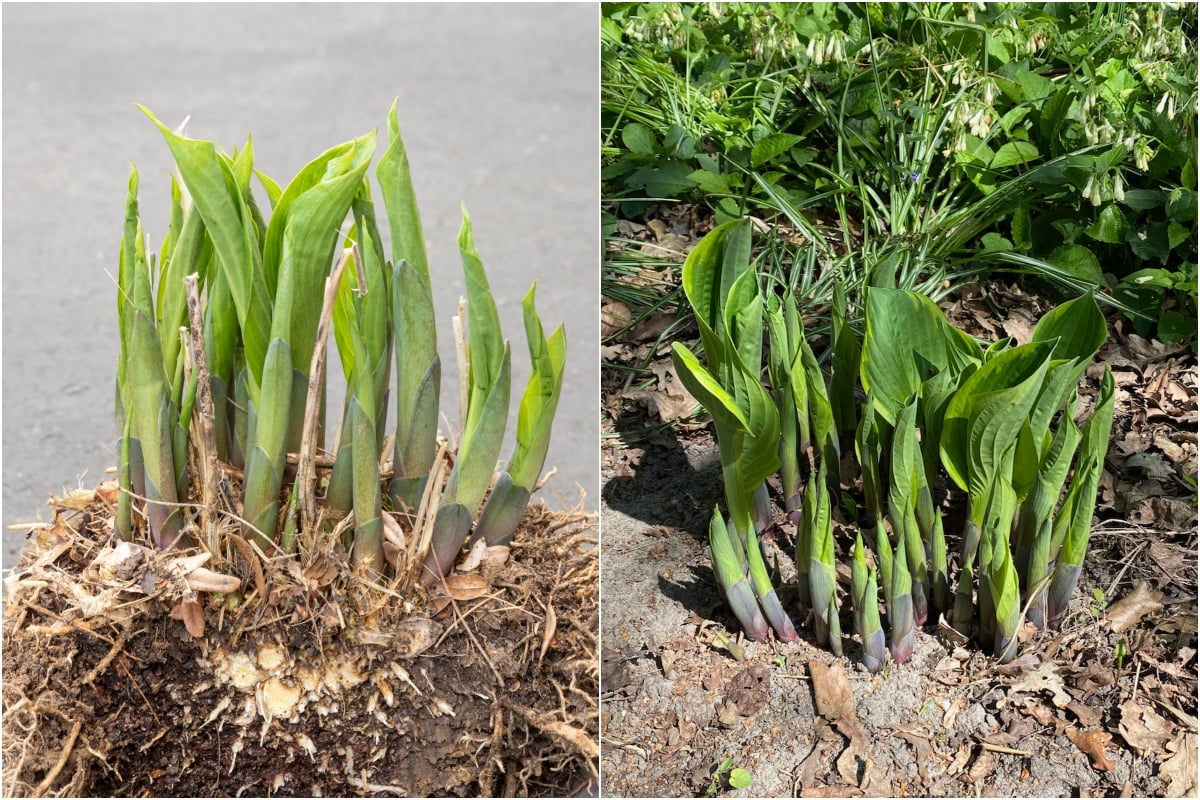
As soon as spring rolls around, you’d think I’m running a plant nursery out of my suburban back yard. Surprisingly, I’m not. (I’ve never sold plants, but did my fair share of plant swaps.) Yet if you were to judge by the number of baby plants I have on stand-by, you’d be forgiven for believing that I’m getting ready for my big store-opening day.
This time of year, while I’m waiting for my newly-planted seeds to start germinating, the bulk of my extra plants comes from divisions.
Early to mid-spring is the perfect time to make more plants by dividing the ones you (or your neighbors, friends and family) already have growing in the garden. That is genuinely the only disadvantage I can think of when it comes to this method of propagation: you must already have a plant to divide.
As for the advantages of dividing perennials, please let me count the ways (then stop me when you’ve had enough):
- Everything about it is free. There’s no need to buy anything. We don’t need any extra compost like we do with cuttings. We don’t need any extra kit (such as seeds, trays, propagation lights, etc.) like we do when we start seeds. We simply need a shovel, a pair of shears and half an hour to spare.
- Division is the most straightforward way of making more plants. All we have to do is dig out a plant, cut it into several pieces and re-plant said pieces. That’s it!
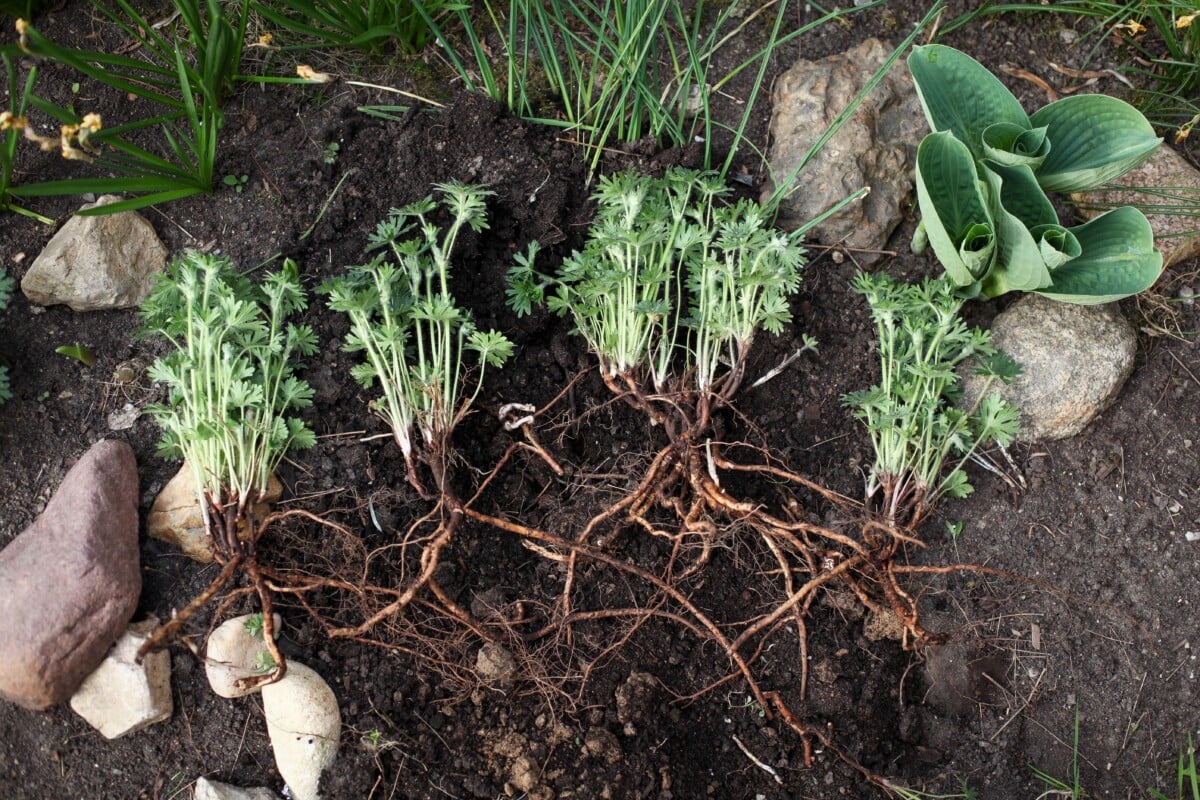
- When we divide, we get a genetically identical new plant to the one we started with. This is not always guaranteed when we start a plant from seed.
- There’s no waiting when we divide plants. (I’m currently pacing up and down and checking on the seeds that I planted three weeks ago. Endless waves of disappointment wash over me daily when there’s not a seedling in sight.) Sure, the new divisions may take a bit longer to bounce back; but it won’t take nearly as long as seedlings and cuttings do to reach maturity.
- Division gives overcrowded perennials a new lease of life. And it’s often the best way to rejuvenate a mature, tired plant.
And before I rest my case in the court of public (gardening) opinion, here’s a short list of popular perennials that we can (some might say should) divide in spring.
1. Bearded irises
I’ll start with irises because it’s the last chance saloon for dividing them. Their fan-shaped leaves may just be poking out from the rhizomes now, but they’ll shoot up really fast once the days start getting longer.
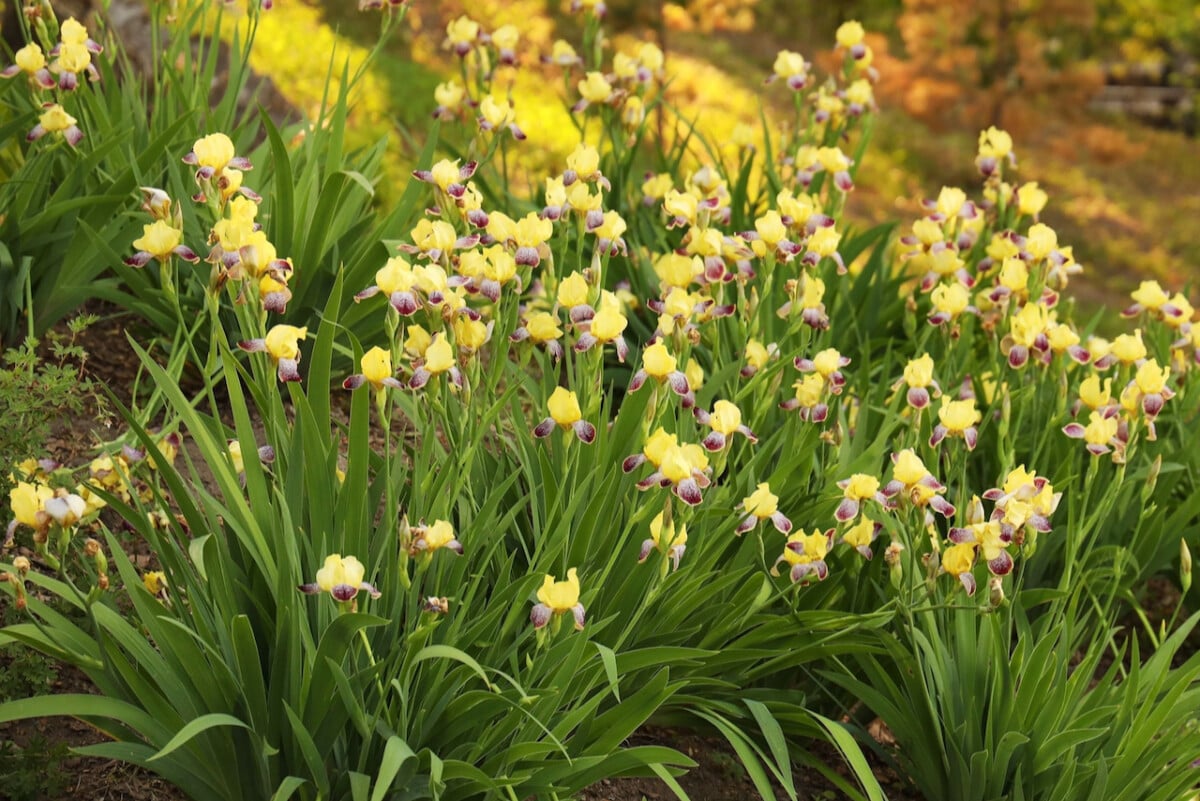
So if we want to enjoy blooms this year, now’s the time to get the rhizomes a bit of breathing space. Often, overcrowded rhizome clumps have diminished blooming abilities, so the best way to give them a boost is to divide them.
Dig everything out – or just stick to the overcrowded part – then inspect the rhizomes. If there are any that are shrivelled up, feel rotten or have signs of being snacked on by iris borers, we can remove and discard them.
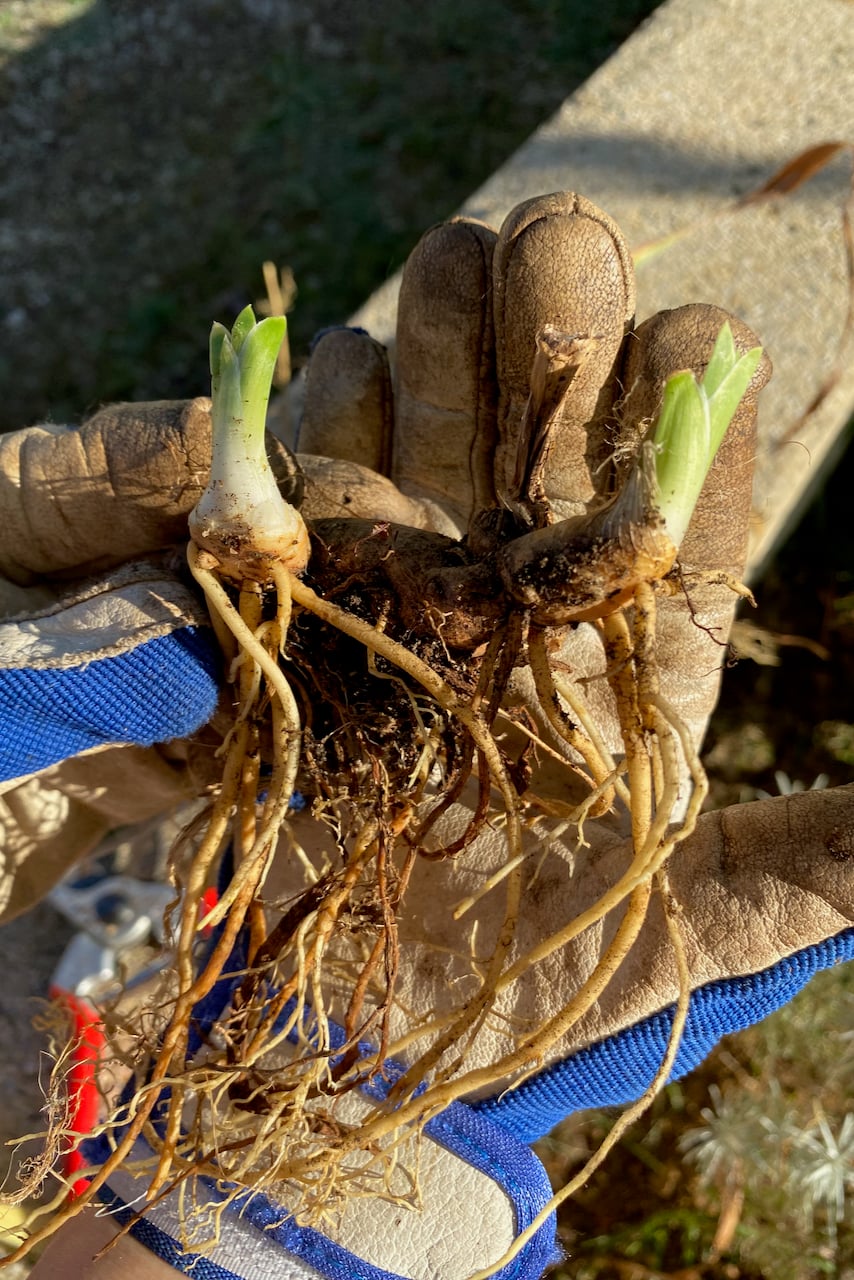
As for the healthy clumps, pull them apart and see where they come loose naturally. That’s where we can cut them (or stick to pulling them apart).
When replanting the divisions, we have to do it at the exact same level they were growing at before we dug them out.
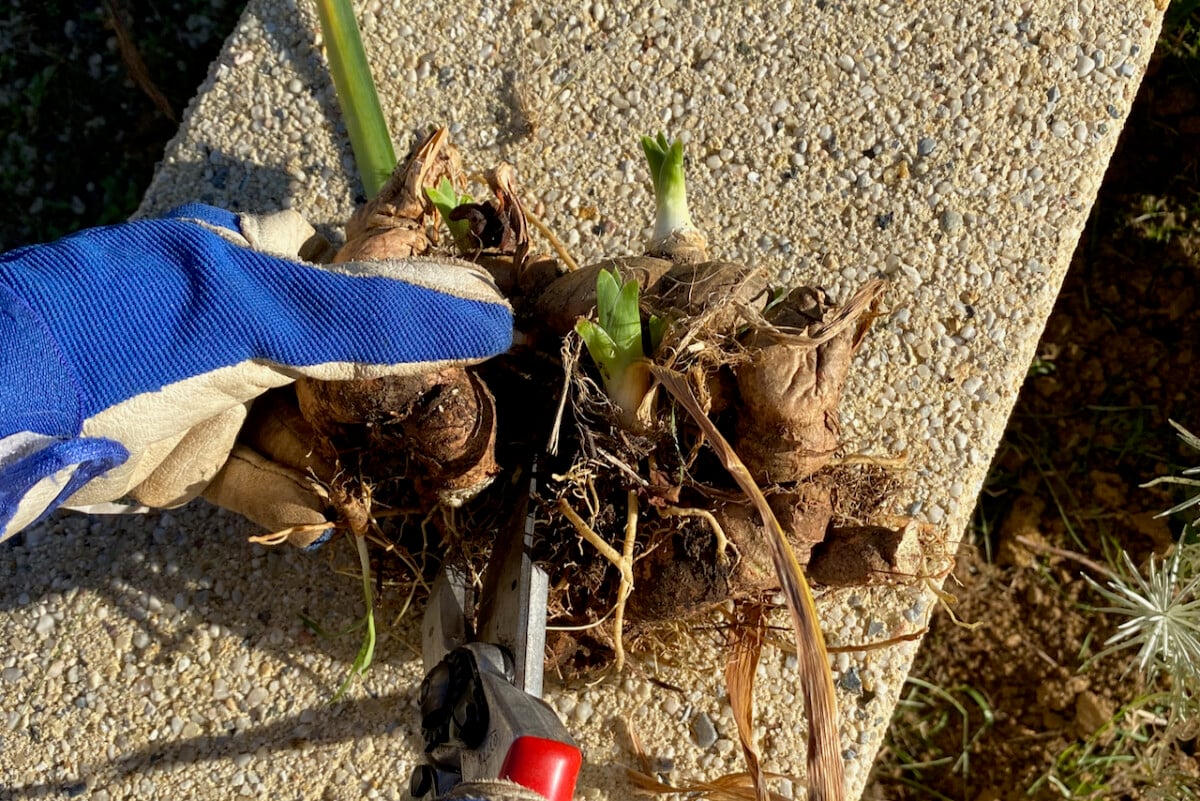
For a more thorough tutorial on dividing irises (including step-by-step photos), have a look at this article I wrote a few years ago.
2. Saffron crocus bulbs (Crocus sativus)
Let me make this clear: we won’t normally be dividing bulbs in March.
For one, spring bulbs (think daffodils, tulips, hyacinths and crocuses) are just barely starting to bloom. And summer bulbs are not even in the ground yet, since it’s still too chilly to plant them in most gardening zones.
So what bulbs are left, Mickey? Fall bulbs, naturally.
Two popular bulbs that bloom in the fall are colchiums (also known as fall crocuses, although they’re not crocuses at all) and saffron crocuses.
I wrote an entire article on why you should plant saffron bulbs, and harvest the spice that is – ounce for ounce – more expensive than gold.
Here’s what the saffron bulbs look like when they’re in bloom (in October and November).
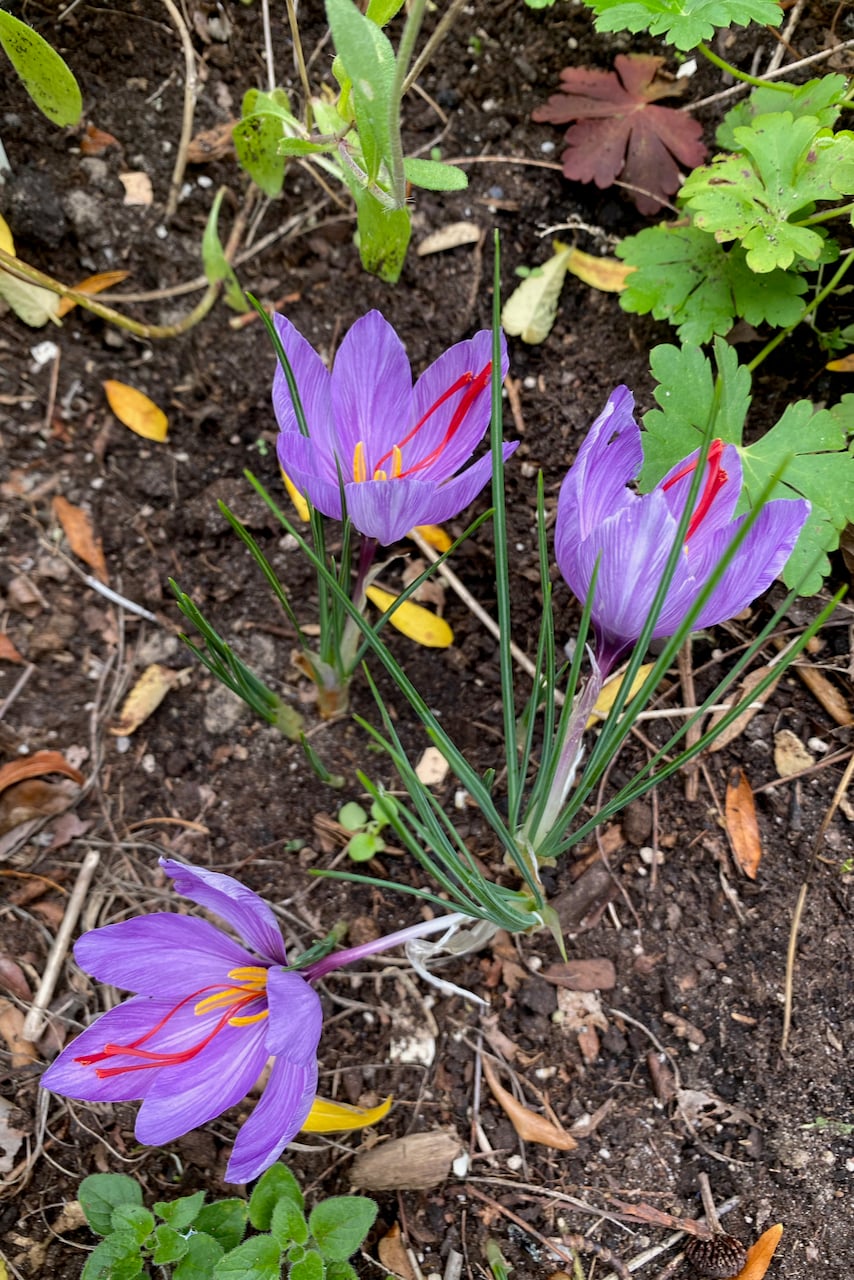
The leaves are still small, but they’ll grow very long over the winter, allowing the bulbs to capture and store energy. By spring, the foliage will have started to die back. So before it disappears without a trace for the better part of six months, now’s the time to divide the bulbs.
I’ve started with a collection of ten saffron crocus bulbs; and after three years, I must have dug out over fifty healthy mature bulbs.
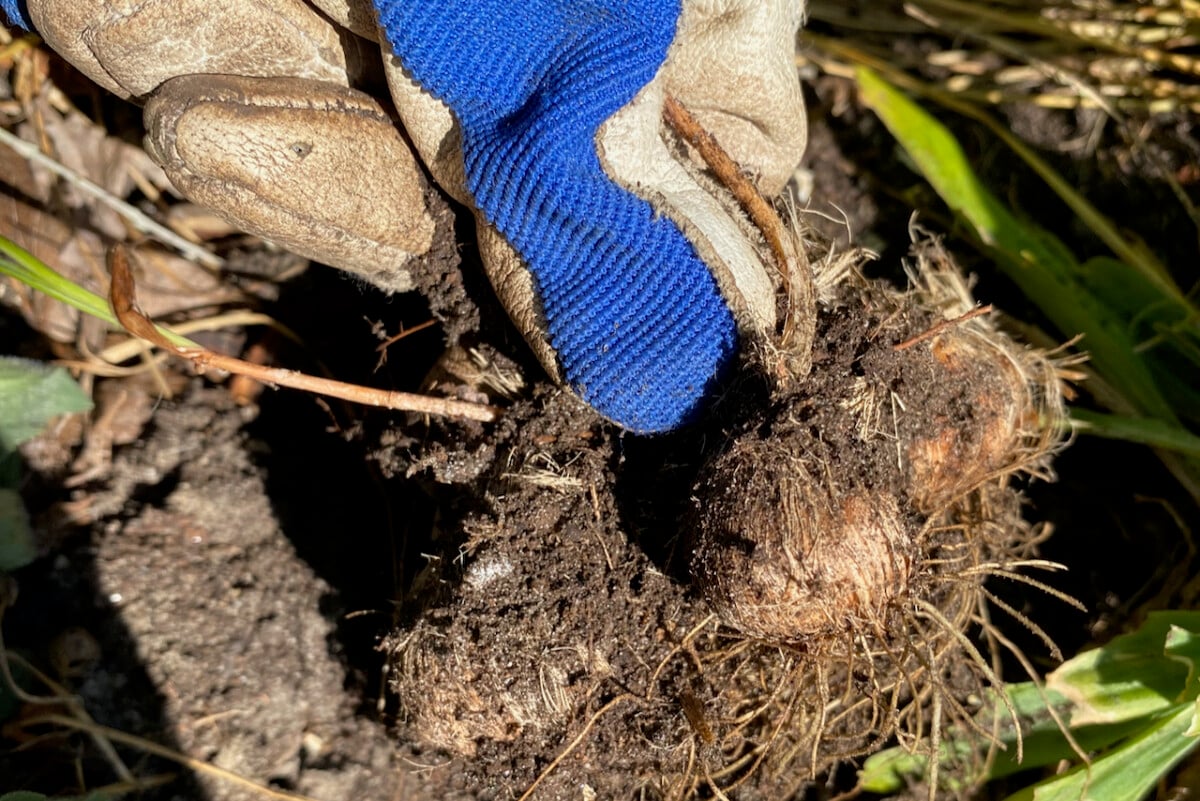
They’re really good at naturalizing. Unlike with irises, I’m not dividing them as a troubleshooting method. I simply want to re-plant them in other places and have them spread in other parts of the garden.
3. Helenium (Helenium autumnale)
As the Latin name hints at, heleniums are autumn-blooming flowers. They come into full bloom at the end of August and early September. But they can start blooming much earlier (as early as late June) and keep blooming until the frost takes over.
So spring provides the best window of opportunity for us to divide these long-lasting herbaceous perennials.
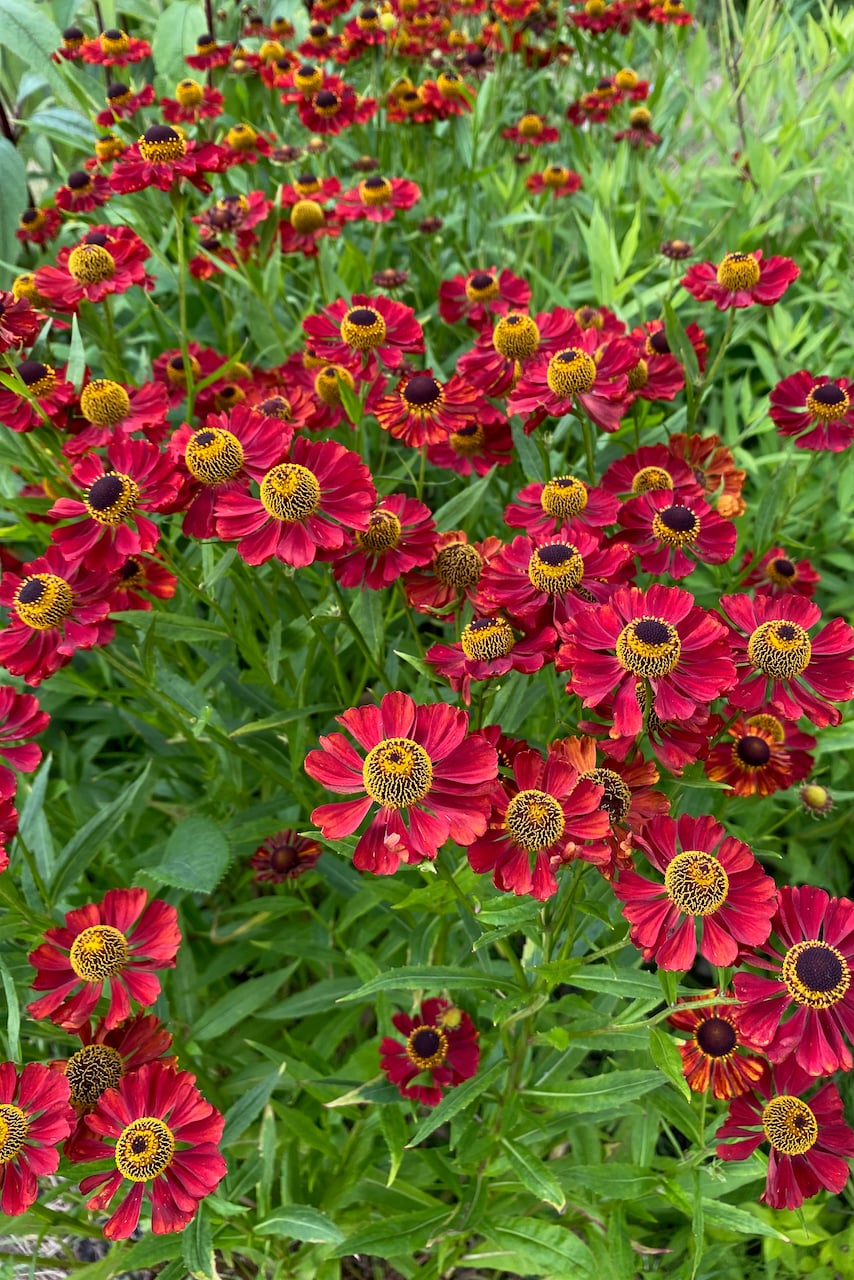
Dig out around the perimeter of the crown, then lever the entire root structure up using a shovel. You can divide it in half, three parts or four, depending on how mature the main plant is. If in doubt, go for half. Then re-plant everything in your desired spot and keep it well watered.
4. Coneflower (Echinacea)
Just like heleniums (above) and rudbeckia (below), coneflowers are considered “height of summer” bloomers. Yes, they start blooming earlier. But July and August is when they hit their stride. So now’s the best time to make out of one, many. Or at least a couple of clumps.
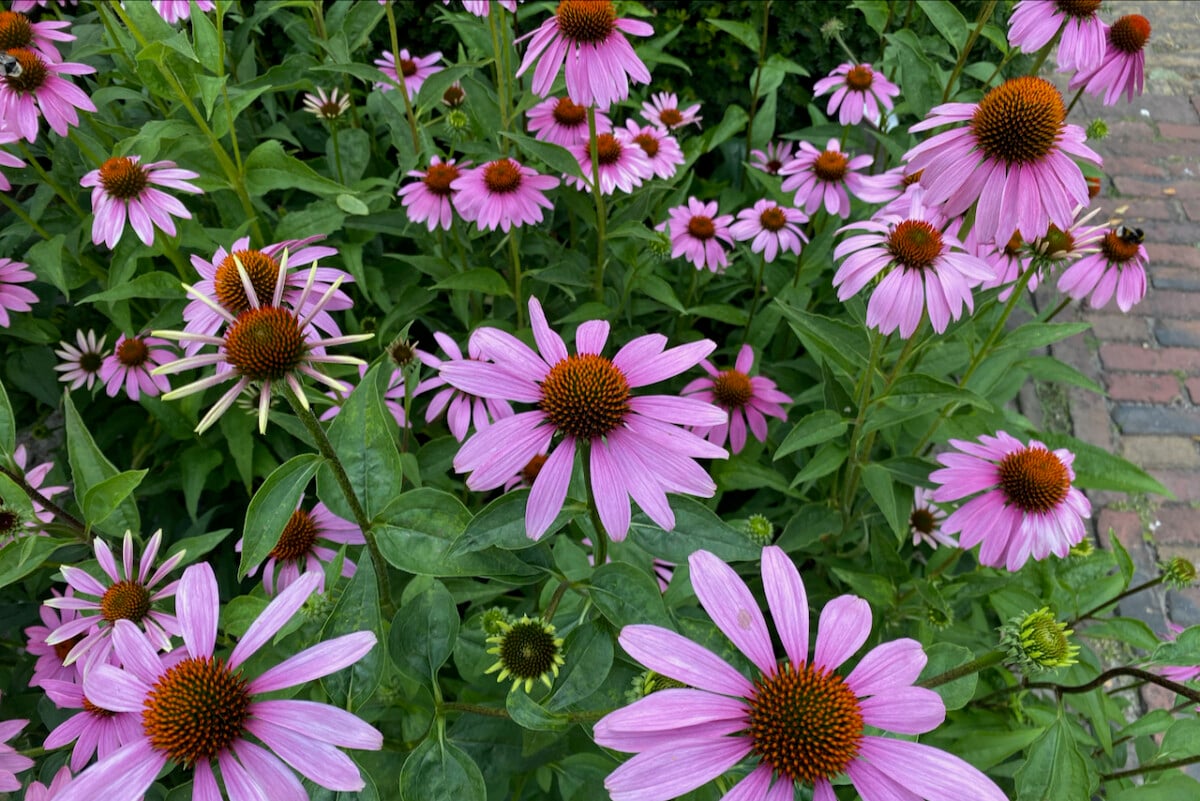
They’ll get the same treatment as the heleniums above. We have to dig them out, cut the root sections in a few pieces, then plant them back in their new location. The nice thing about spring division of later blooming plants is that we’ll get flowers the same year.
5. Black-eyed Susan (Rudbeckia)
If your rudbeckia is timidly sticking out of the ground this March, then it’s strong enough to divide. I wrote an entire article dedicated to dividing black-eyed Susan (albeit in the fall). So I’ll let you read that one for tips and a bit of extra bonus surprise from when I dug everything out.
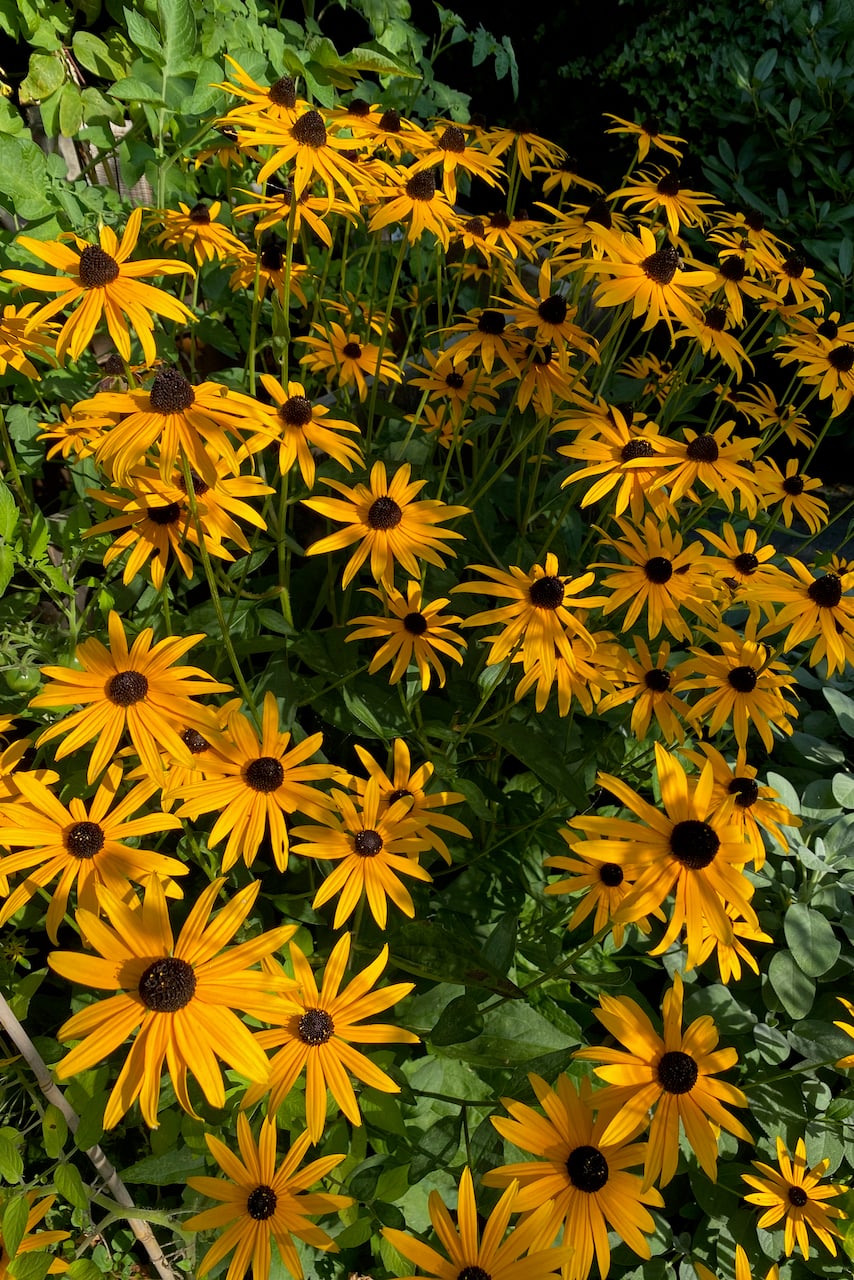
Let me give you the gist now: lift, split, replant. That’s pretty much it, as long as you remember to water all the divisions to help them bounce back faster.
6. Canna lilies
It may seem hard to believe that the super lush foliage and the tropical-looking blooms of the canna lilies come from such structures as the rhizomes below, but they do.
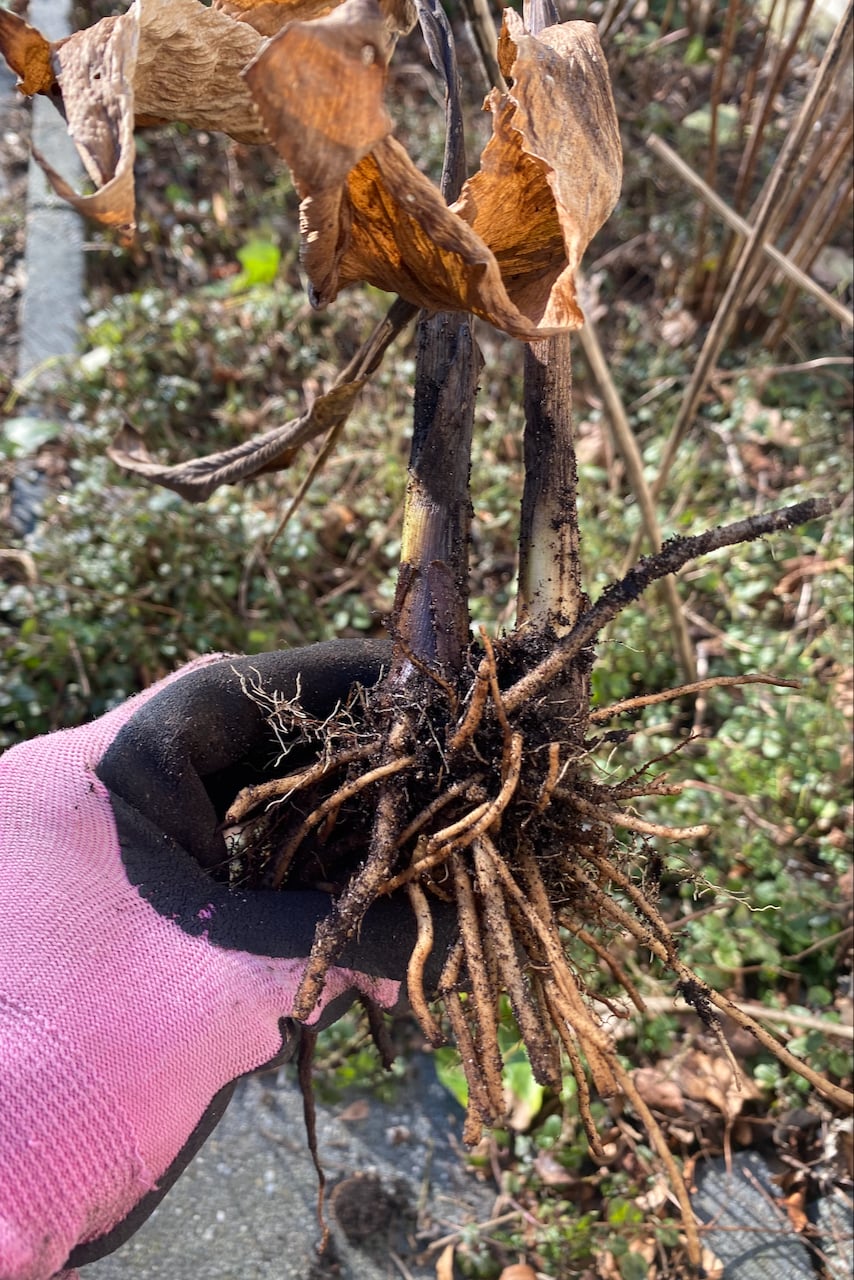
I showed you how to plant canna lilies in this article, so you’ve noticed that the rhizomes I put in the ground were much bigger. But what splits off them, naturally, looks a bit more modest.
Cannas will take a few years to fill up, so let them do that on their own. And even when they’re overcrowded, they look amazing. But if you want more cannas in more places, the best way to do it is to separate the offshoots off the mother-plant before it starts sending shoots up again in spring.
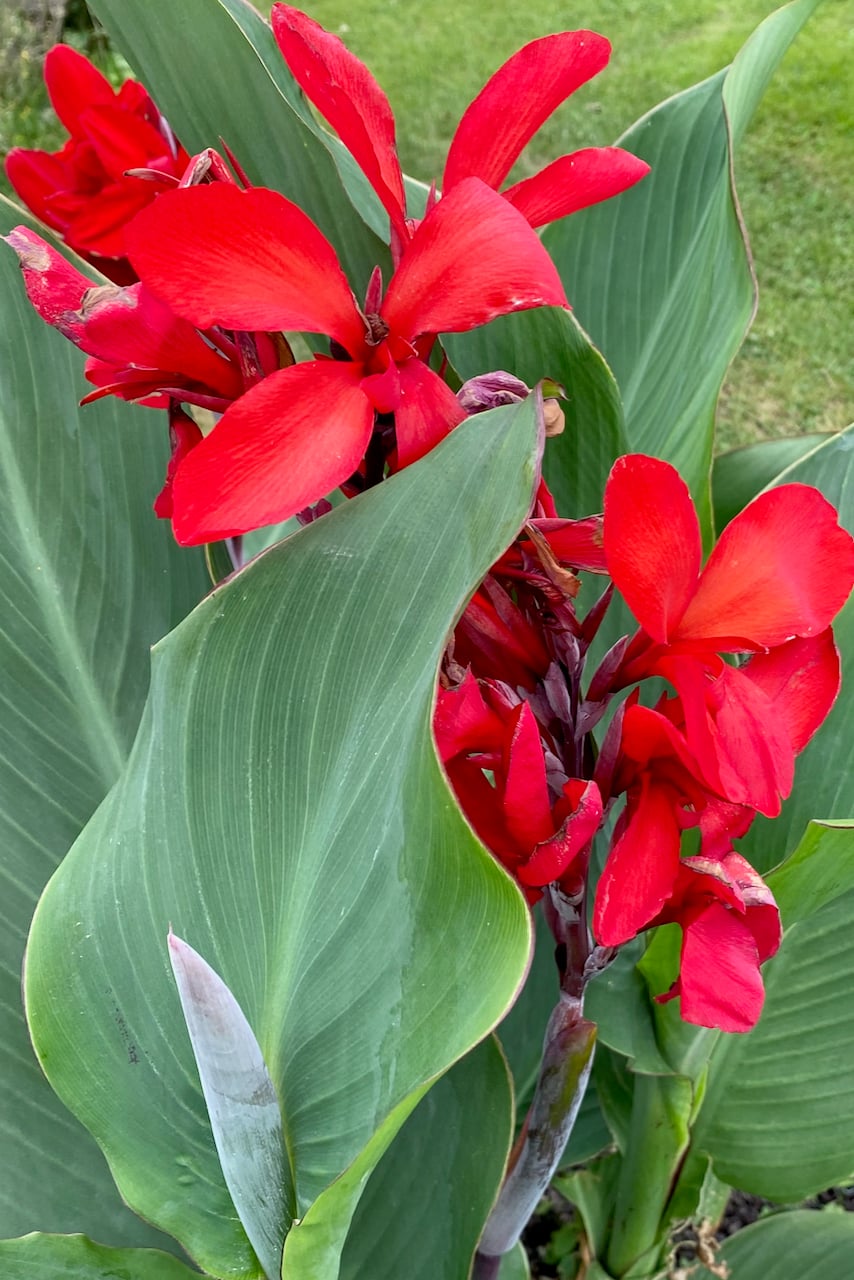
Dig everything up, but a bit more gently now since we don’t want to damage the rhizomes. Then take the new plants that have grown around the bulb and pull at them a little. If they come apart, they’re ready to go out on their own. You can plant them nearby, or start a new clump of cannas in a different corner of the garden.
7. Hostas
Our readers seem to love hostas. They’re up there in popularity with hydrangeas and lavender when it comes to garden ornamentals.
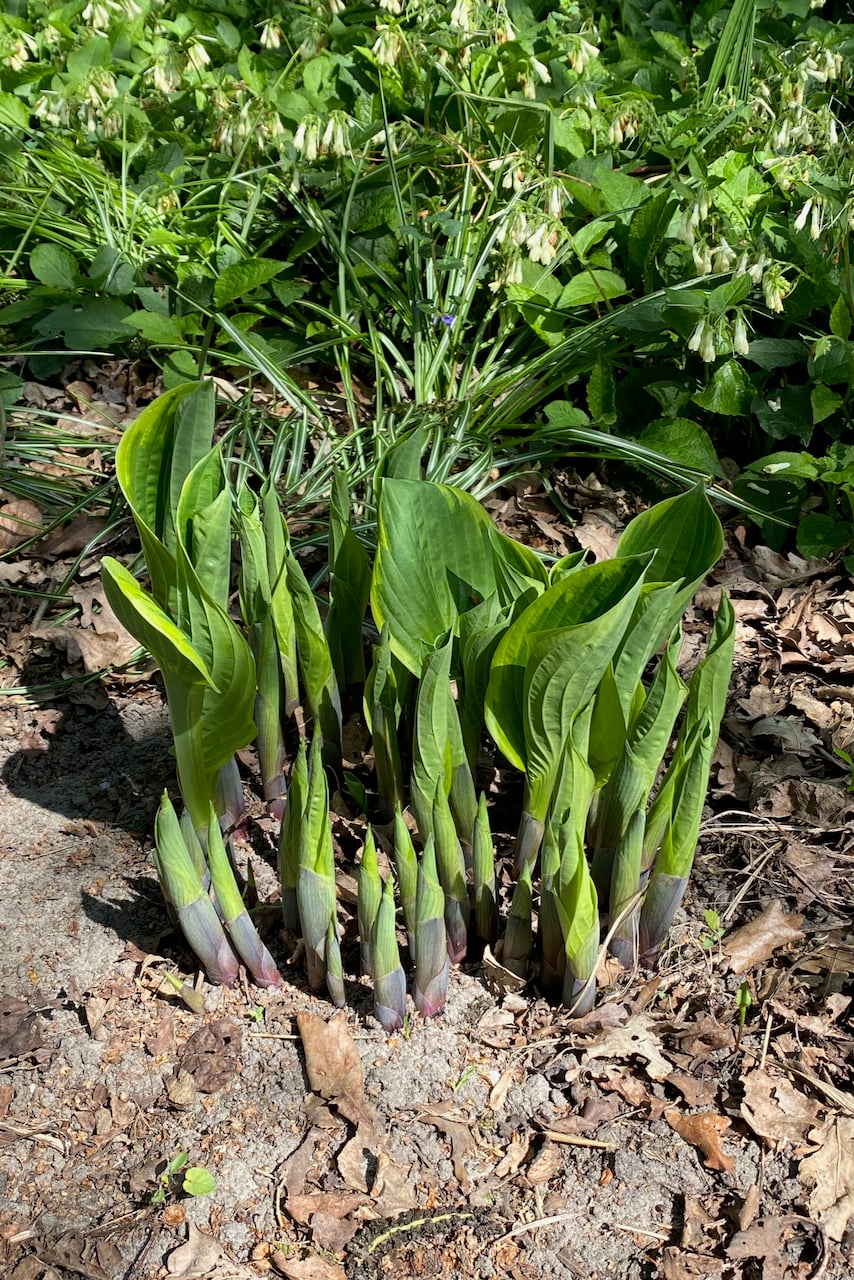
But happy hostas do have a tendency to get overcrowded. And an easy way to tell is when their leaves get smaller and smaller, even on mature plants. Since foliage is one of the main attractions of growing hostas, applying the easy fix of division will get them back to normal growth patterns in a few months.
The nice thing about hostas is that we may not need to dig everything out. Often, they’ll kind of tell you where there’s a new section growing off the main plant. You’ll see a shy small plantlet a few inches apart from the mother-plant.
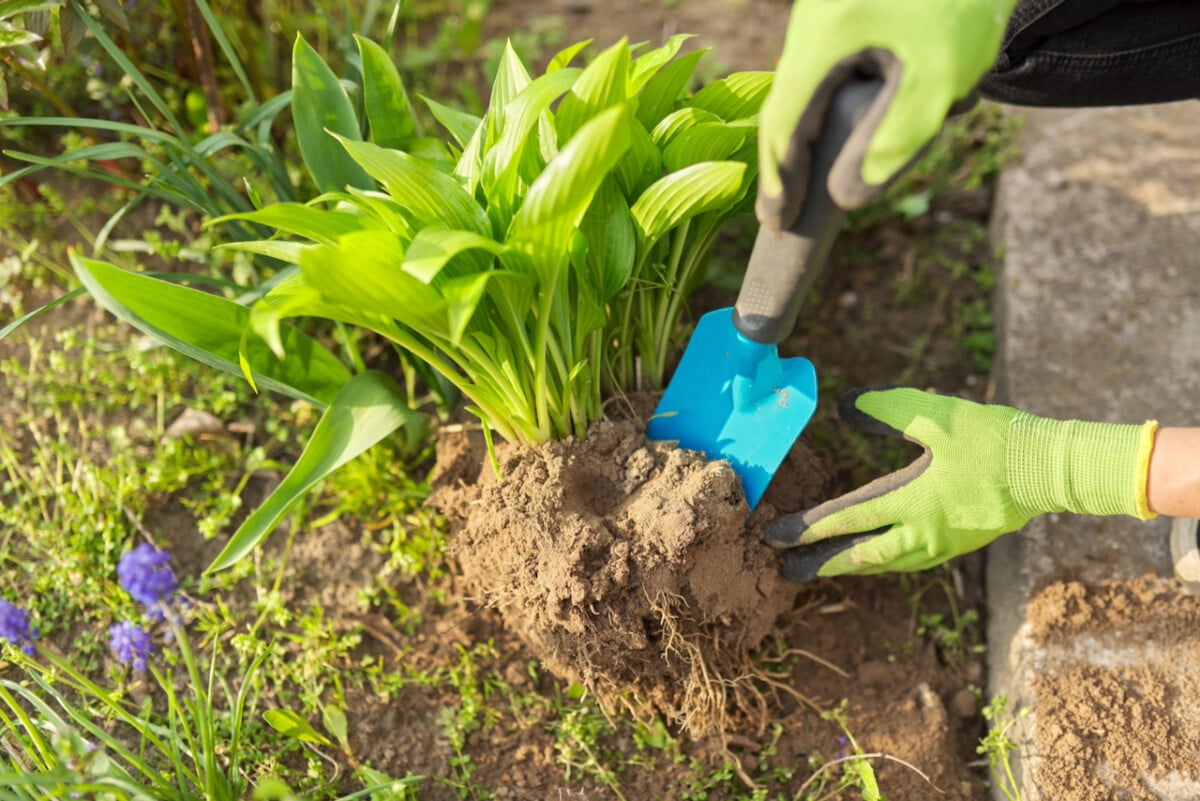
We can simply dig that section out, sever the connection to the mothership and replant the babe. We can also choose a more drastic transformation, of course. Start by digging around the perimeter of the crown, lever up the root ball using a shovel, then slice the crown as if you were slicing a cake. Replant (always at the same depth) and keep watered.
8. Asters
Asters are one of my favorite fall blooming perennials. I love their daisy-like flowers and the electric colors that they come in. And even though they’re a very long-lasting plant, they don’t require too much fussing over. However, most asters will need a reboot every three to five years.
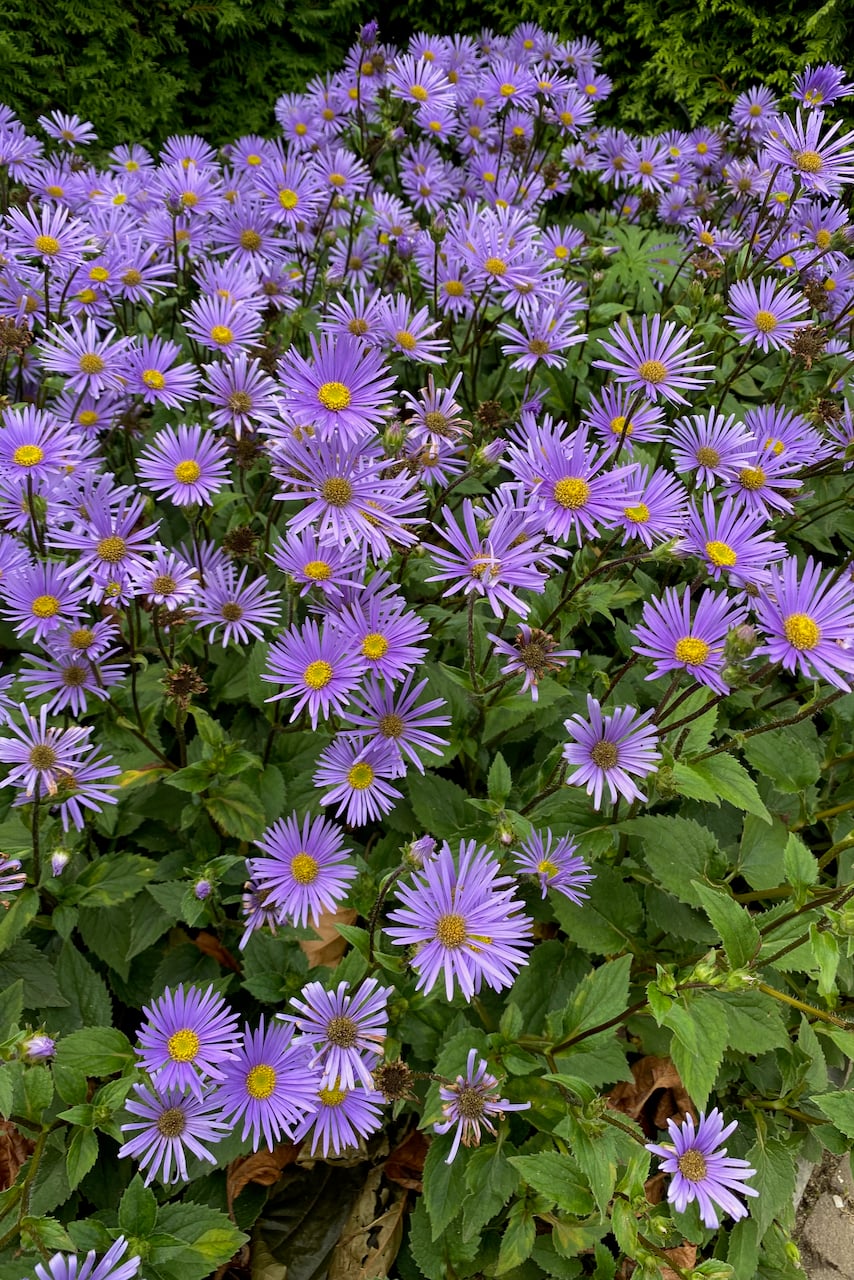
If we dig them up and divide them into smaller clumps, we’ll help this fall perennial maintain its health and vigor. The nice thing about dividing late-blooming plants in spring is that, generally, they won’t skip a flowering season. There’s enough time for them to recover and reset before they’re due to bloom. But we have to remember to keep the new divisions well watered, alright?
9. Japanese anemone
Another fall bloomer, Japanese anemones are really solid plants. I used to be under the misguided impression that they’re not so easy to divide due to their tap root structure. Until I gave it a try.
Yup, I was wrong.
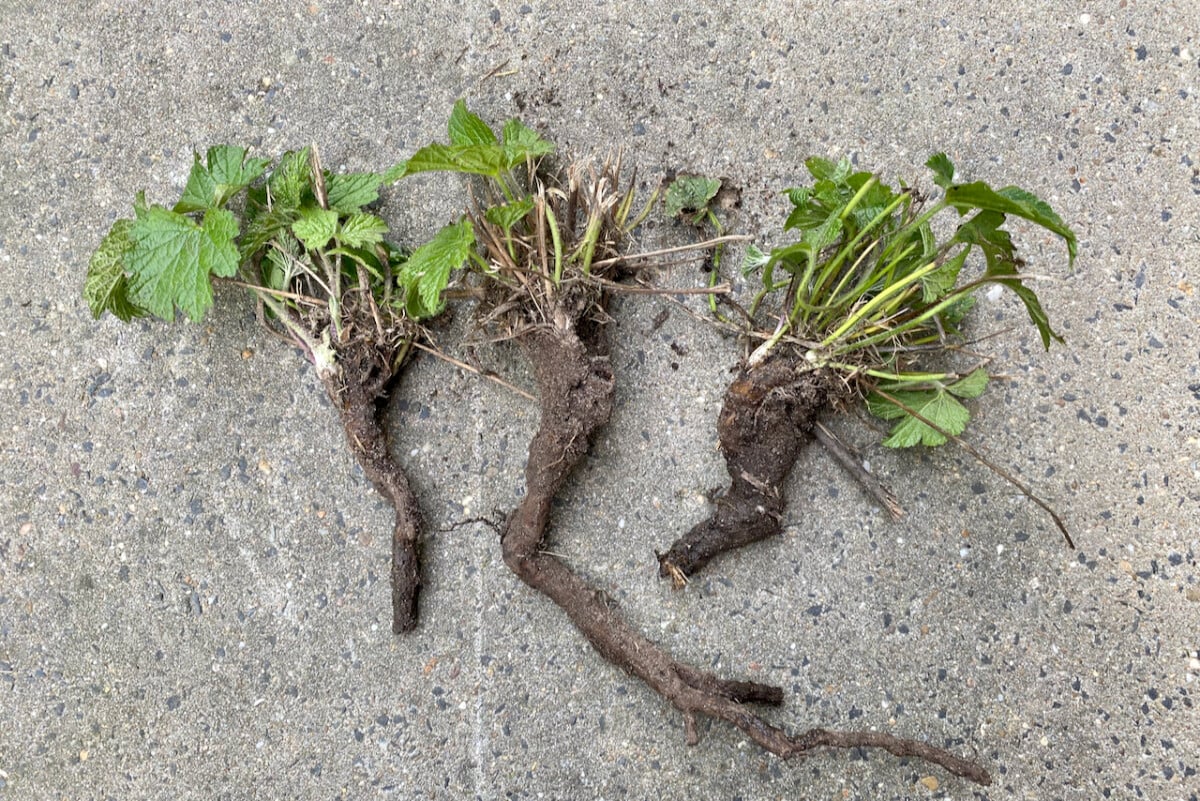
We can easily divide Japanese anemones as long as they’re a mature clump. Because we’re not actually dividing the tap root itself (impossible and foolish), but the ‘bouquet’ of tap roots that have clumped together.
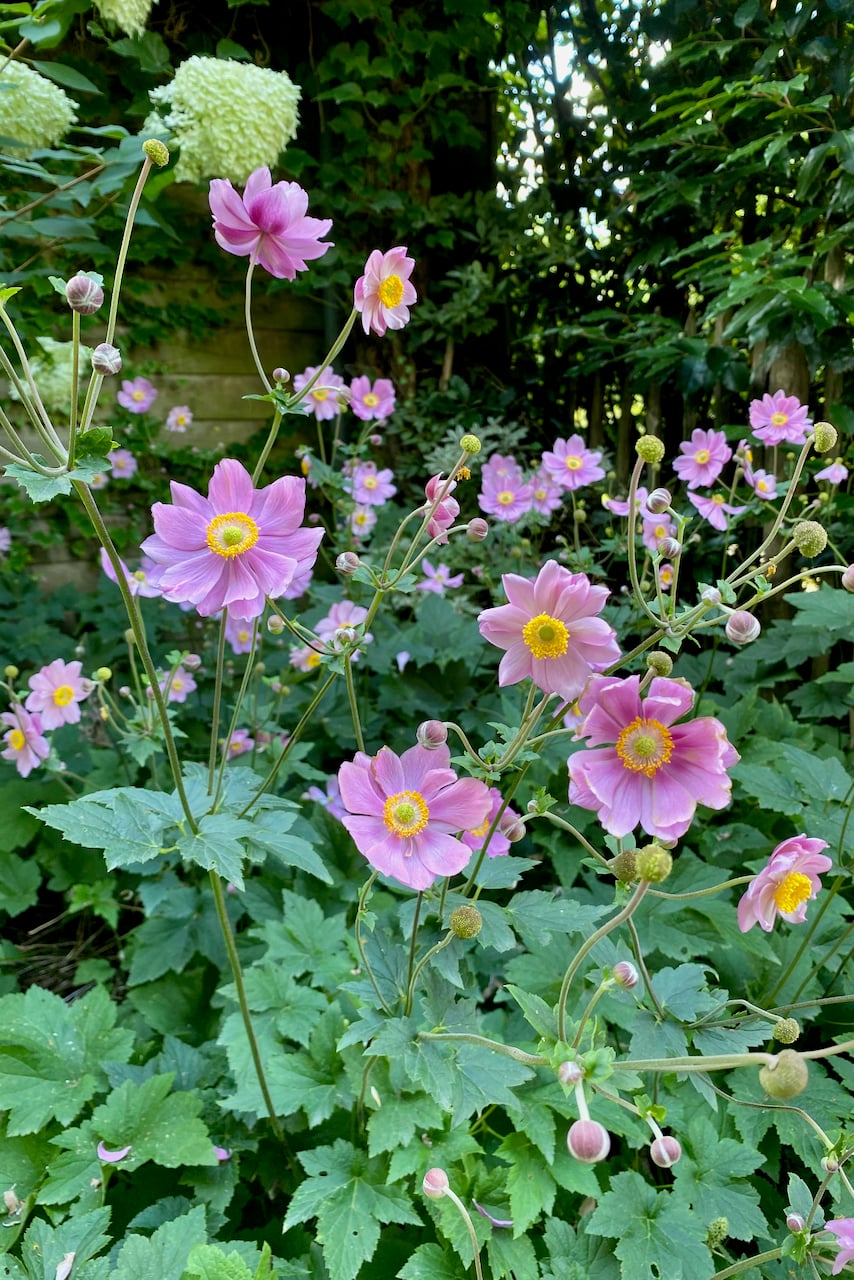
In light of this discovery, I can assure you we can just sever the bunch it in half (using a shovel, if the clump is large) and lift only that section which we’ve cut off. There’s already so much energy stored in those tap roots, even the baby plants are guaranteed to bloom this year.
10. Dianthus
Whether you call them pinks, carnations or Sweet William, plants in the Dianthus family always bring something to the table – usually in the form of a pitcher full of fragrant blooms at the height of summer.
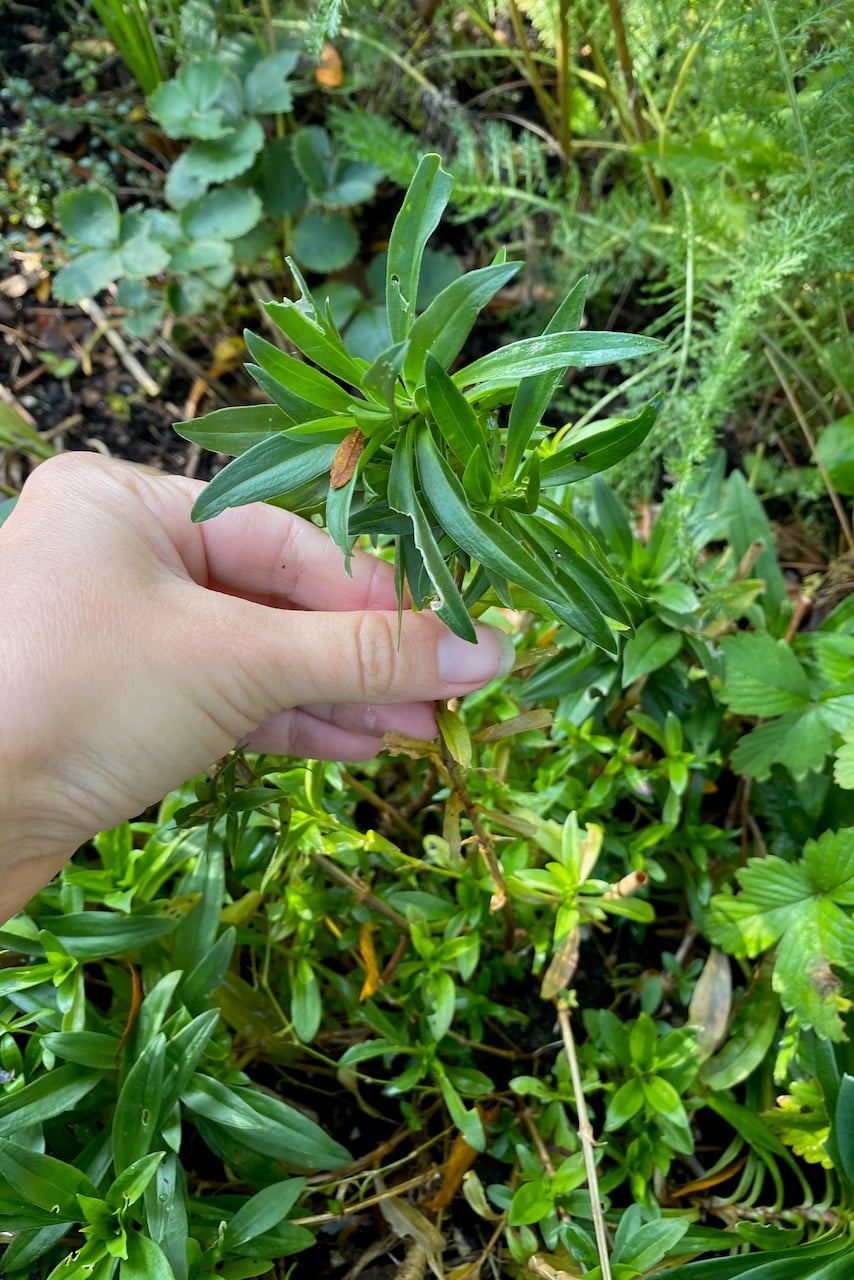
If you’re lucky enough to perennialize a dianthus (sometimes, during harsh winters, it dies out completely unless under cover), the ‘pups’ that it sends out will be the reward. The nice thing is that you don’t even have to dig anything out.
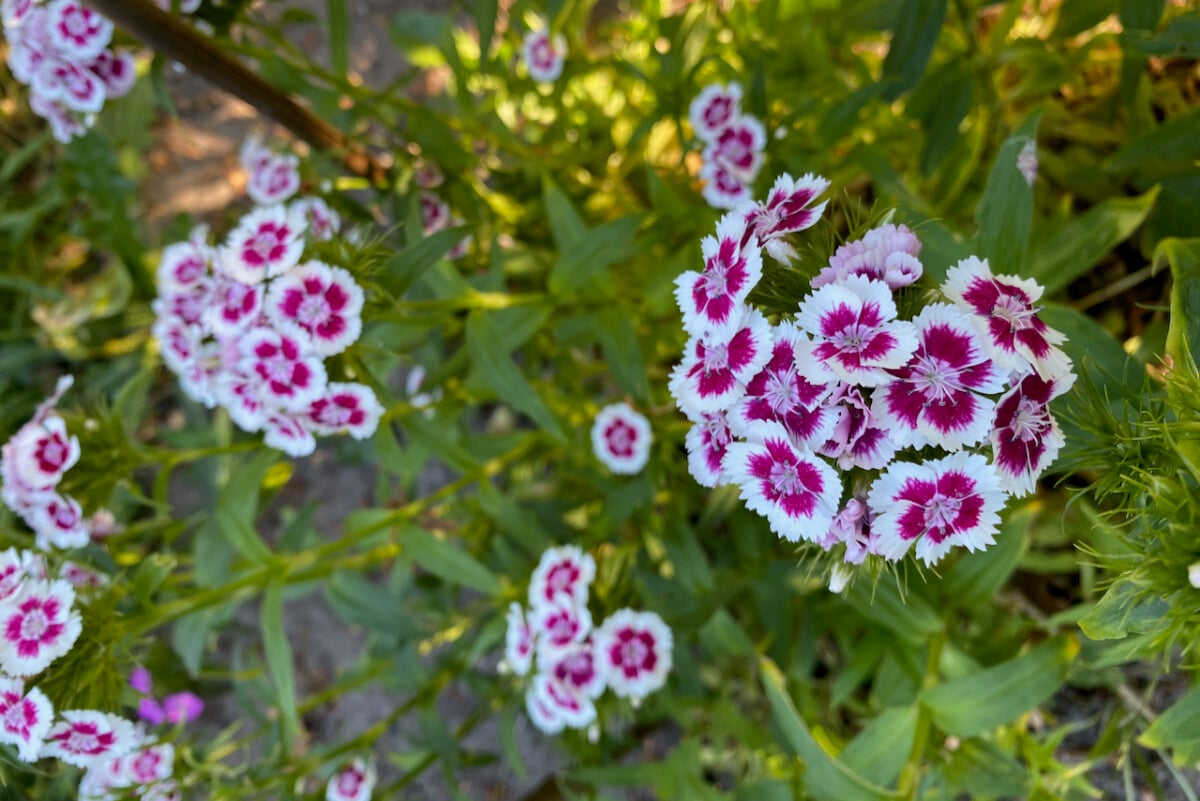
Simply lift the baby plants (with as much of their own roots as possible) and relocate them. They won’t bloom in the same year – at least not significant bloom – but they will enter a normal blooming schedule the following spring.
11. Hellebores
Hellebores are what’s called an ephemeral plant. This means that, even though they’re perennials and come back year after year, they have a very short life cycle.
Ephemerals develop leaves and stems very quickly; then they bloom and go to seed just as quickly. After that, they retreat underground completely until the conditions are right again for them to restart this cycle.
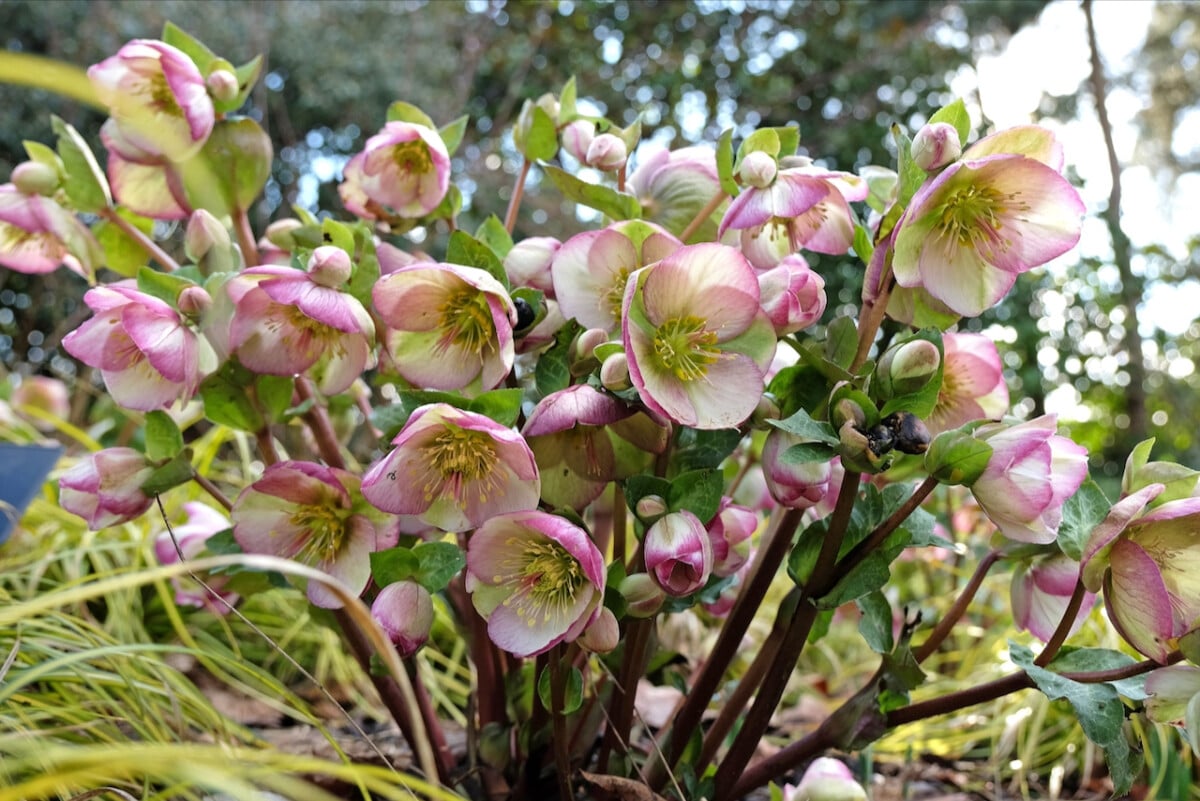
This means there’s a short window to divide hellebores and other such ephemeral plants. We want to catch them right after they’ve bloomed, but before they recede underground. Be warned that hellebores grow deep roots, so they might require a bit of extra effort to dig out.
However, when you re-plant the new divisions, don’t bury them too deep. Put the crown (the base where the shoots are growing from) only an inch below ground. Keep watering in the hellebores while they get established.
Fair warning that it might take a couple of years for the new smaller plants to reach the level of bloom of mature plants. You’ve done nothing wrong if your hellebores are slow to bounce back.
12. Verbena bonariensis
I think Verbena bonariensis is such an underrated perennial. In spite of its lanky appearance, it doesn’t really stand out in a crowd. But you definitely notice that something’s missing when it’s not there. Luckily, verbena is a good reseeder, so it takes care of its own propagation.
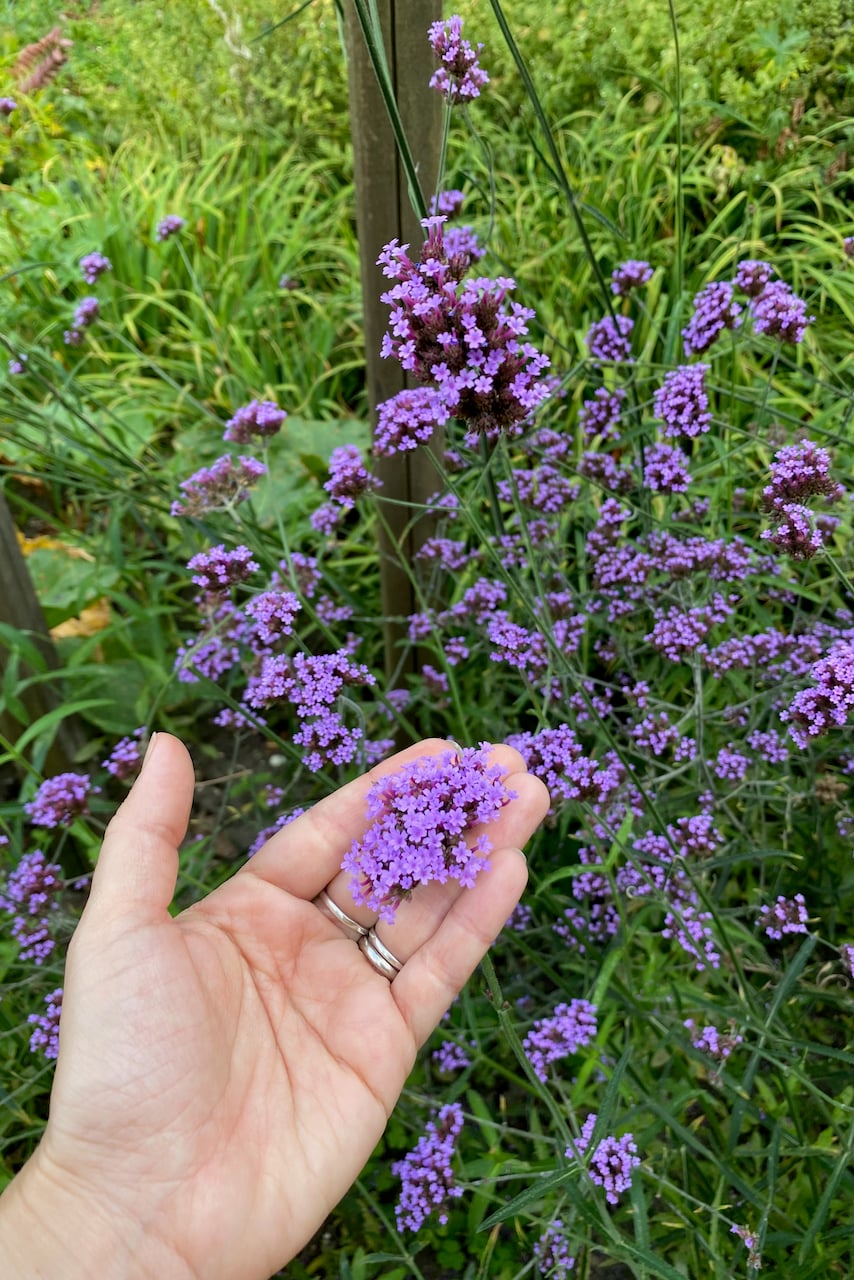
But if you want a mature Verbena bonariensis blooming this summer, division is the best way to make that happen.
An established verbena will start growing its own ‘pups’ all around the base. All we have to do is dig one out, lift it and relocate it.
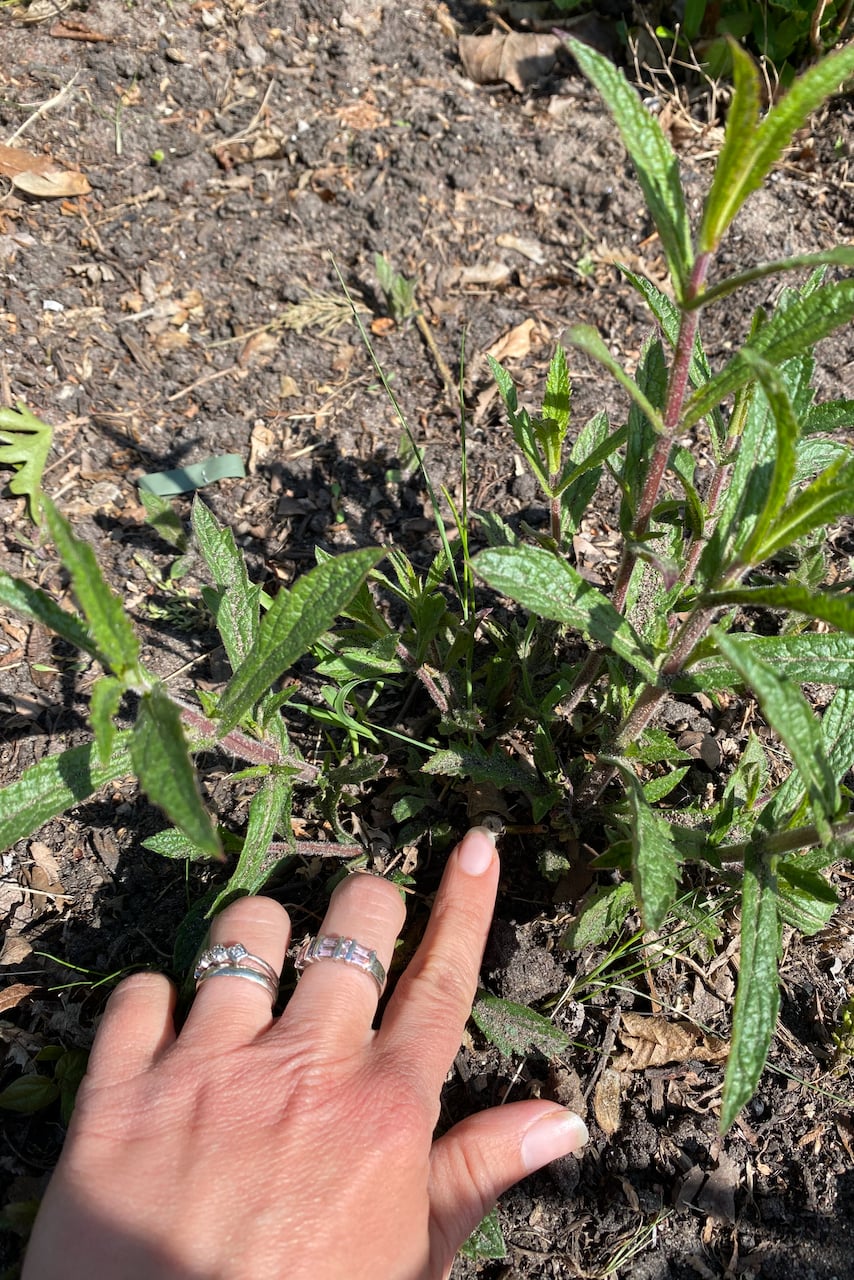
If we keep it well watered, it will shoot up and start growing flowers this year. They might not get as tall as those of its plant-parent, but they will dot the garden in wonderful shades of electric purple.
I wrote an entire article dedicated to these gorgeous perennials.
13. Woodland strawberries (Fragaria vesca)
Allow me to sneak an edible in this lineup of ornamental perennials. Woodlands strawberries (also called wild strawberries) are a delicious groundcover.
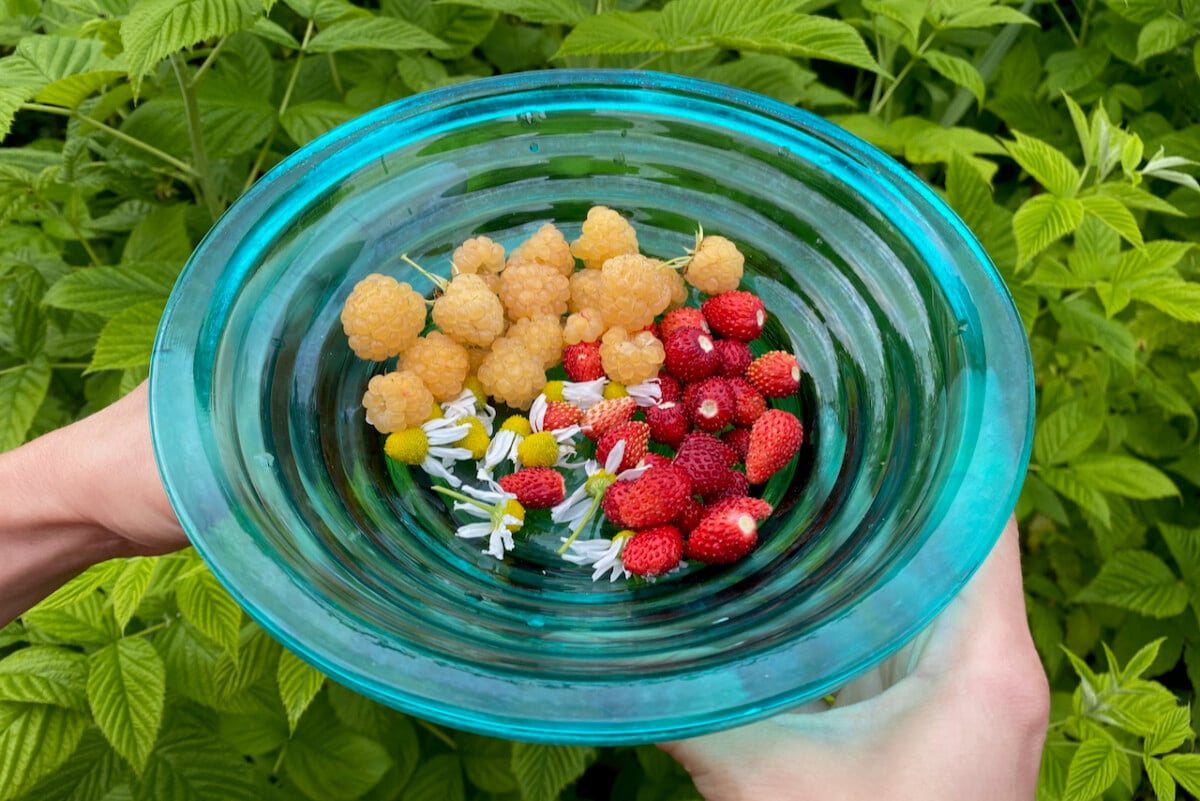
The berries, slightly smaller than regular strawberries, pack an amazing array of flavors. I may have been smirking a bit when I saw them used on a popular baking show as a delicacy topping on a fancy cake. Yeah, I just picked a bowlful of them, thanks!
(Don’t confuse them with mock strawberries though, which don’t taste like much.)
Unlike strawberries, the wild variety spreads by sending underground rhizomes, not overground runners. They generally form clumps, so it’s not fast-spreading. (I wish!)
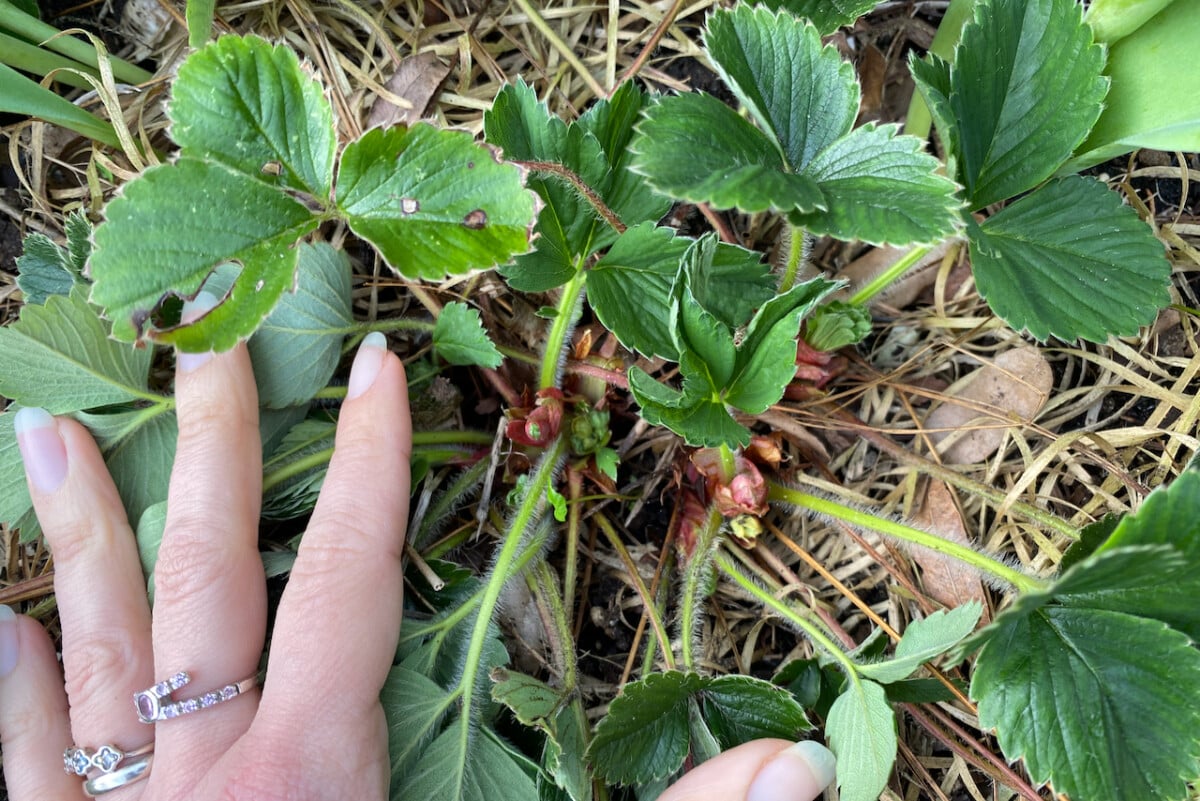
We can lift the entire plant and divide it. Or we can cut it in half with a handspade at the natural point of division (like in the photo above) and only dig out the part that we’re going to move.
14. Red hot poker (Kniphofia)
I would add this gorgeous ornamental in the same category as the canna lilies above. They’re both tropical perennials that grow from rhizomes. Once the red hot poker plant is mature, it starts growing in a clump pattern, sending out side-shoots that will eventually turn into larger rhizomes.
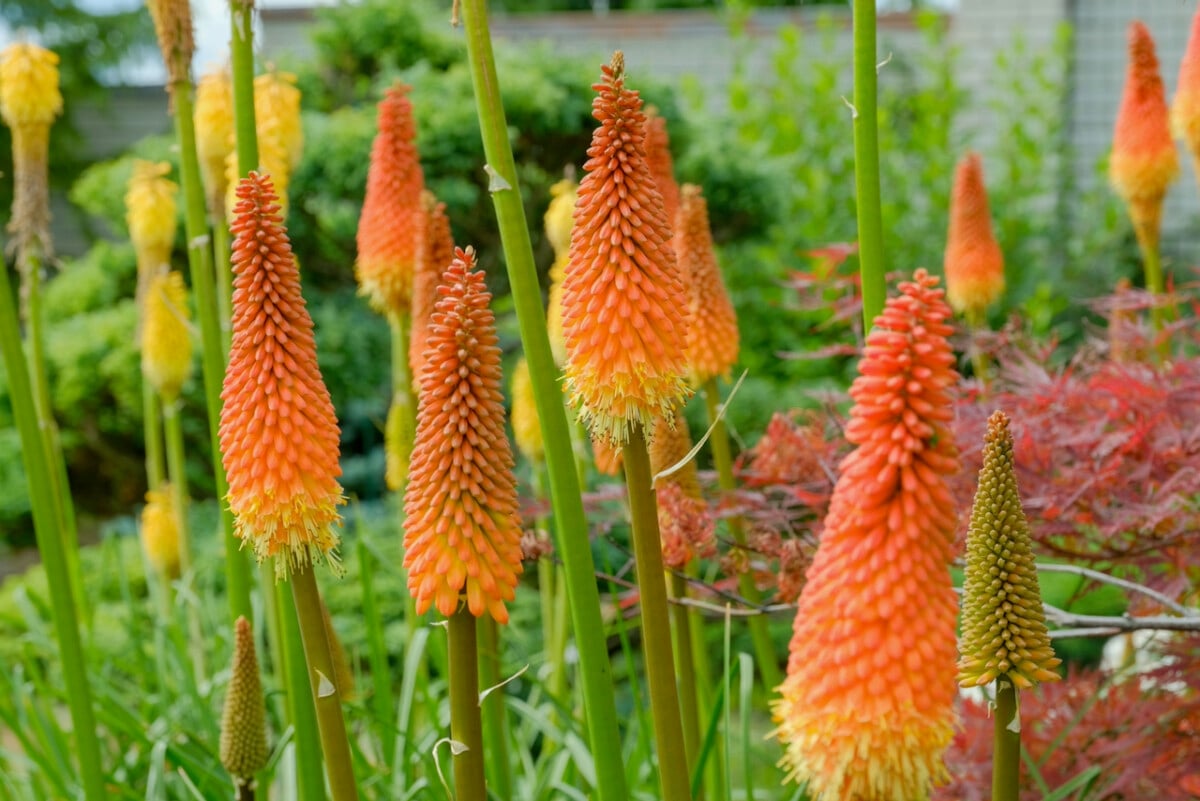
This means we can see where the new shoots are growing and just take them out without having to dig out the entire root structure. Red-hot poker plants generally bounce back quickly, but it may take a couple of years for the baby plants to reach blooming maturity.
15. Rose campion (Silene coronaria)
I know dividing rose campion works a treat because that’s how I got mine. A gentle soul left a few baby plants in a little free plant library a few blocks away from my house.
I took one baby plant home. Kept it in a container until it got large enough, then transplanted it in the garden.
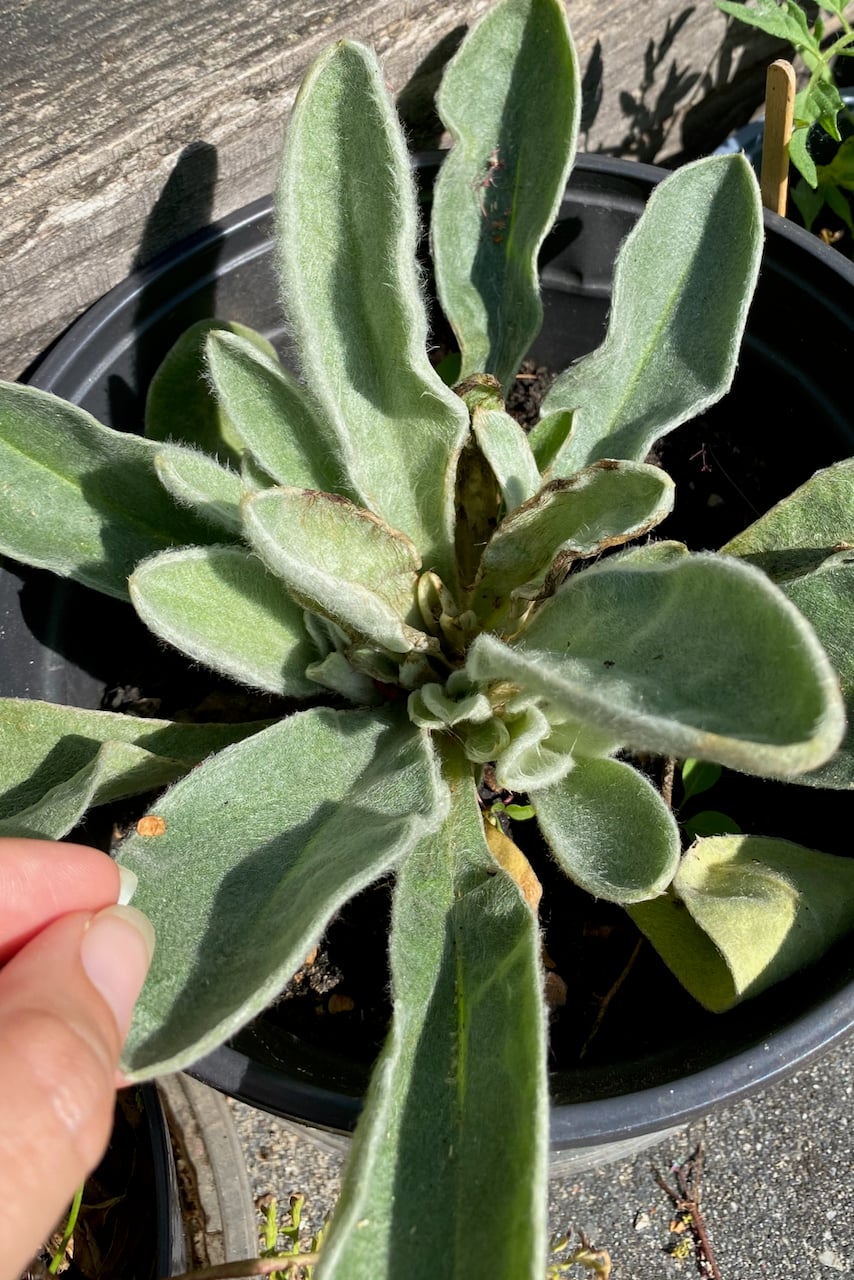
It took a full year for my rose campion to bloom in a sea of hot pink buds; but during that second year, it also started growing its own baby plants around the base. Just a few in the beginning, so not enough to divide right away.
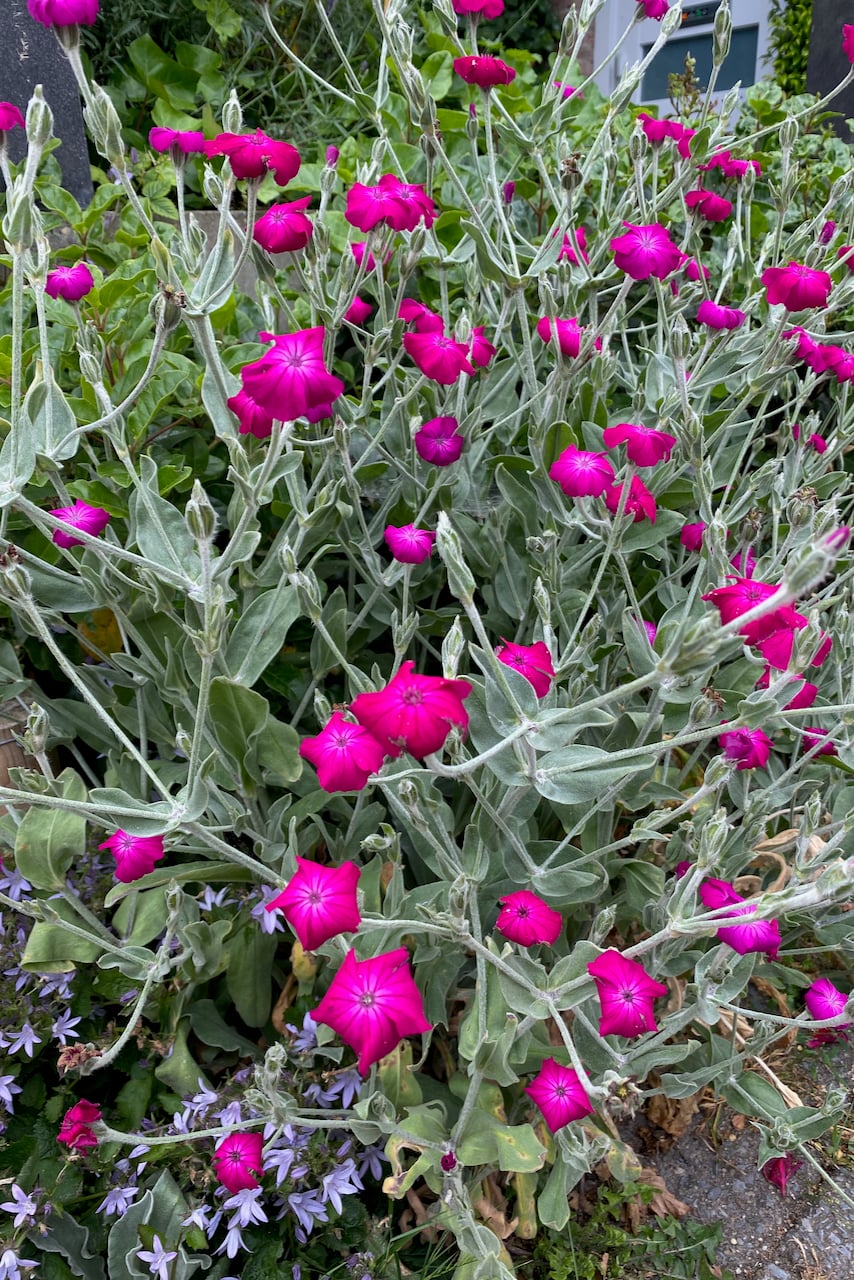
I allowed it to fill up for a couple more growing seasons, then started my own division saga by taking the plantlets and relocating them in other corners of the garden. This year, I’ll have enough to come full circle and donate my own plants to the neighborhood plant library.
Get Garden Notes From Tracey, Right to Your Inbox
Pull up a chair on the front porch. Join 54,000+ gardeners who get Tracey\'s friendly notes, seasonal to-dos, and hands-on tutorials three times a week.