


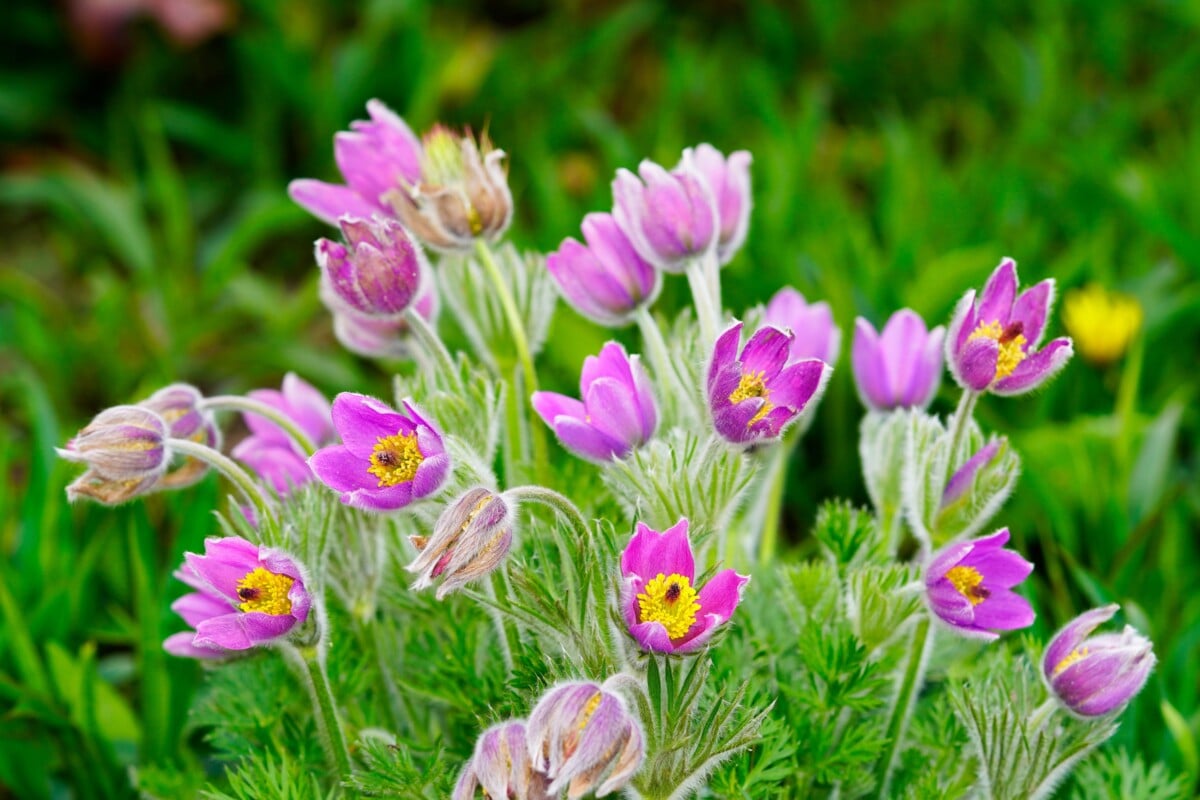
There comes a point every winter when I’m just done. I’m done with putting on seven layers and fifteen pounds worth of clothing just to stay warm. I’m done with all the heavy, sleep-inducing food. And I’m definitely done with the blah landscape of gray, brown and white.
I’m ready for color!
And I know you are, too, which is why we’re both here.
As late winter finally fades into early spring, most perennial beds look pretty messy. We’ve still got quite a way to go before the riot of summer flowers that normally fill our gardens. But you don’t have to wait; you can have gorgeous early-spring flowers, too.
Sure, we all know about fall-planted bulbs like daffodils, crocus and tulips, but most of us are unaware of all the other flowering perennials that bloom in early spring. So, my friends, let me introduce you to ephemerals.
Spring Ephemerals
Quite a few of the perennials you will find on this list are what are known as spring ephemerals. These are perennials that have an incredibly short growth cycle. They spring up and flower in the early spring, and then fade to return to the ground just as your summertime perennials start to bloom.
That’s because these delicate flowers take advantage of the bright, but weaker sunlight that we get in early spring before the trees leaf out. They can’t handle the hotter temperatures and intense sun that come with summer. They grow in this perfect window of the year where they can get plenty of bright light, without being crowded out by other plants. And many disappear, back into the ground until the next spring.
With that in mind, for the true ephemerals on this list, which will disappear with the heat of summer, you may want to plant them among other perennials that will be around for the rest of the season, such as hostas or coral bells, so that you don’t have bare spots.
I love spring ephemerals, as they are attuned to growing in the cooler, harsher weather of early spring, when there’s still a chance of snow or blustery storms. But they produce some of the most breathtaking and delicate blooms you’ll see all season long.
Before you know it, they disappear, making way for the sturdier blooms of summer. So, if you want a colorful breath of spring each year when you’ve had enough of winter, it’s time to start adding some of these early-blooming perennials to your garden. You can expect blooms starting as early as February with hellebores, but most will begin blooming in March or April and continue through May.
You’ll note that quite a few of these are also native plants, making them excellent choices for anyone wishing to add more native species to their garden. The early flowers of native plants are just what many pollinators need at the start of spring.
For the best view of these early-blooming plants, it’s a good idea to use a hand cultivator and remove any debris or old foliage from last year’s perennial growth in your flower beds.
1. Bergenia (Pigsqueak)
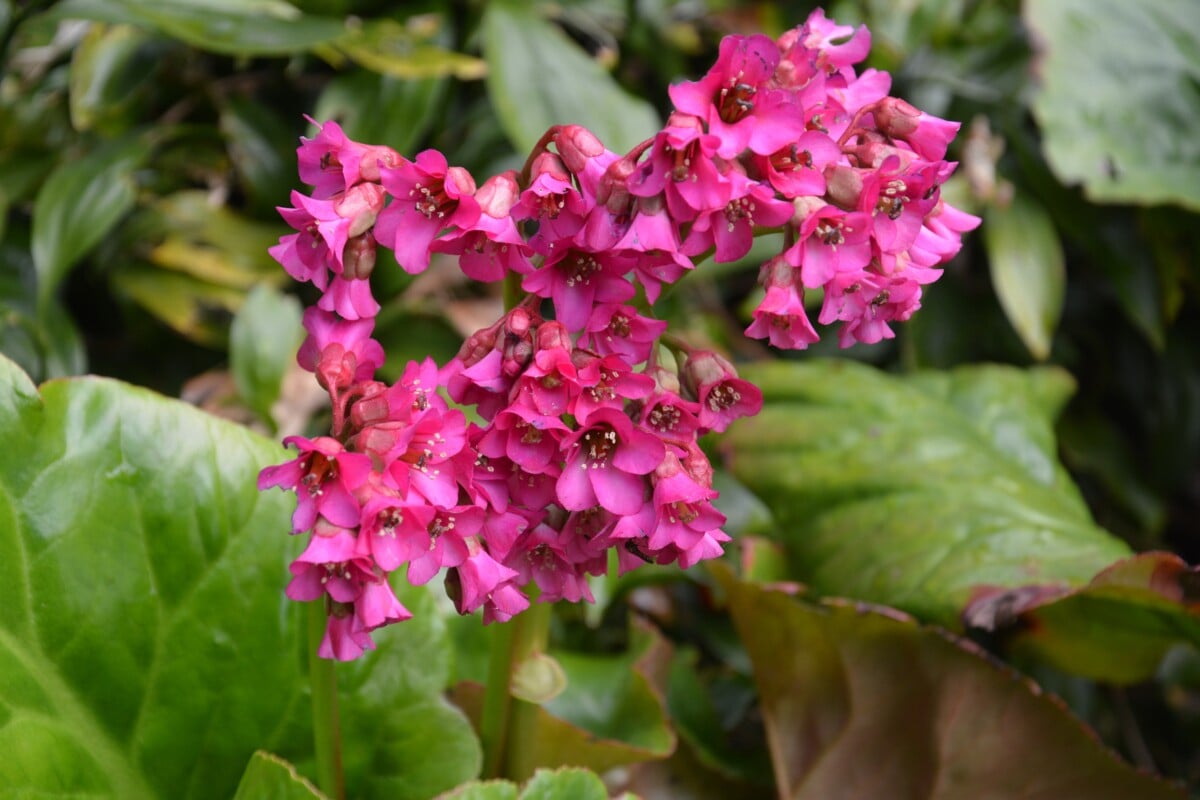
If you don’t have the greatest soil, consider Bergenia. They have lovely burgundy foliage (that squeak when rubbed together, hence their common name) and beautiful flowers that smell like honey. What more could you ask for in a spring perennial? It’s the perfect flower to kick off the growing season. Did I mention they are deer-resistant?
Growing Zone: 3–8
Soil & Sun Needs: Well-drained, humus-rich soil; Full sun to partial shade (needs more shade in hot climates).
Height: 12–18 inches
2. Bleeding Heart (Lamprocapnos spectabilis)
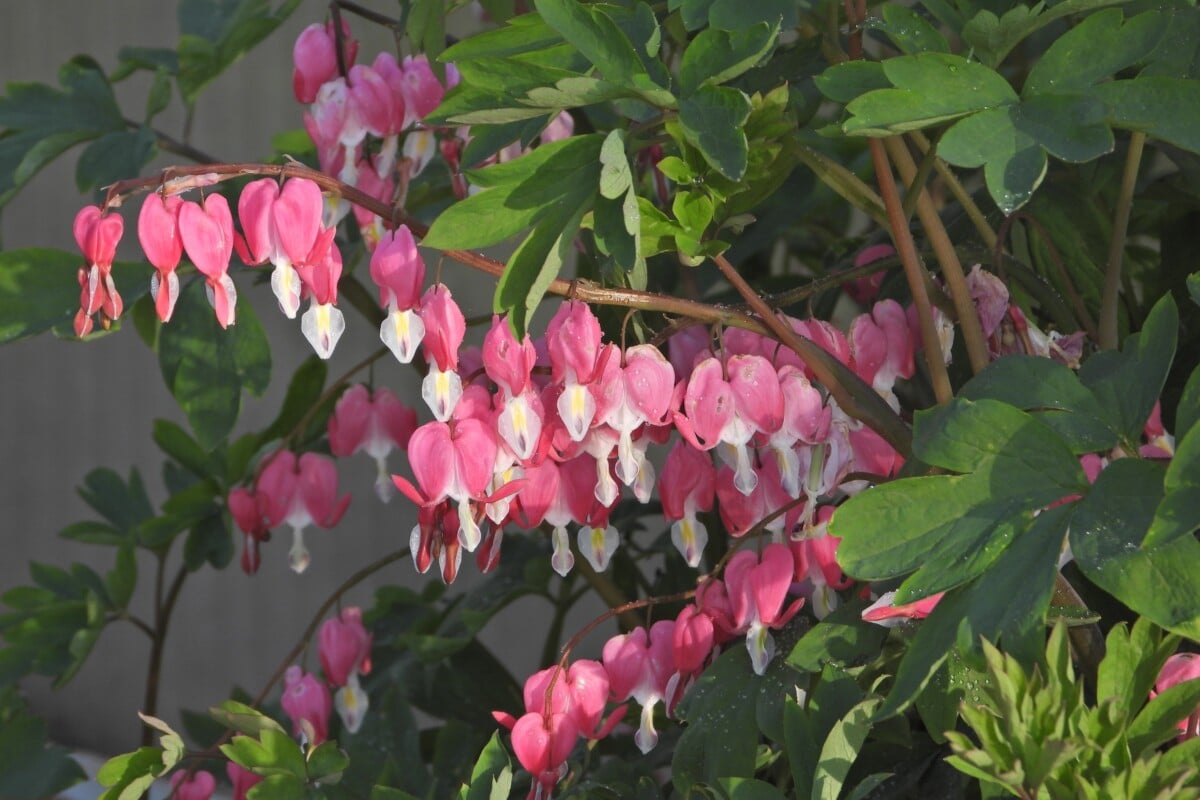
I love bleeding hearts; they have been a favorite of mine since childhood. Whether you enjoy the traditional fuchsia flowers or the pure snow-white ones, these blooms look like something straight from a fairytale. Their impressive height makes them an elegant early-spring statement piece in any flower garden.
Growing Zone: 3–9
Soil & Sun Needs: Moist, fertile soil; Partial to full shade.
Height: 2–3 feet
3. Bloodroot (Sanguinaria canadensis)
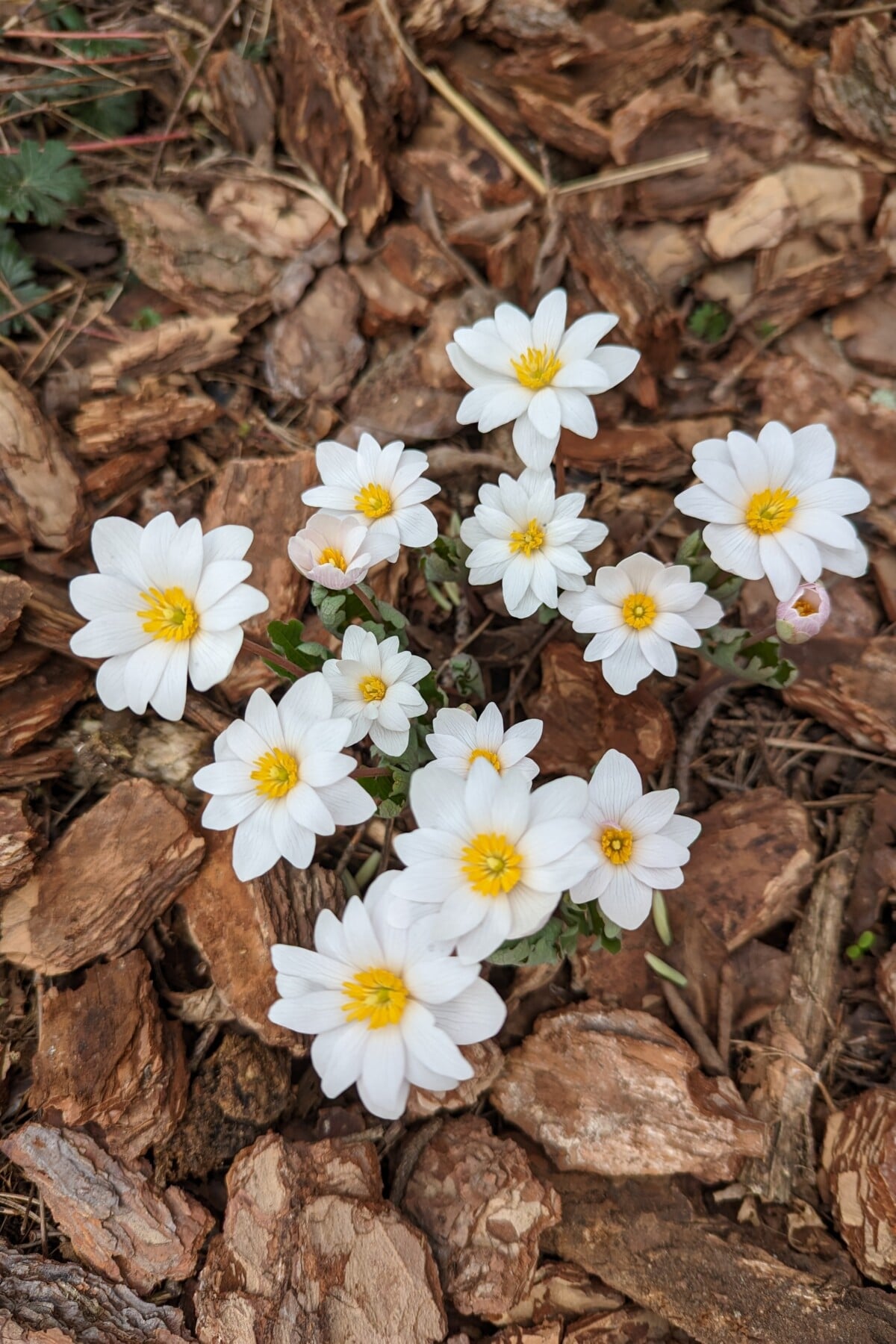
I remember the first time I stumbled across these striking flowers, they were growing wild in a friend’s backyard. Then, a week later, they were gone. These spring ephemerals have beautiful foliage with striking leaves.
Growing Zone: 3–8
Soil & Sun Needs: Moist, well-drained, acidic soil; Partial to full shade.
Height: 6–10 inches
4. Candytuft (Iberis sempervirens)
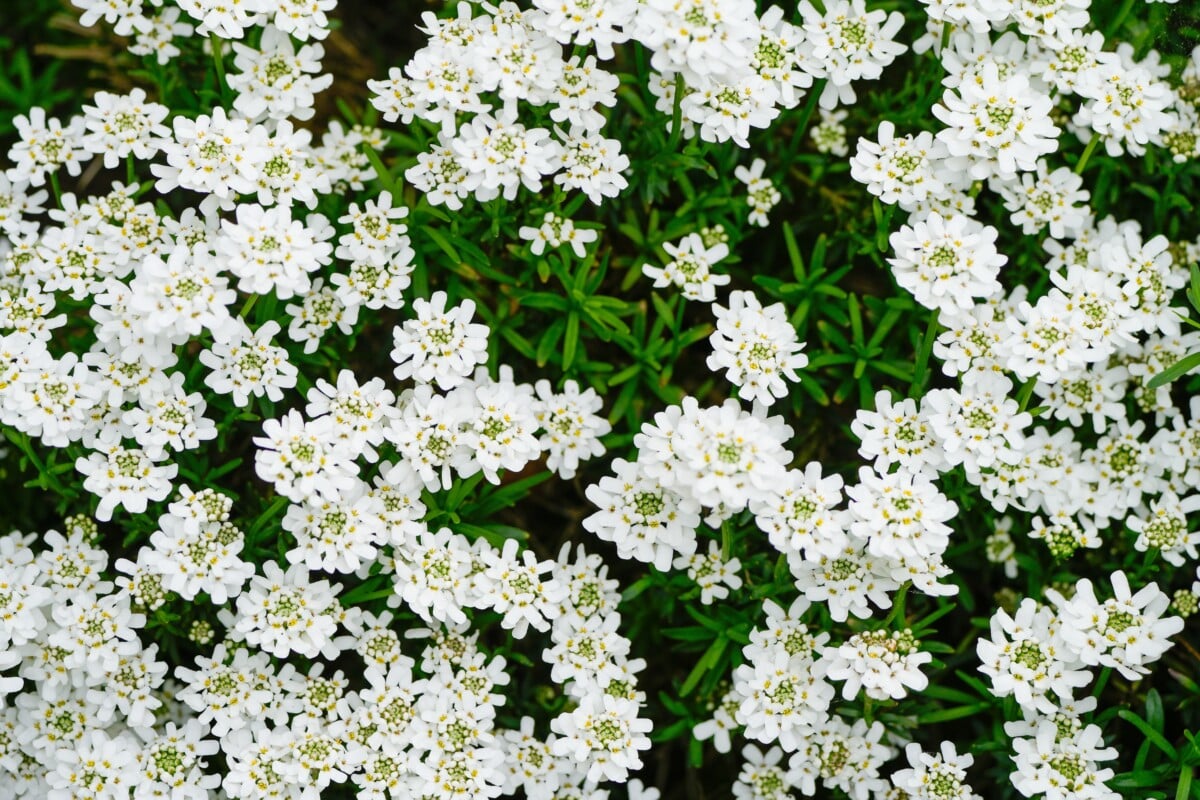
When looking for early blooms, we’re referring to the evergreen variety of candytuft, which grows as a low ground cover with bright white flowers against a mass of deep green foliage. These showy, white blooms are in the brassica family, making them cousins to the broccoli growing in your vegetable garden.
Growing Zone: 3–9
Soil & Sun Needs: Well-drained soil (prefers alkaline); Full sun.
Height: 6–12 inches
5. Celandine Poppy (Stylophorum diphyllum)
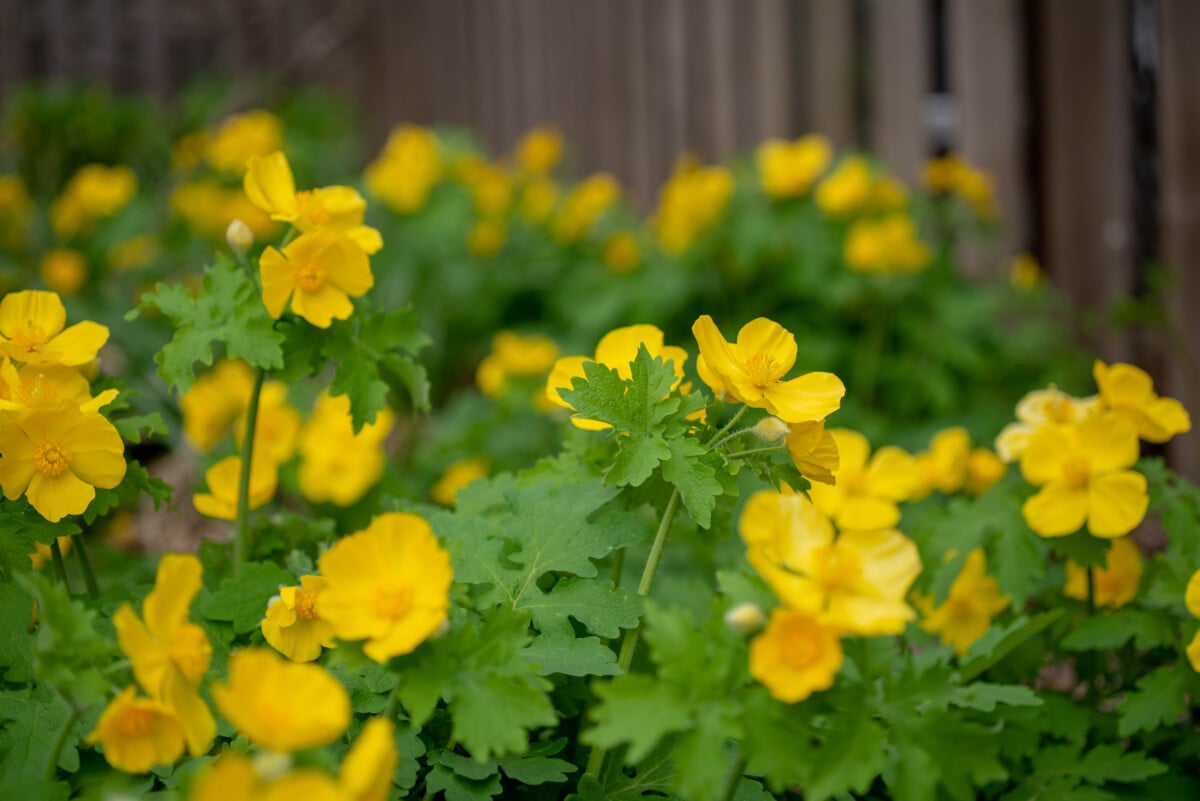
Also known as the wood poppy, this North American native is a sunny yellow poppy that blooms on slender stalks in early spring before fading away as the season warms up.
Growing Zone: 4–9
Soil & Sun Needs: Moist, organic-rich soil; Partial to full shade.
Height: 12–18 inches
6. Claytonia (Claytonia virginica)
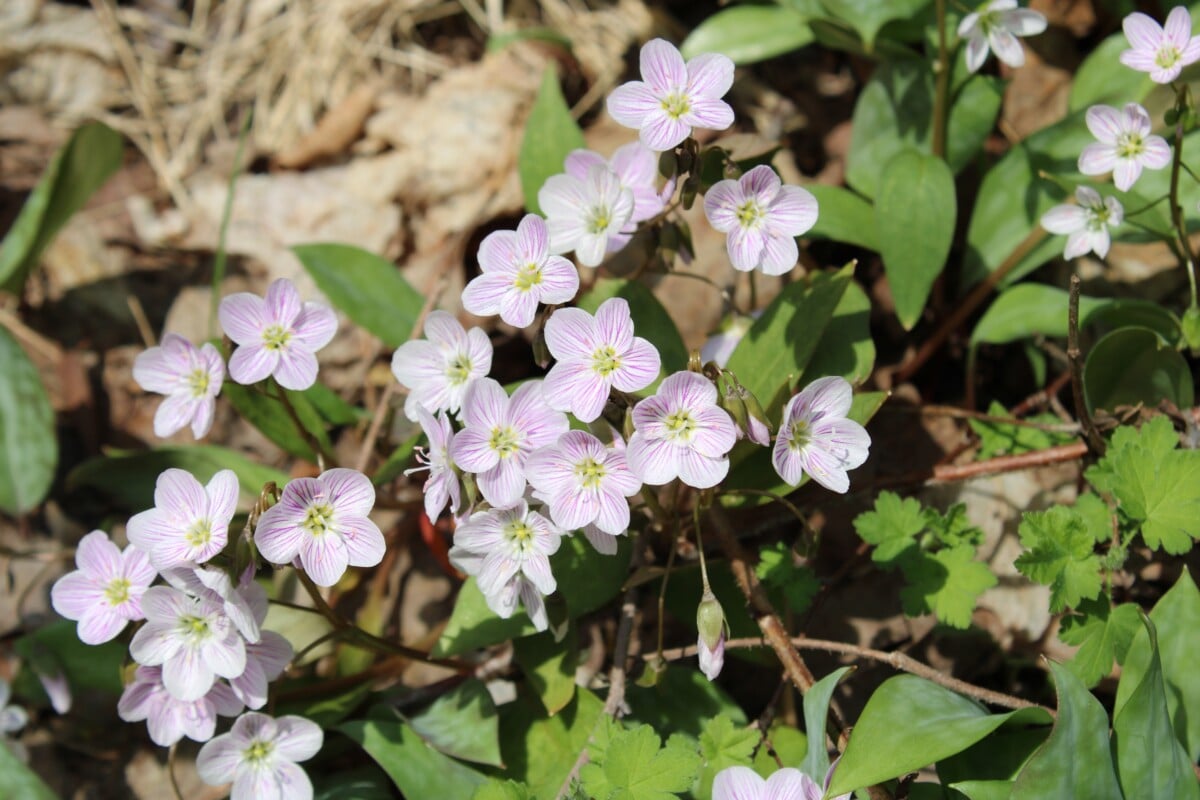
Not to be confused with miner’s lettuce or winter purslane, Claytonia virginica is grown for its delicate, pale pink-striped flowers. This is another spring ephemeral that shows up as the snow fades and disappears. This native flower has delicate star-shaped petals with subtle candy stripes. It’s absolutely charming.
Growing Zone: 3–8
Soil & Sun Needs: Moist, rich soil; Partial shade (woodland settings).
Height: 4–6 inches
7. Corydalis
Coming in the traditional spring palette of purple, pink and yellow, corydalis make a perfect addition to your spring beds for their charming flowers. They look like long, slender trumpets, just the right size for a tiny sprite to blow a fanfare welcoming spring.
Growing Zone: 5–7 (varies by species)
Soil & Sun Needs: Consistently moist, well-drained soil; Partial to full shade.
Height: 6–12 inches
8. Creeping Phlox (Phlox subulata)
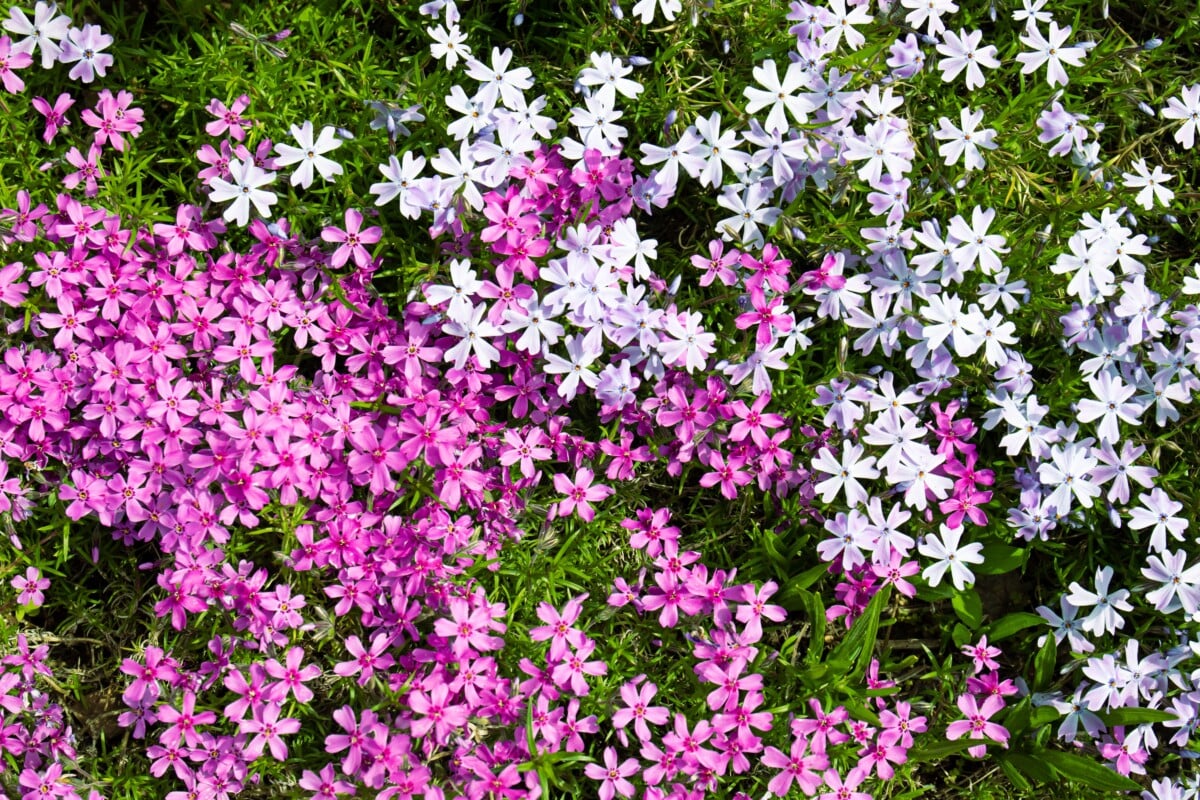
This spreading ground cover is native to the eastern United States and offers a pop of old-fashioned charm and color each spring. You’ll need to manage it carefully, as it can be quite aggressive. It’s great for rock gardens or slopes where you want color and don’t want to mow.
Growing Zone: 3–9
Soil & Sun Needs: Well-drained soil; Full sun.
Height: 4–6 inches
9. Dutchman’s Breeches (Dicentra cucullaria)
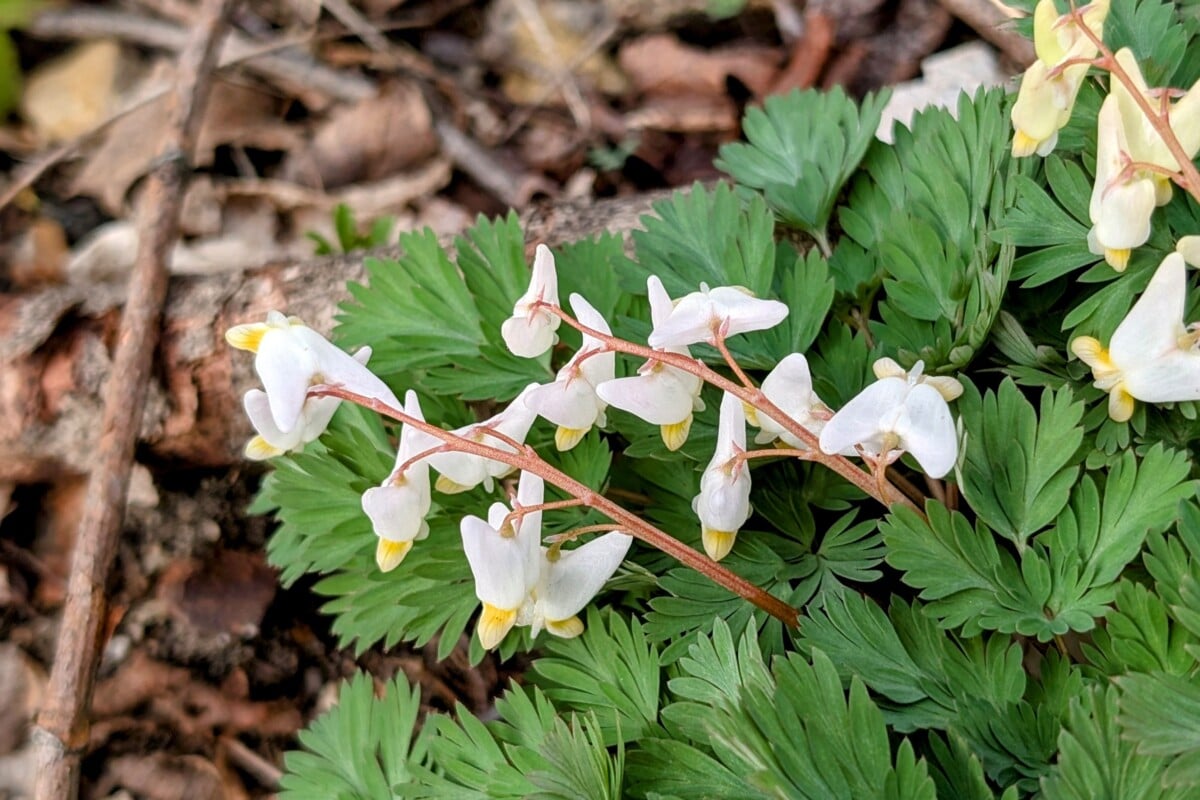
You have to love this spring perennial for its silly name. Aptly named for its flower that looks quite a bit like the old-fashioned billowing Dutch pants you would see in folkart, they are actually another type of Bleeding Heart.
Growing Zone: 3–7
Soil & Sun Needs: Moist, loamy soil; Partial to full shade.
Height: 6–12 inches
10. Grecian Windflower (Anemone blanda)
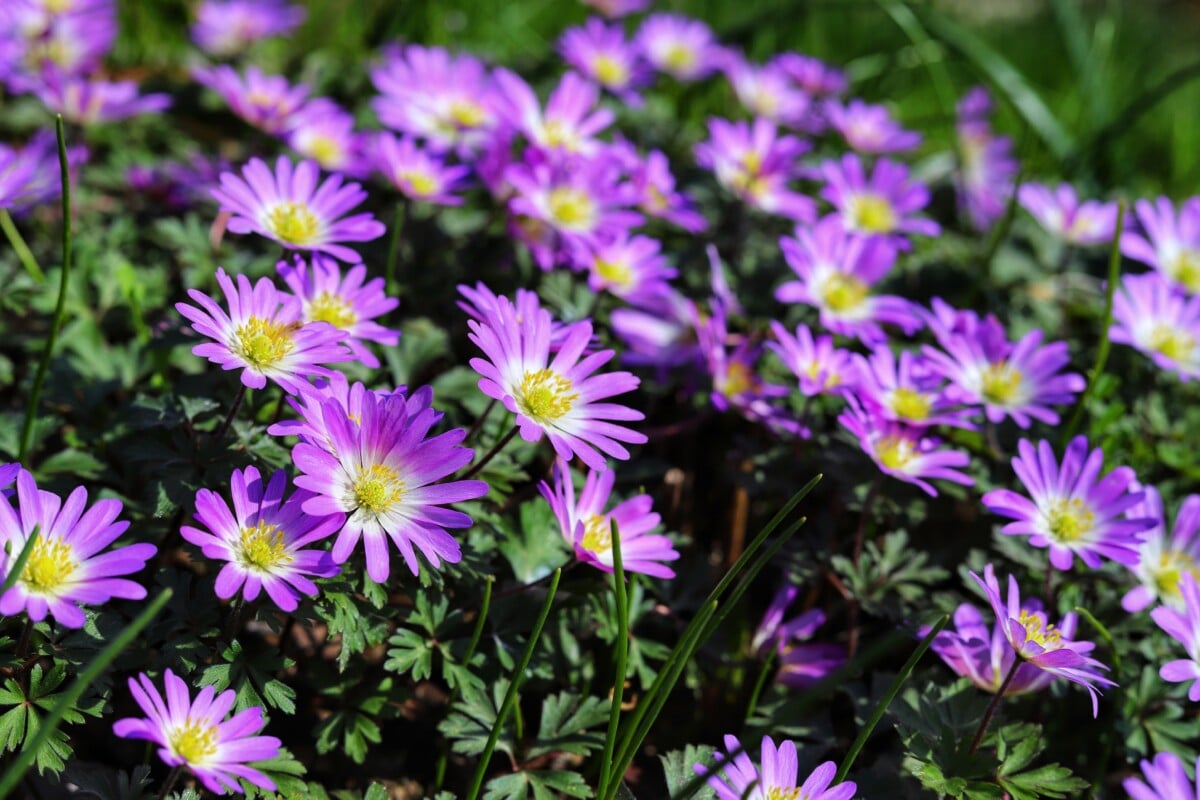
A member of the anemones, Grecian windflowers are cheery, low-growing flowers that look a bit like a daisy. They come in shades of cream, purple and pink and will easily spread a carpet of color each spring if you let them.
Growing Zone: 5–8
Soil & Sun Needs: Well-drained soil; Full sun to partial shade.
Height: 4–6 inches
11. Hellebore (Lenten Rose)
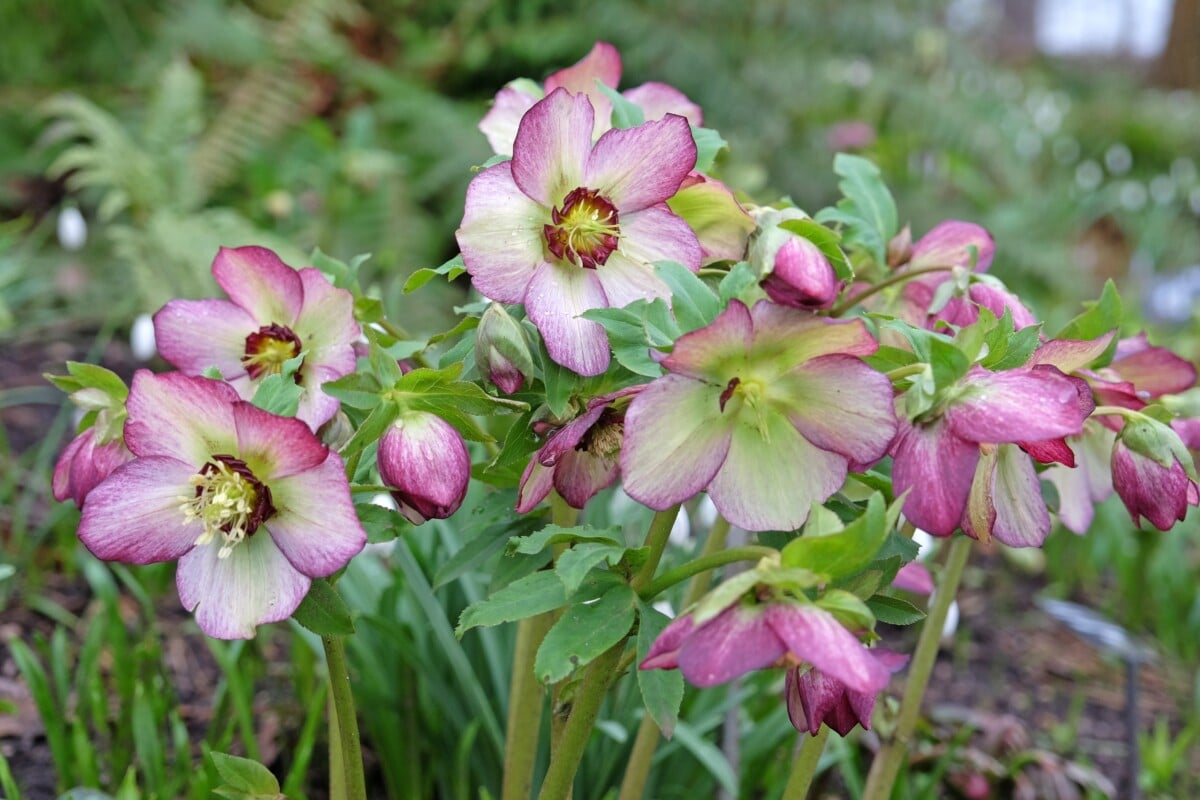
As their common name of Lenten rose implies, these hardy perennials bloom during the Lenten season in dusky shades of pink, mauve and an almost black-purple. There are even a few varieties called Christmas rose that bloom even earlier.
Growing Zone: 4–9
Soil & Sun Needs: Well-drained, fertile soil; Partial to full shade.
Height: 12–18 inches
12. Lungwort (Pulmonaria)
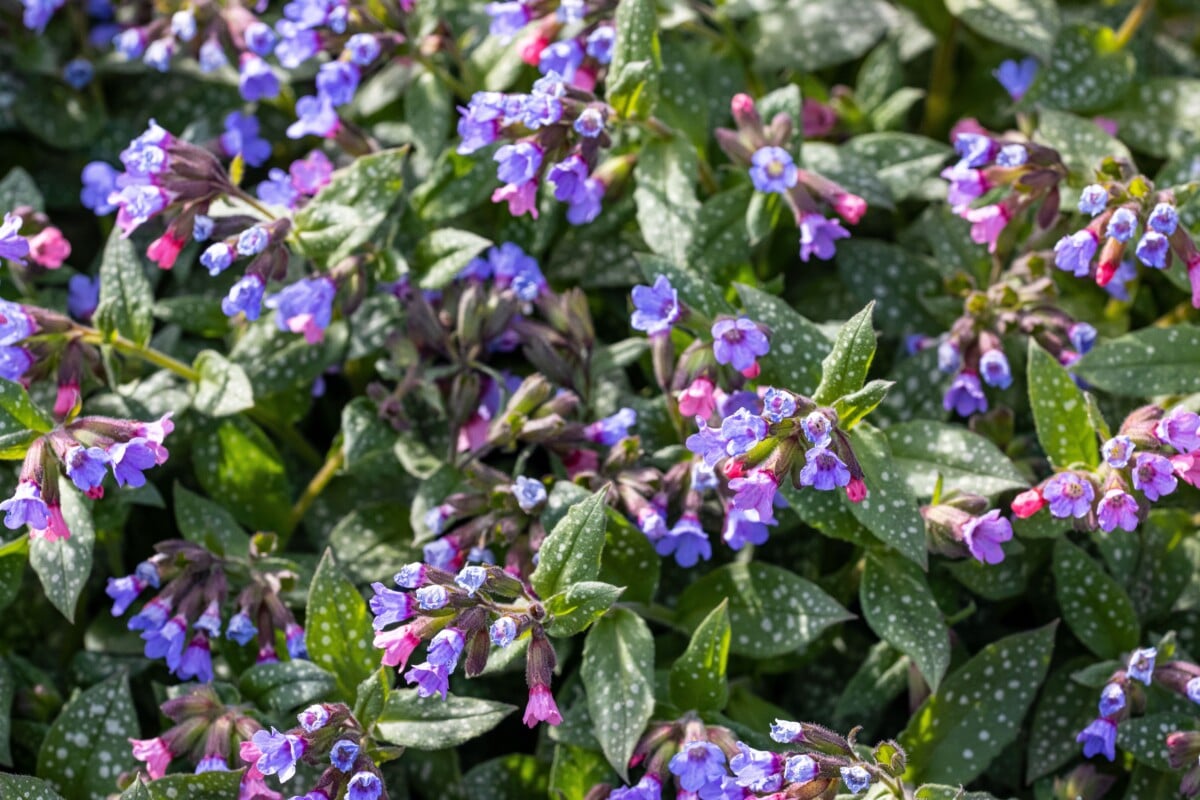
For something with such an off-putting name, lungwort is truly a beautiful plant. This is not an ephemeral, as the striking green with white spotted foliage sticks around long after the blossoms. With blossoms in raspberry pink and breezy purple, they are sure to add a touch of color to your spring landscape.
Growing Zone: 3–9
Soil & Sun Needs: Moist, rich soil; Partial to full shade.
Height: 6–12 inches
13. Pansy (Viola x wittrockiana)
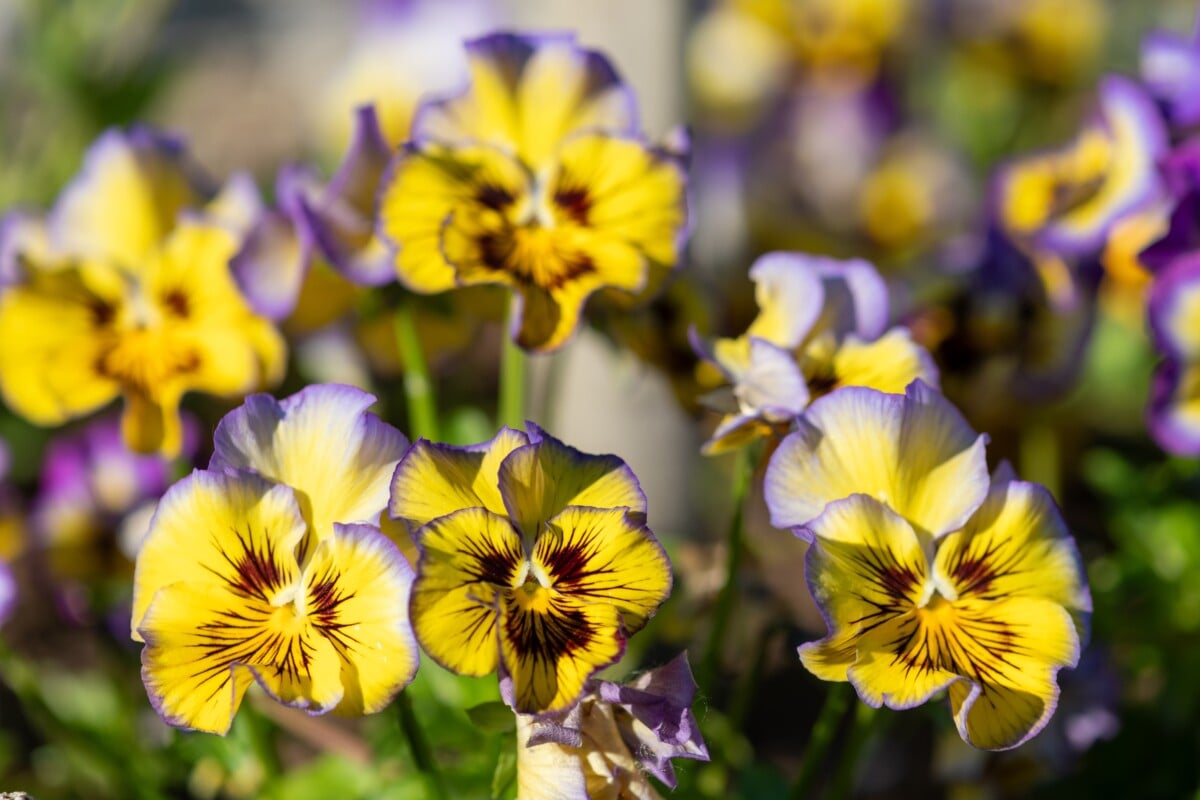
Pansies are tough, hardy and easy to grow. Mickey has written about their interesting way of spreading seeds – they explode! Garden pansies come in a brilliant array of cheerful colors that are sure to chase away the wintertime blahs.
Growing Zone: 4–8 (often grown as annuals or short-lived perennials)
Soil & Sun Needs: Moist, well-drained soil; Full sun to partial shade.
Height: 6–9 inches
14. Pasque Flower (Pulsatilla vulgaris)
Pasque flowers are a two-for-one perennial, as their feathery foliage is just as lovely as the star-shaped flowers. The flowers will often appear before the foliage, and then the entire plant will disappear as the trees begin to leaf out. They come in white or purple petals with sunny yellow centers.
Growing Zone: 4–8
Soil & Sun Needs: Well-drained, gritty soil; Full sun to partial shade.
Height: 6–12 inches
15. Pink Lady’s Slipper (Cypripedium acaule)
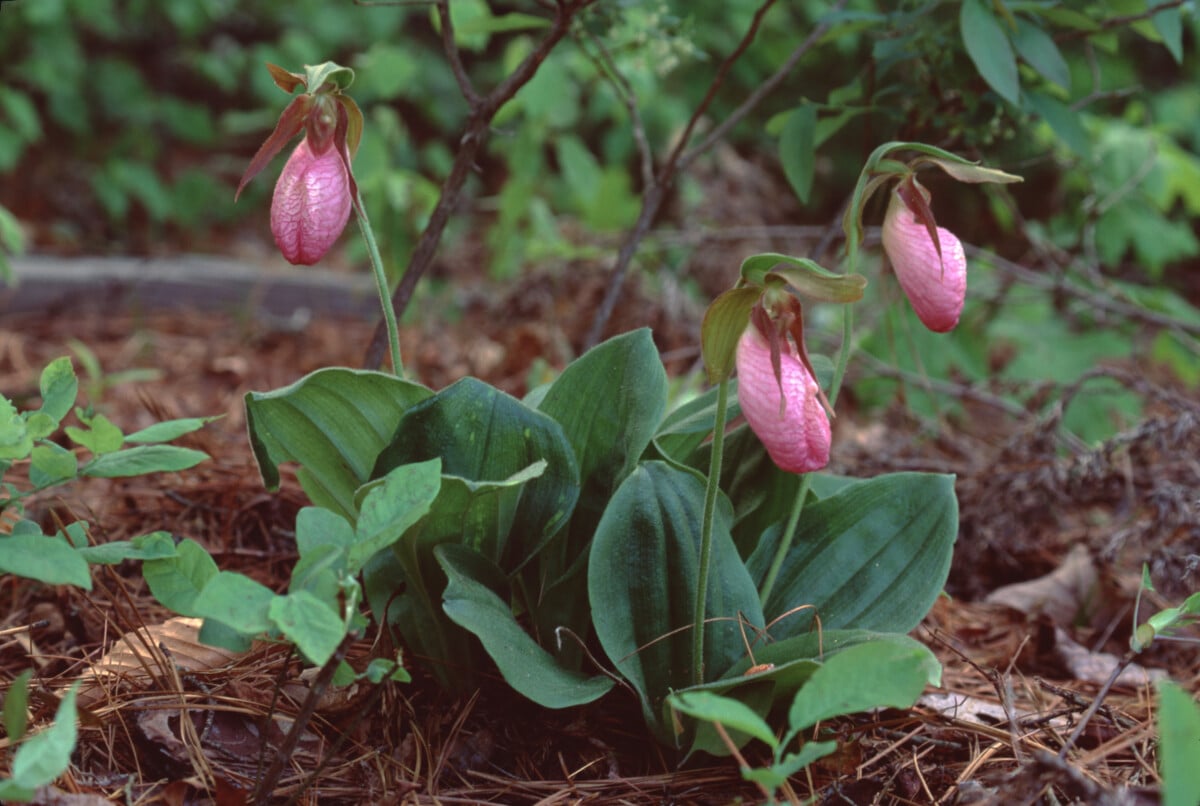
I hope I’m not the only person who sees these and thinks, “That looks nothing like a woman’s shoe.” Barring that minor judgment, they are the loveliest shade of pink. Also known as moccasin flower (again, I don’t see the resemblance), this member of the orchid family blooms as early as April.
Growing Zone: 2–7
Soil & Sun Needs: Highly acidic, well-drained sandy soil; Dappled shade.
Height: 6–15 inches
16. Trillium
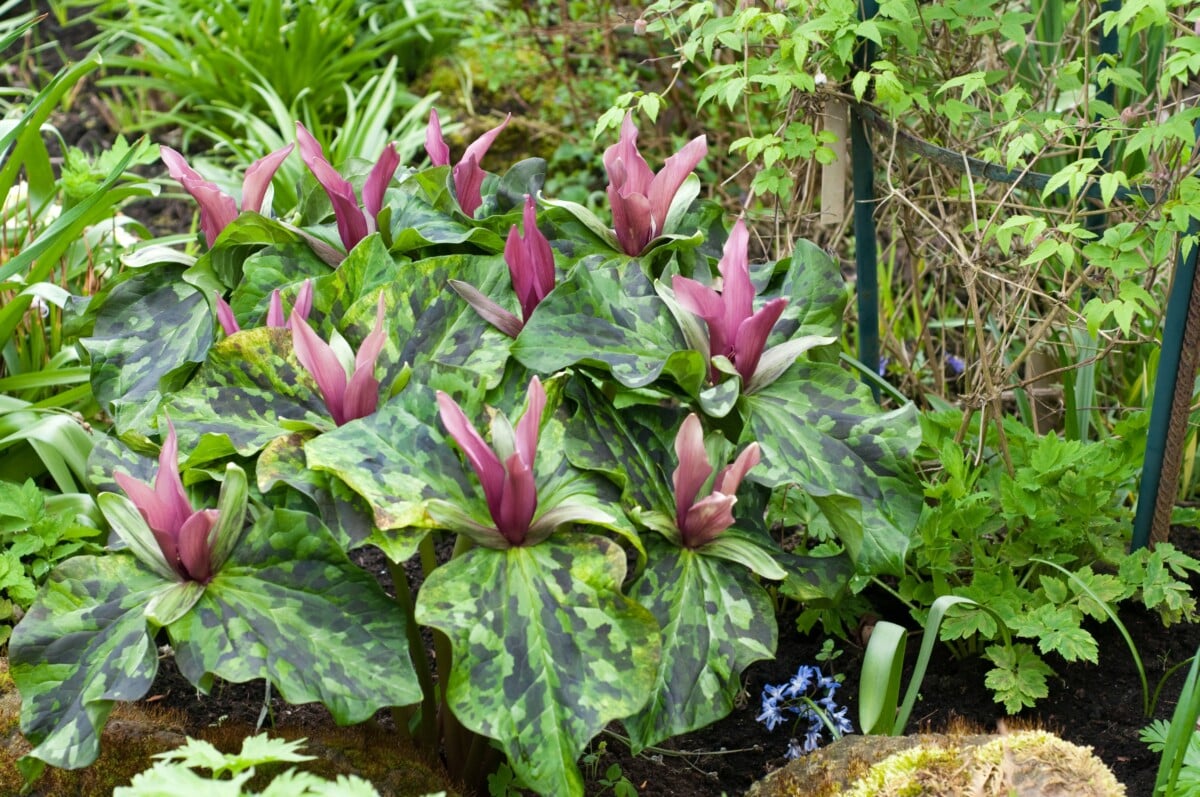
These beautiful woodland spring perennials often come in shades of white, yellow or deep burgundy. They pop up in the spring on slender stalks surrounded by green leaves as delicate and lovely as the flowers. Trillium will naturalize and spread, offering you a carpet of early spring color, should you wish.
Growing Zone: 4–9
Soil & Sun Needs: Moist, nitrogen-rich soil; Partial to full shade.
Height: 8–18 inches
17. Trout Lily (Erythronium)
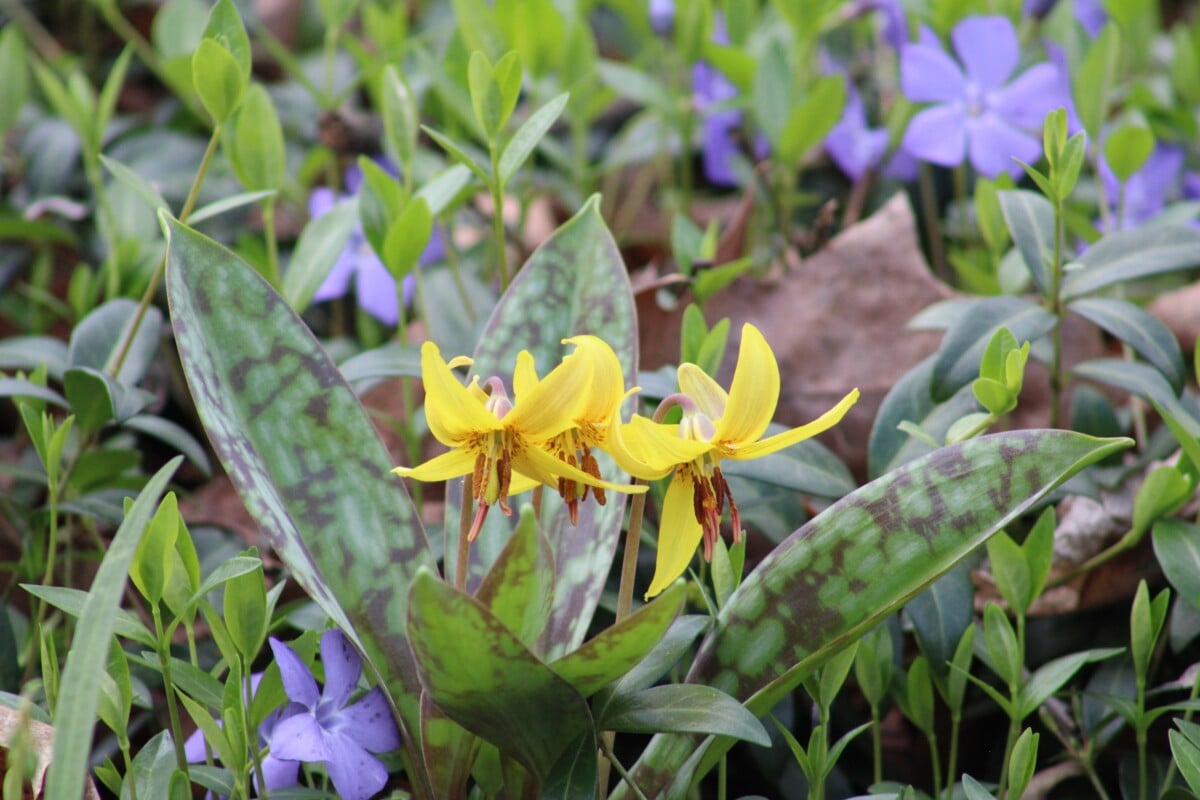
I remember plenty of early spring walks through the woods with my dad, and spotting the cheerful yellow faces of trout lilies among the drab leaves on the forest floor. The leaves are that shade of green you only see in the spring, splotched with patches of deep wine.
Growing Zone: 3–8
Soil & Sun Needs: Moist, acidic, humus-rich soil; Partial to full shade.
Height: 6–10 inches
18. Virginia Bluebells (Mertensia virginica)
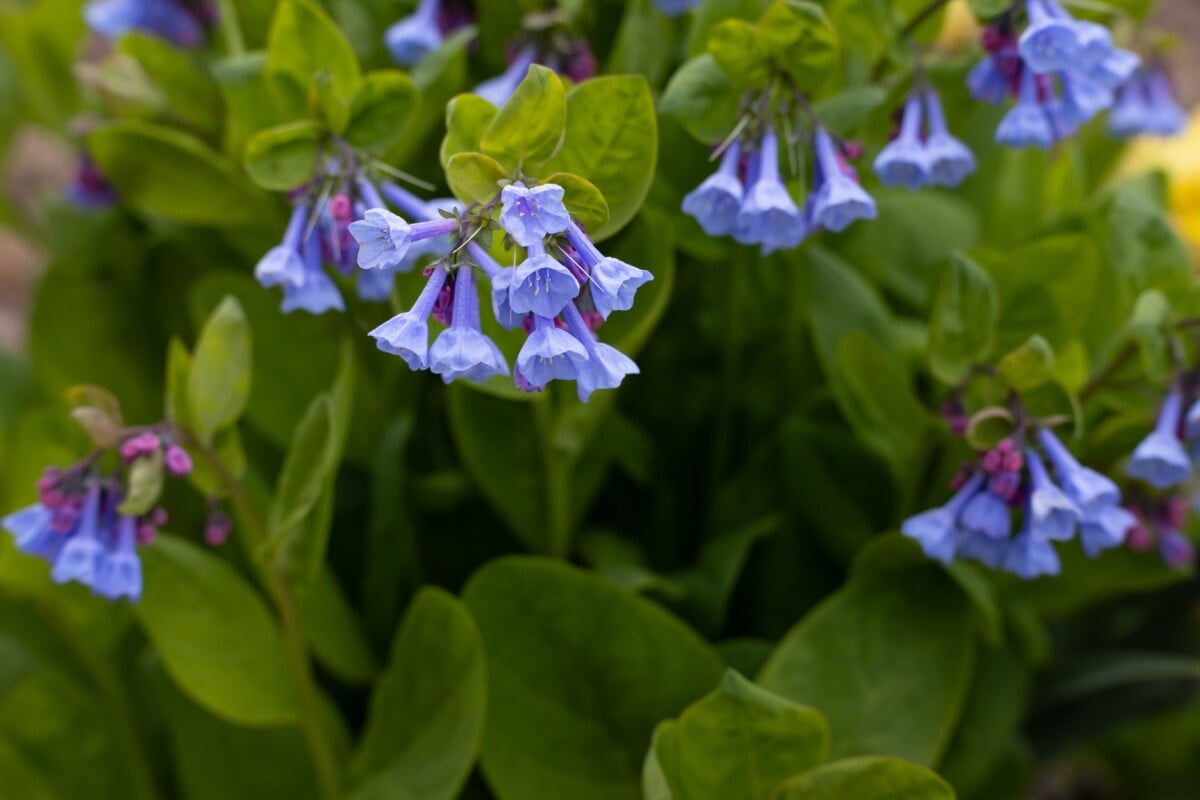
These native spring ephemerals have lovely trumpet-shaped flowers that slowly transition from pink to purple as they age. Their height makes them an eye-catching flower so early on in the season.
Growing Zone: 3–9
Soil & Sun Needs: Moist, rich soil; Partial to full shade.
Height: 12–24 inches
Get Garden Notes From Tracey, Right to Your Inbox
Pull up a chair on the front porch. Join 54,000+ gardeners who get Tracey\'s friendly notes, seasonal to-dos, and hands-on tutorials three times a week.