

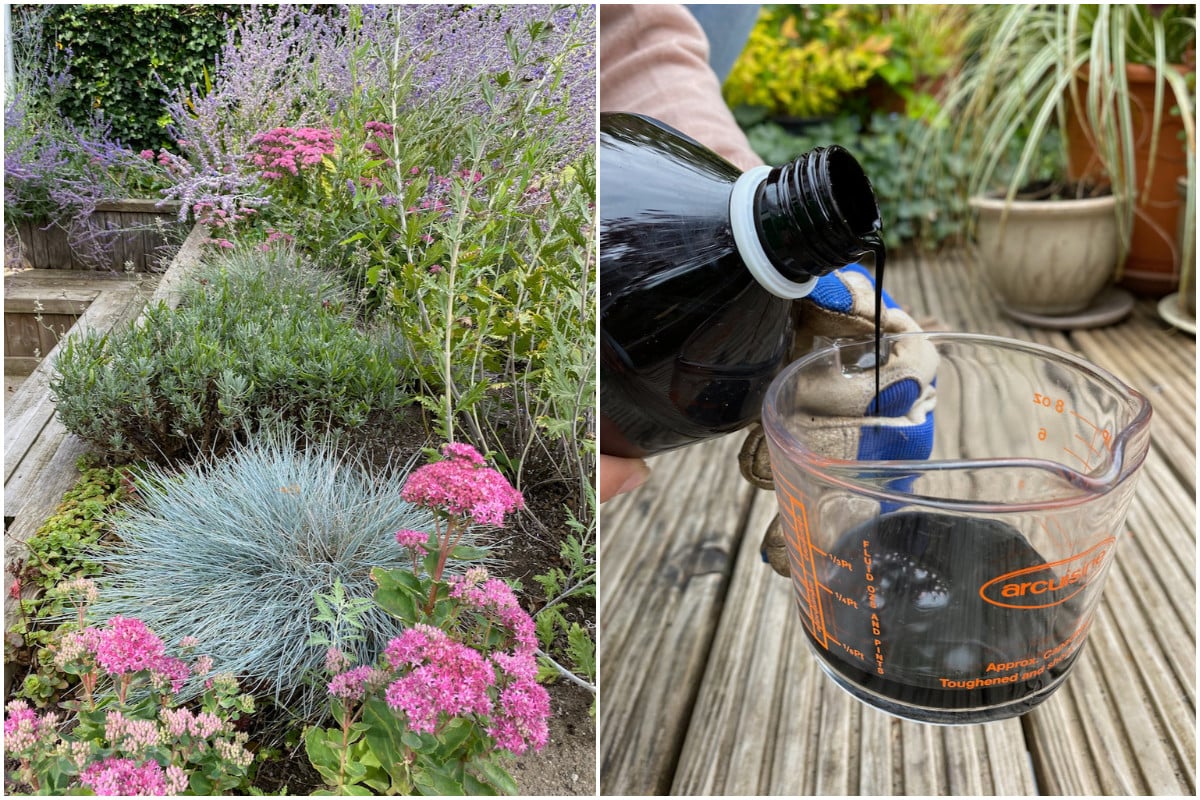
As we’re burrowing deeper into the thick of this crazy summer weather, I can’t help but feel that this is the true test of the garden. Everything I’ve been working towards last fall and this spring is coming to a turning point.
Will my perennials survive these heat waves that seem to be getting more frequent and more intense this year? Is there anything else I can do to increase the chances that they do, other than watering and setting up as many ad-hoc shade structures as possible?
And since I’m trying to conserve energy – a serious consideration when temperatures soar – is there anything I shouldn’t be doing in the garden during a heat wave?
If you want to protect your perennials and create a more heat-resilient garden in the future, you need to avoid these seven common tasks at all costs.
1. Stop all pruning during a heat wave.
I write about the benefits of pruning our shrubs and herbaceous perennials a lot here on Rural Sprout. In fact, we published my latest article on the topic of pruning as recently as mid-June. But as I said then, the window on pruning was closing. And taking into consideration the heat waves we’ve been experiencing this summer, it will stay closed until at least the beginning of fall.
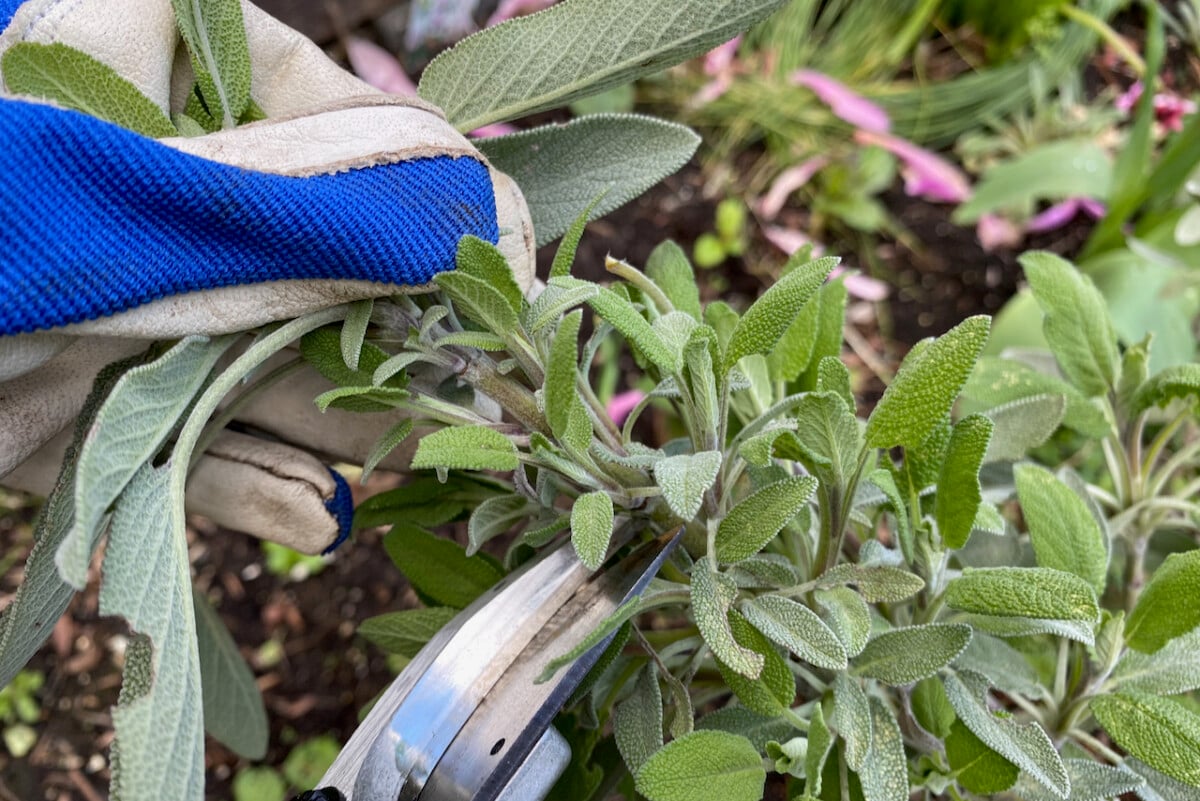
While pruning is beneficial to plants when we get the timing right, it can quickly become a stressor when done in a heat wave. Every pruning cut is a wound through which the plant loses moisture.
One cut might not seem much, but multiplied over an entire shrub, for example, can contribute to rapid desiccation (we can call it drying or dehydration). And think about the foliage that you would be removing, too. Don’t deprive your plant of foliage that helps it regulate moisture and keep itself cool.
In addition, a plant’s response to pruning will be to try to put out new growth. In a heat wave, plants need to conserve energy and direct it towards survival, not growing. So any new growth will not only redirect that energy needlessly, but the young shoots will also be weak ones.
(You’ll notice I am pruning sage in these photos. It’s still okay to snip a few sprigs here and there for cooking, but avoid taking large harvests for drying until after a heat wave ends.)
2. Don’t take cuttings during the hottest part of the year.
I’m a big proponent of taking cuttings of any plant I can get my hands on. It’s my favorite method of making new plants. I take softwood cuttings in spring (here’s how) and hardwood cuttings in the fall. I even take root cuttings during the winter months.
While the temperatures climb towards triple digits, taking cuttings is the last thing on my mind. Because I know that any cuttings that I’d take now would not survive enough to root. In fact, I’d be surprised if they survived the week.
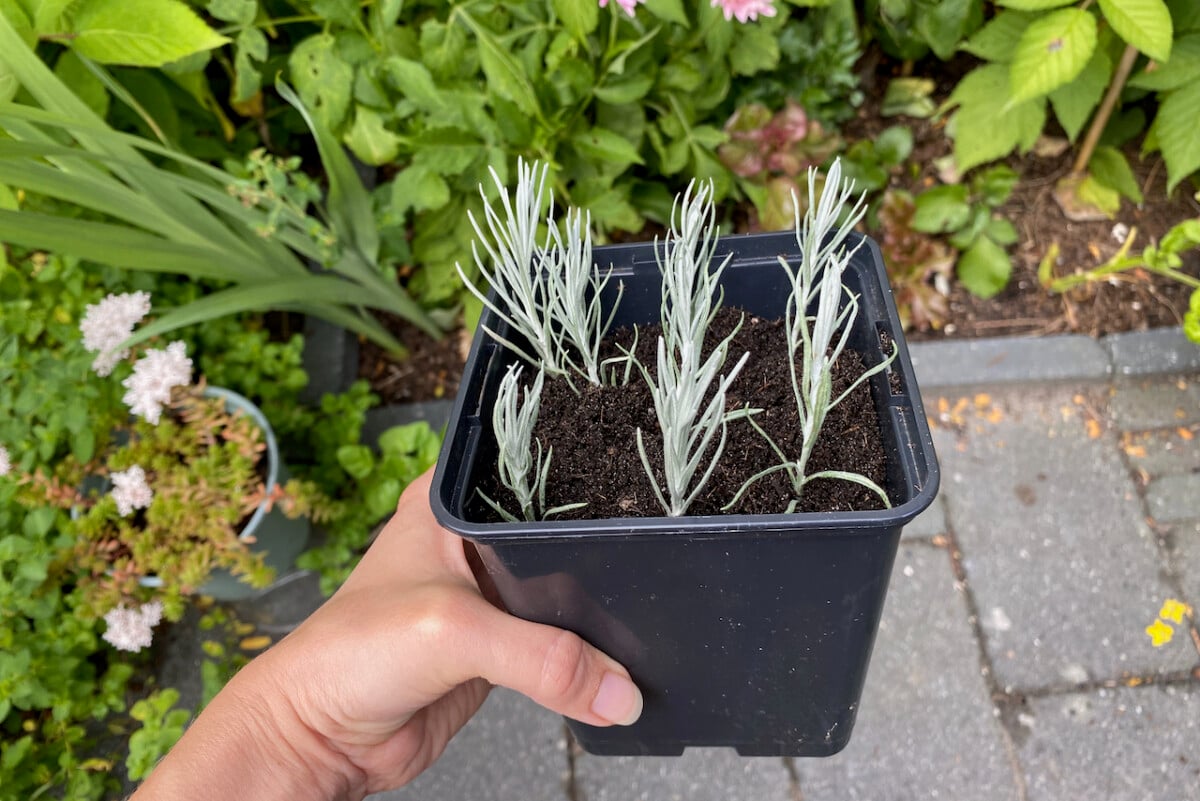
Even if I kept them in a moist pot in the shade, the chances of the cuttings failing in a heat wave would be too high to be worth the bother. Since cuttings don’t yet have roots, there would be no way for them to soak up the water. Not to mention the fact that in a heat wave, the production of growth hormones slows down significantly.
However, if you’re bent on getting cuttings going from a specific plant (maybe you plan on planting them in the fall), you can root the cuttings in your home, where temperatures are more manageable. Just be mindful that taking cuttings will create stress in the parent plant.
3. Now is not the time to divide your plants.
Speaking of propagation methods, now is not the time to divide perennials either. In a heat wave, we want to conserve as much of the soil moisture as possible. So digging out plants and exposing the soil to the hot air is a big no-no.
More importantly, disturbing the roots of a plant during a heat wave is guaranteed instant regret. Our perennials need to stay deeply anchored and pull water from as deep as possible and redirect it towards the parts of the plant that are getting scorched above ground.
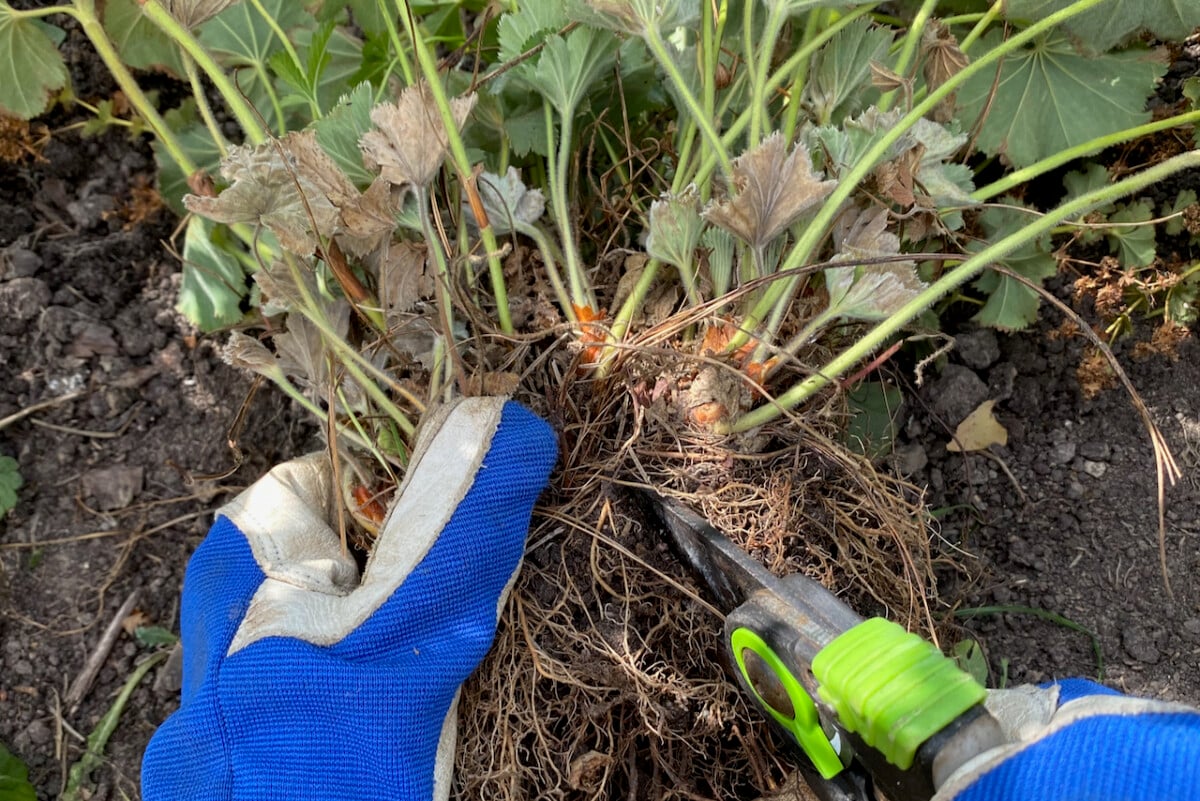
In terms of recovery, the plant that we’re dividing is going to have a hard time bouncing back. In addition to having its roots disturbed and its location changed, the stress of having to regrow roots in extreme heat might prove too much.
Wait until September to divide perennials, and your patience will be rewarded.
4. Wait before you transplant your perennials.
Ok, but what if I’m not dividing the plant? What if there’s no cutting it down into smaller pieces? Can I move it?
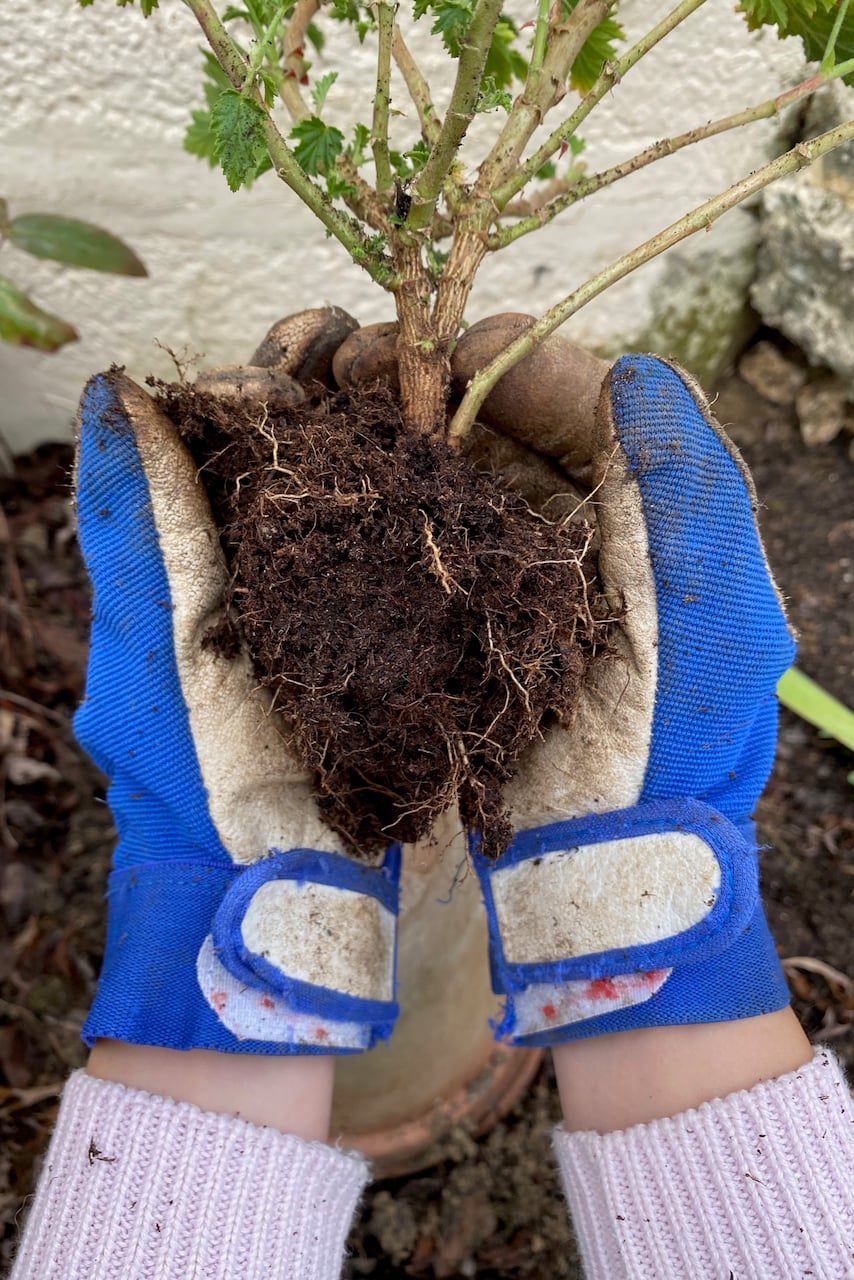
It’s best to avoid moving your perennials during a heat wave at all costs. Aside from the stress you’ll be inflicting on the plant, you would need to shade it and water it nearly every day for it to take root and get established. If your goal is to conserve resources and grow a tougher, more heat-resilient garden, this is one move I would avoid until after the heat wave has passed.
5. Put the fertilizer bottle away.
I’m not saying you shouldn’t fertilize in the summer at all. But never fertilize in a heat wave. A struggling plant doesn’t need to expend energy by putting out faster growth. It needs to conserve energy and water until the end of the heat wave – and hopefully a much-needed relief of rain.
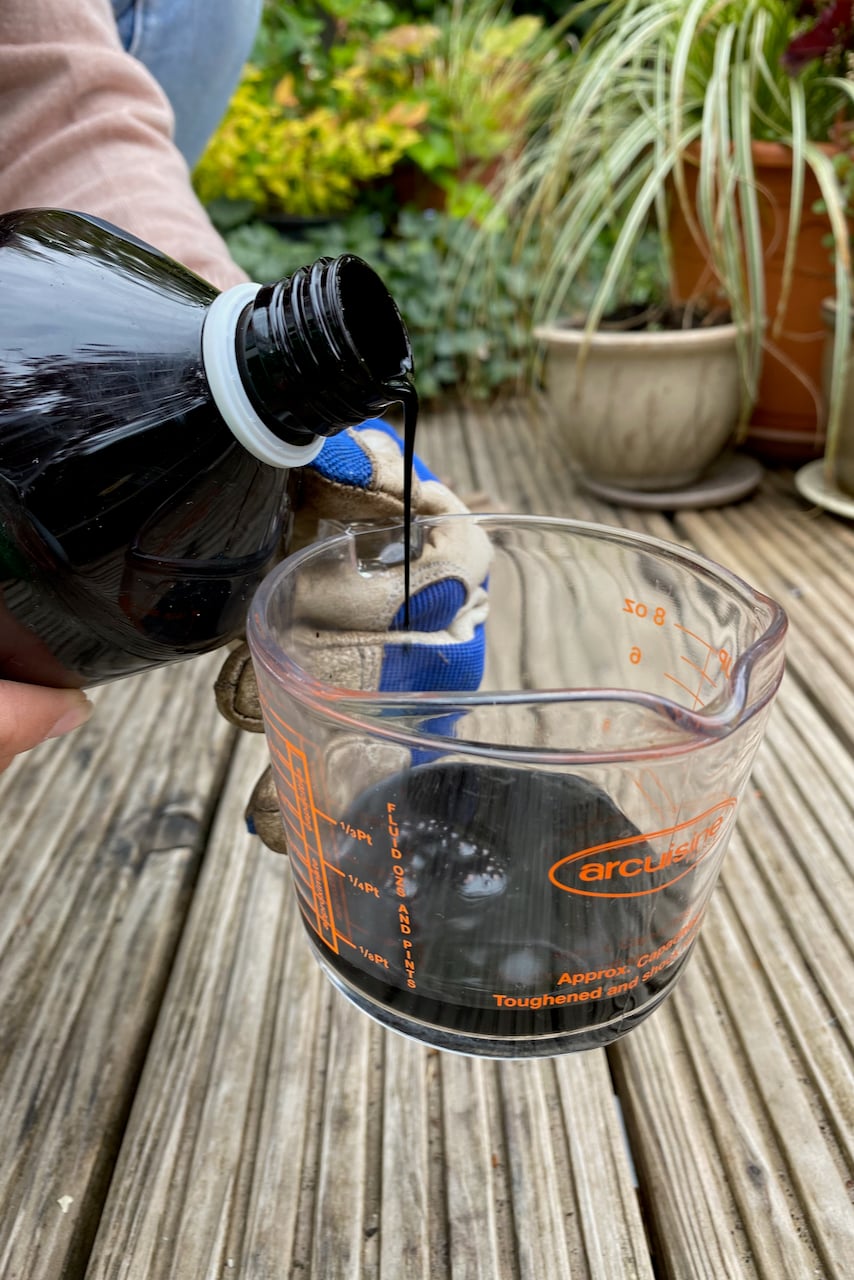
I don’t use synthetic fertilizer, but during a heat wave, I even avoid my preferred seaweed feed.
6. Whatever you do, don’t leave soil bare.
Whenever I’m asked about gardening tips, I’ve been known to throw the phrase “mulch, mulch, mulch!” around about as often as TV realtors say “location, location, location!” (Our editor, Tracey, is with me on this one. We take turns using the soapbox.)
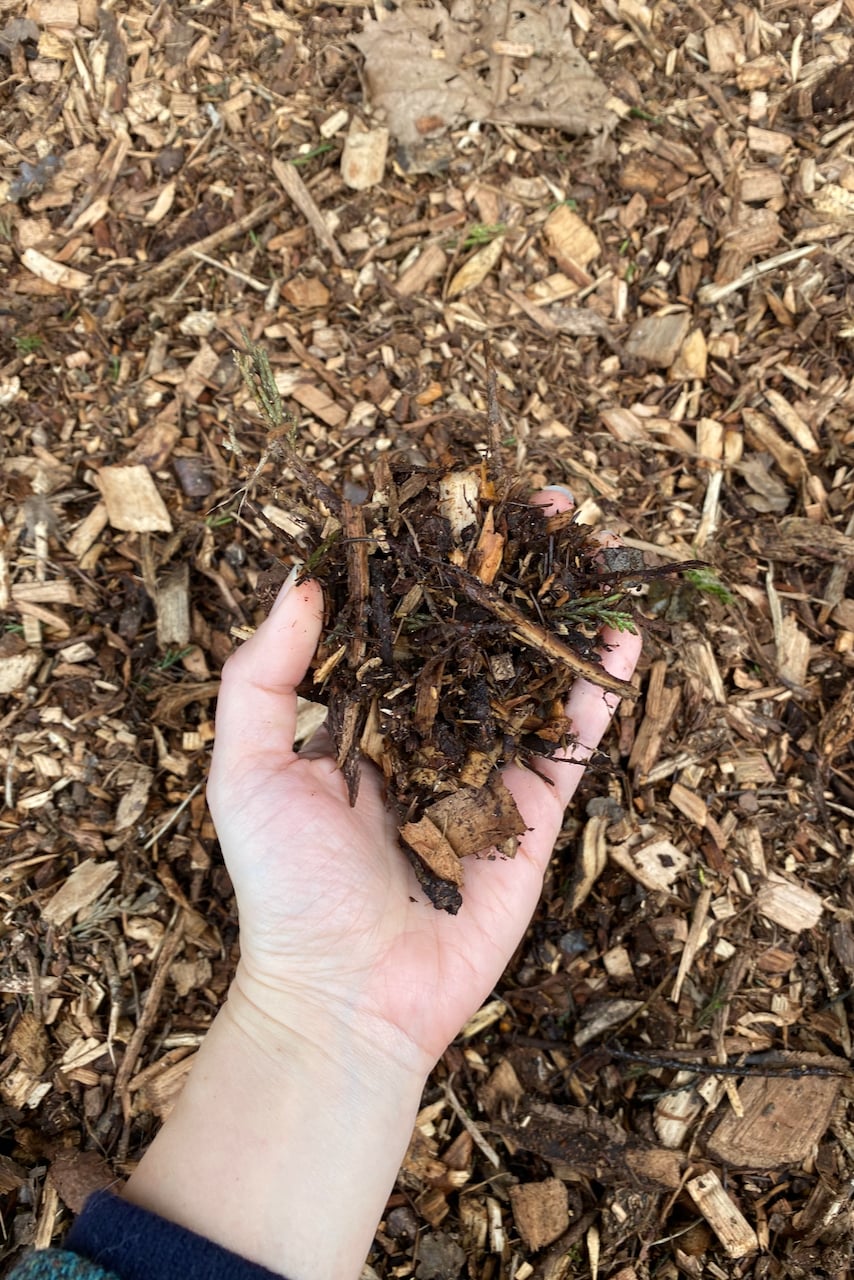
But instead of repeating my advice to mulch this time, I urge you to think differently. Think of it as a challenge not to leave any patch of soil bare in your beds or borders during a heat wave. In addition to retaining soil moisture, mulching prevents the topsoil from eroding. It also keeps roots cool and prevents temperature fluctuations at the soil level.
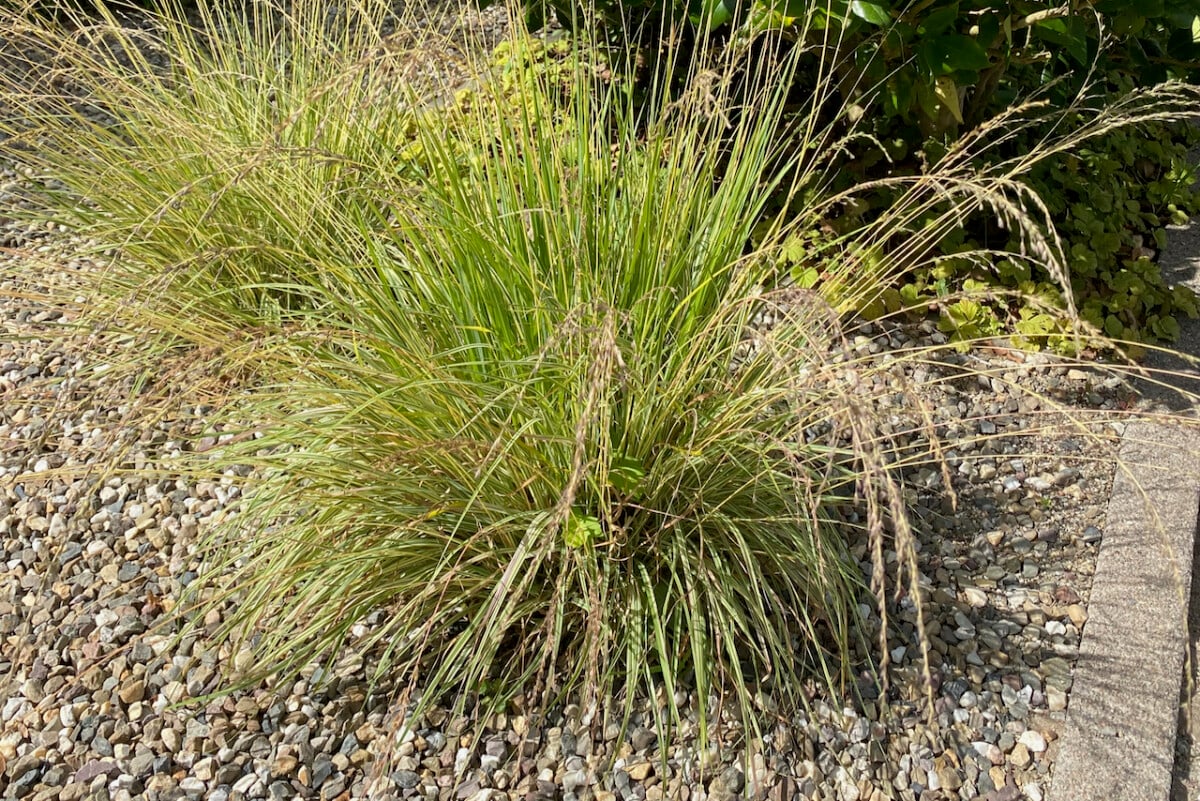
You can use traditional mulches, such as bark, compost, leaf mold or wood shavings. But if you can’t get your hands on any of these on short notice, use whatever you can find around the house and garden to cover bare soil. Use branches and twigs, cardboard, pebbles and seashells, planks of wood and upside-down empty baskets. Even the odd towel you use for drying up the dog will do in a pinch to prevent exposed soil from baking.
Desperate times call for desperate measures. You can always clean up and adjust later, once the heat wave is behind us.
7. Don’t plant out anything!
Whoops! Let me tell you, I learned this the hard way this year. When the early July heat wave hit, it caught me with two trays full of plants that I had started from seed.
These mature seedlings were ready to go in the ground. They had perfect roots poking through the drainage holes. I thought for sure they were going to make it, with proper watering.
Nope, they didn’t. Not the ones that I managed to get in the ground anyway.
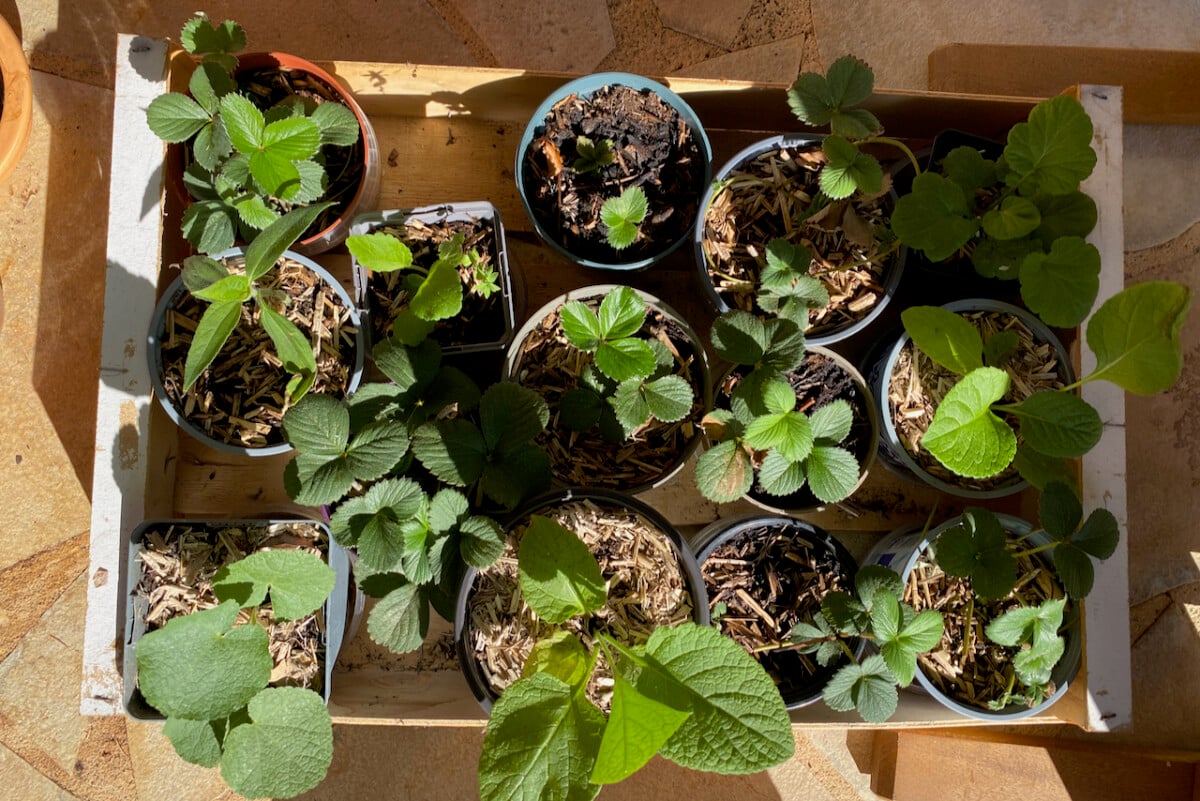
The ones that I procrastinated on are still very much alive and kicking, but still in their pots in a shaded corner of my porch. They’ll be waiting here until fall.
I’d give the same advice for planting more mature perennials, shrubs and even trees. Hold off on planting them in a heat wave. Not only are the conditions not ideal for establishing new plants, but they’re also outright dangerous and wasteful. As in, it would be a waste of a plant to put it in the ground when the temperatures are this high.
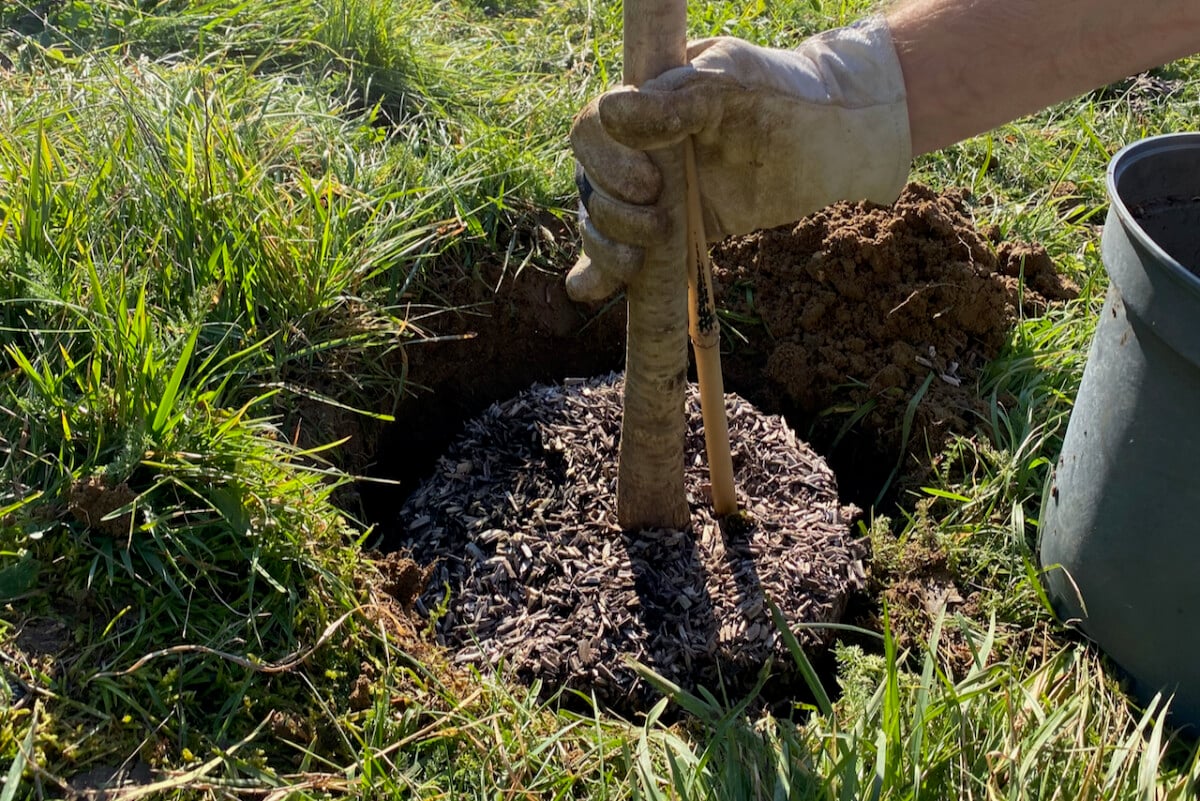
Delay the planting until the weather cools down long-term. In the meantime, keep the plants in a shaded location and keep them well watered.
I want to end on a hopeful note, if not exactly positive.
Heat waves are stressful not only for our gardens but also for our mental and physical health. But if we do our best to see the silver lining in the (swelteringly hot) horizon, we can also use this time as a learning tool.
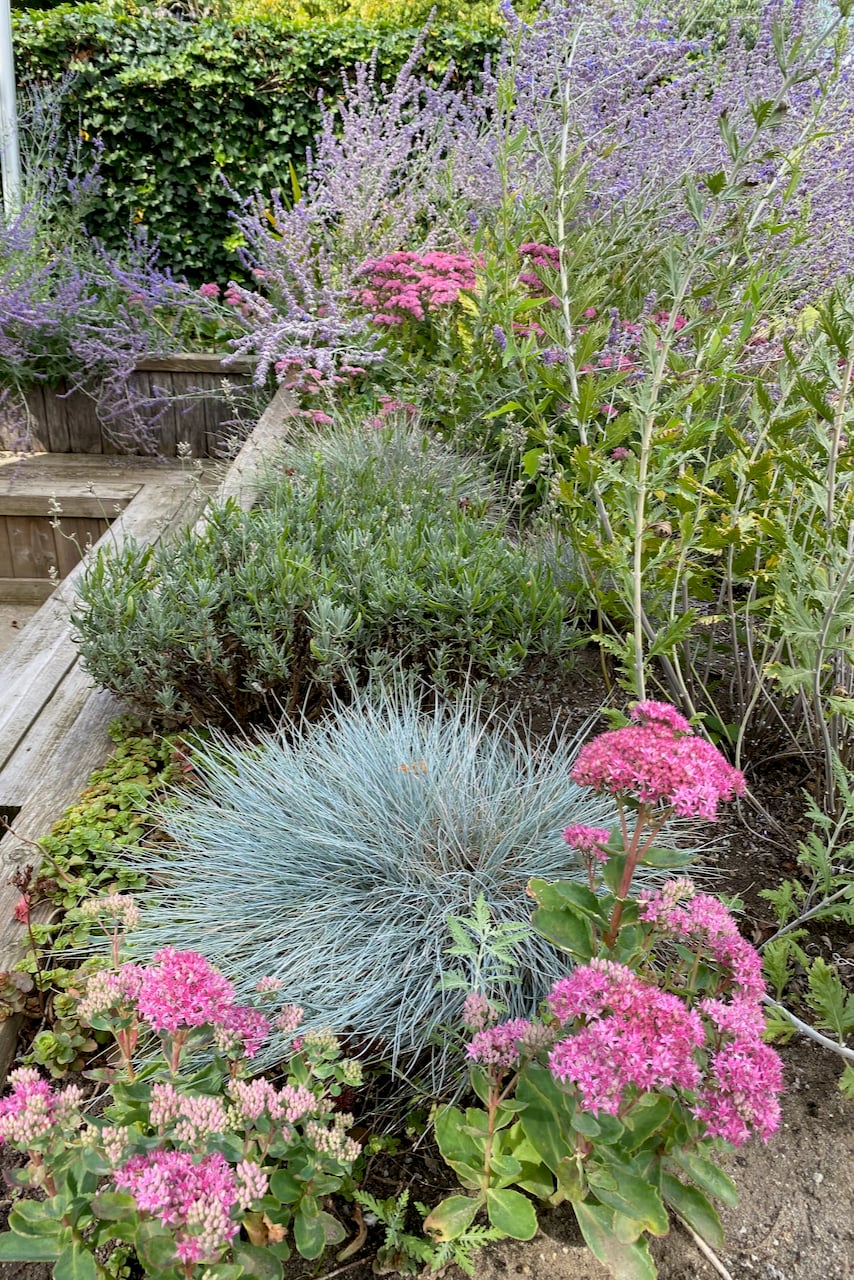
We can learn how to make our gardens more resilient and better prepared for future heat waves. First, we can adjust what plants we garden with.
We can rethink how we catch, store and distribute water. We can design our outdoor space to create and incorporate more shade. Soil health is vital in a heat wave, so we can learn how to help it better regulate moisture. There are adaptive solutions out there, as long as we’re not too stubborn to ignore them.
Get the famous Rural Sprout newsletter delivered to your inbox.
Join the 50,000+ gardeners who get timely gardening tutorials, tips and tasks delivered direct to their inbox.