

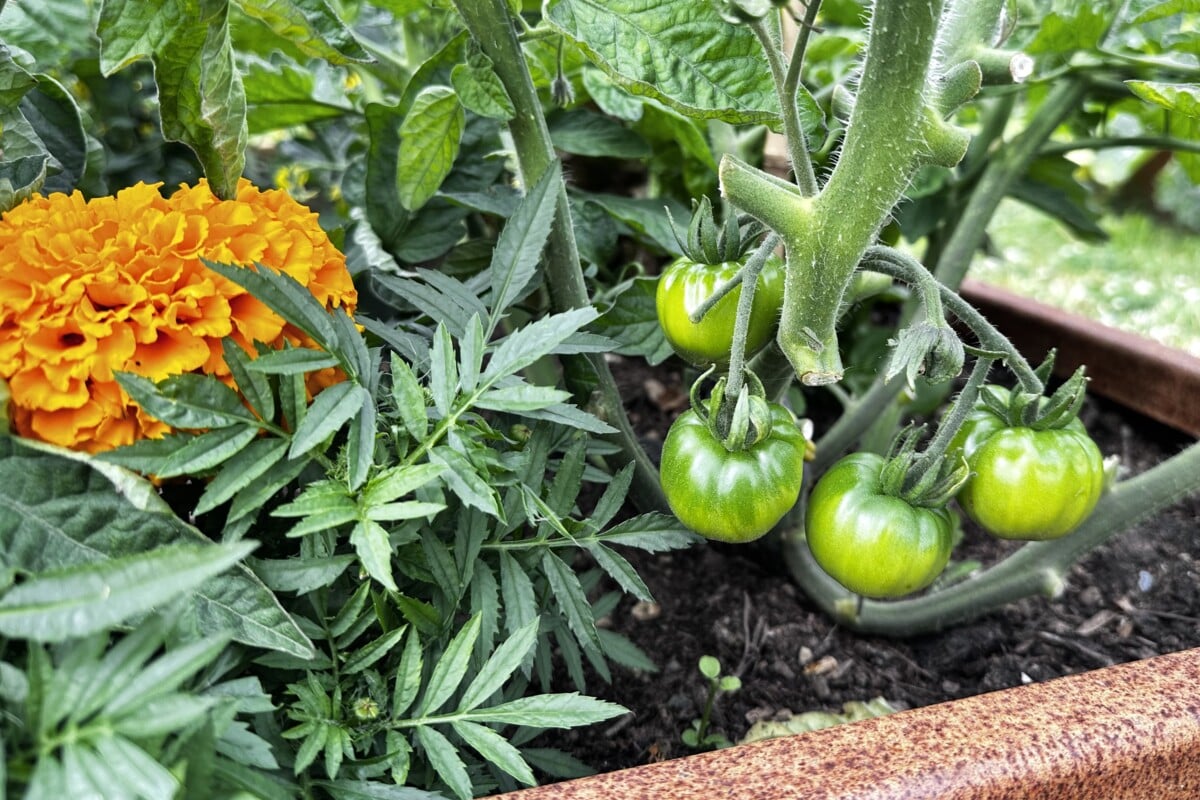
The ideas behind companion planting have been around for millennia. Grow plant X next to Plant Y and receive these benefits. If you’re serious about growing tomatoes, chances are you’ve put some of these into practice. But it’s time to take a fresh look at some of these old school ideas and see which stand up to scrutiny and which should really go on the compost heap. In the end, your tomatoes will thank you.
Which Plants are Really Your Tomatoes’ Best Friends?
One thing I love about gardening is how long we humans have been at this. So, it’s no wonder that we rely on a lot of advice that’s hundreds of years old. When growing food, if we humans found something that worked, we stuck with it and told our neighbors across the fence about it, too.
In recent years, a lot of research has gone into testing many of these time-honored methods to see if they’re really all they’re cracked up to be. When it comes to companion planting, some pass the test while others are more effort than they’re worth.
Don’t Plant Your Tomatoes Next to…
1.-3. Peppers, Potatoes & Eggplants
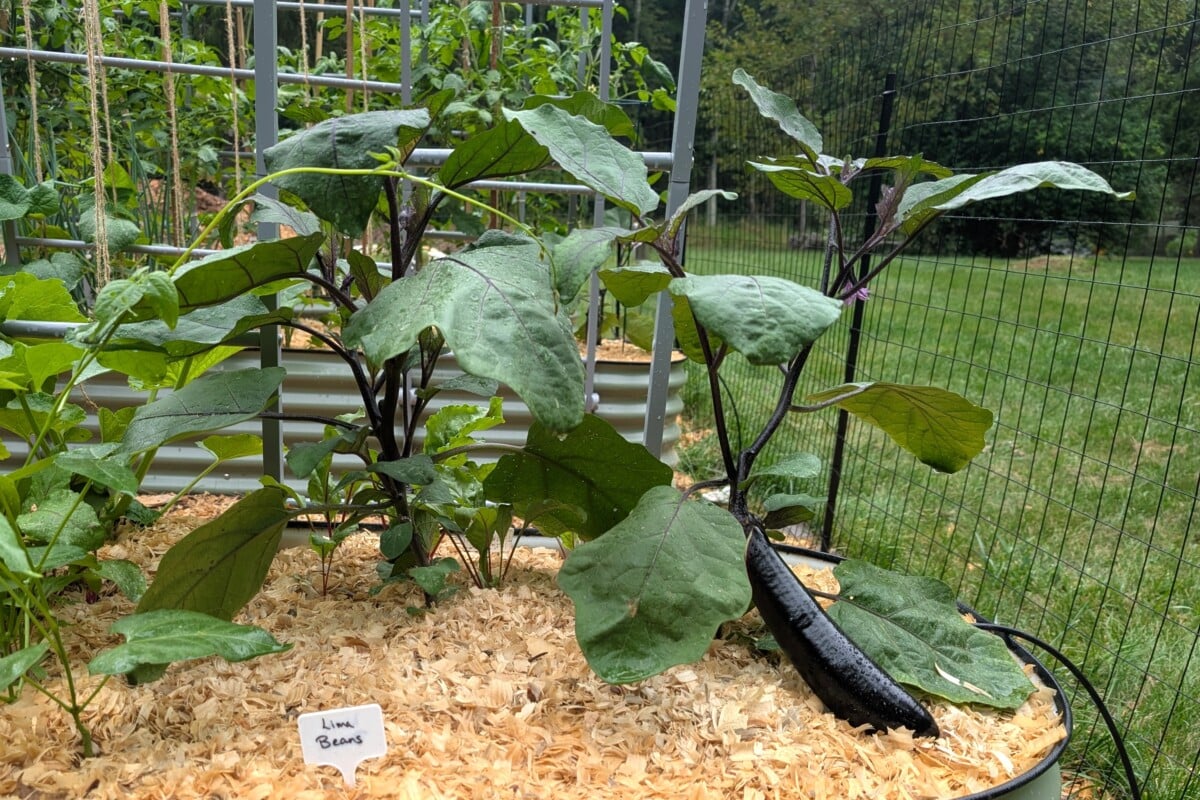
First, let’s look at the three most common vegetables we’re told not to plant our tomatoes next to: potatoes, eggplants, and peppers.
These three are all in the same family as tomatoes themselves. Tomatoes, potatoes, eggplants, and peppers are all members of the Solanaceae family of plants.
The idea is that they all share similar pests and diseases, so planting them close together means that if one is affected, the neighboring plant is likely to be affected, too.
For instance, if you plant potatoes next to your tomatoes and come out one day to find hornworms on your tomatoes, likely, they will also end up on your potatoes. The same goes for those Colorado potato beetles munching on your spud leaves.
Or maybe it’s later in the season, and you notice the telltale signs of late blight – circular water-soaked spots – on your potato leaves. You know it’s only a matter of time before it spreads to your tomatoes.
The problem with this kind of companion planting advice is that it compartmentalizes your garden into neat, tidy little sections where plants are immediate “neighbors” or “companions” with each other. The reality is that neither pest nor disease cares about arbitrary boundaries.
The typical home garden is not that big.
Once those hornworms have devoured your tomatoes, they will find your potatoes, whether they are right next to them or planted on the other side of the garden. And many plant diseases spread easily on the wind or in damp air via spores, especially blight. If your tomatoes have blight, not only will your tomatoes, but your neighbor two miles down the road will too.
Even something as simple as wearing the same garden gloves week in and week out can spread disease.
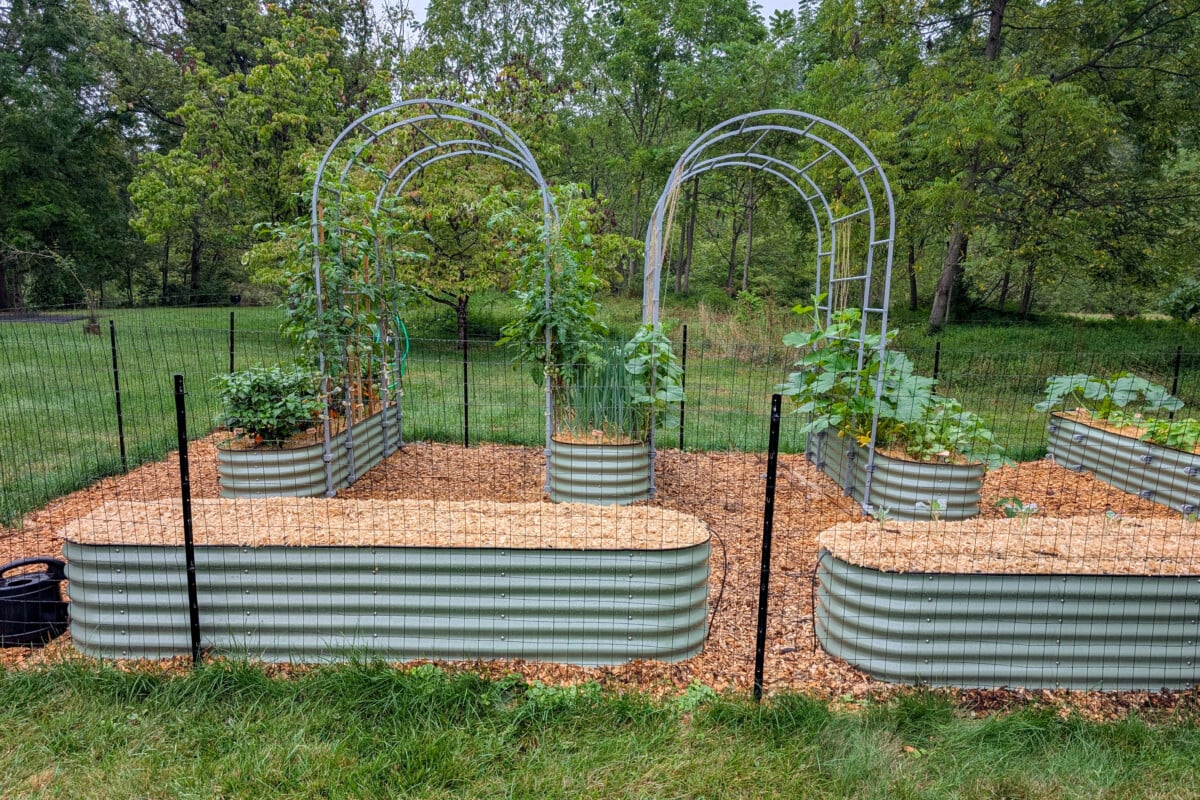
When it comes to companion planting and pest and disease, it’s best to stop thinking of plants as neighbors and start thinking about your entire garden as a neighborhood.
So, for vegetables in the Solanaceae family, when it comes to companion planting: at best, not planting these vegetables right next to each other buys you a little time to tackle pest or disease problems before they spread; at worst, you’re putting a lot of effort into something that won’t make a difference if the disease or pest issue is persistent. Use your discretion.
On the other side of that coin…
There is another side of this notion that’s worth contemplating. Because all of these solanaceous plants have similar soil, sun, moisture and nutrient requirements, planting them together can make caring for them easier.
Each of these plants: tomatoes, peppers, potatoes and eggplants, is known to be a heavy feeder. By growing them all closely together, you can optimize the amount of water and nutrients you provide, without jeopardizing nearby plants with dissimilar requirements.
Growing up, my dad always had a massive traditional organic garden spread over three different plots with row after row of produce. It was easy for him to plant tomatoes in the plot below the apple orchard, potatoes in the plot close to the garage and peppers in the plot closest to the greenhouse. For him, this kind of companion planting made sense.
But for myself, and so many other gardeners, we just don’t have the space for such sprawling gardens.
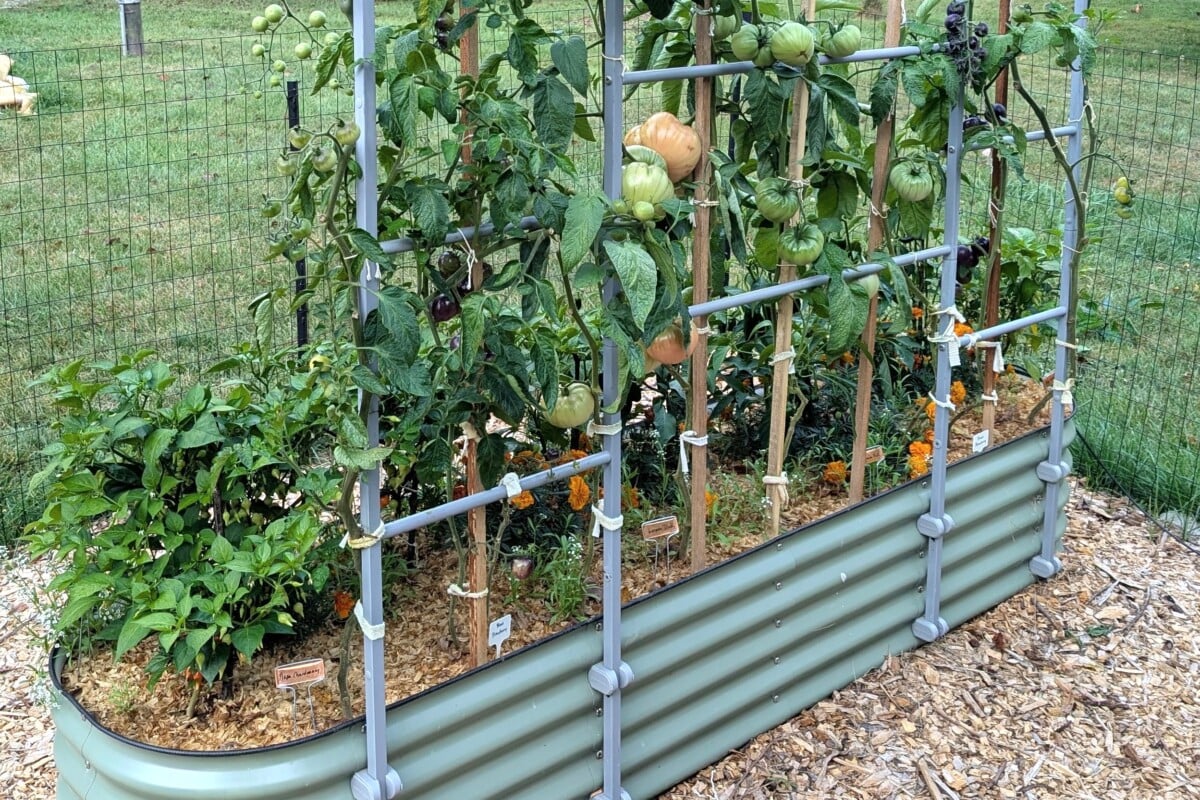
I used to agonize over these veggies and their placement in my garden, erasing and redrawing garden plans every winter to ensure that each was planted next to one that was beneficial and not next to one that wasn’t. The year I stopped and just planted everything where it was convenient, and sun requirements were the only thing I worried about, was a game-changer. I haven’t looked back, not even after having blight in my garden.
4. Corn
This is another vegetable that shares a common pest with tomatoes – the corn earworm, also known as the tomato fruitworm. However, we just spent considerable time discussing why companion planting, according to the pest doesn’t really make sense for the average home gardener. Instead, we’ll look at the more obvious reason not to plant corn next to tomatoes.
It’s so simple, you likely won’t even think about it until it’s too late. But it’s a gardening mistake you’ll only make once.
Corn is a tall, densely-leaved plant when it reaches its full height and will easily shade out your sun-loving tomatoes if you aren’t mindful of where you plant it in relation to your ‘maters and the path of the sun across your garden.
5. Sunflowers
It’s hard to imagine a plant as cheerful as a sunflower being a bad companion. They seem to be the antithesis of the very notion. However, most sunflowers don’t make good neighbors for tomatoes for the same reason corn doesn’t – because of their height. So, while these cheerful plants that seem to be the very antithesis of a “bad neighbor” aren’t actually out to get your tomatoes, or any other short plant in your garden, it’s best to plant them where their shade won’t be an issue.
Speaking of sunflowers, did you know they were used to assist in the clean-up of the Chernobyl nuclear disaster? You can read more about sunflowers and how to grow them here.
6. Brassicas
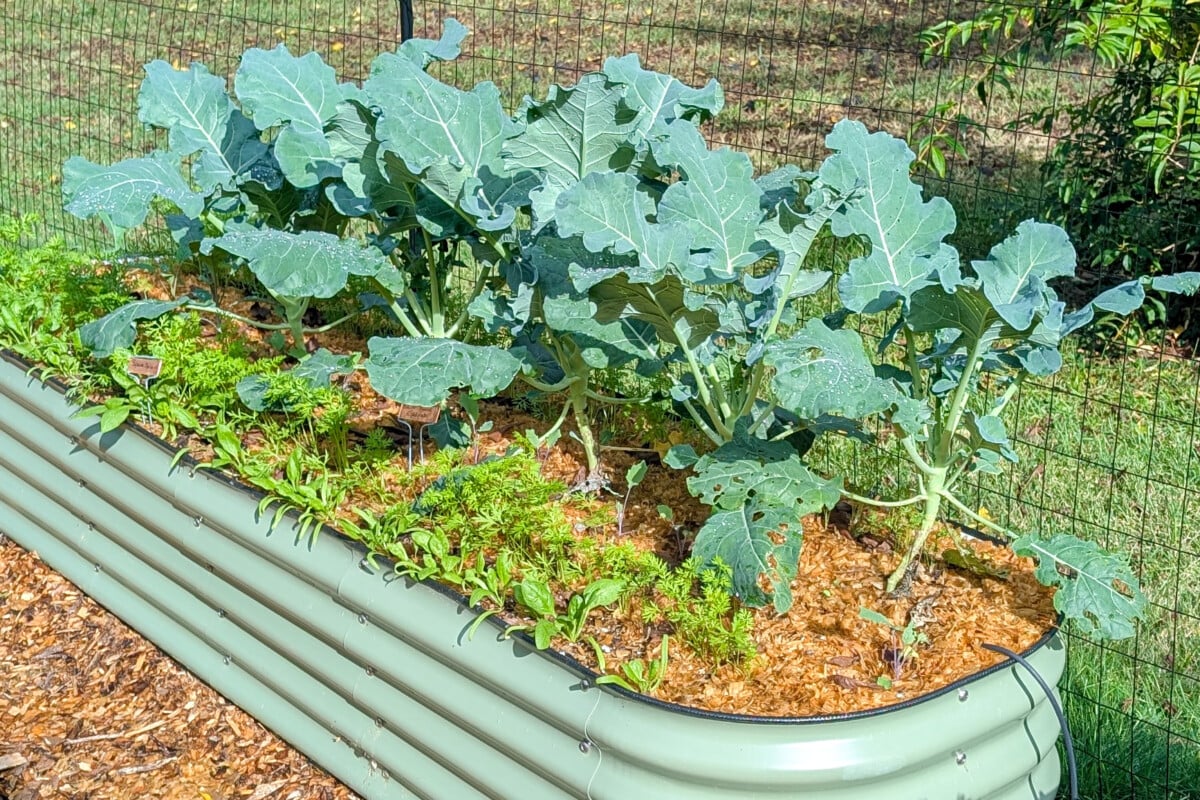
This is one vegetable in the garden neighborhood that you don’t want near your tomatoes. We used to think it was solely because they were both heavy feeders, fighting over one important common nutrient – nitrogen. But brassicas somehow always manage to outcompete tomatoes.
That’s because brassicas play dirty.
We now know they are mildly allelopathic, releasing natural compounds called glucosinolates in the soil, which stunt the growth of plants growing nearby. So even if you were to up the fertilizer, they still have an unfair advantage over your tomatoes.
Not to mention, too much nitrogen for tomatoes means all leaves and no fruit. Keep these two vegetables from growing too close together.
7. & 8. Fennel and Dill
Fennel and dill are two plants that also have the unfair advantage of being allelopathic. They, too, have natural, built-in defenses by means of compounds they release from their roots into the ground that stunt the growth of nearby plants.
You can learn more about allelopathic plants here. If you can’t imagine a garden without tomatoes, fennel and dill in it, there is an easy solution: containers. Growing dill and fennel in their own pots ensures you get to enjoy them, and your other plants are protected.
9. Rosemary & other Mediterranean herbs
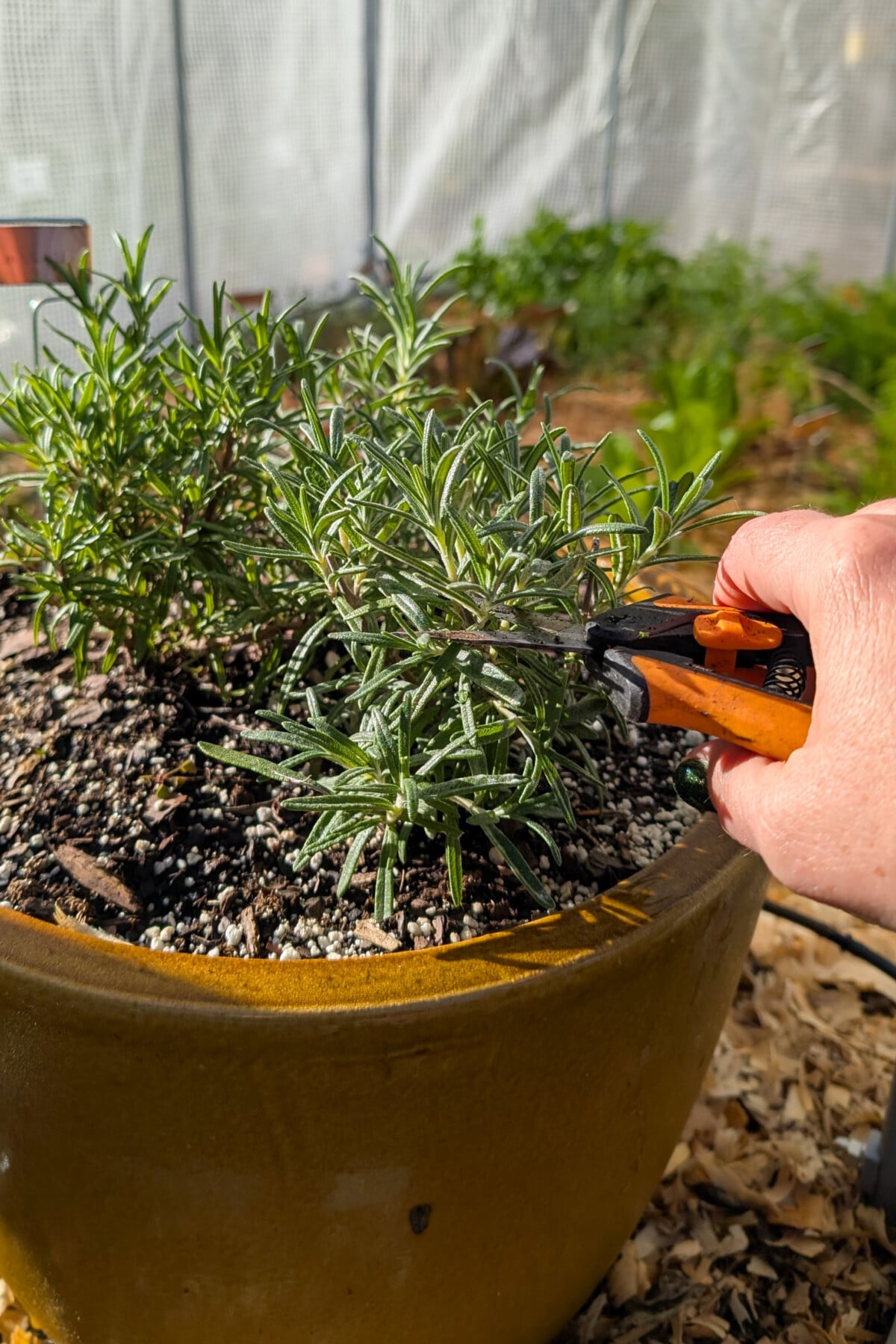
Tomatoes play nice with a few culinary herbs in the garden, but rosemary, lavender, thyme and sage are not on that list. These Mediterranean herbs might be sun-worshippers like tomatoes, but that’s where the plants part ways in their similarities.
Tomatoes need lots of water to produce lush, tasty tomatoes, whereas rosemary likes it dry for long stretches.
Tomatoes are heavy feeders and need consistent feeding throughout the growing season. Rosemary, lavender, sage and thyme prefer low-fertility soil. And tomatoes? Well, you already know how picky they can be. Tomatoes need rich, loamy soil to grow well and regular applications of fertilizer.
If you plant these herbs and tomatoes together, one of them will suffer, and it’s usually the herbs that end up being sacrificed for the tomatoes.
Do Plant Your Tomatoes Next To…
Since we started the “don’t” section off with a companion planting practice debunked, we’ll start the “do” section off the same way.
1. & 2. Beans and peas

As gardeners, we’ve been hearing for decades about how beans, peas and other legumes are nitrogen-fixers. We’re supposed to plant them next to our tomatoes to give them the nitrogen boost they need when they’re getting started. Except that advice leaves out some of the most important parts of that whole nitrogen-fixing process.
Mainly, the part about how if you want to harvest the beans, then you don’t get the nitrogen.
It’s not actually the beans that are pulling the nitrogen from the air and storing it in the soil. It’s a type of bacteria (Rhizobium bacteria) that attaches to the roots of the bean plants. Plants can’t actually use nitrogen gas from the air; the planet would look a whole lot different if they could. Instead, these bacteria convert the nitrogen to a form that the plant can use, and it’s stored in little nodes on the roots.
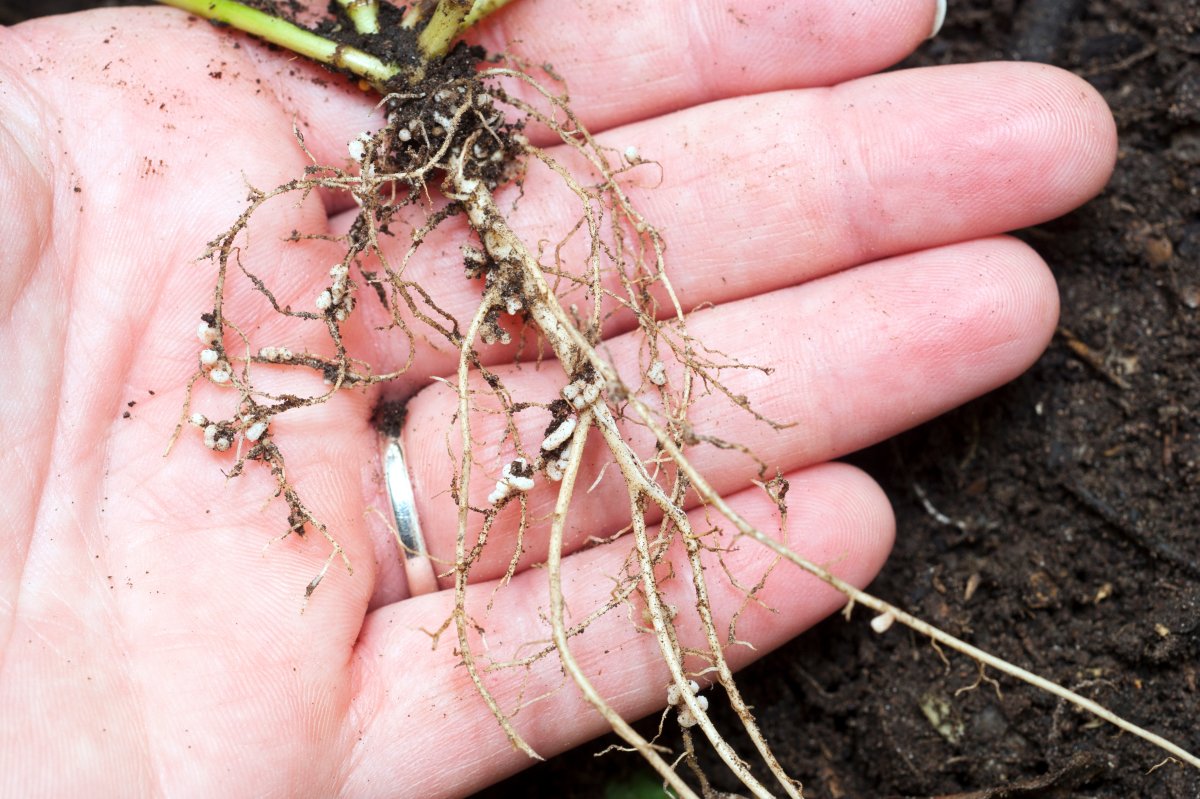
The problem is that the beans use that nitrogen themselves to, ya know, grow beans. So, by the time your bean plants are spent and you’ve harvested all your beans, there’s little to no nitrogen left for nearby plants, such as your tomatoes.
If you really want to grow beans for their nitrogen-fixing capabilities, you need to treat them as a cover crop and chop them in place before they start sprouting beans.
You can read about the debunking of this popular companion planting myth here, along with what you need to do to actually get nitrogen in your soil from beans. (Hint: there are easier ways to do it.)
In the end, yes, you can plant beans and tomatoes together, but there’s no benefit to doing so for either plant.
3. Basil

Here’s a plant that we’ve grown with tomatoes for centuries, and now it’s got the scientific thumbs up, too. Basil is an exceptionally pungent plant, and it’s that strong odor that’s key to how it benefits tomato plants. This 2024 study shows that the volatile compounds released from basil plants actually prime the tomatoes’ defense mechanisms against pest damage. In plain speak: basil is the tomato hype-man. “You got this, bromato!”
The heavy scent of basil also discourages hawk moths from laying eggs on the plants. And as we all know, those beautiful moths turn into tomato hornworms.
Basil and tomato together? It’s not just a flavor match made in heaven—plant plenty of basil among your tomato plants.
4. Marigolds
Marigolds and tomatoes are probably the single most well-known companion plant duo in the gardensphere. But much like those nitrogen-fixing beans, there are quite a few caveats that are left out of this oft-repeated gardening advice.
What’s worse is that while there are several studies concerning marigolds and their ability to prevent nematode and whitefly problems in tomatoes, the information often gets twisted around.
For instance, French marigolds need to be used. If you’re hoping to prevent whiteflies, then you need to plant your marigolds at the same time you plant your tomatoes.
If you want nematode protection, then marigolds are more effective when planted several months before your tomatoes as a cover crop.
So, yes, marigolds help, but only if you use them correctly, which most gardening advice leaves out. This is why I switched to planting dense carpets of sweet alyssum under all of my tomato plants. Holy cow!
5. Sweet Alyssum
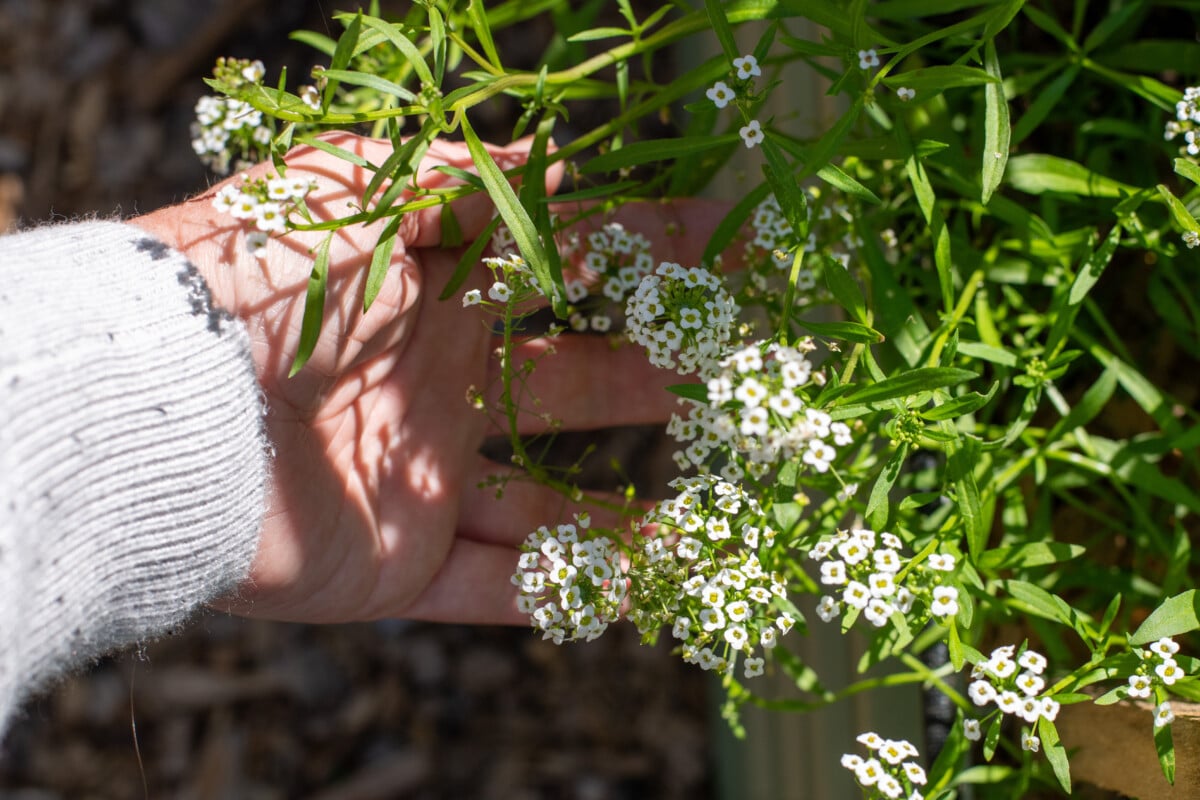
Now this is companion planting I can get behind, as I’ve seen the difference in my own garden. Say goodbye forever to aphids on your tomatoes if you plant sweet alyssum.
This easy-to-grow annual grows as a compact and dense ground cover. What’s more, the flowers are loaded with nectar, attracting hover flies like it’s a full-time job. And in case you didn’t know, hover flies love aphids. (UCDavis)
Not only is sweet alyssum the prettiest mulch I’ve ever had, but it’s also the hardest working.
It helped shade the soil, keeping it cool and moist, also crowded out weeds, and finally, it was positively buzzing all summer long with hungry hoverflies. Not only did I have fewer pests in the garden since switching to sweet alyssum, but I had no issues with low-pollination.

Sweet alyssum self-seeds readily, too, so my pretty mulch will grow back next year, as I left it to go to seed in the garden.
You can read all about the marigold research and why sweet alyssum is the better bet here.
6. Asparagus
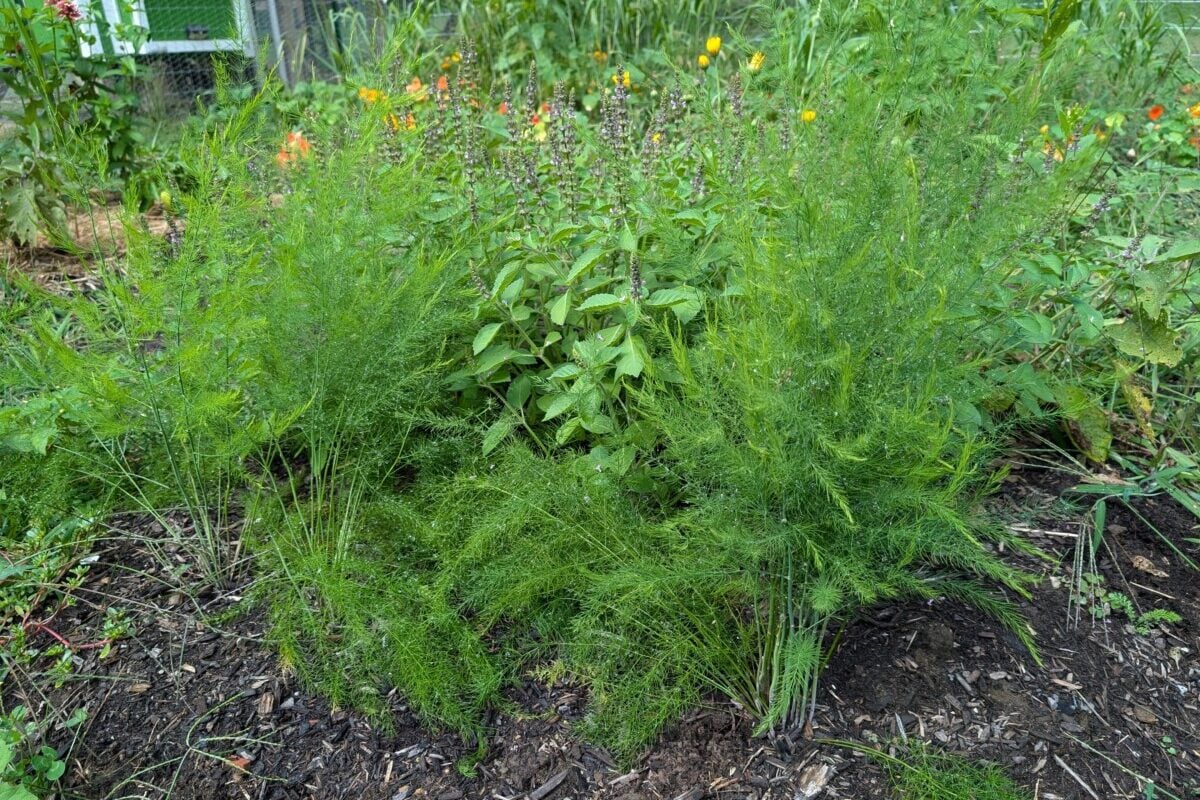
Asparagus is an underrated tomato companion plant, which is a shame. But I get it. Asparagus is a perennial vegetable, so it needs a permanent home in your garden, and it takes a few years to get it started before you can harvest it, so it’s not for everyone.
However, if you do have an asparagus patch, you might want to consider growing your tomatoes near it. Tomatoes produce the compound solanine in their roots, leaves and the fruit itself. Solanine just so happens to be an effective asparagus beetle deterrent. Asparagus roots produce a compound aptly called asparagusic acid, which is toxic to many nematode varieties, including stubby-root and root-knot nematodes.
These two vegetables are truly companion plants.
7. Lettuce
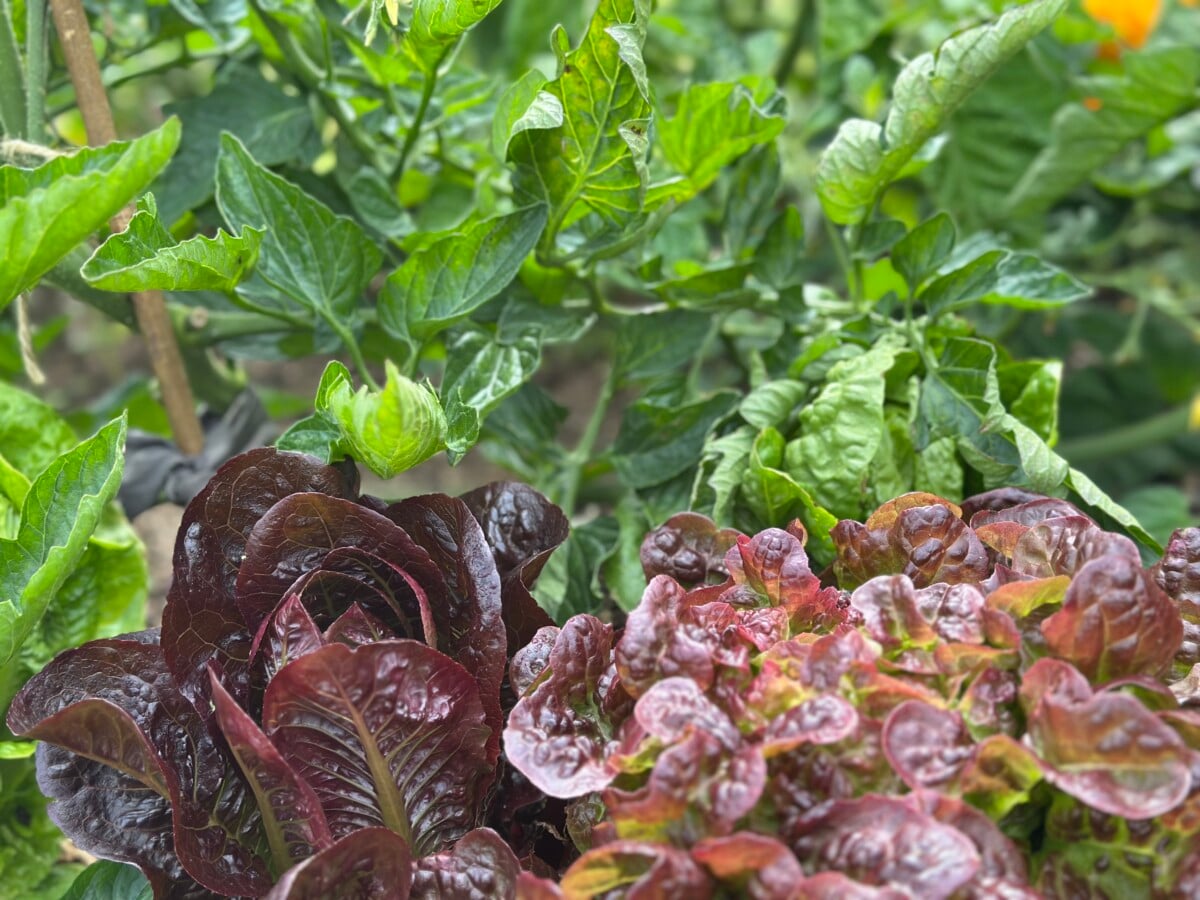
Lettuce is great on a BLT, so it makes sense that lettuce would also do well with tomatoes in the garden. Okay, I know that’s a stretch, but it’s true anyway. Planting leaf lettuce around the base of your tomatoes in the spring provides a sort of living mulch. The lettuce shades the soil, helping to retain moisture while also shading out potential weeds, giving your tomatoes an advantage.
As the tomatoes grow taller and the summer heat starts to kick in, they, in turn, shade your tender lettuce from the scorching sun. You get a couple of extra weeks of lettuce growing in the shelter of the tomatoes.
With all the anecdotal gardening advice out there, it’s always a good idea to hold it under the microscope and poke it a bit. I’m always amazed at the things we’ve been doing forever that science is only now beginning to explain why and how they work, which is a good thing for our tomatoes.
Get Garden Notes From Tracey, Right to Your Inbox
Pull up a chair on the front porch. Join 54,000+ gardeners who get Tracey\'s friendly notes, seasonal to-dos, and hands-on tutorials three times a week.