

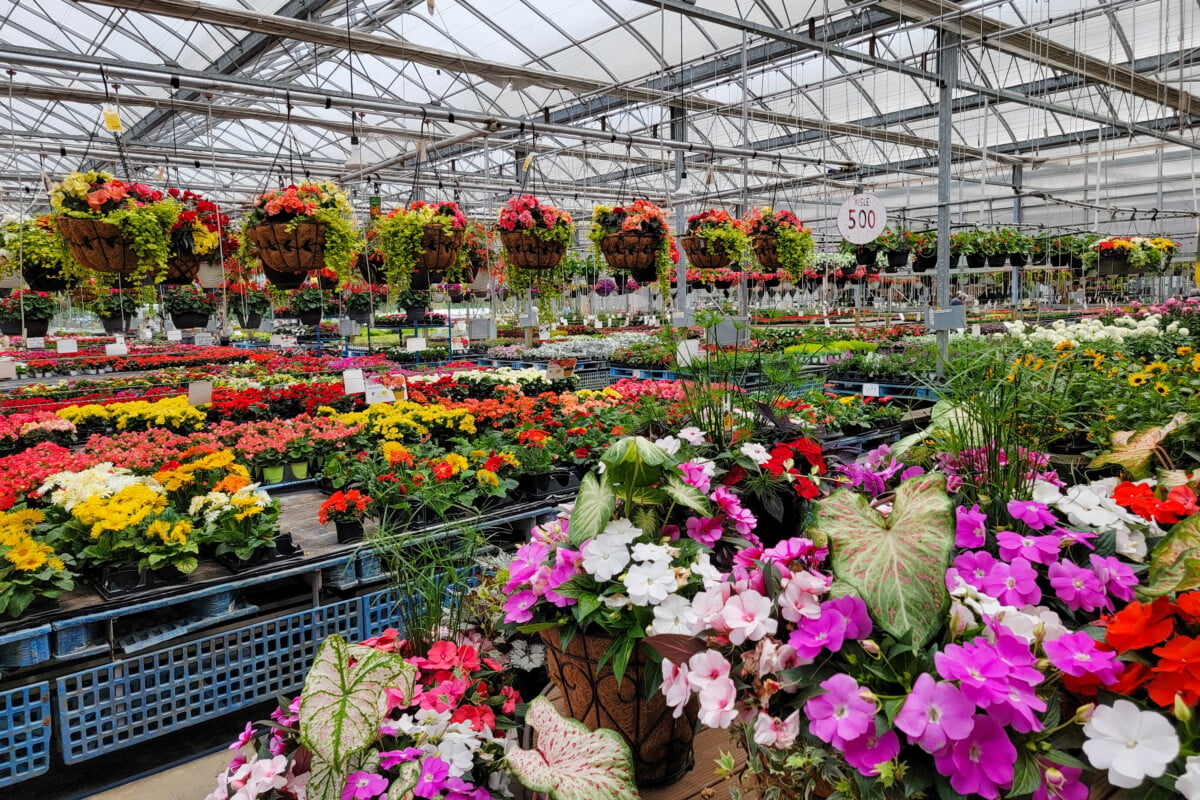
Like most green thumbs, I rarely say no to a trip to the garden center. Who doesn’t love the smell of damp earth and growing things? But like most skills and hobbies, consumerism has produced plenty of stuff to go along with it. The garden center is no different. While there are plenty of helpful items, there are also plenty you don’t need, and some things you should avoid altogether.
If you’re heading to your local green thumb paradise, be sure you leave these X things on the shelf where they belong.
1. Vegetable Seedlings That Should Be Direct Sown
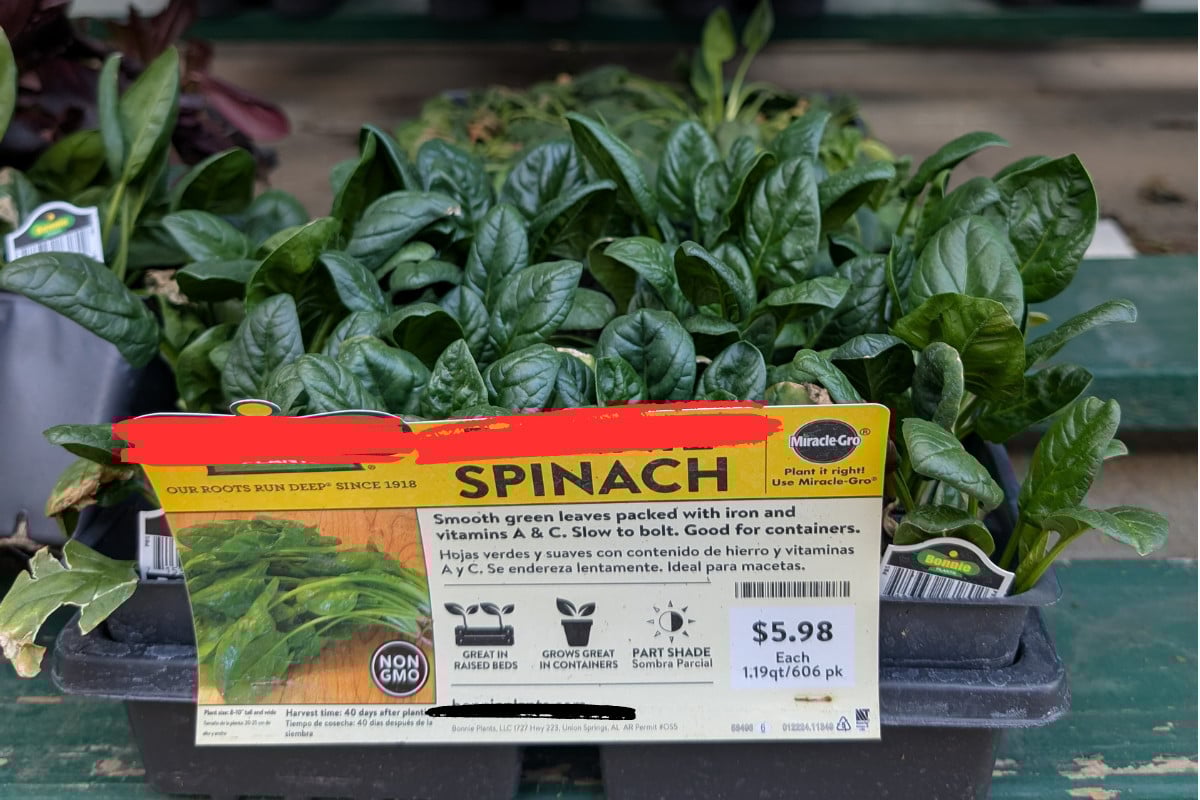
I’m not going to beat around the bush on this one because it makes me so angry. It’s nothing but a lousy money grab by the commercial nurseries that started this nonsense. There is one guilty commercial plant grower in particular who shall remain nameless, but if you purchase seedlings at any of the big box stores, then I’m sure you know which one I’m referring to. They know these are convenience items, and they will sell. They don’t care one way or another if the seedlings die the moment you try to transplant them because you’ve already bought the plants.
There are a number of vegetables that should only be direct sown because they don’t transplant well or at all.
Root crops, such as radishes, carrots, beets, etc. If it grows below ground, don’t buy the seedlings. Once planted, they will either die or not form below the soil the way they’re supposed to.
Cucumbers, squash and other cucurbits. While these may survive being transplanted, cucurbits specifically don’t handle transplant shock well. It takes them much longer to recover and grow at a normal pace than, say, a tomato or pepper. If you transplant a zucchini seedling and plant a zucchini seed right next to it, three weeks from now, you’re going to have roughly the same size plant. Save the time and money and direct sow.
For a full list of vegetables that are best direct sown, rather than started as seedlings, check this out.
This is less of a concern if you make most of your garden purchases from a small, locally owned garden center or nursery, as you’re unlikely to find them selling seedlings that aren’t meant to be transplanted.
2. Potting Mix with Peat Moss
For many, potting mix is potting mix. But even if you fall into this camp, it’s hard not to be dazed by the sheer number of potting soil blends available on the market these days. Looking at one bag that touted that it contained lobster and crab, my teenage son said, “I think the vegetables are eating better than we do, Mom.”
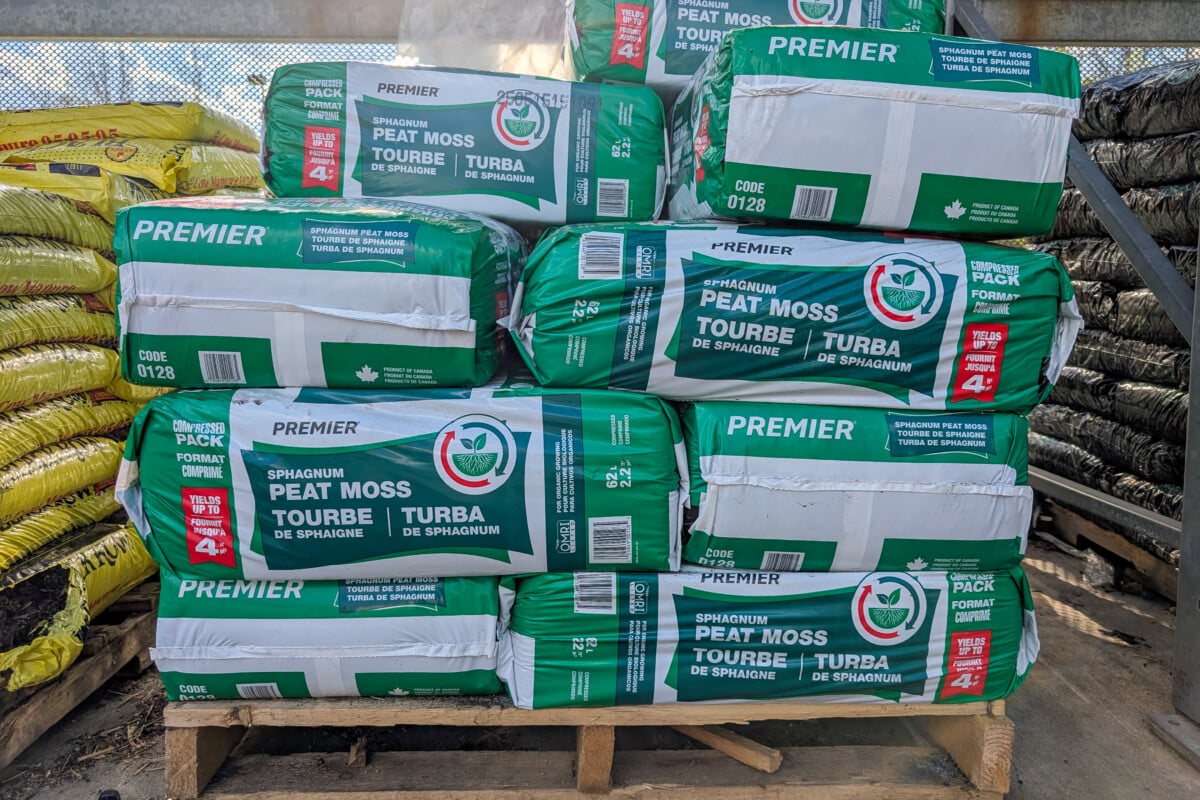
No matter if you choose the fancy seafood blend or a bag of plain all-purpose potting mix, you should avoid potting mixes that contain peat moss.
It’s used in so many growing mediums because it ticks a lot of boxes for organic media that we need.
Peat moss is:
- Cheap
- Plentiful
- Holds moisture
- Allows for good airflow
- Is lightweight
While all of these qualities make for an excellent addition to potting and gardening mixes, the harvesting of peat takes a huge toll on the environment. Peat bogs, where peat moss is mined, formed over tens of thousands of years, which means once it’s gone, it’s gone. We can’t simply make more.
When it comes to fragile ecosystems, peat bogs are only next in line to the rainforests.
Because peat bogs have very specific environments – highly acidic, very wet and nutrient-filled substrate that holds little oxygen – they are home to animals that have adapted to live specifically in that environment. If we lose the peat bogs, we lose those animals, too.
You may have noticed more and more coconut coir showing up in the garden center these days. That’s because coconut coir, the byproduct of the outer husks of coconuts, has many of the same desirable traits as peat moss. Unlike peat moss, however, coconut coir is renewable and sustainable.
So, skip the bags of potting media that contain peat moss and opt for ones with coconut coir or another renewable option.
3. Cheap Flimsy Tomato Cages
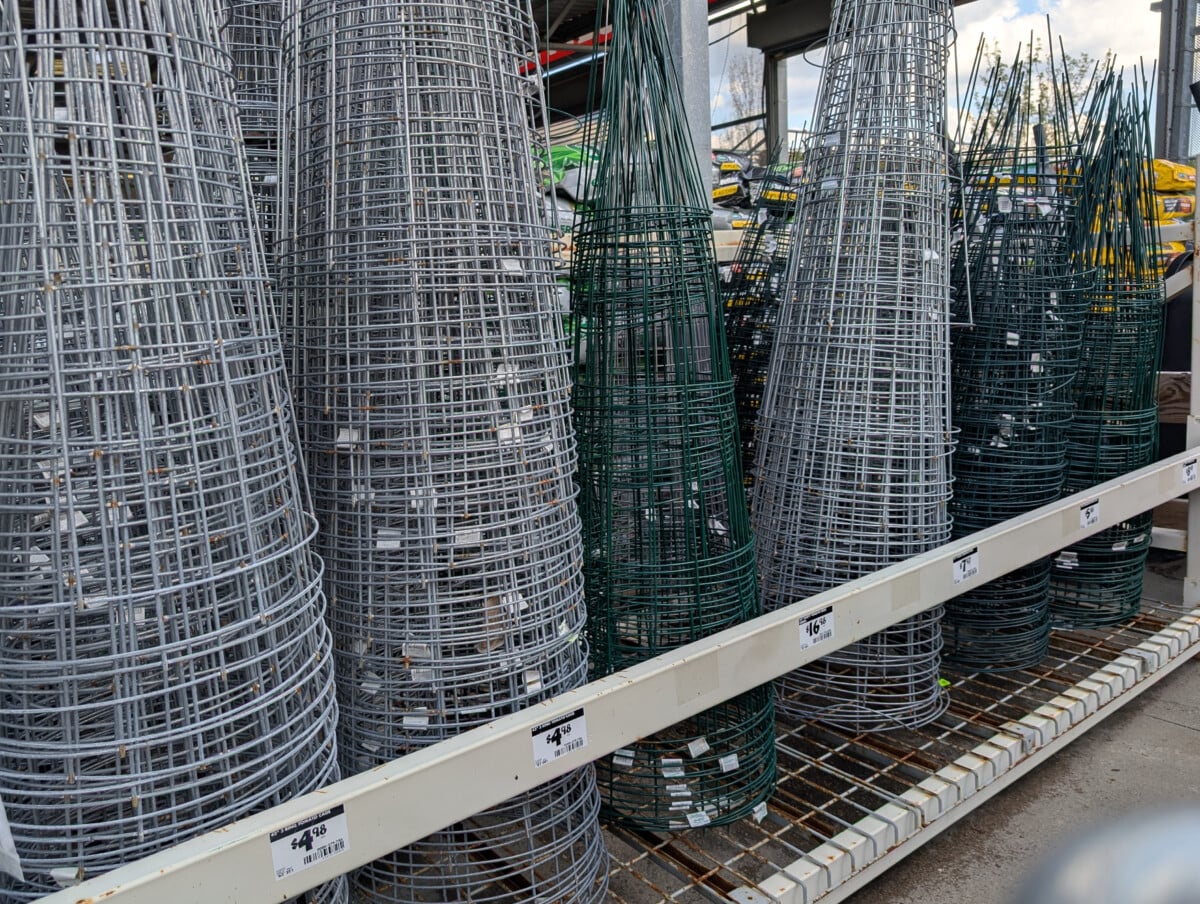
Every year, I see stacks upon stacks of the cone-shaped wire tomato cages offered up for sale. You can find them in the garden center of every big box home improvement store. You can find them at Walmart and even at your local hardware store and plant nursery.
I’m always amazed that they still sell. Nearly all the gardeners I know swore them off ages ago.
They’re flimsy. The tines that are supposed to support the weight of a mature tomato plant are tiny and weak. Most of the time, the tomato plant outgrows them and topples over at some point during the season.
Good grief, I can’t even remember the number of tomatoes I lost to these silly things over the years. You would think after the first time it happened, I would have switched to something sturdier. Let’s just say I’m a slow learner.
There are much better ways to stake your tomatoes for optimum growth and fruit production each year. I switched to string-training my tomatoes years ago and haven’t looked back. If you don’t want to grow your tomatoes upright, give the Florida Weave a try. I’ve also had superb results with it. (You can learn how to do the Florida Weave here, from a genuine Floridian.)
Now, there is a caveat where these tomato cages are concerned. They’re terrible support for tomatoes, but they’re wonderful support for peonies, eggplants and peppers. If you flip them upside down, they even work great for growing zucchini in a more upright position, which means more of those delectable, smaller squash and fewer monstrous baseball bats hiding in plain sight.
4. Most of the Hand Tools
There are two reasons you should skip the hand tools. The main reason is quality. Most of your big box garden centers are flooded with poorly made tools. The plastic ones are, well, plastic and crack and fall apart. But even most of the metal tools aren’t really well-made. It’s very much a case of you get what you pay for.
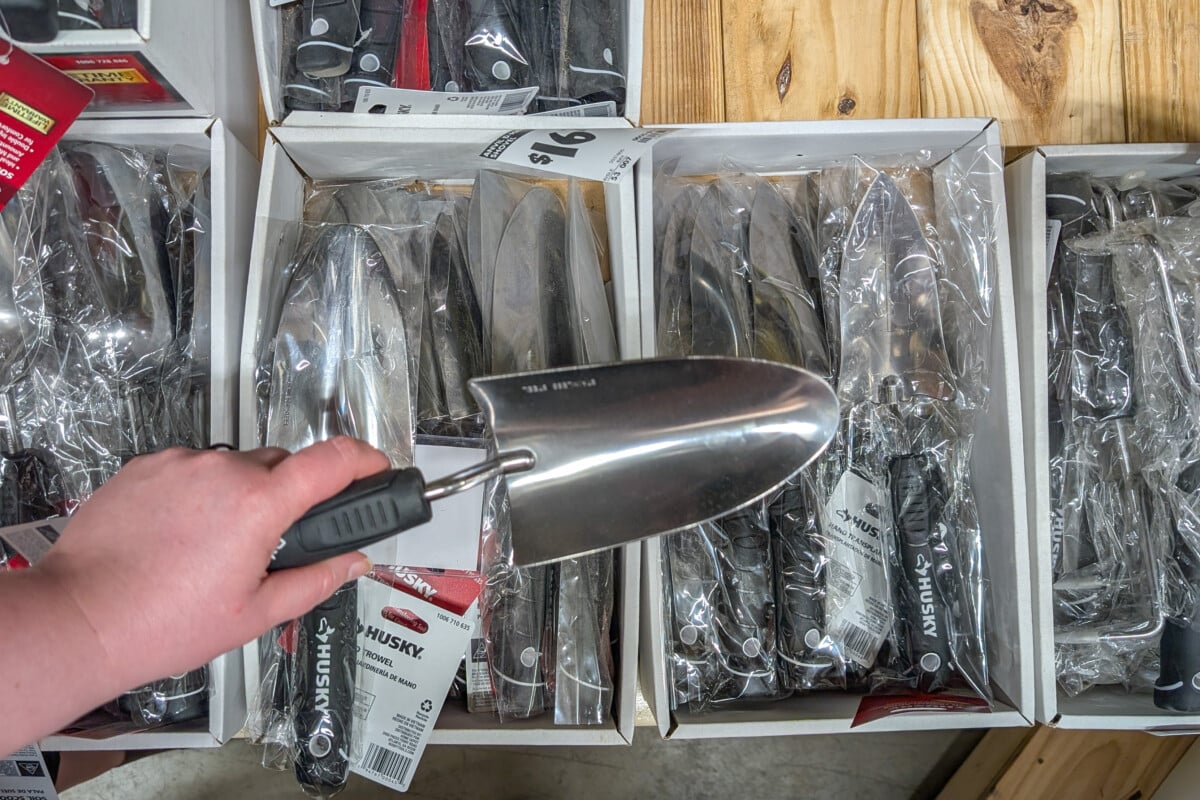
If you’re going to buy a hand trowel, why not buy one that will last you until you end up as part of the compost, too!
But really, the other reason to skip the trowel, the weeder, the tiny fork, etc. is that there’s a single tool that can easily replace all of them. And that means you only have to take one tool out to the garden rather than a whole bucket full.
Let me introduce the hori-hori knife. This gardening tool from Japan is my preferred choice when playing in the dirt, and has replaced just about every garden hand tool I own, save for my snips and my hand pruners. It digs, it cuts, it breaks up clumps of soil, and it makes lines for planting seeds. It’s even got a ruler stamped onto the blade. I bought one four years ago on a whim after reading Lindsay’s article about the merits of the hori-hori. Let’s just say my fancy English garden trowel gets awfully lonely doing nothing out there in the garden shed.
5. Impractical Pots
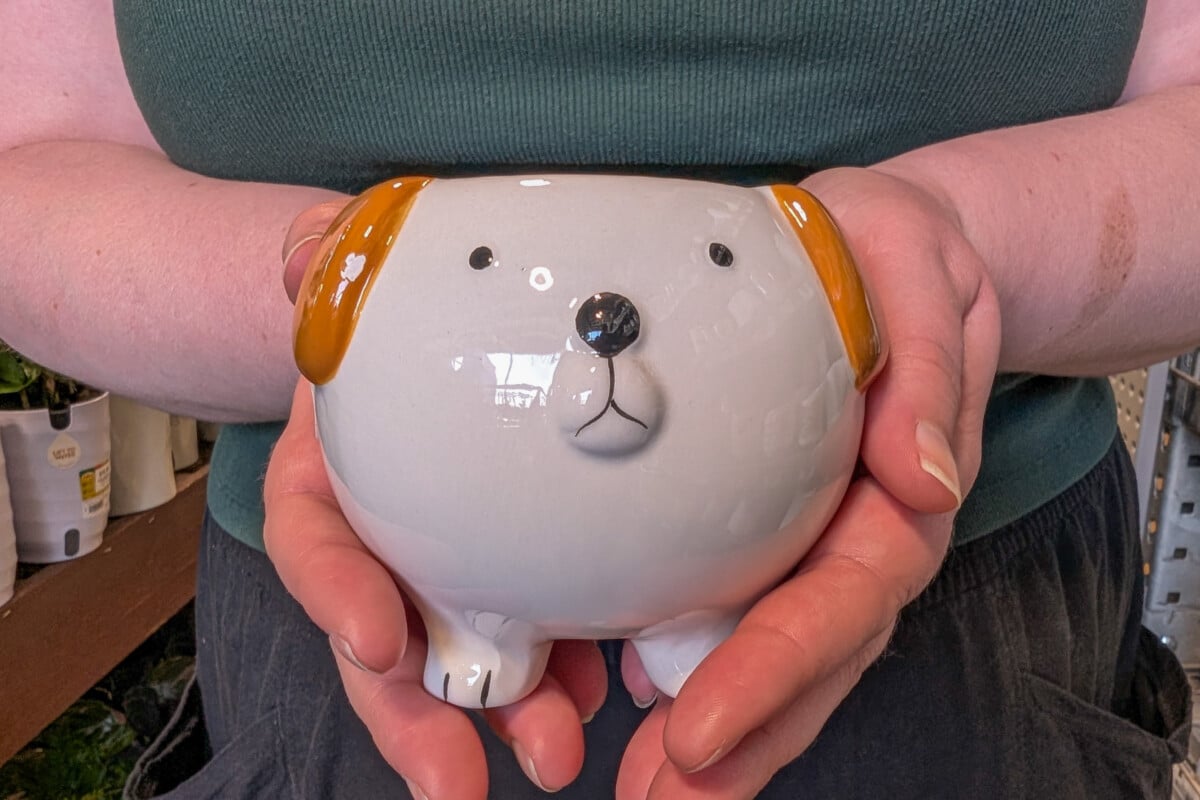
Every season, there’s a new batch of ceramic and plastic planters to choose from. Colors go in and out of style, as do prints and patterns. But some pots are just never in style, as they generally make life harder on you and your plants.
Skip all planters that don’t have a drainage hole. You’re just asking for root rot and dead plants if you bring one home.
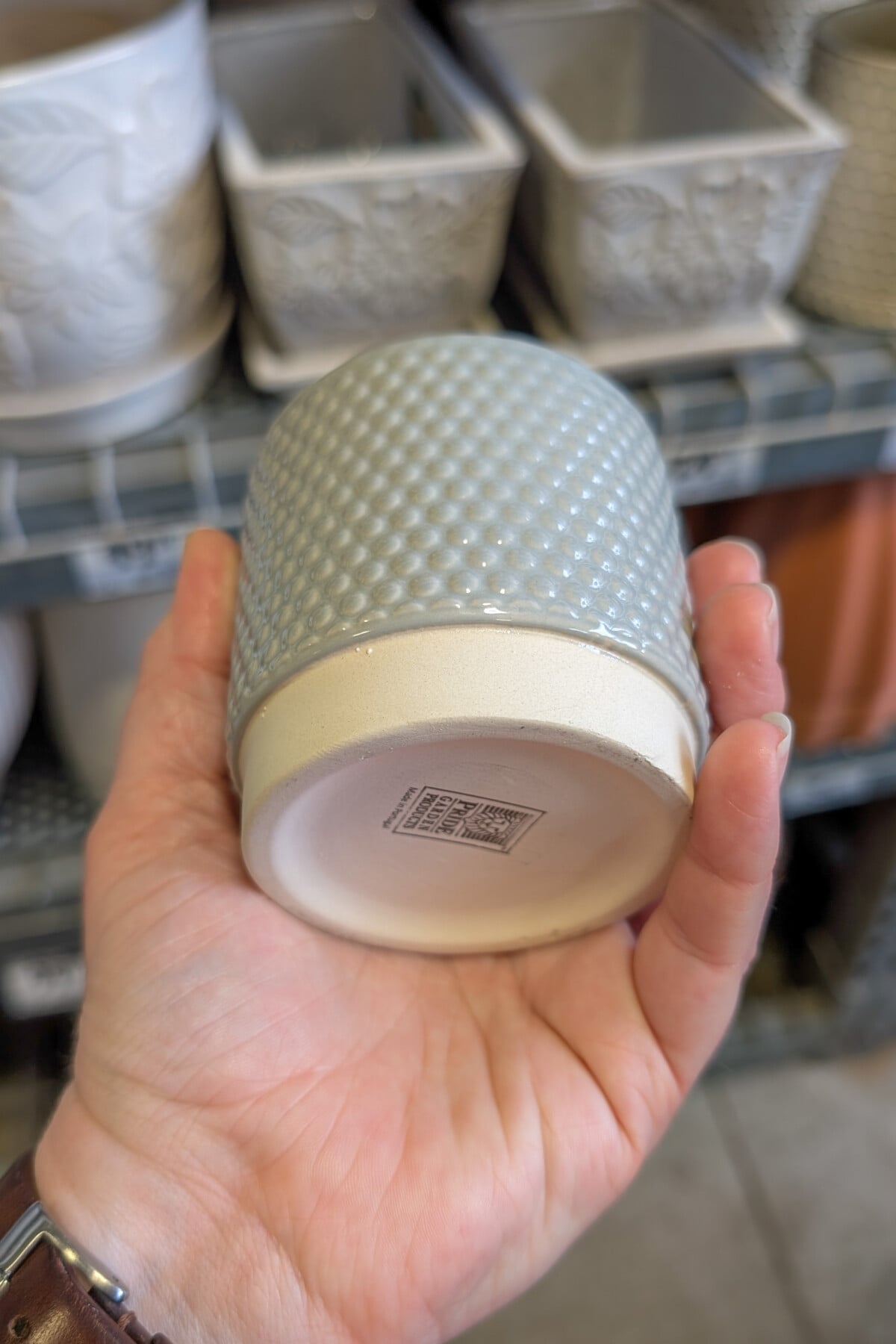
Planters that are wider at the base than they are at the top. Once you put a plant in it and it starts to grow, the roots easily fill the bottom, making it difficult to get the plant back out again in one piece. When it comes time to repot your plant, you’re stuck either ripping apart the roots or breaking the pot.
Finally, I tend to avoid very small pots. Unless you’re growing mini African violets, there are very few plants that will thrive in pots with a diameter of 3” or less.
6. Plants with Spots or Obvious Signs of Disease
I’m ashamed to admit that I fell victim to this one last summer. Marigolds were half off! And I was so excited about the bargain that I loaded them into my cart without giving them my usual inspection. (I’ve always enjoyed their cheerful blooms, even if they don’t actually do much for tomatoes.)
Not only did I plant marigolds in my garden, but I also brought septoria leaf spot, too. I spent the next month battling it and trying to get ahead of it as it spread through my tomatoes.
Always give plants a thorough inspection before bringing them home with you.
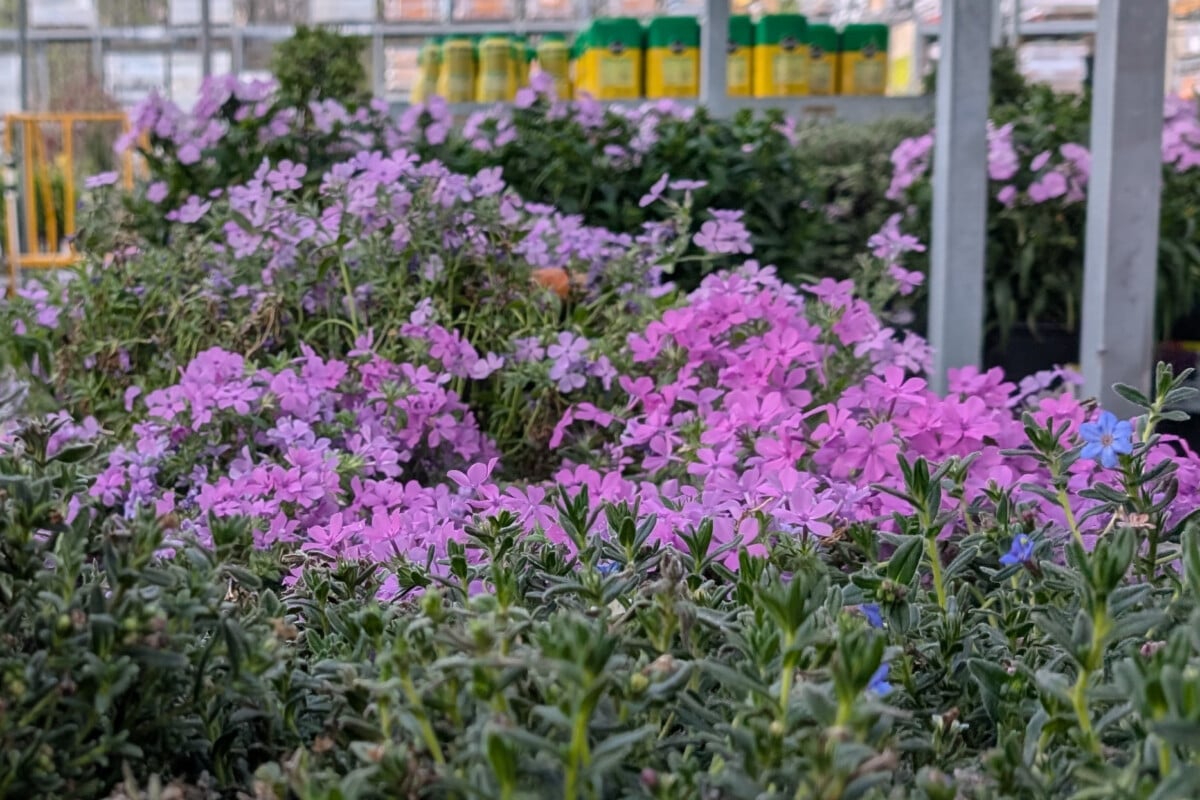
If you remember these six items, you’ll spend more of your time and money on useful items at the garden center, like that cute garden flag with the birds on it. Ooh, look! Solar garden lights!
Get Garden Notes From Tracey, Right to Your Inbox
Pull up a chair on the front porch. Join 54,000+ gardeners who get Tracey\'s friendly notes, seasonal to-dos, and hands-on tutorials three times a week.