

Oh, September, that month when the light drips with gold, the summer heat finally begins to ease up, and mornings come capped in fog and crisp air. We look forward to sweaters, apple cider and hearty winter squash soup. It’s no wonder, then, that September is often a time when garden chores fall by the wayside.
But September is also a pivotal month on the gardening calendar, especially in your flower beds.
What you do in your flower beds in September is the key to whether fall is a time of beautiful and tidy transition (setting you up for an impressive spring next year) or a time of persistent, nagging guilt over the flower beds you let go.
Fortunately, the things that need to be done are easy enough that you can knock them all out on a Saturday, or spread them out over a week of “a little bit here and there.” Let’s check off what needs to be done to keep your flower beds looking good right up until that first frost and set you up for success next spring.
1. Deadheading and Cleanup
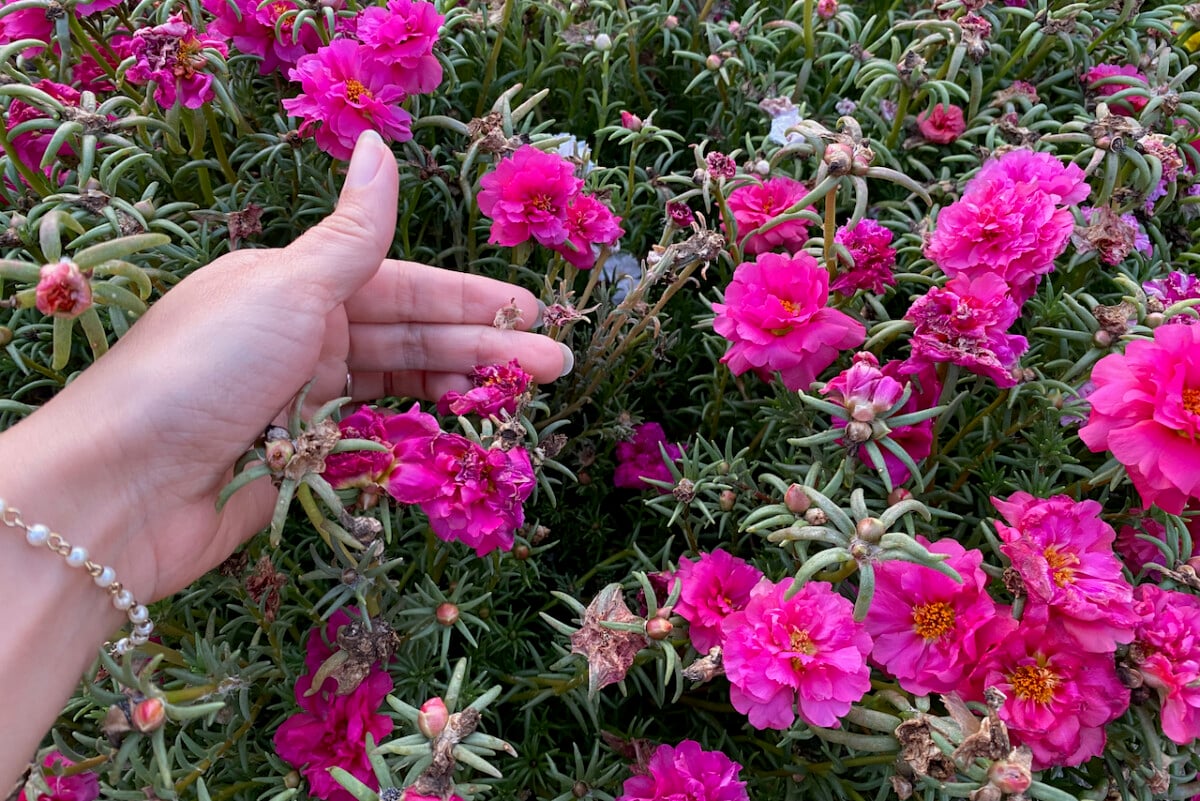
Even as summer begins to fade, many plants will put out one final flush of flowers, as long as you keep up with deadheading. Removing faded flowers prompts plants to allocate more energy into producing new ones. You can easily extend your blooming season with a little effort.
Always use clean, sterilized scissors or garden snips (these are the ones I use religiously) and snip off the faded blooms just above the first set of healthy leaves. For perennials like coneflowers, black-eyed Susans, and coreopsis, this can sometimes encourage a late bloom in early fall. Annuals, such as zinnias, marigolds, and petunias, also respond well, often rewarding you with additional flowers before frost.
However, it’s okay if you’re ready to be done with flowers for the season, or rather, their upkeep. You don’t have to deadhead if you’re ready to move on to more fall-centered activities. We’ll discuss the alternative to deadheading in task number six.
2. Divide and Transplant Perennials

September is an excellent month to divide perennials, giving overgrown plants a new lease on life and creating extra plants for other parts of your garden or for sharing with friends.
Plants like daylilies, hostas, bearded irises, and more often benefit from division every three to five years. Division rejuvenates them, encouraging stronger flowering the following season. Our own Mickey gives us the low-down on 10 different perennials that benefit from division in September.
Steps for dividing perennials:
- 1. Water the plant thoroughly a day before dividing to reduce stress.
- 2. Carefully dig around the clump, lifting the plant with as much of the root system intact as possible.
- 3. Gently separate the clump into smaller sections, making sure each division has roots and at least a few shoots or leaves.
- 4. Replant immediately in well-prepared soil, enriched with compost or organic matter.
- 5. Water thoroughly to help the divisions establish.
3. Plant Fall Perennials and Spring-Blooming Bulbs
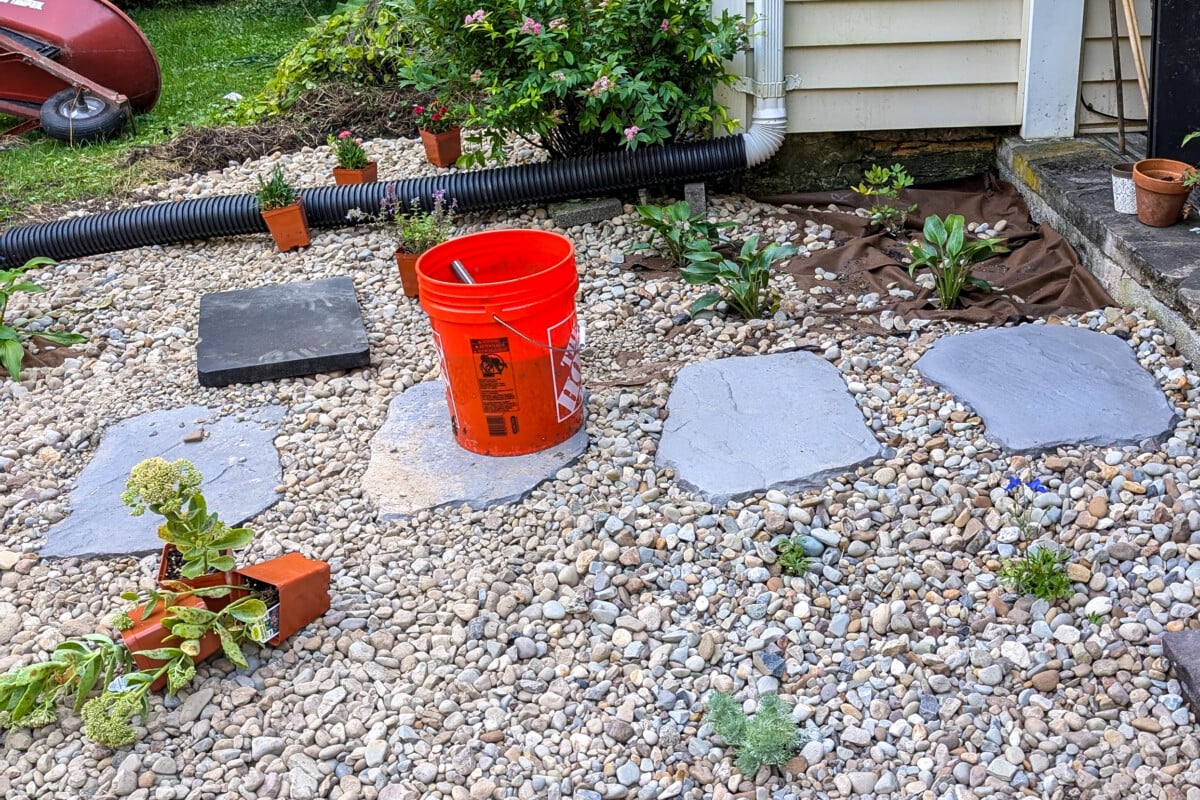
September is your last real window to plant perennials. Fall is my favorite time of year to plant perennials for a lot of good reasons. (Sales! Perennial prices in the fall are a steal!) Planting in the fall gives them plenty of time to establish themselves before winter dieback.
It’s also a great time to plant hardy fall-blooming perennials such as garden mums, asters and sedums. These are great for adding color and texture as the riot of summer annuals fades.
- Choose a location with well-draining soil; perennials don’t like to sit in soggy conditions.
- Space plants according to their mature size, allowing for good airflow to reduce disease risk.
- Amend the soil with compost or a slow-release fertilizer to give new plants a nutrient boost.
In addition to perennials, September is an ideal time for planting spring-flowering bulbs, such as tulips, daffodils, crocuses, and hyacinths.

These bulbs require time to establish roots before winter sets in. Plant them at a depth of two to three times the height of the bulb, pointy end up, and water thoroughly after planting. And don’t forget to wear gloves! (I love these, I have about six pairs!) Quite a few spring bulbs contain naturally occurring compounds that can irritate your skin.
4. Soil Preparation and Mulching
Summer is crazy. It is. Let’s just be honest. And for many of us, taking care of the soil in our flower beds falls along the wayside of barbecues, summer camp and vacations. However, if we want to continue enjoying beautiful blooms each year, we must care for our soil.
Luckily, September is a great time to give the soil in our flower beds a little TLC.

Work in compost, well-aged manure or leaf mold. Any of these will aid in improving soil structure, enhancing water retention and encouraging beneficial microbial activity. Healthy soil supports robust root systems (important for perennials getting ready to winter over). Ultimately, that means more flowers.
Mulching
Now is also a great time to mulch your flower beds. The weather is pleasant, and things are starting to slow down for the year. There’s nothing more miserable than trying to put down a protective layer of mulch on a cold, wet fall day. Do it in September when it’s still nice out.
Keep in mind that this mulch is meant for protecting plants; it’s not the same as decorative mulches often used in flower beds.
You want something organic that will break down over time. Shredded bark, straw, and chopped-up leaves are all great options as they will slowly add nutrients to the soil as they break down. Apply a 2-3-inch layer of mulch around the base of your plants to help conserve moisture and to protect delicate crowns during the colder months.
5. Weeding and Pest Management
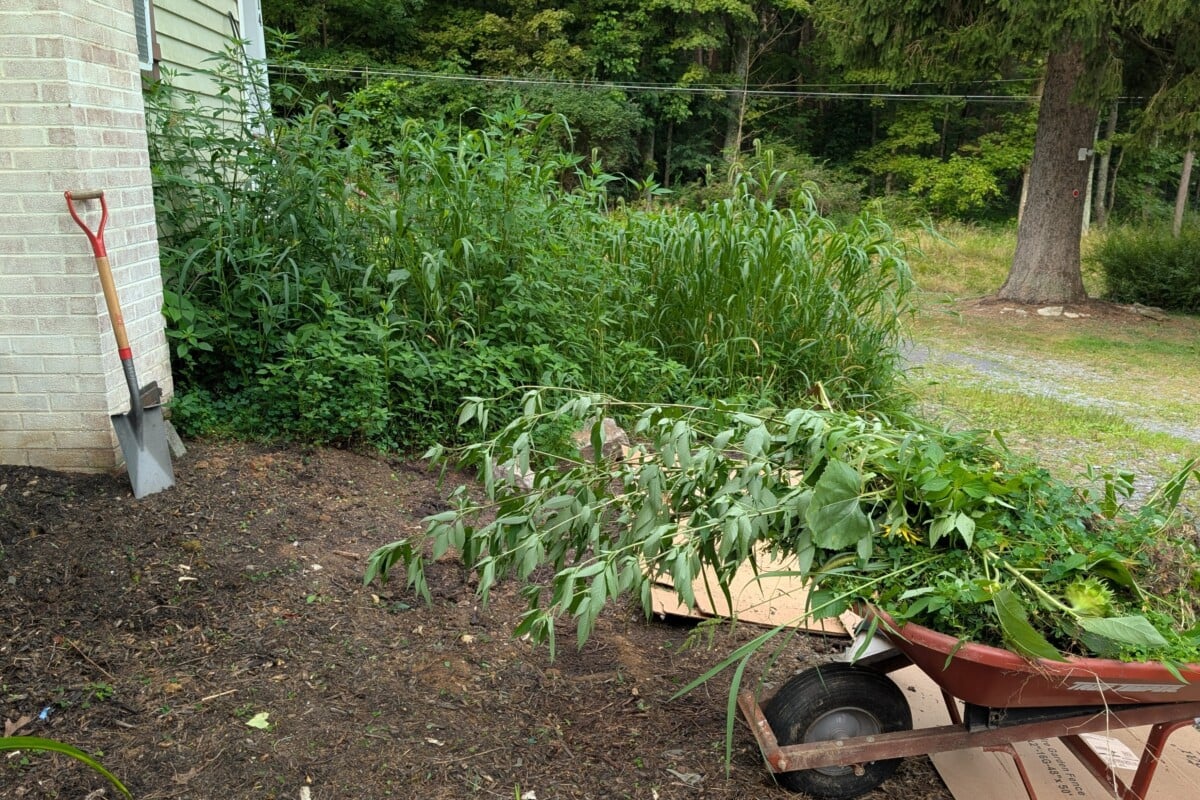
If you let the weeds get away from you this summer (It happens. Summer is always busy.), it’s crucial that you get a hold on them in September. The last thing you want is for the weeds that have popped up to go to seed. You’ll only be making more work for yourself next season.
Removing weeds now also reduces competition for nutrients, water, and sunlight, which is huge for ornamental perennials this time of year. These types of plants start storing up sugars and nutrients in their roots for next year. Weeds can hinder that process.
It’s best to pull weeds up by hand; that way, you get the taproot, ensuring they can’t make a return the following year. However, if things have truly gotten out of hand, you might want to consider saying hello to my little friend.
Pest management is also important this time of year.
Aphids, spider mites, and other pests may still linger in early fall. Inspect foliage regularly, particularly the undersides of leaves, and treat infestations promptly using horticultural oil, insecticidal soap, or other appropriate methods. If you can get them under control before they winter over, you’ll be setting yourself up for a stress-free Spring.
6. Cut Back or Remove Summer Annuals

There are several reasons to cut back your blooming annuals. My favorite reason is that by the time September rolls around, my annuals are fried from the heat, look awful, and I’m sick of looking at crunchy stuff in my flower beds.
Of course, there are other reasons to cut back your annuals, too.
For instance, you can collect seeds for next year (free plants, yay!) and deprive pests of a place to cozy up for the winter, so they can’t hang around, ready to be a nuisance again next spring.
To collect seeds, leave the seed heads intact until they are fully dry, then harvest and store them in a cool, dry place. Don’t forget to label them! You will forget what on earth they are otherwise. Ask me how I know.
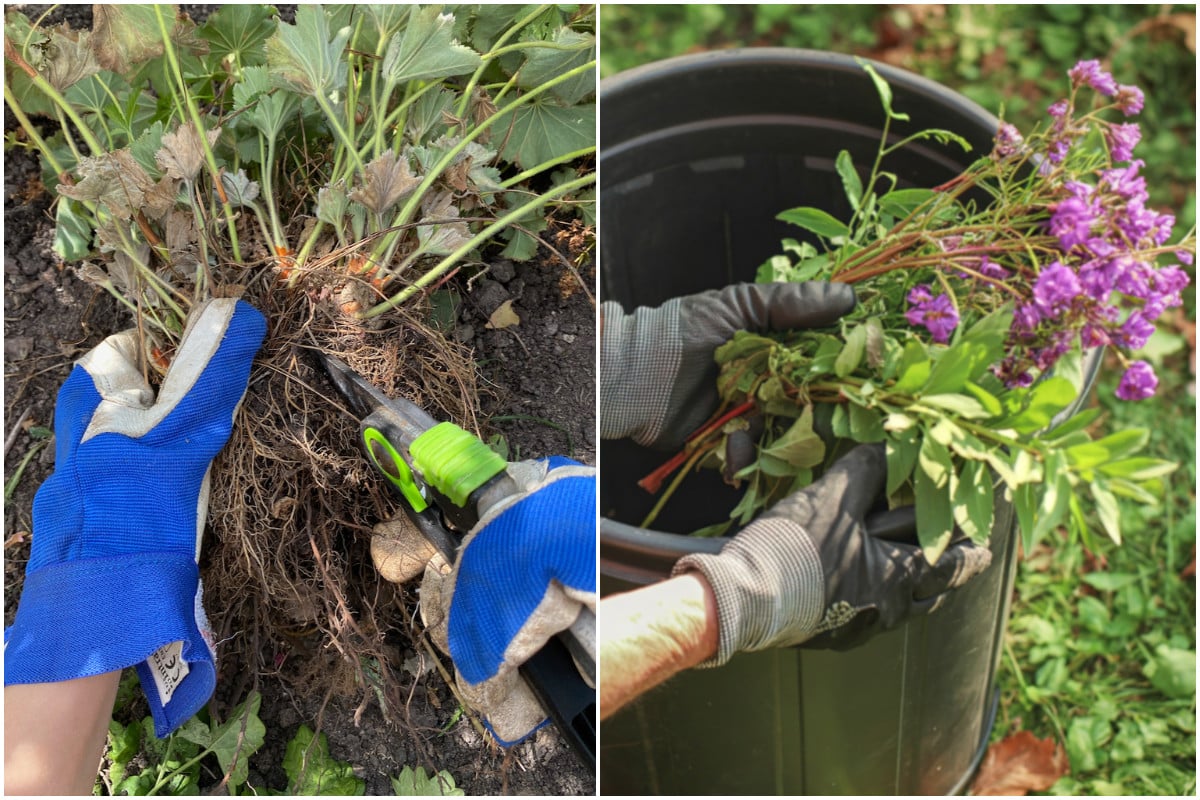
If you really want to do the job right, pull the entire plant up and compost it. Unless the plant material is diseased, in which case, dispose of it.
Cutting back annuals can also make room for the fall-planted perennials and bulbs we have already discussed, giving your beds a neat and organized appearance as we head into the cooler months.
7. Check Irrigation and Watering
September can be unpredictable when it comes to rainfall. Sometimes it comes on the heels of a summer drought, and at other times, it’s cool and rainy. You may be tempted to let things go at this point in the season, but moisture plays a huge role in root health for overwintering perennials.
This is the time of year when nutrients are pulled deep within the roots, as the plant stores up energy for next season. Water plays a key role in this movement.
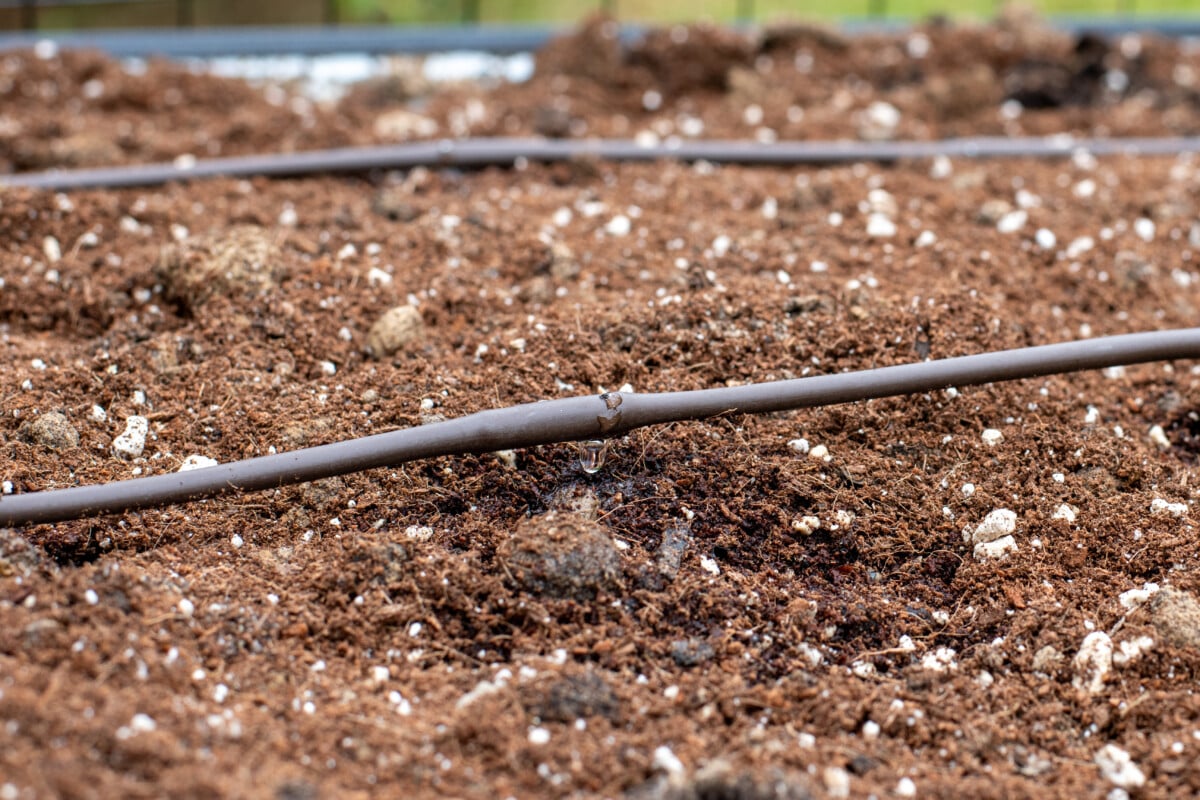
If summer has left your flower beds a bit parched, now is the time to step in and take over for Ma Nature. If you aren’t under a water ban, drip irrigation can be a lifeline for ornamental flower beds. Not to mention, using a programmable water timer can actually help you save water.
I use Rain Bird drip irrigation systems in my own garden. I found them a few years ago when I got tired of replacing clogged soaker hose. (You can find both ½” and ¼” drip irrigation supplies here. If you are interested in installing drip irrigation in your garden, you can read about how I put in their raised bed kits in my own garden here.)
8. Plan for Next Season

Okay, I know this one is easy to put off. But trust me, you’ll thank me later if you do it now. September is the perfect time to take stock of what went on in your flower beds. Take a walk around your flower beds and make some notes:
- Which plants thrived?
- Which ones struggled?
- What colors, textures, and combinations were most effective?
- Were any specific pests a problem? Disease?
- Have any areas become shaded by the growth of trees or shrubs?
Use this information to make a shopping list for bulbs, perennials, and soil amendments for next year. This planning step can make spring planting much smoother and help you avoid issues from this year cropping up again.
Each of these steps is small on its own, but taken together, they set your flower beds up for sustained health, vibrant color, and fewer headaches next spring. A well-tended September garden is like an insurance policy. The work you put in now pays off in resilience, beauty, and satisfaction for months to come.
It’s tempting to leave your flower beds to their own devices when September rolls around and the siren song of pumpkins, apples, and cooler weather begins. But really, it only takes a Saturday afternoon to ensure your flower beds look beautiful right up until that last frost. And future you will thank you next spring when you have far less work to do to enjoy beautiful blooms.
Get the famous Rural Sprout newsletter delivered to your inbox.
Join the 50,000+ gardeners who get timely gardening tutorials, tips and tasks delivered direct to their inbox.