

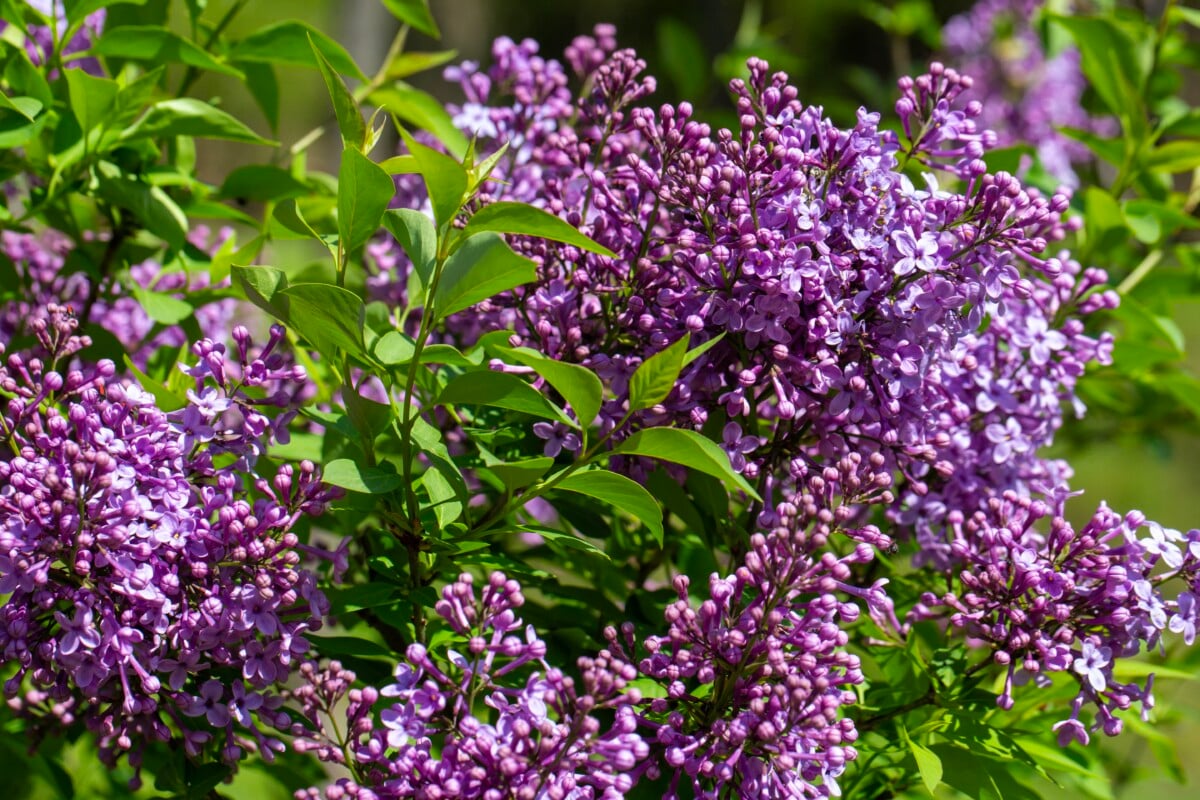
Let’s be honest with ourselves, we don’t grow lilacs for the lovely, emerald green leaves. We grow lilacs for that heady scent that perfumes the air on warm spring days. So, it’s a real disappointment when spring comes and goes without clouds of purple flowers. Or perhaps, like me, your romantic nostalgia takes hold, and you simply want your lilac shrub to produce more flowers each spring. There are several reasons why lilacs produce few or no flowers, and thankfully, they’re all quite easy to remedy.
Let’s take a look at which issue (or combination of issues) is causing you problems.
Syringa vulgaris, the common lilac, is quite an old-fashioned shrub. The pastel flower clusters call to mind vases overflowing, at the center of a table set with a china tea service or your favorite grandmother’s perfume. But in spite of that, or perhaps because of it, the lilac has remained a beloved addition to backyards and gardens everywhere.
As far as flowering shrubs go, the lilac is pretty hands-off. Unlike roses, which are heavy feeders and need annual pruning, lilacs are the kind of plant your grandmother planted, and then ignored for the next sixty years, which is why they’re still growing in many backyards. They’re mostly disease and pest-free. They rarely take over. They handle extremely cold winters well. They are hardy, unfussy plants.
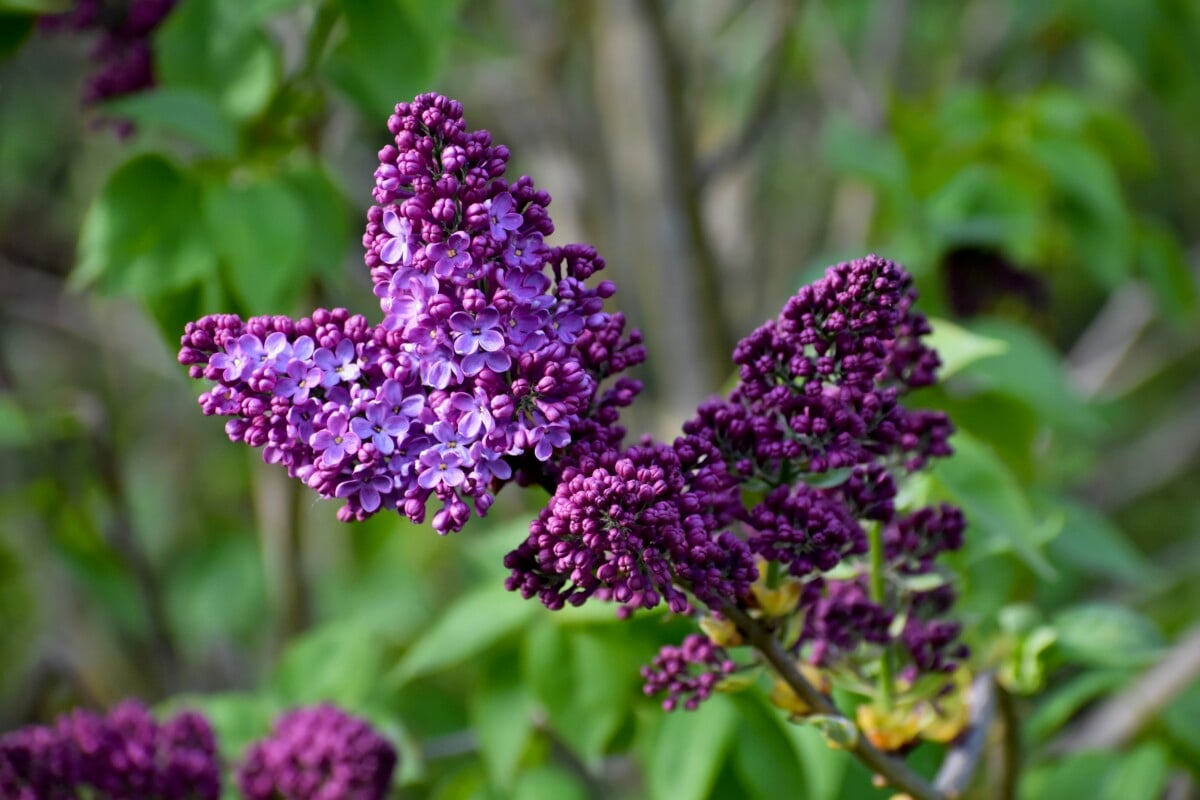
But if you’ve noticed a decline in flowers over the past few years, or worse, no flowers at all, there are some pretty easy to diagnose culprits. Once you’ve figured out which one is to blame, getting your lilac back to blooming is easy enough.
The Shrub Was Pruned at the Wrong Time
If your lilac failed to bloom at all, this is generally the most likely culprit. Lilacs bloom on last year’s growth. They finish blooming in the spring, then put all their energy into new growth. Once the new growth stops, they form next spring’s flowers.
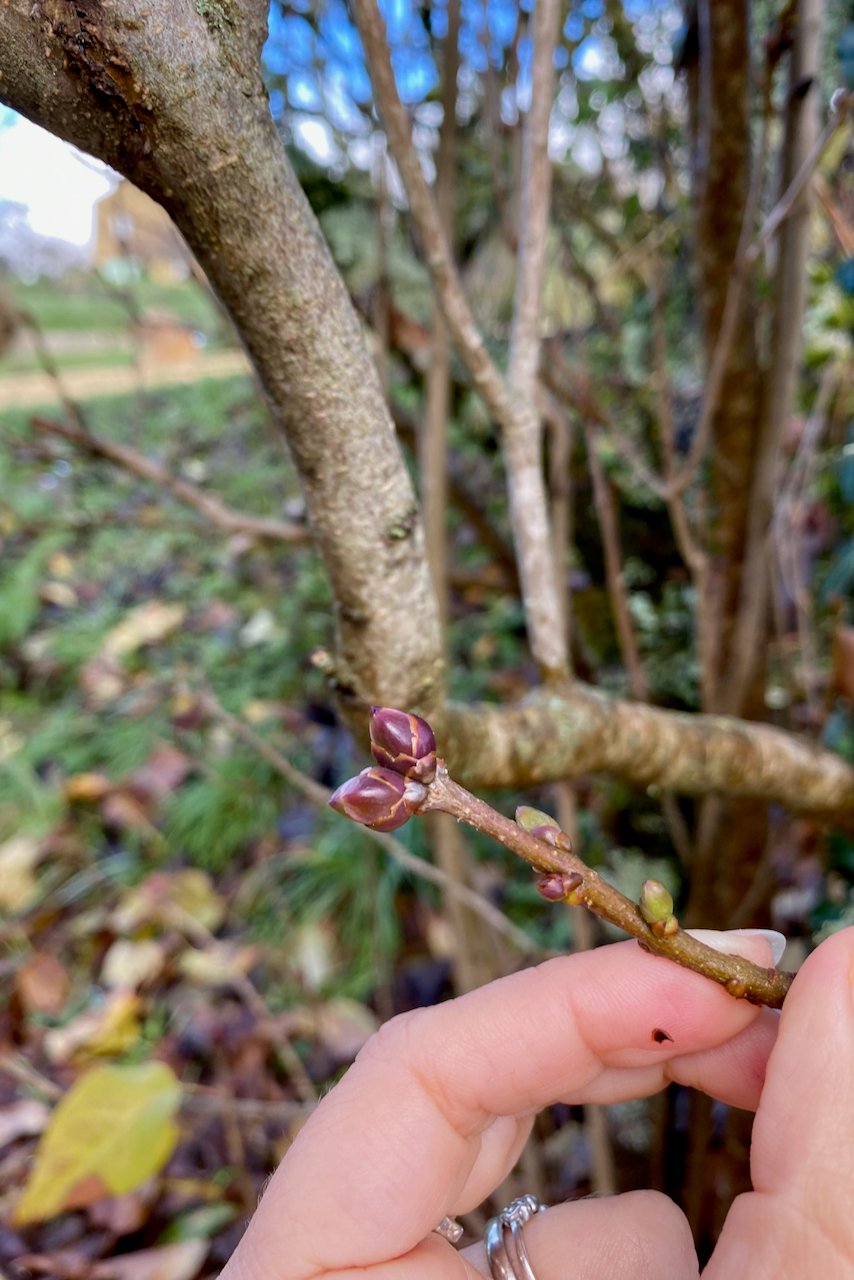
If you pruned your lilac in the late summer, fall, or late winter, you cut off this year’s blooms.
You have a small window each year to prune in. Because the U.S. is so large and we have so many different growing zones, I can’t give you a month or a specific time to prune your lilac. However, the general rule of thumb for pruning old growth blooming plants is within 4-6 weeks of blooming. Once the flowers fade, that’s go time. Get out there and prune.
One caveat is suckers. You can prune these at any time because they aren’t part of the main plant. These are the small sticks that grow straight up from the ground at the base of the plant or straight up off of a larger branch. You can (and should) prune these away, as they’re using energy that the plant could put toward growth and bud development elsewhere.
Using a Heavy Nitrogen Fertilizer
Don’t skip reading this one, even if you don’t fertilize your lilacs. (Very few of us do.)
As we’ve already discussed, lilacs are easy to care for, which means you don’t need to fertilize them. Unless your soil is truly depleted of nutrients and the plant is visibly struggling to grow, fertilizer is unnecessary. Lilacs happily do their own thing, growing and producing flowers each year without so much as a sprinkling of compost.
The silent culprit then becomes your lawn.

If you use a high-nitrogen fertilizer to keep your lawn lush and green, this can have a significant impact on flowering ornamental plants bordering it. Overspray from the fertilizer can cause rapid foliage growth at the expense of flowers. Normally, this is an easy fix – don’t fertilize near flowering plants. That works for smaller lilacs, or lilacs that don’t grow near where you fertilize.
However, this becomes a bit more difficult to do if you have a large, established lilac shrub, as the roots will travel out well beyond the drip line. In older, larger shrubs that have been around for many years, it’s not uncommon for the roots to be two or three times larger than the diameter of the shrub. Obviously, it becomes much harder to avoid feeding your lilac every time you feed your lawn in this case. I don’t have a solution for you when it comes to this scenario, merely that it could be the reason your lilac isn’t blooming as much as you would like.
Too Much Shade
Like most blooming plants, lilacs need full sun. They need the energy created from photosynthesis to power all of that growth and bud development. Lilacs are a full sun plant. They need a bare minimum of six hours of full sun each day, but more is better where flowers are concerned. Lilacs that receive even partial shade bloom less.
If you have an older lilac that is producing fewer flowers than it used to, it’s not a bad idea to see what else has grown up around it. Trees and other shrubs that didn’t use to, could now be shading your lilac. You may need to trim back other plants so that your lilac receives more sun again.
The Age of Your Shrub
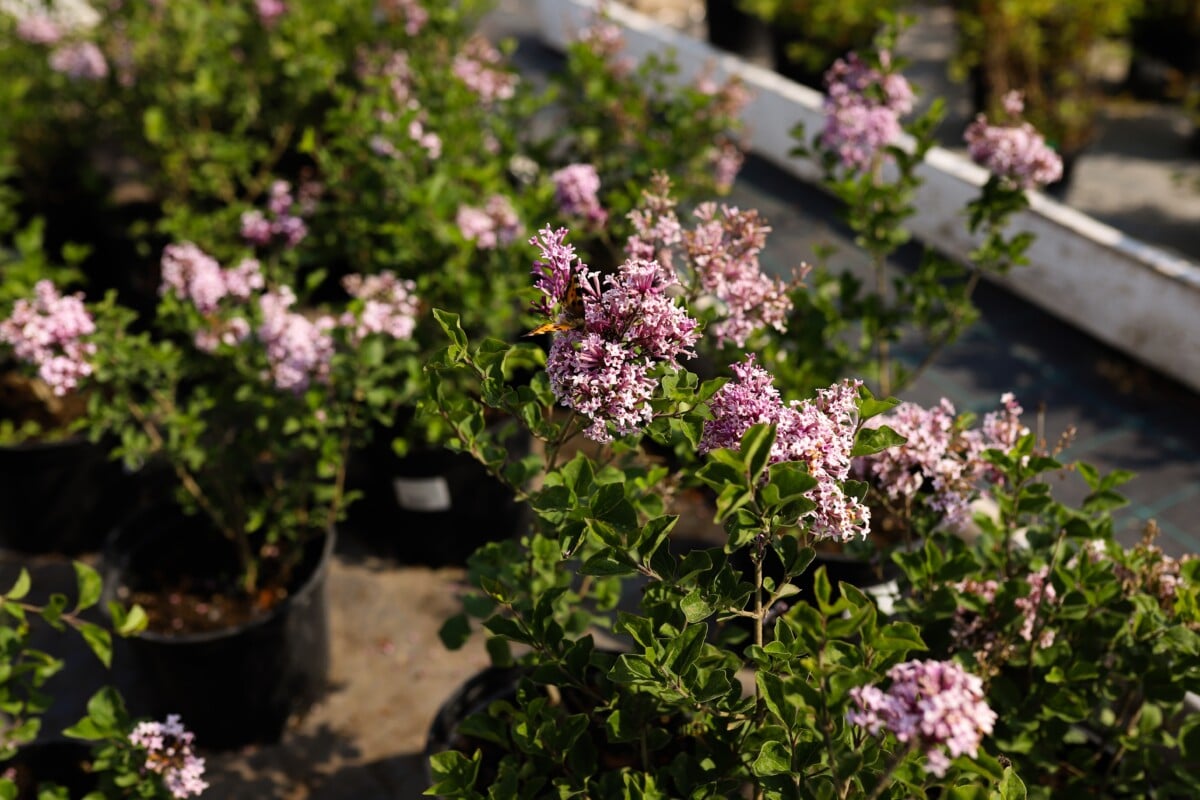
If you have a fairly new lilac, it will be a few years before it begins to produce consistent (and prolific) blooms. In fact, during the first few years of growth, it’s not a bad idea to do what I said not to do above – prune next year’s flowers. By removing the flowers for the first year or two, you will encourage a bushier growth habit, which pays off in the long run with a fuller plant filled with more purple flowers each spring.
For this reason, lilacs are on my list of plants you shouldn’t buy as bare roots.

On the other end of that spectrum, lilac shrubs that have been around forever often end up neglected. They become severely woody, and the interiors become overgrown with suckers, with very little light reaching the inside of the plant. If your lilac fits this description, it’s time to prune. Remove dead sections, thin out the center of the plant, and prune away any branches that cross one another.
Was There a Drought Last Summer?
If your lilac bush blooms readily every year, but this year it failed to do so, you may need to think back to the previous summer. We’ve already discussed that lilacs are old wood-blooming plants. They bloom, put out new growth for the year, and then form the buds for next year’s flowers. If you had an especially dry summer with drought conditions, your lilac may not have been able to produce many buds.
Keep this in mind in subsequent years. If you aren’t under any water restrictions, you may want to water your lilac during periods of drought in the summer so that it can still form flower buds.
Check Your Soil pH
While this is less likely to be the cause, acidic soil can suppress blooming in lilacs. Lilac shrubs prefer soil that is neutral to slightly alkaline. You can easily test your soil pH with an inexpensive soil pH meter. If your soil runs acidic, applying garden lime around the base of the lilac will help.
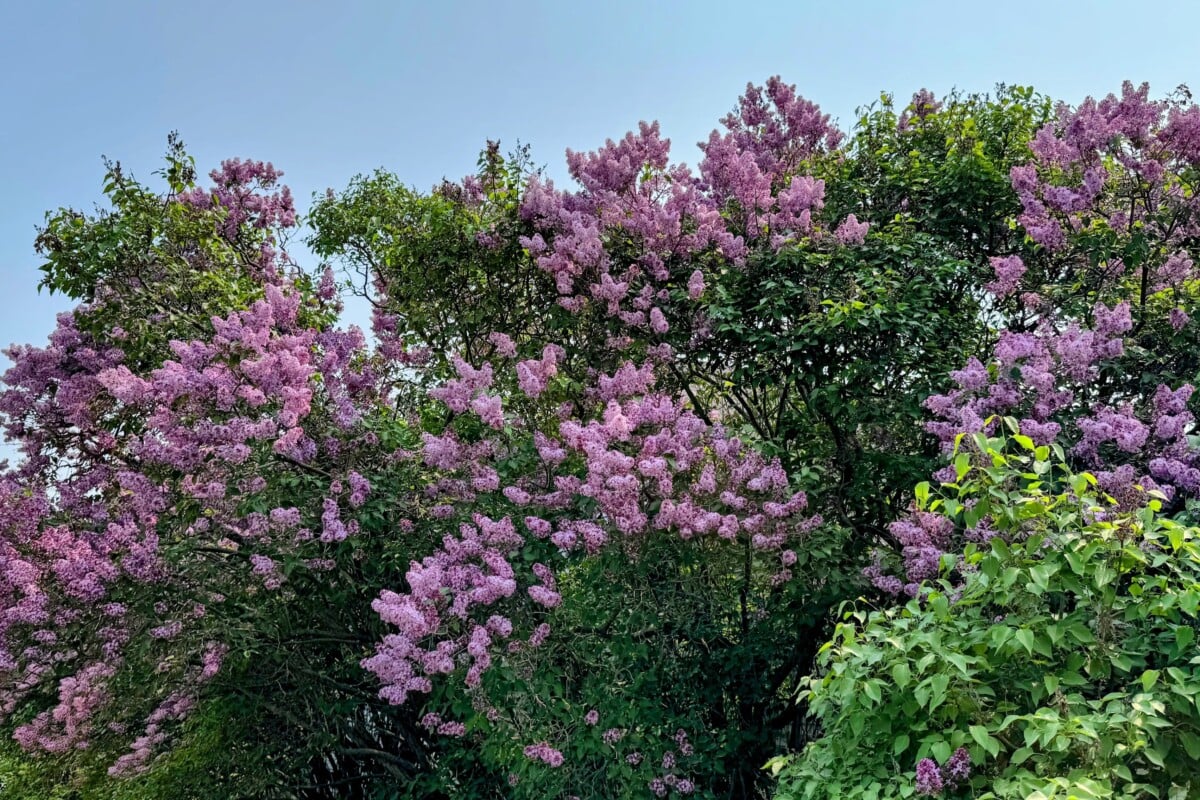
With only a little sleuthing, you can ensure that next spring you’ll have plenty of lilacs. These truly are one of the easiest flowering shrubs to grow.

Get the famous Rural Sprout newsletter delivered to your inbox.
Join the 50,000+ gardeners who get timely gardening tutorials, tips and tasks delivered direct to their inbox.