

A huge part of gardening is waiting. Waiting for the soil to warm up in the spring. Waiting for seeds to germinate. Waiting for seedlings to grow.
Then there’s the waiting for each fruit to ripen. Are the beans ready yet? I think there’s a cucumber ready. Oh shoot, I missed that zucchini, and now it’s huge!
Two of my favorite things to grow both in my garden, and in my grow tent during the winter months are French breakfast radishes and hakurei turnips. I wait patiently for them to grow big enough to be pulled out of the soil and eaten. (Okay, maybe that first part isn’t true. I’m never patient when it comes to waiting for things in the garden.)
But the thing I don’t love about these veggies is that once you pull them up, you have to plant new seeds, and the waiting starts all over again. Yes, I could succession plant them, starting new seeds every ten days or so, and I do, but that takes up a lot of precious garden space.
If you’re anything like me, you don’t want to wait; you want to eat.
Adding Cut-and-Come-Again Vegetables to Your Growing Rotation
Thankfully, there are a number of vegetables that, once mature, allow you to continually pick and eat them throughout the entire growing season with no waiting. You can easily have a daily harvest from them.
Cut-and-come-again vegetables are like a fountain of fresh veg that keeps going until that first frost. (Some of them keep going after that, too!)
Let’s use spinach as an example, and also the first vegetable on our list.
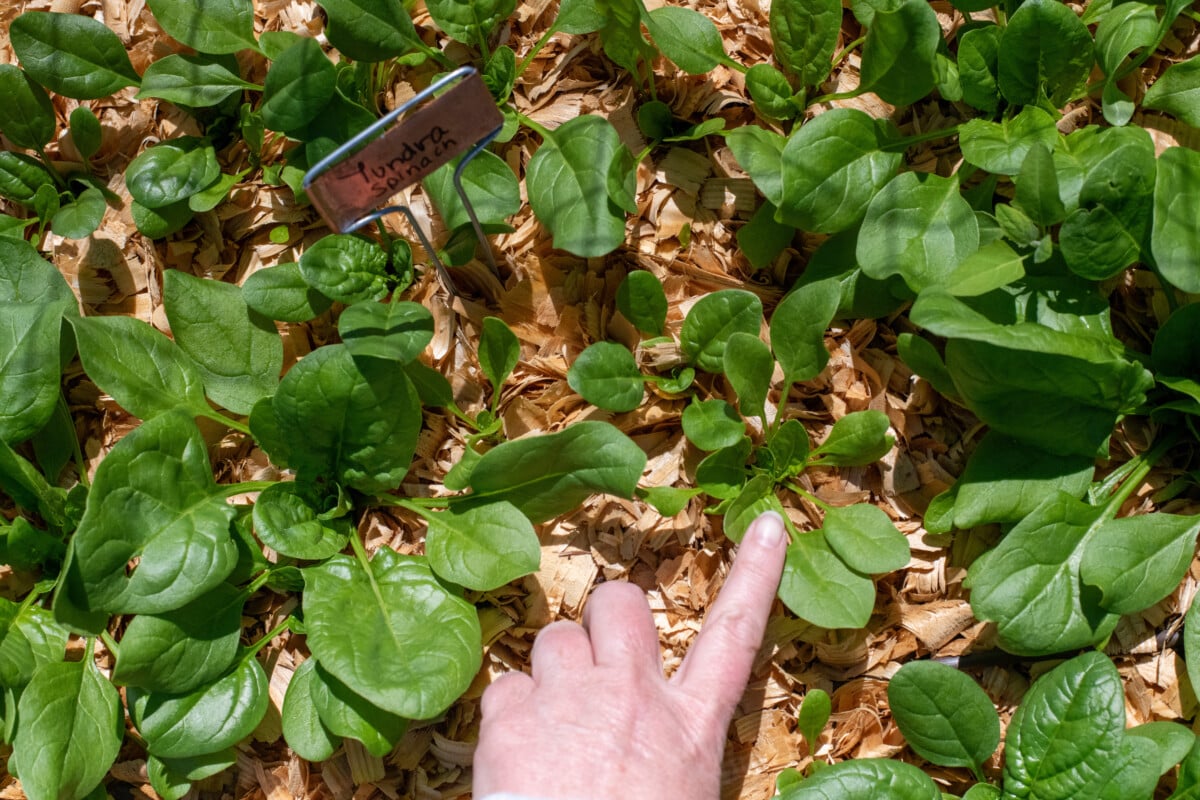
Instead of pulling up the entire plant when it’s ready, you cut and use the largest leaves first. The smaller leaves continue to grow. Since we’re not pulling up the entire plant, you can easily pick more spinach every single day, at least until it gets too hot and it bolts. (But you can learn how to grow pest-free spinach and keep it from bolting early here.)
Cut-and-come-again vegetables are great for small gardens because you have plants in that space that are continuously producing. Cut-and-come-again veggies are also prolific producers. You will often get more from the plant by harvesting this way than you would if you just picked the plant when it has reached maturity. That’s because cutting these types of plants encourages the plant to produce more. Boy, do I wish tomatoes worked the same way.
How to Harvest Cut-and-Come-Again Vegetables
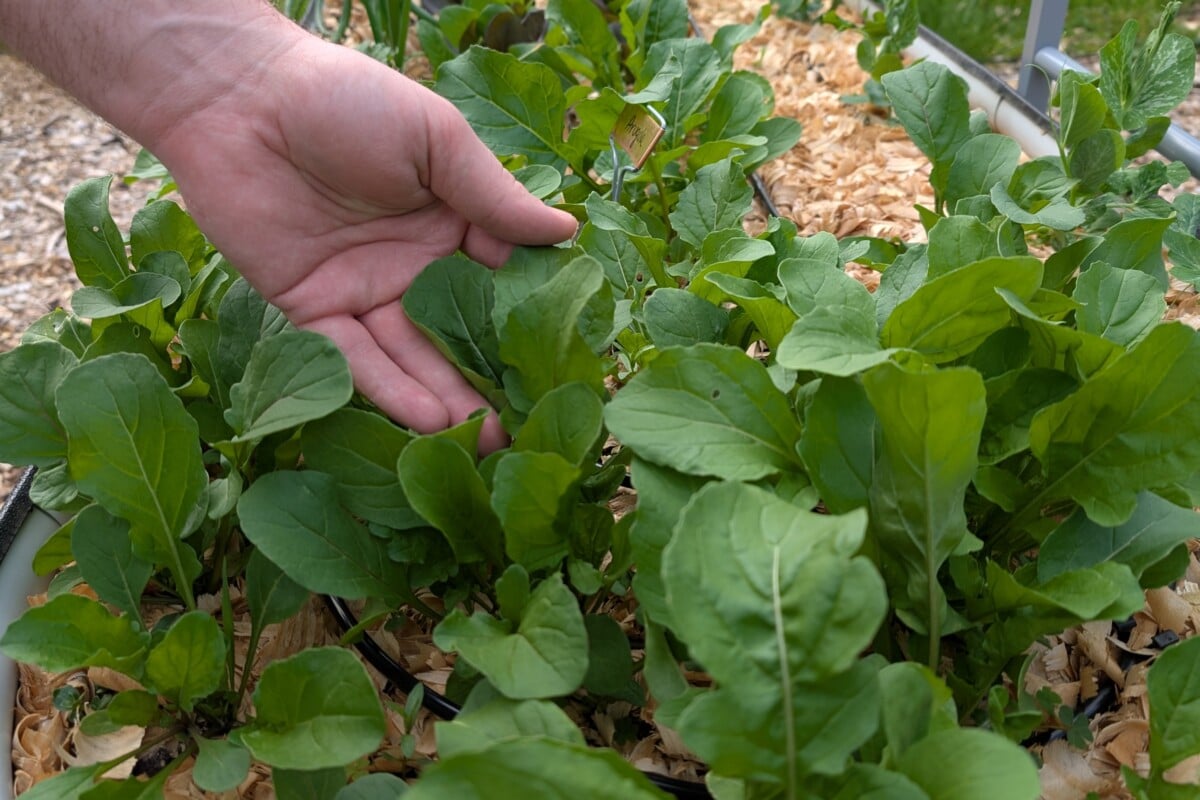
Remember how I said these types of vegetables are like a fountain of fresh veg? That’s your clue right there. Almost all of these vegetables grow like a fountain, with new growth coming from the center of the plant. To keep the plant producing, you always want to cut and eat the outer leaves first. This signals to the plant to produce more leaves, and it will, always originating from the center.
2. Arugula
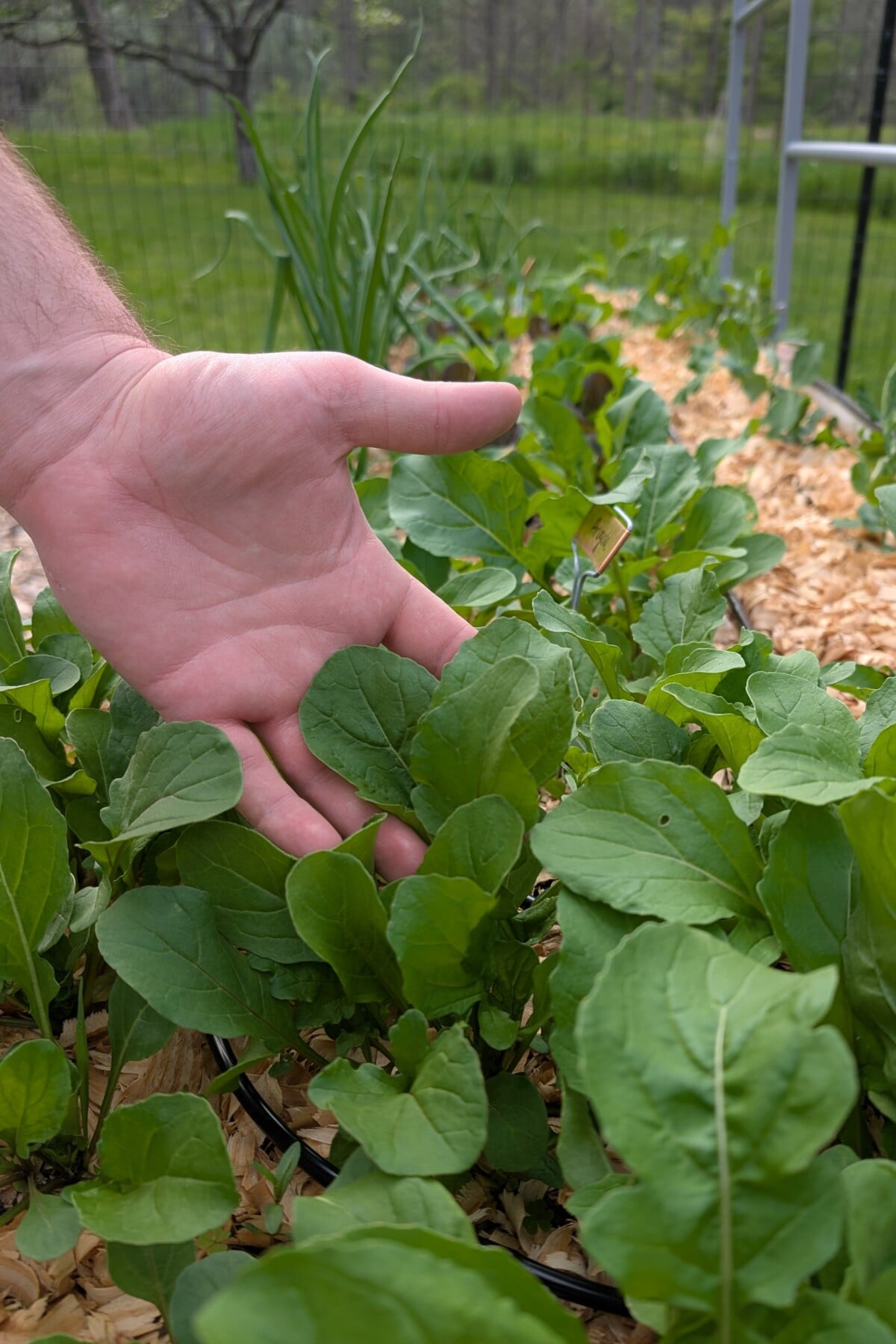
If you want a salad that bites back, it’s hard to go wrong with the peppery kick of arugula. The more you pick, the more it will grow. Let a couple of plants go to seed, and it will happily self-seed, keeping you in arugula every year.
I’m completely obsessed with wasabi arugula. If you love the sinus-clearing taste of wasabi, I highly recommend growing this variety of arugula. You can buy seeds here.
3. Beet Greens
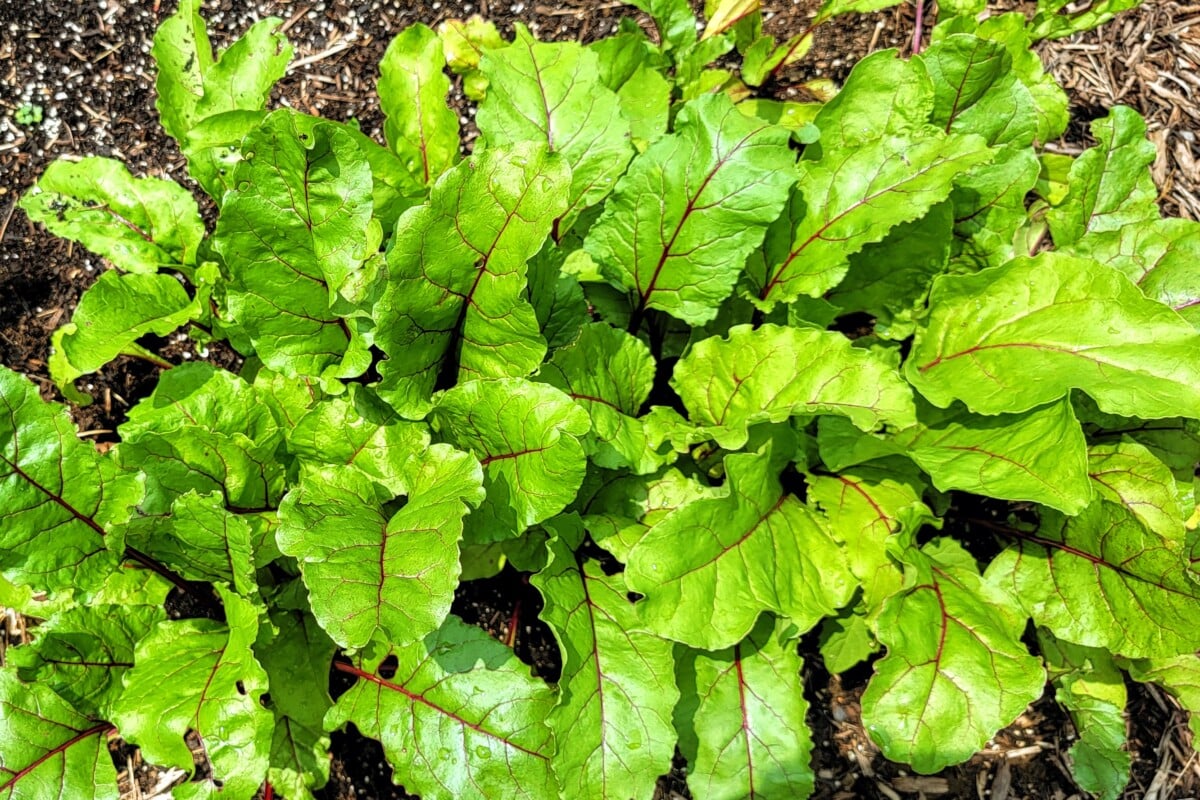
Yes, beet greens! I know not everyone is a fan of beets, but if you like a solid green that stands up to salad dressings, hearty chopped salads and soups and stews, then you need to be growing beets for the greens.
Beet greens will be available much longer, too. I’m munching on salads filled with them long after it’s too hot for lettuce and well into the fall. I’ve even picked them from my snow-covered beds to chop up and add to soup.
A note: if you actually do want to harvest the beets, it’s important not to pick all of the greens from each plant. Be sure you leave three or four leaves with each beet.
4. Bok Choy
Yes, bok choy! I know this is one of those vegetables that folks always grow and then harvest the entire plant at once. While that’s perfectly acceptable, you can also grow it as a cut-and-come-again vegetable and get a lot more leaves out of each plant that way. Not to mention, when you’re harvesting individual leaves, it’s much easier to clean.
5. Radicchio
Radicchio is another one of those plants that are often picked as a head, but can easily be harvested for individual leaves. To be fair, radicchio’s strong flavor is better as a highlight in salads anyway. I can’t imagine using an entire head in a salad. By harvesting the leaves individually, you can add just the right amount of color and flavor to your dishes.
6. Kale
We could have a nuclear apocalypse, and kale would still be growing in every garden on the planet. (Let’s not, by the way.) Kale is the ultimate cut-and-come-again vegetable. As long as you keep plucking leaves, it will keep on cranking out new ones. Plus, a little tip: kale gets even sweeter after the first frost, so pick away in the fall, too.
7. Scallions
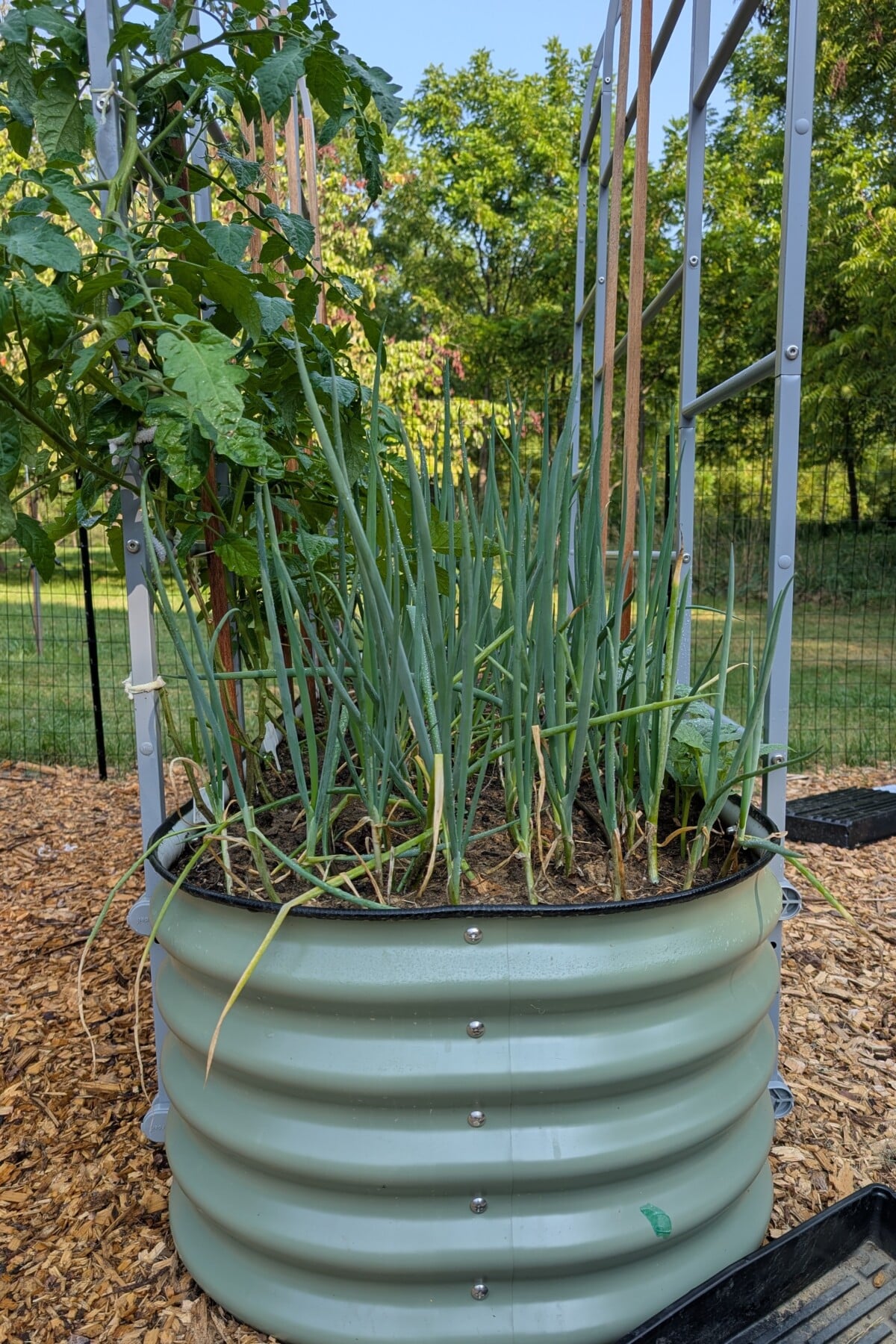
As anyone who has stuck their scallions in a jar of water knows, those green tops will keep on growing if you let them. While the tender white bulbs are wonderful, you can leave a few to keep growing and harvest the green stalks (from the outside in) as you need them.
8. Lettuce
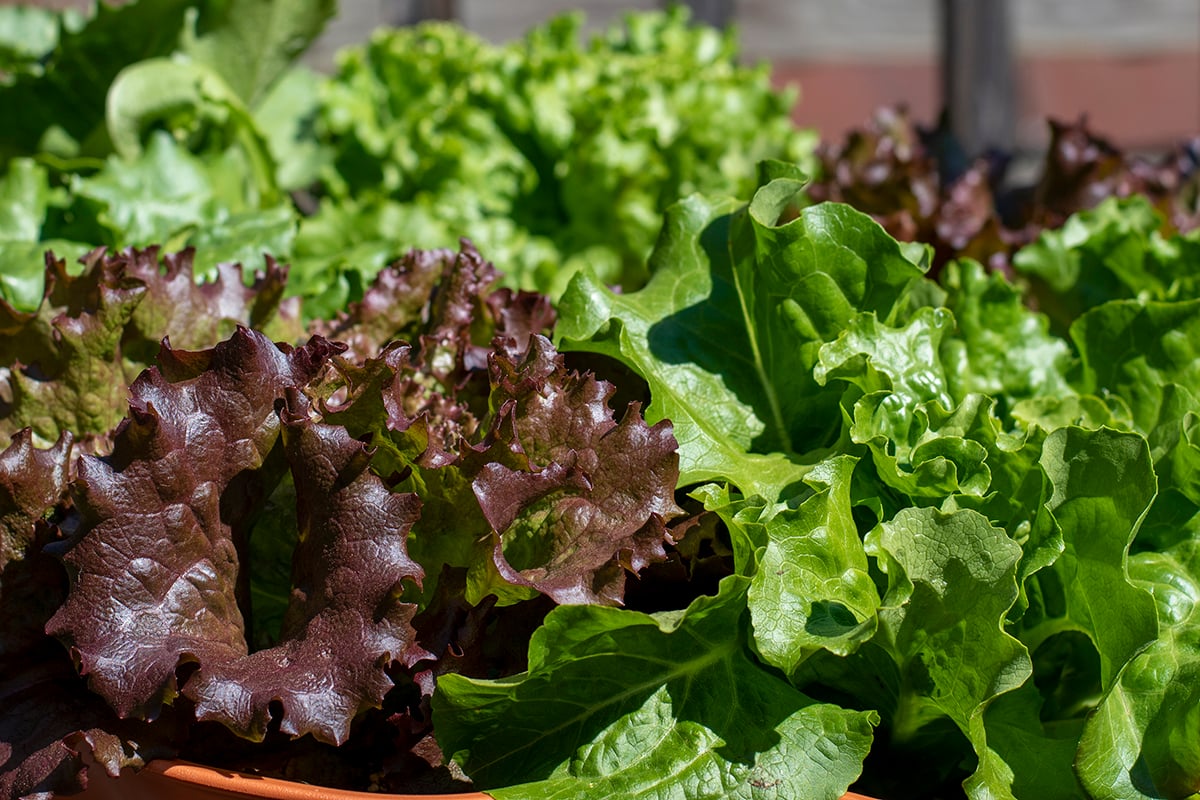
Lettuce is the most famous cut-and-come-again vegetable. In fact, there are quite a few varieties out there that are designed to be grown this way. Keep yourself in fresh, crunchy salads all summer long by growing cut-and-come-again lettuce.
Some popular varieties are:
- Black Seeded Simpson
- Lolla Rossa
- Salad Bowl
- Red Sails
- Oakleaf
9. Mustard Greens
These cool-weather greens are slightly peppery and a little bitter. They’re usually more substantial than lettuce, but have much more tender, crunchy stems than kale. If you’ve never grown mustard greens before, I highly recommend adding them to your garden. Then cut, cut, cut! They’ll keep on coming back. They are a cool-season crop, though, and will eventually bolt once the summer weather heats up.
10. Swiss Chard
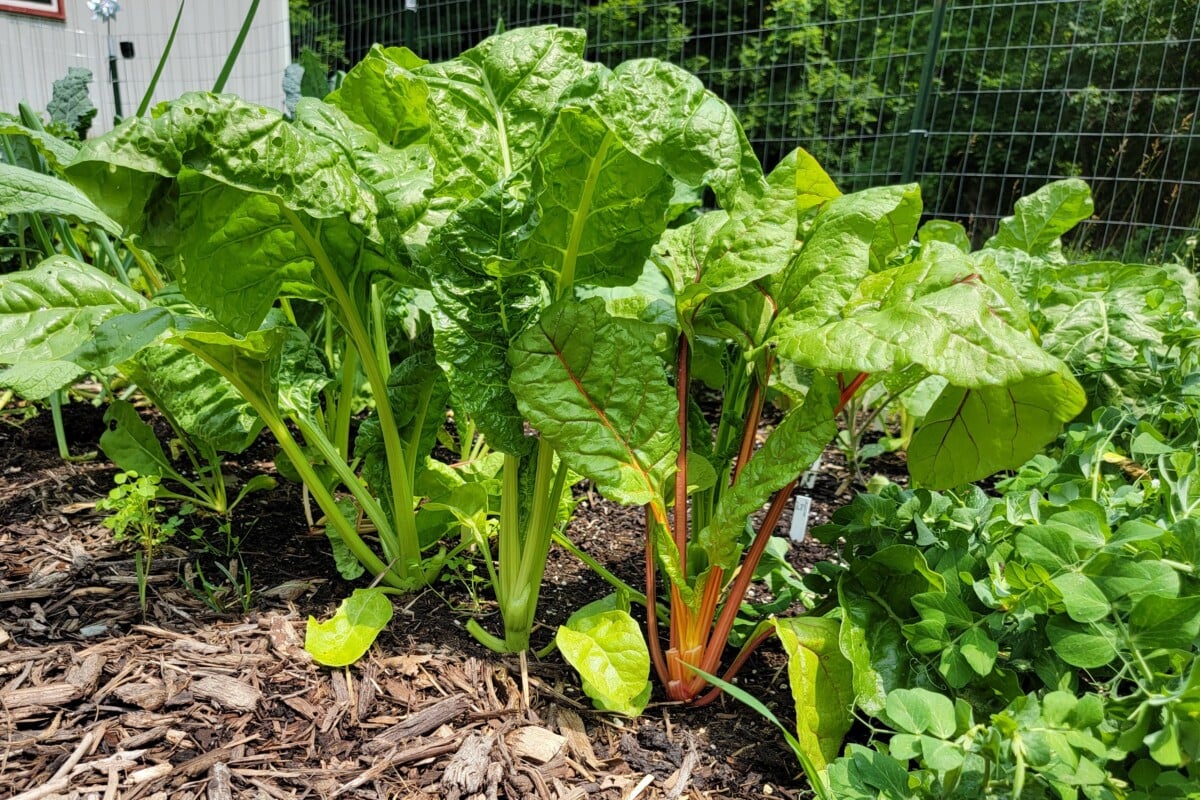
This is one of those vegetables that gets a bad rep. Like beets, some folks think it tastes a bit like dirt. However, you may just be harvesting it wrong, especially if you harvest it as you see it in the grocery store. It’s less earthy and more tender if you harvest swiss chard when the stalks and leaves are smaller. And because it’s a cut-and-come-again veggie, the more often you cut those small leaves, the more new ones will grow in their place.
11. Herbs
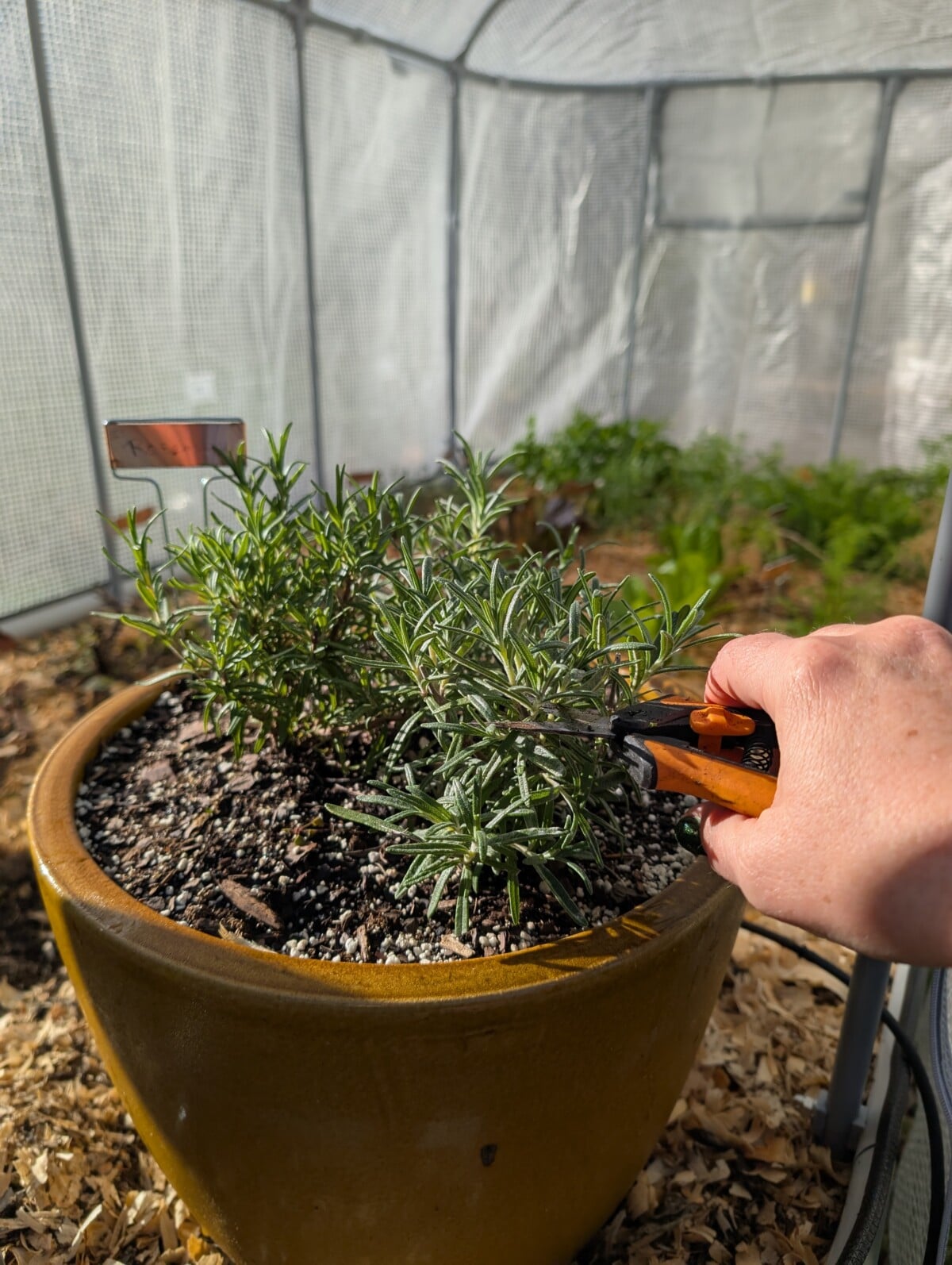
Nearly all herbs, whether they grow in a fountain-shaped rosette or not, will put out profuse amounts of foliage if you keep cutting and using them. And who doesn’t love an abundant herb garden close to their kitchen door?
Here are a few herbs that respond really well to this type of harvesting:
- Basil – learn the smartest way to prune basil here.
- Parsley
- Thyme
- Rosemary
- Sage – ditto for pruning sage.
- Chives
Growing cut-and-come-again vegetables makes sense if you want to get the most out of your garden and the growing season. These vegetables want to keep growing, and the more you cut and eat, the more they will do just that. I hope you’ll grow a few, or even all of these vegetables in your garden this year, as you’ll have a daily harvest of fresh veggies right through to the first frost and beyond.
Get Garden Notes From Tracey, Right to Your Inbox
Pull up a chair on the front porch. Join 54,000+ gardeners who get Tracey\'s friendly notes, seasonal to-dos, and hands-on tutorials three times a week.