

Wood chips are widely regarded as an excellent landscaping mulch – and for good reason.
Spread out over the soil in a thick layer, wood chip mulch suppresses weeds, preserves moisture, reduces fertilizer runoff, and keeps the soil cooler in summer and warmer in winter. As the wood breaks down, it releases nutrients, feeds the vast community of microbes, and conditions compacted soil into a porous, oxygen-fuelled, moisture-retentive loam.
With all these amazing benefits, why don’t we use wood chips in our vegetable gardens?
This is a question I asked myself as I was staring at my sizable pile of free wood chips. I had already replenished and expanded my ornamental gardens for the season, yet there was still plenty of mulch to go around.
Unlike my mulched landscape, the veggie patch required constant vigilance in the weeding and watering department, and I was eager to reduce that workload.
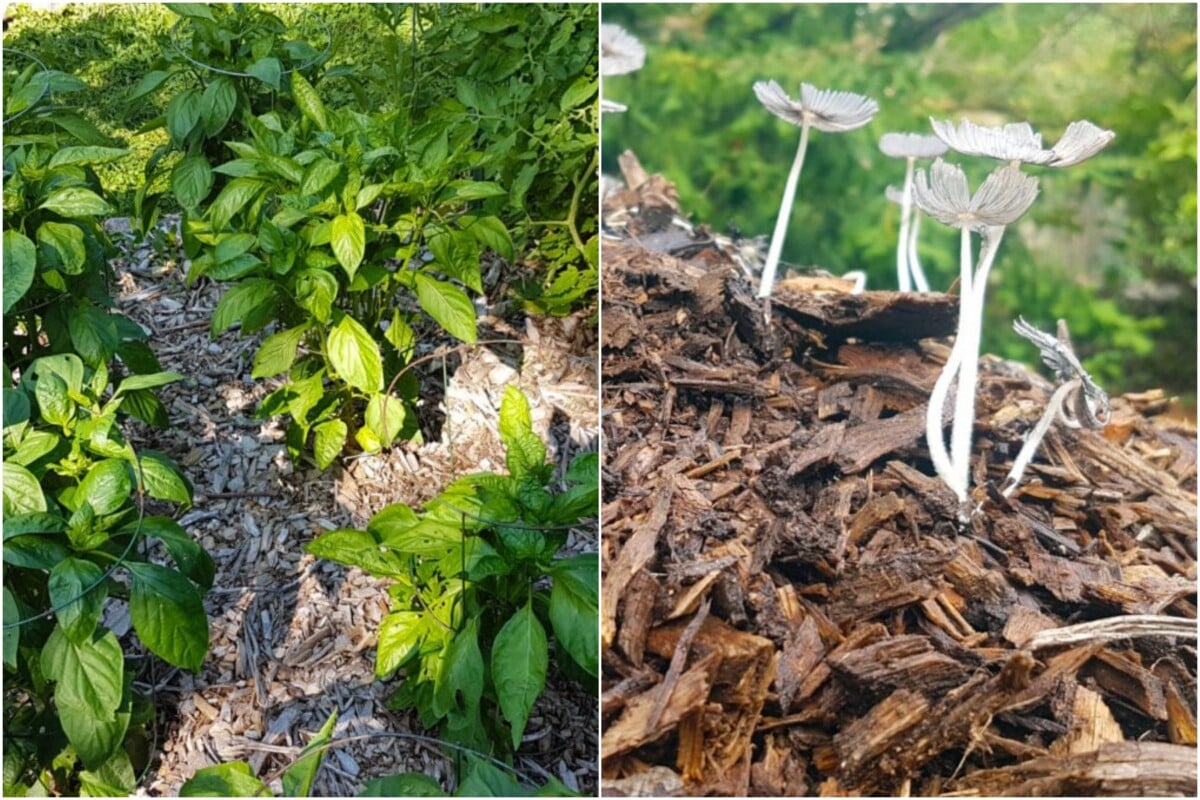
So, I decided to run an experiment and see for myself whether wood chips are a viable option for mulching around fruits and vegetables.
Are they to be avoided entirely, as conventional gardening advice would have us believe? Or are wood chips just as useful in edible gardens as they are in the ornamental ones?
4 Reasons They Say to Never Mulch Vegetables with Wood Chips
Various gardening websites, extension publications, and research articles have repeated the claim that using wood chips as mulch in the vegetable garden is, all around, a terrible idea.
The concerns surrounding the use of wood chips often contain a grain of truth. However, if you dig a little deeper beyond a surface-level understanding of what wood chips are and how they work, you’ll find the dangers of wood chips are hugely exaggerated.
1. It Depletes Nitrogen in the Soil
Wood chips are almost wholly carbon with a carbon-to-nitrogen (C:N) ratio of 700:1. This means wood chips have 700 times as much carbon as nitrogen.
Just like in the compost pile, nitrogen is needed for carbon to break down. In the early stages of decomposition, various fungi spread through the woody debris and, with their long, tendril-like hyphae, reach down and pull nitrogen up from the soil.
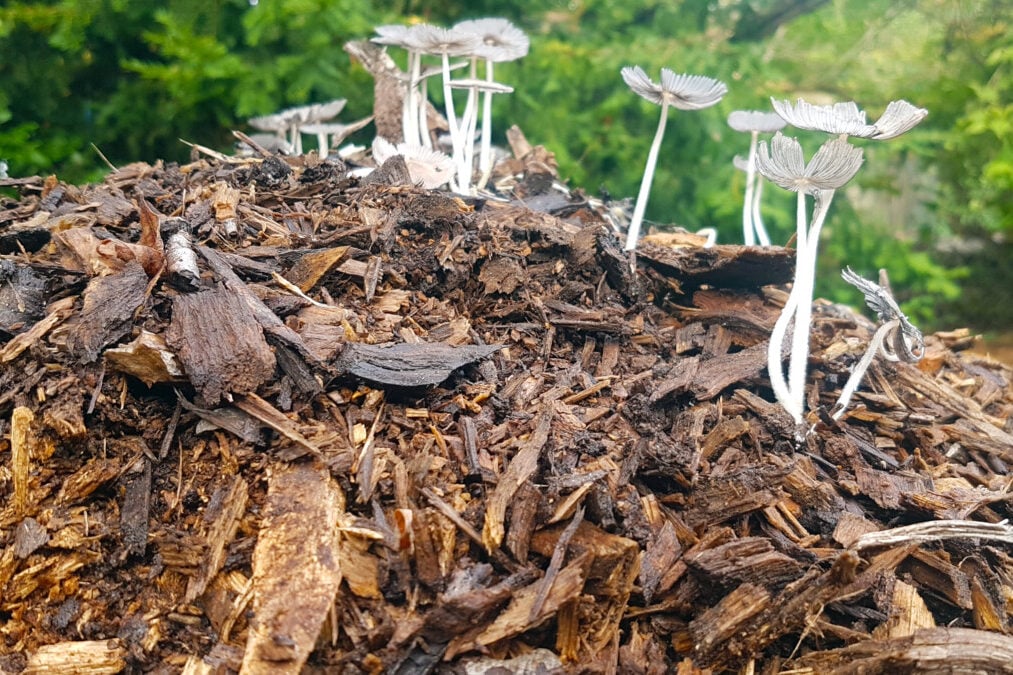
Nitrogen is only sequestered from the top few inches of soil, well above the depth most plant roots grow.
That would explain why our plants don’t die in mulched ornamental gardens due to a lack of nitrogen.
Wood chips are often accused of “nitrogen robbing,” but it’s really more like nitrogen borrowing. Once the microbes get to work and the wood chips have rotted down, the nitrogen is duly returned to the soil. When you apply fresh wood chips, much higher amounts of nitrogen are replenished than were taken up in the first place.
This whole process is one of the reasons why wood chips work so well as a weed suppressant. Not only do wood chips block sunlight as a physical barrier on top of the soil, but the temporary removal of nitrogen from the soil surface prevents weed seeds from germinating.
2. It Increases Pest Activity
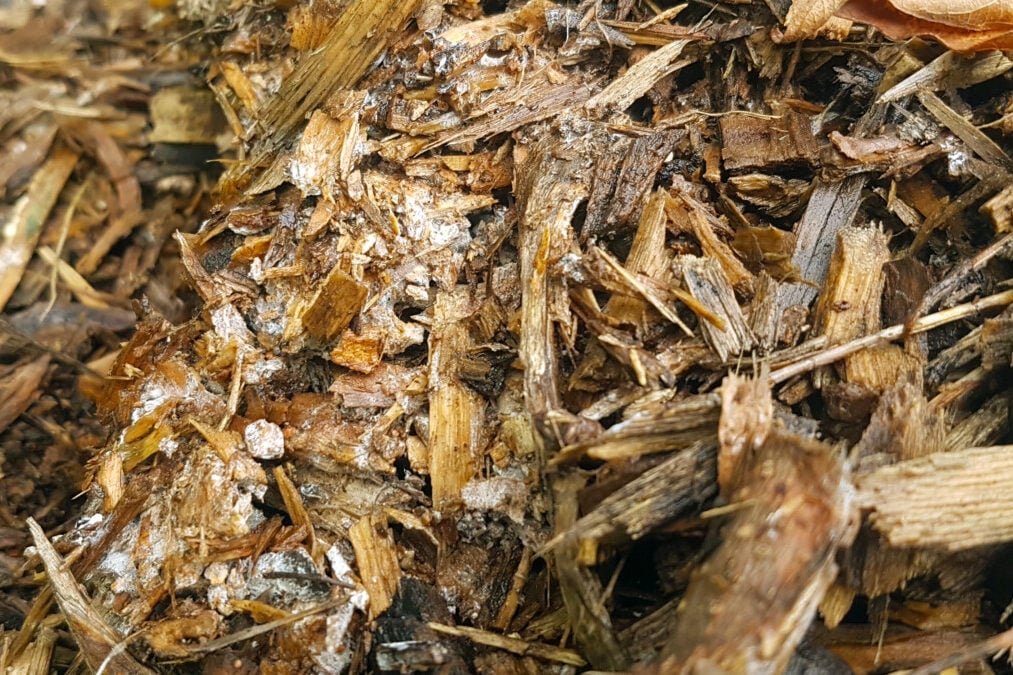
Wood chips are long-lasting mulch, slow to decompose because they’re rich in lignin, tannins, and other natural compounds that are rot-resistant. As wood chips break down, they gradually release nutrients back into the system. They also hold significant amounts of water, releasing moisture to the soil slowly over time.
Arborist wood chips are typically a mixture of wood, bark, and leaves. These materials are far less uniform in size, shape, and texture than shredded mulch products.
Since wood chips are chunky, they aren’t prone to caking, matting, or compaction like some other mulching materials. The variance in size and decomposition rates attracts diverse soil microbes, which in turn support healthy plant growth.
Due to the assortment of sizes and shapes, wood chips also have countless dark and moist nooks – the perfect hiding places for slugs, snails, earwigs, and pill bugs.
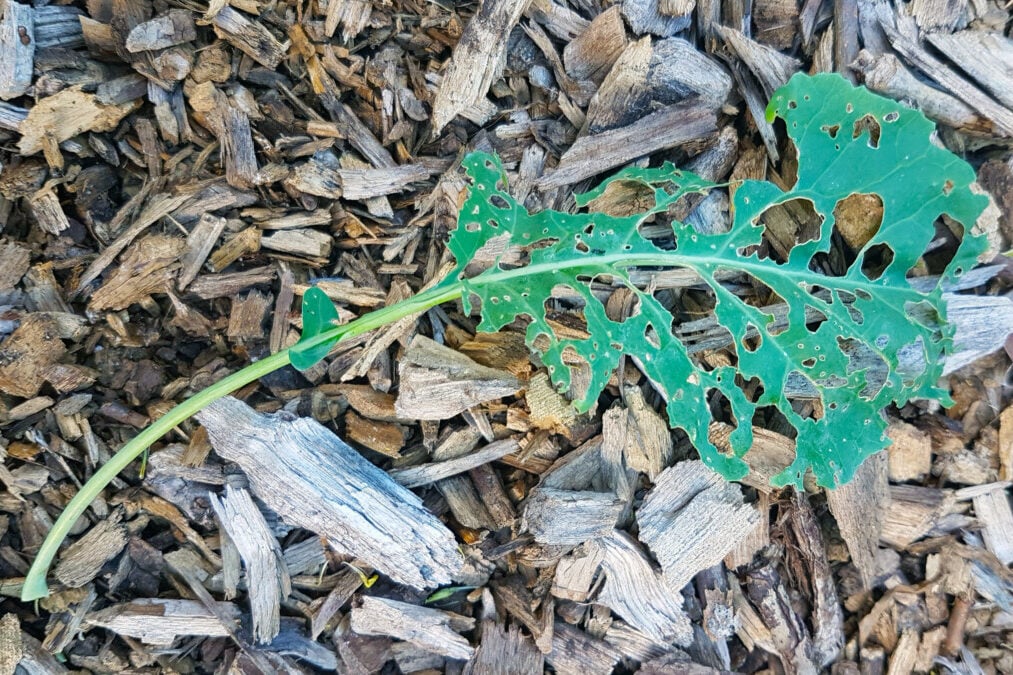
Although these garden pests do like to snack on tender leaves, rarely do they cause enough damage to prevent the plant from growing or producing fruit.

As wood chips create a healthy soil biome, plants are vigorous and more resistant to pest activity once established. Though the lower leaves have been nibbled, plants tend to quickly outgrow their damaged parts.
3. It Acidifies the Soil
The majority of fruits and vegetables require a slightly acidic soil pH to absorb the maximum amount of nutrients in the soil. If soil pH drops below 6.0, plants struggle to take in N-P-K and will fail to thrive.
The idea that woody mulches can lower soil pH – and thus lock out nutrients to your plants – likely comes from the concern that conifer and evergreen tree wood is acidic, particularly pine. (Although the wood from deciduous trees tends to fall on the acidic side too).
Interestingly, the pH values of wood fluctuate quite a bit during the decomposition process. From the initial and midterm stages of decay, the pH level drops as organic acids are released from the decomposing wood. As the rotting advances to its final stage, the pH rises back up to a more neutral or slightly acidic range.
Despite all this pH flux happening above the soil in the rotting mulch, there is no evidence to support the notion that woody mulches will acidify the soil. Wood chips don’t have a significant impact on soil pH, even when the wood chips come from the wood, bark, or leaves of evergreens.
4. It Can Release Plant-Killing Chemicals
In the struggle for resources, allelopathy is a fascinating survival mechanism that grants certain plants a competitive advantage over others. By releasing naturally occurring compounds into the surrounding soil, some plants are capable of disrupting photosynthesis, seed germination, root growth, cell division, hormone regulation, and nutrient uptake of nearby plants.
So what if your arborist wood chip mulch contains wood from walnut, cedar, eucalyptus, red oak, sugar maple, and other allelopathic trees?
While many plants are capable of exuding allelochemicals, the best known example is Black Walnut (Juglans nigra). Walnut trees produce juglone, a highly toxic chemical believed to interfere with water uptake, photosynthesis, and respiration of juglone-sensitive neighbors.
Despite how often it’s been repeated, there are no field studies to support the claim that walnut trees – living or chipped – have a detrimental effect on nearby plants. The concerns with juglone are largely based on laboratory trials that used sterile potting soil with juglone chemically extracted from walnut tissues – both of which would never occur in a natural setting.

Outside of the lab and within the ecosystem, juglone doesn’t appear to have the same plant-killing effects. This is because juglone degrades quickly in the soil. Researchers have discovered that certain soil bacteria rapidly consume juglone as a sole source of carbon and energy, thereby neutralizing its toxic effects on plants.
Juglone won’t endure very long in soils with high microbial diversity and activity. So it’s a good thing that wood chip mulch hosts a huge range of soil microorganisms.
Best Practices When Applying Wood Chips in the Vegetable Garden
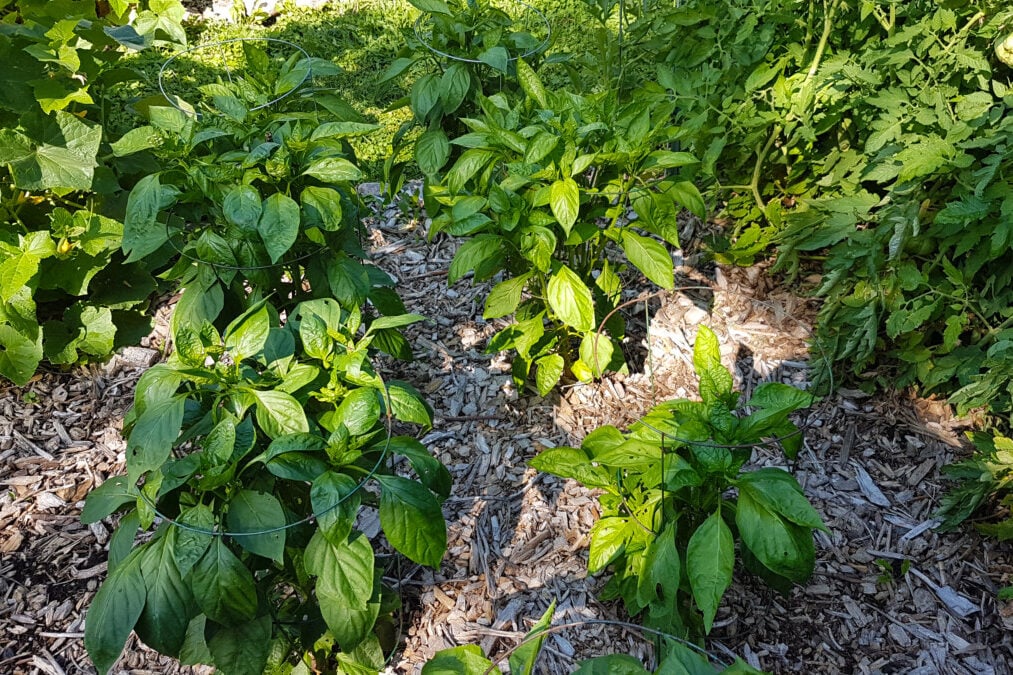
In spite of the prospect of nitrogen-depleted and pest-ridden crops, I went ahead and applied wood chips all over my vegetable beds.
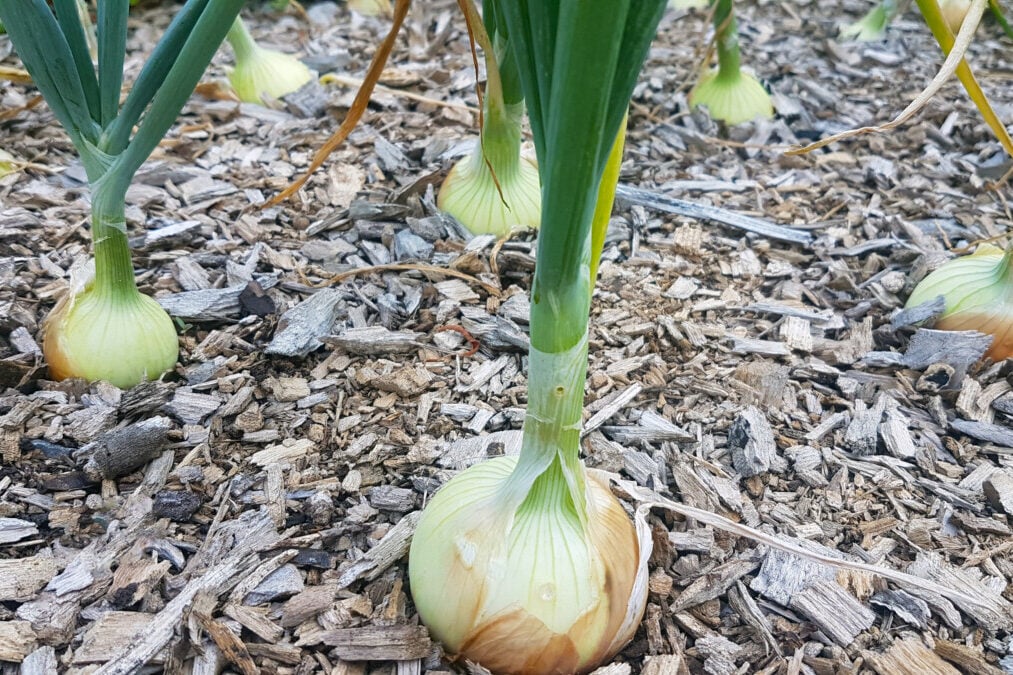
My results? The plants grew just fine, and harvests were plentiful. I had no problematic pests. Weeding became minimal. And watering was needed only during prolonged dry spells.
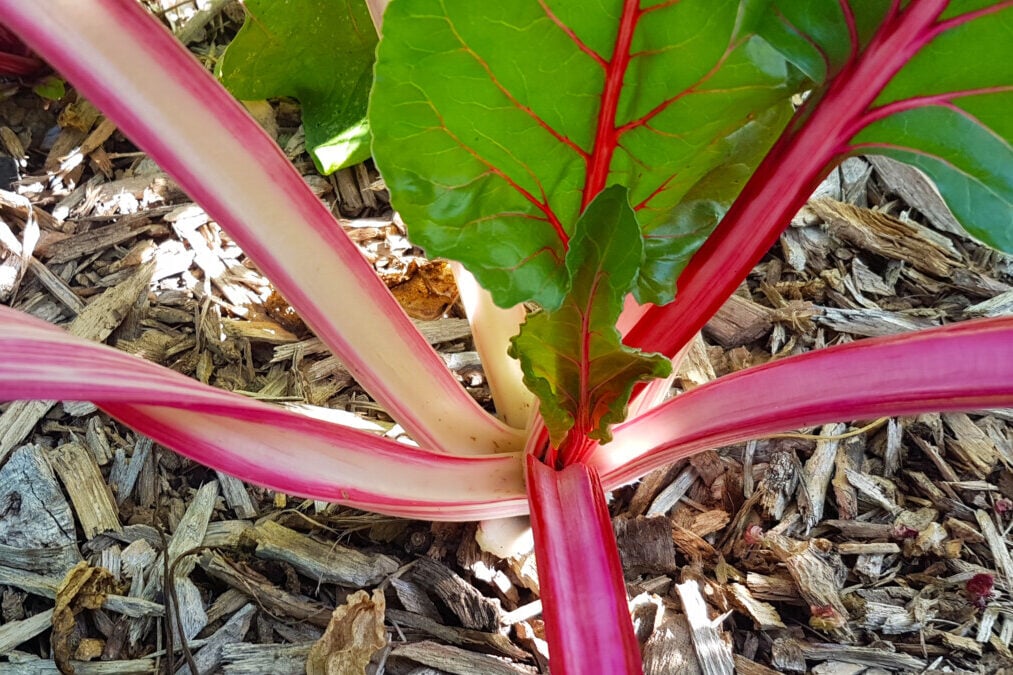
The success of my little field experiment was clear – yes, wood chips are viable mulch in the vegetable garden. As long as you heed a few simple rules:
Apply a layer of compost before adding wood chips
To prevent nutrient deficiencies, always spread a 1-inch layer of compost or other nitrogen-rich organic materials over your vegetable beds in spring. Although this is a good thing to do with or without the addition of wood chips, adding nitrogen beneath the mulch will help balance out the high C:N ratio of wood chips.
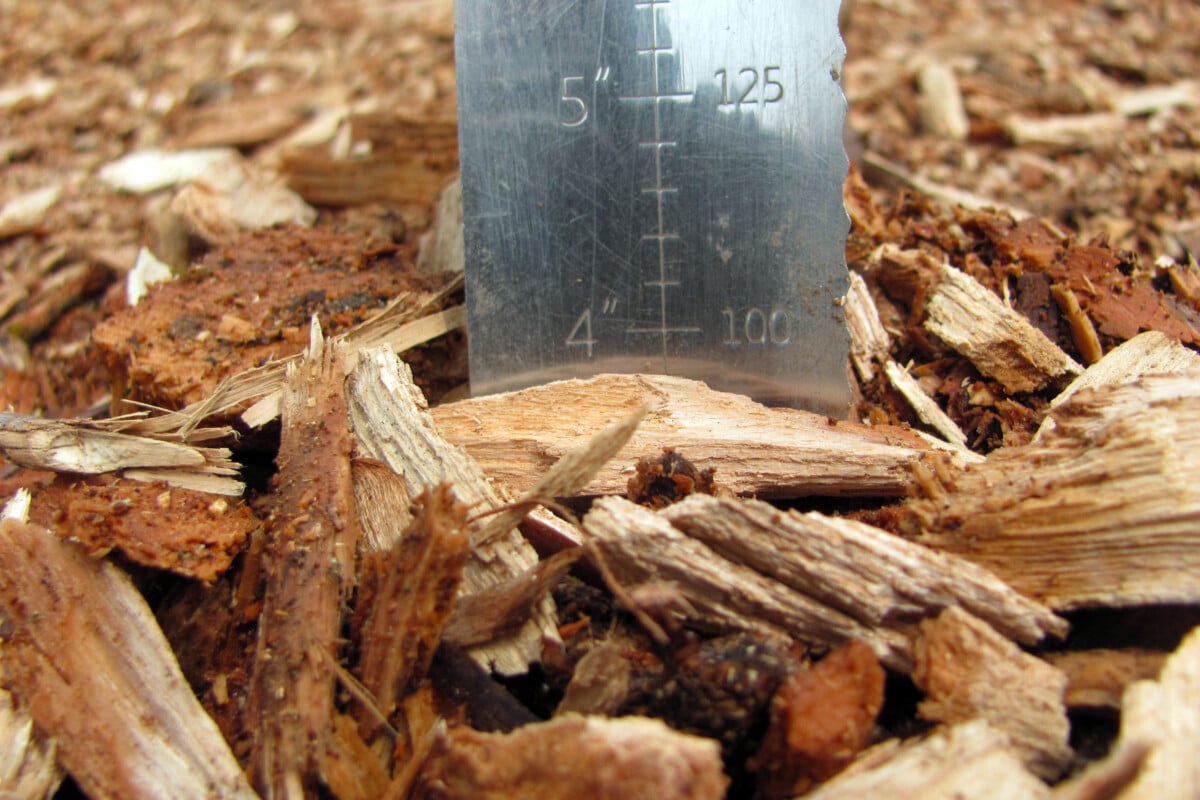
Add wood chips to a depth of 1 to 4 inches
The deeper you go, the more wood chips will provide weed control, moisture retention, and a healthier soil biome. To do its job, the wood chips must sit on top of the soil. Never mix wood chips into the soil; this is how nitrogen robbing happens.
Don’t apply wood chips to direct-sow beds (yet)
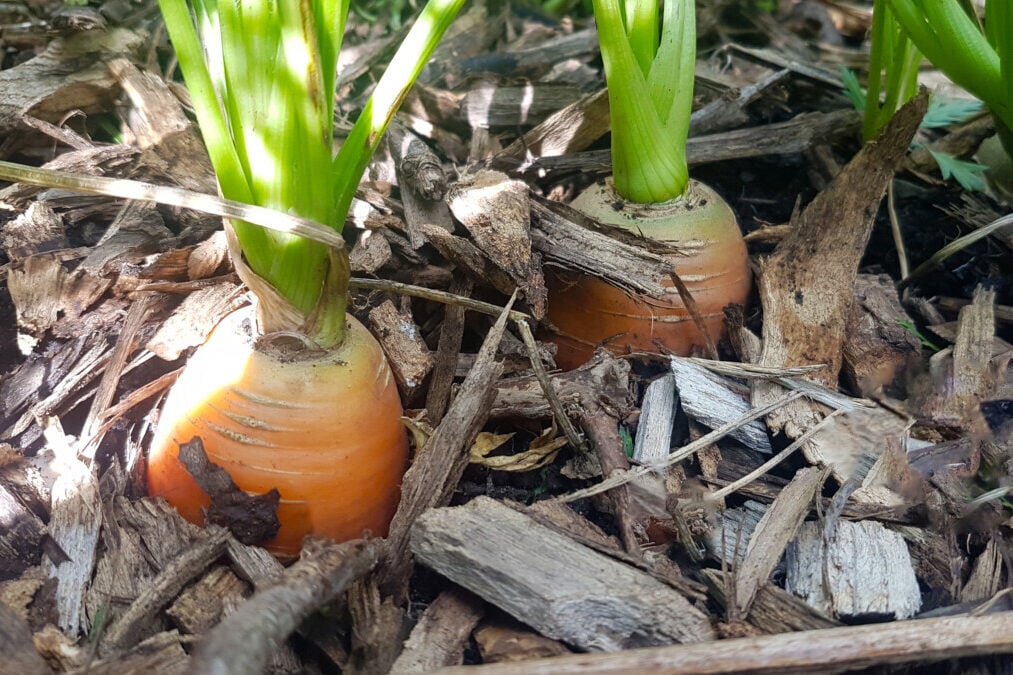
Wood chips are excellent for stopping weed seeds from germinating. But the same is true for carrot, beet, pea, and lettuce seeds. Leave these beds unmulched while you wait for seeds to sprout. Once they are around 4 inches tall, you can fill in wood chips around them.
Wait until seedlings are at least 4 inches tall before transplanting into the garden
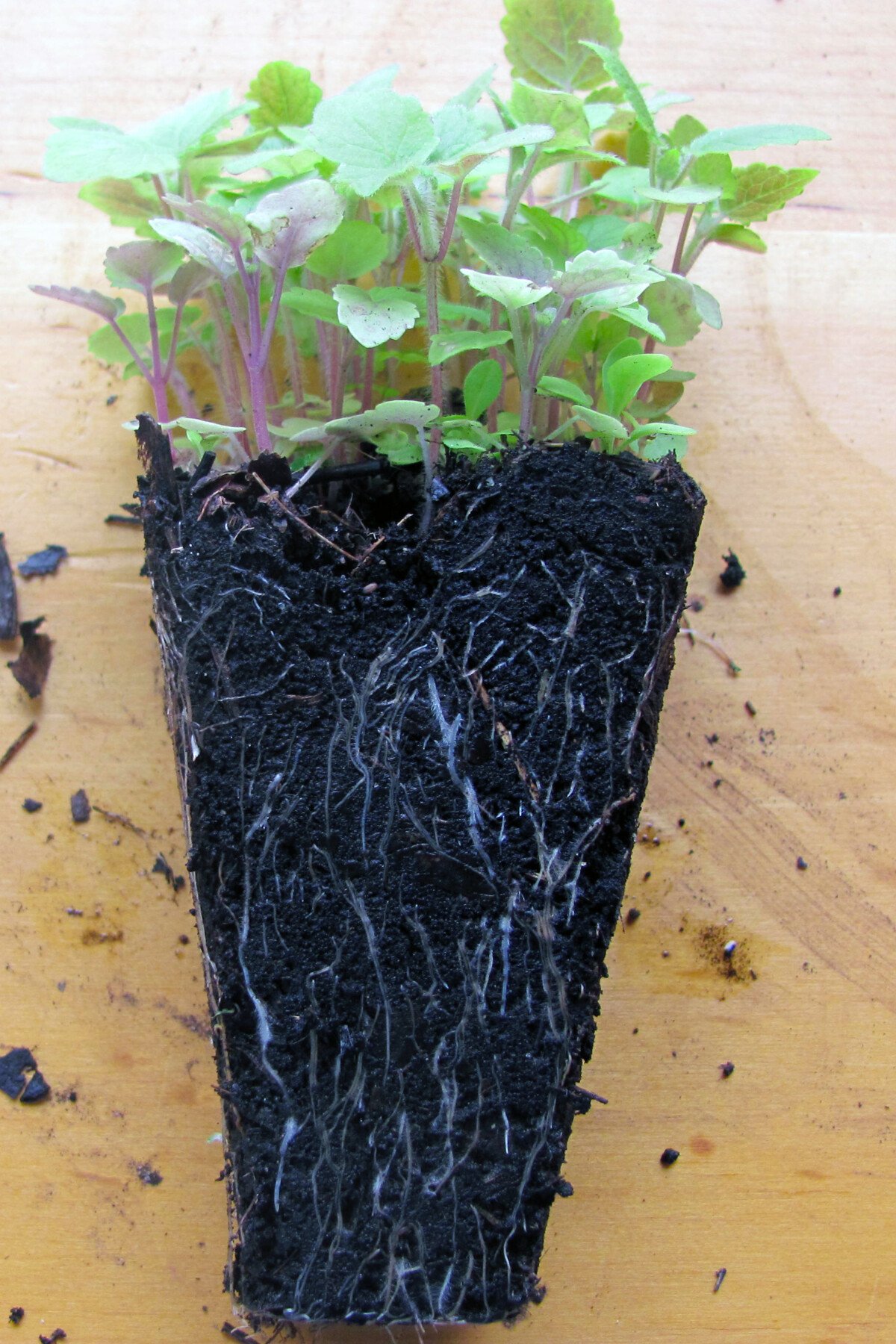
Before you plant out your seedlings into wood chip mulched beds, make sure they have a deep root system. When seedlings are at least 4 inches tall with a root system just as deep, any nitrogen loss occurring at the surface won’t affect your plants.
Fix nitrogen deficiencies quickly
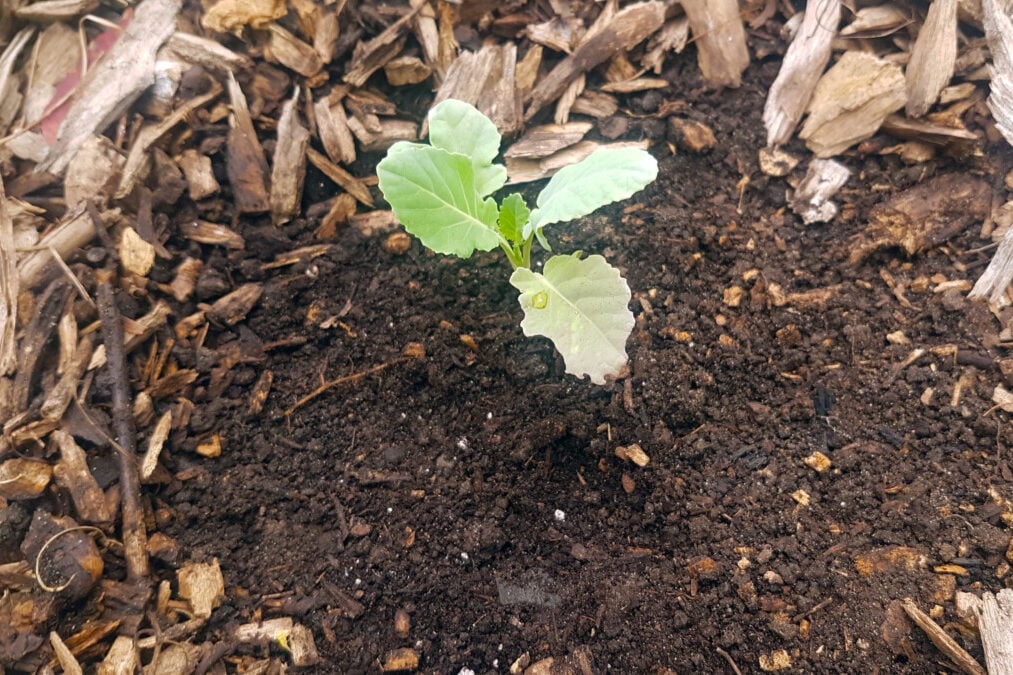
Ok, I’ll admit I’ve been impatient and didn’t wait until the roots ran deep. Luckily, nitrogen deficiencies are really easy to spot and fix. When my broccoli and lettuce plugs displayed the classic symptom of yellowing leaves, I pulled back the mulch from the stems and applied a handful of compost around the base. It only took a day or two for the leaves to return to a healthy medium green.
Tolerate some pest damage
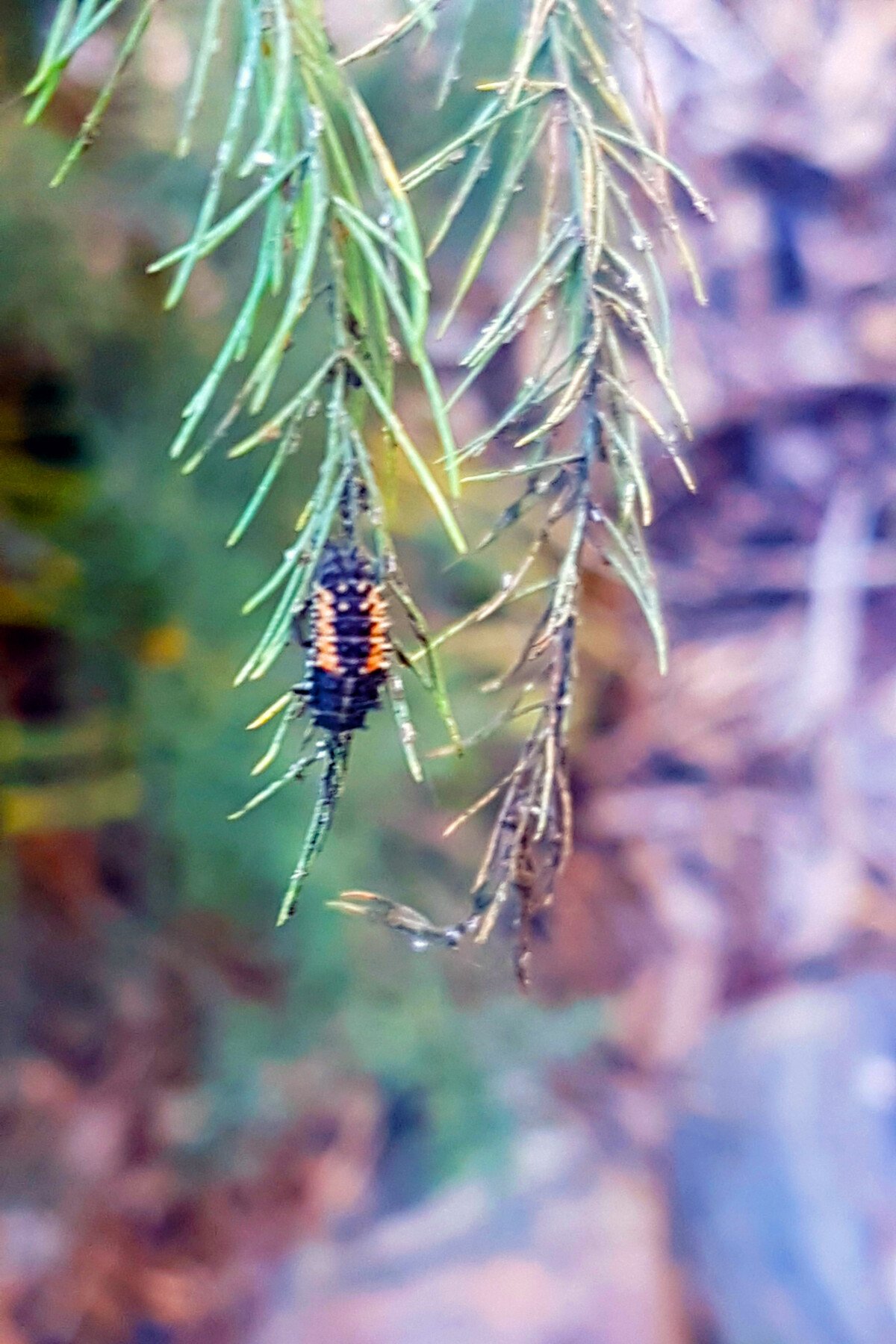
Since using wood chips in my vegetable garden, I haven’t noticed a dramatic uptick in chewed leaves or fruit. The truth is, I had pests before I began using wood chips, and I still have them now. In a balanced ecosystem, the problem usually takes care of itself.
Pull back the mulch when replenishing nutrients in spring or fall
Gently rake back the mulch to add compost, leaf mold, biochar, aged manure, or other fertile soil amendment. Push the mulch back over the bed and top up with more wood chips if necessary.

Get Garden Notes From Tracey, Right to Your Inbox
Pull up a chair on the front porch. Join 54,000+ gardeners who get Tracey\'s friendly notes, seasonal to-dos, and hands-on tutorials three times a week.