

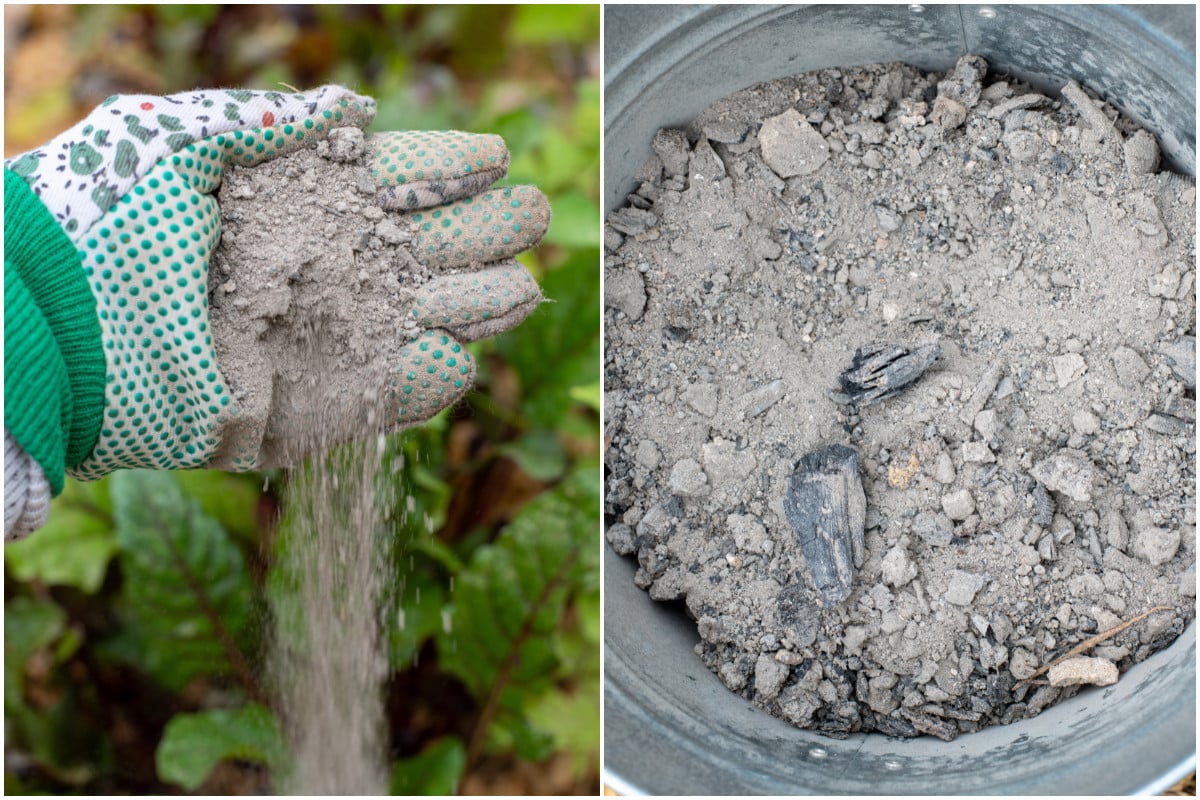
The next time you find yourself cleaning out your wood stove or fire pit, don’t toss all that wood ash. You’ve got a handy garden tool at your fingertips if you only know what to do with it. Grab your gloves and a shovel, and let’s get gardening with wood ash.
Use What You’ve Got
In a world where Amazon can get you practically anything you want in as little as two days, using what you have on hand feels a little old-fashioned. But there’s a lot to be said for making do with what you have, and in many cases, the best tool is the one you already have.
This rings true when it comes to using wood ash around your garden.
Whether you have a backyard fire pit or a wood stove, it needs to be cleaned periodically anyway, and that fine, powdery ash has a number of beneficial uses in your vegetable and ornamental garden. So why not put it to good use?
Storing Wood Ash for Future Use
Before we jump in with our list of uses, let’s talk about storing wood ash. Naturally, when you’re dealing with fire, safety is of the utmost concern. You always want to ensure the ash bed is completely cooled and that there are no longer any burning embers before you clean.
A dedicated ash vacuum can be a real lifesaver if you heat with wood or frequently have backyard fires. It makes cleanup easy and safe, allowing you to empty the ash into your storage container.
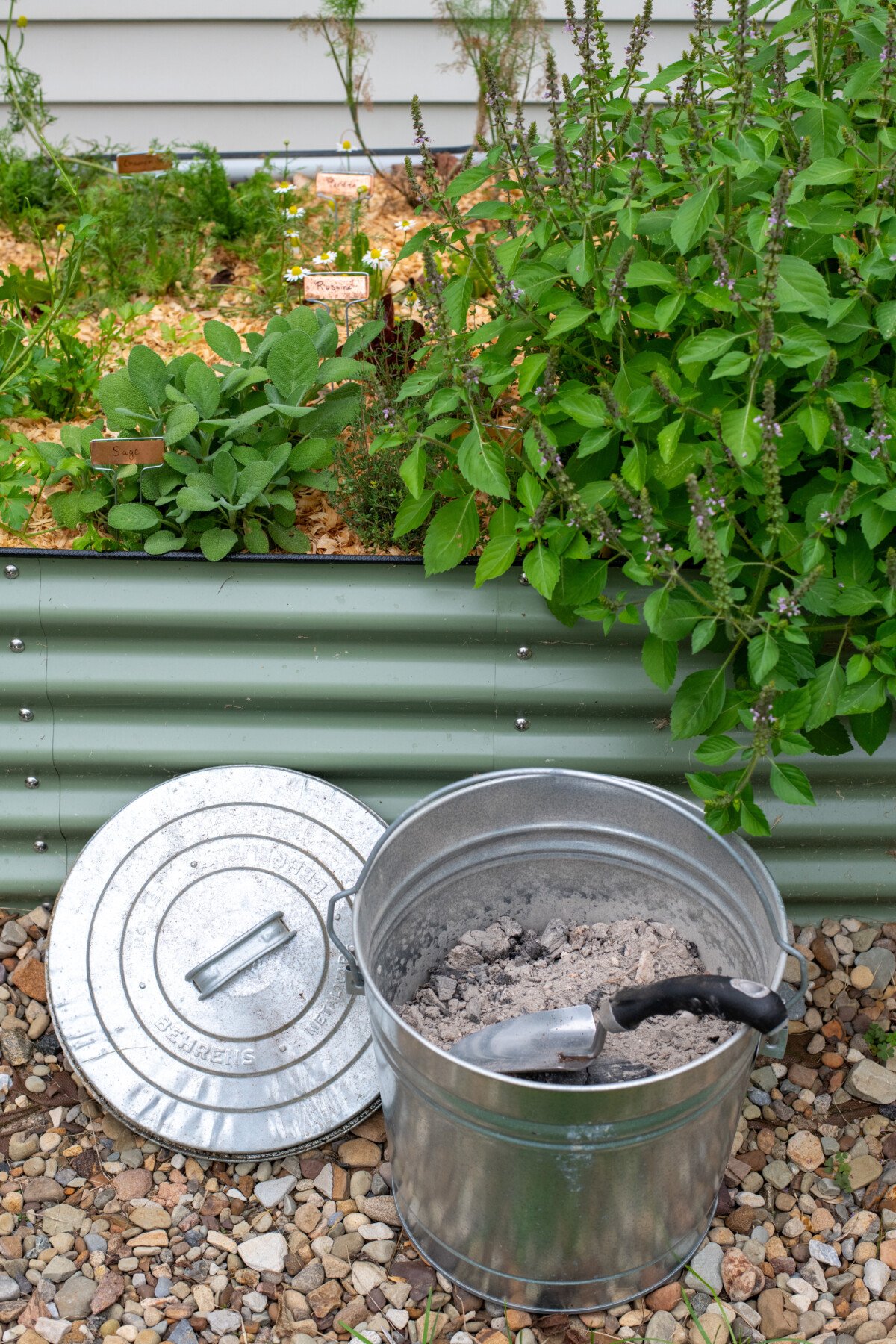
Your safest bet is to store wood ash in a metal bin.
I like to shovel out my fire pit into one of those handy little 6-gallon galvanized trash bins with a lid. (I also have another one to store my bird seed in.) It keeps the ash dry, is less likely to tip over and make a mess, and because it’s metal, there’s an added measure of safety should a live ember make its way into the bin.
Finally, it goes without saying that if you’re going to be adding wood ash to your soil or compost, you need to be mindful of what you have burned. It’s best not to use ashes from wood that was treated, stained, or painted.
Now that we’ve got that covered, let’s look at how you can use wood ash in your garden.
Raise Soil pH (Reduce Acidity)
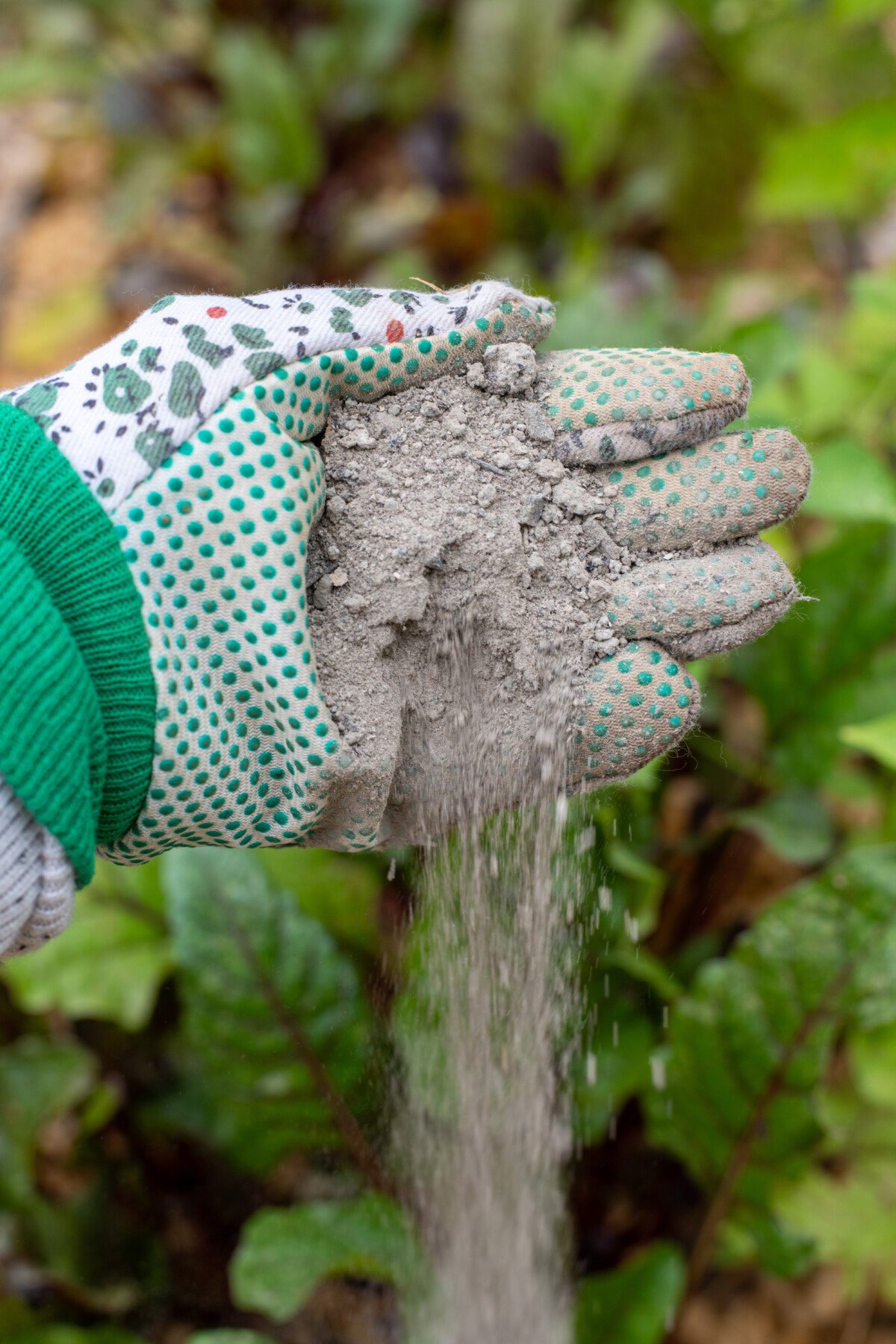
Wood ash can be an effective and inexpensive way to correct slightly acidic soil. Now, longtime readers know what I’m about to say next. Always test your soil with a digital soil tester before you go sprinkling this and that on it; otherwise, you can end up making things worse. You can’t correct soil imbalances if you don’t know how much or what is out of balance.
Wood ash is a useful and mild liming agent (and it adds other nutrients at the same time).
Mixing in wood ash to slightly acidic soil can help correct the issue. It works fastest on sandy soil, but will respond over time on loamy or clay soils. Apply in small amounts each time, approximately 1-2 pounds per 100 sq. ft. A gradual application of five to ten pounds over time can raise the pH by 0.5-1 point, but this process takes several months to complete.
For the best results, you’ll want to measure soil pH every couple of months and continue to add and adjust until you get the desired pH. Wood ash is a good option for slightly acidic soil. If you’ve got highly acidic soils, then you’ll want to opt for lime.
Balance Nitrogen-Rich Compost
Ah, composting. Getting that ratio of browns and greens just right is a constant juggling act. Often, when we add a large amount of green material, such as grass clippings and vegetable scraps, we can cause the nitrogen in our compost to spike. This means things can get slimy, smelly and break down more slowly because the microbes use a lot of carbon to eat up all of that nitrogen.
You can help sluggish microbes balance these large “nitrogen dumps” by sprinkling wood ash among high-nitrogen additions.
Wood ash contains potassium, calcium, and other minerals, but very little nitrogen. More importantly, it’s alkaline, which helps to neutralize high-acidity “greens.” While wood ash doesn’t add much carbon, it does create a more favorable chemical environment for microbes to break down all that nitrogen more efficiently.
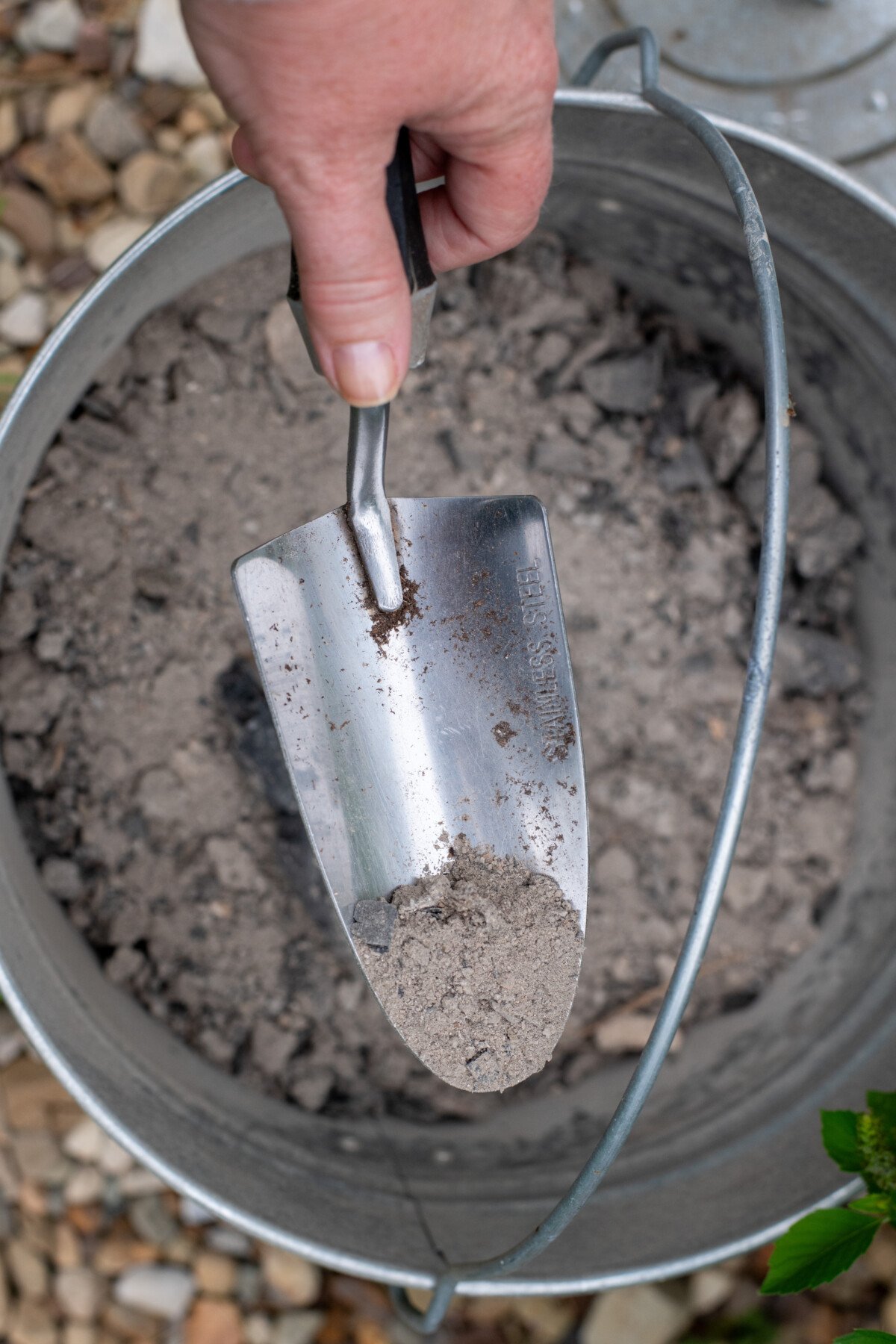
Sprinkle a bit of wood ash into your compost pile when you add a lot of greens. Then mix it in well so it doesn’t form a crusty layer on top. It’s important to remember that wood ash isn’t replacing carbon (like leaves, straw, or shredded cardboard); rather, it helps to keep things balanced so microbes can perform at their best.
Keep Critters Out of Your Compost
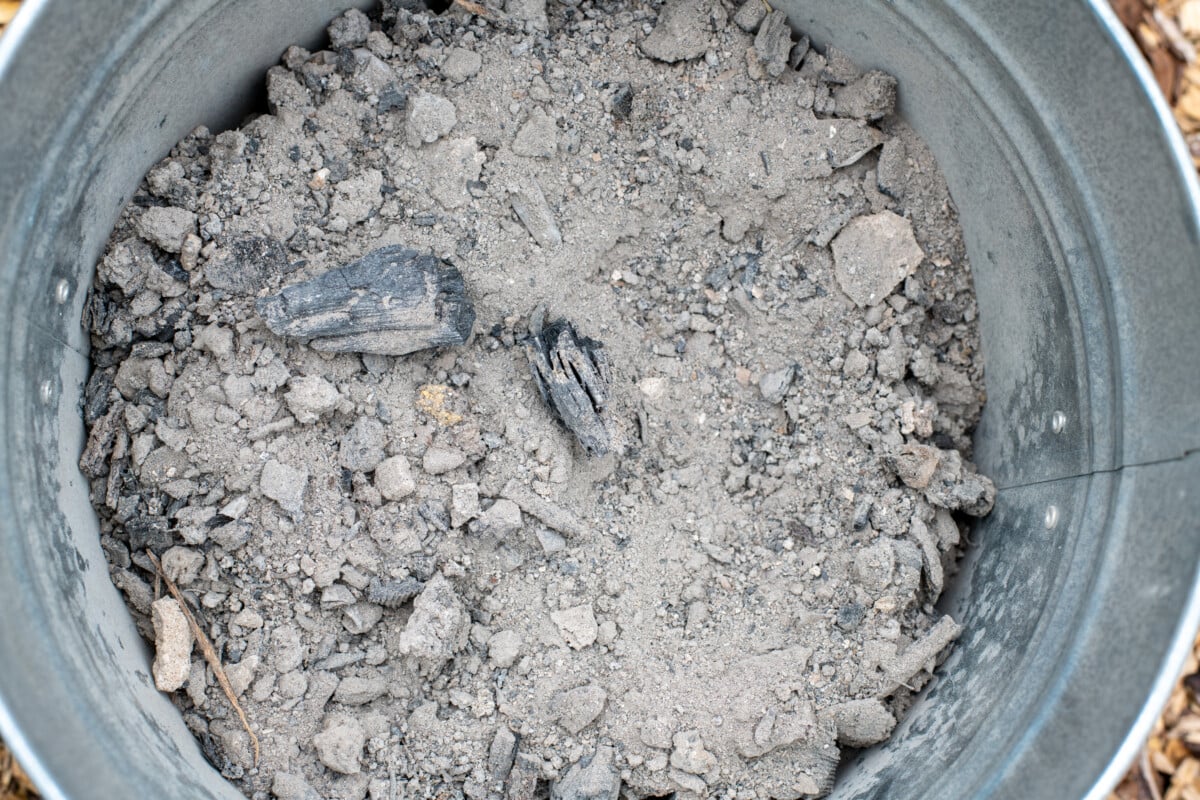
All the tiny pieces of charcoal in wood ash make it a great odor absorber. That kind of thing can come in handy if you’ve got a compost pile and local fauna that are too nosy for their own good.
Now, it’s important to remember that a good, hot compost pile shouldn’t be smelly. But there are times when it may be a little extra potent; usually right after adding something particularly pungent. For instance, when I’m canning in late summer, I end up putting a lot of vegetation in my compost all at once, which means it’s pretty potent.
Sprinkling a thin layer of wood ash on the top of the pile will help to mask and absorb odors while the new additions begin to break down.
You don’t want to add too much wood ash as it can make your compost too alkaline and stop microbial activity. Sprinkle a thin layer on top or add it to your green as described above, and it will boost microbial activity rather than hinder it.
Boost Seedlings Each Spring and Prevent Blossom End Rot
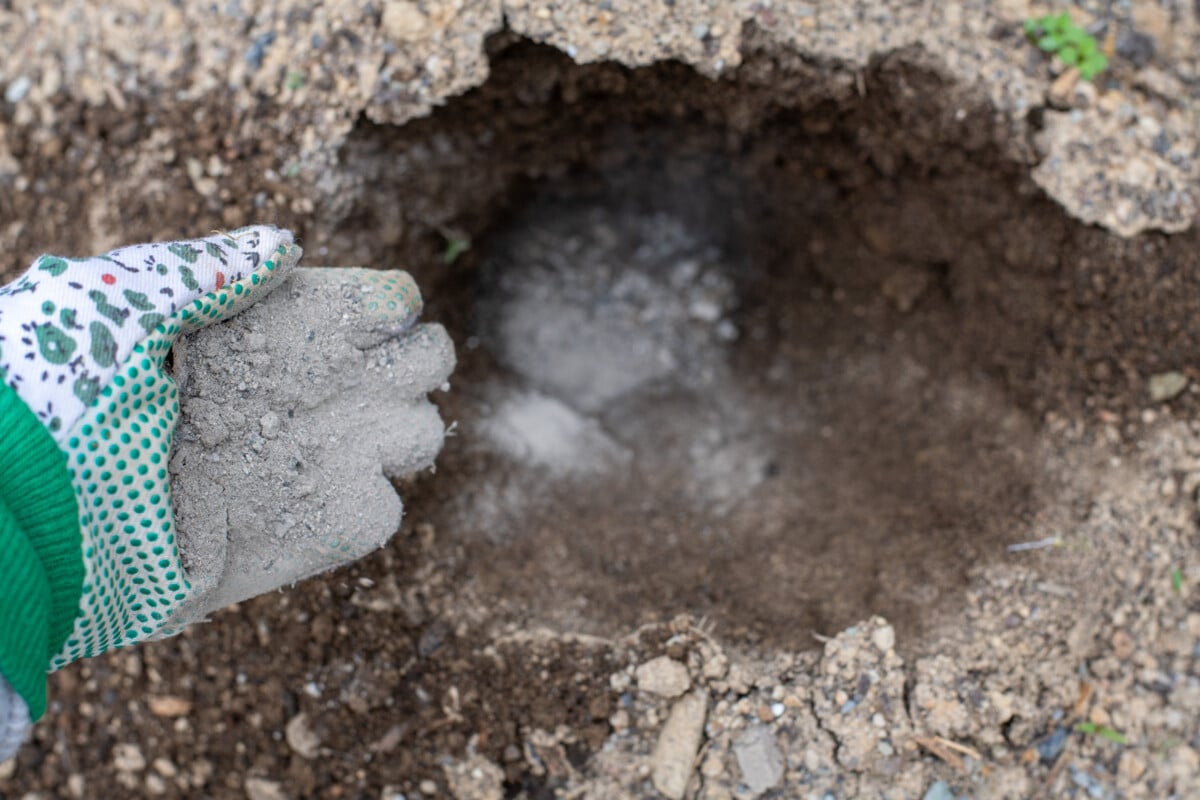
Every spring, when it’s time to plant seedlings in our gardens, we have the opportunity to apply nutrients directly to the soil where the roots can access them. If you aren’t sprinkling something in those holes you dig for your seedlings, then you’re missing out on a golden opportunity.
There are three things that I always try to add to the holes before I tuck my seedlings in for the season. Mycorrhizae and worm castings are the first two, and wood ash is the third.
Wood ash has quite a few important minerals that plants need for healthy growth:
- Potassium (K) – great for flowering and fruiting plants.
- Calcium (Ca) – strengthens plant cell walls
- Magnesium (Mg) – an essential part of chlorophyll and photosynthesis
- And numerous trace minerals that plants use.
Another important consideration is what wood you’ve burned. Hardwoods, such as oak, maple, and hickory, generally contain more minerals and nutrients than softwoods, like pine and fir.
If you’ve had issues with blossom end rot in the past, add some wood ash to the soil before planting tomatoes, peppers, and squash. You’ll be surprised by the results.
Always mix wood ash into the soil; don’t put it directly on plant roots, as it can burn them.
Protect Saved Seeds

I like to save seeds from my garden each year. (Here are a few of the easiest to save.)
One tip I learned from an “old timer” was to put a few pinches of wood ash into the container I’m storing my seeds in and give it a little shake. (I keep my seeds in these nice little coin envelopes.) The ash coats the seeds, preventing them from sticking together (I’m looking at you, tomato seeds!). The ash also acts as a natural desiccant. By adding a bit to my seed packets each year, I have never had moldy seeds, and my germination rates have continued to be good.
One Thing Wood Ash Won’t Do in Your Garden
Wood ash is commonly recommended for deterring slugs. You’re supposed to put a thick band of wood ash around whatever plant you’re trying to protect. The idea is that the alkalinity and abrasive texture will keep the slugs from crossing it.

Oh, if only it were that easy, everyone with alkaline soil would never have slug problems!
Unfortunately, wood ash won’t stop slugs from reaching your lettuce. It won’t even slow them down. But you know what will? Beer traps. Yup, good old-fashioned beer traps are still one of the most effective means of dealing with slugs. You can read about how to set them up here.
It’s funny, you wouldn’t think sitting around the fire toasting marshmallows or sipping hot cocoa would help your garden. But saving wood ash after enjoying a lovely fire is a great way to boost your garden’s productivity, so pass the cocoa and put another log on the fire.
Get Garden Notes From Tracey, Right to Your Inbox
Pull up a chair on the front porch. Join 54,000+ gardeners who get Tracey\'s friendly notes, seasonal to-dos, and hands-on tutorials three times a week.