

Spring is here, and gardeners everywhere are shaking off the winter doldrums and heading out to their gardens. It’s finally time to get cool-weather seeds in the ground. But too often, I see the same mistake made by both young and old gardeners around this time of year.
Let’s just say, about a month from now, there will be a lot of people wondering what to do with all these radishes. Someone else will be thinking it’s May and they’re sick of salads already.
When it comes to the majority of cool-weather crops, timing is everything.
I used to have a bad habit, and I know I’m not alone in this. After waiting all winter long, I would go out and plant all the radishes, all the lettuce, all the Japanese turnips, all the spinach… You get the idea. I was just so happy to be back outside in the garden, digging around in the dirt.
I would forget that within a few weeks, I would have a glut of produce on my hands that needed to be used right away. Dazed by the rising temperatures, longer days, and empty garden beds just waiting to be filled, all sense of how produce works would fly right out of my head.
Hello, Tracey, succession planting is a thing you were taught to do. Remember that?
Clearly not.
Consider this your personal PSA not to bury yourself in lettuce this year and to plant your cool-weather crops wisely.
Why Succession Planting Makes Sense in the Spring Garden
If you think about it, quite a few of the most popular vegetables we grow in a spring garden don’t preserve well. Many need to be consumed within days of picking them. I’m looking at you, lettuce. It makes sense to use succession planting when planning out your spring garden.
If you’re new to gardening, succession planting is the method of staggering your crop so that it doesn’t all ripen at the same time.
Since I mentioned lettuce, we’ll use that as an example. When sowing your lettuce seed in the garden, only plant what you can eat within a reasonable amount of time. Keep in mind how quickly lettuce grows and how soon it may bolt once warmer weather arrives. Plant enough to satisfy that amount, then wait two to three weeks and plant more.
By staggering how often you sow your spring seeds, you stagger your harvest. You won’t end up inundated with fresh produce that will spoil faster than you can use it.
It helps to know what you will use each vegetable for.
Sticking with lettuce, do you need just enough to dress up sandwiches with the occasional salad? Or do you plan on making salads with every meal? Do you entertain or have a large family? These are the considerations you need to account for when planning how much of each crop you will need until the next planting is ready.
Now that you’ve got the gist of what we’re aiming to achieve, let’s take a look at the cool-weather vegetables to which this method of planting applies.
What Spring Crops You Should Succession Plant and How Often
Sow every 2-3 weeks:
- Lettuce and mesclun – will bolt once the heat of summer arrives, so planting in succession is wise. By the way, this is another reason why lettuce is on my list of veggies not to start indoors. It’s hard to stagger transplants.
- Spinach – spinach will bolt even quicker than lettuce, so smaller crops, over a longer period is the key to continuous spinach.
- Arugula
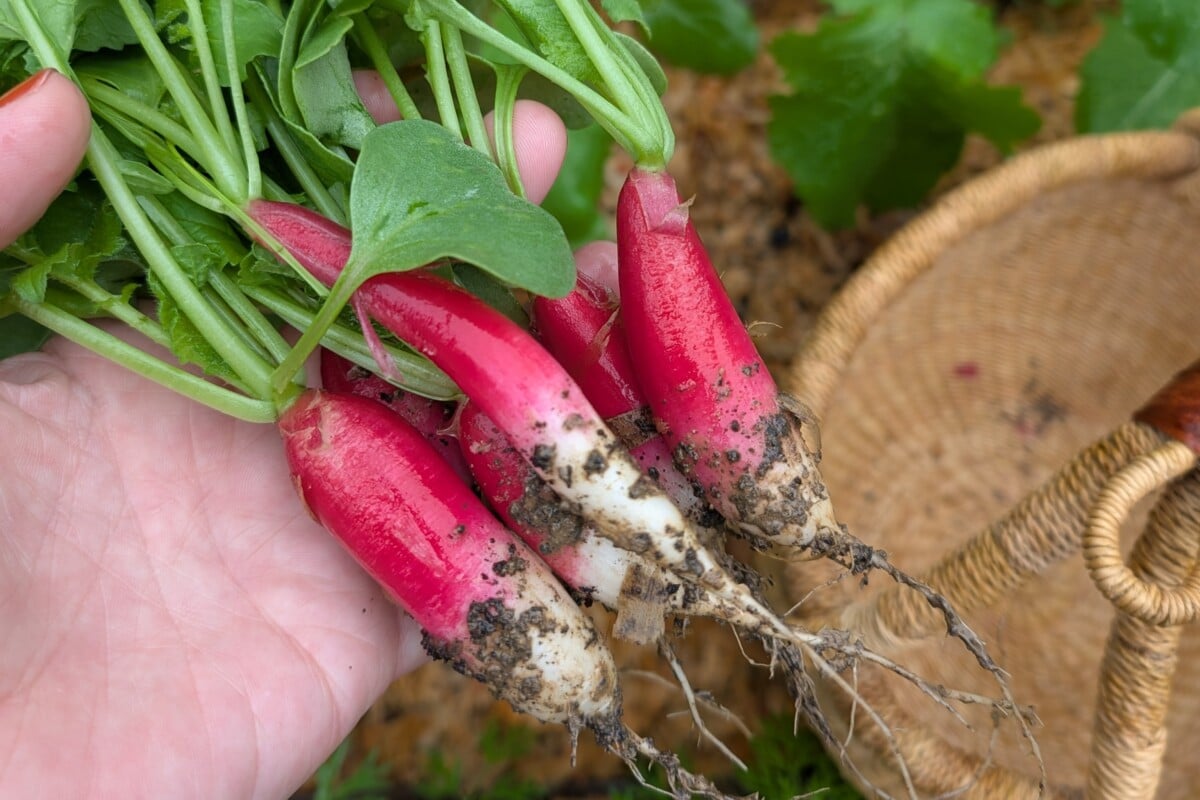
- Radishes – radishes grow quickly. Depending on how much you like them, I would suggest leaning more towards every two weeks.
- Scallions
- Peas
- Mustard
- Kale/Collards – stagger planting only if you prefer the tender baby leaves to the full-grown plant.
Sow every 3-4 weeks:
- Cilantro – cilantro will bolt if you look at it sideways, so plant it often, unless, of course, you think it tastes like soap.
- Dill
- Beets – beets take longer to grow, so staggering them makes sense. Plus, smaller beets are more tender and sweeter than larger beets. Harvesting more frequently when they are smaller gives you tastier beets. You can continue to plant new crops right through the gardening season.
- Bok Choy
When to Skip Succession Planting in Favor of One Large Harvest
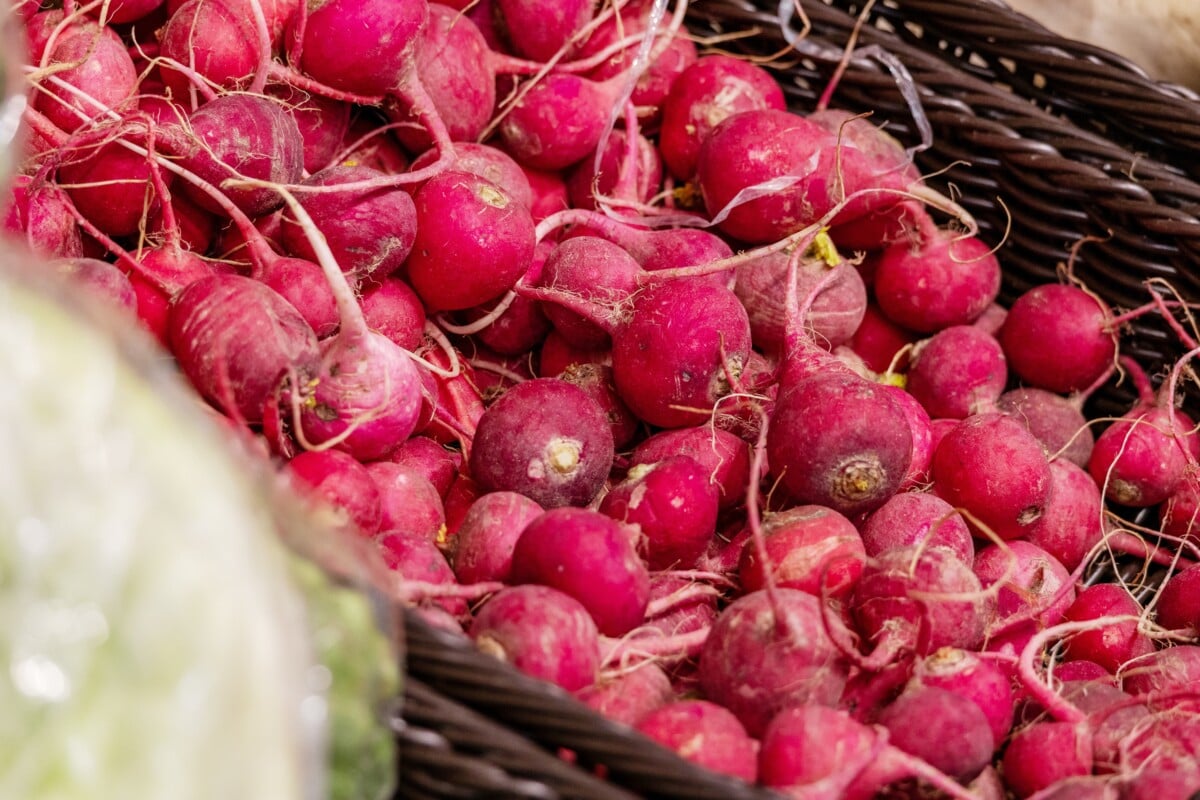
Okay, so maybe you don’t want a hundred radishes all in one go. But there are a few cool-weather crops that make great pickles or that you can preserve by freezing or canning them. In that case, yes, we want one large crop. Or at least, a few smaller crops spaced out for fresh eating and one larger crop meant for preserving.
Spinach
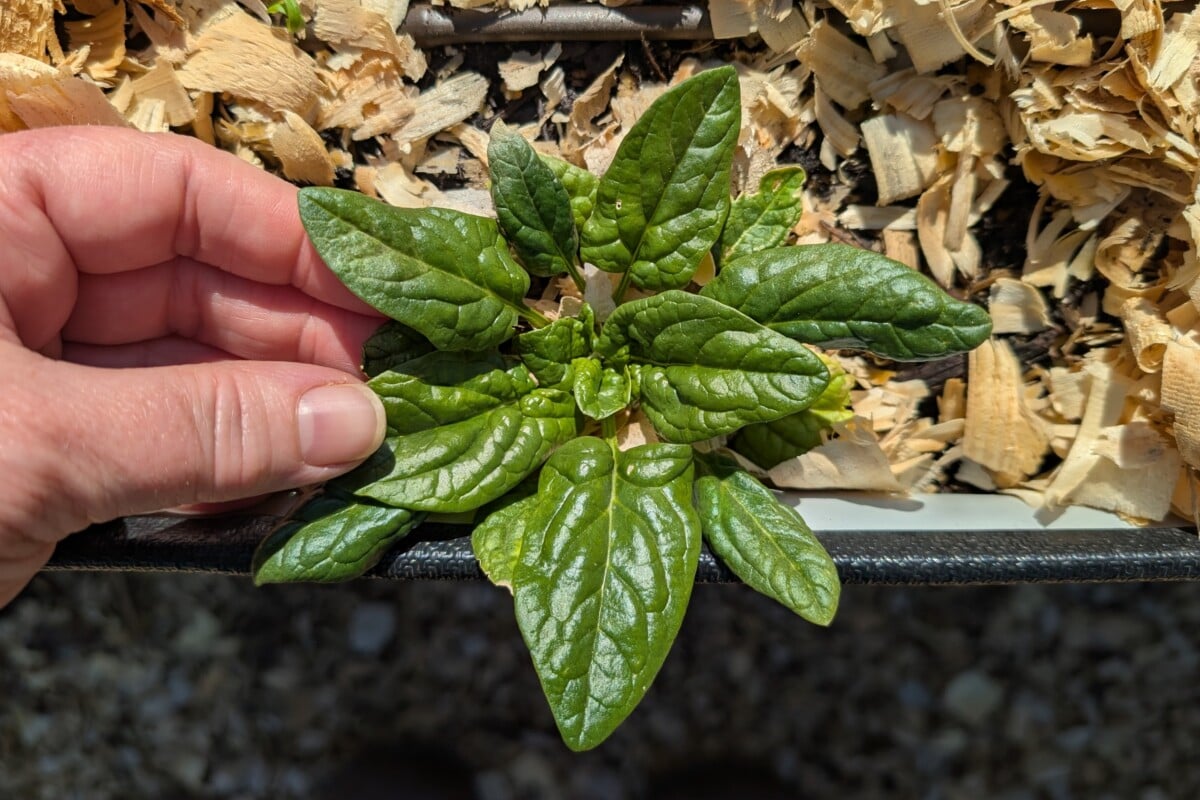
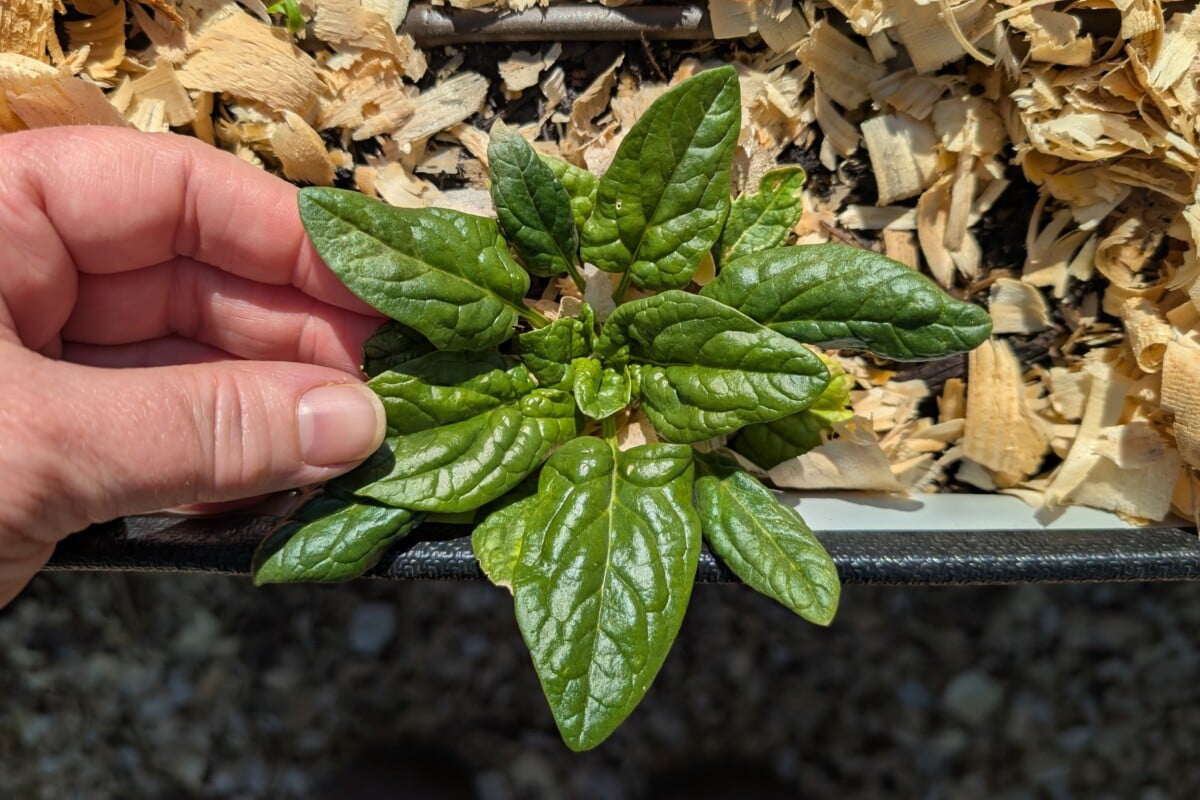
We love frozen spinach in this house, and it freezes well. It’s great for tossing in smoothies, soups, omelets, quiche and more. But spinach bolts at the mere mention of heat, so I plant one large crop, just as soon as the soil is ready to be worked each spring. (By the way, if you’ve ever wondered what exactly ‘as soon as the soil can be worked’ means, you’ll want to read this.)
I currently have an entire raised bed with nothing but spinach growing in it. Once it’s all harvested and frozen, I’ll have that bed freed up again for warm-weather crops.
Peas
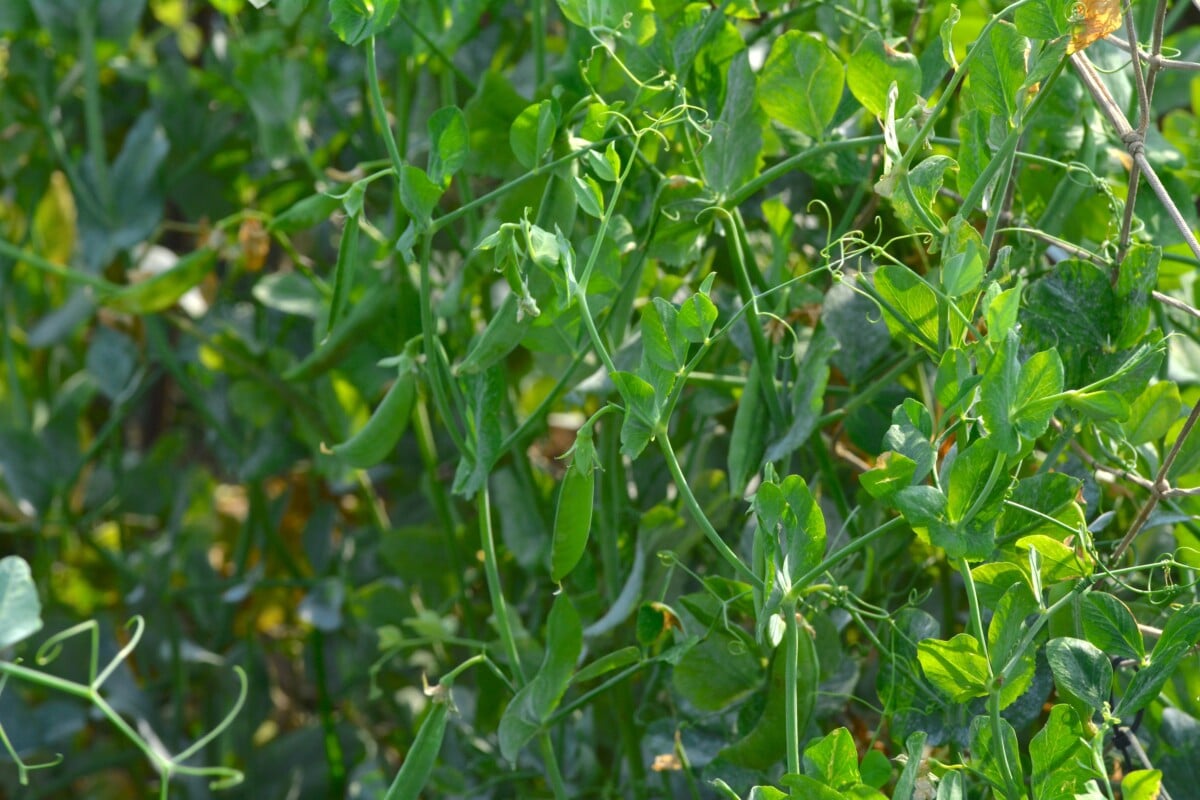
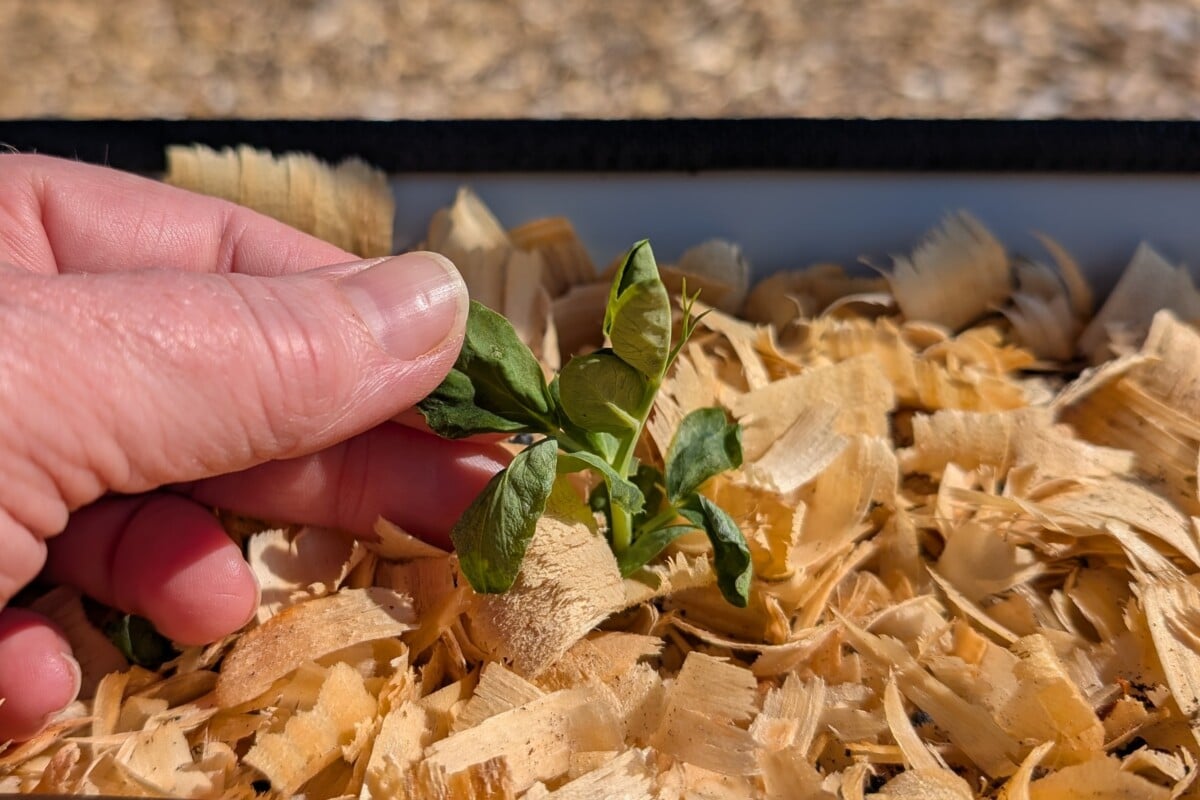
Peas are another spring crop that you might want to preserve, either by freezing or pressure canning. I know my dad always had a hard time keeping me out of the peas so he would have enough left to can each year. I figured the more I ate straight from the vine, the fewer I would have to sit and help shell.
If you’re planning on preserving peas, you’ll want to plant one large crop as soon as you can get them in the soil.
Radishes
I know, I just got done saying no one wants a hundred radishes all in one go. However, they do make for some fun fridge pickles, and they are excellent candidates for lacto-fermented pickles. In that case, you’re definitely going to want to plant a much larger crop than you would for fresh eating.
Beets
Beets are some of my favorite vegetables to pickle, especially baby beets. (Check out our quick pickled beet recipe here.) You’ll want to plant a crop specifically to pickle.
Japanese Turnips
Again, these small, white turnips make excellent quick pickles. They also freeze quite well, making them a good candidate for a larger crop meant for storage.
Succession planning is nothing more than thinking ahead to what you’ll use all this fresh, spring veg for and planning accordingly. We’ve all been waiting patiently (or not patiently) through the winter for this moment. Let’s start on the right foot.
Get Garden Notes From Tracey, Right to Your Inbox
Pull up a chair on the front porch. Join 54,000+ gardeners who get Tracey\'s friendly notes, seasonal to-dos, and hands-on tutorials three times a week.