

Every spring, gardeners across the Northern hemisphere receive the same back-o’-the-seed-packet advice: “Sow as soon as the soil can be worked.”
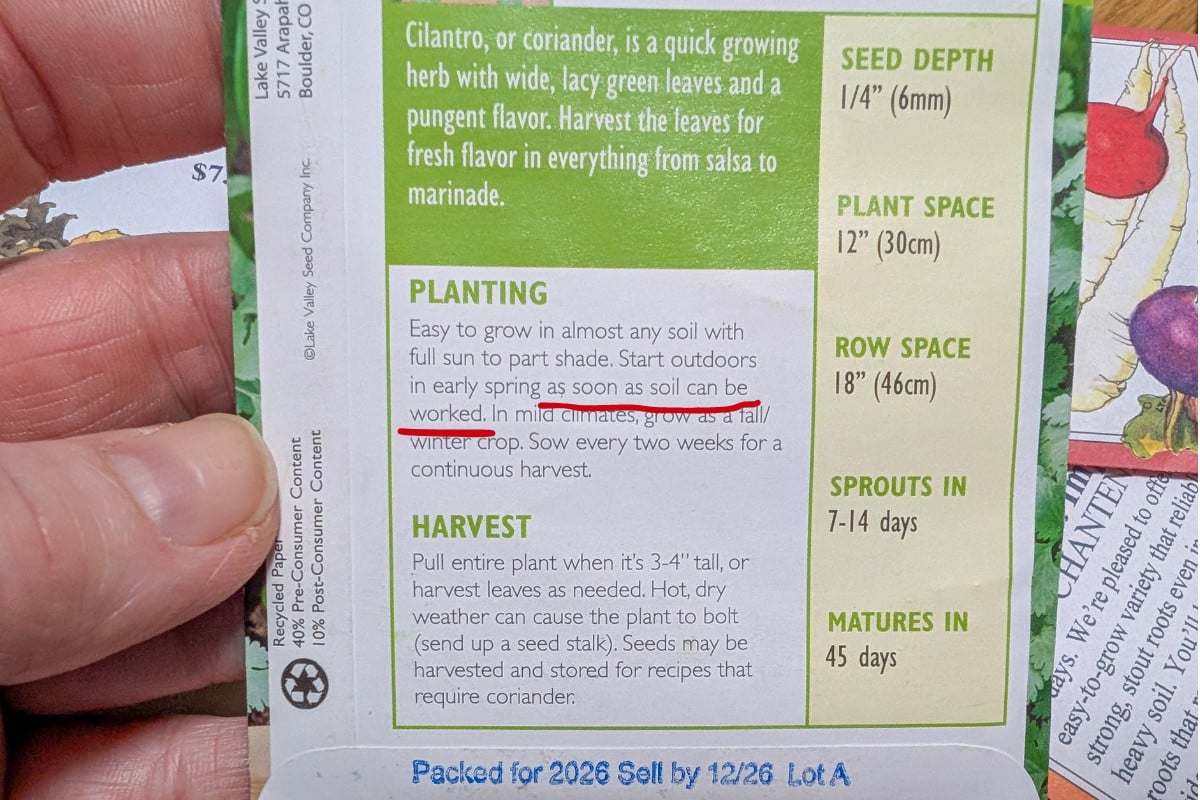
Okay, that’s cryptically vague.
Workable how? I have a rototiller that could easily get the job done, even though I can’t do it by hand. Does that count?
The soil is pretty muddy, but I can still dig in it. Is that workable?
What if this part is frozen, but this part over here seems okay?
Many of the instructions parsed out on the back of seed packets take for granted that you’ve been at this for most of your adult life.
We’re not all mythical gardening beings who are one with the soil. Unfortunately, this lack of details unnecessarily complicates an activity that should otherwise be straightforward.
Yet, when asked to describe what this common bit of gardening instruction meant, even a few of the lifelong gardeners I know had a hard time coming up with something more than just repeating it.
“Well, ya know, it’s after the snow melts, and you can finally get in there and really…work the soil.”
Uh-huh. Clear as mud.
Sowing seeds should be both beginner-friendly as well as intuited by the average crusty old green thumb.
(Myself included among the crustier variety.)
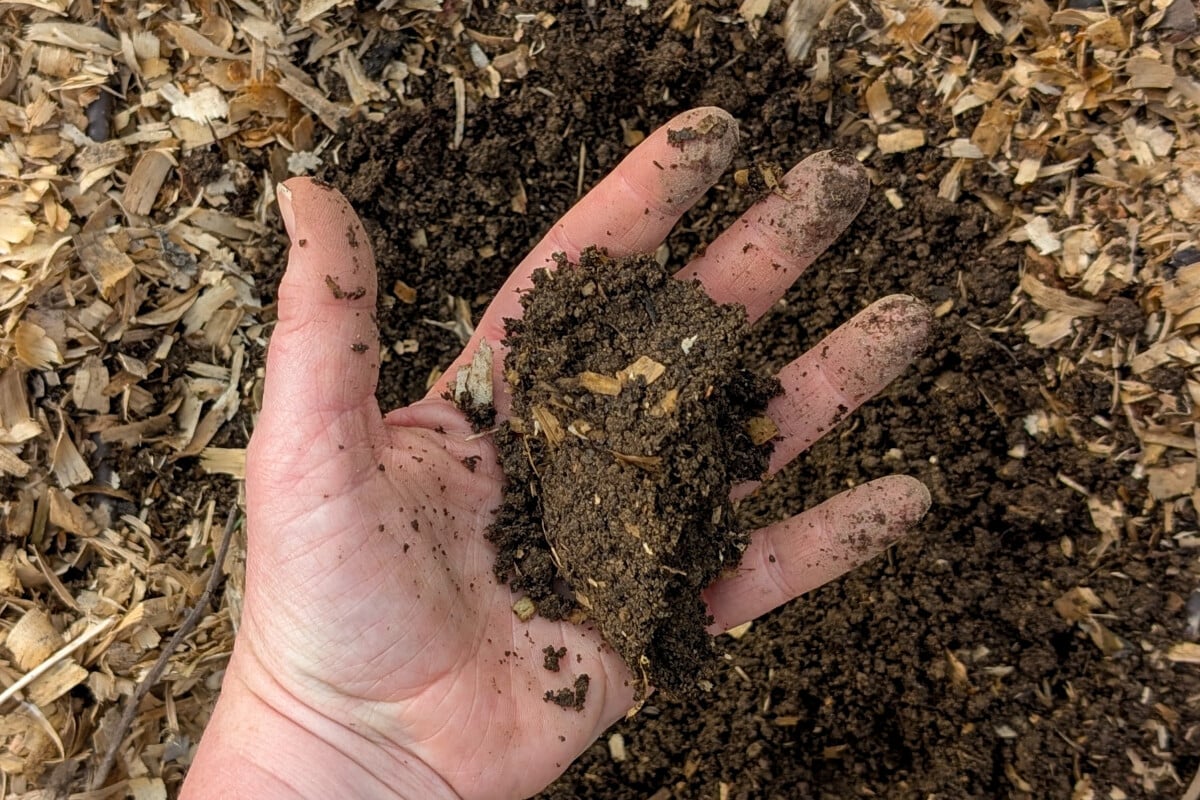
Since my soil has reached that perfect seed packet descriptor, I thought we could see for ourselves what “workable” soil looks like. I’ll teach you an easy method of testing whether or not your soil is yet workable. And we’ll talk a bit about soil structure and what can happen if you work the soil too soon.
But first, I’ll share something funny with you to illustrate a point.
I have a dear friend in the UK who is also a gardener. He and I are constantly comparing notes on our growing season. Obviously, living where the ground never freezes solid, he has a hard time wrapping his brain around the concept. Without fail, every year while I’m still wading through snow, he’s asking if I’ve got anything planted yet.
I sent him this helpful video in early February to help, ah, ‘cement’ the idea of how different our growing climes are.

(He got a kick out of it.)
It’s been a month and a week since then, and my soil has changed drastically, which brings me to the first point I want to make: as spring progresses, soil conditions change rapidly, so you’ll want to poke around in your garden often to monitor your soil.
Even a week ago, most of my raised beds still had a central strip of frozen soil, even though the outer edges were technically ‘workable.’ (I didn’t plant anything then, and I’ll get to why when we talk about the soil structure.)
Now, I’m hanging out in short sleeves with perfectly workable soil, poking seeds in my garden.
Temperature
The first and most obvious sign that your soil is well on its way to becoming workable is the temperature. As the air temperature remains warmer, the soil follows suit.
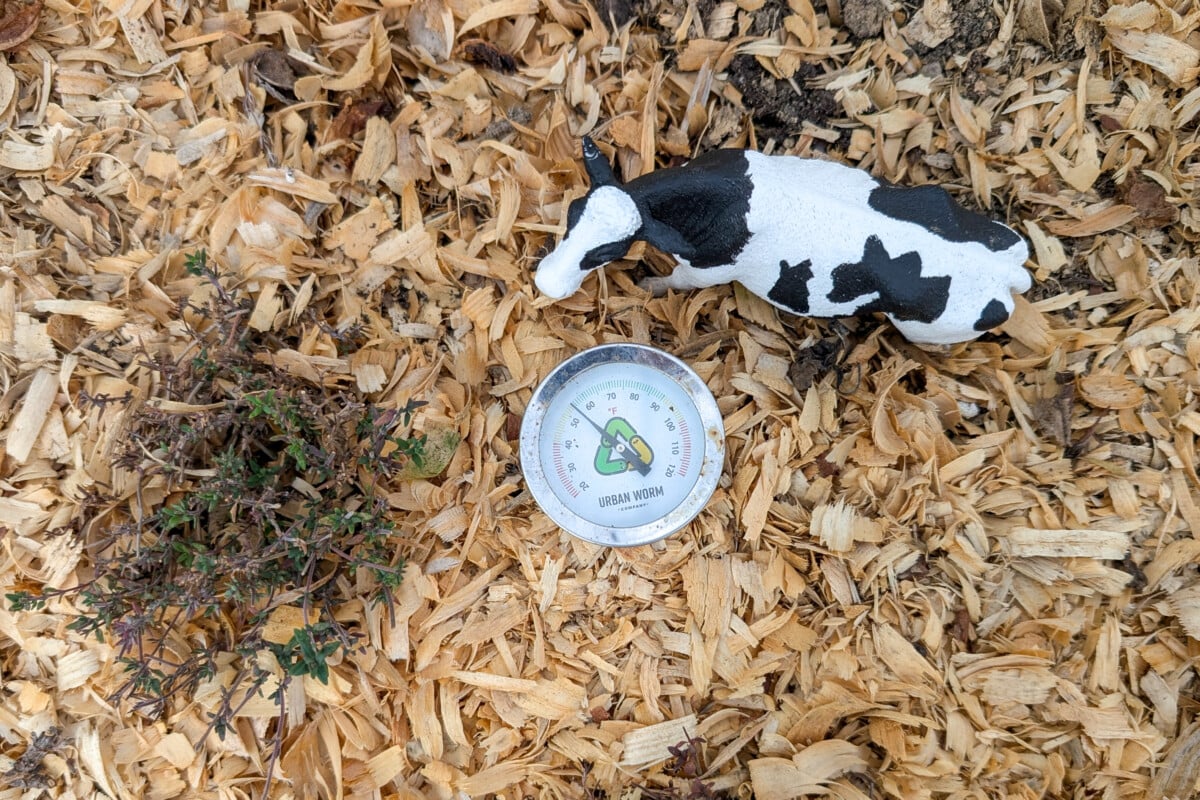
A few years ago, I purchased several of these handy little soil thermometers. I leave them poked into the soil year-round. I have a couple in my raised beds and a couple in my flower beds. This allows me to monitor soil temperatures in the spring, so I know when the ground is no longer frozen, but also when the soil is warm enough for certain seeds to germinate. (Usually a minimum of 45F-55F for most cool weather crops.)
They’re also great in the height of summer, so I know when the soil around my tomatoes is hot enough that I need to add shade cloth.
Friable
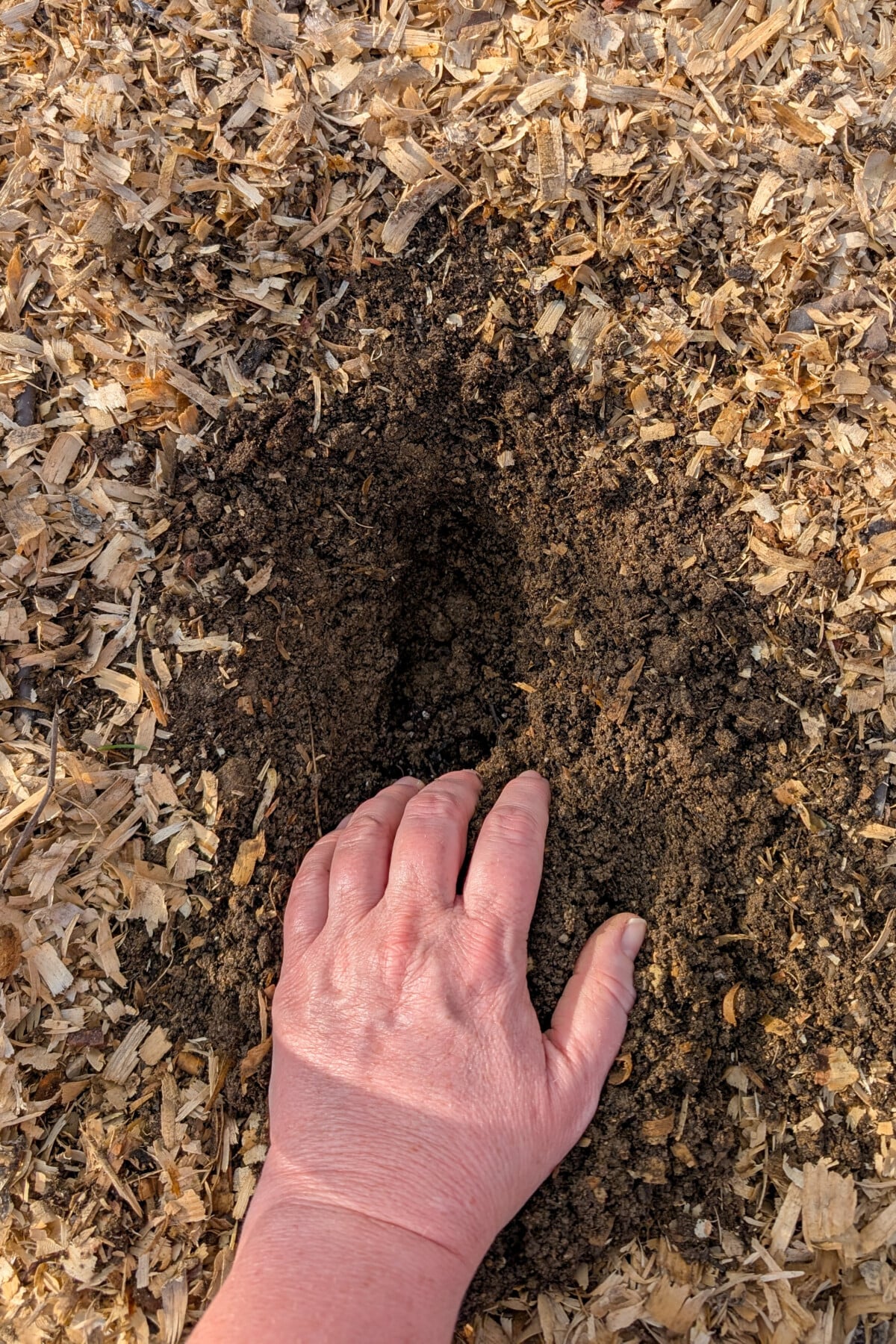
I’m going to teach you one of my favorite gardening words: friable. It’s such a wonderful-sounding word. It’s a pity it’s used to describe dirt. Nonetheless, that’s the kind of dirt we’re looking for. Friable soil is mostly dry, is easily squeezed into a lightly compacted ball, but will crumble apart easily with the brush of your fingers.
Friable soil is that workable soil we’re waiting for in the spring.
You can easily test whether your soil is friable by gently digging a few inches below the surface, then scooping some of the soil into your hand. Give it a light, quick squeeze. The soil should hold its shape, but crumble when brushed apart or dropped again.
You can see it in action here.

I suppose we should be thankful that all those seed packets went with ‘workable’ rather than ‘friable’ or we’d all really be confused! But yes, when your soil has warmed at 45F and above and is friable, you’re ready to get gardening.
Soil Structure = Soil Health
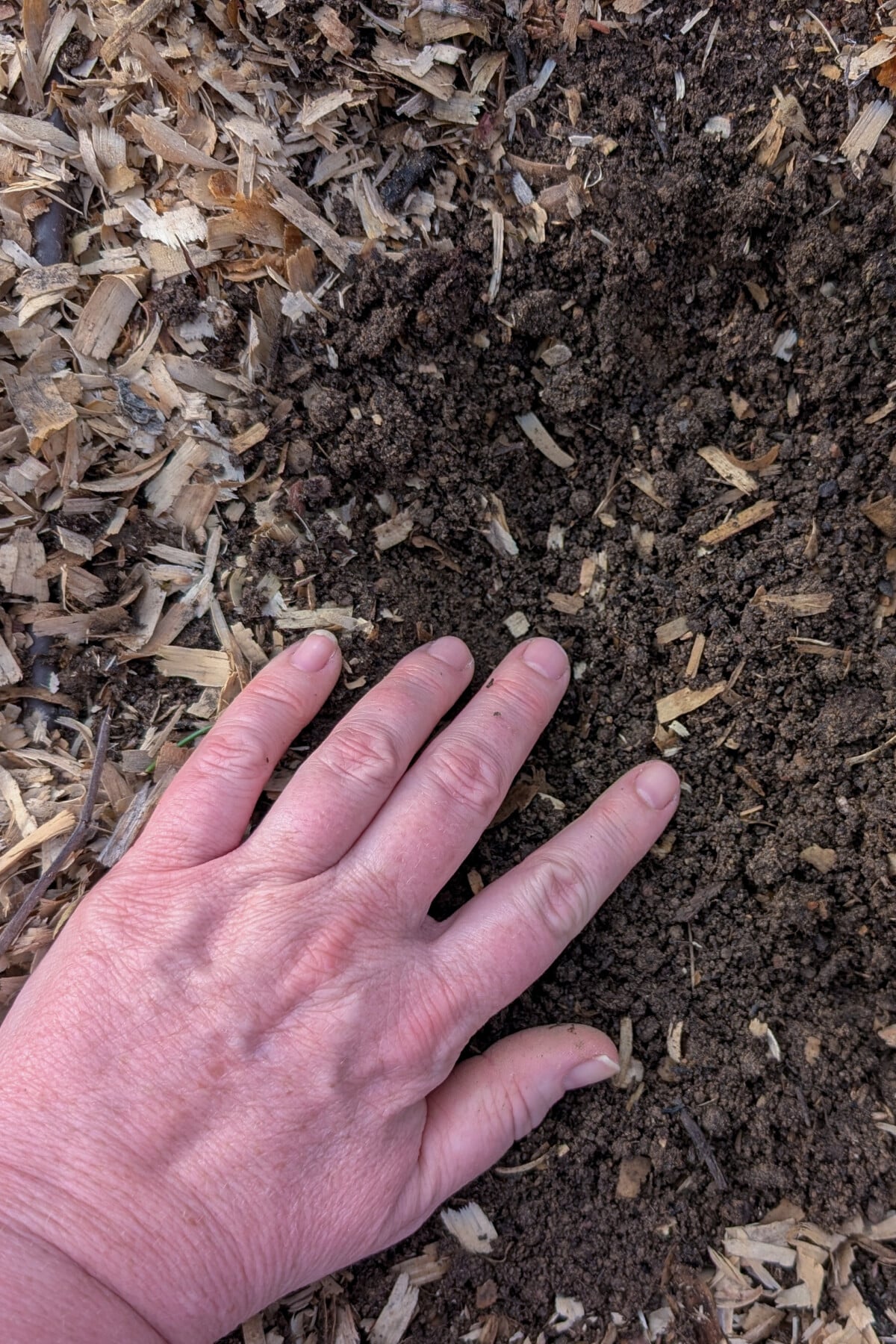
Technically, some of the soil around the outer edges of my raised beds was ready to go last week. But the center of each bed was still frozen solid. Rather than pushing my luck, I knew I would be doing my soil a favor if I waited for the entire thing to thaw and dry out.
Good soil structure plays an important role in how easy or hard it is to get things to grow in your soil.
Soil with a healthy structure is comprised of a good mix of organic materials and sand. It has tiny little air pockets throughout the soil, which leave space for the transmission of water and nutrients to your plants. Good soil structure makes it easier for plant roots to penetrate deeply to access water deep underground.
This is a big reason why we’re fans of no-dig gardening around here. The less we disturb the soil with things like tilling and walking all over it, the healthier the structure.
Good Soil Structure Means You Can Plant Sooner
If you have that fantastic, well-draining soil with a good mix of organic matter, then it naturally drains and dries out faster in the springtime, which means you can start planting sooner. Heavy, compacted soil, or soil with a lot of clay, takes much longer to drain and dry out and be ready to be worked.
You can improve the structure of your soil by adding quality compost (organic matter) and sand, and mixing it well. I’m a huge fan of reaching out to your local county extension office. They know your local soil better than anyone else and often already know what you need to add to improve it.
For instance, I live in the middle of Pennsylvania, and a quick call to my local extension office told me we have a lot of shale in our soil here. Naturally, when I started digging, this was easily, although annoyingly, confirmed. I also had really compacted soil, with dense pockets of clay. After years of struggling, I opted to go with raised beds, as it was much quicker to purchase good soil than to spend years amending the poor soil in my yard.
Working Soil Too Soon
It’s important not to work in soil that’s not ready yet. Usually, this means soil that is cold and still damp, even muddy. If you get in there and start digging around, aside from making a real mess, you end up compacting that nice soil structure we’re going for by not letting it dry out enough.
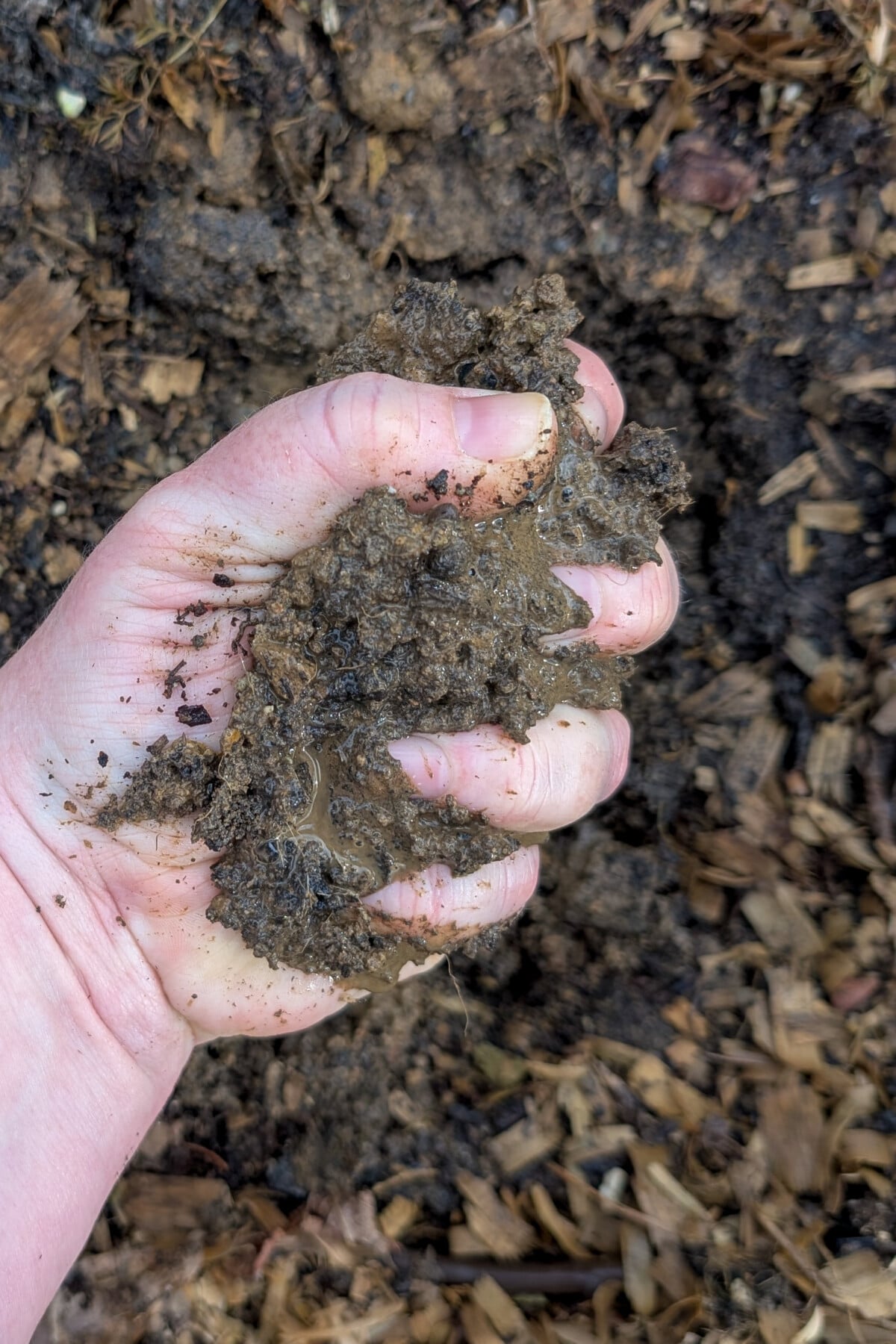
If you do this too often over the years, it can lead to hard, compacted soil in general.
Another issue with working the soil too soon is that you lose seeds. Over the years, I have let my impatience get the best of me, and I’ve sown seeds much too early. I would wait and wait and wait for the seeds to germinate, only to find that they had rotted in the cold, soggy soil.
Whereas, had I just patiently waited, by the time I realized my mistake, the soil would have been ready to go. I wasted more time and seeds than I care to admit on that over the years, but not anymore. These days, starting seeds indoors helps me scratch that green itch every early spring while I’m waiting for the soil to warm up, dry out and become workable.
Now you, too, can consider yourself a mythical gardening, crusty old green thumb, as you know what “when the soil becomes workable” means, and you’ve learned a beautiful word to describe it. May your spring be mild, your seeds germinate quickly, and your soil be friable soon!
Get the famous Rural Sprout newsletter delivered to your inbox.
Join the 50,000+ gardeners who get timely gardening tutorials, tips and tasks delivered direct to their inbox.