

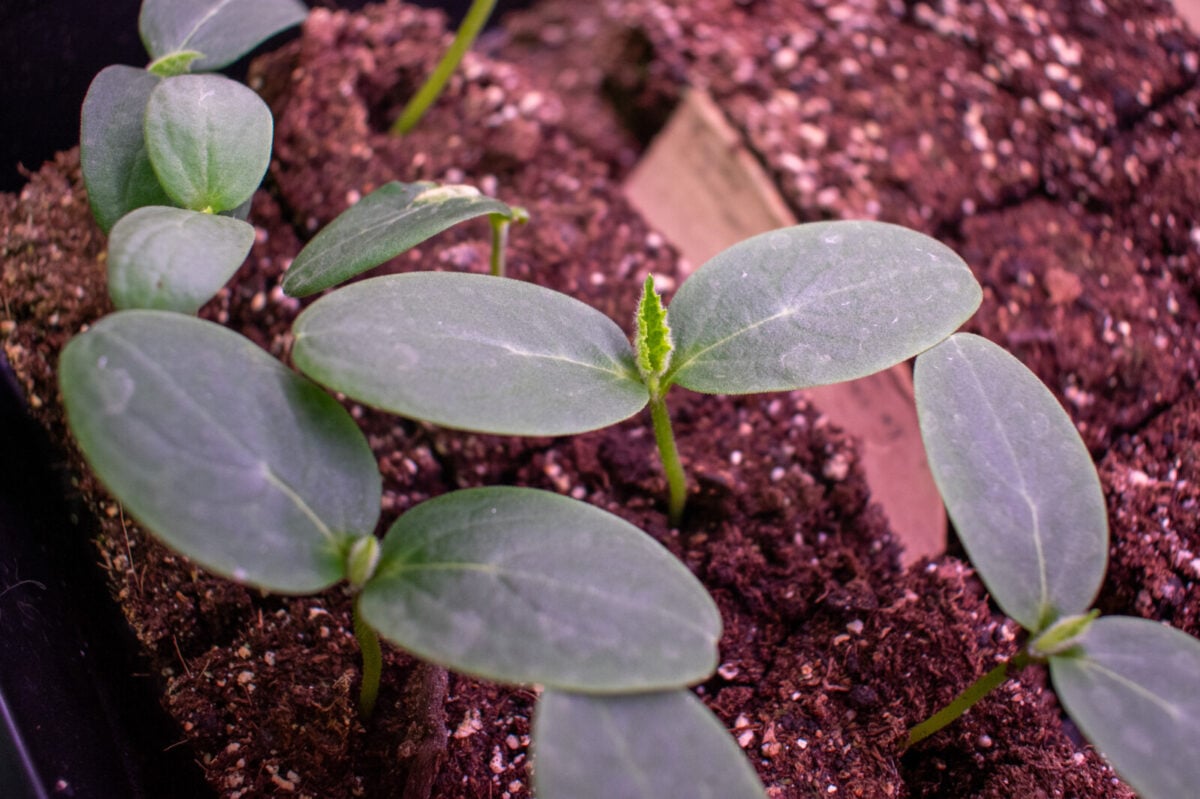
New and seasoned gardeners alike catch the seed-starting bug early each year. Long before it’s time to garden outdoors, you can find us gardening indoors. We’re starting seeds to be transplanted as seedlings once it’s warm enough for them outdoors. But some vegetables should always go directly into the garden, and shouldn’t be sown indoors.
Clearing Up the Confusion
I’m always fascinated by gardening trends. For as long as humans have been gardening, you would assume it would be hard to come up with new and different ways to do it by now. Yet social media proves me wrong year after year. (Big surprise.)
Unfortunately, sometimes those trends are simply that – just a little gardening gimmick that may or may not make the job easier. One in particular caught my eye last year.
I kept seeing seedlings for sale that should be direct-sown.
Like carrot seedlings. (Every experienced gardener just cringed. I felt a disturbance in the force.)
Standing in my local big box home improvement store, I actually got kind of miffed. All I could think of was all the new gardeners who would assume that, since it was being offered for sale as a seedling, that must be how you’re supposed to grow it.
Unsurprisingly, these seedlings were produced by a huge commercial outfit that those of us in the gardening space are familiar with. (Insert eye roll here.) I won’t name names.
So, let’s set the record straight and set you and your garden up for success. Here are all the vegetables that should be directly sown in your garden rather than started as seedlings indoors.
1. Root Vegetables

Beets, carrots, parsnips, radishes, turnips, etc. These guys are staples for most gardeners. I always encourage new gardeners to grow radishes because they’re the instant gratification vegetable.
But these root vegetables should always be directly sown in your garden rather than started indoors and then transplanted later.
Root veggies start their life with a singular, long, thick tap root. (Instead of a vascular root system that looks more like a spider web.) This is the part that will grow beneath the soil into your mature carrot, radish, beet, or what have you.
These tap roots are incredibly sensitive to what’s going on in the soil around them.
If they’re too close to a neighbor, they will stop growing. If they encounter a rock, they will bend to grow around it. Two months later, you will pull a carrot out of the ground that looks like it’s flipping someone the bird or has two sultry dancing legs.
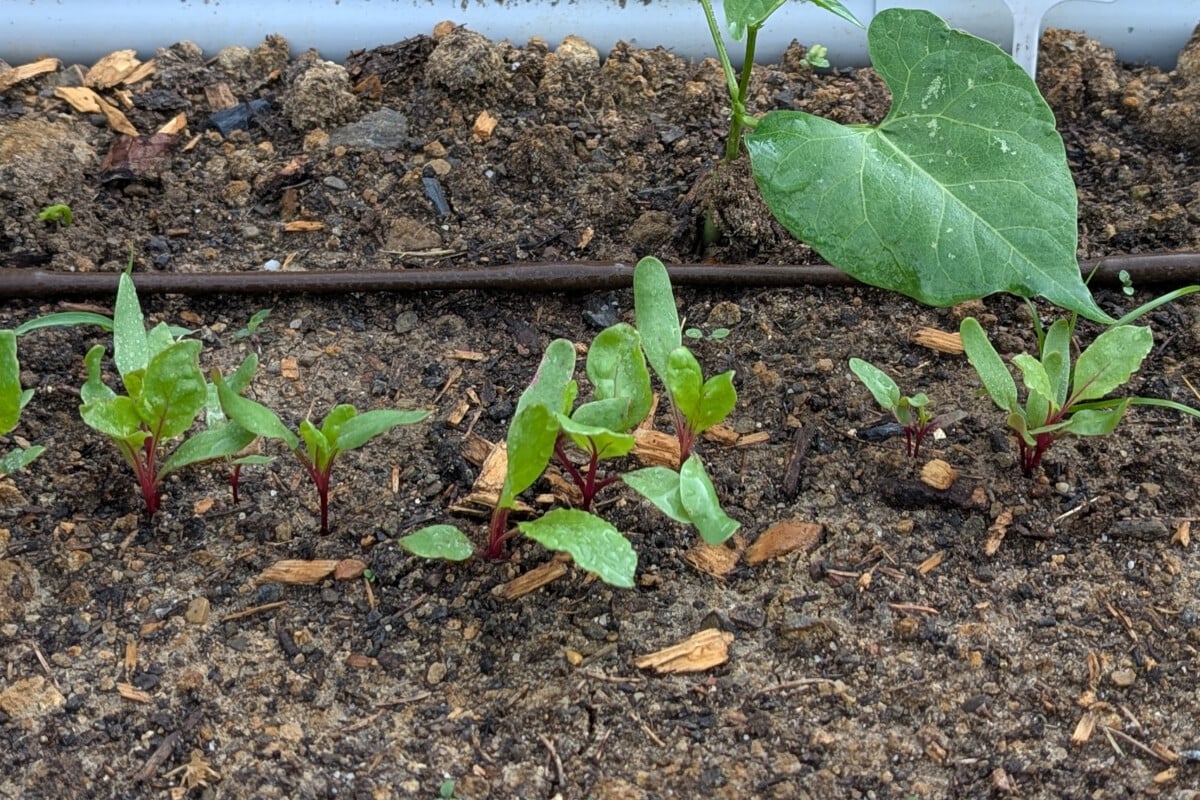
To end up with healthy, full-sized root vegetables, it’s important not to disturb the tap root when it’s first developing. They’re incredibly susceptible to damage and shock. Even if you’re lucky enough for the seedling to survive being transplanted, you end up with smaller, misshapen vegetables in the end.
Here’s my handy tip: If you really want to start these guys indoors, do what I do. Start your root vegetables in a few of these (drill drainage holes in the bottom) and then move the entire thing outdoors when the weather warms up. Leave your root vegetables in the storage tote to keep growing and harvest when ready.
2. Corn
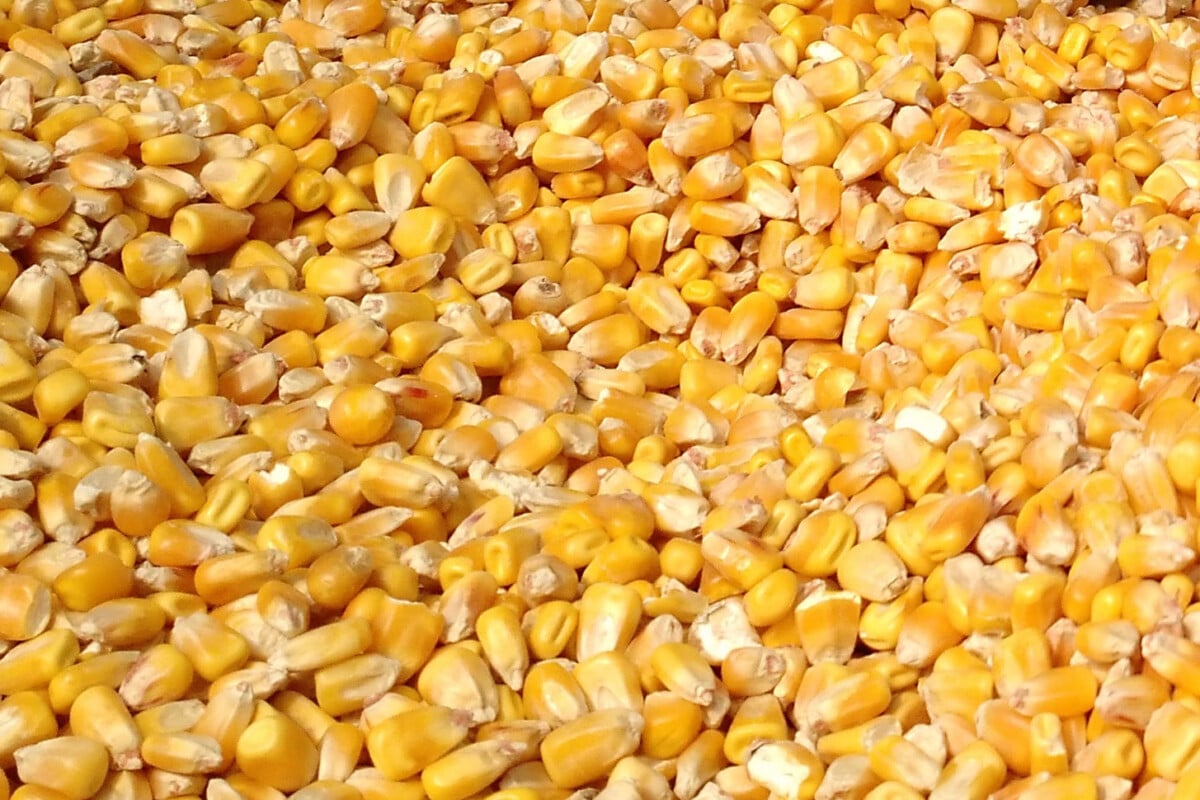
This one might take a few of you by surprise, as many people do grow corn seedlings. Corn has very thin, fibrous roots that spread out along the surface of the soil. These roots are important in anchoring the tall plant in place. When you disturb them by transplanting the seedling, you cause a great deal of stress to the plant and set back its growth.
Even if you manage to transplant corn seedlings successfully, you are selling yourself short.
Corn seedlings take longer to bounce back and start growing again. When you take into consideration that it only takes 4-5 days for corn to germinate, it seems silly to even bother starting it indoors anyway.
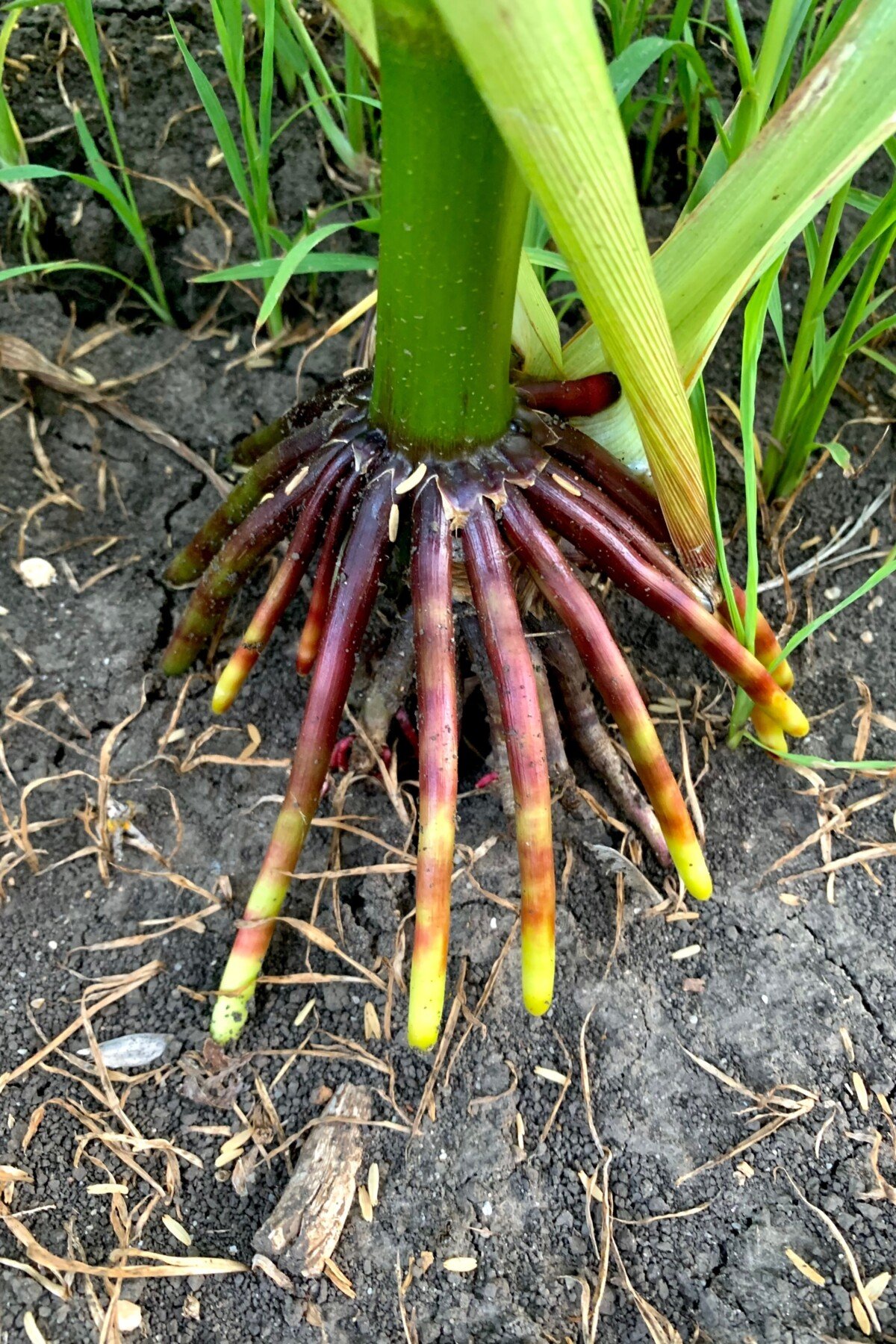
You will have healthier, more productive stalks if you plant your corn directly in the soil and don’t move it.
I would recommend that, unless you live in an area with an extremely short growing season, it’s just not worth it to start corn indoors.
The remaining vegetables on this list are quite often started indoors and then transplanted outside at a later date. But there are some really good reasons why you should opt out of this trend.
The best reason is that if you’re anything like me, it’s hard enough keeping the seedlings that do need an indoor jump start alive and healthy until it’s time to plant them outdoors.
So, let’s all save some time, space, seed starting mix and sanity by sowing these vegetables directly outside.
3. Legumes
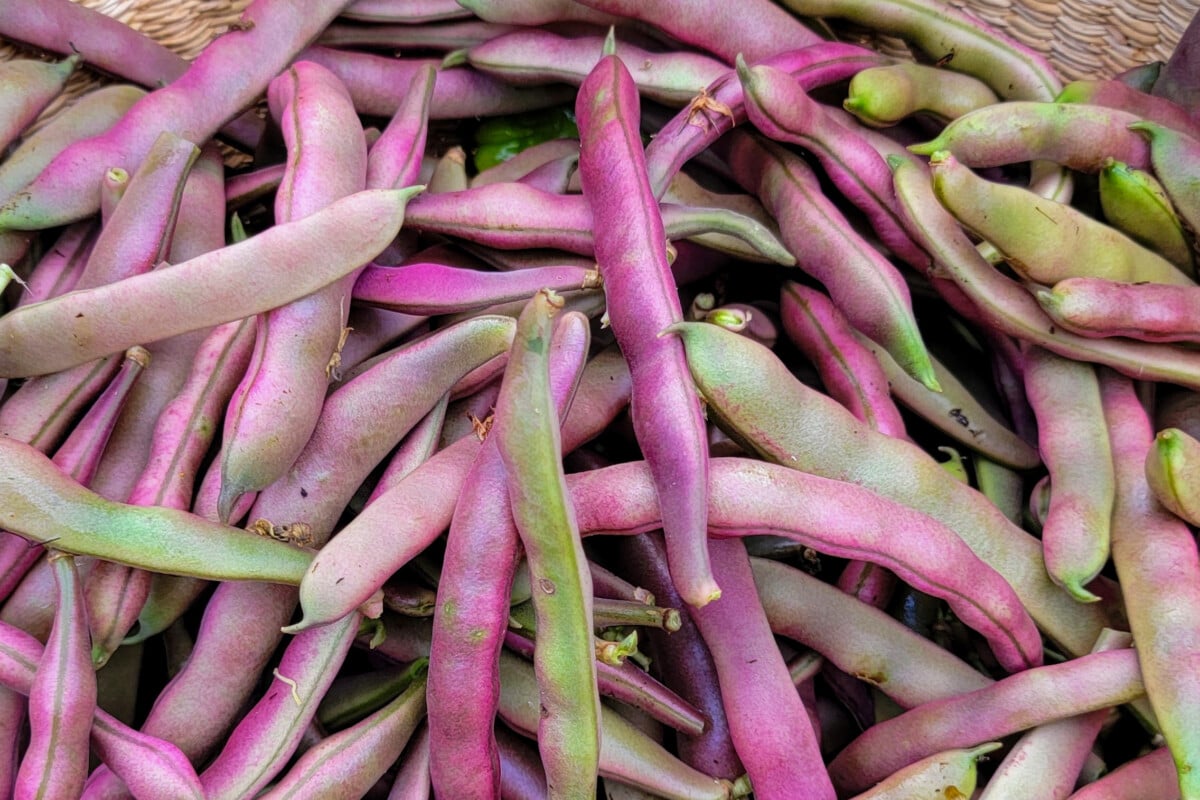
Peas, beans and other pulses can often be found sold as seedlings, and yes, they will grow. However, starting them early indoors has no real advantage and can lead to poor growth.
There’s a reason beans are the preferred seed of elementary school teachers everywhere when teaching kids the life cycle of a plant. Legumes are germination superstars, often sprouting in as little as two or three days.
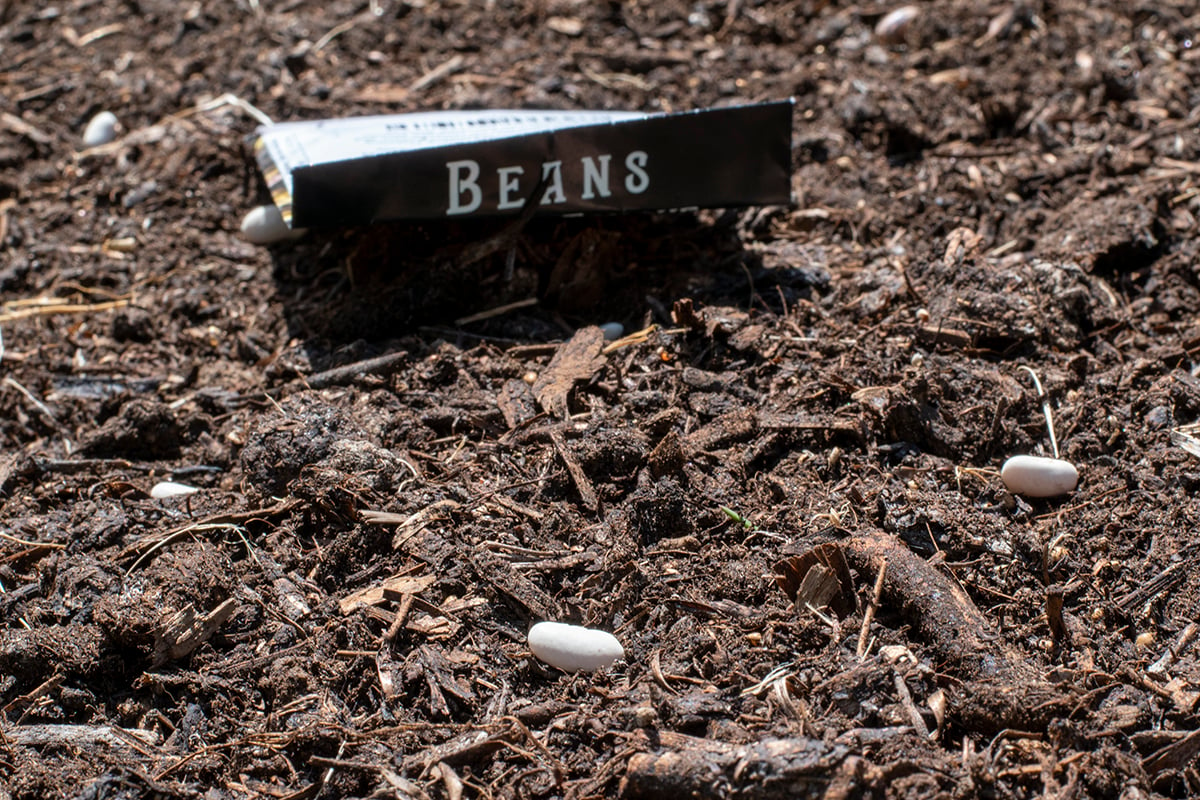
And once they germinate, the plants themselves grow quickly. I’ve lost track of the number of times I have forgotten how fast peas grow and ended up shading out lettuce or radishes that I planted near them. (Doh!)
Nature meant for these guys to grow and reproduce the next generation of seeds quickly before kicking the bucket.
So, they don’t have complex root systems because they aren’t around long enough to need them, like say a tomato would.
That means their root systems are easily damaged when being transplanted, which leads to longer transplant shock recovery or plants that don’t produce well or are stunted.
Even gardeners in short growing seasons can direct sow beans and peas and enjoy several successive harvests, with multiple plantings.
4. Cucurbits
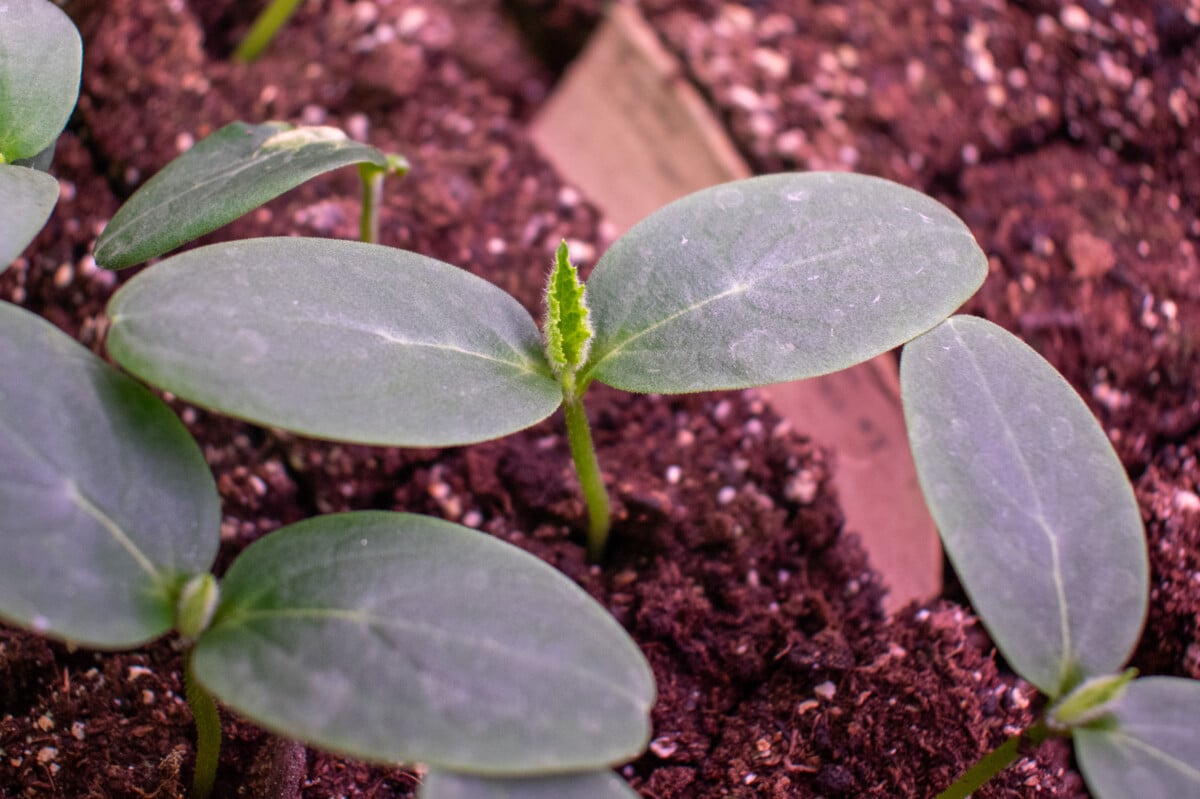
These are your cucumbers, summer and winter squash and melons. I’ve written before about why these guys shouldn’t be started indoors. Yet, it never fails, I always see them for sale in every garden center and nursery. But just like their legume neighbors, cucurbits have very shallow, delicate root systems that are easy to damage.
With these shallow root systems and tender stems and leaves, cucurbits are much more susceptible to transplant shock.
It also takes them longer to recover. In the time that it takes them to bounce back, reestablish their roots and start growing again, you could have planted a seed, which will germinate and outpace the same transplanted seedling.
5. Fast-Growing Spring Greens
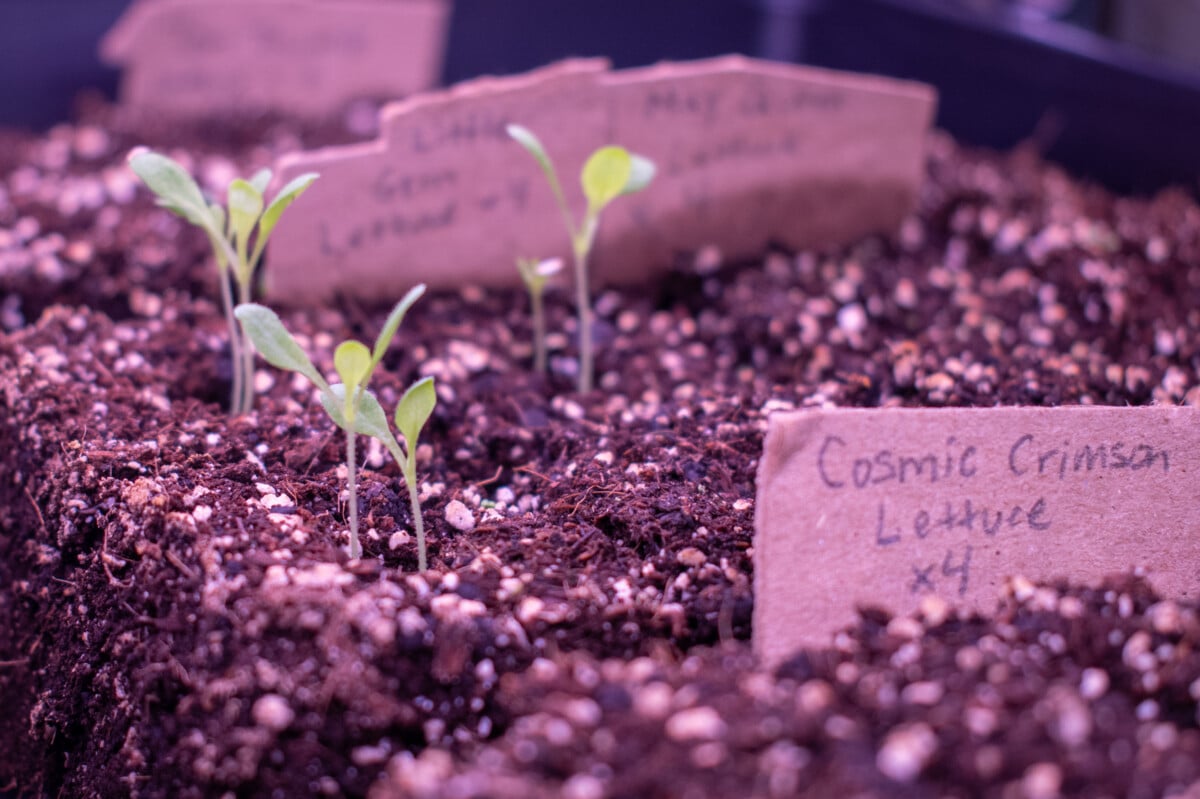
Vegetables like lettuce, spinach and arugula can be started indoors, yes, but why would you bother? These are cold-hardy vegetables that will germinate in very low temperature soil and that grow to maturity within 30-45 days.
It makes no sense to waste your time and energy starting them indoors only to spend time hardening them off and then transplanting them in the garden.
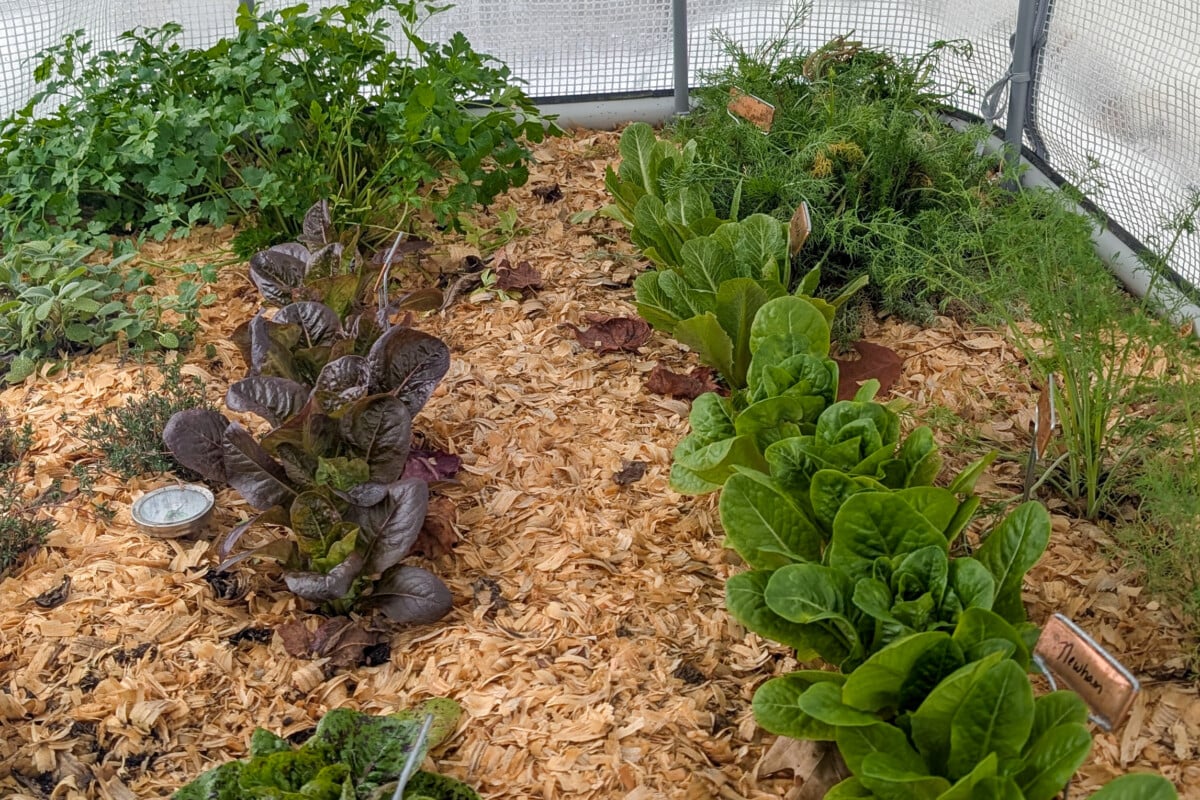
You would be better rewarded by sowing them directly in the soil and growing them under protection until the weather warms enough for them to be uncovered. Or if you really must start them indoors, again, do so in a 3-gallon storage tote, which you can move outdoors and continue to grow them to maturity in the tote.
A Good Rule of Thumb
Despite not being military, I have moved a lot in my life—thirteen times; twice in the last five years, even. Ask anyone who has moved a lot, and they will tell you it takes so much time and energy to pick up and move and even more time and energy to settle and feel comfortable again.
It’s much the same for our seedlings.
Roots are the most important part of the plant, holding it in place and delivering water and nutrients to the portion above ground. Disturbing this part of the plant causes damage. Think of it like surgery. Anytime we go under the knife, it means there is a period of recovery before we can fully function again.
Somewhere along the line, we have begun to equate starting seeds indoors with a nifty trick that means we get to harvest vegetables sooner. You’ll have to pardon me, but in the words of my father, “That’s horse pucky!” (I’m assuming his catchy turn of phrase is on par with bullsh…you get the idea.”
The reason we start certain vegetables indoors, like tomatoes, is that we have to.
If we didn’t, most of us here in the States wouldn’t have enough time with the right weather conditions to grow them in our gardens at all.
Starting seeds indoors for these long-season plants is the best solution we’ve come up with to grow them in areas with cold winters.
However, it comes with a price. It means you have to disturb your seedling’s roots and stress out the young plant for a while before it will acclimate and begin growing again. But because most of these types of plants have large, vascular-type root systems, they handle it well.
Ideally, we would be smart to limit this kind of stress to only the plants that genuinely need that extra time to develop indoors.
And as you can see from the list above, most of the vegetables we grow don’t need it to fit quite comfortably into our growing seasons.
Transitioning from an indoor environment to growing outdoors takes a toll on plants. It makes sense then, for us as gardeners, to optimize our growing season by reserving this kind of stress for the vegetables that absolutely need it. Otherwise, we’re just creating more work for ourselves and more stress for our gardens.
Read Next:
Get Garden Notes From Tracey, Right to Your Inbox
Pull up a chair on the front porch. Join 54,000+ gardeners who get Tracey\'s friendly notes, seasonal to-dos, and hands-on tutorials three times a week.