

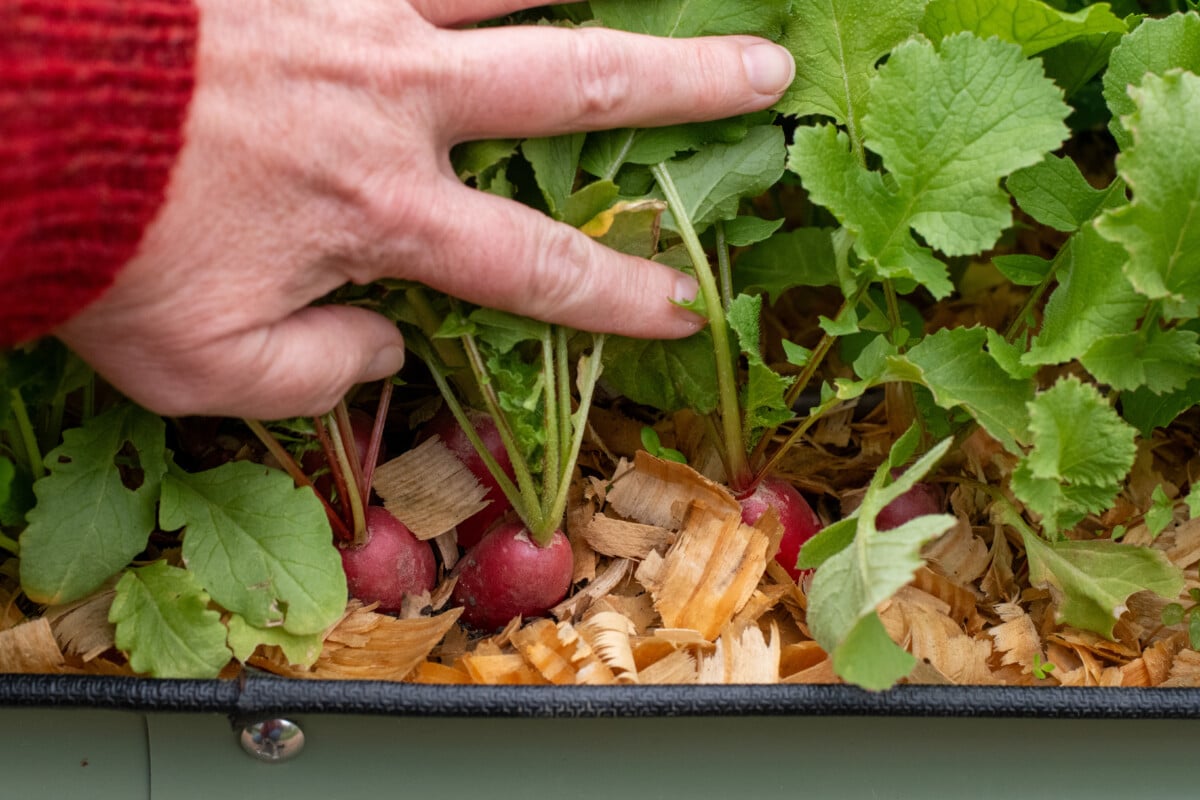
Late spring – mid-May through early June – is a deceptive period of time for most gardeners, vegetable or ornamental.
This is that weird time in the growing season, where nearly everything in your garden looks perfect, it’s a veritable Eden. Cool-weather crops are filled in and ready to be picked. Everything is that beautiful, bright spring green. You’re either getting ready to or have planted warm-weather seedlings outdoors. There’s nary a pest in sight, and everything is healthy and lush.
It’s easy to put your garden on autopilot when everything seems to be smooth sailing.
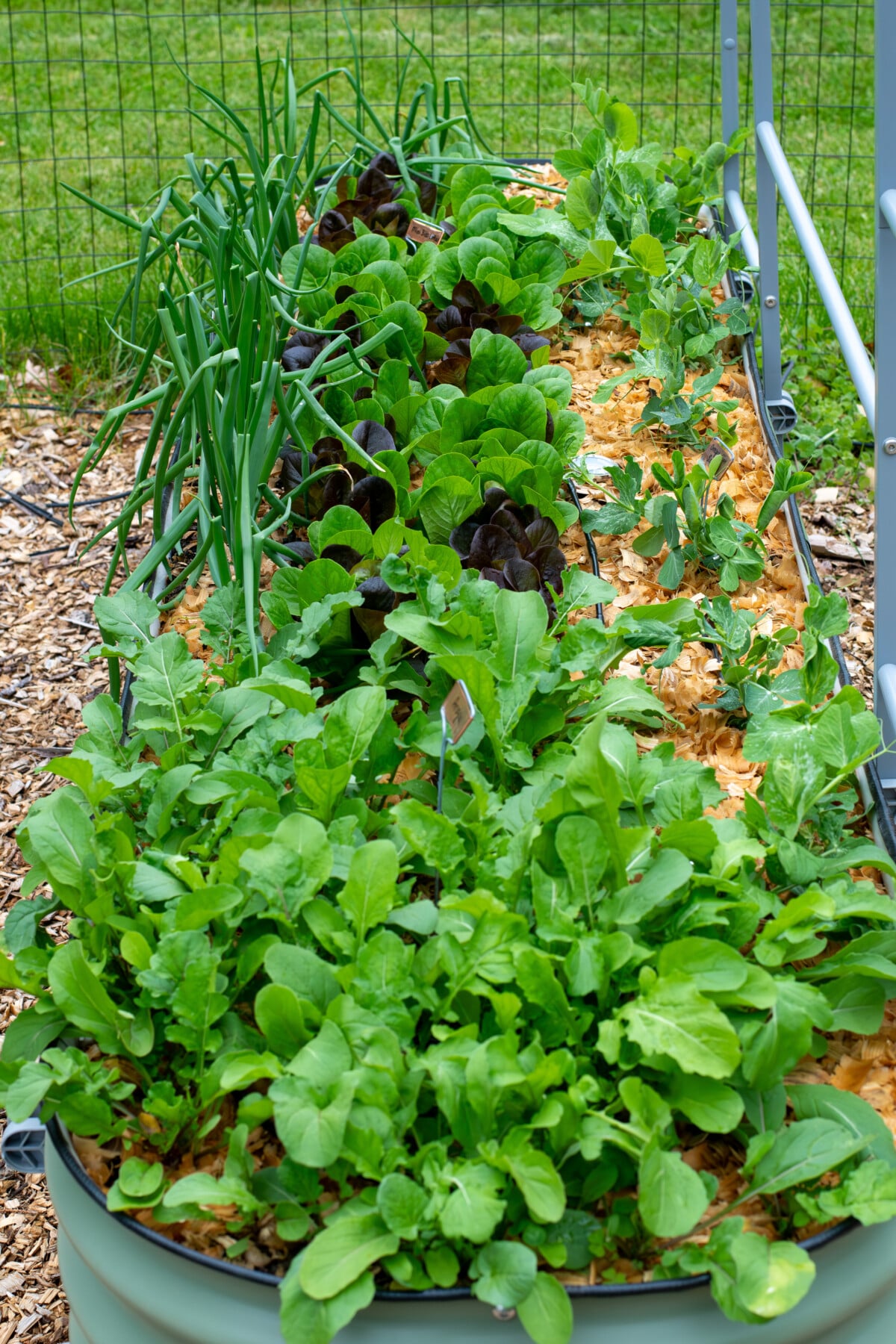
But remember, with heat comes pests and drought and weeds that thrive while your tender cultivated plants struggle. With summer comes busy schedules: kids are out of school, there are parties and barbecues and vacations.
Late spring is a bit like being at the very top of that big drop on a roller coaster, any moment now, that pause will be over, and the summer will be flashing by in a blur. So, let’s tackle some small jobs now that will save future you time and frustration come July.
1. Side Dress with Fertilizer
You amended and fertilized at the beginning of the planting season. You put worm castings, mycorrhizae and other plant goodies in the ground before you planted your cool-weather crops. That was several weeks and about sixty-two radishes and thirty-nine onion sets ago.
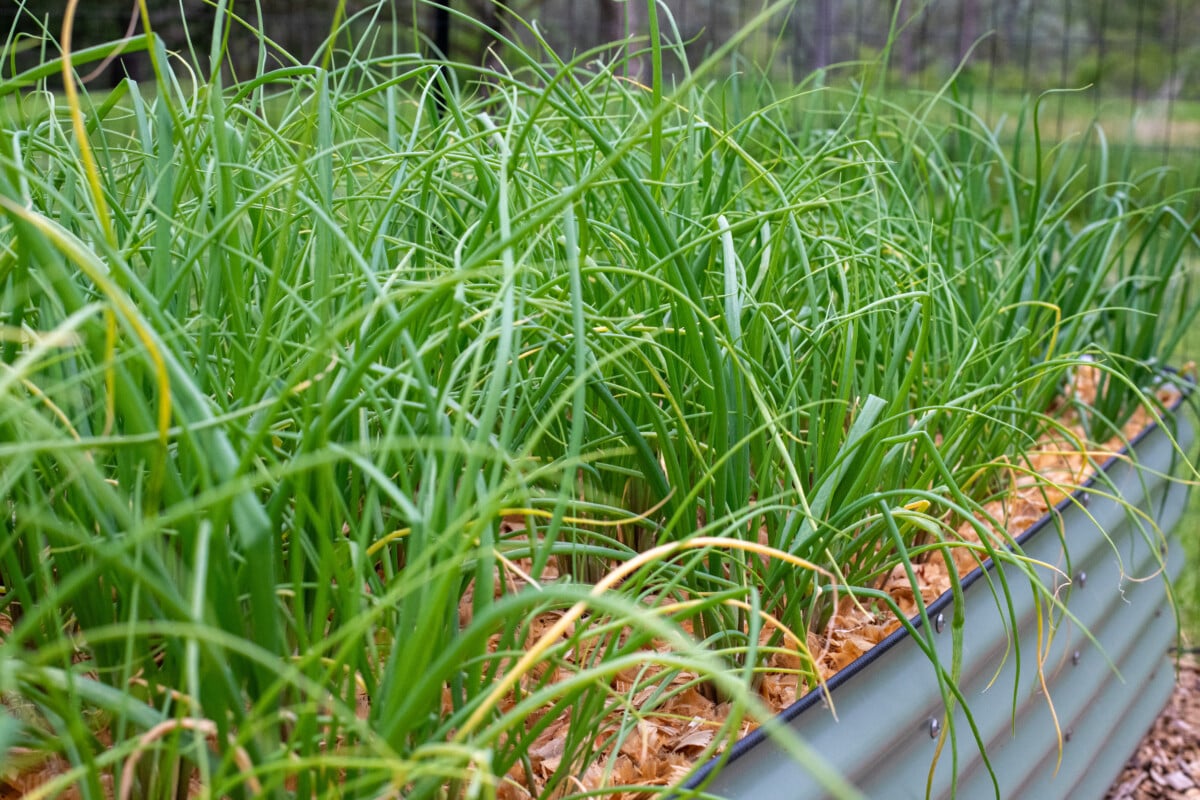
It’s time to side-dress and scratch in your next batch of fertilizer. As we head into the final stretch of spring, this next feeding will give cool-weather crops like lettuce a boost, onions and other alliums the nutrients needed to keep making more layers, and ensure all the warm-weather crops you’re about to plant have plenty of nutrients to get established and start producing, too.
This is the time of year when competition for nutrients in your garden is at its peak.
You’ve got cool-weather crops entering their final push, and you’re planting many warm-weather crops that need extra nutrients for foliage and flower development. (Quite a few of which, tomatoes, peppers, etc., are heavy feeders.) Let’s avoid any Oliver Twist situations here and ensure that there’s plenty to go around for everyone.
Don’t forget your ornamentals. Flowering perennials and annuals benefit from a side-dressing of fertilizer as we head into the warmer months to ensure you have beautiful blooms all summer long.
2. Plan Your Watering Strategy
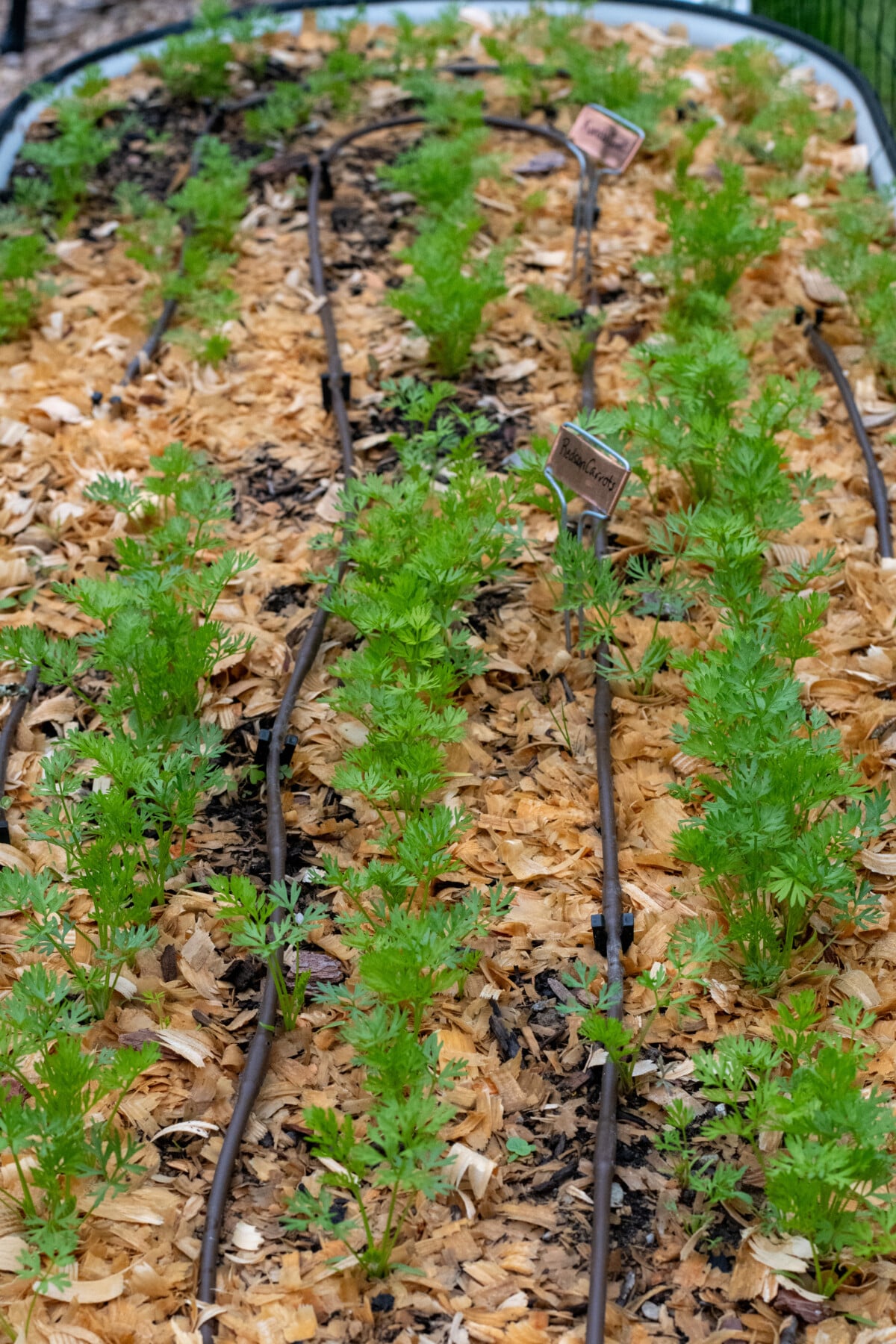
For years, I followed Mel Bartholomew’s method of watering my garden with a bucket and a cup, pouring water at the base of each plant. (The creator of The Square Foot Gardening Method) And then one day, I realized I didn’t actually want to lug around five gallons of water and spend an hour and a half watering my garden.
So, I started using dripline irrigation because I have a full-time job and a life beyond my garden gate. Not only did it make watering my garden a breeze, but I also noticed a big difference in the overall health and output of my garden. Now my 5-gallon buckets are used for growing potatoes.
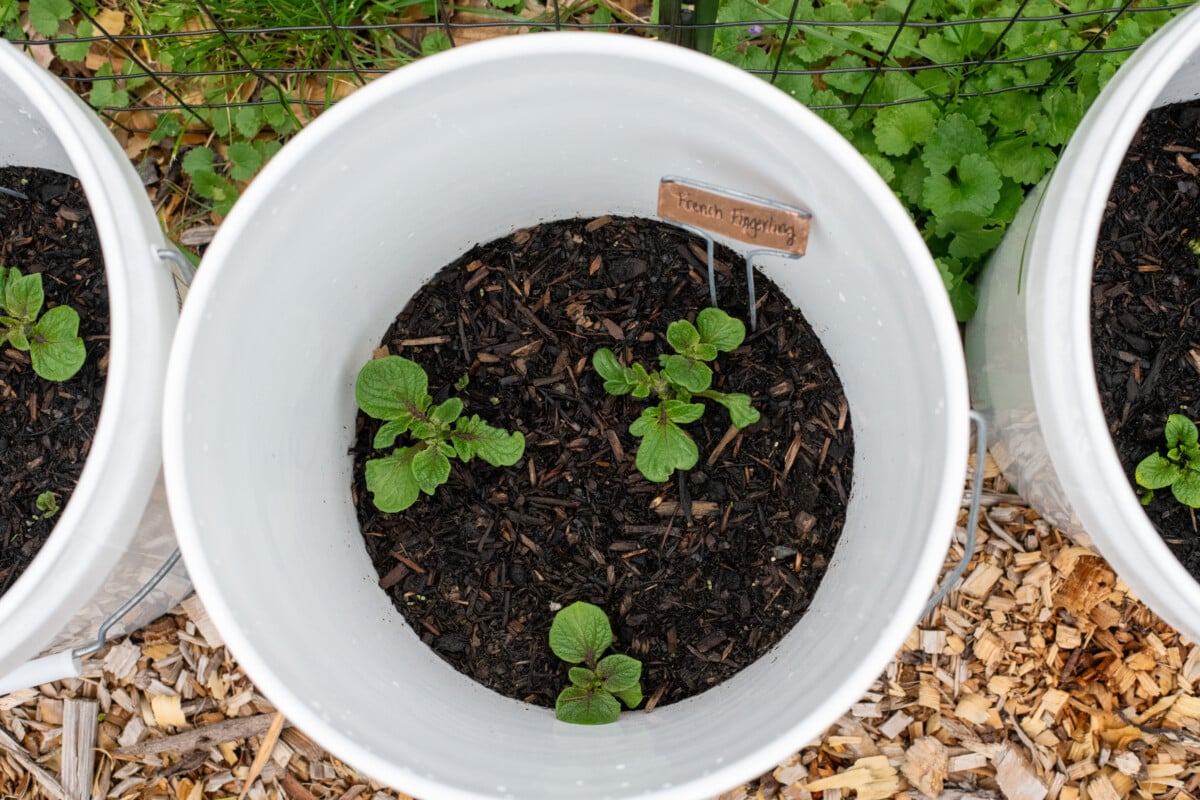
If you haven’t already done so, this is your last chance to put together a watering strategy for summer because those lovely spring rains are about to come to an end.
As I’m sure you can imagine, I’m a huge advocate for installing dripline. It’s incredibly easy to do, and it means you don’t have to worry about drought or forgetting to water. I use Rain Bird’s kits that are meant for raised beds.
If you really want to take the stress out of watering your garden, I highly recommend you take it one step further and automate your irrigation. I am not technologically inclined, and even I managed it. I purchased a hose-timer with wi-fi from B-hyve, and I use their app to schedule when my garden gets watered. The nice part is that because I use the app, it uses my local weather data, and if it’s going to rain, it will skip the scheduled watering, so I’m not wasting water. No more asking non-gardening friends to water my garden when I’m on vacation, either.
3. Mulch Like Your Life Depends on It
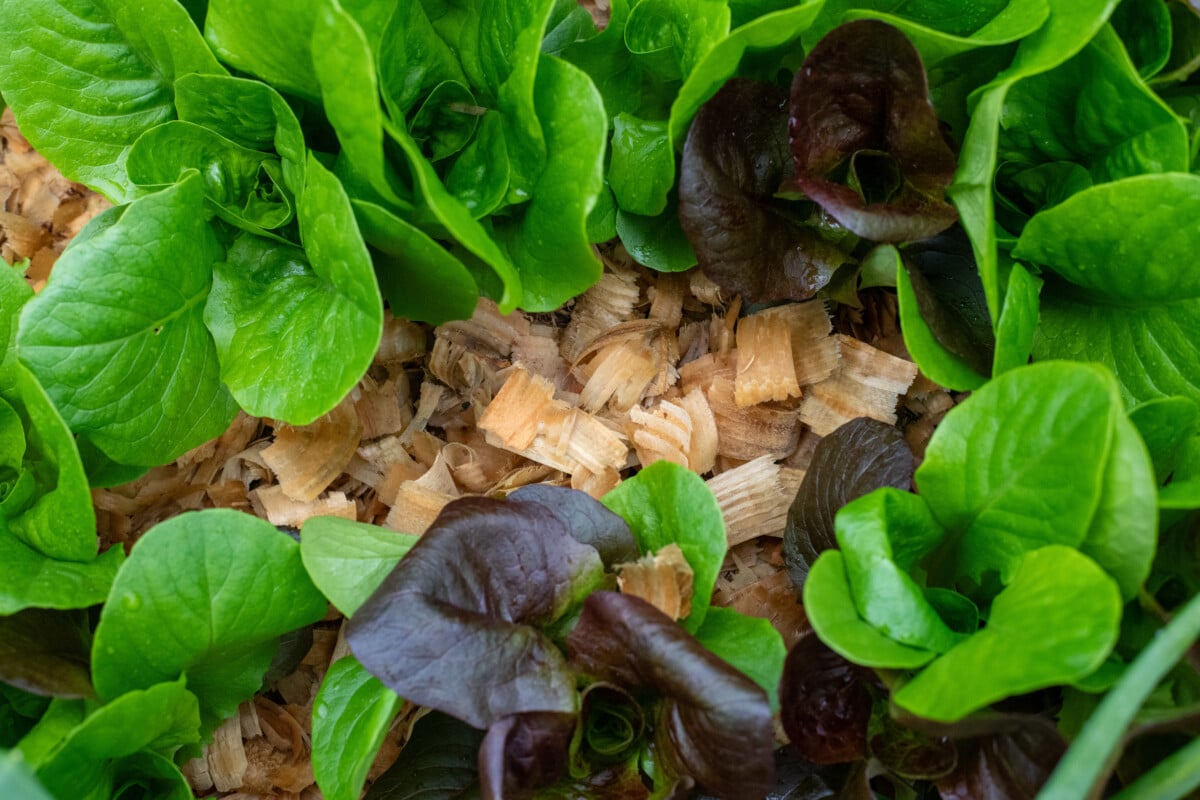
If you haven’t mulched yet, do it now. Put down a nice thick layer of about three inches deep. This is going to make your life easier and do so much good for your plants. I’m always baffled when I see someone’s garden, and they aren’t mulching. I want to ask them, “Do you really not have any other hobbies that you enjoy weeding this much?”
Nature does not like bare soil; it abhors it. Bare soil:
- gets filled in with weeds as fast as possible.
- makes pulling up those weeds harder.
- loses water to evaporation.
- becomes compacted into a hard crust by rain.
- loses nutrients due to runoff.
- mocks you all summer, saying, “Bet you wish you had mulched, huh?”
Also, mulch makes for neater veggies. No mud splashed up on your lettuce.
4. Weed, Weed, Weed
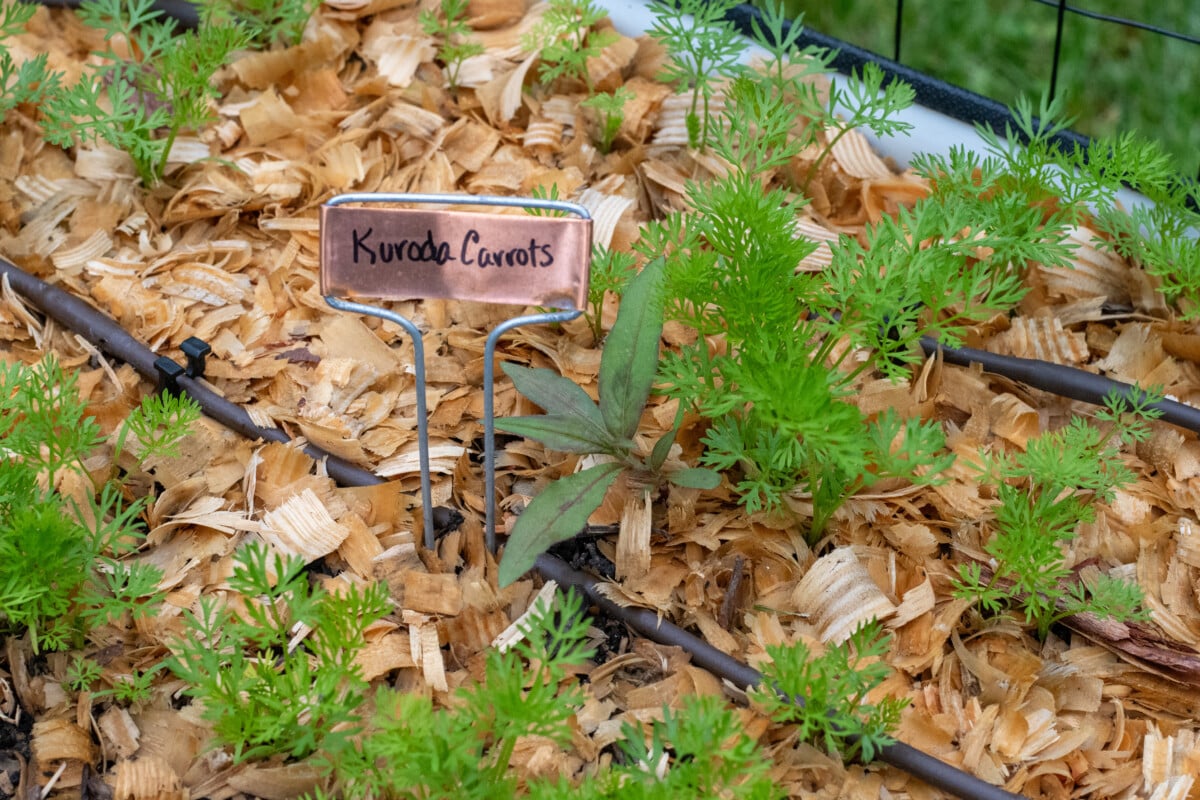
Spring weeds are delightful. No, really, they are. Just look at these little guys. They’re so tiny and cute and easy to yank up out of my garden because they don’t have established root systems yet and haven’t gone to seed. Did you catch the last half of that sentence?
Now is the time to do serious battle with weeds, when they are still small and inconsequential.
Once summer arrives, those cute little weeds very quickly go to seed, making more of themselves. They also have a habit of sending down deep tap roots or putting out huge root networks just below the soil. The longer you let them hang out in your garden, the more nutrients they take from the plants you actually want to grow.
Take the time to pull all of those cute, tiny little weeds up now, and you’ll end up with fewer weekends spent weeding this summer. You know, like in August, when the mere thought of going outside makes you perspire.
Oh, and in case it bears repeating. Mulch will keep those weeds from coming back.
5. Do the Pinch and Snip
Jennifer Coolidge may have immortalized the ‘Bend and Snap’ in Legally Blonde, but we gardeners have been performing the late spring ‘Pinch and Snip’ long before she took out a UPS guy with her moves. Right now, right before summer, your vegetable and flower beds are waiting for you to make a decision.
If you decide on one thing, you get fuller, bushy plants that won’t go to seed right away. You get a second flush of flowers heading into summer. If you opt out, it can lead to bolting plants, a smaller harvest and fewer blooms.
Quite a few vegetables and herbs need to be pinched off or snipped to encourage the right kind of growth leading up to the warmer months.
Peppers
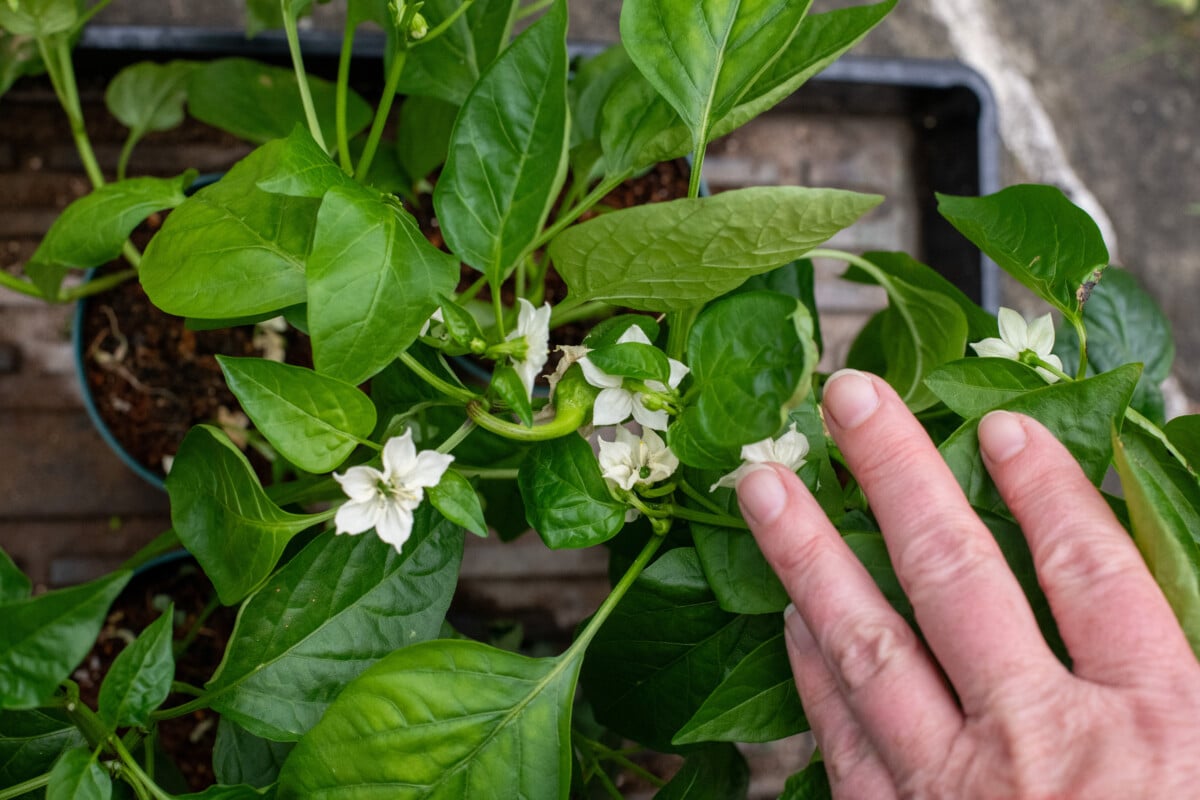
Pepper plants should have those first few flowers pinched off, and they need to be topped to encourage lots of bushy growth. I know, I know, it sounds counterintuitive, but you’ll end up with more peppers in the long run. I’ve written up a step-by-step guide to pinching pepper tops with photos. You can check it out here.
Tomatoes
Depending on your growing zone, you may have already planted your tomato seedlings. (Lucky. I’m still waiting on my soil to warm up.)
Nope, don’t top them, not yet. Save that chore for the fall. But you might want to pinch a few suckers off. Not all of them! I know common garden wisdom is to pinch all your suckers, but you’re cutting yourself (and your tomato plants) off at the knees if you do. Be selective about sucker pinching, and you’ll end up with more tomatoes. You can learn more about why you shouldn’t pinch all of your tomato suckers here.
Herbs
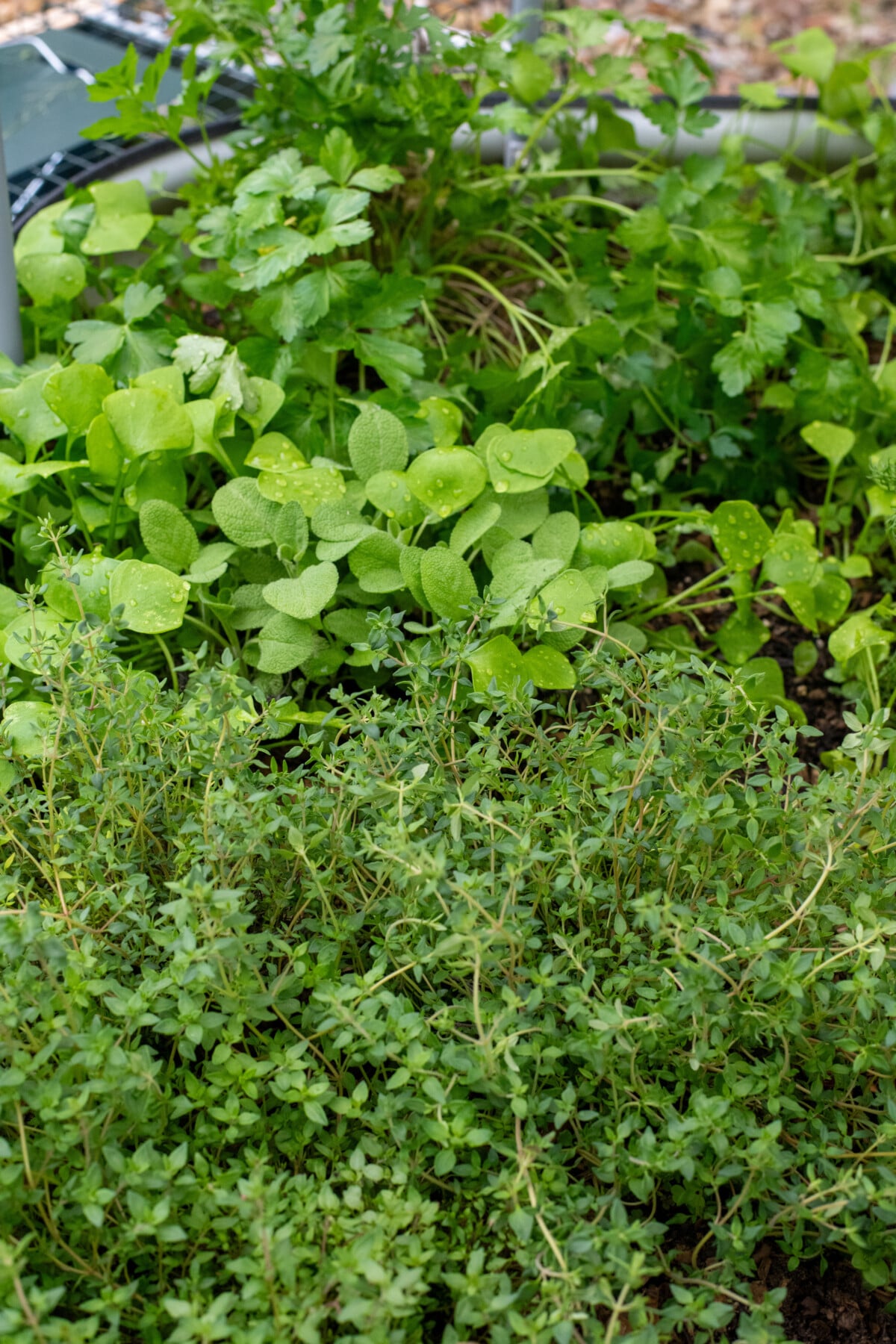
Many herbs need to be pruned in late spring to keep them from bolting and to encourage plenty of the foliage we love to use in our cooking. Harvest leaves for drying now, and a second harvest will soon follow. Pinch basil back, and you’ll have big, bushy basil plants for all the pesto! If you don’t pinch them back, the heat that’s just around the corner will cause them to bolt.
Here’s a list of herbs that benefit from a good late spring pinch and snip:
The Chelsea Chop
This particular practice is borrowed from our neighbors across the pond, in which it’s tradition to give your flowering perennials a good, hard pruning right around the time of the annual Royal Horticultural Society’s Chelsea Flower Show.
While their timing may not line up with your hardiness zone, you should still take a page out of our British friends’ book and give the following perennials a late spring snip when they’re ready.
Flowering Shrubs
Mickey has a list of flowering bushes that need to be pruned before summer, and she shows you how to prune them. It’s important not to miss this short window of time for these nine specific shrubs.
6. Stake Plants Early
This is one of those spring gardening mistakes that will definitely come back to bite you. I completely forgot to stake my peonies this year, and now they are too big. They haven’t started blooming yet, and I already know that one good, windy rain storm is going to knock them all down flat, once they are heavy with flowers.
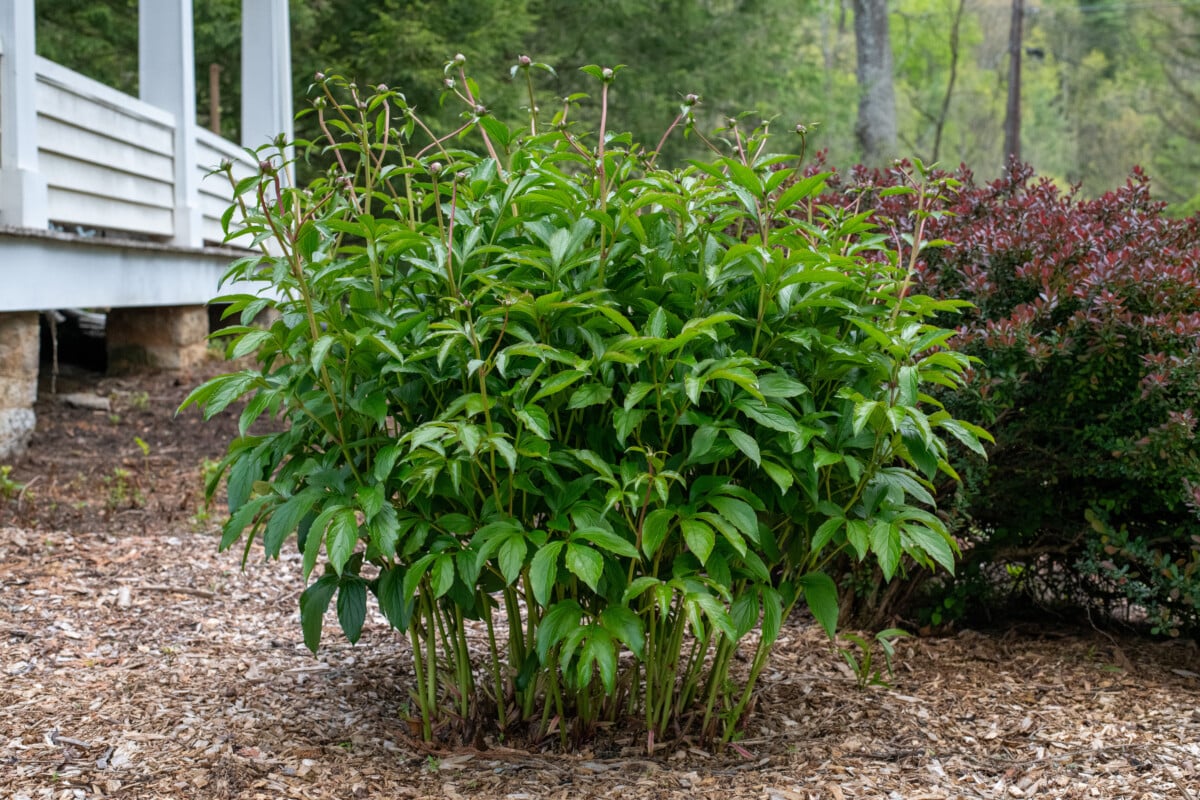
When it comes to plant support, the earlier the better. Ideally, you want your plants to grow up around and through your support structure.
If you wait and try to squash things into a tomato cage, peony ring, etc., you end up with snapped off stems, and that means fewer flowers and veggies.
I killed three out of six tomato seedlings one year doing this. I waited too long to stake them, and when I tried to work them up into the cage, I ended up snapping the seedlings at the base. That was the end of those seedlings and the end of using tomato cages for my tomatoes. These days, I string-train my tomatoes, but even that needs to be started early to prevent breakage.
Here is a list of plants that benefit from some sort of support, including vegetables you can grow vertically:
- Peony
- Hollyhock
- Tomatoes
- Peppers
- Eggplants
- Zucchini & Summer Squash
- Melons
- Smaller Winter Squash & Pumpkins
Get support lined up now because all of that spring rain + oncoming summer heat = crazy, rapid growth!
7. Manage Pests Before They Arrive
Quite often, you can tell what pests you’re going to be dealing with in the summer with a simple walkthrough of your garden. Take some time to do a thorough walkthrough and look at new growth on plants, check the base of stems, look closely at buds and the undersides of leaves.
This is where you will find eggs, the tell-tale signs of tiny nibbling insects or holes from insects entering your plants. If you’re proactive about pests, it can be the difference between a minor inconvenience and a full-on infestation.
Put Your Plants on the Defense
- Use a powerful blast of the hose to remove aphids from flowering plants and bushes.
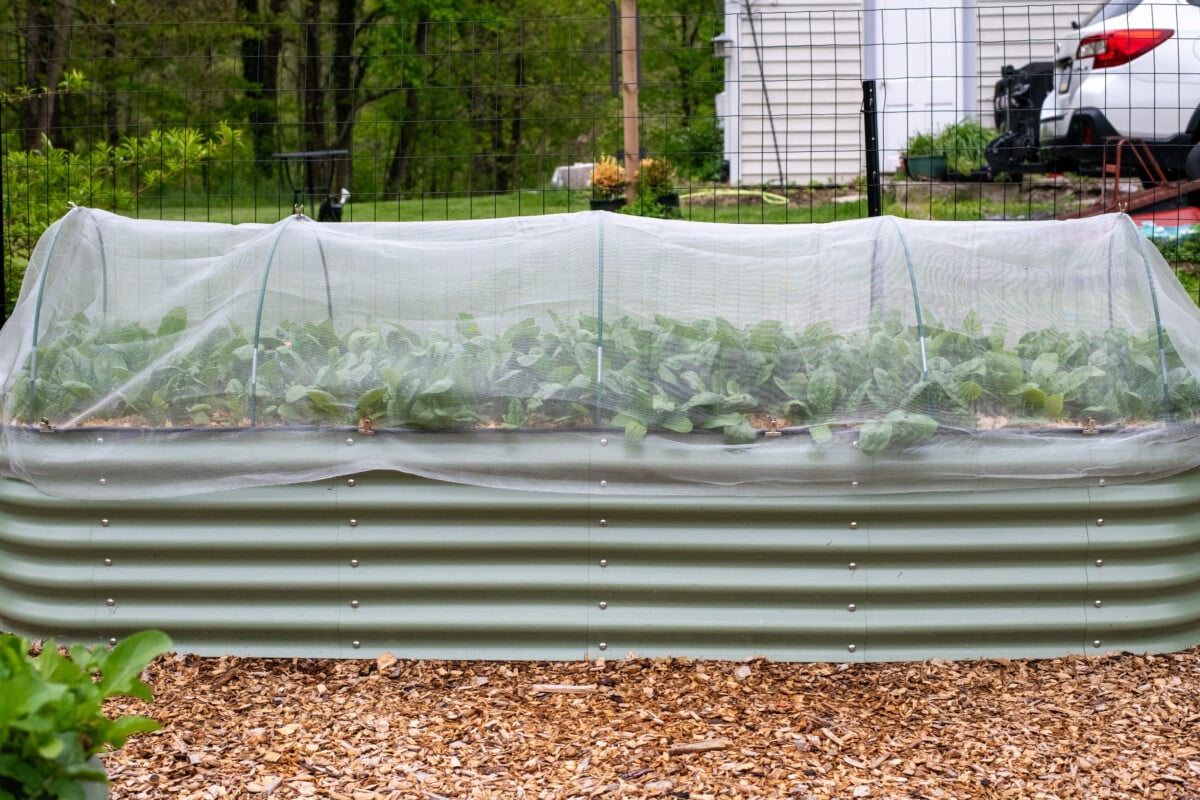
- Cover brassicas and tender lettuces with fine insect mesh to keep cabbageworms, leaf hoppers, leaf miners and other nibbling pests off of your plants.
- Spray down new growth with Bacillus thuringiensis at the first sign of soft-bodied caterpillars.
- Wrap all of your cucurbit stems with aluminum foil before squash borers emerge. (I know, it sounds silly, but it works!)
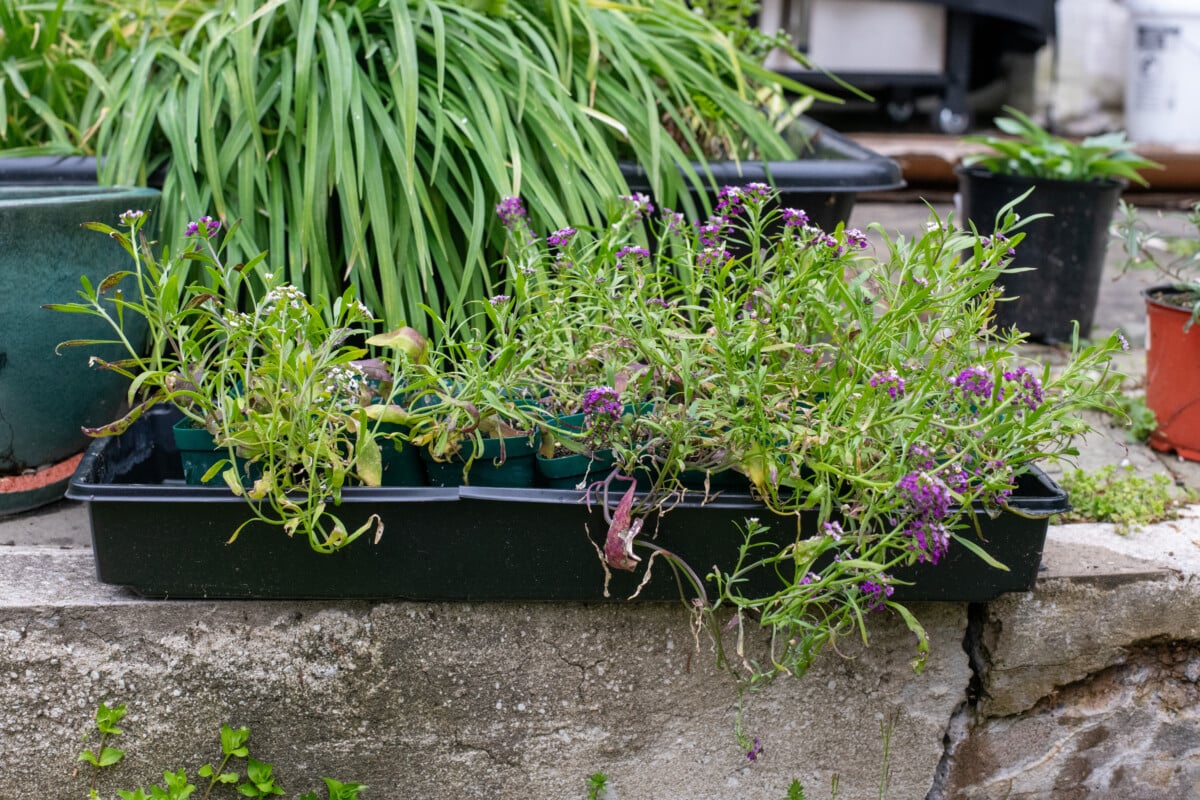
- And finally, plant a ton of sweet alyssum in your garden. Trust me on this one, skip the silly marigolds. Sweet alyssum works overtime at attracting beneficial insects to your garden. This tiny, unassuming flower ensures that low-pollination rates will be a thing of the past, and you’ll have an army of “the good guy” insects eating all “the bad guy” insects.
Get Garden Notes From Tracey, Right to Your Inbox
Pull up a chair on the front porch. Join 54,000+ gardeners who get Tracey\'s friendly notes, seasonal to-dos, and hands-on tutorials three times a week.