
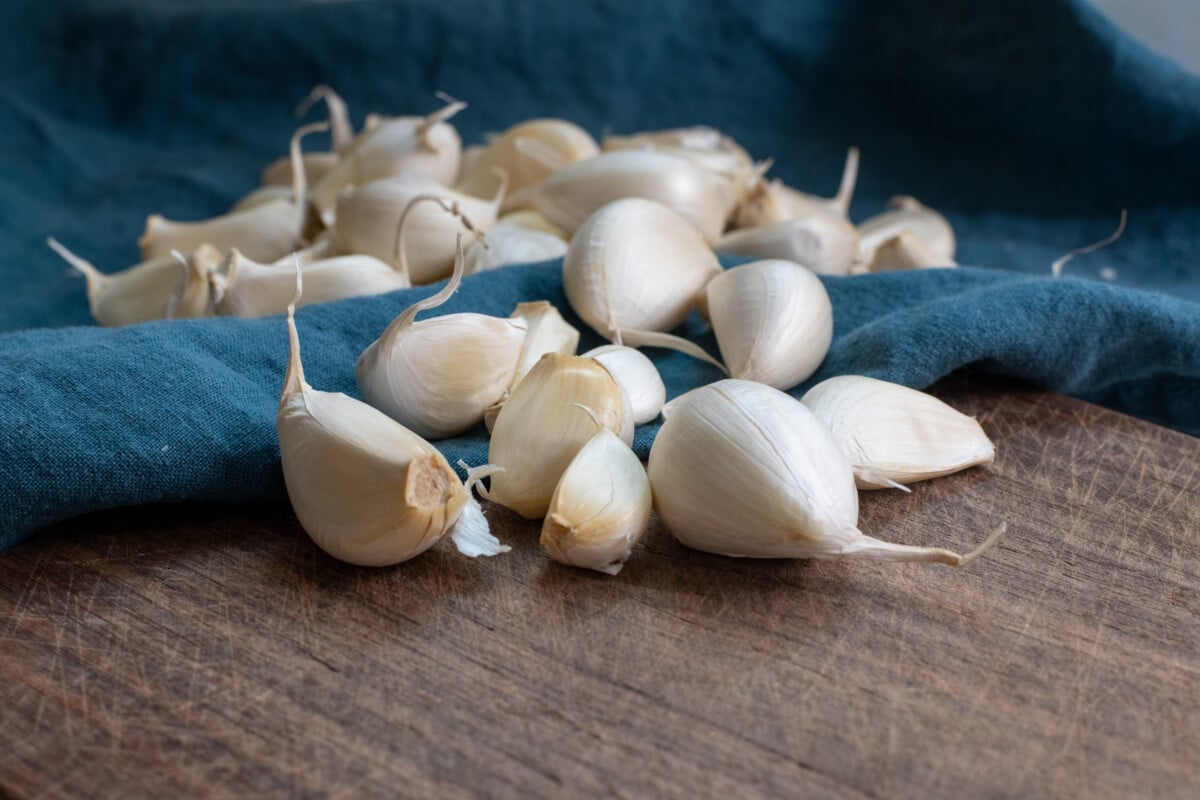
Garlic is one of the most recognizable food scents and flavors on the planet. The moment it hits a hot pan, the kitchen is filled with its unmistakable aroma. And as anyone who has ever grown garlic can tell you, it beats the pants off of what you can get at the grocery store.
So, as gardeners, it can be a little disappointing when our homegrown bulbs turn out to be a bit…mild. Mellow even. What gives?
A Quick Garlic Flavor Primer
Garlic tastes and smells like it does due to its sulfuric compounds. And the wild part is, most of them don’t come into play until you start using your garlic in the kitchen.
Alliin is the odorless enzyme contained within the cells of garlic; this is what kicks it all off.
Once the cells of a clove of garlic are ruptured- you know, like when you mince a garlic clove, squeeze it through a garlic press, bite it, chew it, mash it into a paste, etc. that unassuming little enzyme converts into allicin.
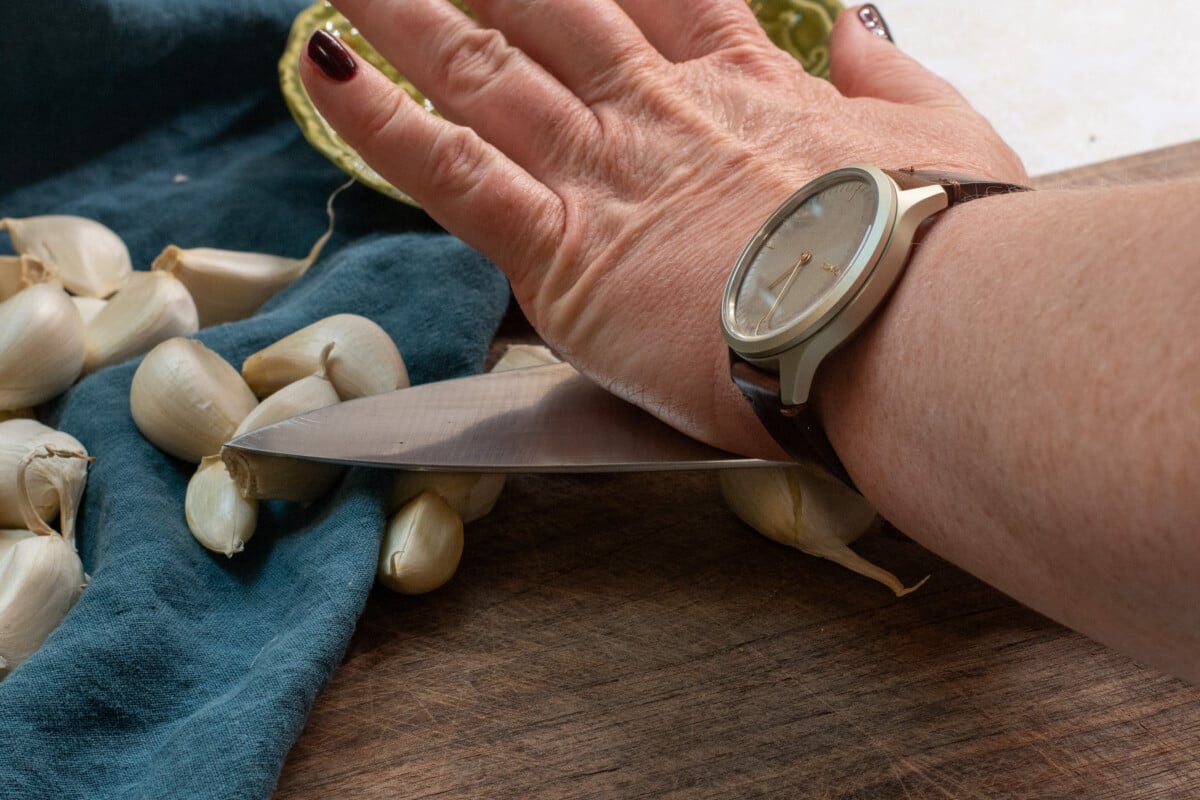
Allicin is the sulfur compound that gives garlic its characteristic flavor and scent.
However, it’s an incredibly unstable compound, so from the moment you crush that garlic, allicin begins to break down into other sulfur compounds, all of which play a role in how the garlic tastes. This is why, in some recipes, it calls for you to let the garlic rest for a few minutes to achieve the best flavor. You are letting the air interact with the changing sulfur compounds.
There are quite a few factors that determine how much alliin ends up in your garlic. Fortunately, there are several things we can do as gardeners to impact those factors, making it easier to grow extra flavorful garlic.
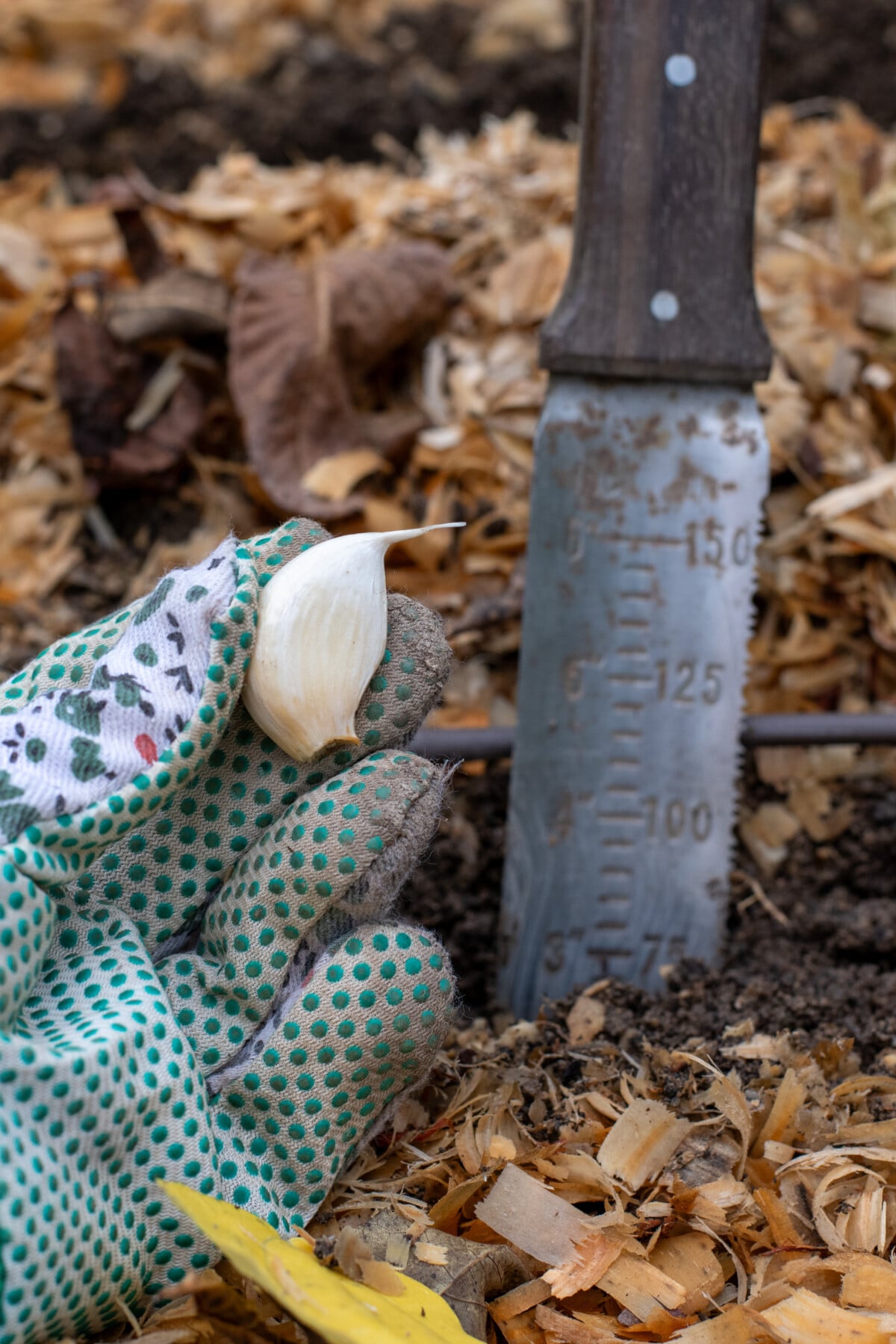
But it takes some planning. Some of these things need to be done in the fall, when you plant your garlic. (Here’s a great guide on how to plant garlic in the fall.) Other factors we can influence come into play the following growing season, as harvest draws near.
Grab something to take notes with, and let’s get you prepared to grow some seriously garlicky garlic next year. Mmm, I can already smell it cooking.
Choose the Right Variety
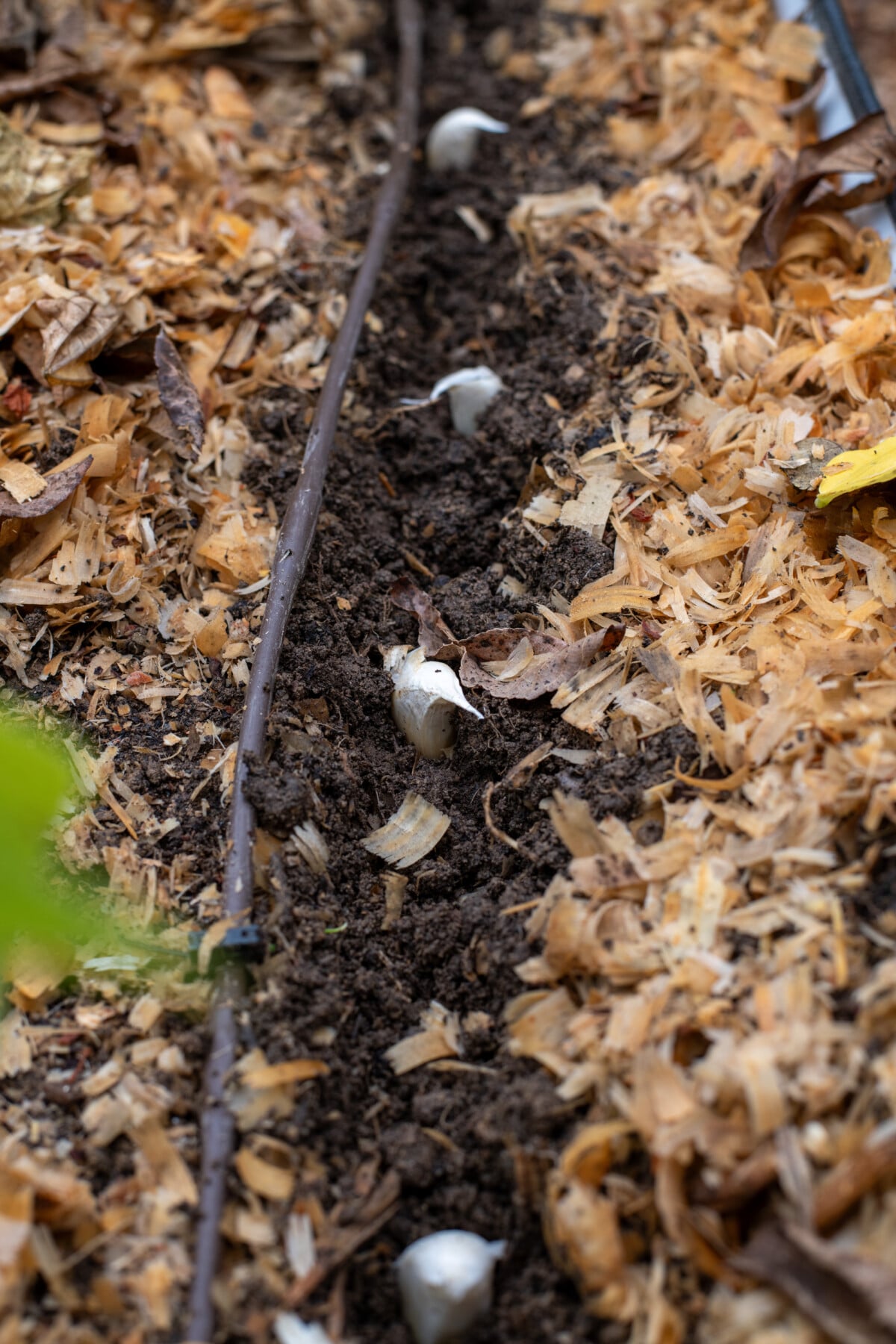
The variety of garlic you choose to grow is the single most important factor when determining garlic flavor. So, it pays to make an informed choice when you order your garlic to plant in the fall.
Hardneck varieties tend to offer the most flavorful bulbs (sorry, southern gardeners), while softneck varieties (the most common type found in grocery stores) trade flavor for a longer shelf life.
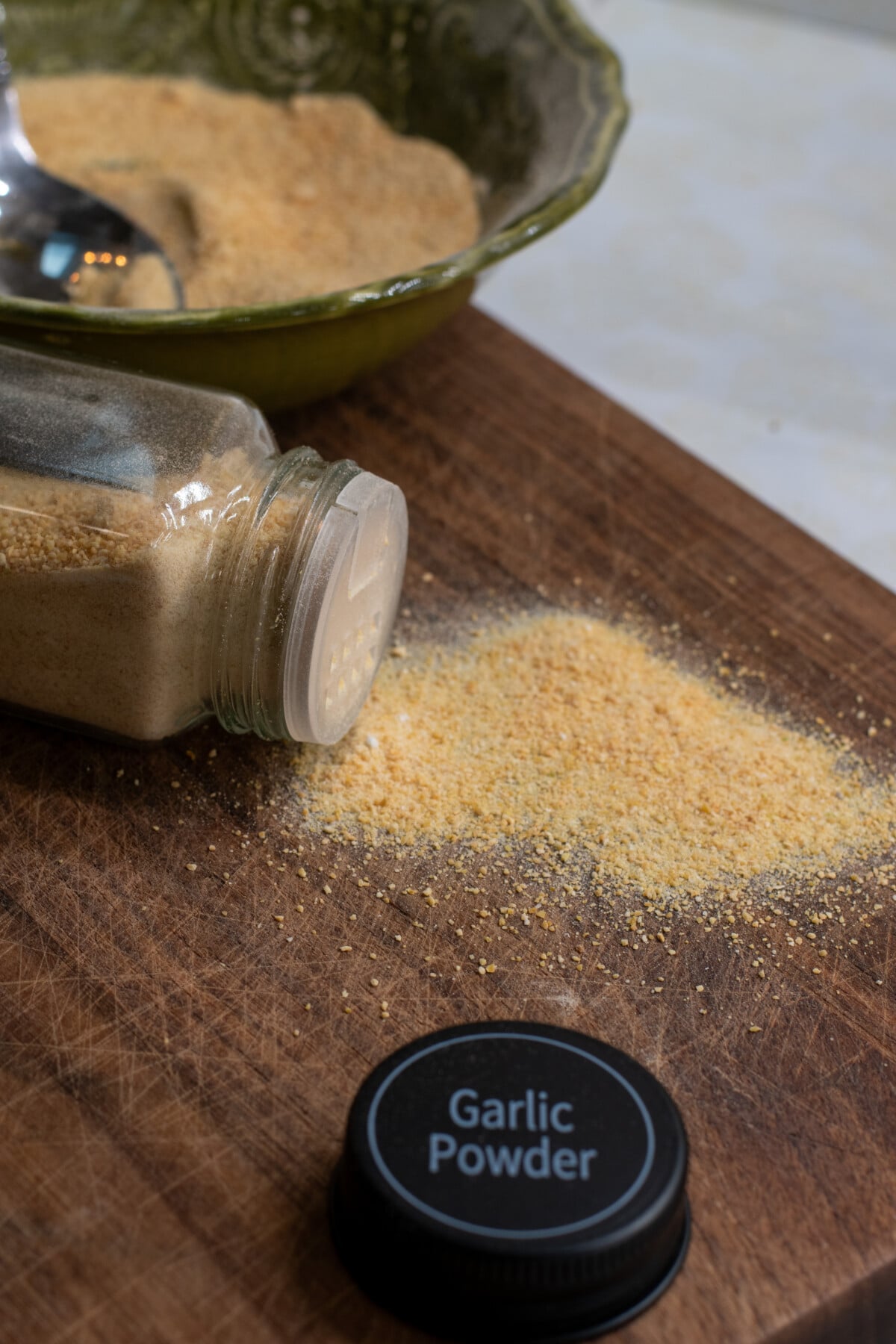
Among the hardneck varieties, Rocambole types are usually the most flavorful type of garlic, giving you that classic garlicky flavor. Unfortunately, they have a relatively short shelf life of around 3-5 months. (If you want it to last longer, make homemade garlic powder with it. It’s head and shoulders better than even the fanciest brand of garlic powder in the store.)
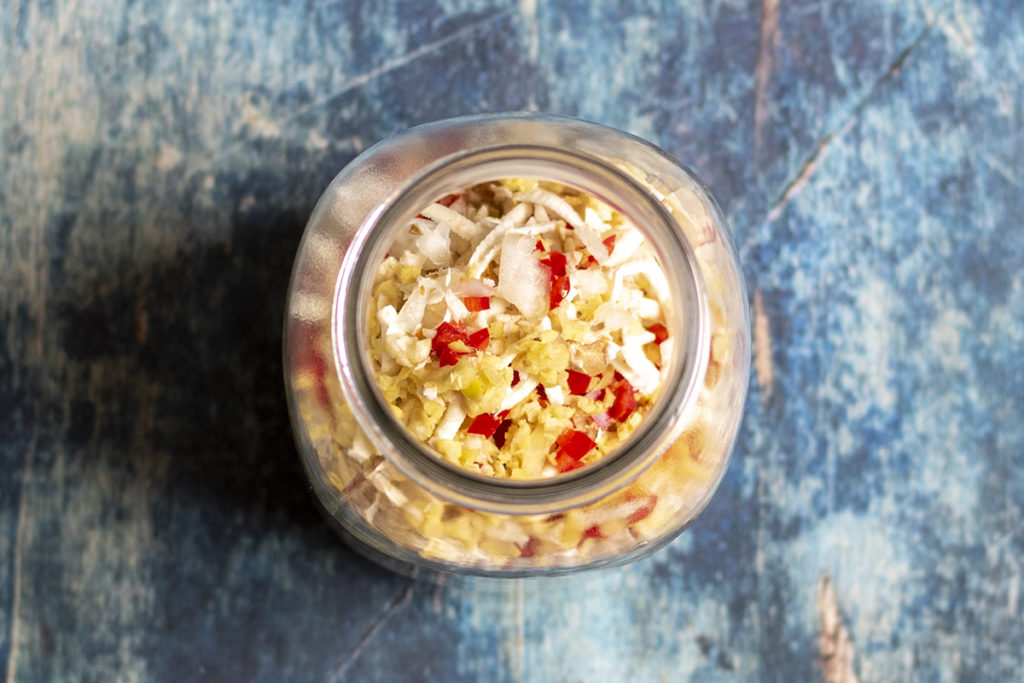
If you like hot garlic, porcelain varieties offer that hot raw garlic bite anyone who has ever eaten a garlic clove raw knows about. (This stuff is great in homemade fire cider.)
Purple stripe varieties tend to have a higher sugar content. These are the varieties you want to grow if you love roasted garlic, as those sugars caramelize under the high heat.
I highly recommend planting more than one variety of garlic each year. You’ll find which types you like best, and you may find that you like one for a specific cooking task and another for a different cooking task.
I buy my garlic bulbs from the lovely folks at Keene Garlic out in Madison, WI. If you want an incredible selection of garlic varieties and quality planting stock, I highly recommend you check them out. (I also buy my leek starts from them in the spring.)
Sulfur Availability
Let’s say you’ve grown the most flavorful garlic variety you can find and you still end up with the mildest of bulbs. It’s time to get your soil tested. Soil that’s sulfur-deficient is always going to end up giving you bland garlic bulbs.
Once you get your soil test results back, you can easily amend the soil using gypsum, elemental sulfur, or alfalfa meal. It’s best to add these types of soil amendments in the fall, just before you plant your garlic, so it has time to be absorbed.
And now we move on to the flavor factors that come into play when we’re harvesting our garlic.
Water Stress
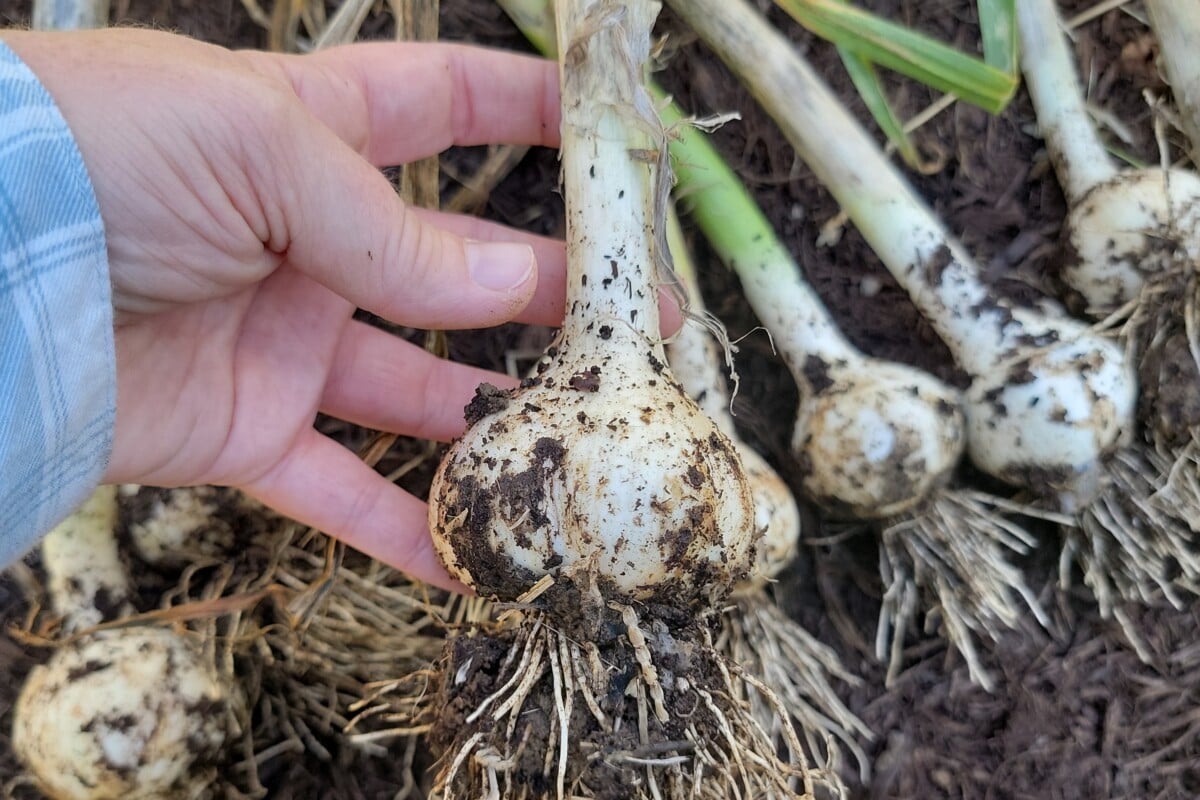
This is the only thing on this list that you don’t really have any control over – too much water. To concentrate the sulfur compounds and intensify garlic’s flavor, you should withhold water a few weeks before the bulbs are ready to be harvested.
Unfortunately, if Ma Earth has other plans, you may end up with a much milder garlic harvest than you were expecting. Don’t worry; all is not lost. Curing, which we will cover in a moment, can help. You always want to cure your garlic, but especially if it’s a rainy summer leading up to harvest.
Harvest Timing
Have patience. Look, I get it. We planted these silly bulbs last fall. We want to see the fruits of our labor; however, pulling garlic too early can give you underdeveloped and milder-tasting garlic. Always wait until you have between 5-6 green leaves left and the rest have yellowed and died back.
Curing
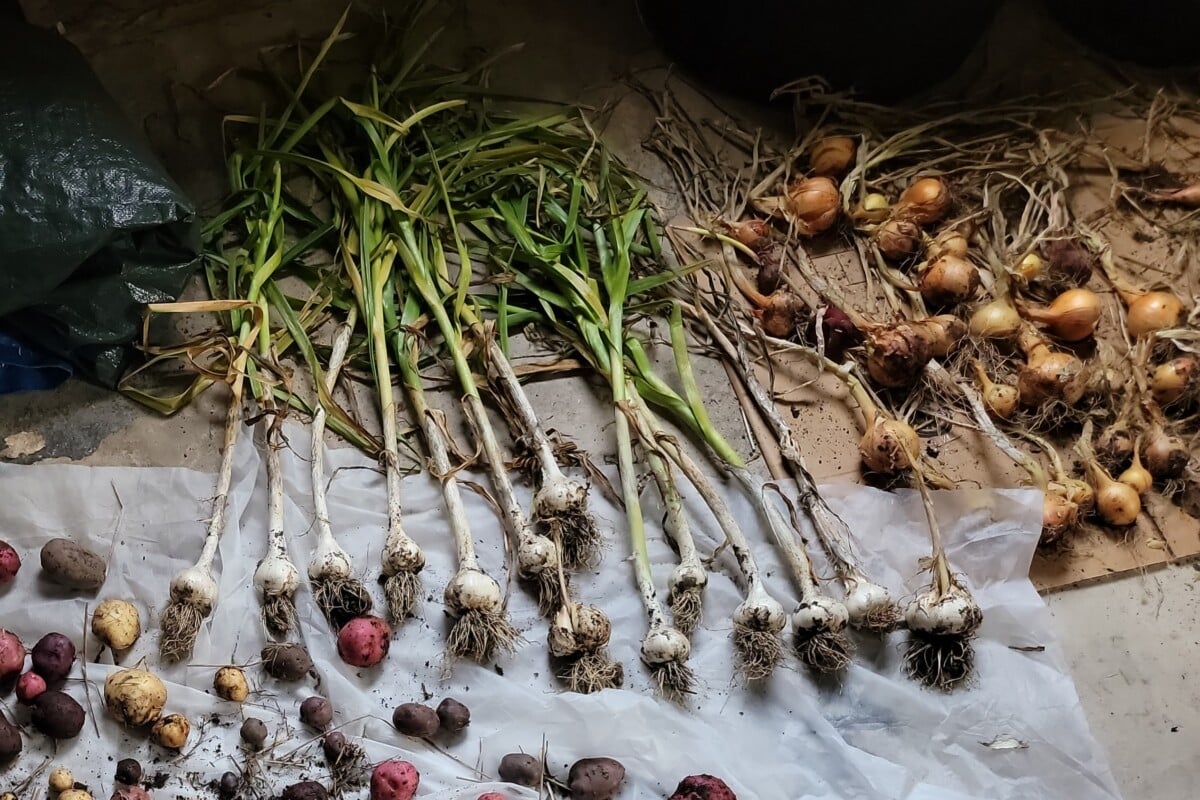
There is more to curing garlic than just ensuring your bulbs will last longer. Yes, you absolutely can eat garlic just as soon as you harvest it, but you will be eating a much milder flavored bulb. Don’t skip curing! Hang or lay out your garlic somewhere warm, dry and out of the sun for two to four weeks. As the garlic cures, it’s also losing a little bit of moisture, which intensifies the flavor compounds. And as I mentioned, curing is especially important if you’ve had a rainy season leading up to when you harvest your garlic.
So, now that you’ve fixed your bland garlic troubles, don’t forget to make a jar of honey-fermented garlic. This fermented food does magical things in your kitchen!
Get Garden Notes From Tracey, Right to Your Inbox
Pull up a chair on the front porch. Join 54,000+ gardeners who get Tracey\'s friendly notes, seasonal to-dos, and hands-on tutorials three times a week.