

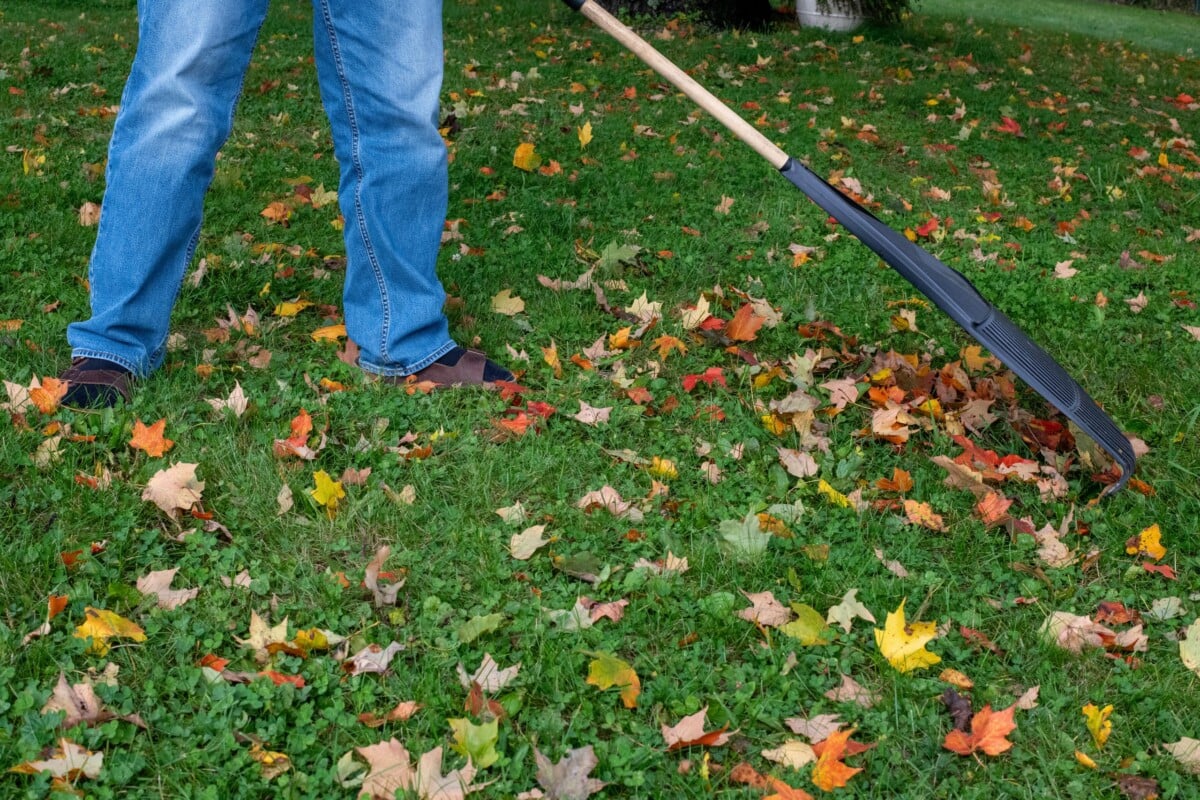
It’s fall, and that means it’s time to rake the leaves. Or leave them where they land. But before you opt for your usual choice, you might want to consider one of these six alternatives this year. Those leaves could be put to work doing some good around your home and garden.
The Whole Leave Your Leaves Argument
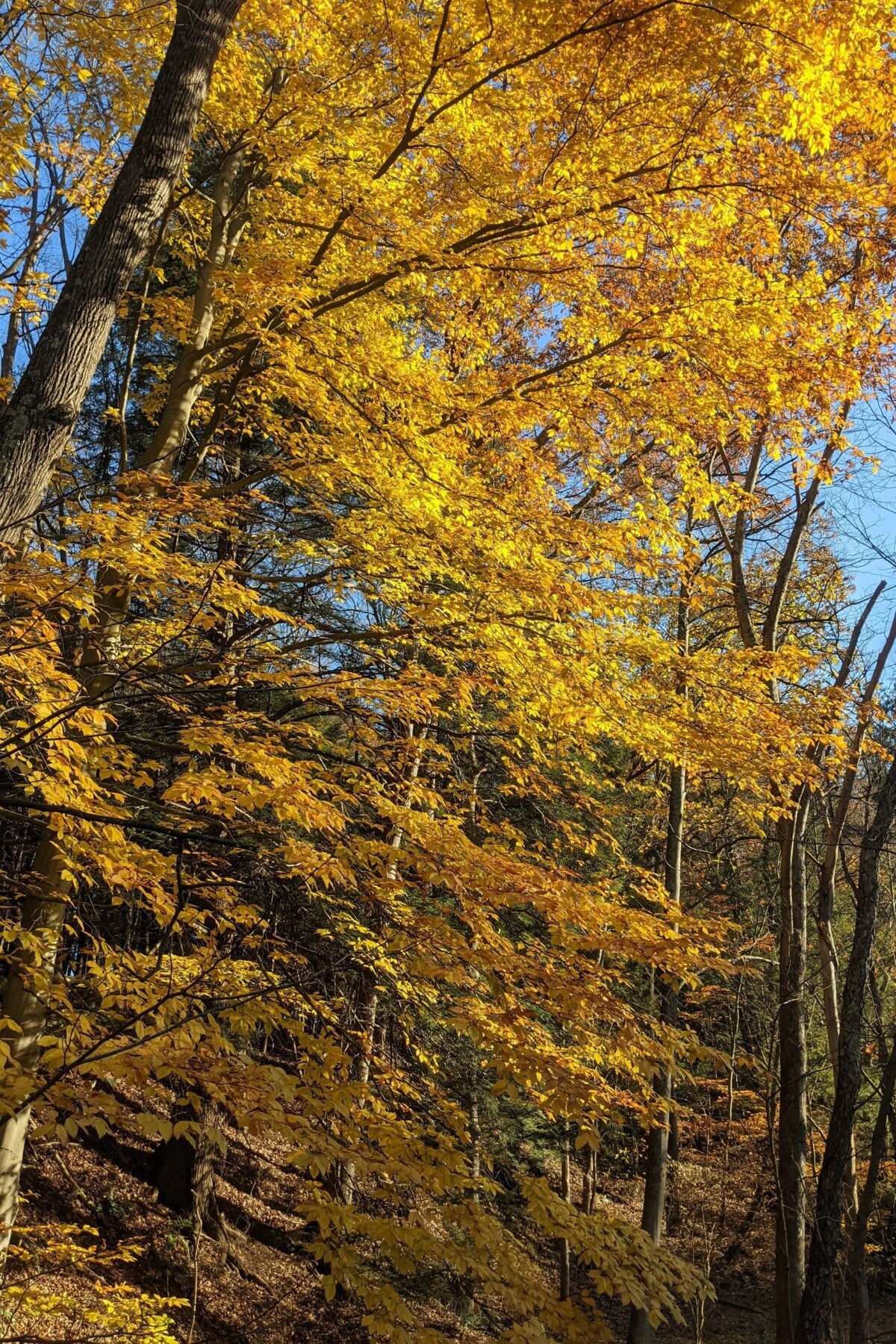
Every year my social media blows up with posts about leaving the leaves.
We’re going to skip it.
It’s 2026. By now, everyone knows leaving the leaves on your lawn is good for pollinators, lightning bugs, and assorted other beneficial insects to winter over in.
So, it’s safe to say that those of us who can do.
But there are plenty of people who have neighbors who really don’t appreciate your leaves blowing into their yard every other day. (I am super lucky in that my neighbor’s maple leaves blow onto my lawn so that I can use them in my garden. Thanks, neighbor!) Or you may have an HOA with specific rules concerning lawn maintenance. Maybe you live in a community that picks up the leaves at the curb to utilize them in a community composting program.
Or maybe you just like having a neat and tidy lawn.
The point is, yes, we all know that leaving the leaves on your lawn is good, but there are plenty of valid reasons why people choose not to, and that’s okay, too.
Instead, we’re going to look past the two most obvious options of leaving them or cleaning them up. Leaves are kind of like a free, hard-working garden tool if you know how to use them.
1. Crafting
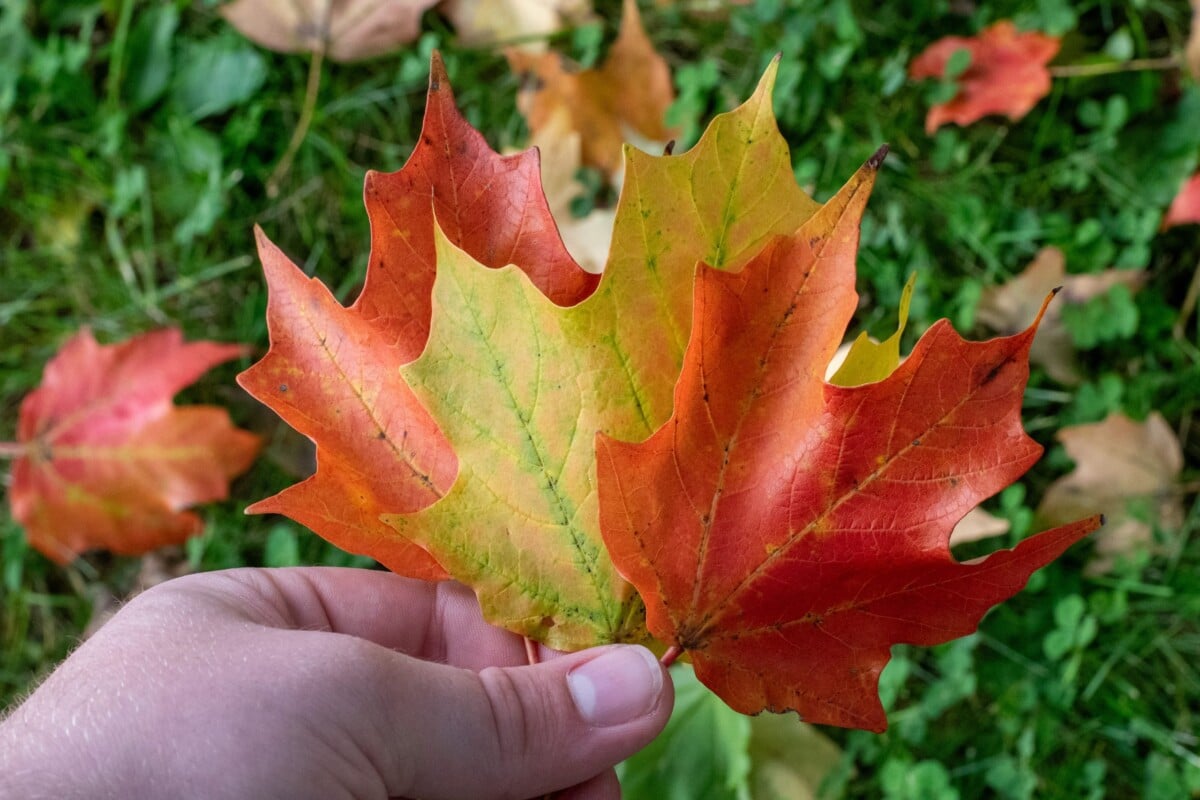
Okay, I know this won’t take care of an entire yard full of leaves. But if you love the beautiful hues of fall leaves, grabbing some before you use up the rest for other purposes is a good idea. We’ve got an article on how to preserve fall leaves using beeswax. The resulting leaves are stunning and still look quite natural.
From there, you’re only limited by your imagination with what you do with them:
- Create garlands.
- Make a wreath.
- Place them throughout your home.
- Fill a bowl with them and a few bleached pine cones for a fall-themed centerpiece.
- Tape them to your windows in a swirling, windswept pattern.
Now that we’ve taken care of our crafty and decorative itch, it’s time to scratch the practical side.
2. Feed Your Lawn
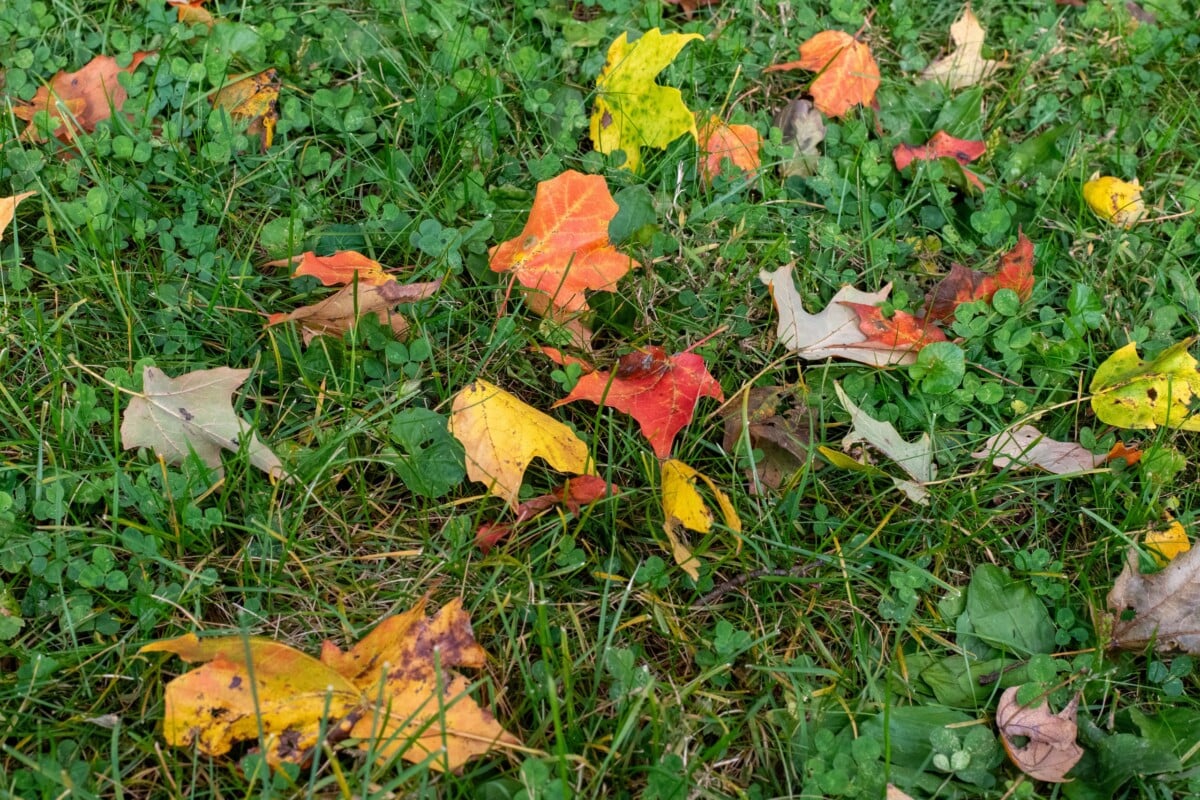
The easiest thing you can do with your leaves is to mulch them and leave them in place on your lawn. Using a mulching blade on your lawn mower will grind the leaves up much finer than a normal blade, allowing the smaller pieces to settle down among your grass, rather than lying on top.
From there, the leaves will slowly break down, adding nutrients and organic matter back to your lawn. If you have the right mower blade, leaves are free fertilizer for your lawn.
3. Free Mulch
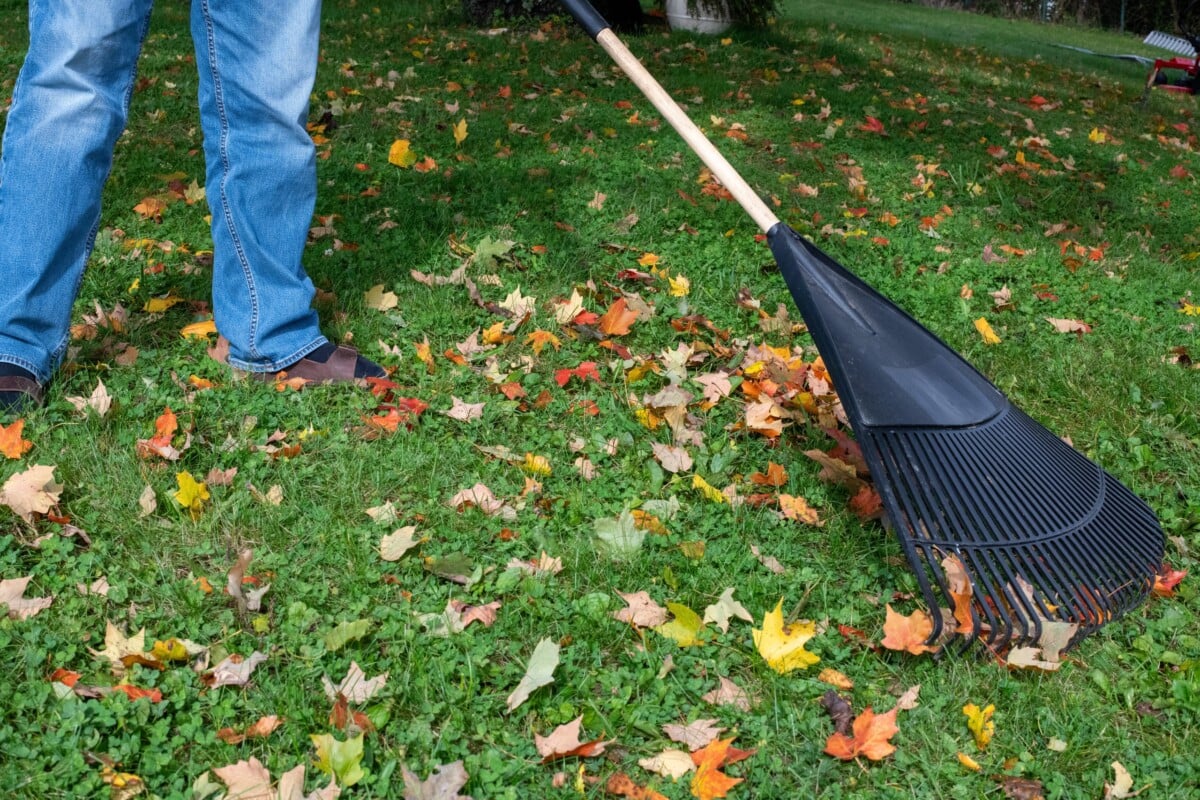
I know that we all garden in different ways. Some of us grow in raised beds; others grow directly in the ground. Some of us only grow ornamental plants and some only vegetables. No matter what kind of gardener you are, though, you need to be mulching your plants. I shout this from the rooftops regularly in my gardening articles.
Mulching your garden is the smartest thing you can do.
Mulch:
- Prevents weeds from growing
- Holds moisture in the soil
- Prevents erosion
- Keeps soil and roots cool during the hottest part of summer
- Protects plants during the winter
And if you have leaves in your yard, you have access to easy and free mulch. Now, before you all come for me with, “But I have walnut/oak/maple/some other known allelopathic tree!” let me put your mind at ease.
The highest concentration of allelopathic compounds is found in the roots, hulls of nuts (hello, black walnut!) and spring buds of trees. The concentration of compounds found in leaves is minimal, especially toward the end of the season when the leaves have senesced and dropped to the ground—air, water and soil microbe exposure quickly break down any remaining low-level allelopathic compounds.
Now, if we were talking about using the new leaves on your trees in the spring for mulch, then you could shout at me. But we’re talking about using leaves as mulch in the fall, when compounds such as juglone are at their weakest and when we no longer have anything actively growing in our gardens.
So yes, you can use those leaves as mulch.
When using leaves as mulch, you don’t want to put down a thick layer of whole leaves. When it rains, the leaves will mat down into a dense layer that doesn’t break down quickly. You should hit your leaves with a lawnmower (no mulching blade necessary) before using them as mulch.
Leaves are great for mulching fall-planted garlic or spinach you plan on overwintering. They’re perfect for protecting fall-planted perennials and shrubs or piling up around potted plants that will be spending the winter outdoors. (Keep the pots next to your home for added warmth.)
4. Leaf Mold
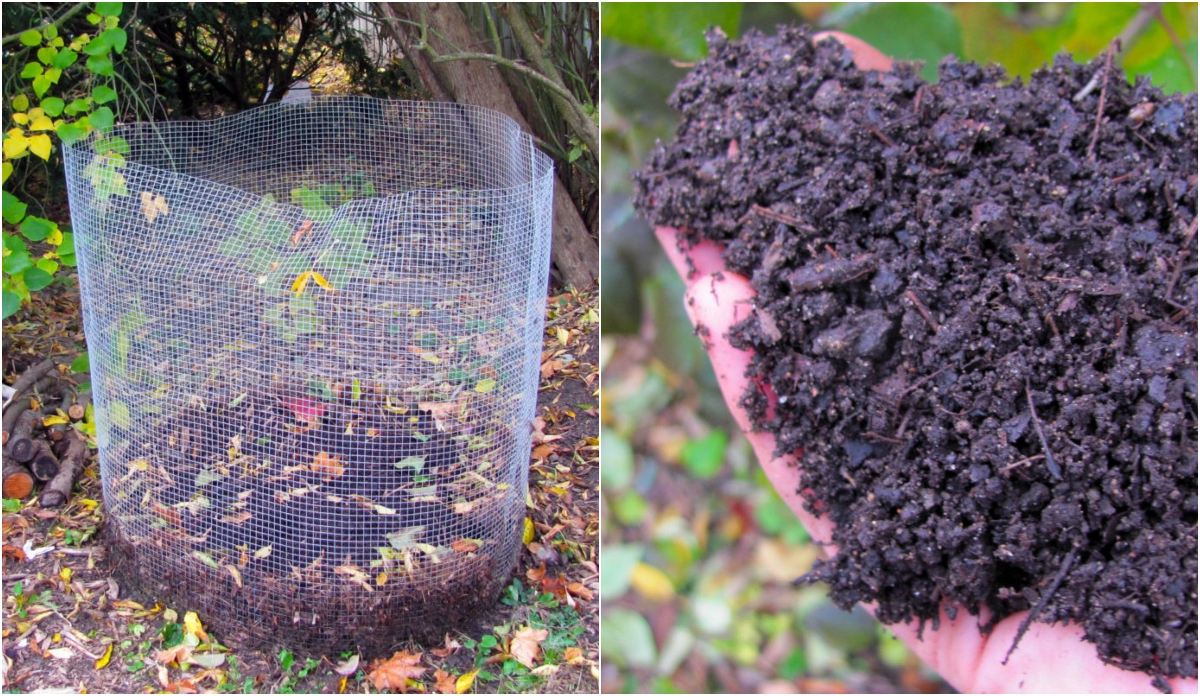
Of course, one of the best things you can do with leaves is make leaf mold. This crumbly, black humus does magical things to your soil. If you garden and own a leaf rake, then you should also own a leaf mold pen.
Leaf mold is a great way to add organic matter to your soil, which can help with a multitude of soil issues:
- Clay and sandy soils both benefit from the addition of leaf mold, which changes the soil structure.
- Leaf mold adds necessary soil microbes for a healthier microbiome.
- Leaf mold holds moisture in the soil, giving plants an added layer of protection against drought.
For something as simple as decaying leaves, leaf mold is a workhorse in the garden. You can learn more about it and how to make it here.
5. Compost
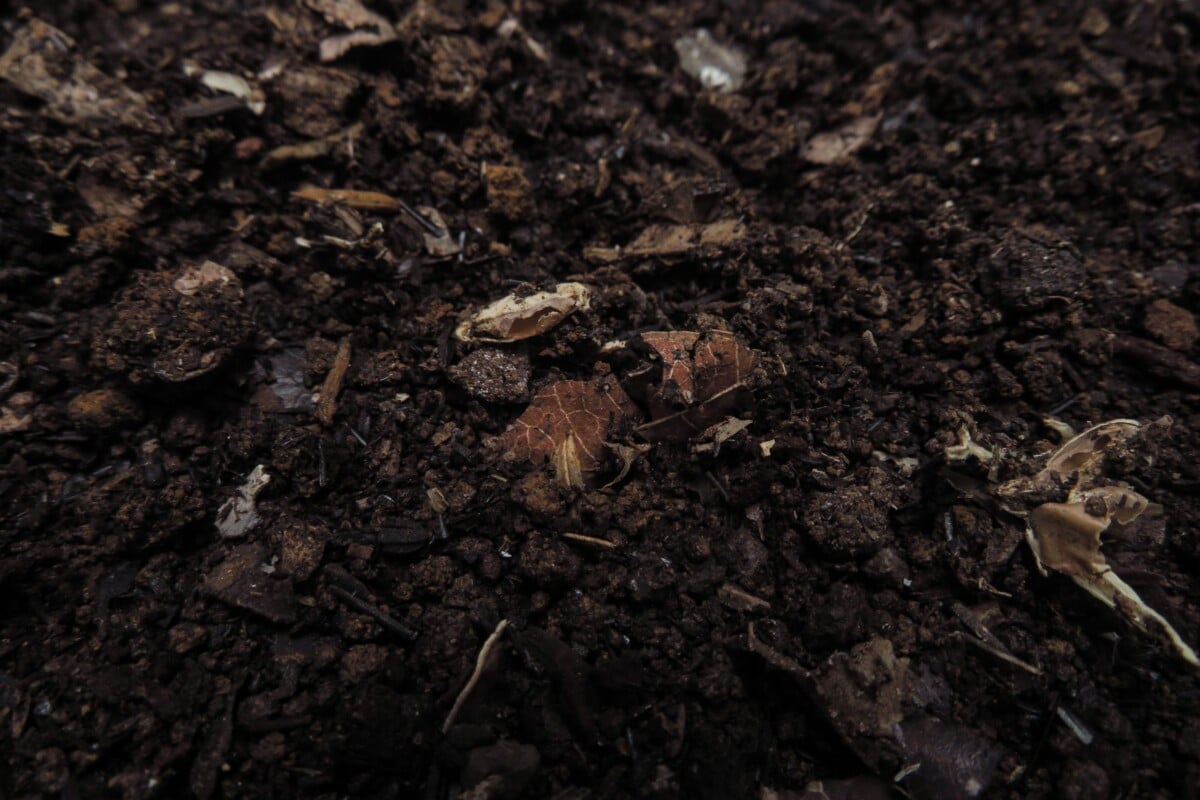
Leaves are also an excellent addition to your compost pile. These high-carbon “browns” are a great way to balance your high-nitrogen “greens.” Because most of us have an abundance of leaves each fall, you’ll want to be sure to mix in plenty of green compost materials along with your leaves. Layering them with kitchen scraps and lawn clippings makes for a good compost “lasagna” that will heat up the pile and create the perfect environment for growing good soil microbes.
Alternatively, if you don’t have enough greens to mix in with a large pile of leaves, you can rake your leaves up around your compost bin/pile/etc. and add them steadily over a few weeks along with greens.
While you can add whole leaves to your compost bin, you’ll want to mix them in well. If you’re able to, the best thing to do is go over them with the lawn mower first to chop them into smaller pieces, which will break down and be incorporated faster.
Compost is one of the easiest things you can make for your garden that has long-term benefits for your soil.
6. Chicken Bedding
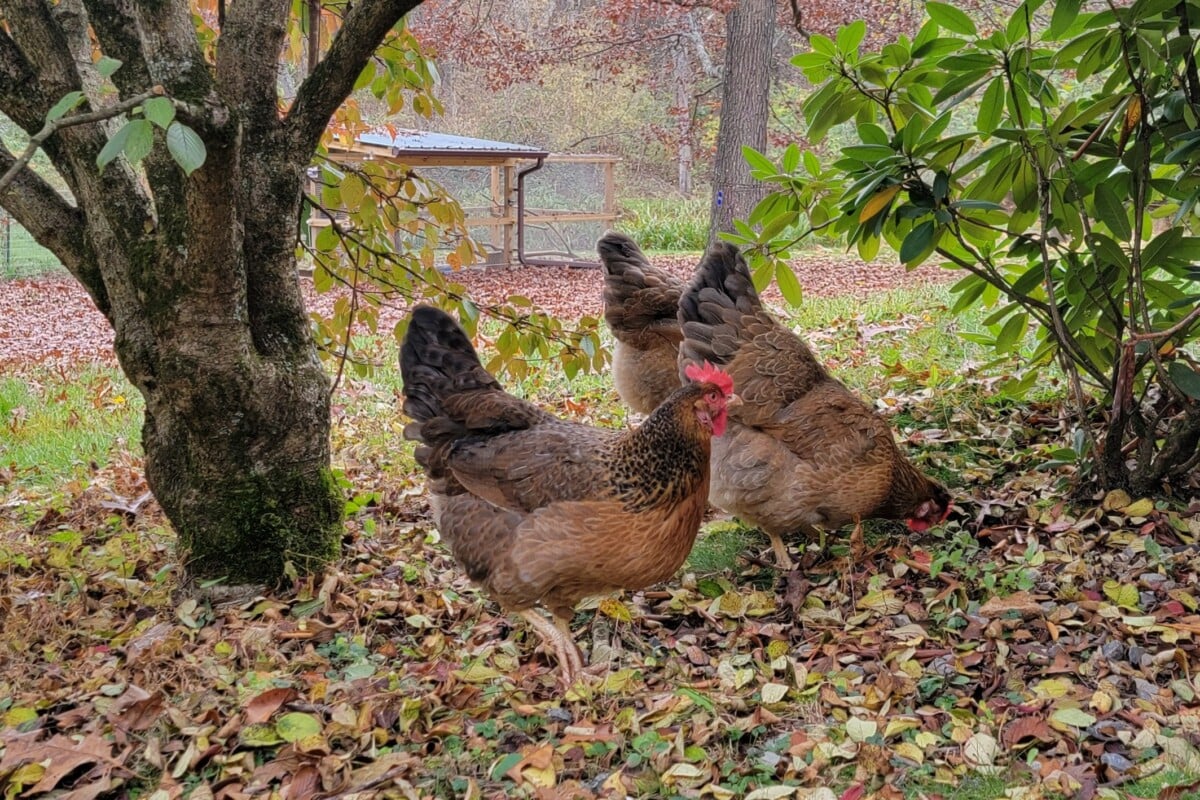
If you have chickens, then you already know their deep and abiding love of scratching for bugs in leaves. Adding leaves from your lawn to their run gives them plenty of enrichment, snacks and can add a layer of protection from biting winter winds later in the season.
When you eventually remove the leaves from the chicken run, they will naturally contain a few, uh, additions from the hens. Composting this mixture of leaves and chicken manure results in some seriously nutrient-dense compost for your garden.
Get Garden Notes From Tracey, Right to Your Inbox
Pull up a chair on the front porch. Join 54,000+ gardeners who get Tracey\'s friendly notes, seasonal to-dos, and hands-on tutorials three times a week.