

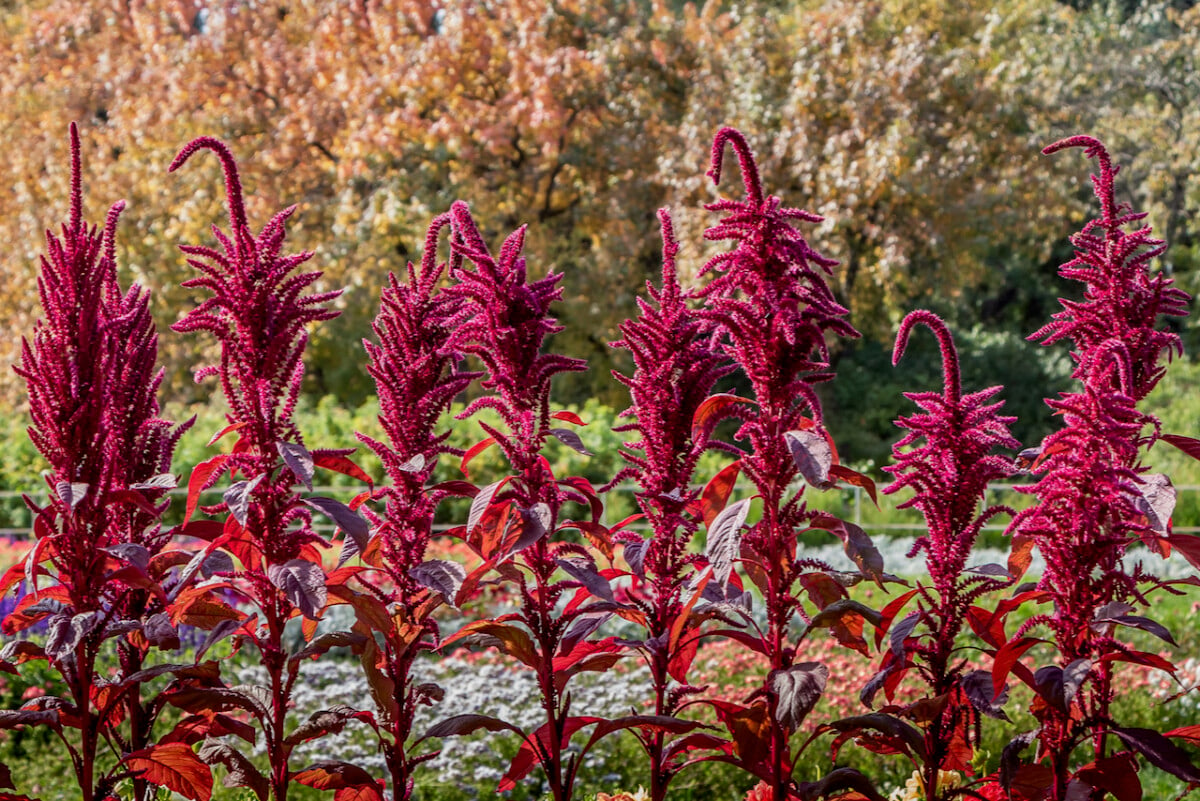
Over the past couple of years, I’ve become slightly obsessed with bringing more edimentals into my garden. If you’re not familiar with this term, it refers to plants that are both edible and can also serve an ornamental purpose. Pretties we can eat.
Often, and I’ve been “guilty” of this myself, we like to grow ornamental plants that are edible, but then we never actually eat them.
Yes, dahlias are edible, but I’ve only ever collected some petals to sprinkle on a salad. You wouldn’t see me chomping on a dahlia flower head, let alone a dahlia tuber.
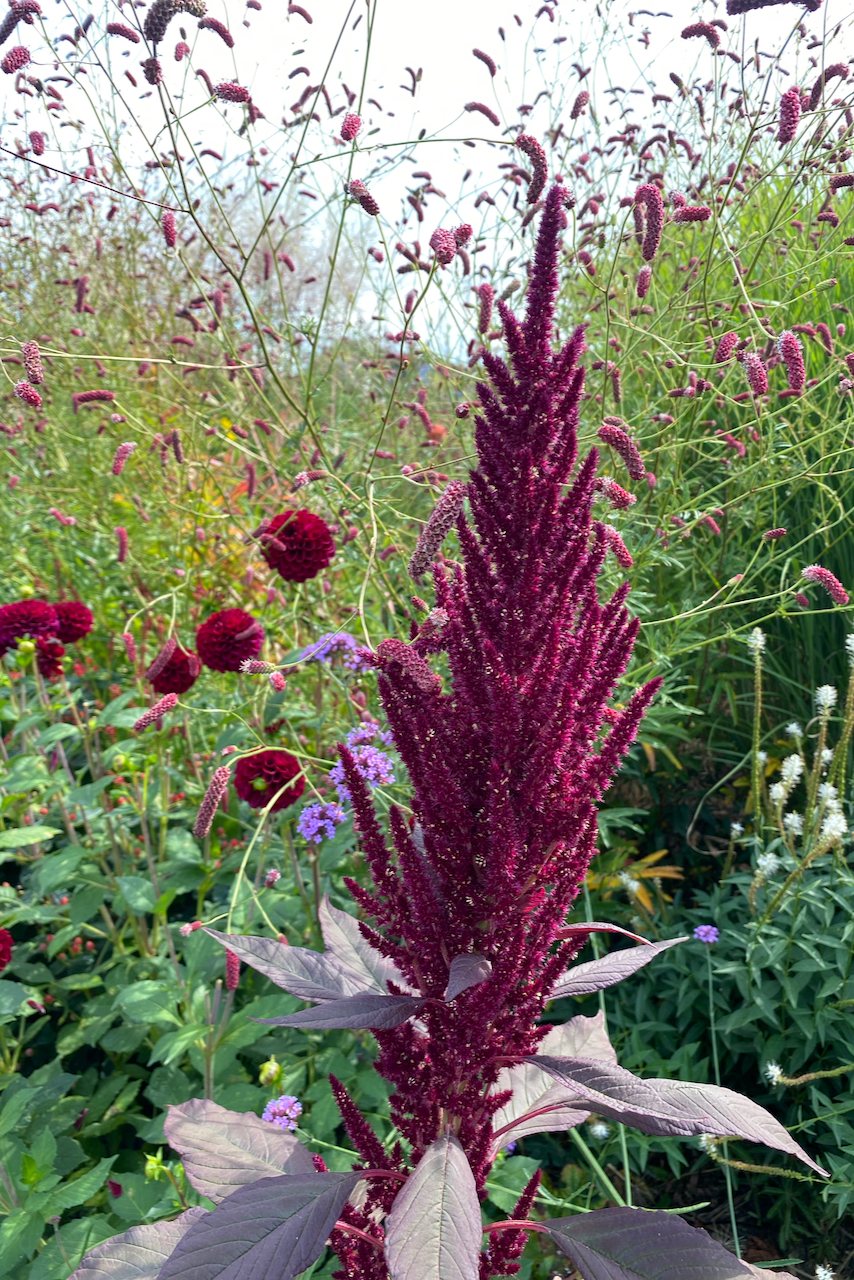
That is not the case for the edimental I’m featuring in this article: amaranth. It’s such a useful plant to grow, and so pretty, that I hope by the time you’re done with reading this, you’ll be on your way to the nearest plant nursery to get some amaranth seeds. If not, my check from Big Amaranth PR might bounce.
What kind of amaranth am I talking about?
Before I go on singing its praises, I want to make sure we’re on the same page of the songbook. The amaranth I’m talking about belongs to the genus Amaranthus.
There’s another plant called globe amaranth that belongs to the genus Gomphrena. Its full Latin name is Gomphrena globosa. The flowers of this plant are colorful pompoms (they remind me of giant clover heads) on skinny foliage.
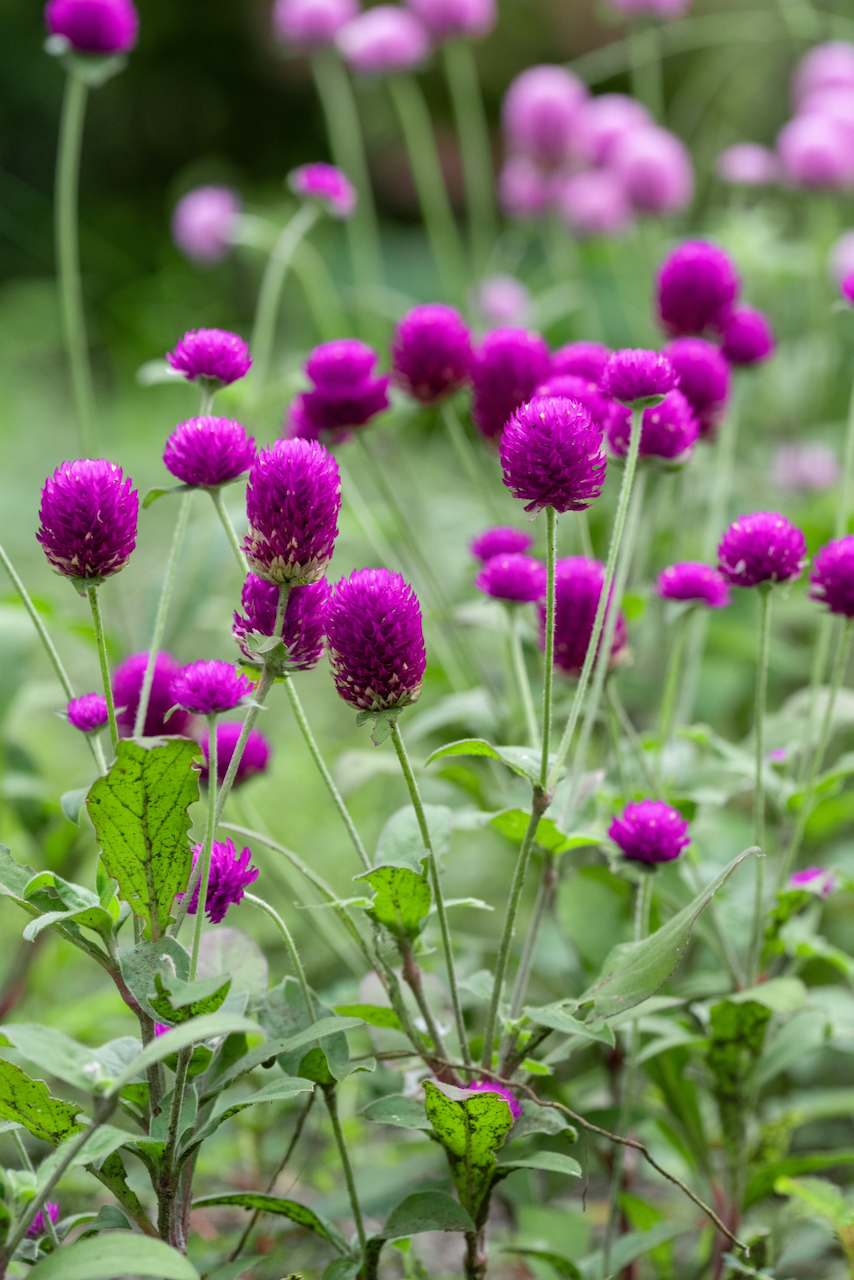
The two don’t look anything alike, so visually there’s little chance of mistaking them. I just wanted to point out the similar names.
Here are five reasons, in no particular order, why you should consider planting amaranth in your garden.
1. It’s an annual, but you only have to plant it once.
Amaranth is a tender annual, but the nice thing about it is that it’s a generous self-seeder. We only have to plant it once, then it will keep popping up around the same spot.
We know some of our readers frown at plants that self-seed chaotically. But believe me, you want this one to self-seed because it helps us in the spring when it’s one less thing you have to worry about planting.
Amaranth, a member of the Amaranthaceae family, is a native of Central and South America. It was a staple food of ancient civilizations in that region, and the Incas, Mayas and Aztecs relied heavily on its cultivation.
Amaranth was both a source of nourishment and a sacred symbol used in spiritual ceremonies.
I won’t go into the history of it in this article, but suffice it to say that the colonizers banned the growth of this plant and the saving of seeds as yet another way to dominate and control Indigenous cultures.
What followed from the sixteenth century onwards was hundreds of years of this superfood having to go underground while being replaced by corn, wheat and oats. It’s only recently that amaranth is starting to have a resurgence in the world of home gardening and small-scale farming.
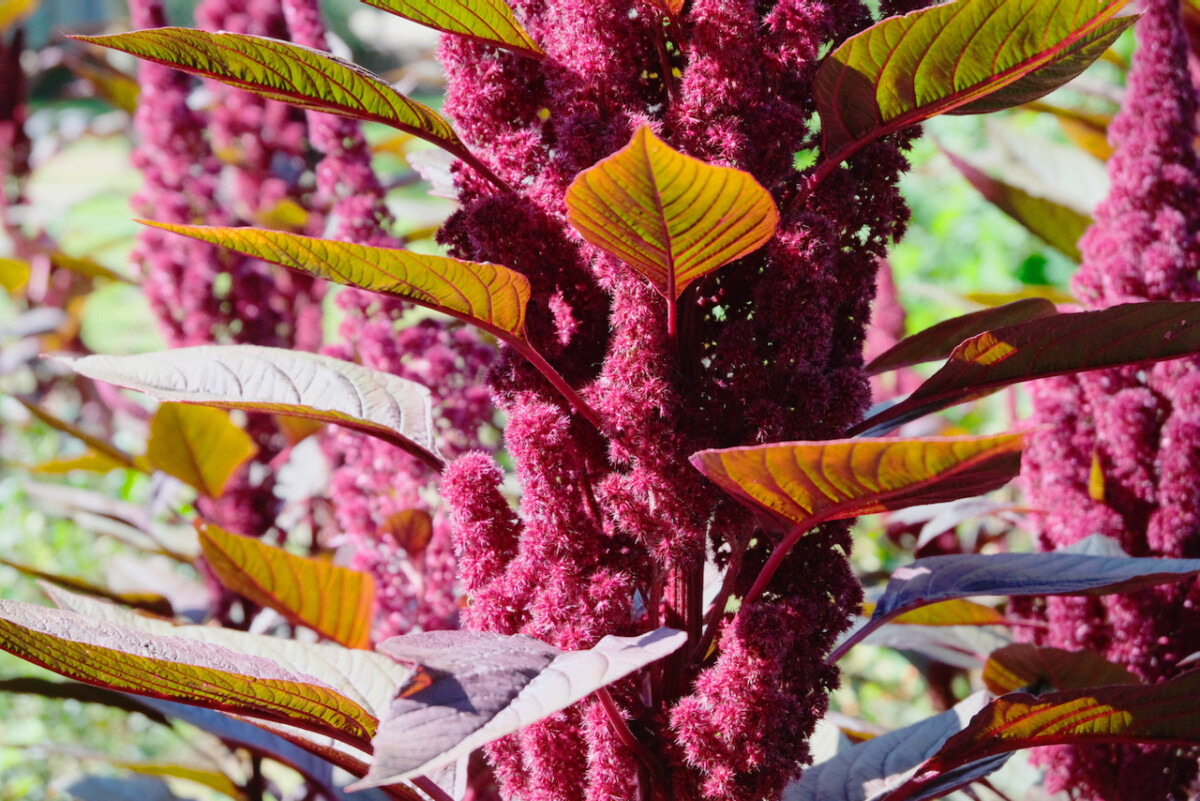
There are also some species of Amaranthus native to East Asia and to the Indian subcontinent.
(If you’d like to know more about the history of amaranth, you can start with this article from the Berkeley Food Institute.)
2. Amaranth sprouts and leaves are edible.
As an annual, amaranth follows an annual growth cycle. It sprouts in the spring, the leaves grow from spring to early summer, then the flowers bloom profusely at the height of summer. Finally, it all goes to seed in the fall.
And here’s the reason why I did this little recap of its growth cycle: We can eat amaranth at different stages of growth. We can eat the sprouts, then eat the leaves, then eat the seeds. I’m having a hard time thinking of another plant for which this is true.
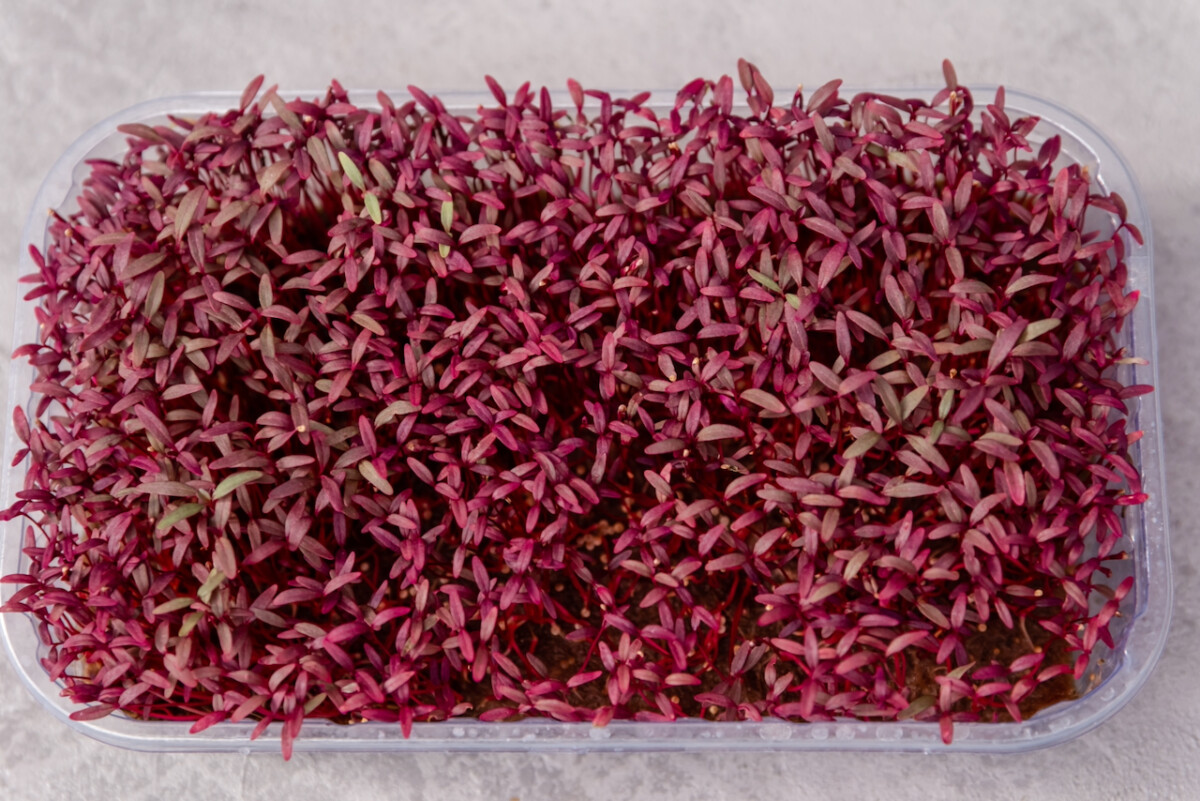
Eating the sprouts is pretty straightforward. We can sprout the seeds using the simple jar method. We can also use a microgreen sprouting setup. It’s easy, cheap and nutritious. We’ve already published a sprouting guide on Rural Sprout (ha!), so here’s the link.
Eating amaranth leaves is just as straightforward. If we want to eat the leaves raw, we have to pick them while they’re still young and tender. They’re delicious and nutritious, and we can use them in salads, sandwiches or pesto, much as you would spinach.
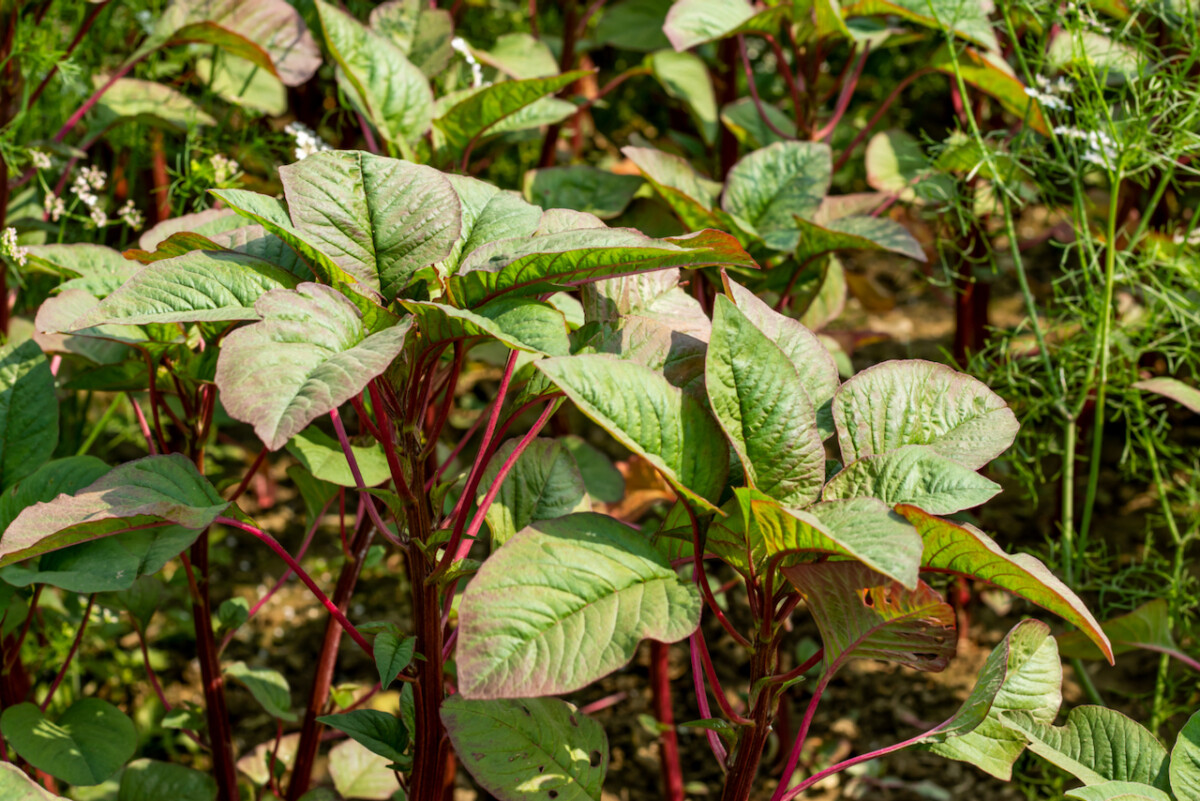
It doesn’t matter whether you’re growing green-leaf amaranth or red-leaf varieties. They’re both edible. The green leaves remind me of spinach, but less watery and more fresh. I find that the red leaves have a bit more of a baby red chard taste.
If you’ve missed the window for consuming the baby leaves, the larger ones also make good cooked greens. You can throw them in soups, stir-fries, or curries. However, the larger the leaves get, the tougher they get. So late-season leaves are not really suitable for eating.
3. Amaranth seeds are a superfood.
Now we come to the true superpower of this superfood: its seeds.
I tiptoed around bags of amaranth seeds at the health food store for longer than I care to admit. It’s only natural. We tend to stick to what’s familiar, especially in terms of food.
But since I’m an over-researcher by nature, I made a 20-video YouTube playlist of how to cook and eat amaranth seeds. What sealed the deal? This super simple amaranth chocolate pudding recipe. Once I tried amaranth seeds, I knew I wanted to grow this plant myself.
I got a bit carried away here. Chocolate tends to do that. So let’s rewind:
How do we get amaranth seeds?
The good news is that amaranth is a super prolific plant. Every plant makes between one hundred thousand and two hundred thousand seeds. Yes, that’s 200,000 seeds. Just to be clear.
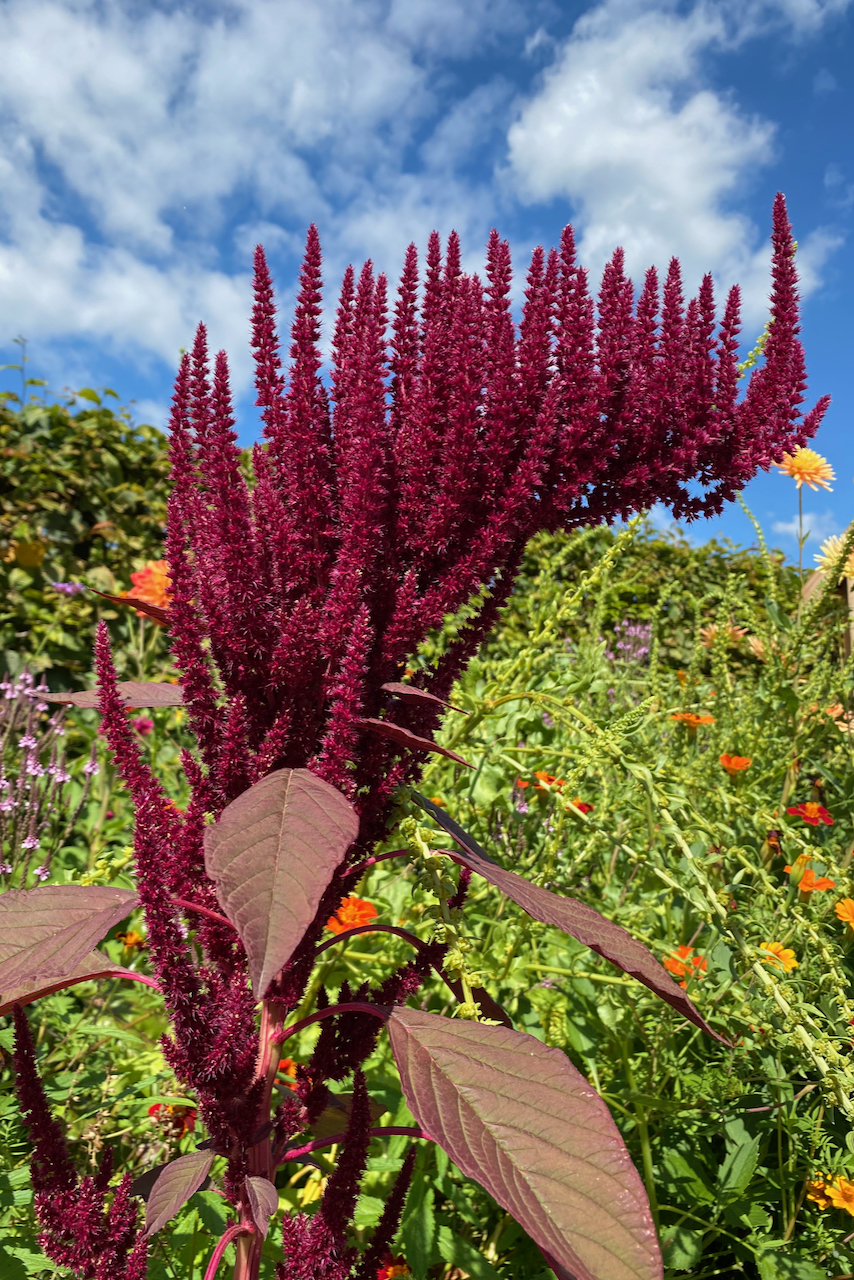
All we have to do is harvest the seeds in late summer or in the fall (October at the latest) once they’ve started drying on the stalk but before they’ve had time to scatter in the wind. The seeds are usually yellow or white, although I’ve seen some varieties that are a lighter shade of brown.
We simply cut the entire seed head and thresh it – shake it over a container or massage it in a colander until the seeds come off. Alternatively, we can let everything dry on a tray or in a paper bag (as long as we remove most of the leaves). A fine-mesh sieve will always finish the job well. Once the seeds are fully dry, we can blow away the chaff gently, then store the seeds in jars.
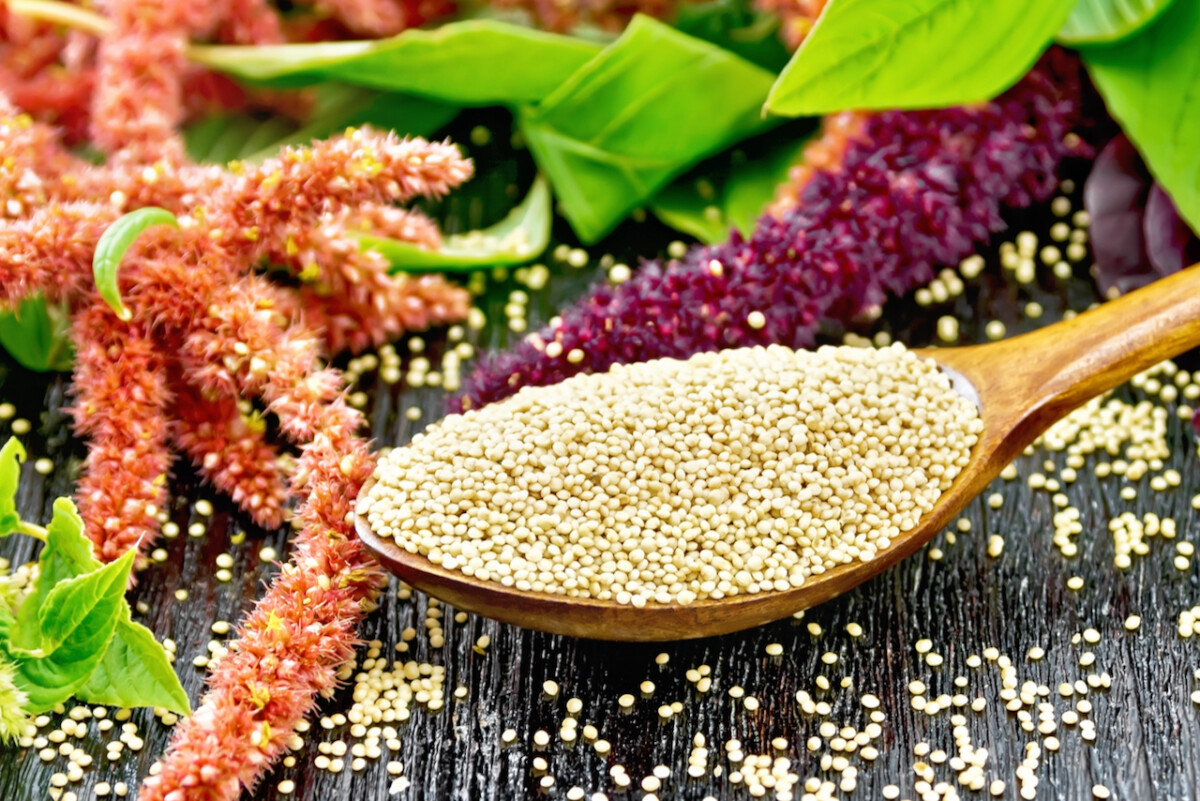
Are amaranth seeds really a superfood?
If superfood means that it packs a lot of nutrients and all the essential amino acids into a small serving, then yes, it’s a superfood. It’s also a rich source of unsaturated fatty acids and antioxidants.
Amaranth is what’s called a pseudo-cereal. It’s not actually a grain, nor is it a cereal. Think of it as a seed that we have to cook. Another recently “rediscovered” ancient pseudo-cereal is quinoa. Don’t let this put you off, though. Even if you don’t like quinoa, I encourage you to give amaranth seeds a try.
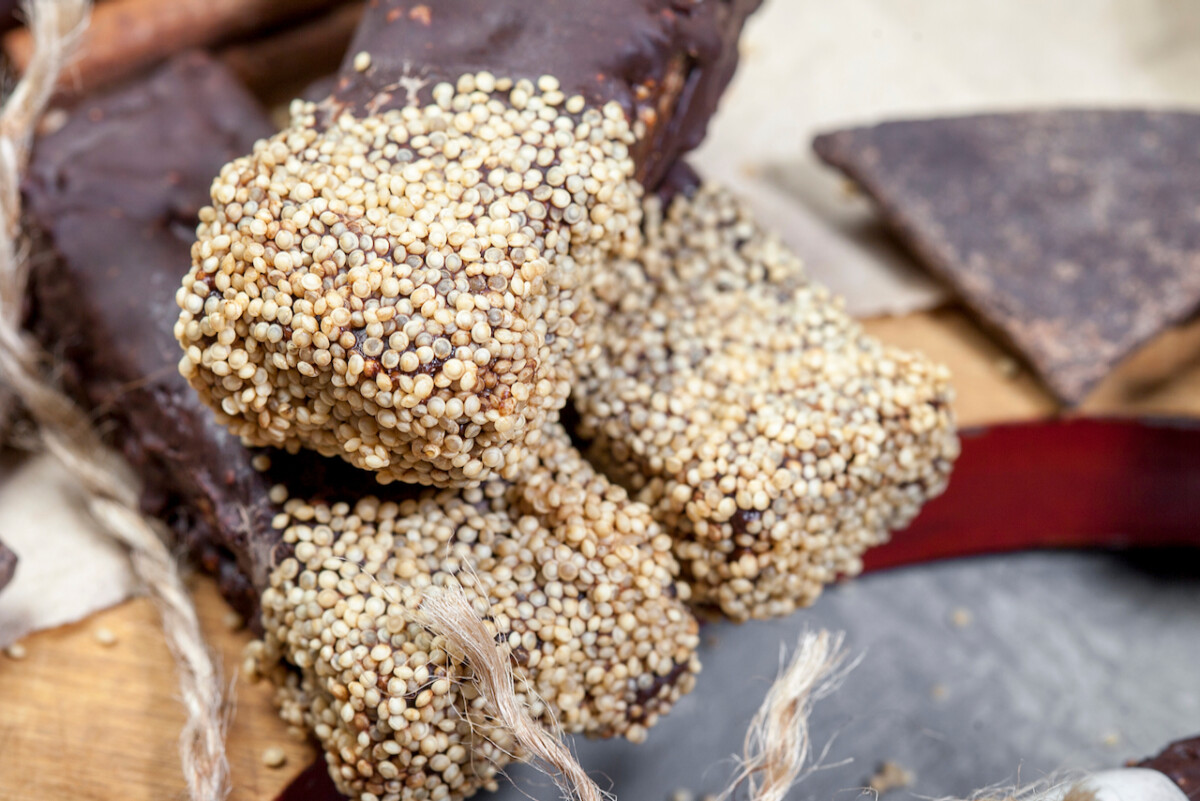
The nice thing about amaranth seeds is that they are naturally gluten-free. But this is only the beginning. They’re also rich in protein, fiber, iron, calcium, zinc, magnesium and manganese.
What do you do with amaranth seeds?
First of all, you should know that amaranth seeds have a mild nutty flavor. It’s similar to that of quinoa, but without the soapy aftertaste. You don’t need to grind the seeds or even soak them. Just cook them as they are. They have to be cooked, though. Don’t eat them raw, even if they’re freshly picked.
My second favorite way to use the seeds (the chocolate pudding is still at the top of the list) is to turn them into porridge. The nuttiness pairs really well with warm spices such as cinnamon and nutmeg and tart fruit such as blueberries or raspberries.

We can also pop amaranth seeds as we would popcorn. Heat a pan, sprinkle some seeds in, make sure you cover everything with a lid and heat on low until the seeds pop. We can use the popped seeds to sprinkle over cookies, fruit, breakfast, or anywhere we’d need some crunch.
We can also use amaranth as a side dish to replace rice or noodles. Yes, it’s a bit more gooey than noodles, but it’s very filling and absorbs other flavors very well. Oh, did I mention they have protein and fiber? Which makes them an excellent base for veggie burgers.
Just type “recipes using amaranth seeds” into your search bar, and you’ll find hundreds of ideas.
4. Amaranth is beautiful in a garden border.
To be honest, I wanted to start with how gorgeous amaranth looks as a garden ornamental, but I changed my mind and decided to focus on its edible properties first. Because I believe food production will become more important than aesthetics in this changing climate.
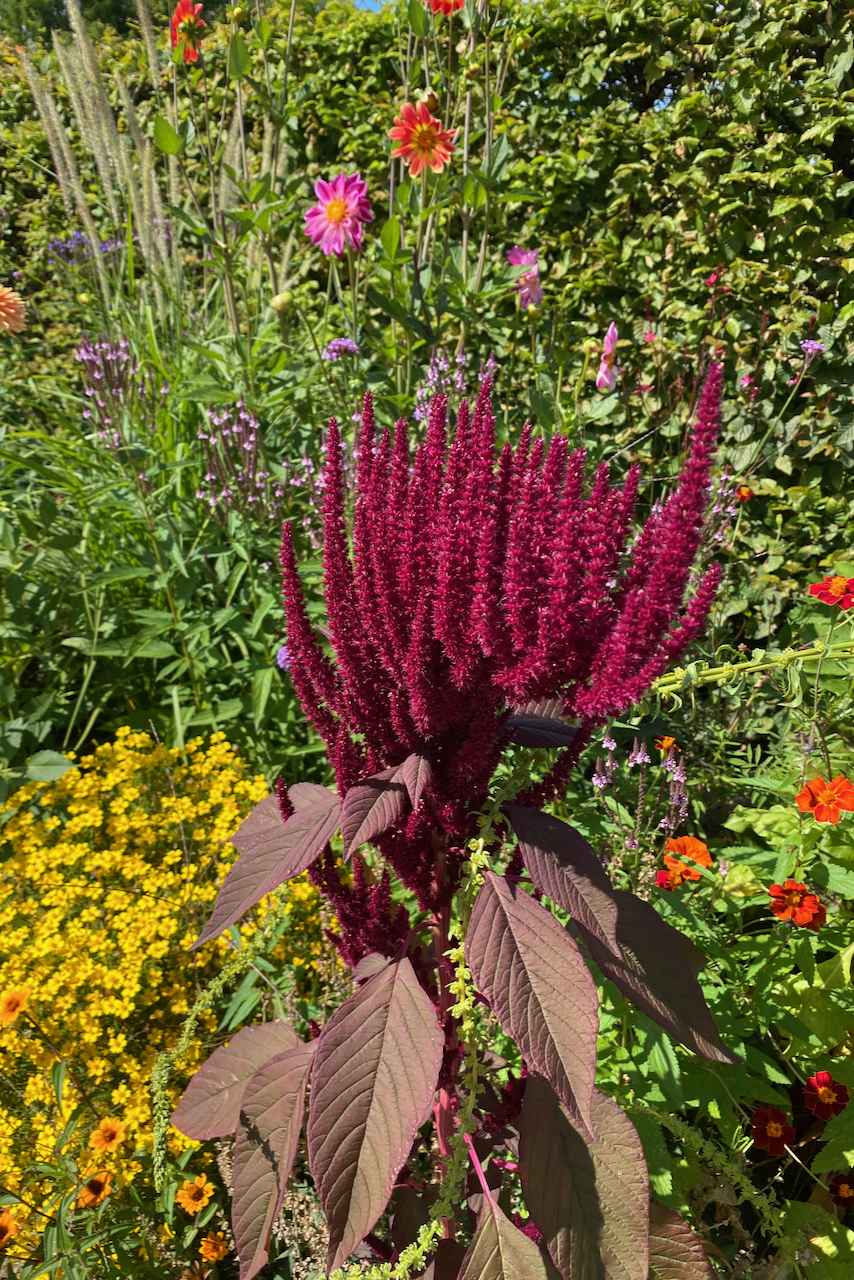
But that doesn’t mean we can’t enjoy the gorgeous statuesque figure and bright colors of the amaranth while we’re waiting for the seeds to form.
There are hundreds of varieties out there (one source says about eight hundred, but how could I possibly verify that) and even more if you count the separate cultivars.
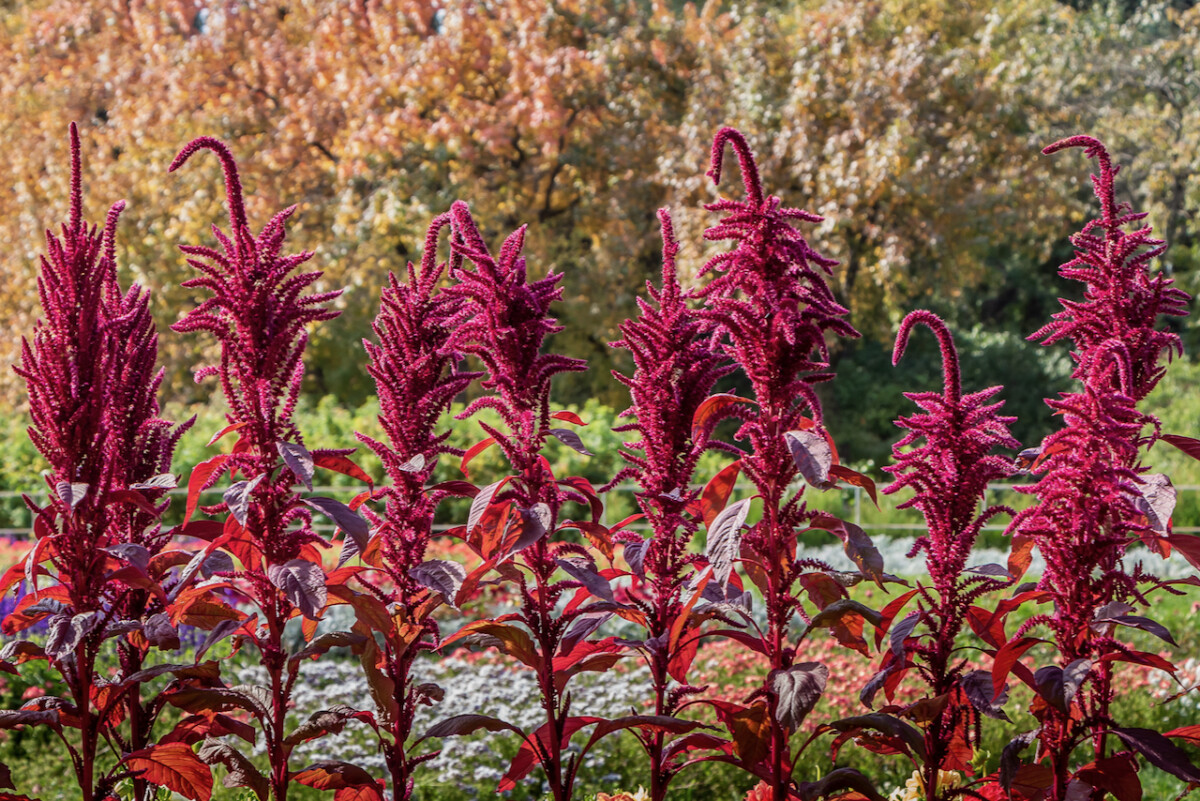
The amaranth leaves come in all shades of green, red, burgundy and crimson, including different variegation patterns.
And the flowers are even more spectacular. Red, pink, fuchsia, orange, yellow, green. Basically, all but two of the colors of the rainbow are represented in the Amaranthus genus.
As for the shape and texture of the flower heads, a few words come to mind that I don’t often use to describe flowers: tassels, plumes, fireworks. They all add vertical interest and color to flower borders and veggie beds alike.
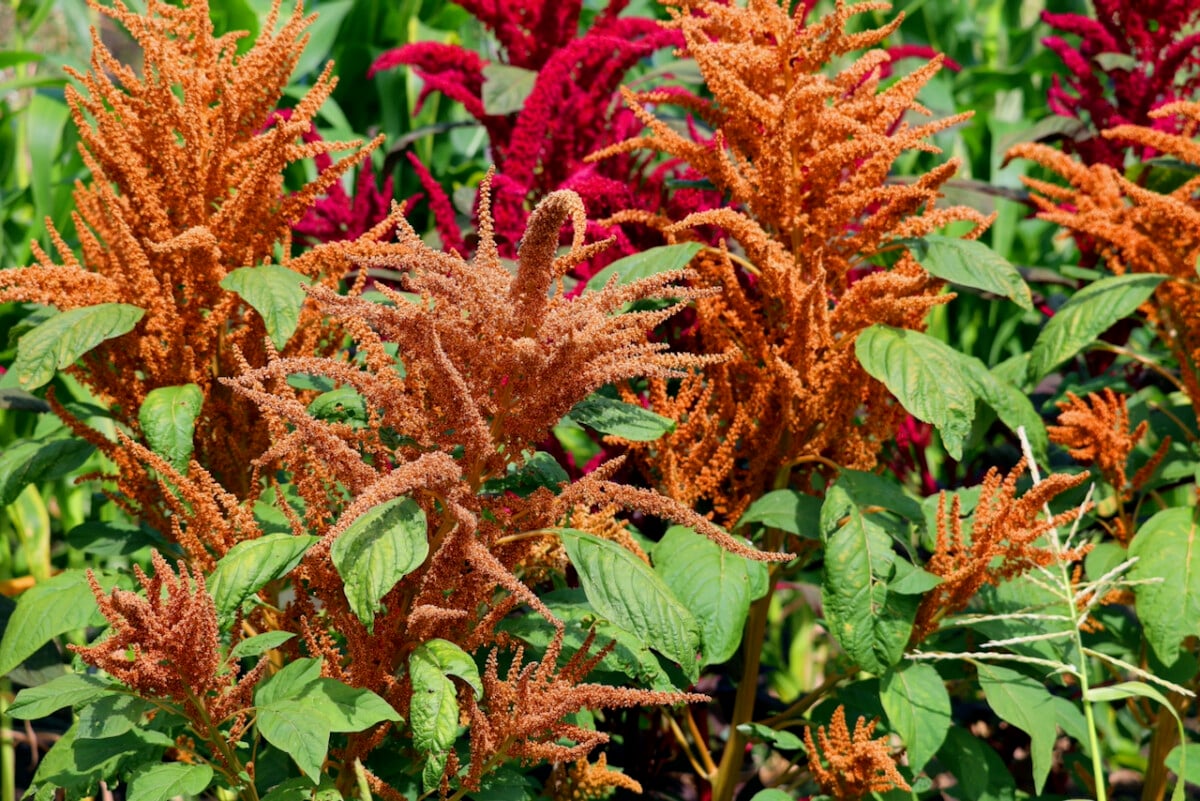
A few amaranth ideas to get you started.
There are so many different types of amaranth, so I’ll list a few to get our readers started down this rabbit hole:
Amaranthus hypochondriacus ‘Prince’s feather’
A. hypochondriacus ‘Hopi red dye’
A. hypochondriacus ‘Golden giant’
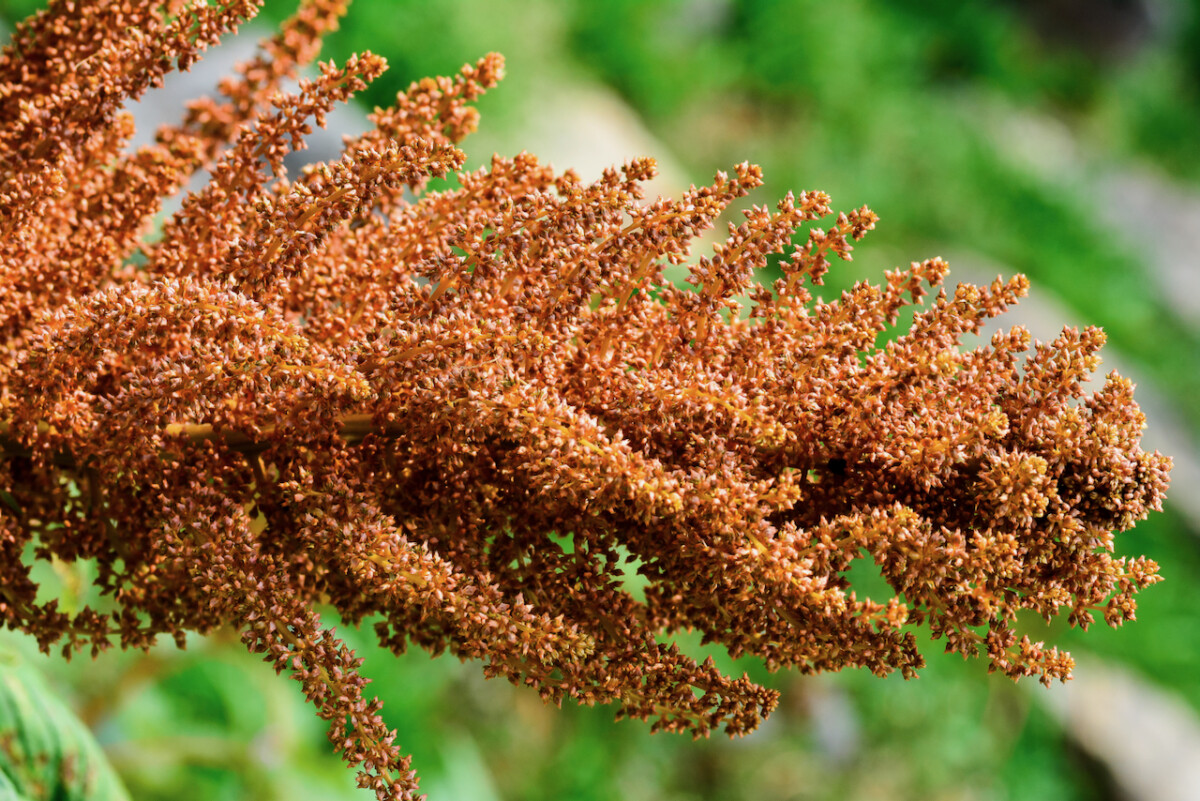
A. hypochondriacus ‘Pygmy torch’
A. hypochondriacus ‘Plainsman’
Amaranthus caudatus ‘Crimson Fountains Mixed’
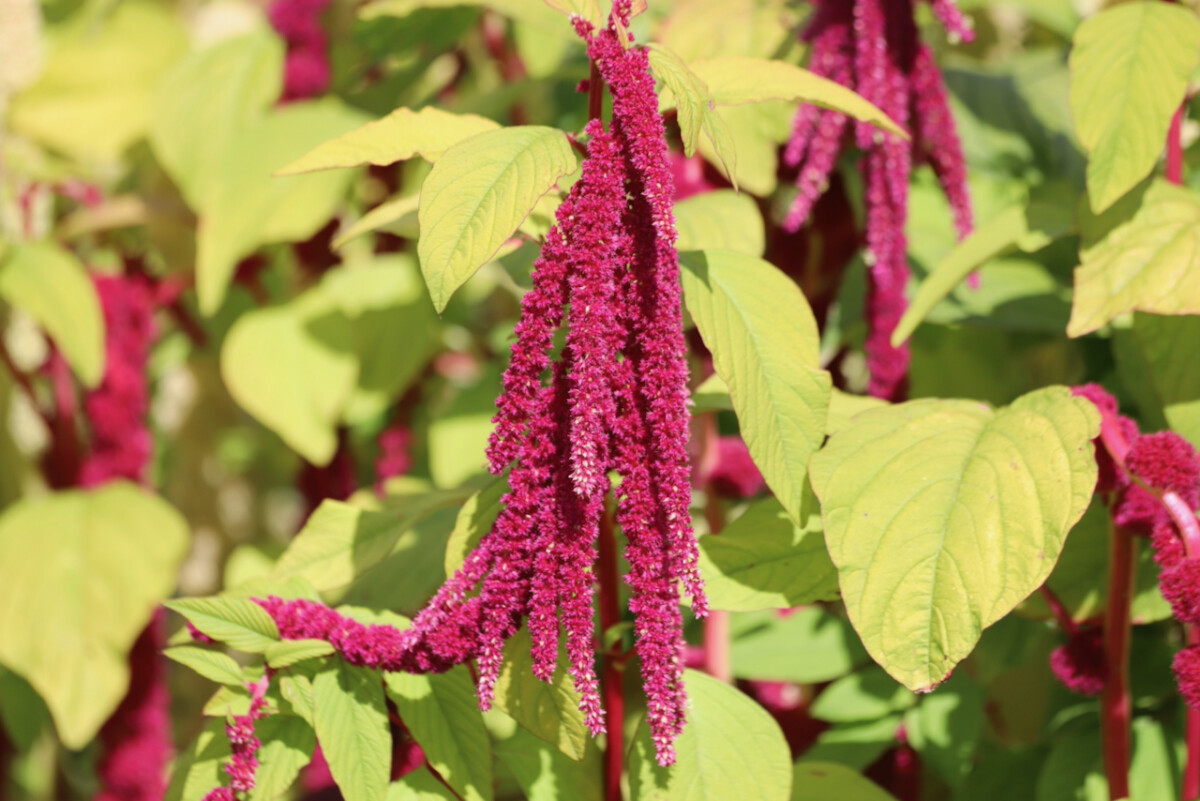
A. caudatus ‘Fat Spike’
A. cruentus ‘Red Cathedral’
A. cruentus ‘Copperhead’
A. cruentus ‘Hot biscuits’
A. caudatus ‘Dreadlocks’
Amaranthus ‘Calalloo’ – more commonly grown for its leaves, rather than its seeds.
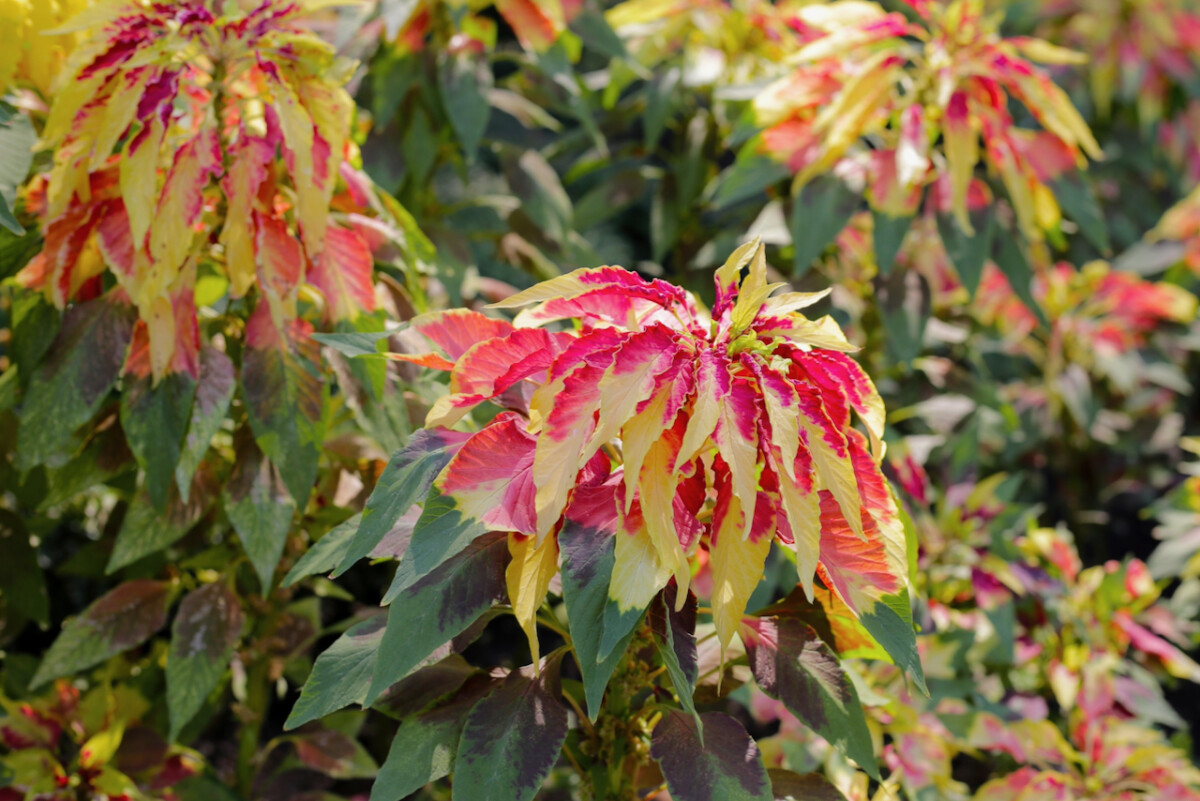
Amaranthus tricolor – this is the gorgeous Indian variety that’s also grown for the foliage.
5. Amaranth is easy to grow from seed.
Ordinarily, I’d start with the growing instructions first. But since amaranth is not such a popular plant (yet), I felt the need to make my case first on why we should grow it.
But now that I hope I’ve convinced you to give it a try, allow me to add one more reason to the list. Amaranthus is super easy to grow.
We can start it indoors or under cover in March and April or sow it directly in the garden in May, provided that the risk of frost has passed.
Basically, we’d start it and take care of it the same way we would tomatoes. In the beginning. Once it gets its taproot in the ground, amaranthus becomes much more easy-going than a tomato.
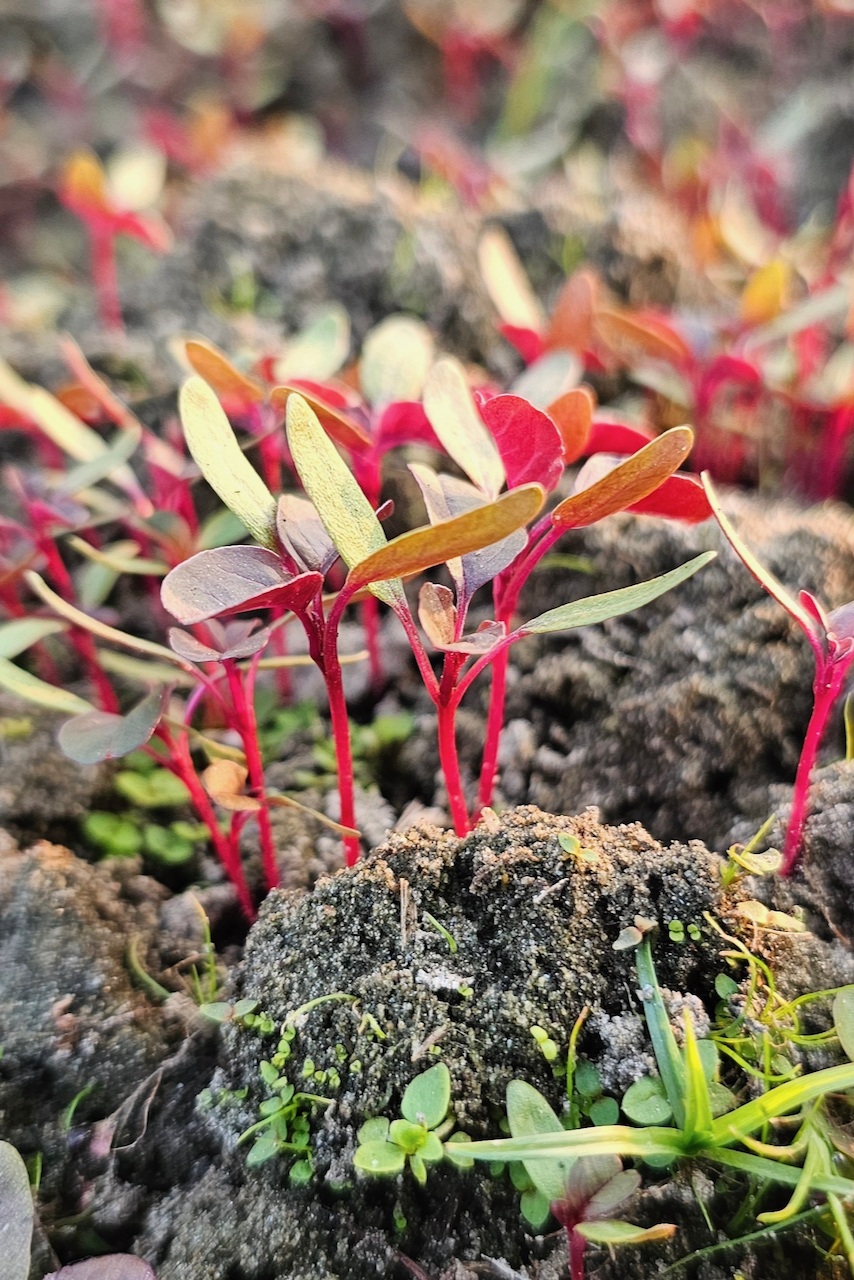
Amaranth will thrive in a sunny location and well-drained soil. It grows quickly and can handle heat very well. In spite of its height, it’s not bothered by wind. Again, this is where the taproot anchors it firmly in place.
I’ll stop here with my list of reasons to grow amaranth, but just know that I haven’t even touched all of them.
I didn’t talk about how it makes for a dramatic addition to bouquets and centerpieces. Or how it’s an excellent starter plant if you’re planting a dyer’s garden. Or how it’s a reliable bird feeder in the winter.
There are so many possibilities for growing and using this forgotten plant. And all due to the fact that, for hundreds of years, brave people risked everything to keep the seeds alive when it was beyond dangerous to do so.
If you’d like to discover even more edimentals, here’s a list of eighty plants I put together a couple of years ago.
Get Garden Notes From Tracey, Right to Your Inbox
Pull up a chair on the front porch. Join 54,000+ gardeners who get Tracey\'s friendly notes, seasonal to-dos, and hands-on tutorials three times a week.