
I must have been ten years old the first time I learned about bonus harvest. Except, of course, nobody called it that, and the lesson came in my life in the form of a jar of rose petal jam. It was made by my grand-aunt, and it was the fanciest thing I had ever eaten at that point. A true delicacy. I didn’t even know you could make any food out of roses, let alone such a delicious dessert.
Decades later, and in every garden I’ve ever started, I’m always on the lookout for bonus harvests. The things that we can pick from the garden, in addition to the main purpose of that plant we’re growing. The petals, the seeds and the leaves that add so much more flavor and appeal to a backyard without taking away from the main function of a plant.
I want to let you in on a few of these secrets, too, and you’ll start noticing how much more your garden has to offer.
A quick disclaimer
Before we dive into this list, I would like to add a quick disclaimer. Before you eat anything, you have to make sure that you know exactly what you’re consuming. And remember to consult a medical professional if you’re pregnant or breastfeeding.
Also, make sure you’ve identified the plant correctly and avoid eating ornamental plants that were commercially grown and may have been sprayed with pesticides and herbicides.
1. Rose flowers
Let’s start with my revelation: edible roses. Seriously, if you’ve never had rose petal jam, you don’t know what you’re missing out on. It’s incredibly flavorful, but not overpowering. If you want to cook with rose petals, the best roses are heirloom varieties, such as Rosa damascena (Damask rose) and Rosa centifolia (May rose or Provence rose).
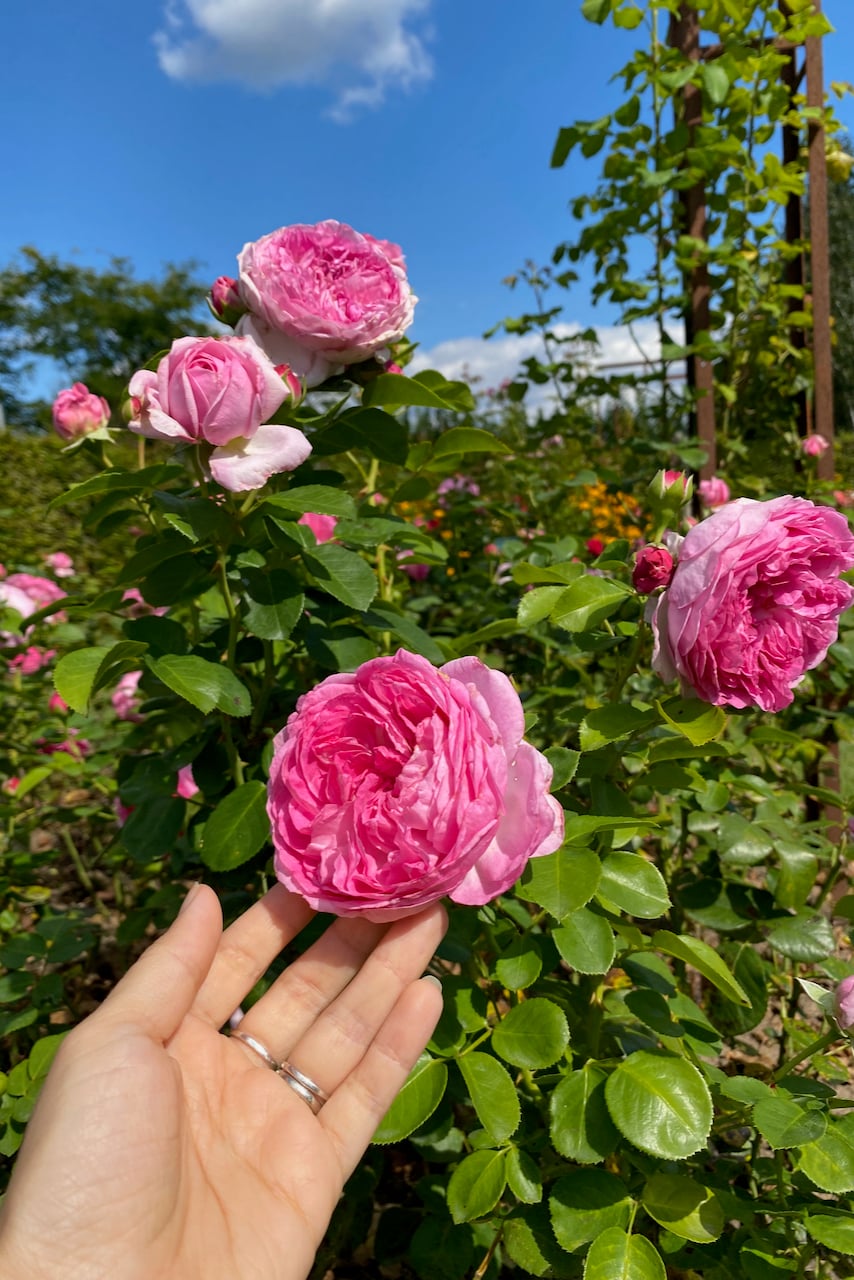
As a general rule, the more perfumed the hybrid, the more flavorful the petals. So newer cultivars that have been bred for other traits, such as disease resistance and height, may not be as delicious.
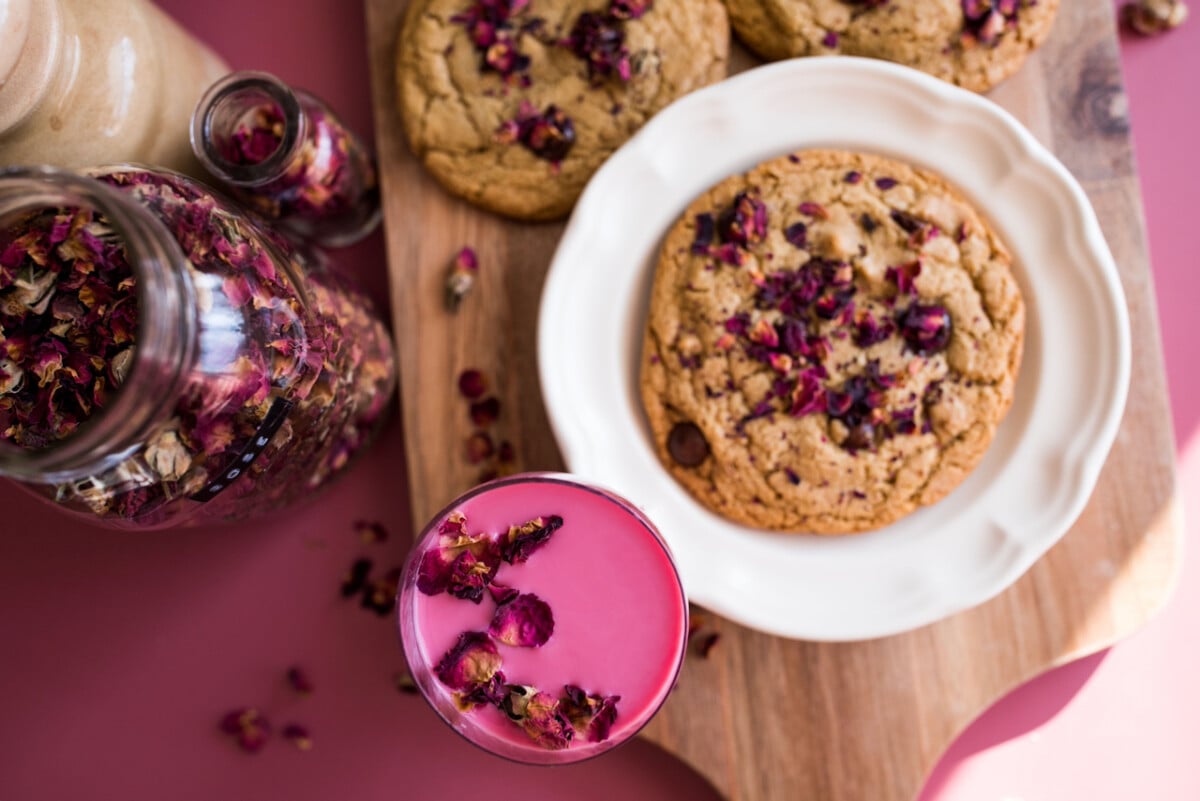
We can also use rose petals to make rose wine, candied petals and rose cinnamon cookies. For all of these recipes, we have to remove the petals from the stamens before we consume them.
Rose petals are not the only edible parts of this ornamental shrub. Most rose hips are edible (I wrote more about them in this article). Those of wilder varieties, such as Rosa rugosa and Rosa canina, are packed with Vitamin C and antioxidants.
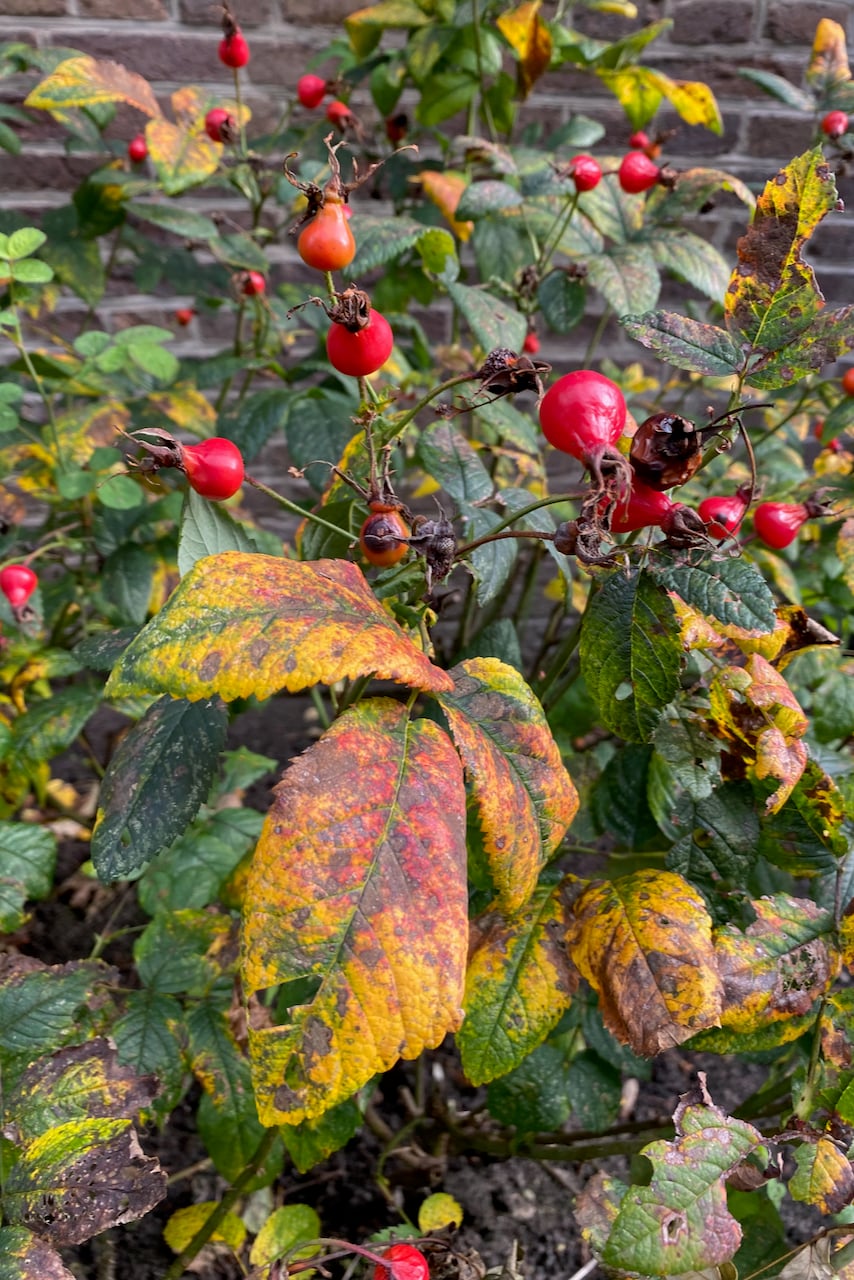
If you’re not growing roses, another option would be to go foraging for wild edible roses. Most states are home to several species of wild roses. As always, only consume a plant after you’re one hundred percent sure you’ve identified it correctly, ok?
2. Lilac flowers
Very few scents compare to that of the mesmerizing perfume of lilac flowers brightening up a late spring day. But what if we could take that fragrance and expose even more of our senses to it? We can, actually, because lilac flowers are edible, and they taste pretty much like the perfume. Though perhaps a bit more florally.
Pick them when they’ve just opened up, and you’ll get the strongest, most layered flavor.
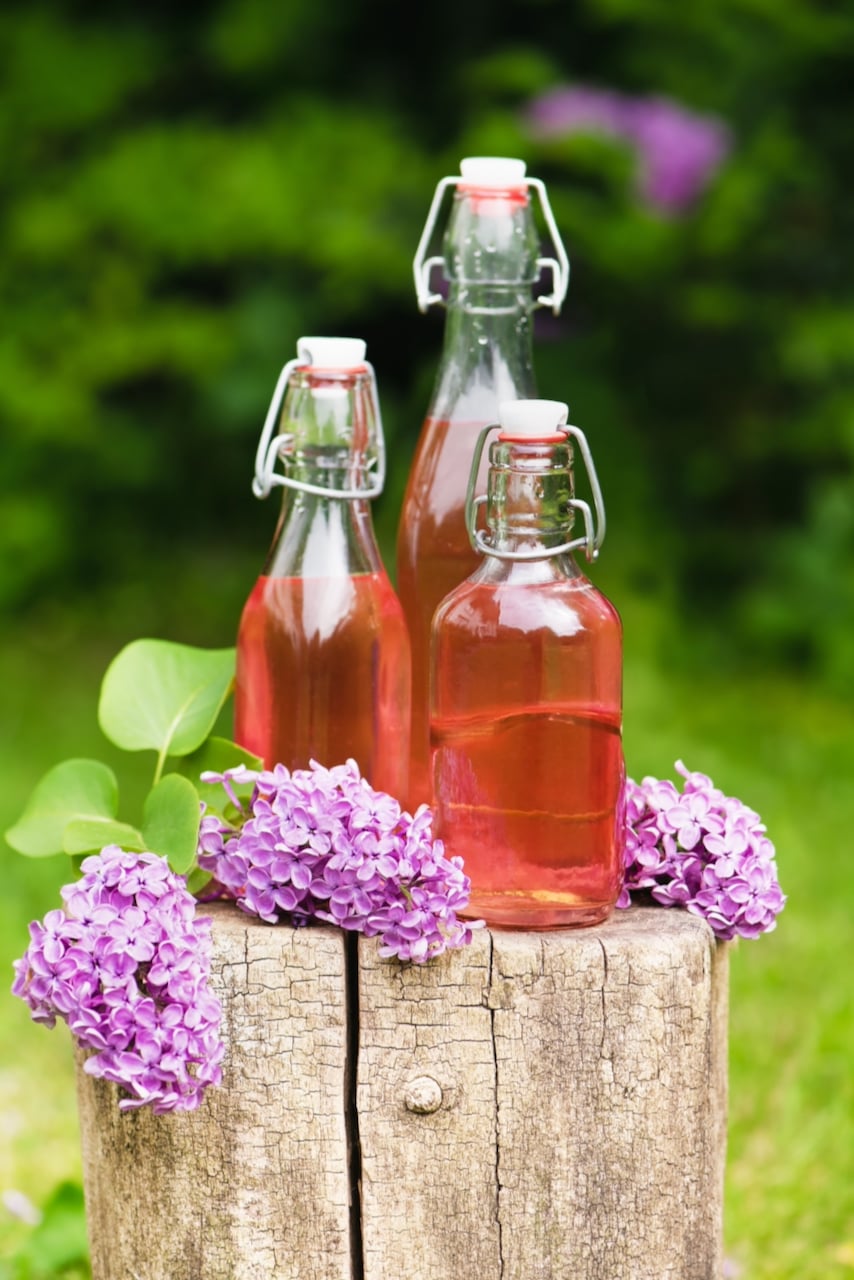
We can sprinkle lilac flowers on salads or cakes. We can use them to make jams and jellies. Or we can turn them into cordial, just like we would elderflowers. Here’s a recipe for lilac cordial to bookmark for lilac season. And how about some pretty bottles to store it in?
And if you’re curious about more lilac trivia, have a look at this post I wrote.
3. Peony flowers
Before Big Fondant took over, sugar-glazed flower petals were the more popular choice for decorating cakes. And larger petals, like the ones of peonies, look very elegant on a frosting background. We can also sprinkle them on salads – you’ll read this a lot in this article, I love my salads – or use them to make a delicious floral jelly.
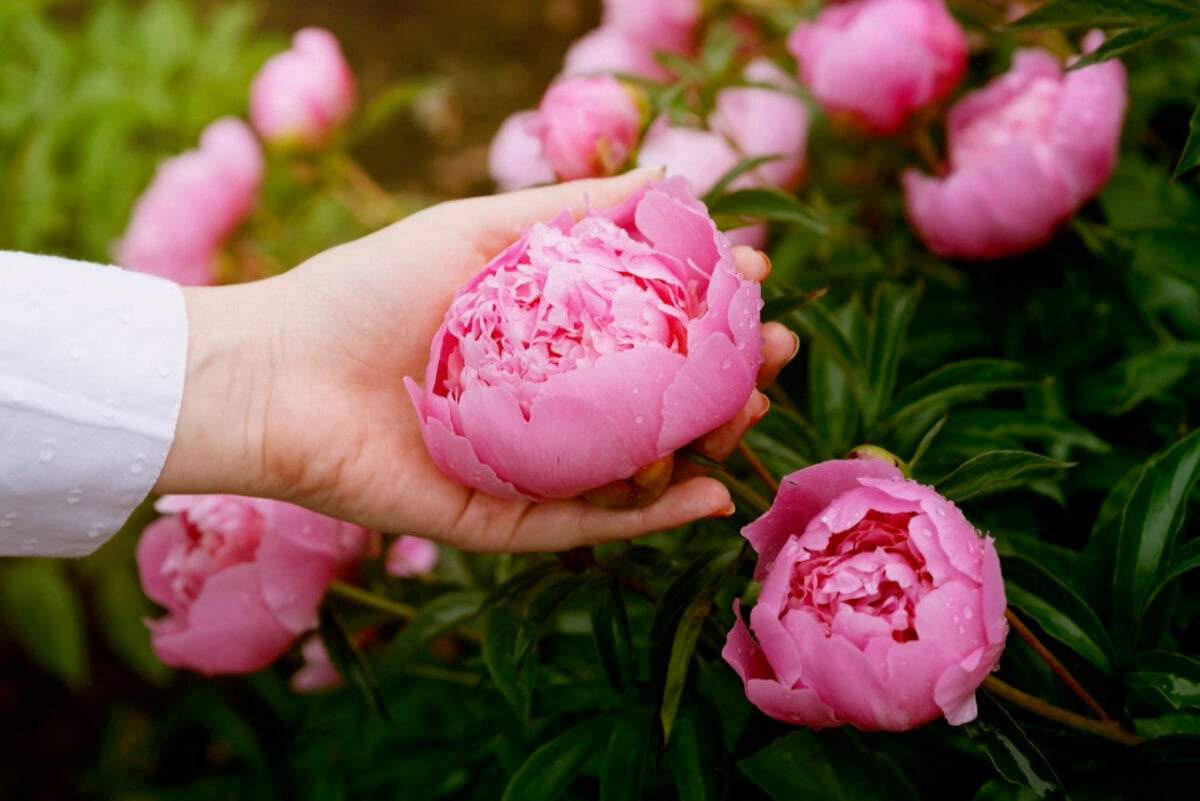
Please only use peonies that you’ve grown yourself, and you know for sure haven’t been sprayed with pesticides or preservatives. Avoid using store-bought bouquet peonies.
Have a look at this article I wrote for a few tips on how to make sure your peonies get off to a great start this spring.
4. Forsythia flowers
You mean to tell me those little drops of sunshine that brighten up my days after a long gray winter are edible?
Yes, they are. They taste a bit like vanilla with a subtle hint of cantaloupe.
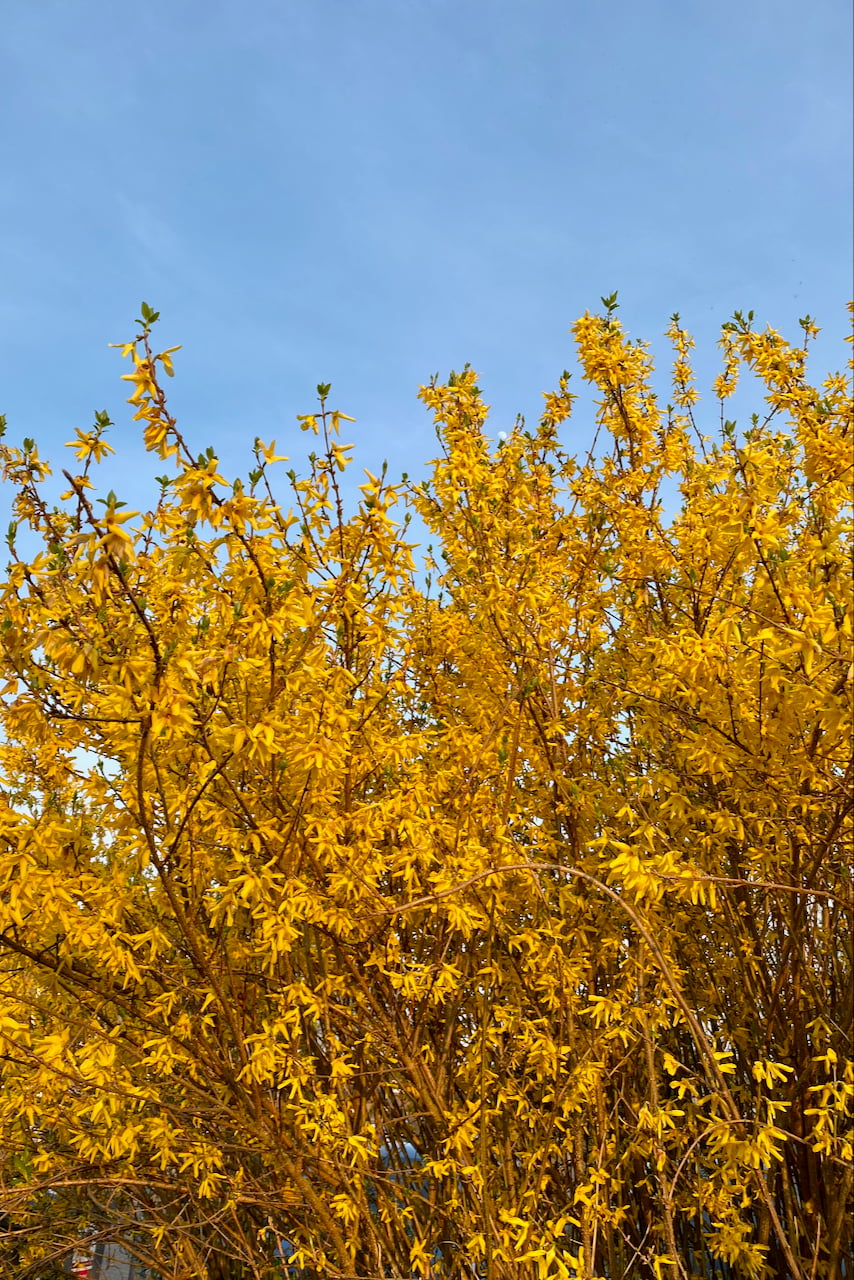
We can use forsythia to make syrup, incorporate them in cookie dough or sprinkle them on cakes. They’re also delicious infused in hot brews and iced tea. The trick is to use just the forsythia petals (just the yellow part) and separate them from the sepals (the green part at the bottom) before we consume them.
5. Grape leaves
I’ll interrupt my string of petal-eating advice to introduce another delicious bonus harvest: the humble grapevine leaf. Now, if you come from a culture where they’re part of the traditional cuisine, I’m sure you already know this. Grapevine leaves have been used in cooking for centuries.
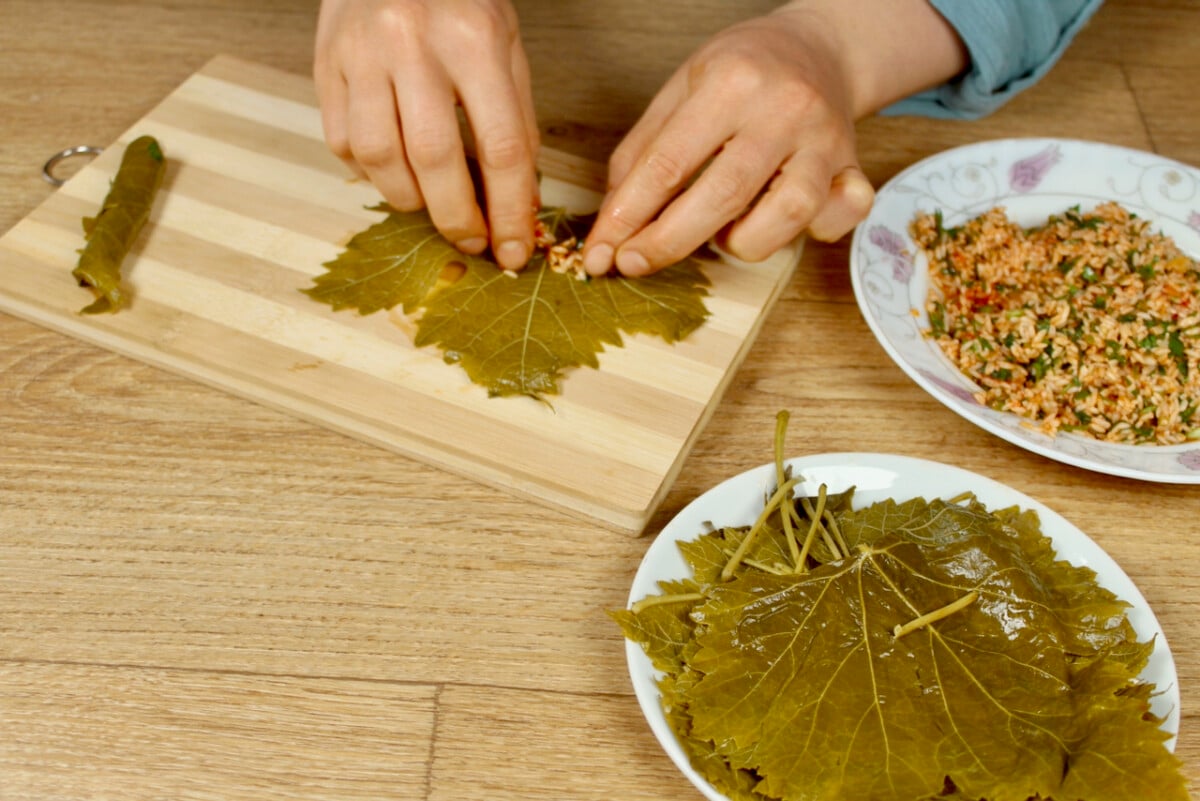
You can roll a filling of herby rice and chopped veggies in grape leaves to make dolmas. Here’s a delicious Lebanese version of stuffed grape leaves that will make your mouth water.
And if you’re not growing grapevines yet, here’s an easy way to start them from bare roots.
6. Radish pods
Tasty radish pods were an accidental crop in my garden when the seeds I had planted failed to develop the root vegetable part that I was after. I thought all was lost when the stems shot up and flowered.
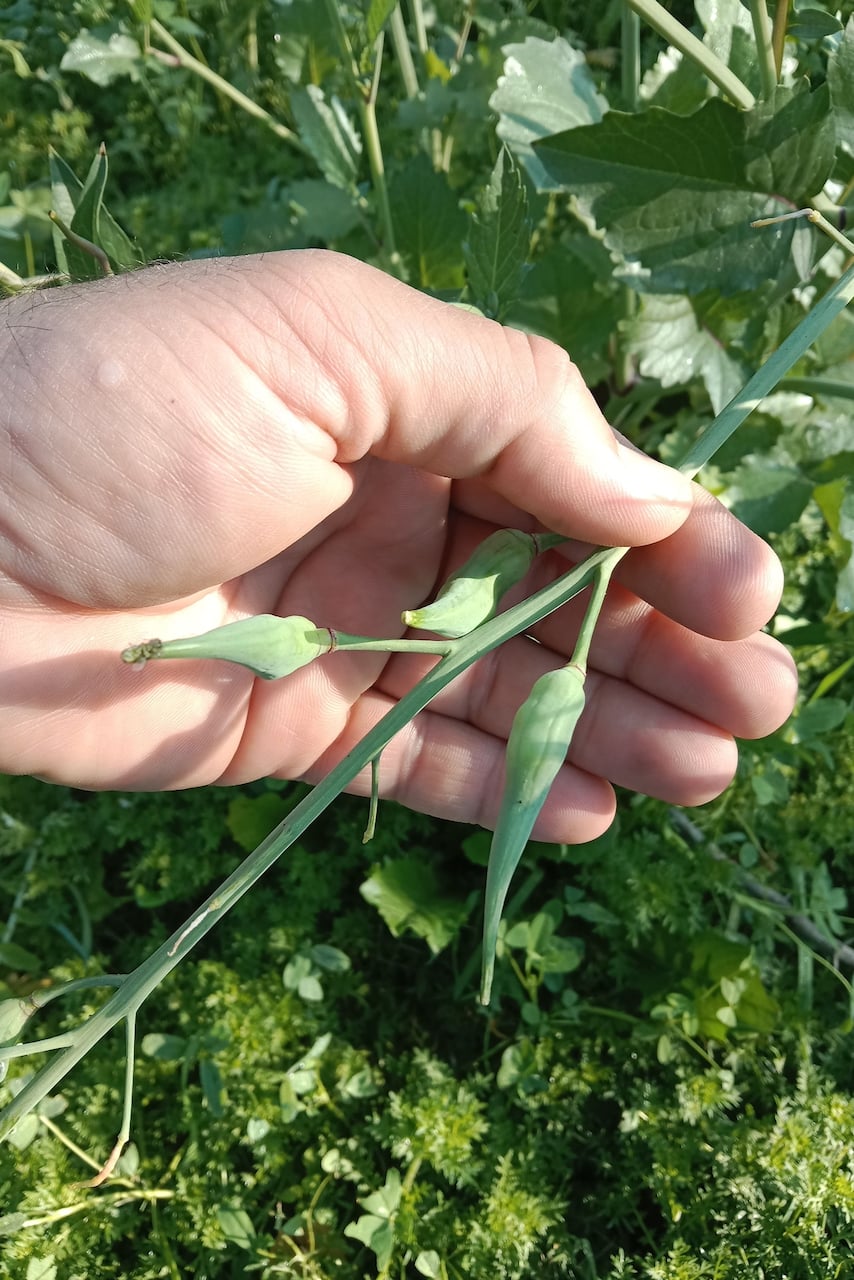
Only once the flowers swelled up into seed pods did it occur to me to ask whether I could eat the radish pods.
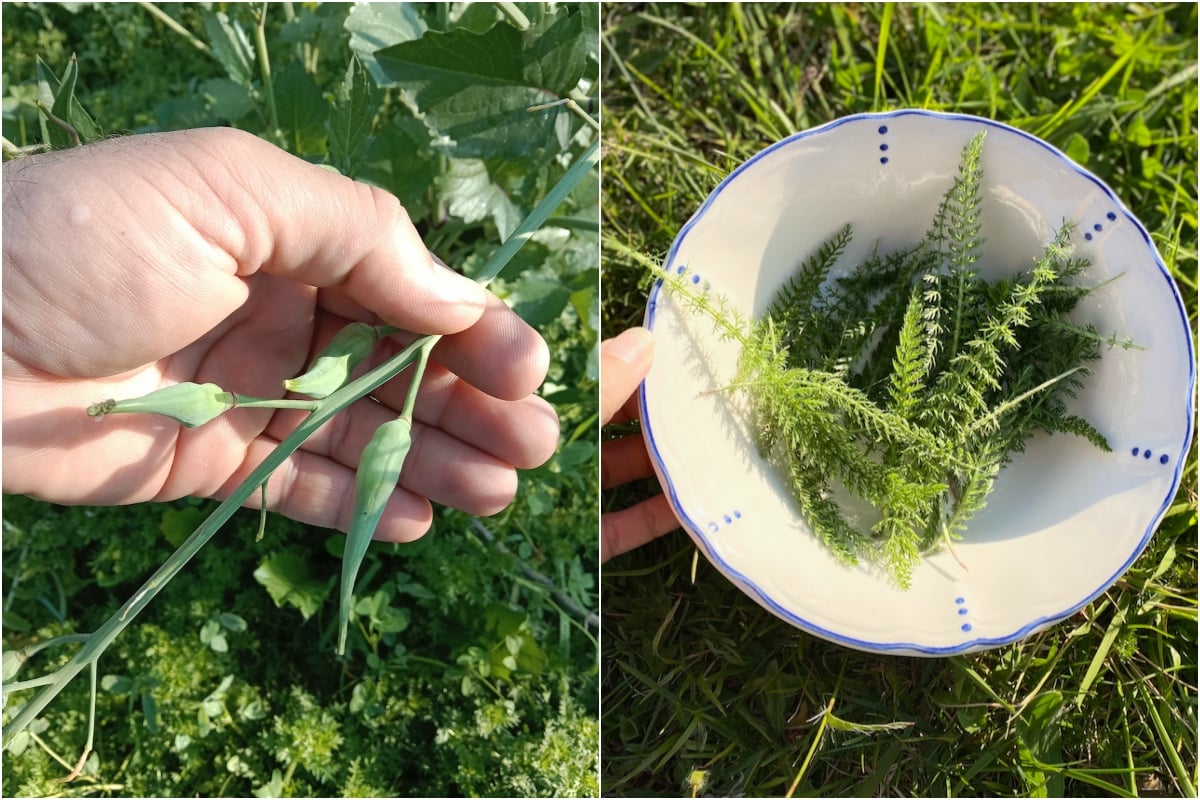
Yes, I could. They taste delicious – very similar to the radishes themselves, but less watery and more green. You can eat them raw, cook them in a stew or use them as a substitute for green beans in a stir fry.
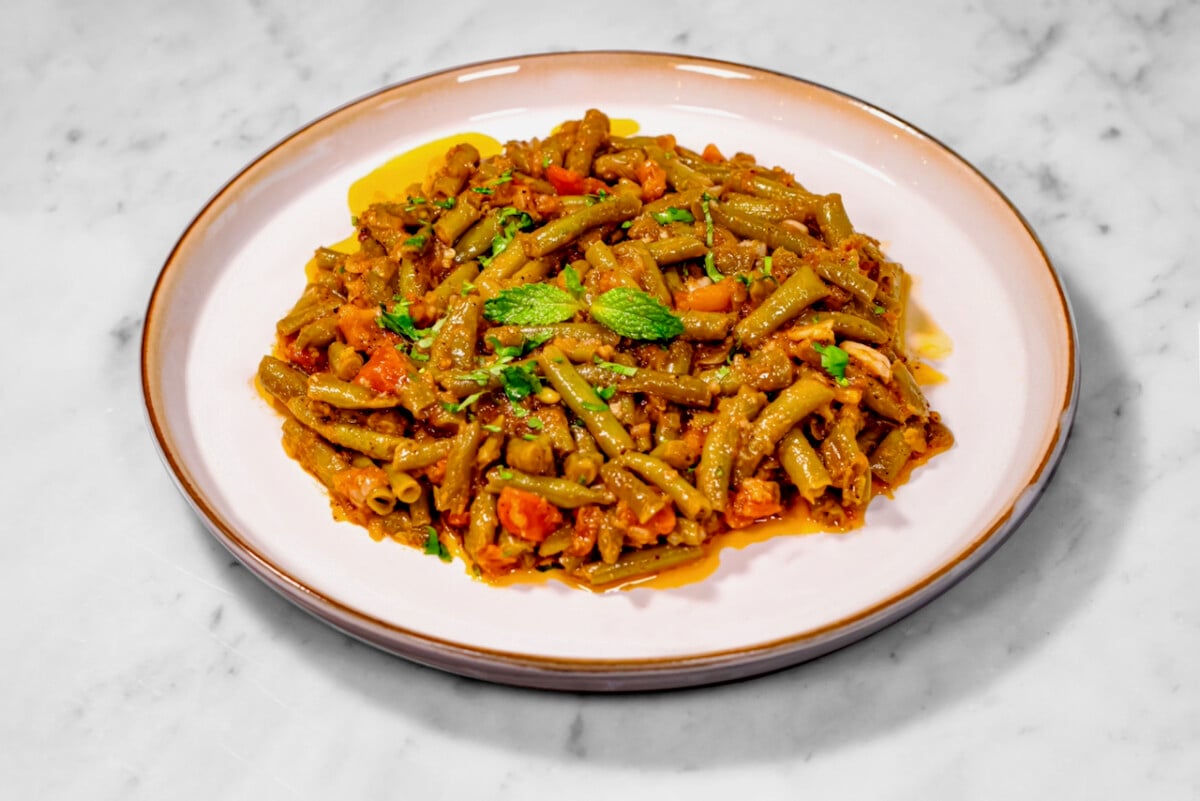
Here are some more great ideas on what to do with radish seed pods.
7. Fig leaves
Figs are one of my favorite fruits to savor, but having to wait until late fall for the harvest leaves me a bit impatient.
Enter: fig leaves. Did you know that you can eat them?
I first had them when I ordered dolmades at a restaurant, and they came wrapped in fig leaves instead of grape leaves. It was a revelation!
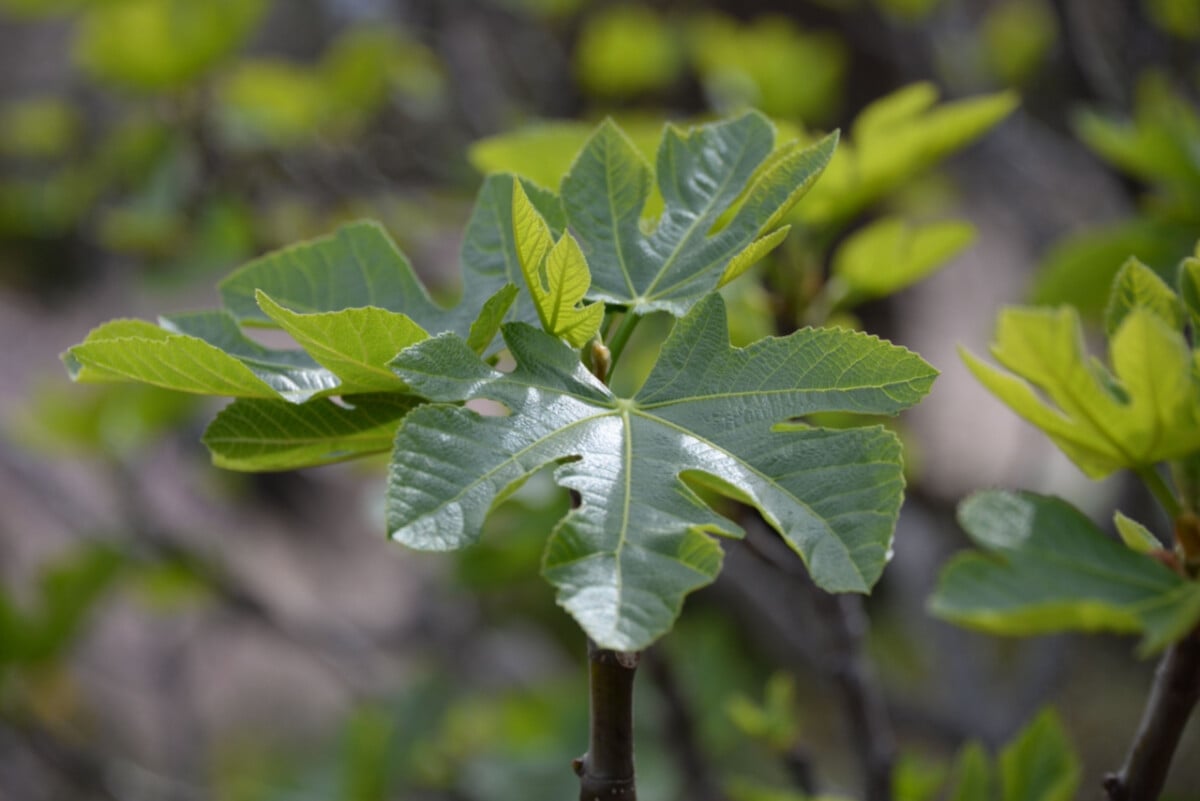
Pick the fig leaves while they’re still young and tender and use them to make syrup. You can also steep them and make ice cream with the resulting infusion. Fig leaves have a coconutty flavor that goes excellently with sweet dishes. We don’t eat the leaf fibers per se, but we just extract their flavor.
8. Dahlia petals
Back to harvesting flowers for another delicious treat: dahlia petals. Just like with the other flowers on this list, we have to separate the petals from the sepals; just keep the petals to use in dishes.
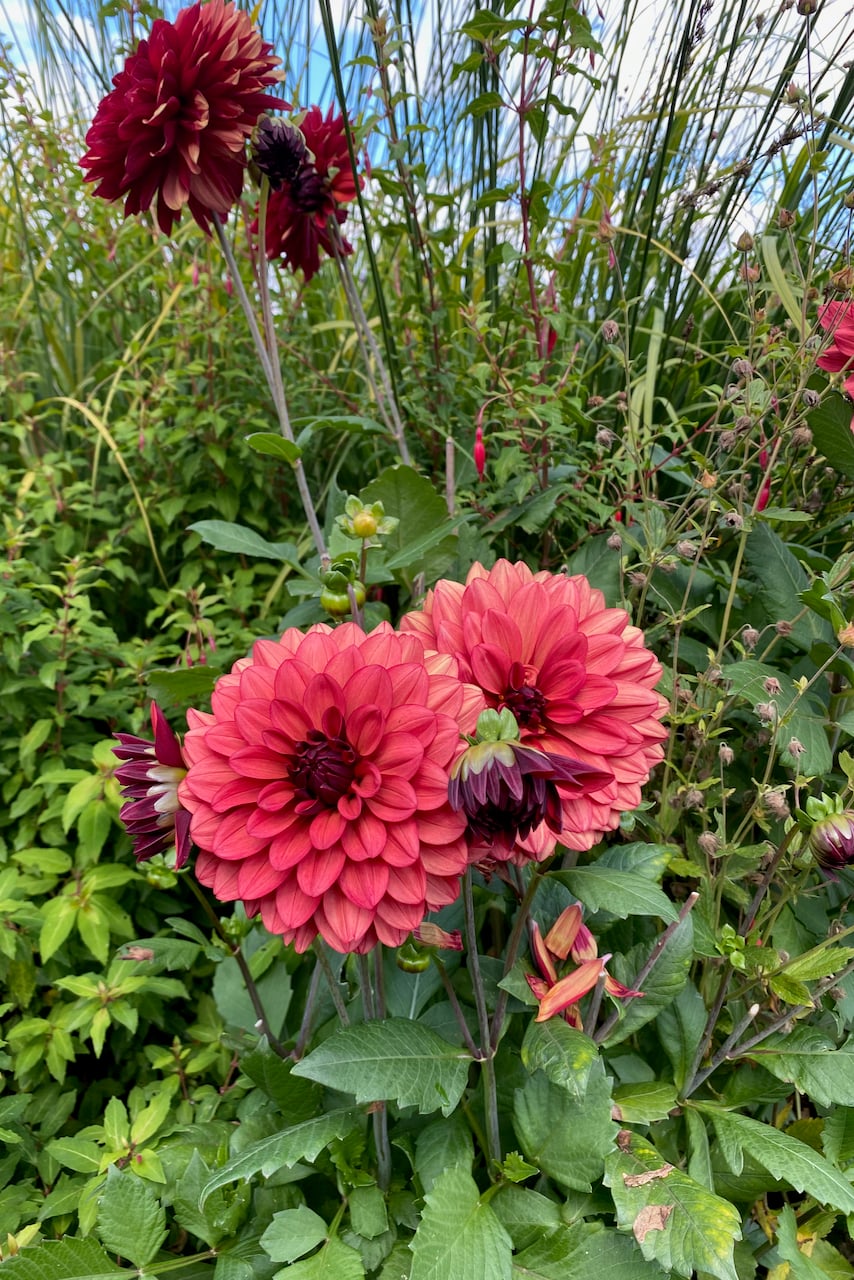
We can use dahlia petals to sprinkle on salads or cakes, infuse them in vinegar or make hot and cold beverages.
Here’s what you need to do this spring to get enough dahlias to harvest from for the rest of the growing season.
9. Raspberry leaves
Everybody knows that raspberries are edible, but did you know that the leaves are also edible? I pick raspberry leaves early in the summer, when they’re still young and tender. I then dry them on a cheesecloth or a tray in the sun. Then I crumble them and put them in a large jar to use throughout the year.
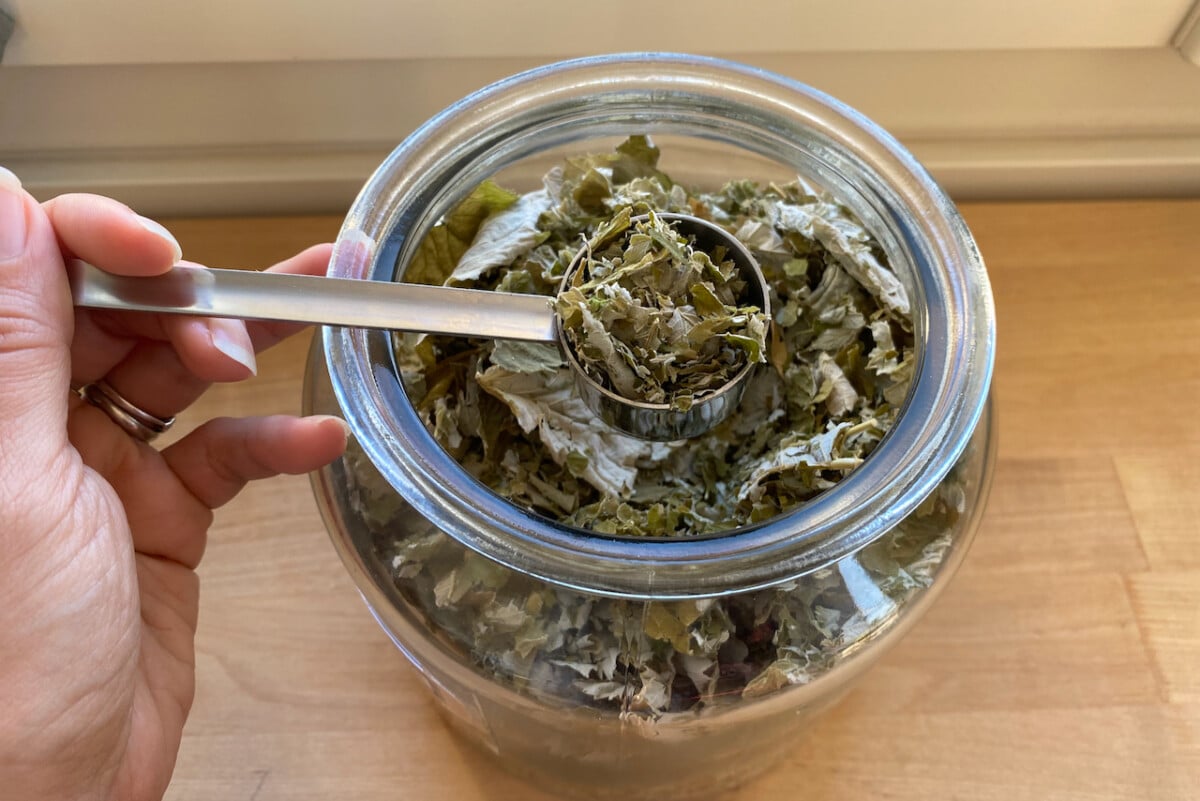
Raspberry leaves make an excellent hot brew in the winter, and a nice reminder that raspberry season will come again. They taste a bit tart (hello, Vitamin C and antioxidants), but they still retain a berry aftertaste.
10. Hosta shoots
Hosta is a very popular plant with our readers. And it’s well-deserved, too, since it’s such a fast-growing ornamental that does so well in the shade.
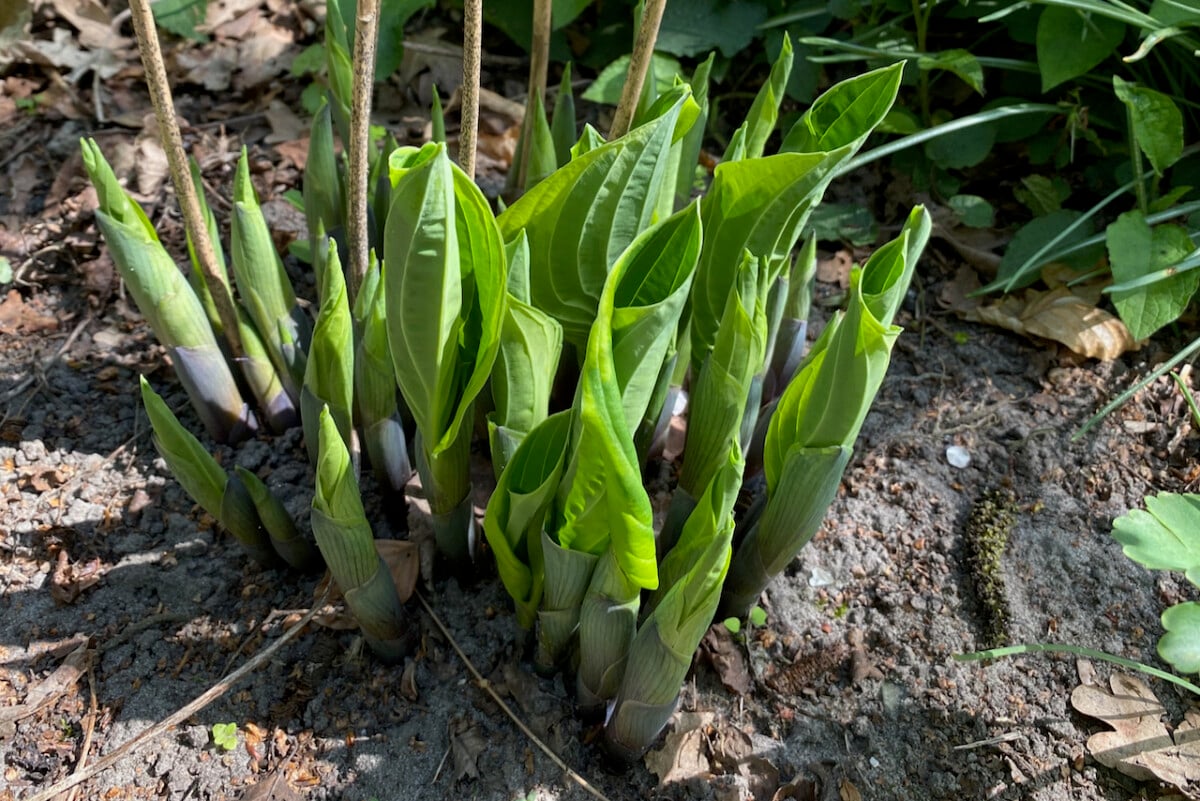
The shoots of the hosta are edible if you harvest them before they unfurl into foliage. My colleague, Tracey, shows us how to cook with hosta shoots in this article.
11. Mallow
Mallow, to me, is a miracle plant. It comes back reliably every year, and pollinators love it. But it’s also entirely edible: roots, stems, leaves, flowers and seed pods.
In fact, processing the mucilaginous roots of the marsh mallow (Althaea officinalis) was the original way they used to make marshmallows (initially used as a sore throat medicine).
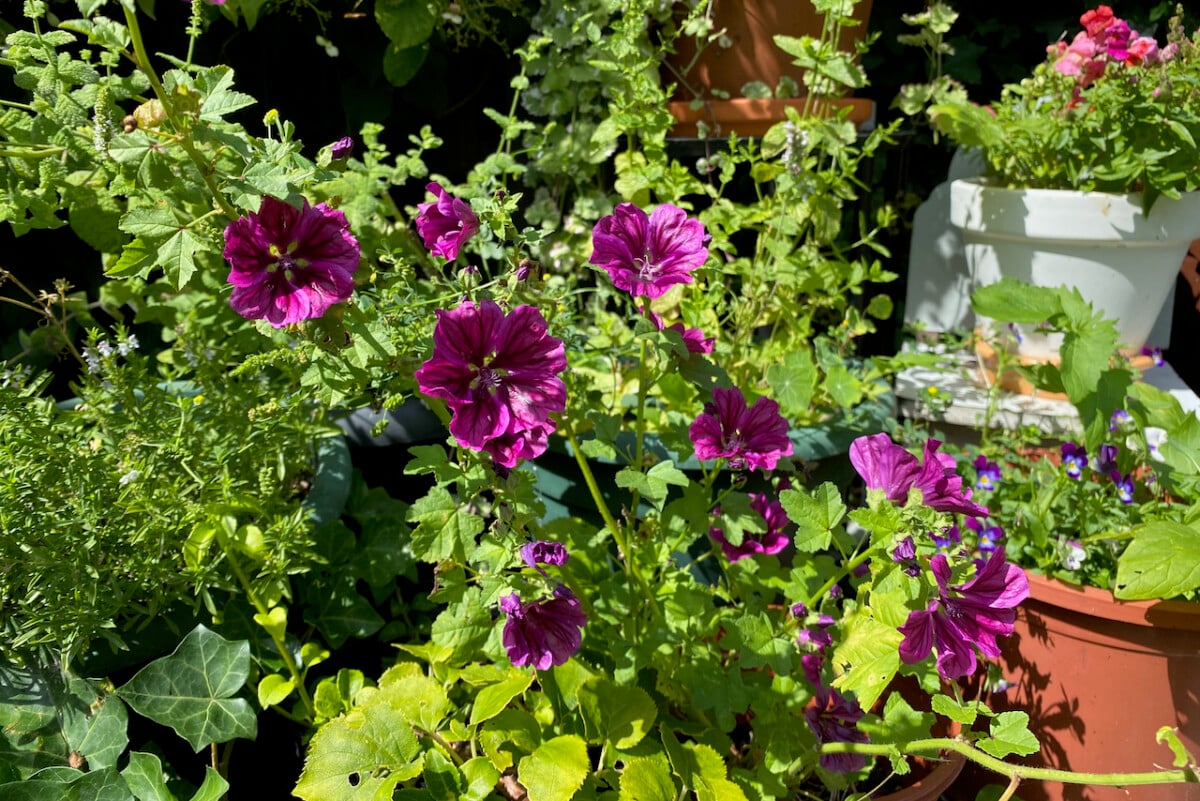
While I’ve never eaten the roots or the stems, I can attest to the fact that the flowers pack a flavorful spicy punch, and the seed pods can be pickled as capers. We can also stir-fry the young leaves and the capers, since they absorb the flavor of everything else they’re cooked with.
12. Muscari flowers
You may know muscari as grape hyacinths. True hyacinths (in the Hyacinthus genus) are not edible. Muscari (in the Muscari genus) belong to the asparagus (Asparagaceae) family and have been eaten in Mediterranean cuisine for a long time.
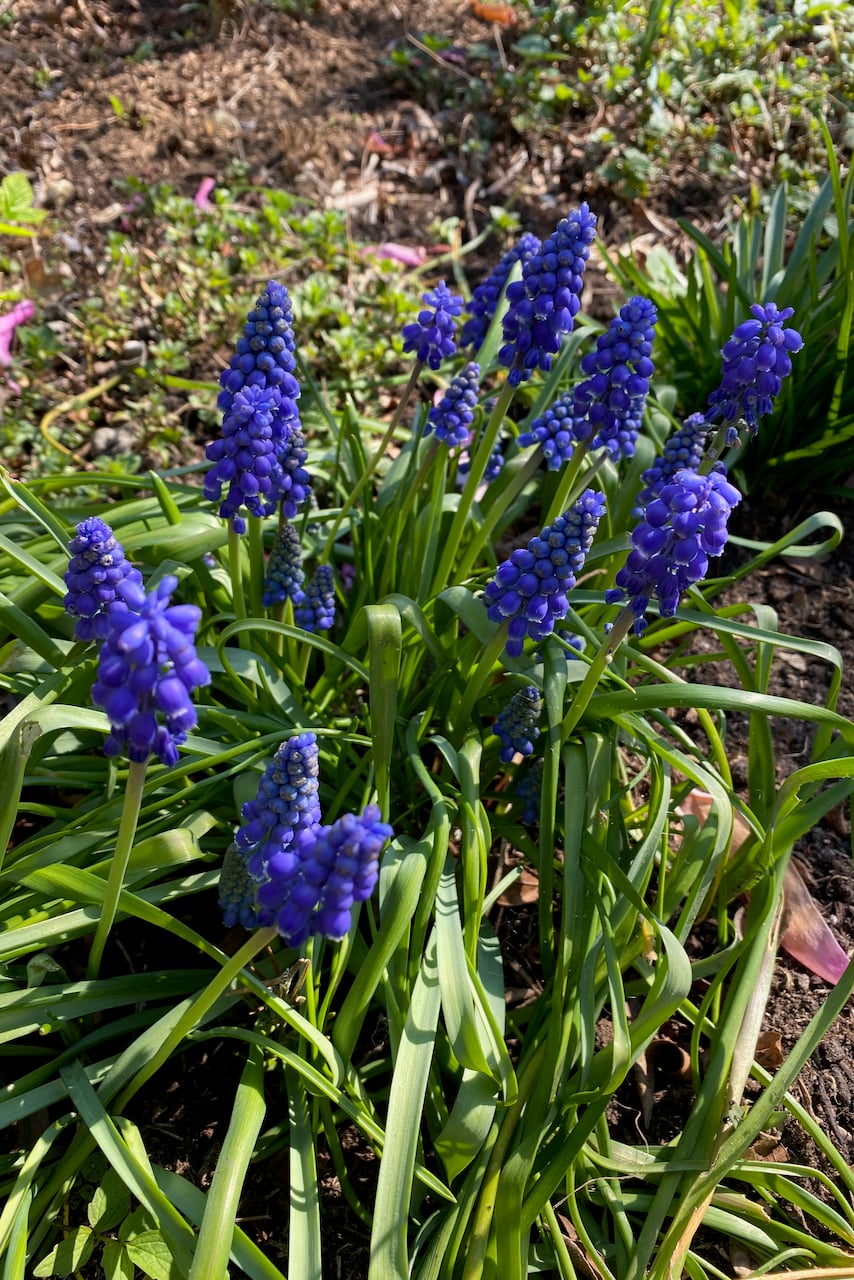
The first time I saw muscari used in cooking was when my Italian friend made a delicious focaccia and garnished it with rosemary, ramson and blanched grape hyacinths.
Other things we can do with muscari petals include: jellies, hot or cold brews and syrups. We can also toss them in a salad, decorate cookies and cake or use them as an electric blue garnish. Muscari flavor is similar to that of grapes, perhaps with a bit more tartness to it.
13. Oregon grape (Mahonia) berries
I would strongly advise you to stay away from any shrub berries, unless you can clearly identify what they are and double-check their toxicity levels. Luckily, mahonia (also known as Oregon grape) is not hard to tell apart from other evergreen shrubs due to its spikey leaves and the clusters of yellow flowers it produces from November to March.
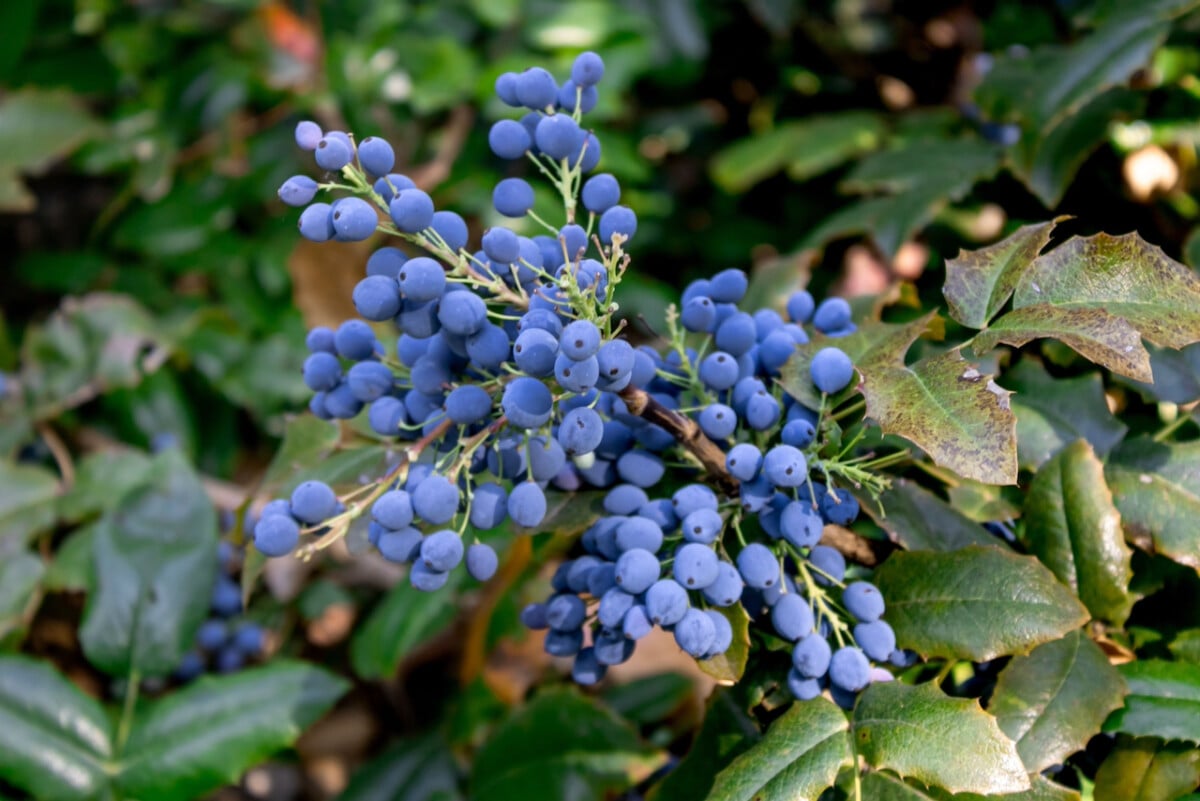
These flowers quickly turn into berries. They’re green at first, so let them ripen into dark purple berries before you harvest them. They’re very sour and impossible to eat raw, but we can use the berries to make jam or add them to fruit leather.
14. Magnolia petals
I’ll keep this one short because I just published an article showing our readers seven ways we can use magnolia flowers in the kitchen – from pickling to flavoring cookies to infusing vinegar.
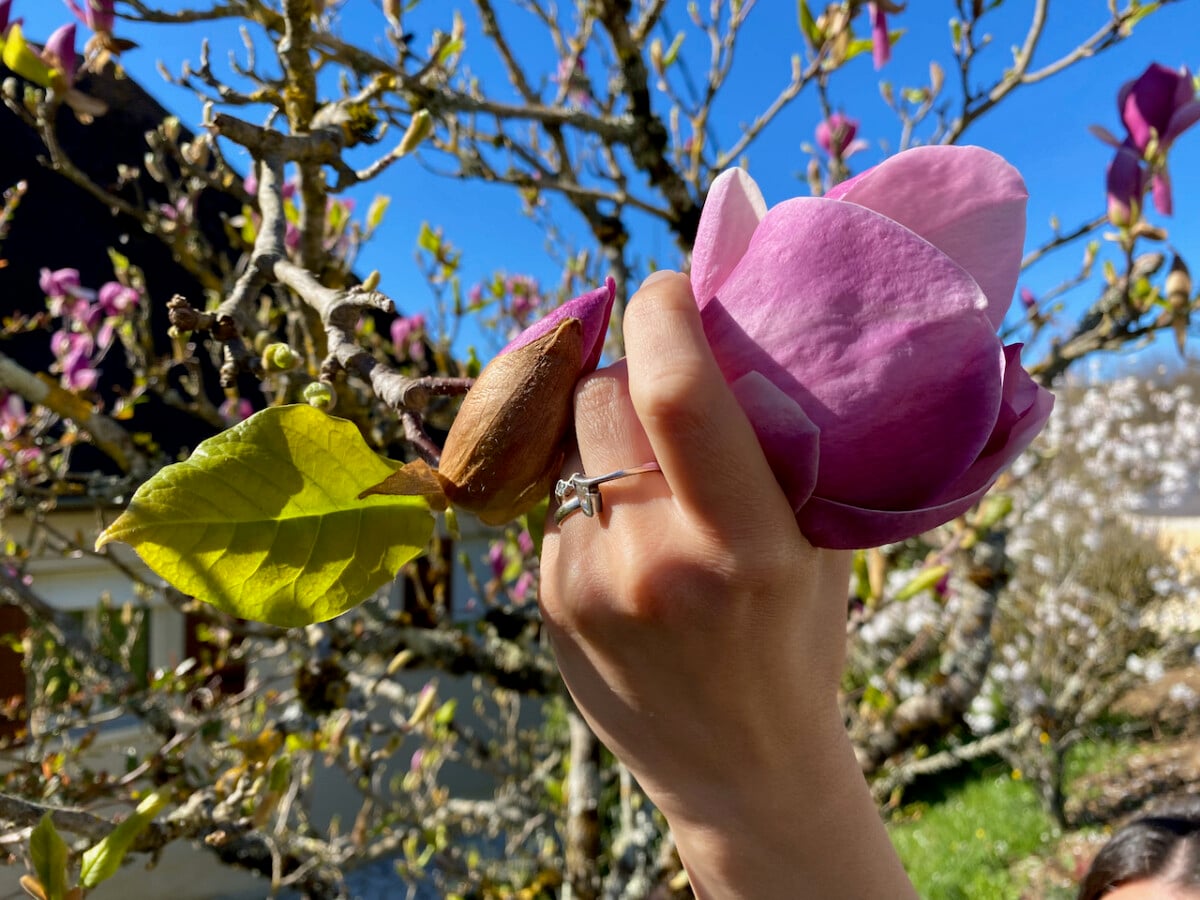
Remove the core of the flower and just keep the petals. You can even dry the petals in the sun and use them all year long, since magnolia season is so short.
15. Saffron crocus
I thought it was common knowledge that saffron (the spice) came from saffron crocus (the bulb). Yet people are still surprised at the connection every time I post on Instagram about harvesting saffron.
Every flower of this fall-blooming bulb (Crocus sativus) produces three stigmas – the little red thread in the center of the flower.
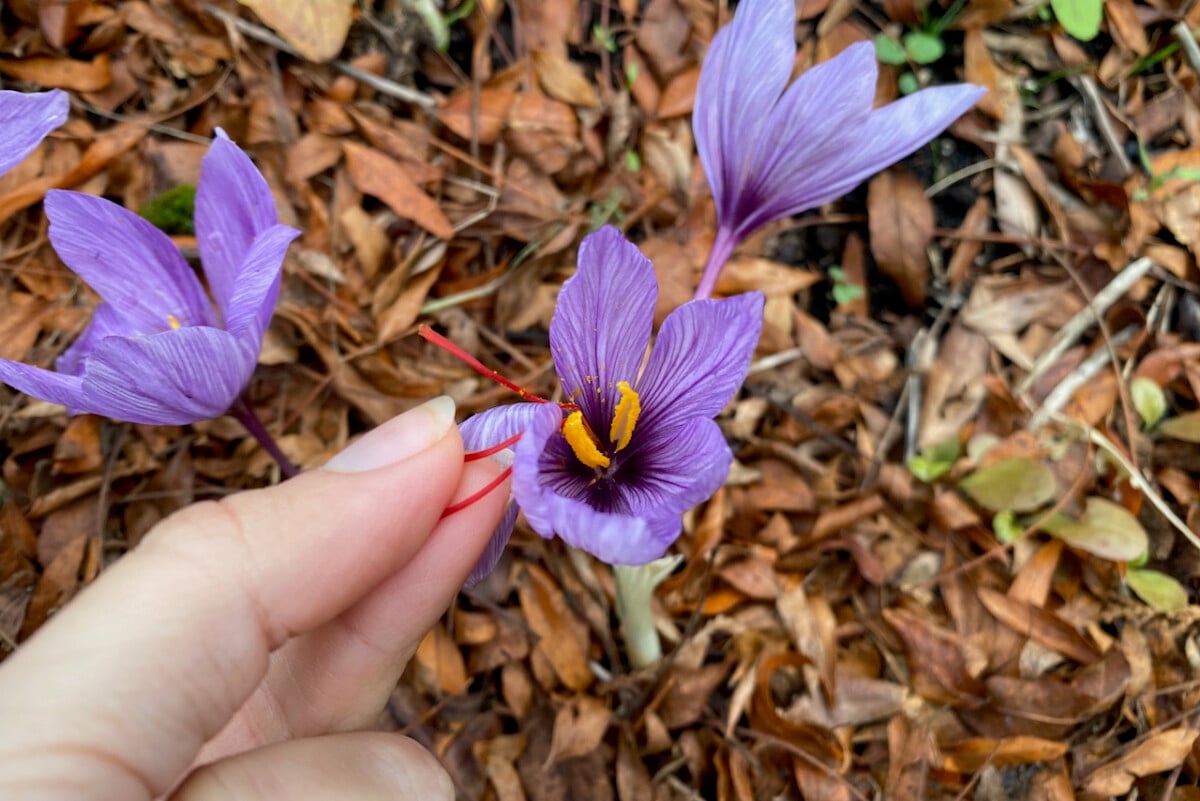
This is what saffron (the spice) is. The window to harvest them is only one week, but if you manage to catch them at their freshest, they’re an excellent addition to both sweet and savory dishes.
A few years ago, I wrote an article on everything you need to know before you plant saffron. It’s still one of my most popular articles so far.
16. Valerian flowers and leaves
Go into any health food store, and I guarantee you’ll find a supplement that contains valerian root. The root of this biennial (Valeriana officinalis) has calming properties. It helps with sleeplessness and general anxiety. But did you know that we can eat every part of this plant?
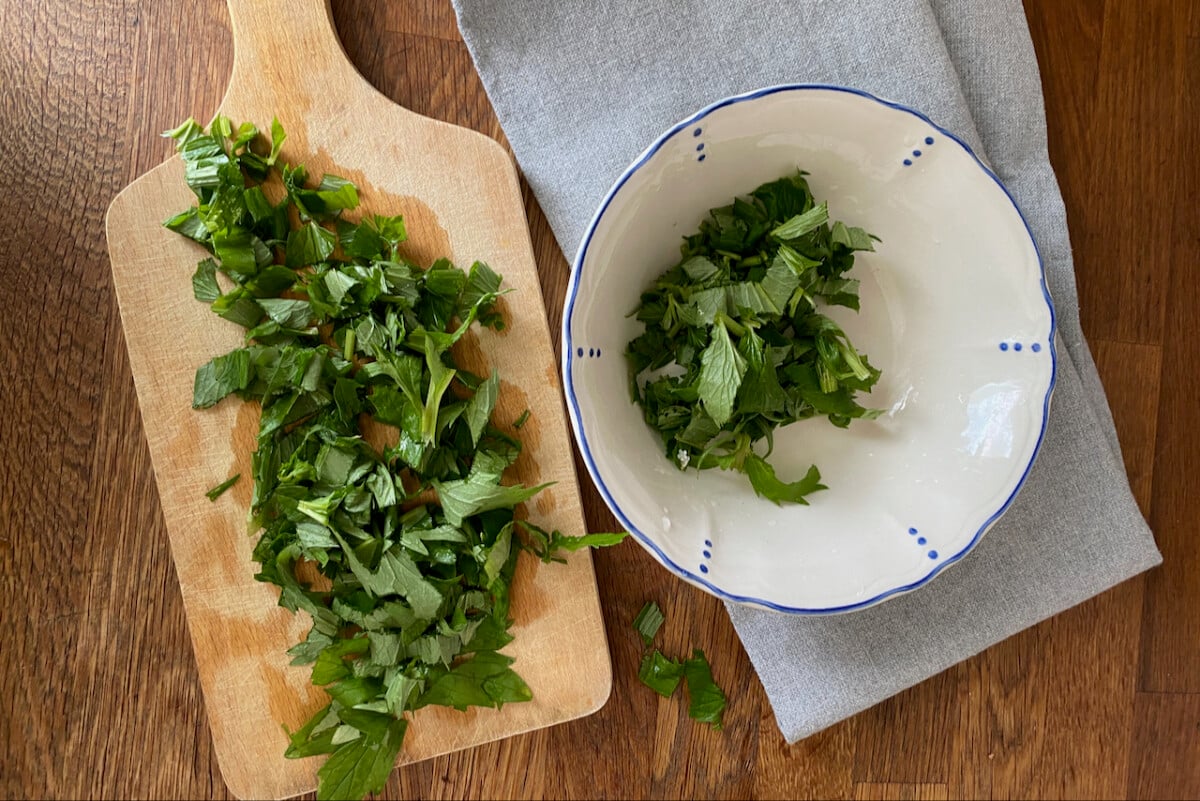
In addition to the roots, I also use the leaves. I chop them in salads and stir-fries when they’re fresh. I also dry them and use them in tea blends. They have a very distinctive taste, so make sure you like them before going through the trouble of processing them.
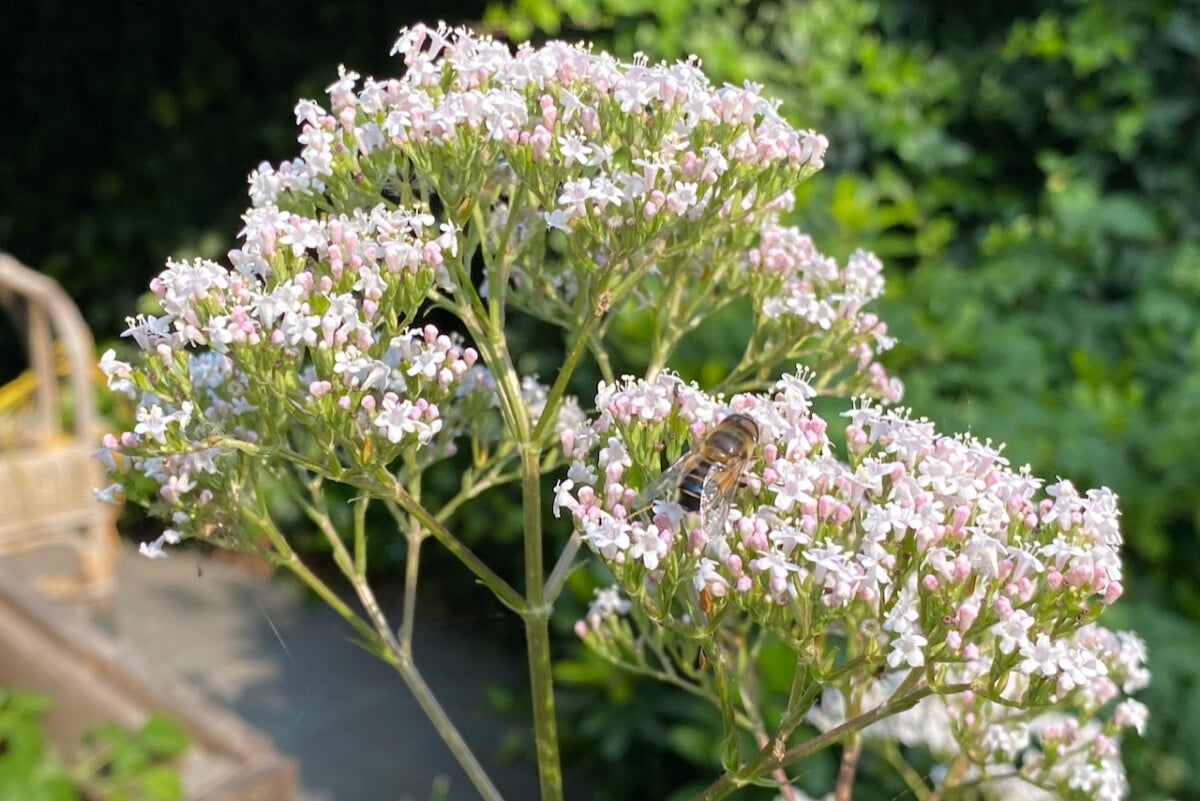
The flowers of the valerian plant are also edible, and you’d better start before they go to seed, since they’re prolific self-seeders. The stems are edible, theoretically, but I find them too fibrous. They’re hollow, so I just cut them into pieces and use them as insect hotels.
17. Green mustard seeds
I love eating green mustard leaves. This member of the Brassica family is super easy to start from seed, and as long as I pick the leaves from the bottom up the stem, I can turn it into a cute little mini-tree for the season.
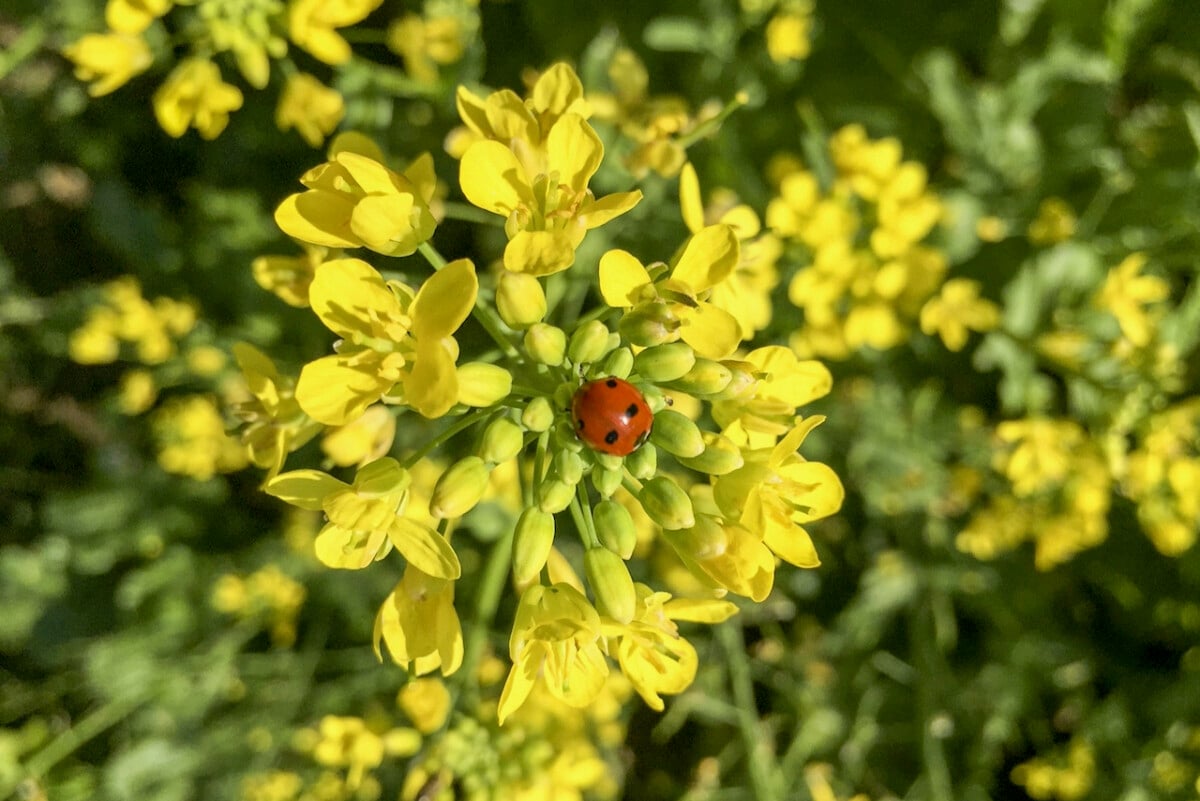
But in my climate, when the weather gets hot in the summer, the mustard bolts faster than an F1 driver.
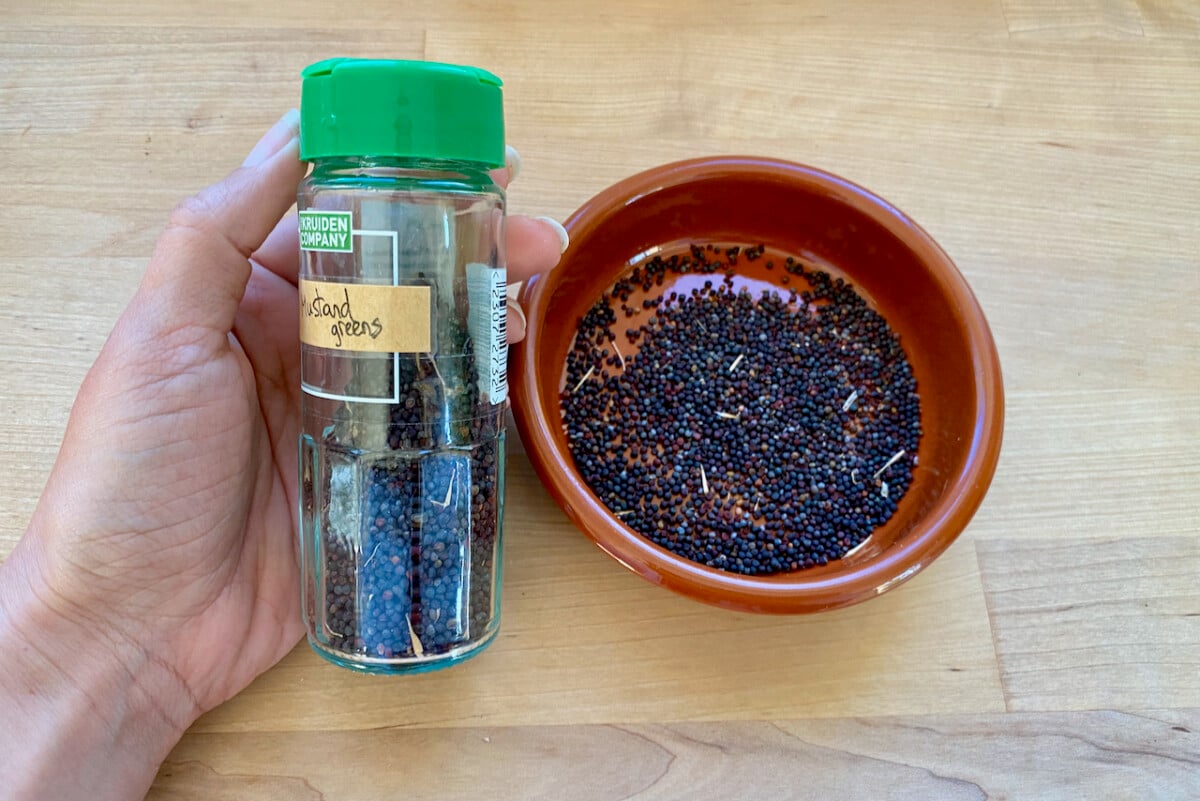
Instead of pouting over it, I just plant it again for fall and let the bolting ones go to seed. (With an in-between flower phase that pollinators go crazy for.) I use the peppery seeds in curries, stews, stir fry and salad dressing.
18. Dill seeds
Some people grew up on peanut butter jelly sandwiches. I grew up on dill pickles. (My mouth is watering even thinking about my mom’s homemade dill cornichon.)
And yet, it’s dill leaves that are the most harvested part of this herb. I like the fronds, too, but the seeds pack so much more flavor. You can store them for a couple of years, and they’ll still taste freshly picked.
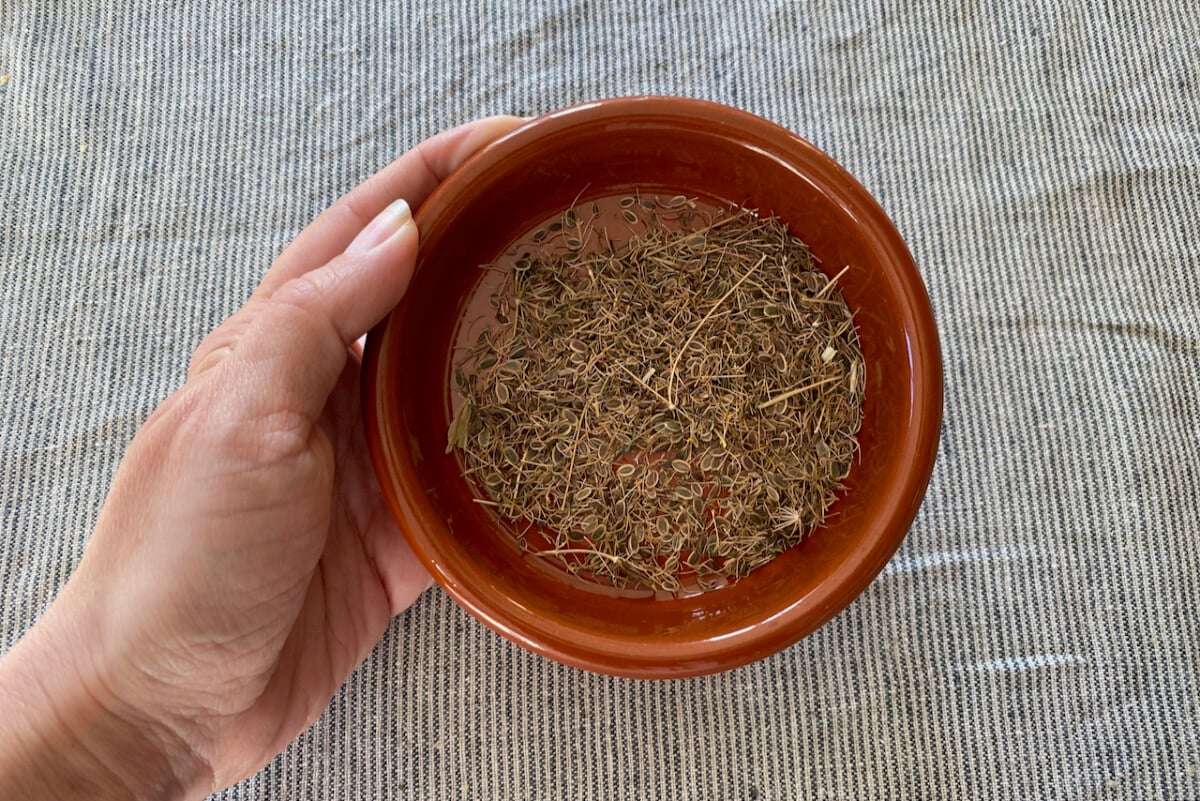
You can cook them in stews or sprinkle them on fresh cucumber salads and roasted potatoes. Or put them in a food processor with sea salt, make dill salt and set yourself a reminder to thank me later.
For a longer list of seven edible seeds that I grow in my small backyard, have a look at this article.
19. Sunflower petals
Everyone knows that you can eat sunflower seeds, but did you know that we can eat sunflower petals as well? Even if you’ve grown sunflower seeds for birds, there’s still some deliciousness to be harvested.
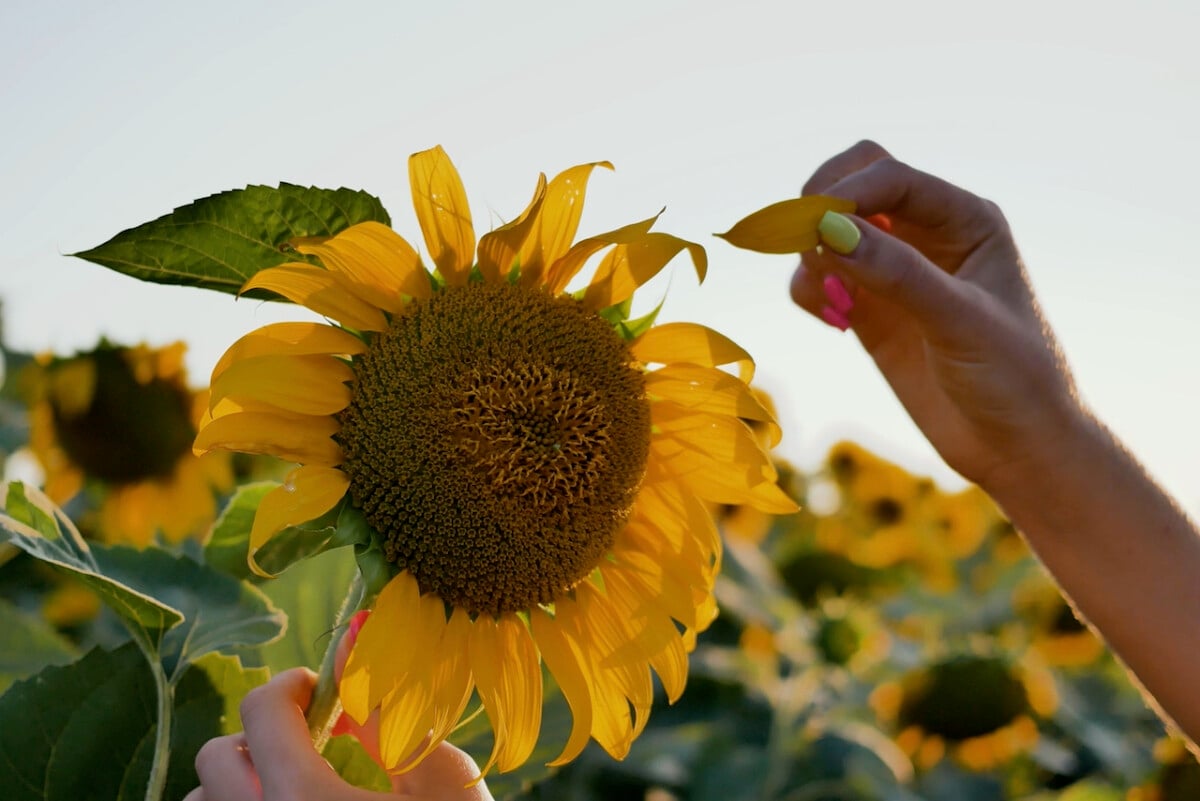
If you’ve made it this far in the article, you know the gist by now. Detach the petals from the center of the plant and process them. We can sprinkle them on salads or sweets, incorporate them into cookie dough or use them to make jams and jellies.
20. Yarrow leaves
If you’ve been reading my articles on this website, you may have noticed my secret agenda of convincing everyone to grow yarrow (Achillea) in their garden.
I mention it every chance I get because I think it’s such an underrated plant. Perhaps because we can find it in meadows, fields and ditches, and we think it’s just a weed. But it’s so much more than that and not just for beloved pollinators.
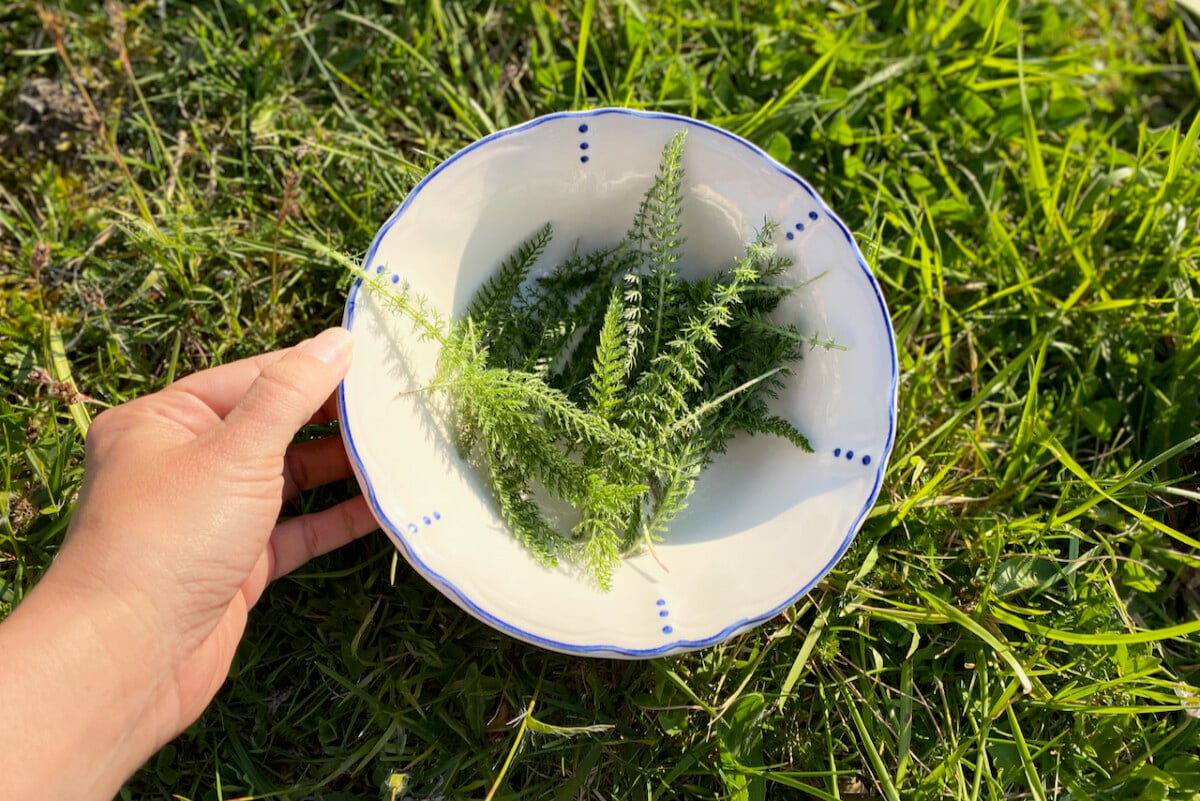
The frilly leaves are edible (pick them when they’re young before they turn bitter) and we can use them to flavor salads, soups, stews and sandwiches. So are the umbel-like flowers. I dry them when they’re young and use them in tea all year long.
If you’re foraging for yarrow, make sure you identify the plant correctly before you consume it.
Read Next:
Get Garden Notes From Tracey, Right to Your Inbox
Pull up a chair on the front porch. Join 54,000+ gardeners who get Tracey\'s friendly notes, seasonal to-dos, and hands-on tutorials three times a week.