

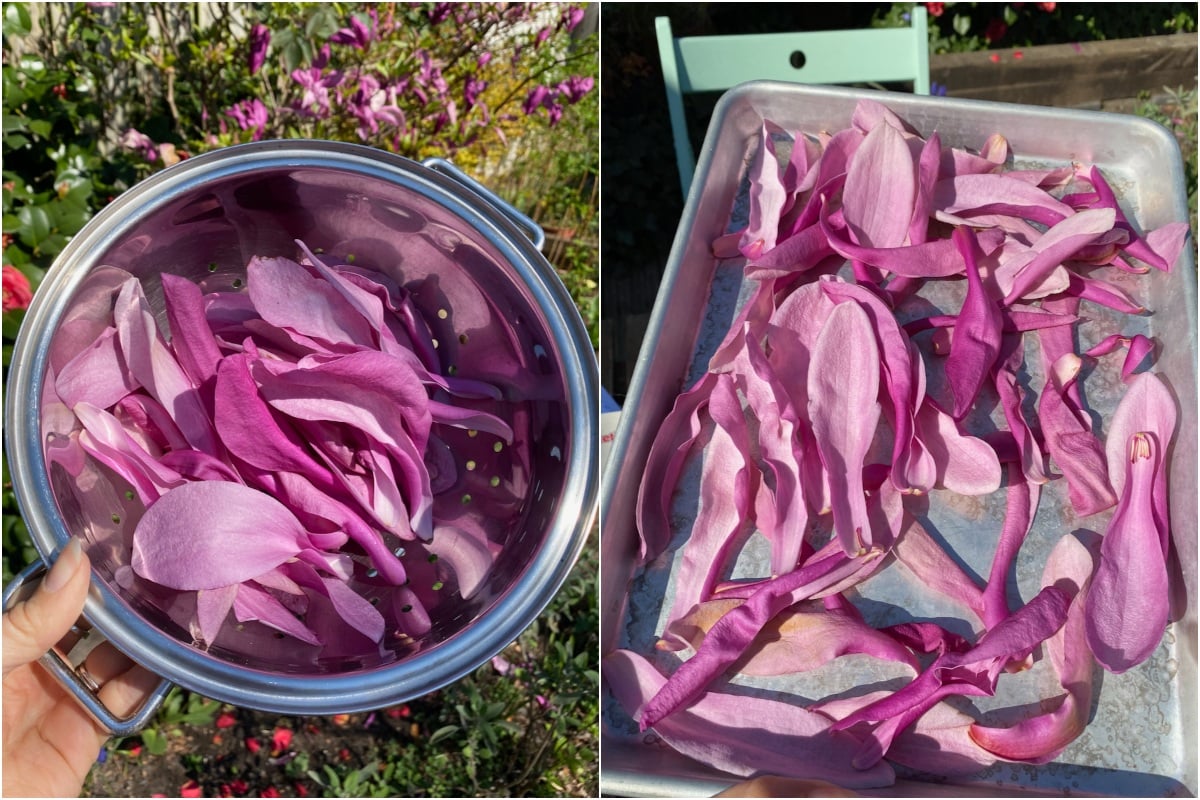
It’s mid-March, and the soft magnolia buds are getting plumper and plumper. Any minute now, the fuzzy shells will no longer be able to contain them, and every single velvety bud will open up into a work of art. Or at least the closest you could get to the perfection of a painting in the garden.
In my garden, the magnolia is one of the first trees to flower as soon as winter loosens its grip. In addition to the joy of watching the blooms unfurl and smelling their fragrance in the chill spring air, I’m also looking forward to eating them.
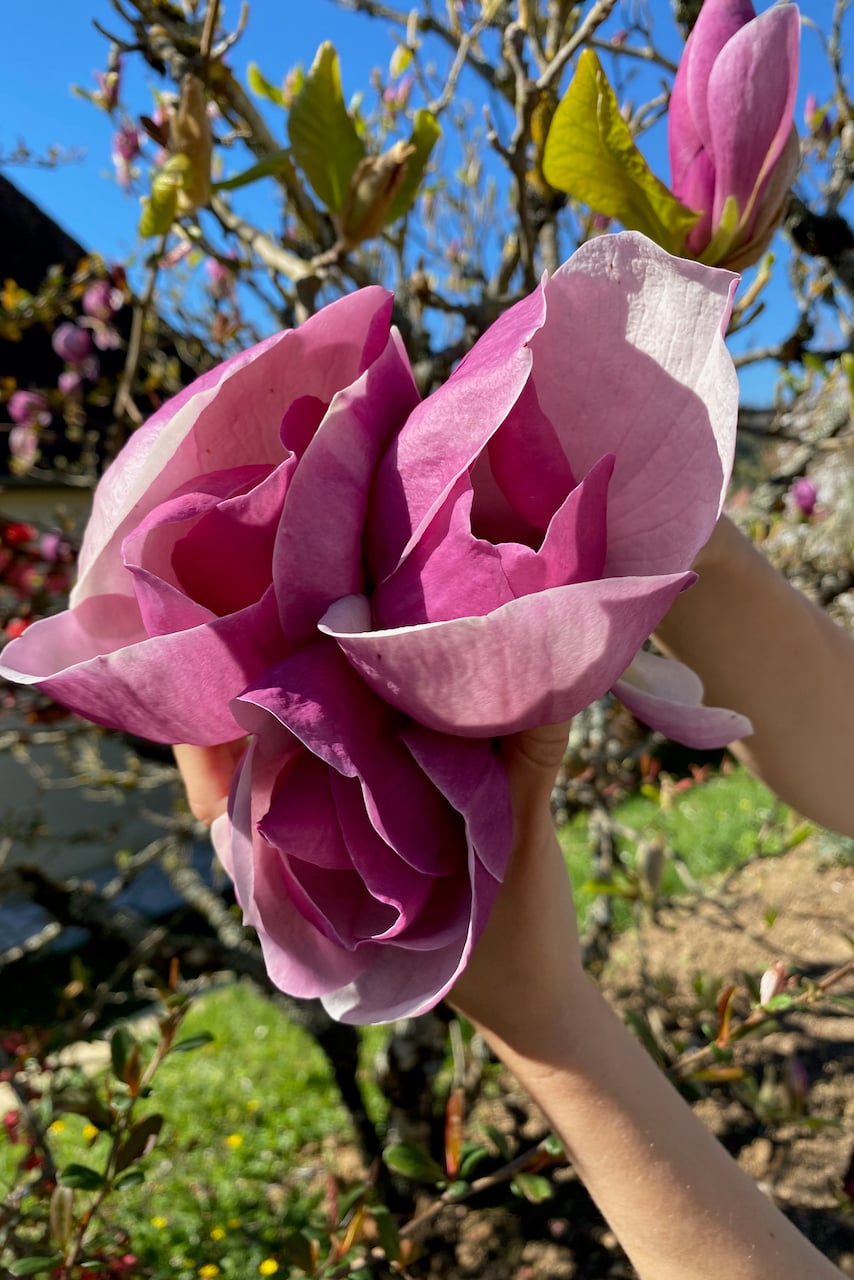
Yes, you read that right. We can eat magnolia petals, and they taste amazing. Different types of magnolias will have a slightly different taste profile, but overall they taste like a combination of ginger, anise, vanilla and floral flavors. Some might have a hint of nutmeg or allspice, depending on how sensitive you are to detecting these notes.
A bit of magnolia trivia that has the potential to turn you into the most interesting guest at the party.
Before I go on explaining what to do with magnolia flowers, let me tell you this super interesting fact about these trees, as I learned it from the Smithsonian Gardens blog.
Magnolias and dinosaurs coexisted on Earth 95 million years ago, during the Cretaceous period. Which means that magnolias predate the most common garden pollinator, the bee, by millions of years.
So how did these flowers get pollinated? Beetles did the job just fine.
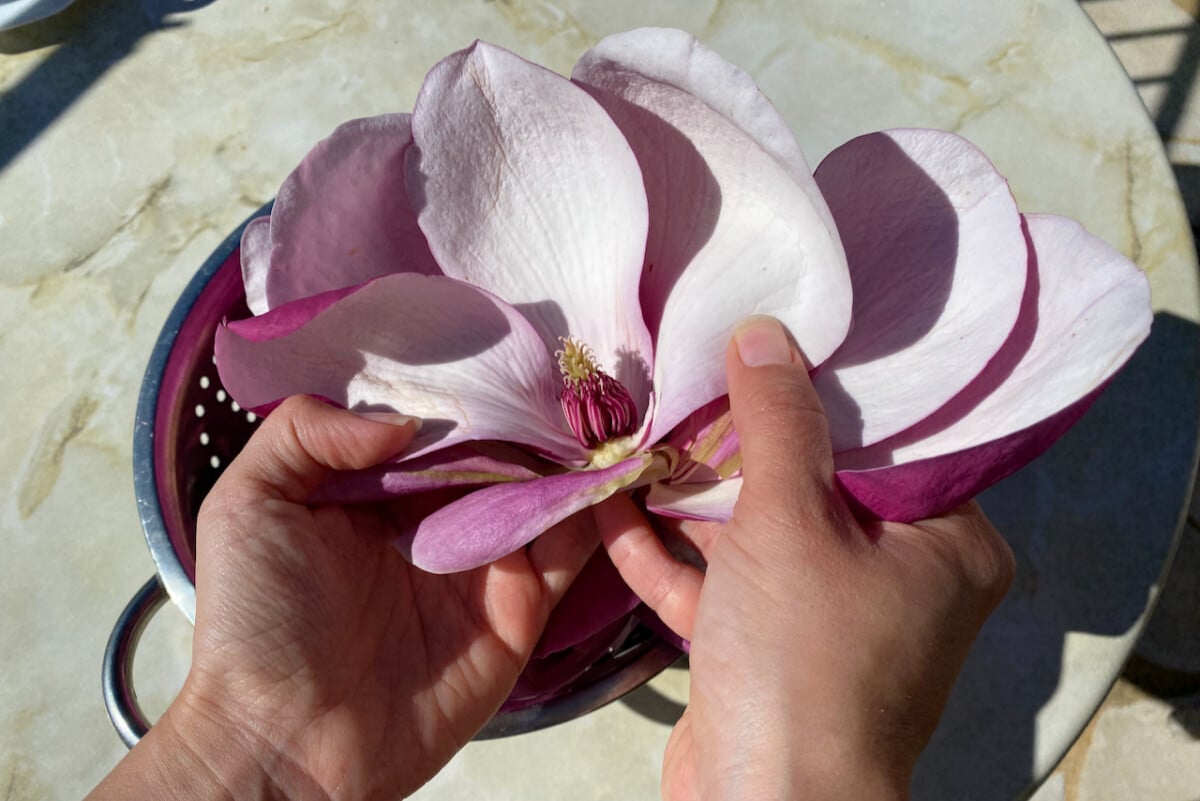
But in order to adapt to this pollinator, magnolias developed a tough carpel (the female organ of the flower, where pollination takes place) to avoid being damaged by the hungry beetles.
When we’re cooking with magnolia blossoms, we’re going to remove this carpel since it can taste quite bitter.
3 Tips for Preparing Magnolia Flowers for Cooking.
I’ll give you some recipe ideas in a second, but let’s start by getting the magnolia flowers ready. Don’t skip these steps.
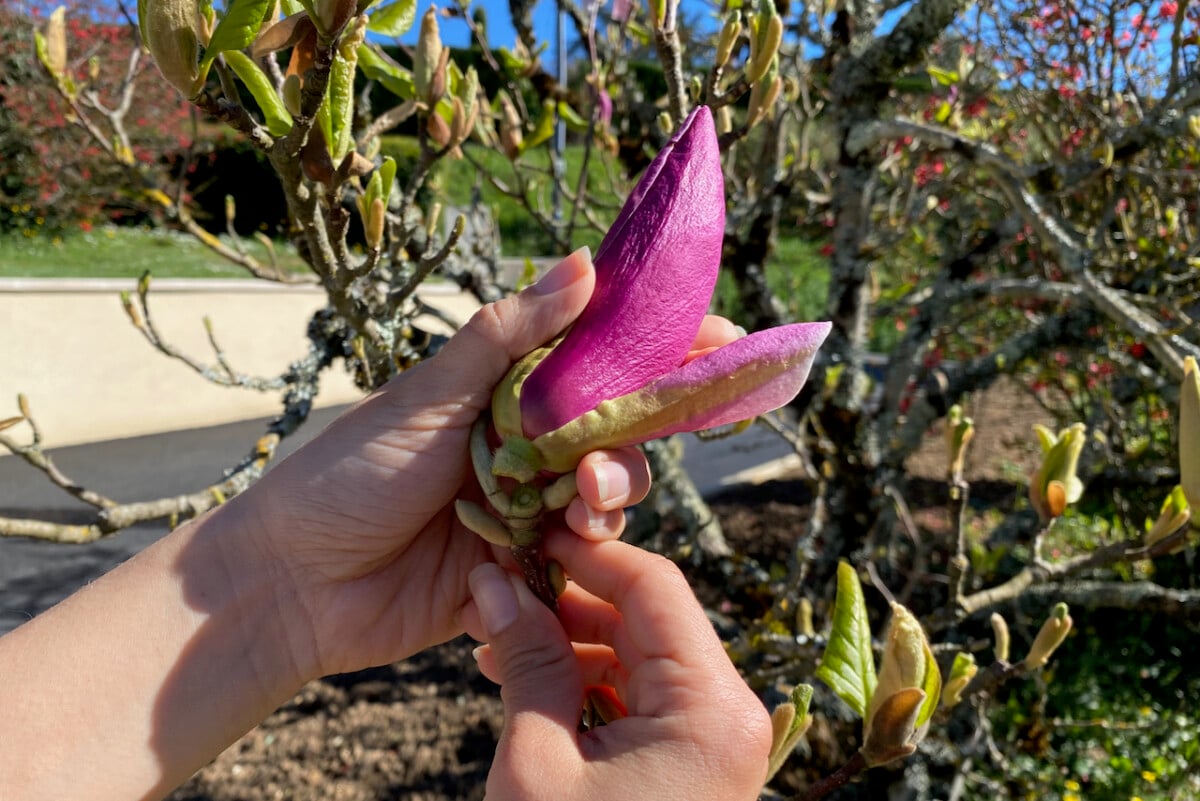
You can pick both opened flowers and unopened buds.
But keep in mind that the older petals – the ones that are on the point of falling, will have lost most of their flavor as they age. If you get the timing right, try to pick blossoms that are just on the point of opening.
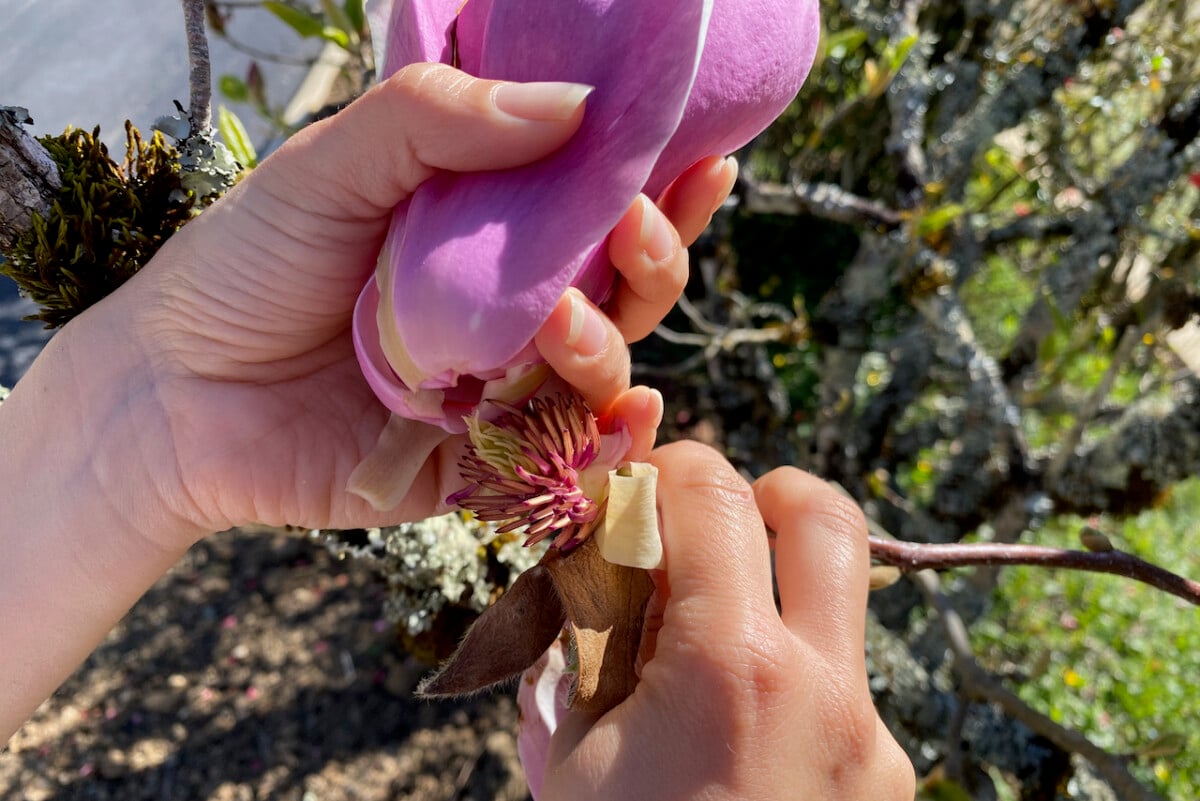
Remove the center of the flower.
Remember how we said the carpel is the tough part in the middle of the blossom? It’s also slightly bitter, especially when processed, so it’s best to remove it and just keep the petals.
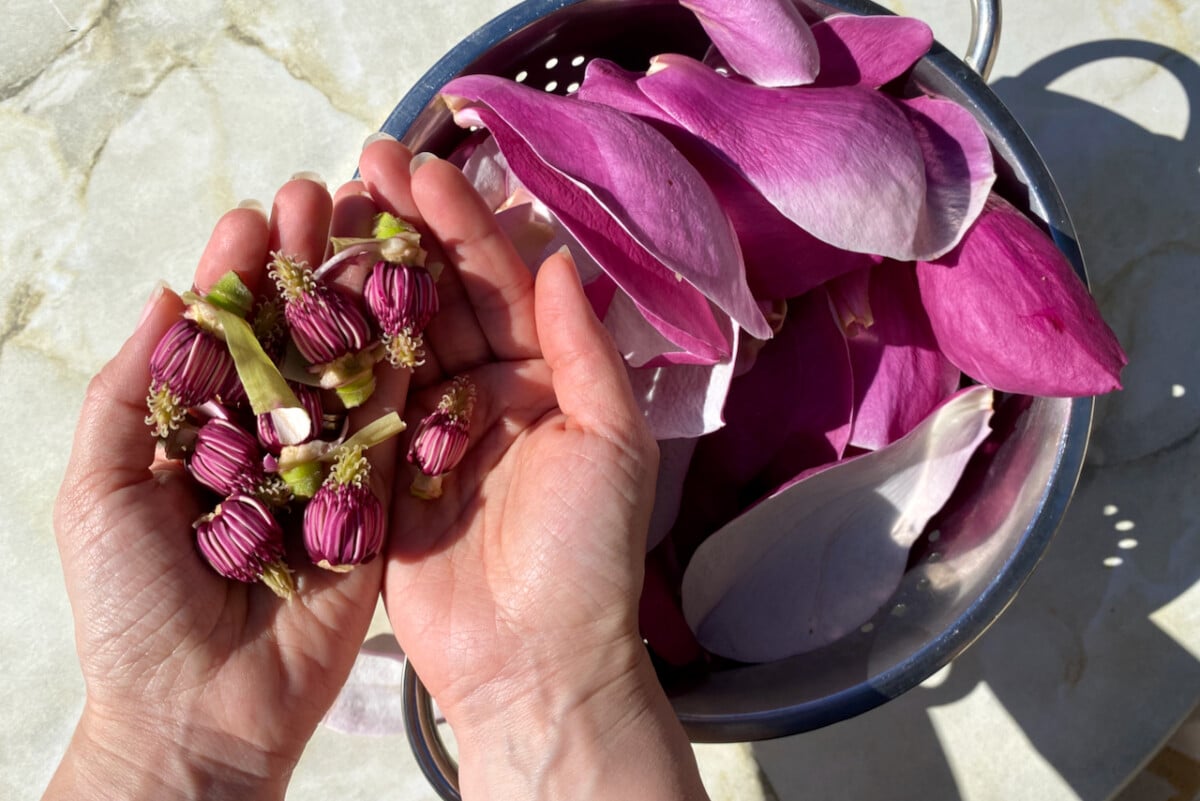
I was lucky that for some of the flowers that I picked, the petals came apart and the carpel stayed on the tree. For others, I had to remove it after picking.
It’s easy, it only takes a couple of minutes for an entire batch, and it makes everything that much sweeter. So I would strongly encourage you not to skip this part.
Clean the magnolia petals before processing.
I usually try to leave everything I’ve harvested out for at least half an hour, just to make sure all the bugs have crawled out, if any.
Then I wash everything thoroughly in cold water. I’m harvesting the magnolia flowers from my own tree, so I know they haven’t been sprayed with anything; we’re not in a high-traffic area, so there’s not that much air pollution around either.
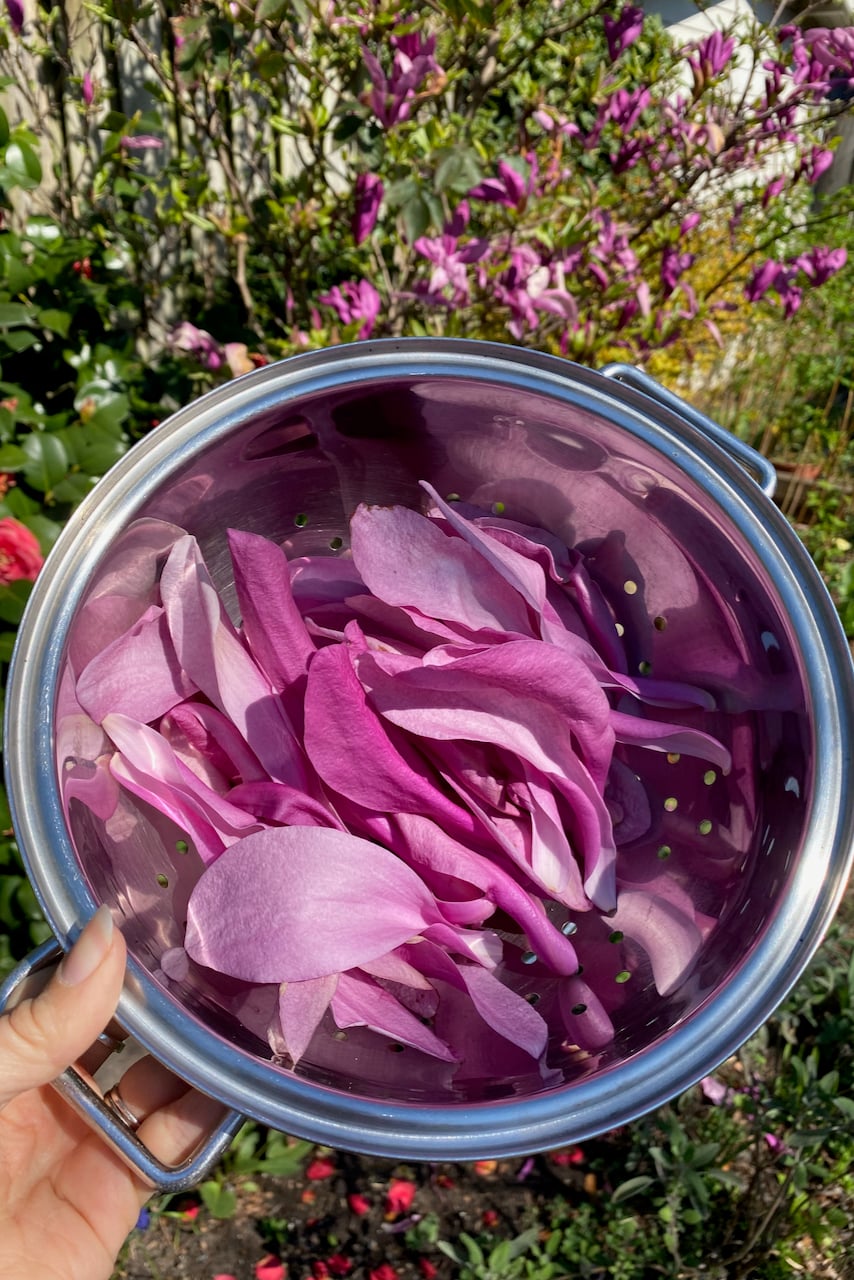
That’s why I don’t necessarily wash each individual petal under running water. Adjust accordingly, but always use cold water to wash your flowers.
Which magnolias can we use for eating?
This is where I’ll add our disclaimer that you must be sure that you’re identifying the right tree/shrub/plant before you consume any part of it.
One of my sources of trusted plant information is Robin Harford, who is an ethnobotanist, forager, author and the creator of Eat Weeds. Robin is based in the United Kingdom, but since magnolias are not native to either Europe or the United States (having been imported from Asia), the information he covers applies on both sides of the pond.
Here’s a list of edible magnolia petals sourced by Robin (and here’s a link to his article in which he includes his sources):
- Magnolia coco
- Magnolia grandiflora
- Magnolia denudata
- Magnolia hypoleuca
- Magnolia kobus
- Magnolia liliflora
- Magnolia mexicana
- Magnolia pterocarpa
- Magnolia soulangeana
Now that your magnolia flowers are ready to process, allow me to give you a few suggestions and a few sources of reliable recipes.
1. Freeze unopened magnolia buds to use as a ginger replacement.
Let’s start with the easiest way to use magnolia flowers that doesn’t require any cooking for the moment.
I like to pick some unopened buds and just put them in a bag in the freezer.
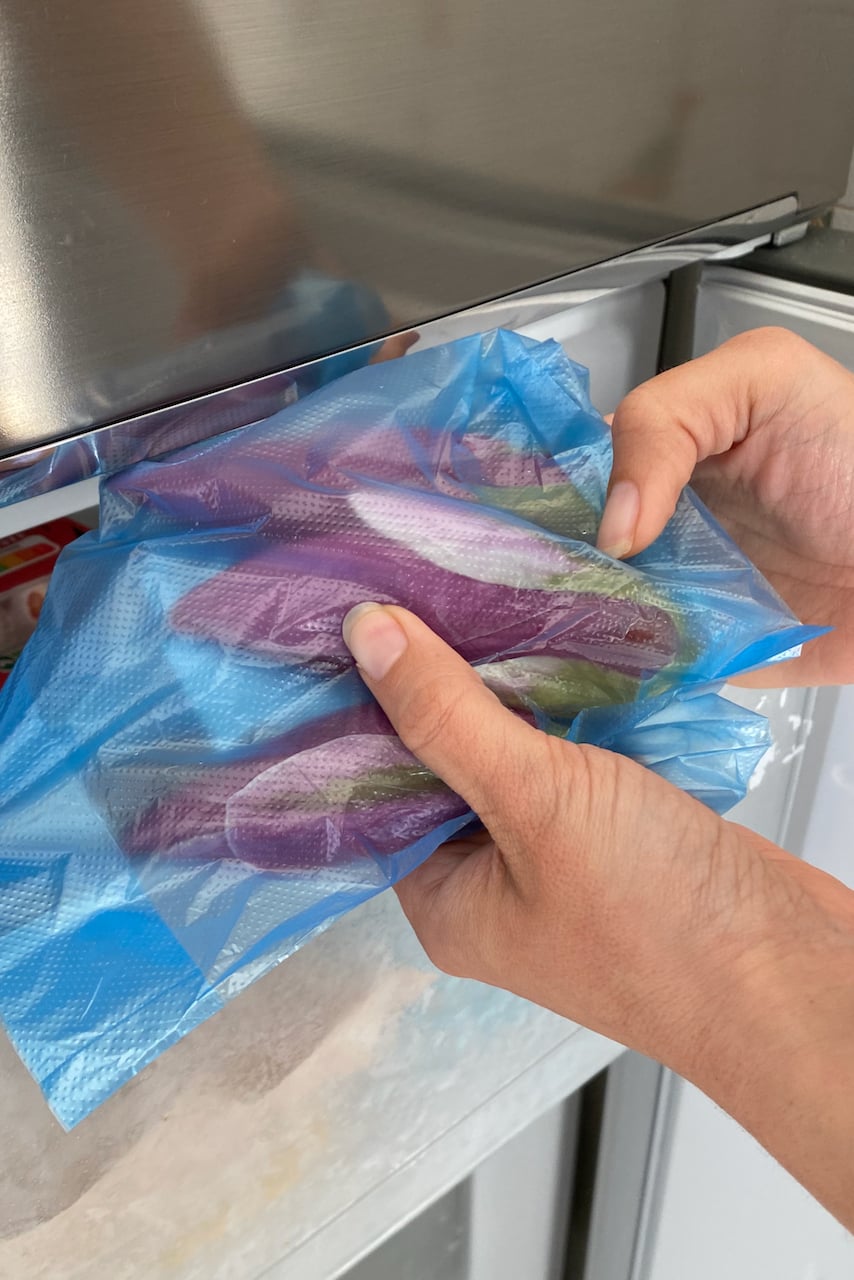
I grate them (still frozen) to add to cookies, cakes and stir fries throughout the year. Basically, anything that I would grate frozen ginger in, I can substitute with magnolia blossoms.
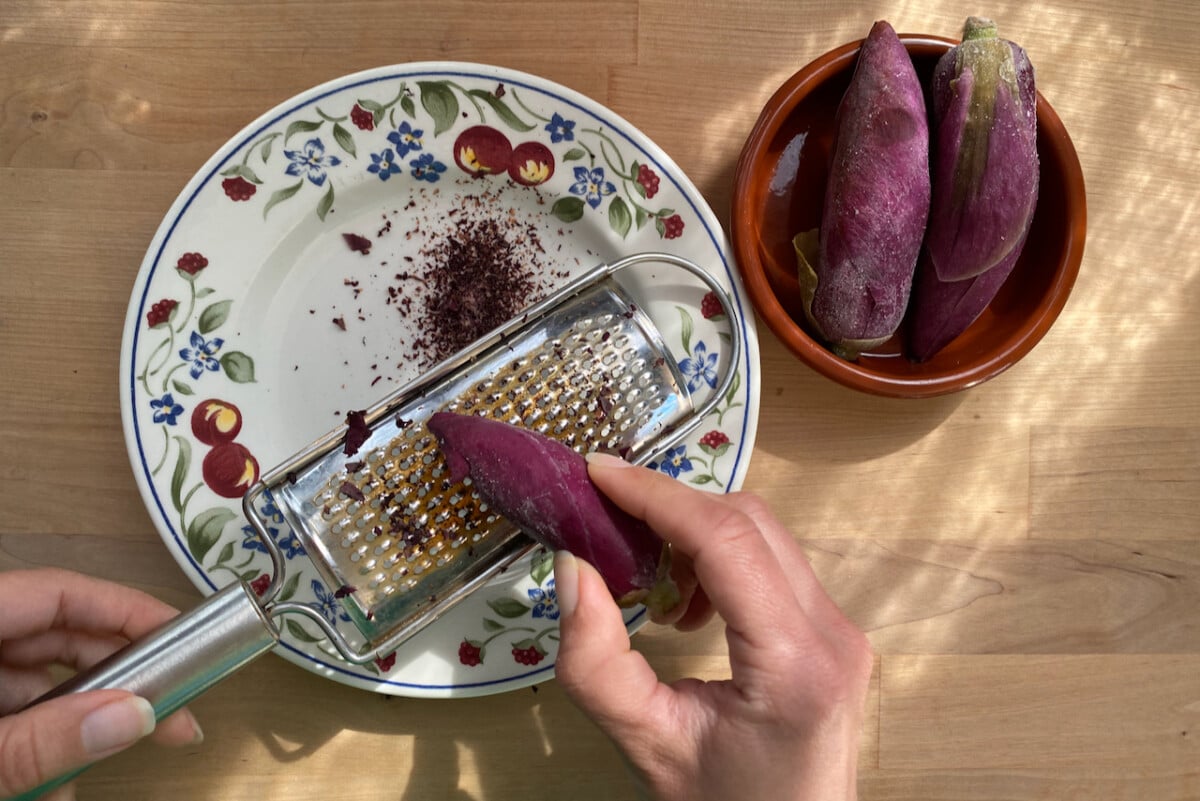
You can grate most of the bud, but stop at the point you start seeing the carpel (remember we talked about it above).
2. Make a simple magnolia syrup.
A simple syrup means equal parts water and sugar. Since we’re adding a third ingredient, and one that cooks down a lot, I’m doubling the quantity of this ingredient. So for a simple syrup, I’ll use:
– two cups of water – we’ll cook off a lot of it, but we need it to have enough to steep the petals in;
– two cups of magnolia petals (more if you want a stronger taste);
– one cup of sugar;
With these ingredients on hand, we can make the syrup two ways.
For a lighter, more delicate syrup.
First, we let the sugar slowly dissolve in water over low heat, stirring often to prevent it from sticking.
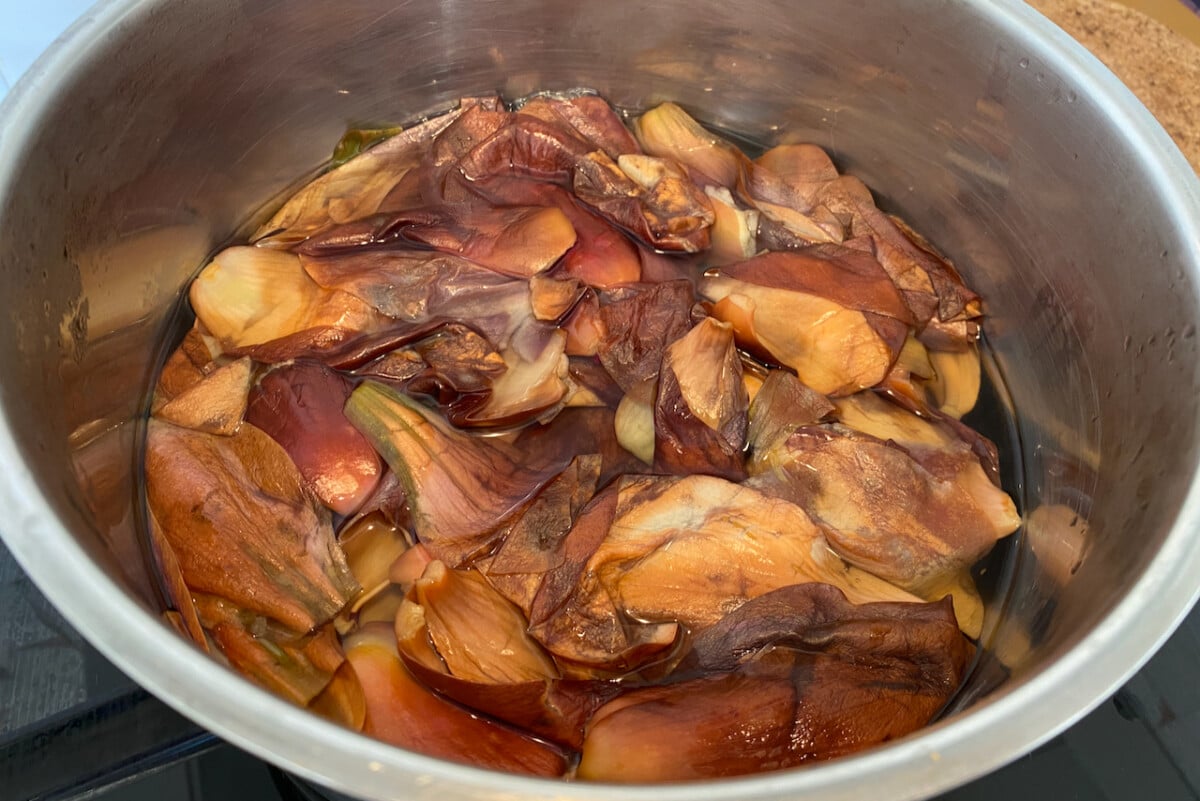
When the sugar is dissolved, we remove the pot from the burner and add the clean magnolia petals to the pot. We let them steep (for a few hours or overnight). Then we’ll remove the petals and return the syrup to a slow simmer in order to evaporate more water and thicken it up.
For a thicker, stronger syrup.
We’ll start from the same ingredients, except we will steep the magnolia petals while the water is still boiling. Then we simmer everything on low for about twenty minutes. We’ll remove the petals and keep simmering the syrup until it reduces to our desired consistency.
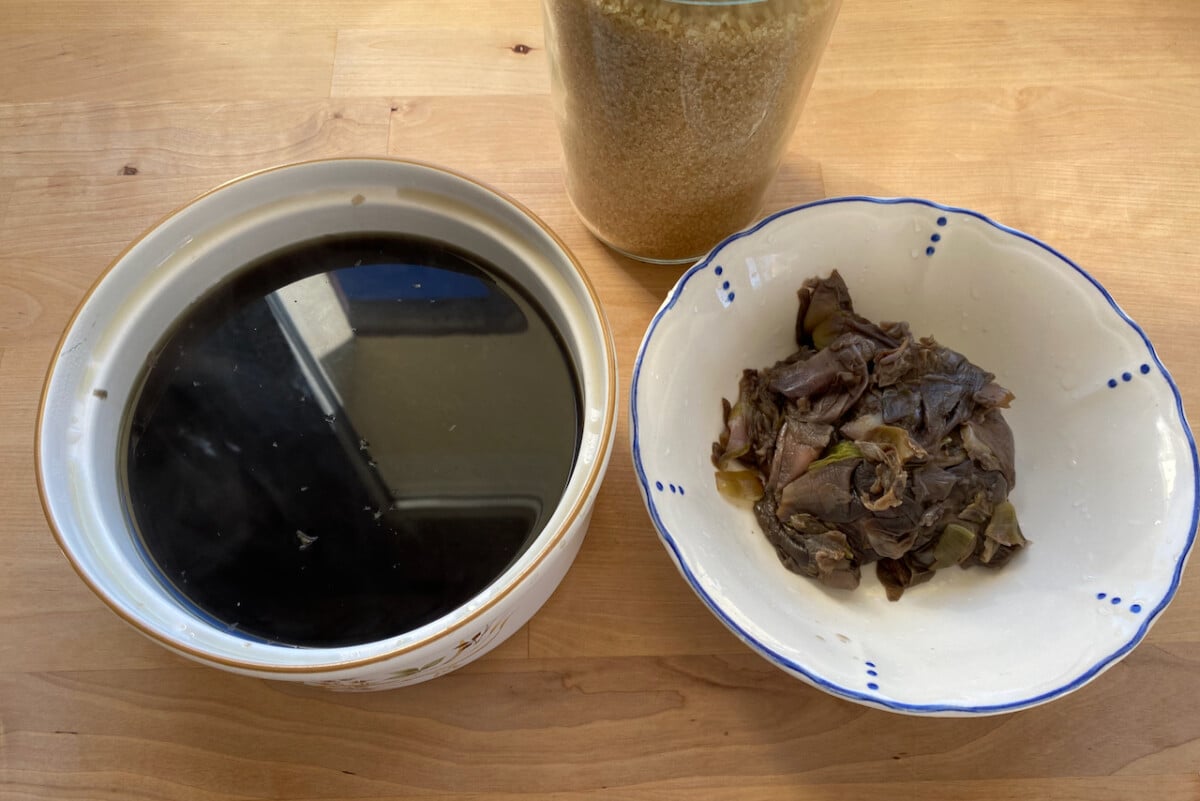
While you’re at it, save those cooked magnolia petals, as dubious as they may look. I’ll explain why a bit later.
This method will result in a syrup that tastes a bit more caramel-y and has a thicker texture. It almost looks like maple syrup (and yes, I reused that maple syrup bottle).
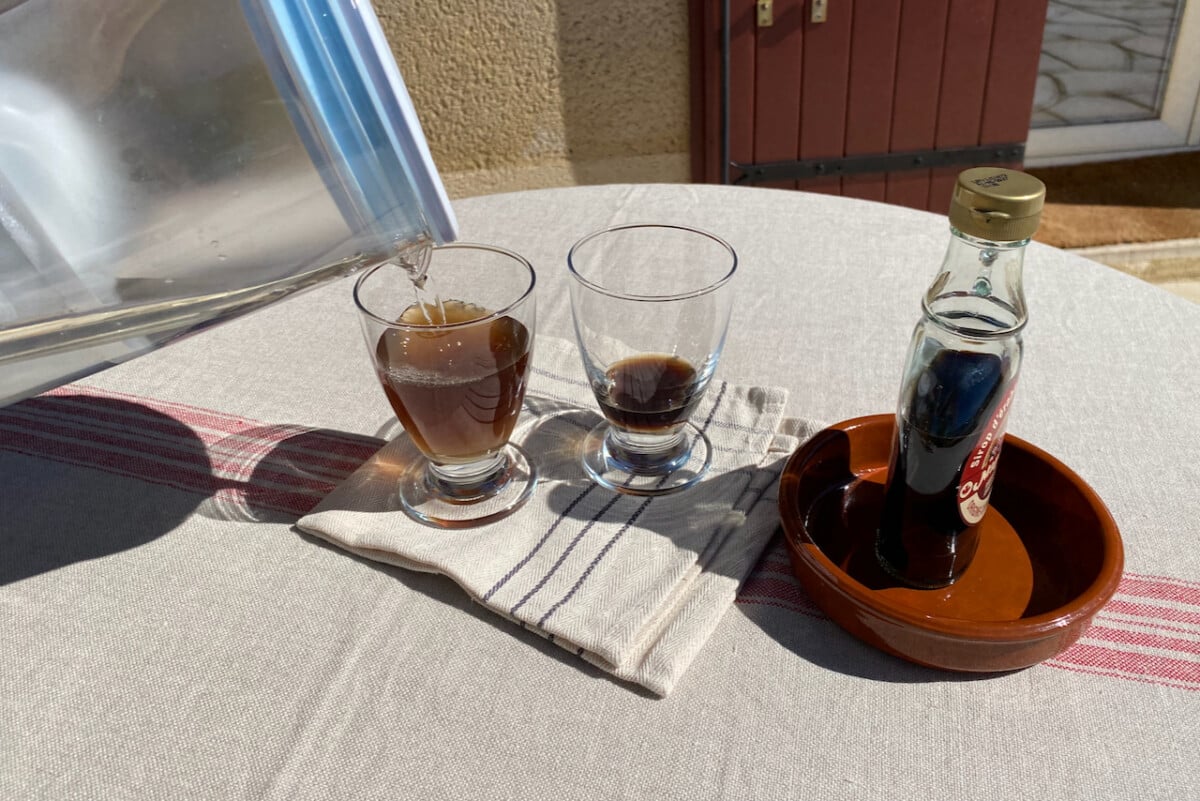
I prefer this method because I like mixing the magnolia syrup with cold water to make a refreshing drink. And it tastes like a certain popular fizzy drink that I worked really hard to quit years ago.
The thicker magnolia syrup also works well as a topping on pancakes and ice cream.
3. Pickle the magnolia petals.
For this recipe, I followed the instructions from this article in The Guardian written by Anna Matilda (of The Urban Nanna blog). She starts with one cup of rice wine vinegar, a quarter cup of white sugar and a pinch of salt. I substituted the vinegar with apple cider vinegar because I wanted to keep the taste tangy and fruity.
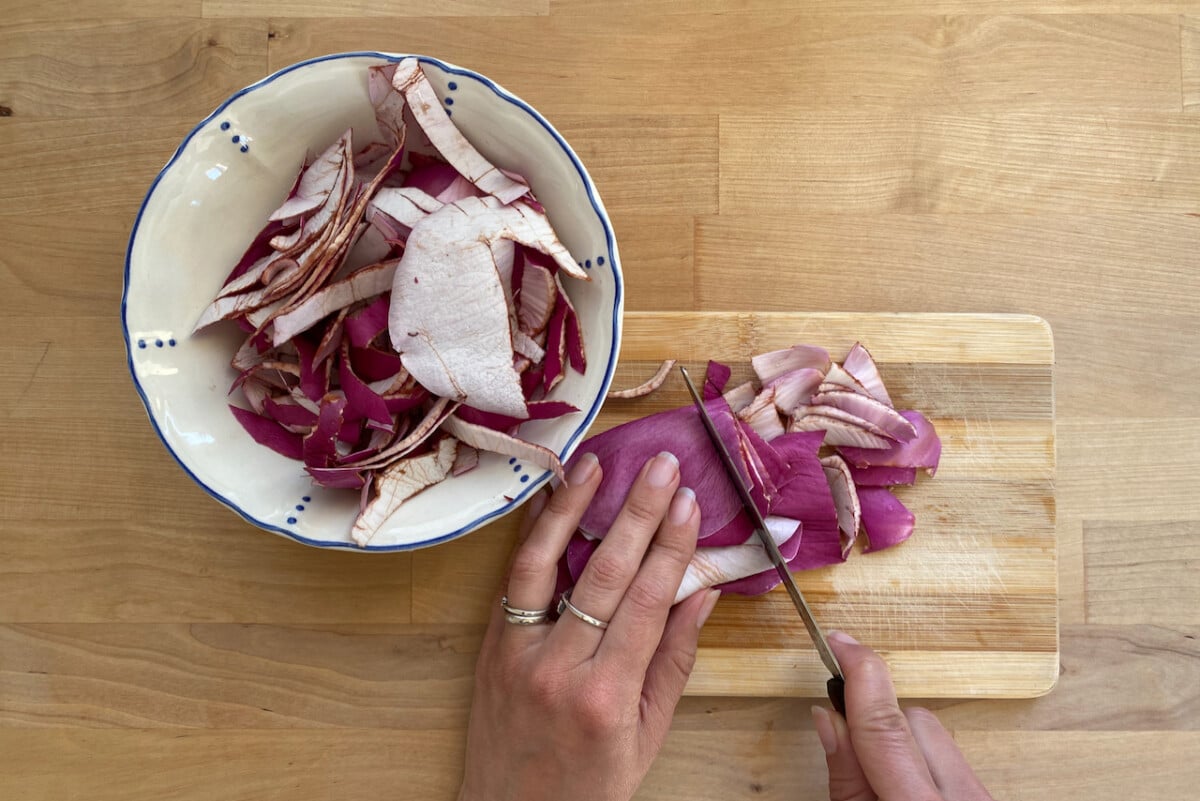
Pickled magnolia petals retain their spicy, gingery taste, so you can use them in place of pickled ginger with dishes such as sushi and stir fry. It also works great to give a bit of a kick in sandwiches.
Start by chopping as many petals as you can fit into a jar. Then heat up the vinegar, add the sugar and the salt and keep stirring it on low heat until the sugar dissolves.
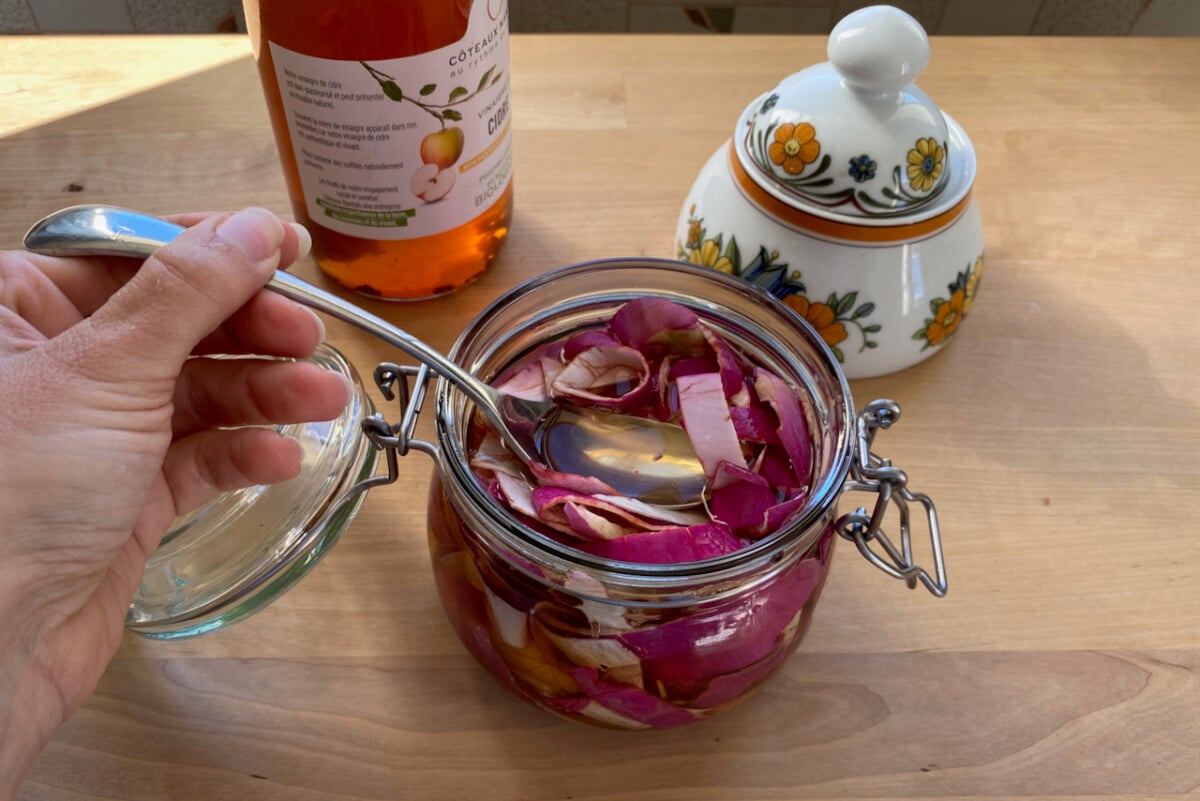
Pour the hot vinegar over the chopped magnolia petals until everything is submerged.
Let the jar cool to room temperature, then store it in the fridge. We’re doing quick pickling here, not lacto-fermentation, so don’t keep the jar on the kitchen counter.
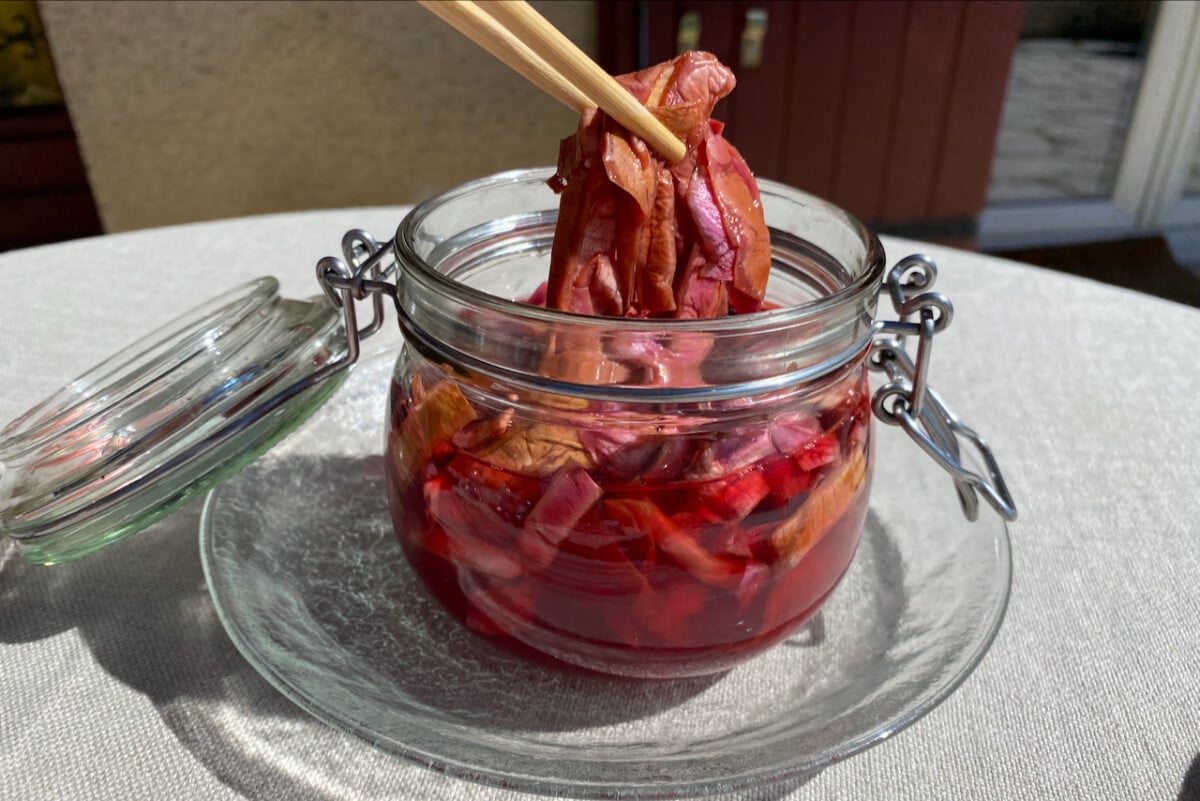
Give it a try after a few days to see if you like the taste of pickled magnolia petals. If you do, make some more before the season is over.
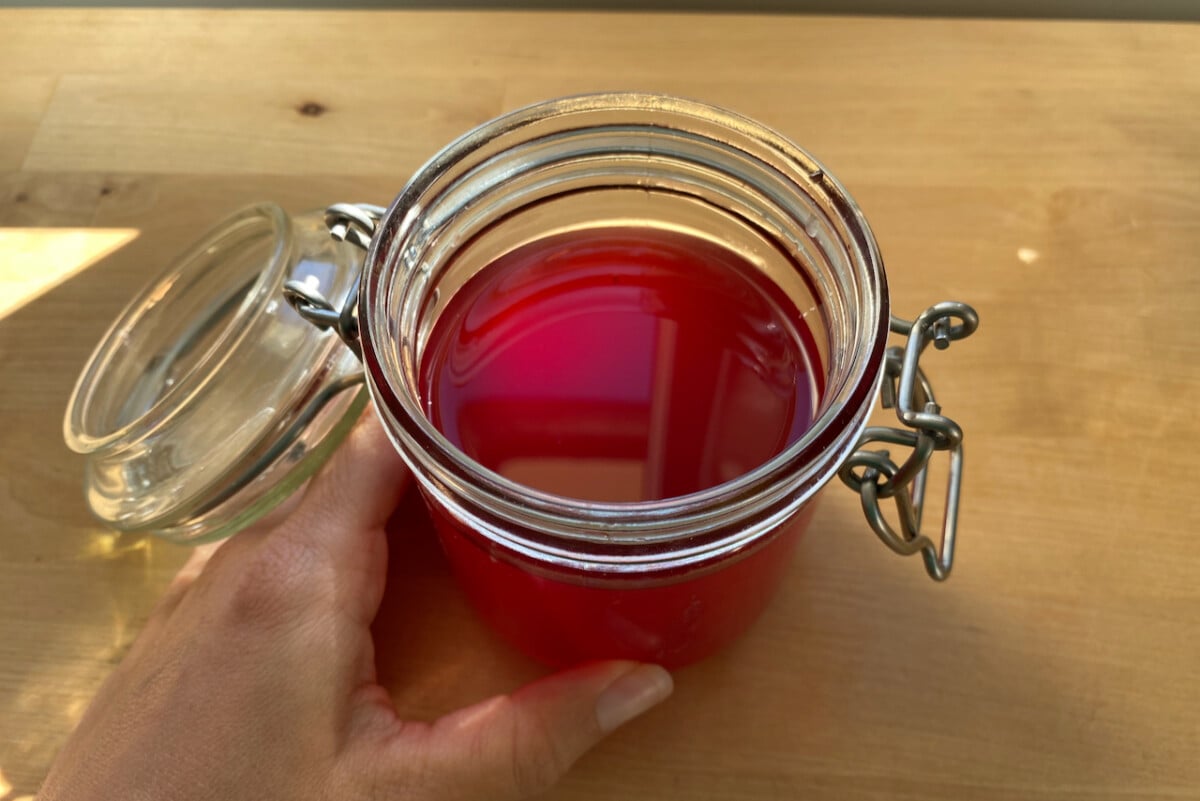
4. Infuse magnolia petals in vinegar.
We can infuse all sorts of flowers in vinegar, but magnolia is by far my favorite one. It adds a very distinctive flavor to anything you use that vinegar for, whether it’s salad dressing, marinades or (once again) ice cream.
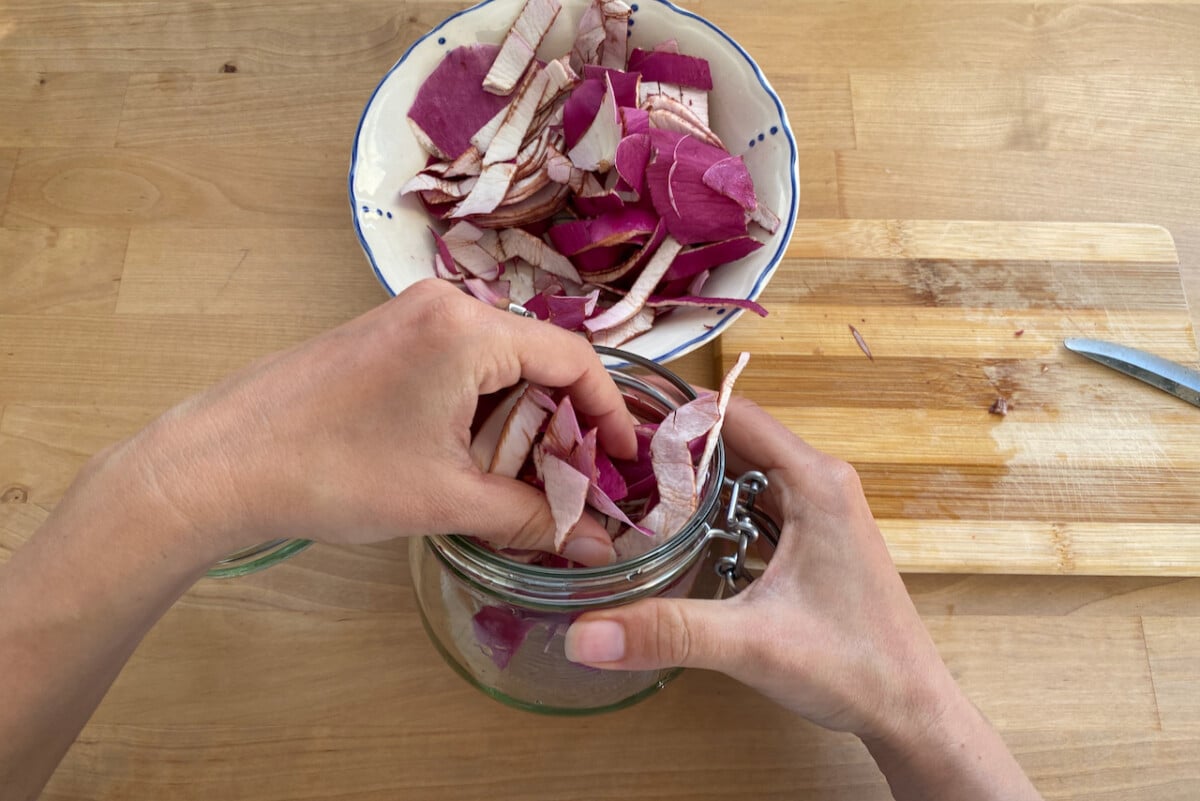
So we’ll do exactly the same as we did in the recipe above, except we’ll only use our vinegar of choice and chopped magnolia petals. No sugar or salt needed, and no heating the vinegar either.
We allow a couple of weeks for the flavor of the magnolia blossoms to transfer to the vinegar at room temperature. Then we strain out the blossoms and store the vinegar in the fridge in between uses.
One note about infusing.
I know I mentioned salad dressing above, and I’ve seen this mistake made so many times. So I’d like to warn you of this one thing. We never infuse fresh material into oil. I repeat, we do not infuse oil. Unlike vinegar, oil is not acidic. Infused oil can be a source of food-borne illnesses (such as botulism), and that is something we do not want to mess with.
Stick to infusing vinegar, ok?
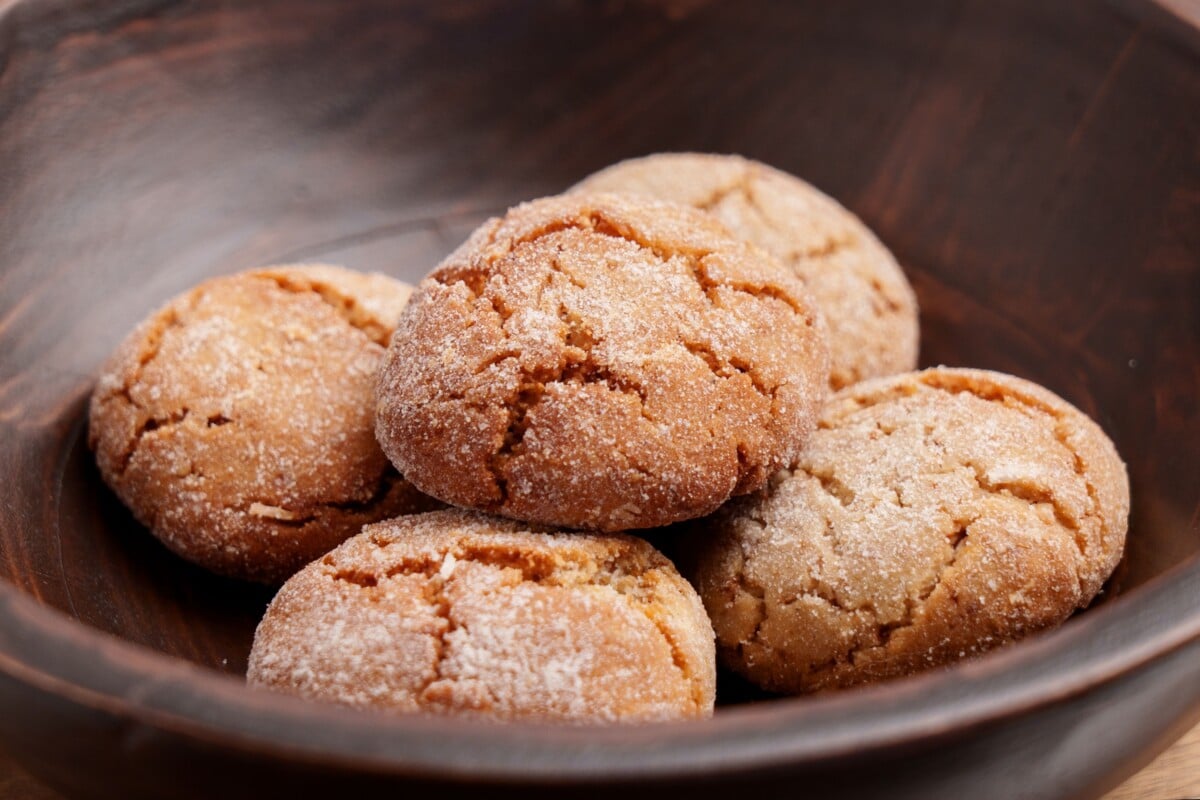
5. Make magnolia snap cookies.
Now we’re getting into more complex recipe territory, so I would like to point you to my favorite source that I’ve bookmarked over the years during magnolia season.
Plus, I couldn’t even begin to be as cool as Alexis Nikole Nelson (of the Black Forager fame) when teaching this recipe.

Magnolia snap cookies are the floral version of ginger snap cookies. Bonus point, we get to use that magnolia sludge that we had left over after making the syrup. It doubles up as a cookie filling. Crazy, I know!
By the way, Alexis Nikole’s cookbook Happy Snacking, Don’t Die! is now available for preorder.
If you have a sweet tooth and want more ways to try magnolia recipes, here are two more suggestions:
Magnolia spice cake by Molly Beauchemin at Grace and Lightness;
Magnolia cake (with amazing frosting) by Chef Ilona Daniel at Harrowsmith Magazine
6. Make a magnolia lemonade.
We need three ingredients and water: lemon, sugar, and magnolia petals.
Optional: a few sprigs of mint, sage or thyme for an added layer of subtle flavor.
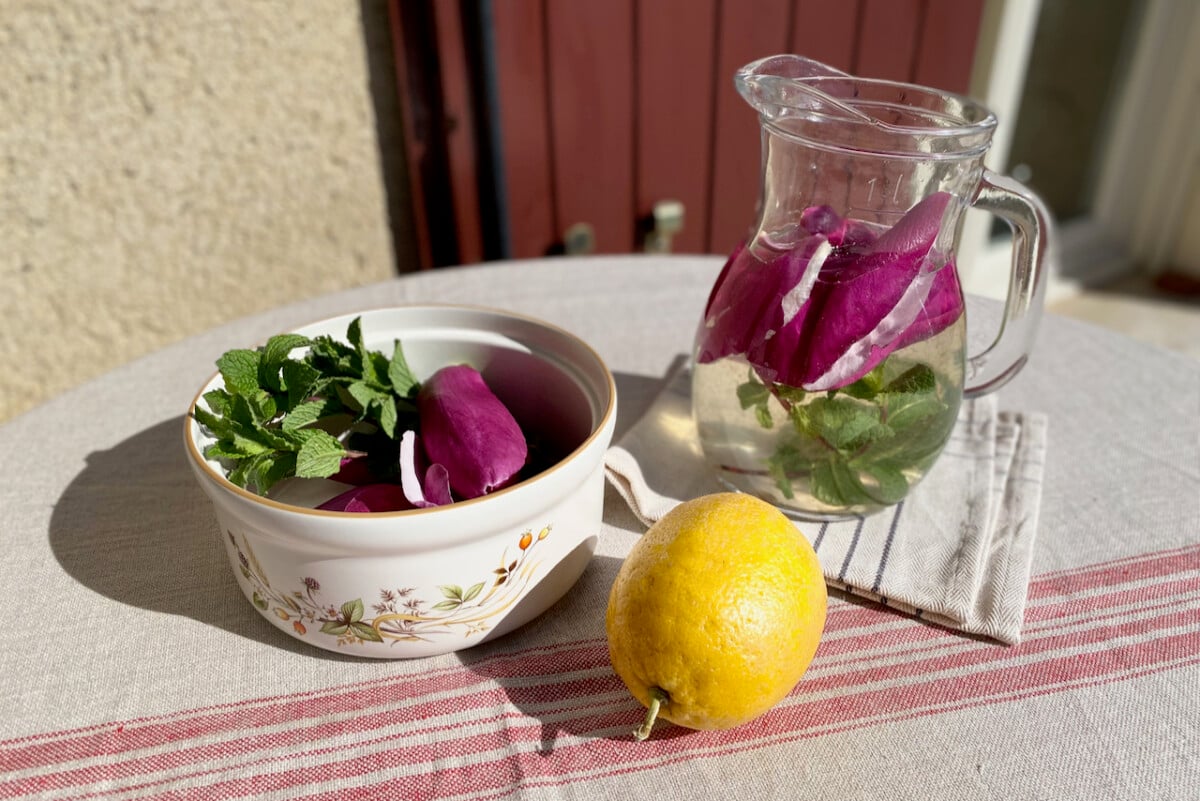
I like to make the mixture in the evening, leave the pitcher in the fridge overnight and drink the lemonade the following day. This gives the magnolia petals some time to release their flavor in the water.
7. Dry magnolia petals and grind them.
Drying magnolia petals is another way of preserving the flavour long after the magnolia season is over. I like to sundry my harvest on trays, then store everything in a jar, just like I do with herbs. You can even crumble the petals down a bit to store them more efficiently.
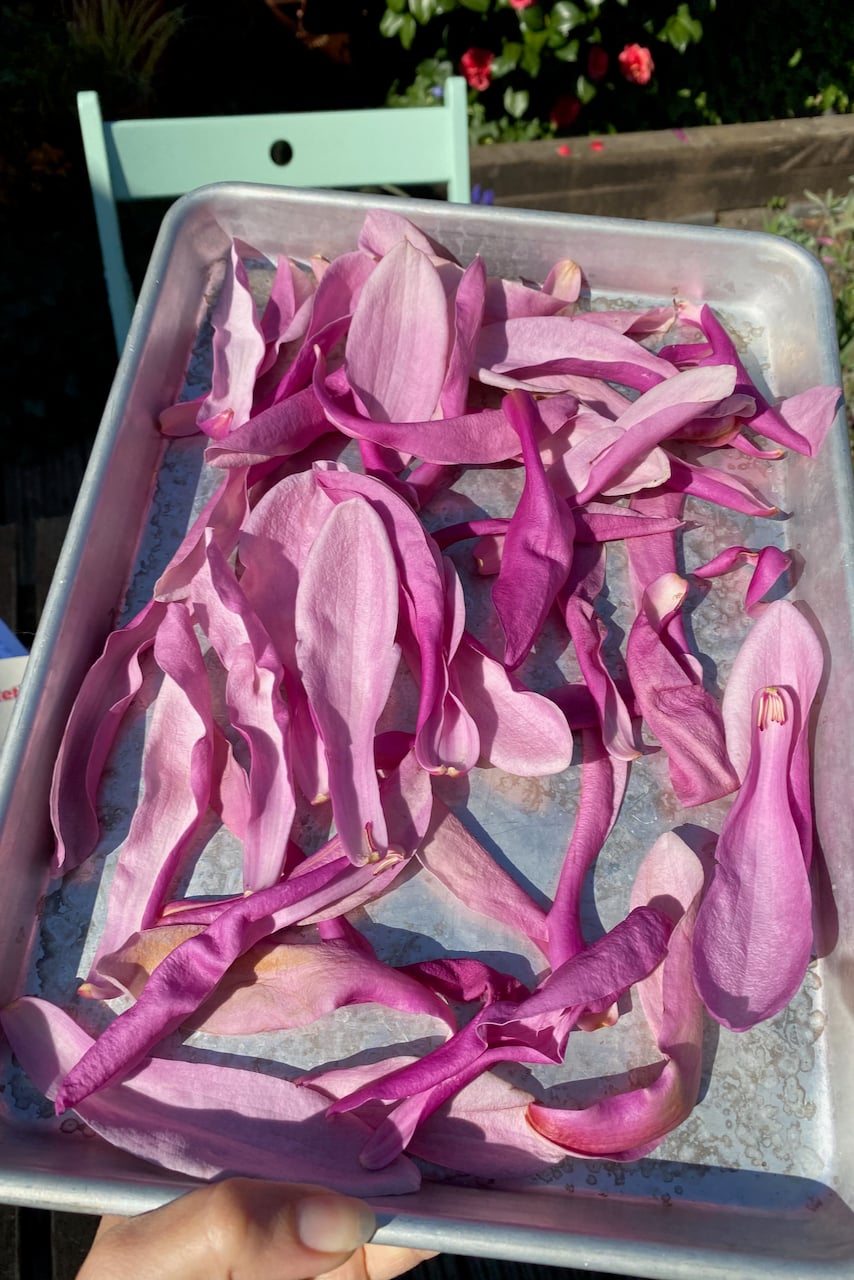
Yes, the petals will lose their color and turn brown. But they still retain their notes of ginger, cardamom and nutmeg.
What do I do with dry magnolia petals?
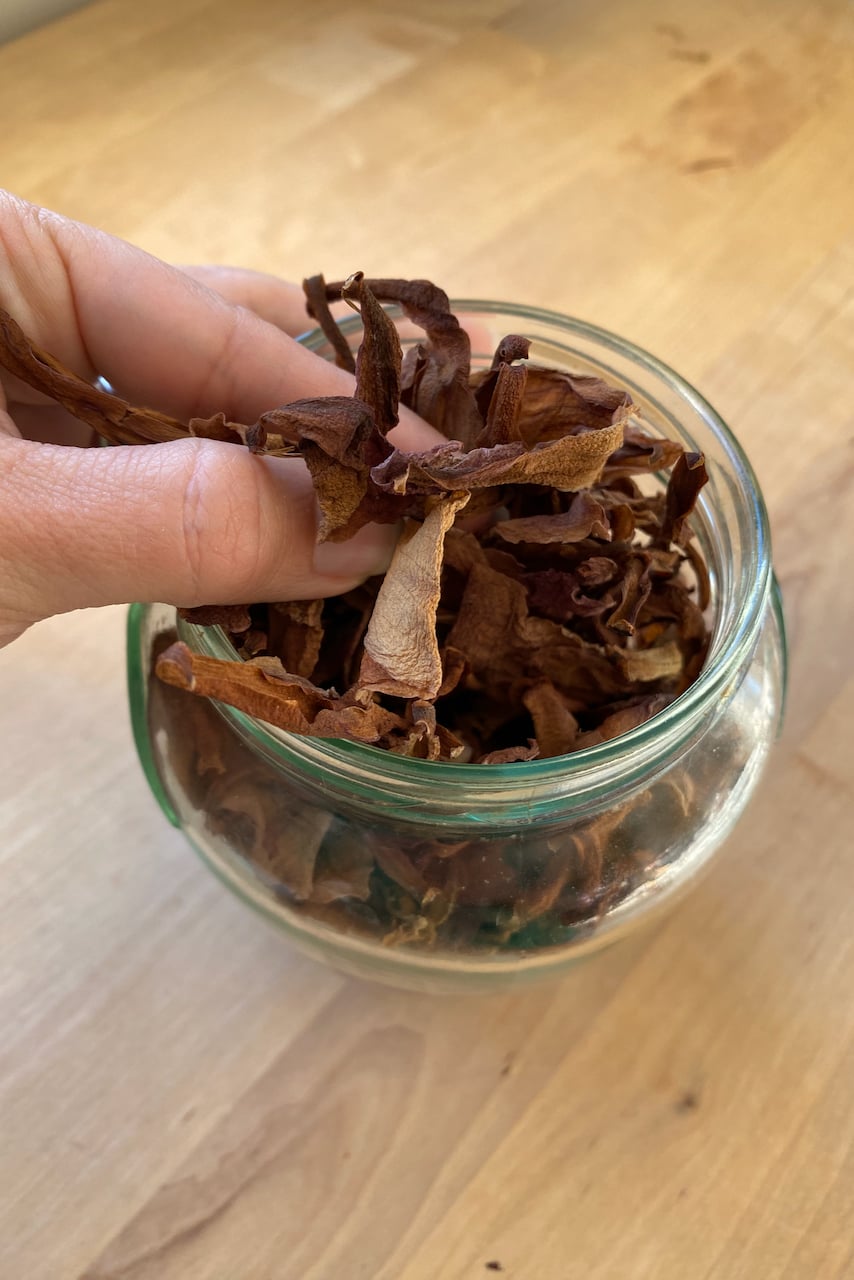
Glad you asked. Here are a few ideas:
- Make a hot herbal tea in the middle of winter to remind me that spring will eventually return.
- Grind them down in a food processor and add them to cookie or muffin dough.
- Grind them down and use the powder to flavor sugar.
- Crumble it and use it to flavor jasmine rice.
- Sprinkle the shredded petals over stir-fries.
I know all these choices of cooking with magnolia petals might sound intimidating. But I encourage you to pick one – the one that you think you’d most like to eat – and give it a go. Magnolia season doesn’t last forever, but it reliably comes back every year
Get the famous Rural Sprout newsletter delivered to your inbox.
Join the 50,000+ gardeners who get timely gardening tutorials, tips and tasks delivered direct to their inbox.