


I like big berries, and I cannot lie. You other brothers can’t deny. And that’s about as far as I can go with the blueberry-Sir Mix-a-Lot crossover. But yes, I’m obsessed with jumbo-sized blueberries. There’s something about plopping blueberries as big as grapes on my morning cottage cheese that makes me so happy. I almost forget I’m eating something healthy for breakfast.
It doesn’t hurt that they taste wonderful, too.
You would think that being larger, these mammoth blueberries would have less flavor, but that’s not the case. Blueberry flavor has more to do with genetics and growing conditions than with size.
Now, I can already hear the Maine blueberry and low-bush enthusiasts sharpening their pitchforks. Yes, wild blueberries and many low-bush varieties will often have a more intense blueberry flavor, but that’s because it’s concentrated in a small package. But larger blueberries are no less sweet, and let’s be honest, they are much easier to pick.
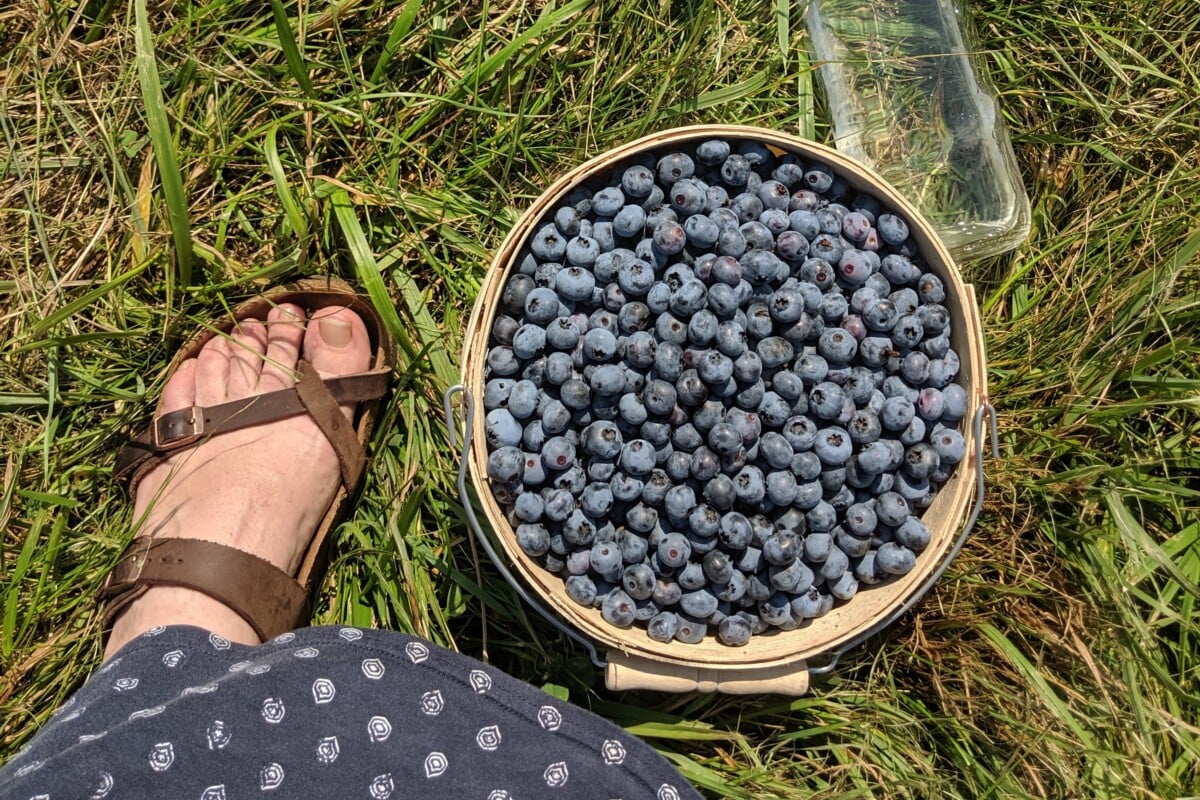
When you take into account the fact that homegrown blueberries are always infinitely more flavorful than what you can buy in the store, jumbo blueberry bushes sound pretty great. If you’re looking to add a few blueberry bushes to your garden this year, here are a few varieties you should consider for big berry flavor.
Naturally, it’s not just the variety you are growing, but the growing conditions that determine berry size.
So, after we discuss which blueberries will grow best in your neck of the woods, I’ll give you some helpful tips to set your berry bushes up for success.
What Can I Grow Where I Live?
The types you can grow have a lot to do with what part of the country you live in. Southern gardeners can grow rabbiteye and some highbush varieties. Northern gardeners should stick with highbush varieties (for big berries), but some rabbiteye varieties might be available to you if you live in the middle of the country.
Your best bet when choosing a blueberry bush is to check the hardiness zone for that variety.
That will give you a much better idea of whether or not it will do well where you live, more so than any advice I can give. Blueberries go dormant in the fall and need to experience a certain number of days of cold weather, between 32°F and 45°F (0°C–7°C), to grow properly in the spring. This is known as their “chill hours” and is part of the determining factor of what zone they can grow in.
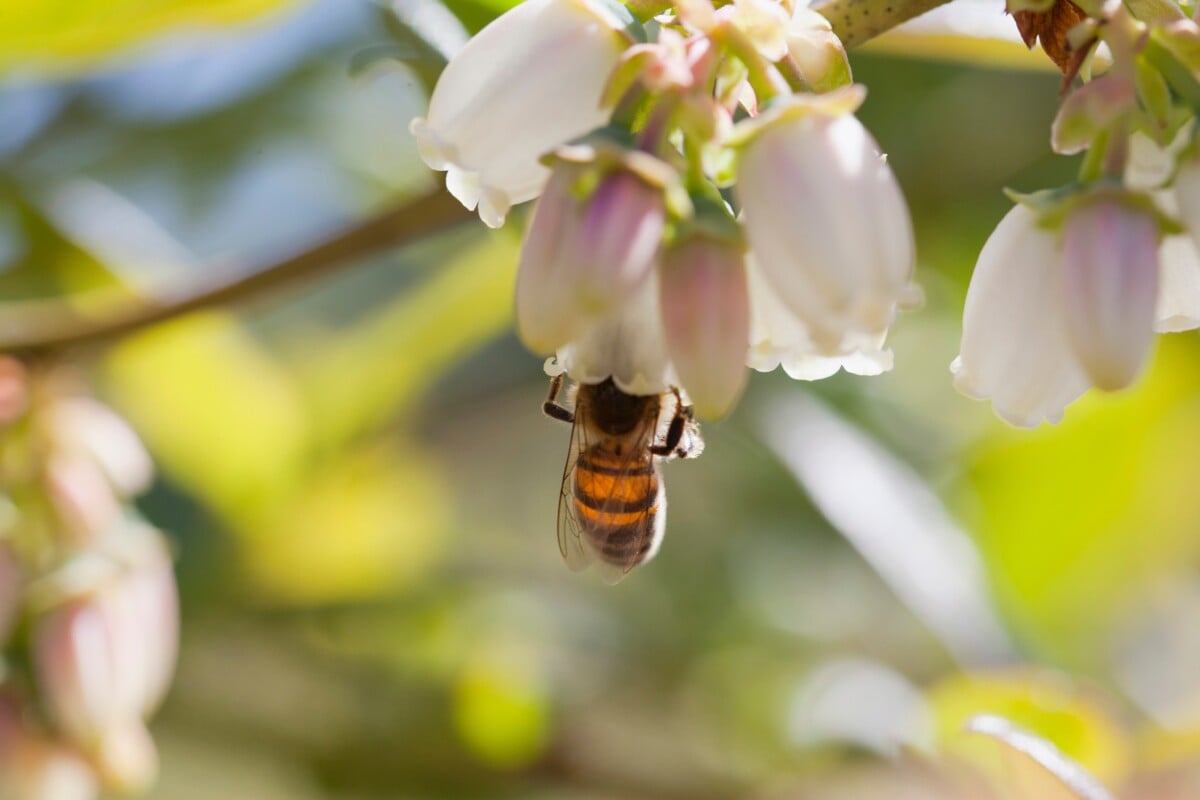
Many blueberry bushes are self-fertilizing, but you’ll have much larger crops if you plant a different variety from the same family. For example, two different rabbiteye varieties, two different highbush varieties, etc. It’s also important to remember when choosing other varieties for pollination, to pick ones with similar ripening times. If you choose one that flowers in May and another that flowers in June, it defeats the purpose.
On to the big blueberries!
Rabbiteye Blueberries (Where the biggest blueberries happen)
Titan
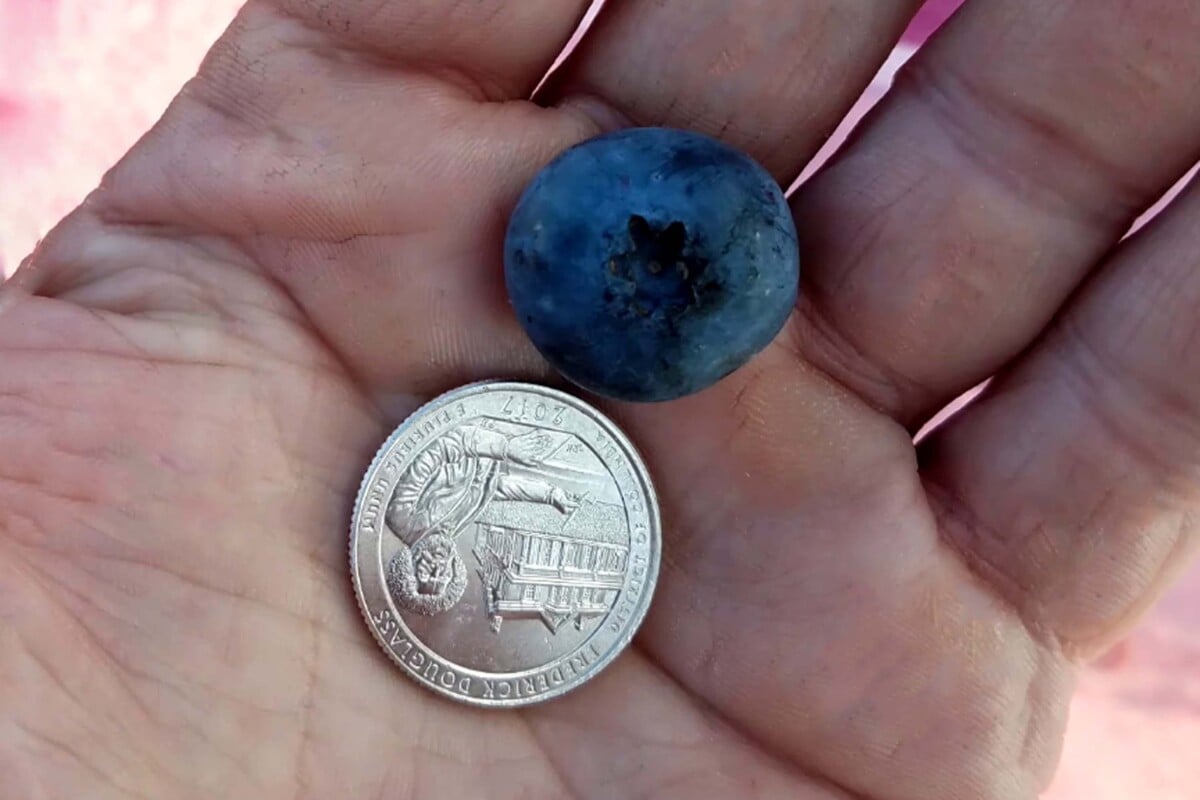
Obviously, the name tells you all you need to know. This may be the largest blueberry cultivar out there, with some berries growing as large as a quarter. A quarter! I see these guys pop up in the supermarket occasionally, with a jumbo price to match their jumbo size—all the more reason to grow them yourself.
Titan can be grown in USDA Hardiness Zones 6-9 (Yay, that means I can grow them!), as this variety needs between 500-550 chill hours each winter. Titan is partially self-fertile, but if you want a massive crop of blueberries, you need to plant it with another rabbiteye cultivar nearby. Titan flowers from March to May, depending on where you live, and is an early berry, so match accordingly.
Ochlockonee
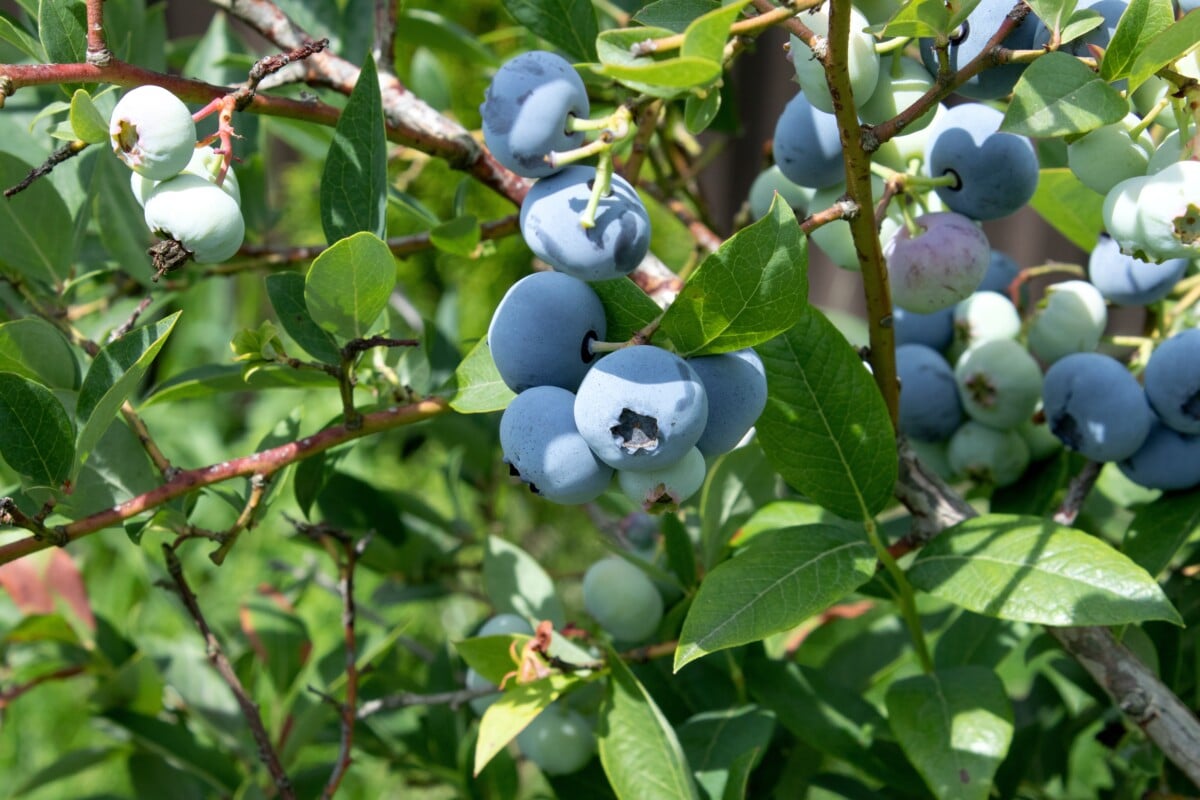
Another big berry producer is Ochlockonee, growing in USDA Hardiness Zones 7-10. It requires 600-650 chill hours. Ochlockonee is a late bloomer, providing you with late-season berries in August. It’s also a great blueberry for eating fresh, as it has a good shelf life if stored properly once picked.
Vernon
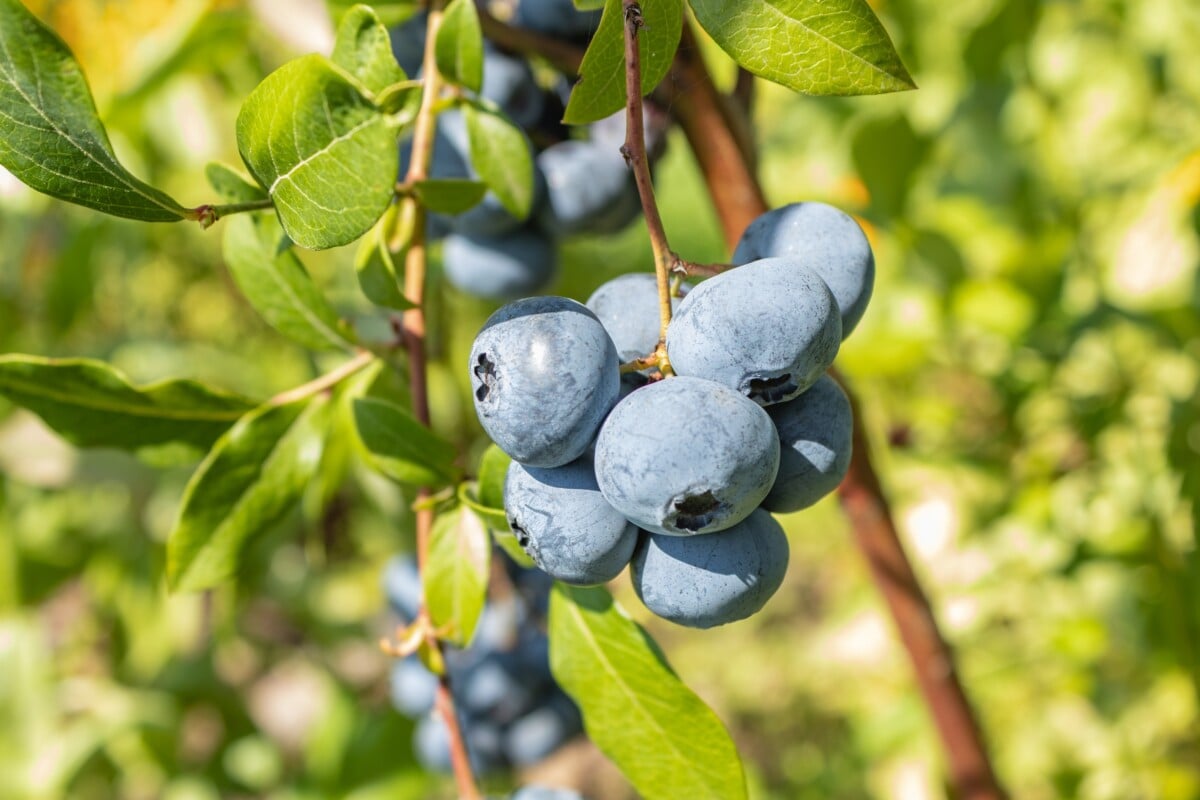
Vernon not only produces large berries, but it also produces a lot of them! This is one prolific little blueberry bush. Vernon is also known to have very sweet berries. It’s an earlier producer, so it would pair well with Titan. USDA Hardiness Zones 6-9 can grow Vernon. It needs between 450 and 550 chill hours.
Powder Blue
Powder blue is another overachiever, pumping out buckets of large, lovely, pale-blue blueberries. This particular rabbiteye cultivar needs 500-600 chill hours and will do well in hardiness zones 7-9. Because it is also a later-maturing variety, it’s a good one to grow along with Titan.
Northern Highbush
Chandler
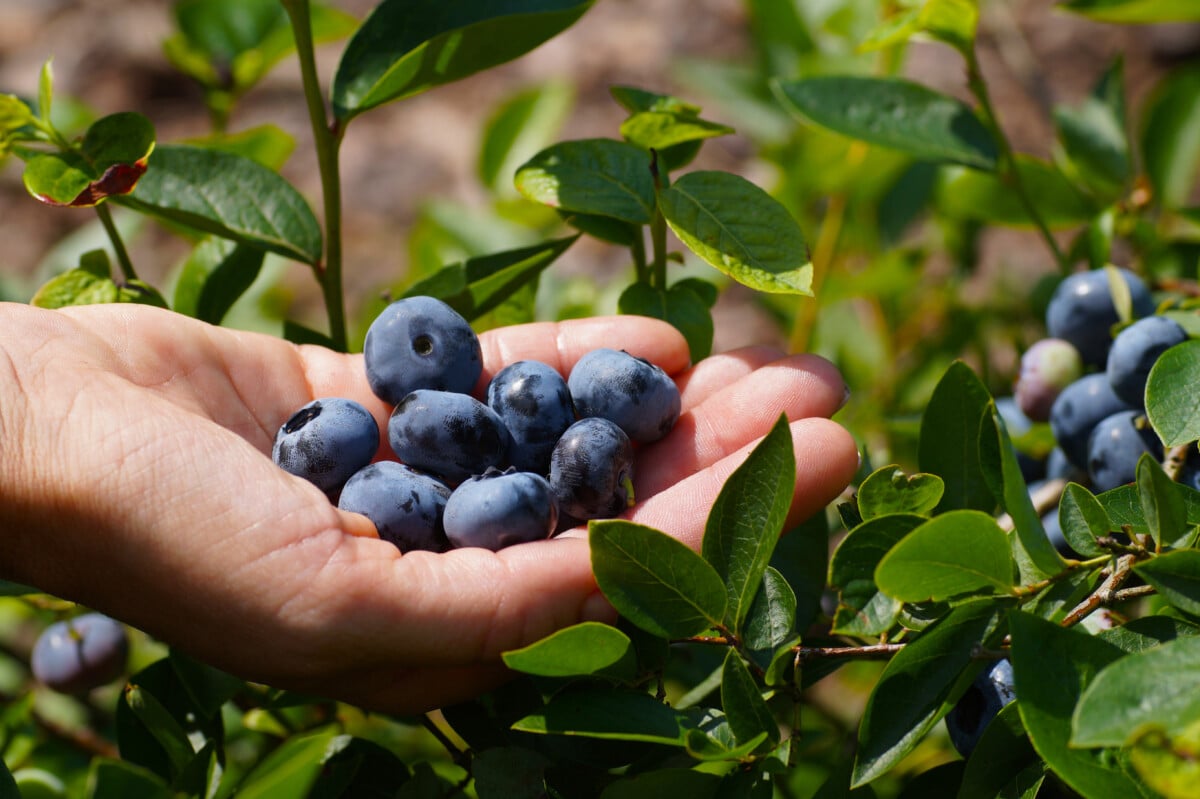
If it weren’t blue, you could easily mistake Chandler blueberries for a cherry; they’re that big. They produce berries in late summer and require an extra-long period of chill hours – 1000 hours. Naturally, this makes them a good fit for USDA zones 4-7.
Draper
Draper is on the smaller side of the jumbo berries, but it makes up for it with the lovely crisp texture and flavor they have. (They are a personal favorite.) This is a mid-season berry that needs between 600 and 1000 chill hours and will do well in USDA zones 5 to 8.
Legacy
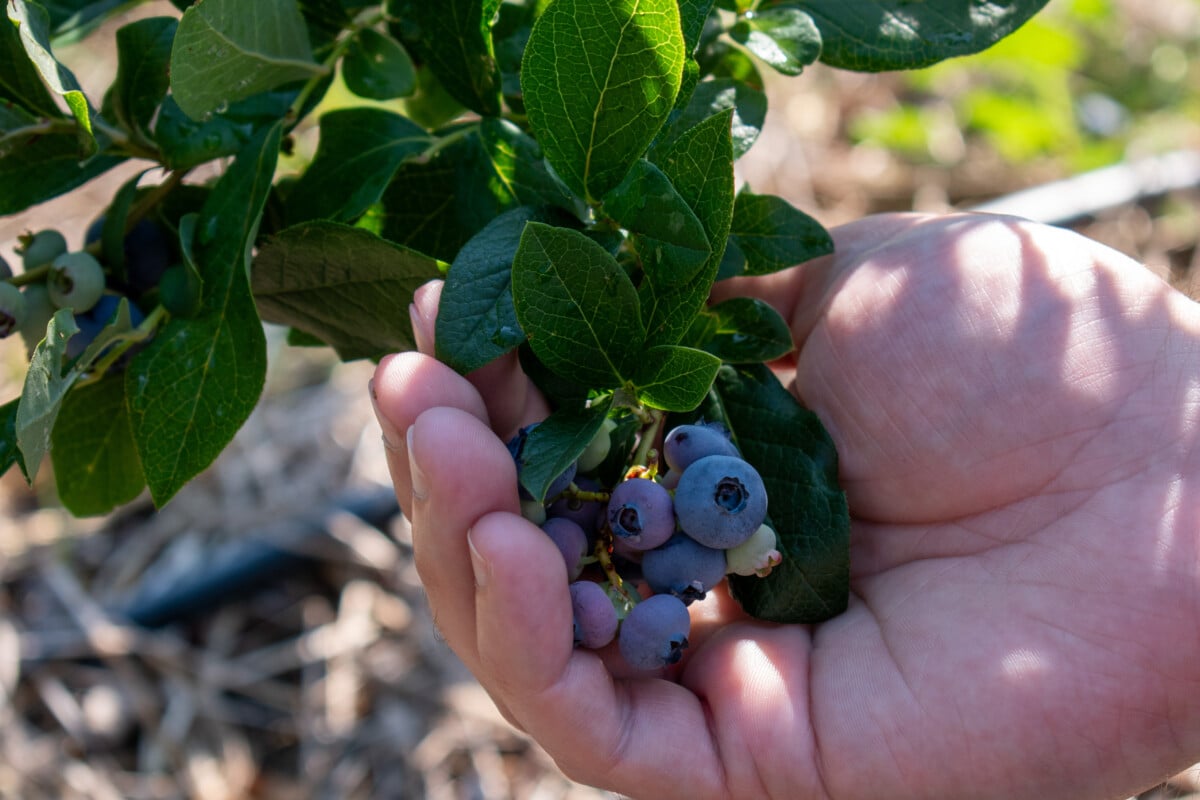
This northern highbush variety will also do well in zones 5 through 8. Legacy is known for its intense blueberry flavor as well as large berries. It requires chill hours between 800 and 1,000.
Southern Highbush
Jewel
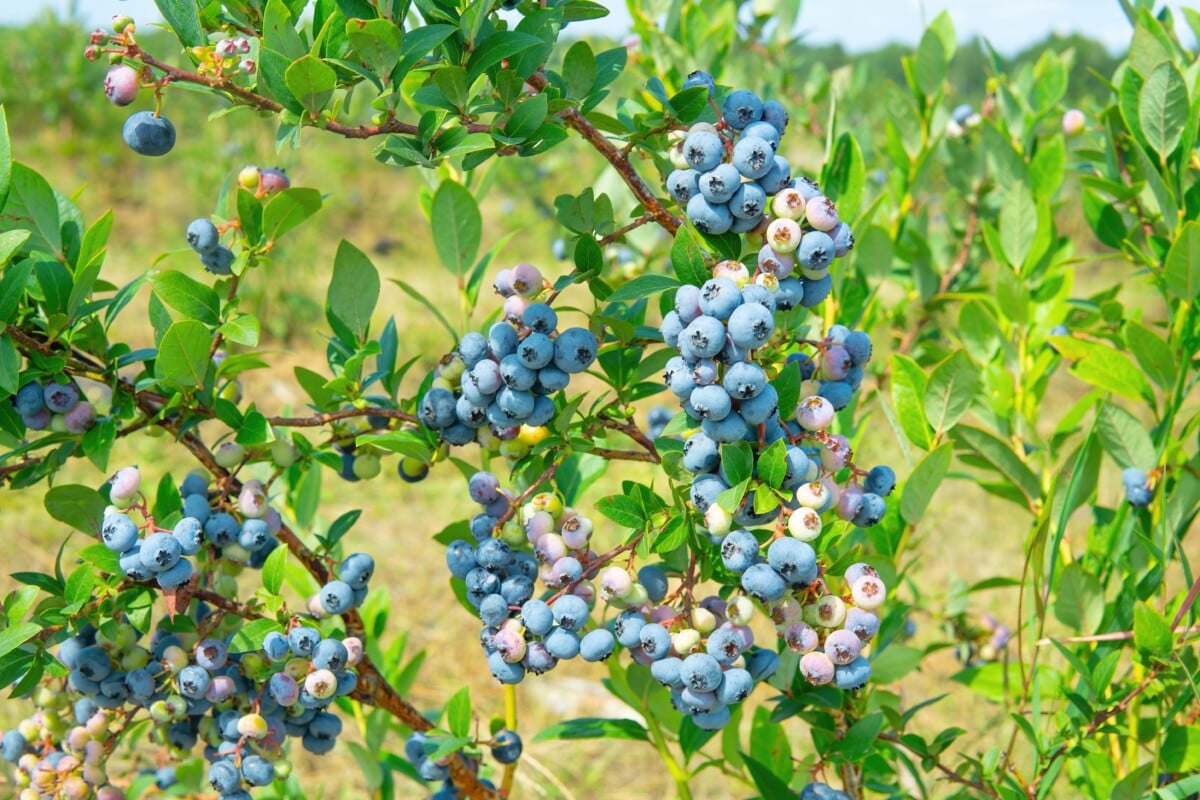
If you like your blueberries to have a little sweet-tart flavor to them, give Jewel a try. This southern highbush produces buckets of large, sweet berries with a little tartness to them. It has a low chill hour of about 200-300 hours, so it will do best in the milder winters of USDA Hardiness 4-9.
Windsor
Windsor is an early-producing berry, like many southern highbush varieties. It will do well in your southern hardiness zones (7-10) as it requires around 400 chill hours. What makes Windsor stand out, aside from its berry size, is how sweet the berries are.
Rebel
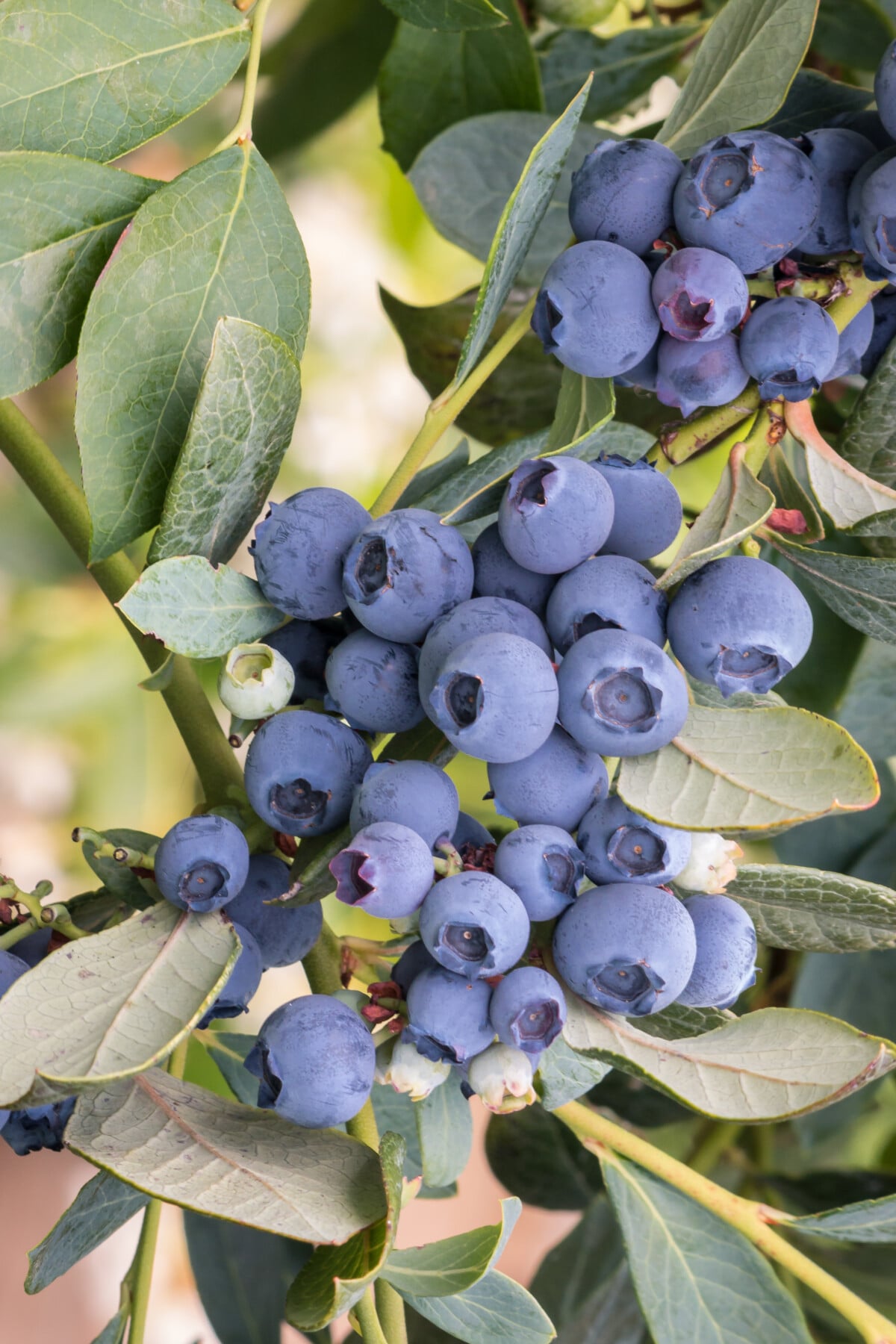
Rebel is another variety that produces large, tasty berries. This southern highbush is an early producer, making it a good option to pair with Suziblue for larger yields of both. It requires around 400-450 chill hours and will thrive in zones 7-10
Suziblue
Suziblue is an early-season southern highbush that only needs around 350 chill hours per year. You’ll get large, sweet and firm blueberries with Suziblue. This highbush variety does best in USDA Hardiness Zones 6-9.
Tips for Bigger Berries
Aside from genetics, there are a few things you can do to ensure you get a bumper crop of large, juicy blueberries from your jumbo-producing berry bushes.
Consistent moisture
Blueberry bushes have shallow roots. Because they grow so close to the top of the soil, they dry out faster. If you have a hot, dry summer, it can have a big impact on berry size. Even a dry spell of a week or two can make a difference. Water your blueberries regularly.
Heavy mulching
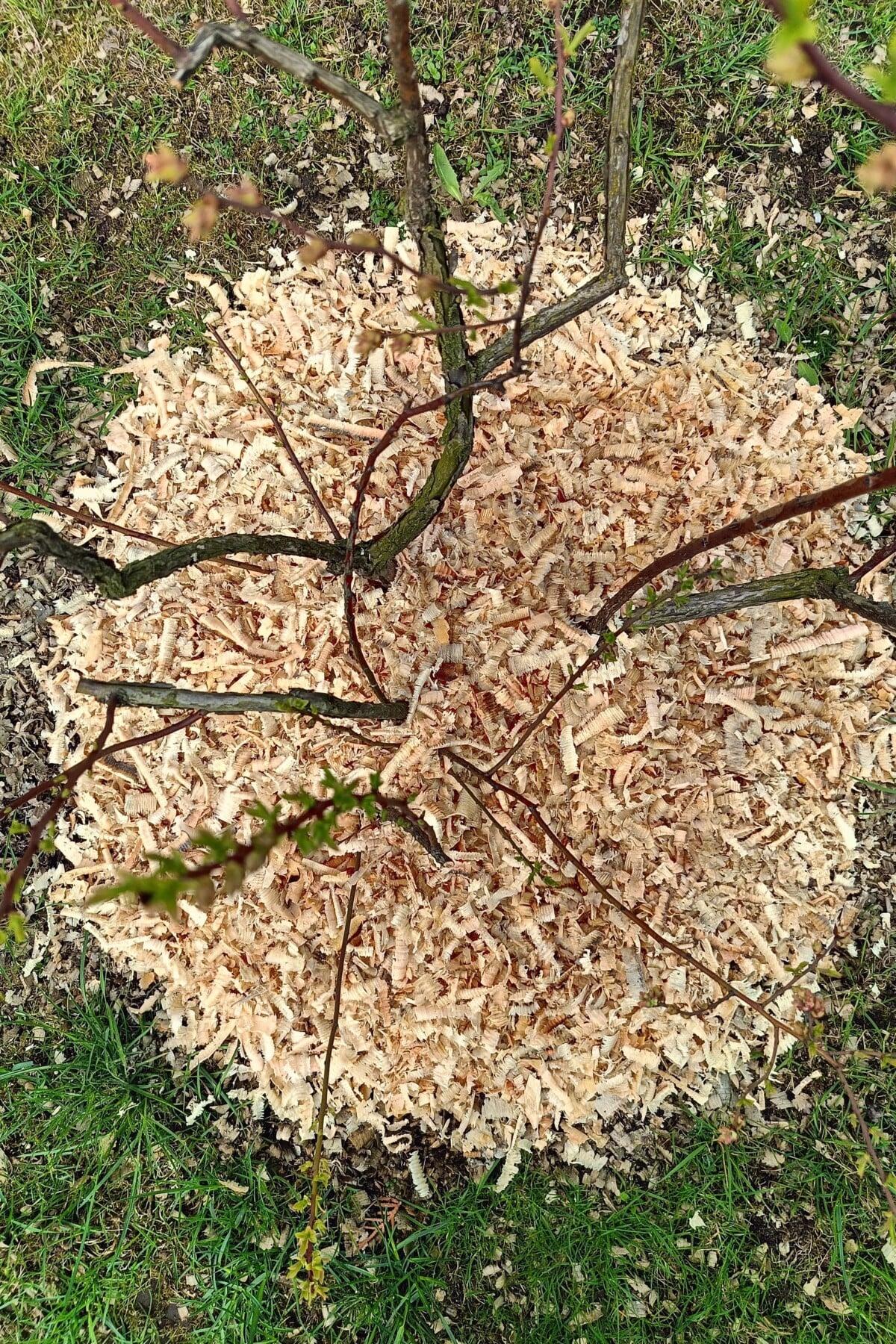
Coming back to the shallow roots, putting down a thick layer of mulch out to the dripline of the ush will prevent evaporation and keep the roots cooler. This leads to more big berries.
Acidic soil
Blueberries need acidic soil to thrive. Ideally, a pH 4.5–5.5. If you have a higher pH, you’ll end up with smaller berries, and the plant will often decline over time. To truly acidify your soil, you can’t rely on all the internet hacks of using coffee grounds, pine chips or other slightly acidic materials. You need to dig sulfur directly into the soil. But even that takes time to have an effect. You can check out this handy trick here to acidify your soil in the meantime.
Full Sun
Even partial shade during the day can significantly limit the number and size of the berries your blueberry shrubs will produce.
Pruning
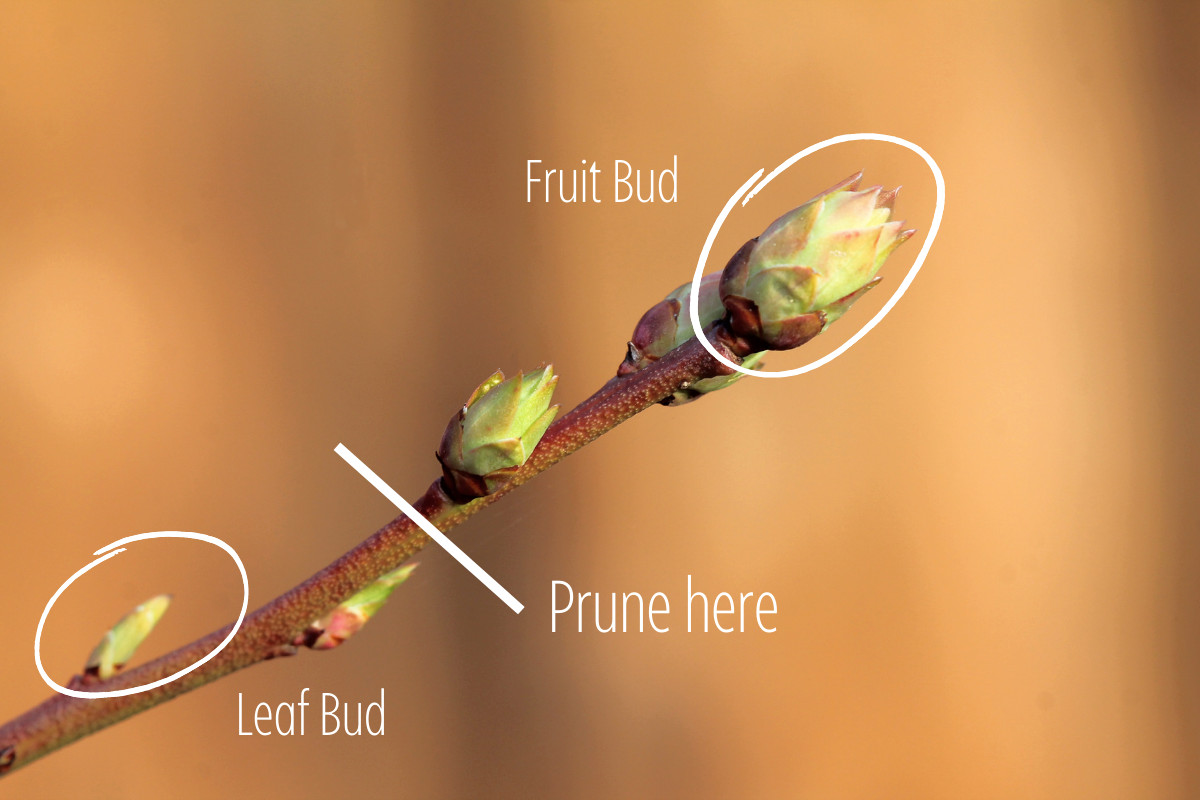
Finally, if your goal is big berries and a lot of them, you need to stay on top of annual pruning. Blueberries will produce larger berries on new growth, so removing older, woody portions of the plant each year will give you larger berries overall.
Pruning can feel a little intimidating the first time you give it a go, which is why I’ve written up a detailed guide on how and when to prune blueberry bushes. Once you do it a couple of times, you’ll easily figure out which branches to prune.
And finally, here’s your guide to planting these lovely jumbo blueberry bushes. You can thank me with a jar of blueberry jam.
Get Garden Notes From Tracey, Right to Your Inbox
Pull up a chair on the front porch. Join 54,000+ gardeners who get Tracey\'s friendly notes, seasonal to-dos, and hands-on tutorials three times a week.