


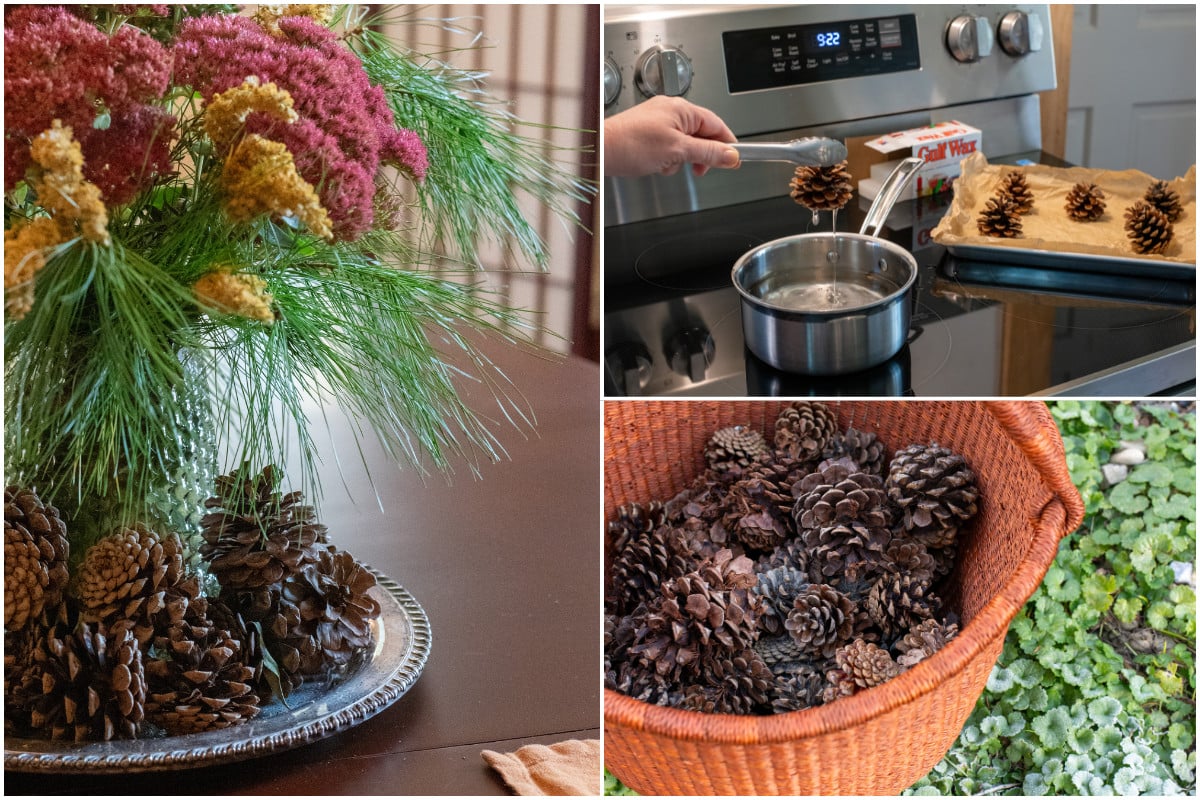
There’s something about pine cones that’s appealing to all of us. Their pattern, their natural symmetry —it’s no wonder we find ourselves picking them up while walking in the woods. These lovely little wonders offer plenty of practical and decorative uses in our homes and gardens.
Whether you’ve got nearby conifers supplying you with an abundance of pine cones or you’ve gathered a basketful from a walk in the woods, there are plenty of brilliant ways to put them to good use.
Which Pine Cones Should I Use?
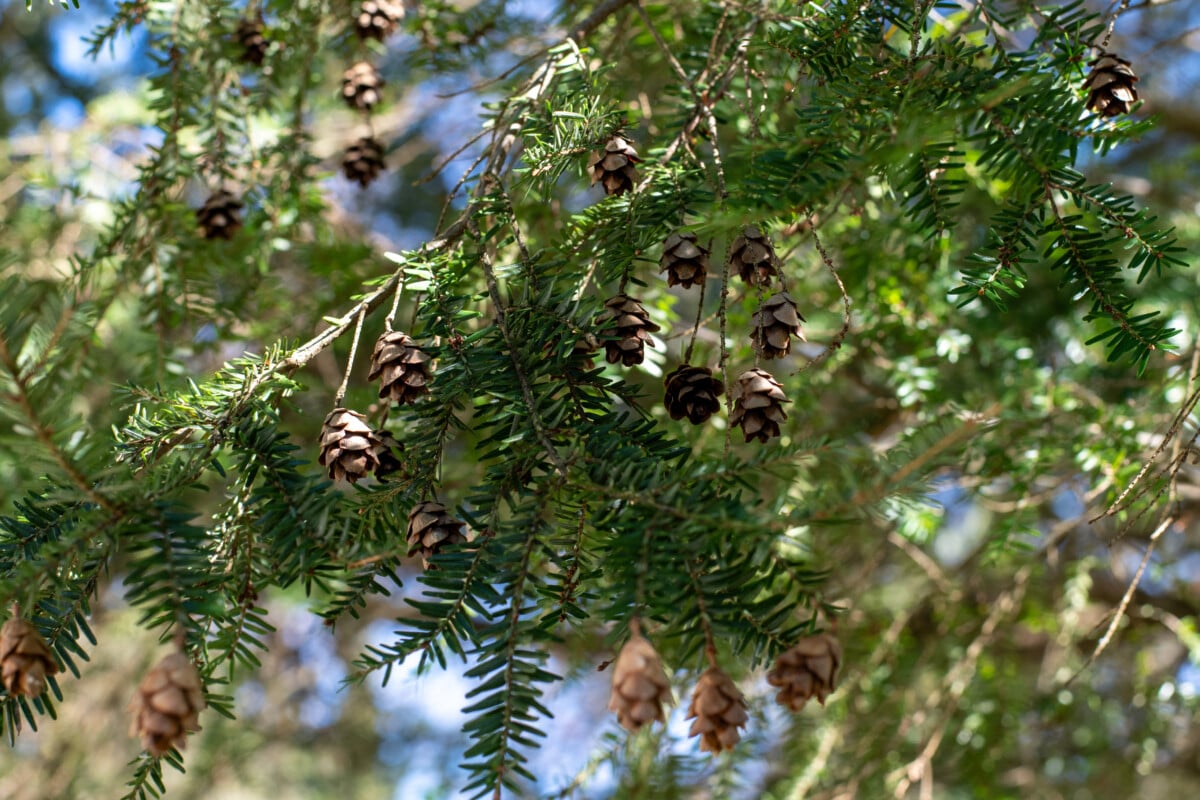
Really, it depends on what you plan on using them for. For outdoor use, it doesn’t really matter, although smaller cones, such as hemlock, require quite a few more and may not lend themselves well to some of these suggestions. Softer cones often have more sap than harder cones, but will break down sooner than the hard ones, so keep this in mind when deciding what to use your pine cones for.
In the end, using whatever cones you have on hand is usually the way to go. But if you have your heart set on crafting with pine cones or using them around the house and you come up short on pine cones, good ol’ Amazon can save the day. You can purchase cleaned and bug-free pine cones here.
Before You Bring Pine Cones Into Your Home
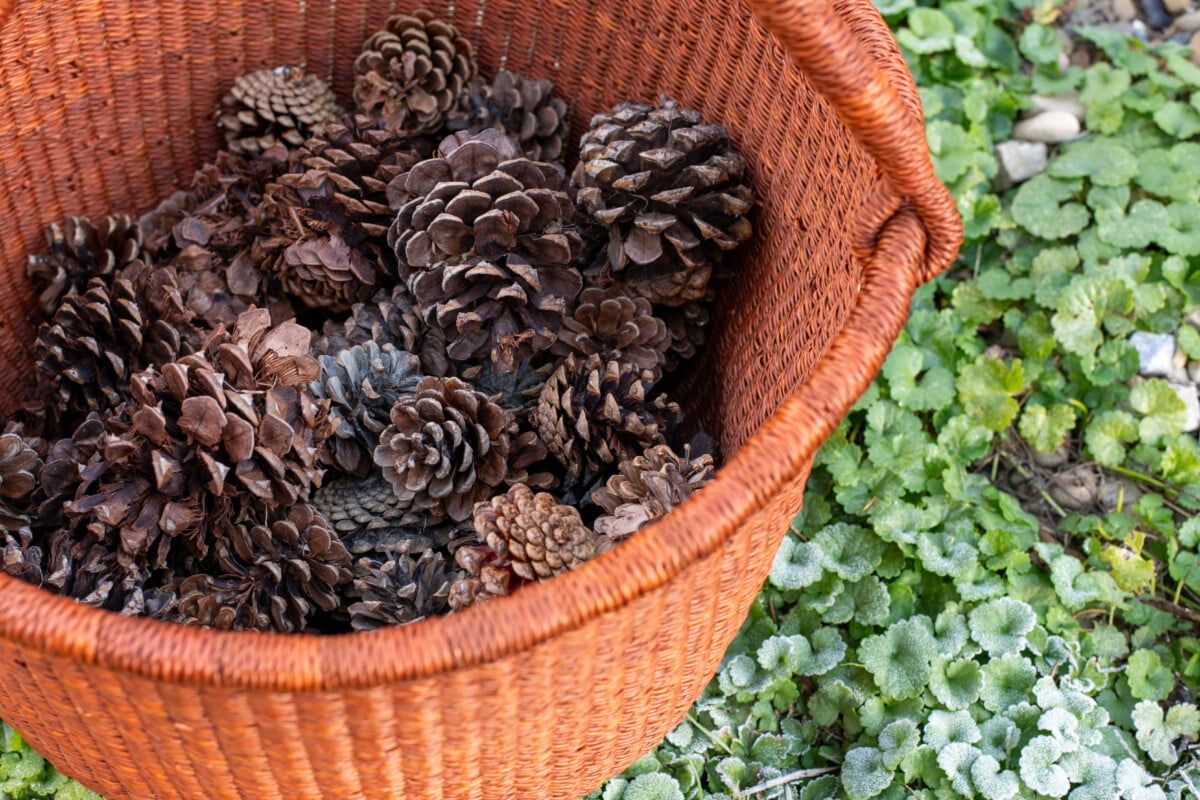
You don’t need to do anything with pine cones if you plan on using them outdoors. However, if you want to bring them inside for crafts or décor, then you’ll want to be sure you bake them. Baking pine cones at a low temperature has three important outcomes: it kills any insects hitching a ride on them, it removes excess sap, and it opens them up.
I’m going to assume that, like me, you only want to bring pine cones into your home, not bugs. To ensure you don’t allow any unwanted hitchhikers to take up residence, baking is key!
If you’ve got pine cones that are extra sappy, baking will help melt off most of the sap, making them much easier to work with. Plus, you get the added benefit of your house smelling wonderful while they bake.
Pine cones close up in cooler temperatures, so even if you’ve collected closed pine cones, placing them in the oven will “fluff” them up a bit and make them look great. If you like the look of closed pine cones or have a craft that uses them, you can place them in a plastic storage bag and put them in the freezer for an hour or so, and they will close again.
Baking will also dry out damp cones, preventing them from getting moldy and gross.
How to Bake Your Pine Cones
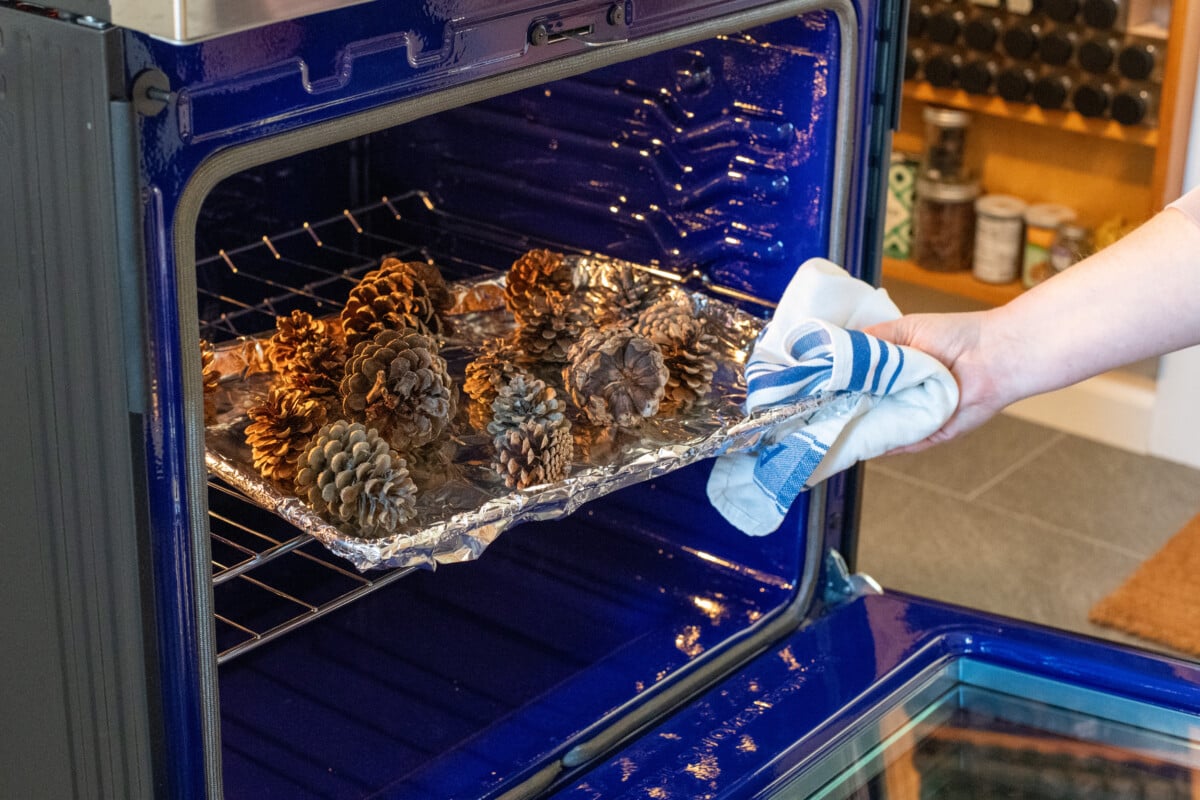
- Preheat your oven to 250°F. This temperature will effectively kill bugs, open the cones and, most importantly, melt sap. Lower temps are often recommended, but these will not melt sap. If your pine cones are not sappy, then you can lower the temperature to 200°F.
- Cover a baking sheet with aluminum foil.
- Remove any debris, such as pine needles and leaves, and place the pine cones on the baking sheet, spreading them out so they don’t touch. You may need to work in batches if you have a lot of cones.
- Bake the pine cones for 30 minutes if you only need to kill bugs and open them up. If you are melting excess sap, let them bake for one hour.
- Keep the door slightly ajar to vent any moisture, and keep a close eye on your pine cones; sap is flammable.
- Once finished, remove the pine cones and let them cool. If you’re melting sap off of them, you’ll want to remove the pine cones from the baking tray and cool them on aluminum foil or parchment paper.
Now, your pine cones are ready to be used around your home for decorating and crafts.
Let’s take a look at all the ways they can be used.
Using Pine Cones Indoors
Make Scented Pine Cones
Ah, scented pine cones. Nothing announces the arrival of fall more poignantly than walking into your local grocery store and being punched in the face with the scent of cinnamon or pumpkin spice. Those bags of scented pine cones are an assault to the senses, which is a shame because the idea is nice.

You can easily make your own scented pine cones that are more subtle and less likely to be classified as a bioweapon. Place the pine cones in a single layer inside a Ziploc bag. In a clean spray bottle, mix 10-12 drops of your favorite essential oil, ½ cup of distilled water, and ¼ cup of vodka. Shake well. Now spritz the dickens out of the pine cones in the bag and close it up. Let it sit for an hour or two for the pine cones to absorb the scent. Now they’re ready to place around your home.
My favorite scent to spray on pine cones is, ironically, balsam fir.
Pine Cone Place Card Holder
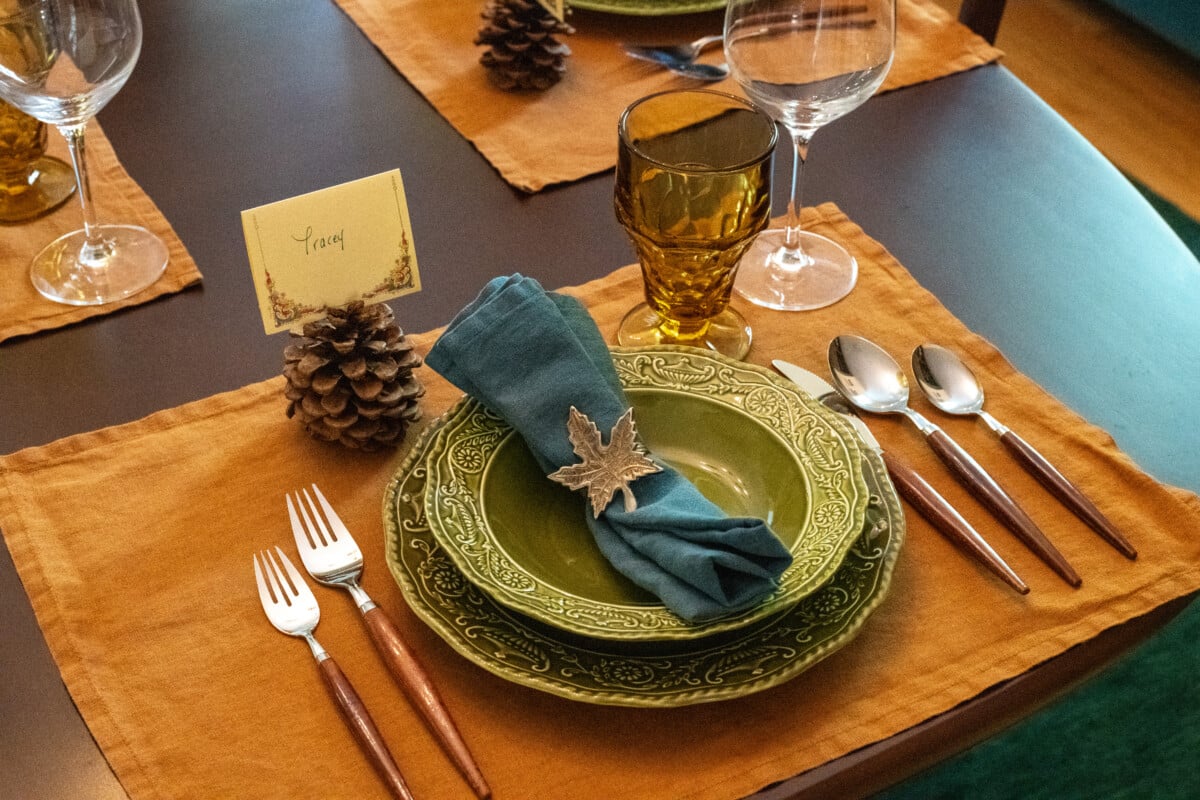
I love hosting dinner parties with full place settings, including place cards. These days, such formalities have become a rarity, but it’s great fun and makes my friends feel extra special. Whether it’s a casual supper with friends or Thanksgiving dinner, pine cones make the perfect place card holder for fall gatherings.
You can keep it simple (I like the understated look of using only the pine cone), or dress your pine cones with glitter, fake snow, or gold paint. Add some fresh herbs or dried flowers to make them extra special.
Keep Cats Out of Houseplants

The UCDS (Universal Cat Distribution System) visited my house, and I’ve been adopted by two sweet cats, Yuki and Verstappen. They’re incredibly well-behaved young ladies; however, they do like to dig in my larger houseplants. I put a nice thick layer of pine cones on the top of the potting soil so they can’t reach it. There’s something about the texture or smell of the pine cones that they don’t like, so I no longer find potting soil all over my floor.
Fire Starters
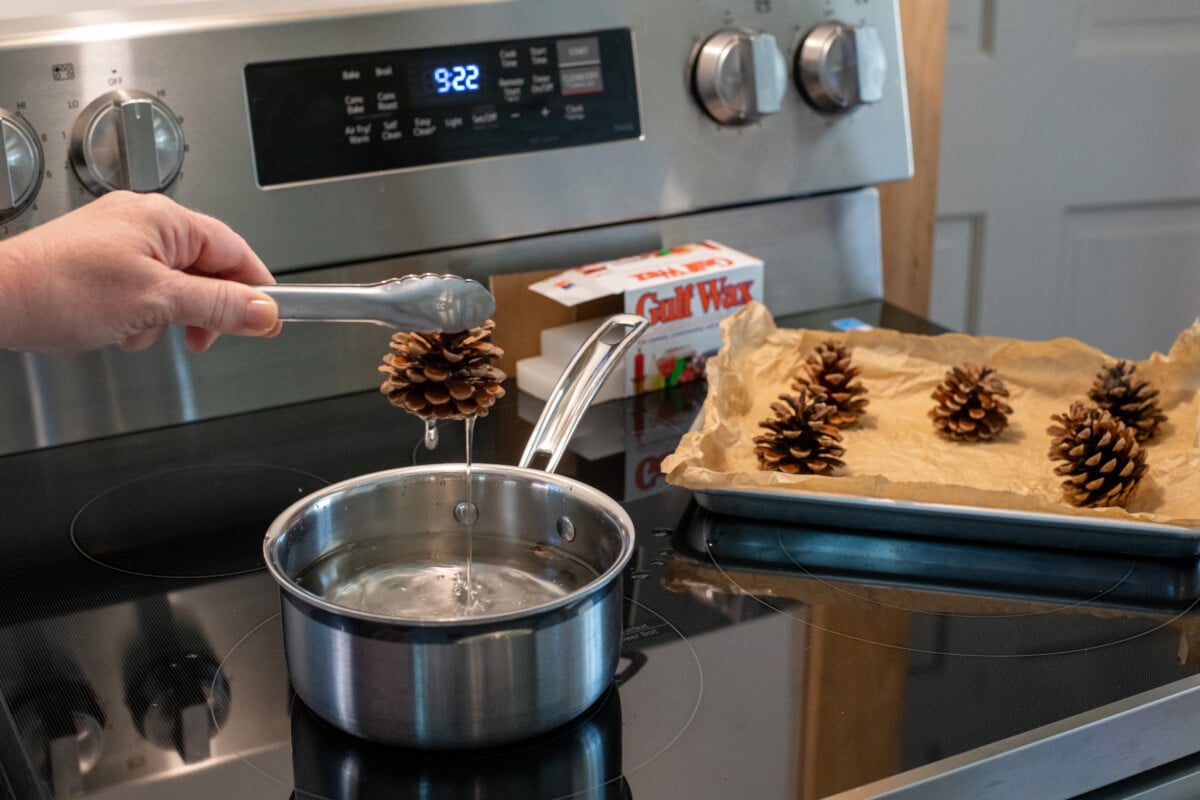
Pine cones are fantastic for starting fires. Use them on their own, or dip them in paraffin wax. (A thin coating works best.) For the best fire starters, roll the wax-dipped pine cones in dryer lint before the wax dries. Set them on parchment paper to dry.
These handmade fire starters make a great gift for anyone with a fireplace, backyard fire pit or the camping enthusiast.
Bleached Pine Cones
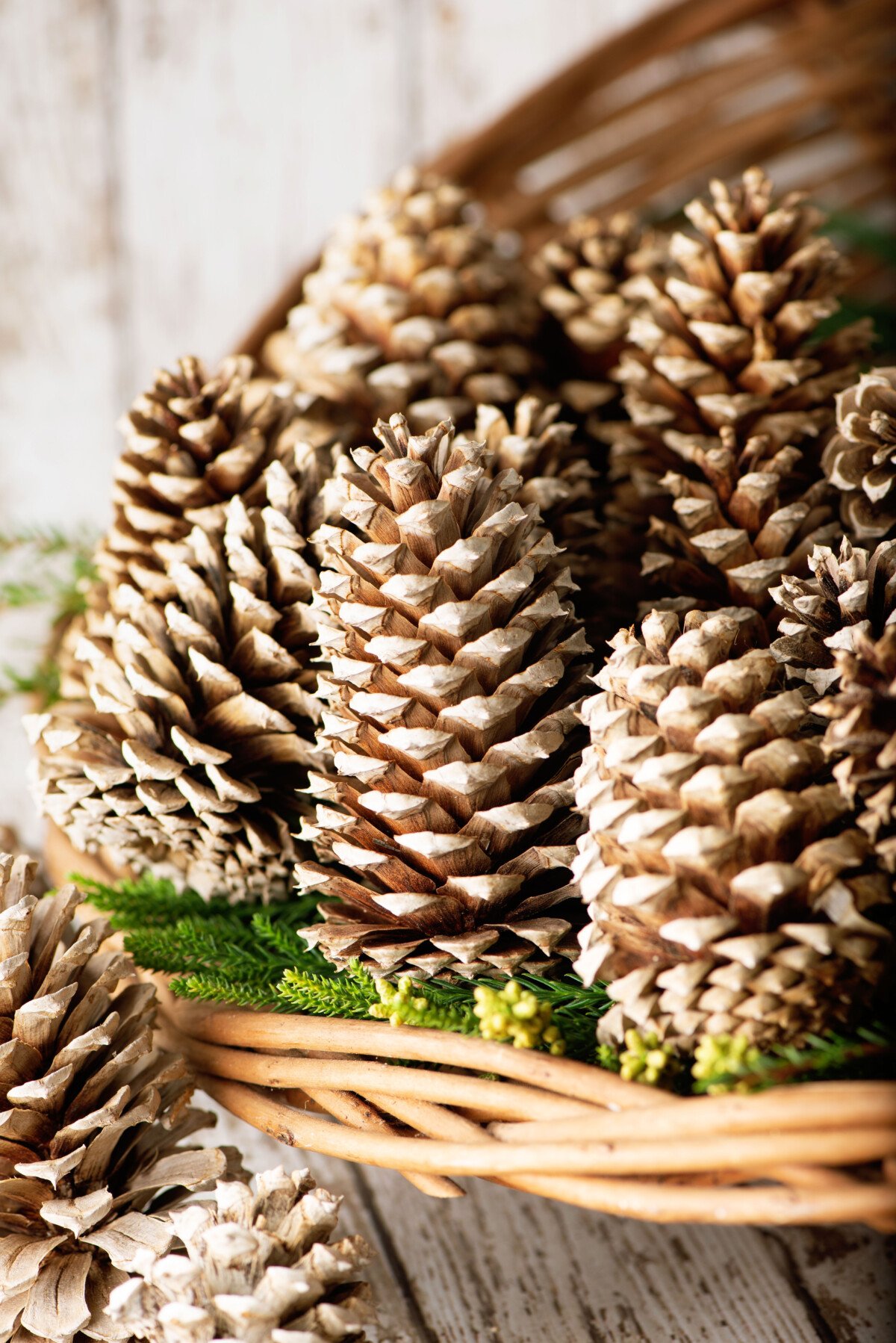
Bleached pine cones? Yes! They are super easy to make and have a beautiful “beachy” look to them. If you want to try something different or give a softer vibe to your pine cone crafts, try bleaching a batch. They look great on wreaths or simply piled in a basket.
You can learn how to bleach pine cones here.
Crafting Material

Whether or not you have a plan for them, having pine cones on hand, ready to use, is always a good idea for the crafty household. They’re wonderful natural crafting materials for kids’ crafts and more elevated, adult crafts, too.
I like to have them on hand to display in baskets or bowls and to tuck around centerpieces for fall and winter decorating. For some fun holiday projects, check out all the great Christmas crafts you can make with pine cones.
Using Pine Cones Outdoors
Peanut Butter Pine Cone Bird Feeders

Many of us made these easy peanut butter pine cone bird feeders as kids. But did you know that they can be an important source of calories for birds in the cold weather? Grab some pine cones and revisit this childhood craft if you want to help out the local feathered visitors to your backyard.
Use Pine Cones as Mulch
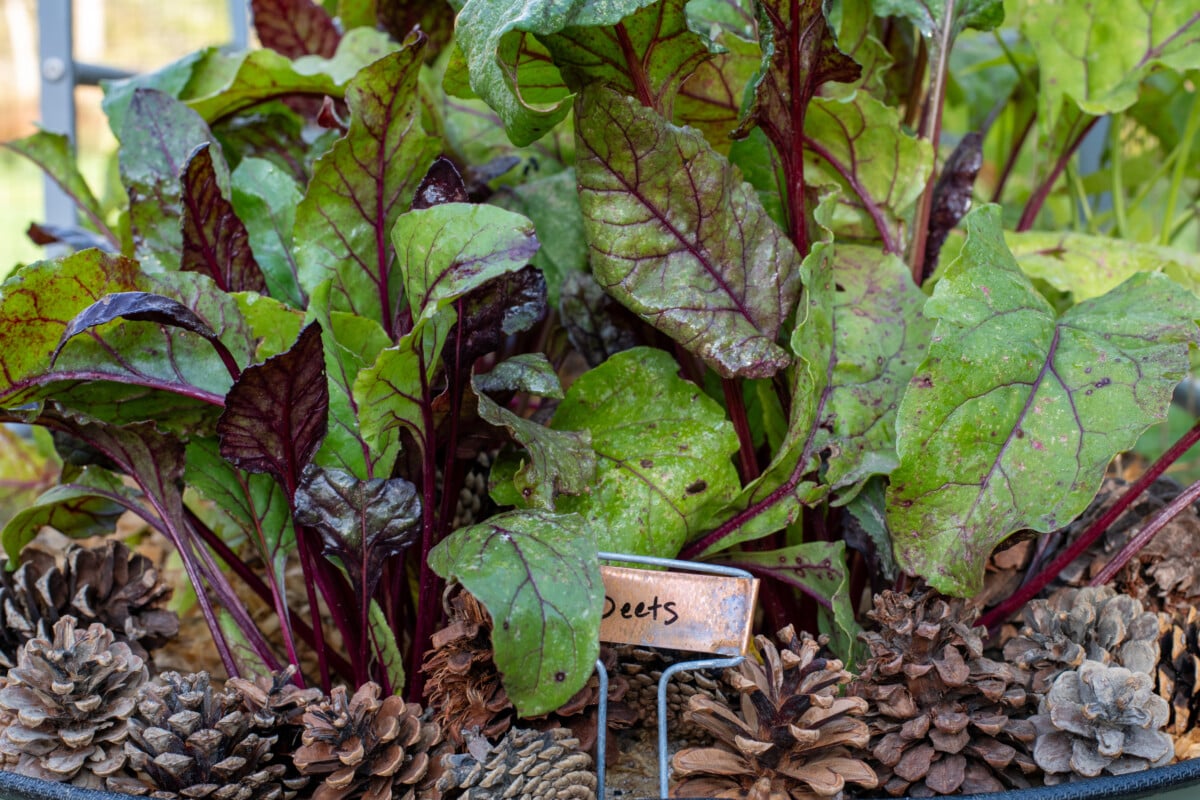
If you have lots of conifers, then it’s pretty likely you have lots of pine cones, too, which means you’re probably searching for a great way to put a ton of pine cones to good use. Mulch is the way to go. Whether you use them whole or chip them first, pine cones make great mulch material. They look especially nice in ornamental gardens.
Pathway Border
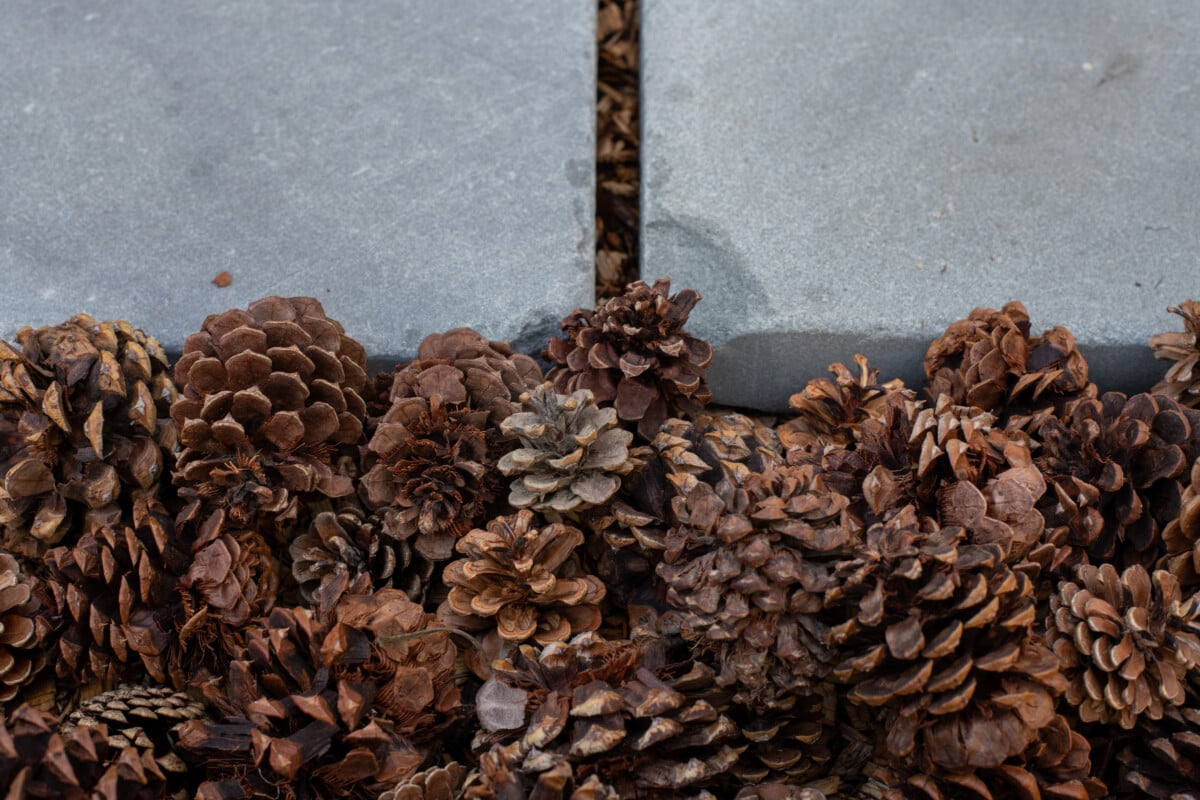
If you want a beautiful and natural-looking border for garden and landscape pathways, pine cones look great, and, as mentioned above, if you have plantings in those borders, it also doubles as mulch.
Use Pine Cones in Raised Beds and Hugelkultur Beds
If you have access to a lot of pine cones and want a great way to use them up fast, this certainly fits the bill. Not to mention, using pine cones as filler for raised beds will help you save money on expensive garden soil. The pine cones will break down slowly over time, providing good drainage and organic matter.
A note about acidity: Many gardeners are concerned that pine cones will raise the acidity of their soil. This is not an issue. While the ground under pine trees is naturally acidic, this is due to years and years of pine needles and pine cones breaking down in the soil. Adding pine cones to your raised beds isn’t enough to change the acidity of your soil; otherwise, it would be on this list as a tip!
Drainage for Houseplants and Container Gardens
Every houseplant owner and container gardener knows the importance of good drainage when it comes to growing plants in pots. Pine cones are a natural choice to ensure your potted plants have great drainage.
For houseplants, place one over the drainage hole in a pot before adding your potting mix. For larger containers, place a layer of pine cones on the bottom before you add potting soil and your plants.
Beneficial Bug Hotel
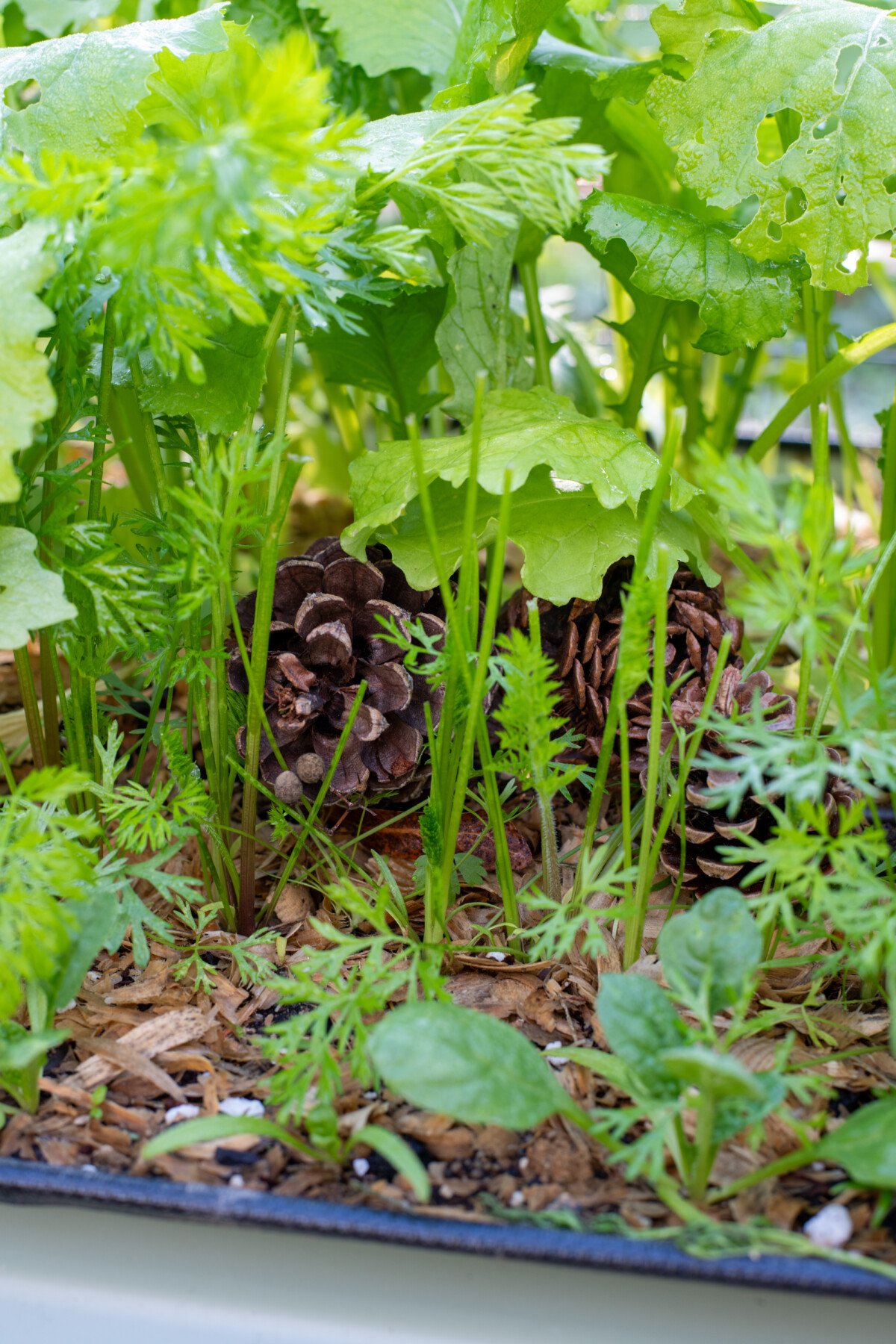
The ladybug – it’s one beneficial bug you want to invite into your garden every year. Of course, it helps if you set them up with a nice little Airbnb. Ladybugs prefer to hide, lay their eggs, and winter over in sheltered and secluded spots. Pile a few pine cones in different areas of your garden to give them a place to stay and encourage them to stick around.
Pine cones are much better for bugs than the commercially made bug hotels that were so popular for a while. You can easily swap them out each year to prevent the spread of disease among beneficial insect populations.
Correct a Soggy Compost Pile
Pine cones are certainly compostable, especially if you don’t plan on using them in other ways; they’re a great source of carbon (browns). But it’s important to realize they take forever to break down. You’ll want to put them through a garden chipper first. Added whole to your compost, it can take years for them to break down.
That being said, if you have a compost pile that’s too waterlogged and soggy for the microbes to do their job, turning in pine cones can help. Their natural shape helps create better drainage, allowing the pile to dry out slightly so that it can break down more effectively.
Spread Onto Muddy Paths and Walkways
If you have an area of your lawn with high foot traffic that often gets muddy and stays that way, spreading pine cones onto that spot is a smart move. As they’re walked on, they will keep shoes from getting covered in mud, or worse, sinking into the ground. What’s more, the pine cones are pushed down into the mud and, over time, are worked into the ground, helping to improve drainage and correct this muddy issue.
Get the famous Rural Sprout newsletter delivered to your inbox.
Join the 50,000+ gardeners who get timely gardening tutorials, tips and tasks delivered direct to their inbox.