
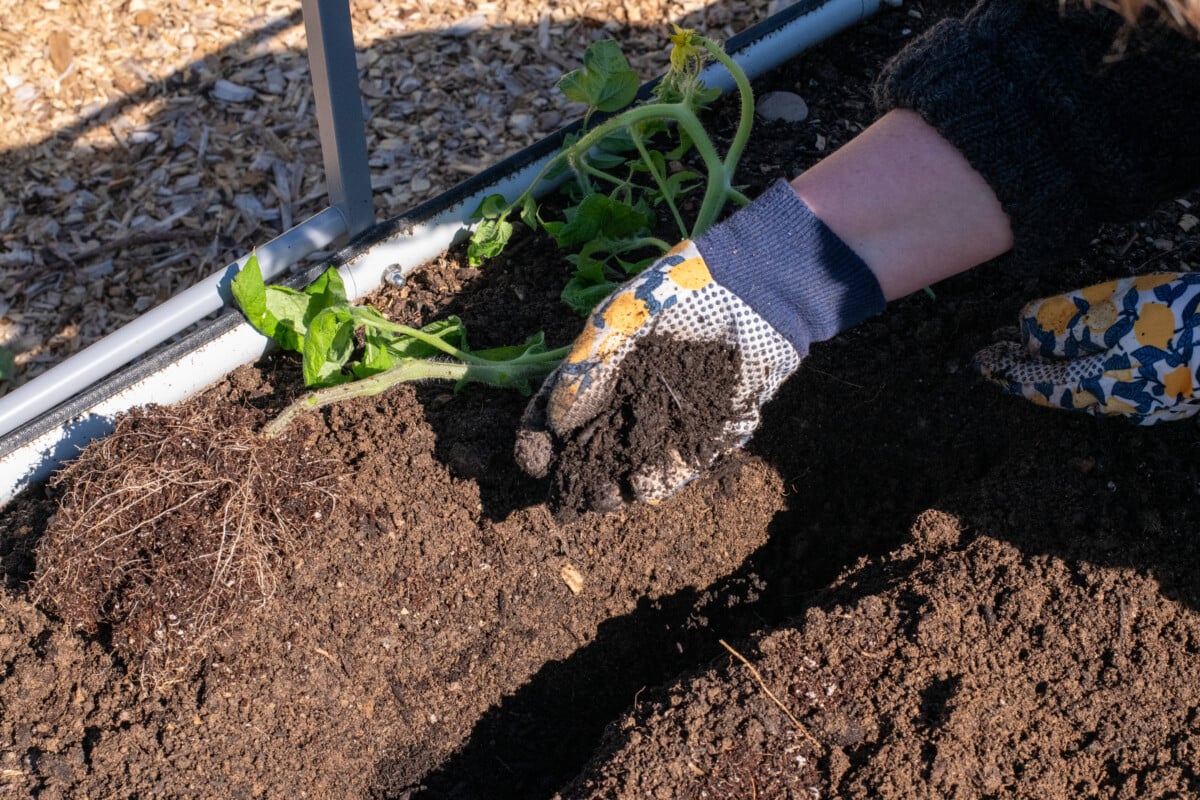
Each spring, as we move our seedlings out into the garden, we have a once-a-year opportunity. But so many gardeners let it pass by. This is your chance to put a few little important extras in the ground right where your tomato can use them – at their roots.
This spring, don’t let the opportunity pass you by to give your tomatoes a boost that will stay with them throughout the summer.
Do What Works
I’ve been growing tomatoes for decades. I learned how to garden from my dad, who was an organic gardener way back before it was the popular buzzword it is today. Over that time, I’ve tried growing tomatoes in a myriad of ways.
As the editor of Rural Sprout, I still try out whatever comes along as far as gardening fads go.
But over the years, most of the tips, tricks and gardening folklore I’ve tried have fallen by the wayside. These days, when it comes time to plant my tomato seedlings, I keep things very simple. But the things I have kept around, I’ve done so because they work.
For instance, I don’t start my tomatoes super early anymore. I want them to be indoors for as short a time as possible, so I stick to the recommended 6-8 weeks before it’s time to plant them outdoors. Yet, I still manage to produce insanely big, sturdy tomato seedlings that look like they were spliced with DNA from the Hulk.
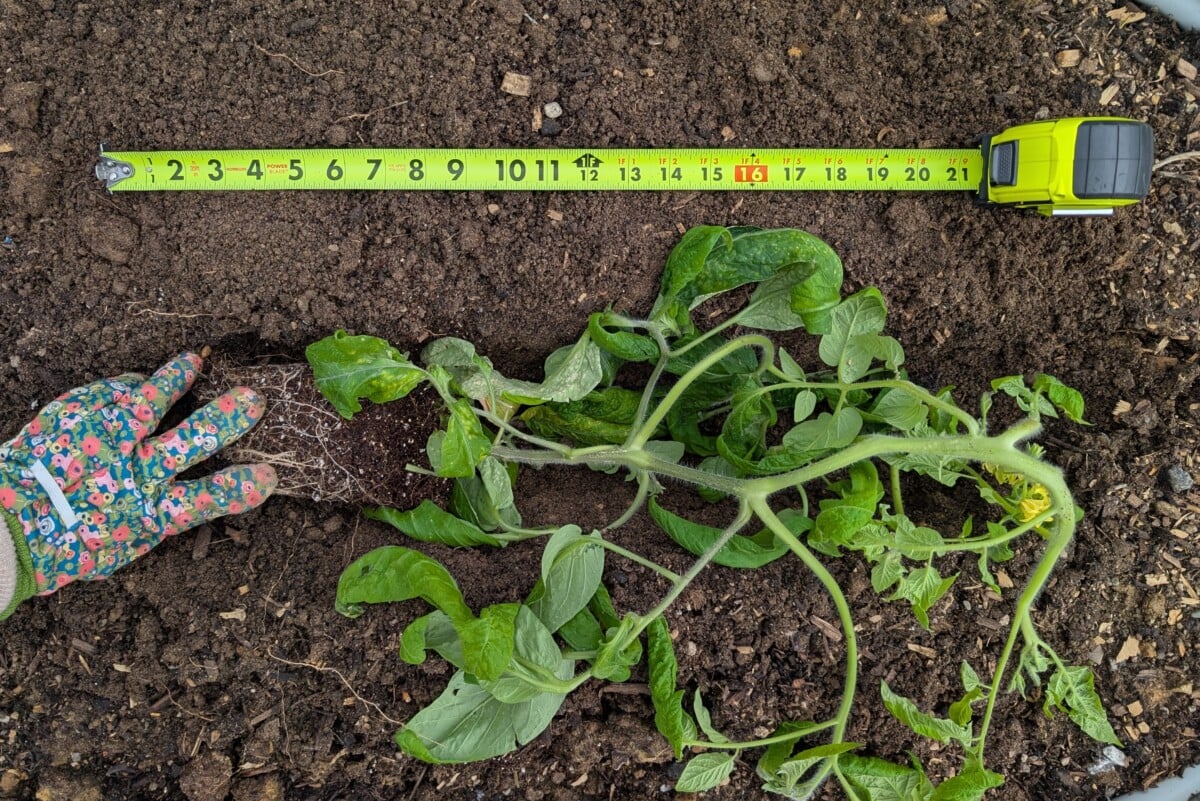
That’s because I figured out a nifty trick to double their root system without making them root-bound before they even get to the garden. And that makes for larger, stockier seedlings overall. But my monster tomato seedlings are another post entirely.
A lot of what makes for a great growing season starts way back in the spring, when you first move plants outside.
When you’re putting your seedlings in the ground, you have the opportunity to bury more than just your plants.
You can add amendments to the planting cavity before you put your plant in, which can support your tomatoes right up until that first frost next fall.
And while there are quite a few things you can add, I want to look at the three most important things you should always add. Everything else is a bonus.
1. Compost
I always dig my planting holes a bit deeper than is necessary because I want to make room for a bit of compost. Adding a few trowels of compost does a few important things. Compost adds trace amounts of nutrients, helping to replenish lost nutrients from the previous growing season (which is why I like to add some in the fall, too).
More importantly, though, compost gives back to your soil by adding plenty of organic matter that slowly breaks down over time. This process is important for continued healthy soil. It improves soil structure, adding microscopic air pockets that can hold water, introduces new and nourishes existing microbes, fungi and beneficial bacteria to the soil.
One of the best things you can do for your tomatoes, for your whole garden really, is to make sure you are cultivating living soil. To do that, you need to give back what you take out, and compost goes a long way in putting back what’s used each year. So out of each of these, this one I never skip as it’s the most important.
2. Mycorrhizal Fungi
If you haven’t introduced your tomatoes to this fantastic fungi yet, I suggest you make this the year that you do. Our garden variety tomatoes’ wild cousins in South America have been relying on their symbiotic relationship with the mycorrhizae growing in the soil for millennia. In fact, most plants with vascular root systems do.
What do mycorrhizae do?
These tiny beneficial fungi have been around long before the plants we all know and love today. Millions of years ago, when plant life was nothing more than single-celled algae in the world’s oceans, mycorrhizae played an important role in helping these pre-plants make the jump to land, acting as pseudo-roots and passing on nutrients in the soil.
We wouldn’t have our lovely gardens filled with tomatoes were it not for these helpful microscopic fungi. (Yet another reason why I love mushrooms.)
They continue to help our garden plants even now. When you put mycorrhizae into the hole you dig to put your tomato seedling in, you’re most likely adding endomycorrhizae. This particular type of mycorrhiza is the most commonly used in commercial blends. They don’t just attach themselves to the roots of your tomatoes; they actually permeate the root, becoming a part of your tomato’s root system.
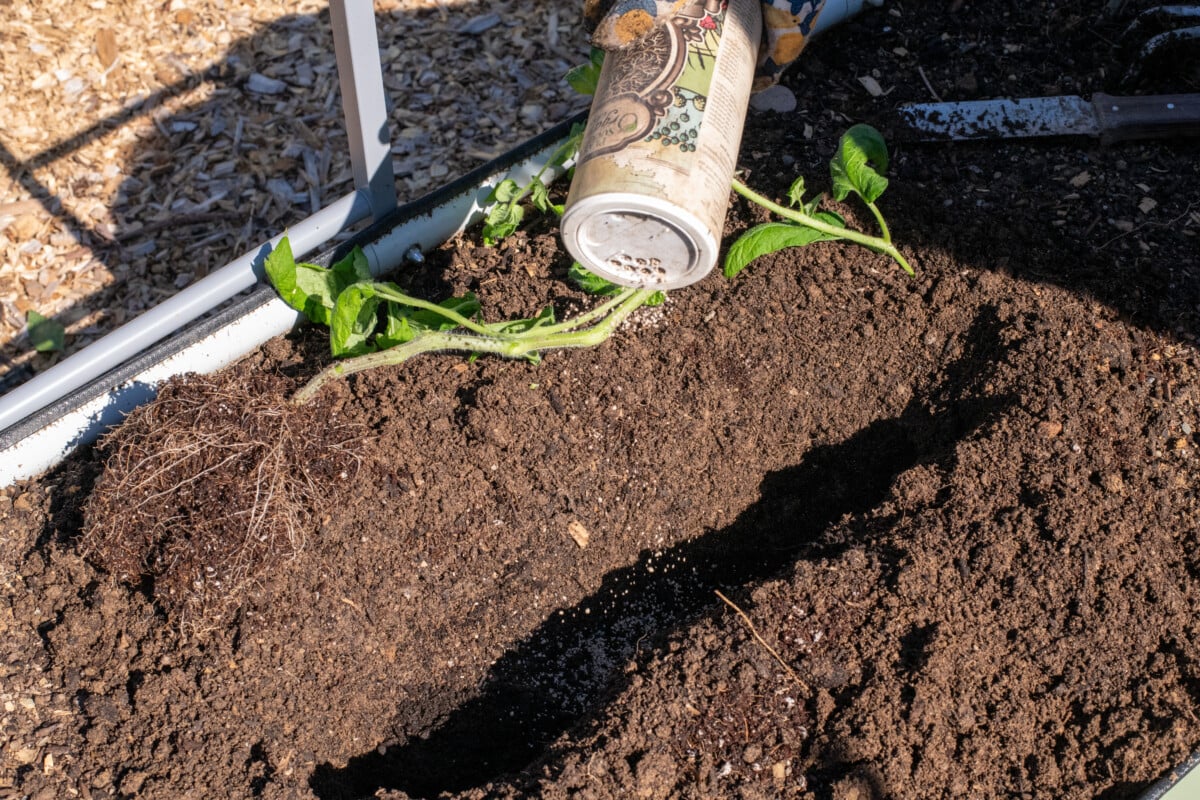
And then they grow. Fast.
This secondary root system can grow much faster than your tomato’s roots, increasing the root surface area exponentially. A massive root network made up of mycorrhiza means good things for your tomatoes.
First, it means your plants are much more drought-tolerant because they can access more water. It’s a bit like sipping your cold glass of iced tea in the summer with six straws instead of just one. You get more iced tea in every sip.
Not only do your tomato plants get more water, but they also get access to deeper water as this root structure penetrates much deeper into the ground, where water is stored. When those oven-like days of August roll around, your tomatoes can tough it out better than plants without that helpful root structure.
But it doesn’t end with a larger root system.
The mycorrhizae help with nutrient uptake. First, these helpful little fungi reach out and grab hold of nutrients in the soil and hang on to them. Second, they secrete special enzymes that break down nutrients that are otherwise bound up in the soil, pre-digesting them almost before passing them along to the plants. Your tomatoes are nourished by the mycorrhizal network that’s a part of their roots.
In the end, all of this adds up to huge tomato plants that produce more tomatoes per plant than they would without the benefits of this symbiotic relationship.
If you’ve wondered why mycorrhizae are showing up in everything, from bagged soil to fertilizer to inoculant, this is why. Gardeners in the know are reaping the benefits of mycorrhizae in the form of more tomatoes. But you have to add it directly to the root zone when you plant your tomato seedlings if you want the best results.
I don’t plant my tomatoes without it, whether I’m growing them in the garden or in containers. While there are plenty of mycorrhizae blends to choose from, I’ve had great results with Plant Success Organics.
3. Your Tomato
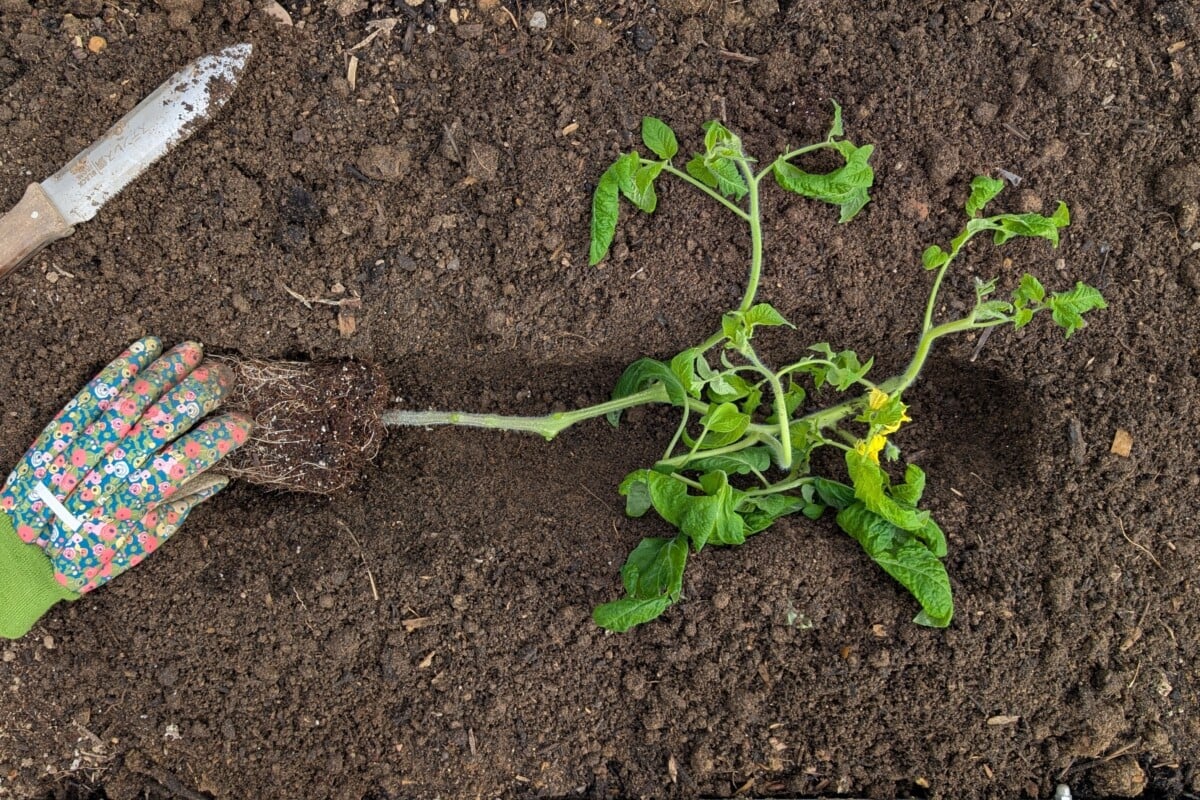
Finally, the third most important thing you put in your planting hole is your tomato seedling. Or rather, how you put it in the ground.
Tomatoes are unlike most other vegetables we grow in our gardens in that they have the ability to grow roots from anywhere along their stem. This nifty little trick is what allows their wild cousins in South America to grow in seriously harsh environments, like along the jungle floor, clinging to a mountainside or even in more arid conditions.
If you bury a portion of your tomato seedling, it will sprout new roots all along the stem that’s underground.
This makes for a sturdier tomato plant and, naturally, means a much larger root system.
Between burying your tomato either on its side (yes, sideways) or straight down, very deeply and inoculating the roots with mycorrhiza, you’re guaranteed a robust tomato plant. Along with more tomatoes, you can expect improved drought-resistance as well as improved pest-tolerance.
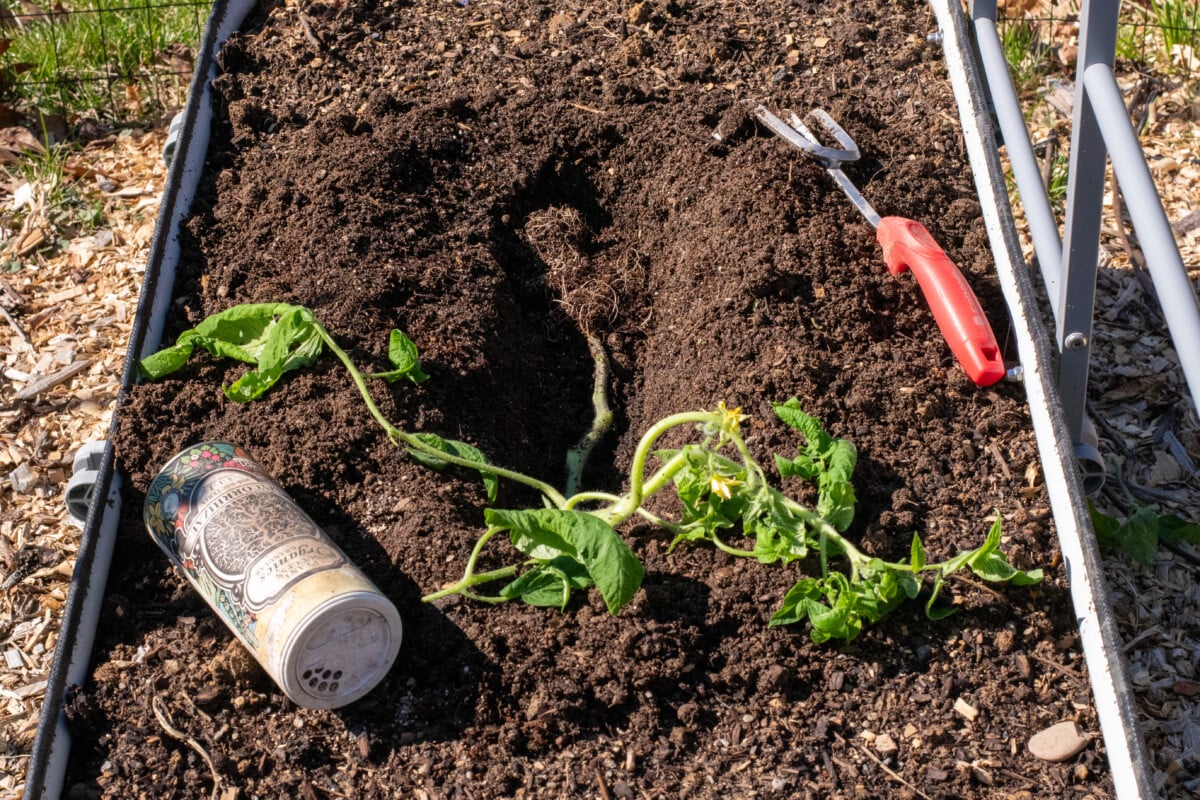
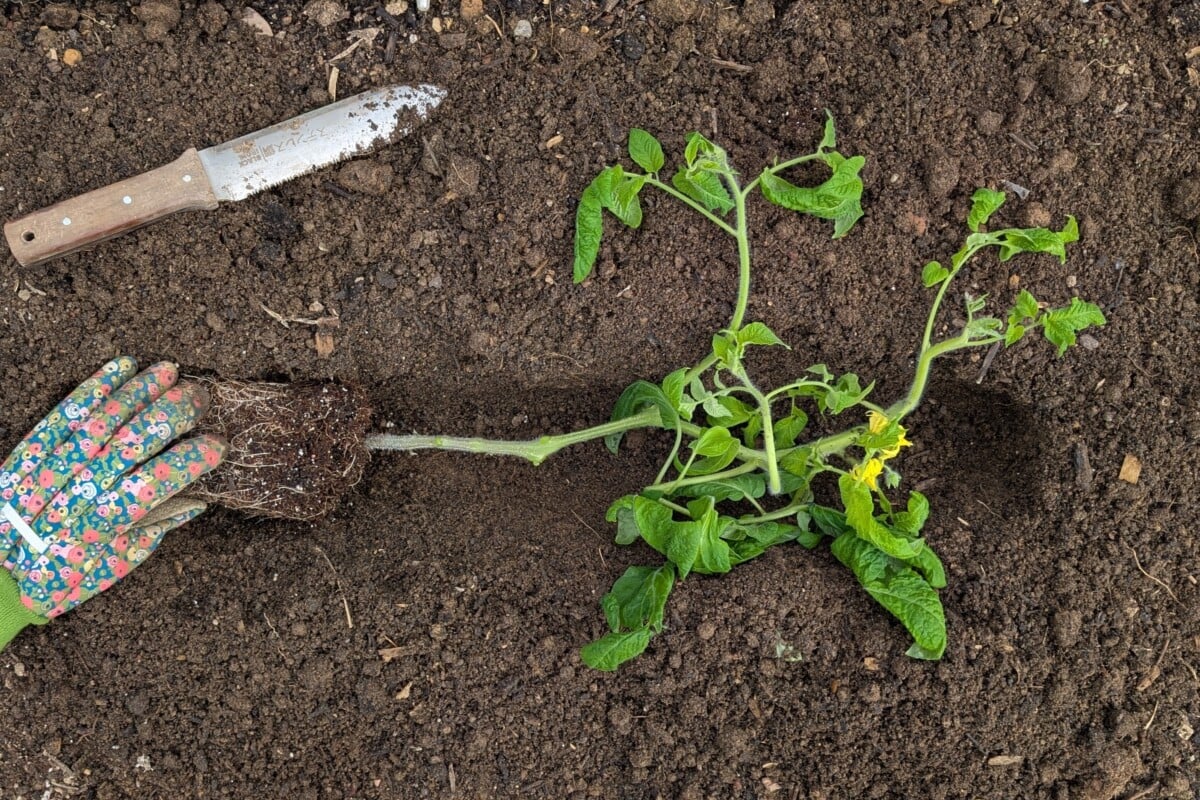
You can learn more about what happens below ground once you bury your tomato seedling here. But the general idea is to strip the leaves from the main stem, starting a quarter to a third of the way down from the top of the stem. Then bury the tomato, lying on its side in a trench that’s around 6”-8” deep, with the leafed portion of the stem remaining above ground. Or, you can dig the hole deeply and bury the tomato straight down in the ground, leaving the top third to a quarter of the plant above ground.
Bonus Amendments
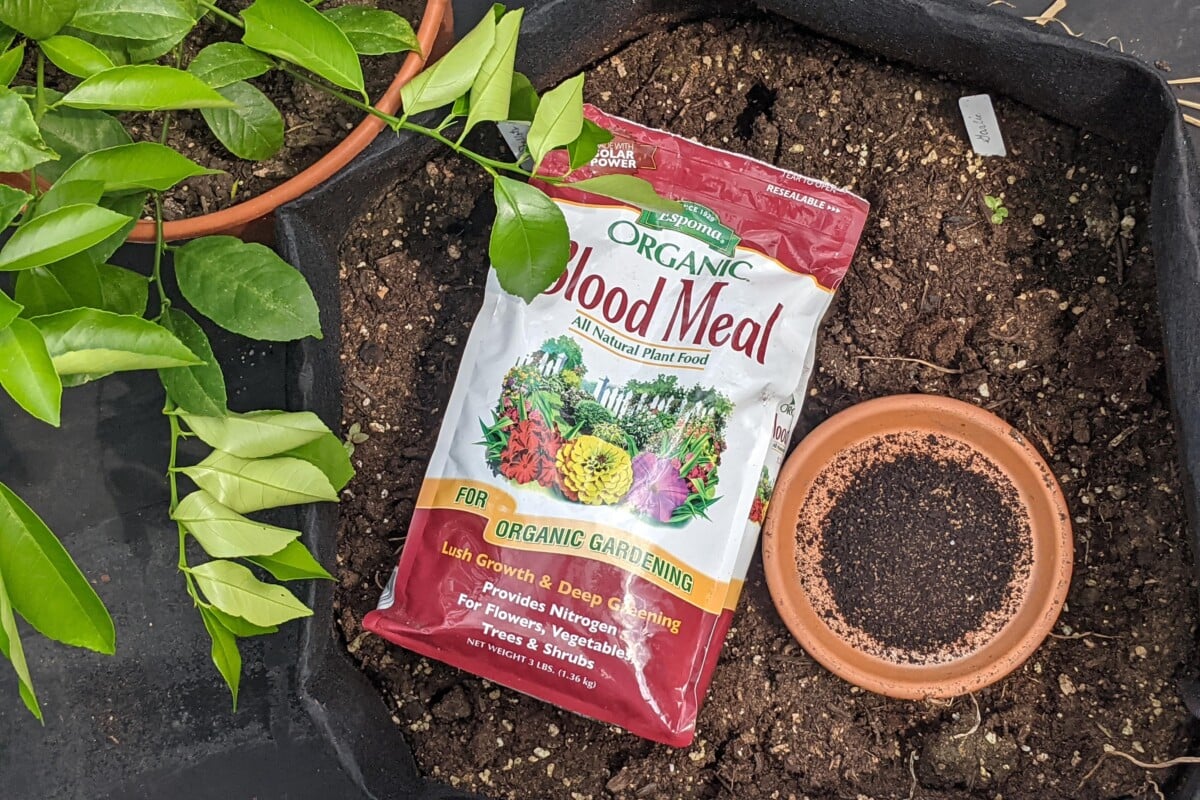
These are the three most important things you should add to the hole you plan to put your tomato seedling in this spring. However, there are a number of other handy little additions you can toss in there as well. Think of these as bonus amendments.
Blood Meal – this nitrogen-rich natural fertilizer is a great way to get your tomato off to a good start, early in the season. Just don’t add any more beyond that first planting, or you’ll have tons of tomato leaves and very few tomatoes.
Leaf Mold – leaf mold is a great substitution for compost. It adds organic matter to the soil as it breaks down, as well as beneficial bacteria and microbes.
Magnesium – add a tablespoon of Epsom salts to your tomato planting hole in the spring, and you’ll provide your tomatoes with this important trace element that controls numerous important chemical processes, including photosynthesis.
Worm castings – gardeners are no strangers to adding manure to their gardens, but some of the best critter droppings you can use are worm castings. This dry, crumbly material improves the structure of your soil, can help to ward off certain pests and more. Check out what makes worm castings so great here.
When it comes time to get your tomatoes planted this spring, don’t pass up the opportunity to give them a few upgrades that will continue to produce results all summer long.
Read Next:
Get Garden Notes From Tracey, Right to Your Inbox
Pull up a chair on the front porch. Join 54,000+ gardeners who get Tracey\'s friendly notes, seasonal to-dos, and hands-on tutorials three times a week.