

It’s summertime and the living is easy. For someone. Somewhere. Or at least that’s what the song says. In my neck of the woods, I’m sweating like crazy, up to my eyeballs in zucchini, and wondering how it’s the middle of July already. It’s also the perfect time to mess up a good growing season with a fertilizer mistake, or make a crumby season worse.
But we can avoid summertime fertilizer fiascos with a little know-how and planning.
And as they say, knowing is half the battle. So, let’s take a look at some of the most common fertilizer mistakes I see gardeners make come summertime. You can avoid the same mistakes and finish the season strong.
But it’s on you to figure out what to do with all that extra zucchini. Although Cheryl’s zucchini relish is pretty amazing.
And don’t worry if you’ve already made a few of these mistakes, you’re not alone. We’ve all been there. Gardening is all about learning and adjusting as we go.
1. Over-fertilizing When Things Slow Down
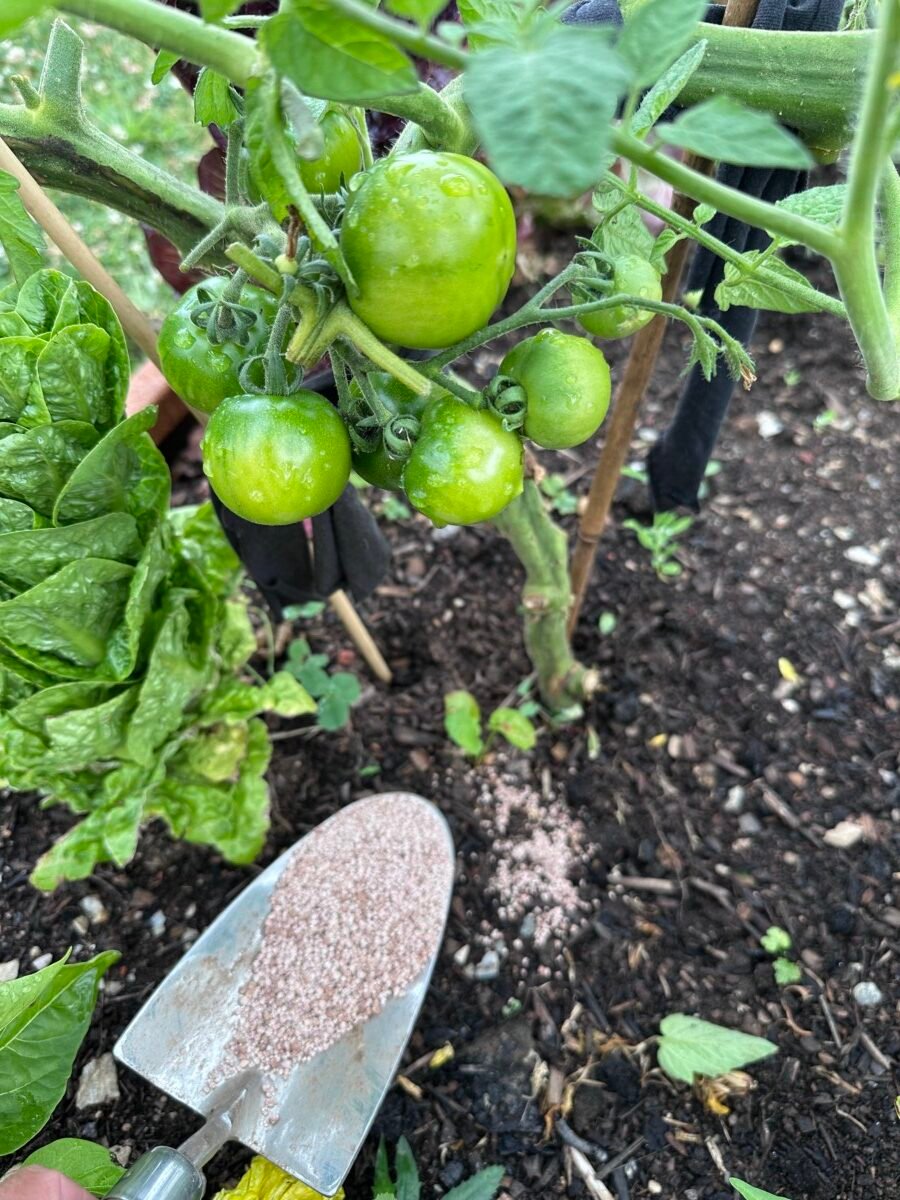
Let’s start with a classic midsummer fertilizing faux pas. This one gets a lot of folks. Your garden is going gangbusters, cranking out produce like the first frost is coming early this year. Then, out of nowhere, it slows right down to a crawl. Everything seems to be on pause.
While your first thought might be that your garden needs more nutrients, it’s more than likely that it’s the heat.
When the brutal temperatures of July kick in and stay through August, it’s natural for your garden to slow down. It’s a protective mechanism.
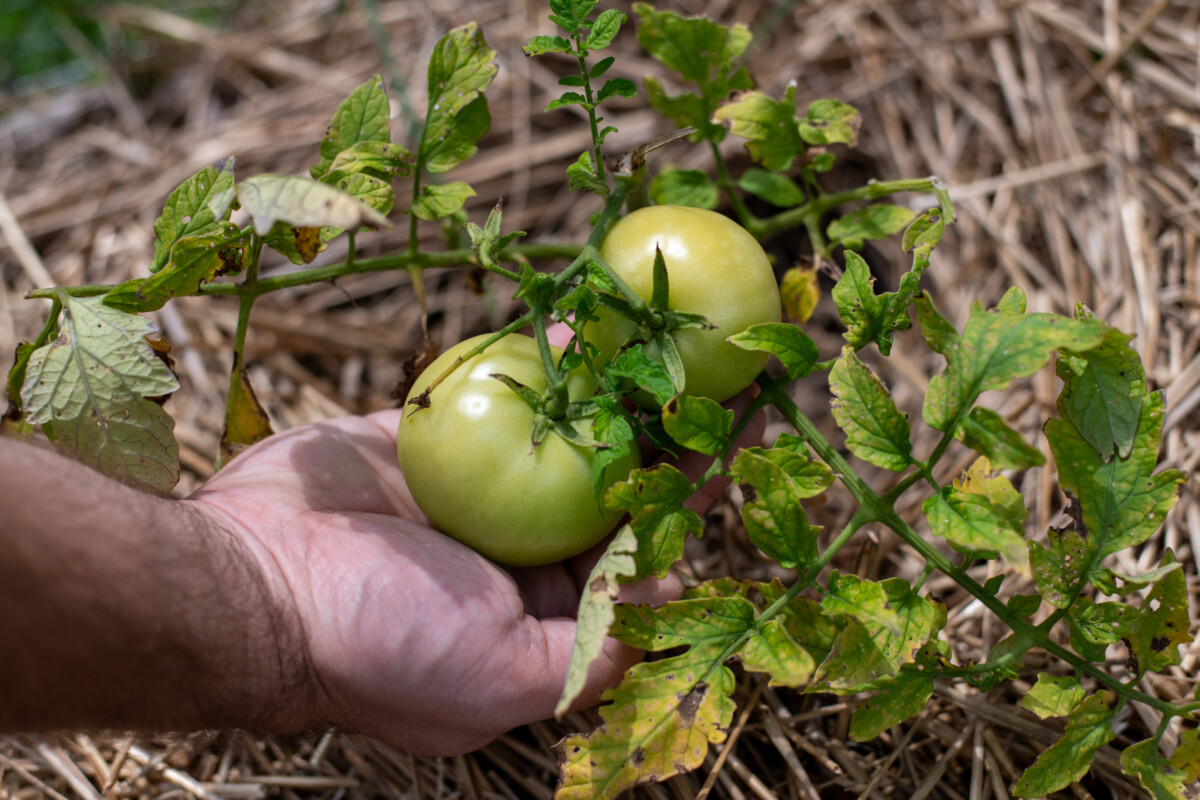
Your plants are conserving energy and trying not to keel over from heat stroke. Ya know, kind of like me.
If you dump a bunch of fertilizer on them during a heatwave, all you’re doing is stressing them out further. You’re telling them to grow-grow-grow when they’re already struggling just to maintain. And if that fertilizer hits dry roots? That’s a recipe for a seriously unhappy plant, which brings me to our next mistake.
2. Fertilizing Dry Soil
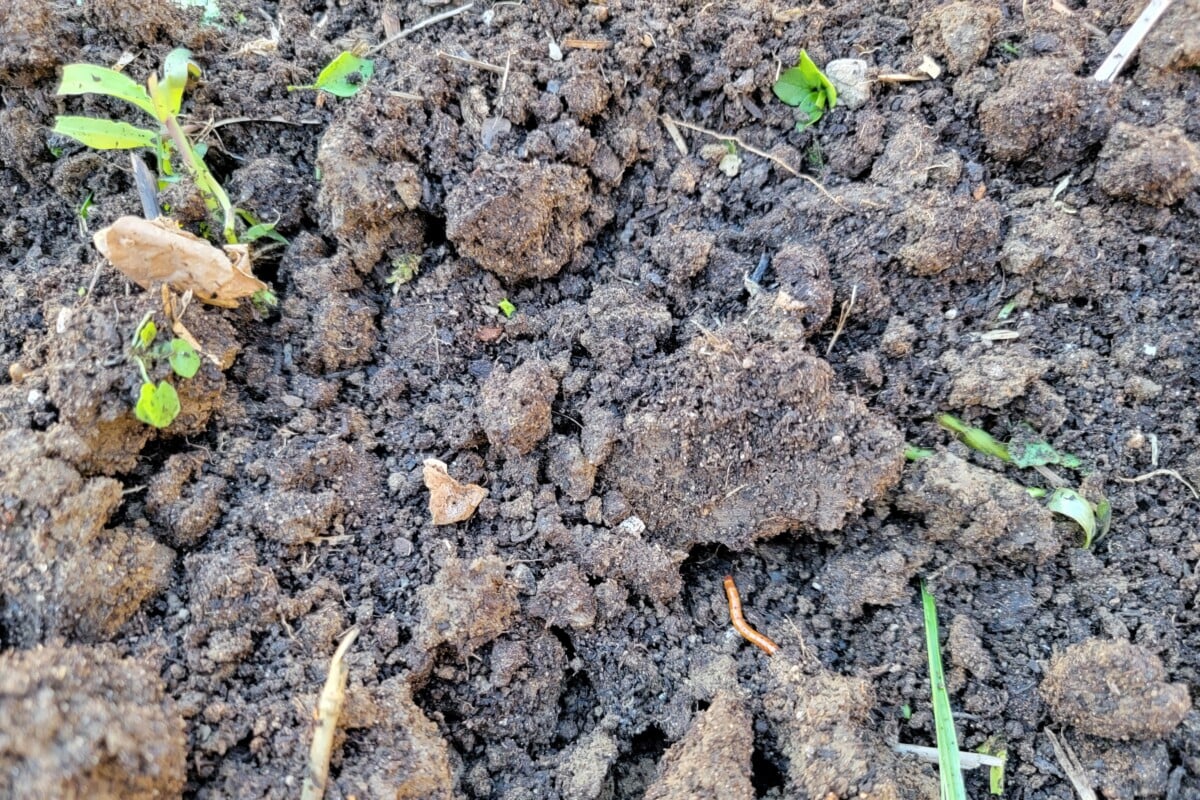
Never fertilize dry soil. This is one of the fastest ways to damage your plants, especially if you’re using synthetic fertilizer. (I’m looking at you, Miracle-Gro.) Those salts can burn tender roots, especially if they’re already stressed from heat and drought.
Always water your plants thoroughly first, or wait until after a rain, before applying any fertilizer. Moist soil helps dilute the nutrients, allowing them to be absorbed without burning tender roots.
3. Go Easy On the Nitrogen
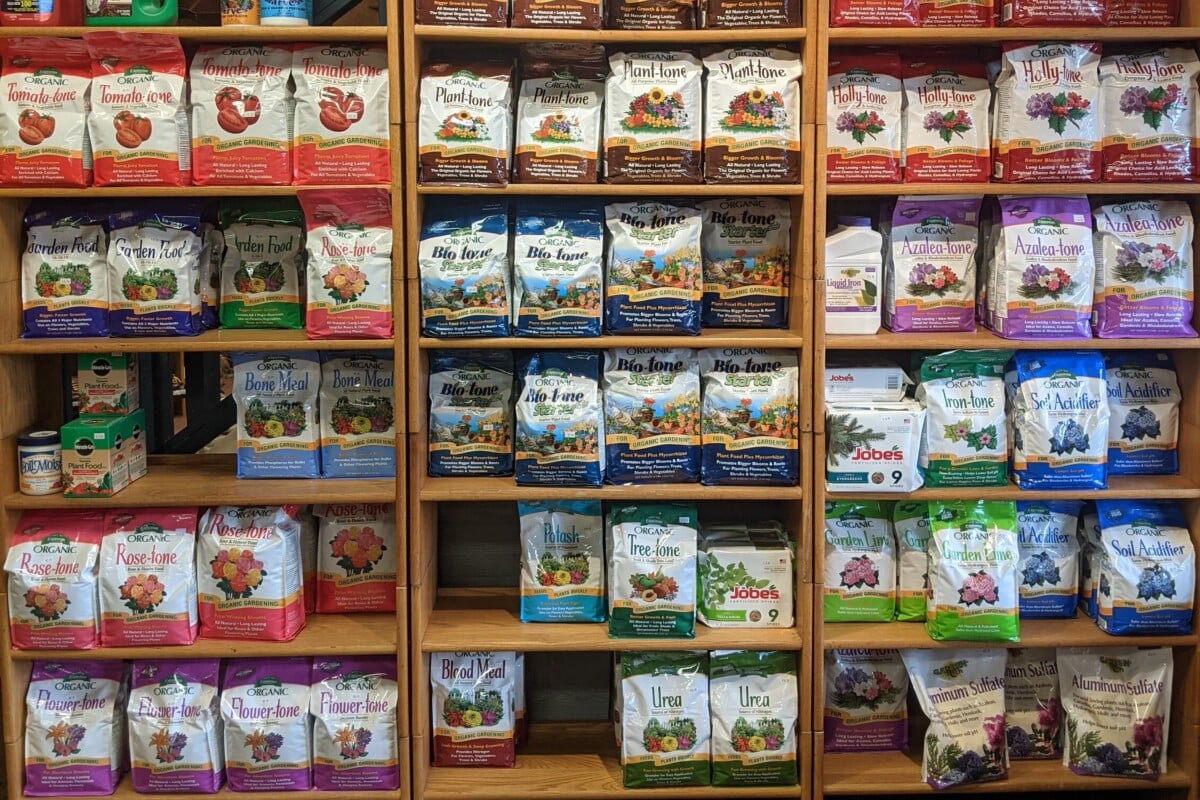
Now, let’s talk about the type of fertilizer you’re using. Your garden doesn’t need the same thing in July that it did in May.
Early in the season, nitrogen-heavy formulas make sense as your plants are building the infrastructure for the fruit to come. They need lots of nitrogen for all that leafy growth and thick stems.
But by midsummer, your focus should shift to blooms and fruit.
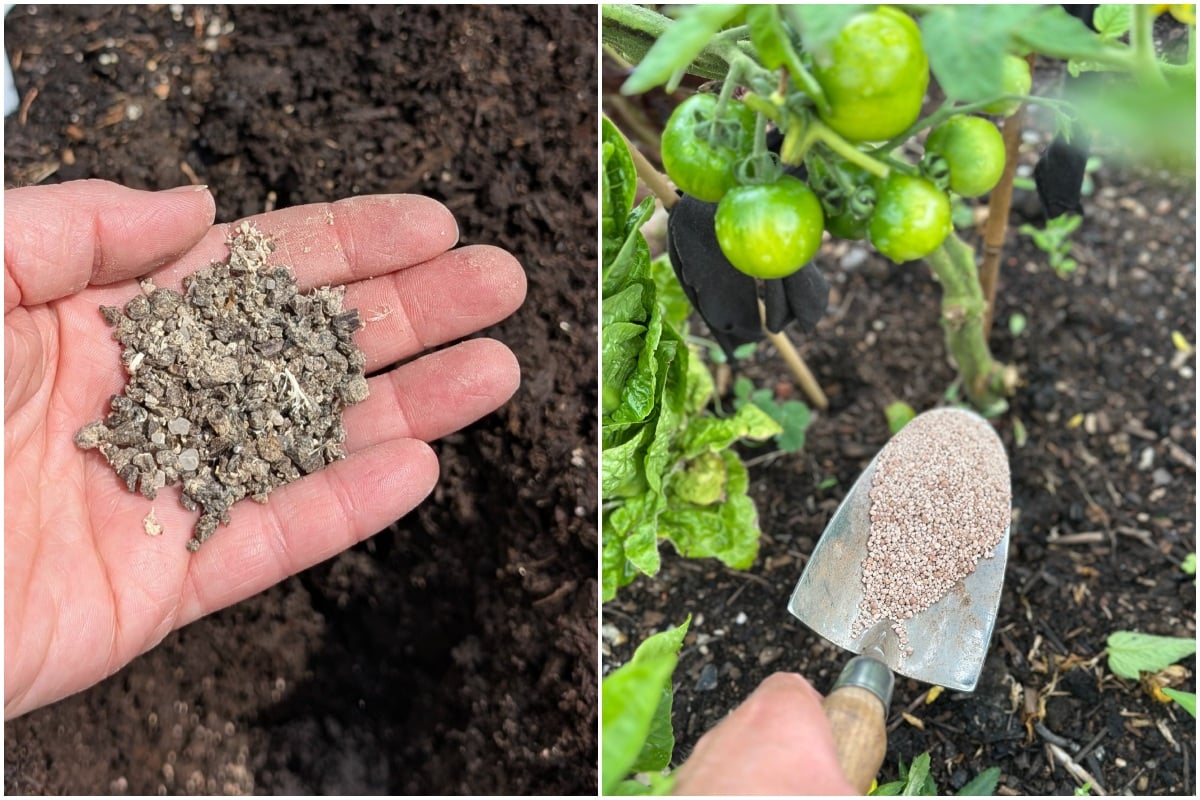
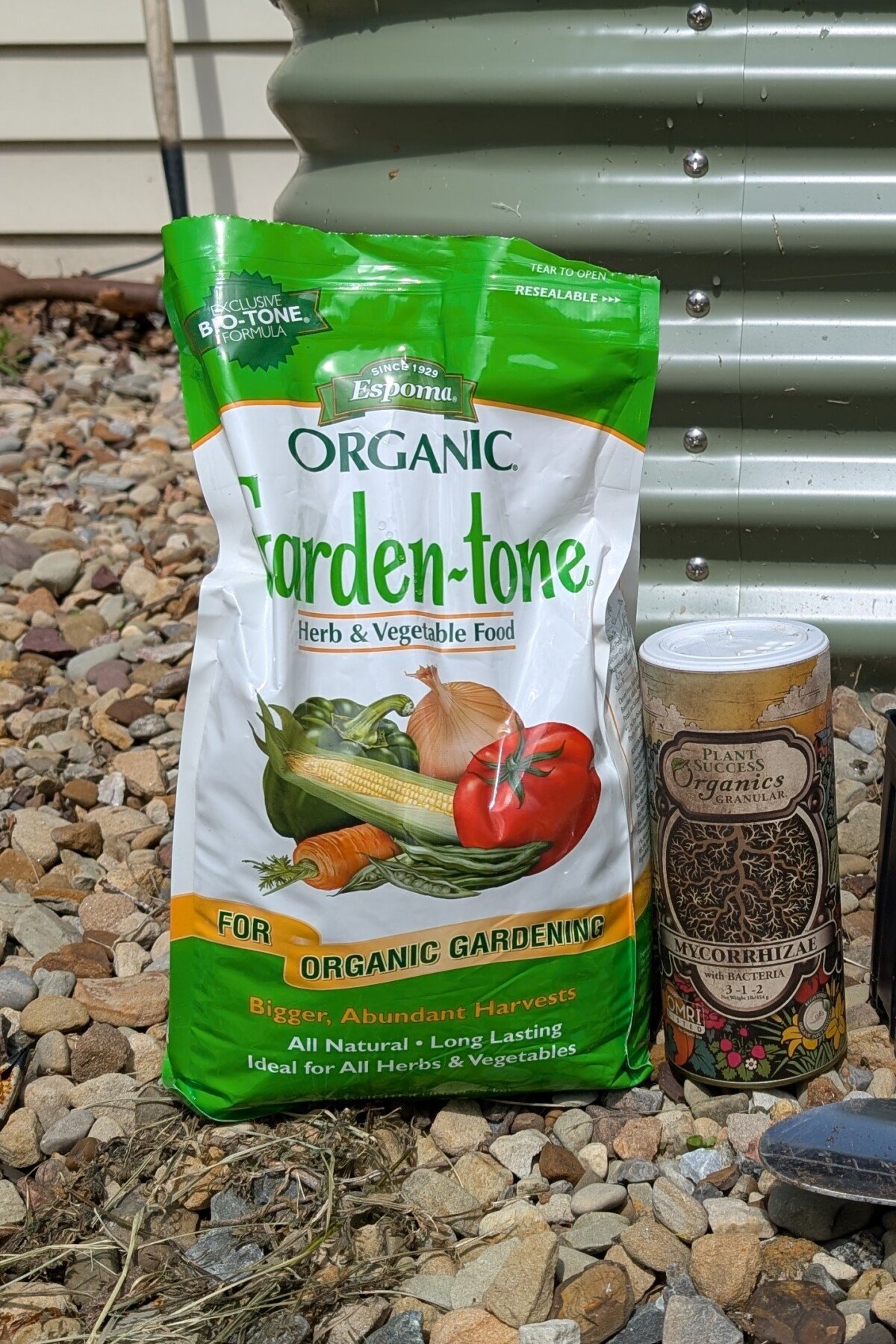
That means feeding with a fertilizer that’s higher in phosphorus and potassium. Or, if you still want to use a balanced fertilizer, opt for one with lower nitrogen. (Espoma Garden-tone is my go-to option, with its 3-4-4 NPK ratio.)
4. Using Undiluted Liquid Fertilizer
While this one catches out plenty of gardeners all year long, the consequences can be more dire in the heat of summer. If you use a liquid fertilizer, be sure to read the instructions to see if you need to dilute it. Again, this is especially important with synthetic fertilizers.
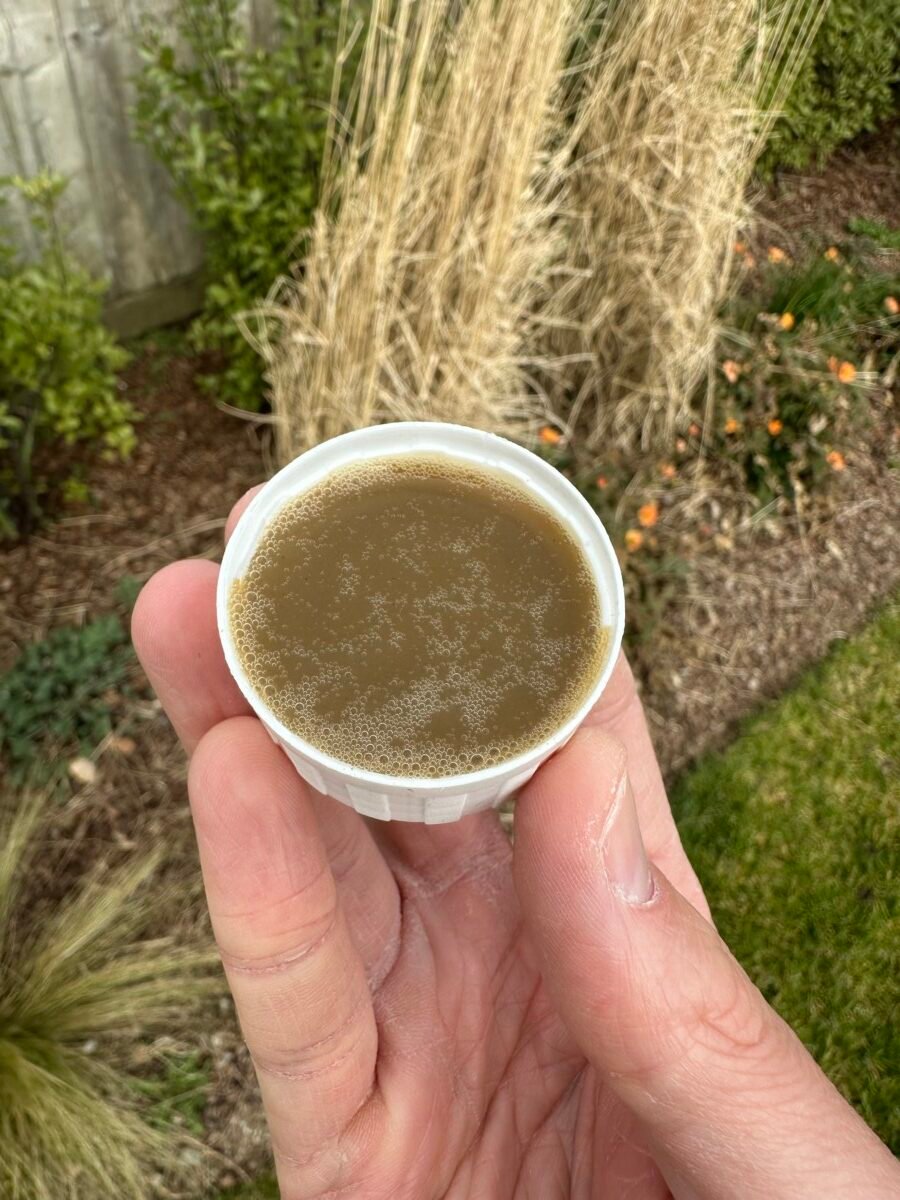
Likewise, don’t be tempted to add a little more when you’re mixing it up. More won’t give you more tomatoes or larger pumpkins. It will result in burned roots with fertilizer salts accumulating in the soil. As we’ve already discussed, this can be especially bad during the heat.

5. Fertilizing in the Middle of the Day
Much like watering, when you fertilize is important. You want to avoid feeding your garden in the middle of the day. The sun is blazing, the soil is hot, and your plants are just hanging in there, waiting for the cooler temps of evening. Again, just like me.
Aim for early morning or evening when things are cooler and you’re less likely to stress your plants. Fertilizing and watering should go hand in hand. And yes, you can water in the evenings, it’s not nearly as bad as it’s been made out to be.
6. Using Fertilizer to Treat Plant Problems

Yellowing leaves can be caused by nutrient deficiencies, sure, but they can also be the result of heat stress, watering issues, root damage, or even pests. Before you reach for the fertilizer, take the time to properly assess what’s going on with your plant.
Blindly fertilizing is like tossing darts in the dark and hoping one hits the bullseye. Oftentimes, what your plant needs isn’t food, it’s just a break from the heat, or better drainage, or a pest to be dealt with. I’m not saying don’t fertilize, just don’t fertilize first. Do a little detective work and then fertilize.
7. Fixing and Fertilizing Are Not the Same
Too many gardeners treat fertilizer as a panacea to fix their gardening woes. Fertilizer can’t fix problems that start in the soil. Luckily, summer is a great time to start addressing those issues.
Rebuilding soil that’s compacted, lacking in organic matter or microbially dead all leads to improved yields and stronger plants in the long run. You get that by top-dressing with compost, leaf mold, and worm castings. Adding mulch and letting it break down over time is another great way to give back to the soil.
These build long-term fertility, improve moisture retention, and make your fertilizer more effective.
It’s the difference between feeding the plant and feeding the soil. To ensure a thriving garden, you need to do both.

Switching to no-dig gardening is a great way to do this. It takes time and patience, but it can leave you with a garden that’s much more drought and pest-resistant and easier to manage than tilling each year. Yup, you can have a no-dig raised bed, too.
8. Don’t Forget Your Flowers (But Not All Of Them)
When it comes to summer gardening, the veggies tend to hog the spotlight. But don’t forget about your flowers. Your annuals and many of your perennials also need fertilizer, especially those in containers. Nutrients wash out of the bottom of containers and need to be replenished more frequently than with plants in the ground.
Some perennials actually thrive in poor quality soil when nutrition is lacking, so avoid fertilizing those perennials. Here’s a list of 12 perennials you should never fertilize.

Blooms fade fast in the heat if the plant isn’t getting what it needs.
A little bloom-boosting fertilizer can keep your cosmos, marigolds, and zinnias putting on a show deep into summer. Plus, happy flowers mean more pollinators, which makes your veggie garden even more productive. It’s a win-win.
If you really want to go above and beyond for blooms, don’t forget to prune for a second round of blooms.
At the end of the day, feeding your garden should feel like a collaboration, not a guessing game. Your plants want to thrive, and you have the power to help them. But only if you’re paying attention to their cues and working with the season, not against it. Fertilizer is a tool, not a cure-all, and when used wisely, it can take your summer garden from good to glorious.
Get Garden Notes From Tracey, Right to Your Inbox
Pull up a chair on the front porch. Join 54,000+ gardeners who get Tracey\'s friendly notes, seasonal to-dos, and hands-on tutorials three times a week.