

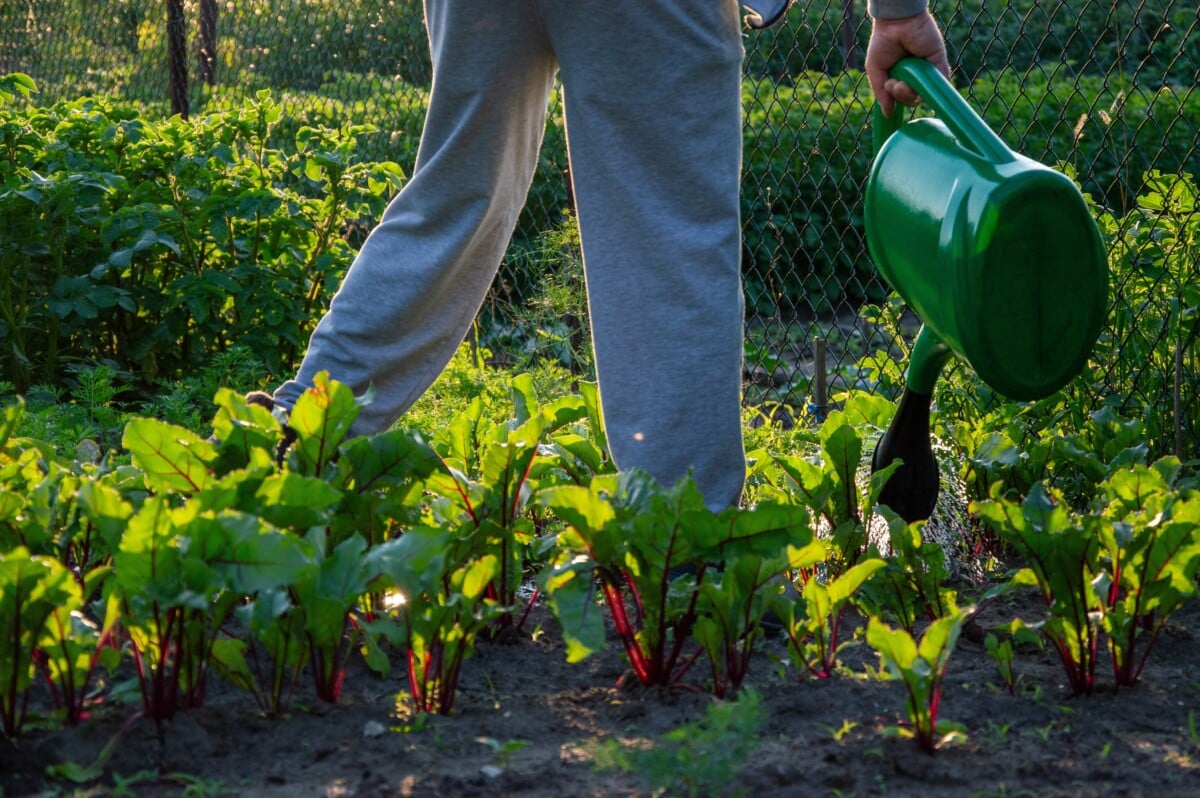
Ask anyone who’s been gardening for more than a season, and they’ll probably tell you they’ve heard the same advice over and over again –
“Always water your garden in the morning and never at night!”
This statement is always delivered sternly, with just enough panic so as to instill the thought that the slightest deviation will instantly summon powdery mildew, root rot, and every soil-borne disease known to man.
And with as much work as gardening is, most of us are too nervous to risk it.
But I’ve been wondering for some time now, just how bad is it to water your garden in the evening? Will it bring about the instant demise of your precious plants? Because let’s face it, while morning may be the ideal time for your garden to be watered, it’s not necessarily the ideal time for us to do the watering.
Let’s dig into what the actual experts have to say on the matter. (And by experts, I mean agricultural extensions and the like, not a random Reddit thread.)
Why Morning Is “Best”
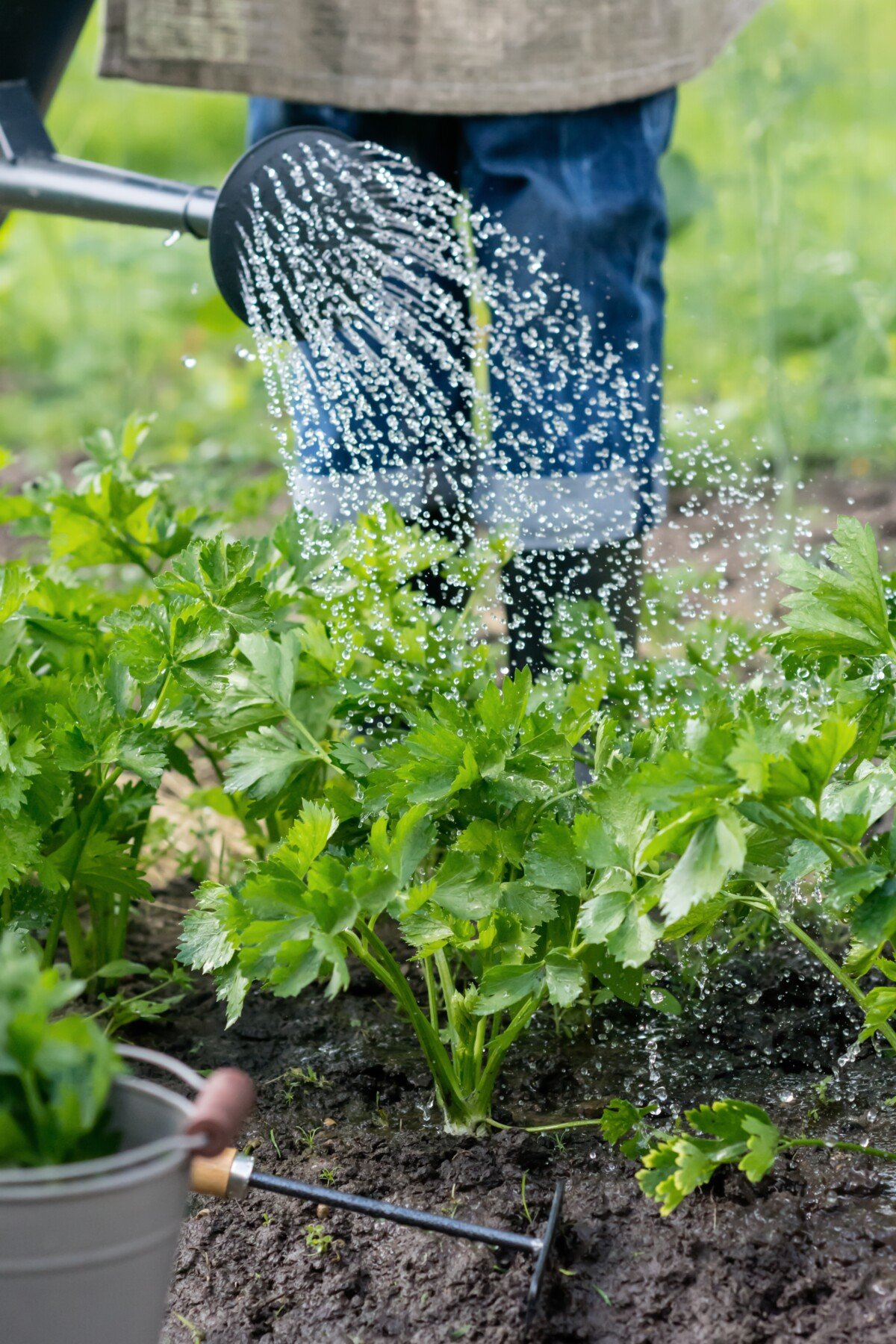
Okay, first things first, why, exactly, is morning the preferred time to water?
The Iowa State University Extension explains that early morning watering (between 5 and 9 am) is the best way to beat evaporation. Watering that early gives the soil plenty of time to soak up moisture before the heat of the day burns it off. Plus, any moisture that lands on the leaves has time to dry during the day, greatly reducing the risk of fungal diseases like powdery mildew and leaf spot.
Okie dokie, that’s easy enough to understand, and it makes sense.
But I hope a few of you have already spotted the loophole that exists here.
Let’s say you don’t water in the morning? Instead, at 5:00 am, you’re sleeping like a reasonable human being, rather than watering your garden. Perhaps you had a busy day, and it’s now 7:30 pm; the zinnias are drooping, and the sun is going to set in an hour. But you decide to throw caution to the wind and water your flowers and veggies anyway.
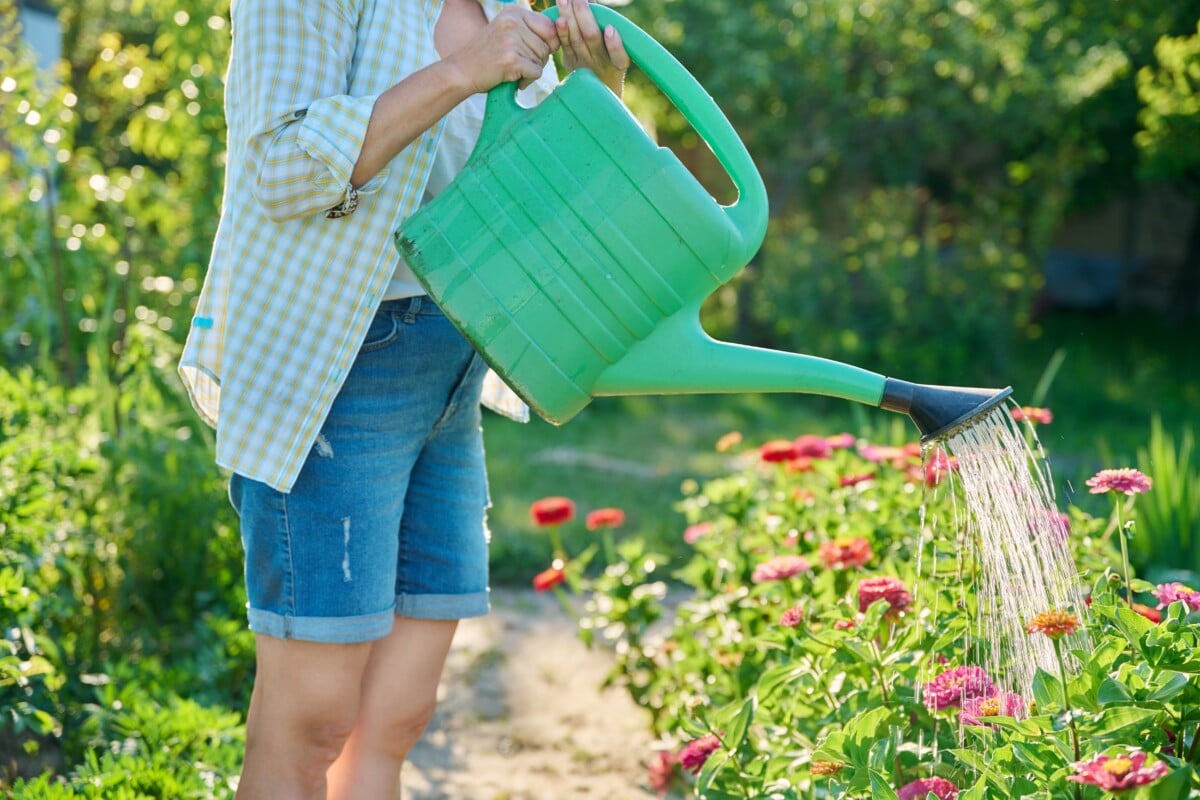
Well, you’re not alone.
And the good news is that watering your garden in the evening is perfectly safe when done correctly.
Several reputable sources (including the University of Georgia and Minnesota Extension) agree that evening watering can be safe, especially if you do it properly.
The key is to understand what “properly” means. If you water late in the day and soak the leaves and then let your garden sit damp through a humid night, yes—you’re increasing the risk of foliar diseases. That’s where evening watering gets its bad reputation.
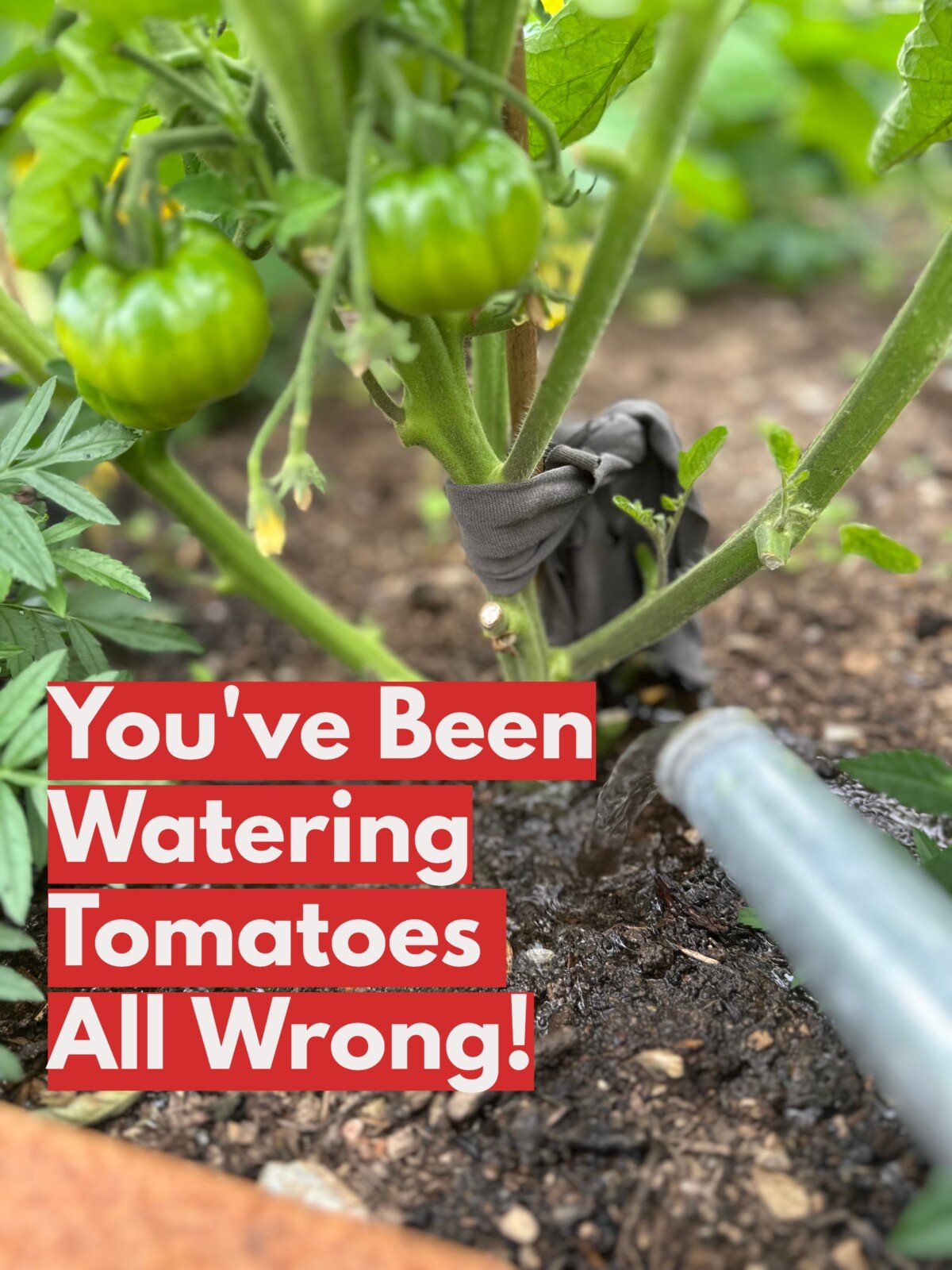
But if you’re watering low and slow at the base of the plant, using drip irrigation or a soaker hose (I swear by Rainbird, it’s all I use), and you finish well before nightfall? Then no, you’re not committing a terrible gardening crime.
You end up with evaporation-free watering, and you aren’t dousing the leaves with overspray from a hose.
Watering at night can actually reduce evaporation loss. Especially in arid or extremely hot climates, it gives the water time to soak deep into the soil where it belongs, rather than vanishing into the summer air. Basically, when you water correctly—at the root zone and not the leaves—the time of day (morning or evening) is less critical.
So yes, morning still wins. But evening watering, when done thoughtfully, is far from the scary villain it’s made out to be.
Best Practices for Night Owl Waterers
- Water the soil, not the leaves. Wet foliage overnight is what leads to disease, not moist soil. Use a watering wand with a shower or misting setting and direct the water at the base of the plant, avoiding the leaves. Or better yet, install a soaker hose or drip system (again, Rainbird for the win) and let it handle things at ground level.
- Finish before dark. You want at least an hour or two of daylight after you water, so any accidental leaf splashing has a chance to dry.
- Don’t water a little bit every day. Deep, infrequent watering encourages stronger roots and better drought resilience. If you’re going to water in the evening, do it well and thoroughly.
- Know your climate. In hot, dry regions, nighttime watering is less risky because leaves dry quickly. In humid areas (hello, friends), moisture lingers, and diseases have a better chance of gaining ground. Be mindful about what kind of environment you’re working with and adjust accordingly.
- Watch your plants. If you notice signs of disease—such as spots on the leaves, powdery residue, or general decline—reconsider your watering timing or technique. You may need to go back to morning watering, at least temporarily.
Now, just to be clear, I’m not saying you should abandon morning watering completely if it’s working for you. That really is the gold standard. But I also know that life doesn’t always leave us time for “the gold standard.” If the only moment you can give your thirsty plants is just before dinner, that doesn’t mean you should leave them to wilt until breakfast.
Making Watering Easier Overall
This is where I’m going to plug the Rainbird drip irrigation setup again. Back in the day, I tried soaker hose, and it was a hot mess. My partner at the time insisted we give Rainbird dripline a try. Holy cow, what a difference!
If you’re looking for low-effort, disease-conscious watering, this stuff really earns its keep.
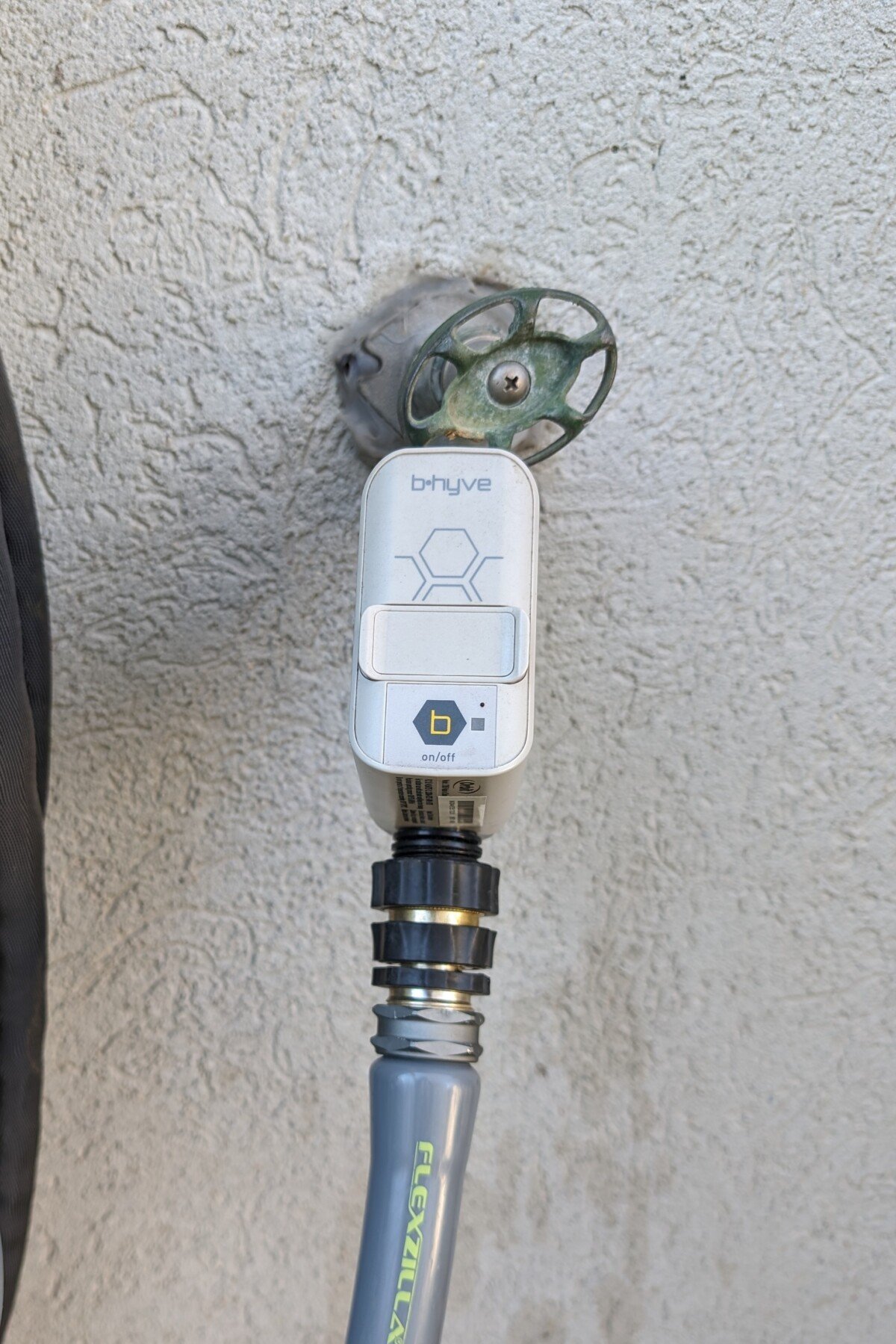
If you really want to make watering your garden easy, grab yourself one of these amazing Orbit B-hyve Smart Hose Watering Timers. You can use your phone to water your garden, and the app features a brilliant water-saving function that coordinates watering with local weather conditions. This little baby makes vacationing away from my garden a breeze.

There’s virtually no splashing of dirt on the leaves. The Orbit water timer makes the entire thing stress-free. I once watered my garden while sitting in an Airbnb at the beach, six hours away from my home.
At the end of the day, the real culprit you’re trying to avoid is evaporation, which wastes water, and wet leaves after dark. While morning is best, evening isn’t too shabby either when you do it right.
Read Next:
Get Garden Notes From Tracey, Right to Your Inbox
Pull up a chair on the front porch. Join 54,000+ gardeners who get Tracey\'s friendly notes, seasonal to-dos, and hands-on tutorials three times a week.