

Fall is a time for cozy sweaters, pumpkin spice beer (I’ll leave the lattes to others) and chilly nights around the fire pit. It’s the time when we finish preserving our harvest and button up our gardens for winter. But it also happens to be the perfect time to plant long-lived crops that show up without fail year after year.
Yup, fall is an excellent time to plant perennial vegetables and fruits.
Now, I know what you’re thinking, “Tracey, I thought that was spring?”
True enough. But savvy gardeners know that perennial veggies and fruits, which come back on their own each year, prefer being planted in cooler weather. They’re not overly particular about which end of the growing season you pick. But there are some advantages to choosing this end of the season.
So, grab your sweater and your garden gloves because if you’ve been kicking around the idea of adding some asparagus or rhubarb to your garden, there are some good reasons to consider getting the job done now rather than next spring.
Why Fall Planting Works
Perennials behave differently from your annual crops. While their tops may die back over winter, their roots continue to grow underground, establishing a vast network to provide the plant with nutrients and water next summer.
Planting in fall gives roots several weeks to settle in before the soil freezes, setting your plants up for a healthier, more productive spring.
And for many perennial crops, they need a season or several (I’m looking at you, asparagus) before you can start harvesting them. By planting in the fall, you’re getting a jump on that waiting period.
Not to mention, waiting in the winter while the plants are dormant underground is much easier than waiting in the spring and summer when you can see the plant growing and you’re tempted to start picking.
These perennial crops rely heavily on a solid root and crown system. After all, that’s the part of the plant that keeps on living and producing new food year after year. Planting in the fall allows for the roots to become established without dealing with the heat and stress of growing through the summer season.
The same applies above ground. New plants aren’t fighting against the blazing heat of summer or dealing with evaporation, so they become established quickly and stronger.
The rains of fall work in your favor, too, nourishing new plants. You don’t have to worry about spring disappearing into a scorching summer in the blink of an eye. Watering tender new perennials in the fall is nearly hands-free, unlike caring for new perennials in the heat of the summer.
One of the other great benefits of fall planting is that pests start to die off or go to the ground to overwinter. This removes yet another stressor from these young plants, allowing them to grow strong before they go dormant for the winter. They’re much larger and healthier when they start growing again the following spring. In the end, you get sturdier plants in the long run.
And then there’s my favorite reason to plant perennial vegetables and fruits in the fall – it’s cooler and quieter.
Springtime in PA has two modes: pouring rain and holy-cow-it’s-hot-are-you-sure-this-isn’t-summer? Spring is one of the busiest times of year for me in the garden. The thought of adding one more thing to plant and tend to, while trying to manage frost dates, seedlings, and what can go outside when, is enough to make me want to give up on the whole garden.
Fall is much less hectic. The garden is slowing down. There’s a nip in the air, and I don’t need six showers a day because it’s so hot out. It’s a great time to put new plants in the ground. Plus, I really enjoy planting a tiny plant or bare root and being surprised by the much larger version that emerges the following spring.
A note about fall planting: You’ll need to plant your vegetables and fruits at least six weeks before the ground freezes.
Perennial Vegetables to Plant in Fall
Here’s a list of perennial vegetables that will thrive when planted now:
Rhubarb
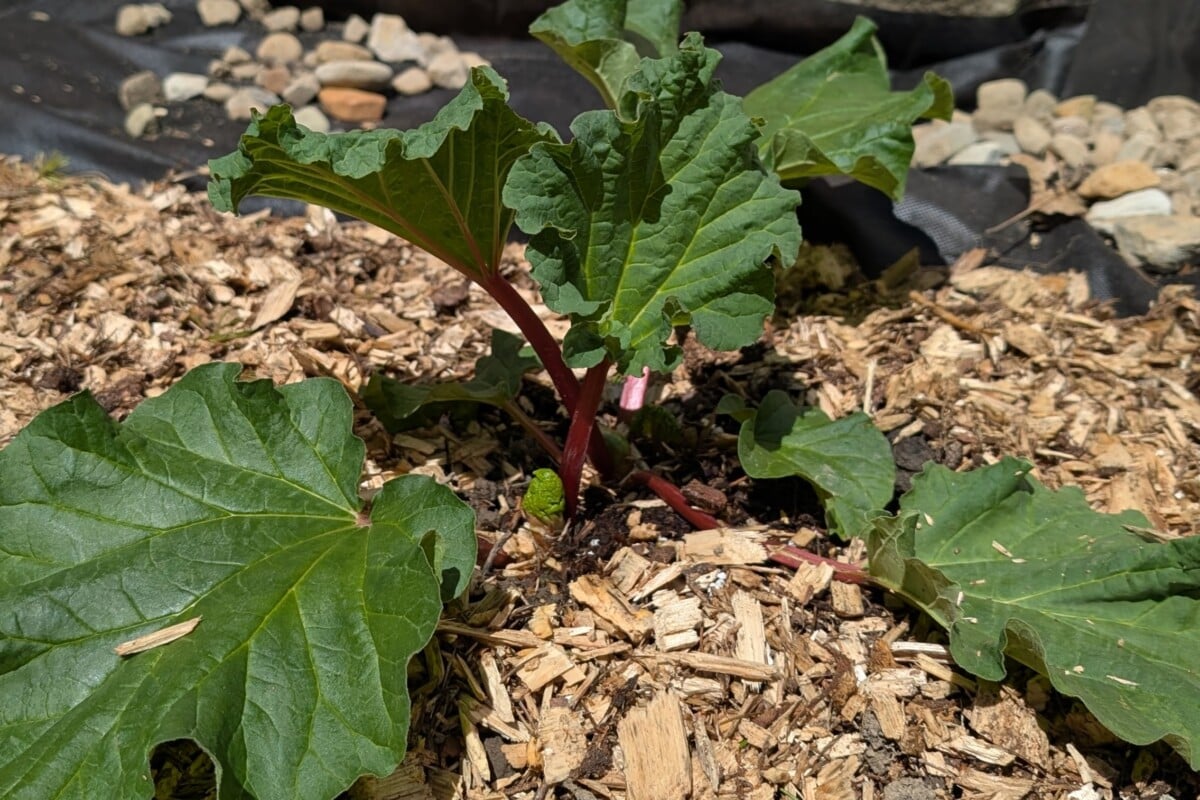
Is it a fruit? Is it a plant? I’ve seen it grow – it’s an alien. But it makes great pie.
Plant crowns in the fall, but do not pick that first year the following spring. You can read more here for advice on when and how much rhubarb you can pick. Look for bareroot crowns at local garden centers or mail-order suppliers, or divide established plants.
Asparagus
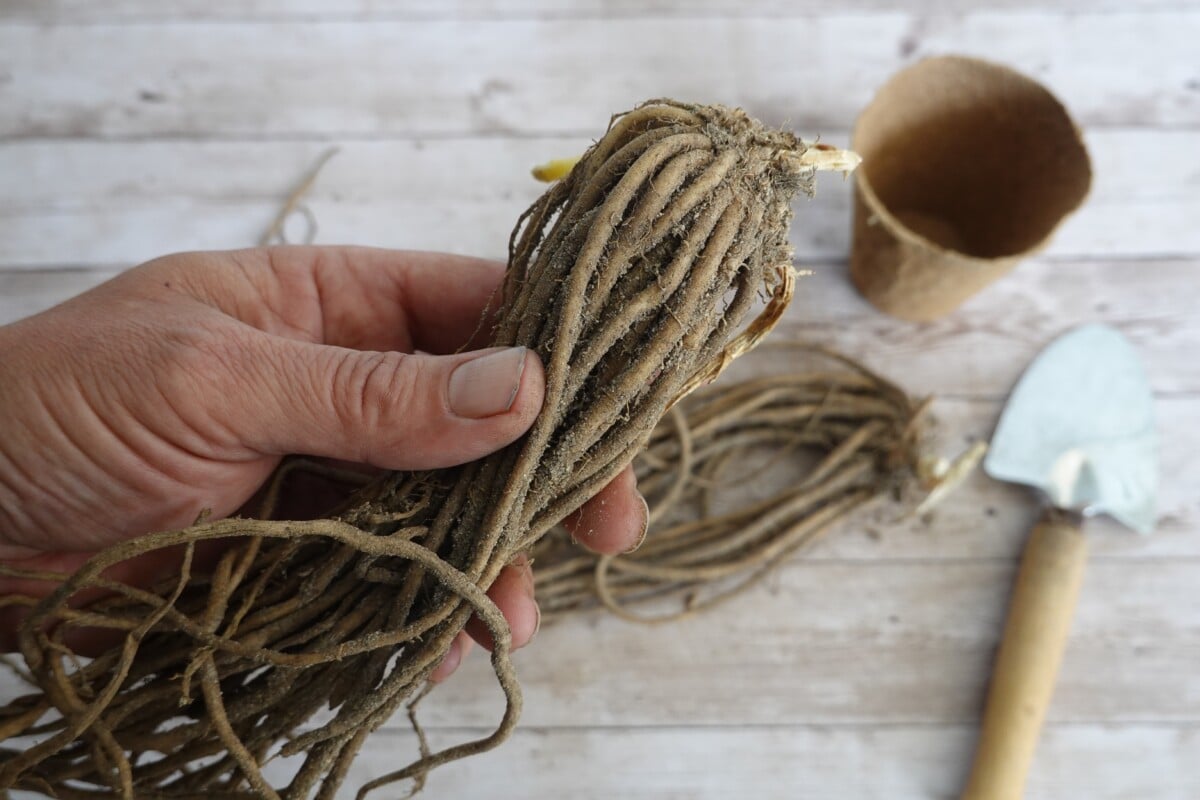
Asparagus crowns are best planted in the fall while the soil is still workable. Dig a shallow trench, lay the crowns with roots spread, cover with soil, and mulch for winter protection. Fall planting gives roots time to establish, so next spring you’ll get strong, vigorous spears ready for harvest in a few years. For detailed instructions, our own Lydia can help you out here.
Jerusalem Artichoke
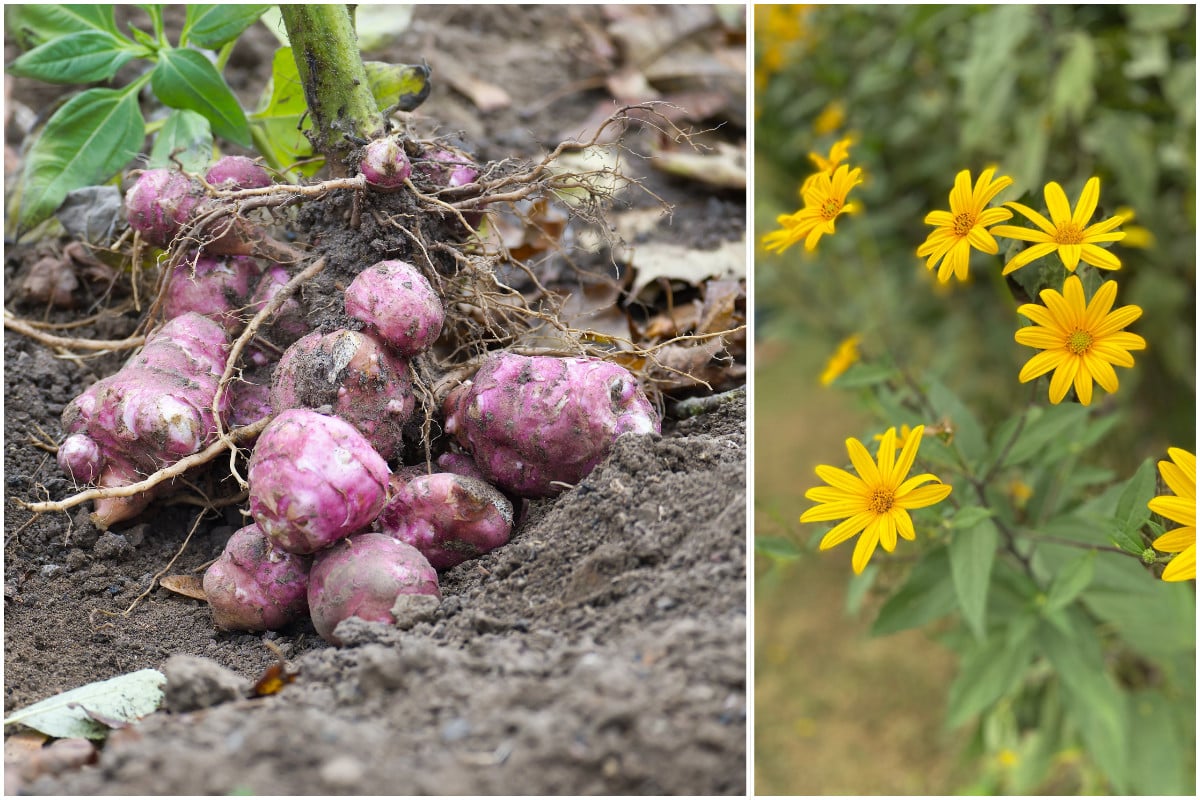
If you’ve never eaten Jerusalem artichoke or sunchoke, you don’t know what you’re missing out on. The beautiful yellow flowers hide the fact that growing in the ground are tasty tubers, much like potatoes. However, unlike potatoes, Jerusalem artichokes have a sweet, nutty flavor to them. It’s lovely roasted in the winter.
Plant tubers in fall for winter-hardy, sweet-tasting shoots. These often survive cold without extra protection.
Egyptian Walking Onions
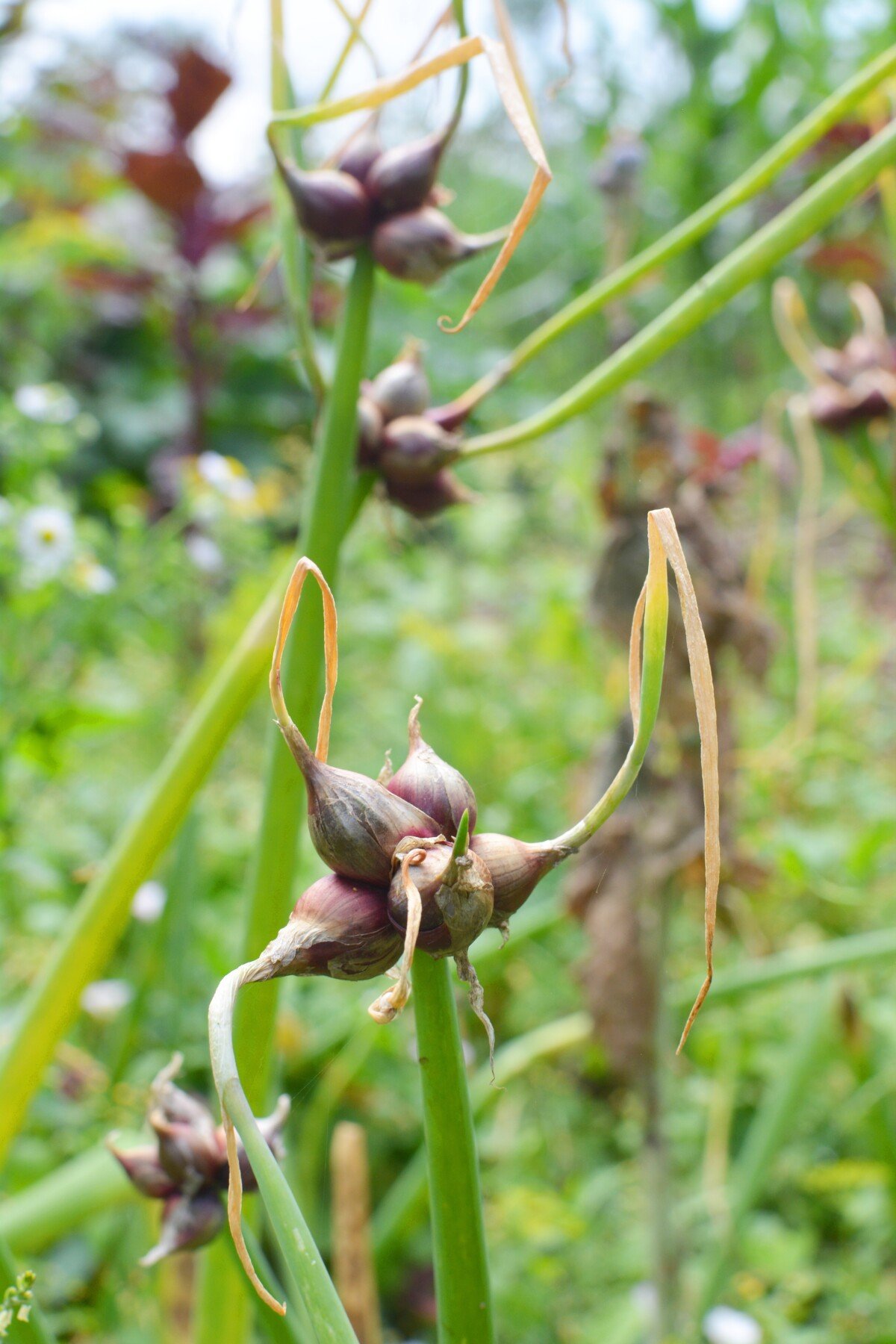
Egyptian walking onions are perfect for fall planting. Their bulbs go in the ground before frost, and over winter they establish roots to sprout vigorously in spring. Unlike regular onions, they produce small edible bulbs at the top of their stalks that “walk” and reseed themselves, making them a self-perpetuating, low-maintenance perennial in your garden. It’s like growing a scallion and an onion in one plant.
Multiplier Leeks
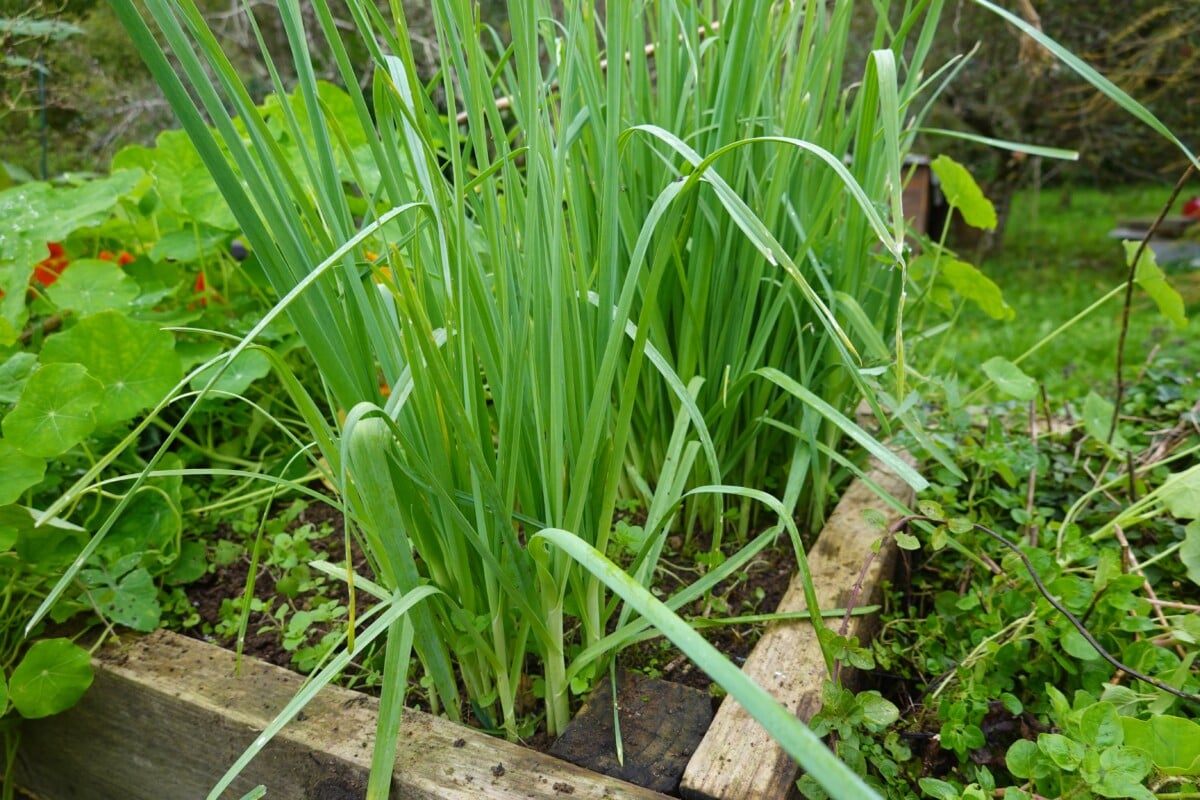
If you’ve never heard of them before, multiplier leeks are a perennial leek. Plant the bulbs or divisions in well-drained soil before the first hard frost, spacing them about 6–8 inches apart. Fall planting gives their roots time to establish over the winter, so by spring they’re ready to push up fresh, tender shoots.
Over the years, these leeks naturally multiply, producing clusters that can be divided and transplanted, making them a low-maintenance, long-term addition to your garden. Mulch well to protect young plants from freeze-thaw cycles and enjoy a spring harvest of flavorful, versatile greens.
Garlic
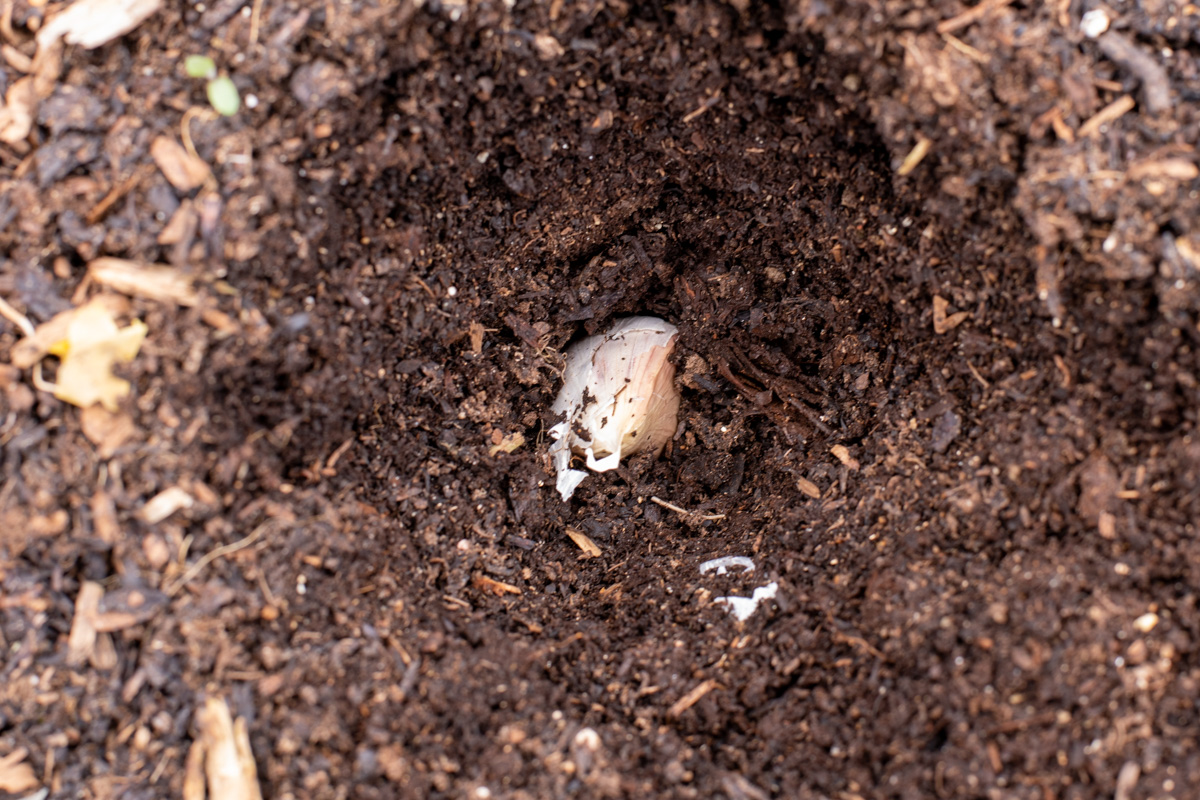
Wait, what? Yes, garlic is technically a perennial, but we just dig it up every year. If you want to grow garlic as a perennial, plant it in the fall and then forget about it for a couple of seasons. You can read more about growing garlic as a perennial here.
Regardless of whether you plan to treat it as a perennial or an annual, fall is prime garlic time. Plant cloves 4–6 weeks before the first hard frost, then mulch for winter protection. Most varieties are available as cloves at garden centers, but for a better selection, order online and order early!
Horseradish
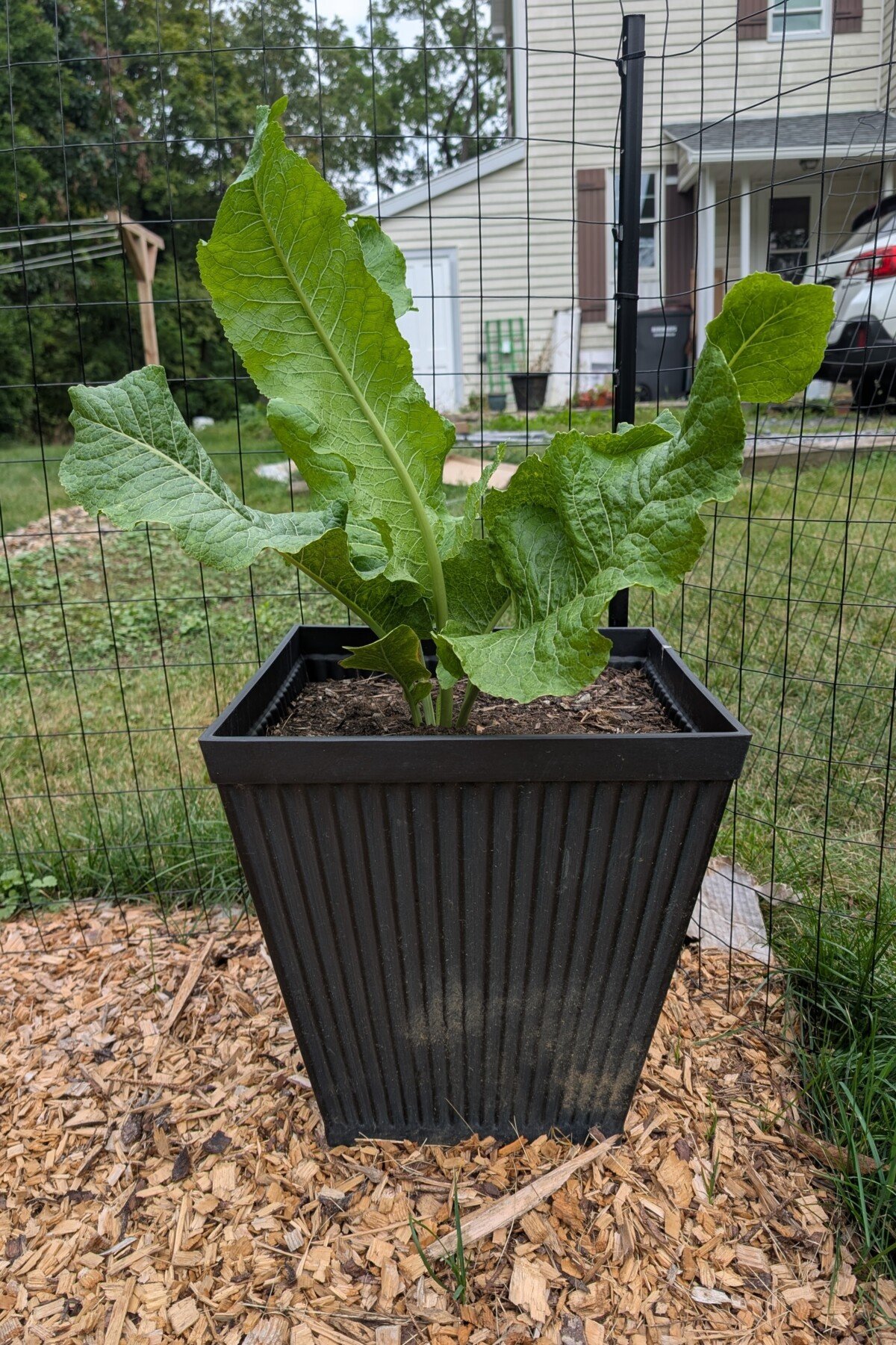
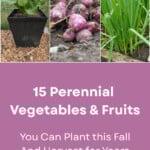
Plant root sections in the fall; they’re nearly impossible to kill and develop a robust root system over winter. With that in mind, it’s a good idea to plant horseradish in a large container. It can easily get out of hand when grown directly in the ground. As much as I love horseradish, I don’t know that I need an entire garden full of it.
Lovage
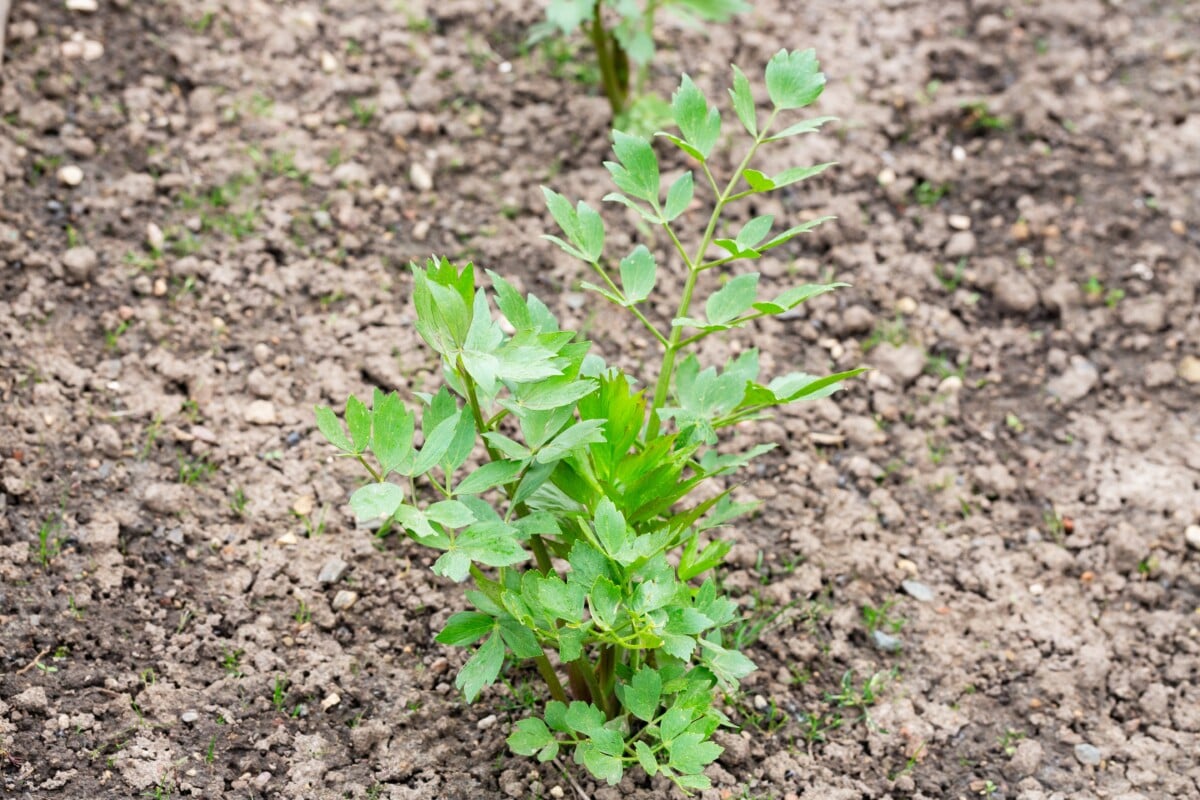
If you’ve not heard of lovage before, it looks like bushy celery, but with a more parsley-like flavor. Unsurprising, considering it’s part of the same family as both. This aromatic perennial can be planted from divisions or small potted plants. Fall gives roots a head start before the cold weather. You can read more about this beautiful and delicious perennial herb here.
Chives
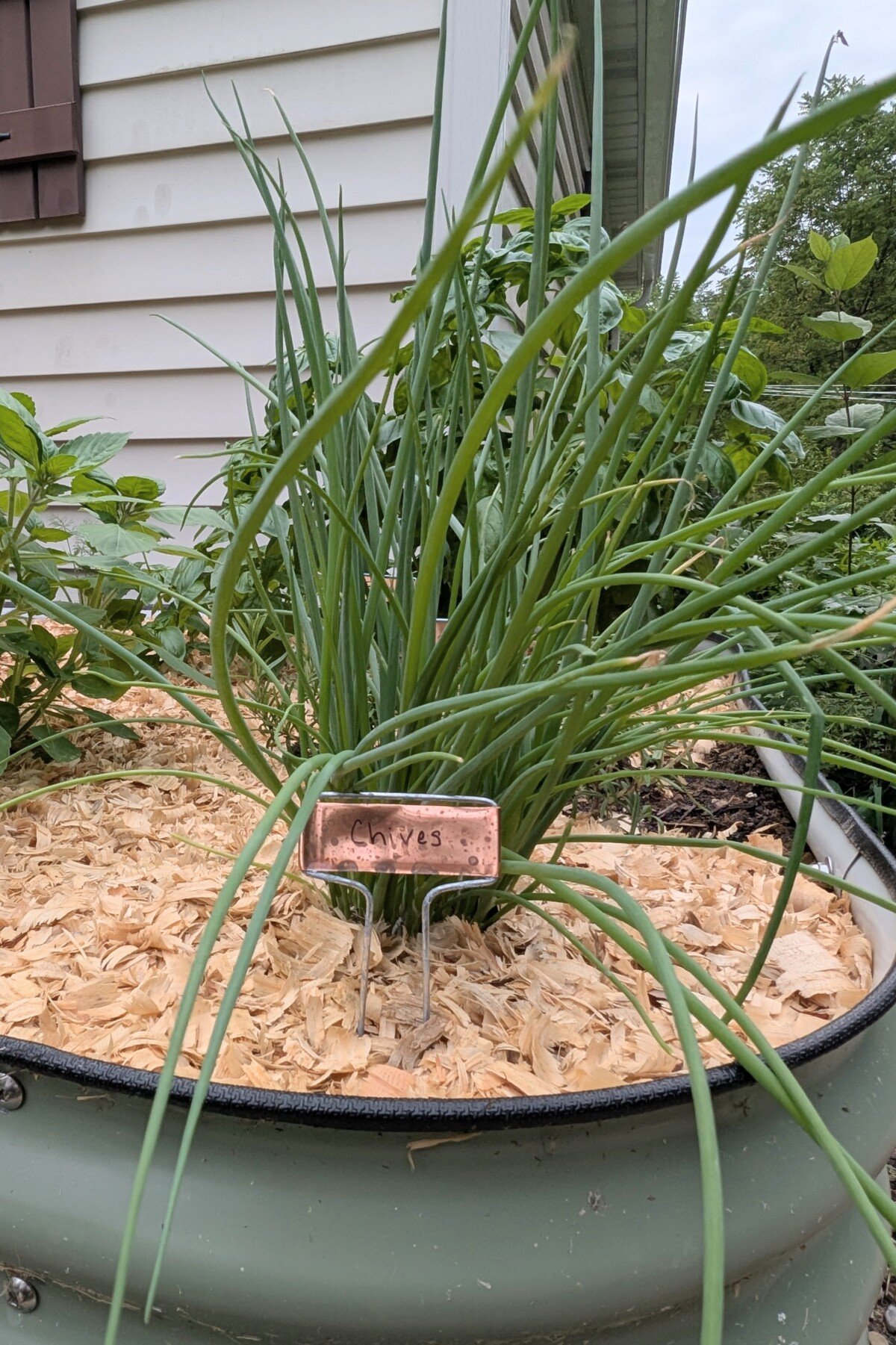
Also in the allium family, this perennial herb can be planted in the fall. Whether you’re growing traditional chives or garlic chives, getting them started in the fall will ensure robust plants the following spring. If you’re looking for more ways to use chives than as a baked potato topper, you’ll want to check out Madison’s article here.
Mint
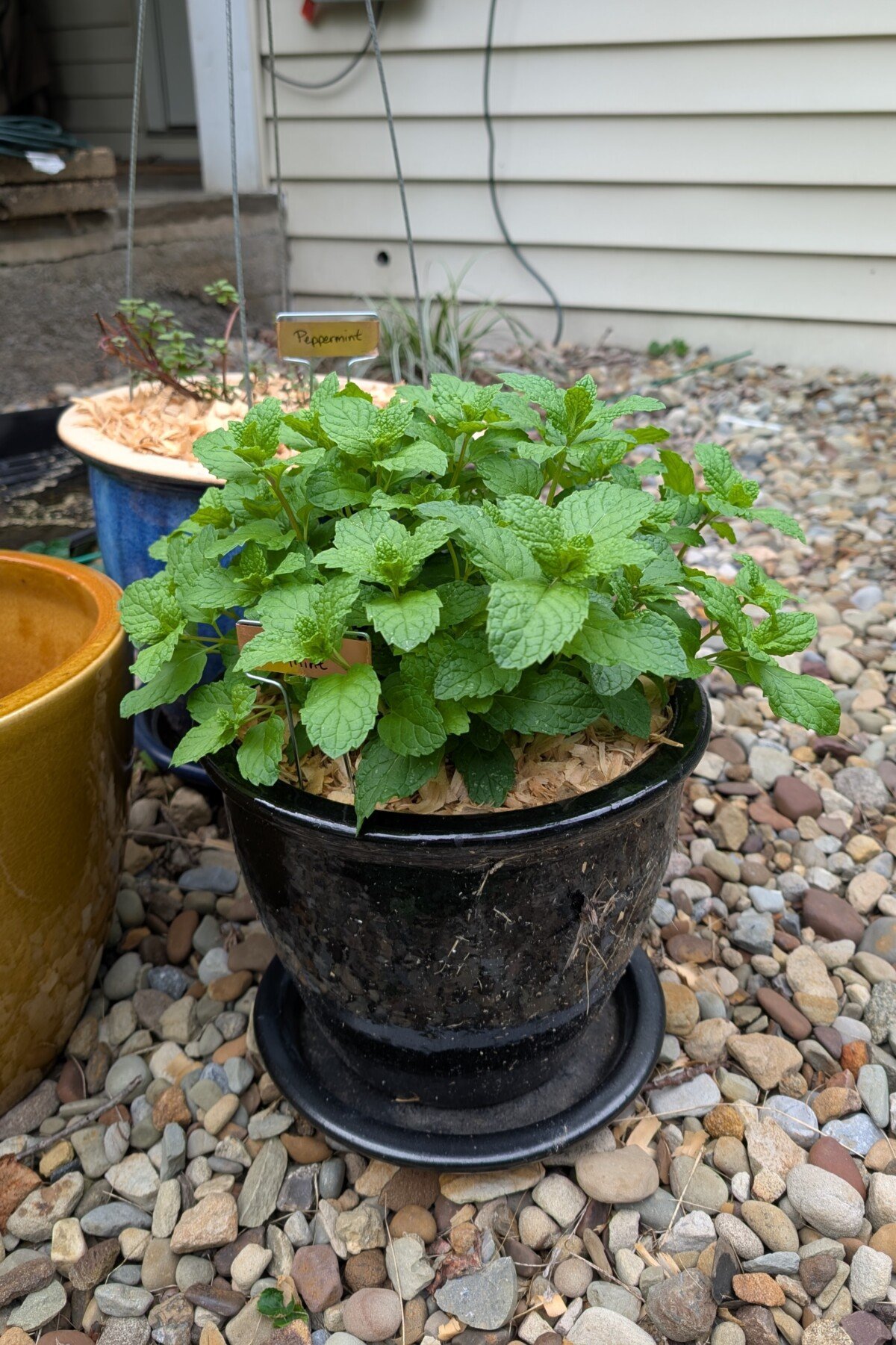
Mint is an incredibly hardy perennial that does well when planted in the fall. However, do not plant it directly in the ground! You will rue the day. Mint has a habit of taking over everything. Instead, plant mint in pots above ground with a saucer beneath them. To read more about mint’s bid for world domination, click here.
Enjoy mint tea and fresh mojitos to your heart’s delight.
Perennial Fruits to Plant in Fall
Perennial fruits are also excellent candidates for fall planting. Their roots establish before winter, making spring growth stronger and more productive.
Raspberries & Blackberries

A berry patch is always a welcome summertime treat. Get started now, and you’ll be eating berries before you know it. Bare-root canes or potted plants planted in the fall will develop vigorous roots. Mulch well after planting to protect young roots from harsh winter weather.
Blueberries

Blueberries prefer acidic soil, but don’t worry, there’s a workaround you can use while you’re acidifying your soil with sulfur. I walk you through planting blueberries and the work around here. Fall planting allows roots to settle and overwinter naturally. Look for small potted plants or bare-root stock from specialty nurseries.
Strawberries
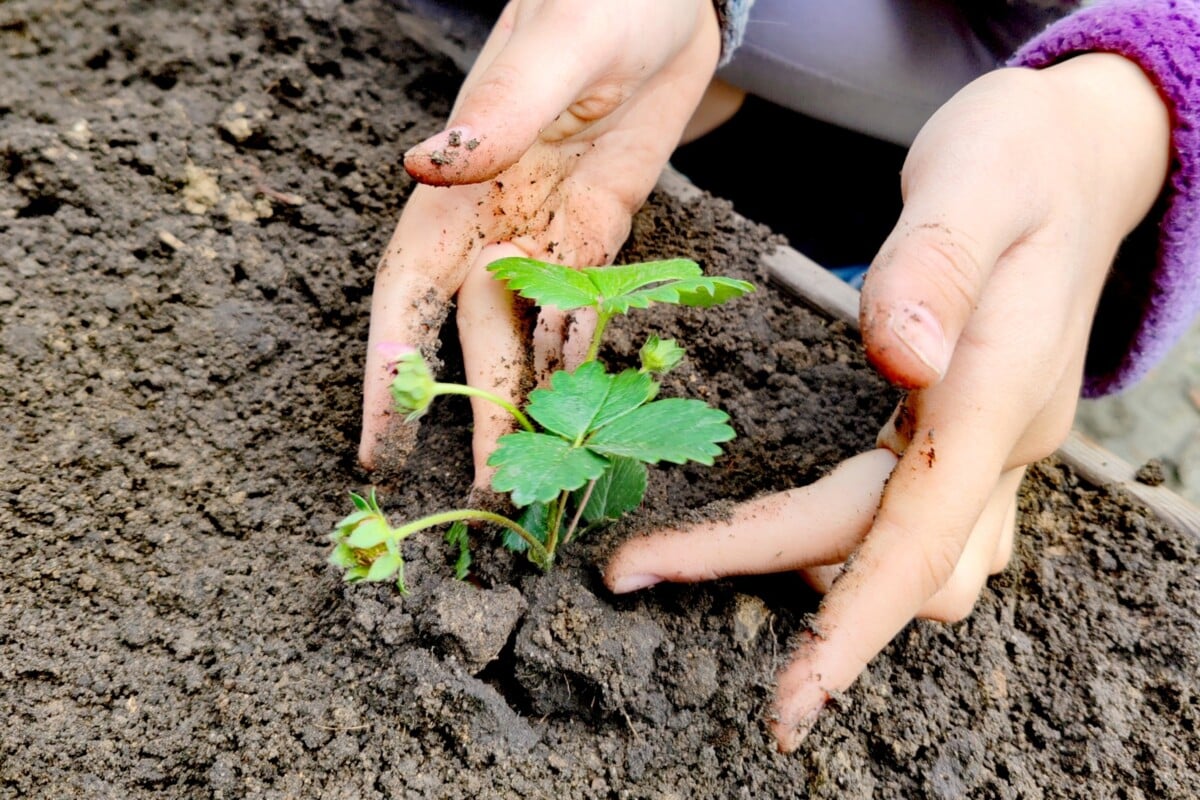
Plant bareroots in fall for a spring harvest next year. Consider day-neutral or June-bearing varieties depending on your goals. Mickey will walk you through how to plant bare-root strawberries here.
Once you plant them, you can expand your patch with the runners from established plants each year.
Currants (Red or Black)
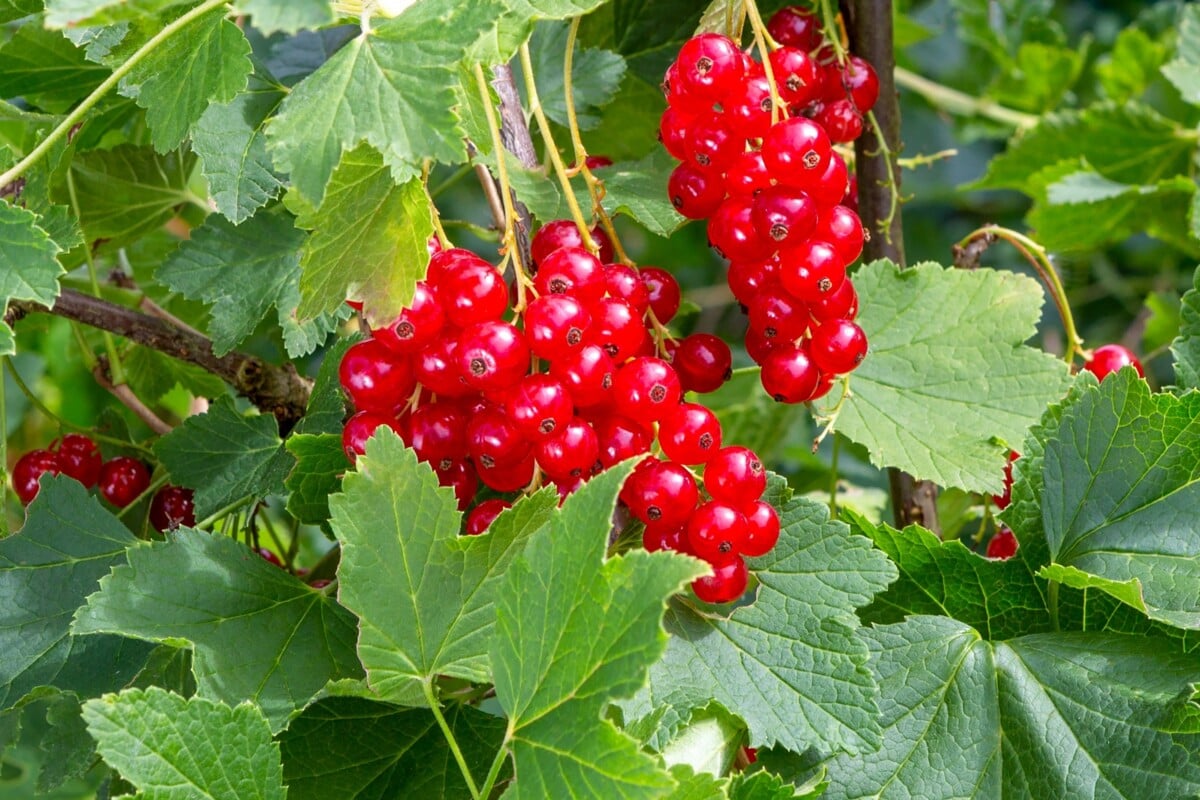
I remember picking red currants from my neighbor’s house as a child. I loved their sweet-tart taste. As an adult, I have found they make some spectacular wine. Plant red or black bare-root plants in the fall or order shrubs online.
Gooseberries
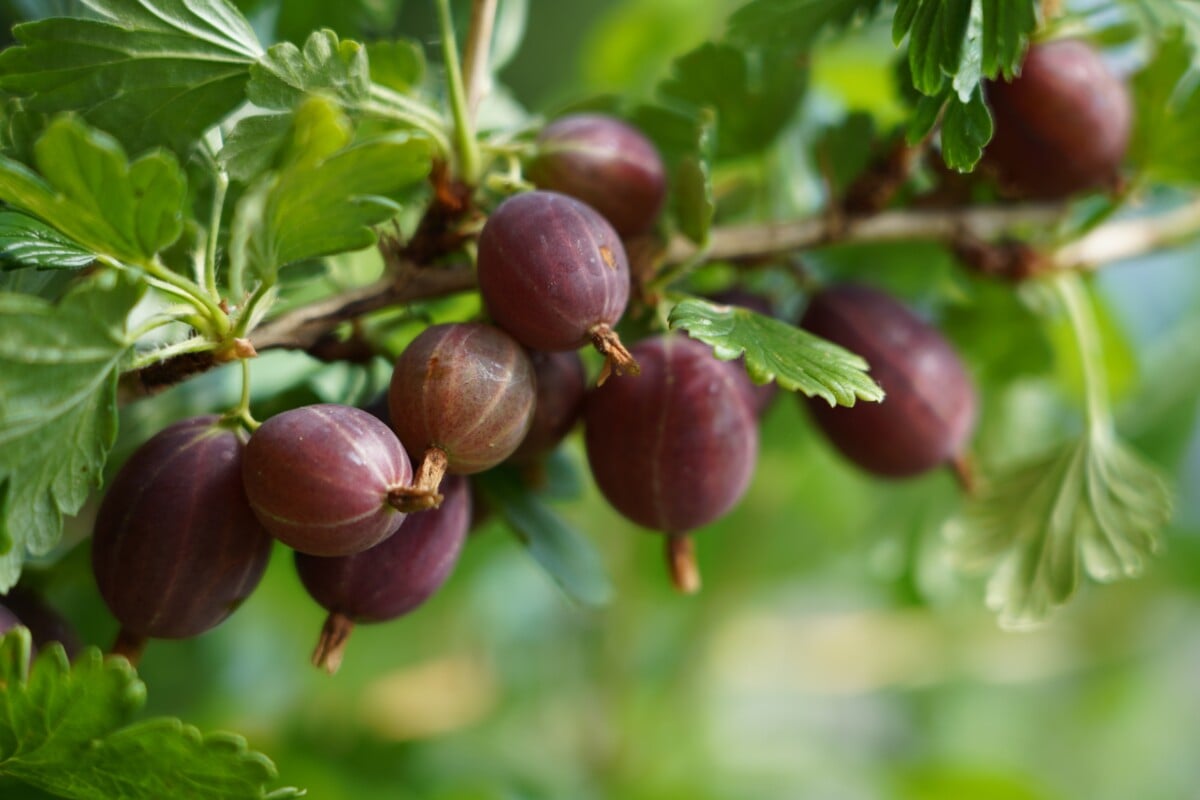
Once thought to be quite old-fashioned, and even banned in some areas, gooseberries are making a comeback. These tart and juicy berries make wonderful jam and pies if you’re bored with the usual berry suspects. Bare-root plants establish well in the fall, and these hardy shrubs thrive in most cool climates.
Where to Source Plants in Fall
Now that we’re on the same page and you’re ready to plant a few perennial vegetables and fruits this fall, that leaves one big question. Where the heck do you find them?
You may be surprised to learn that, despite the springtime rush, many nurseries carry plants and bare root stock in the fall, too. That being said, you’re likely to find a much larger selection of varieties through online nurseries, but it’s still a good idea to check locally first.
Divisions
Another great source is via divisions taken from established plants. Ask around among friends and family who are fellow gardeners. Fall is the time to replenish crowded plants by dividing them, and most folks are happy to pass along extras for free.
Local gardening clubs or seed libraries are also a great resource for cuttings or divisions. Check out Facebook Marketplace and Craigslist, too.
Planting Tips
- Prepare your soil well: loosen compacted areas, add compost, and ensure good drainage.
- Mulch fall plantings to protect roots from freeze-thaw cycles and conserve moisture.
- Water newly planted perennials well until the ground freezes, then let dormancy take over.
- Label your plantings—you’ll thank yourself in spring when everything wakes up.
Fall has always been my favorite time of the year to plant perennials, whether that’s vegetables and fruits or flowers in my flower beds.
By planting in the fall, you give your plants time to become established, without the stress of the summer heat when pests are at their most active. All in all, you’re setting yourself up for stronger plants and a larger harvest in the years to come.
Whether you’re dreaming of rhubarb pie, asparagus wrapped in prosciutto or fresh mint for mojitos, fall planting is where it’s at for a low-maintenance perennial garden.
Get Garden Notes From Tracey, Right to Your Inbox
Pull up a chair on the front porch. Join 54,000+ gardeners who get Tracey\'s friendly notes, seasonal to-dos, and hands-on tutorials three times a week.