

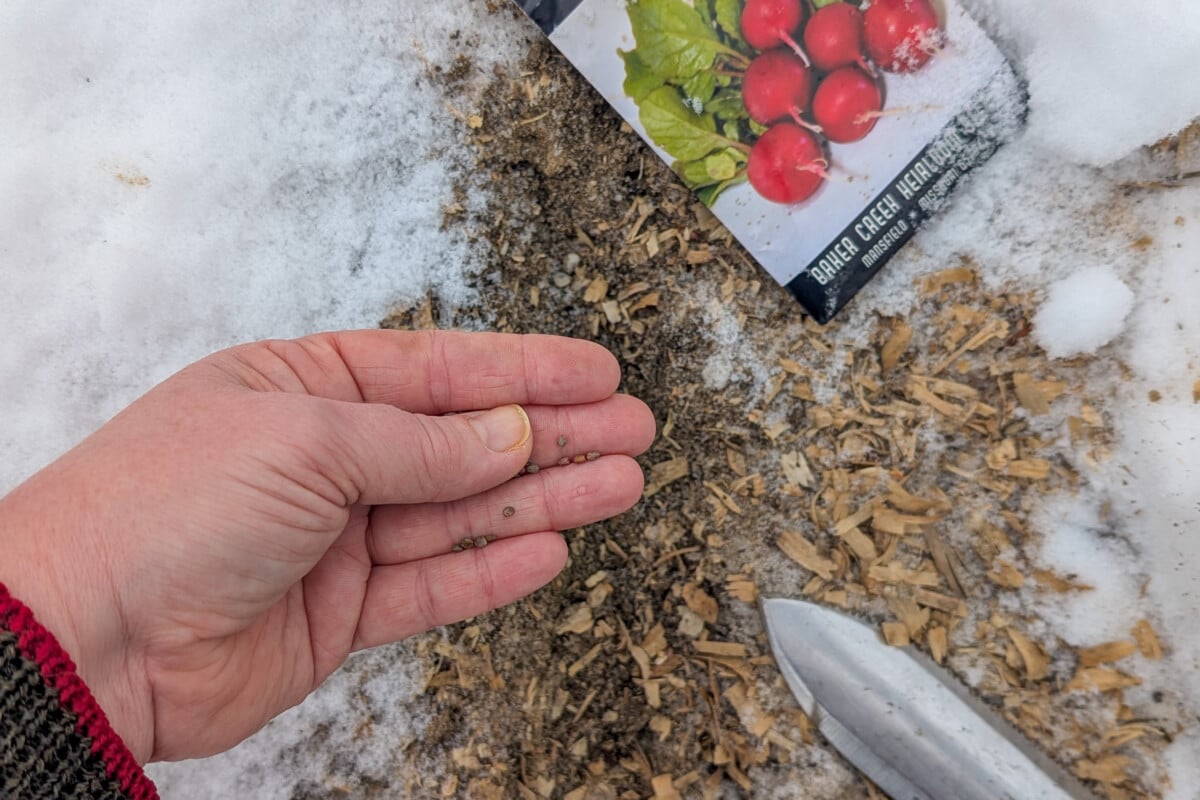
As much as I love the joy of starting seeds indoors, I’m less joyful when it comes time to haul them all out to the garden to plant them. Thankfully, there are quite a few seeds you can sow directly in the garden before your final frost. Sometimes, even if that means your garden is covered in snow.
The Benefits of Direct Sowing vs. Starting Seeds Indoors
For a lot of gardeners, myself included, starting seeds indoors is cathartic. Winter is still very much a part of our daily lives. Not only is starting seeds indoors the only way many of us can grow long-season crops in our gardens, but it’s also an act of self-preservation at this point in the year.
It’s a hopeful gesture that, yes, spring will eventually, someday, in the course of time, one day, probably, arrive if we’re lucky. Maybe.
So, we start seeds indoors. But you don’t always have to, at least not for all of your vegetables.
There are quite a few garden vegetables and herbs that can handle the colder temperatures of germinating and growing outdoors in early spring.
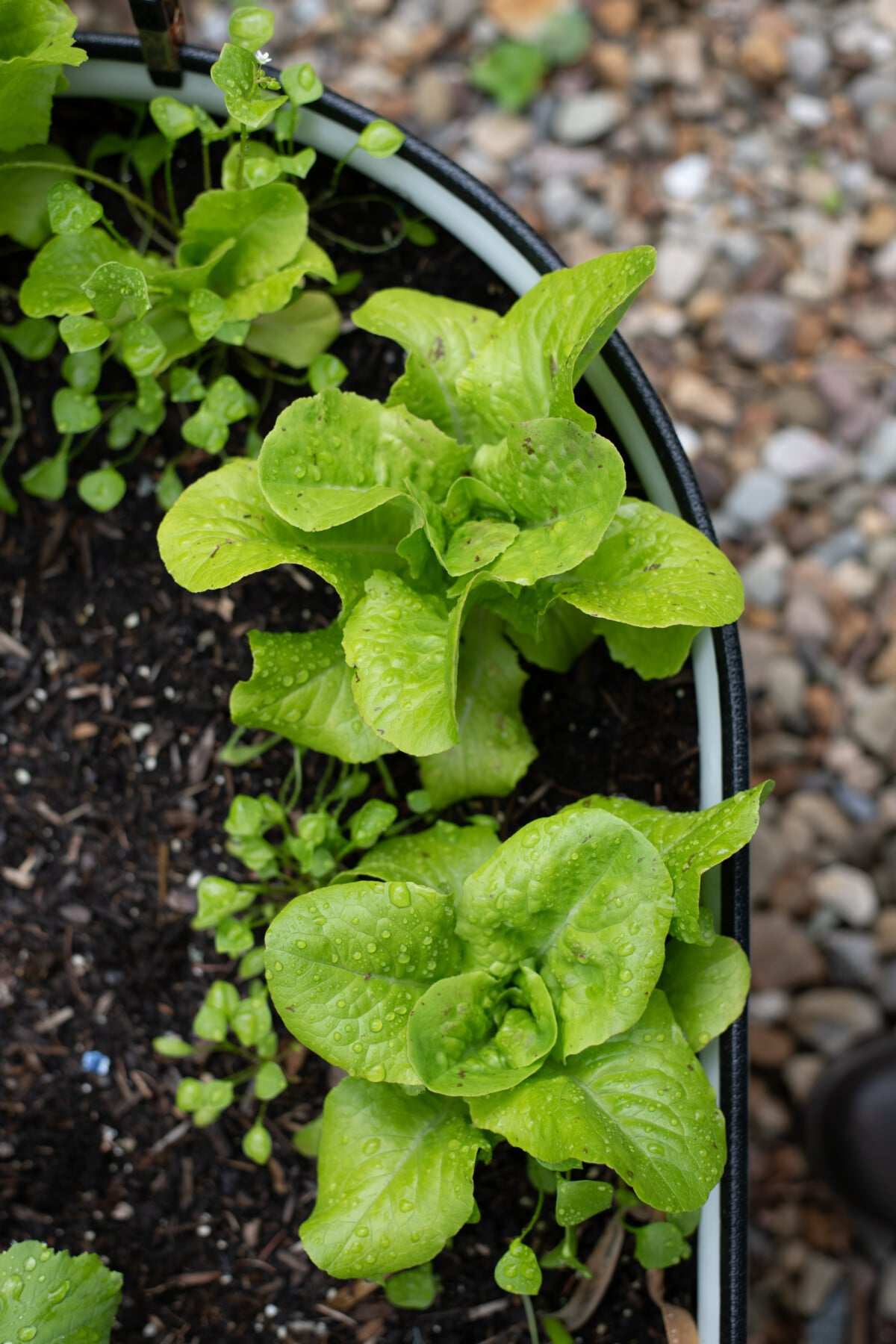
And the crazy thing is, most of these will perform better when we direct sow them outdoors, rather than starting them as seedlings indoors. (Some shouldn’t be started indoors at all. Here’s a complete list of those veggies.)
Let’s take a quick look at the benefits of direct sowing these vegetables.
Directly sown seeds are immersed in the microbiome of our soil. They benefit immediately from the beneficial microorganisms there and create strong defenses against harmful ones. The sprouts that emerge from these seeds are already tougher than those tomato seedlings you have growing indoors.
Direct-sown vegetables also receive much more light than indoor seedlings. This equates to more energy for rapid growth via photosynthesis.
No matter if you’re using the light from windows or quality grow lights (I recommend and use Barrina grow lights), the light we provide indoors just can’t compare with good ol’ outdoor sunshine. It’s more intense and hits the plants at more angles than anything we can provide them indoors.
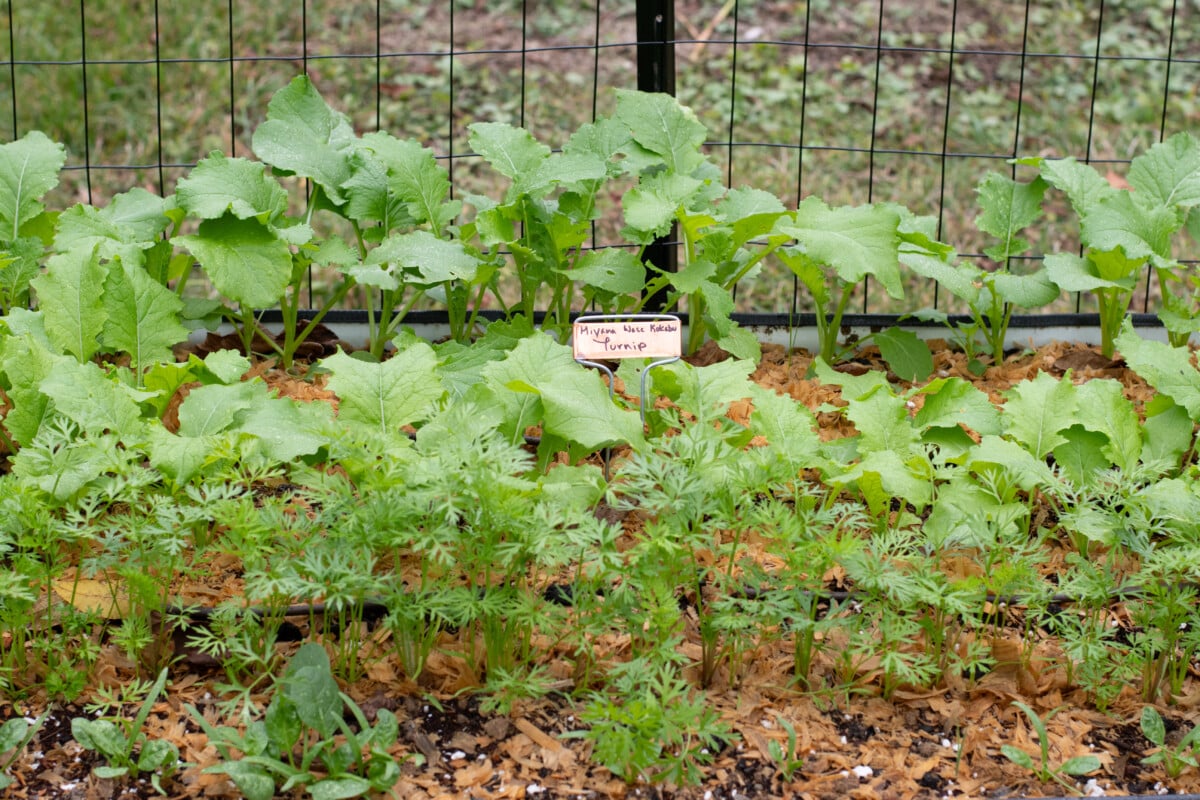
Direct-sown seeds are exposed to wind from the start, resulting in rapid secondary growth. That means thick, sturdy stems and stocky seedlings. You get to skip the fuss of hardening off your seedlings because Ma Nature does it for you.
Those are the benefits for your plants, but there are benefits for you, as the gardener.
You get your space and time back. Starting seedlings indoors takes up a fair amount of space. And tender seedlings require daily attention. If you miss watering for a day, that could be a flat of dead seedlings. In the end, direct sowing the seeds you can means less watering, less potting up and fewer trays of seedlings that need to be lugged in and out for a week as you harden them off.
If we direct sow all the seeds we can and only start seeds indoors for the plants we have to, it’s a win-win for both you and your plants.
Last Predicted Frost Date – It’s the Final Countdown
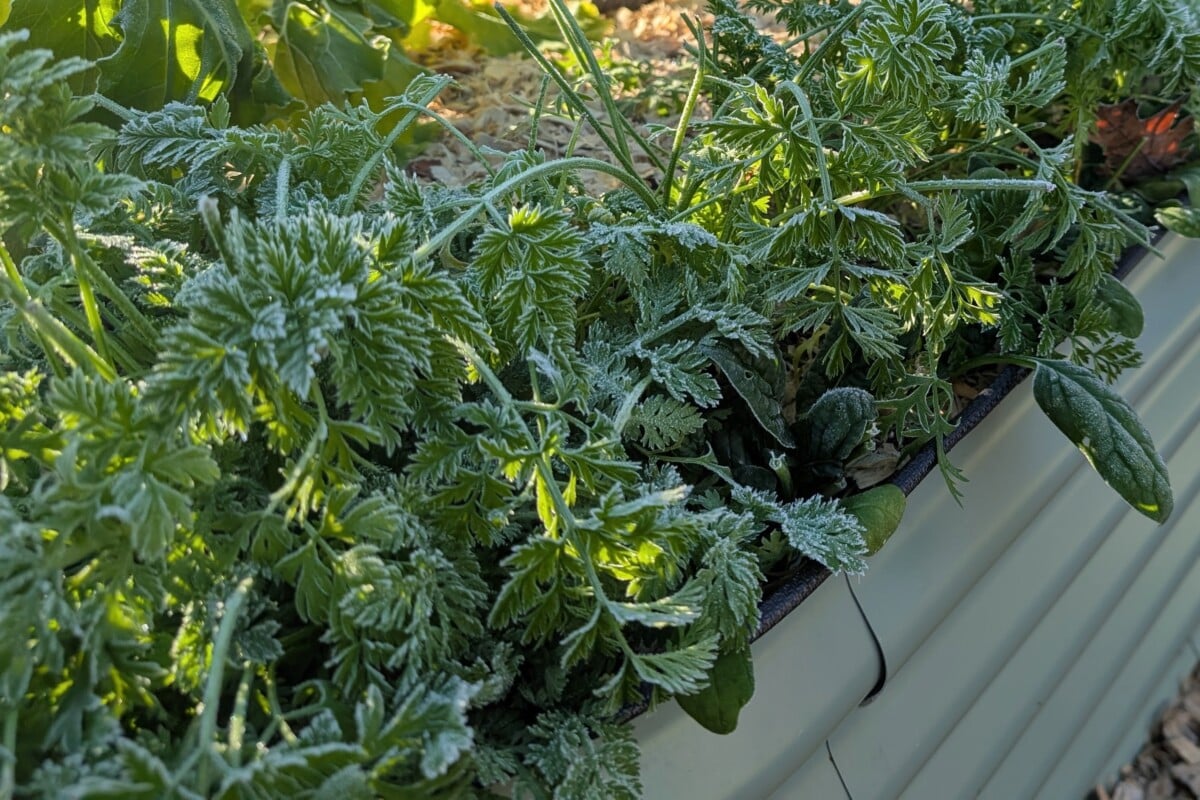
Who else has that awful ’80s hit stuck in their head now?
Most of the time, sowing instructions refer to your predicted final frost date. For example: plant four to six weeks before your final frost, start indoors eight weeks before final frost, or the popular, plant when all danger of frost has passed.
The seeds we’re looking at here can all be planted outdoors before your final frost date. If you don’t know when yours is, click here. The dates are calculated using decades of historical information to predict when the risk for a frost in that zip code is below 10%.
In theory, you could plant things earlier, but the risk that you’ll be hit with a frost is higher the further you get from that predicted last frost date. That’s when growing under cover comes in handy. The opposite holds true. There have been years when my last frost date has come and gone, and I’ve found myself covering up my entire garden to protect it from a surprise frost.
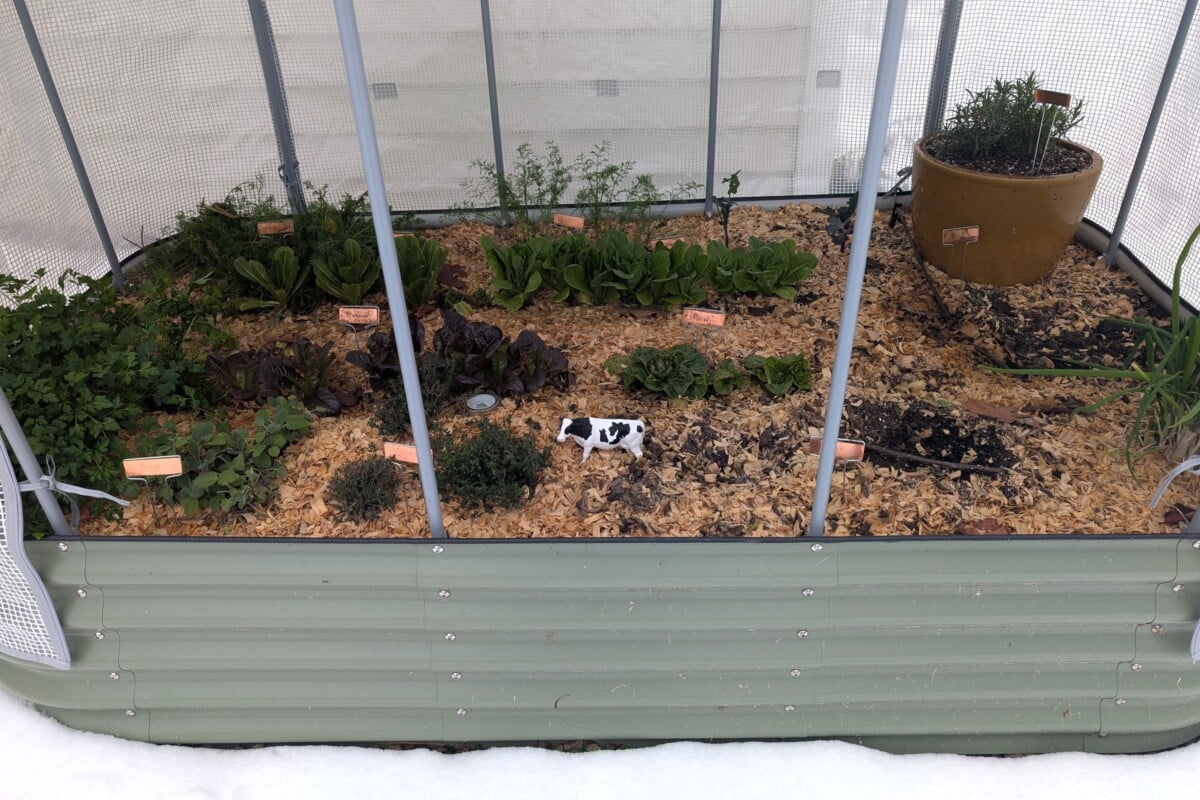
This is why it’s always a good idea to have frost protection on hand when sowing seeds early. Floating row covers are inexpensive and can be folded and stashed away when no longer needed.
Snow and Mud?
Don’t let a little snow on the ground stop you. If it’s the nice light, powdery stuff, and you can easily move it away, go ahead and poke those seeds in the ground. After you’ve covered the seeds with soil, cover everything with the snow again. As the snow melts, it will water the seeds and kickstart germination. Snow can even protect seeds from wind and birds.
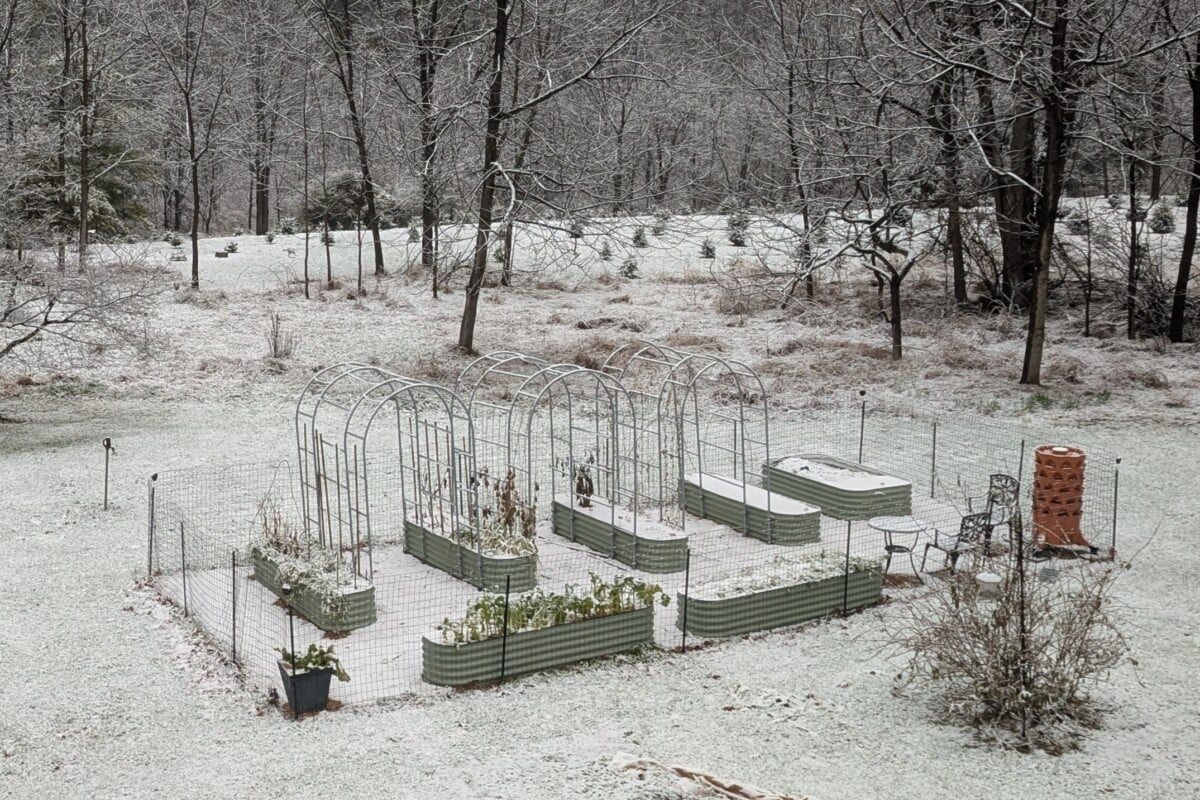
But if the snow is heavy and wet or icy, it’s best to wait for it to melt off and the soil below to dry out a bit, which brings us to mud.
We want to get our seeds in the ground early without damaging our soil structure or having seeds rot in place before they can even germinate. For that reason, if your soil is still too damp and muddy, give it a week or so to dry out a bit before sowing seeds.
Common Sense Gardening
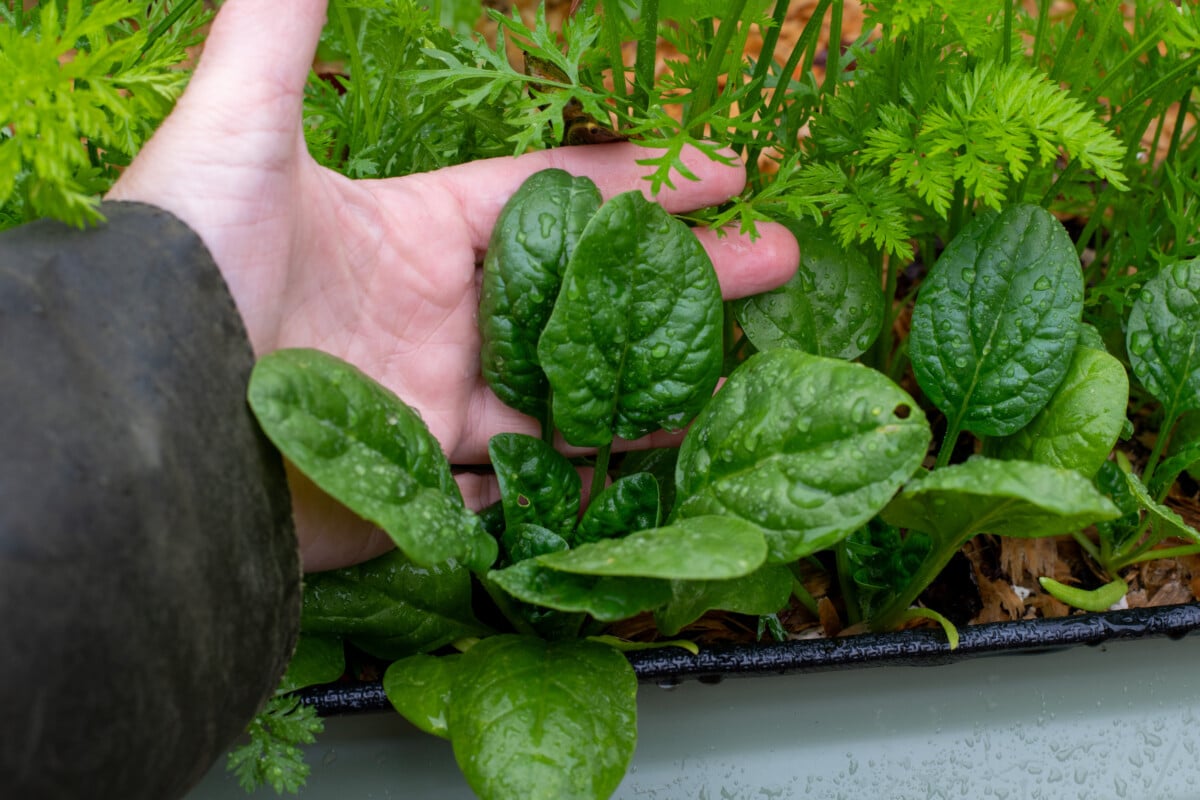
Finally, use common sense when sowing seeds outside in late winter and early spring. You know your area best, especially if you’ve been gardening for years. Use your final predicted frost date as a guide, along with what you know about where you live. Check your extended forecast before you plant seeds. If the calendar says it’s five weeks before your final frost, but there’s a nor’easter predicted next weekend, hold off. Likewise, keep checking your weather once you have sown your seeds so you can cover them if needed to protect them as they grow.
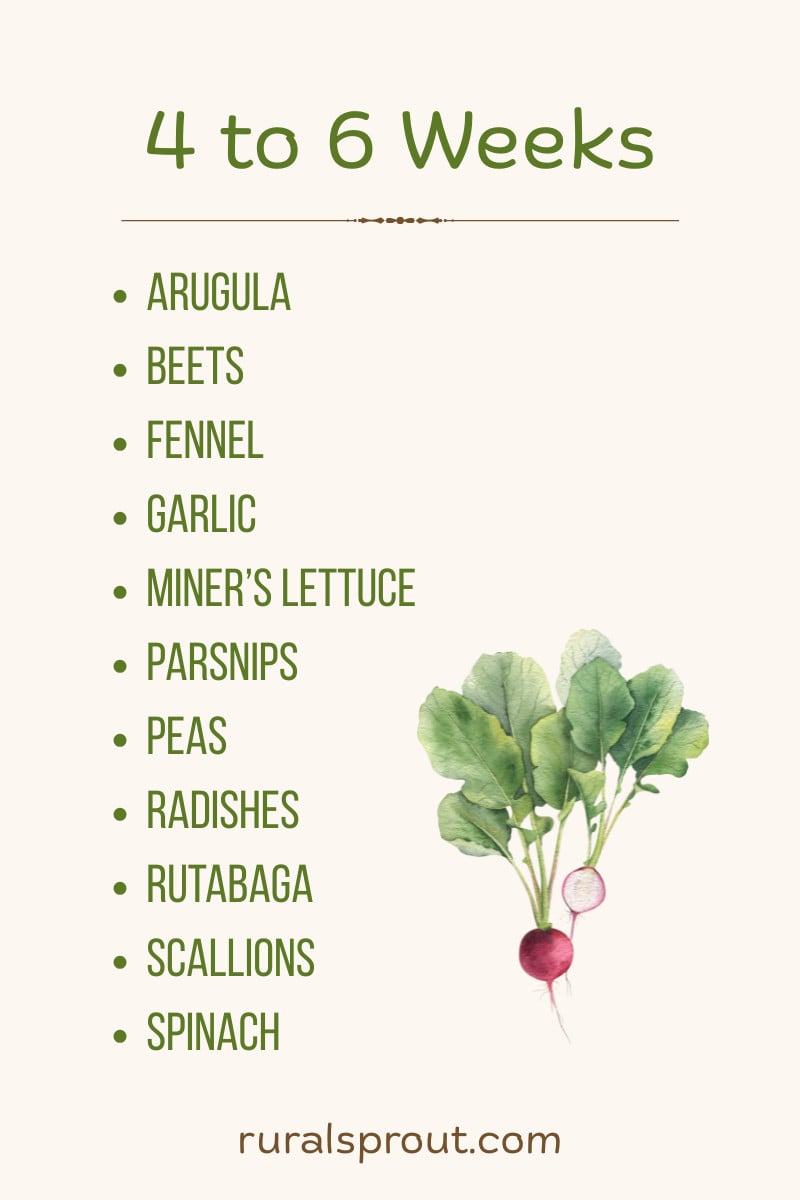
Seeds You Can Sow 4 to 6 Weeks from Your Final Frost
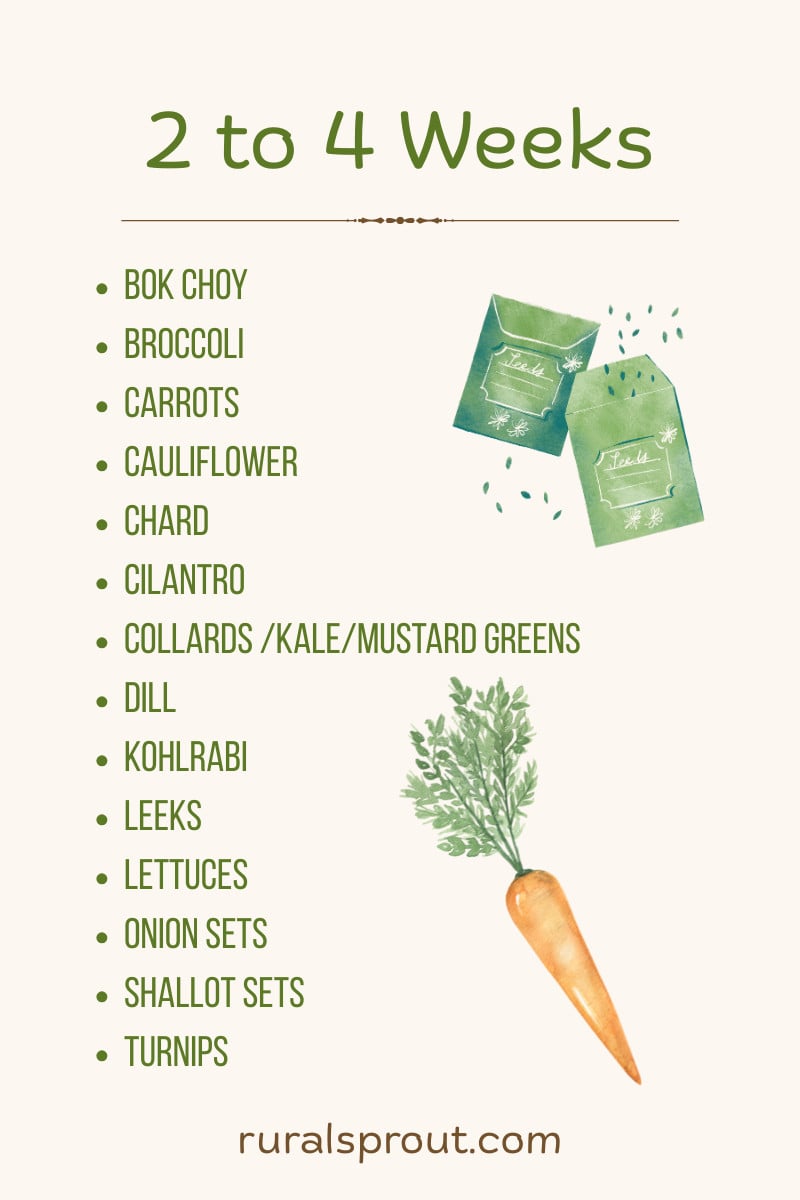
Seeds You Can Sow 2 to 4 Weeks from Your Final Frost
Get Garden Notes From Tracey, Right to Your Inbox
Pull up a chair on the front porch. Join 54,000+ gardeners who get Tracey\'s friendly notes, seasonal to-dos, and hands-on tutorials three times a week.