


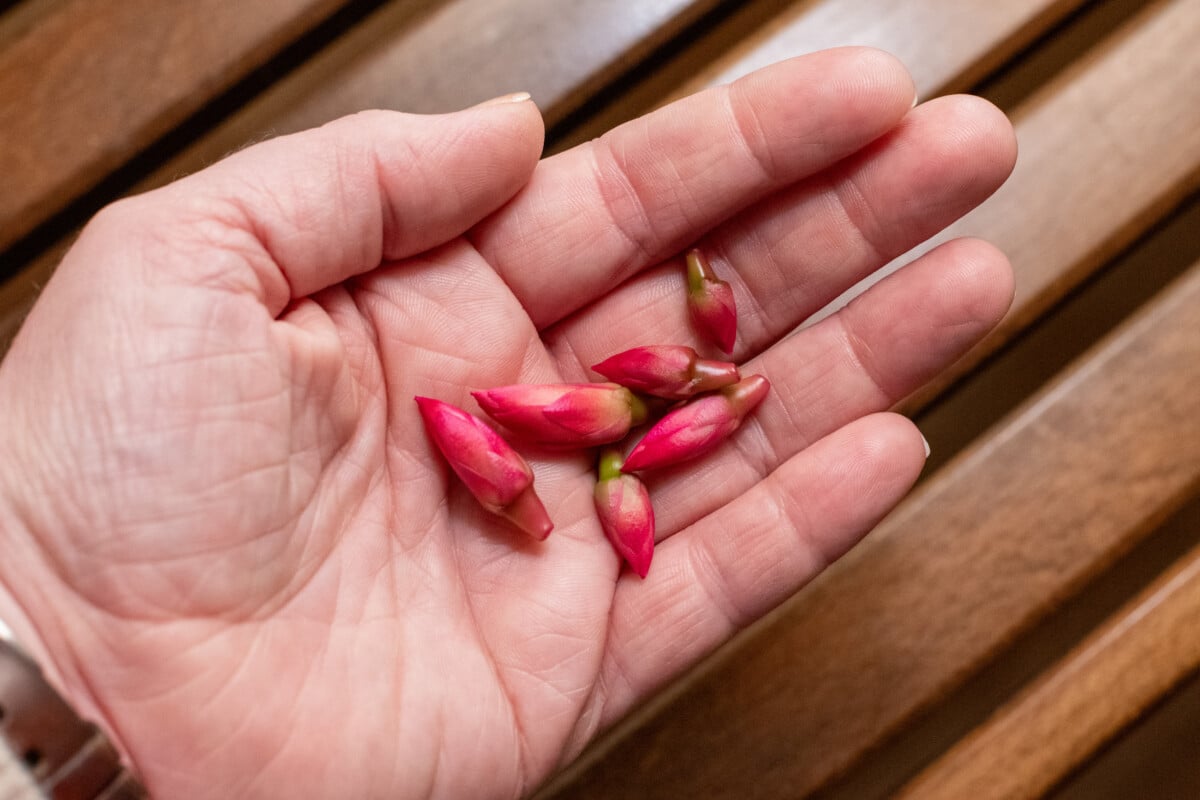
There’s nothing worse than putting in the time and effort to get your Christmas cactus to bloom only to find all of its tiny buds on the floor one day. For a plant that’s relatively easy to take care of, it can be a real Goldilocks when it’s time for it to bloom. But you can easily avoid dropped buds by paying attention to three key factors.
Turn and Face the Strange
Let’s get this started on the right foot – with a terrible joke.
Why are Christmas cactuses not a fan of David Bowie?
Because they hate changes.
Get it?
Turn and face the strange, ch-ch-changes.
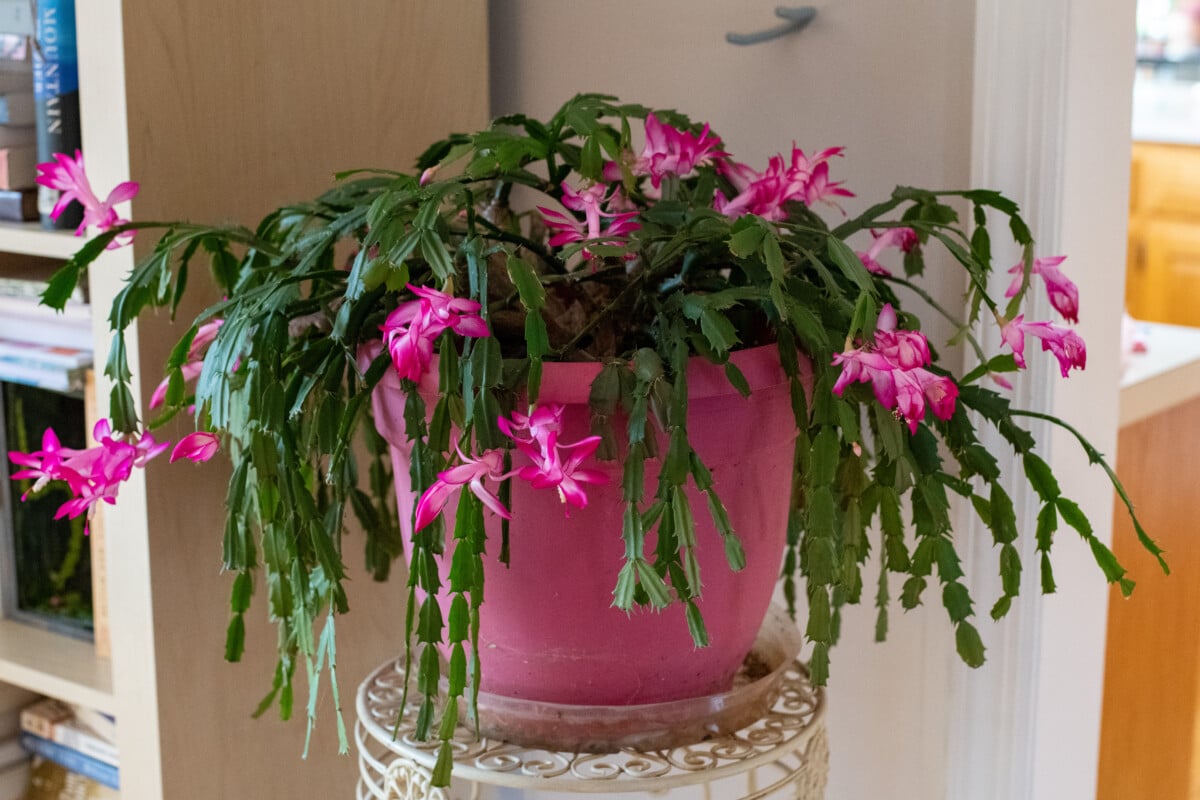
But seriously, this is at the heart of why schlumbergeras can be such fickle flowering plants. These plants do best with stable environmental conditions during their blooming period. If things change, they cope by dropping buds.
If you pay attention to the three most common causes of dropped buds, you can easily avoid the issue. And that means tons of gorgeous flowers each holiday season.
A Very Quick Schlumbergera Primer
If you’re relatively new to the care and feeding of these lovely plants, you’ll need a bit of background information on them, as it plays into how to prevent them from aborting buds. But we’ll keep it short and sweet.
There are generally two types of flowering cacti (yes, they are true cacti, not succulents) that bloom during the winter holidays in the Northern hemisphere: Schlumbergera Truncata – Thanksgiving cactus and Schlumbergera x buckleyi – Christmas cactus.
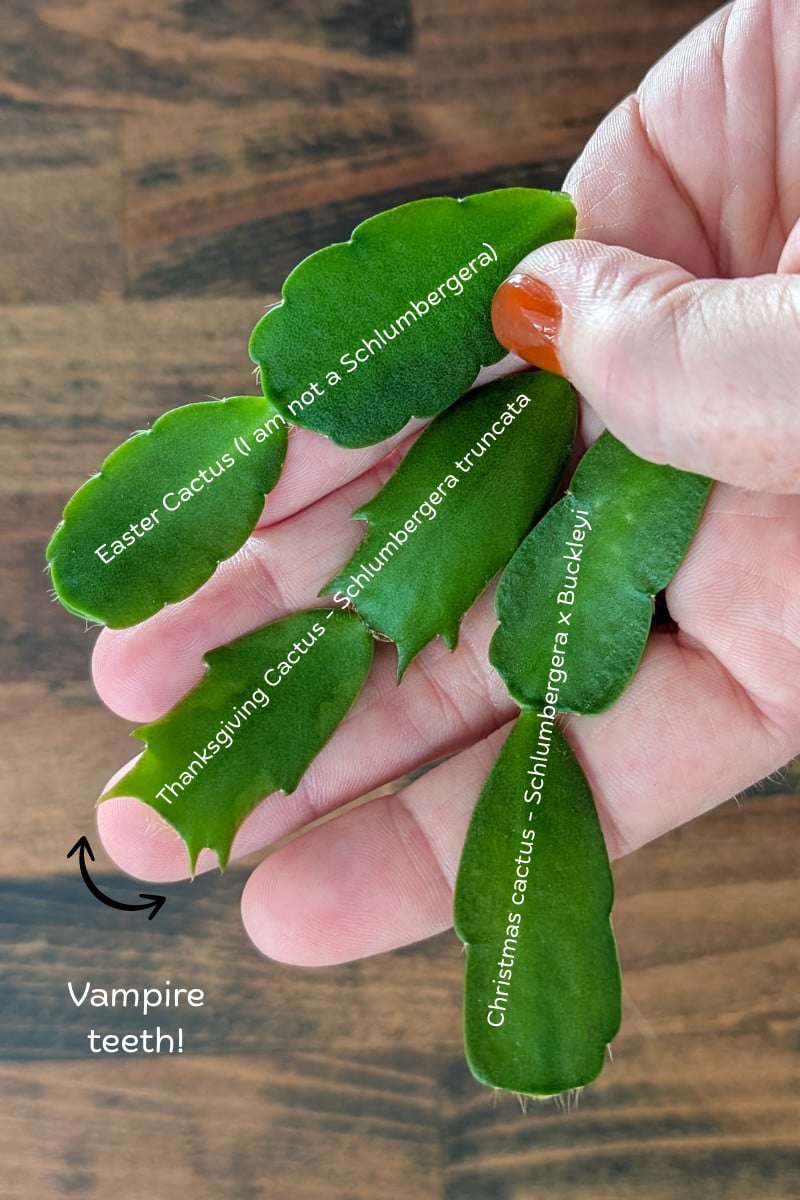
The easiest way to tell them apart is that the Thanksgiving cactus has vampire teeth, and the true Christmas cactus does not. (There is also an Easter cactus, but you can read more about that here.)
The plants need soil that drains well. A soil mix formulated for epiphytes works best (like this one), and always ensure your pot has a hole in the bottom. They prefer slightly moist soil to completely dry, so water them when the top inch of soil dries out.
Fertilize them regularly during their active growing season. You can read about their fertilizer needs here.
And last, but not least, they are short-day blooming plants, which means that shorter days and longer, cooler nights trigger them to bloom. You can read all about the care and feeding of holiday cactus here, if you want more information.
Okay, when your Christmas cactus decides to take the holidays off and drop all of its buds, it generally comes down to one of three issues. Luckily, all three are pretty easy to prevent.
Moving Your Plant Too Much
These plants are quite sensitive to movement. Moving the plant when it has set buds can easily trigger it to abort buds.
This can be tricky if you have to put your plant in a different room to simulate the natural conditions that cause it to set buds. Likewise, if your plant is in a location that requires you to turn it regularly so it receives light on all sides and grows evenly, this can be a problem.
When you move your plant to a different location to get it to set buds, move it back to a sunny location as soon as you see the first few buds, then let it be for the rest of the season.
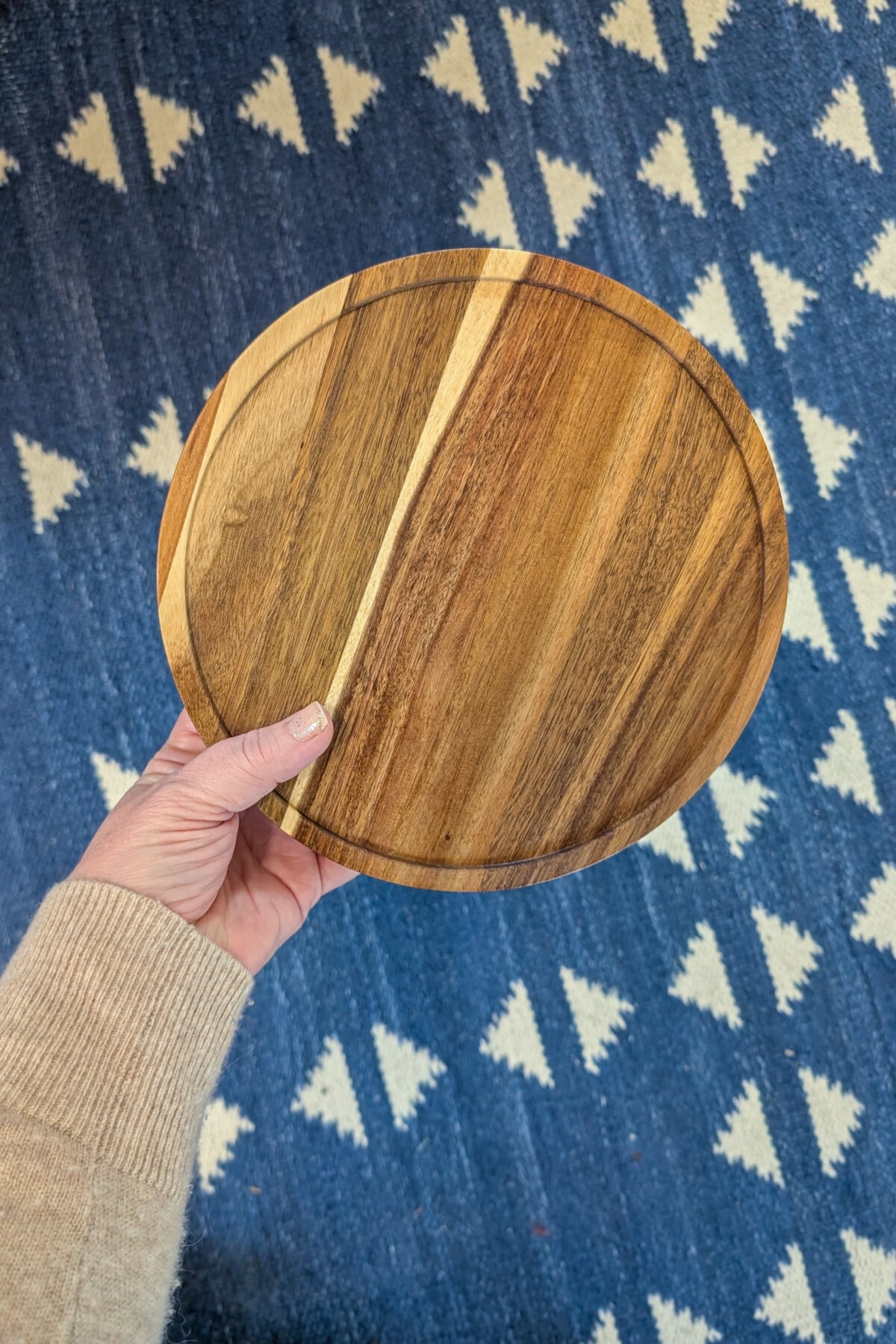
If you regularly turn your plant, consider using a lazy Susan and placing it beneath the pot. This will allow you to turn the plant without jostling it. (I love these ones because they look great with my décor.)
If you put your plant outside for the summer, a great way to ensure it has flowers for the holidays, always bring it indoors well before it starts setting buds. Doing this allows the plant to acclimate, and it won’t need to be moved with buds on it. (For more information on how to give your Christmas cactus a summer vacation, click here.)
Watering Issues
Both too much or too little water can cause holiday cacti to drop their buds.
These guys grow in the coastal jungle mountains of Brazil, where it’s nice and humid, and they receive consistent rainfall. I’m going to go out on a limb and guess that’s a very different environment from your living room.
Consistent watering, as the top layer of soil dries out, is important both leading up to bud development and during the blooming period. They require less water when flowering, but still need to be watered. It’s only in the post-blooming dormant phase that you can go long stretches without watering them.
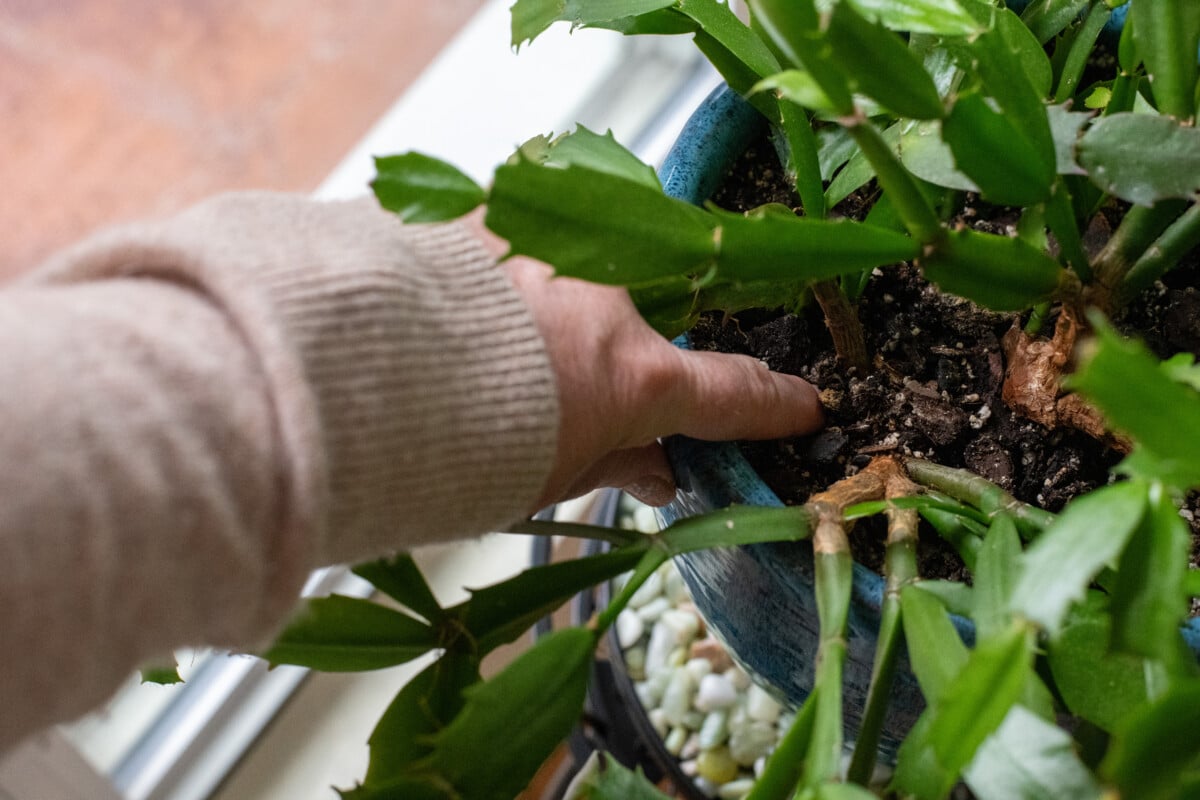
Use your finger or a soil moisture meter to determine when the soil is drying out. Check your plants at least once a week during the cooler months of the year. When you heat your home, the dry air tends to dry out plants much faster. You may find that your plant actually needs to be watered more frequently this time of year, especially if your home is particularly dry.
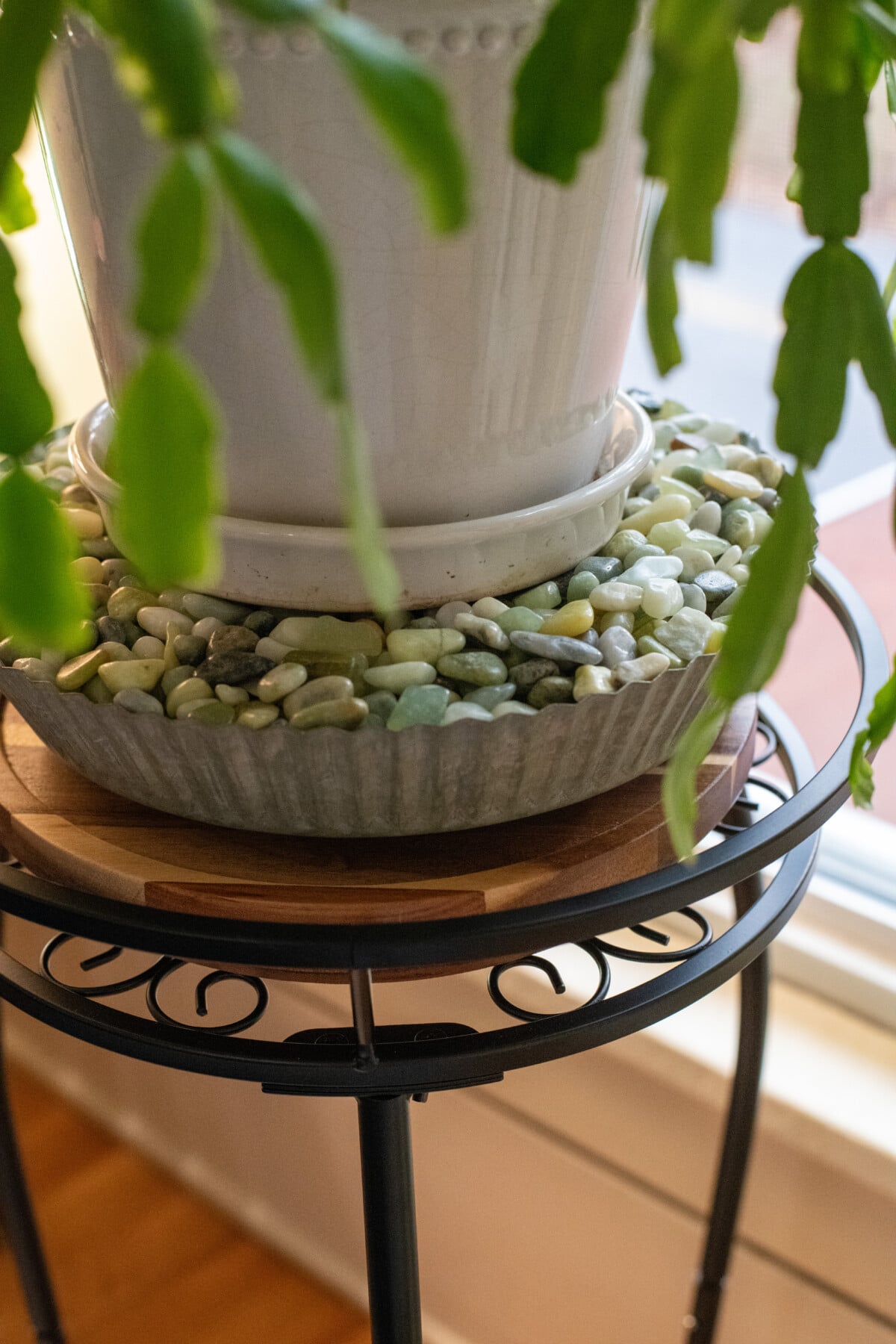
Providing proper humidity is easy. Skip the cold-mist humidifiers and all that nonsense. Put your Christmas cactus on a saucer with a bed of pebbles and pour water into the saucer. The plant shouldn’t be sitting in the water, but elevated above it by the pebbles. Top up the water as it evaporates.
Also, keep them away from heat sources, such as radiators, heaters and fireplaces, as this tends to dry out their soil faster, again, causing them to drop buds.
Temperature Fluctuations
Finally, ensure your plant is kept in a location with a relatively constant temperature. They dislike temperature swings and will abort blossoms if the temperature drops too low.
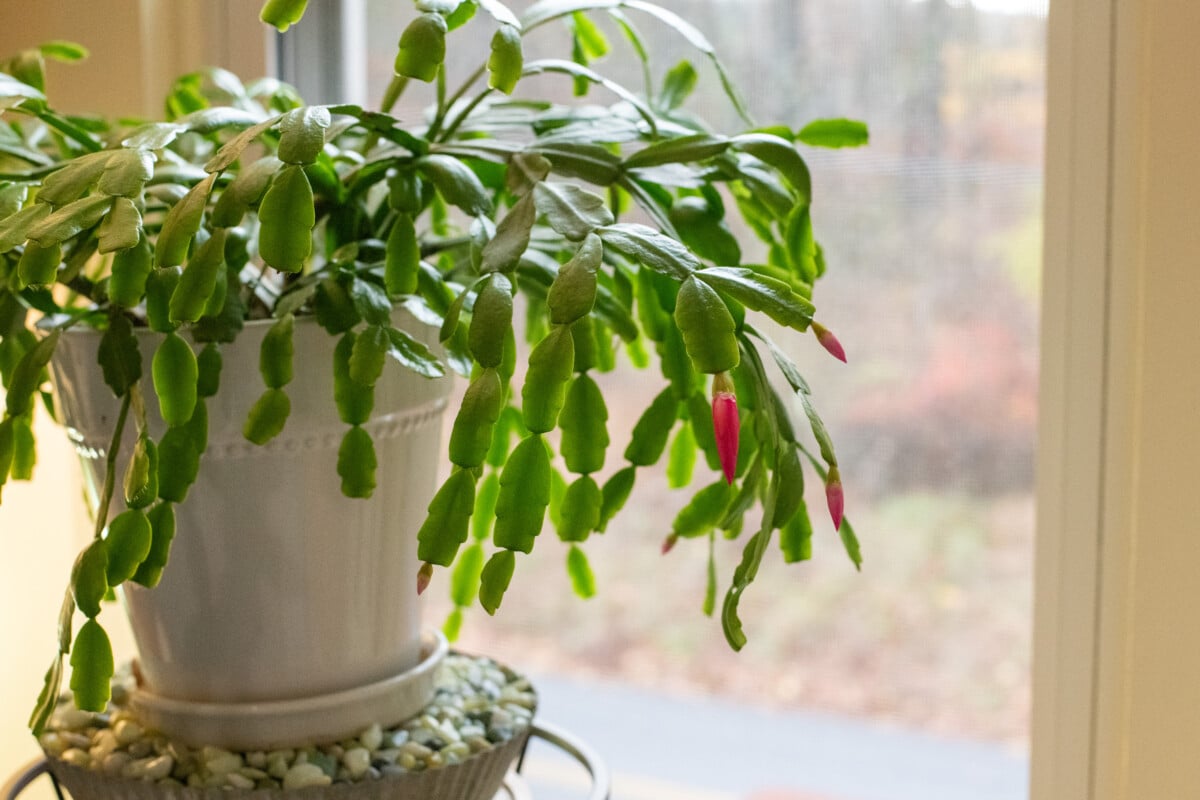
Move them at least six inches away from windows and ensure they aren’t touching the cold glass. Avoid keeping your holiday cactus in a room with an exterior door, as the sudden gusts of cold air can cause the buds to drop as people come and go.
Don’t forget to take nighttime temperatures into account. Ensure your plant is in a room that doesn’t get too cool. They prefer evening temperatures between 55°F and 65°F, so 60°F is perfect.
These three factors are what cause your plants to drop buds. Fortunately, they are all pretty easy to control, especially since your Christmas cactus likes the same indoor winter environment that you do.
My Holiday Cactus Has Started Dropping Buds – What Should I Do?
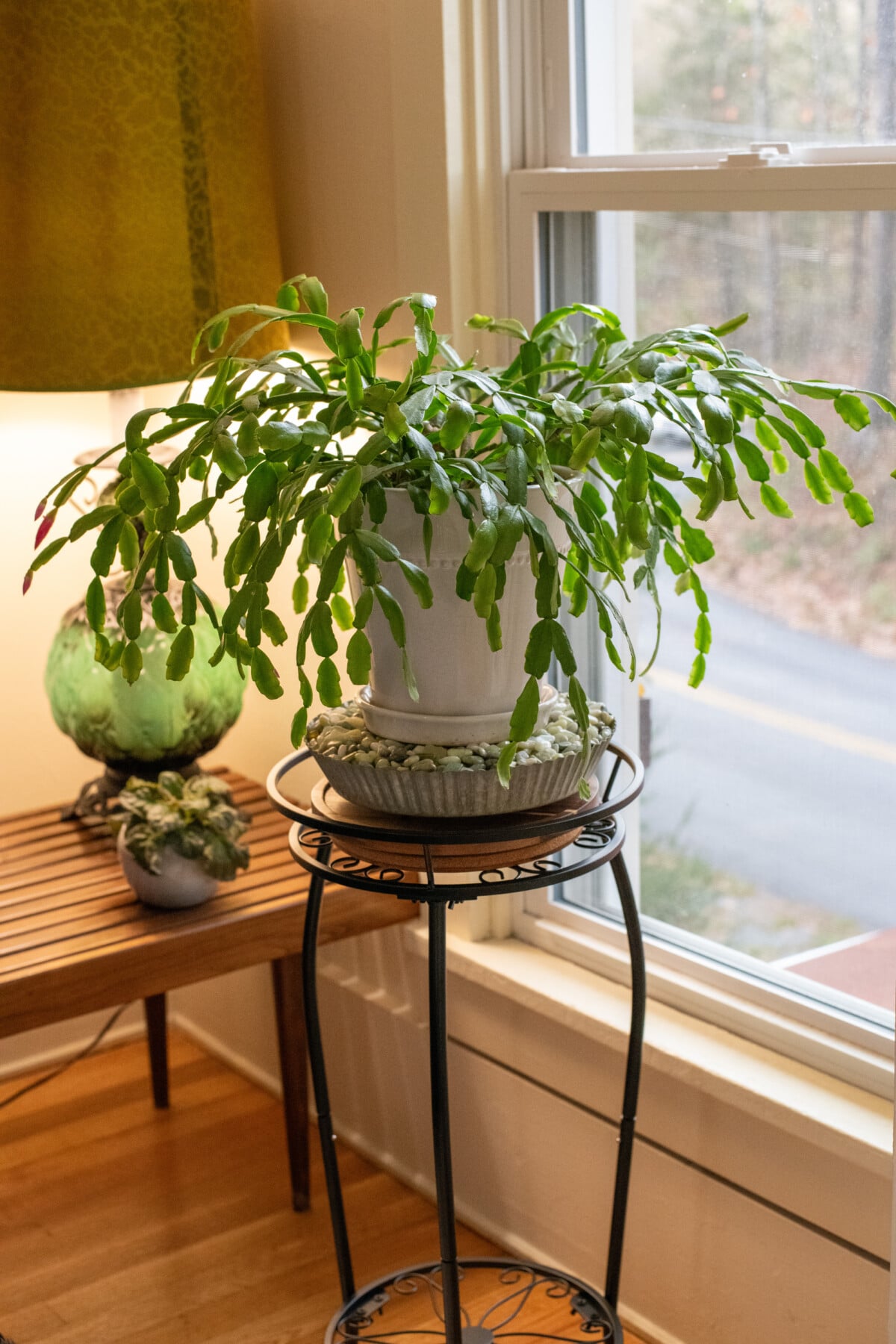
Unfortunately, once your plant starts to drop buds, it’s nearly impossible to stop it. There isn’t a whole lot you can do other than troubleshoot the cause of why it aborted blossoms, take measures to correct those environmental factors, and be all the wiser next year.
Buying a Holiday Cactus During Cold Weather
Since this is the time of year when stores have them for sale, it’s naturally the best time to buy one. But it’s also the worst time if you live in the northern states. You end up dealing with all three of the factors that cause buds to drop.
Store employees often tend to overwater plants in their care. You’ll be moving the plant from the store to your home, which means a bumpy ride in the car. And don’t forget that this is the time of year when it can be quite cold outside.
Here are a few tips for purchasing these beautiful cacti right before the holidays:
- Warm up your car first. Be sure your plant is going from a warm store to a warm car.
- Double bag it! Be sure to cover the top of the plant with a bag. Ask for it to be double-bagged for better insulation.
- Carry it to the parking lot rather than letting it ride in your shopping cart if you’re purchasing it at a grocery or home goods store. Parking lots are bumpy! If needed, bring groceries out to the car first and then go back in to purchase your plant. (This allows you to warm up the car first, too.)
Keep in mind that even with careful handling, the plant may drop all its buds this year due to its journey from the store to your home. But that’s this year. You now have a lovely, healthy plant in your home, and there’s always next year.
Now that you know what causes Christmas cacti to drop their buds, you can easily prevent it from happening in the future.
Get Garden Notes From Tracey, Right to Your Inbox
Pull up a chair on the front porch. Join 54,000+ gardeners who get Tracey\'s friendly notes, seasonal to-dos, and hands-on tutorials three times a week.