

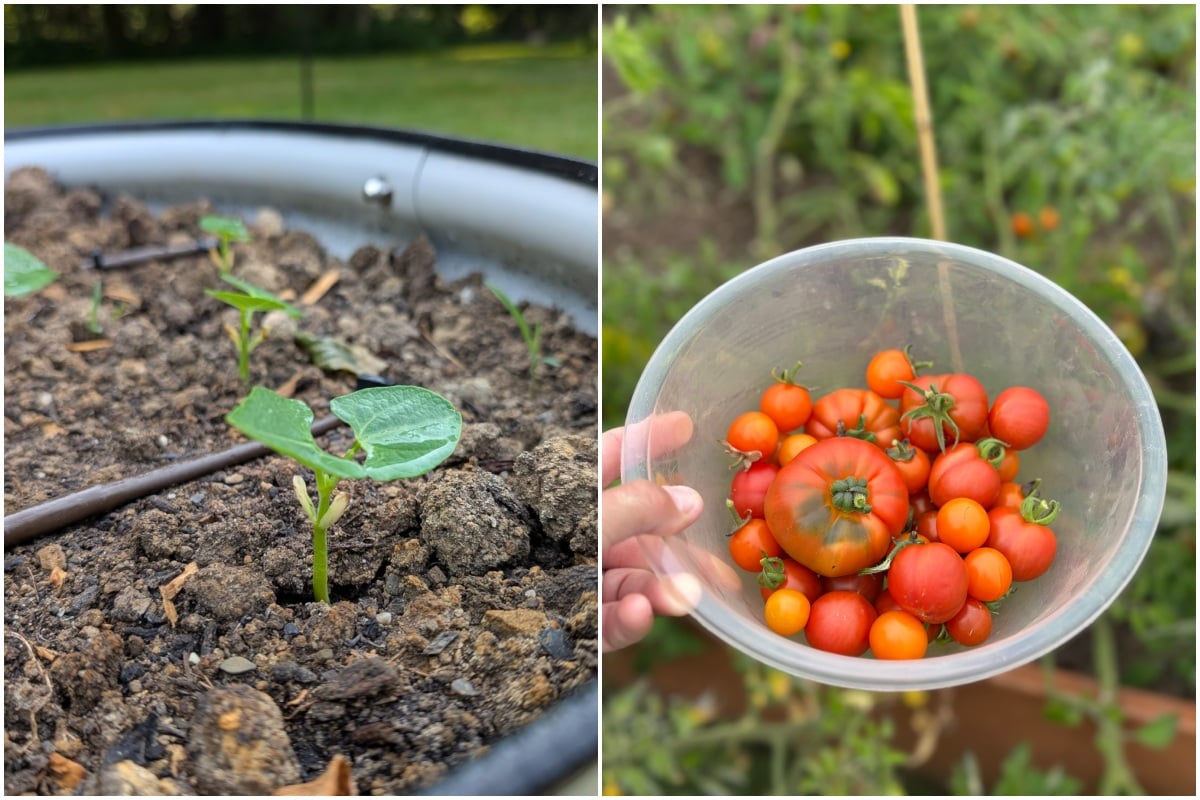
August has always struck me as a weird month. It’s a month of impatient transition. We’re still dealing with the scorching temperatures of summer; the countertop is hidden beneath a myriad of tomatoes, and if you say zucchini is on the menu for dinner, there’s an audible groan.
Yet, there’s a subtle shift that happens, too. You start to feel it in the mornings, and in the softness of the evening light, fall is right around the corner.
It’s an incredibly important month in the vegetable garden.
August is the month that decides how your garden will end this year and how next year’s garden will begin.
I know it might seem like a pretty big claim to make, but I find it to be true every year in my own garden. A lot of what happens, or in most cases, doesn’t happen in August plays a role in what pests winter over in my soil, whether or not I have the crops I want to plant in time for next year, how easy it is to close up my garden for the winter, and even how much produce I end up harvesting.
Here is why August is so important.
Quite a few of us get busy in July. Vacations, cookouts, kids’ summer camps, family visits, and more keep us busy elsewhere. In July, our gardens are mostly on autopilot, so we tend to be less watchful of what’s going on in them. But this is when trouble starts to sneak in undetected.

When the hectic schedule of high summer finally begins to slow in August, that’s when we begin to notice what our inattentive July has produced:
- Weeds that are as tall as our sweetcorn.
- Skeletal tomato plants covered in tomato hornworms that are ready to audition for A Bug’s Life 2.
- Septoria leaf spot is everywhere.
- Plants that were once cranking out fruit suddenly can’t be bothered even to produce a flower.
When we’ve had a busy summer, August often finds many gardens on the edge of demise, not to mention leaving us with problems that will come back to haunt us next year.
So, before apple cider and pumpkin pie season has us ignoring our gardens completely, let’s check off a few important August gardening chores that will make the fall season easier, more bountiful and will set us up for a good season next year.
Trust me, once you’re done, you’ll feel a lot better and your garden will, too.
Order Your Garlic & Shallot Bulbs
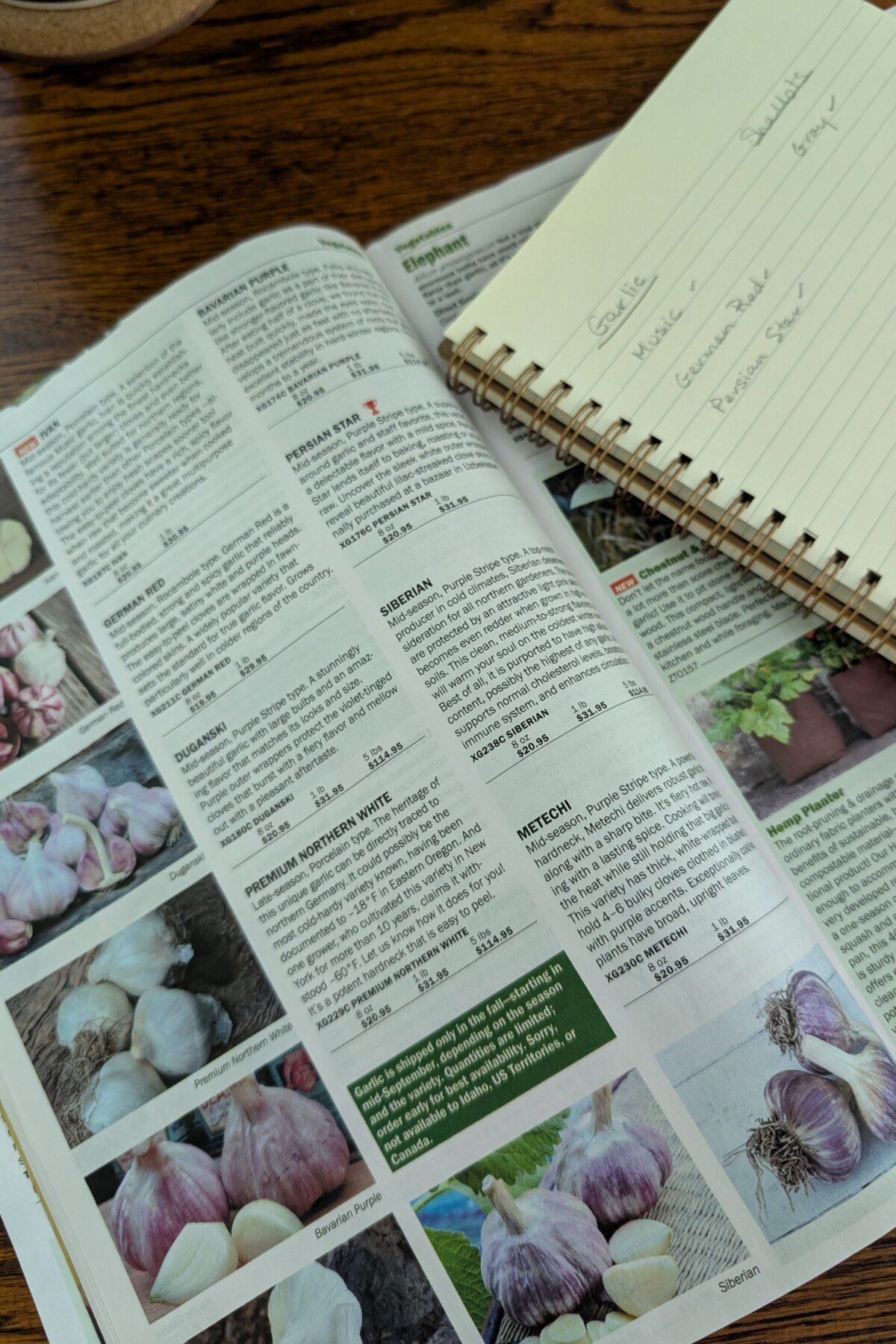
But Tracey, they don’t even ship until, like, September!
Exactly. If you wait until September, the variety you want will likely be sold out. (Ask me how I know this.) I have finally learned to put this on my calendar for August every year. Fall might be when we plant garlic and shallot bulbs, but the end of summer is when you should place your order. You don’t want the dreaded “Please Notify Me When This Product Becomes Available” button to pop up when you finally get around to ordering garlic.
Tackle Those Weeds
Oh, I know, “weed your garden” has about as much appeal to me as “clean your room” did when I was nine. But it’s important to get those weeds out, especially if they’ve been allowed to get a little big for their britches.
Weeds are notorious nutrient thieves. Not only are they stealing nutrients from the plants you’re growing right now when they need them the most, but leaving them in the ground means they’re sapping nutrients from next year’s plants, too.
The nice thing about pulling up big weeds is that it’s usually pretty easy. It’s like they’ve overplayed their hand by growing us an extra easy-to-grab large stem and their wide, surface-deep roots that pull up with a satisfying riiiiip.

I’m currently reclaiming a large flower bed, and I purposely let the weeds go before I went on vacation. (That’s my story, anyway.) They were massive when we got home, and so easy to pull up. Much more satisfying than cleaning my room.
Get ‘em outta there!
Remove Diseased or Infested Leaves and Plants
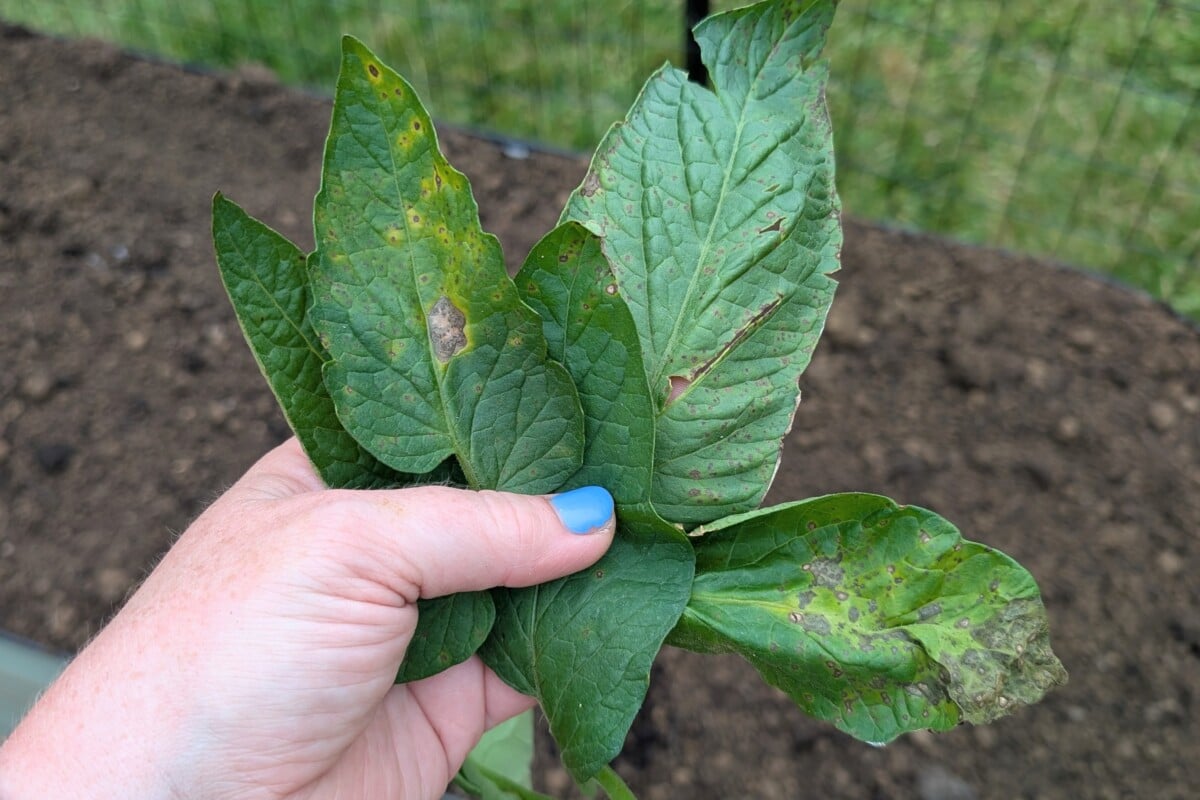
Now that we’ve taken care of the weeds, we can get a good, clear look at our plants. It’s here where most soil-borne diseases start to show up. Use a clean and sterilized pair of garden snips (these are my favorite) and go through and remove stems, leaves, etc. that have signs of disease.
Always sterilize your snips when moving to a different plant or when encountering a different disease. You don’t want to be the reason whatever you’re removing spreads.
Throw away all diseased plant matter. Never compost it.
August offers us an opportunity when it comes to plant diseases. Now is the best time to make a decision to pull up and discard diseased plants. Sure, you could spend the time and energy pruning and spraying to conquer something like septoria leaf spot or powdery mildew, and sometimes it’s worth it to do so.
But sometimes, it’s just as wise to pull up the plant at the end of the summer, before cool, rainy fall weather sets in, allowing these diseases to spread much more easily.
Calling it and yanking up a struggling plant in August means you’re less likely to have whatever microbes cause the disease wintering over in your soil, ready to pop up again next spring.
I find that this is even more important when it comes to insect infestations. Too many times, I’ve struggled on, trying to eradicate a pest, only to find that all I had done was give it extra time to reproduce, go to ground, and show up in my garden again next spring. Not anymore. These days, if I haven’t got a pest situation under control by mid to late August, that’s when I stop playing nice and the plants end up in the fire pit. (Roasted squash vine borer, anyone?) I have had too many issues with pests wintering over in my soil in the past.
If you’re clearing out plants or entire beds, don’t leave that soil bare.
Mulch it well. Plant something quick-growing in its place or sow a cover crop, like clover, rye, or buckwheat. This helps prevent erosion, adds organic matter, and can improve soil fertility. Come spring, you can turn the cover crop into the soil for a green manure boost.
Perk Up Slow-moving Producers
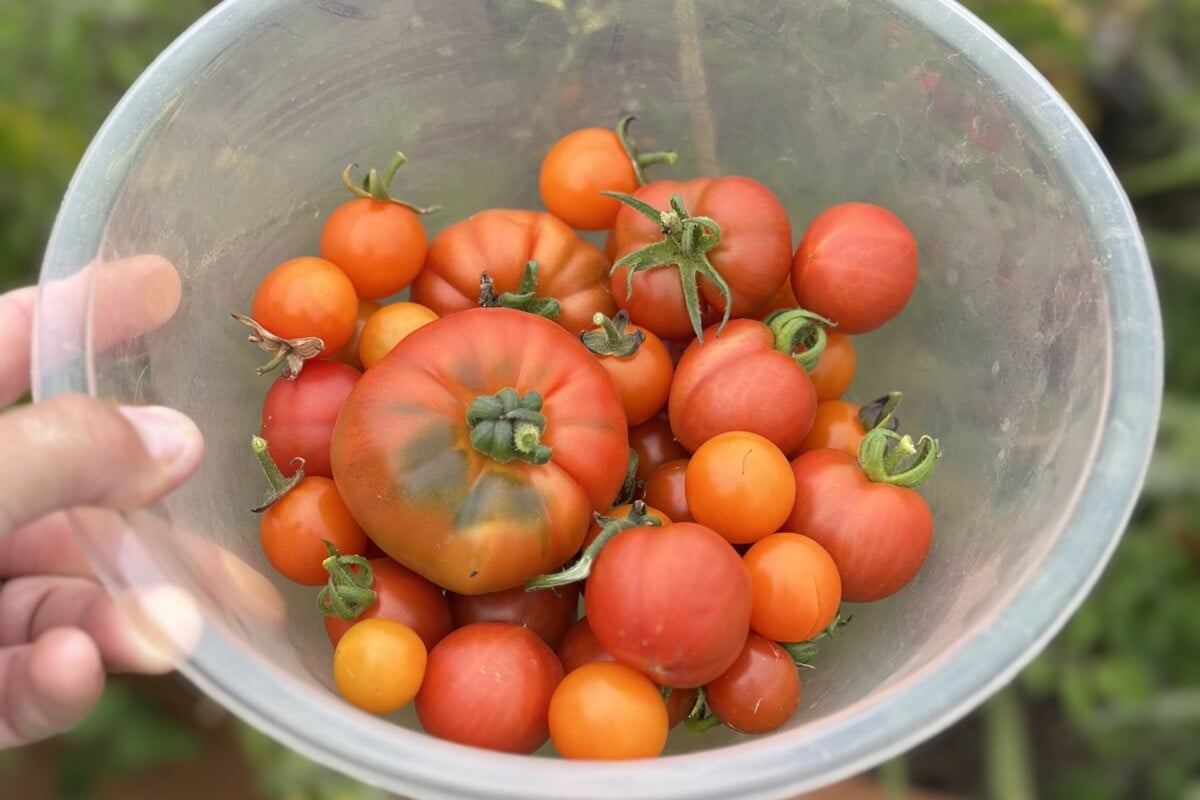
It’s usually around the second week of August that I start to think, “That’s weird. There was only one zucchini ready to pick this morning instead of thirty-seven,” or similar sentiments. For many of us, we see a drop-off in production in August.
There are a few reasons this can happen, and there are easy ways to get things moving again.
The first and easiest issue to fix is to pick, pick, pick. Remember how busy July was? If you let vegetables sit on the plant for too long, the plant will stop producing as much. So, head out to the garden and start picking. Pick everything. Pick it good and hard. This is often enough to jumpstart production again.
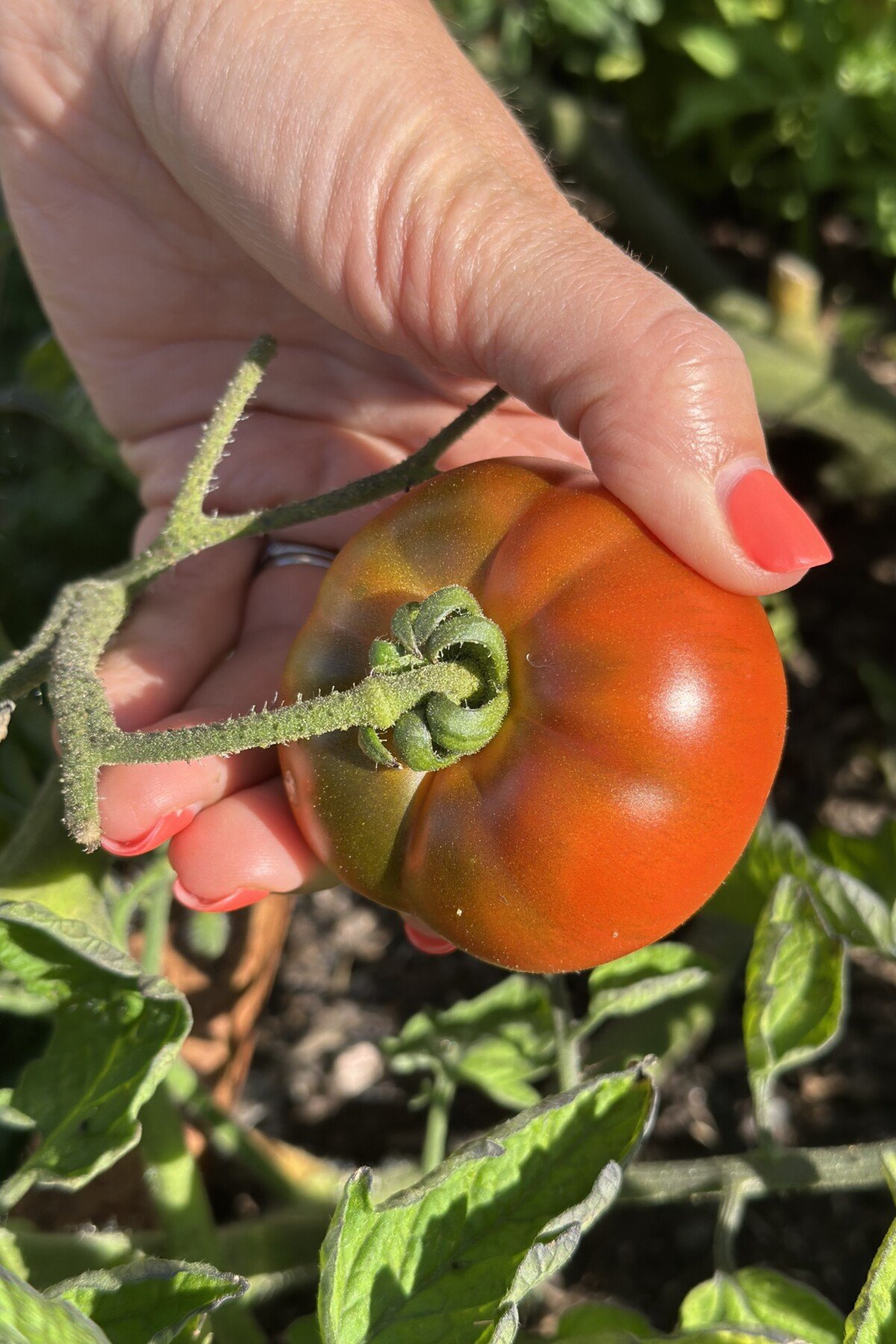
Another issue is that some plants start to decline after a few weeks of producing. Pull up spent plants so they aren’t using up nutrients in the soil, and get another round of that crop in the ground if you can. This is called succession planting, and it works really well with vegetables that have a quick turnaround, like beans, radishes, turnips and greens.
Finally, many of your heavy feeders need a little extra boost to help them finish off the season strong. Tomatoes, corn, and pumpkins are notorious for sucking the life out of the soil. An extra dose of balanced fertilizer (this is my go-to for most crops, and this is my favorite tomato fertilizer) or a side dressing of compost can help keep them producing until frost.
Top ‘Em If You’ve Got ‘Em
August is also the time to decide how many tomatoes and peppers you want in the time you have left to garden. Topping or cutting the top leader off of tomatoes and peppers will redirect the plant’s energy into ripening the fruit currently growing rather than putting out new growth.
With cooler days on the horizon, this is a great way to ensure those green tomatoes ripen up in time to be processed or eaten. I would save this chore until a little later in the month when you have a better idea of which way the weather is heading – early fall or Indian summer.
Speaking of preserving tomatoes.
Can, Freeze, Ferment and Dehydrate
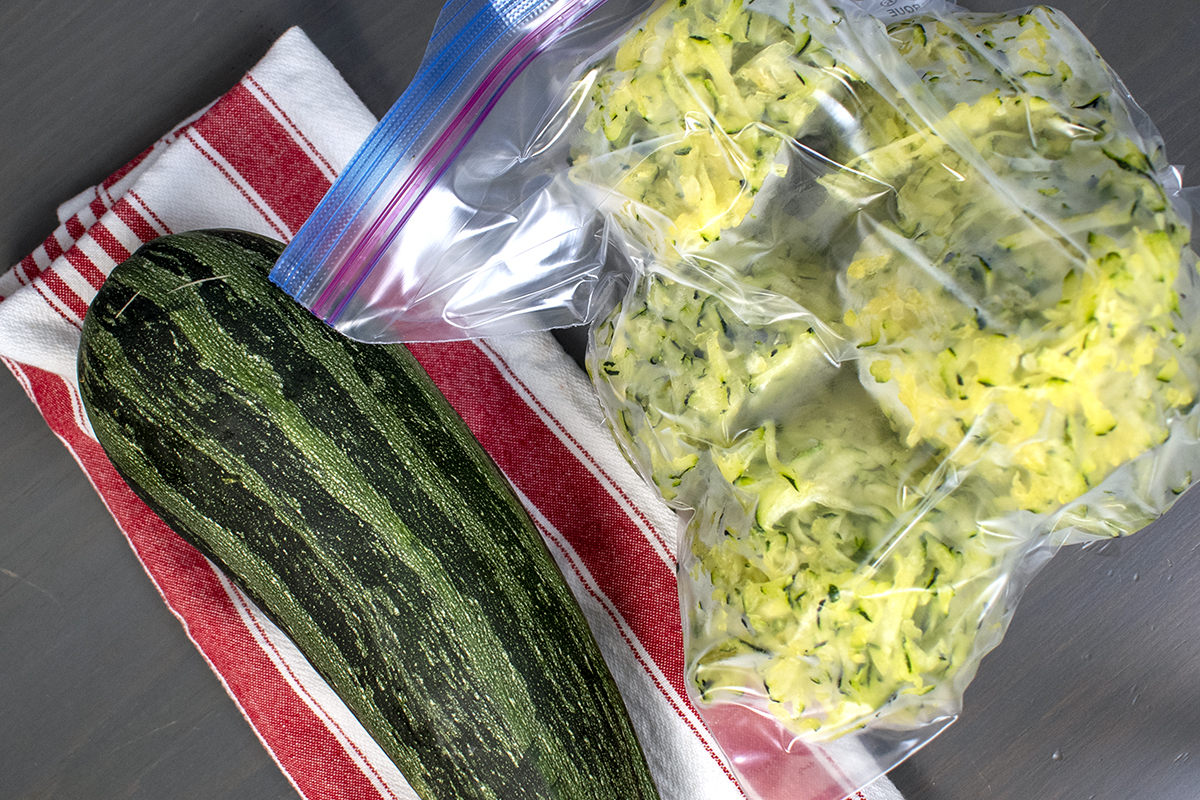
August is one of the busiest months in my kitchen outside of the holidays. This is the month when your kitchen becomes a temporary food processing facility. Freezing, canning, drying, fermenting—whatever your method, now’s the time to capture the garden’s abundance for the months ahead.
If you’ve got more zucchini than you know what to do with, shred it and freeze in one-cup portions for winter baking and soups. Tomatoes can be turned into sauce, salsa, or simply canned whole. (Here’s an easy way to remove the skins for canning.) Herbs can be dried, frozen, or turned into pesto.
Plant Some Last-Minute Vegetables
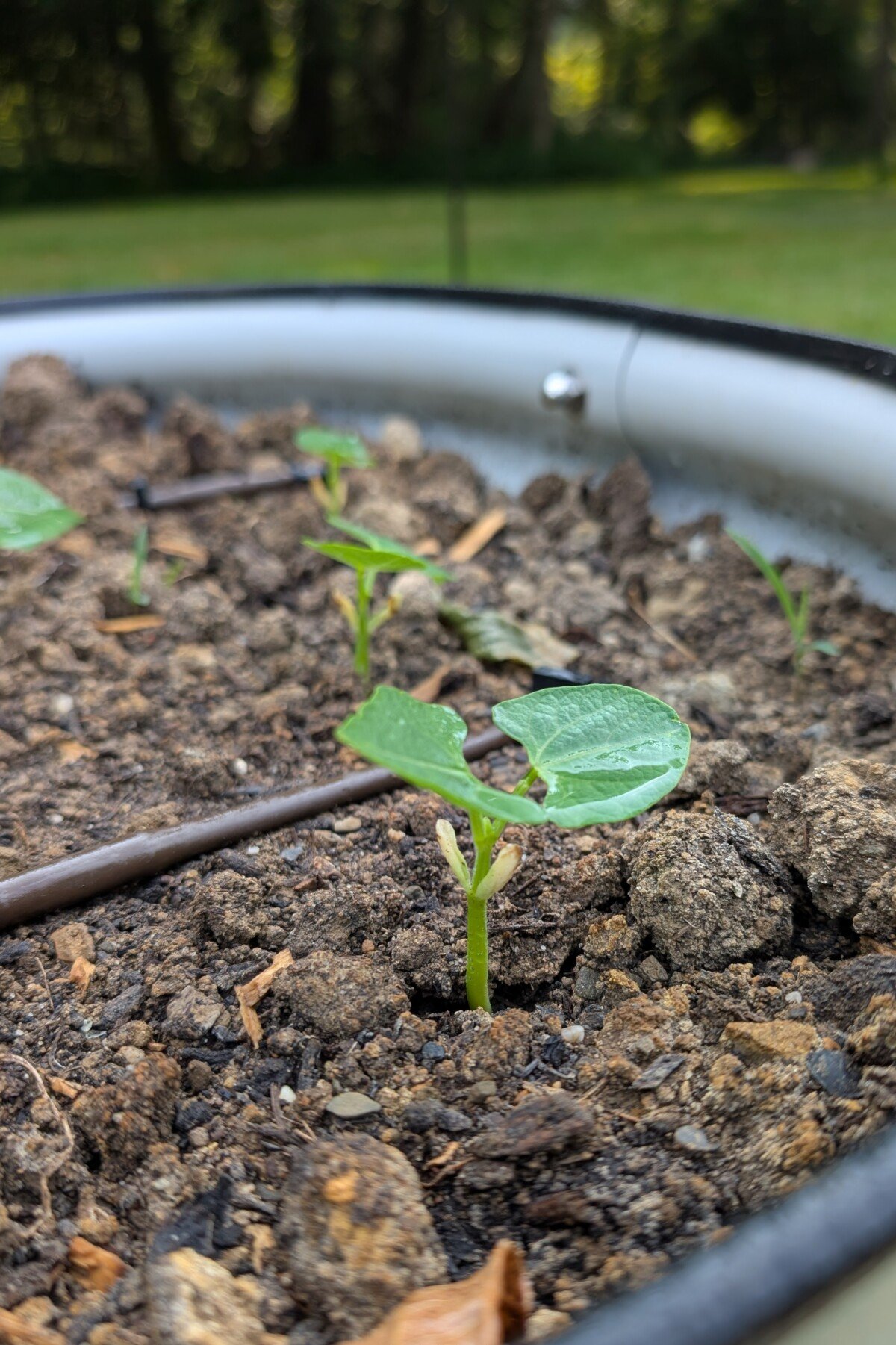
August is prime time to start fall crops in many regions. Leafy greens like lettuce, spinach, and kale actually thrive in the cooler days of fall, and their flavor improves with a light frost. Root vegetables like carrots, beets, and turnips can also be sown now, giving them time to mature before the ground freezes.
I’ve written about what you can sow in August based on your hardiness zone here.
August can feel like time-soup as the days transition from summer to fall.
By tending to the needs of your plants now, harvesting regularly, and preparing for what’s ahead, you’ll keep your garden productive and healthy all the way until frost. And with a little planning, you’ll set yourself up for a strong start when next spring rolls around.
Get Garden Notes From Tracey, Right to Your Inbox
Pull up a chair on the front porch. Join 54,000+ gardeners who get Tracey\'s friendly notes, seasonal to-dos, and hands-on tutorials three times a week.