

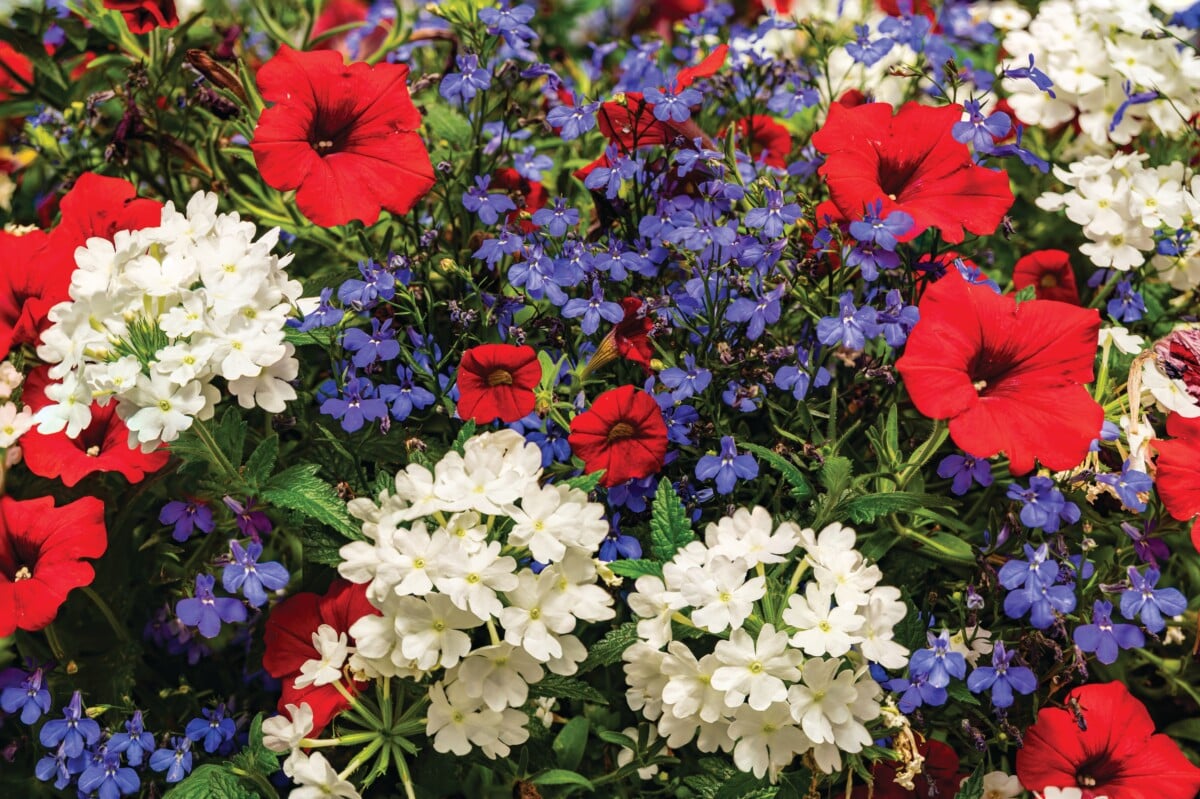
The United States of America is celebrating its semiquincentennial, 250th, anniversary this July. People are getting excited, and the celebrating has already begun. Every time I drive into town, I see more decorations and special flags being hung outside homes and around town.
Gardeners, if you want to join the party, you can go all out with a red, white and blue flower garden.
I’ve put together a list of patriotic flowers for you to plant now for a beautiful patriotic garden in full bloom come July. You’ll be ready for a party that was 250 years in the making.
Choosing the Right Blooms
For a flower garden that’s more bombs bursting in air than a sad grocery store planter, you’ll want to keep a few things in mind when planning your Semiquincentennial Flower Garden. Obviously, our color palette is red, white and blue.
Opt for Annuals
We’re going to stick with annuals because they are reliable bloomers right from the get-go. Perennials are wonderful, and a real tribute to your love of country with their permanence, but new perennials may not be blooming on cue in July when the celebration begins. Annuals offer a great pop of color without the full commitment of a permanent Independence Day party in your flower beds. They’re the perfect plants to mark the occasion. (Some annuals on this list may grow as perennials in warmer climates.) Also, keep in mind that some of these annuals are available in all three colors.
Be Mindful of Height
Depending on the look you’re going for, you’ll need to keep the mature height of each plant in mind.
If you’re aiming for a more whimsical, cottage garden look, where varied heights and colors are mixed in together (a great choice, as we are the great melting pot), then you’ll want to avoid planting too many of the same flower in the same spot. These types of gardens tend to have a looser, more relaxed design, and a broad mix of plants that encourage pollinators to visit. It’s easy to imagine your flowers as fireworks in a cottage-style Independence Day garden.
For a more traditional flower garden, keep shorter plants toward the front of the garden, gradually increasing in height as you move towards the back or center.
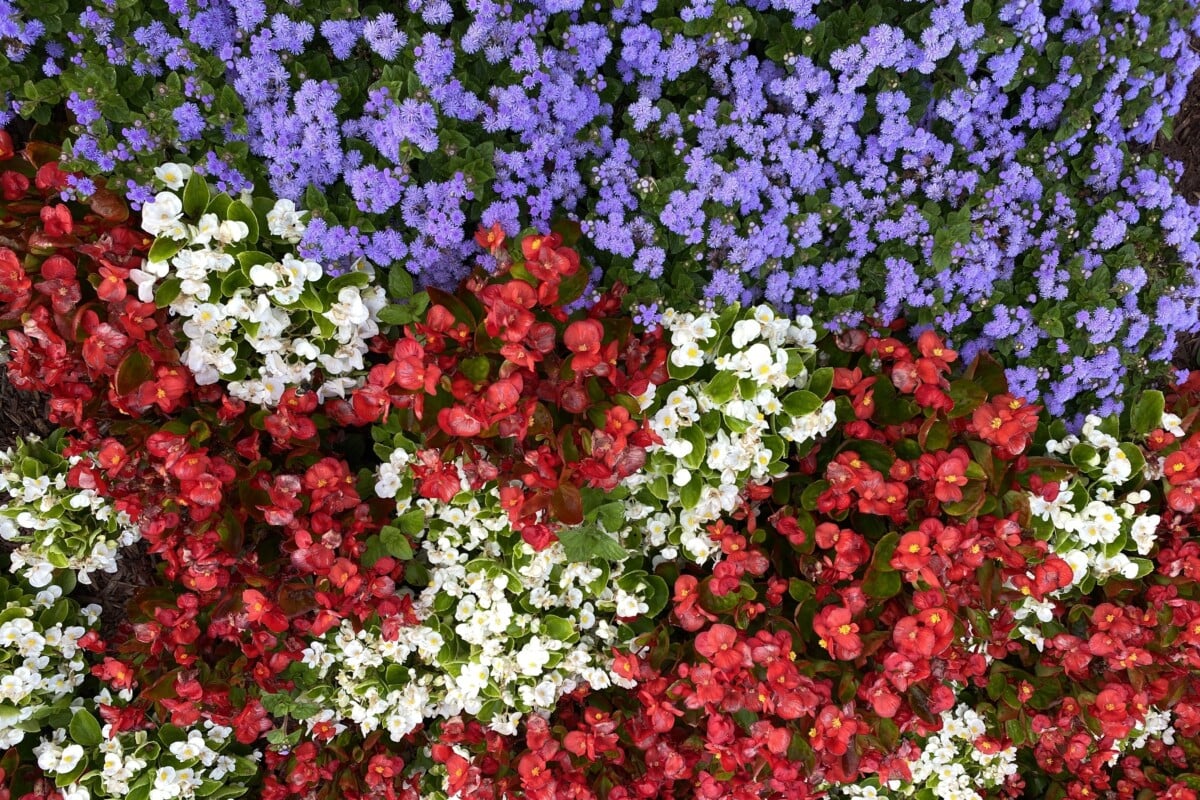
If you really want to show your patriotic pride, you could plant a flag-shaped garden entirely of flowers. In that case, you’ll want to ensure that all of your plants are the same relative height to one another. It doesn’t even have to be very big. Just a small rectangle of blue flowers with the customary red and white stripes made up by other flowers. Admirers of your garden will get the idea.
There is a local farm near me that spray paints a massive flag on their lawn each Independence Day. It’s pretty impressive, and I admire their dedication and precision. But I always feel a little sad at the thought of all that spray paint being mown down weeks later, and put back into their soil each year. I wonder if they would ever consider a flower edition? It would last all summer and be better for their farm.
Patriotic Planters
If you are going to keep the red, white and blue theme going for planters, remember the important formula for container flowers that get Oohs and Aahs – one central thriller, several fillers, and several spillers (trailing plants). You can read up on how to mix and match flowers for gorgeous planters here.
Keep Your Garden Glowing Even in the July Heat
Finally, because we’ll likely be planting these flowers pretty densely, it’s important to mulch to lock in water and suppress weeds. You may want to fertilize more frequently as well, so your closely-planted flowers don’t have to compete for resources. Water your flowers deeply and deadhead often, and you’ll have a radiant patriotic display to celebrate the semiquincentennial.
Red flowers, for valor, bravery and hardiness
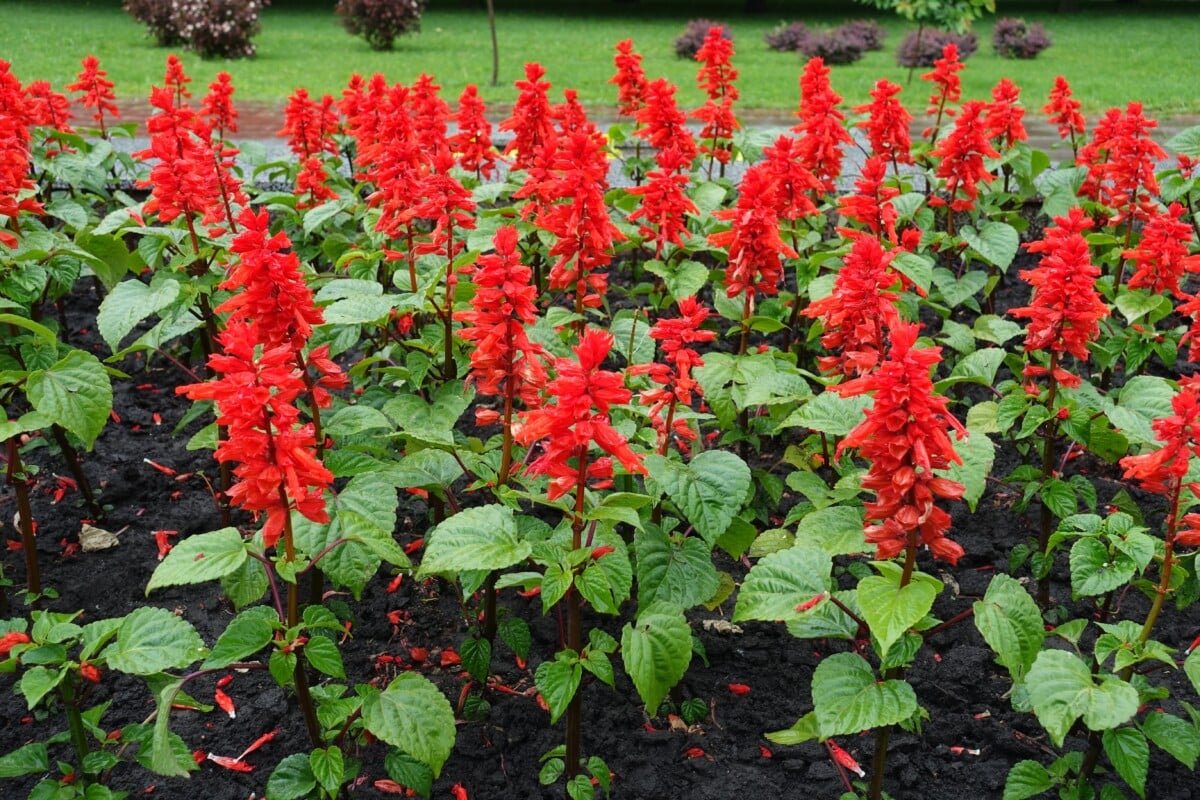
1. Red salvia
has lovely upright spikes of deep red, with dark green foliage. Some types can grow up to four feet high, but most meant for flower beds are between 10 to 12 inches tall. Red salvia is heat-tolerant, great for borders, and attracts pollinators.
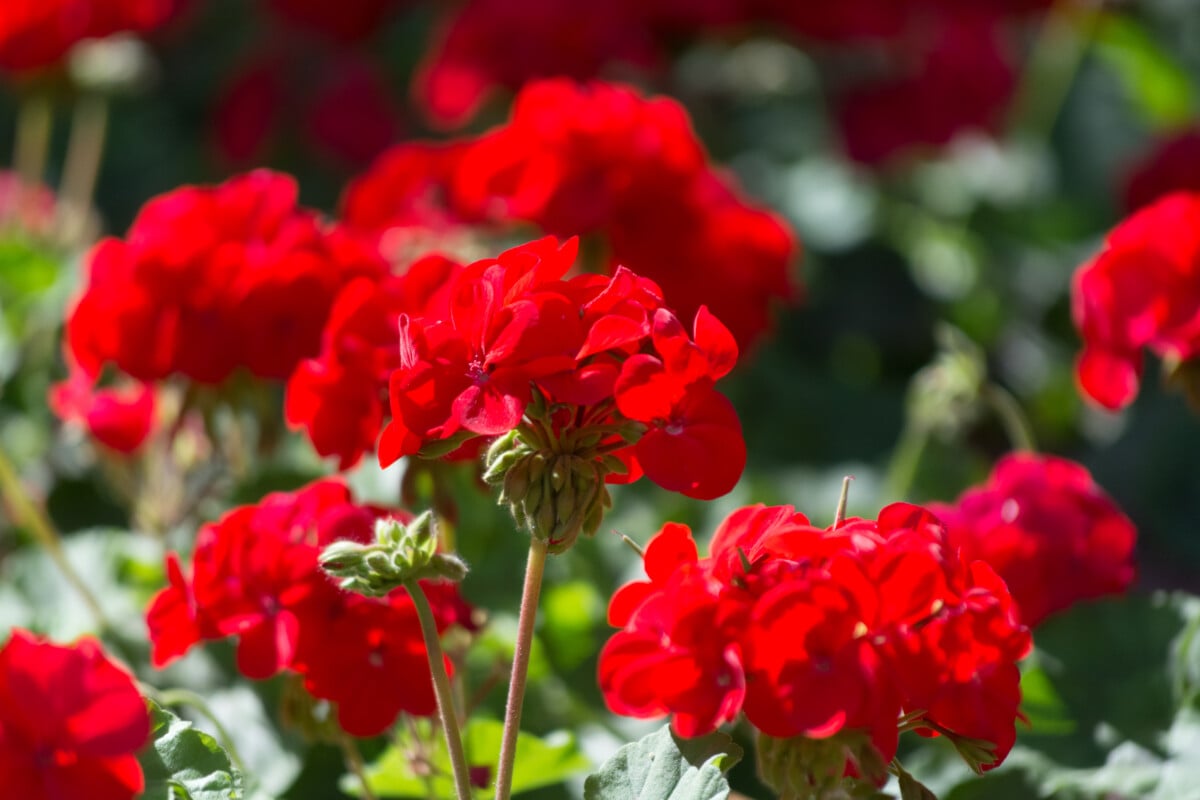
2. Red geraniums
give that classic Americana look. My grandmother always grew red geraniums in flower boxes on the front of the house every summer. They looked so striking against the white home with her American flag by the door. Geraniums are a great choice for containers and beds, but don’t forget to deadhead them to keep them pushing out new blooms.
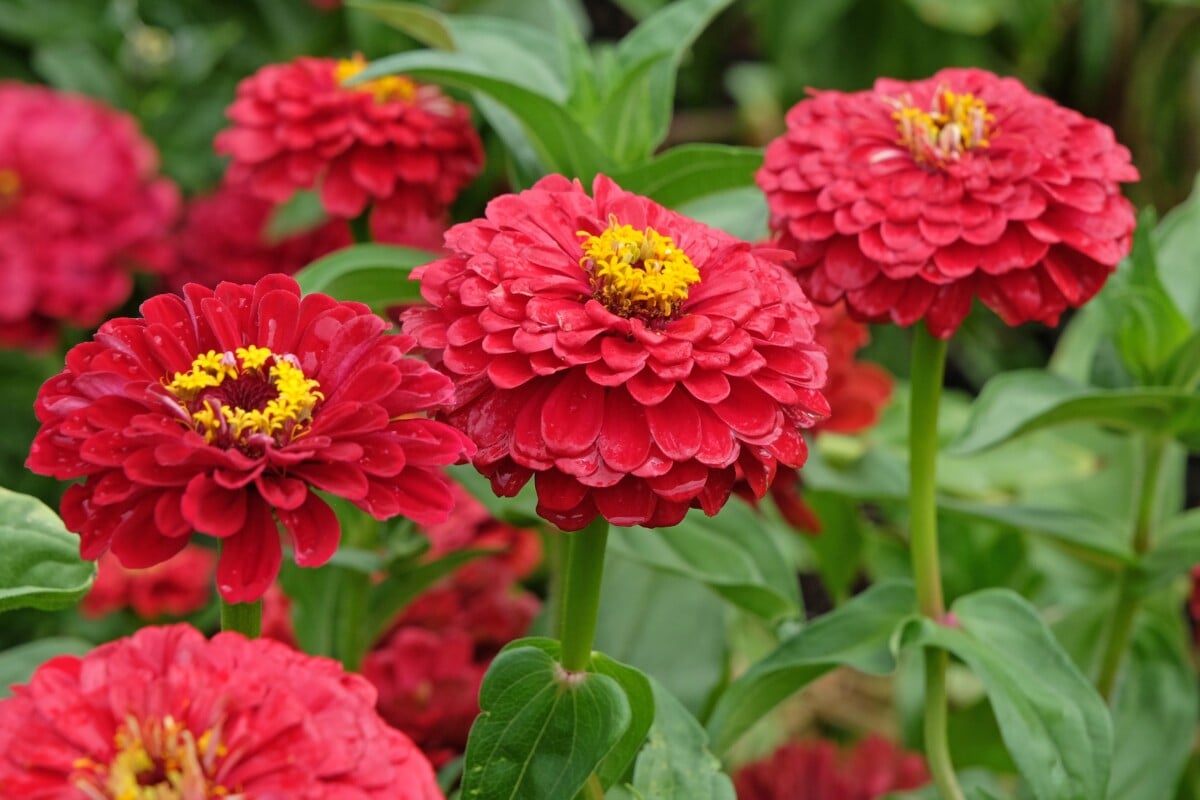
3. Red zinnias
are incredibly easy to grow from seed and will not only bloom all summer long, but butterflies love them, too. If you want to bring your patriotic flower garden indoors, zinnias are a great cut flower option.
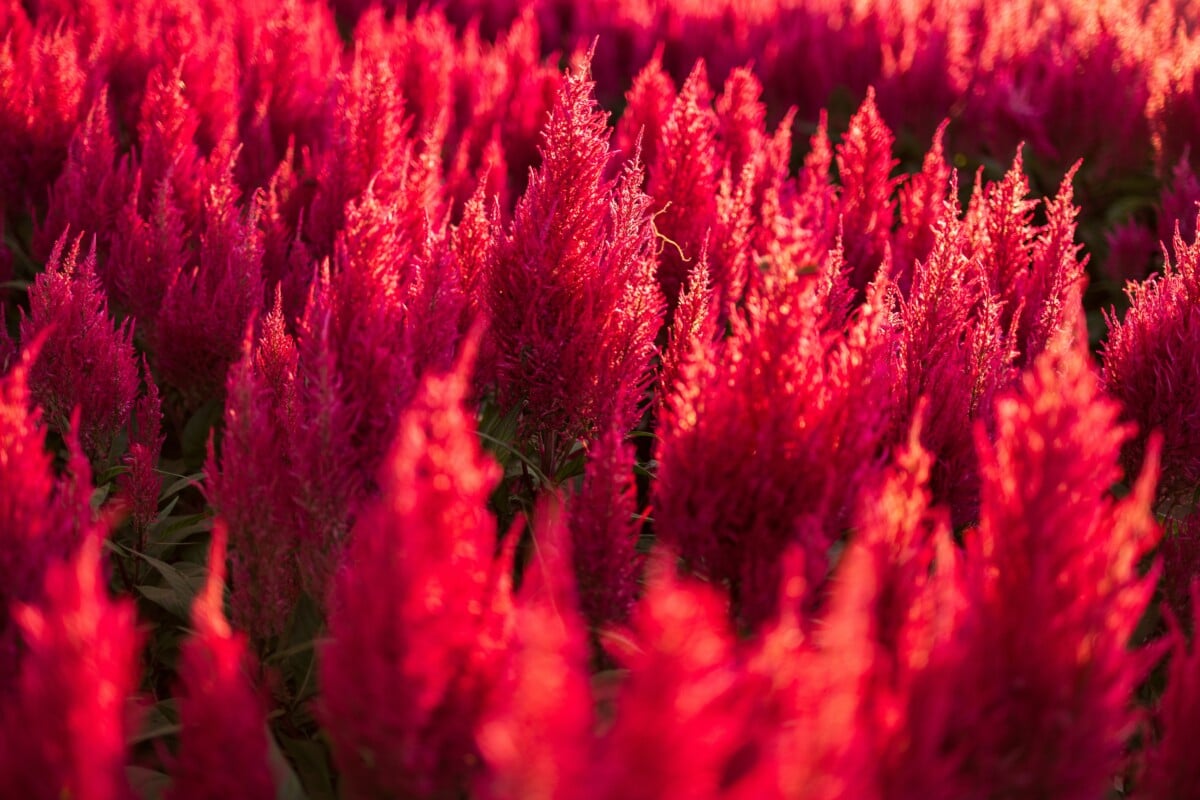
4. Celosia
almost looks like a firework with its crests of red plumage. These offer texture and contrast and hold well even in the July heat. These are a great option for a flag-shaped flower bed.
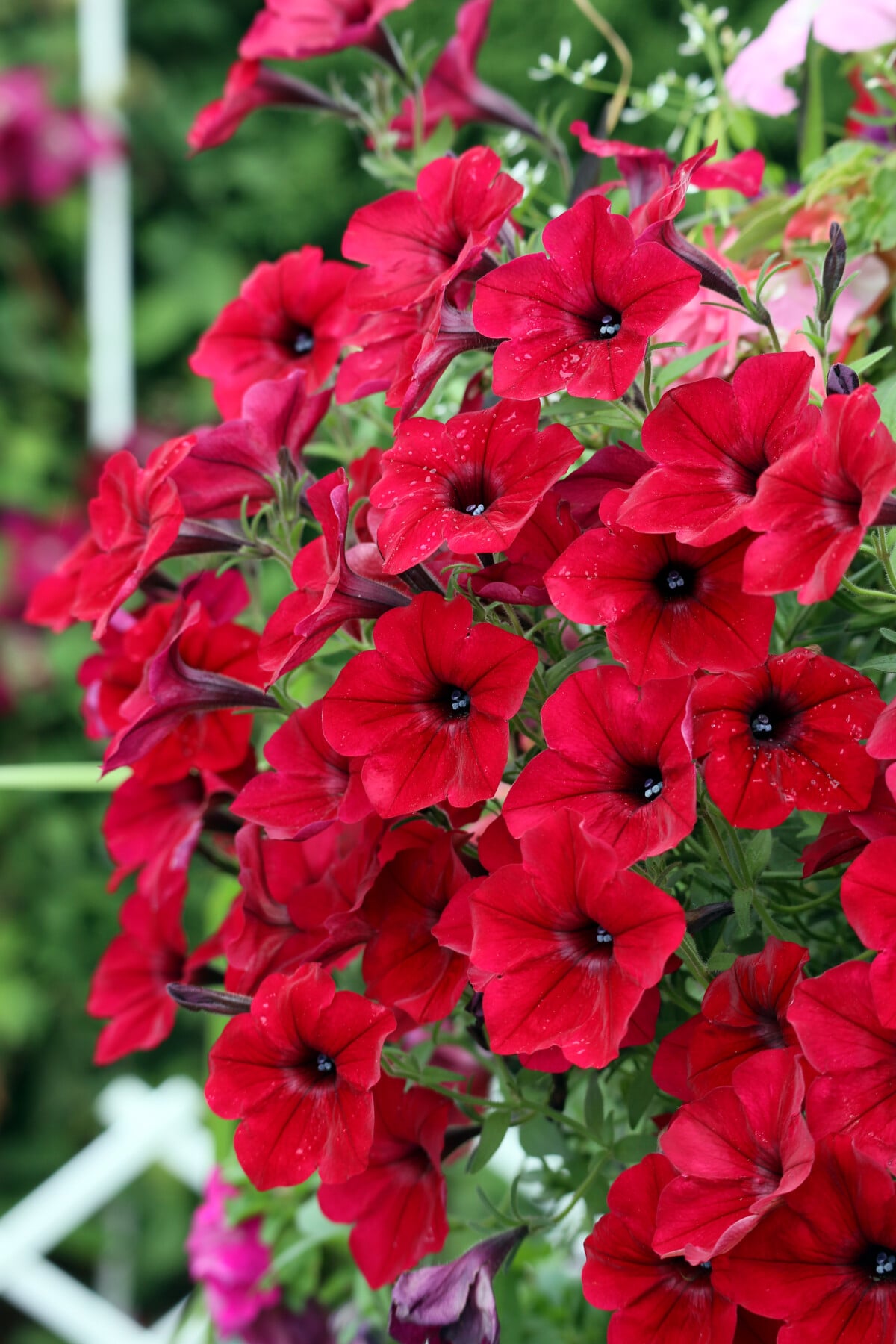
5. Red petunias
are classic flower bed performers for a reason. They look great in hanging baskets, and they fill in space fast. As long as you stay on top of deadheading them, they will keep flowering. The newer mini petunia varieties are a great option for really filling in a space with a lot of color all at once.
White flowers for purity, innocence and noble ideas
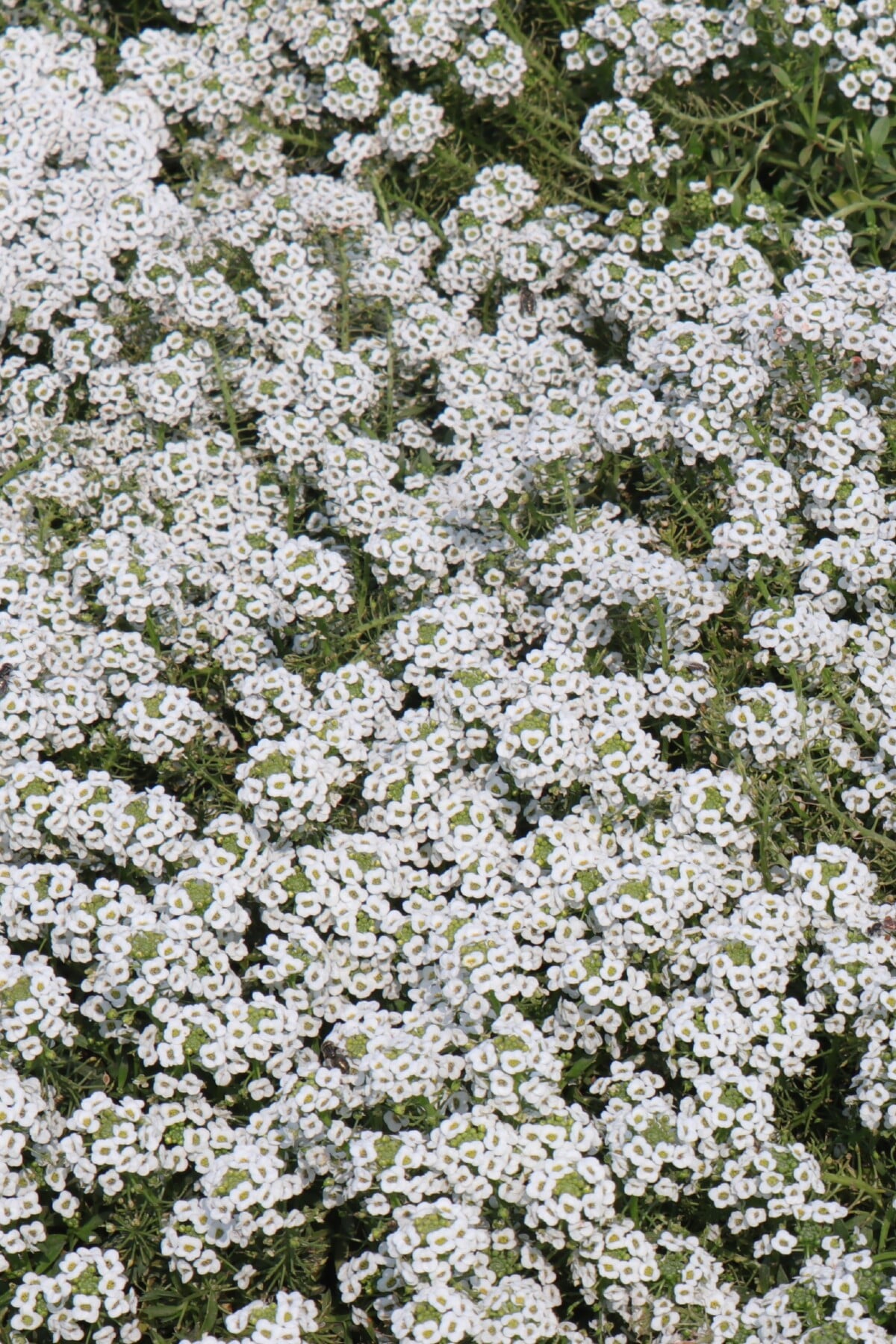
6. Sweet alyssum
is such a great flower for filling in areas. It also helps to break up blue and red plantings to keep them from clashing. If you’re a regular reader of Rural Sprout, you already know I’m a huge fan of this hard-working (very American) flower in the vegetable garden. It’s a low-growing ground cover that attracts pollinators from all over.
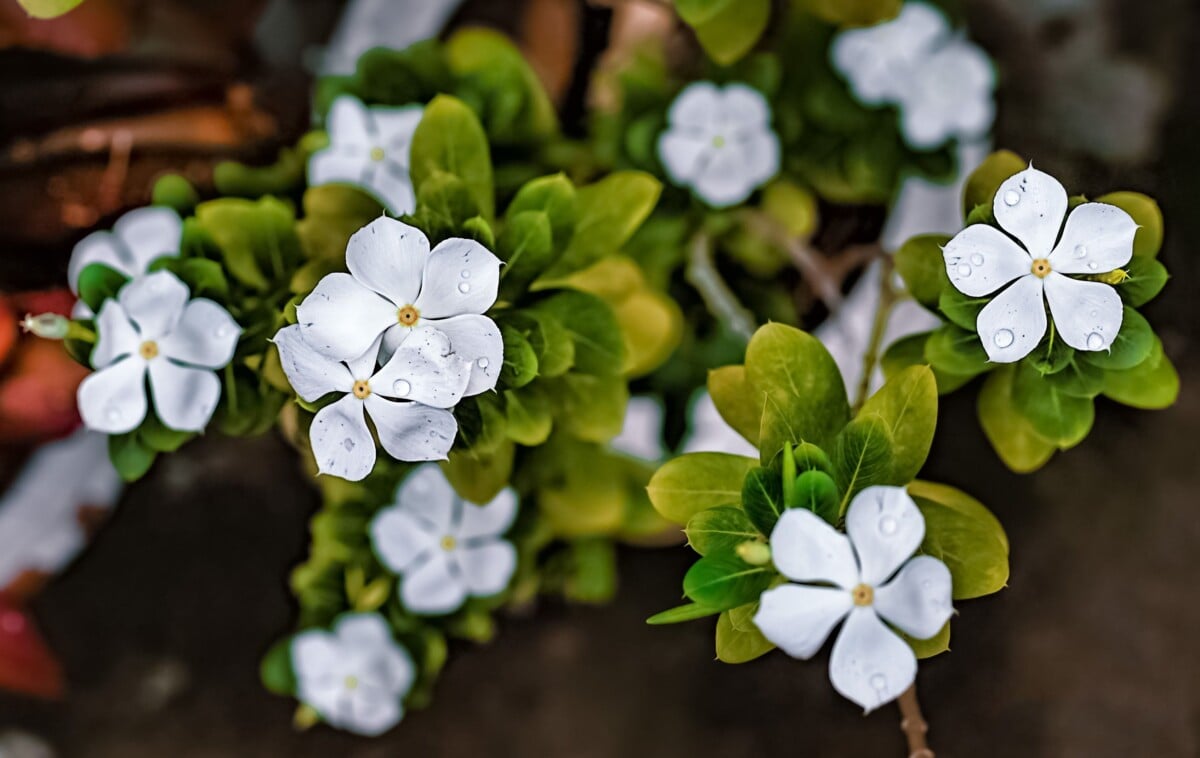
7. White vinca (Madagascar periwinkle)
is another great option if you live in an area with extreme heat and drought, as it keeps blooming all through the summer. My aunt in Florida grows it because it can withstand the summer heat.
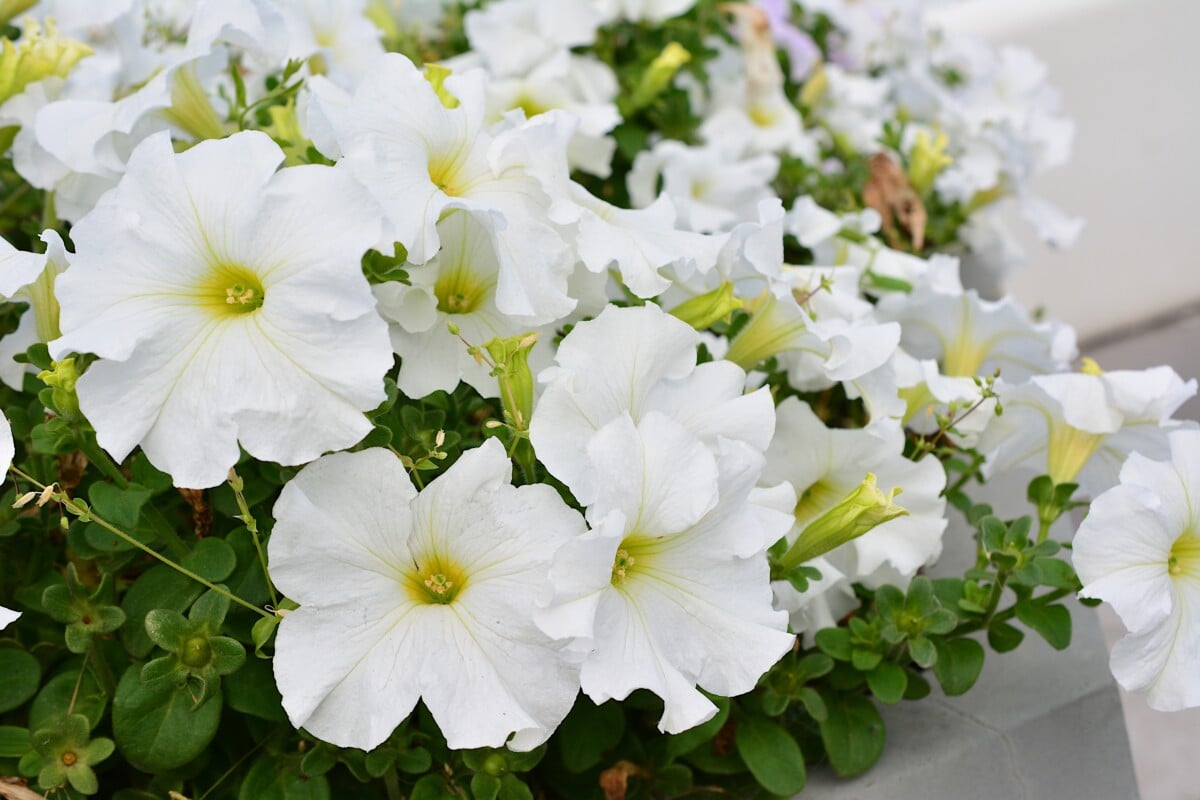
8. White petunias
Yes, you’re going to see these guys in all three categories. That’s because they’re just such reliable options, and they’re even easier to find, no matter where you live. If you want your patriotic garden to be made up of the same flowers, then this is your go-to.
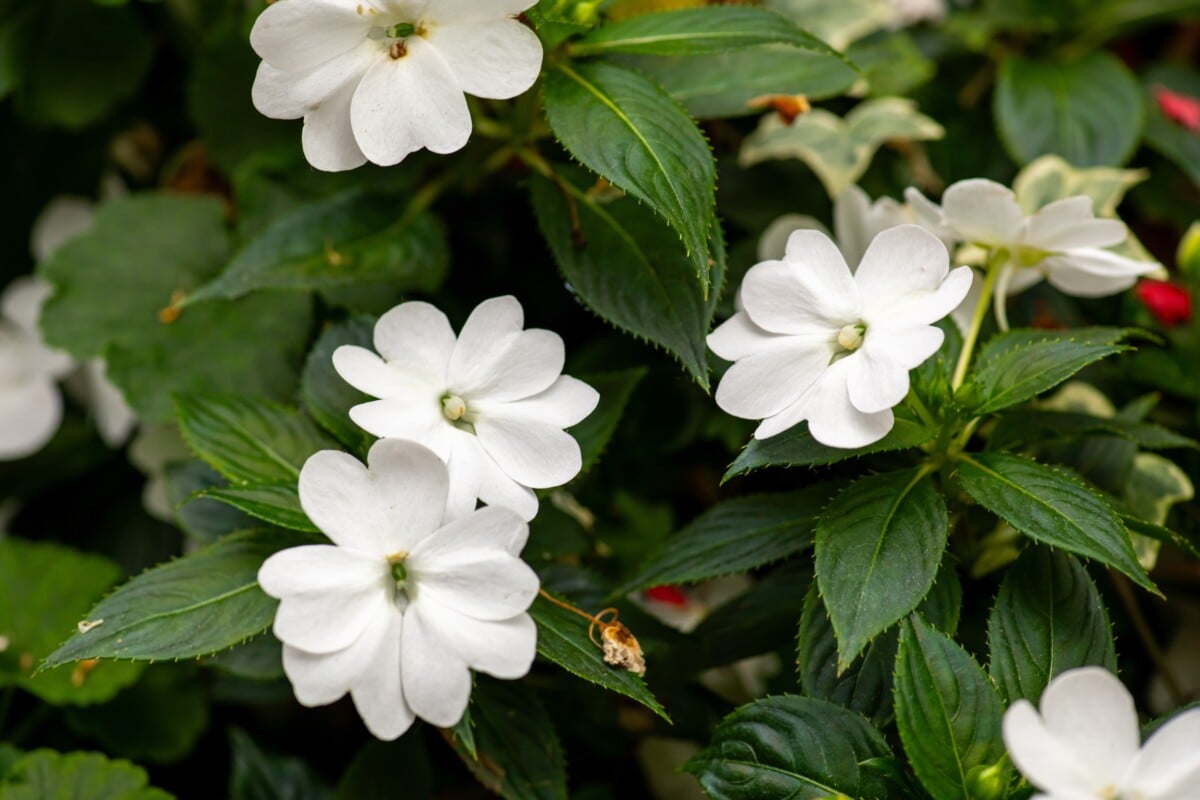
9. White impatiens
are a good option if your Independence Day garden is in a shady spot, as impatiens do not handle the heat well. Plant them densely so the flowers fill in.
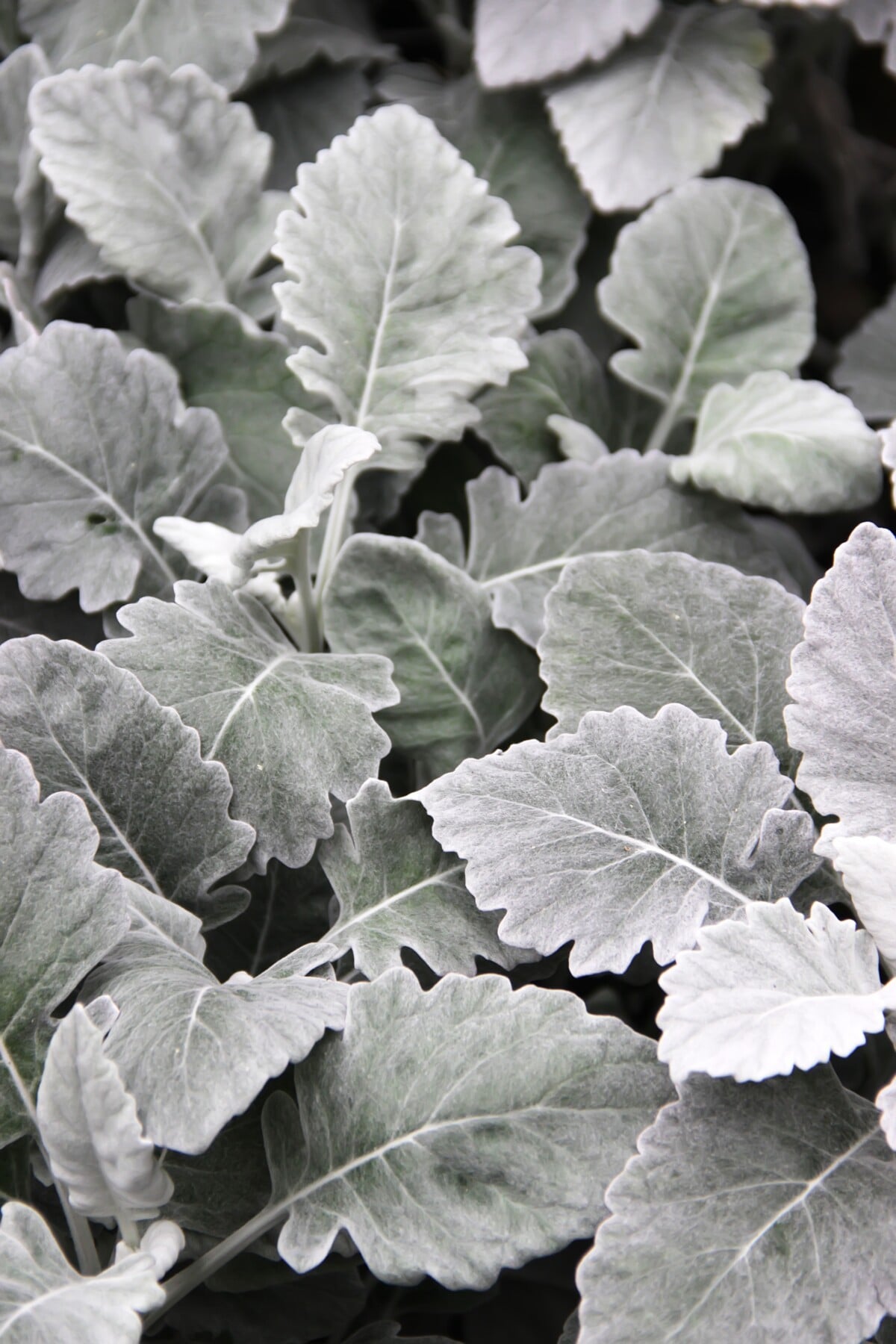
10. Dusty miller
isn’t a flower, but its beautiful silver-white foliage makes for a lovely contrast and adds textural interest to flower beds. This lovely plant will help soften some of your strong reds and blues throughout your flower bed.
Blue flowers for justice, perseverance and vigilance
While true blue is hard to find in nature, these blue-leaning flowers get the idea across well.
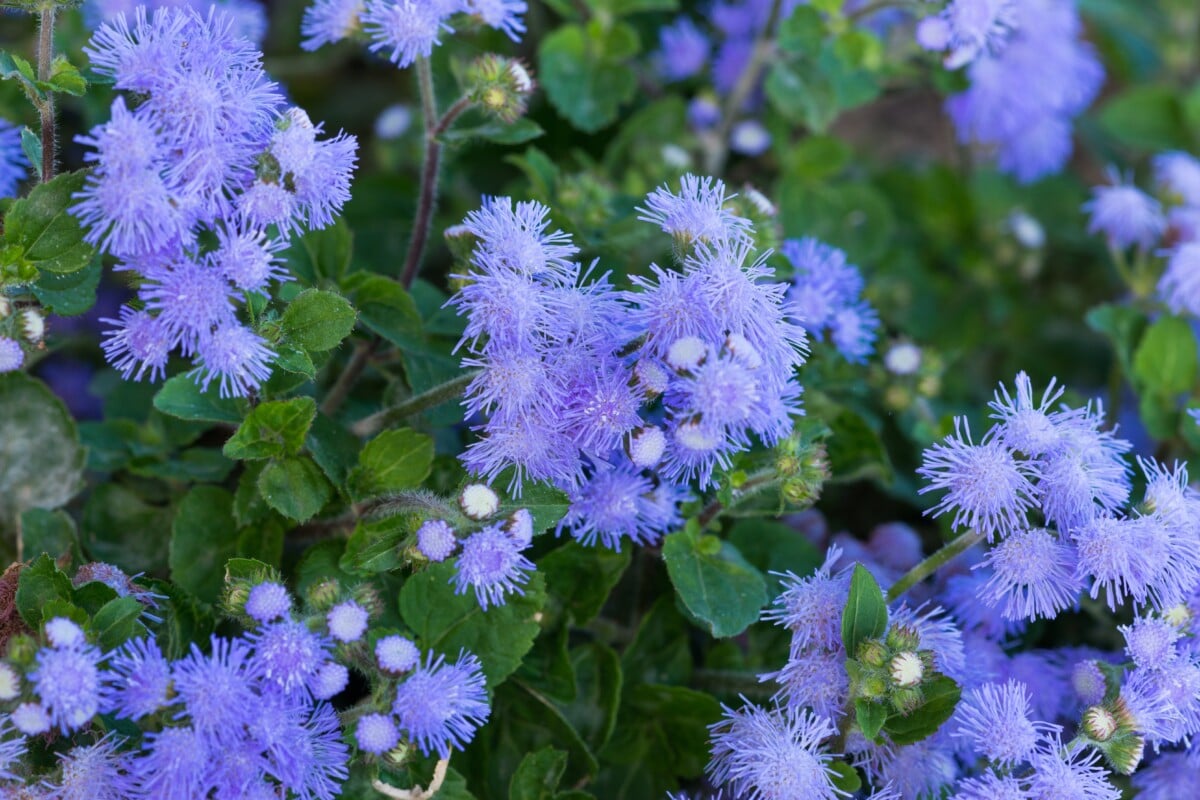
11. Ageratum
is one of those tender perennials I mentioned at the start. If you live in an area with cool winters, it grows as an annual. The soft, fluffy blurple flowers look like little fireworks and look great mixed in among red salvia or those red geraniums.
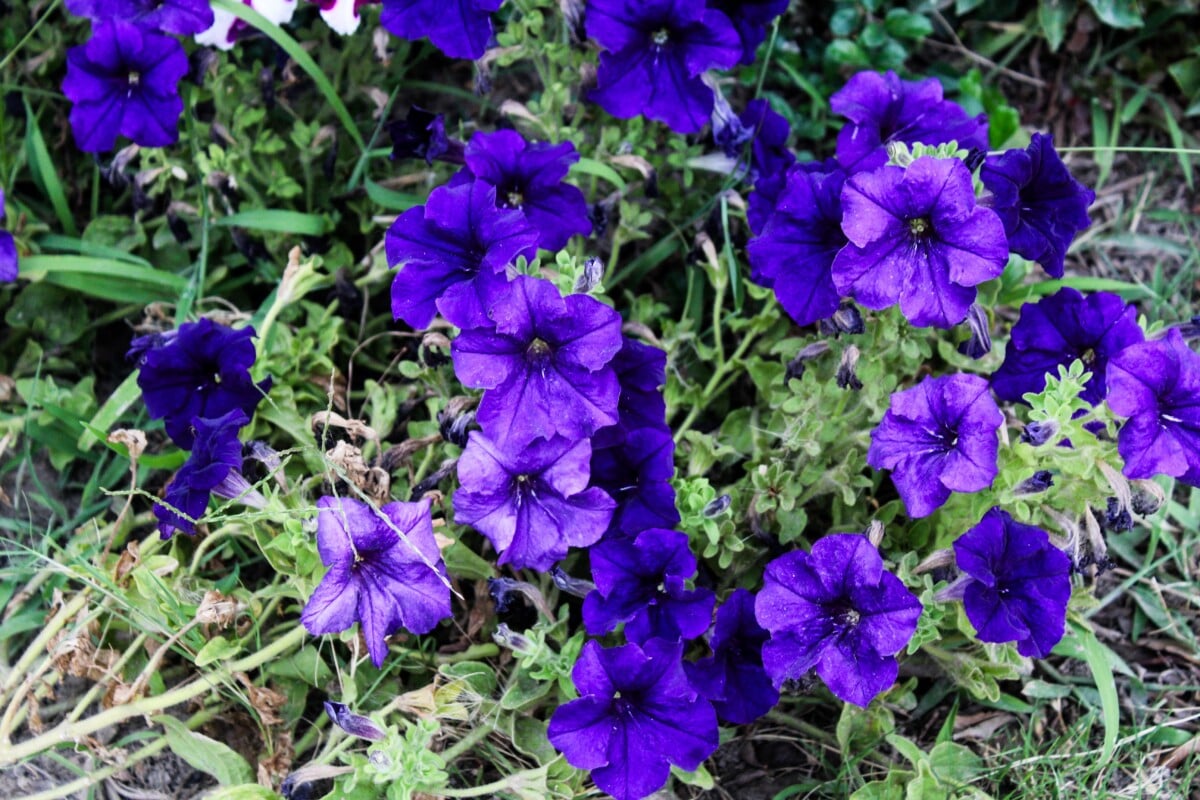
12. Purple petunias
are a bit of a stretch for blue, but they are traditionally used in many patriotic flower plantings. Again, the idea gets across quite well with these sturdy flowers.
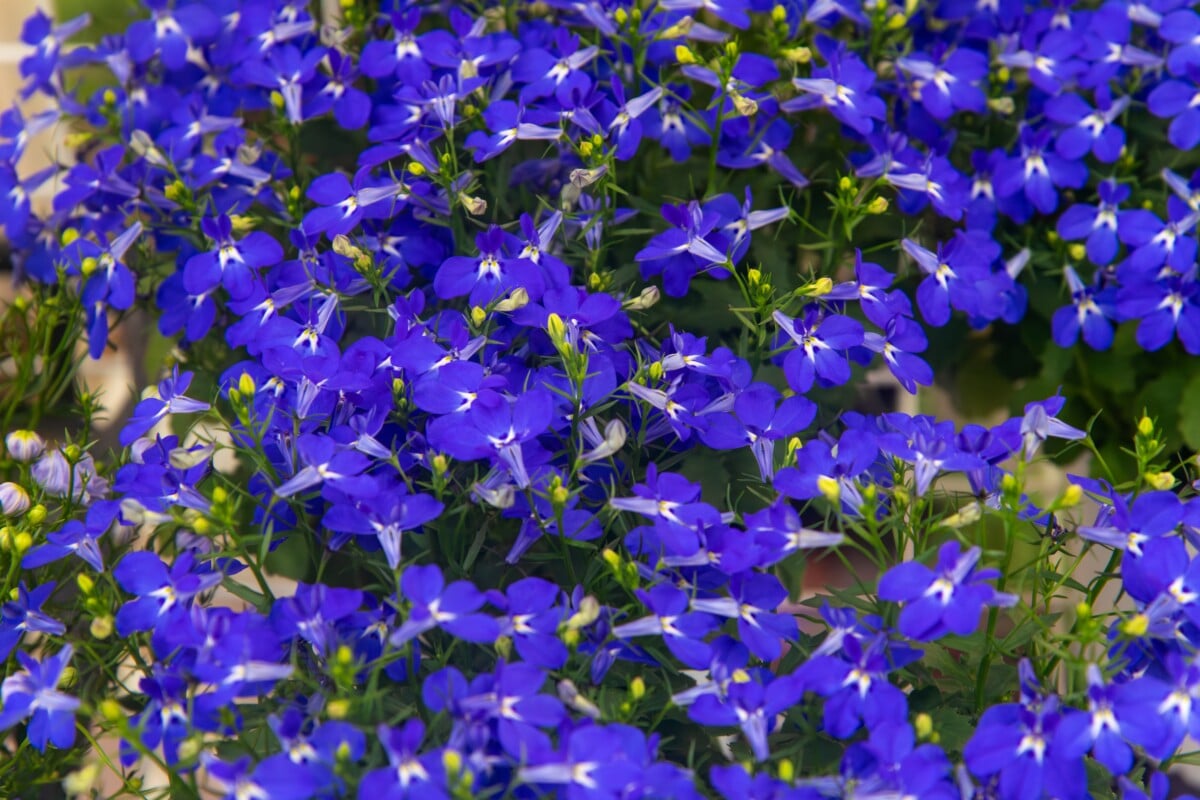
13. Blue lobelia
with its tall, spiky blue flowers, certainly brings to mind the fireworks that will be fired off around the country this 4th of July. The perennial variety tends to be taller, but the tender perennials that are grown as annuals are a bit shorter and lack the height of their native cousins. These look great in containers, too.
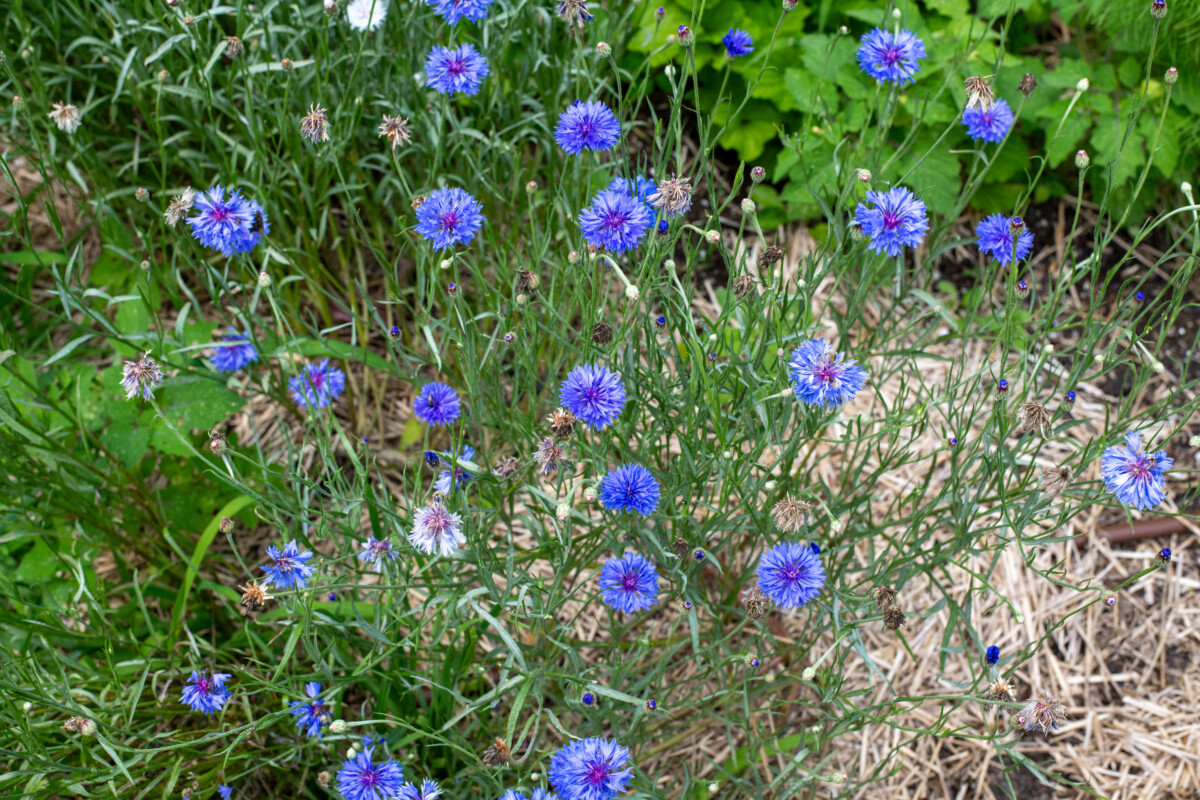
14. Bachelor’s buttons (cornflowers)
are a fitting flower with their homespun, rustic look. They are one of the truest blue flowers and incredibly easy to grow from seed. You can read how here. You can even save and dry the flowers to use for making your own tea blends to keep the celebration going.
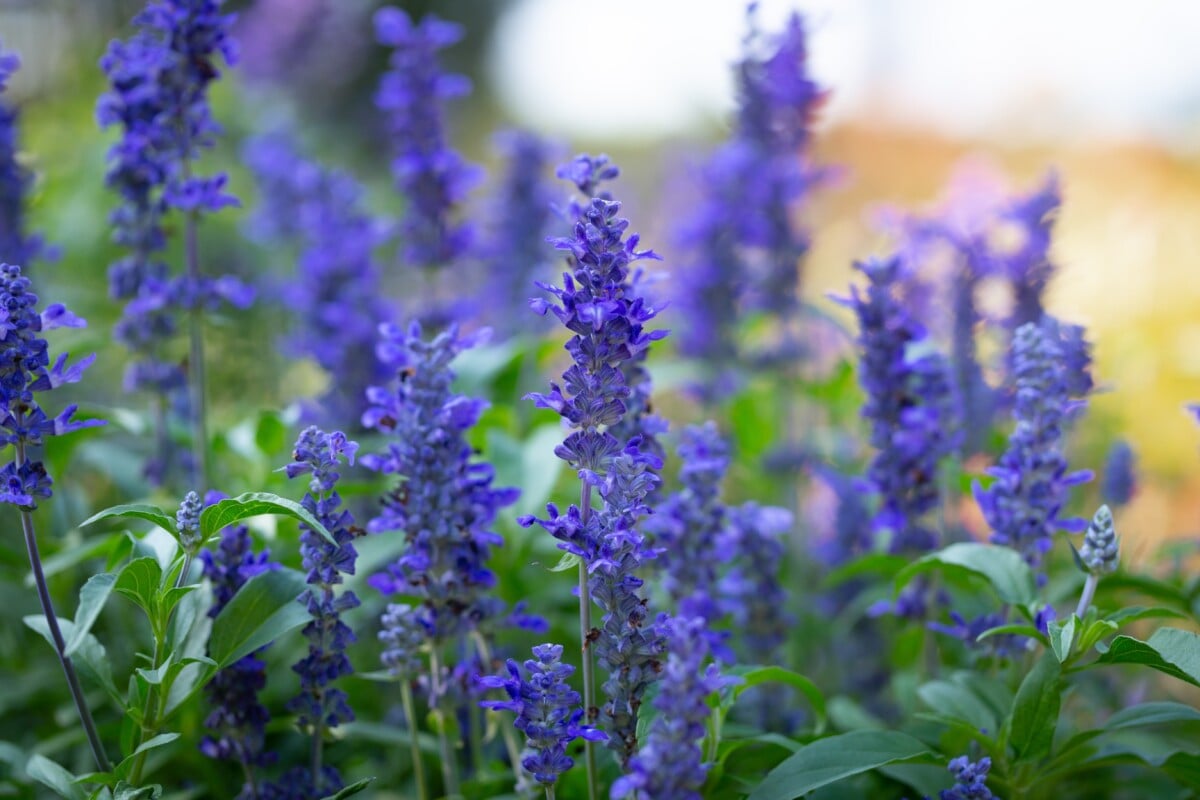
15. Blue salvias
(there are several varieties) look great alongside red salvia and add a little height and drama to cottage gardens or borders.
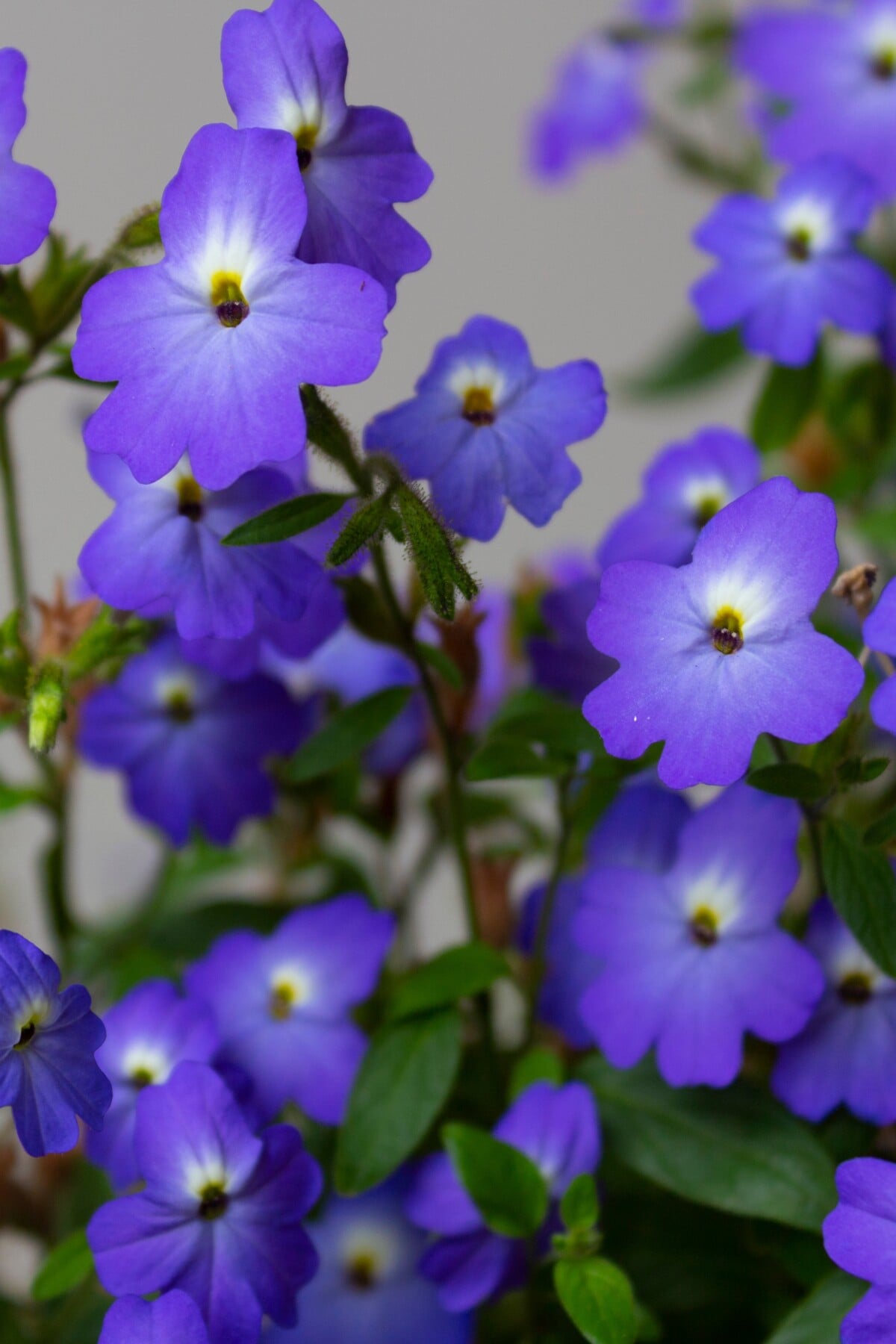
16. Browallia
is another wonderful option if you are planning a flower garden with shade. The beautiful blue-purple flowers will continue to bloom all summer long as long as you deadhead them regularly.
And there you have it – the makings of a gorgeous flower garden to mark the nation’s 250th birthday.
Naturally, there are more options than I can list here, and some may be more suitable for one growing zone than another. The best thing you could do is head to your local small business garden center and make up your garden from their selection. You’ll be getting plants appropriate for your growing zone and supporting your local economy, all in the American spirit.
Get the famous Rural Sprout newsletter delivered to your inbox.
Join the 50,000+ gardeners who get timely gardening tutorials, tips and tasks delivered direct to their inbox.