

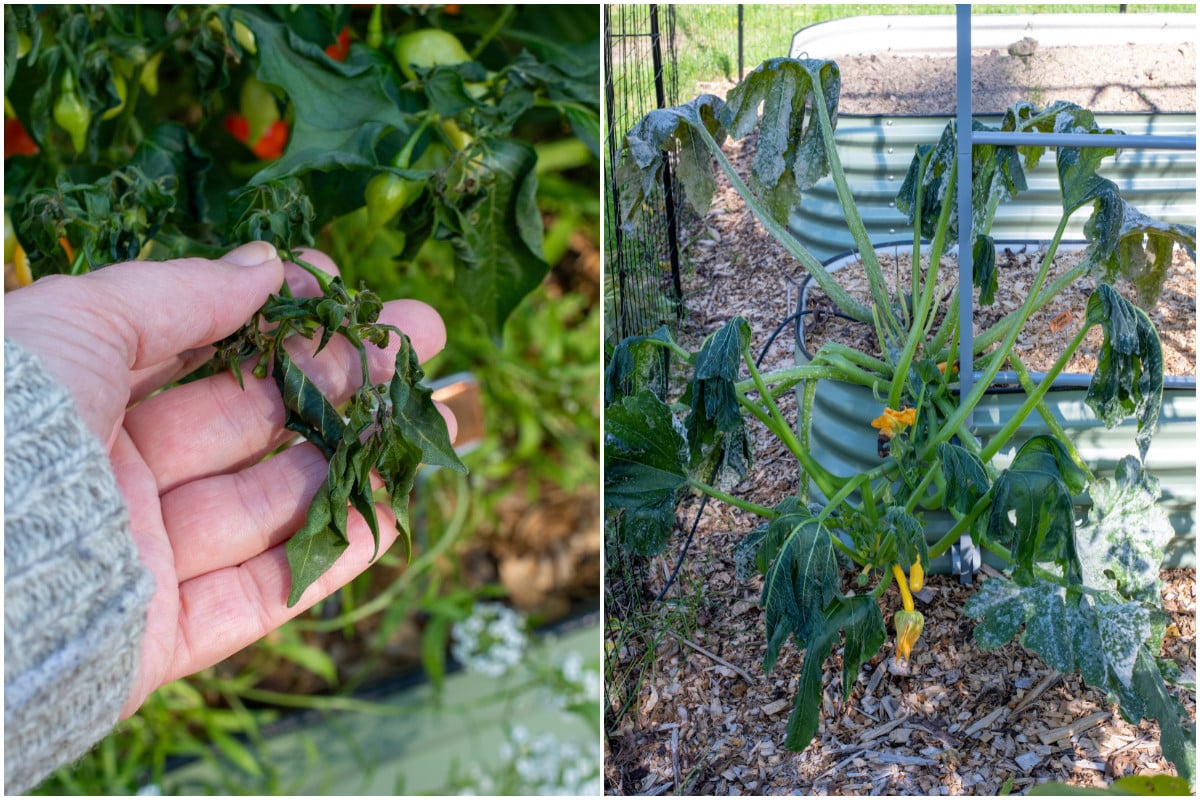
Whether it’s springtime and you’ve got tender seedlings out in your garden, or it’s fall and you’ve got your fingers crossed while those final tomatoes ripen up, nothing puts a dent in your garden season like a frost. However, with a little preparation, you can easily protect your garden from frost damage.
What Is the Difference Between a Frost and a Freeze?
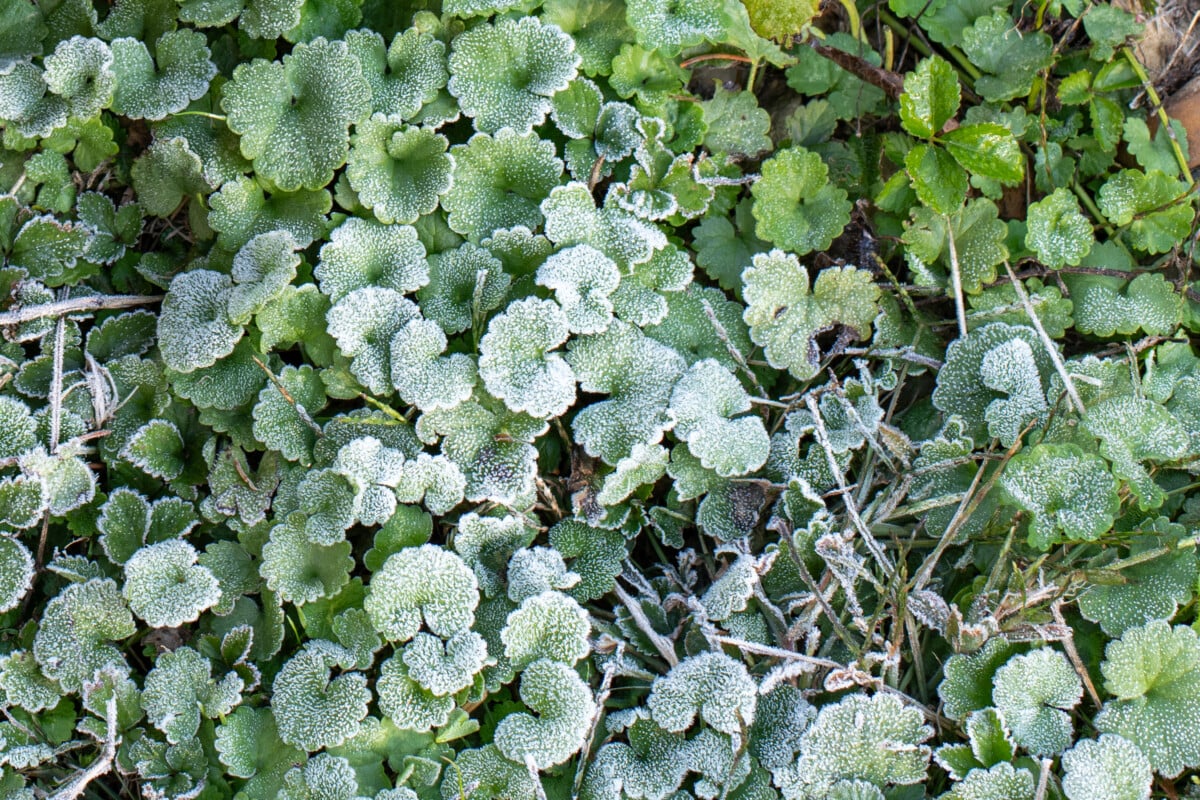
Either can happen in the spring and fall, and they have a habit of catching even the most seasoned gardener off guard.
A frost is between 33 degrees F and 36 degrees F. These light frosts can certainly cause damage, but they won’t always take out your plants completely. Depending on the time of year, whether your plant is mature or a seedling, or whether it’s a frost-hardy crop, can determine the severity of frost damage from a frost.
A freeze or a hard frost is usually a much bigger deal.
A freeze is defined as a minimum temperature of 32 degrees F or colder. These usually end your garden season in the fall (except for sturdy, frost-hardy crops). They can also wipe out tender seedlings in your spring garden.
When Can You Expect a Frost?
Two of the most important pieces of information every gardener needs to know are when to expect their first frost (fall) and the final frost (spring). Usually, there’s a two-week window for these dates. We plan our entire season around these, as they indicate when it’s safe to plant certain vegetables outdoors and when we should stop planting in the fall.
It’s important to remember that these dates are estimates based on historical data.
It’s always wise to keep an eye on your 10-day and daily forecasts when you’re close to either.
I live in zone 6b, and my last spring frost is supposed to be around April 27. Several years ago, I had a frost in the first week of June!
If you live in the United States, you can click here and enter your zip code to get your first and last frost dates.
How Does Frost Damage Plants?
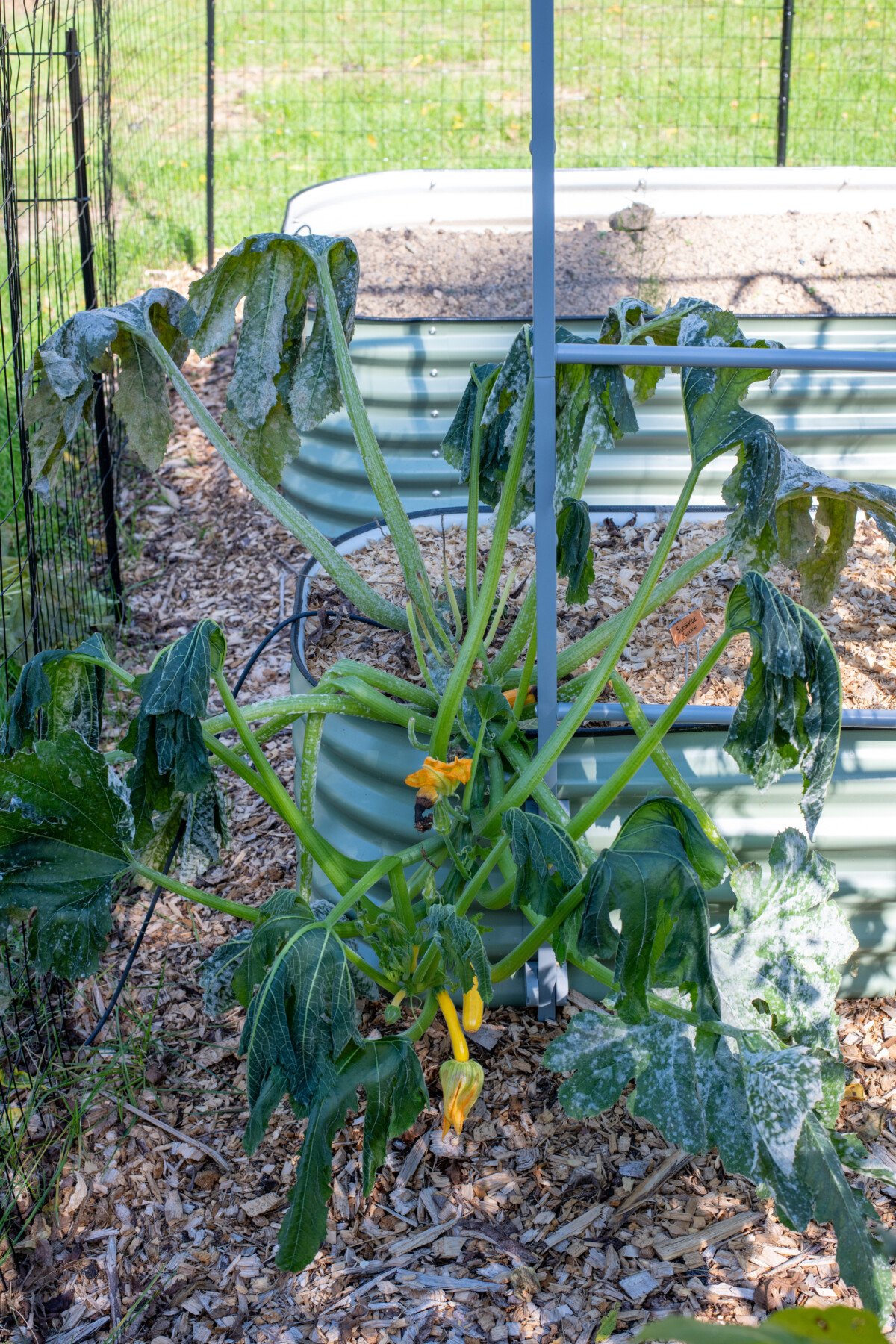
If it weren’t so annoying, watching plants defrost after a frost is sort of interesting. At first glance, they seem okay, even if they’re covered in tiny white crystals. But as the sun hits them and they warm up, they sag and wilt and look altogether wretched.
It’s much like when you freeze vegetables for later use. When you finally thaw them out to cook them, they’re soft and sometimes mushy. What’s going on here?
You might be surprised to learn it’s not really the frost on top of the plant that’s doing all the damage.
Like us, your plants are mostly made of water. When that water freezes, the plant’s cells freeze, and the microscopic water crystals that form pierce the cell walls. Once the sun comes up and the ice thaws, the plant cells no longer have the same structural integrity that they did, and things very quickly fall apart.
3 Steps to Protect Your Plants From a Frost or a Freeze

If you have potted plants that can be brought indoors, do so. The best frost protection is not to be out in it.
For the rest of your garden, there are three steps to protecting it from the frosty weather that’s about to occur.
Step One – Water Your Garden
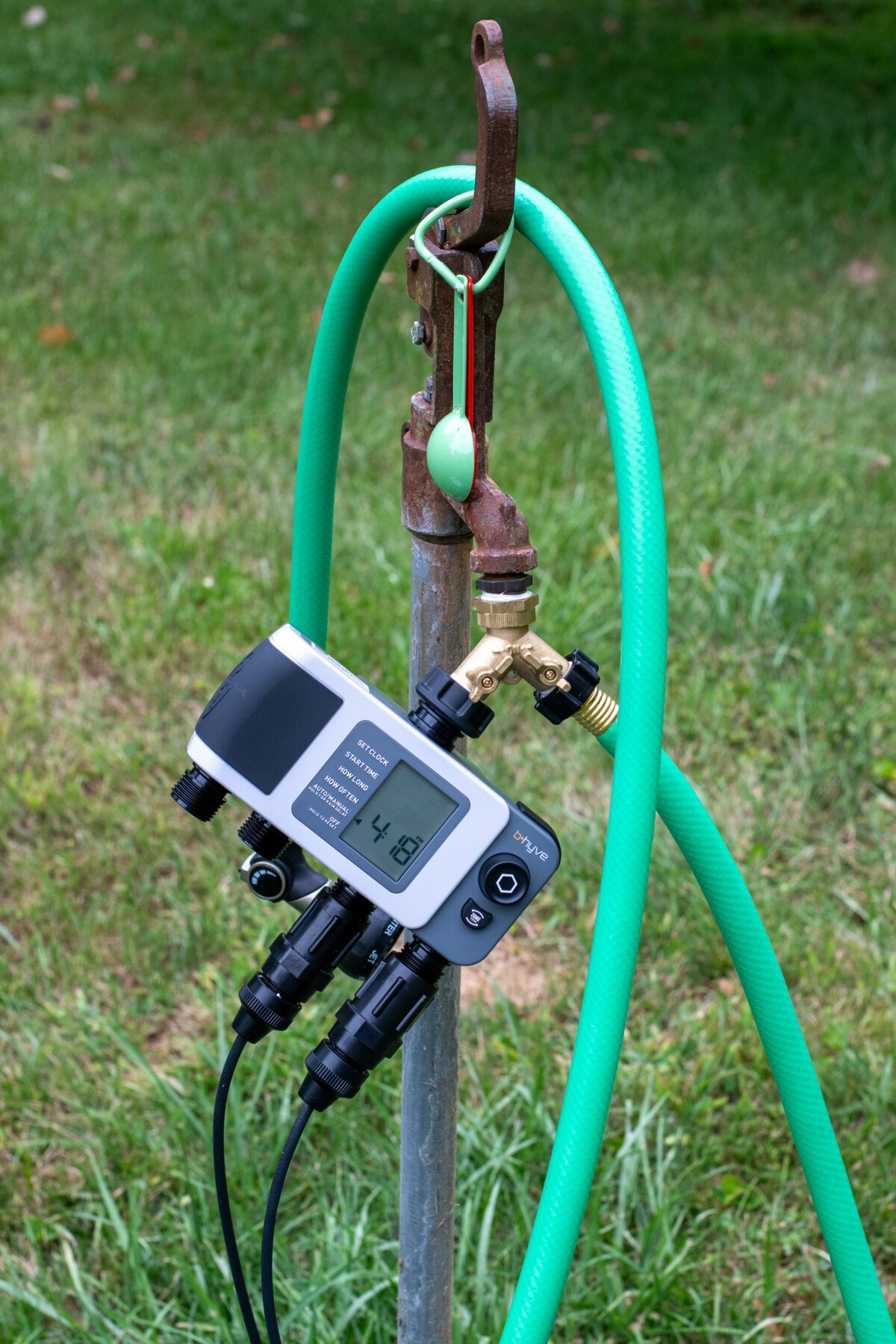
Something wildly counterintuitive that helps to protect your plants is to water them in the afternoon before a frost. We’re about to have freezing water covering everything, so let’s…add more water? That doesn’t make sense!
But if you’re expecting a frost, then yes, watering your plants before it’s expected helps in several ways.
Moist soil is much better at absorbing heat during the day than dry soil. The more heat your soil absorbs during the day, the more it radiates back to your plants at night when the temperature drops, even in cold weather.
That moist soil also protects the plant, because you’re ensuring that water and nutrients can circulate throughout the plant, something that’s tough to do in dry, frozen soil. A well-hydrated plant stands up to frosts better than one that is dried out.
It’s important to water your plants in the early afternoon, well before nightfall. This gives the water the longest opportunity to soak in and warm up.
Step Two – Add a Protective Layer of Mulch
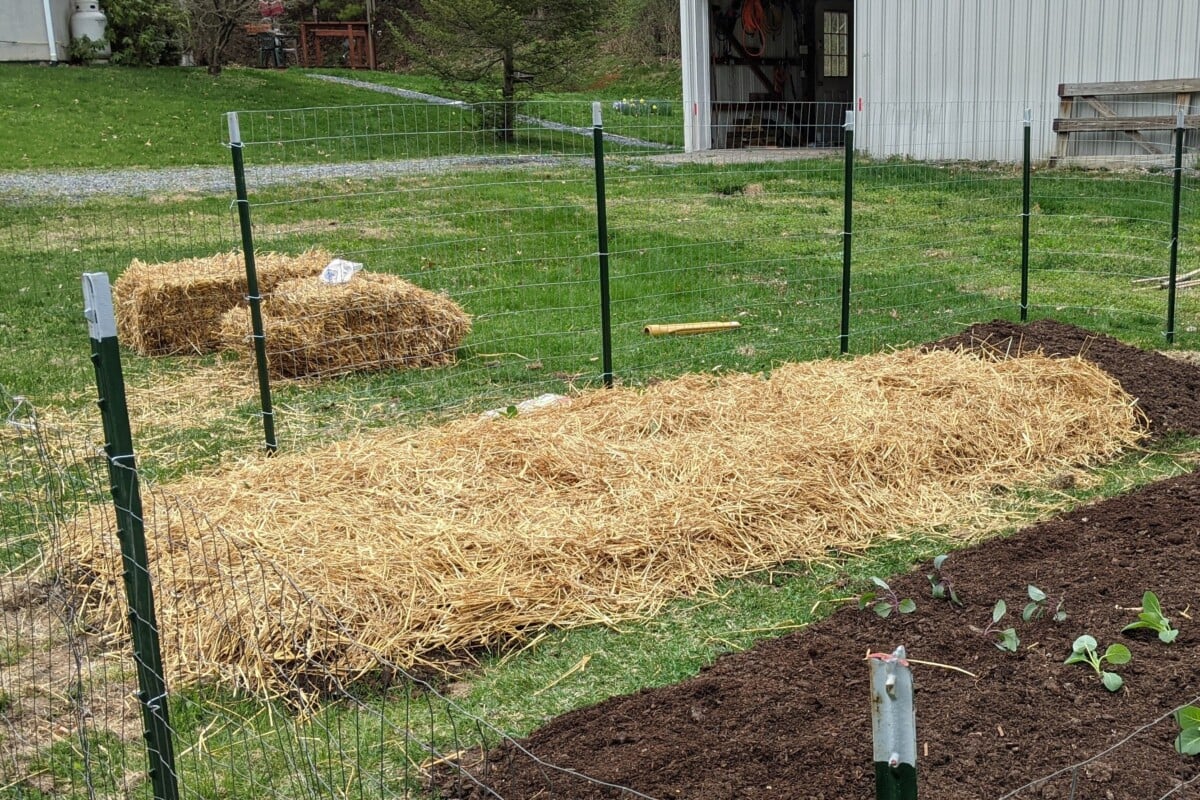
Mulching around the base and then covering your plants creates pockets of warm air, insulating your garden during the coldest hours of the night. I’ve found it good practice to keep a bale of straw or two on hand in the fall and spring for just this purpose.
It’s pretty easy to shower your beds with a layer of straw and then gently peel it back with a rake the next day.
Once all danger of frost has passed in the spring, you can use the straw to mulch around your plants, which will help to keep weeds at bay. In the fall, once you’re done gardening for the season, you can leave the mulch in place to protect any overwintering plants and to protect the soil from being eroded by winter winds.
Step Three – Tuck Everything In

Finally, you’ll want to tuck everything in. We are getting ready for bed after all. Use old bed sheets or a floating row cover to cover up the mulched plants. This final layer keeps all that nice, moist heat in place overnight and adds one final layer of protection from the frosty air.
I have used this AgFabric in the past, and it’s done a great job. I cut it to fit each of my rows. When fall arrives, each sheet stays rolled up at the end of each row, ready to go the moment the weatherman says to expect a freeze. Rocks work well to keep row covers in place overnight.
These days, since I have raised beds, I have hit up the local Goodwill and picked up old fitted sheets, which fit perfectly over my raised beds.
Notes:
- I always go out and check plants once the sun is up and the frost has disappeared.
- If we’re expecting back-to-back nights with frost or freeze warnings, I will remove the row cover during the day, but leave the mulch in place and cover it all up again in the evening.
- I used to use individual cloche-style covers on smaller plants in the springtime, but if you can’t get out and remove them in a timely manner, you can actually bake the small plants they’re supposed to be protecting.
What to Do When Your Plants Suffer Frost Damage
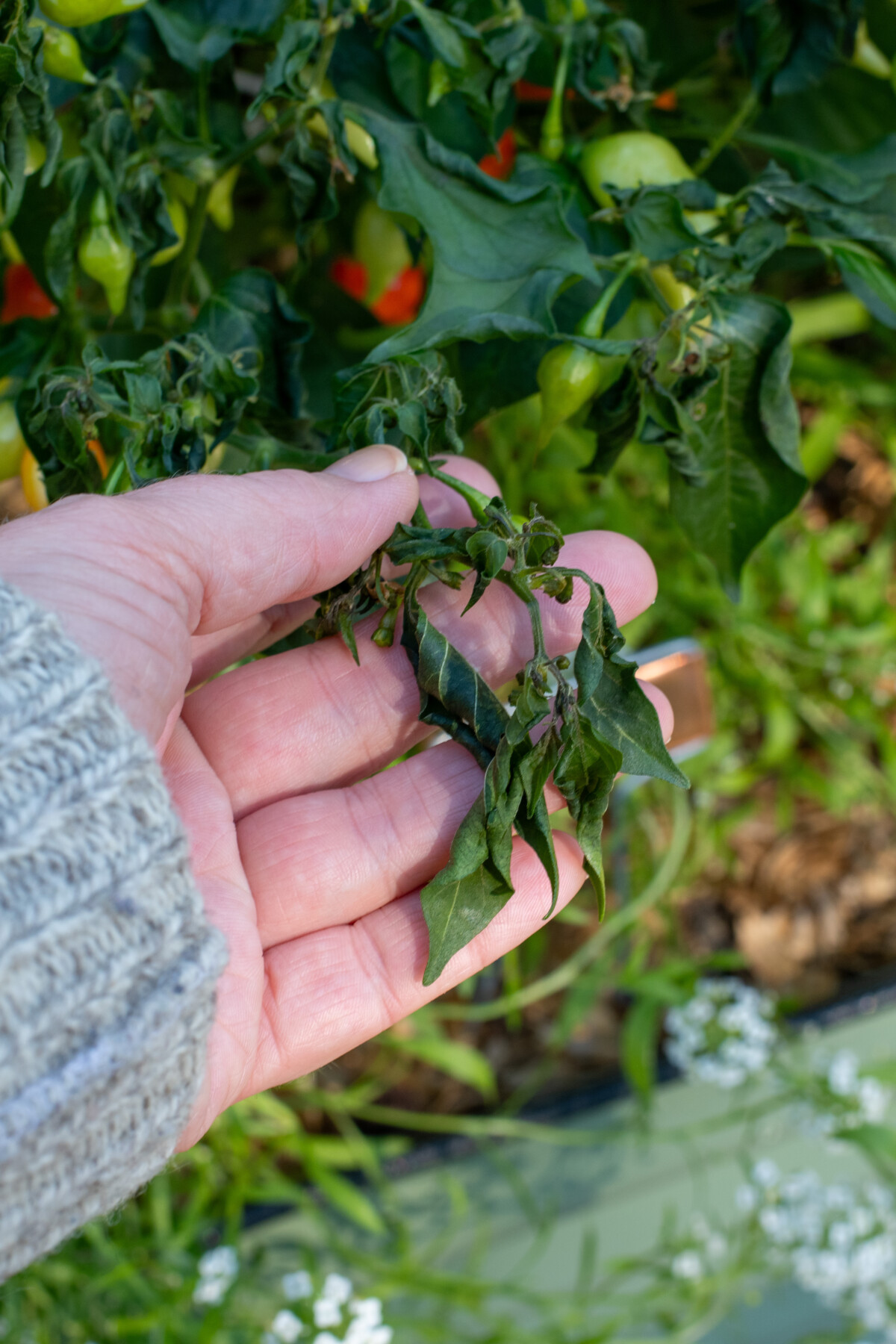
Okay, despite your best efforts, you forgot to cover your plants last night, and you’ve woken to a lawn covered in frost. Now what? First, remember that there are actually some vegetables that taste better when they’ve been hit by a frost. You can read about them here.
Regardless of the season, it’s best to wait until the day warms up and the frost melts. This makes it much easier to assess actual frost damage. If you didn’t get an opportunity to water before the frost, water now at the base, not on the plants. Moist soil can help plants perk up, making it easier to see what’s been damaged and what hasn’t.
In the Fall
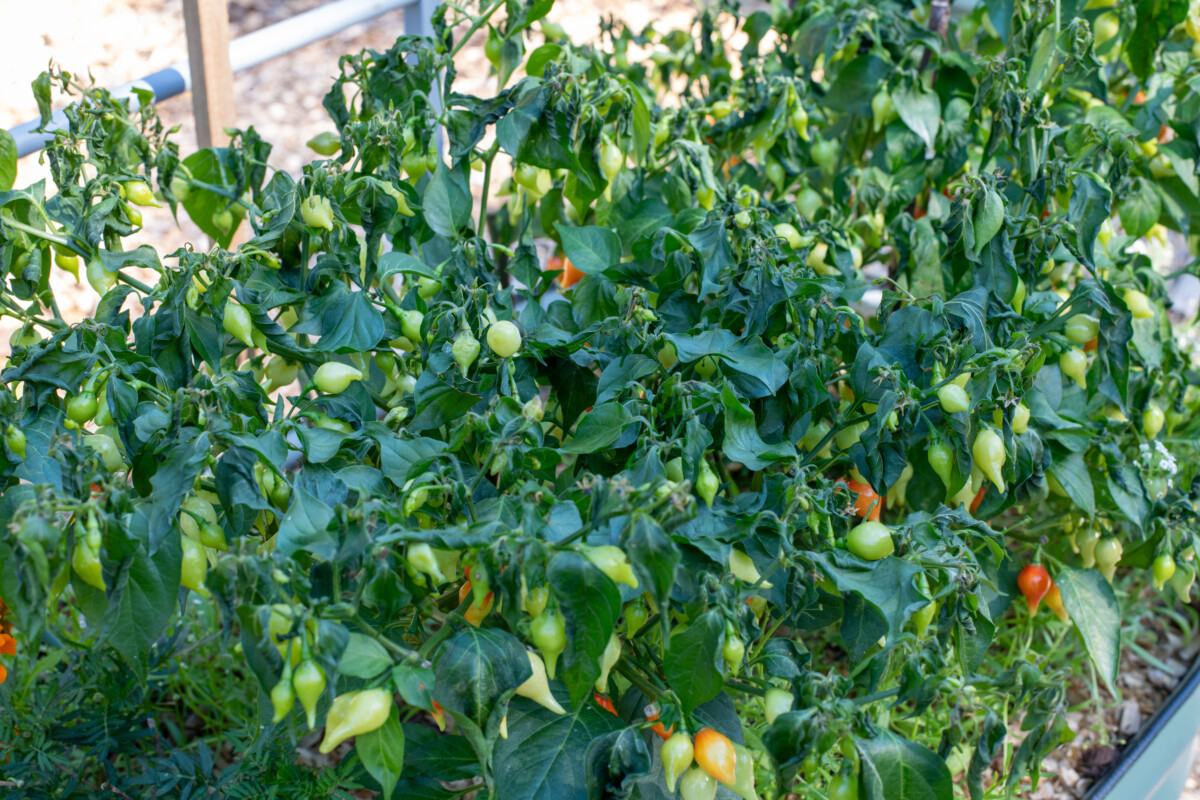
For your annual vegetables, depending on the severity of the frost, all may not be lost. Often, if it’s a light frost and you’re still having warm days, only the top of the plant may be affected. Fruit and leaves on the lower portion may have been unaffected and will continue to grow.
Wait for the plant to fully warm up, and then trim away frost-damaged fruit and leaves. Sometimes, as in the case with cucumbers, there may be sufficient leaf coverage to protect the fruit, even if the plant is lost. I have had numerous times when I was able to pick the last cucumbers off of my dead, frost-bitten plants. The leaves protected the cukes.

Unfortunately, the skins of tomatoes and summer squash are not as thick, and they will need to be composted. Pull up any dead plants and add them to the compost as well. You can read more about eating “frosted” vegetables here.
For frost-hardy plants, let them continue to grow, even if they look pretty bad. I’m always amazed at how tough they are, and even when they appear dead, new growth will emerge.
In the Spring
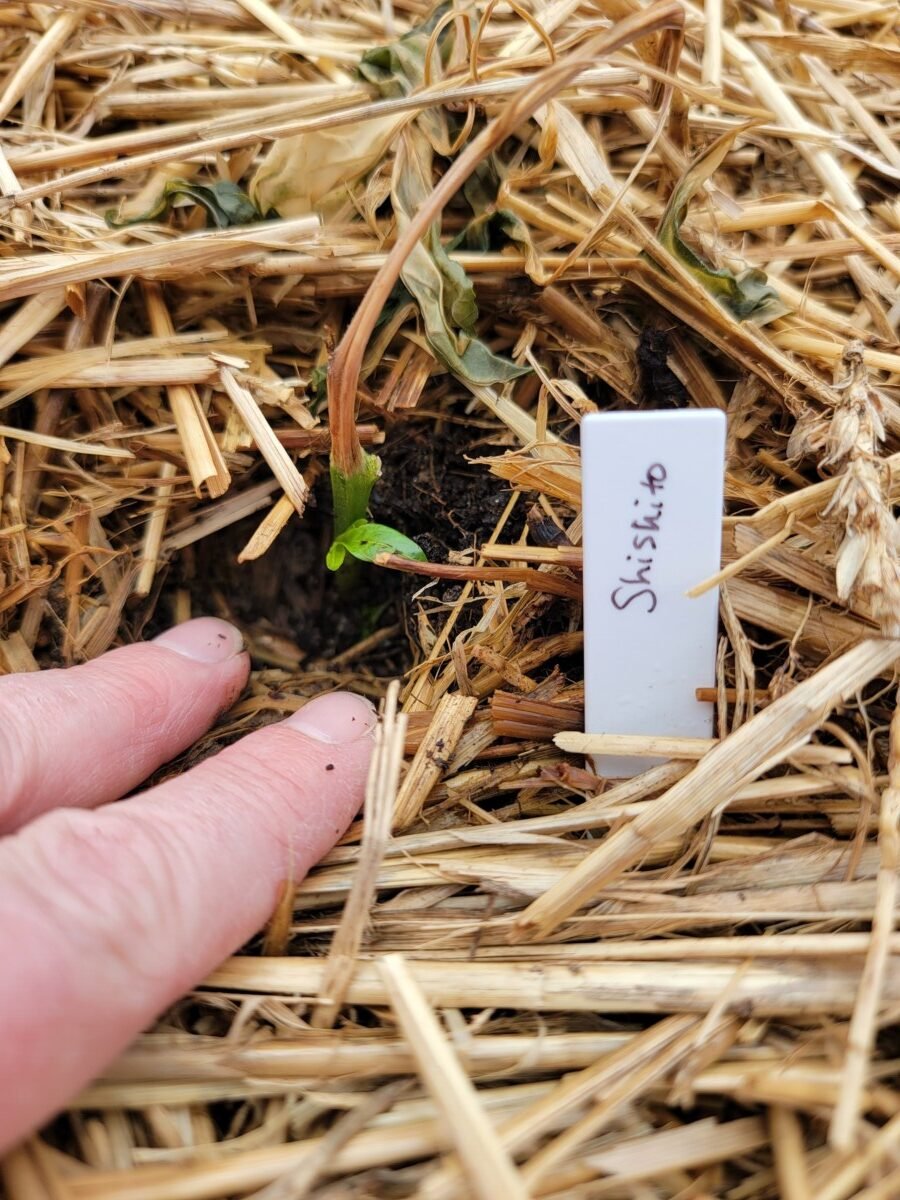
In the spring, frosts can do much more damage. You don’t have an entire season of harvesting vegetables under your belt, and you’re just getting started. Plants are smaller and more susceptible to frost damage at this stage as well.
Wait a day or two to assess springtime frost damage. If you’ve watered them as suggested, then within a couple of days, you’ll be able to see who is going to bounce back and keep growing and who is now a dead mess that needs to be pitched.
Don’t prune any damaged parts back just yet. Allow the plant to recover for a week or so, and then prune off any frost damage. The plant will continue to grow and will be fine in another week or two.
Losses to spring frosts are frustrating, but they’re rarely season-ending. You can sow seeds again and plant seedlings once more. If you start your own seedlings, you may find it helpful to grow a couple of extras each year. These extra seedlings are great insurance for frost damage. Give them to friends and neighbors if you don’t need them.

Get Garden Notes From Tracey, Right to Your Inbox
Pull up a chair on the front porch. Join 54,000+ gardeners who get Tracey\'s friendly notes, seasonal to-dos, and hands-on tutorials three times a week.