

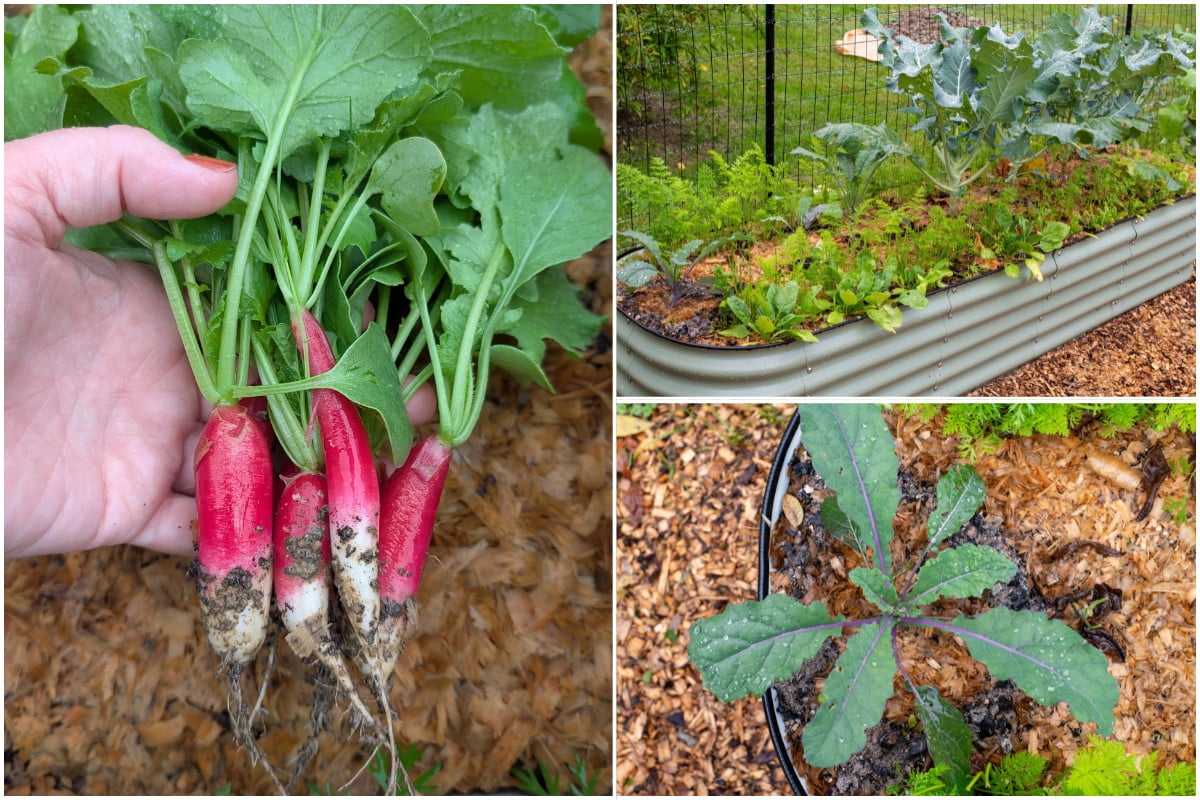
Growing vegetables in October? Yes, of course. Even if you’ve already had your first frost, there are still vegetables you can grow this time of year.
Let’s take a look at all the crunchy, fresh vegetables you can get growing in October, broken down by hardiness zone.
Wait? Can I still garden in October?
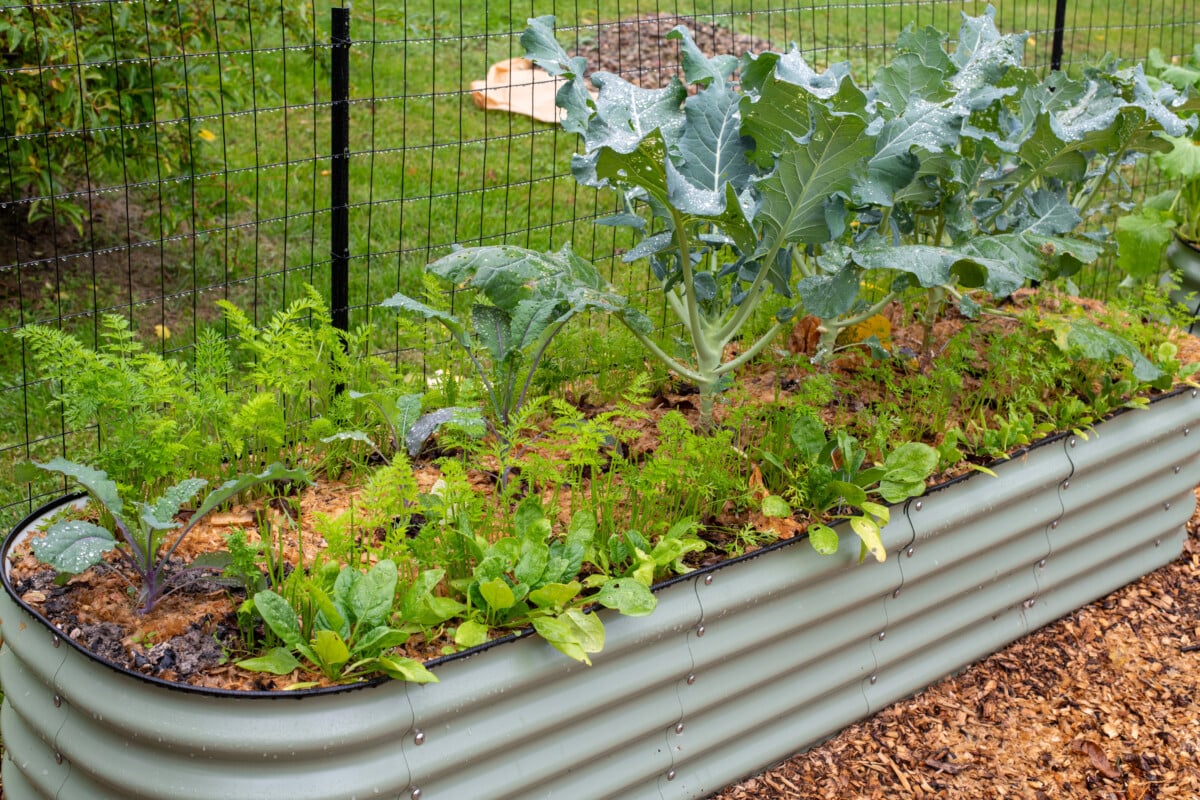
When October rolls around, most people shut down their gardens for the season. But you can still find two types of gardeners out there with their garden gloves on, ready to get their hands dirty. They’re the southern gardener who still has some normal growing season left, saying, “Hey, don’t forget about me!” and the diehard who lives in a hardiness zone expecting a frost soon and says, “It’s time to break out the polytunnel.”
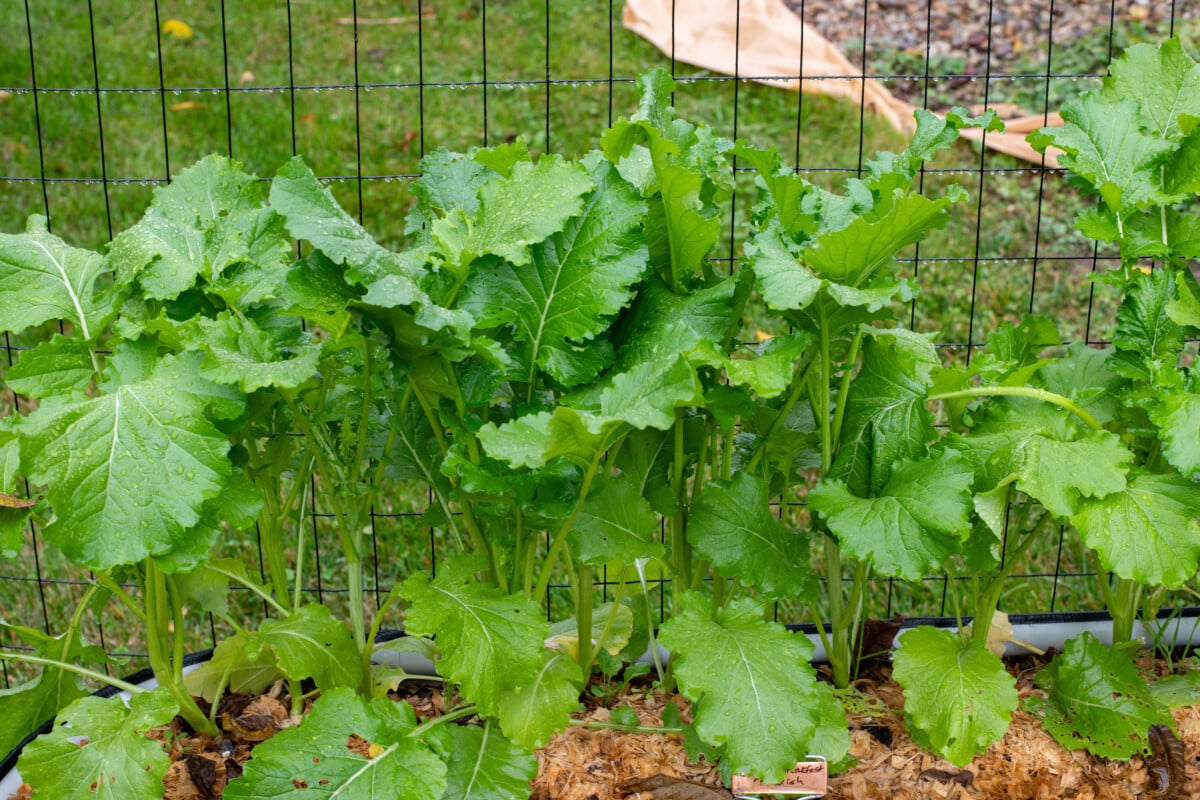
But regardless of which hardiness zone you live in, there are still quite a few vegetables you can grow this time of year.
It’s important to remember, though, that growing vegetables this time of year is different, even for the Southern gardener.
Gardening at this time of year means we’re not only limited by the temperature, but also by the amount of light plants receive and the ground temperature. Not to mention, many of us could be getting everyone’s favorite four-letter word soon – snow.
Quite a few vegetables need the long, hot days of summer to produce fruit. They require all those hours of hot sun and warm soil to function and grow well. So, while we won’t be picking lush, ripe tomatoes anytime soon, or growing juicy watermelons, October doesn’t necessarily mean you need to hang up your trowel for the year. There are still veggies to plant!
Hardiness Zones 8-10
Hello, Southern gardeners, aren’t you lucky! Now is the time of year when those blistering temperatures are reigned in, and the pleasantly warm days make growing certain vegetables possible again. Keep in mind that even with these nice warm temperatures, the shorter days mean vegetables will take a bit longer to grow.
While you won’t have the time or heat necessary for fruiting crops like tomatoes, peppers and eggplants, there is still time for small harvests of things like bush beans, cucumbers, and summer squash/zucchini. Get them in the ground in October to enjoy before the cool temperatures and short days of winter bring them to a halt.
You can even plant potatoes in October.
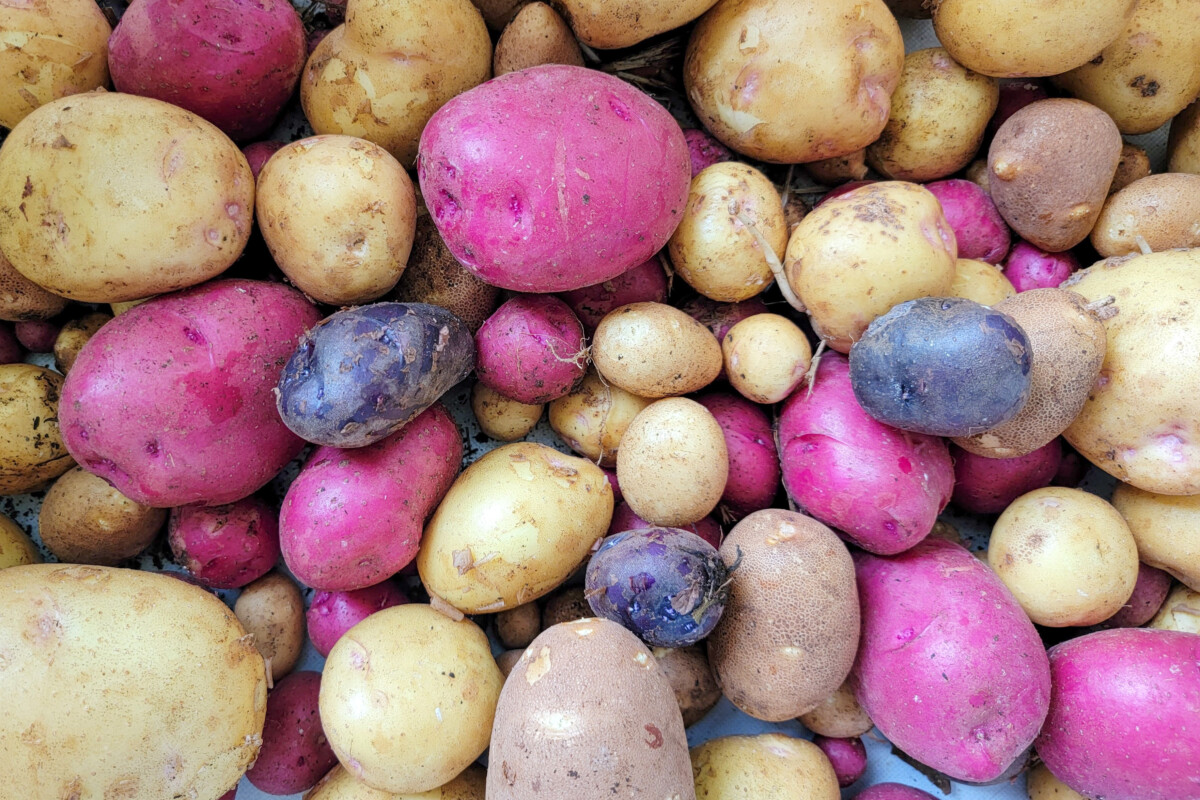
Granted, you’ll be harvesting new potatoes, rather than large ones destined for storage. But who wouldn’t prefer a batch of freshly dug new potatoes with Christmas dinner rather than spuds from the grocery store that have been in storage for who knows how long?
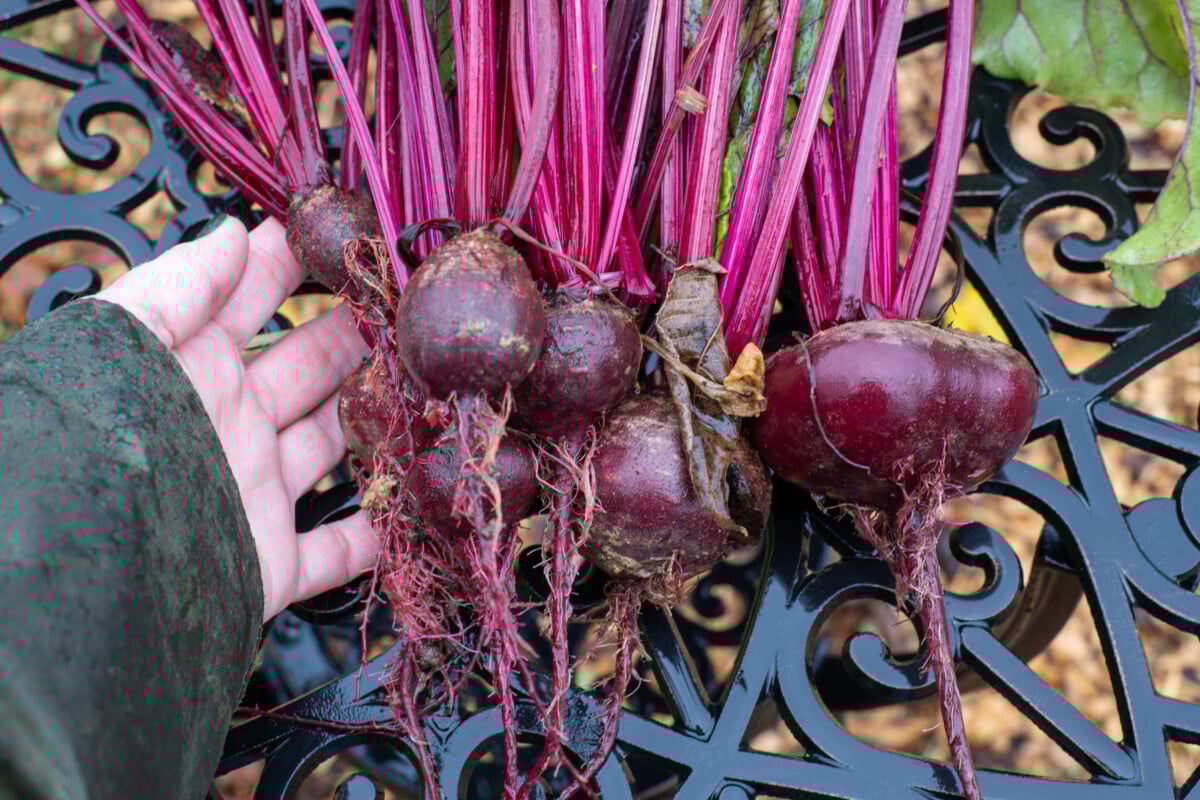
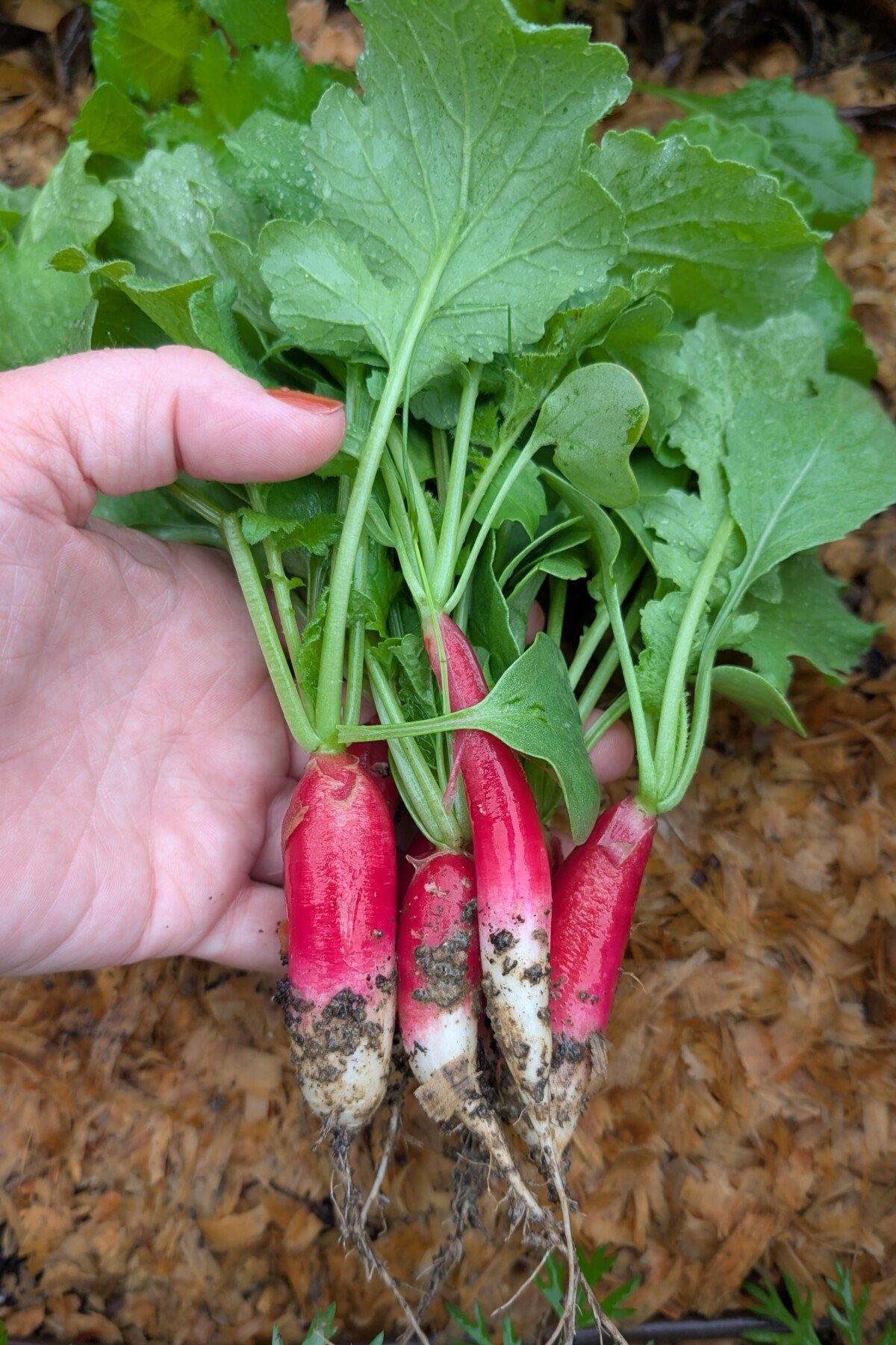
Since we’re talking about Christmas dinner, let’s discuss roasted carrots, beets, and some fresh, crispy radishes added to the relish tray. These quick-growing root crops will do well this time of year in warmer hardiness zones, especially if you look for fast-maturing varieties such as Nantes (carrots), Early Wonder (beets) and French Breakfast (radishes). Succession plant radishes every week to have a continuous supply well into the winter.
Finally, October is the perfect time of year to plant leafy greens.
Vegetables that would normally bolt in the heat of a southern summer are back on the menu in the fall. Some may even benefit from waiting until the end of the month or even into November before planting them, as they may still bolt if daytime temperatures remain quite warm. But arugula, broccoli rabe, kale, lettuce, mizuna, mustard greens, spinach and Swiss chard are all great options for this time of year.

Hardiness Zones 8-10 recap:
- arugula
- beets
- bush beans
- carrots
- cucumbers
- kale
- lettuce
- mizuna
- mustard greens
- potatoes
- radishes
- spinach
- squash/zucchini
- Swiss chard
Hardiness Zones 5-7
Hi friends! Zone 6b checking in. (I live in Pennsylvania) For those of us in zones 5-7, we’re usually looking at cool, rainy fall weather in October, with a first frost right around the corner. There are still several frost-tolerant vegetables to plant in the garden and enjoy.
Garlic and shallots.
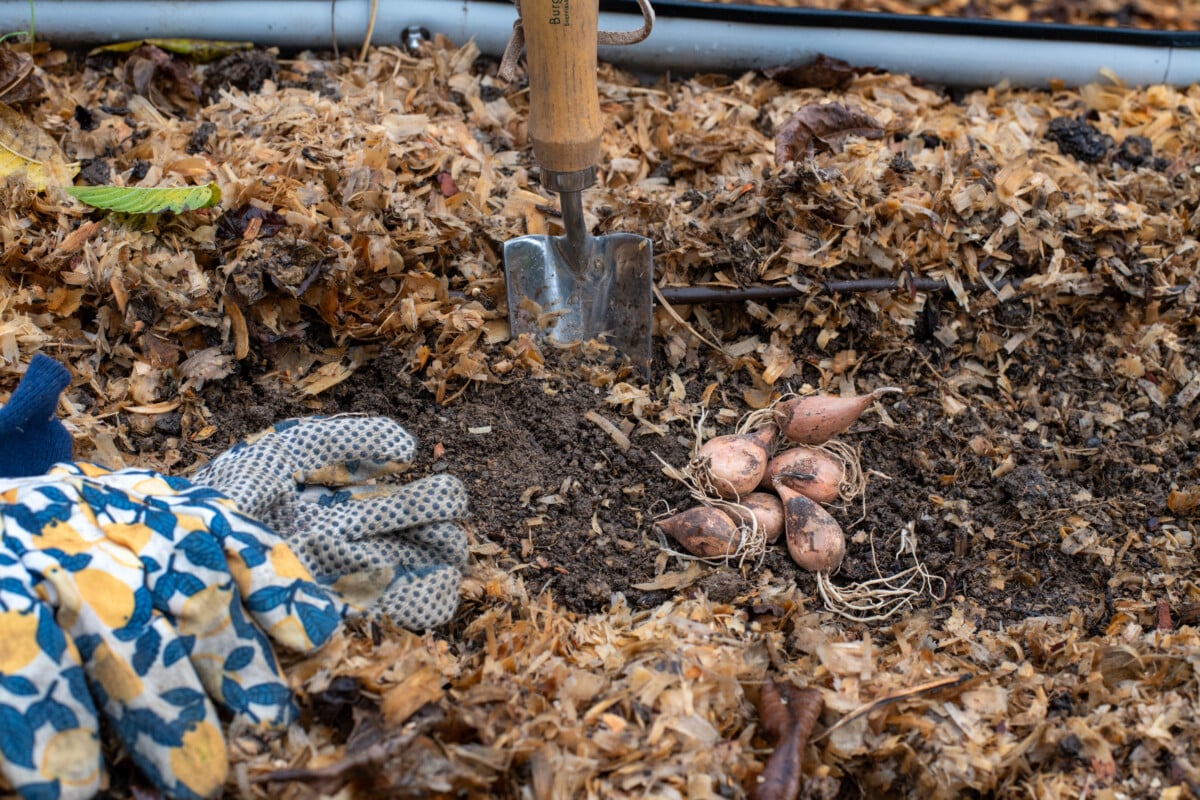
October is the best month to get garlic and shallots in the ground, mainly because that’s when most of us finally receive our orders in the mail. (I just received mine this past weekend.) Get garlic and shallots in the ground in October, before the ground freezes, so you can enjoy a bumper crop next summer. (Click here to learn how to plant garlic in the fall.)
October is a great time for one more round of sugar snap or snow peas before the snow flies. And if you can find them, October is also a good time to get broccoli, cabbage and cauliflower starts in the ground. You can usually get a harvest from these before the cold temperatures put a permanent stop to them. It can be harder to find seedlings at big box stores, but often, smaller, local nurseries will have these crops ready for fall planting.
As for root crops, you’ve got options!
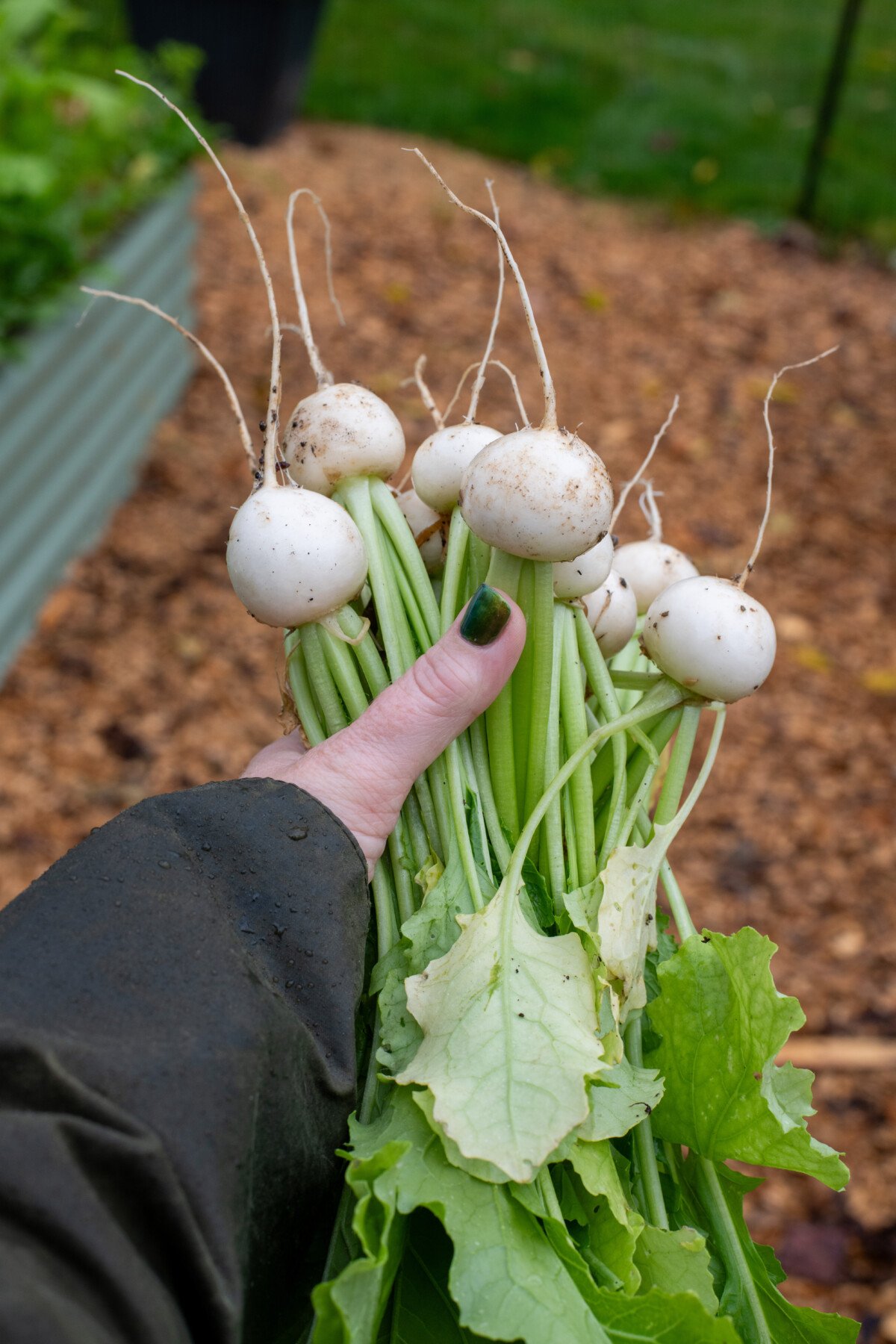
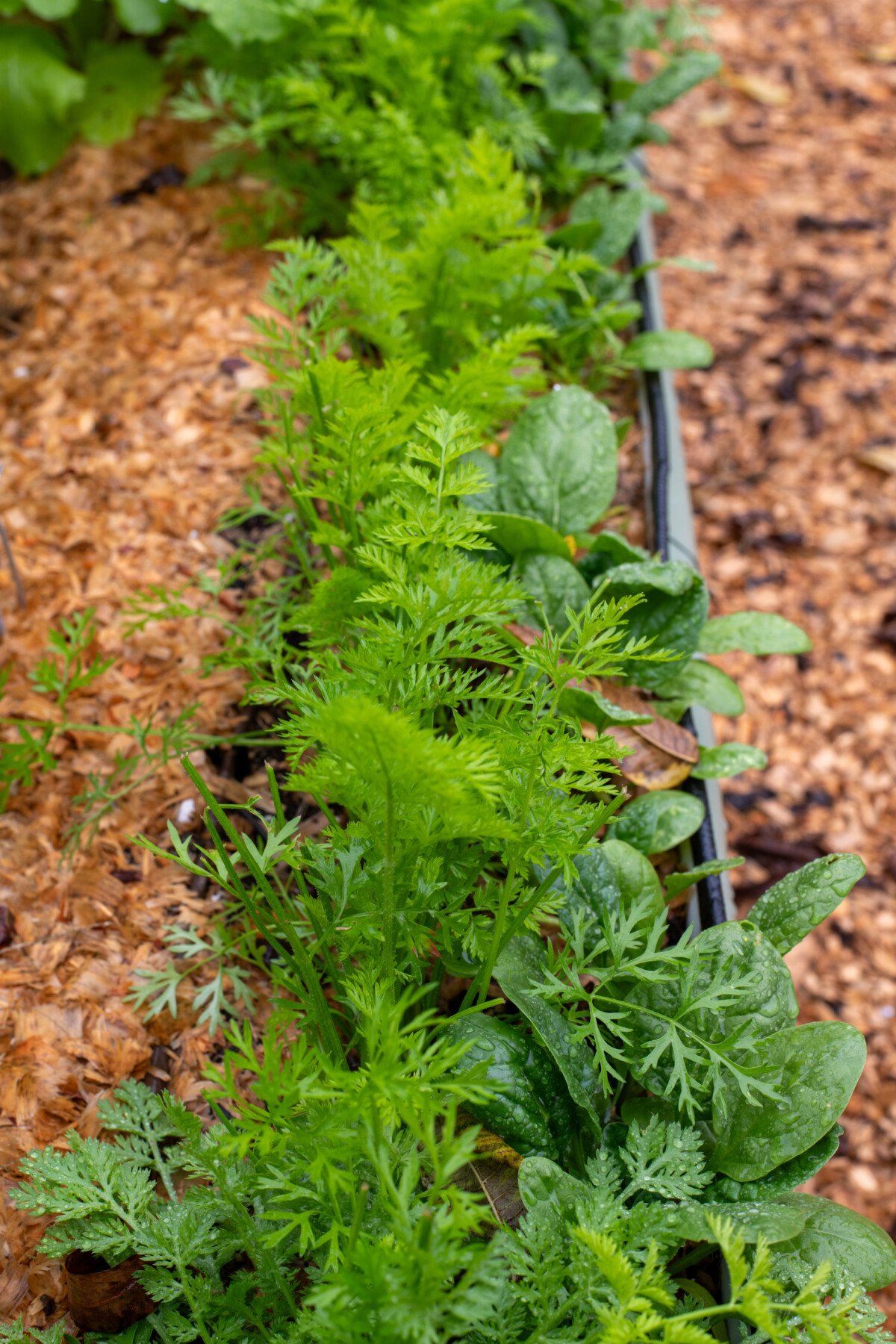
Beets, carrots, radishes, rutabaga and turnips are perfect for this time of year, not to mention they’re all wonderful roasted for hearty fall dishes. Look for quick-maturing varieties, or varieties that do especially well in the fall or spring, such as Kyoto red carrots and Japanese turnips.
The nice thing about growing root crops in the fall, especially in zones 5-7, is that you can succession plant another row or two every week, and enjoy them as they mature. Then, eventually, when it becomes too cold, they will go dormant for the winter and stop growing. At that point, you can mulch them well and enjoy an early root crop harvest next spring when they begin growing again.
This is also my favorite time of year to grow leafy greens.
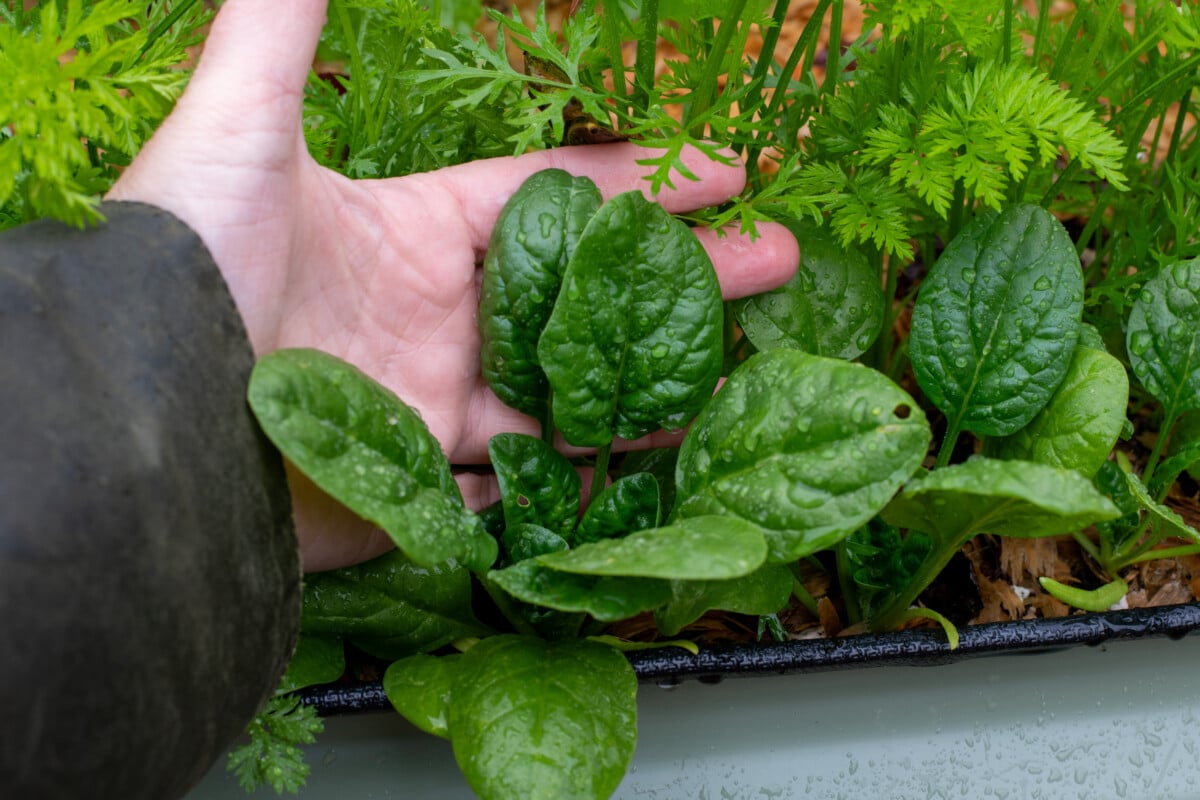
We’re expecting our first frost any day now, which will kill off most of the pests that like to nibble on my greens all summer long. October means plenty of arugula, broccoli rabe, kale, lettuce, mustard greens, spinach, and Swiss chard, all without tons of insect damage. All are cold-hardy, too, and can withstand frosts down to 30 degrees F. Some of the more tender lettuces may need to be covered, but for the most part, these plants all do well in colder temperatures.
If you really want to keep things going, well into the winter, may I suggest using a polytunnel or cold frame to extend your growing season. I switched to Vego Garden raised beds this year (you can read about my experience here). I decided to try one of their frost covers and frames over my kitchen garden bed, which is located by my back door, so I’ll let you know how that works out. But you can keep your garden going into winter by providing some shelter.
Hardiness Zones 5-7 recap:
- arugula
- beets
- broccoli
- cabbage
- carrots
- garlic
- kale
- lettuce
- peas
- radishes
- rutabaga
- shallots
- spinach
- Swiss chard
- turnips
Hardiness Zones 3-4

For our more northerly gardeners, planting in October is all about growing undercover and getting a jump on next season. Once your temperatures start to dip below freezing on a regular basis, plant growth begins to slow down significantly. However, if you employ a polytunnel or cold frame, you can still manage smaller harvests of certain vegetables. Let’s take a look.
October isn’t too late to get your garlic and shallots in the ground, and it’s essential that you do before the ground freezes.
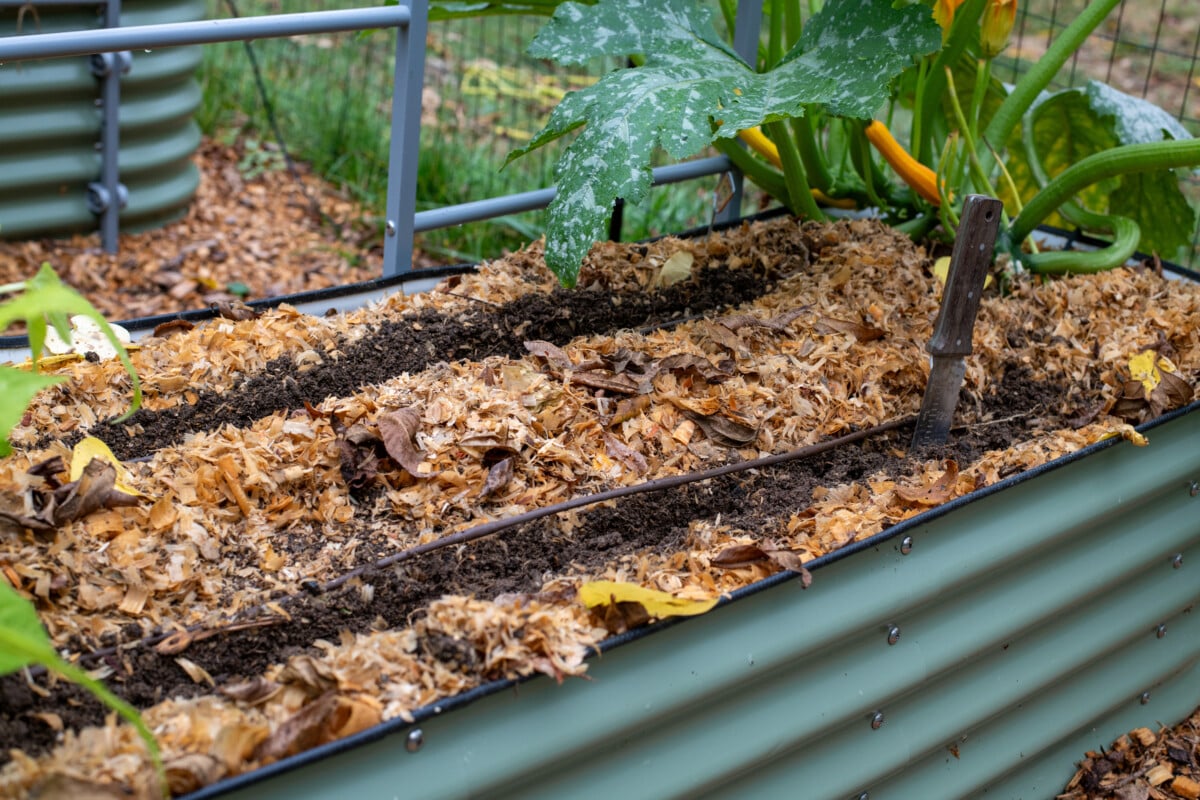
Fast-maturing varieties of carrots, beets and radishes can all still be grown under the protection of a polytunnel or cold frame. If you’re experiencing a mild fall, even frost cloth may be enough. Alternatively, you can simply plant these crops now and keep them well-mulched over the winter for an extra-early spring harvest. Likewise, if you plant peas now, they have time to become established before going dormant for the winter, ready to pop up next spring.
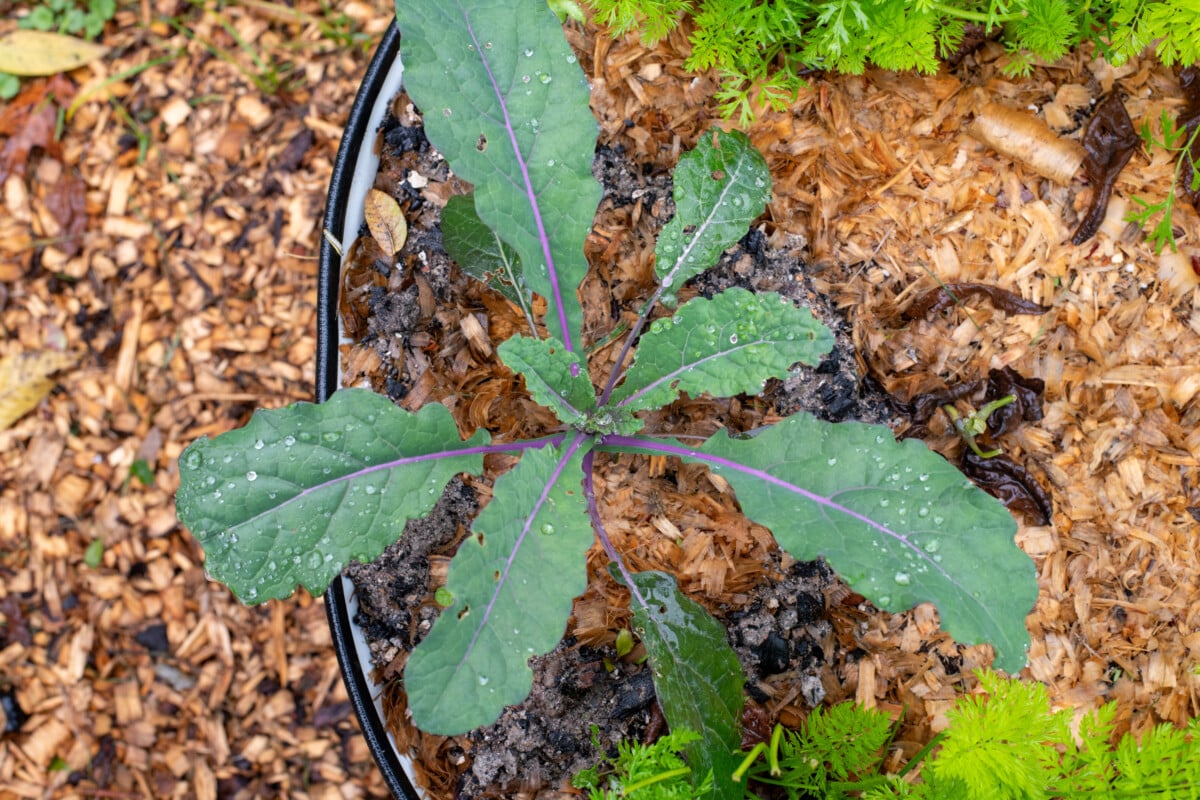
Both kale and cabbage are extremely cold-hardy, and if you can find seedlings at a local nursery, these will grow well under cover, providing you with smaller harvests as the cold weather progresses. Growing them under cover will ensure they continue to grow once the snow flies and the temperatures dip.
Hardiness Zones 3-4 recap:
- beets
- cabbage
- carrots
- garlic
- kale
- peas
- radishes
- shallots
No matter what growing region you’re in, October still leaves time for planting vegetables, some to enjoy now and some to enjoy next spring.
Get Garden Notes From Tracey, Right to Your Inbox
Pull up a chair on the front porch. Join 54,000+ gardeners who get Tracey\'s friendly notes, seasonal to-dos, and hands-on tutorials three times a week.