

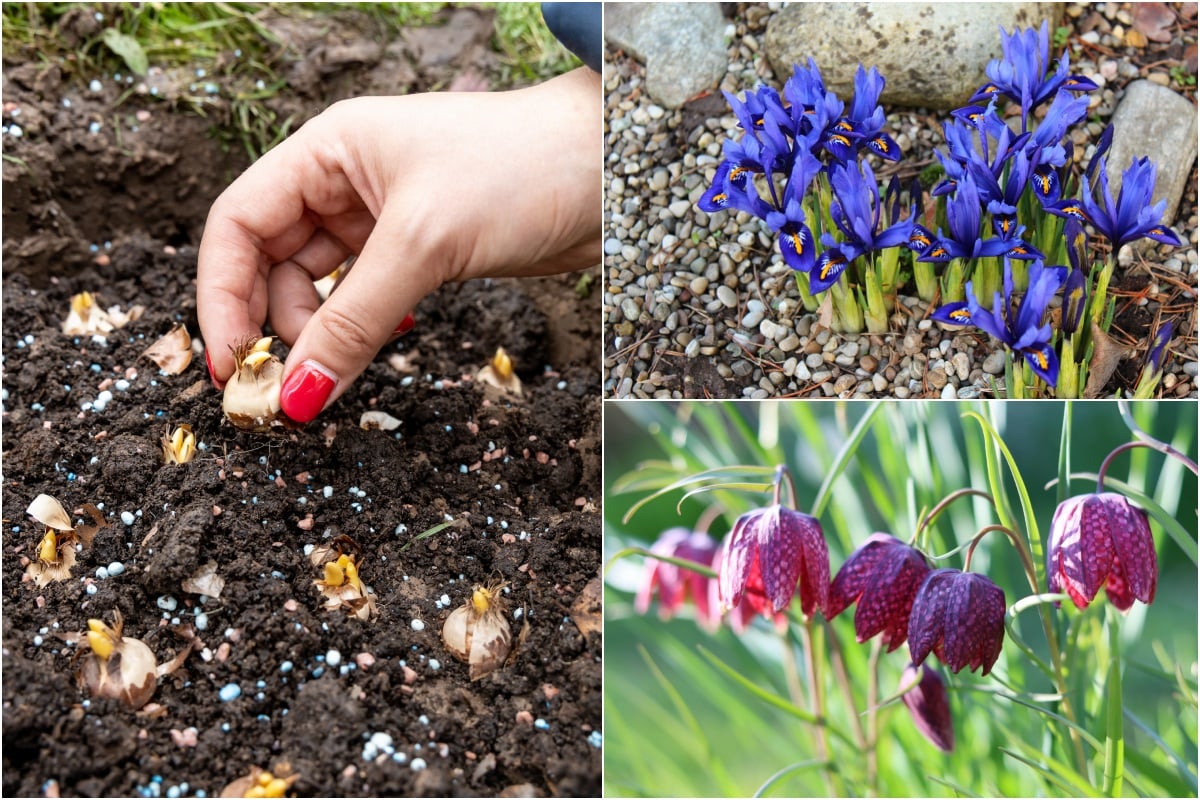
Spring bulbs are a promise from Mother Nature, given each fall. As we close out the summer and cooler fall temperatures arrive, it’s time to plant the bulbs that will bring us some of the loveliest colors in the gardener’s palette after a long winter slumber, next spring.
What Is It About Spring Flowers?
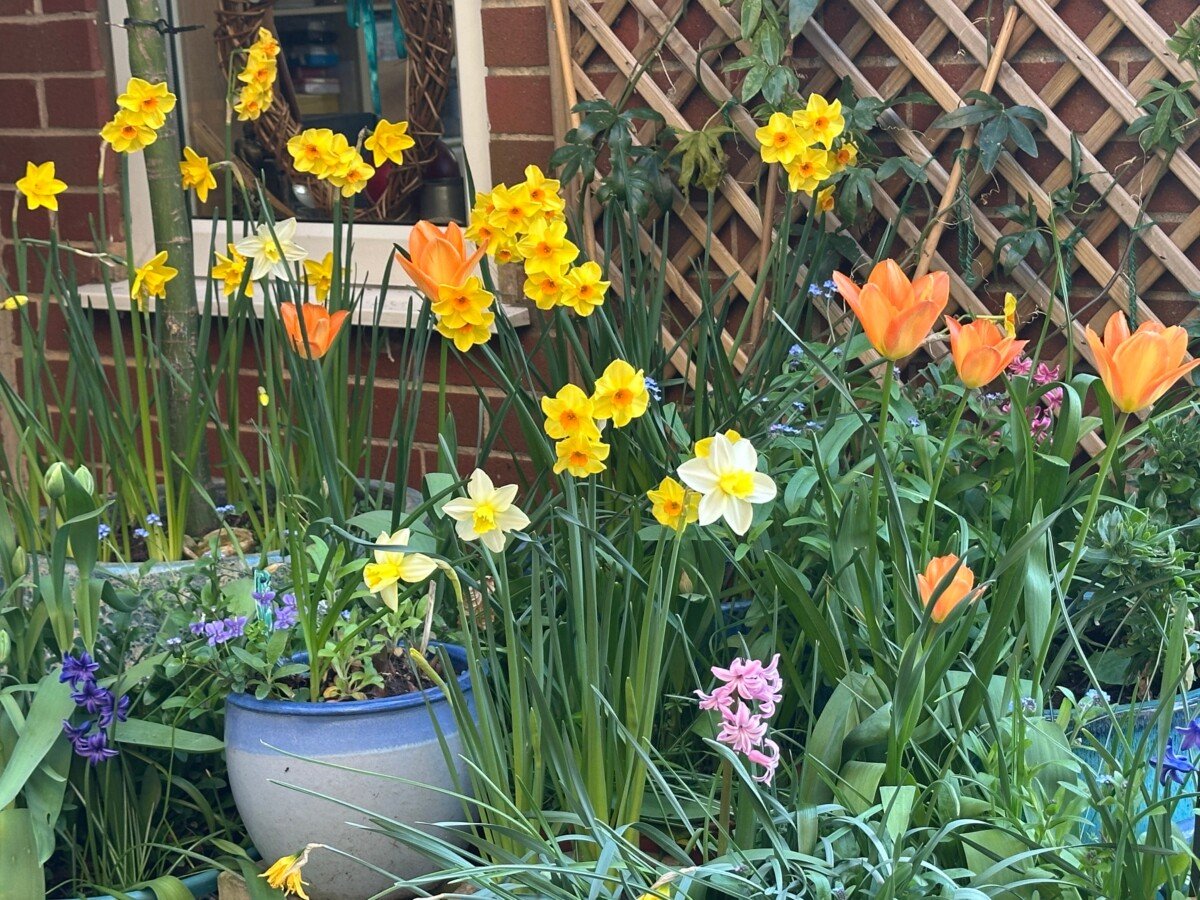
Each year, when the view is gray and dreary, and Old Man Winter has overstayed his welcome (he always does), we begin to feel as though one more blustery winter storm will do us in. And that’s when it happens.
Spring announces itself with some of the most breathtaking flowers of the year.
Shocking yellow, reds so bright they almost hurt to look at them, and purples so deep they nearly pulse. Then there are the pastel pinks, the soft lilacs, the palest blues and the creamy whites, all carried upon the fresh, vibrant green foliage on which each of these flowers arrives. While summer flowers are sturdy and reliable, spring flowers have an almost otherworldly quality to them. It seems fitting then, that they’re arrival in our gardens should also have a sense of magic to them, planting them in the fall, long before they will make their appearance.
Why Do We Plant Spring Bulbs in the Fall?
Nearly all spring bulbs, corms, and tubers require a period of significant chilling to induce blooming. They require a period of anywhere from 12 to 16 weeks at temperatures below 40°F. This process is called vernalization. The cold stimulates naturally occurring processes within the bulb, which cause the embryonic flower(s) and stem(s) to develop, and ultimately move from dormancy to growth and blooming when the weather warms.
Of course, if you grab a calendar and count backward from when each one blooms, you’ll notice we get the bulbs in the ground a bit earlier than their required napping period. It’s a bit easier to dig when the ground hasn’t frozen, and planting bulbs in the fall gives them a chance to produce roots before the ground freezes and the plant enters dormancy and its vernalization period.
This means that for most of the United States, October is the best time to plant bulbs.
The bulbs will have time to put down roots, the weather will have cooled, but there is still time for roots to develop before the ground freezes.
The Tools of the Job
The first and most important thing you need to plant bulbs is a pair of gardening gloves. (Yes, really.) Even more important than a digging implement is hand protection. There are several bulbs that can irritate the skin when handled, so it’s wise to wear gloves when working with them. (I personally love these gloves and have several pairs. They wash up well.)
Now, about that digging implement.
Yes, a garden trowel or a good hori-hori knife will suffice, but here’s a scenario where having the right tool for the job really does make for less work. Enter the bulb planter.
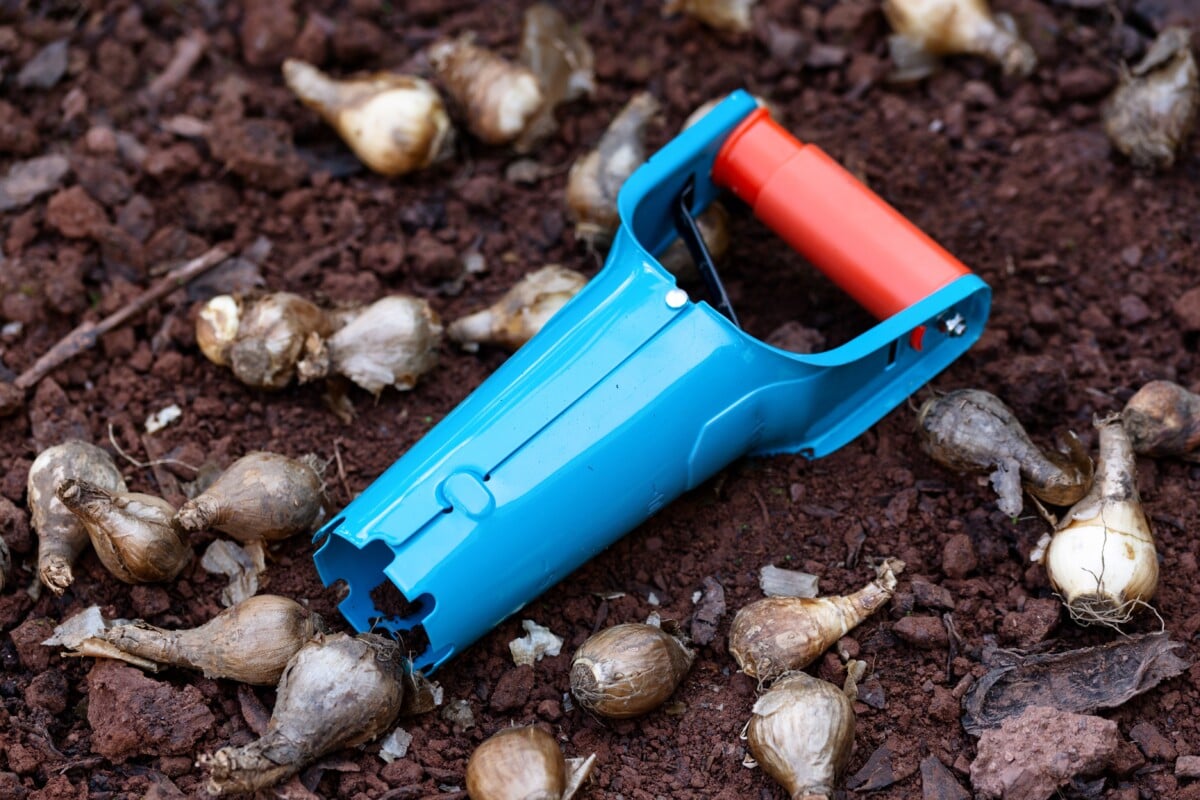
These hand tools were developed specifically to cut and remove a core of earth to the correct depth, so that you can then poke a bulb into the resulting hole, then pop the plug of soil right back down on top of it. They work beautifully and make the whole job much easier. (This one is quite sturdy and will last practically forever.)
Planting Depth and Direction
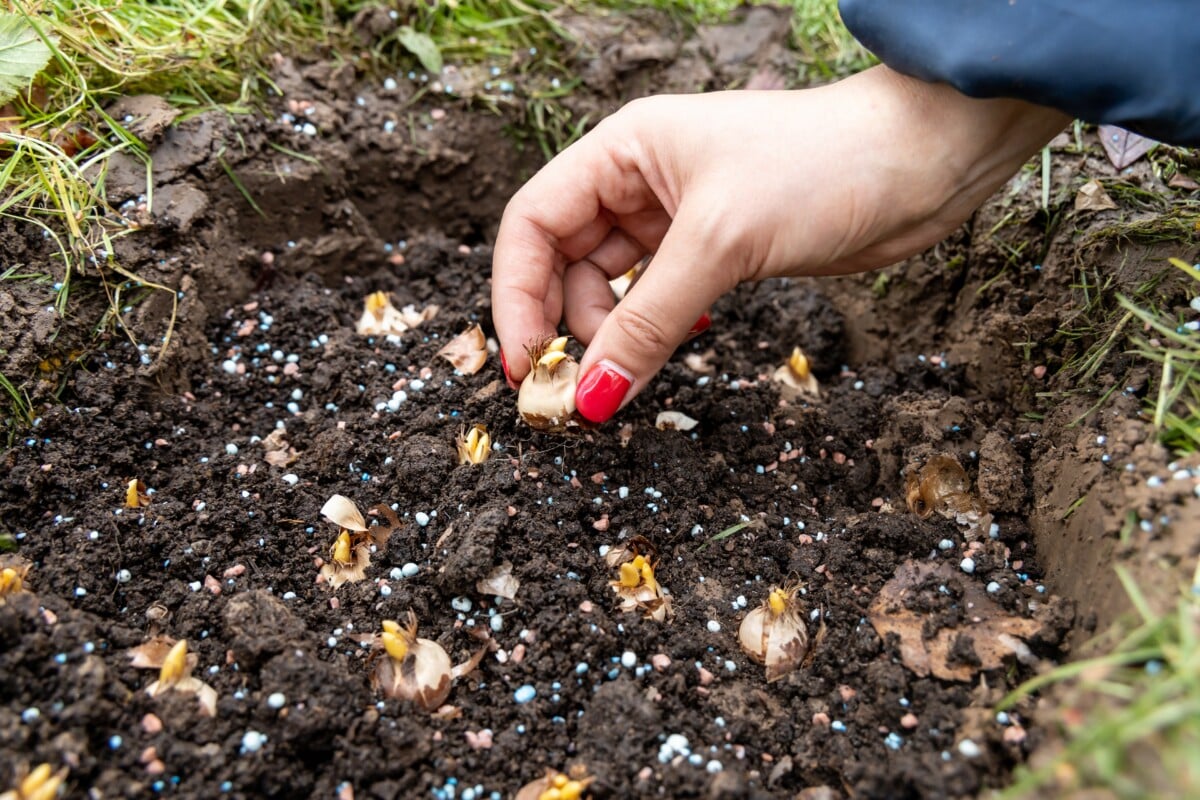
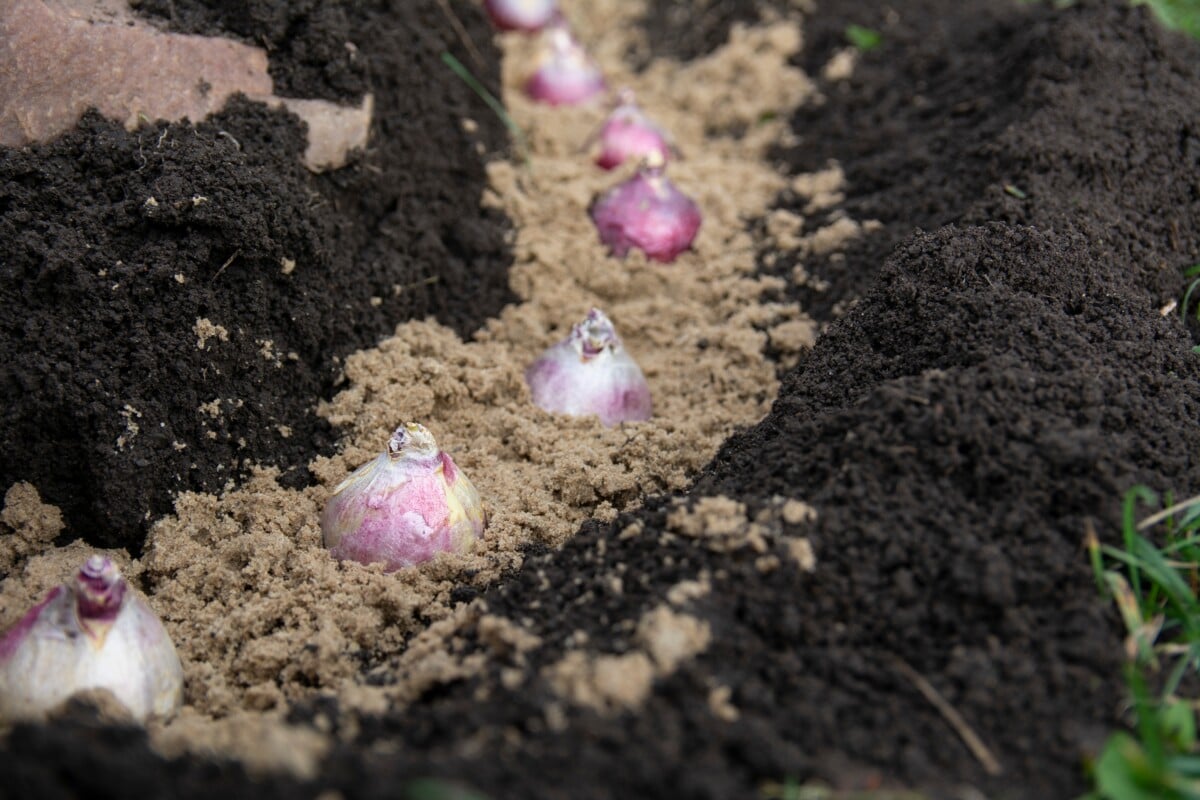
When planting bulbs, it is essential to consider their orientation within the soil. Bulbs must be planted with the roots facing down and the pointed end facing up.
Did you know that bulbs planted in the wrong direction will self-correct, slowly “crawling” their way through the soil using their roots until they are pointed in the right direction? Unfortunately, this process can take several years, which is why it’s important to plant them in the right direction in the first place.
When it comes to how deep to plant each bulb, rely on the specific planting directions that come with your bulbs. However, a good rule of thumb is to plant bulbs two to three times as deep as the bulb is tall. For instance, for a one-inch-tall Dutch Iris bulb, it should be planted two to three inches below the soil surface.
Planting bulbs at the correct depth protects them from cold damage and from being dislodged from the earth during freeze-thaw cycles in the winter.
Naturalizing Bulbs
You’ll see that many spring bulbs naturalize. This means that over time, the bulbs will spread and grow, adding even more color and scent to your yard each spring.
Now that we’ve covered the basics, let’s take a look at all the beautiful flowers available to us each spring.
Allium (Allium giganteum)
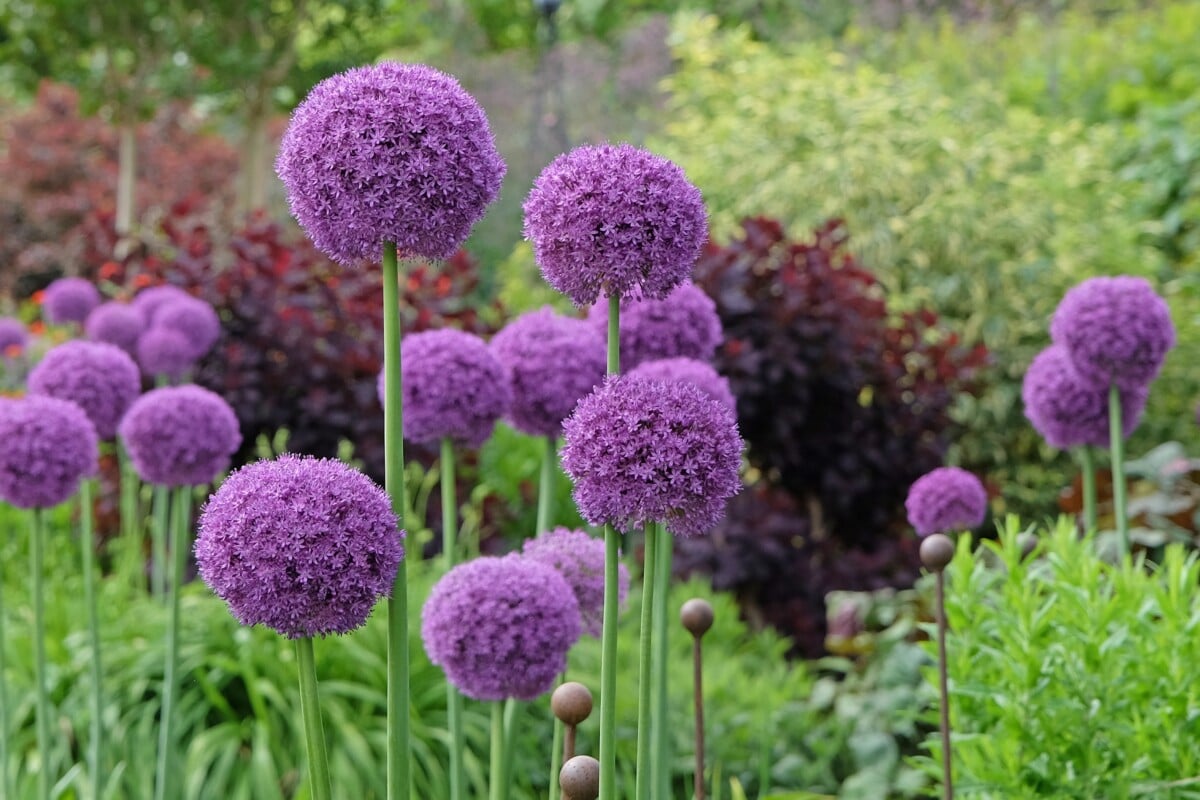
Alliums are stately and a little grandiose with their long stalks and globes of tiny flowers. They bring drama to the spring flower garden in shades of deep burgundy, cotton candy pink, cerulean blue and creamy white. They prefer full sun, and most varieties are deer-resistant. Hardy in zones 4-8.
Anemones (Anemone blanda)
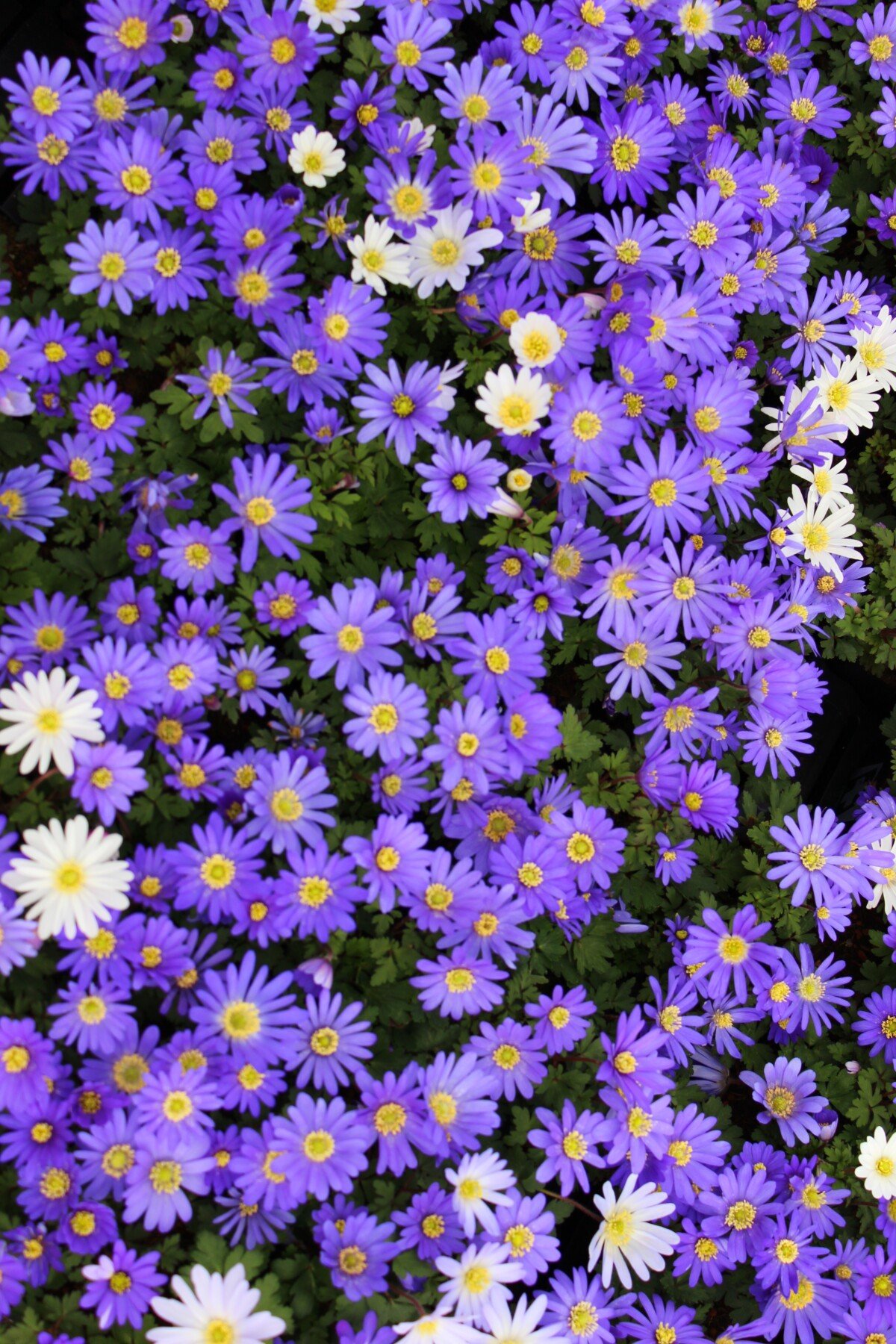
With their cheerful, daisy-like flowers in shades of pink, blue, purple, and white, anemones, or windflowers, are a welcome change from the standard daffodils, tulips, and other flowers of spring. Windflowers only reach a height of around 4”, making them perfect for color at the front of your flower beds. They’re hardy in zones 4-9 and deer-resistant. They will naturalize over time. Plant in full sun to partial shade.
Crocus (Crocus chrysanthus)
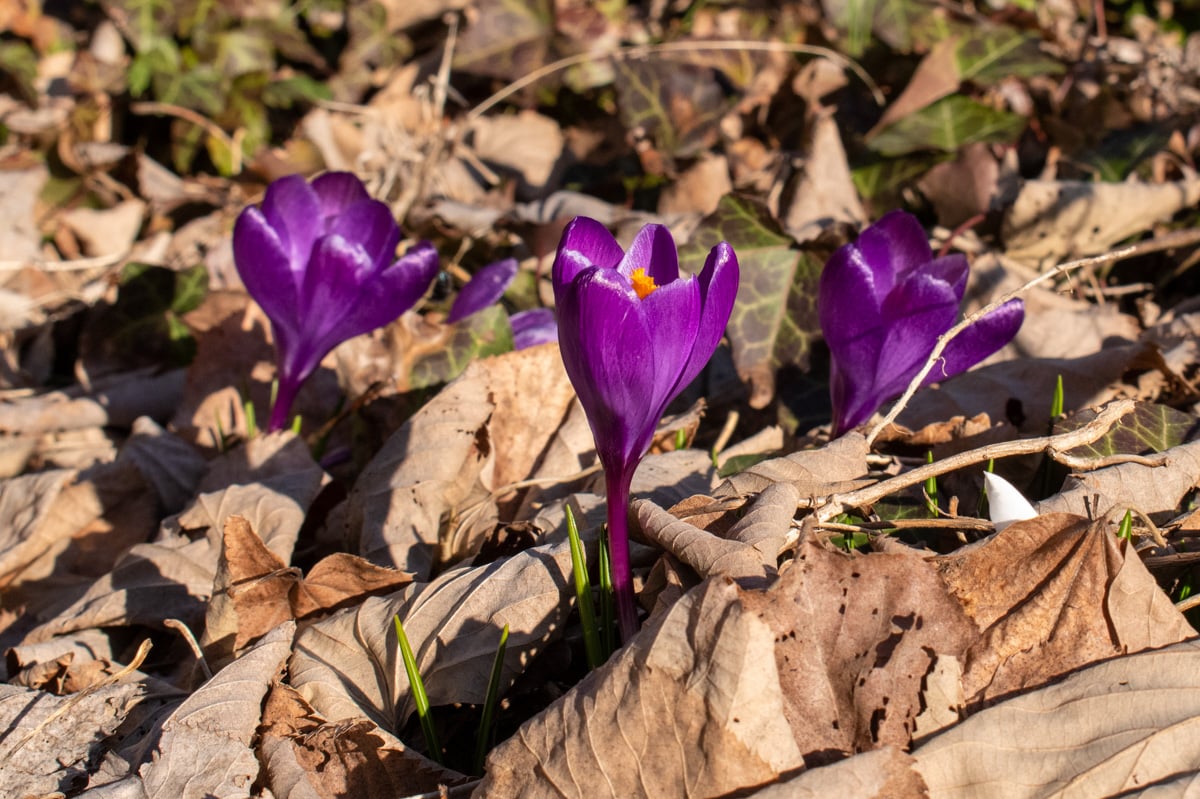
One of the earlier spring blooms to arrive on the scene, crocuses are a familiar sight to winter-weary eyes each year. With their satiny leaves and vibrant colors, you could easily plant a carpet of color this fall, ready to enjoy next spring. Crocus prefer full sun to partial shade, they naturalize and are hardy in zones 3-9.
Daffodils (Narcissus spp.)
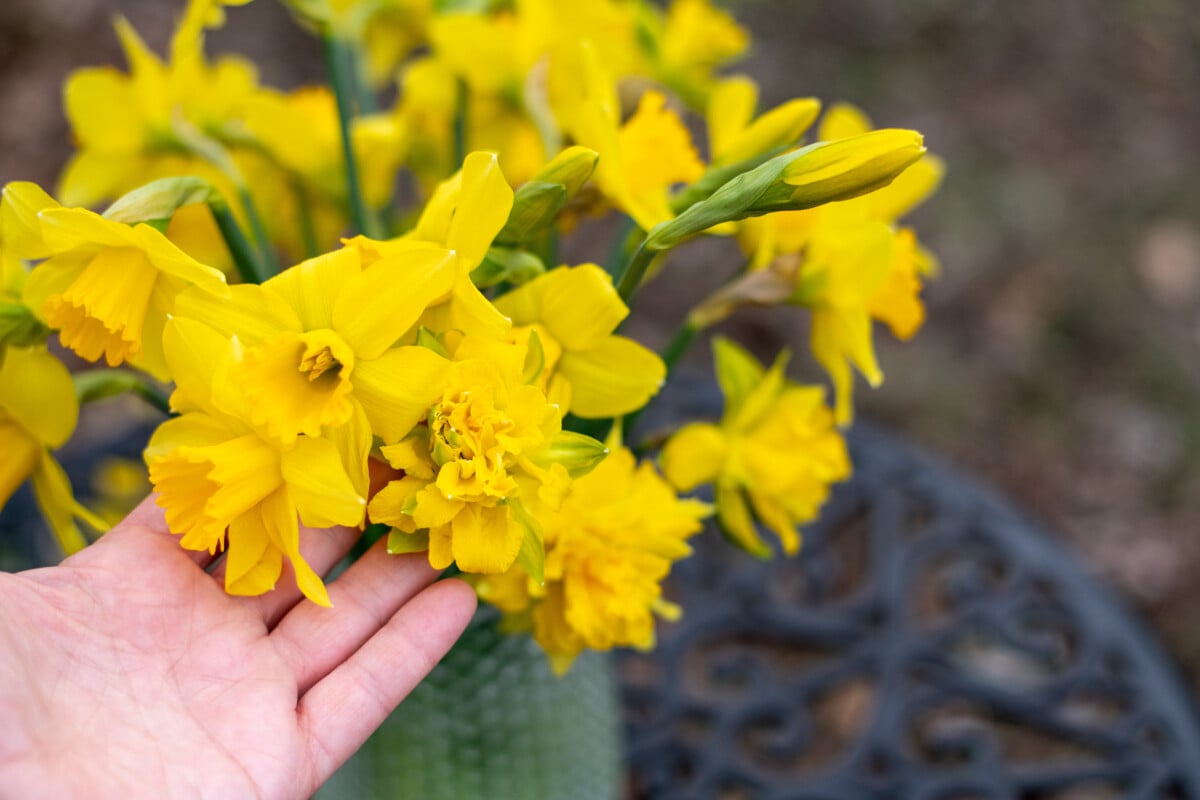
Is there really a more classic spring bloom than daffodils? I can hardly wait each spring for the bright yellow and green bouquets that grace my kitchen and living room, even while the snow still flies. Many will naturalize. These deer-resistant bulbs do best in full sun to partial shade and are hardy in zones 3-9.
Dutch Iris (Iris × hollandica)
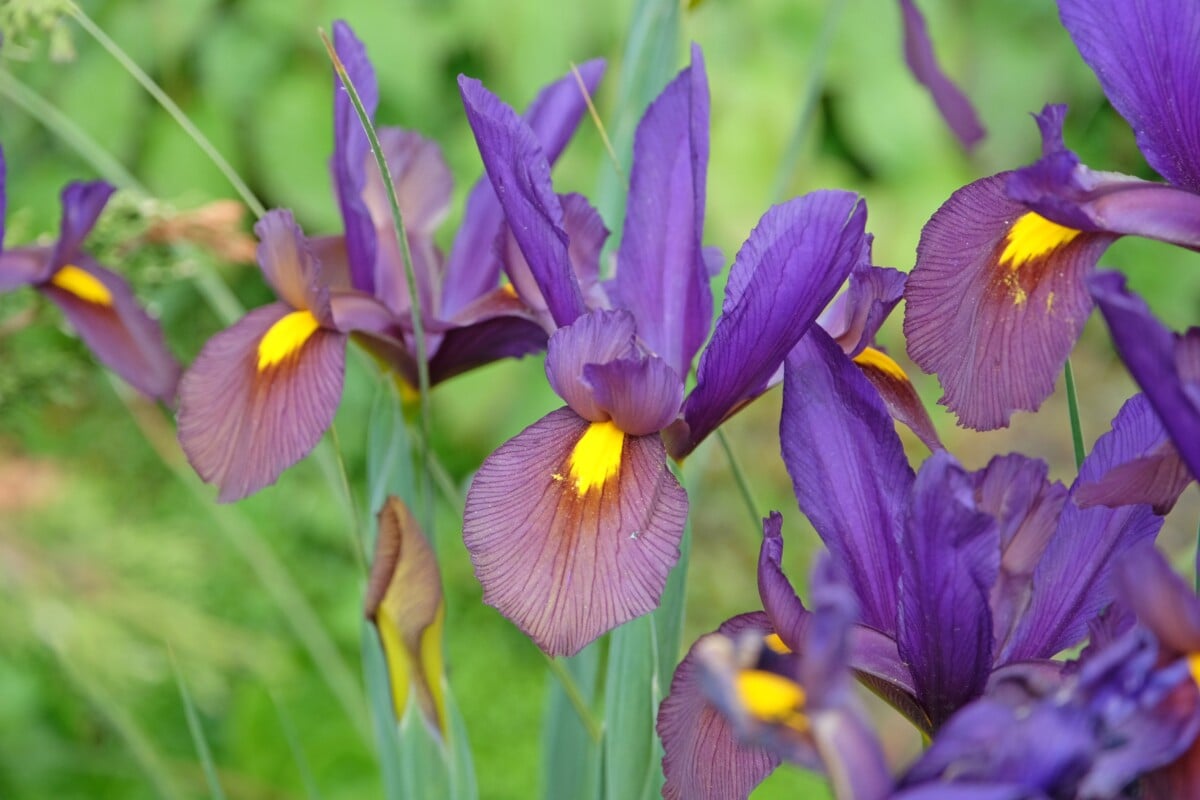
Dutch irises feature sturdy stems and elegant flowers in the classic spring hues of purple, yellow and white. They truly stun in any cut-flower arrangement and will bloom from late spring to early summer. Dutch irises are deer-resistant, hardy in zones 5-9, and do best in partial shade to full sun.
Fritillaria
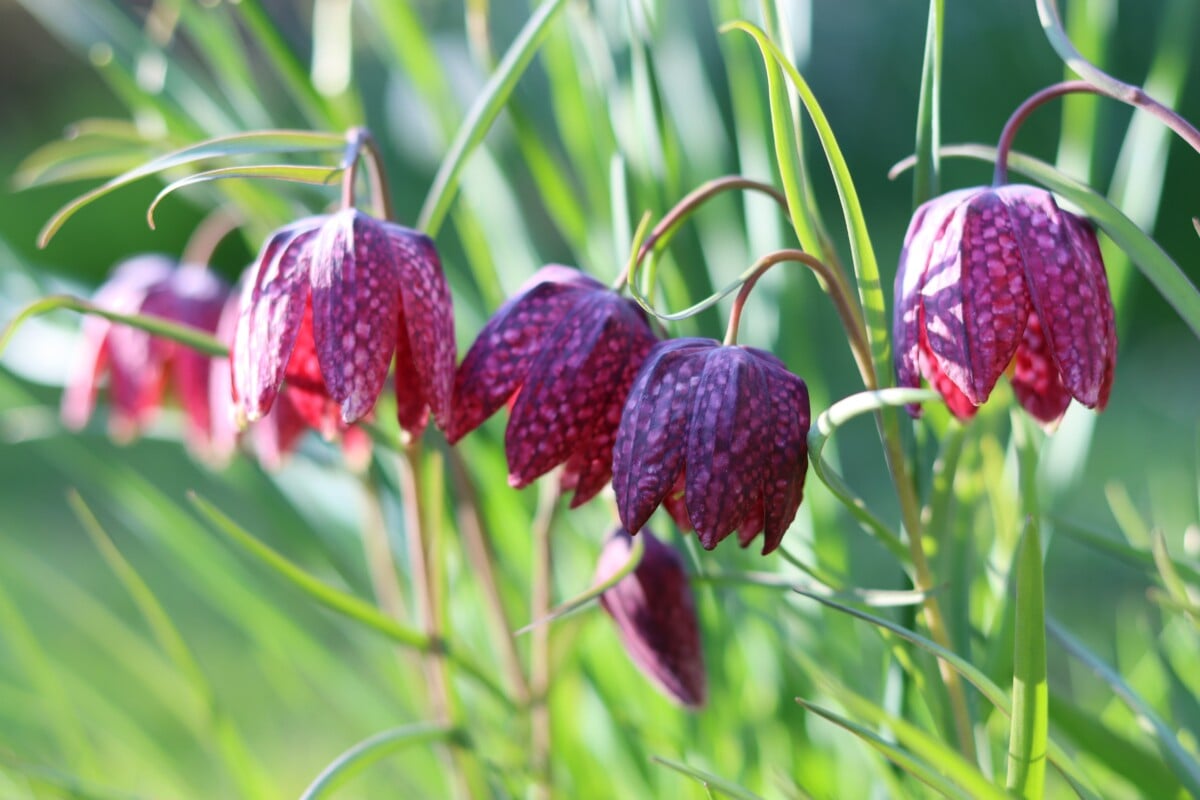
Whether you grow the checkered Guinea-hen or the Crown Imperial, fritillaria are some of the strangest and dramatic flowers you will find in your garden each spring. With drooping heads in colors of shocking yellow, red, creamy white, purple and even nearly black, fritillaria adds a touch of whimsy to every garden. Most will naturalize and are deer-resistant. They prefer partial shade to full sun and hardy in zones 4-8.
English Bluebells (Hyacinthoides non-scripta)
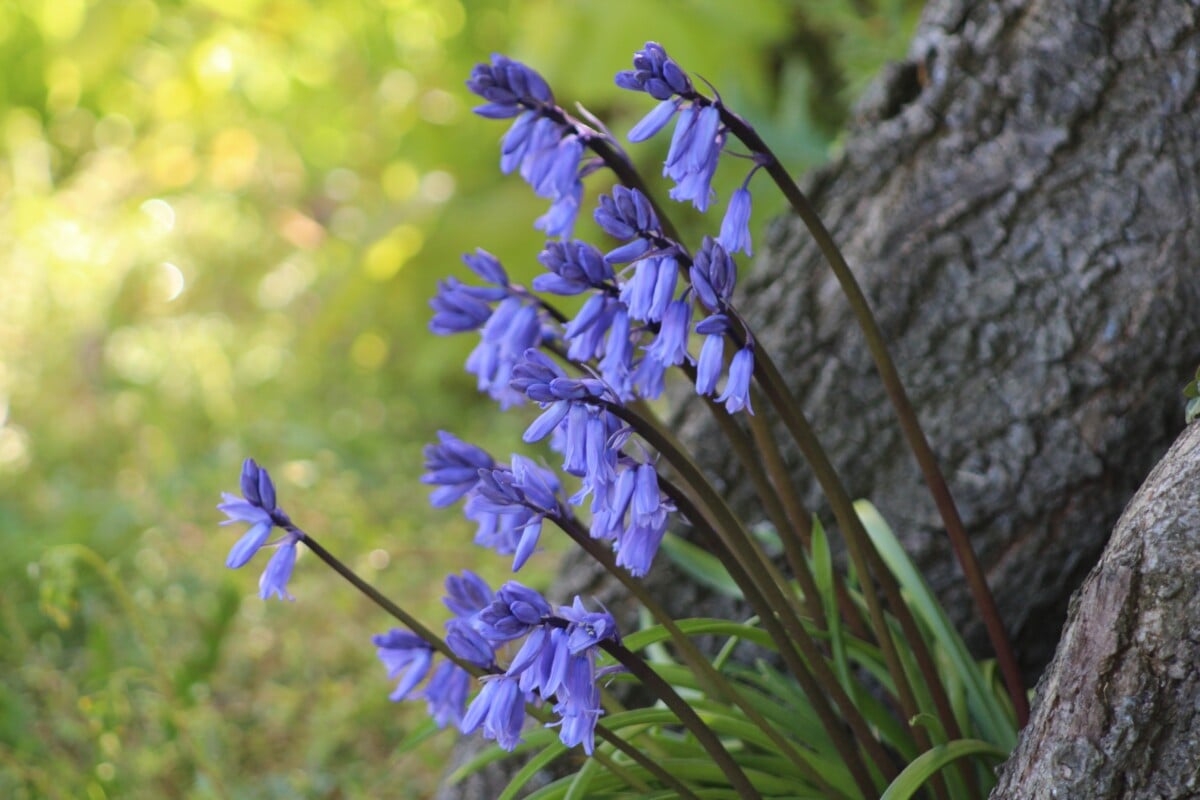
Plant a bag of English bluebell bulbs and as they grow and spread each year, you’ll find yourself walking among a mass of the loveliest sky-blue blooms you’ve ever seen. The dainty bells sit atop slender stalks emerging from a fountain of fresh green leaves. They readily naturalize and are deer-resistant. English bluebells tolerate nearly all sun situations, including full sun, partial shade, and full shade. They are hardy in zones 5-9.
Glory of the Snow (Chionodoxa spp.)
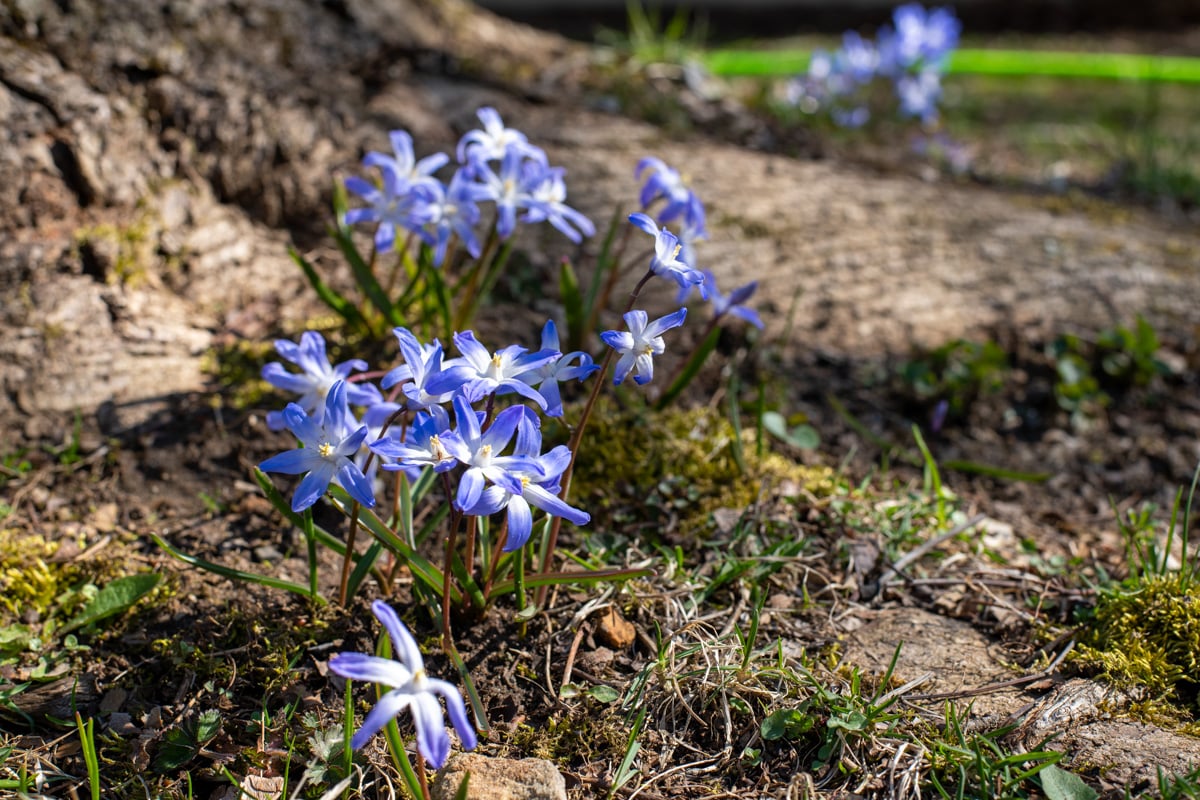
Glory of the snow is one of the earliest flowers to peak their heads out from the snow each spring. Star-shaped blue blossoms with creamy-white centers are a gorgeous backdrop among the fresh, new green of spring each year. Glory of the snow is deer-resistant and naturalizes easily. Hardy in zones 3-8.
Grape Hyacinths (Muscari)
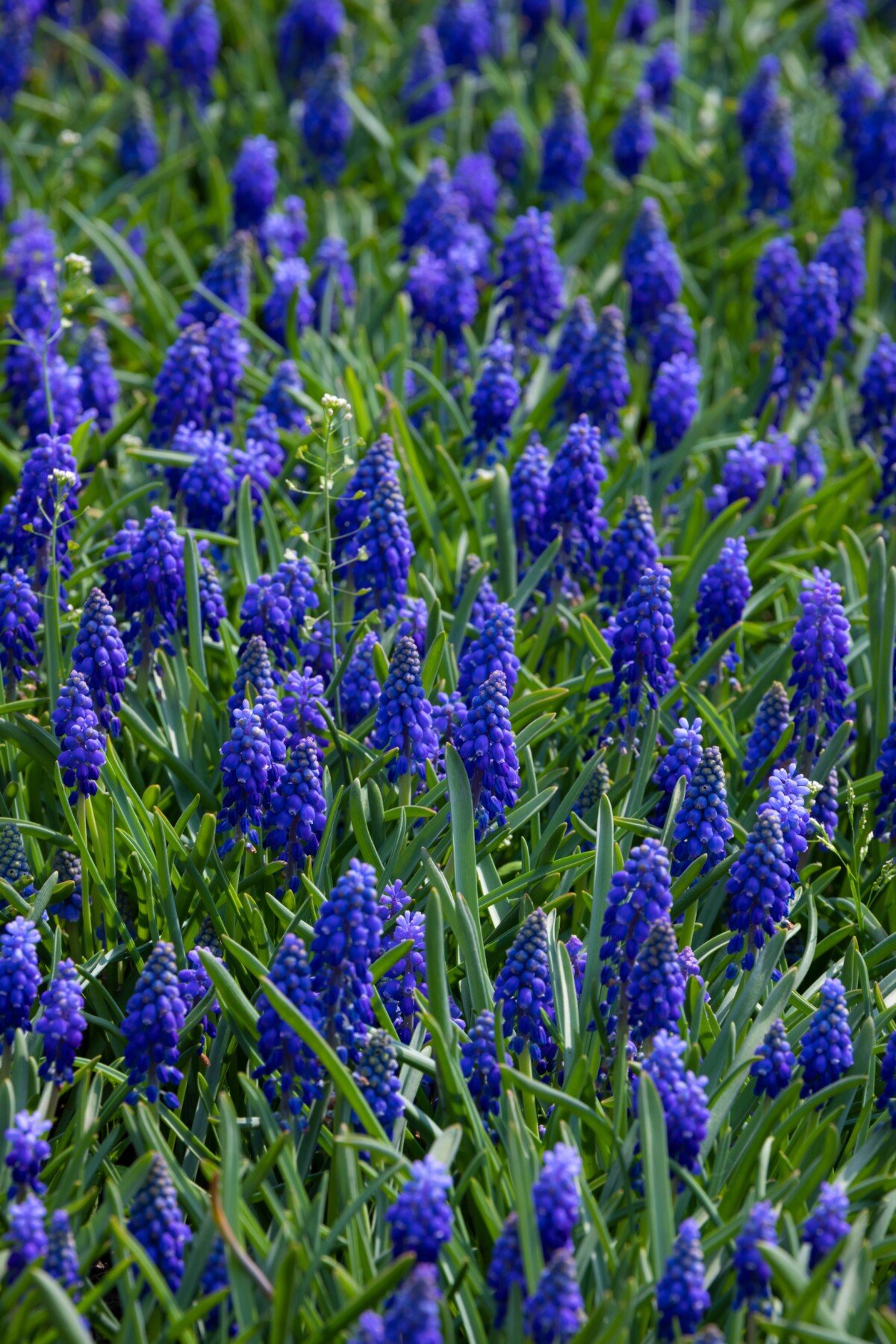
Grape hyacinths are another classic spring bloom that go hand in hand with daffodils, crocus and tulips. You can opt for the traditional purple-blue or choose shades of blue that echo the colors of denim, ranging from deep indigo to sun-faded blue. Grape hyacinths are hardy in zones 4-9, are deer-resistant, and grow in full sun to partial shade. They naturalize, spreading year to year.
Hyacinths (Hyacinth orientalis)
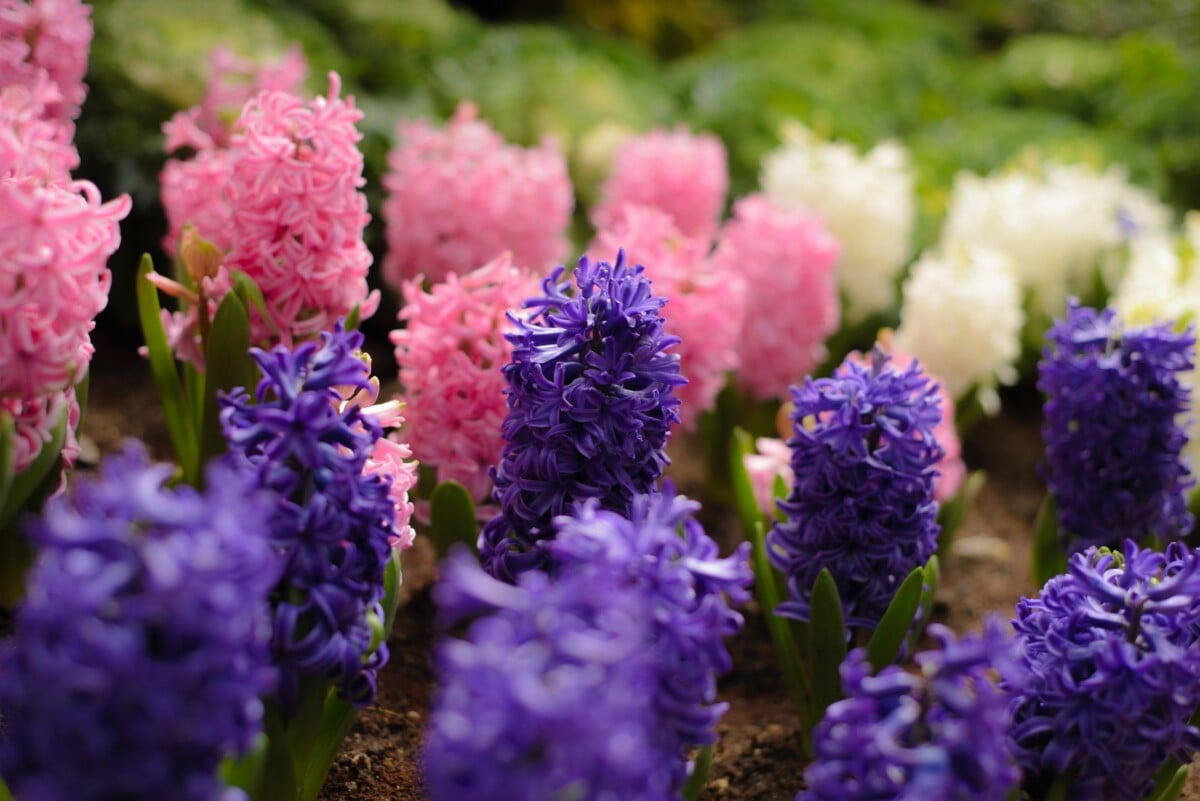
In bold primary colors or soft pastels, hyacinths have always reminded me of floral cones of soft-serve ice cream. These fragrant spring flowers were, at one point, even more popular than tulips. These sturdy spring blooms are deer-resistant and grow best in full sun to partial shade. Hyacinths are hardy in zones 4-8.
Lilies, Asiatic and Oriental
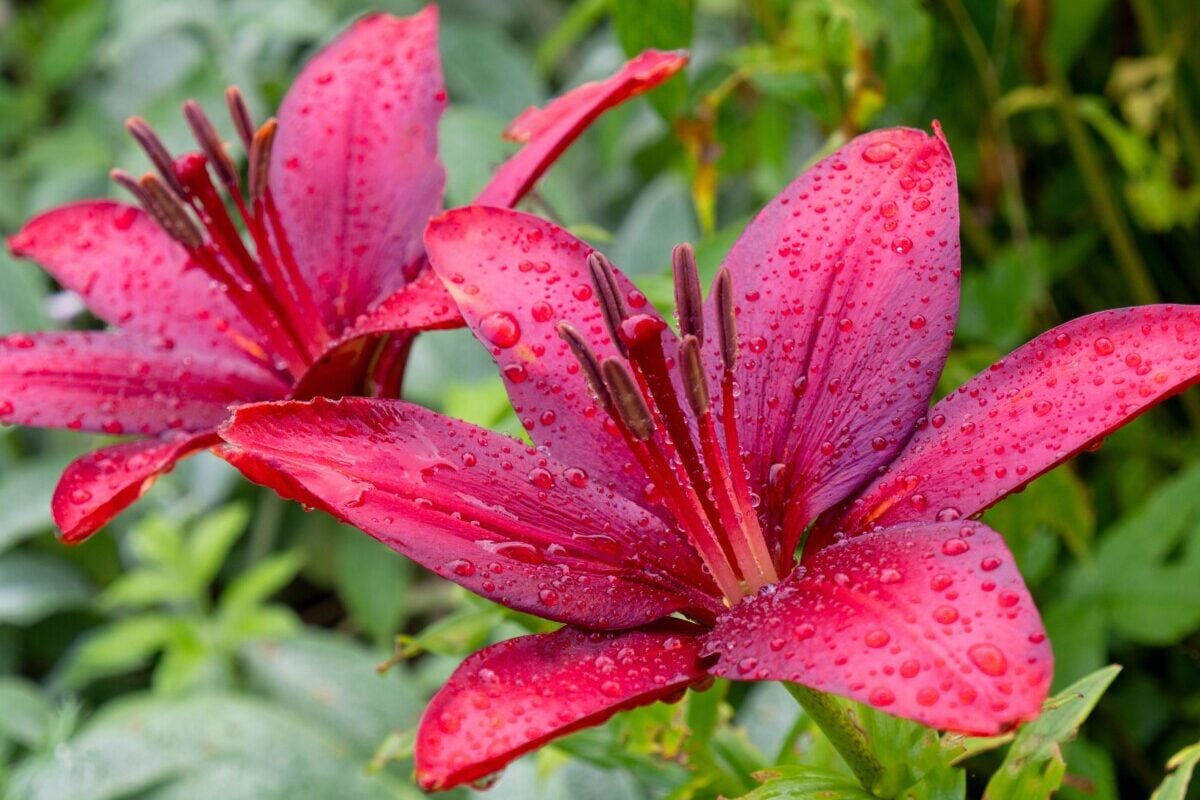
Treasured for their heady perfume and vibrant colors, it’s no wonder you rarely find a flower garden without a few lilies in it. Lilies will continue to bloom into midsummer, with their vibrant colors and fragrant scent attracting pollinators. They will naturalize over time and are hardy in zones 3-8. Plant lilies in an area that receives full sun to partial shade.
Nectaroscordum
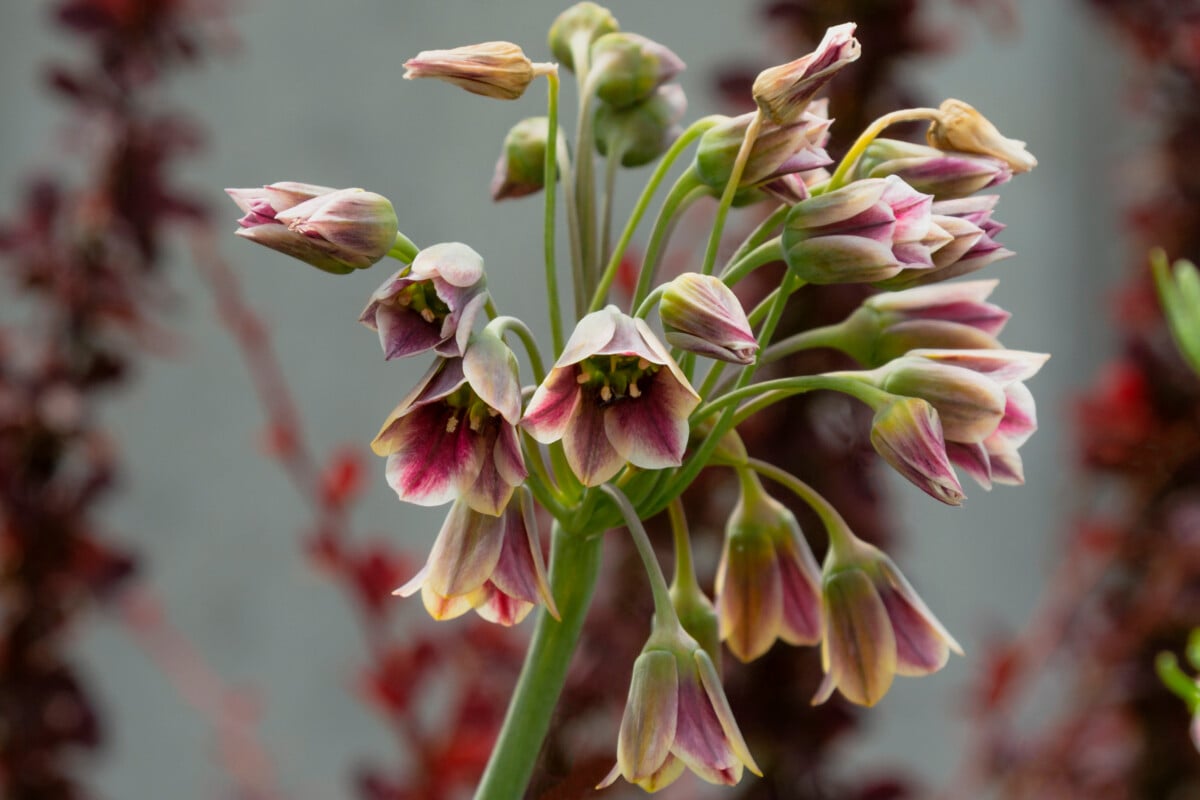
This beautiful, deer-resistant flower is also known as Honey Garlic and Sicilian Honey Lily. It makes a statuesque addition to cut-flower bouquets. The blooms appear on tall stalks with drooping, bell-shaped flowers in cream, accented with purple stripes. Nectaroscordum does best in full sun to partial shade and well-draining soil. They self-seed and will slowly naturalize if left to do so. Hardy in zones 4-10.
Ranunculus
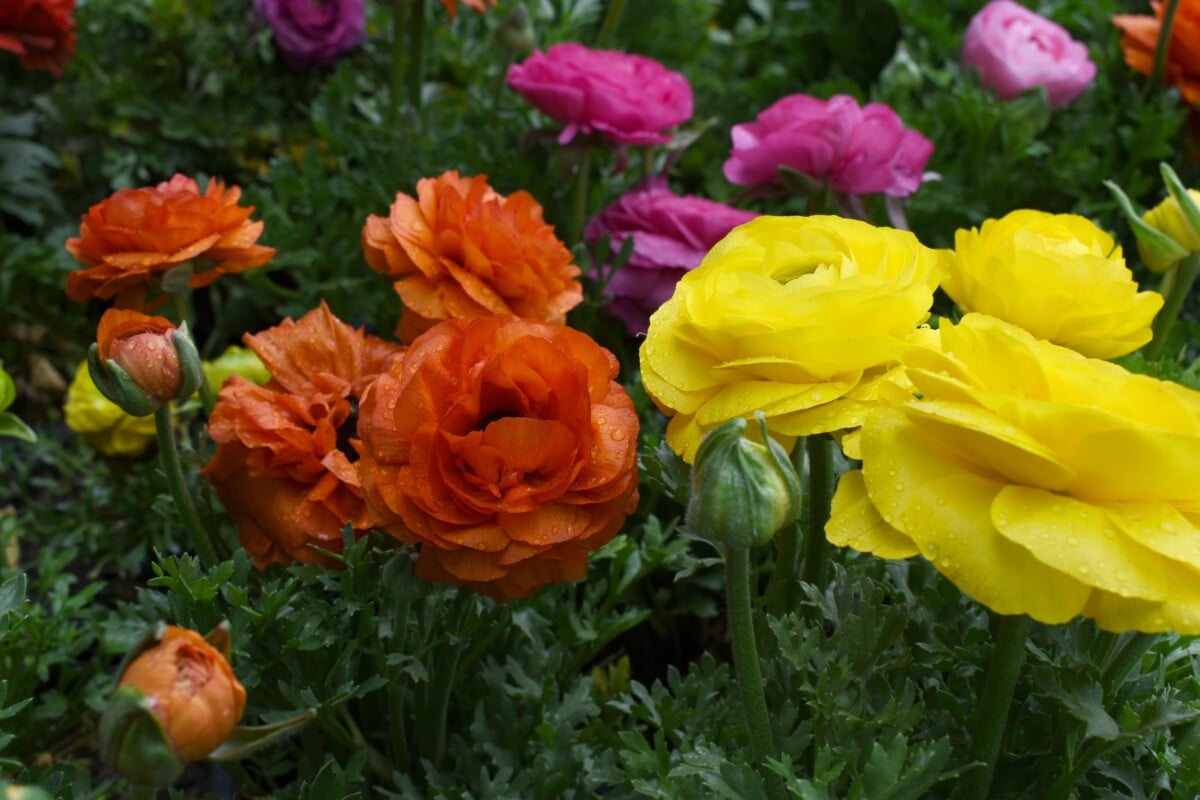
Although the hardiness range is smaller, if you live where you can grow them, ranunculus are a gorgeous addition to any spring garden. With their tightly packed petals reminiscent of roses and their fragrant scent, these flowers offer a touch of old-fashioned romance. They are deer-resistant and require full sun. Ranunculus are hardy in zones 6-9.
Reticulated Iris (Iris reticulata)
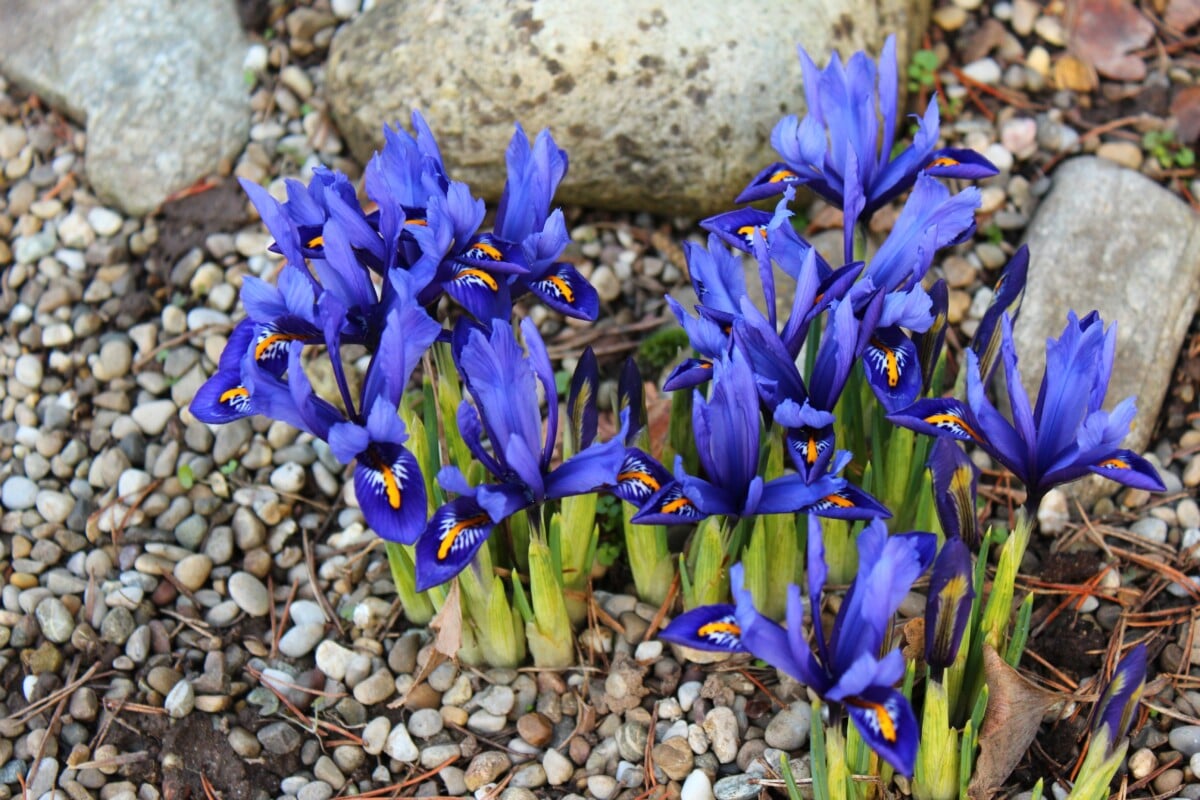
These show-stopping irises are shorter in stature than the rest of their family, which is funny considering how early they flower. Quite often, reticulated irises need to peek their heads above the snow to bloom. They thrive in full sun to partial shade, will naturalize, and are deer-resistant. Hardy in zones 4-9.
Siberian Squill (Scilla siberica)
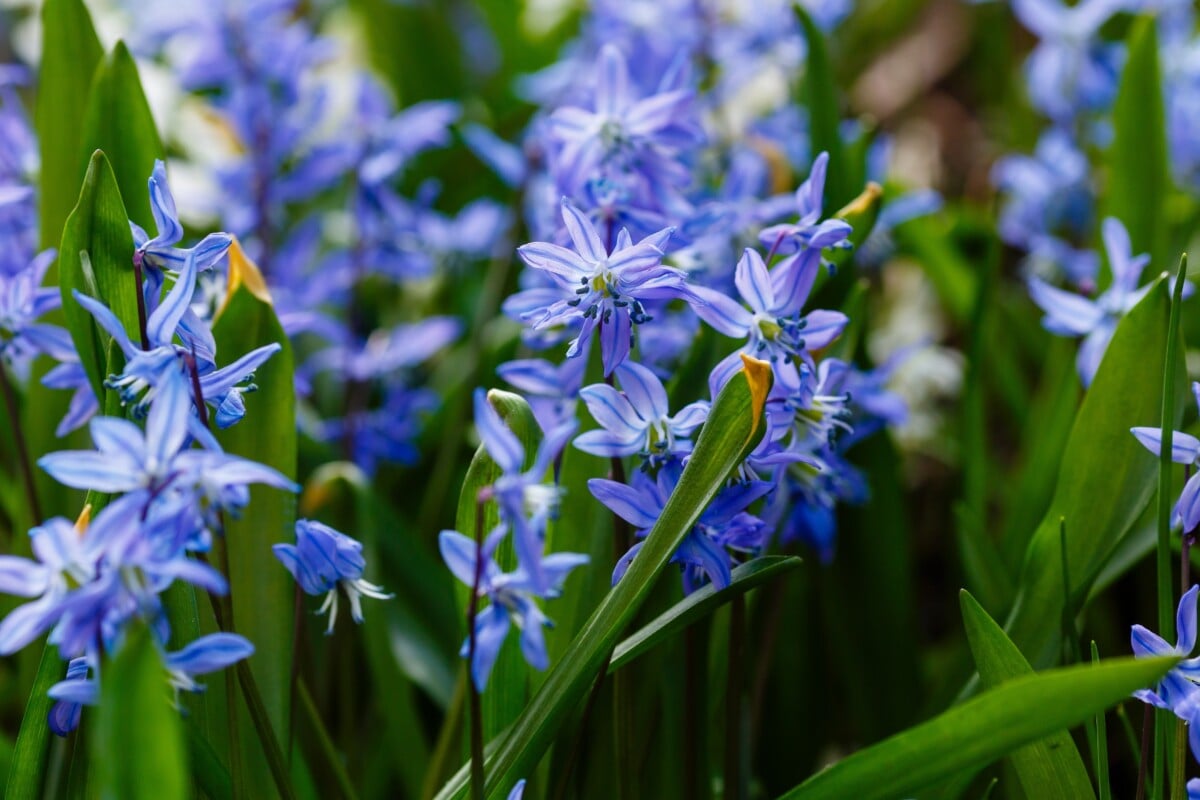
Another lovely blue spring flower that’s shorter in stature is Siberian squill. Star-shaped blossoms of the palest blue arrive on thin burgundy stalks amid green foliage. Siberian squill is another of the few spring bulbs that aren’t overly picky about light, growing in full sun to full shade and anywhere in between. The flowers have a light scent, are deer resistant, and will naturalize over time. Hardy in zones 3-9.
Snowdrops (Galanthus spp.)
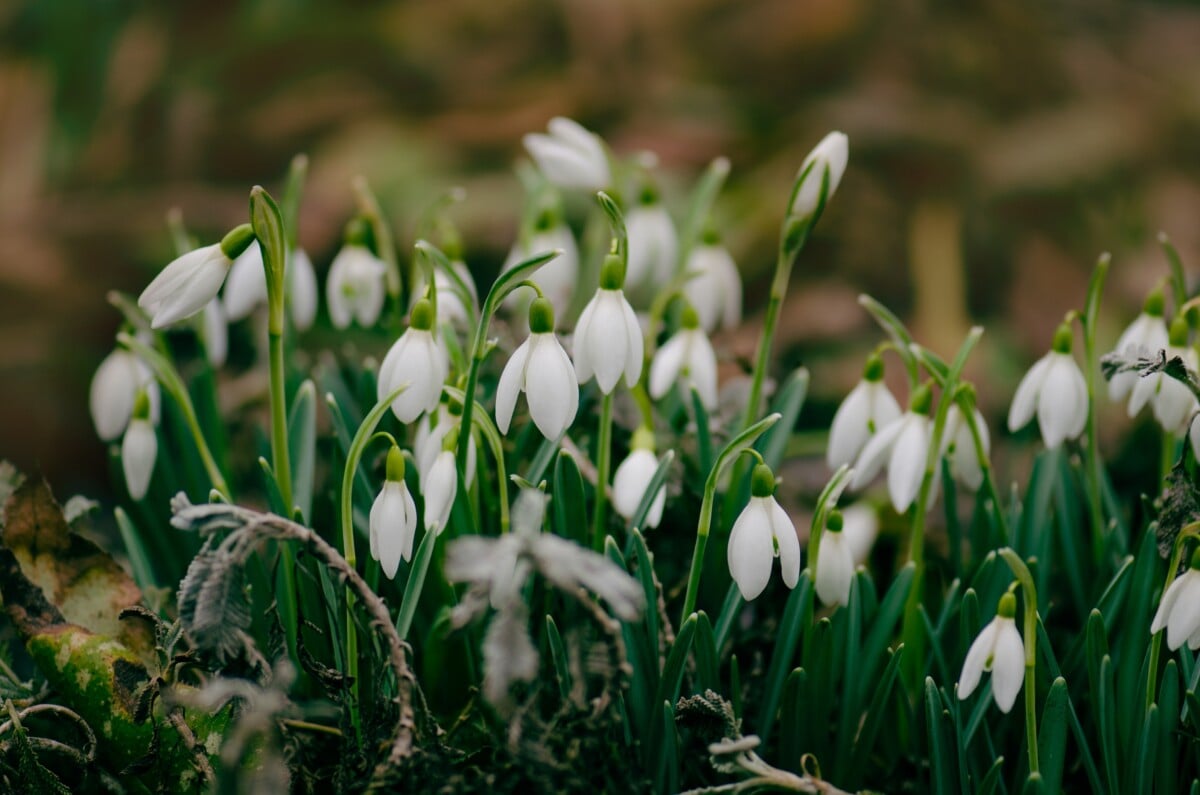
There’s something so fresh and pure about snowdrops. Even against a backdrop of the whitest snow, snowdrops appear whiter, nestled among their bed of vibrant spring-green leaves. Snowdrops are deer-resistant, incredibly hardy, and naturalize easily. Grow them in full sun to partial shade. Hardy in zones 3-9.
Spanish Bells (Hyacinthoides hispanica)
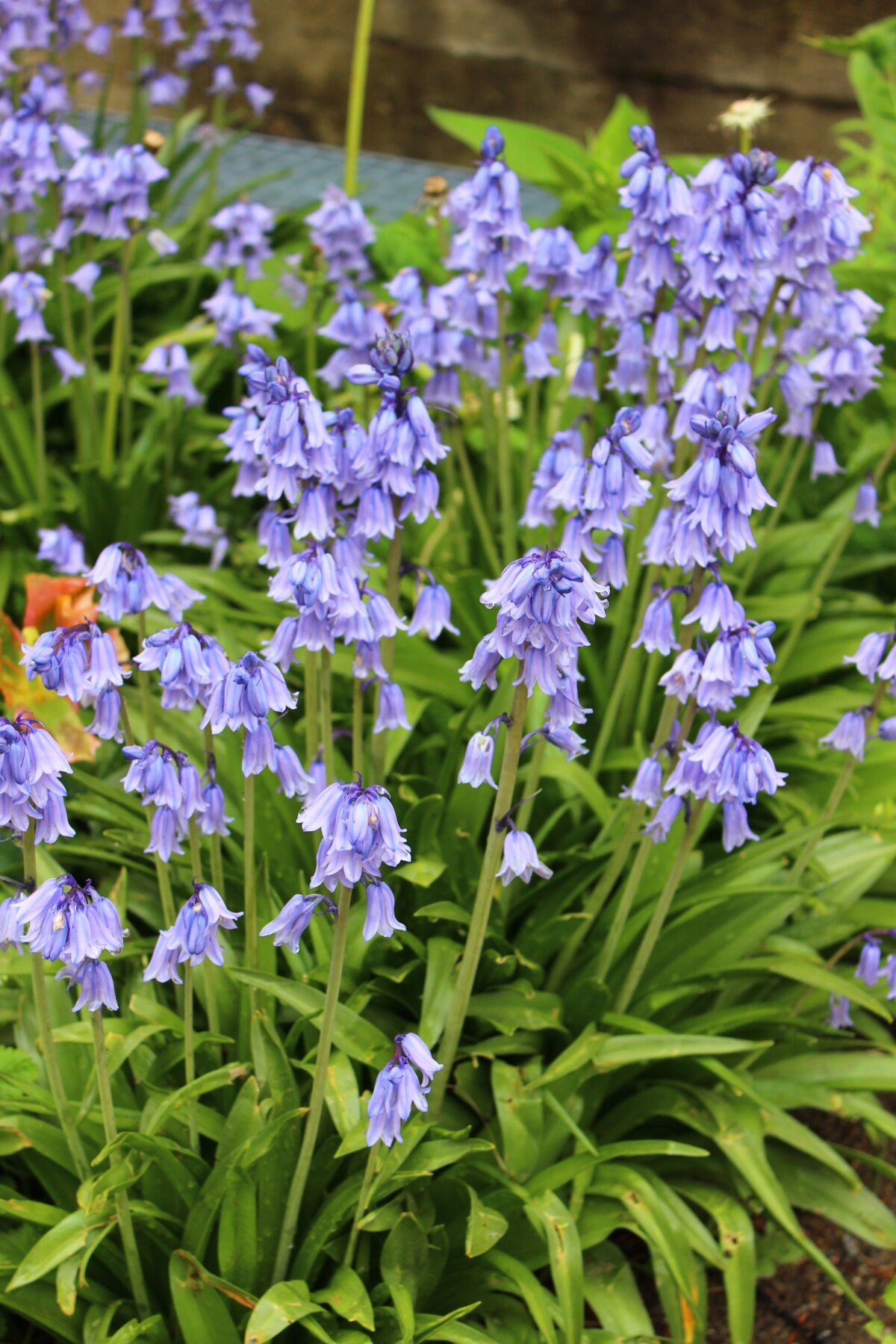
Just as their name implies, these slender stalks are decked in little bells in a creamy purple with subtle blue stripes. Spanish bells belong in every cottage garden. They’re also quite adaptable and will grow in full sun, partial shade or full shade. Like many spring bulbs, they naturalize easily and are deer-resistant. Hardy in zones 3-8.
Tulips (Tulipa spp.)
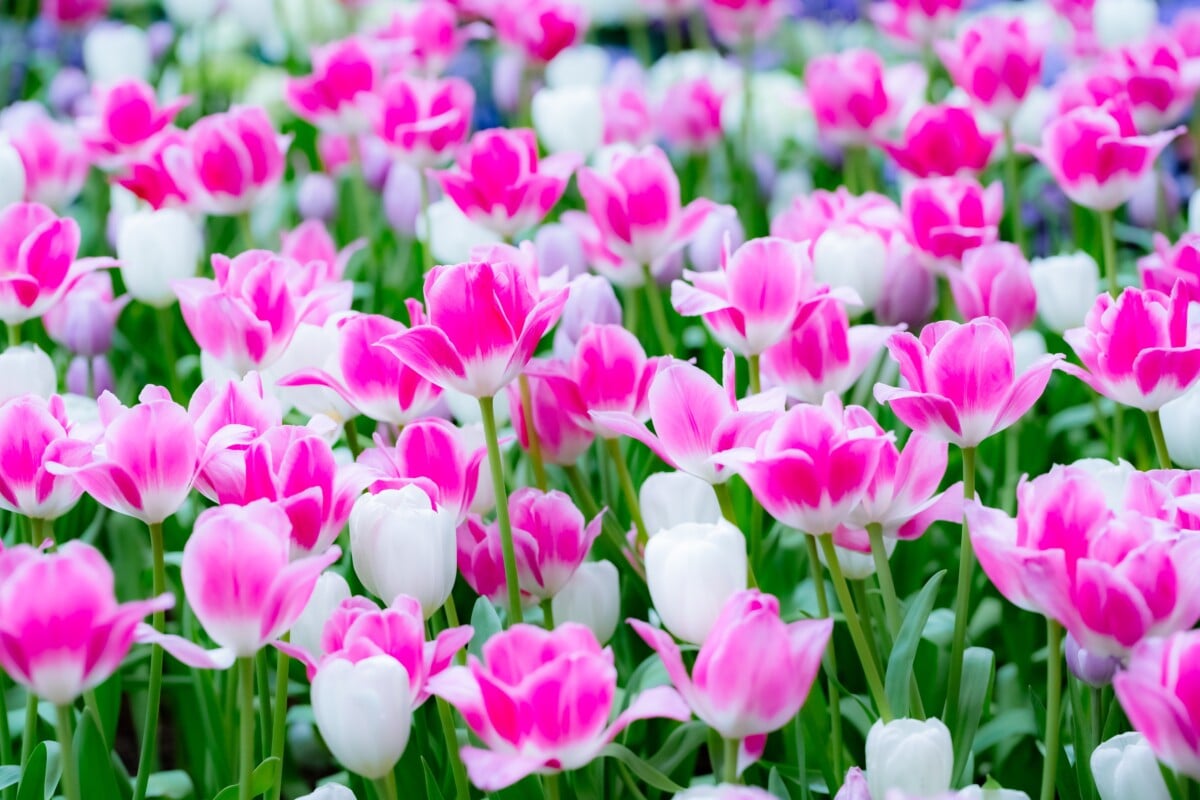
If you love variety, then tulips are the go-to spring bulb. There are far more colors, shapes and sizes of tulips than most of us have room to plant. Tulips are an essential spring bloom for the first cut-flower displays of the year. They need full sun to partial shade and are hardy in zones 3-8.
Winter Aconite (Eranthis hyemalis)
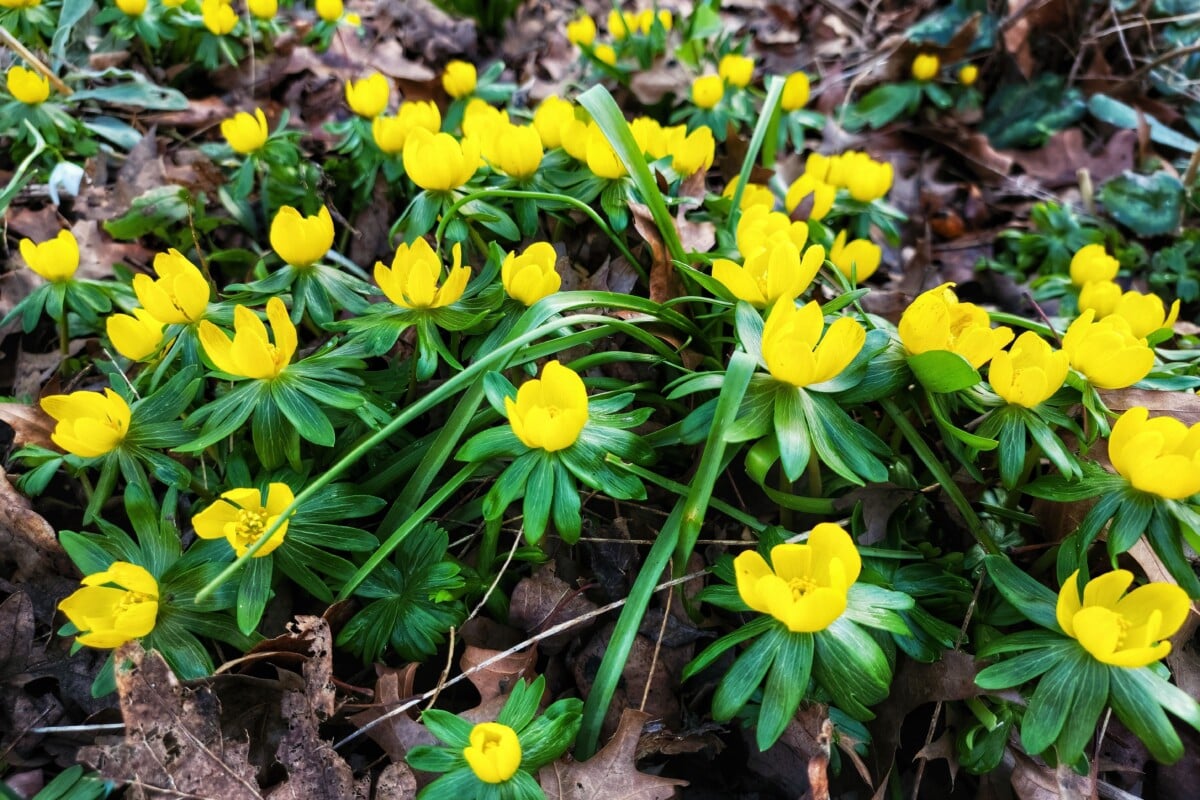
Daffodils may have the market cornered on yellow spring flowers, but winter aconite usually beats them to the punch. These cheerful yellow blooms typically appear a week or two before the daffodils. With fragrant blossoms that naturalize and are deer resistant, you’ll want to plant quite a few. Winter aconite prefers full sun to partial shade and is hardy in zones 4-7.
Get Garden Notes From Tracey, Right to Your Inbox
Pull up a chair on the front porch. Join 54,000+ gardeners who get Tracey\'s friendly notes, seasonal to-dos, and hands-on tutorials three times a week.