

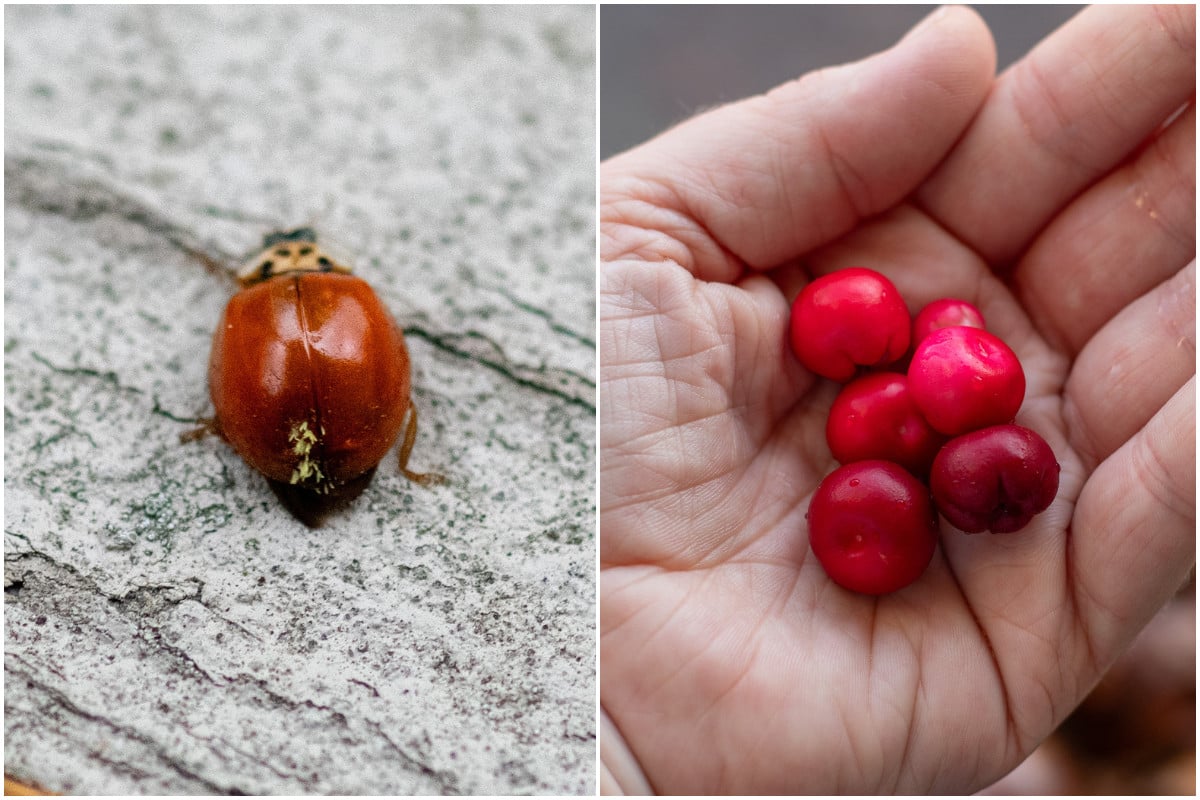
Every fall, it’s the same thing – the invasion of the ladybugs. As the days grow shorter and colder, we aren’t the only ones who prefer the comfort of the indoors. Our homes make the perfect spot for ladybugs to spend the winter, invited or not. If you’re tired of dealing with them, I’ve got some great ways to keep them from “bugging” you.
Asian Lady Beetles
As many of you already know, the little orange-domed bugs that come into our homes each year are not native ladybugs. (Or lady beetles, ladybirds or whatever you prefer to call them.) These little guys are from Asia, and although they are considered invasive, they provide the same beneficial insect services as our native ladybugs.
It seems that the only true bad thing about them is that they are, in fact, slowly outcompeting our charming red and pink native ladybugs, which is a shame.
Weird Yellow Fuzz?
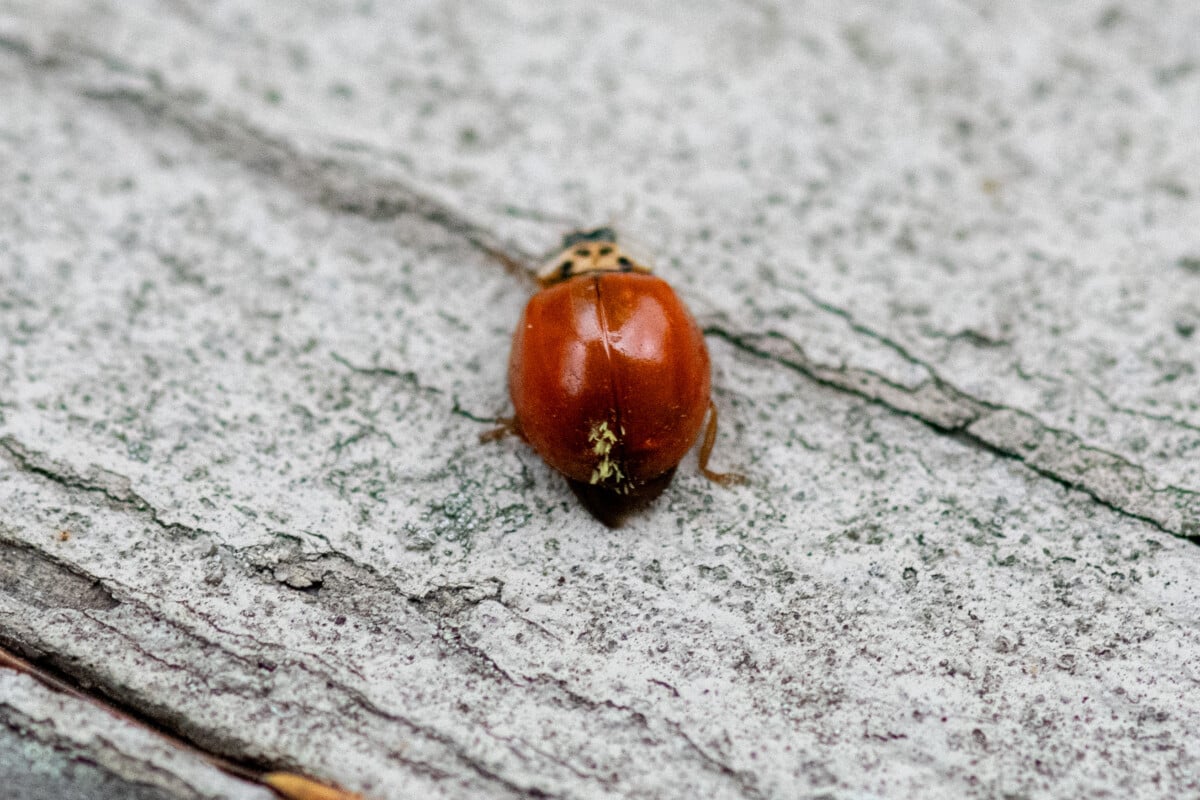
If you look closely, you might see that the ladybugs in your home have a weird yellow fuzz on their bums. It’s actually a fungus that spreads among ladybugs, called a Laboulbeniales fungus. It’s harmless to us and usually harmless to the ladybugs.
Do they bite?
This is a common question when it comes to ladybugs. And it’s kind of a funny answer. No, they don’t bite because they don’t have teeth.
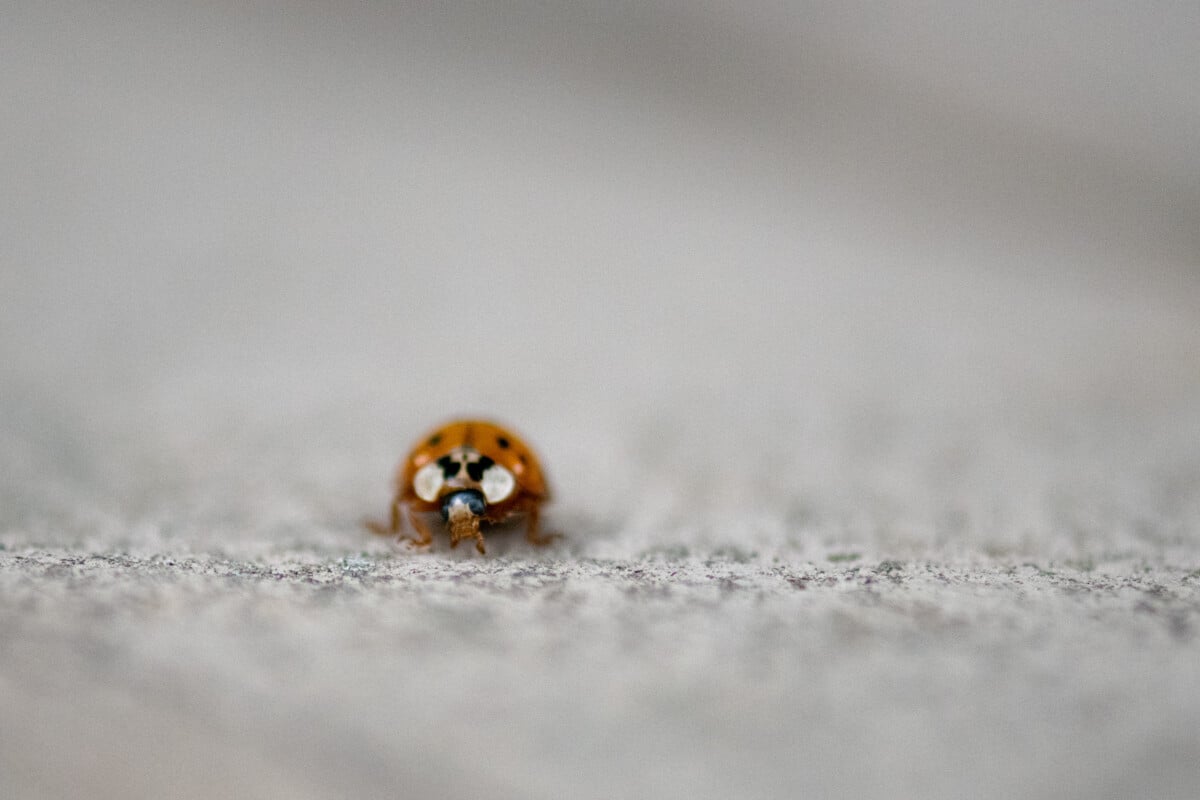
They do, however, have little pincers and can give you a good pinch.
It smarts, but it’s harmless. They have no venom, and they don’t “sting.” Pinching you is one of the few ways they can defend themselves when some giant human picks them up.
The other defense mechanism is, in my opinion, worse.
You know what I love in the winter? Snuggling into my warm, fuzzy flannel sheets, turning the light off and moments later having a ladybug land on my face in the dark. The immediate Muppet-flail that happens as I try to brush it from my face inevitably results in my hands, my hair or my pillowcase smelling like stinky ladybug butt.
So much for a long winter’s nap.
If you’ve ever surprised a ladybug or squashed one, you know they stink to high heaven. They release a seriously potent liquid as a defense mechanism. For such a tiny little thing, they sure do make a big stink. Lucky for us, that whole smell-as-a-defense mechanism is a two-way street. But we’ll get to that soon enough.
Diapause
Speaking of nighttime freakouts and Muppet-flails, have you ever noticed how ladybugs seem a little…well, drunk when they fly around your home in the winter?
That’s because they’re technically hibernating. This haphazard way of getting around is their way of conserving energy during the colder months. It’s kind of like me bumping around my kitchen in the morning before I’ve had my coffee.
Insect hibernation is called diapause.
Diapause is also the reason that you’ll see an uptick in indoor ladybug activity on warm, sunny days. The bugs assume spring is here and start becoming more active, that is, until it gets cold again, and then it’s back to landing on faces in the dark.
Cohabiting with these little wintertime freeloaders can be a real headache. So, let’s look at some easy ways you can evict ladybugs from your home. Like most pest issues, the best way to deal with them is to employ multiple tactics. For the best results, use several of these methods together, and you’ll have fewer ladybugs in your home this winter.
Fix Screens and Seal Up Your Home
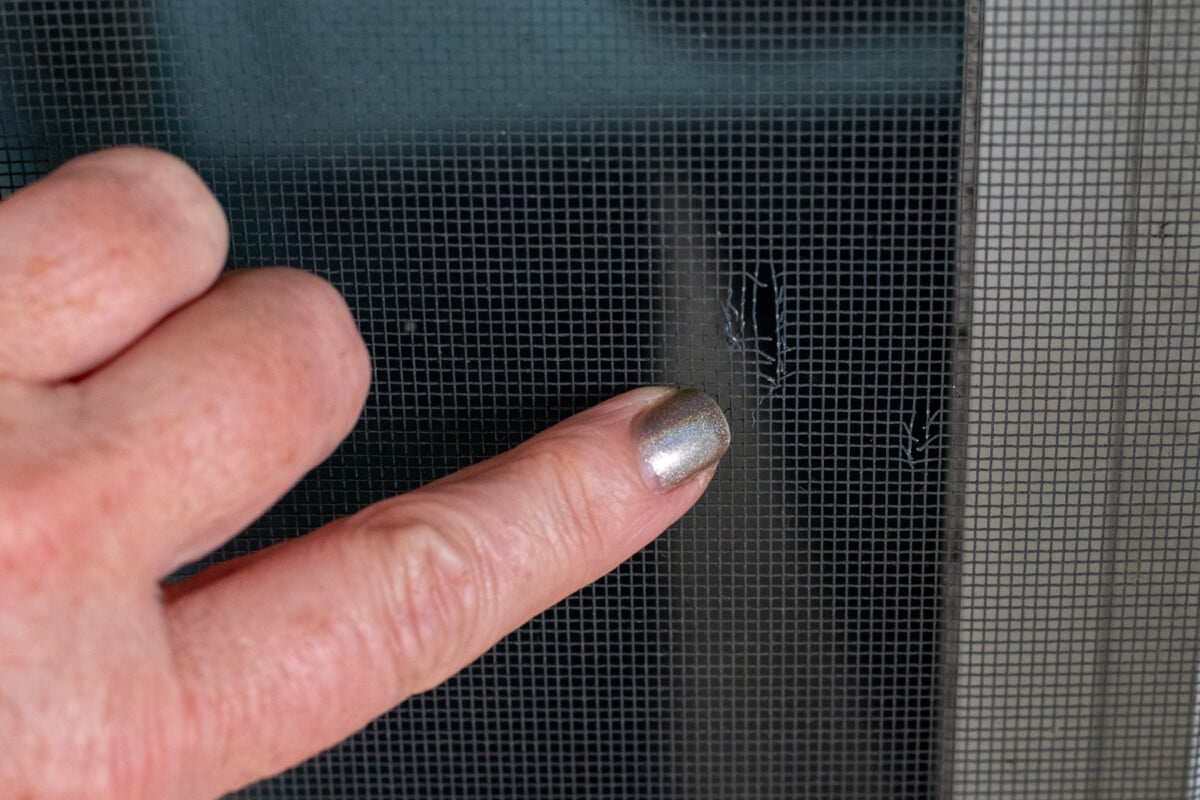
A great way to deal with ladybugs is to keep them from getting inside your home in the first place. In the fall, be sure to repair torn window screens. Check for gaps around windows and doors where bugs can enter and seal them with caulk.
This is easier said than done in older homes. It’s an uphill battle, but if you seal up every tiny entry point as you find it, it will make a difference over time. Likewise, it will make your home more energy efficient as you make it bug-impermeable.
On to what to do once they’ve made their way indoors.
Let Them Be
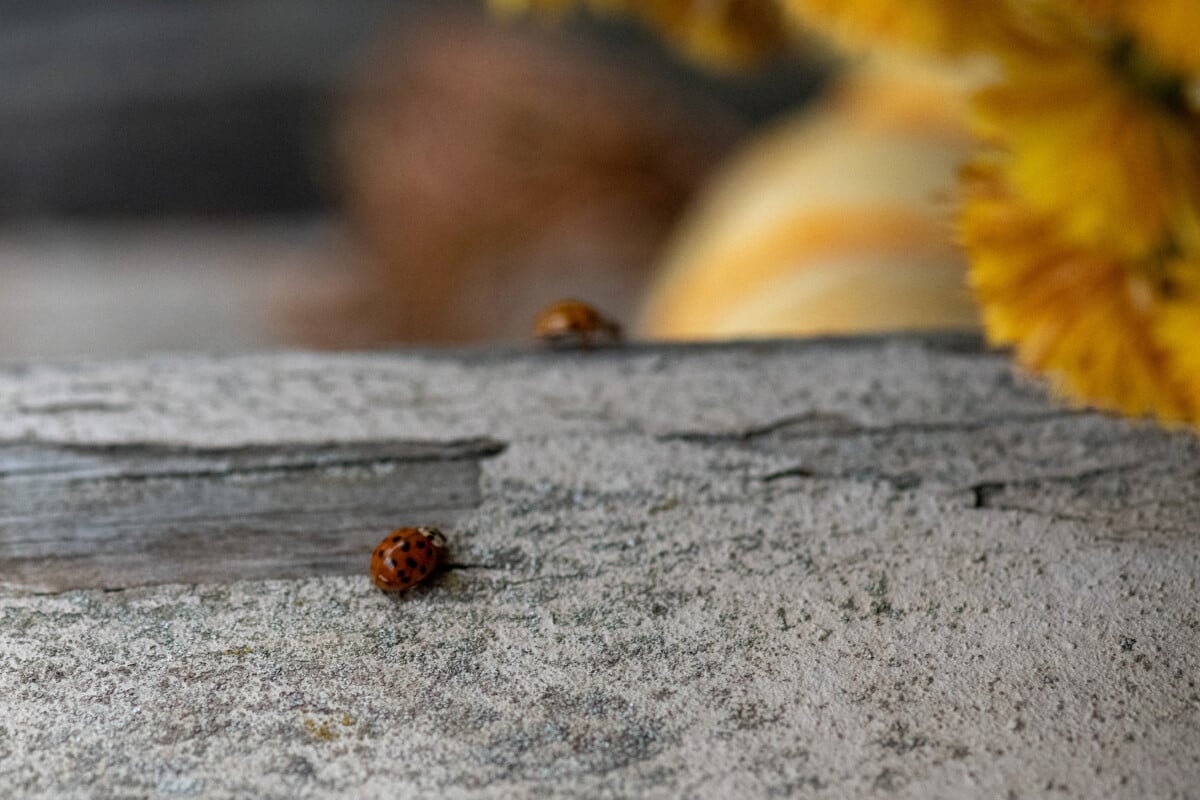
Okay, I know, it’s not the answer for everyone. But if it’s less of an invasion and more like a tiny trespass, this might be the easiest option for both of you.
I live in an old house. It’s impossible to seal every nook and cranny, so there are invariably ladybugs each winter, but not so many as to be a huge problem. Other than the occasional nighttime freak out when one lands on my face, they really don’t bother me. So, I don’t bother them.
Vacuum Cleaner
I’m putting this one right up front because I always see vacuuming them up listed as a great way to get rid of them. I disagree. Save this option for when you’re desperate!
Sure, you can suck up ladybugs with your vacuum. It’s easy. But it leads to a couple of problems.
First, it’s a lot of wandering from window to window, spotting and sucking up individual ladybugs. The moment your back is turned, more come crawling out of the woodwork. It’s a job that never seems to end.
The other issue is the smell.
As we already learned, ladybugs secrete a highly potent fluid when they are under threat. As you can imagine, nothing says ‘under threat’ more than being sucked up into a noisy vacuum cleaner.
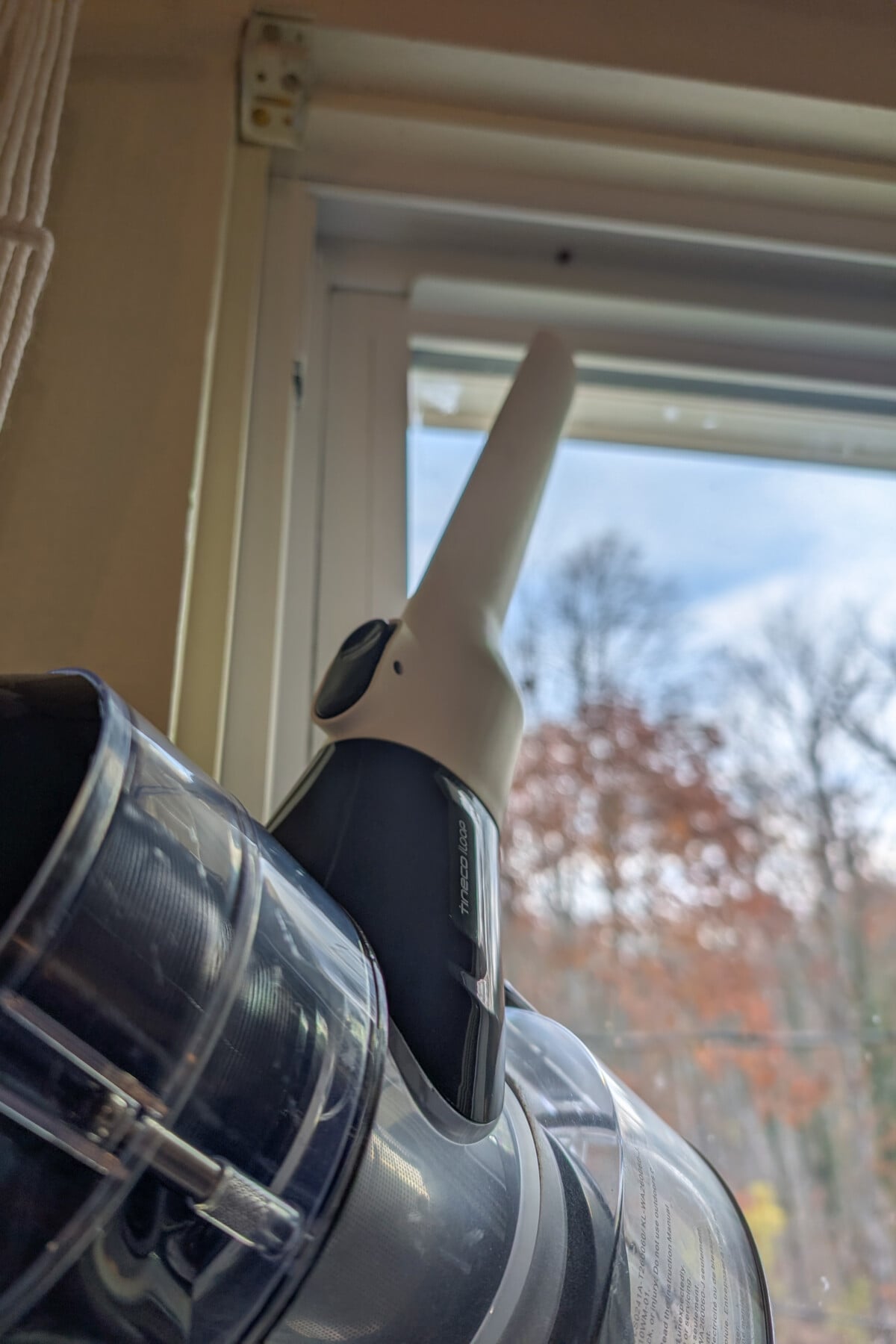
In the end, your vacuum cleaner hose smells like that ladybug butt funk, and if you have a bagless vacuum, so does the canister.
It can be difficult to clean both thoroughly. Because vacuums heat up when in use and have an exhaust, every time you use your cleaner, it will blow that smell throughout your house. I, unfortunately, know this from experience. (It got so bad that I ended up replacing the vacuum cleaner.)
Use your vacuum as a last resort, and be prepared to clean the hose and canister thoroughly immediately after. If you have a small stick vacuum, these are great for this task and much easier to clean.
Remember how I mentioned that ladybugs use smell as a defense? We can also use it as an offense. They are highly averse to strong scents. So, use that to your advantage.
Sticky Fly Ribbons
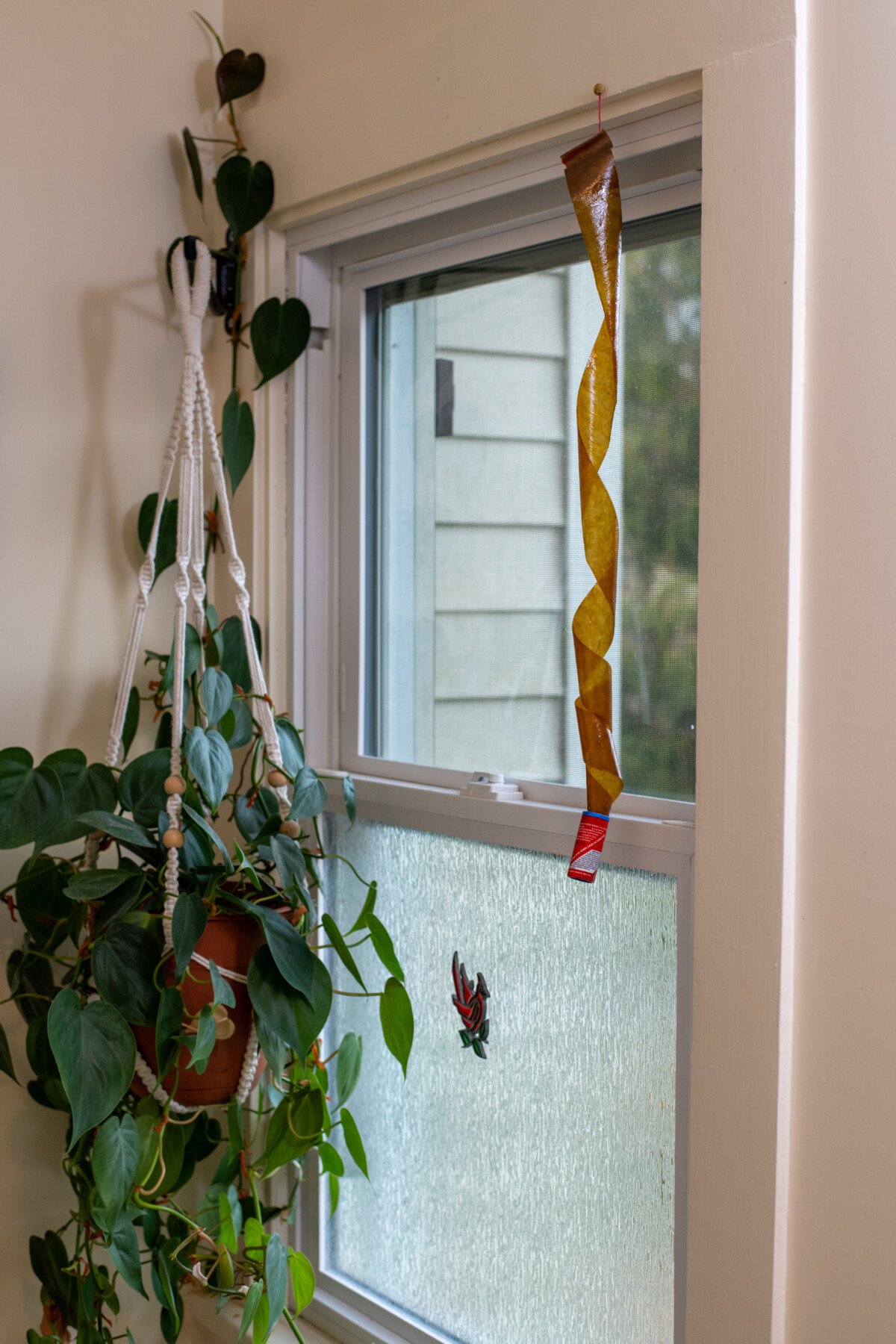
We’ll start with fly ribbons, whose sticky-sweet smell attracts ladybugs. There’s a reason these things have been around forever – they work. Granted, they work best when used in tandem with a few of these other methods.
As they aren’t exactly a charming addition to your décor, I suggest hanging these in your attic, especially near the windows, or in other areas with windows that aren’t used often. (Like the sunny guest room.)
It’s important to change them regularly, even if they aren’t covered in bugs. As dust in the air collects on the strip, it loses its tackiness. Plan to change them out every other month, or more often if they collect a lot of bugs. Surface area is your friend here.
Dryer Sheets
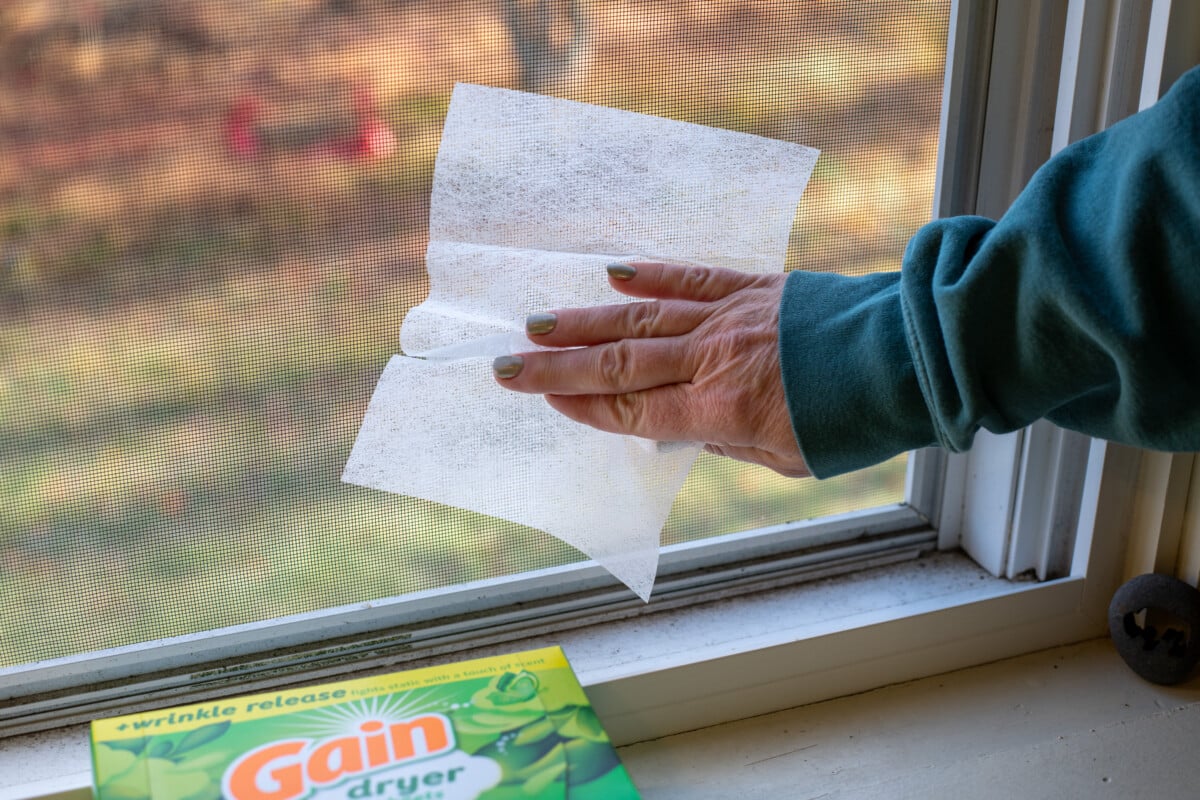
Far from attracting them, the overpowering scent of perfumed dryer sheets can help to deter the little buggers. Take a new dryer sheet and rub it all over your windowsill, the frame and the window screen. Use a new dryer sheet for each window and door. The powerful scent deters ladybugs from entering.
I highly recommend Gain dryer sheets as they are ridiculously perfumed. There’s enough scent on those things to knock a fly off a bull elephant. (My apologies if Gain is your laundry accoutrement of choice, but it’s true.)
Wintergreen Oil

Next up in your scent arsenal is wintergreen oil. This stuff is potent! Your house will smell like Christmas. Wet a cotton ball with 15-20 drops of wintergreen oil and wipe the windowsill and window frame with it. (You can buy it here.)
It’s like putting down a scented line and saying, “You shall not pass!” Gandalph-style. You can leave the cotton ball on the window sash before closing the window, and the scent will last even longer, but it will be outside doing its work instead of inside.
If you have mouse or chipmunk issues, wintergreen oil works really well for those little buggers as well. I used to live in a home where we would get chipmunks in the wall every winter. We finally bought some wintergreen oil (a whole gallon) and doused the foundation all around the house.
That did the trick. (And our poor UPS guy thought he was having a stroke every time he delivered packages because he always smelled toothpaste!)
Diatomaceous Earth
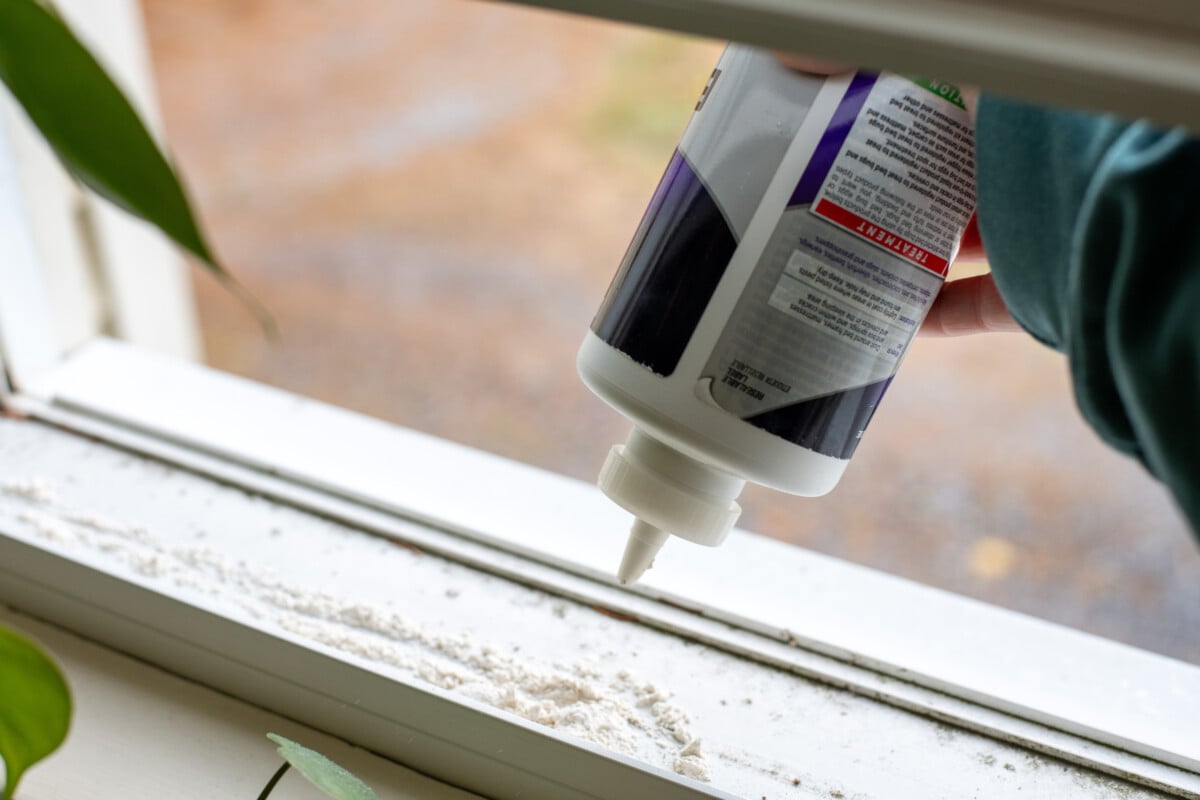
Use diatomaceous earth along with dryer sheets or wintergreen oil, and you’ll see a drastic reduction in ladybugs. Diatomaceous earth is a fine sediment created from the fossilized remains of diatoms, and we gardeners use it quite a bit to deter bugs in our gardens.
It makes sense then to use it to stop bugs in our homes, too.
Sprinkle it in a line on your windowsill and all around your foundation, especially near entry points like doors. When bugs crawl over it, the fine powder creates tiny abrasions in their exoskeletons, and they dry out and die.
You’re probably noticing the obvious here. We’re putting down a line on the ground, and these bugs can fly. Most ladybugs still enter your home on foot.
Homemade Ladybug Trap
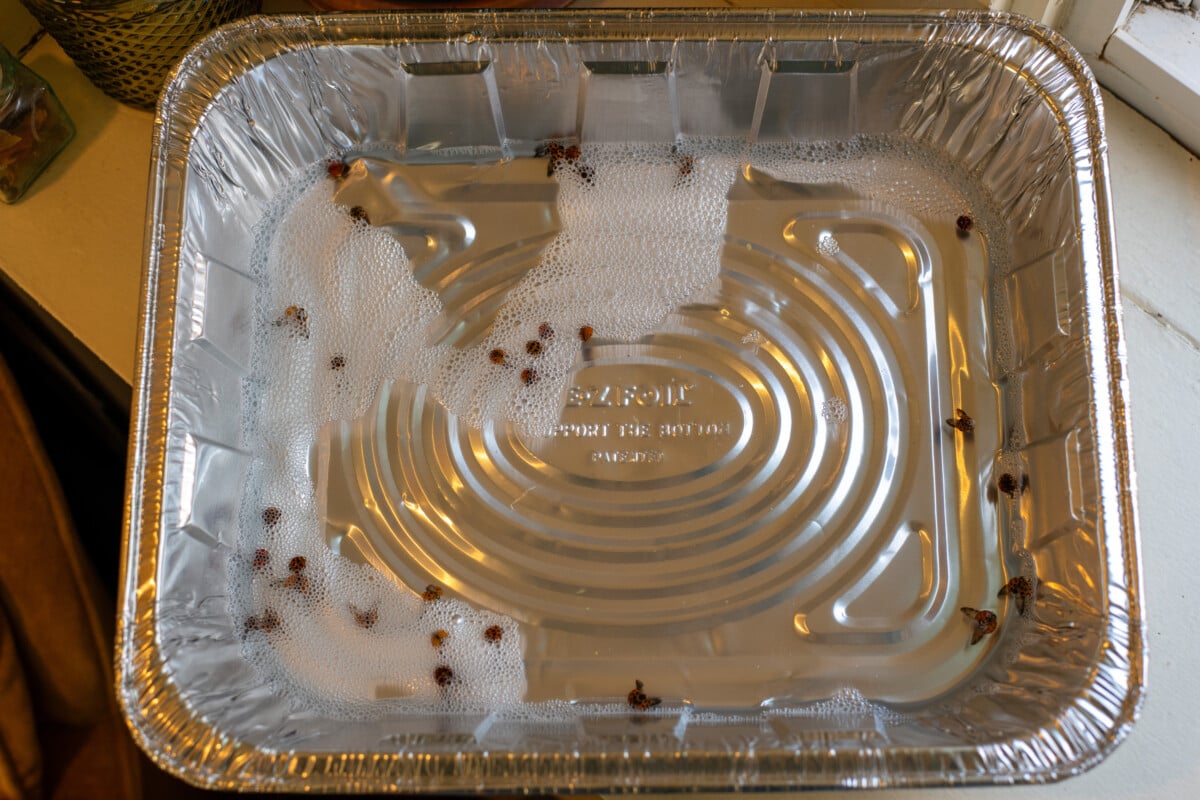
This final solution is an easy way to deal with bugs once they are inside your home, and the best part is that it works while you sleep. Fill a pie dish or one of those disposable aluminum roasting pans with an inch or two of water and a few drops of dish soap. Swirl it together so the water is nice and soapy.
Now, place this pan of soapy water somewhere in your home where you’re noticing a lot of bugs.
At night, when you go to bed, turn off all the lights and place a table or desk lamp right next to the pan. It must be the only source of light, so turn off nightlights as well.
While you’re sleeping, the ladybugs will be drawn to the light. Instead of the warm spring sunshine, they think they are crawling to, it’s a soapy, watery grave. They crawl up into the dish to try and get to the light, and can’t get out of the soapy water.
In the morning, you can dump everything out, including the dead bugs, and wash, rinse and repeat in another room the next night.
Pick a few of these tips and implement them around your home for a huge reduction in the number of drunk ladybugs bumping around your home all winter.

Get Garden Notes From Tracey, Right to Your Inbox
Pull up a chair on the front porch. Join 54,000+ gardeners who get Tracey\'s friendly notes, seasonal to-dos, and hands-on tutorials three times a week.