

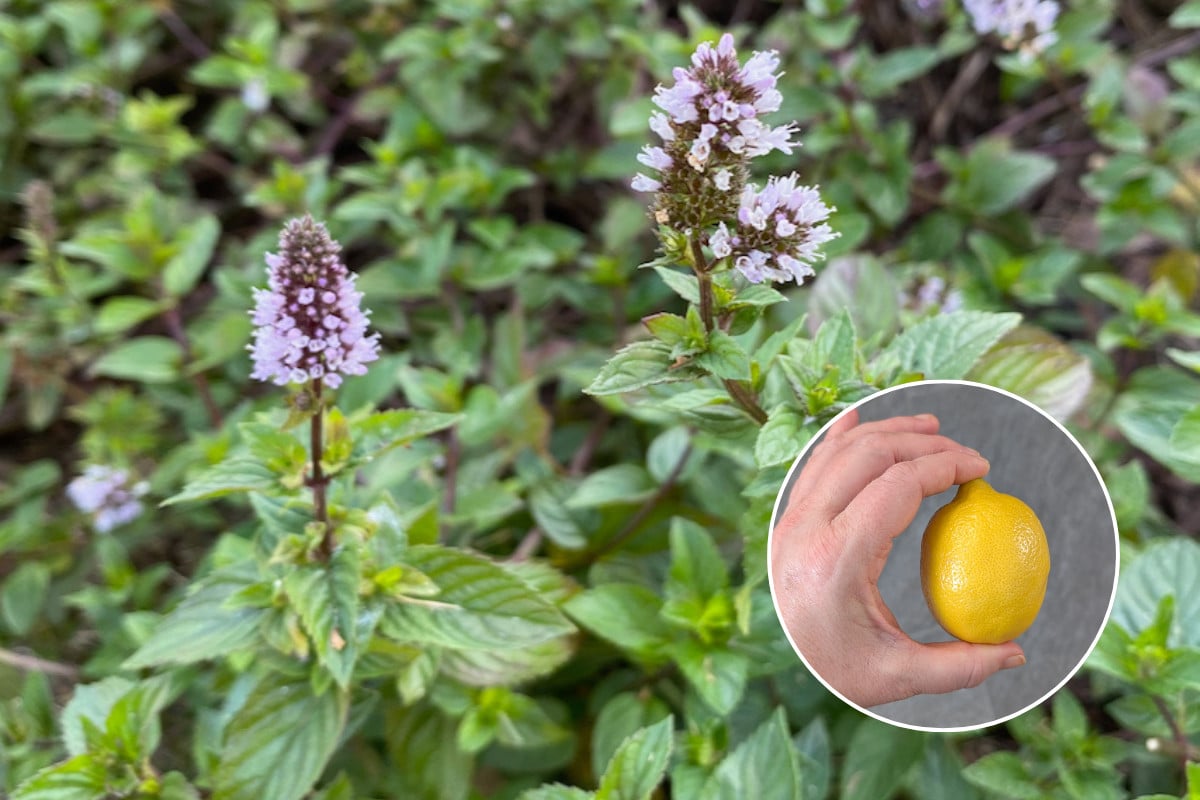
I wouldn’t necessarily call myself an optimist, but I do tend to garden with rose-tinted glasses in the summer. Let’s just say there’s a marked difference between the plans I make in the middle of a glorious July versus the more realistic ones I come up with in February and March.
You see, the summer gardener in me would have no qualm about planting citrus trees. I almost bought a couple of potted ones last year from a plant sale at the botanical garden. But the winter gardener in me – the one whispering in my ear right now – knows those lemon trees wouldn’t survive the winter.
I live and garden in a temperate climate, and even though winters have been getting milder here over the last decade, we still get our share of frost as well as multiple days of below-freezing temperatures throughout the winter months.
What’s a lemon lover to do?
I could buy a lemon or a lime tree to keep it indoors. Then take it out in the summer. Then bring it back to my living room when it gets cold.
But the logistics of that would take too much time away from other, more enjoyable and productive gardening jobs. And all I’d get in return would be a few lemons and a tree that would never grow large enough, being confined to a container and all.

So I’m doing the next best thing and amassing a collection of perennials that taste citrusy. I’ll get the flavor without having to grow the actual fruit trees.
Look for hints in the names of cultivars.
Before we get started, I want to point out one thing. Cultivars that have been bred to taste citrusy will often (but not always) sneak a clue in their name. You’ll notice it applies to a lot of the plants I have listed in this article, but you can take this clue and see if you can spot other plants at your local plant nursery that fit the description.
And just a gentle reminder that it’s up to you to do your due diligence and ensure that every single plant you consume is edible and fit for human consumption, no matter the name of the cultivar. Alright? Alright!
If it’s too cold to grow citrus trees in your garden, here are a few of my favorite plants that could replace them.
1. Lemon, grapefruit and orange mint
Mint is mint, right? Except not all mint tastes the same. I was scrolling through the plant list of one of the largest online nurseries in my area and counted no fewer than twenty-seven types of mint for sale. Clearly, I need to up my game, since I’m only growing about five types of mint now.

If you want mint that tastes like citrus, look for lemon mint (Mentha piperita citrata), grapefruit mint (Mentha piperita citrata ‘Grapefruit’) and orange mint (Mentha piperita citrata ‘Orange’). All of these cultivars have the same growth pattern as regular peppermint. Just know that they’ll spread quickly, so plan accordingly.
I suggest you grow it in pots to prevent it from taking over your lawn or garden. If you want to plant it in the ground, here is a guide on how to do it safely.
Orange mint is particularly stunning due to its dark green glossy foliage with hues of purple on the underside. Pollinators love its lilac pink flowers, and it makes a wonderful addition to herb gardens.
2. Lemon balm (Melissa officinalis)
You don’t really need a special cultivar that smells and tastes citrusy when you’re growing lemon balm. The hint of its flavor is already in its name. With its refreshing taste and soothing properties, it’s no wonder lemon balm has been in continuous cultivation for thousands of years.
Lemon balm is one of those plants that get the mid-summer pruning treatment in my garden. I cut it back about two-thirds to prevent it from setting seed too early.

Over the years, I’ve collected a handful of recipes to use the mid-June lemon balm glut. This past summer, I made lemon balm zucchini soup and pesto with the masses of leaves that I harvested.
Once I prune them, my lemon balm plants bounce back with a new set of leaves. They’re smaller, but just as pungent. It’s these leaves that I collect and dry to use in tea over the winter months.
Just in case the lemon balm isn’t lemony enough for you, you can look for orange balm (Melissa officinalis ‘Mandarina’) and lime balm (Melissa officinalis ‘Altissima’).
3. Orange and lemon thyme
If you think of thyme and the only type that comes to mind is the skinny one in supermarket bouquet garni combos neatly tied with string, have I got news for you. Just like with mint, there are so many thyme cultivars to choose from.
If you’re looking for citrus thyme, start with Thymus fragantissimus ‘Orangelo’, Thymus citriodorus ‘Lime’ and Thymus citriodorus ‘Lemon’.

Orange thyme packs a zesty flavor while also making an excellent groundcover. The foliage is evergreen in my temperate garden, so the nice thing is that I can just go outside and pick it fresh, even in the cold months. In the summer, pollinators love the peachy pink flowers, and I love the low-maintenance aspect of it.
I grow thyme in multiple places in my garden – as a “gripper” in the gravel garden, as a living mulch around my herbaceous perennials and in terracotta containers on my patio for easy access when I’m cooking.
4. Lemongrass (Cymbopogon flexuosus)
Now this is a culinary herb where the hint is right in the name. The cane-like stems of this herb are staples in Vietnamese and Thai cuisine, as well as in Caribbean dishes. We can harvest it by cutting the stems right at the base, one by one as we need them. Truly a “cut and come again” herb.

We can also use the fresh leaves, as long as we harvest them young before they get too tough. I think lemongrass reaches peak taste when I use it fresh. The fragrant oils evaporate too quickly when I dry them. And forget about freezing it. This is a savory plant that forces us to only consume it freshly harvested.

Unlike the other herbs on this list, lemongrass is a tender perennial. Lemongrass can be grown as a hardy perennial in zones 9,10, and 11. The rest of the United States will need to grow it in a greenhouse or a container that you can bring indoors in the winter. Lemongrass will thrive if you plant it in full sun and in rich, well-drained soil.
5. Lemon verbena (Aloysia triphylla or Aloysia citriodora)
Lemon verbena is probably the most pungent herb on this list, and that’s saying something in such select company. The lemon-scented leaves get a smattering of lemon-scented flowers in mid-summer. Just like with lemon balm, we can remove the flowers to prevent lemon verbena from going to seed too early in the year. I’m an adamantly no-waste gardener, so I will use the flowers I remove as a garnish or to make some flavored sugar.

This (sometimes tender) perennial likes full sun and does not mind growing in containers, as long as they’re well-draining.
6. Tangerine sage (Salvia elegans)
If you’ve ever grown regular sage before (Salvia officinalis), I invite you to give the flavored cultivars a try. It’s like the intensity and flavor of sage with a drizzle of fruity flavor, such as honeydew melon, strawberry or pineapple.

Salvia elegans ‘Tangerine’ is the best one to start with for citrus lovers. Both the foliage and the flowers are edible. And the orangey flavor keeps even when we dry the leaves. It grows as a herbaceous shrub with tubular flowers much loved by bees and hummingbirds.
7. Lemon and lime basil
If there ever was a plant that invited a pinch and sniff as I walked past, it would have to be basil. Just like mint, you’ll find basil in so many flavorful cultivars. (Personally, I draw the line at cinnamon basil, which I can’t quite find a good taste pairing for.)
For a zesty zing, the following basil cultivars will do the trick:
- Lemon basil (Ocimum basilicum citriodorum)
- Lemon basil ‘Sweet Dani’ (Ocimum basilicum) – an improvement on the cultivar above with a higher concentration of oils.
- Lime basil (Ocimum americanum)

All of these are annuals, but they’re quite easy to start from seed (always indoors first) every year. I plant lemon basil along walkways, in front of my patio door or in annual veggie beds – all places where I can easily brush against it and release the intoxicating scent.
8. Magnolia petals
Lest you think I’m only going to talk about herbs (can you blame me?), here’s a lemony flavor that might have never crossed your mind: magnolia petals.
The saucer magnolia, sometimes called the tulip magnolia (Magnolia × soulangeana), is the one most commonly used in cooking, but other magnolias would also work. Research the one you’re growing before you consume it.

We can batter up the buds and fry them (much as you would zucchini flowers). We can also infuse them in a syrup or dry them and use them in tea.
It’s very hard to describe the taste of magnolia petals, simply because it’s like a cascade of flavors in very close succession. It’s lemony, peppery, gingery and floral almost the same time.

I’ve saved this pickled magnolia petals recipe from The Guardian to try this spring when my magnolias start blooming again.
A few ideas on how to use citrus-flavored herbs
I know that using a new ingredient can feel somewhat confusing or even intimidating. Yes, even when we’re talking about delicious herbs.
If cooking with herbs feels challenging, “Favorite Recipes with Herbs” is a great cookbook that helps familiarize you with what many common culinary herbs pair best with. It’s a great primer to help the budding herbal gardener put their herbs to good use in the kitchen.
I also took the liberty of making a list of the best ways to use citrus-flavored plants.
Here’s what we can do with them:
- Garnish salads
- Crush in lemonades
- Infuse in hot or cold tea (if you’re making a pitcher, rather than a cup, these large infusers are great)

- Bake in cookies
- Cook in soups and stews
- Sprinkle on ice cream
- Add to cake frosting
- Add a zing to sugar
- Freeze it in ice cubes
- Infuse it in vinegar
- Make a syrup
- Flavor kombucha
- Infuse it in a hard spirit, such as vodka – a note, our editor, Tracey, is a huge fan of making instant infused spirits using her Otis cream whipper. These citrusy herbs are perfect for infusing, and this method takes minutes rather than a month. You can find instructions on how to do it here.
- Flavor water;
- Make a potpourri room freshener
- Make a bouquet and hang it in the shower
- Place in a linen bag and put it in your dressers and closets.
For a much longer collection of edimentals (plants that are equally ornamental and edible), have a look at this article I wrote. I’ve listed eighty plants, and I think you’re bound to discover at least a few that you wouldn’t have thought to eat otherwise.
Get Garden Notes From Tracey, Right to Your Inbox
Pull up a chair on the front porch. Join 54,000+ gardeners who get Tracey\'s friendly notes, seasonal to-dos, and hands-on tutorials three times a week.