

Gardeners know the absolute joy of tasting a homegrown tomato, bitten into, right off the vine. It’s why so many of us turn our noses up at those tasteless things in the grocery store. The sweetness, tang and aroma can’t be beat. It truly is summer in a bite.
However, if you take that same perfect tomato, pop it in the refrigerator to keep it fresh and then taste it again the next day, you’ll notice something different.
Where the flavor was bursting with sugars and tangy tomato goodness, now everything is muted, and the texture is weird.
This phenomenon is not just in your head. Gardeners everywhere have picked up on this. Despite being told by friends and relatives that we were being eccentric, science backs us up on this. Refrigerating tomatoes completely changes their flavor and texture on a cellular and chemical level.
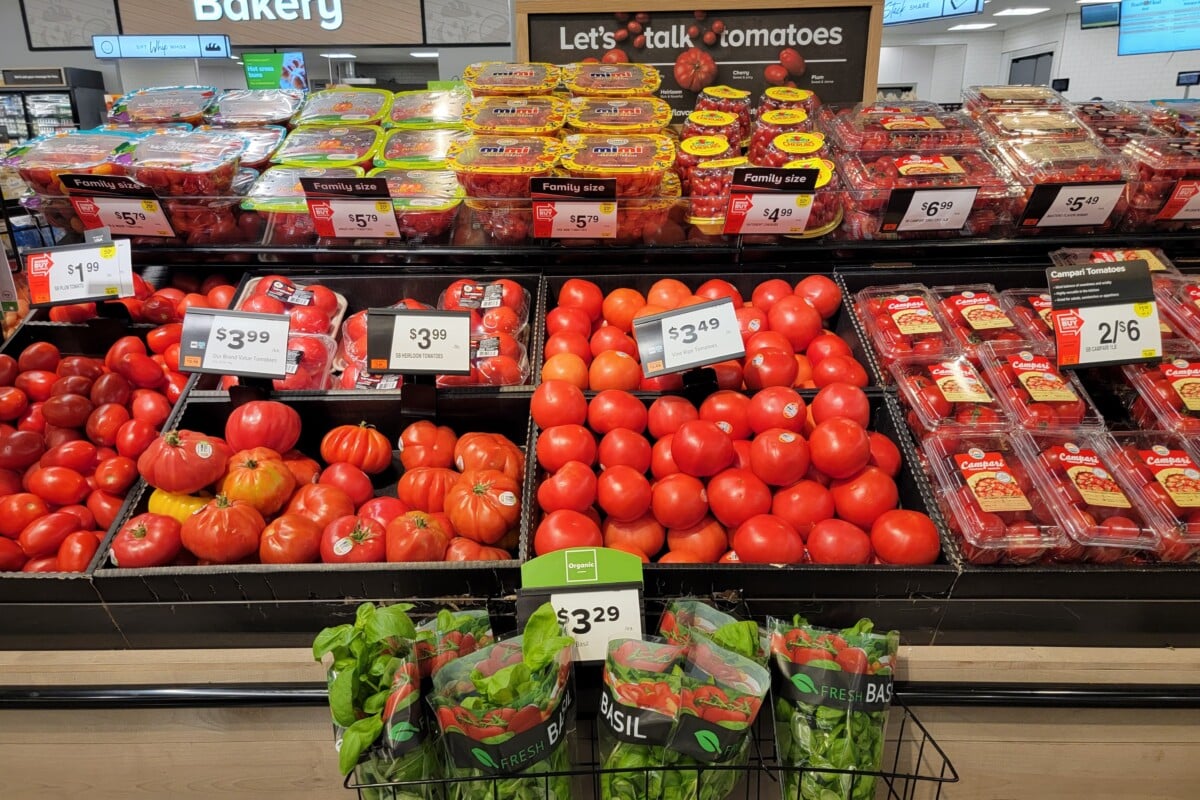
What Makes a Tomato Taste Like a Tomato?
A lot goes into making tomatoes taste the way they do. Like many other fruits, their flavor is a complex mix of sugars, acids and volatile compounds. It’s these VCs – tiny, airborne molecules – that our noses pick up on and give food its aroma. The volatile compounds are at the heart of what gives a tomato its flavor.
Our taste buds detect sweet and sour, but it’s our sense of smell that adds that richness and depth to the experience.
Unfortunately, as their name suggests, these compounds are delicate and cold temperatures completely mess with them and the systems in plants that create them.
What Happens Inside Your Tomato in the Fridge
It makes sense when you give it a little thought. Tomatoes evolved in the warm climate of the Andes in South America. (In modern-day Peru and Ecuador.) They just aren’t built to handle the cold.
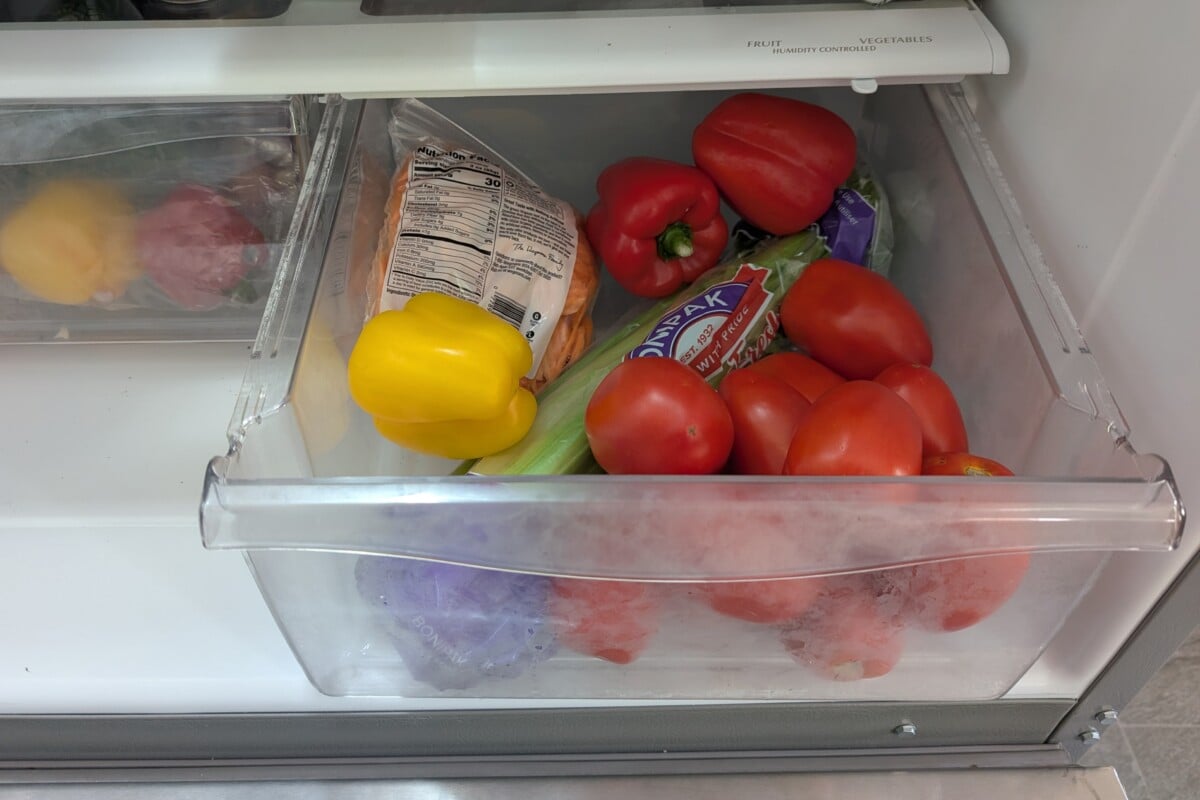
Your fridge has a temperature of around 35-40 degrees Fahrenheit. When you put your tomato in your fridge, those low temperatures damage special membranes inside the tomato’s cells. It’s these membranes that keep the flavor compounds and enzymes in place. In the cold, these membranes leak. (What a lovely mental image, right?)
Once those membranes are damaged, there’s no fixing them, and your tomato can no longer release those important volatile compounds key to good flavor.
So, while your refrigerated tomato might look perfectly fine, it won’t taste or smell that good. Basically, you’ve short-circuited the magical chemistry that makes a tomato taste like a tomato.
Why the Texture Changes Too
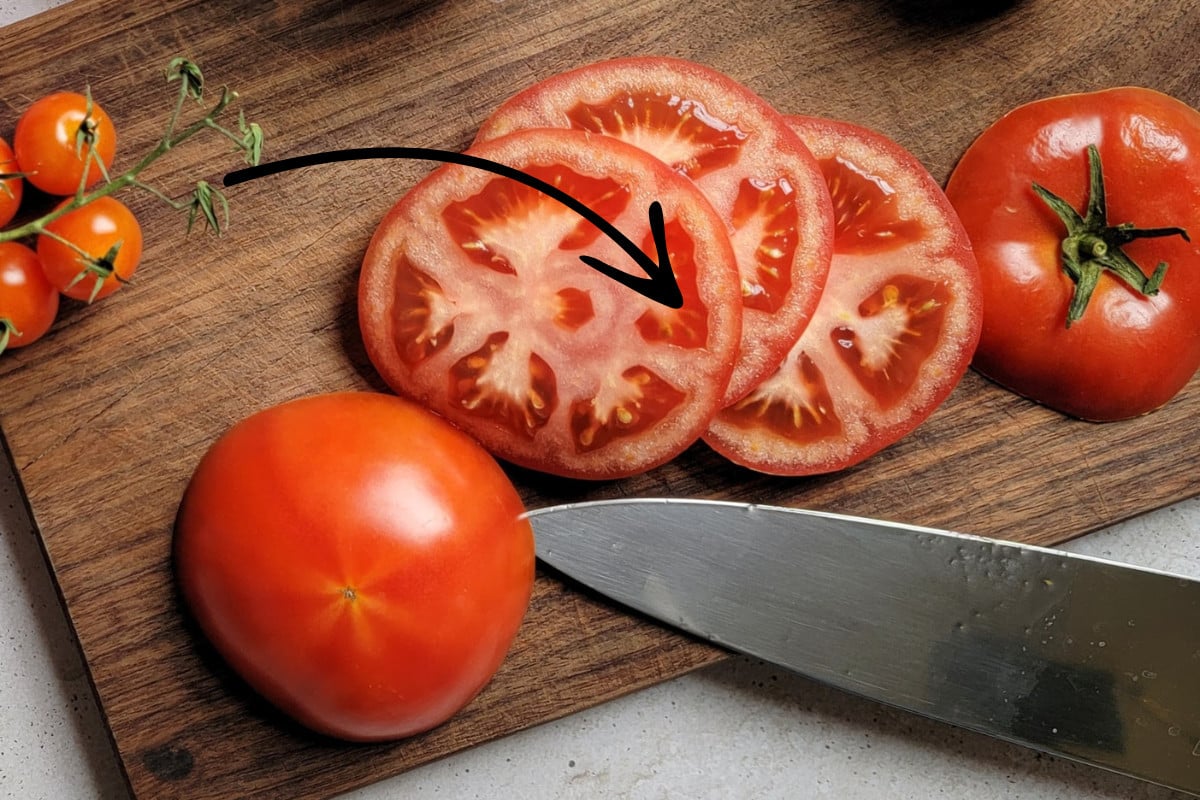
Let’s not forget that weird texture that tomatoes get in the fridge. Tomatoes contain pectin. Most of us who have made jam are familiar with pectin and how it gives our jams that pleasant gel-texture we’re aiming for.
Pectin, a plant carbohydrate, does the same thing for tomatoes. The cold temperatures inside our fridge cause pectin to break down faster. Instead of that nice gel inside tomatoes, it turns grainy and mealy after being refrigerated. This texture also messes with the flavors, making the sweetness less bright and taking away some of the bite of the acidity.
A 2016 study confirmed this effect.
They stored ripe tomatoes in the fridge for a week and compared them to tomatoes stored at room temperature. The cold-stored tomatoes lost a significant portion of their volatile compounds—sometimes more than 60%.
The scientists could literally measure the missing aroma chemicals that give a tomato its signature taste.
The Bad News Gets Worse
The worst finding about this study was that those compounds didn’t come back even after the tomatoes were brought back to room temperature. Once lost, that flavor is gone for good.
As a child, I remember eating tomatoes at my mom’s house, where they were stored in the fridge. At Dad’s, his tomatoes had much better flavor.
Dad was an off-the-grid homesteader for many years, so refrigeration wasn’t even an option. As he picked them, Dad would just put the tomatoes on the picnic table in the shade. He would often put semi-ripe tomatoes on the table to finish ripening, too.
We would just grab them and eat them as needed.
I always chalked it up to the fact that Dad just grew tastier tomatoes, when in fact, a big part of it was how he “stored” them.
Related reading: 9 Practical Tips to Get More Tomatoes Per Plant
How to Store Tomatoes for the Best Flavor
Okay, the fridge is out. So, what is the best way to store freshly picked tomatoes for exceptional flavor?
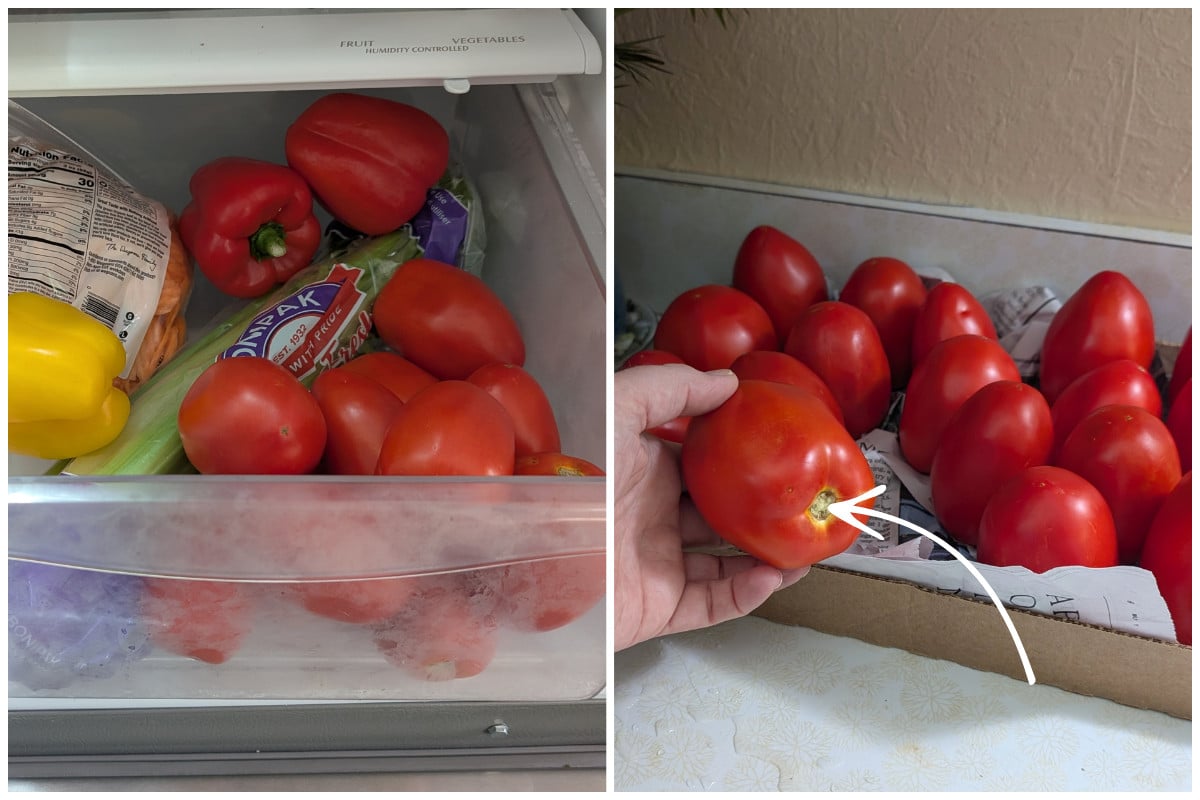
Store tomatoes at room temperature (55-75°F), out of direct sunlight and in a single layer, so they aren’t touching each other. If you don’t like covering every square inch of your countertops with tomatoes, place them in a cardboard box, again, ensuring they aren’t touching, with crumpled newspaper between each layer.
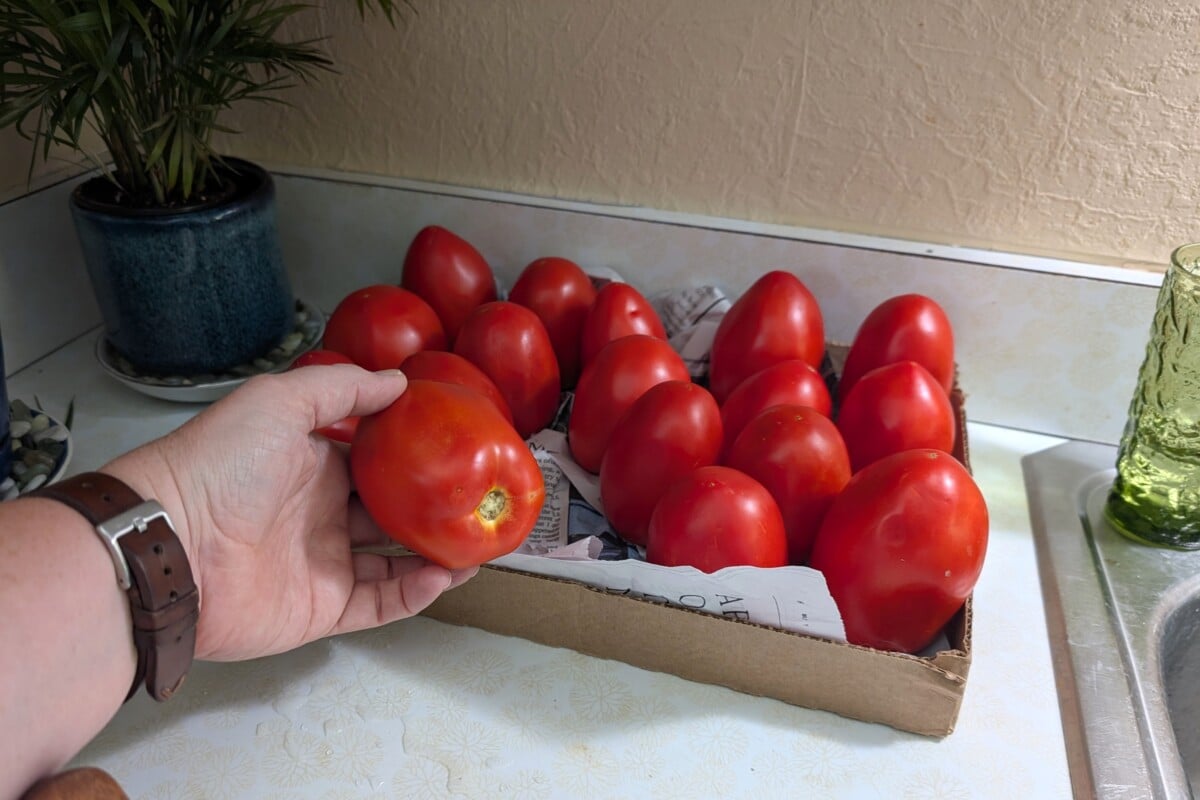
Don’t forget to factor in ripeness. Fully ripe tomatoes need to be eaten right away. If they are still ripening, store them with the stem side down, as this prevents mold and moisture loss. Keep in mind that tomatoes will continue to develop their flavor even after they’ve been picked, so long as you don’t put them in the fridge. Knowing when to pick tomatoes helps quite a bit.
If you’ve got a lot of tomatoes, say right before you can your world-famous pizza sauce, it’s best to sort them by ripeness, storing slightly underripe tomatoes in boxes as previously described. Use the ripest tomatoes first (or eat them).
In short, if you want that full, vine-ripened taste, keep your tomatoes out of the cold. The refrigerator might seem like a haven for produce, but for tomatoes, it’s more like a flavor graveyard. Treat them gently, keep them warm, and enjoy eating them when they’re at the peak of that amazing homegrown tomato flavor.
Read Next: 15 Terrific Ways To Use A Ton Of Tomatoes
Get Garden Notes From Tracey, Right to Your Inbox
Pull up a chair on the front porch. Join 54,000+ gardeners who get Tracey\'s friendly notes, seasonal to-dos, and hands-on tutorials three times a week.